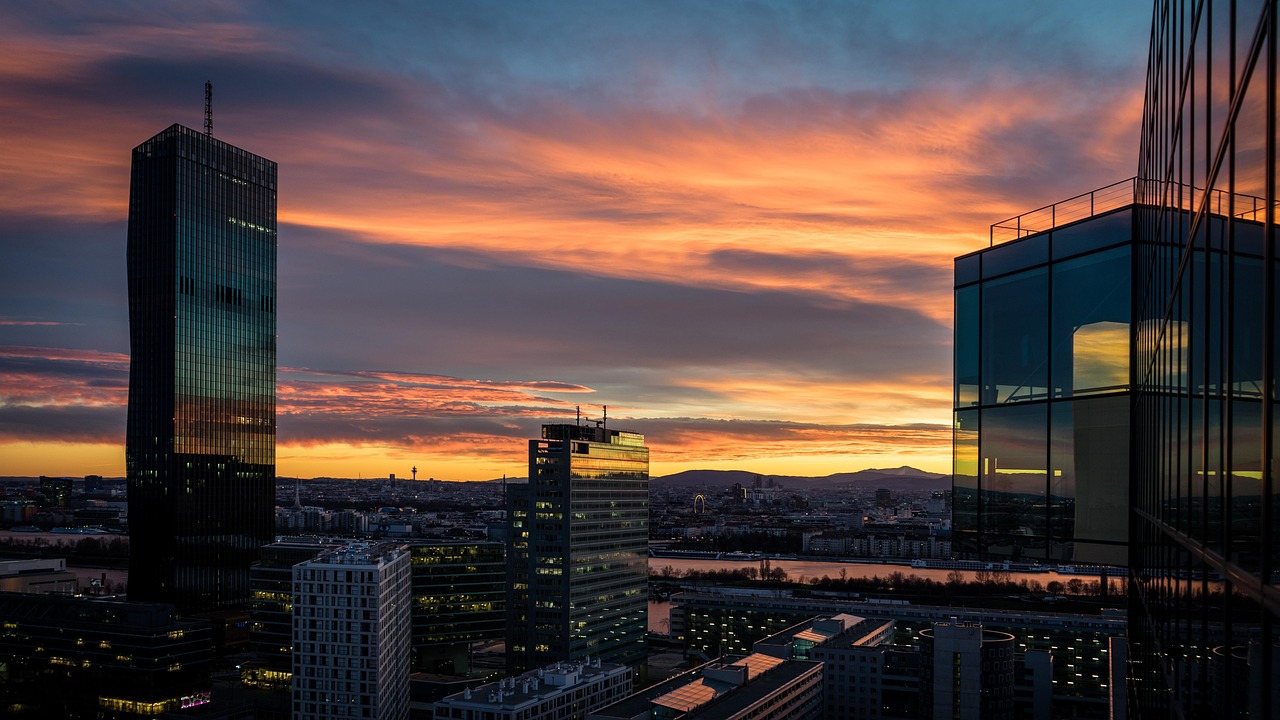
Why Visit Vienna in 2026
Vienna is one of those cities that seems perfectly composed, like a waltz written in stone and coffee foam. I’ve been coming here regularly for over a decade, and each visit feels like catching up with an old friend who always has a new story to tell. In 2026, Vienna is particularly exciting: museums are unveiling refreshed exhibitions, the city is investing even more in bike lanes and green spaces, and a full calendar of festivals keeps things lively year-round.
What makes Vienna special is its balance. You can spend the morning tracing the footsteps of emperors at Schönbrunn Palace, the afternoon sipping third‑wave coffee in a hip Neubau café, and the evening listening to world‑class opera for the price of a pizza. It’s safe, walkable, child‑friendly, romantic, and surprisingly good for budget travelers if you know a few tricks.
Whether you have 3 days in Vienna, 4 days in Vienna, or are planning a 5 day itinerary for Vienna, this guide is written as if I’m walking you through the city myself. I’ll share the must‑see attractions, my favorite hidden corners, where to eat local food in Vienna without getting tourist‑trapped, and the cultural etiquette that helps you blend in like a local.
Table of Contents
- Why Visit Vienna
- Vienna at a Glance (2026–2027)
- Suggested Itineraries (3, 4 & 5 Days in Vienna)
- Top 20+ Must-See Attractions in Vienna (In Depth)
- Best Neighborhoods & Districts to Explore
- Local Food in Vienna: What & Where to Eat
- Nightlife, Entertainment & Cultural Experiences
- Best Day Trips from Vienna
- Cultural Etiquette & Local Customs in Vienna
- Practical Travel Advice for Vienna
- Summary & Best Time to Visit Vienna
Vienna at a Glance (2026–2027)
Vienna (Wien) is Austria’s capital and cultural heart, home to around 2 million people and consistently ranked among the world’s most livable cities. It sits on the Danube and is divided into 23 numbered districts spiraling out from the historic 1st district, the Innere Stadt.
Vienna is famous for its imperial palaces, coffeehouse culture, classical music heritage (Mozart, Beethoven, Strauss), and a thriving contemporary art and design scene. It’s a city where trams still rattle past Baroque façades, and yet everyone pays with contactless cards and cycles along riverside paths on weekends.
Major Events & Festivals in 2026–2027
- Vienna Philharmonic New Year’s Concert (Jan 1, annually) – Worldwide broadcast, but you can experience the atmosphere all over the city, from public screenings to hotel lobbies.
- Vienna Ball Season (Jan–March) – Dozens of formal balls; the Vienna Opera Ball is the most famous, but smaller ones are more approachable for visitors.
- Donauinselfest (late June, 2026 & 2027) – Europe’s largest free open‑air music festival on Danube Island; expect crowds, food stalls, and live music of every genre.
- ImPulsTanz (July–Aug, 2026 & 2027) – One of Europe’s largest festivals for contemporary dance, with performances and workshops.
- Vienna Design Week (Sept–Oct, yearly) – Showcases innovative design in galleries and pop‑up spaces across the city.
- Christmas Markets (mid‑Nov–Dec, 2026 & 2027) – From the grand Rathausplatz market to cozy neighborhood ones; Vienna in Advent feels like a snow globe.
In 2026, you’ll also see ongoing upgrades to public transport, new cycling infrastructure, and several museum gallery refreshes (notably at the Kunsthistorisches Museum and the Wien Museum, which recently reopened with expanded exhibits).
Suggested Itineraries: 3, 4 & 5 Days in Vienna
Instead of giving you a dry list, I’ll walk you through how I personally like to structure 3 days in Vienna, and how I stretch it to 4 or 5 days when I’m not in a rush. Think of this as a flexible plan you can adapt to your pace.
3 Day Itinerary for Vienna: The Essentials
If it’s your first time and you only have 3 days in Vienna, focus on the historic core, Schönbrunn Palace, and one museum/culture day. I’ll outline the days briefly here, then go deep into each attraction later.
- Day 1: Innere Stadt – St. Stephen’s Cathedral, Hofburg Palace, Ringstrasse walk, coffeehouse culture.
- Day 2: Schönbrunn Palace & Gardens, Naschmarkt, evening at a heuriger (wine tavern).
- Day 3: MuseumsQuartier, Kunsthistorisches or Belvedere, Prater & Giant Ferris Wheel, Danube sunset.
This 3 day itinerary for Vienna hits the must‑see attractions without feeling rushed, and still leaves space for lingering over cake.
4 Day Itinerary for Vienna: Essentials + Neighborhoods
For 4 days in Vienna, I add a slower neighborhood day:
- Day 1–3: Same as the 3 day itinerary for Vienna.
- Day 4: Explore Neubau & Mariahilf (boutiques, cafés, street art), Karlskirche, evening classical concert or opera.
5 Day Itinerary for Vienna: Deep Dive & Day Trip
With 5 days in Vienna, you can truly relax. Here’s how I usually structure my 5 day itinerary for Vienna when I bring friends:
- Day 1–3: Same as 3 day itinerary.
- Day 4: Neighborhoods + modern Vienna (Neubau, Danube Canal street art, rooftop views).
- Day 5: Day trip (Wachau Valley, Bratislava, or Vienna Woods) or extra deep dive into museums & hidden gems.
Below, I’ll narrate a sample 5‑day trip as I actually do it, mixing popular sights, local favorites, and lots of practical tips.
My Personal 5-Day Vienna Itinerary (Story-Style)
I’ll walk you through my favorite way to spend 5 days in Vienna. If you’re here for 3 or 4 days, just follow the first days and skip ahead as needed. Distances are manageable, and public transport (U‑Bahn, trams, buses) will be your best friend.
Day 1: First Date with Vienna – Innere Stadt & the Ring
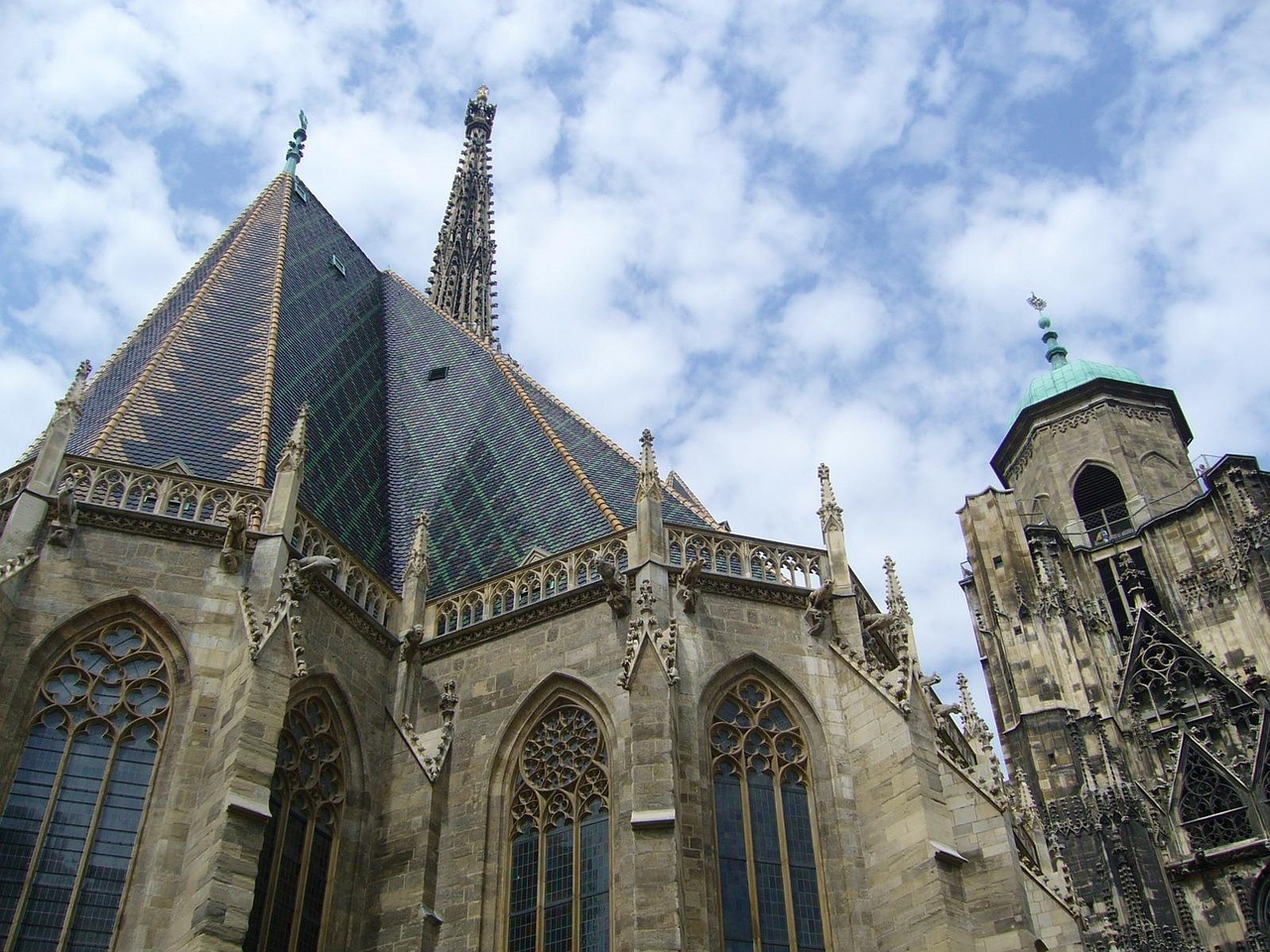
Whenever I arrive in Vienna, I drop my bag at the hotel, splash water on my face, and head straight for the spire of St. Stephen’s Cathedral (Stephansdom). It’s the perfect “you’re really here” moment.
Assume you’ve checked into a central hotel or apartment in districts 1–7; that’s where I always recommend staying if you want to walk most places.
Morning: St. Stephen’s Cathedral & Graben
Start at Stephansplatz, the beating heart of Vienna. The cathedral’s multicolored tiled roof is even more impressive in person. I like to circle the exterior first, pausing by the horse‑drawn carriages (fiakers) before going in.
- Inside the Cathedral: Entry to the main nave is free, but I recommend the small fee for the catacombs tour and one of the towers. The South Tower view is iconic; the North Tower has an elevator and a close‑up of the tiled roof.
- Best time to visit: Around 9:00–10:00, before the biggest tour groups.
- Dress code: It’s a functioning church; cover shoulders and avoid loud behavior.
Afterwards, stroll along Graben and Kohlmarkt, two elegant pedestrian streets lined with grand façades and high‑end shops. I rarely buy anything here, but I always walk it—it’s Vienna’s outdoor catwalk.
Midday: Hofburg Palace Complex
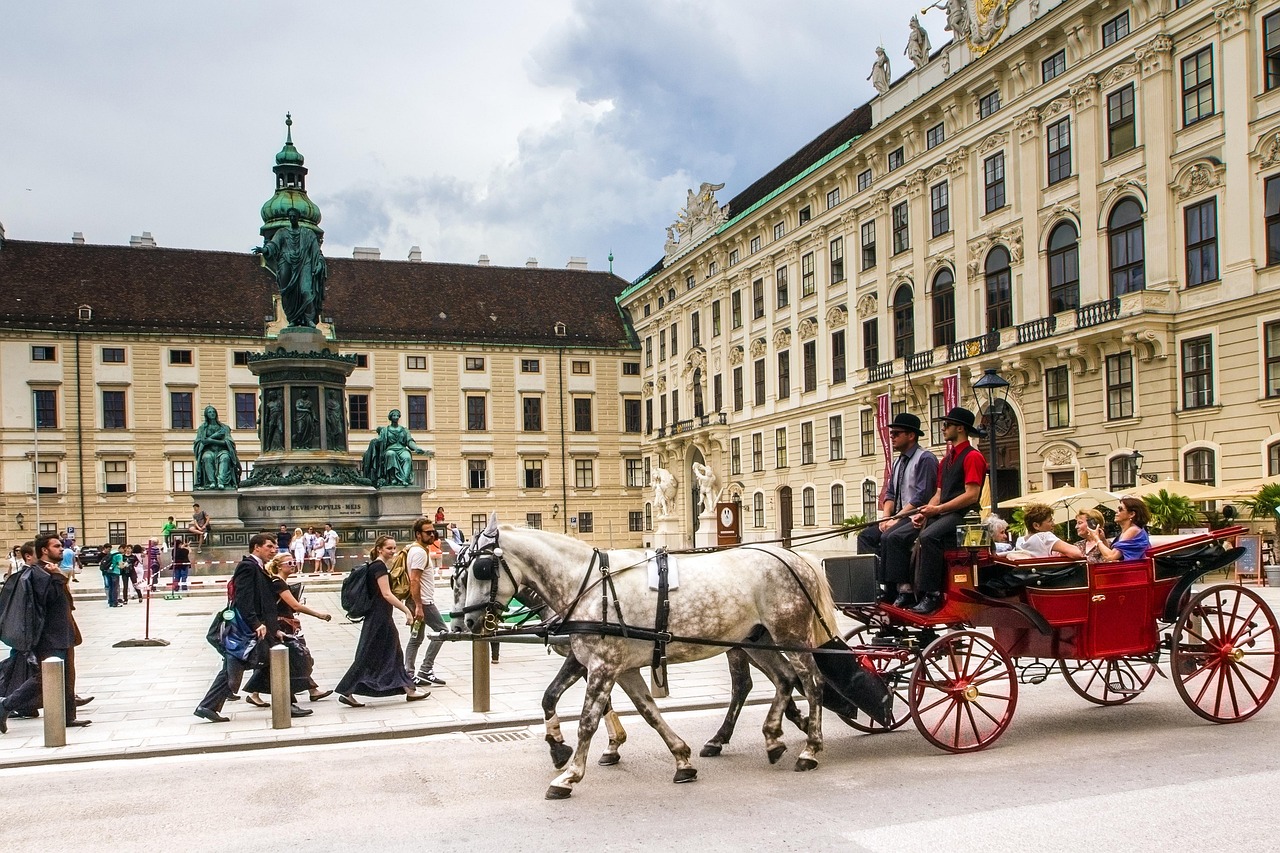
From Graben, you’re a few minutes’ walk from the Hofburg Palace, the winter residence of the Habsburgs. I still remember the first time I walked through the Michaelerplatz gate—the dome opens up in a way that feels like stepping into a painting.
There are multiple attractions within the Hofburg complex:
- Imperial Apartments & Sisi Museum: A fascinating look into the life of Empress Elisabeth (“Sisi”) and the imperial family. Give yourself 1.5–2 hours.
- Spanish Riding School: Famous for the white Lipizzaner stallions. Morning training sessions are cheaper and more casual than the full performances.
- Imperial Treasury (Schatzkammer): Crowns, regalia, and some of the most jaw‑dropping jewels you’ll see in Europe.
My tip: If you’re short on time, choose either the Imperial Apartments/Sisi Museum or the Treasury. The riding school is best if you’re a horse lover or traveling with kids.
For lunch, I often walk over to Zum Schwarzen Kameel (Bognergasse) for open‑faced sandwiches (Brötchen). Stand at the bar like a local, pick a few with ham, egg, or smoked fish, and soak up the old‑world atmosphere.
Afternoon: Ringstrasse Walk & MuseumsQuartier Preview
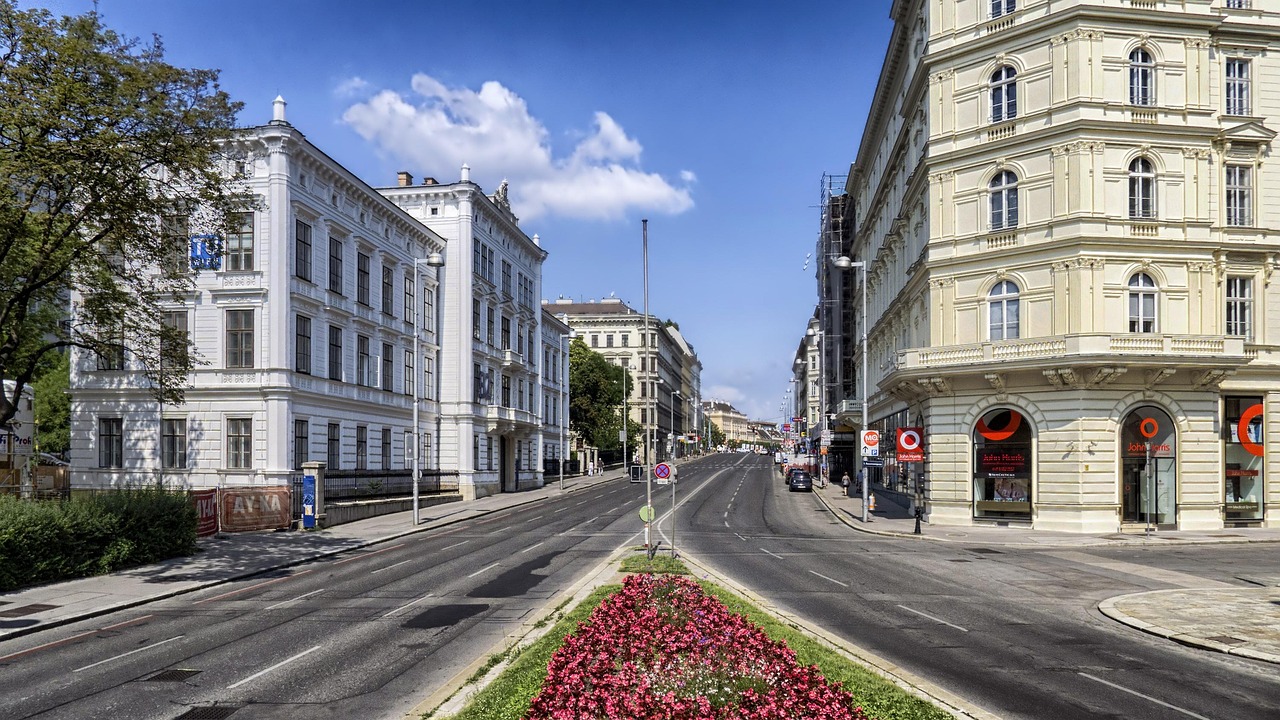
The Ringstrasse is a grand boulevard encircling the historic core where the old city walls once stood. You can ride tram 1 or 2 for a cheap “Ring tour,” but I like to walk at least part of it, especially the stretch past the State Opera, Parliament, and Rathaus (City Hall).
On a sunny day, I cut through the Burggarten, where Mozart’s statue is ringed by a treble clef of flowers, then wander toward the MuseumsQuartier (MQ). Don’t go inside the big museums yet—that’s for Day 3—but step into the courtyard, sit on the colorful “Enzis” loungers, and people‑watch. It’s here that you’ll start to feel the more modern, artsy side of Vienna.
Late Afternoon Coffee: Café Central or Café Sperl
Vienna’s coffeehouses are a cultural institution, not just a caffeine stop. On your first day, I’d choose one of the classics:
- Café Central: Historic, grand, touristy but still worth it at least once. Trotsky and Freud used to sit here. Expect a line at peak times.
- Café Sperl: My personal favorite for a slightly less touristy vibe—creaky floors, billiard tables, and regulars reading newspapers.
Order a Melange (Vienna’s answer to a cappuccino) and a slice of Sachertorte or Apfelstrudel, and take your time. It’s normal to linger here; no one will rush you out.
Evening: State Opera & Night Stroll
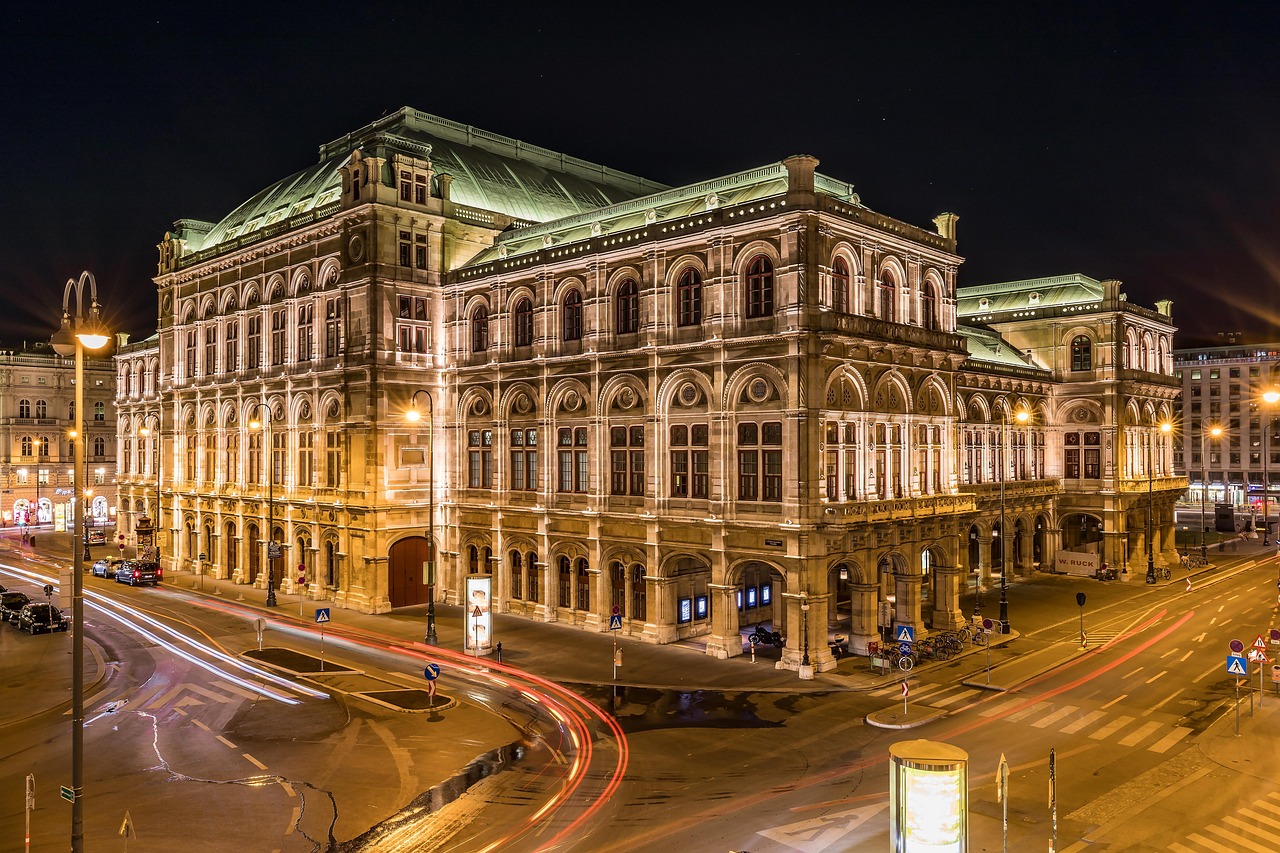
If you’re into classical music, check what’s on at the Vienna State Opera (Wiener Staatsoper). Standing room tickets can be as low as a few euros—arrive early and bring a scarf to mark your spot on the rail. Even if you’re not an opera fan, the building itself is magnificent.
Otherwise, have dinner nearby—there are plenty of options along Kärntner Straße and in the side streets—and finish with a short night walk past the lit‑up Albertina and Hofburg. The city feels almost stage‑like after dark.
Day 2: Imperial Grandeur at Schönbrunn & Local Life at the Naschmarkt
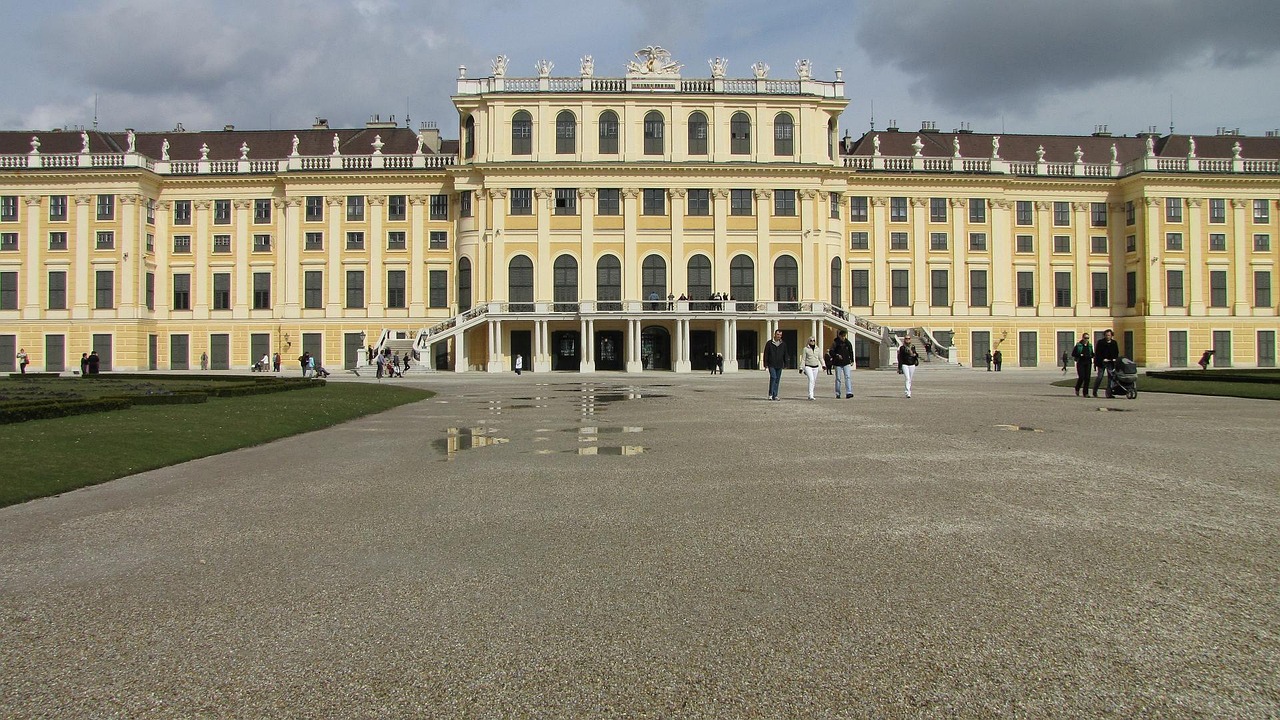
Day 2 is perfect for imperial nostalgia, garden walks, and a taste of everyday Viennese life at one of the city’s liveliest markets.
Morning: Schönbrunn Palace & Gardens
Take the U4 metro to Schönbrunn station. I always aim to arrive by 9:00, especially in high season, to beat the crowds.
- Inside the Palace: There are different ticket options; the Grand Tour covers 40 rooms and gives you a good sense of Habsburg life. Audioguides are excellent.
- Gardens: Free to enter and huge. Don’t miss the uphill walk to the Gloriette, which gives you one of the best skyline views of Vienna.
- Time needed: 3–4 hours if you do the palace, gardens, and a quick stop at the zoo (Tiergarten Schönbrunn), which is one of the oldest in the world and great for families.
Personal ritual: I always grab a coffee and simple pastry at a bakery near the U‑Bahn before entering, then reward myself with a snack at the café near the Gloriette after the climb.
Afternoon: Naschmarkt & Surroundings
Take the U4 back toward the city and get off at Kettenbrückengasse for the Naschmarkt, Vienna’s most famous open‑air market. It stretches for several blocks, full of fruit, spices, cheese, pickles, and lots of small restaurants and bars.
Touristy? Yes. But I still like it, especially for a casual lunch. I usually wander first, nibbling free samples of olives and dried fruit, then sit down at one of the simpler stalls for a plate of grilled fish or falafel. Prices are a bit higher than in more local spots, but the atmosphere is lively.
On Saturdays, the adjacent flea market is a treasure trove of everything from vintage cameras to porcelain and random bric‑a‑brac. I once picked up a beautiful old Viennese postcard collection there for just a few euros.
Late Afternoon: Secession & Karlskirche
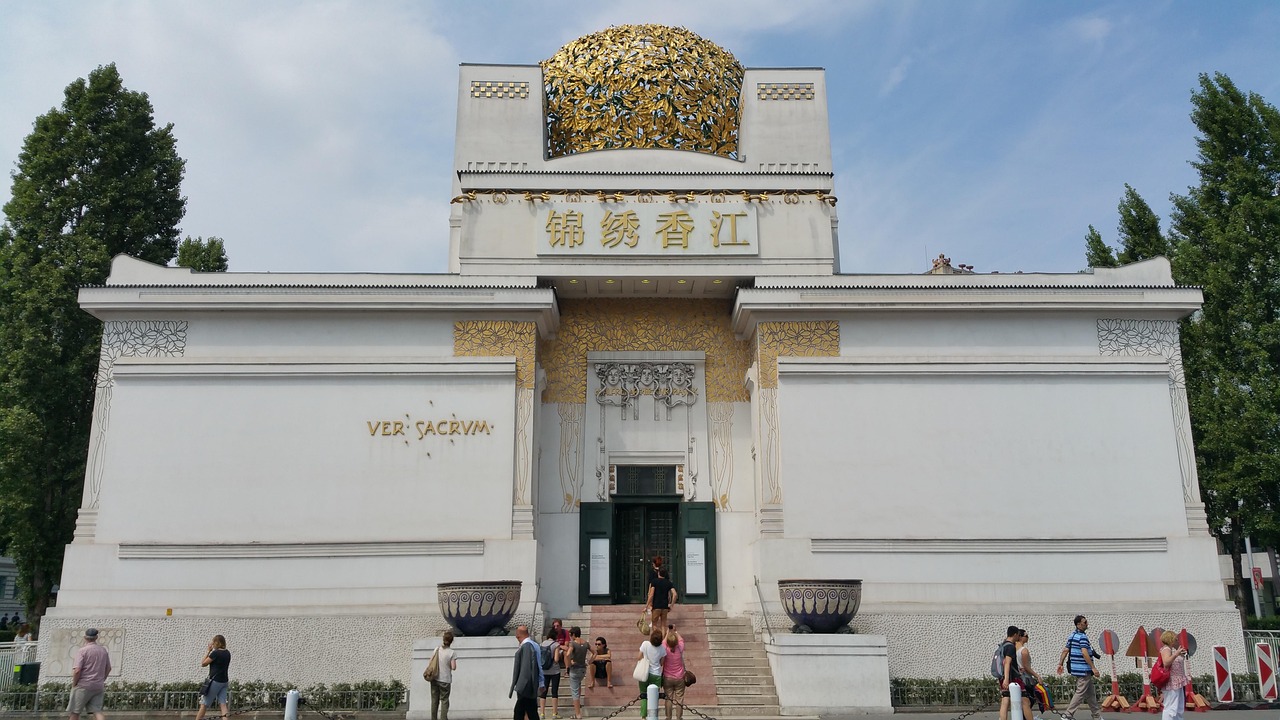
From the Naschmarkt, it’s a short walk to the golden‑domed Secession building, a key piece of Vienna’s Art Nouveau (Jugendstil) movement. Inside, the highlight is Gustav Klimt’s Beethoven Frieze, a sprawling, symbol‑laden mural that always rewards a slow look.
Continue to Karlskirche (St. Charles Church), one of the city’s most beautiful Baroque churches. I recommend paying to go inside; there’s often a temporary lift or scaffolding that lets you get up close to the ceiling frescoes.
Evening: Heuriger in Grinzing or Nussdorf
No travel guide for Vienna is complete without a visit to a heuriger, a traditional wine tavern on the edge of the city. I usually head to Grinzing or Nussdorf in the early evening.
- How to get there: Tram D toward Nussdorf or tram 38 toward Grinzing from the city center.
- What to expect: Wooden tables, local wines (try the Grüner Veltliner or Gemischter Satz), self‑service buffet or simple hot dishes, often accompanied by live Schrammelmusik (folk music).
Pick a heuriger that looks busy with locals rather than one aggressively courting bus tours. I’ve had many accidental long nights here, chatting with Viennese families at the next table and stumbling back to the tram with pleasantly rosy cheeks.
Day 3: Art, History & Fun at the Prater
Day 3 is your deep dive into museums and one of Vienna’s most nostalgic amusement parks.
Morning: Kunsthistorisches Museum or Belvedere
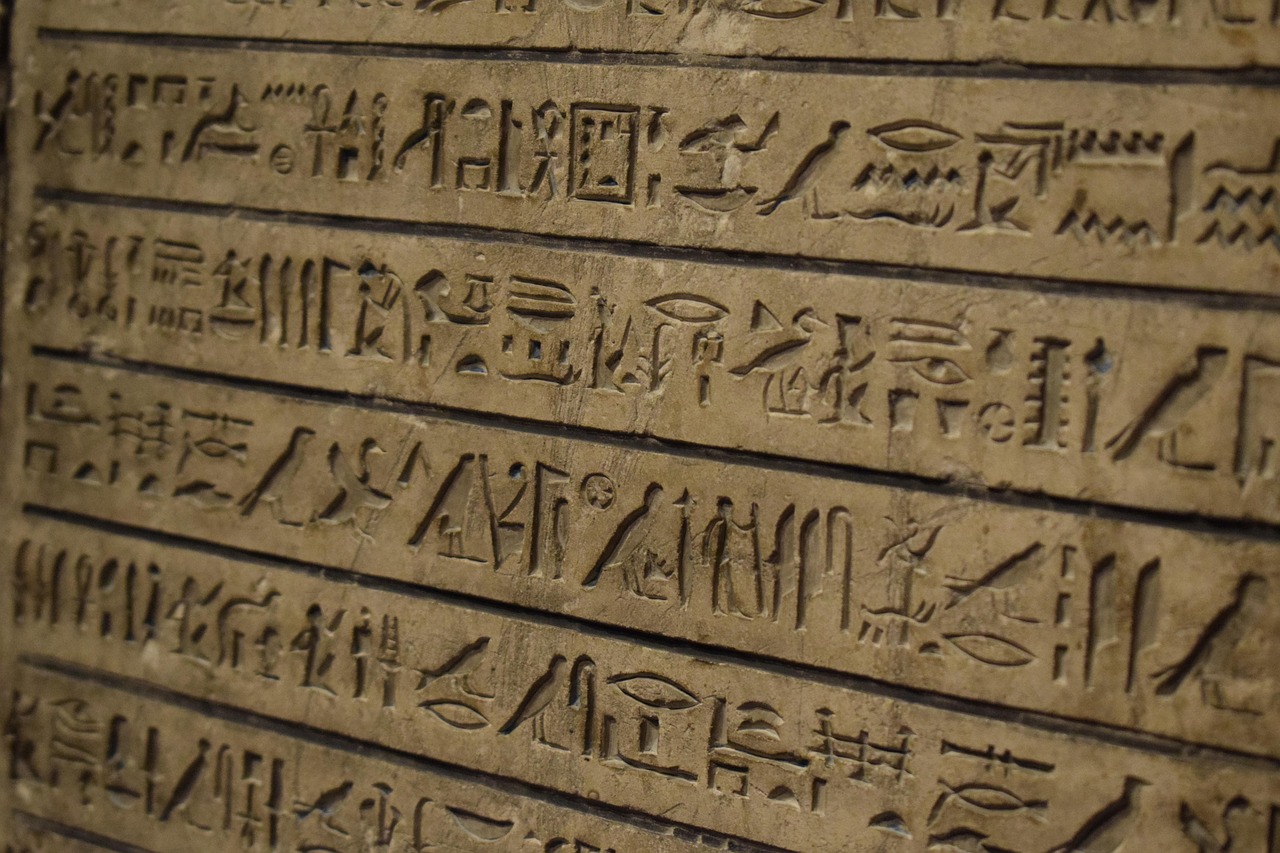
For art and history lovers, Vienna is a dream. If you only have time for one big museum, I usually recommend the Kunsthistorisches Museum (Museum of Art History) on Maria‑Theresien‑Platz. The building itself is as impressive as the collection—marble staircases, frescoed ceilings, and a café under the dome where I always take a mid‑visit break.
Highlights include Old Masters like Bruegel, Velázquez, and Titian. Plan 2–3 hours minimum, more if you’re a museum person.
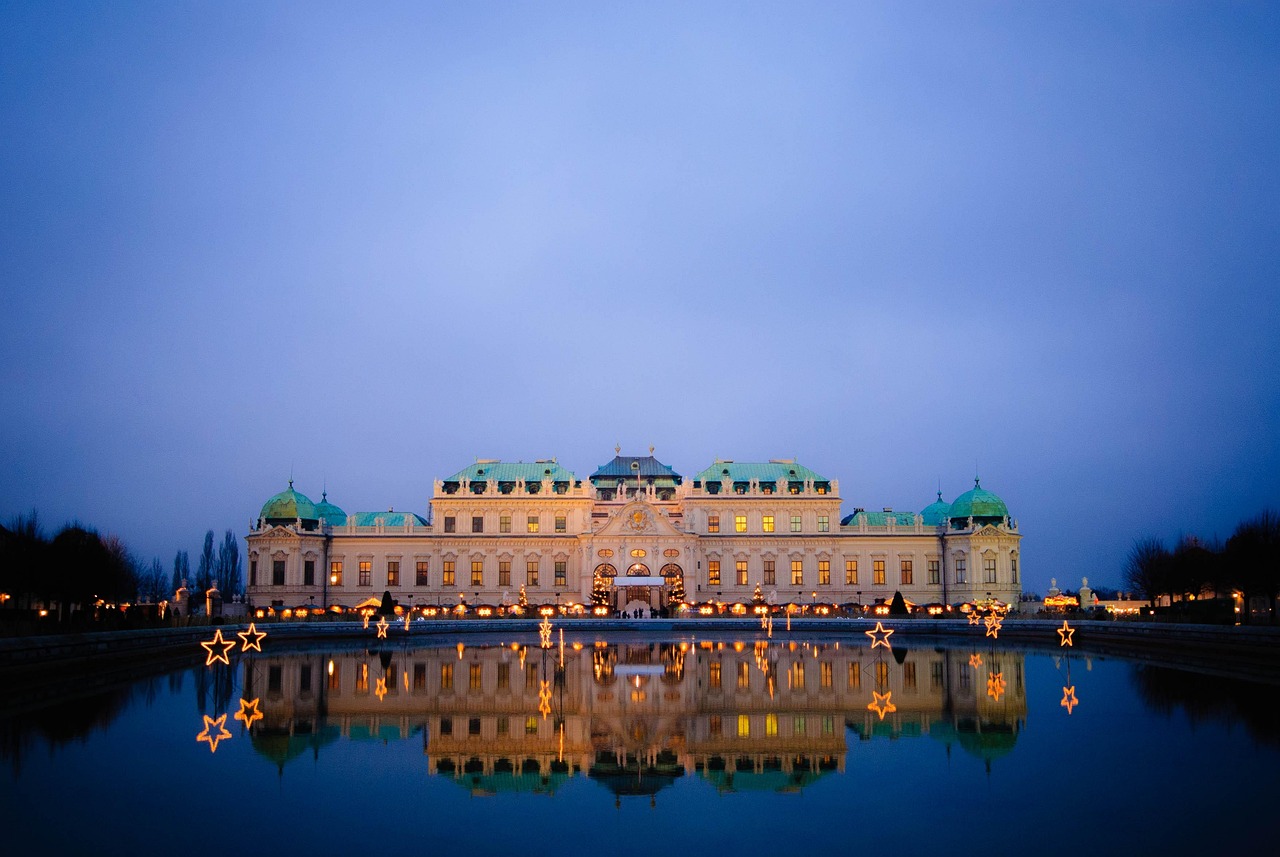
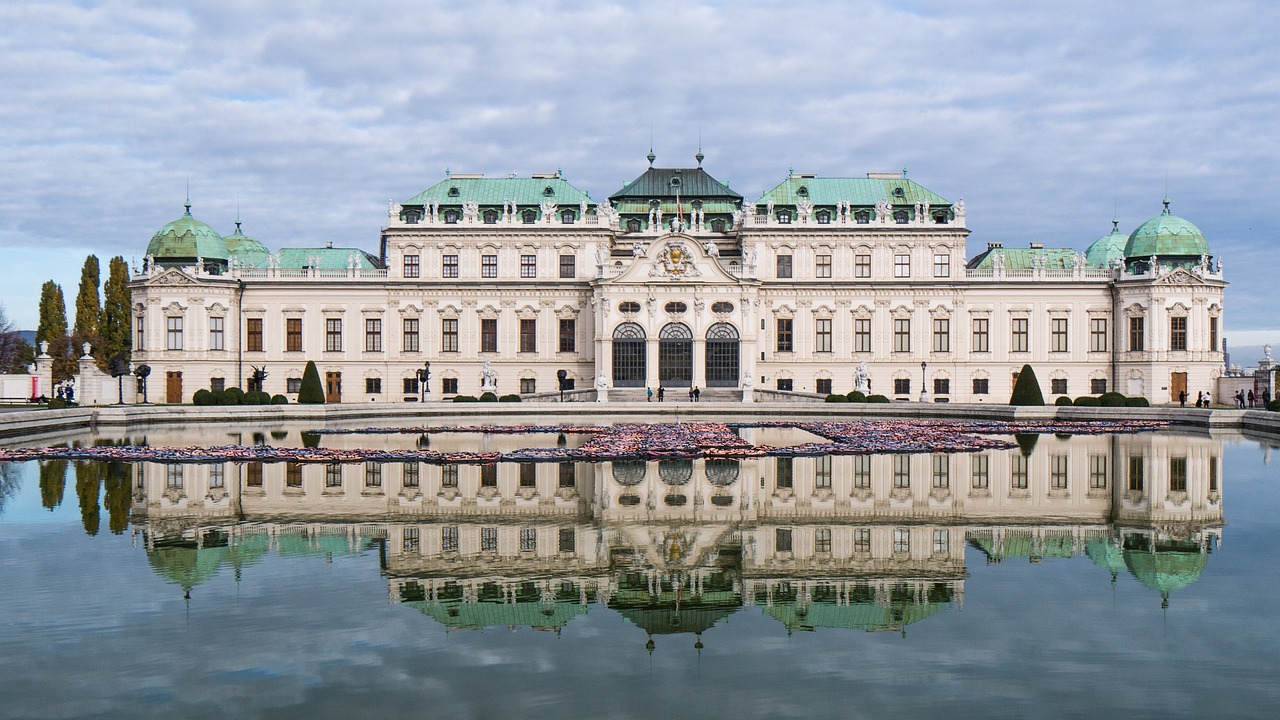
Alternatively, you can choose the Belvedere palaces:
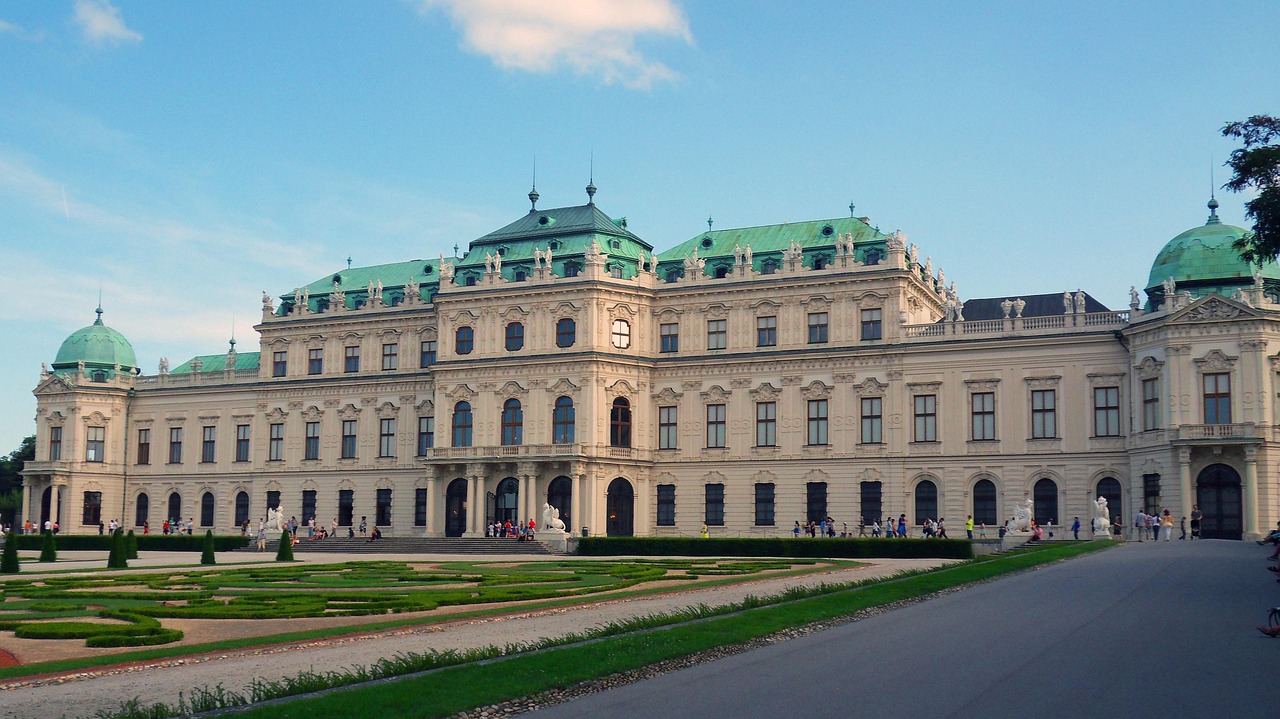
- Upper Belvedere: Home to Klimt’s The Kiss and other iconic works.
- Lower Belvedere & Gardens: Beautiful Baroque architecture and temporary exhibitions.
I often time my Belvedere visits for mid‑morning, walking through the terraced gardens for that postcard‑perfect photo of the palace and city beyond.
Afternoon: MuseumsQuartier or Albertina (Optional)
If your energy for museums isn’t exhausted yet, head back to the MuseumsQuartier for contemporary art at the Leopold Museum (fantastic Egon Schiele collection) or MUMOK (modern art). If you prefer a mix of classics and moderns, the Albertina near the State Opera is excellent and not overwhelming.
When I visit, I punctuate museum time with breaks in the MQ courtyard or at a nearby café—too much art without coffee is a rookie mistake in Vienna.
Late Afternoon & Evening: Prater & Giant Ferris Wheel
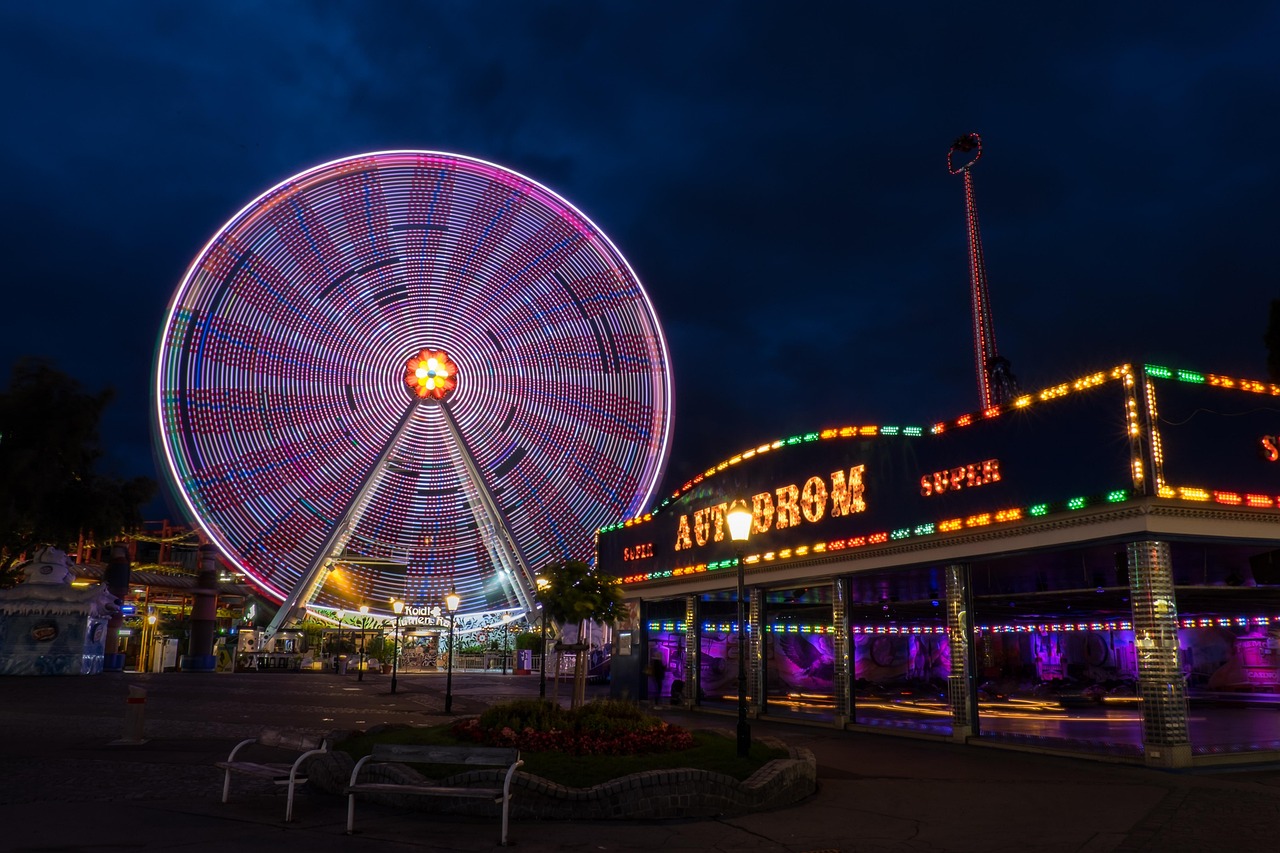
By late afternoon, you’ll probably be ready for something lighter. Take the U1 or U2 to Praterstern and walk into the Prater, a huge park that also hosts an old‑school amusement park.
The Riesenrad (Giant Ferris Wheel) is the star—dating back to 1897, it offers a slow, romantic loop with lovely views, especially around sunset. I’ve ridden it in all seasons: in winter, the city glows warmly against the dark; in summer, you can see people picnicking in the park below.
Kids love the Prater’s rides and games; adults often enjoy the kitschy charm and beer gardens. For dinner, you can stay here or head back toward the city center for something quieter.
Day 4: Neighborhoods, Street Art & Modern Vienna
If you have 4 days in Vienna or more, this is when you start to feel the city beyond the palaces.
Morning: Neubau & Mariahilf (Districts 6 & 7)
I like to start around Neubaugasse or Kirchengasse, in the 7th district (Neubau). This is a creative, slightly bohemian area with independent boutiques, design shops, and some of my favorite cafés.
- Browse small shops for locally made jewelry, stationery, and clothes.
- Stop for brunch at a cozy café; Neubau is where Vienna’s third‑wave coffee scene thrives.
On a recent visit, I spent a happy hour in a tiny bookstore chatting with the owner about contemporary Austrian writers, then ended up at a hole‑in‑the‑wall bakery that sold still‑warm Topfengolatschen (sweet quark pastries).
Midday: Mariahilfer Straße & Hidden Courtyards
Walk down to Mariahilfer Straße, Vienna’s main shopping street. It’s mostly pedestrian, with a mix of international chains and local brands. The real fun, though, is ducking into the little passages and courtyards that connect it to parallel streets—you’ll find quiet corners, murals, and sometimes surprise cafés.
Afternoon: Danube Canal (Donaukanal) & Street Art
Take the U3 or a tram toward Schwedenplatz, then head to the Danube Canal. The embankments here are covered in ever‑changing street art, and in warmer months, temporary bars and beach clubs pop up along the water.
I love walking the canal in late afternoon, photographing new murals and stopping for a drink at one of the floating bars. It’s a relaxed, youthful side of Vienna, perfect for couples and groups of friends.
Evening: Rooftop Drinks & Classical Concert
For sunset, head to a rooftop bar in the city center—there are a few near Stephansplatz and along the Ringstrasse that offer stunning views of the skyline and church towers. I’ve watched thunderstorms roll in from up here and clear into golden hour—unforgettable.
End the day with a small classical concert in a church or palace. While the big venues are legendary, the more intimate performances can feel especially magical and are often more accessible price‑wise. Check what’s on at venues like Musikverein, Konzerthaus, or smaller church concerts advertised around the city.
Day 5: Day Trip or Deep Dive into Hidden Gems
If you have 5 days in Vienna, you can either venture out of town or spend another day digging into lesser‑known corners of the city.
Option 1: Day Trip to the Wachau Valley
The Wachau Valley, a UNESCO‑listed stretch of the Danube between Melk and Krems, is my favorite day trip from Vienna. Think vineyards, charming villages, and hilltop ruins.
- How to get there: Train from Vienna to Melk (about 1 hour), tour Melk Abbey, then boat down the Danube to Krems and train back. In 2026, regular boat services are expected to run from April to October.
- What to do: Visit Melk Abbey, wander the village of Dürnstein, taste local white wines, hike short stretches above the river.
I’ve done this trip in both blazing summer and misty autumn; both are beautiful in different ways. Bring a light jacket—even warm days can be breezy on the water.
Option 2: Vienna Woods (Wienerwald) & Kahlenberg
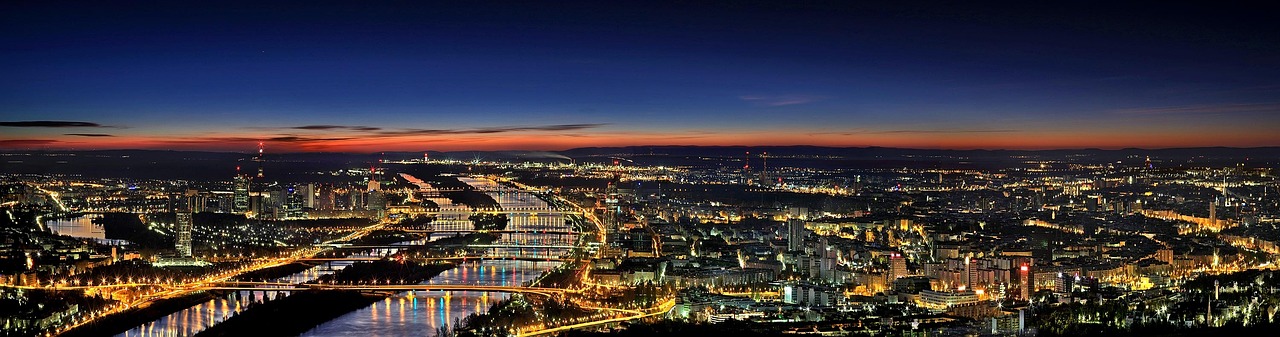
For something closer, head into the Vienna Woods and up to Kahlenberg or Leopoldsberg for panoramic views over the city and Danube. You can combine this with a visit to a heuriger for a last glass of local wine.
Option 3: Hidden Gems in the City
If you’d rather not leave town, spend Day 5 diving into some of the places I’ll detail later in the “Top Attractions” and “Hidden Gems” sections:
- Hundertwasserhaus & Kunst Haus Wien for quirky architecture.
- Augarten or Stadtpark for a relaxed picnic.
- Wien Museum for a deeper understanding of the city’s history.
- Smaller districts like Servitenviertel (a charming area in the 9th district) for café‑hopping and people‑watching.
This flexible day is where Vienna starts to feel like “your” city, not just a checklist.
Top 20+ Must-See Attractions in Vienna (In Depth)
Below is a deeper dive into the best places to visit in Vienna, mixing famous sights with some off‑the‑beaten‑path spots. I’ll weave in history, practical info, and my own impressions. Use this as a reference when customizing your own 3, 4, or 5 day itinerary.
1. St. Stephen’s Cathedral (Stephansdom)
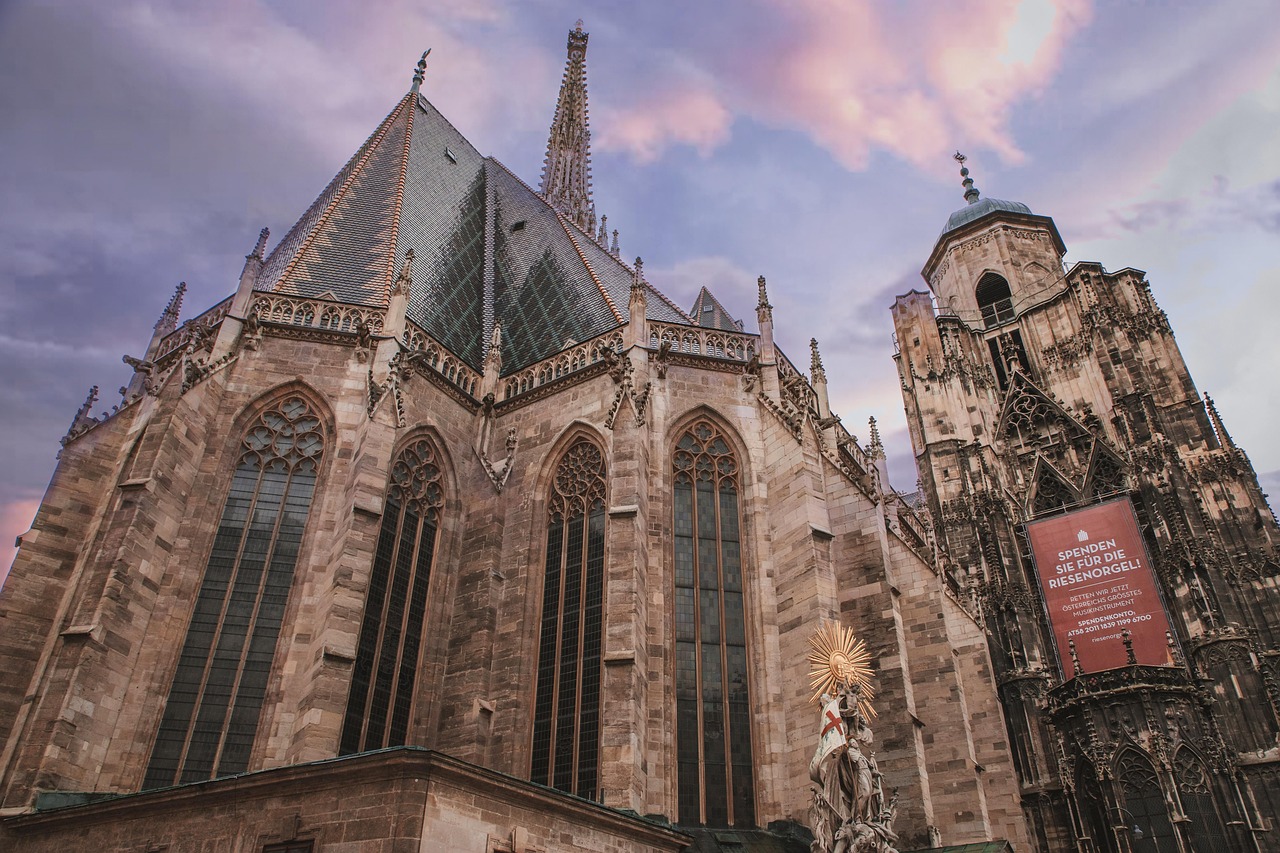
Why go: The symbolic heart of Vienna and a masterpiece of Gothic architecture. If you only step inside one church in Vienna, make it this one.
History: The current structure dates mostly from the 14th and 15th centuries, though its roots go back earlier. The iconic patterned roof with its 230,000 glazed tiles was rebuilt after World War II bombing damage.
What to do: Explore the nave, join the guided catacombs tour for a slightly macabre look at medieval burials, and climb or ride up a tower for city views.
My tip: I like to go early in the day for a quiet visit, then come back in the evening when the façade is illuminated and street musicians play in the square.
2. Hofburg Palace & Imperial Apartments
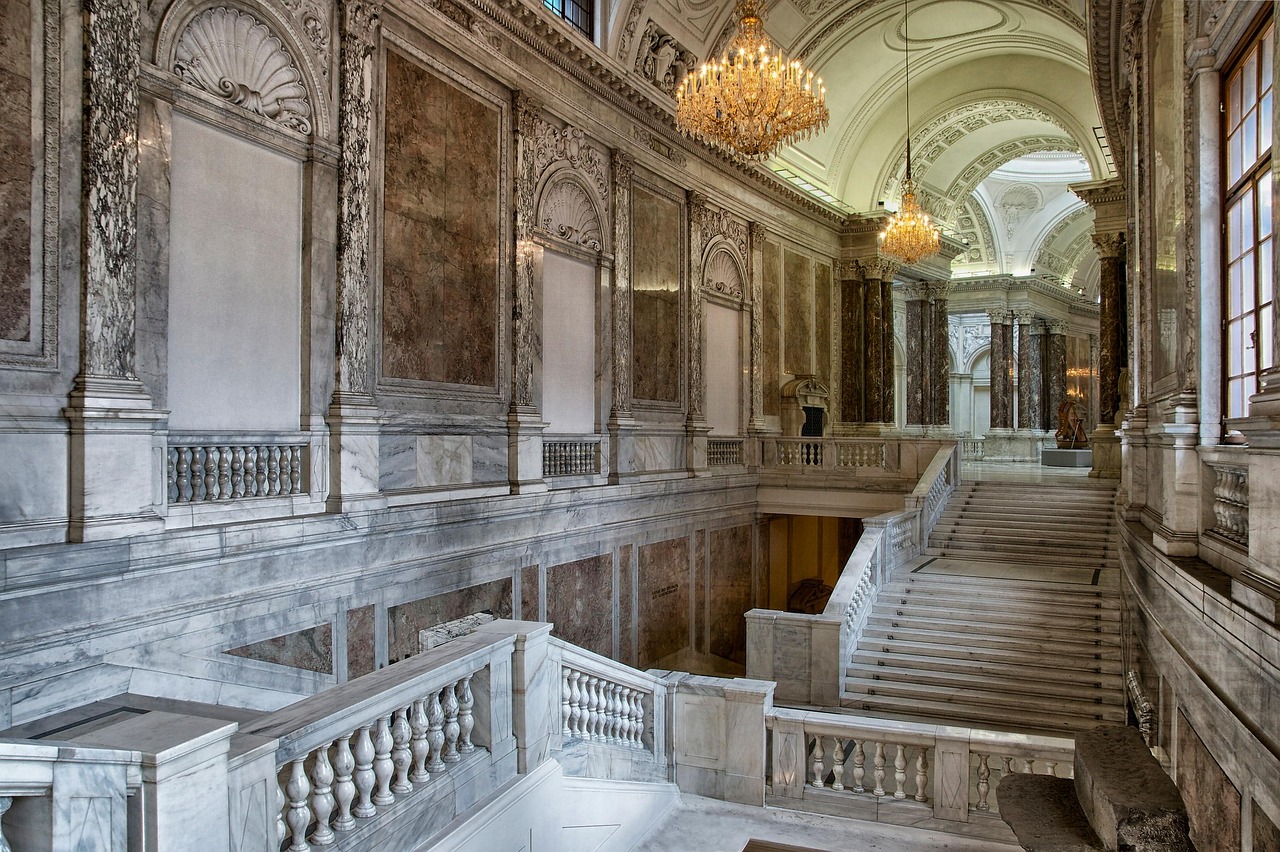
Why go: The center of Habsburg power for centuries; it’s like walking into the political and ceremonial brain of the former empire.
Highlights: The Imperial Apartments, Sisi Museum, Silver Collection, Spanish Riding School, and the Treasury. You could easily spend a full day here if you’re a history buff.
Personal note: I’ve walked through the Hofburg on snowy evenings when the courtyards are nearly empty; the sense of history is almost tangible.
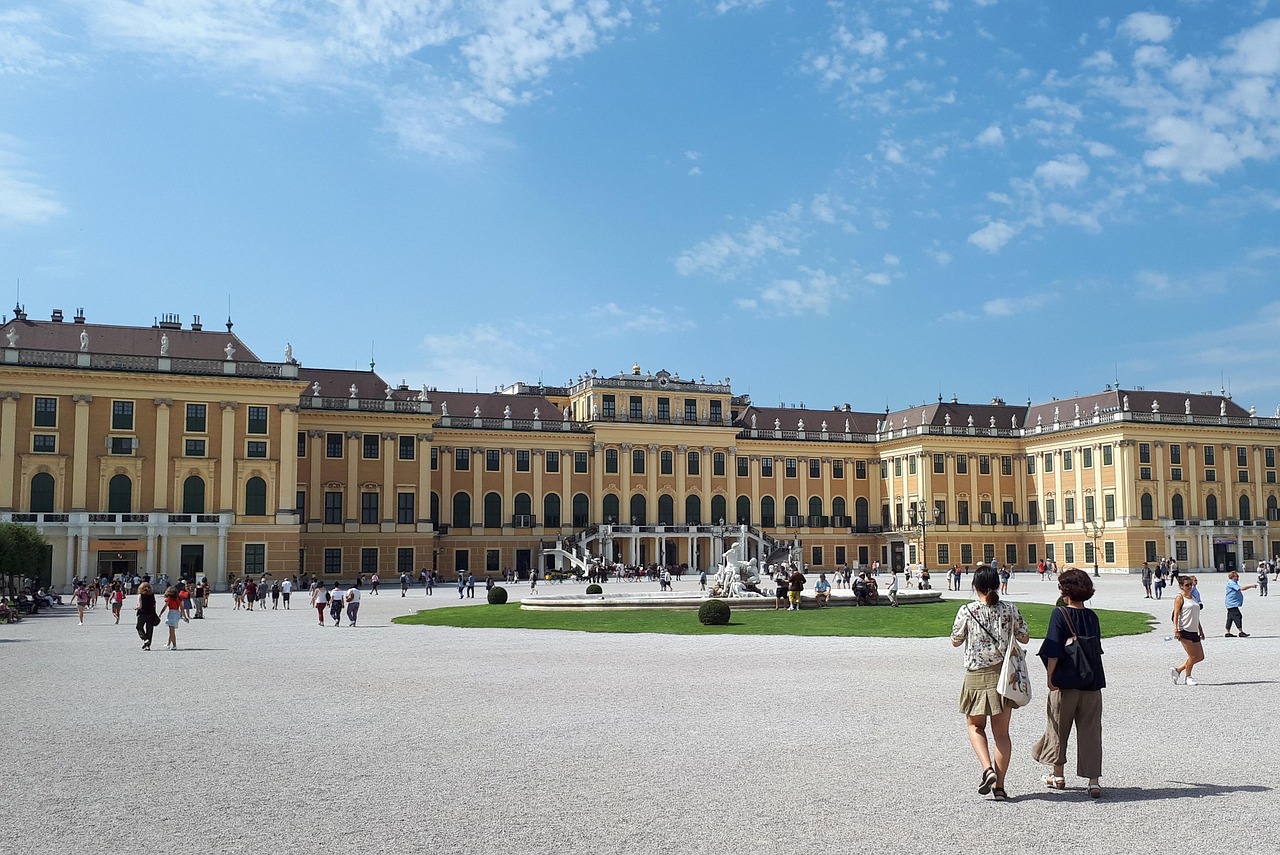
3. Schönbrunn Palace & Gardens
Why go: Vienna’s Versailles—once the summer residence of the Habsburgs, now a UNESCO World Heritage Site.
What to do: Tour the palace, roam the formal gardens, climb to the Gloriette, and optionally visit the zoo. In summer, open‑air concerts sometimes take place in the grounds.
Family friendly: Very. The zoo and maze are big hits with children.
4. Belvedere Palace (Upper & Lower)
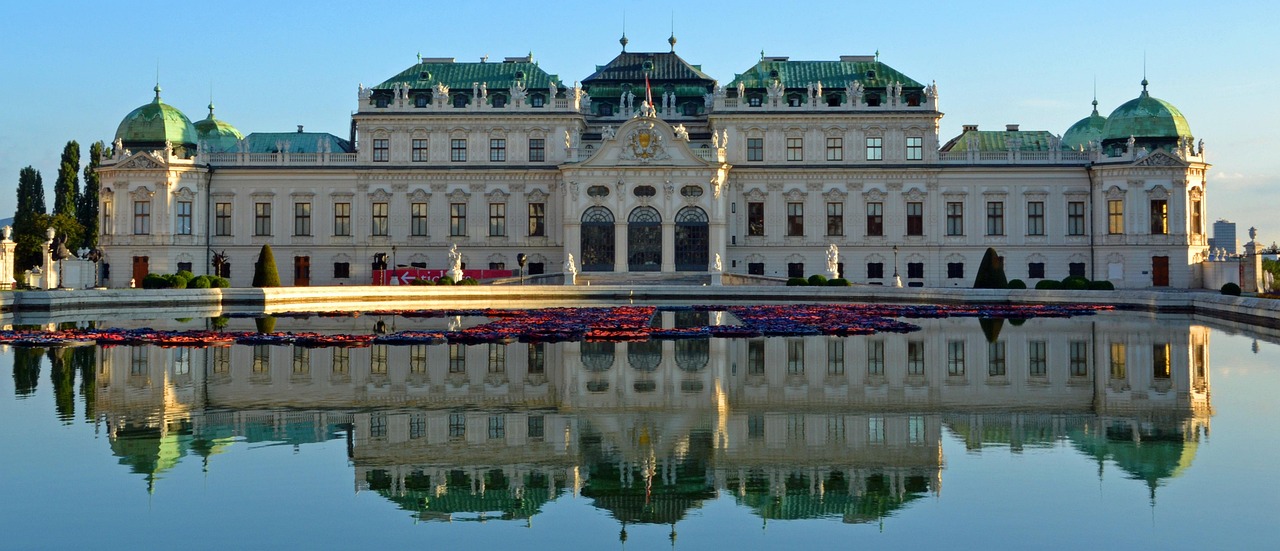
Why go: Two Baroque palaces in a terraced garden, home to some of Austria’s most important art, including Klimt’s The Kiss.
Tip: Reserve timed tickets online for busy seasons, especially if you want a good, unhurried look at the Klimt rooms.
5. Kunsthistorisches Museum (Museum of Art History)
Why go: One of Europe’s great art museums, housed in a palace‑like building. If you appreciate Old Masters, you could happily get lost here.
Don’t miss: The café under the central dome; I always pause here for coffee and cake mid‑visit. It’s an attraction in its own right.
6. MuseumsQuartier (MQ)
Why go: A cultural complex built into former imperial stables, now home to major museums and performance spaces, plus a very social courtyard.
Highlights: Leopold Museum (Egon Schiele, Viennese Modernism), MUMOK (modern art), and various smaller institutions. In summer, the courtyard becomes an outdoor living room for locals.
7. Prater & Giant Ferris Wheel (Riesenrad)
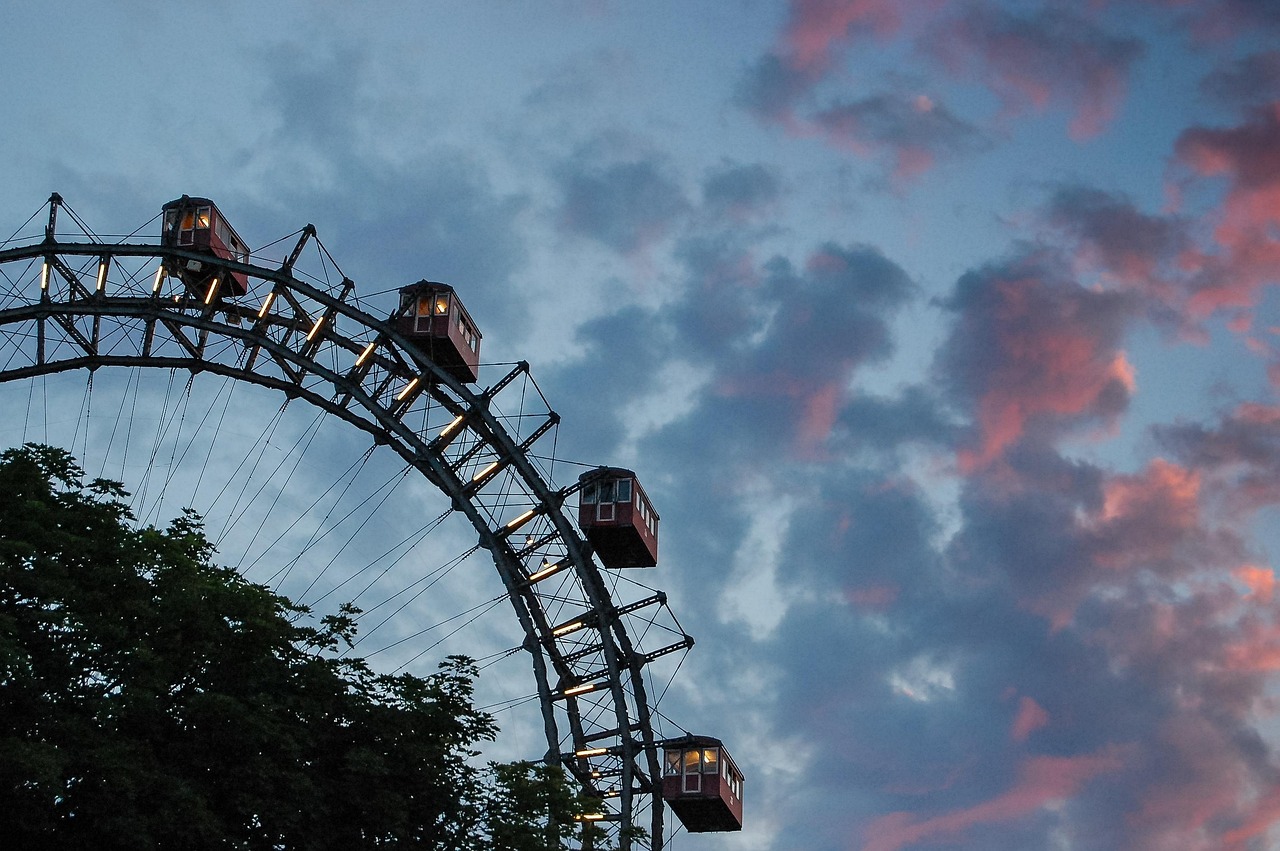
Why go: For a taste of nostalgic fun and one of the city’s signature views. The Prater is both a huge green park and an amusement park.
Best time: Late afternoon into evening, when the lights come on and the air smells of popcorn and grilled sausages.
8. Naschmarkt
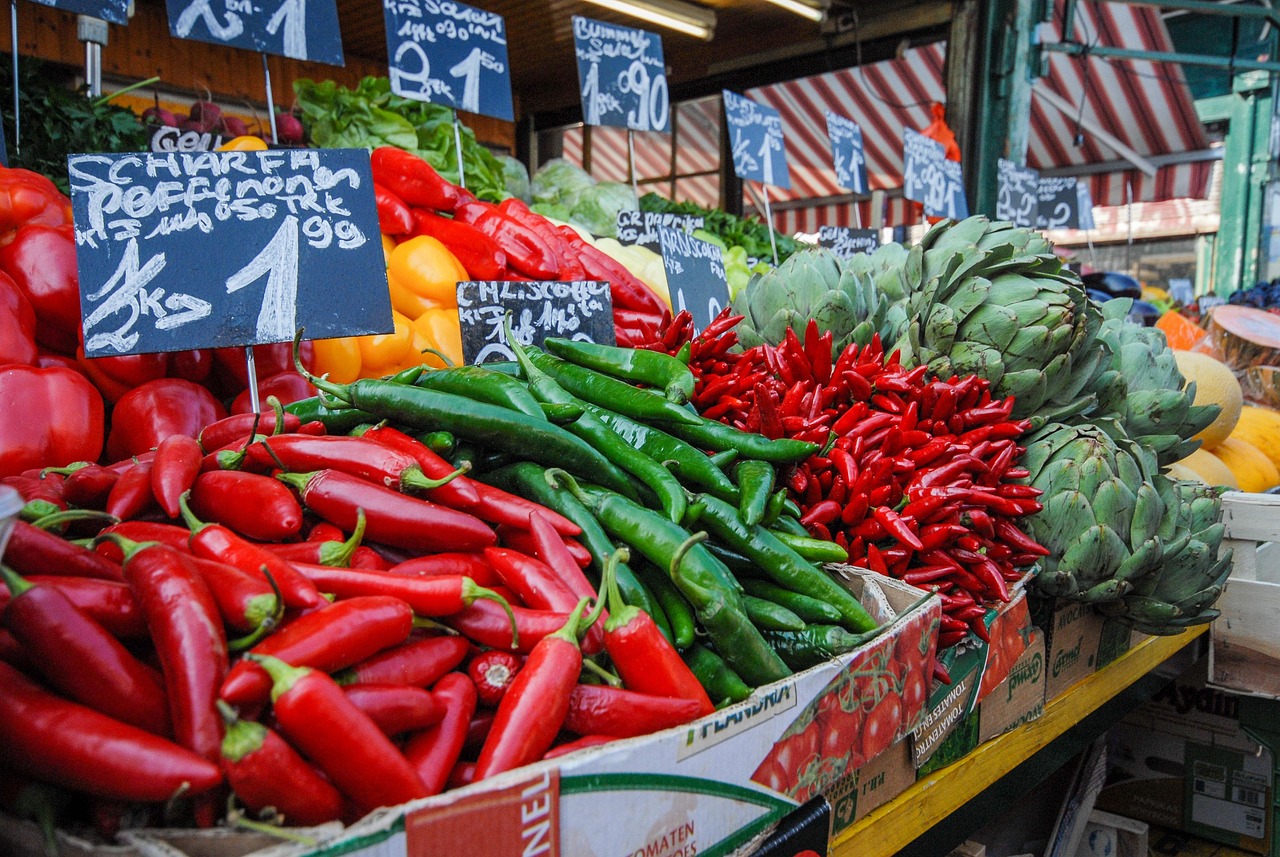
Why go: Lively mix of food stalls, restaurants, and market life. It’s touristy but fun and a great place to sample different flavors.
Tip: For more local markets, try Brunnenmarkt in Ottakring—less polished, more everyday Vienna.
9. Vienna State Opera (Wiener Staatsoper)
Why go: One of the world’s leading opera houses, with a different performance almost every night in season.
Budget tip: Standing room tickets (Stehplätze) are incredibly affordable; arrive early, dress decently, and bring a scarf to mark your spot.
10. Hundertwasserhaus & Kunst Haus Wien
Why go: For a burst of color and whimsy. Austrian artist Friedensreich Hundertwasser created this anti‑straight‑line social housing project, now a beloved landmark.
Tip: You can’t go inside the apartments, but the nearby Kunst Haus Wien (museum) offers deeper insight into Hundertwasser’s work and philosophy.
11. Danube Island (Donauinsel)
Why go: A long, narrow island in the Danube, built as part of flood control, now a major recreation area with cycling paths, beaches, and bars.
Best for: Picnics, bike rides, jogging, and the Donauinselfest music festival in June.
12. Vienna Woods (Wienerwald) & Kahlenberg
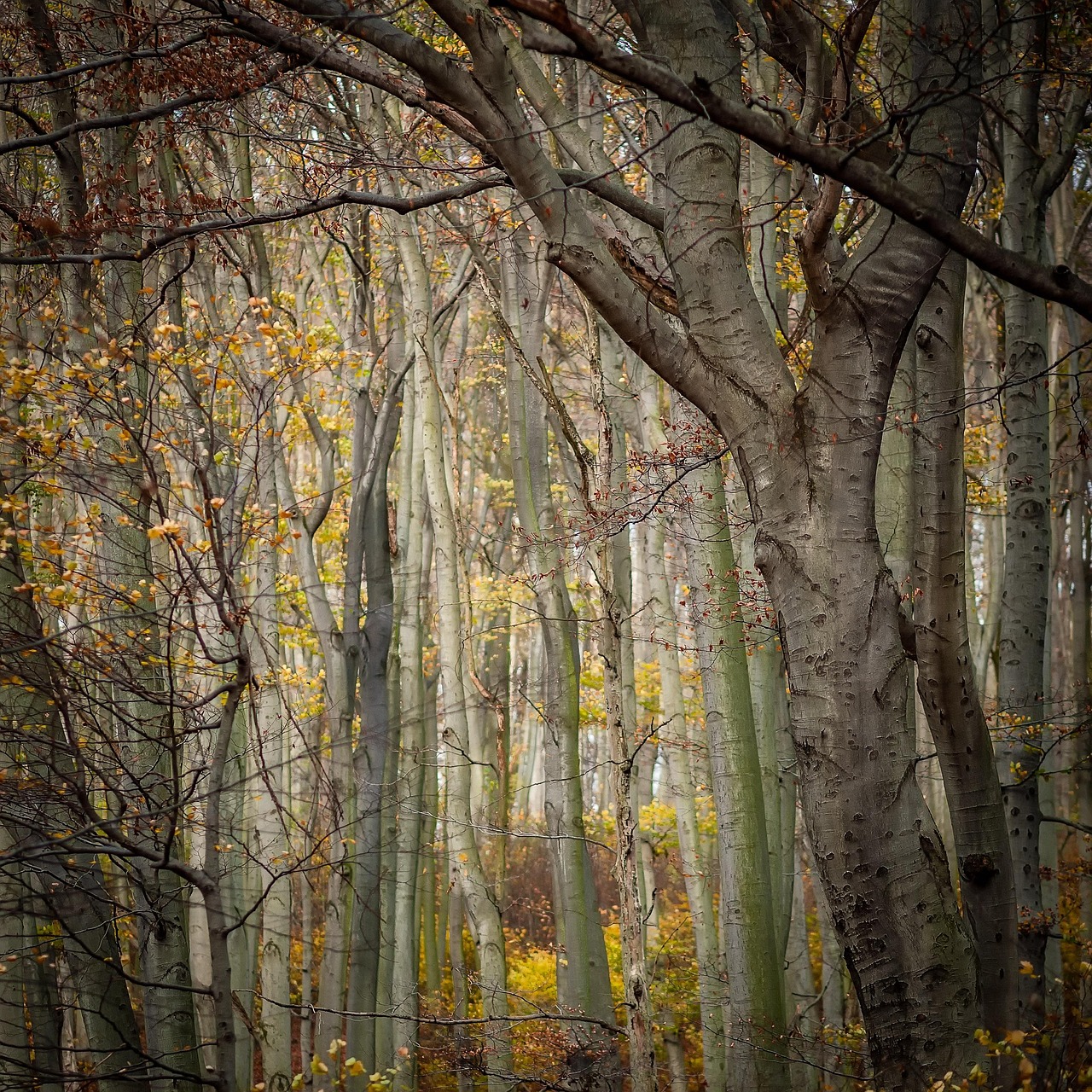
Why go: To see how green Vienna really is. Locals escape here on weekends for hikes, walks, and fresh air.
My experience: I like to take an afternoon bus up to Kahlenberg, enjoy the view, then hike partway down through the vineyards to a heuriger for a casual evening.
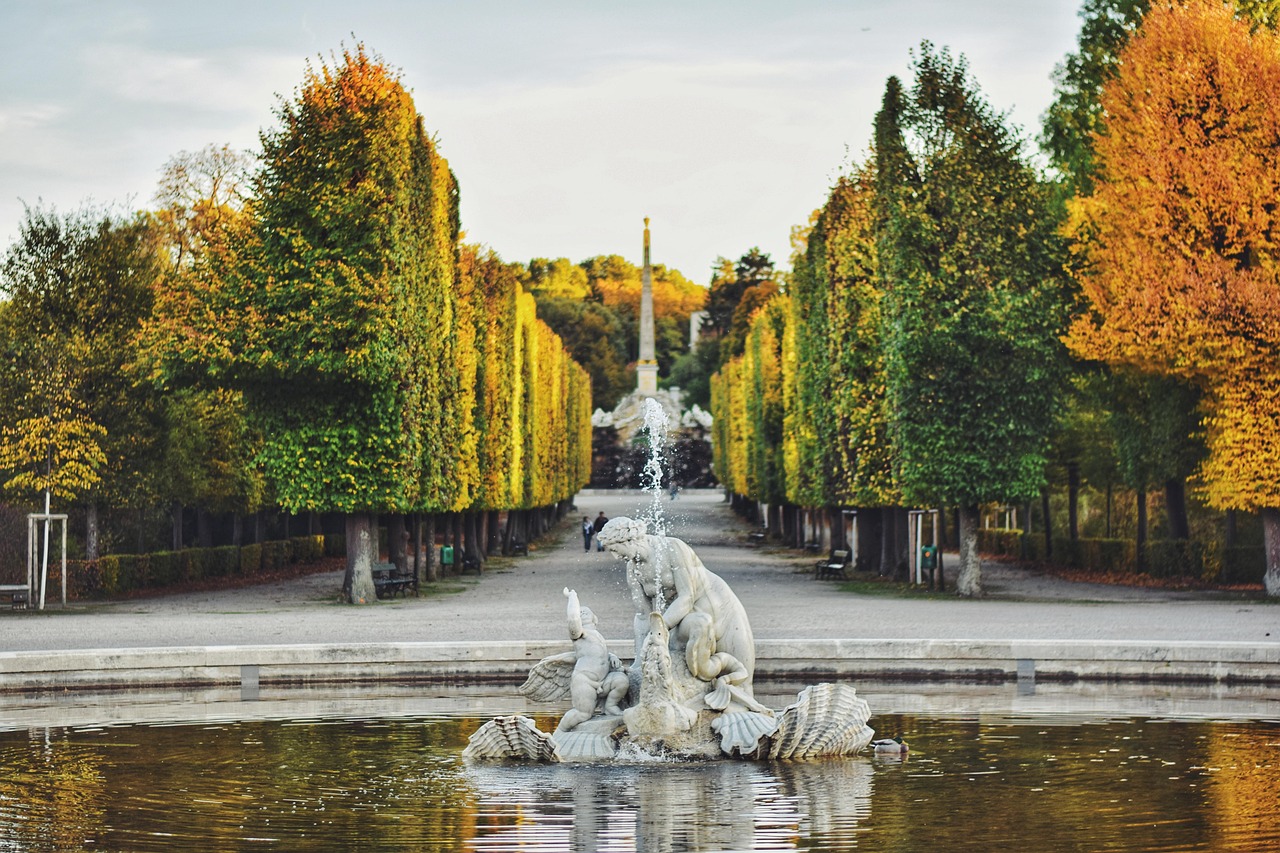
13. Stadtpark
Why go: Central park famous for the golden Johann Strauss monument and lovely flowerbeds.
Local feel: Office workers eat lunch on benches here; families stroll on weekends. It’s a good place to pause between sightseeing.
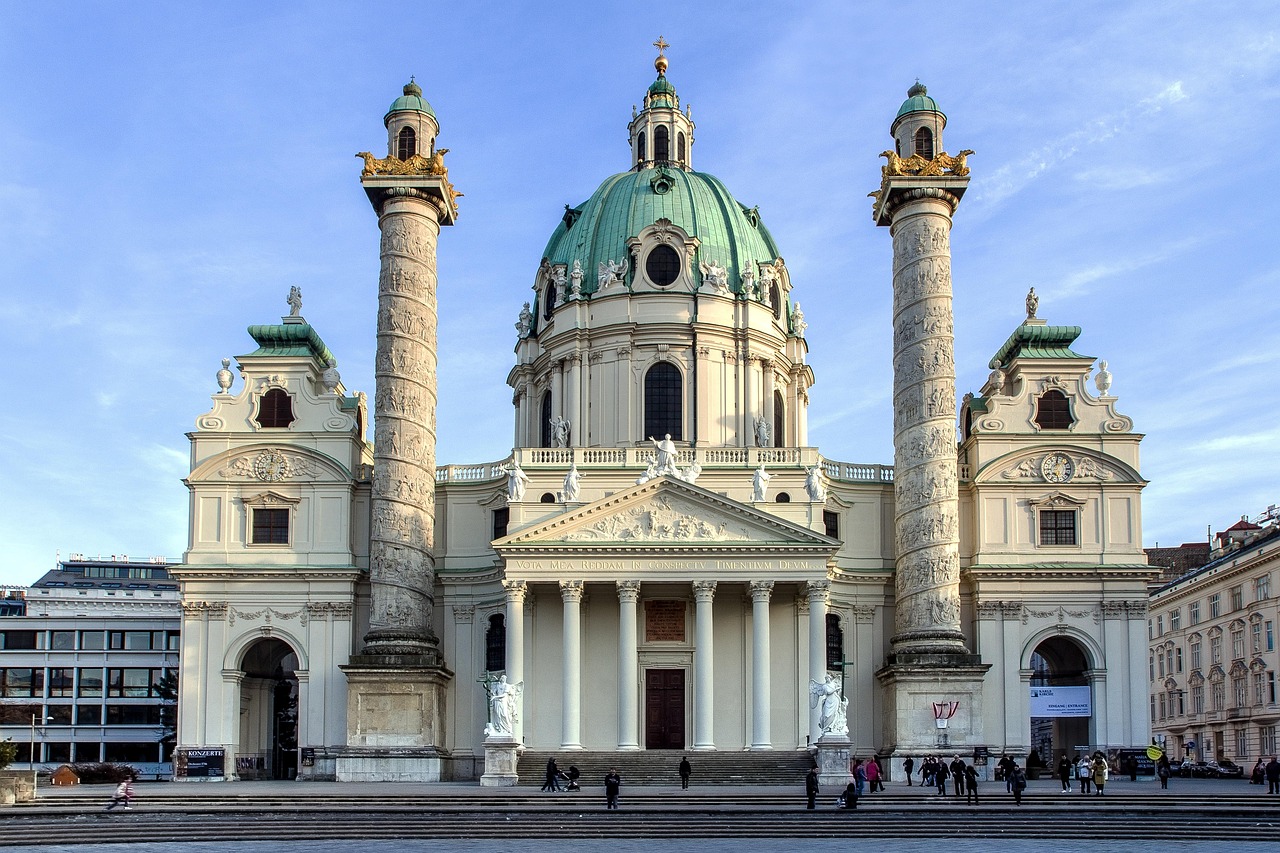
14. Karlskirche (St. Charles Church)
Why go: One of the most striking Baroque churches in Europe, with a pond in front that perfectly reflects its façade.
Bonus: In summer, open‑air concerts and events sometimes happen on the square; in winter, a charming Christmas market pops up.
15. Albertina Museum
Why go: Great mix of classical and modern art, plus one of the most important print rooms in the world.
Tip: Combine with a visit to the nearby State Opera and a walk along the Ringstrasse.
16. Wien Museum (Vienna Museum)
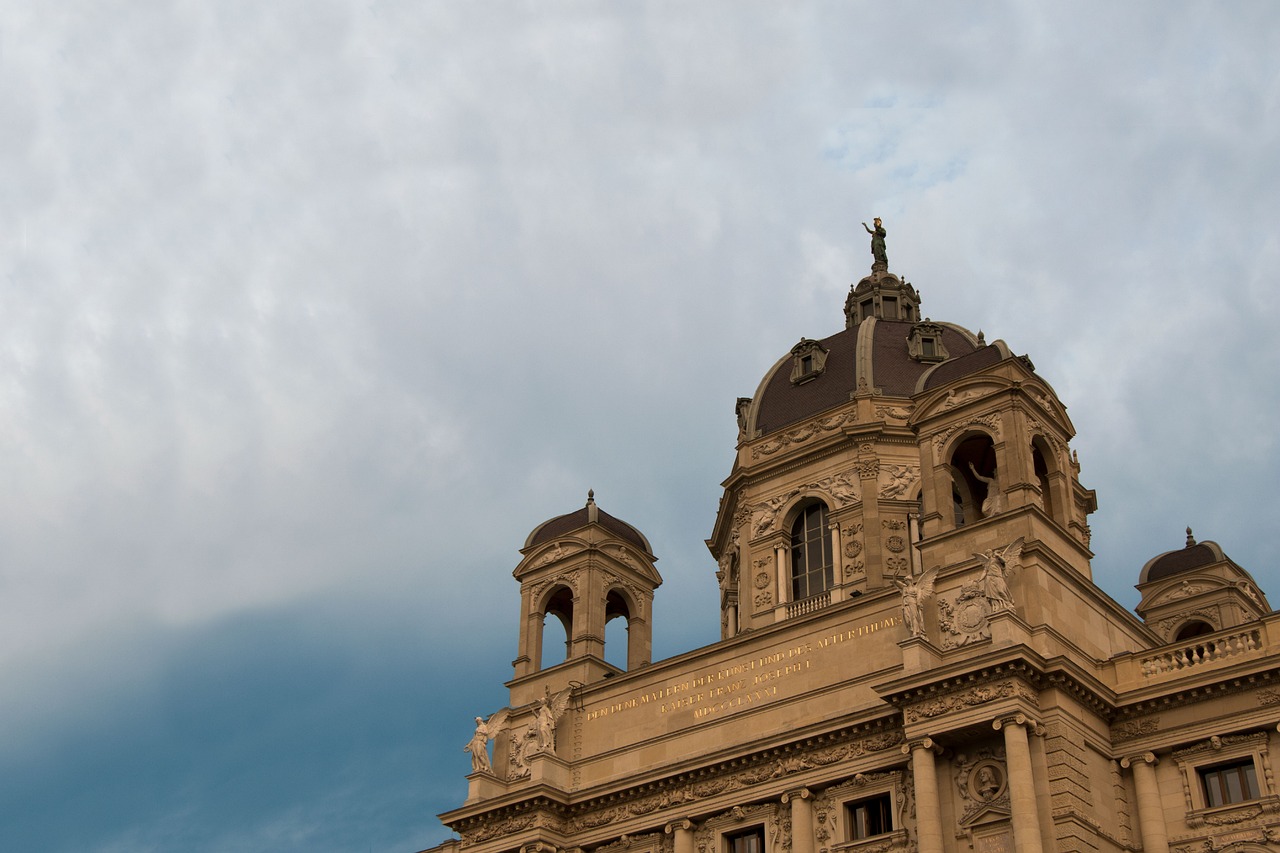
Why go: Recently revamped, this is the best place to understand Vienna’s urban history, from Roman times through the Habsburg era to the present.
Why I love it: It connects the dots between all the glorious buildings you see outside and the people who actually lived here.
17. Spanish Riding School
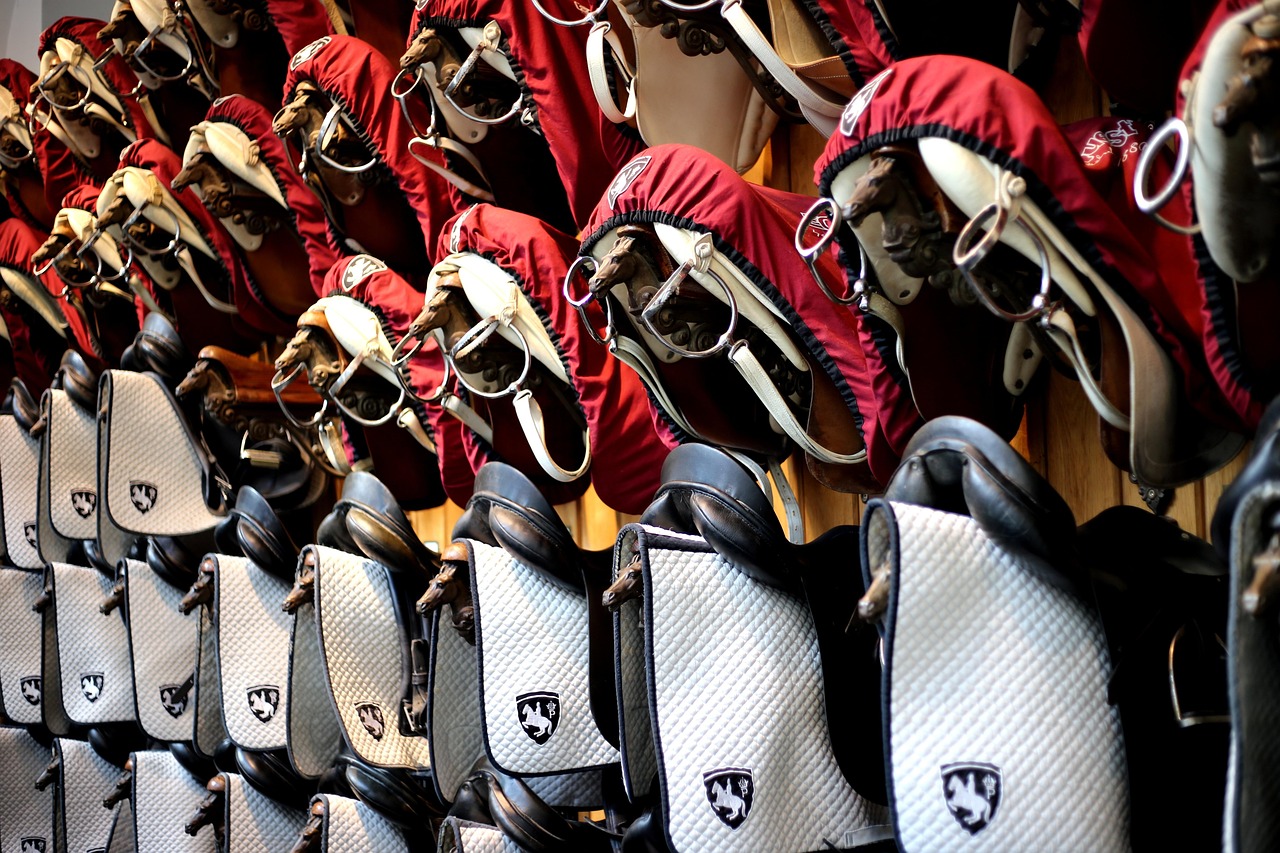
Why go: To watch the famous Lipizzaner stallions perform precise, elegant movements in a Baroque riding hall.
Best for: Animal and equestrian lovers; families with older kids often enjoy the training sessions.
18. Musikverein & Konzerthaus
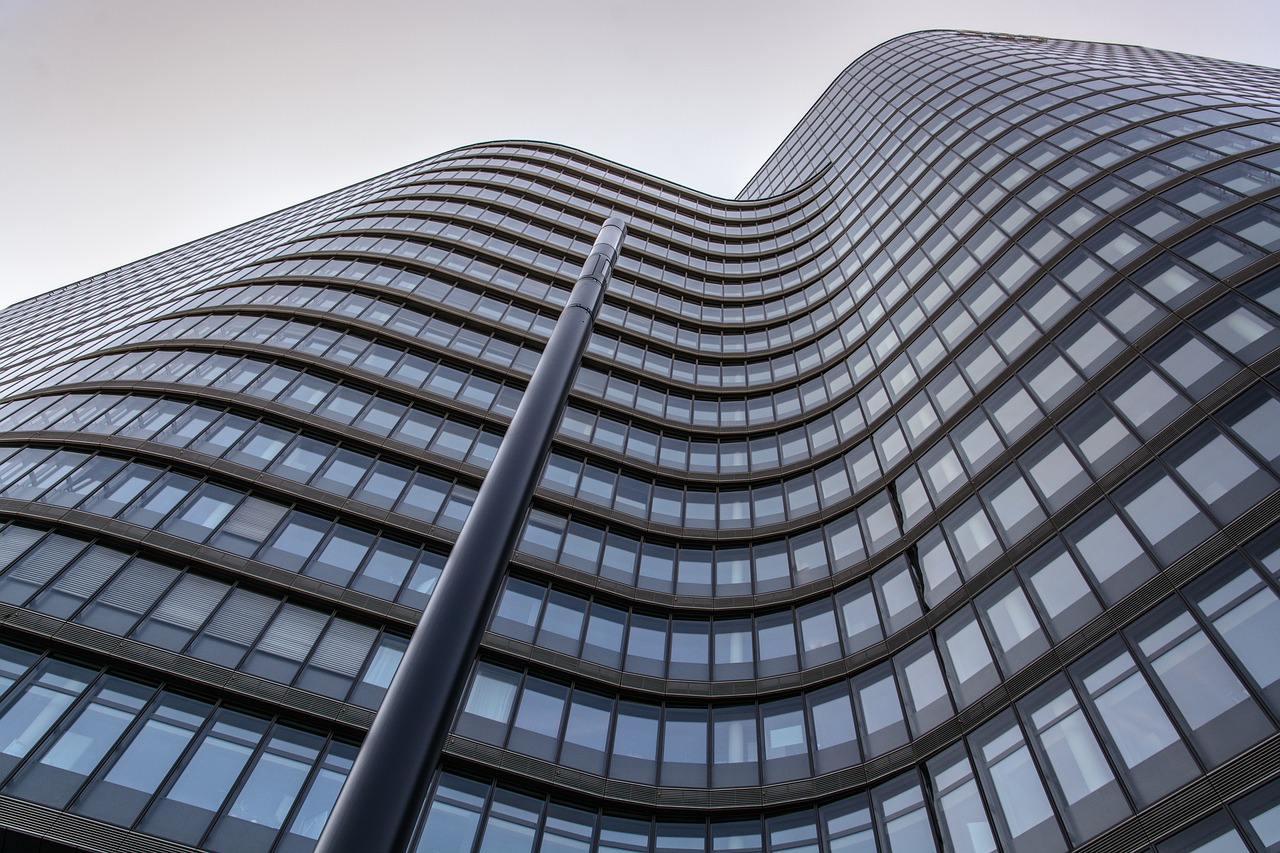
Why go: Legendary concert halls with superb acoustics; the Musikverein’s Golden Hall is where the New Year’s Concert is held.
Tip: Look for smaller chamber concerts if the big shows are sold out or too pricey.
19. Augarten
Why go: A large park in the 2nd district, known for its porcelain manufactory and the imposing World War II flak towers that dot the landscape.
Local life: I often come here to read under a tree or watch people playing sports on sunny afternoons.
Neighborhoods & Districts: Where to Stay & Explore
Vienna is divided into 23 districts; for most visitors, the action is in districts 1–9, plus a few outliers. Here’s how I think of them when deciding where to stay or wander.
1st District (Innere Stadt)
Vibe: Historic, elegant, touristy but magical at night.
Best for: First‑time visitors, short stays, people who want to walk to most must‑see attractions in Vienna.
2nd District (Leopoldstadt)
Vibe: Green and residential, with the Prater and Augarten. Increasingly hip in some pockets.
Best for: Families, runners, people who like parks and a quieter base close to the center.
3rd District (Landstraße)
Vibe: Mix of embassies, residential streets, and attractions like the Belvedere and Hundertwasserhaus.
4th & 5th Districts (Wieden & Margareten)
Vibe: Local, a bit artsy, with good eateries and easy access to the Naschmarkt and Karlskirche.
6th & 7th Districts (Mariahilf & Neubau)
Vibe: Trendy, creative, full of shops and cafés, next to MuseumsQuartier.
Best for: Young travelers, digital nomads, design lovers; my personal favorite area to stay.
8th District (Josefstadt)
Vibe: Charming, a bit bourgeois, quieter streets but very central.
9th District (Alsergrund)
Vibe: Academic (near the university), with the lovely Servitenviertel and good local restaurants.
Ottakring & Other Outer Districts
Further out, districts like Ottakring mix immigrant communities, markets like Brunnenmarkt, and rising hipness in some streets. If you like staying where few tourists go, you might enjoy it here, especially near good tram or U‑Bahn lines.
Local Food in Vienna: What & Where to Eat
Viennese cuisine is hearty, comforting, and perfect after long days of sightseeing. There’s also a strong café and cake culture, plus excellent international options.
Must-Try Viennese Dishes
- Wiener Schnitzel: Breaded and fried veal or pork cutlet, typically served with potato salad or parsley potatoes and a lemon wedge.
- Tafelspitz: Boiled beef with root vegetables, horseradish, and apple sauces.
- Gulasch: Rich, paprika‑spiced stew (Austrian style is thicker than Hungarian goulash soup).
- Kaiserschmarrn: Fluffy shredded pancake with powdered sugar and fruit compote.
- Sachertorte: Dense chocolate cake with apricot jam, usually served with unsweetened whipped cream.
- Apfelstrudel: Apple strudel with flaky pastry.
Coffeehouses & Desserts
I like to mix grand cafés (Café Central, Café Landtmann, Café Sperl) with smaller, modern spots. Don’t rush—sitting for an hour over one coffee is perfectly acceptable.
Where to Eat Without Overspending
- Würstelstand: Sausage stands are everywhere; a Käsekrainer (cheese‑filled sausage) with bread and mustard makes a cheap, filling meal.
- Student Mensas & Lunch Menus: Many restaurants offer affordable lunchtime menus (Mittagsmenü) on weekdays.
- Markets: Naschmarkt, Brunnenmarkt, and smaller neighborhood markets offer budget‑friendly bites.
On my longer stays, I often rent an apartment and shop at supermarkets (Billa, Spar, Hofer) for breakfast and some dinners, saving my restaurant budget for special meals.
Nightlife, Entertainment & Cultural Experiences in Vienna
Vienna’s nightlife is more about culture and cozy bars than wild partying (though you can find that, too). Here’s how I like to spend my evenings.
Classical Music & Opera
- Vienna State Opera: World‑class opera and ballet.
- Musikverein: Classical concerts in the famous Golden Hall.
- Konzerthaus: Wide range of classical and contemporary performances.
Bars & Nightlife Areas
- Danube Canal: In warm months, pop‑up bars and boat venues along the water.
- Neubau & Mariahilf: Craft beer bars, cocktail spots, and laid‑back pubs.
- Gürtel: Clubs and music venues tucked into the arches of the former city railway.
Family-Friendly Evenings
- Ferris wheel and rides at the Prater.
- Evening walks along the Ringstrasse or in the city center, stopping for ice cream.
- Zoo or park visits on long summer evenings.
Day Trips from Vienna
If you’re staying more than 3–4 days in Vienna, a day trip is a great way to see another side of Austria (or even another country).
Wachau Valley
Vineyards, charming towns, Danube boat trips. Ideal for wine lovers, couples, and scenery seekers.
Bratislava (Slovakia)
Just about an hour by train or boat, Bratislava makes a fun cross‑border day trip with a compact old town and hilltop castle.
Vienna Woods & Mayerling
Forests, monasteries, and the site of the tragic Mayerling incident. Easy to reach via suburban trains and buses.
Cultural Etiquette & Local Customs in Vienna
Understanding local customs in Vienna will make your trip smoother and help you blend in.
Politeness & Formality
- Greet with “Grüß Gott” or “Guten Tag” in shops and restaurants; say “Auf Wiedersehen” when leaving.
- Use formal Sie rather than informal du with strangers and service staff.
Coffeehouse Etiquette
Wait to be seated, or catch the waiter’s eye and ask; don’t assume you can push tables together. It’s normal to sit for a long time over one drink, but be respectful of obvious rush periods.
Tipping
Rounding up the bill or adding about 5–10% is standard in restaurants and cafés. Tell the server the total you want to pay, including the tip, when handing over cash or card.
Public Transport Etiquette
Offer seats to elderly, pregnant, or disabled passengers. Keep your voice down; Austrians are relatively quiet on public transport.
Practical Travel Advice for Vienna (2026–2027)
Getting Around
- Public Transport: Excellent, safe, and punctual. U‑Bahn, trams, and buses run frequently. A 24/48/72‑hour or weekly pass is usually best for 3–5 days in Vienna.
- Airport to City: S‑Bahn (cheap and efficient), Railjet, or CAT (City Airport Train) if you prefer a dedicated service.
- Bikes & Scooters: Vienna is increasingly bike‑friendly; check local rules before using shared scooters.
Money-Saving Tips
- Get a transport pass instead of single tickets.
- Take advantage of Mittagsmenü (lunch deals).
- Consider a Vienna City Card if you plan many paid attractions; do the math based on your itinerary.
SIM Cards & Connectivity
In 2026, eSIMs make connecting easy, but you can also buy local prepaid SIMs from providers like A1, Magenta, or Drei at electronics shops or official stores. Many cafés and public spaces offer free Wi‑Fi.
Car Rental & Driving
You don’t need a car in Vienna; parking is expensive and street spaces are limited. For day trips, trains are usually better. If you do rent a car, an EU driver’s license is accepted; non‑EU visitors should check if they need an International Driving Permit.
Visa Requirements
Austria is in the Schengen Area. Many nationalities can enter visa‑free for short stays, but always check the latest regulations and, where applicable, ETIAS requirements for 2026.
When to Visit & Seasonal Considerations
- Spring (April–May): Mild weather, blooming parks, fewer crowds—a great time for most 3 day itineraries for Vienna.
- Summer (June–Aug): Warm, sometimes hot; lots of festivals and outdoor life. Good for Prater, Danube Island, and day trips.
- Autumn (Sept–Oct): Pleasant, with wine harvest season and colorful foliage in the Vienna Woods. Ideal for 4 day itineraries for Vienna that include heurigers and hikes.
- Winter (Nov–Feb): Cold, but magical during Christmas markets. Perfect for museum‑heavy plans and cozy coffeehouses.
Summary: Key Takeaways & Best Time to Visit Vienna
Whether you’re planning 3 days in Vienna, 4 days in Vienna, or a leisurely 5 day itinerary for Vienna, the city rewards both careful planning and spontaneous wandering. Start with the must‑see attractions—St. Stephen’s, Hofburg, Schönbrunn, Belvedere, the museums—and leave room for coffeehouses, hidden courtyards, and neighborhood strolls.
For first‑timers, I’d recommend late spring or early autumn: comfortable weather, active café terraces, and manageable crowds. Winter is unbeatable if you love Christmas markets, while summer is ideal if you want festivals and day trips along the Danube.
Above all, let Vienna’s rhythm guide you: walk a bit, sit a bit, look up often, and don’t underestimate the power of a good slice of cake between palaces. That’s how I’ve come to know and love this city over many trips—and how I hope you’ll experience it too.