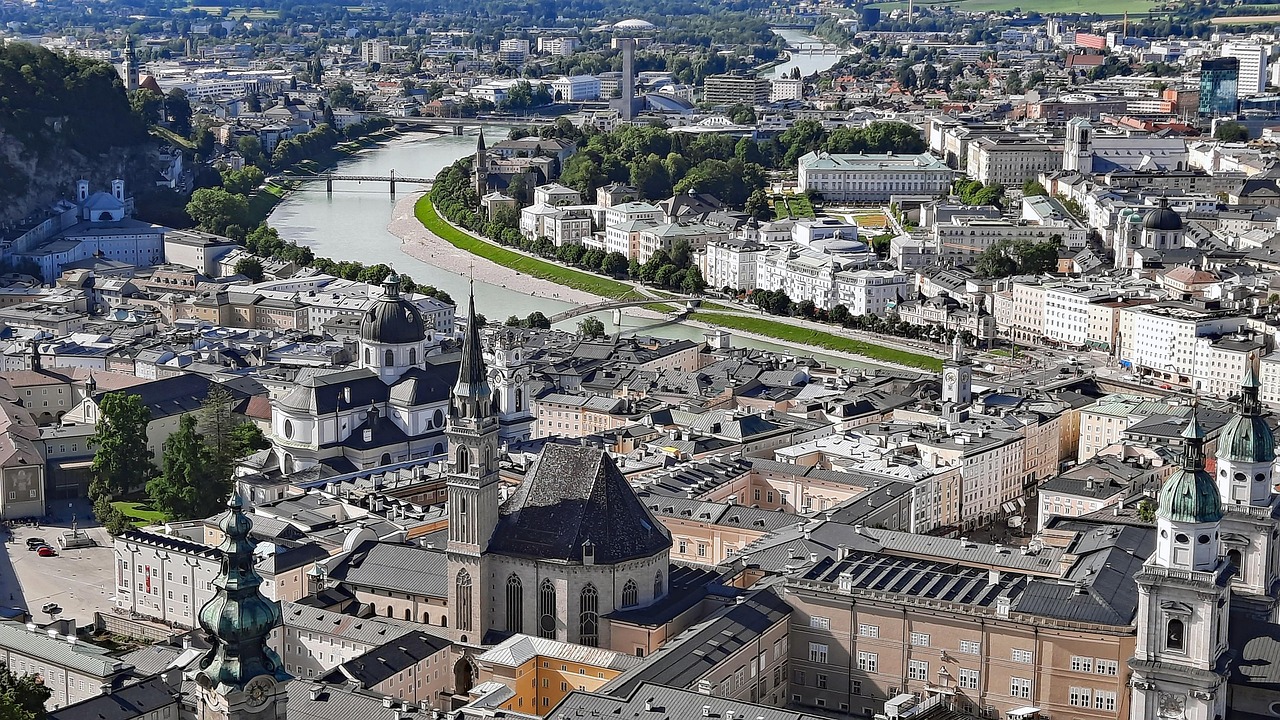
Why Visit Salzburg in 2026
If you’ve ever dreamed of a place where Baroque church towers rise above a medieval old town, where alpine peaks frame every view, and where music quite literally floats through the streets, Salzburg is that dream made real. I’ve been coming back to Salzburg almost every year for over a decade, and every visit still feels a bit like stepping into a storybook — just with better coffee, better pastries, and very real hills that will leave your legs humming.
Salzburg is compact but layered: a place where you can walk from a fortress to a beer garden to a riverside art installation in under half an hour, yet still feel like you’ve only scratched the surface. It works beautifully as a quick “3 days in Salzburg” city break, but it really shines when you slow down and spend 4 or 5 days here, using the city as both playground and base for nearby mountains and lakes.
In 2026–2027, Salzburg’s cultural calendar is as packed as ever, with the world-famous Summer Festival, Mozart Week, Christmas markets, and a growing scene of contemporary art and food. This travel guide for Salzburg is written as if I’m walking alongside you: I’ll share the must-see attractions in Salzburg, the hidden gems in Salzburg you’ll probably miss without a nudge, the best local food in Salzburg, and plenty of very practical travel tips for Salzburg — from sim cards to bus routes — that I’ve learned by trial, error, and the occasional sprint to catch the last trolleybus.
Table of Contents
- Why Visit Salzburg
- Salzburg at a Glance
- Suggested Itineraries (3–5 Days in Salzburg)
- 20 Must-See Attractions in Salzburg (In Depth)
- Neighborhoods & Areas to Explore
- Local Food & Drink in Salzburg
- Nightlife, Entertainment & Cultural Experiences
- Best Day Trips from Salzburg
- Cultural Etiquette & Local Customs
- Practical Travel Advice for Salzburg
- Summary & Best Time to Visit Salzburg
Salzburg at a Glance
Salzburg sits on the Salzach River near the German border, with the Alps rising just to the south. It’s the capital of the federal state of Salzburg and has a population of about 160,000, but it feels smaller, more village-like, especially once you get off the main streets.
What Salzburg does better than almost any city I know is atmosphere. It’s one of those rare places where “just wandering” easily counts as a top-tier activity. That said, if you’re planning a 3 day itinerary for Salzburg or even 5 days in Salzburg, you’ll want structure so you don’t miss the iconic spots or the quieter gems tucked into alleys and hillsides.
This guide is written with 2026 in mind, but the timeless parts of Salzburg — the fortress, the old town, the churches, the mountains — change very little from year to year. What does change are festival dates, restaurant openings, and one new tram line, but I’ll flag those in the relevant sections.
Suggested Itineraries: 3–5 Days in Salzburg
3 Days in Salzburg: Classic Highlights
If this is your first time, a 3 day itinerary for Salzburg is enough to see the major attractions without rushing too much. I’ll outline the three core days here, then later I’ll expand each attraction into its own detailed section.
Day 1: Old Town, Fortress & River (My “First Morning in Salzburg” Ritual)
I almost always start my Salzburg trips the same way: with a slow wander through the Altstadt (Old Town), a climb or funicular up to the fortress, and a sunset walk along the river.
- Morning: Get oriented in the Altstadt – Residenzplatz, DomQuartier, Mozartplatz, and the cathedral.
- Midday: Head up to Hohensalzburg Fortress for panoramic views and lunch.
- Afternoon: Explore St. Peter’s Abbey and Cemetery, then coffee and cake in a hidden courtyard café.
- Evening: Stroll the Salzach River, cross the Makartsteg “love locks” bridge, and dinner in the Neustadt (New Town).
Day 2: Castles, Palaces & “Sound of Music” Vibes
This is your “postcard Salzburg” day: palaces, gardens, and a touch of kitsch in the best possible way.
- Morning: Mirabell Palace & Gardens, with a quick detour to Mozart’s Residence.
- Midday: “Sound of Music” highlights or a gentle walk up the Mönchsberg.
- Afternoon: Hellbrunn Palace & Trick Fountains.
- Evening: Traditional Austrian dinner and live music, or a river cruise in season.
Day 3: Mountains, Lakes, or Berchtesgaden
Your third day is about the landscape that makes Salzburg so special.
- Option 1: Day trip to Berchtesgaden & Königssee (Germany).
- Option 2: Lakes region (Salzkammergut): St. Gilgen, Wolfgangsee, or Hallstatt.
- Option 3: Untersberg cable car for alpine hiking and views, then relax in town.
4 Days in Salzburg: Add Local Neighborhoods
With 4 days in Salzburg, you can follow the 3-day plan and dedicate a full extra day to slower, more local experiences and museums you’d otherwise skip.
- Day 1–3: As above.
- Day 4: Explore Leopoldskron, Nonntal, and the Museum of Modern Art on the Mönchsberg, then dive into Salzburg’s beer culture at Augustiner Bräustübl.
5 Days in Salzburg: Deep Dive & Multiple Day Trips
A 5 day itinerary for Salzburg is my sweet spot. You can alternate city days and day-trip days and still have time to simply sit in a café and watch the city move around you.
- Days 1–2: Old Town, fortress, Mirabell, and local hill walks.
- Day 3: Day trip to Berchtesgaden or Salzkammergut.
- Day 4: Neighborhood wandering (Maxglan, Nonntal, Mülln), breweries, and contemporary art.
- Day 5: Second day trip (Hallstatt, Eisriesenwelt ice caves in Werfen, or a lake day at Fuschlsee), or extra museum and music day in Salzburg itself.
In the next sections, I’ll walk you through each major attraction in depth — what to expect, a bit of history, and what I’ve personally learned from visiting them multiple times. Then we’ll circle back to neighborhoods, food, nightlife, day trips, cultural etiquette, and very practical travel advice for Salzburg in 2026.
20 Must-See Attractions in Salzburg (With Personal Notes & Tips)
These are the core things to do in Salzburg that I’d recommend weaving into any 3, 4, or 5 day itinerary. I’ll go in roughly descending order of fame, starting with the icons and moving toward the quieter corners that I’ve grown to love most.
1. Hohensalzburg Fortress (Festung Hohensalzburg)
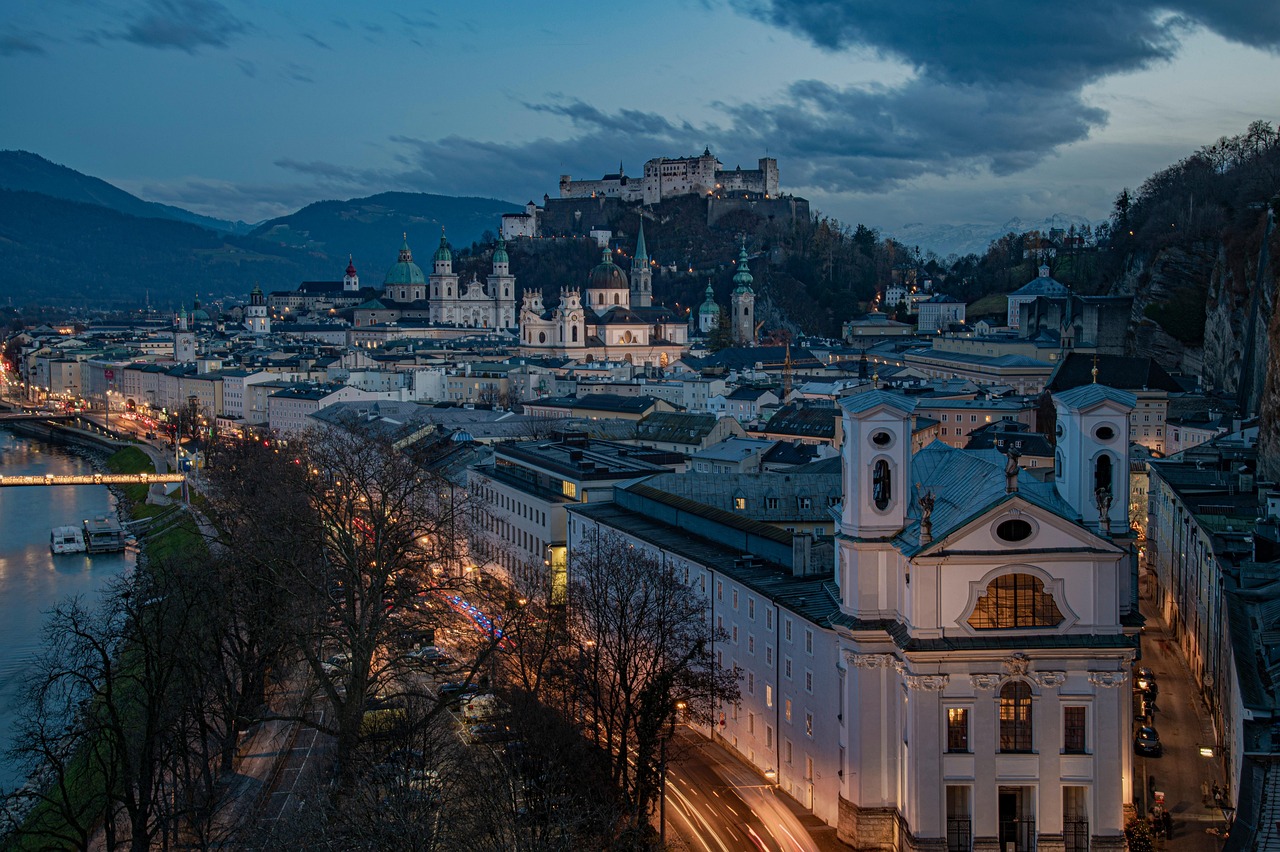
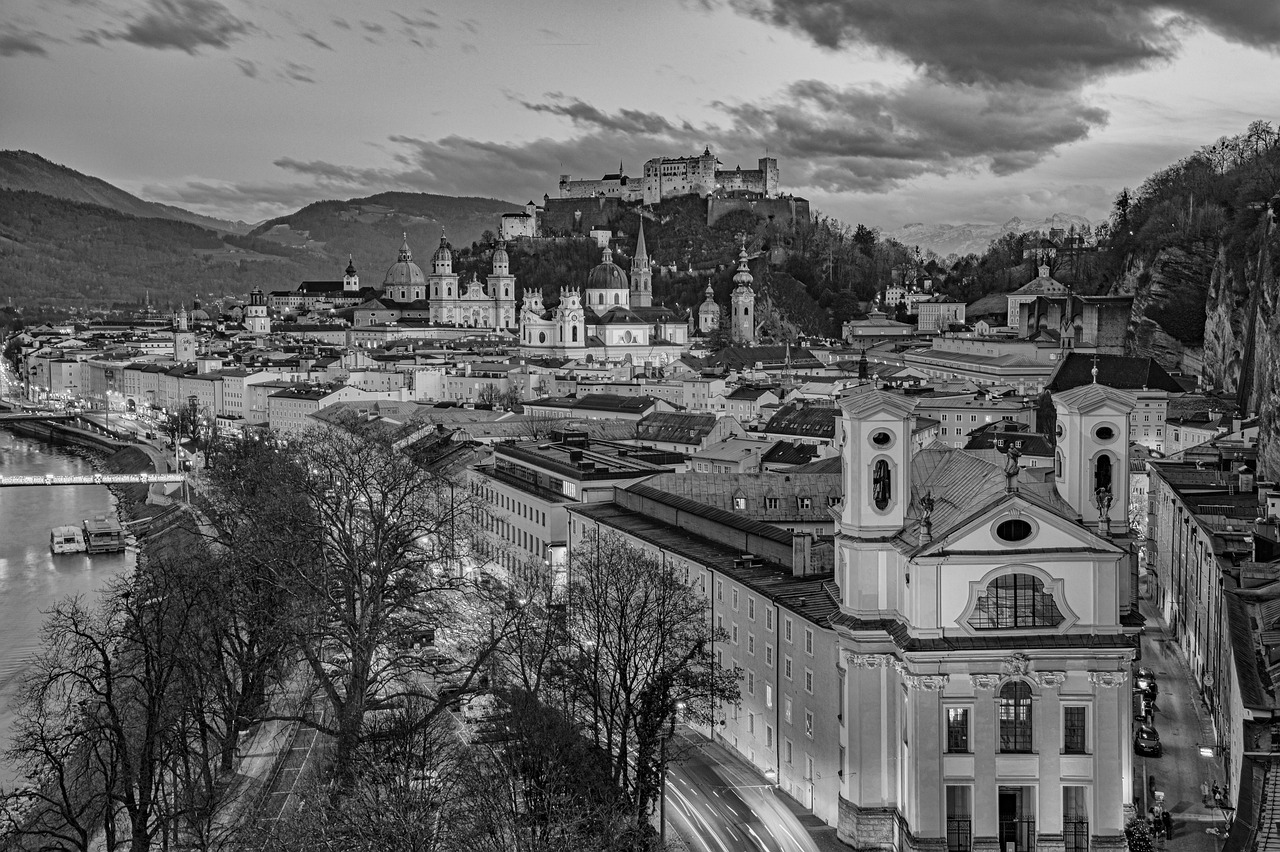
The white fortress perched above the city is the single most recognizable symbol of Salzburg. It’s also the place I tell every first-time visitor to tackle as early in their stay as possible. Once you’ve stood up there and looked down over the old town, the river, and the mountains, the rest of the city’s geography just “clicks.”
History-wise, Hohensalzburg dates back to the 11th century and was expanded into a formidable fortress by the prince-archbishops who once ruled Salzburg as a church state. It was never conquered by foreign troops, and you can feel that sense of impregnability in the thick walls and the steep paths leading up.
Personally, my first visit here was on a rainy October afternoon. Low clouds wrapped around the fortress, and I almost skipped going up, thinking the views would be wasted. I’m glad I didn’t. The mist gave the courtyards a quiet, almost private feel, and when the clouds broke for a few minutes, the city appeared in patches of sunlight, like a painting being slowly revealed.
You can reach the fortress either by walking (a steep but manageable 15–20 minutes if you’re reasonably fit) or by taking the Festungsbahn funicular from the edge of the Altstadt. I usually walk up through the narrow lanes of the Festungsgasse and take the funicular down if my knees protest.
Inside, you’ll find the castle rooms, a small but interesting museum, and a few exhibit spaces. The real star, though, is the view from the ramparts. On clear days, you can see the Untersberg and into Germany. In winter, the city’s rooftops dusted with snow look like something out of a fairy tale.
Tips: Go early in the morning or in the last two hours before closing to avoid the crowds and tour groups. If you’re planning multiple museums, consider a Salzburg Card, which includes fortress admission and the funicular. For couples, the fortress is especially romantic at sunset; for families, give kids the “castle explorer” role and time to run around the inner courtyards.
2. Mirabell Palace & Gardens
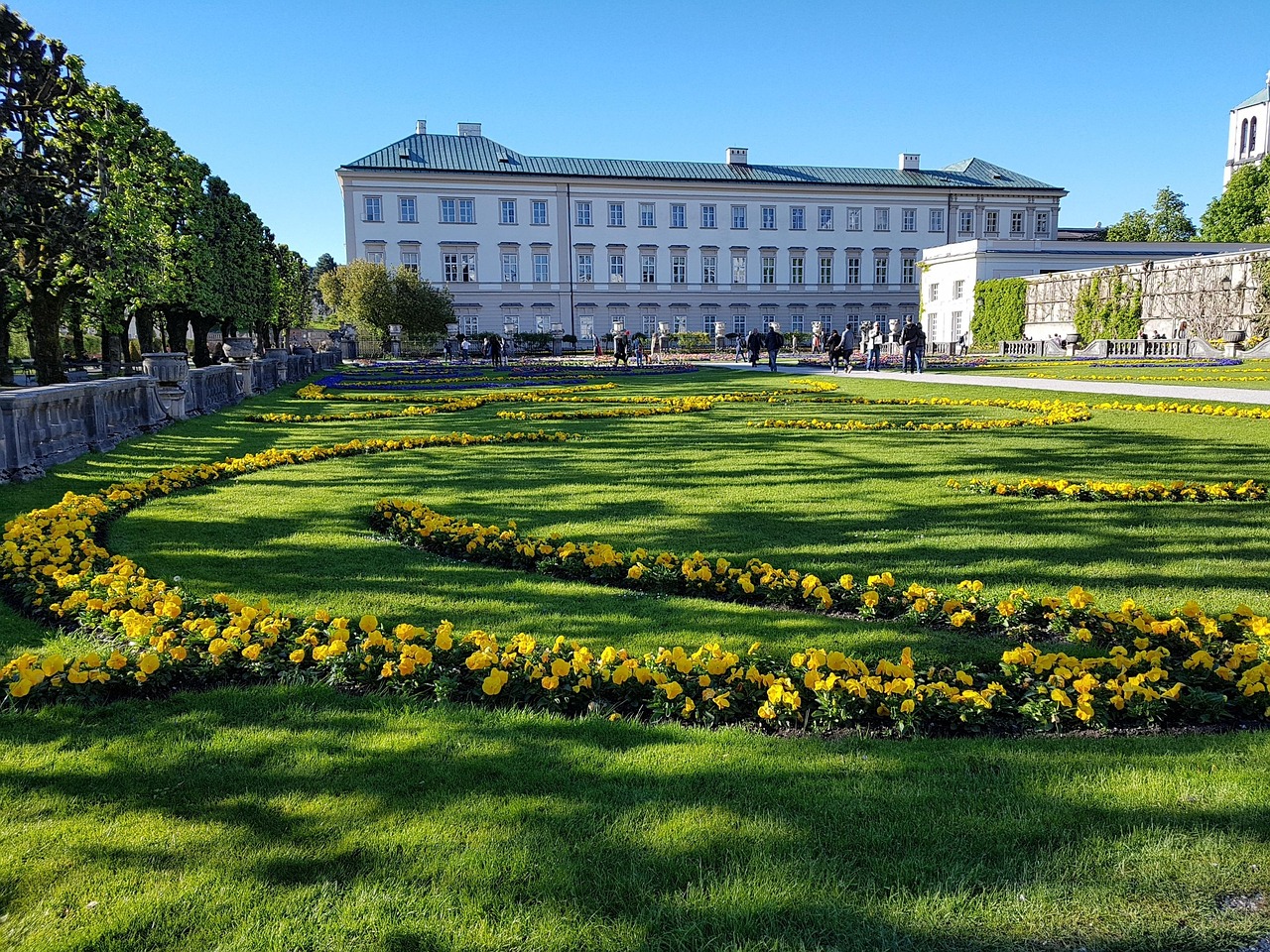
Mirabell Palace and its gardens are pure Baroque joy. Built in the early 17th century, it was once the private residence of a prince-archbishop’s mistress and their children, then later transformed into the more formal palace you see today. These days the gardens are public and free — which is why I’ve wandered them in every season and at almost every time of day.
If you’ve ever watched “The Sound of Music,” you’ll recognize the Pegasus fountain and the steps where the von Trapp children hop while singing “Do-Re-Mi.” In real life, those spots are almost always swarming with people re-enacting the scene. I confess I’ve done it too, badly, on a quiet winter morning when nobody was watching.
My favorite Mirabell moments have actually been early in the day. Once in late May, I grabbed a coffee from a kiosk near the main entrance and sat on a bench watching gardeners trim the flowerbeds into patterns. The fortress floated in the background, and the city felt like it was slowly waking up around me.
The palace itself houses municipal offices, but you can peek into the Marble Hall, one of the most beautiful wedding halls in Europe, when it’s not in use. Check ahead if you’re keen; I’ve wandered in twice on off-peak weekdays and was able to linger for a few minutes, imagining the music and chatter that fill it during concerts and ceremonies.
Tips: Completely free to enter the gardens, open from early morning. Visit at sunrise or just before sunset for softer light and fewer crowds. Perfect for families (kids can run), romantic walks, and photography. Combine with Mozart’s Residence across the road for a full morning.
3. Salzburg Cathedral (Salzburger Dom)
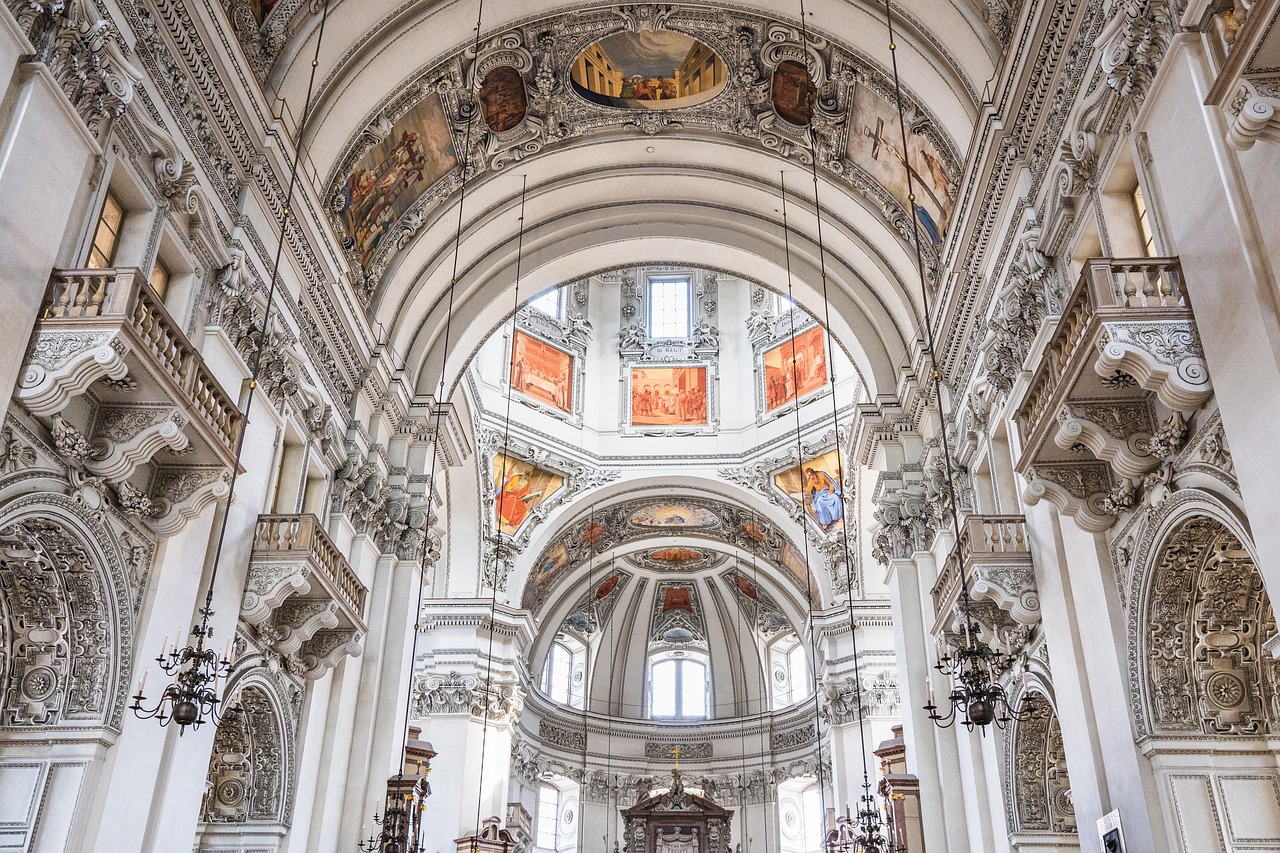
Salzburg Cathedral is the heart of the old town and, in many ways, the heart of the city’s identity. Its twin towers and green copper dome dominate the skyline from almost every angle. The current Baroque structure was consecrated in the 17th century, replacing earlier churches destroyed by fire.
I still remember the first time I stepped inside: it was mid-December, the Christmas market was in full swing just outside, and the sudden quiet of the cathedral felt like a different world. Soft light filtered through high windows, catching the white stucco and gray stone. An organist was practicing. I sat in a pew and just listened — it was impossible not to think of Mozart, who was baptized here and later served as a court organist.
The interior is elegant rather than overloaded, with beautiful frescoes and four smaller organs in addition to the main one. If you’re even vaguely interested in sacred music, check the schedule for Mass with music or organ recitals. Hearing the space filled with live sound is transformative.
Outside, the surrounding squares — Domplatz and Residenzplatz — are where the city really gathers, from the giant Advent market in December to open-air performances in summer. I love visiting the cathedral first, then emerging into whichever seasonal scene is unfolding.
Tips: Modest dress is appreciated, especially during services (shoulders covered, no very short shorts). Entrance is usually free, with a suggested donation. For cultural experiences in Salzburg, attending a Mass or concert here is one of the most powerful.
4. Mozart’s Birthplace (Mozarts Geburtshaus)
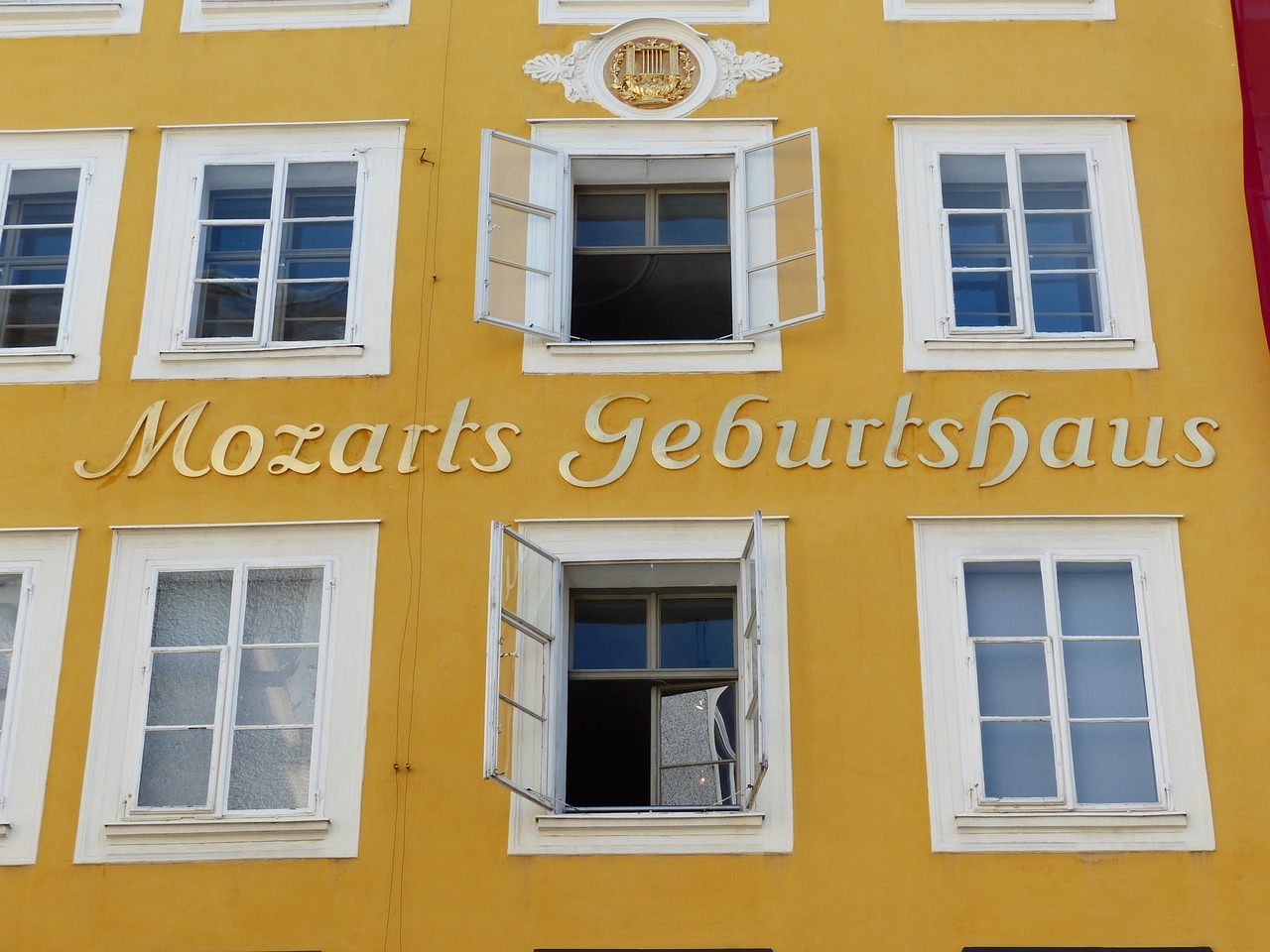
On the busy shopping street of Getreidegasse, a mustard-yellow house with a small plaque marks the birthplace of Wolfgang Amadeus Mozart. It’s one of the must-see attractions in Salzburg for music lovers, but even if you’re only casually familiar with Mozart, it’s worth stepping inside at least once.
The museum spreads across several floors, with period furnishings, portraits, and a few instruments that belonged to the composer. My favorite room is the small, somewhat cramped space that would have been the family’s main living area. Standing there, listening to an audio clip of one of Mozart’s symphonies, it’s hard not to marvel at how such expansive music came from such a modest environment.
On my third trip to Salzburg, I went back with a friend who’s a violinist. She moved slowly from exhibit to exhibit, whispering commentary about the instruments, while I mostly watched her reaction. We lingered over a tiny child’s violin, trying to picture Mozart as a little boy practicing scales in that exact house.
Tips: It can get crowded, especially in peak season. Try visiting right when it opens or in the late afternoon. If you’re short on time, prioritize the atmosphere and a few key exhibits rather than reading every panel. Combine with a stroll along Getreidegasse and a coffee stop in one of the nearby traditional cafés.
5. Mozart’s Residence (Mozarts Wohnhaus)
Across the river on Makartplatz is Mozart’s later family home, where he lived from age 17 until his move to Vienna. The building was heavily damaged in World War II and later reconstructed, so it doesn’t have the same creaky-floorboard authenticity as his birthplace, but the museum here is more spacious and interpretive.
I usually recommend this spot if you’re more interested in understanding Mozart’s life and career, and his relationship with Salzburg’s court, than in simply ticking off “birthplace” from a list. The audio guide is well done, and there’s a room with period instruments where I once found myself alone, sitting on a bench and listening to a full sonata while the rain tapped steadily on the windows.
Tips: Great for a rainy day. If you’re doing both Mozart houses, I personally prefer to start at the Residence (for context) and then end at the Birthplace (for atmosphere). Check for combined tickets or Salzburg Card coverage.
6. Getreidegasse & the Altstadt Lanes
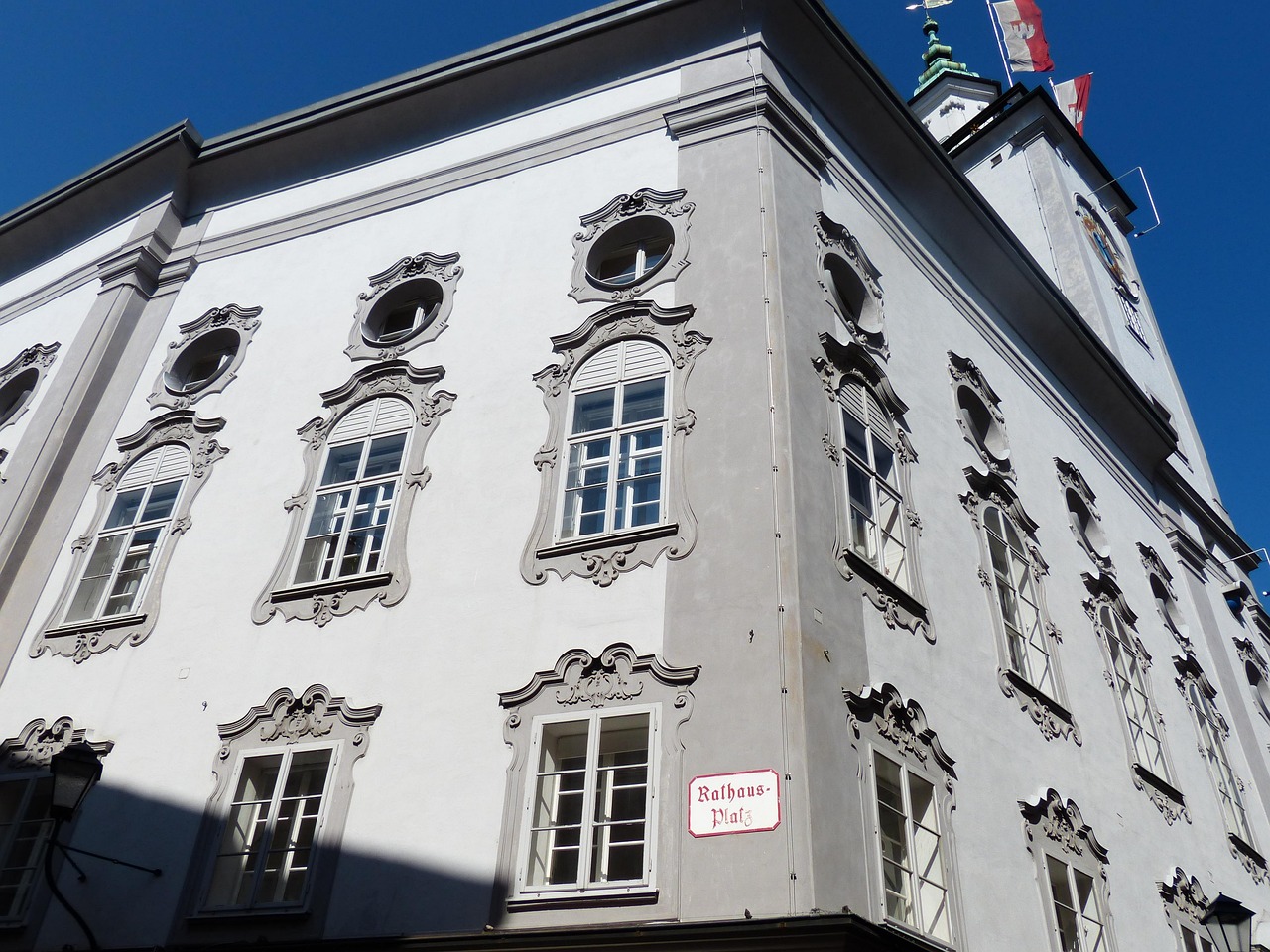
Getreidegasse is the main pedestrian artery of Salzburg’s old town, lined with wrought-iron guild signs, pastel buildings, and a mix of international chains and local shops. It’s undeniably touristy, but the architecture and details are gorgeous if you look up and into the narrow passageways (Durchhäuser) that cut through the blocks.
My experience with Getreidegasse is that it feels completely different depending on when you go. At midday in August, it’s a crush of tour groups and “Sound of Music” umbrellas. At 8 a.m. on a Tuesday in October, I’ve walked its length almost alone, sharing the street mainly with delivery vans and locals heading to work.
Some of the best discoveries are tucked into courtyards off the main drag: small craft shops, quiet cafés, and even tiny hidden gardens. I once ducked through an archway to escape a sudden shower and ended up in a passage lined with old painted signs and a small fountain. The rain drummed outside while the courtyard remained oddly still.
Tips: Visit early morning or later in the evening if you dislike crowds. Use Getreidegasse as a spine, but don’t be afraid to turn into side alleys at random — this is where many hidden gems in Salzburg are waiting. Family-friendly (kids often love spotting the decorative signs), romantic in the evenings when shop windows glow.
7. St. Peter’s Abbey & Cemetery (Stift Sankt Peter)
Pressed against the cliff of the Mönchsberg, St. Peter’s Abbey is one of the oldest monasteries in the German-speaking world, founded around 696 AD. Its church, cloisters, and cemetery form a self-contained world right in the middle of the city, and visiting here always calms me down, no matter how busy the rest of Salzburg feels.
The cemetery is surprisingly beautiful: iron grave markers, small little gardens on each plot, candles flickering in glass lanterns. You might recognize it from “The Sound of Music” (the scenes where the family hides, which were inspired by but not actually filmed here). On my last visit, I watched a gray cat jump neatly from one gravestone to another, then curl up in a patch of sun as bells rang from the abbey.
Don’t miss the catacombs carved directly into the rock of the Mönchsberg. The climb up is short but steep, and the chapels cut into the rock are wonderfully atmospheric. Plus, you get a slightly elevated view back over the cemetery and toward the cathedral.
Tips: Dress respectfully; this is still an active religious site. The catacombs have a small entrance fee, usually cash-only. Good stop to combine with the fortress (they’re very close). Quiet and reflective; better for adults and older kids than very small children.
8. Mönchsberg & Museum of Modern Art (Mönchsberg Aufzug / Mönchsberg Museum)
The Mönchsberg is the wooded hill that rises above the old town on the left bank of the Salzach. It’s one of my favorite places in the city, mainly because it offers the kind of views you’d expect to have to earn with a long hike, but which in Salzburg you can access by elevator in about 30 seconds.
The Mönchsbergaufzug (lift) whisks you up from near the river to the terrace in front of the Museum of Modern Art. From there, the fortress and cathedral appear almost at eye level, and the old town’s rooftops look like a meticulously assembled model village. I’ve brought friends up here right after they arrived, suitcases still at the hotel, and watched the “Oh wow” moment unfold every time.
The Museum of Modern Art itself is a sleek, glass-and-stone building that contrasts sharply with the Baroque city below. Exhibitions lean contemporary and can be hit-or-miss depending on your taste, but the building and rooftop terrace are worth it in themselves. I once spent a gloomy November afternoon wandering the galleries, then emerged to find the clouds breaking and a dramatic shaft of light hitting the fortress — a reminder that in Salzburg, you’re never far from a cinematic view.
Tips: Great any time of day, but especially close to sunset. If you prefer to walk, there are paths up from several points in the Altstadt and from Mülln. Families: the trails on top are good for short, easy strolls. Couples: the terrace bar (in season) is a lovely sunset drink spot.
9. Hellbrunn Palace & Trick Fountains (Schloss Hellbrunn)
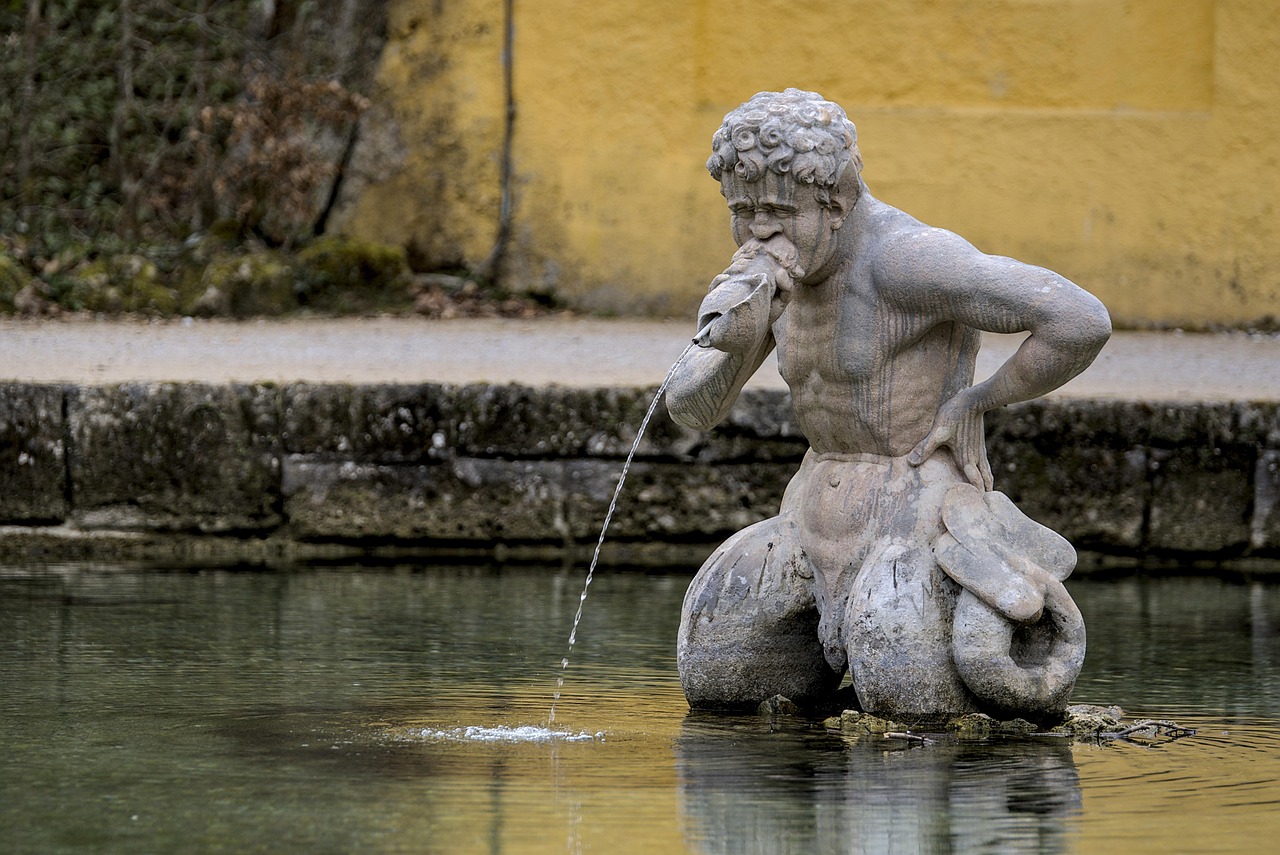
Hellbrunn is where Salzburg lets its playful side out. This early 17th-century pleasure palace, built as a summer residence for Prince-Archbishop Markus Sittikus, is famous for its “Trick Fountains” — a series of hydraulic water features designed to surprise and drench unsuspecting guests.
The first time I went, I underestimated how wet I might get. I ended up squealing and laughing along with a group of schoolchildren as water shot from seemingly innocent benches, tables, and statues. It’s all controlled by a guide, and while they do try to give you some warning, part of the fun is not quite knowing where the next jet will come from.
Beyond the fountains, the parklands are extensive and peaceful, with shady paths, ponds, and views back toward the Untersberg. There’s also a small zoo (Tiergarten Hellbrunn) nearby and, for “Sound of Music” fans, the famous glass gazebo from the film has been relocated to the grounds.
Tips: Hellbrunn is perfect for families (kids adore it) and groups of friends. Wear shoes and clothes that can get a little wet or at least dry quickly. From central Salzburg, take bus 25 (about 20–25 minutes). In peak season, go early or later in the afternoon to avoid the midday rush.
10. Salzach River Promenade & Bridges
The Salzach River divides Salzburg into its historic core and newer districts, and walking along its banks is one of the simplest but most rewarding things to do in Salzburg. It’s also something I do multiple times on every trip, often without planning to — I’ll just “quickly cross the river” and end up strolling for half an hour.
The paved paths on both sides are perfect for easy walks, runs, or bike rides. The Makartsteg pedestrian bridge, with its love locks and views up and down the river, is a classic photo spot. At sunset, the façades of the Altstadt catch the light and glow softly, while the fortress turns from white to gold to pink.
In summer, locals sit on the banks with takeaway drinks or ice cream; in winter, the river can feel almost austere, with low clouds hanging over the water and the hills beyond. I’ve walked here in heavy snow, in clear October sunshine, and in drizzling March rain, and it’s never been anything but atmospheric.
Tips: If you’re on a “3 days in Salzburg” schedule, use the river as your main north–south orientation line. For a romantic experience, consider an evening river cruise (in season). Families: kids often enjoy tossing leaves or tiny sticks into the water and watching them float downstream — simple but surprisingly absorbing.
11. Leopoldskron Palace & Lake (Schloss Leopoldskron)
A short distance south of the city center, Schloss Leopoldskron sits beside a quiet lake, backed by the rocky ridge of the Mönchsberg. It’s now a private hotel and event venue, but you can still enjoy its silhouette from the public side of the lake path.
“Sound of Music” fans will recognize the setting: some of the exterior shots of the von Trapp family home were filmed here. But even if you’ve never seen the movie, the scene is pure Austrian idyll. On one of my favorite mornings in Salzburg, I walked the lake loop just after sunrise. Mist hovered over the water, and the palace slowly emerged as the air warmed. A few joggers passed, nodding hello; otherwise it was just me, swans, and the sound of distant church bells.
The neighborhood around Leopoldskron is a pleasant mix of villas and small apartment buildings, with a more residential feel than the historic center. It’s a good area to stay if you want calm but still be within walking distance (20–30 minutes) or a short bus ride of the main sights.
Tips: The lake path is public and free; allow about 45–60 minutes for a leisurely loop with photo stops. Early morning or late afternoon are magic times for light. Family-friendly (flat path, benches), and one of the more romantic walks in the city.
12. Untersberg Cable Car & Mountain
The Untersberg is the massive limestone mountain you see looming to the south of Salzburg. It’s technically in both Austria and Germany, and local legends say Emperor Charlemagne sleeps inside it. For visitors, the big draw is the cable car that carries you up to about 1,776 meters in just a few minutes.
On clear days, the ride up feels like floating over a patchwork of fields and villages, with Salzburg shrinking below. At the top, a small station gives way to rocky paths, cross-topped peaks, and views that stretch, on very clear days, all the way to the Großglockner. One late September afternoon, I sat near the summit with a thermos of coffee and watched paragliders launch off the slopes, swirling silently in the air below.
In winter, the Untersberg is often cloaked in snow. The cable car runs year-round, but conditions can change quickly, so check the forecast. On one January trip, clouds closed in suddenly, and I ended up walking in a whiteout, following the red-and-white trail markers more carefully than I ever have in my life.
Tips: Take bus 25 from Salzburg (same line as Hellbrunn, just continue further). Wear layers — it’s often 5–10°C colder at the top than in the city. Good boots are essential if you plan to hike beyond the immediate summit area. Families with small children can still enjoy the short, easy path from the cable car station to the main viewpoints.
13. Augustiner Bräustübl Mülln
If you’re into beer — or even if you’re just into convivial atmospheres — Augustiner Bräustübl in Mülln is a must. This monastery brewery has been pouring beer since the 17th century, and its sprawling beer halls and garden are some of the liveliest spots in Salzburg on a warm evening.
The ritual is part of the fun. You choose a mug size, rinse it yourself at a communal fountain, then hand it over to be filled from wooden barrels. The beer is unfiltered Märzen, fresh and slightly cloudy. Food is purchased separately from various stalls: roast chicken, pretzels, spreads, salads, and classic Austrian “Brettljause” cold-cut platters.
My favorite memory of Augustiner is from a spring evening when I went with local friends. We grabbed a long wooden table outside, under chestnut trees, and slowly worked through a spread of food while discussing everything from Austrian politics to the best ski areas. As the sky darkened, the fortress lights came on in the distance, and the whole place hummed with conversation and clinking mugs.
Tips: Cash only, and very popular after work and on weekends. Family-friendly earlier in the evening (you’ll see kids in the garden), more boisterous later on. It’s an easy walk from the center via the river and Mülln, or a quick bus ride. A quintessential cultural experience in Salzburg.
14. Salzburg Festival (Salzburger Festspiele)
The Salzburg Festival is one of the world’s most renowned classical music and drama festivals, held each summer (typically late July through August). For a few weeks, the city transforms: evening dress appears on the streets, rehearsal notes drift from open windows, and ticket-holders whisper excitedly in multiple languages outside the Festspielhäuser (festival halls).
Even if you’re not a hardcore opera or classical music fan, experiencing at least one performance is a powerful cultural experience in Salzburg. I once got a last-minute standing ticket for a Mozart opera and spent the interval chatting with a retired Viennese couple who had been coming to the festival for 30 years. Their stories of productions past were almost as interesting as the show itself.
In 2026–2027, expect the usual mix of Mozart, Strauss, contemporary works, and plays, along with high-profile conductors and soloists. Tickets can be expensive, but there are often more affordable options (standing room, rehearsals, or chamber concerts). Even if you don’t attend, the ambiance in the festival district — around the Großes Festspielhaus, Haus für Mozart, and Felsenreitschule — is electric.
Tips: Book tickets as early as possible if there’s a specific production you want. Dress codes vary, but smart casual to semi-formal is generally appropriate. If you’re planning a 3 or 4 day itinerary for Salzburg during festival season, factor in extra time: the city is busier, and restaurant reservations become more important.
15. Residenzplatz & DomQuartier
Residenzplatz is one of Salzburg’s grandest squares, framed by the former prince-archbishops’ residence (Residenz), the cathedral, and stately arcades. In the center stands a Baroque fountain that looks particularly dramatic when lit at night or covered in a light dusting of snow.
The DomQuartier is the interconnected complex of the Residenz, the cathedral’s upper galleries, and St. Peter’s. It’s one of the best museums in Salzburg for understanding how church and state power were once concentrated here. You wander through ornate state rooms, view art collections, and peek down into the cathedral from above.
One rainy February day, I spent almost three hours slowly moving through the DomQuartier with very few other visitors around. I took my time with the audio guide, stood in front of a painting of the city from the 18th century, and tried to match its skyline to the one I know today. Then I stepped into the cathedral gallery and listened as a small choir rehearsed below — an unplanned bonus.
Tips: Excellent for bad weather or very hot days (the thick walls stay relatively cool). The DomQuartier is included in the Salzburg Card. Families with older kids might enjoy the “behind the scenes” feel of walking above the cathedral; very young children may lose interest more quickly.
16. Kapuzinerberg Hill & Monastery
Opposite the Mönchsberg, on the other side of the river, rises the Kapuzinerberg — a forested hill topped by a Capuchin monastery. It’s less visited than the fortress or Mönchsberg, which is exactly why I love it. Within minutes of leaving the busy Linzergasse, you’re climbing quiet stone steps under trees, passing small chapels and viewpoints.
The paths wind up in switchbacks, with occasional openings that give you postcard-perfect views of the old town, fortress, and river. On one autumn afternoon, I took a detour onto a narrow track and ended up at a bench where an elderly man was sketching the skyline in a notebook. We chatted for a while in a mix of German and English; he’d been coming up here to draw for 20 years.
At the top is the monastery (not generally open for tours) and more walking paths, including a loop around parts of the old fortifications. In spring, wildflowers dot the slopes; in winter, the paths can be icy, so tread carefully.
Tips: Wear comfortable shoes; some sections are steep. Great free activity if you’re on a budget and want both nature and views. Safe during the day; I avoid the forested parts after dark. Good for active families and couples who enjoy low-key hiking.
17. Salzburg Museum & Panorama Museum
For a deeper dive into Salzburg’s history beyond the postcard layer, the Salzburg Museum on Residenzplatz is the place to go. Exhibits cover everything from prehistoric finds to the city’s Baroque heyday to modern times, with a particular emphasis on art, everyday objects, and how Salzburg has been represented over the centuries.
Attached is the Panorama Museum, home to an enormous 19th-century circular painting of Salzburg. You stand on a small platform in the center and slowly spin, taking in a detailed 360° view of the city as it looked in 1829. When I brought my parents here, my dad (a map nerd) spent a good 20 minutes matching landmarks in the painting to those we’d already seen outside.
Tips: Another great rainy-day option and a good complement to your on-the-ground exploring. Included in the Salzburg Card. Exhibits usually have English labels; audio guides may be available. Best for those who enjoy history and context; families might want to target specific sections to avoid museum fatigue.
18. “Sound of Music” Filming Locations
Whether you’re a die-hard fan or have only seen it once on a plane, “The Sound of Music” is woven into Salzburg’s tourism DNA. You’ll see references everywhere: tours, souvenirs, hotel packages. I was skeptical at first, but I eventually gave in and joined a half-day tour — and ended up having more fun than I expected.
Major filming locations in and around Salzburg include the Mirabell Gardens (Do-Re-Mi steps), Leopoldskron (lake scenes), the gazebo at Hellbrunn, and Nonnberg Abbey. The tours typically mix film trivia with historical info about the real von Trapp family and the Nazi era in Austria. On my tour, our guide sang along with the bus soundtrack in a way that was equal parts endearing and slightly off-key.
If group tours aren’t your thing, you can easily create your own DIY route, hitting Mirabell, Leopoldskron, Nonnberg, and Hellbrunn over the course of a couple of days as part of a broader 4 or 5 day itinerary for Salzburg.
Tips: Official tours are great for families (kids love the sing-alongs) and fans. For budget travelers, Google a self-guided map and visit on your own. Remember that Nonnberg is an active convent and should be treated with respect — quiet voices, modest dress.
19. Salzburg Christmas Markets (Christkindlmarkt & More)
If you’re visiting between late November and Christmas, the markets turn Salzburg into a real-life snow globe. The main Christkindlmarkt spreads around the cathedral and Residenzplatz, with stalls selling ornaments, candles, woolens, and of course, food and Glühwein (mulled wine).
I’ve been lucky enough to be in Salzburg for the markets three times. My favorite visit was on a lightly snowy evening, when I stood in front of a stall, warming my hands around a mug of hot orange-punch, while a choir sang carols on a small stage nearby. The smell of roasted chestnuts, pine branches, and cinnamon hung in the air.
There are also smaller markets in Mirabellplatz and Hellbrunn, each with its own vibe. Hellbrunn in particular feels magical, with the palace and trees covered in thousands of tiny lights.
Tips: Dress warmly in layers, including good shoes — your feet will get cold standing around chatting and sipping. Weekday evenings are less crowded than weekends. This is a family-friendly and romantic activity; kids love the lights and sweets, adults love the atmosphere and warm drinks.
20. Nonntal District & Nonnberg Abbey
South of the old town, the Nonntal district feels more lived-in, less performed for visitors. Students from the nearby university mix with locals in cafés and bakeries, and the streets are quieter, with fewer souvenir shops and more everyday services.
Rising above the area is Nonnberg Abbey, the world’s oldest continuously existing convent north of the Alps, founded around the year 700. You can visit the church, which has a simple, almost austere beauty, and walk around the exterior to enjoy views back over the city. This is also where the real Maria von Trapp was a novice, and the abbey features in “The Sound of Music.”
I often come to Nonntal on my “slower” days in Salzburg. I’ll grab a coffee and pastry from a local bakery, wander up toward the abbey, and then continue along the paths that skirt the base of the fortress. One spring morning, I found a tiny community garden half-hidden behind a fence, filled with tulips and labeled herb beds — a reminder that people here are just living their lives, not performing them for visitors.
Tips: Excellent area to explore if you have 4 or 5 days in Salzburg and want a more local feel. The climb to Nonnberg Abbey is short but a bit steep; wear comfortable shoes. Quiet, contemplative, and a nice counterbalance to the busy center.
Neighborhoods & Areas to Explore in Salzburg
Altstadt (Old Town)
The Altstadt is the UNESCO-listed historic center on the left bank of the river. It’s where you’ll spend much of your first 3 days in Salzburg: narrow cobbled lanes, Baroque churches, small squares, and countless architectural details. Tourist-heavy, yes, but for good reason. I like to walk here early in the morning before shops open and then again at night after day-trippers have gone.
Neustadt (New Town)
Across the river, centered around Mirabellplatz and Linzergasse, is the so-called “New Town,” though large parts are still centuries old. It feels less museum-like than the Altstadt and has more everyday life: bakeries, bars, boutiques, supermarkets. This is my favorite area to base myself when I want easy access to the center but a slightly more local vibe.
Mülln
Mülln, just northwest of the center, is a compact district perched on a small hill above the river. It’s home to the Augustiner Bräustübl and a pretty parish church. From the river path, stairways climb steeply to the church, rewarding you with views and a quieter, village-like feel. In the evenings, the beer hall and garden draw locals from across the city.
Maxglan
Maxglan lies to the west and feels more residential and light-industrial, with a mix of housing, small businesses, and some surprisingly good eateries. It’s not a must for a short 3 day itinerary for Salzburg, but if you stay longer, it’s worth a wander, especially for more affordable restaurants and a peek at everyday life. I once spent an afternoon café-hopping here with a local friend, far from the souvenir crowds.
Nonntal & Aigen
Nonntal and Aigen spread south and southeast from the center, with leafy streets, villas, and apartments. Aigen, in particular, has a genteel, almost suburban feel, with large houses and gardens. If you’re looking for quieter accommodation and don’t mind a short bus ride or 30–40 minute walk into town, these areas can be lovely bases.
Leopoldskron & Riedenburg
Riedenburg sits at the base of the Mönchsberg on the western side; Leopoldskron is just beyond, around the lake. Together they form one of my personal favorite corners of Salzburg: residential but scenic, with good local cafés, easy access to walking paths, and that storybook palace-lake combination. I’ve rented apartments here twice and loved being able to walk into the center in about 15–20 minutes while returning home to quiet streets.
Local Food & Drink in Salzburg
What to Eat: Classic Dishes & Sweet Specialties
Salzburg’s food scene balances hearty Austrian classics with lighter, modern options. If you’re here for just 3 days in Salzburg, try to fit in at least a few of these:
- Schnitzel: Breaded and fried veal or pork, served with potato salad or fries. Simple, satisfying.
- Tafelspitz: Boiled beef with horseradish, spinach, and potatoes; more Viennese but common here too.
- Kasnocken: Small dumpling-like noodles with melted cheese and fried onions — perfect on a chilly day.
- Salzburger Nockerl: A fluffy, sweet soufflé-like dessert, shaped like three mountains. Best shared; it’s huge.
- Strudel: Apple (Apfelstrudel) or curd cheese (Topfenstrudel), often with vanilla sauce.
- Bosna: A Salzburg street-food classic: sausage in a white bun with onions, curry powder, and mustard.
- Mozartkugeln: Chocolate-covered marzipan and pistachio balls, invented here. Try the original from Café Konditorei Fürst.
Where to Eat: Personal Favorites
I’ve eaten my way around Salzburg over multiple trips, balancing budget spots with occasional splurges. A few recurring favorites include:
- Traditional Austrian: Look for rustic Gasthäuser in and around the old town. Many serve excellent schnitzel, roast pork, and seasonal specials like asparagus in spring or game in autumn.
- Cafés & Cake: Classic coffeehouses near the cathedral and on the right bank offer strong coffee, pastries, and people-watching. I often duck into one mid-afternoon for a melange (similar to a cappuccino) and a slice of cake, then linger with a book.
- Budget-Friendly: University-area cafés in Nonntal and around the Neustadt often have lunch specials. Supermarkets like Billa and Spar make good picnic supplies; I’ve had many simple bread-cheese-fruit lunches on a bench overlooking the river.
- Markets: The Grünmarkt near the Kollegienkirche offers fresh produce, cheeses, and prepared foods during the day. Perfect for a DIY picnic or quick, affordable lunch.
Money-saving tip: At lunch, many places offer a Tagesmenü (daily menu) that’s significantly cheaper than evening à la carte. If you’re trying to stretch your budget over 4 or 5 days in Salzburg, make lunch your main hot meal and keep dinners simpler.
Beer, Wine & Non-Alcoholic Options
Beyond Augustiner, Salzburg has several breweries and beer-focused spots. Try the local lagers and Märzen styles; many are unfiltered and very drinkable. Austrian wines (especially Grüner Veltliner and Riesling) are widely available, and many places now offer good non-alcoholic beers and house-made lemonades (Hauslimonade).
I like to end a long sightseeing day with one drink at a riverside bar in summer or a small, cozy wine bar in winter. For non-drinkers, elderflower syrup with sparkling water (Holundersaft gespritzt) is a refreshing, very local option.
Nightlife, Entertainment & Cultural Experiences
Classical Music & Concerts
Classical music is Salzburg’s calling card. Beyond the summer festival, there are year-round performances:
- Mozart Dinner Concerts: Combine a set menu with live performances of Mozart’s music in Baroque halls. Yes, touristy, but surprisingly high quality when chosen well.
- Church Concerts: Especially in the cathedral and collegiate church, ranging from organ recitals to choral works.
- University & Local Ensembles: Smaller, sometimes more affordable concerts, which I’ve stumbled upon via posters on noticeboards or local event sites.
Bars, Pubs & Late-Night Spots
Salzburg isn’t a wild party city, but it has a good mix of bars and pubs, many tucked into vaulted cellars or along side streets in the Neustadt. Typical closing times are around midnight to 1–2 a.m. on weekends. Student-heavy spots can be livelier, especially during term time.
In summer, some bars spill onto outdoor terraces with views of the fortress; in winter, cozy interiors with candles and wood panels dominate. I’ve had some of my best Salzburg conversations perched at small bar counters, chatting with bartenders about everything from local politics to ski season snow quality.
Family-Friendly Evenings
If you’re traveling with kids, evenings can still be special without being late:
- Evening river walks with ice cream.
- Early dinners in traditional restaurants (Austrians eat earlier than in some Mediterranean countries).
- Occasional family-friendly concerts or puppet shows — keep an eye on local listings.
Best Day Trips from Salzburg
Berchtesgaden & Königssee (Germany)
Just over the border in Germany, Berchtesgaden and Königssee offer some of the most dramatic alpine scenery within easy reach of Salzburg. A steep-walled, emerald-green lake surrounded by peaks, boat rides to St. Bartholomä church, and optional hikes make this a top pick if you have 4 or 5 days in Salzburg.
Getting there: Buses run from Salzburg Hauptbahnhof; travel time is about 1–1.5 hours depending on connections. Organized tours exist if you prefer not to handle logistics.
Hallstatt & the Salzkammergut Lakes
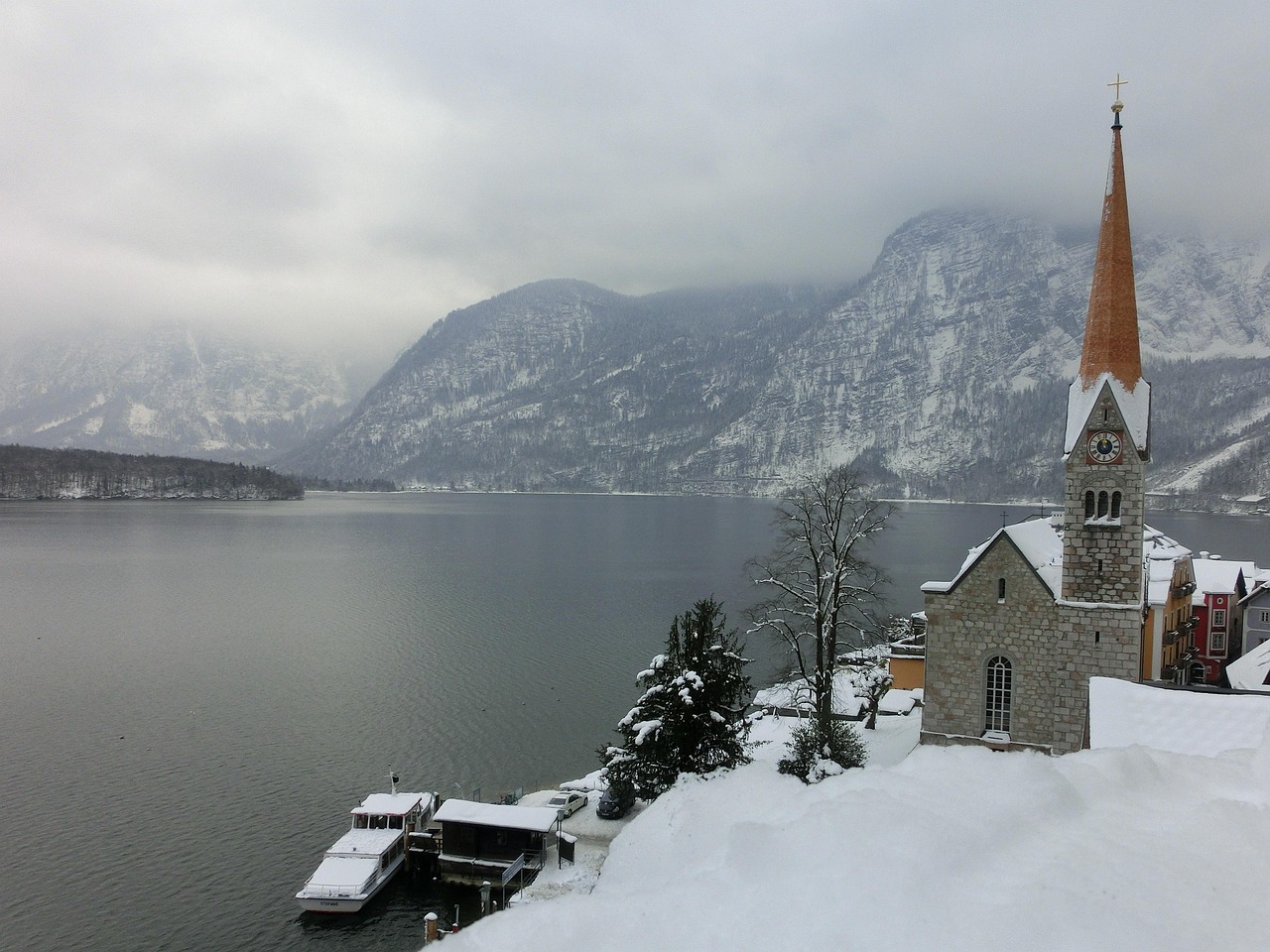
Hallstatt is famous — some would say too famous — for its pretty lakeside setting and pastel houses. It’s undeniably beautiful, but it’s also very crowded in peak season. I’ve visited twice: once in November (quiet, misty, magical) and once in July (very busy but still lovely in the early morning).
If a long day trip feels too much, consider closer lakes like Fuschlsee or Wolfgangsee, which offer swimming, hiking, and boat rides with fewer crowds.
Getting there: Trains and buses connect Salzburg to Hallstatt (about 2.5 hours). Tours can simplify things if you’re short on time.
Werfen & Eisriesenwelt Ice Caves
About 40 km south of Salzburg, Werfen is home to Eisriesenwelt, one of the world’s largest ice cave systems. A cable car and a steep walk bring you to the cave entrance, then a guided tour takes you through vast frozen chambers lit by hand-held lamps.
Tips: Even in summer, it’s very cold inside; dress warmly and wear sturdy shoes. Not suitable for those with mobility issues (lots of steps). Families with older kids often rate this as a highlight.
Fuschlsee & Wolfgangsee
When summer in Salzburg gets hot, locals head to the lakes. Fuschlsee is one of my favorites: clear turquoise water, wooded hills, and walking paths around the shore. Wolfgangsee is larger, with charming towns like St. Gilgen and St. Wolfgang, boat services, and a cog railway.
These make for relaxed, low-pressure day trips that pair perfectly with a 5 day itinerary for Salzburg: think swimming, lakeside lunches, and easy hikes.
Cultural Etiquette & Local Customs in Salzburg
Greetings & Politeness
Austrians value politeness and a certain formality, especially with strangers.
- Use “Grüß Gott” (traditional) or “Guten Tag” during the day, “Guten Abend” in the evening.
- “Bitte” (please/you’re welcome) and “Danke” (thank you) go a long way.
- When entering small shops or cafés, a simple greeting is appreciated; when leaving, a “Wiedersehen” or “Schönen Tag noch” (have a nice day) is common.
Tipping
Tipping is customary but modest:
- Restaurants/cafés: round up or add 5–10% if service was good.
- Bars: round up to the nearest euro or add a small amount per round.
- Taxis: round up or add a euro or two.
Say how much you want to pay, including tip, when handing over cash or when the card terminal is presented (“Machen wir 25, bitte” if the bill is 23.80).
Churches & Religious Sites
Many of Salzburg’s must-see attractions are active churches and monasteries.
- Dress modestly: shoulders covered, no very short skirts or shorts.
- Speak quietly; switch phones to silent.
- Respect any no-photo signs; flash is generally discouraged.
Noise & Order
Salzburg, like much of Austria, values order and relative quiet, especially in residential areas.
- Keep voices down on public transport and late at night on residential streets.
- Recycling and waste separation are taken seriously; follow local bins and signage.
- Jaywalking is common but still technically frowned upon — use crossings where possible.
Practical Travel Advice for Salzburg (2026–2027)
Getting Around Salzburg
Salzburg is compact. For most visitors, walking plus occasional buses or trolleybuses is enough.
- Walking: Most main sights are within a 20-minute radius of the center.
- Public Transport: Buses and trolleybuses are efficient and clean. Tickets can be bought from machines, at tobacconists (Trafik), or via apps. Validate if required.
- Bikes: There are bike lanes along the river and in many parts of the city. Rentals are available; just follow local rules and watch for pedestrians.
- Car Rental: Not necessary for city sightseeing and can be a hassle with parking. More useful if you plan multiple day trips into the countryside; many day trips are also easy by train/bus.
How to Save Money in Salzburg
Salzburg isn’t the cheapest city in Europe, but it doesn’t have to break the bank, especially on a 3 or 4 day itinerary.
- Salzburg Card: Includes many attractions (fortress, museums, lift) and public transport. Worth it if you plan to hit several paid sights in 1–3 days.
- Lunch Specials: Eat your main meal at lunch when Tagesmenüs are cheaper.
- Picnics: Grab groceries and eat by the river or in a park.
- Free Activities: Walking the old town, Kapuzinerberg and Mönchsberg paths, river promenades, churches (mostly free), and window-shopping are all free.
SIM Cards & Connectivity
In 2026, staying connected in Salzburg is straightforward.
- EU Visitors: Roam like at home in most cases (check your plan).
- Non-EU Visitors: Buy a prepaid SIM from major providers in the city center or at the train station. Bring your passport.
- eSIM: Many travelers now use eSIM providers, activating service before arrival.
- Wi-Fi: Widely available in hotels, many cafés, and some public areas.
Visa Requirements & Entry
Austria is in the Schengen Area.
- EU/EEA/Swiss citizens: Can enter with ID card or passport, no visa.
- Many other nationalities: Can visit short-term without visa; others need a Schengen visa. Check official Austrian or EU sources before travel, as rules can change.
- Passport validity: Typically must be valid for at least 3 months beyond planned departure from Schengen.
Driving Licenses & Road Rules
If you plan to rent a car:
- Many foreign licenses are accepted; some non-EU licenses may require an International Driving Permit. Check ahead with your rental company.
- Seatbelts are mandatory; drink-driving laws are strict.
- Urban speed limits are generally 50 km/h unless otherwise posted.
- Parking in central Salzburg is limited and often paid; park-and-ride options exist on the outskirts.
When to Visit: Seasons & What They’re Best For
Salzburg changes character with the seasons, and your ideal time depends on what you want from your trip.
- Spring (April–June): Mild temperatures, blooming gardens, fewer crowds than high summer. Great for a balanced 3 or 4 day itinerary for Salzburg plus a day trip or two.
- Summer (July–August): Warm, sometimes hot; peak festival season; busiest and most expensive. Best for festival-goers, lake days, and long evenings outdoors. Book early.
- Autumn (September–October): My personal favorite: crisp air, fall colors on surrounding hills, fewer tourists post-festival, often stable weather. Perfect for 5 days in Salzburg with hiking and day trips.
- Winter (November–March): Cold, often gray, but very atmospheric. Christmas markets from late November through December are a highlight. January–February can be quiet and cheaper; good for those who like a calm, moody city and possible day trips to ski areas.
Summary & Final Recommendations
Salzburg is one of those rare cities that works beautifully whether you have 3 days or a full 5 day itinerary. In 3 days in Salzburg, you can comfortably see the fortress, Mirabell, the cathedral, Mozart sites, a hill walk, and a taste of local food and beer. With 4 days in Salzburg, you can slow down, explore neighborhoods like Nonntal and Leopoldskron, and maybe add a museum or concert. With 5 days in Salzburg, you can weave in one or two day trips — to mountains, lakes, or even Hallstatt — and still have time for unscripted wandering.
For most travelers, the best times to visit Salzburg are late spring (May–June) and early autumn (September–early October), when the weather is pleasant and crowds are manageable. If you love festivals and don’t mind higher prices, summer during the Salzburg Festival is unforgettable. If Christmas markets and cozy evenings appeal, late November and December turn the city into a glowing winter village.
What will likely stay with you most, long after you leave, isn’t just the list of things to do in Salzburg but the way the city feels: the echo of church bells between stone walls, the sight of the fortress glowing above the river at night, the taste of a still-warm pastry on a chilly morning, the quiet of a forest path ten minutes from a busy square. However you structure your travel guide for Salzburg — 3, 4, or 5 days, festival-focused or nature-heavy — give yourself moments with no agenda except to look, listen, and be there. That’s where Salzburg really works its magic.