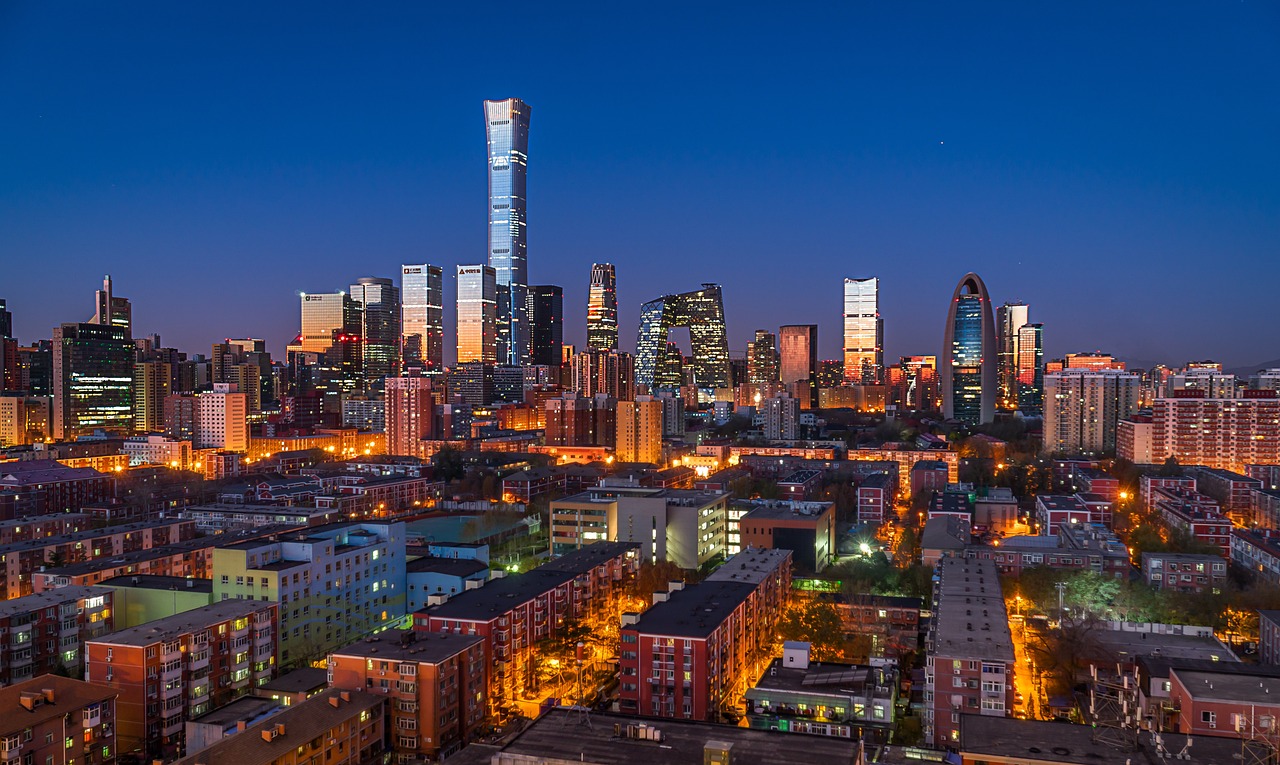
Why Visit Beijing in 2026
Beijing isn’t just a city you “see”; it’s a place you feel. It’s where imperial palaces meet glassy skyscrapers, where smoky lamb skewers sizzle under neon signs, and where you can step from a 600-year-old courtyard into a sleek subway station in minutes.
I’ve been returning to Beijing almost every year since my first trip more than a decade ago, and each time the city is different. In 2026, Beijing is in a sweet spot: ultra-connected, easier for English-speaking travelers than ever, yet still wonderfully, defiantly Beijing at its core.
Whether you’re planning 3 days in Beijing, stretching to a 4 day itinerary for Beijing, or settling in for 5 days in Beijing or longer, this travel guide will help you design an itinerary that blends the must-see attractions with local neighborhoods, great food, and quieter corners most visitors miss.
Expect a mix of personal stories (I’ll tell you where I got lost in a hutong at midnight and found the best sesame noodles), practical tips (from subway hacks to 2026 e-payment updates), and deep dives into cultural experiences in Beijing, local customs in Beijing, and the best places to visit in Beijing.
Table of Contents
- Why Visit Beijing
- Beijing at a Glance (2026 Snapshot)
- 20 Must-See Attractions in Beijing (Overview)
- In-Depth Guide to 20 Top Attractions
- Suggested Itineraries: 3–5 Days in Beijing
- Best Neighborhoods & Districts to Explore
- Local Food in Beijing: What & Where to Eat
- Nightlife, Entertainment & Cultural Experiences
- Day Trips & Nearby Escapes from Beijing
- Cultural Etiquette & Local Customs
- Practical Travel Tips for Beijing (Money-Saving, SIM, Transport, Visas)
- What’s New: 2026–2027 Events & Trends
- When to Visit Beijing & Seasonal Tips
- Summary & Final Recommendations
Beijing at a Glance (2026 Snapshot)
Population: ~22 million • Language: Mandarin Chinese • Time Zone: China Standard Time (UTC+8) • Currency: Chinese Yuan (RMB)
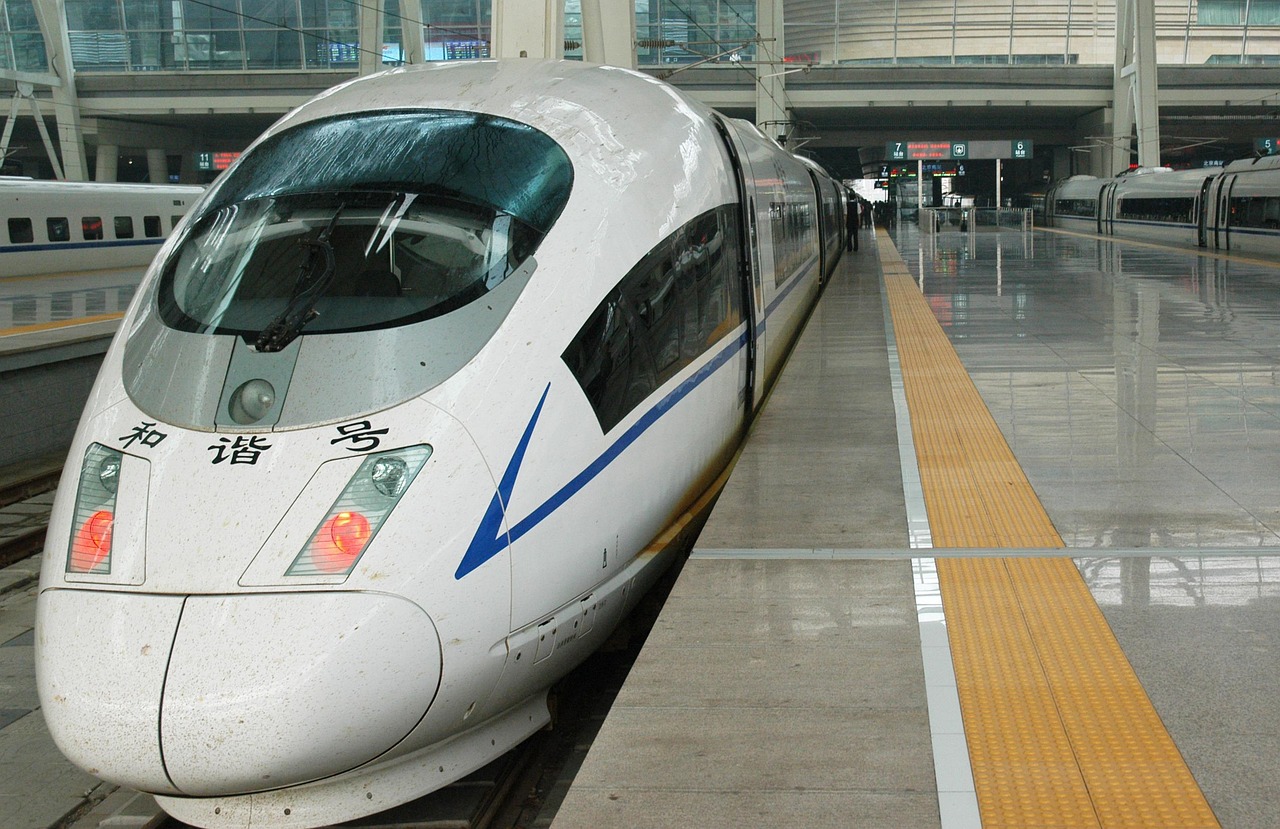
Beijing in 2026 is hyper-connected: near-universal mobile payment, updated subway lines linking to new suburbs, and improved English signage at major attractions. Air quality has improved compared to a decade ago, though winter can still be hazy on some days. High-speed rail makes day trips to nearby cities like Tianjin and Zhangjiakou easier than ever.
For travelers, this means it’s now simpler to blend the classic must-see attractions in Beijing with spontaneous neighborhood wandering, cafe-hopping, and last-minute side trips.
20 Must-See Attractions in Beijing (Quick Overview)
We’ll go deep into each later, but here’s the short list of the best places to visit in Beijing I revisit almost every trip:
- 1. Forbidden City (Palace Museum)
- 2. Tiananmen Square
- 3. Jingshan Park
- 4. Temple of Heaven
- 5. Great Wall of China – Mutianyu
- 6. Great Wall – Jinshanling
- 7. Summer Palace
- 8. Beihai Park
- 9. Lama Temple (Yonghe Gong)
- 10. Confucius Temple & Guozijian
- 11. Nanluoguxiang & Surrounding Hutongs
- 12. 798 Art District
- 13. Sanlitun (Nightlife & Shopping)
- 14. Wangfujing (Snacks & Shopping)
- 15. Olympic Park (Bird’s Nest & Water Cube)
- 16. Panjiayuan Antique Market
- 17. Houhai Lakes & Drum/Bell Towers
- 18. Prince Gong’s Mansion
- 19. National Museum of China
- 20. National Centre for the Performing Arts (NCPA)
In-Depth Guide to 20 Top Attractions in Beijing
1. Forbidden City (Palace Museum)
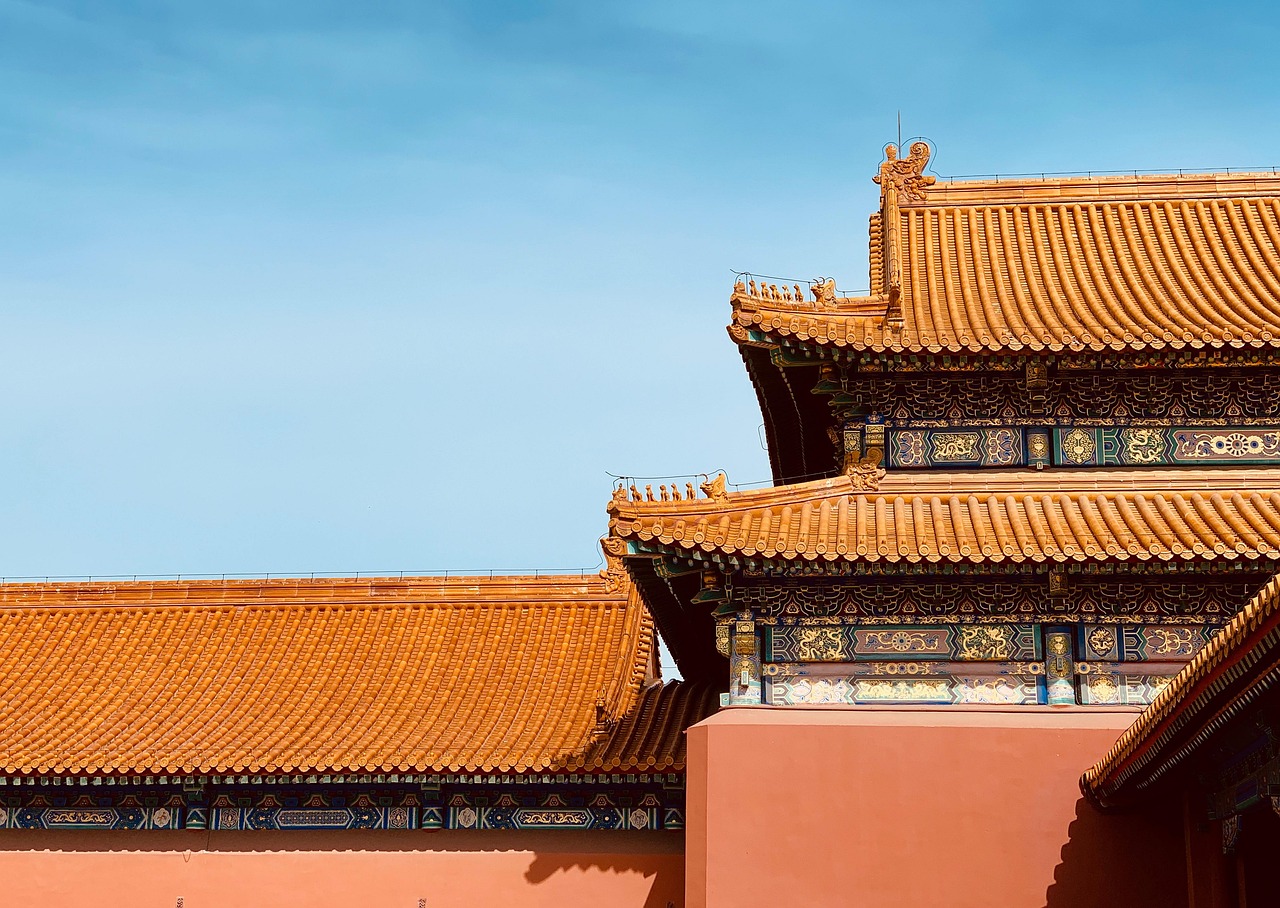
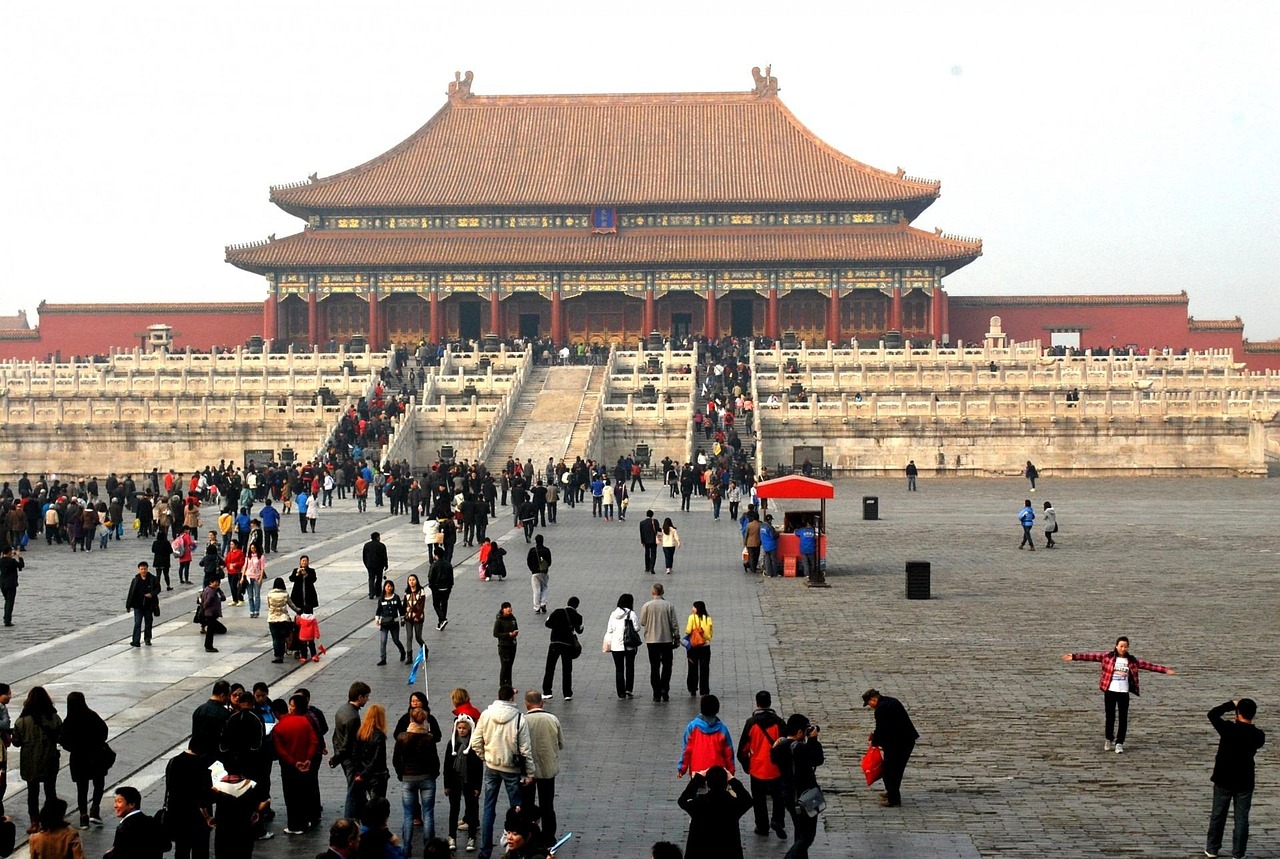
The first time I walked through the Meridian Gate into the Forbidden City, it was a chilly March morning. My breath fogged in the air, and the red walls glowed softly against a pale sky. Despite the crowds, there was a strange hush – as if everyone instinctively understood they were stepping into six centuries of imperial history.
Completed in 1420, the Forbidden City was home to 24 Ming and Qing emperors. Today, it’s the Palace Museum, one of the world’s largest and most visited museums. Even after multiple visits, I still find new courtyards, small halls, and quiet corners to get “lost” in.
What to See Inside
- Outer Court (Ceremonial Halls): The three great halls – Hall of Supreme Harmony, Hall of Central Harmony, Hall of Preserving Harmony – are where big imperial ceremonies took place. Go early; they’re packed by mid-morning.
- Inner Court (Living Quarters): This is where the emperors, empresses, and concubines actually lived. The Palace of Heavenly Purity and the Palace of Earthly Tranquility offer a more intimate look at court life.
- Treasure Gallery & Clock Exhibition: Extra ticket, but worth it if you love intricate craftsmanship and slightly over-the-top imperial bling.
- Back Gardens: A lovely, slightly less crowded area with rockeries and ancient cypress trees – I often end my visit here before heading up to nearby Jingshan Park.
My Personal Routine
I like to enter with the first wave (arrive 8:00–8:15) and walk straight through the main axis before detouring into the side courtyards. Around mid-morning, when the main halls get swamped, I escape to the less visited eastern and western palaces. My favorite moment is always pausing in a side courtyard with peeling red paint and worn stone steps, imagining how many generations have walked through that same space.
Practical Tips
- Tickets: Must be booked with real-name ID; foreign visitors can use passport details via the official website or major travel platforms. Same-day tickets sometimes sell out in peak season.
- Timing: Plan at least 3–4 hours. Combine with Jingshan Park afterwards for the iconic rooftop view.
- Food: Limited and pricey options inside. I snack beforehand and bring water and a small snack (no large bags of food).
- How to Get There: Subway Line 1 to Tiananmen East or Tiananmen West, then walk north. You exit on the north side, so it’s perfect to continue to Jingshan Park.
2. Tiananmen Square
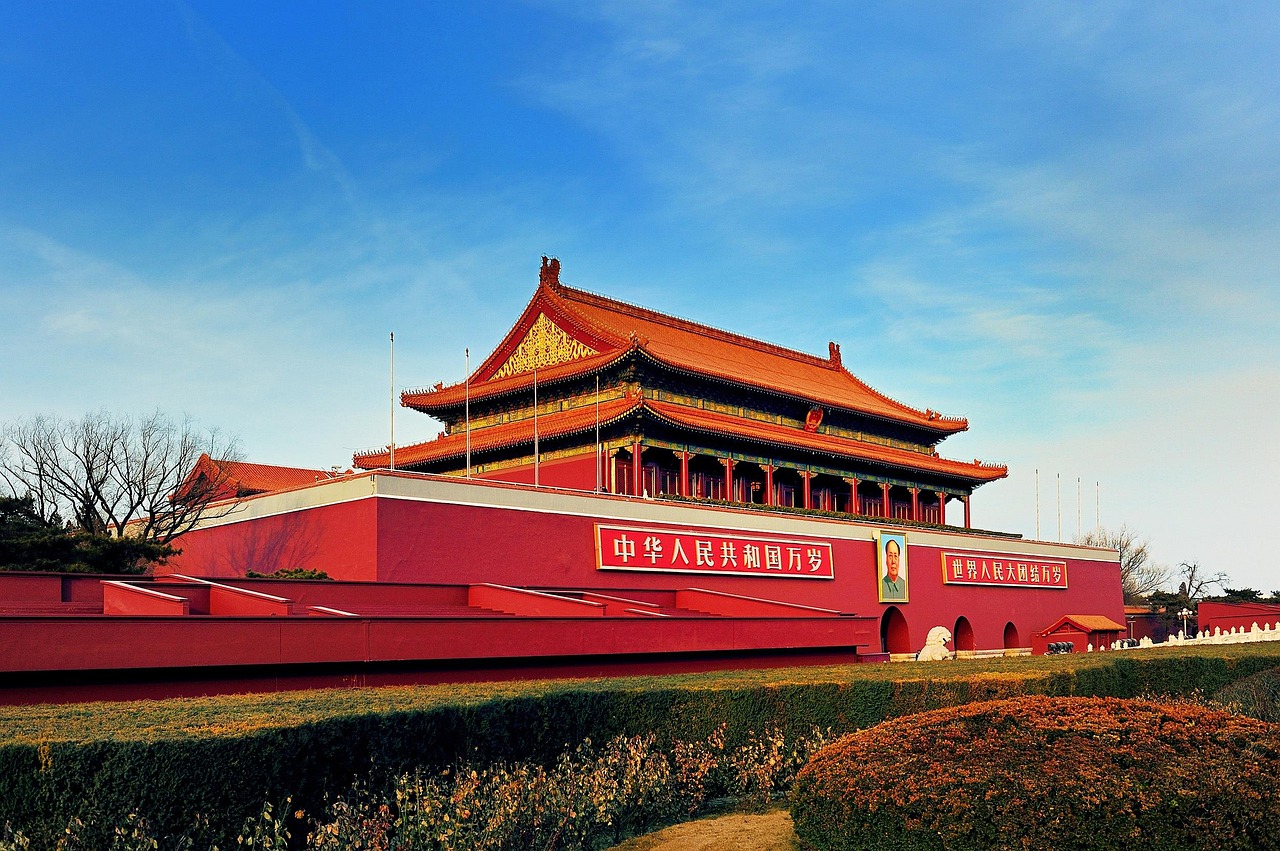
Tiananmen Square is the symbolic heart of modern China. Standing there at dawn once, wrapped in a scarf against the winter wind, I watched families and tour groups gather for the flag-raising ceremony. It’s both a tourist spectacle and a deeply patriotic ritual.
The square itself is surrounded by monumental architecture: the Great Hall of the People, the National Museum of China, and the Mausoleum of Mao Zedong. It feels vast, and on national holidays, it’s a sea of people and red flags.
Highlights
- Flag-Raising at Sunrise: The time shifts with the sun; check the day before. Arrive 20–30 minutes early to get a good view.
- National Museum of China: Enormous, free with ID. If you love history, you could easily spend half a day here (book a time slot ahead).
- Monument to the People’s Heroes: A central obelisk commemorating revolutionary martyrs.
Practical Tips
- Security: Airport-style checks at all entrances. Bring your passport; avoid carrying prohibited items.
- Link with Other Sites: Combine Tiananmen Square, Forbidden City, and Jingshan Park in one full day – this is a classic part of any 3 day itinerary for Beijing.
- Photography: Be respectful of soldiers and security; avoid close-up photos of them.
3. Jingshan Park
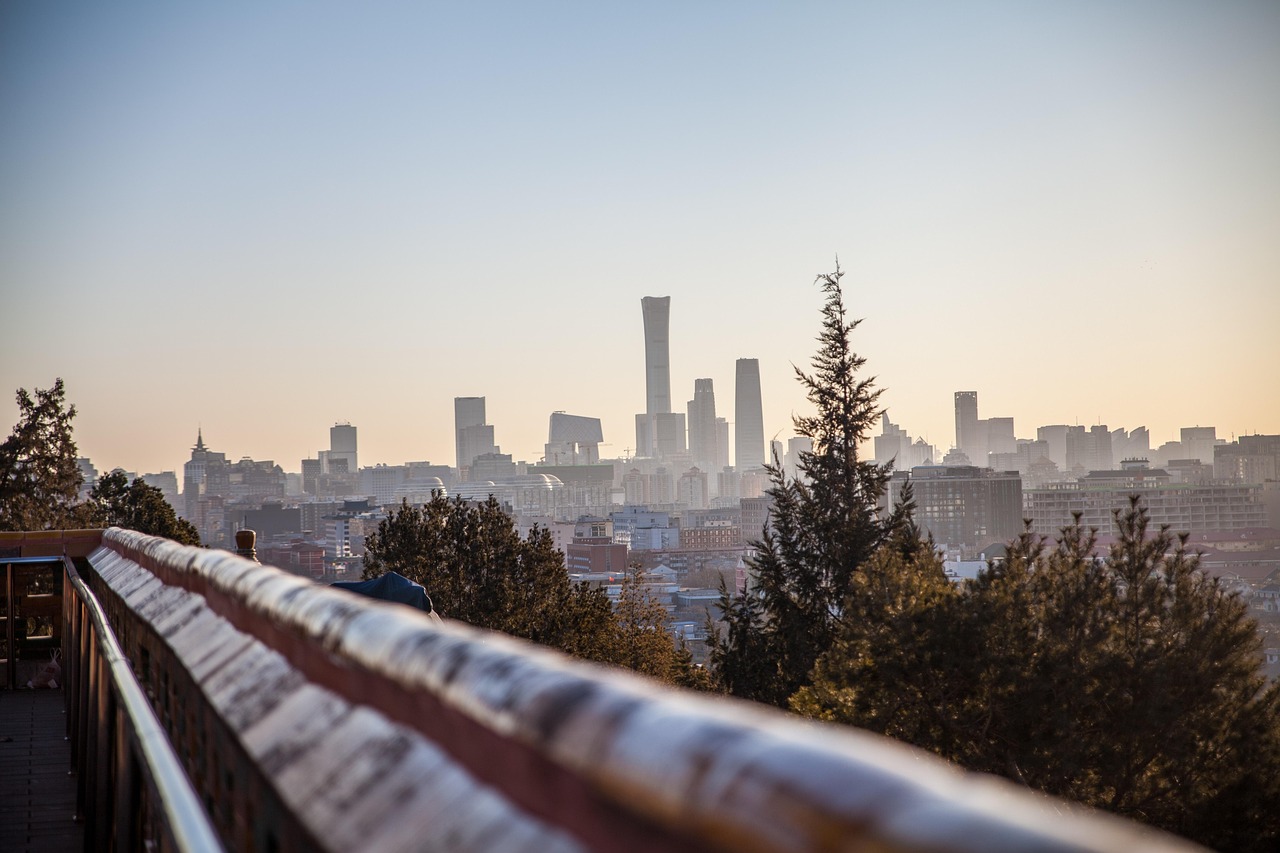
Jingshan Park is my favorite “reset button” in central Beijing. Just north of the Forbidden City, it’s a hill made from the earth excavated to build the palace moat. On my second trip to Beijing, I climbed it at sunset on a crisp autumn day, and the view of golden roofs stretching into the haze made me fall in love with the city.
Why Go
- Panoramic Views: From the top pavilion, you get one of the best views of Beijing, with the Forbidden City perfectly framed to the south and modern Beijing spread out in other directions.
- Local Life: In the mornings, retirees practice tai chi, dance, sing opera, and play cards. I once joined a group practicing a simple tai chi form – they were delighted I tried.
- Seasonal Beauty: Spring peonies, autumn foliage, and occasional winter snow make each visit different.
Tips
- Best Time: Early morning for local life, late afternoon for golden light. Avoid noon in summer; it’s exposed and hot.
- Pairing: Ideal immediately after exiting the Forbidden City from the north gate; the park gate is right opposite.
4. Temple of Heaven (Tiantan)
Ask Beijing locals where they go to “breathe,” and many will say Tiantan. The Temple of Heaven isn’t just a historic site; it’s a living park. On a misty spring morning, I wandered through groups of elderly Beijingers doing fan dances, singing revolutionary songs, and practicing calligraphy with water on the pavement.
Historically, emperors came here to pray for good harvests. The architecture is perfectly aligned with cosmic symbolism – round heavens, square earth, colors and numbers that all mean something.
Key Sights
- Hall of Prayer for Good Harvests: The iconic blue-roofed circular hall. Stand slightly back to really appreciate the symmetry.
- Echo Wall & Circular Mound Altar: Whispers travel along the curved wall – fun, though often crowded.
- Long Corridors: Where locals play cards and mahjong. This is one of my favorite places to people-watch.
Tips
- Tickets: Buy the through-ticket that includes all main halls, not just park entry.
- Time Needed: 2–3 hours if you also enjoy the park atmosphere.
- Family-Friendly: Great for kids – lots of open space to run, and the echo wall is fun.
5. Great Wall of China – Mutianyu
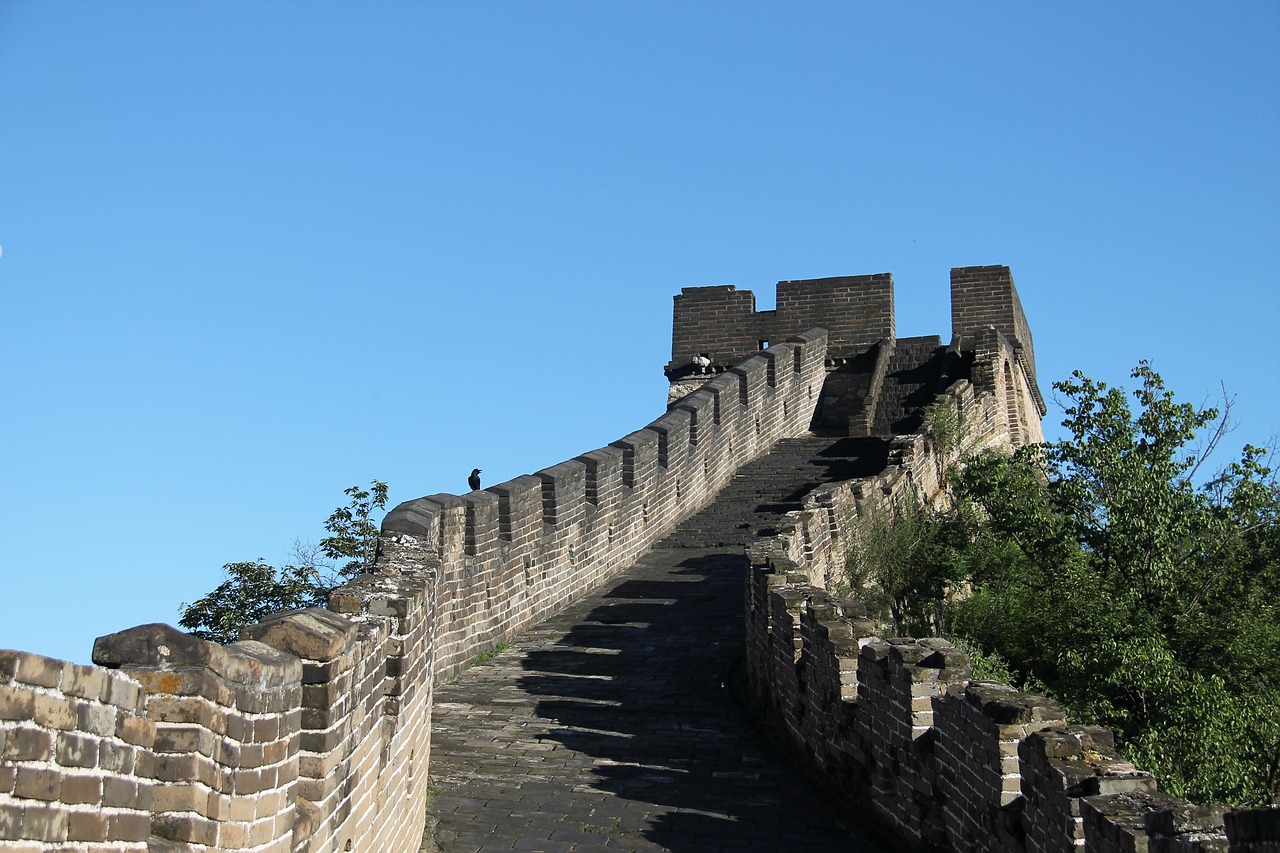
The Great Wall is a non-negotiable on any travel guide for Beijing, and Mutianyu is my go-to section for first-timers. It’s restored but not as chaotic as Badaling, and it has a fun toboggan ride down that turns a bucket-list site into a mini-adventure.
On my first visit, I went in late October. The hills were splashed with reds and golds, and a cool breeze kept the climb comfortable. I remember sitting alone on a watchtower for ten minutes, just listening to the wind and thinking about how many centuries this wall has stood here.
Why Mutianyu
- Beautiful Scenery: Forested hills, great in all seasons but especially autumn.
- Facilities: Cable car and chairlift up, toboggan down, decent visitor services.
- Family-Friendly & Romantic: Easy enough for kids (with supervision) and lovely for couples at sunrise or late afternoon.
How to Visit
- Transport: Join a small group tour, hire a private driver, or use the dedicated tourist bus (changes year to year; check current routes). I’ve done both tour and private car; the latter offers flexibility, but tours are cheaper.
- Timing: Leave Beijing by 7:00–7:30 to beat crowds and tour buses.
- What to Bring: Layers (weather can shift), sun protection, snacks, and water.
6. Great Wall – Jinshanling
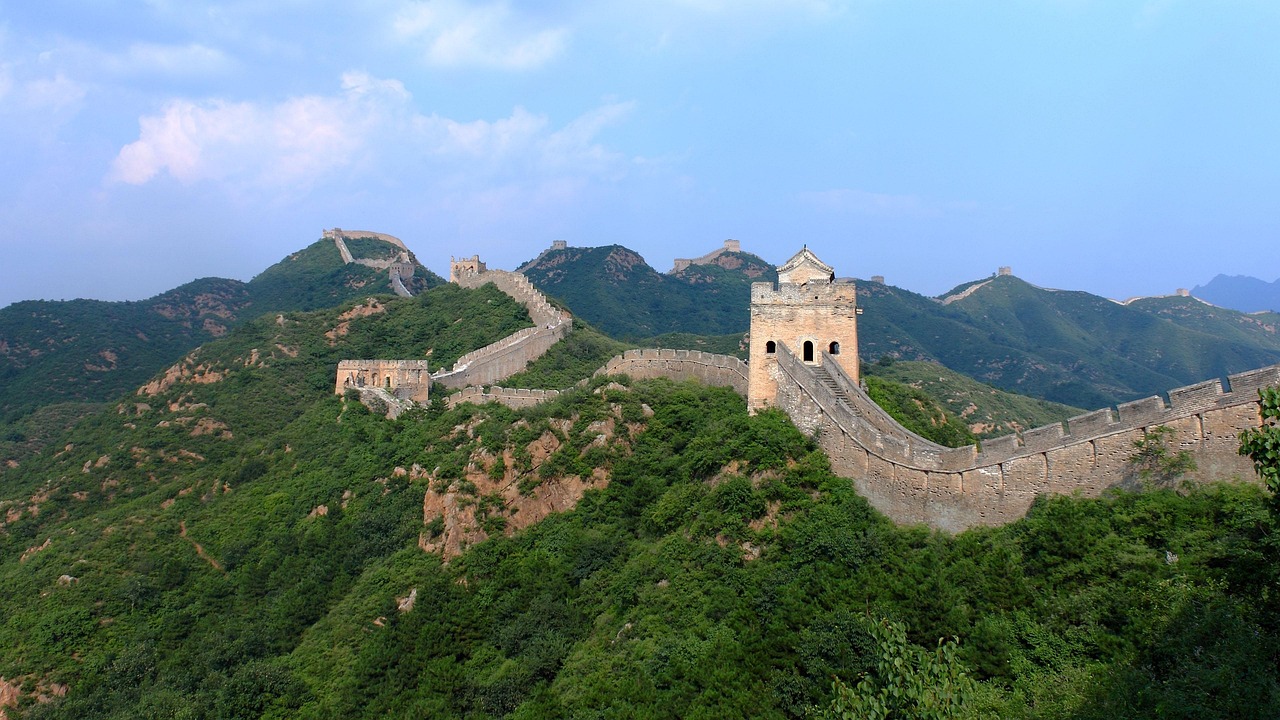
Jinshanling is for those who want a more rugged, less crowded Wall experience. It’s a bit farther from Beijing, but the reward is long stretches of wall where you might only see a handful of other hikers.
My most memorable Great Wall day was a spring hike from Jinshanling towards Simatai (the full connection has opened and closed in various sections over the years; check current status). The wildflowers were blooming, and we had entire watchtowers to ourselves for snack breaks.
What to Expect
- Mixed Restoration: Some parts well-restored, others more weathered, giving a sense of its age.
- Hiking: More strenuous than Mutianyu. Good shoes are essential.
- Photography: This is where you get those classic images of the Wall snaking over mountain ridges.
Tips
- Best For: Active travelers, photographers, and those who’ve already done Mutianyu/Badaling.
- Time: Full day trip; start early. Consider a guided hiking tour for safety and logistics.
7. Summer Palace (Yiheyuan)
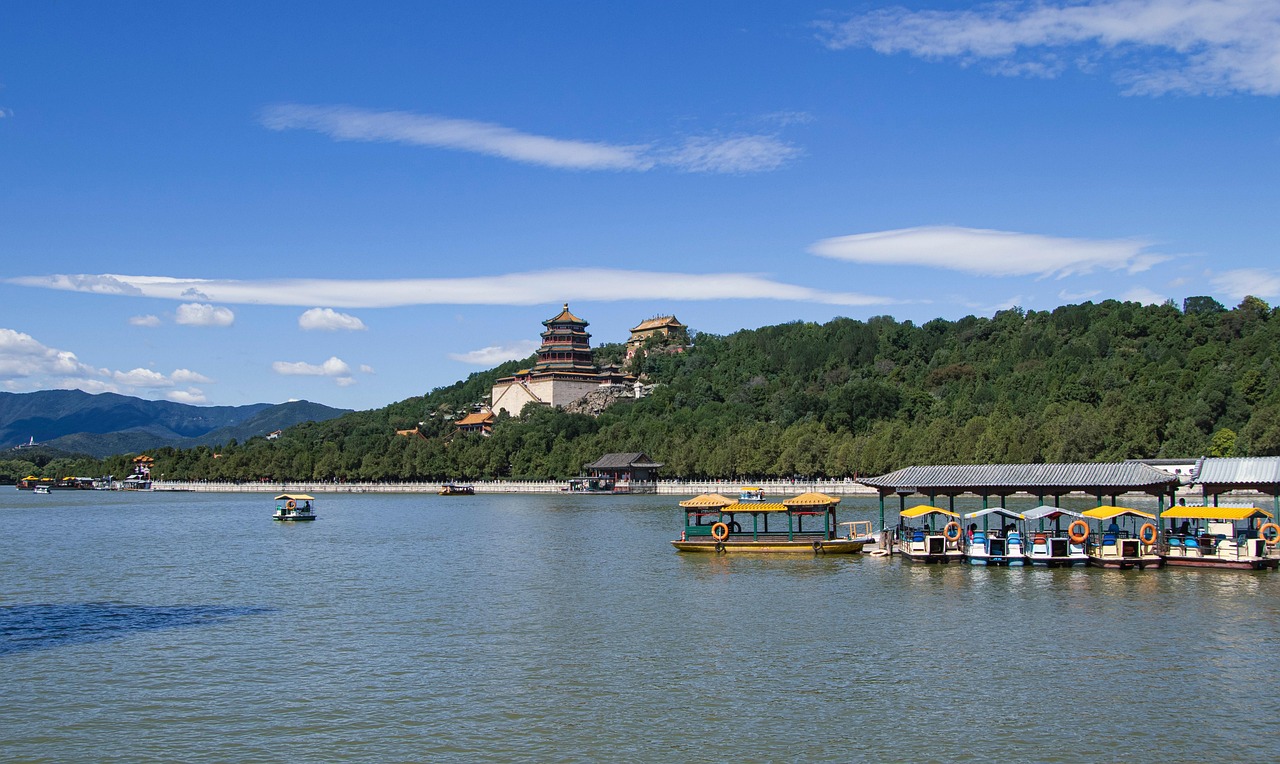
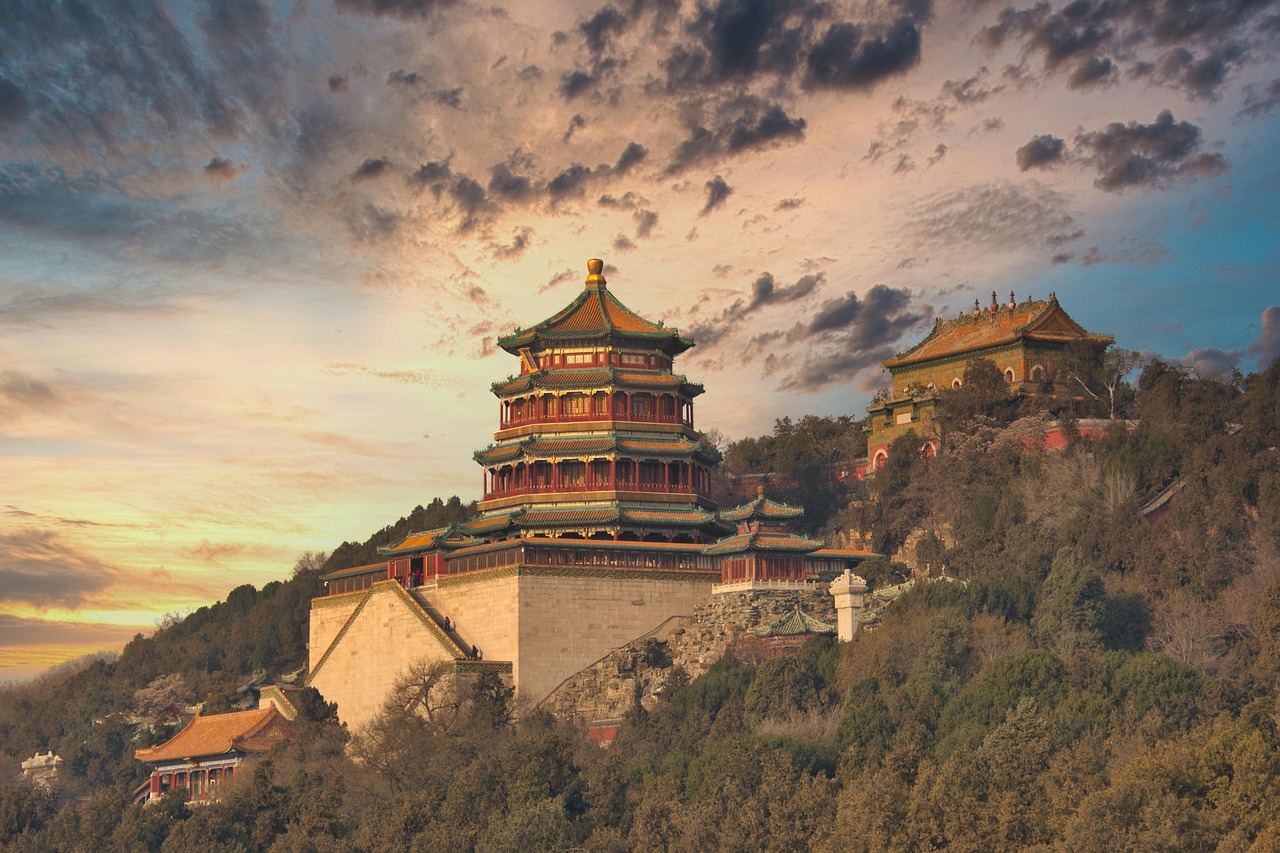
The Summer Palace is where Beijing goes to breathe in the summer heat. Centered around Kunming Lake and Longevity Hill, it’s a masterpiece of Chinese garden design. I’ve been here in every season: misty spring mornings, blazing summer afternoons, golden autumn days, and even a snowy winter when the lake was a sheet of white.
Historically, it was an imperial retreat from the Forbidden City’s formalities. Today, it’s one of the most beautiful places in Beijing for a leisurely half-day.
Highlights
- Long Corridor: A covered walkway with thousands of painted scenes. I like to stroll slowly and pick out my favorites.
- Marble Boat: Ornate and more symbolic than practical, but very photogenic.
- Climb Longevity Hill: For gorgeous views back over the lake and, on clear days, towards the city.
- Boat Rides: In summer, rent a paddle boat or take a short cruise; romantic and family-friendly.
Tips
- Time Needed: 3–4 hours minimum; longer if you love slow walking and photography.
- Food: Limited options inside; bring snacks or eat near the East Gate area before/after.
- Getting There: Subway Line 4 to Beigongmen; it’s a short walk to the north gate.
8. Beihai Park
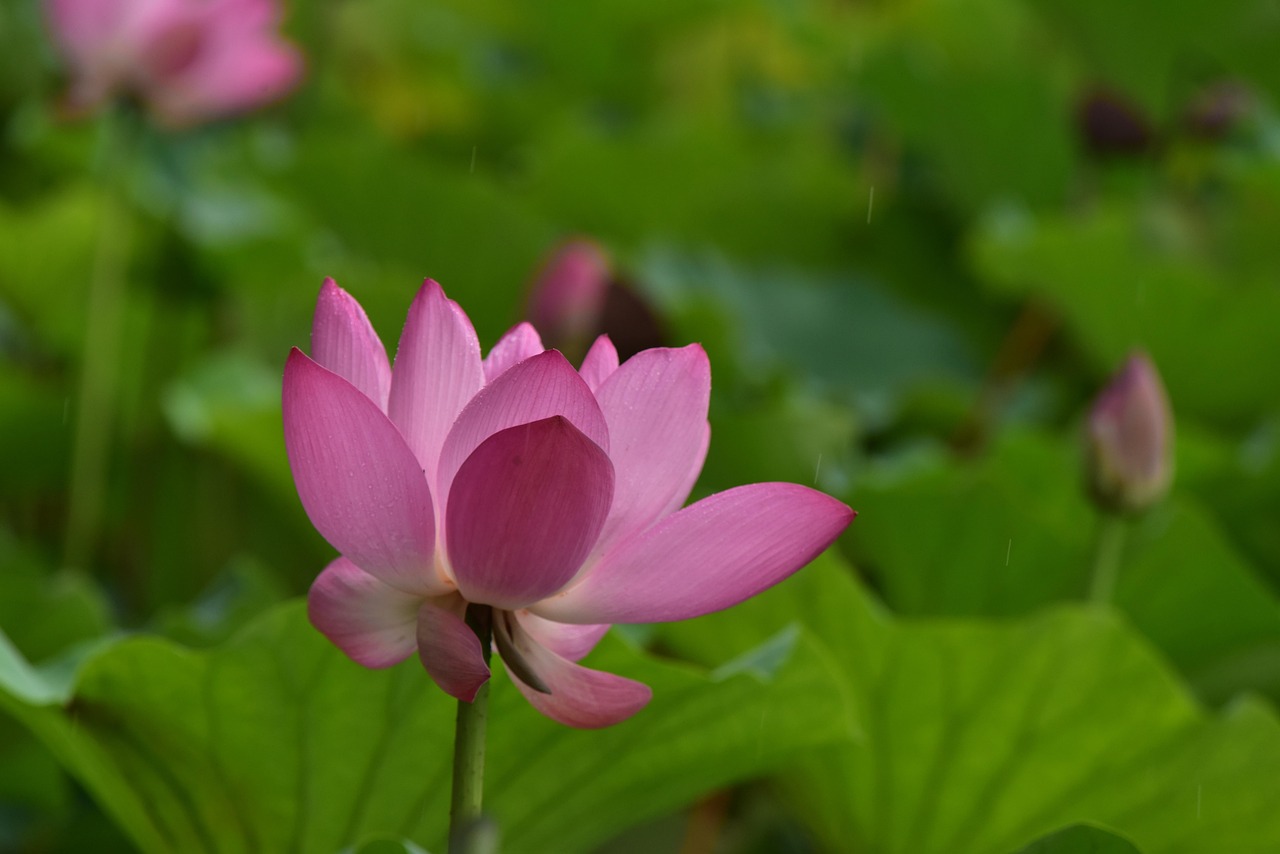
Beihai Park is a tranquil lake dotted with pavilions, temples, and the iconic white stupa on Qionghua Island. It’s just west of the Forbidden City, and I love coming here after a busy day of sightseeing to watch boats drift across the water.
One spring afternoon, I rented a paddle boat with a friend, and we floated lazily for an hour, watching couples taking wedding photos and kids feeding fish from the shore.
Why Visit
- Scenic & Relaxing: Less intense than larger sites, perfect for a half-day or late afternoon stroll.
- Local Feel: Plenty of locals practicing calligraphy or playing music.
- Close to Houhai: Easy to combine with a walk to the Houhai Lakes and the Drum Tower.
9. Lama Temple (Yonghe Gong)
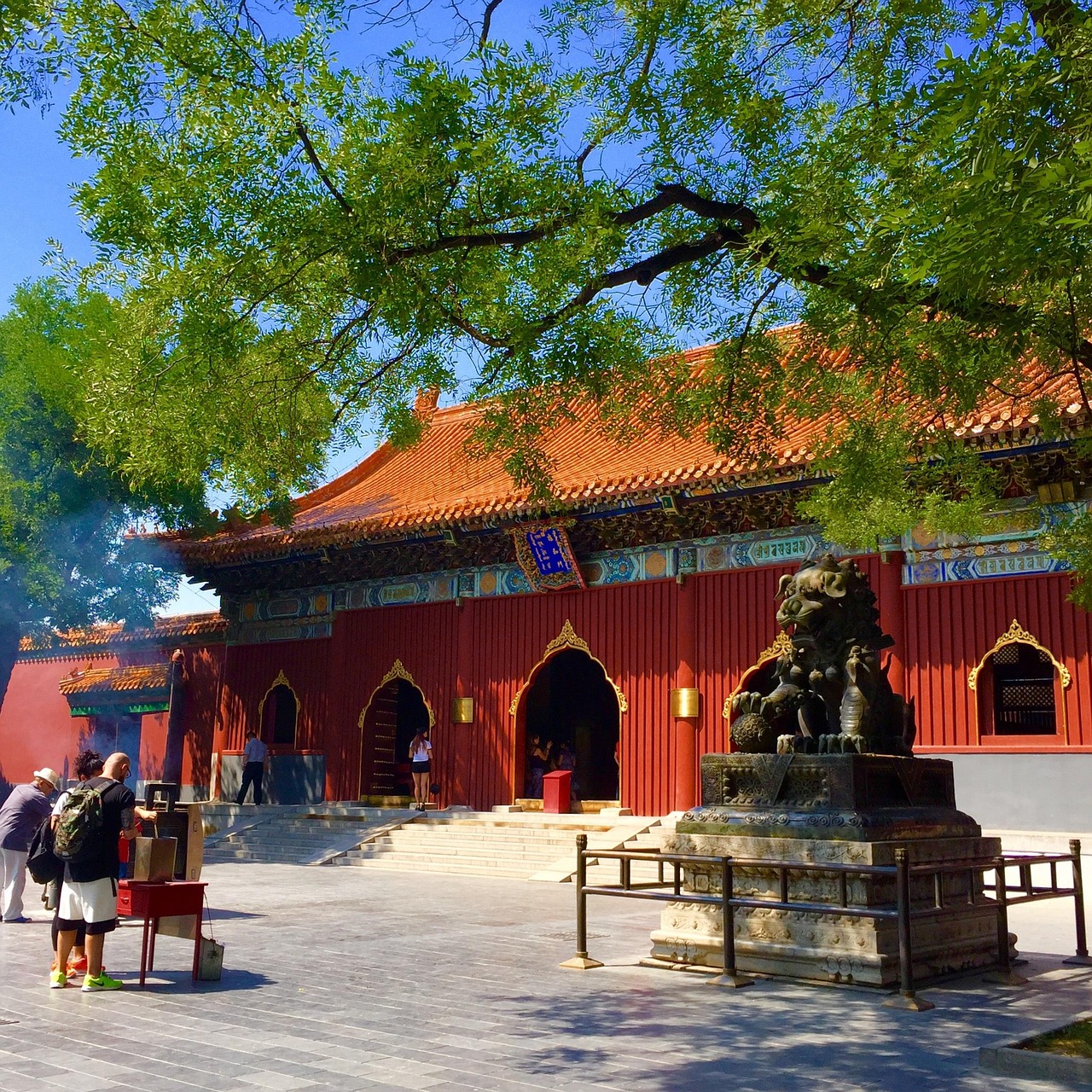
The Lama Temple is one of the most atmospheric places in Beijing. It’s a working Tibetan Buddhist monastery, full of incense, chanting, and vivid colors. Every time I visit, I slow down, speak softer, and find myself drawn into the rhythm of devotion around me.
Originally a prince’s residence, it became a lamasery in the 18th century. The architecture blends Han Chinese and Tibetan styles, and the star attraction is a towering 18-meter Maitreya Buddha carved from a single piece of sandalwood.
Tips for Visiting
- Respect the Space: This is an active religious site. Dress modestly, speak quietly, and avoid intrusive photography of worshippers.
- Combine With: The nearby Confucius Temple and Guozijian, plus a wander through the hutongs towards Wudaoying.
- Best Time: Mornings, when it’s less crowded and the light is soft.
10. Confucius Temple & Imperial College (Guozijian)
A short walk from Yonghe Gong, the Confucius Temple and Guozijian are often overlooked, which is part of their charm. On a drizzly day a few years ago, I wandered through the quiet courtyards, raindrops tapping on stone tablets engraved with the names of ancient scholars.
Here, Confucianism – more a moral and social philosophy than a religion – comes to life. The Guozijian served as the highest institution of learning in imperial China.
Why Go
- Peaceful Atmosphere: A calm contrast to the busier Lama Temple.
- History & Education: Great for understanding how exams and scholarship shaped Chinese society.
- Architecture: Elegant halls and old trees, perfect for slow exploration.
11. Nanluoguxiang & Surrounding Hutongs
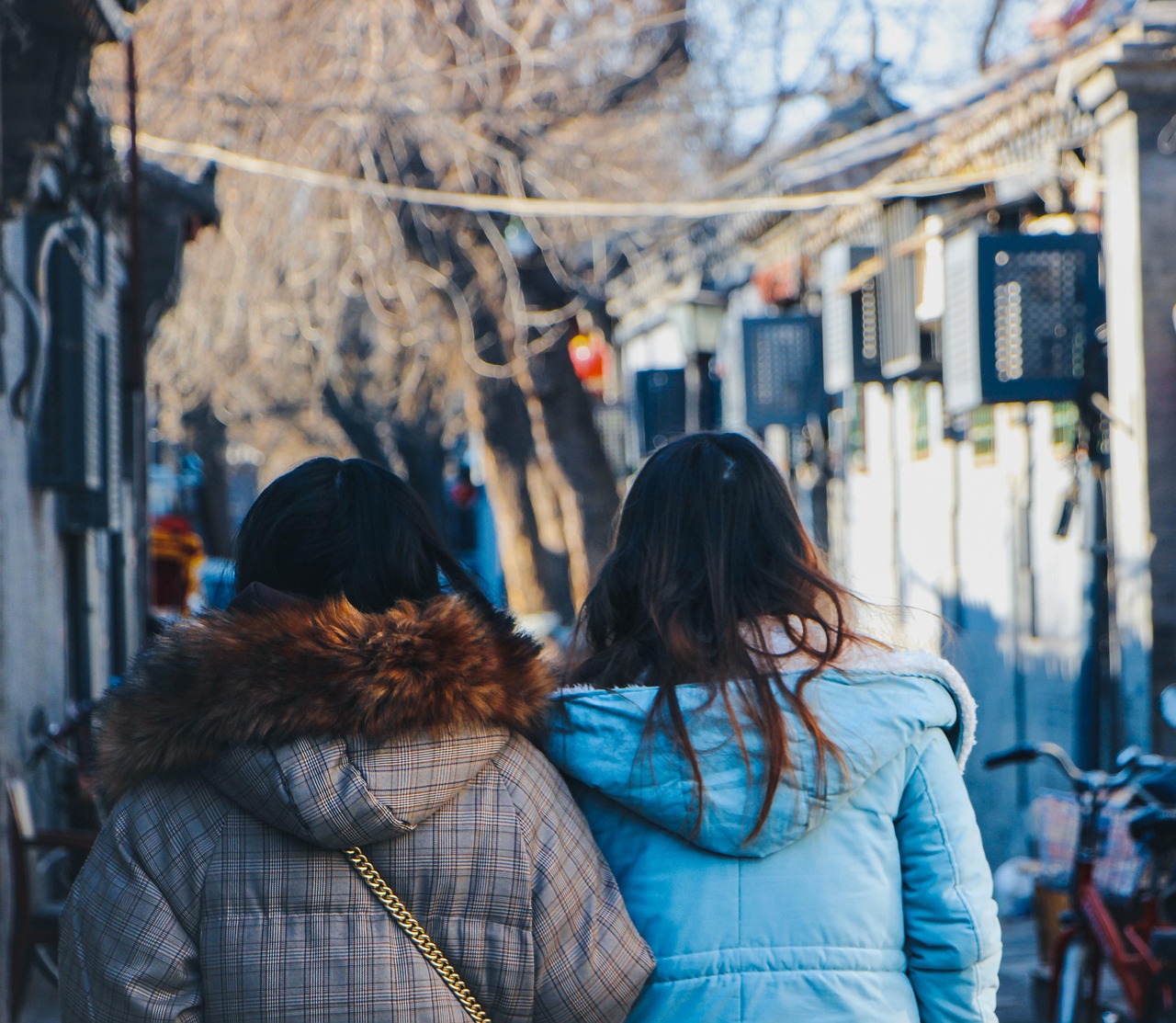
Nanluoguxiang is one of Beijing’s most famous hutong (alleyway) streets – a mix of touristy snack shops and genuinely charming side alleys. My relationship with it has evolved: I now spend less time on the main drag and more time ducking into the quieter hutong network around it.
One of my favorite Beijing evenings started here. I grabbed a yogurt drink from a tiny shop, wandered into a side alley where kids were playing shuttlecock, and then ended up at a tiny bar with just eight stools, chatting with the owner about how the neighborhood has changed.
What to Do
- Walk the Main Street: For snacks, trinkets, and people-watching.
- Explore Side Hutongs: This is where real life happens – courtyard homes, small noodle joints, quiet cafes.
- Evening Drinks: Lots of small bars and cafes tucked away, great for a relaxed night.
12. 798 Art District
798 is Beijing’s contemporary art playground – a former factory complex turned into galleries, murals, cafes, and design shops. The first time I went, I stayed all day, bouncing between thought-provoking exhibitions and espresso breaks.
It’s where you feel Beijing’s creative, modern side. Even if you’re not an art expert, the industrial-chic vibe, street art, and outdoor sculptures make it engaging.
How I Explore 798
- I start at a big, established gallery (like UCCA if open) to ground myself.
- Then I wander. The joy here is stumbling upon small galleries or installations you didn’t expect.
- I end with a coffee or craft beer at one of the cafes or bars spilling onto courtyards.
Tips
- Time Needed: 3–5 hours if you love art and cafes.
- Family-Friendly: Surprisingly yes – kids often enjoy the sculptures and open spaces.
13. Sanlitun (Nightlife & Shopping)
Sanlitun is Beijing’s cosmopolitan, neon-lit playground. Think international restaurants, rooftop bars, shopping malls, and a healthy dose of people-watching. When I crave a break from temples and hutongs, this is where I go.
On a cool autumn night, I once hopped between a local craft beer bar, a rooftop lounge with skyline views, and a tiny late-night noodle shop, all within a few blocks.
What to Expect
- Bars & Clubs: From upscale lounges to more casual expat hangouts.
- Dining: Everything from regional Chinese cuisines to international fare.
- Shopping: Branded malls and boutique stores.
Good For
- Nightlife: One of the most popular areas for a big night out.
- Romantic Evenings: Rooftop dinners and cocktails.
- Solo Travelers: Easy place to meet people and feel anonymous if you want.
14. Wangfujing
Wangfujing is one of Beijing’s oldest and busiest shopping streets. It’s changed a lot over the years, but it’s still a fascinating mix of glossy malls, bookstores, and snack streets.
I remember my first time here, wide-eyed at the snack stalls selling everything from skewered fruit to more daring options (yes, those scorpions – more for photos than flavor, if you ask me). Over multiple visits, I’ve come to appreciate the side streets more than the main drag.
What to Do
- Snack Streets: Try jianbing (savory crepes), tanghulu (candied hawthorn), and grilled skewers.
- Bookstores: Great for Chinese art books and design magazines.
- Evening Stroll: The lights and crowds make for lively photos.
15. Olympic Park (Bird’s Nest & Water Cube)
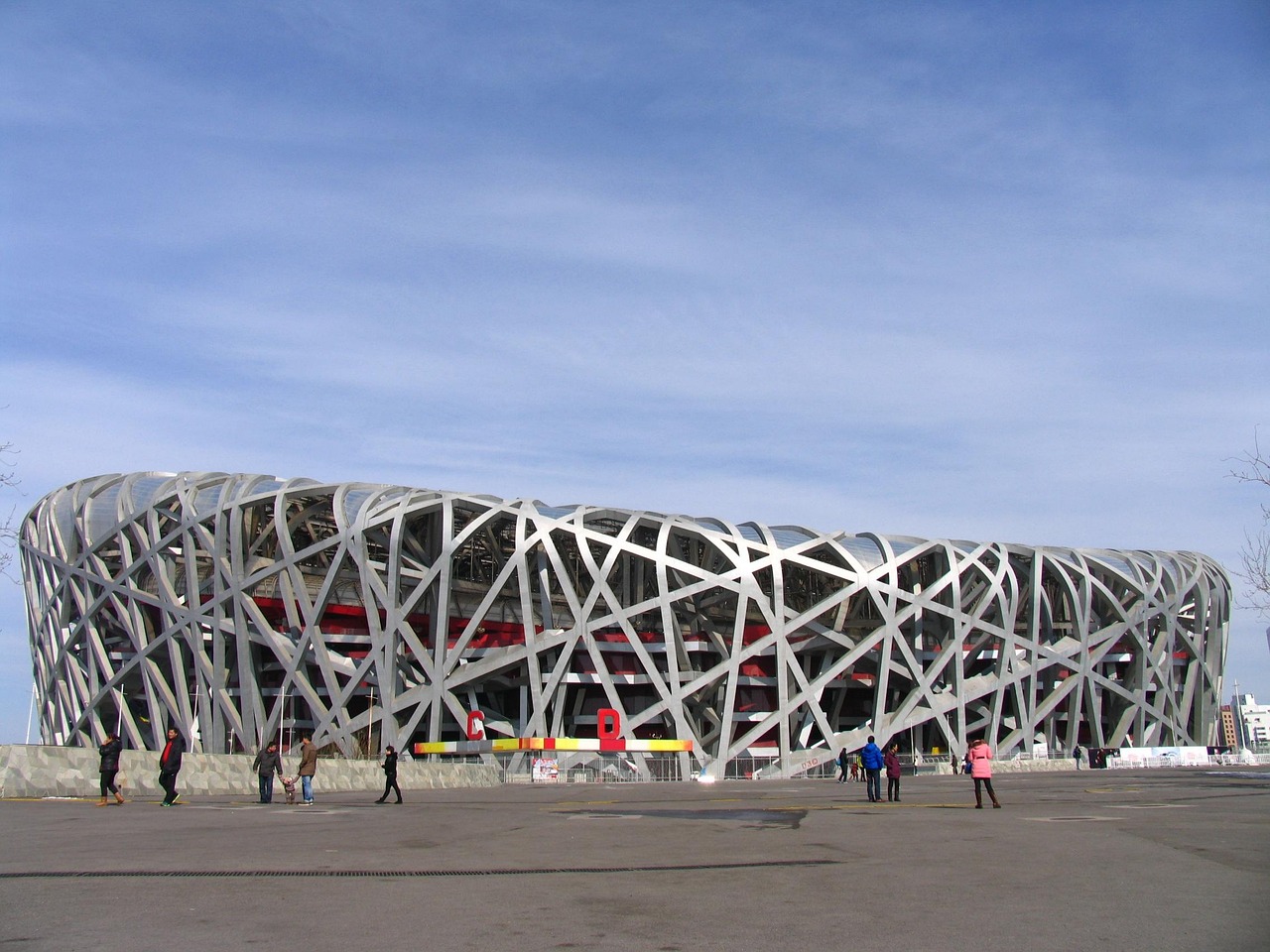
The Olympic Park is Beijing’s modern architectural showpiece. The Bird’s Nest stadium and Water Cube aquatic center still look futuristic, especially lit up at night. I like to come at dusk and watch office workers jogging around the wide plazas.
Highlights
- Bird’s Nest: You can often visit inside (check opening hours). The scale is impressive.
- Water Cube: Now partly converted into a water park; fun for families.
- Night Lights: The structures are beautifully illuminated.
Good For
- Architecture Lovers: Striking design and symmetry.
- Families & Runners: Wide, safe spaces and paths.
- Photography: Especially blue hour and night shots of Beijing architecture.
16. Panjiayuan Antique Market
Panjiayuan is where you come to dig for treasures – or at least fun souvenirs. It’s a sprawling weekend market of “antiques,” handicrafts, calligraphy, and curios. I’ve bought everything from old propaganda posters (probably reproductions, but charming) to hand-painted ceramics.
How I Tackle Panjiayuan
- Go early on weekend mornings, when vendors are all set up but crowds aren’t too intense.
- Do a reconnaissance lap first, then circle back to haggle.
- Assume most things aren’t truly ancient antiques unless you’re an expert; buy for beauty, not investment.
Bargaining Tips
- Start at 30–50% of the initial price and negotiate with a smile.
- Walk away if it’s too high; you’ll likely find similar items elsewhere in the market.
17. Houhai Lakes & Drum/Bell Towers
Houhai is a chain of lakes north of Beihai Park, surrounded by hutongs, bars, cafes, and old courtyard homes. The Drum and Bell Towers rise just to the east, keeping timeless watch over the neighborhood.
I’ve had so many memorable evenings here: sipping tea in a lakeside teahouse, cycling around the shore at sunset, and listening to live music drifting from tiny bars.
What to Do
- Climb the Drum & Bell Towers: For views and, at certain times, drum performances.
- Walk or Cycle the Lakes: Rent a bike or just wander; at night, the reflections are beautiful.
- Bars & Cafes: Lots of options, some touristy, some cozy and local.
18. Prince Gong’s Mansion (Gongwangfu)
Prince Gong’s Mansion is a stunning Qing dynasty residence tucked into the hutongs near Houhai. I love it because it combines grand halls with intimate gardens and winding rockeries.
On a warm May afternoon, I sat under a pavilion here, listening to a guzheng (Chinese zither) performance. Outside the walls, Beijing buzzed; inside, it felt like time had slowed.
Why Visit
- Architecture: Beautiful courtyards and traditional residences.
- Gardens: Small lakes, bridges, and rock formations.
- Location: Easy to combine with Houhai and the Drum Tower for a full day in the area.
19. National Museum of China
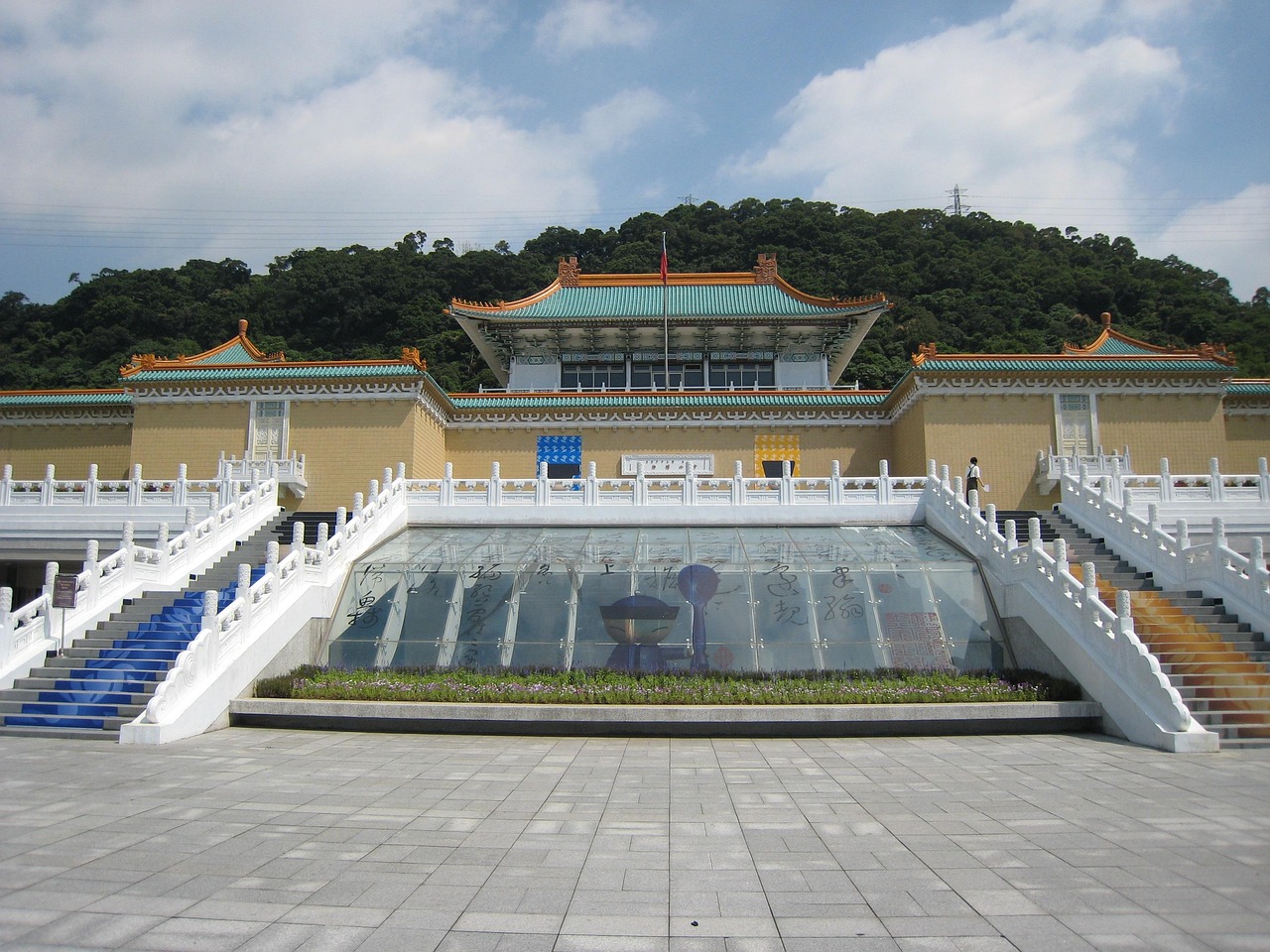
On the east side of Tiananmen Square, the National Museum of China is a behemoth – one of the largest museums in the world. I’ve spent entire rainy days here, moving from ancient bronzes to modern revolutionary art.
What’s Inside
- Ancient China Galleries: Pottery, bronzes, jade, and artifacts from China’s earliest civilizations.
- Modern China Exhibits: Tracing history from the 19th century onwards.
- Special Exhibitions: Rotating shows, sometimes with international loans.
Tips
- Free Entry, but time-slot booking is usually required. Bring your passport.
- Plan Ahead: The museum is huge; pick a few sections instead of trying to see everything.
20. National Centre for the Performing Arts (NCPA)
Nicknamed “The Egg,” the NCPA is a glass-and-titanium bubble floating in a pool of water just west of Tiananmen Square. It’s one of my favorite pieces of Beijing architecture, especially at night when it glows.
I once splurged on a ticket to a symphony performance here, and it was worth every yuan – not just for the music, but for the chance to see the building from the inside.
How to Experience It
- Catch a Performance: Check the NCPA website for concerts, opera, and ballet. Even inexpensive seats give you the atmosphere.
- Daytime Visit: There are sometimes tours or public areas to explore even without a show.
- Photography: The reflection pool makes for striking shots, especially blue hour.
Suggested Itineraries: 3–5 Days in Beijing
Beijing is huge, but with smart planning you can see a lot in 3 days in Beijing and go deeper with 4 days in Beijing or 5 days in Beijing. Below I’ll walk you through day-by-day stories that double as practical itineraries.
3 Days in Beijing: Classic Highlights Itinerary
This 3 day itinerary for Beijing is ideal for first-time visitors who want to hit the must-see attractions without feeling rushed. Think of it as my “if my best friend had only a long weekend” plan.
Day 1: Tiananmen, Forbidden City & Jingshan – The Imperial Core
I like to start a Beijing trip at the very center. On one of my recent visits, I met a friend early near Tiananmen East station. The sky was just turning from inky blue to gray, and the streets were surprisingly quiet.
- Morning: Tiananmen Square & National Museum
- Arrive around sunrise if you want to see the flag-raising ceremony. It’s solemn, crowded, and very Chinese.
- Afterwards, walk the length of Tiananmen Square, taking in the scale. Duck into the National Museum if you’re a history buff; I usually do 1–2 hours max to avoid museum fatigue.
- Late Morning–Afternoon: Forbidden City
- Enter via the south gate (Meridian Gate) and move steadily along the central axis before wandering into side courtyards.
- Grab audio guides if you like context; otherwise, use a downloaded guide map and focus on the main halls plus a few quieter side areas.
- Breaks: There are small drinks kiosks inside; I usually pause in a shady courtyard for water and a snack.
- Late Afternoon: Jingshan Park
- Exit the Forbidden City north gate and cross to Jingshan Park.
- Climb the central hill for that postcard view of golden roofs fading into the skyline.
- If the air is clear, this might be your best panoramic photo moment of the entire trip.
- Evening: Hutong Dinner
- Head by taxi or DiDi (China’s Uber) to the hutongs around Nanluoguxiang or Shichahai for dinner.
- Try a small family-run restaurant for homestyle dishes – braised eggplant, stir-fried greens, and dumplings are always safe and delicious.
Day 2: Great Wall Adventure (Mutianyu) + Modern Beijing Evening
Every time I bring someone new to Beijing, Day 2 is “Great Wall day.” The night before, I lay out layers, charge my camera, and pack snacks – some rituals never change.
- Morning–Afternoon: Mutianyu Great Wall
- Depart 7:00–7:30. If using a tour, confirm pickup point. If hiring a driver, agree on return time and price in advance.
- Take the cable car or chairlift up to save your legs for walking along the wall.
- Wander between towers at your own pace. I usually walk 1–1.5 hours, stopping often to just sit on a parapet and stare.
- Return via the toboggan if you’re up for a bit of fun – kids love it, and so do most adults.
- Late Afternoon: Rest & Refresh
- Back in Beijing, take a shower and quick rest. Wall days are tiring, in the best way.
- Evening: Sanlitun or 798
- If you want nightlife, head to Sanlitun for dinner and drinks.
- If you prefer something more low-key, go to 798 Art District for an early evening stroll and dinner at an artsy cafe-restaurant.
Day 3: Temple of Heaven, Hutongs & Houhai
Day 3 is my “everyday Beijing” day – less about grand monuments, more about parks, alleys, and lakes.
- Morning: Temple of Heaven Park
- Arrive by 8:00–9:00 to catch the liveliest park scene: dancing, singing, tai chi, and more.
- Visit the Hall of Prayer for Good Harvests and surrounding altars.
- Lunch: Local Noodles
- Find a nearby noodle shop for zhajiangmian (Beijing-style noodles with soybean paste) or hand-pulled noodles. It’s one of the best cheap, filling meals you can get.
- Afternoon: Lama Temple & Confucius Temple
- Take the subway to Yonghe Gong. Visit the Lama Temple first, then stroll to Confucius Temple and Guozijian.
- Grab a coffee or bubble tea in Wudaoying hutong, a charming lane nearby.
- Evening: Houhai Lakes & Drum Tower
- Head over to Houhai for a lakeside walk.
- Climb the Drum Tower for sunset if the timing and weather are right.
- Finish your 3 days in Beijing with dinner by the lake and a gentle walk back through the lit-up hutongs.
If you only have 3 days, you’ll leave wanting more – but you’ll have seen the city’s essence: imperial splendor, everyday park life, the Great Wall, and the rhythm of the hutongs.
4 Days in Beijing: Icons + Neighborhoods
With 4 days in Beijing, you can turn the classic 3-day plan into a more relaxed, neighborhood-rich 4 day itinerary for Beijing.
Days 1–3 follow the pattern above. On Day 4, I like to dive deeper into local markets, parks, and one extra major site like the Summer Palace or 798, depending on your interests.
Day 4 Option A: Summer Palace & Old Beijing Markets
- Morning–Afternoon: Summer Palace
- Arrive by mid-morning and take your time walking along the Long Corridor, climbing Longevity Hill, and looping back by the lake.
- Consider a short boat ride if the weather is nice.
- Late Afternoon: Panjiayuan Market (if weekend)
- Hunt for souvenirs and practice your bargaining skills.
- Evening: Local Dinner Near Your Hotel
- By now you’ll have a sense of your neighborhood; pick a restaurant you’ve walked past a few times and been curious about.
Day 4 Option B: 798 Art District & Olympic Park
- Morning–Afternoon: 798 Art District
- Gallery-hop, linger in cafes, and enjoy street art.
- Late Afternoon–Evening: Olympic Park
- Head to Olympic Park for a walk among the Bird’s Nest and Water Cube.
- Time it so you see the buildings before and after they’re lit up.
5 Days in Beijing: Deeper Dive & Hidden Gems
With 5 days in Beijing, you can turn a great trip into a truly memorable one. A 5 day itinerary for Beijing lets you add slower hutong explorations, a second Great Wall section, or niche museums and parks.
Sample 5-Day Flow
Days 1–3: As in the 3-day itinerary.
Day 4: Choose Option A (Summer Palace + markets) or Option B (798 + Olympic Park).
Day 5: Hutong deep-dive + Prince Gong’s Mansion + optional second Great Wall trip (Jinshanling) or day trip (see Day Trips section).
Day 5: Hutong Stories & Courtyards
- Morning: Hutong Walking Tour or DIY Exploration
- Join a small-group hutong walking or cycling tour to learn about courtyard life, or design your own loop around Nanluoguxiang, Yandai Byway, and the lakes.
- Stop for coffee at a converted courtyard cafe.
- Afternoon: Prince Gong’s Mansion
- Explore the residence and gardens, soaking in late Qing dynasty atmosphere.
- Late Afternoon: Free Time
- Use this slot for last-minute shopping, a massage, or simply repeating your favorite spot from earlier in the week.
- Evening: Final Night Feast
- Book a proper Peking duck dinner if you haven’t yet, or revisit your favorite noodle or dumpling place for a more low-key farewell.
Best Neighborhoods & Districts to Explore in Beijing
Beijing is more than its major sights – it’s a patchwork of neighborhoods, each with its own rhythm. Here are a few I return to on almost every trip.
Dongcheng: Historic Core & Hutongs
Home to the Forbidden City, Tiananmen, many hutongs, and popular areas like Nanluoguxiang. If you want to stay central and walkable, Dongcheng is ideal.
Xicheng: Lakes, Courtyards & Local Life
Think Beihai Park, Houhai Lakes, Drum/Bell Towers, and many traditional courtyards. Slightly less touristy than Dongcheng, great for feeling “old Beijing.”
Chaoyang: Modern Beijing, Sanlitun & 798
The business and embassy district, with malls, skyscrapers, and hip areas like Sanlitun and 798 Art District. Great for nightlife, dining, and modern conveniences.
Haidian: Universities & Summer Palace
Home to major universities and the Summer Palace. If you like student energy and cheaper eats, this is interesting to explore.
Local Food in Beijing: What & Where to Eat
Beijing is a city I plan my days around meals. From smoky street skewers to refined imperial cuisine, you can eat very well at almost any budget.
Must-Try Dishes
- Peking Duck: Crispy skin, tender meat, wrapped in thin pancakes with scallions and sweet bean sauce. Book ahead at reputable spots (Quanjude, Dadong, or smaller local favorites).
- Zhajiangmian: Wheat noodles topped with a savory soybean paste sauce and fresh veggies – comforting and very “Beijing.”
- Hot Pot: Great in winter; cook meat and veggies in bubbling broth at your table.
- Jianbing: Breakfast crepes with egg, crispy cracker, and sauces – my go-to street breakfast.
- Chuan’r: Grilled skewers, often lamb with cumin, best eaten at night on lively streets.
Where I Love to Eat
- Hutong Noodle Shops: Tiny, no-frills places near Nanluoguxiang and around Lama Temple – look for handwritten menus and lots of locals.
- Food Courts in Malls: Affordable and clean, with picture menus ideal if your Chinese is limited.
- Night Snacks: Around Wangfujing and some hutong areas; try to pick stalls with high turnover for freshness.
Money-Saving Food Tips
- Eat where locals eat; avoid only-foreigners spots near big attractions.
- Look for lunch specials and set menus.
- Street food is usually cheap, but bring small bills or mobile payment ready.
Nightlife, Entertainment & Cultural Experiences in Beijing
Beijing nights can be as quiet or as wild as you want.
Nightlife Areas
- Sanlitun: Bars, clubs, rooftops – the obvious choice for big nights out.
- Houhai: Cozier lakeside bars, some with live music.
- 798: Artsy cafes and occasional events; more low-key.
Cultural Evenings
- Peking Opera: Traditional performance art; check theaters for English-subtitled shows.
- Acrobatics Shows: High-energy, family-friendly performances.
- NCPA: Symphony, opera, ballet in a stunning modern venue.
Romantic Ideas
- Sunset at Jingshan or the Summer Palace, followed by a hutong dinner.
- Evening walk around Houhai with a dessert stop.
- Rooftop cocktails in Sanlitun with city views.
Day Trips & Nearby Escapes from Beijing
Beyond the Great Wall, there are several great day trips from Beijing if you have extra time (especially if you’re staying 5 days or more).
Additional Great Wall Sections
- Jinshanling: As described above – rugged and less crowded.
- Gubeikou: Even wilder and more broken; for serious hikers.
Nearby Cities by High-Speed Rail
- Tianjin: About 30 minutes by train. European-influenced architecture, river promenade, good for a city contrast.
- Zhangjiakou: Former Winter Olympics co-host city, gateway to skiing in winter and hiking in summer.
Countryside Villages
There are restored “water towns” and rural villages around Beijing where you can experience slower-paced life; local agencies and hotels can help arrange these in 2026.
Cultural Etiquette & Local Customs in Beijing
Understanding a few local customs makes travel smoother and more respectful.
- Greetings: A simple nod or handshake is fine. Use titles plus family name (e.g., Mr. Wang) if you know them.
- At Temples: Dress modestly, speak softly, don’t touch statues, and avoid flash photography on worshippers.
- Queuing: Lines exist, but can become “soft” at times; stand your ground politely.
- Table Manners: It’s fine to share dishes family-style. Don’t stick chopsticks upright in rice. Tapping the table lightly can show appreciation when someone pours your tea.
- Bargaining: Expected in markets, not in big stores. Stay friendly, and don’t feel pressured to buy.
Practical Travel Tips for Beijing (2026)
Getting Around
- Subway: Clean, efficient, and the best way to avoid traffic. Get a transit card (Yikatong) and top it up; machines increasingly have English interfaces.
- Taxis & Ride-Hailing: Taxis are metered; have your destination written in Chinese. DiDi is widely used; in 2026, foreign cards work via some international versions, but it’s smoother if linked to local payment apps.
- Walking & Biking: Great in central areas and hutongs. Shared bikes (like Meituan, HelloBike) are everywhere, but may require local payment apps.
Saving Money
- Use the subway instead of taxis for longer distances.
- Eat where locals eat; avoid tourist-trap restaurants right at attraction gates.
- Buy attraction tickets directly or from reputable platforms; avoid random touts.
SIM Cards & Connectivity
- eSIM & Airport SIM: In 2026, many travelers use eSIMs set up before arrival. Otherwise, buy a SIM at the airport or major telecom shops (China Mobile, China Unicom, China Telecom) with your passport.
- VPN: Many Western sites and apps are blocked; install a reliable VPN before arrival if you need them.
Visa Requirements & Driving
- Visas: Many nationalities still require a visa for China in 2026, though some transit exemptions exist (e.g., certain 72/144-hour visa-free transit schemes). Check the latest with your local Chinese embassy or consulate.
- Driving: Foreign driver’s licenses are not valid by default, and China doesn’t recognize the International Driving Permit. Renting a car as a foreign visitor is generally not practical or recommended; use public transport and drivers instead.
Health & Safety
- Tap water is not potable; boil or use bottled water.
- Air quality is often decent but can spike; if sensitive, bring a mask and check AQI apps.
- Beijing is generally safe; watch your belongings in crowded areas as you would in any big city.
Beijing 2026–2027: Events & Travel Trends
While exact events can shift year to year, here’s what to watch for in 2026–2027:
- Chinese New Year Celebrations (Jan–Feb, dates vary): Temple fairs, lantern displays, and performances across the city, especially at Ditan Park and Longtan Park.
- Spring & Autumn Cultural Festivals: Performances and exhibitions at the NCPA, 798, and major museums.
- Marathons & Sports Events: Beijing Marathon typically brings road closures and festive energy; check dates if you’re a runner or want to avoid disruptions.
- Art & Design Fairs: Regular events at 798 and other creative zones showcase Beijing’s contemporary art scene.
In 2026, expect continued improvement in English signage, more support for international payments at major attractions, and expanding high-speed rail connections for easier day trips.
When to Visit Beijing & Seasonal Tips
Beijing is a true four-season city, and each season offers different “best things to do in Beijing.”
- Spring (April–May): Mild temperatures, blooming parks (Temple of Heaven, Jingshan, Summer Palace). Occasional sandstorms earlier in the season. Great for walking-heavy itineraries.
- Summer (June–August): Hot and sometimes humid. Best for evenings by the lakes, early-morning park life, and air-conditioned museums. Summer Palace and Great Wall are lush and green.
- Autumn (September–October): Often considered the best season – clear skies, comfortable temps, golden leaves. Perfect for Great Wall hikes and outdoor activities.
- Winter (November–March): Cold, with possible snow. Fewer crowds and atmospheric, especially at the Great Wall and in old hutongs. Good for hot pot and indoor cultural experiences.
For most travelers, I recommend late April–May or late September–October as the sweet spots.
Summary & Final Recommendations
Beijing is a city that rewards curiosity and repeat visits. Start with the icons – Forbidden City, Great Wall, Temple of Heaven – but make time for park mornings, hutong wanderings, and unplanned noodle stops.
If you’re planning 3 days in Beijing, focus on the imperial core, one Great Wall section, and at least one hutong/lakes area. With 4 days in Beijing, add the Summer Palace or 798 and more neighborhood time. With 5 days in Beijing, slow down, revisit your favorite places at different times of day, and consider a second Wall hike or a side trip.
Above all, don’t try to see everything. Leave space in your itinerary for serendipity – a side alley, a park bench, a random street snack. That’s where Beijing really gets under your skin.