Why Visit Zhuhai in 2026?
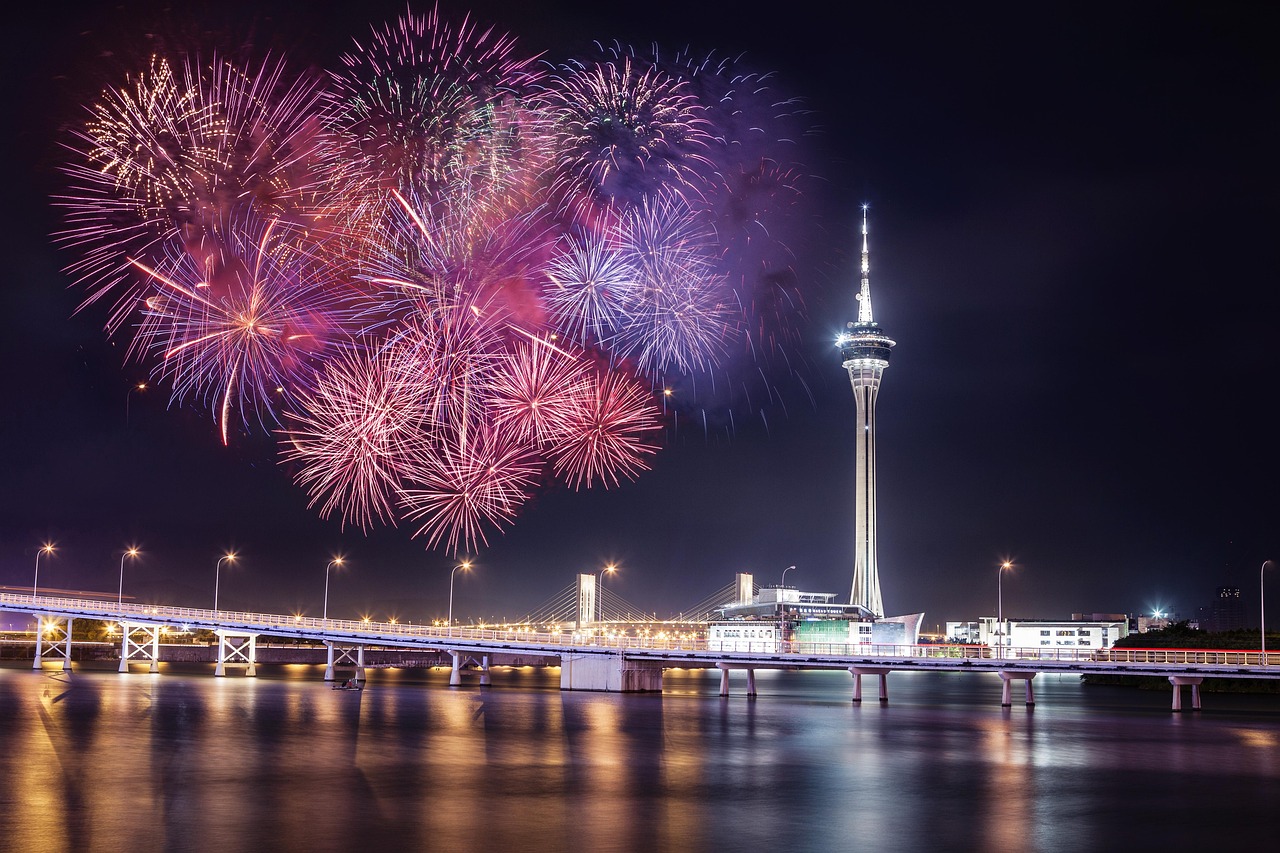
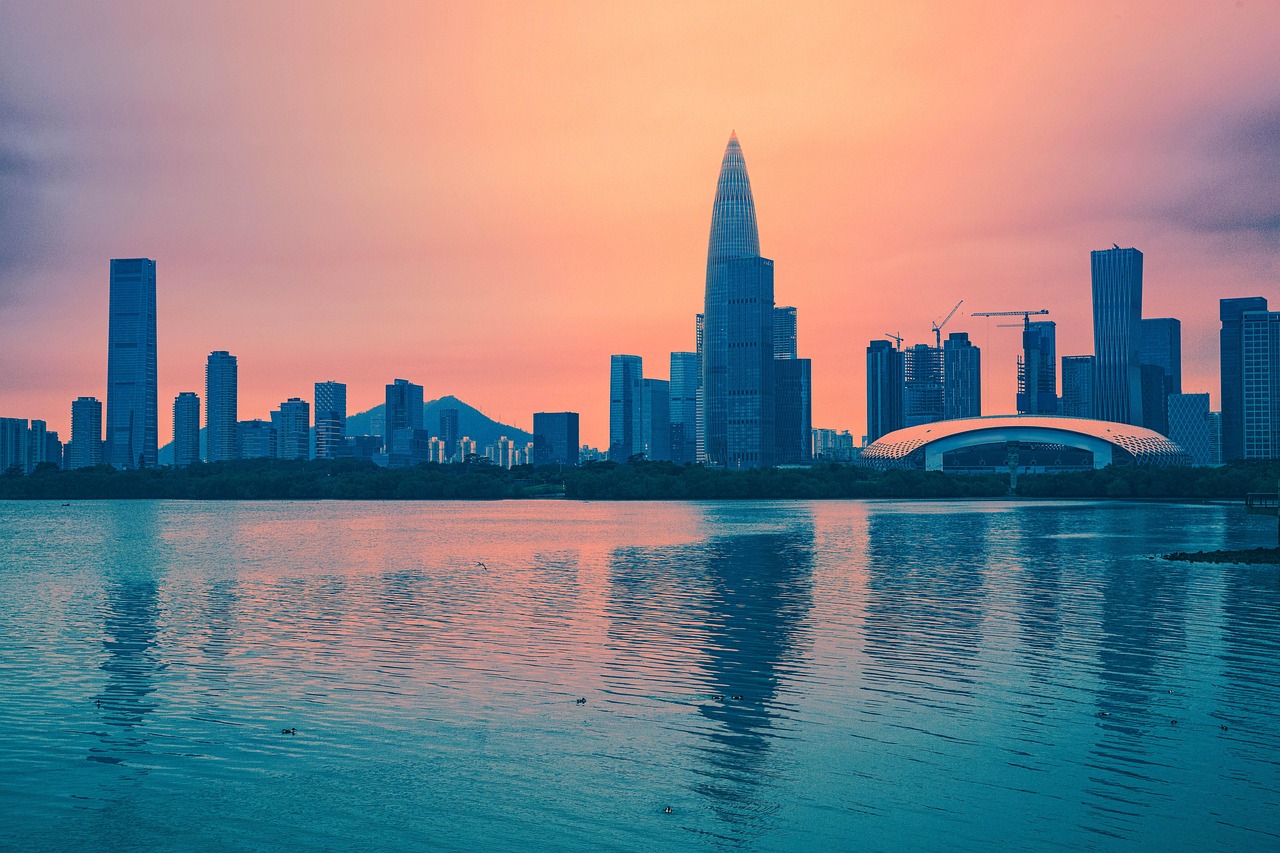
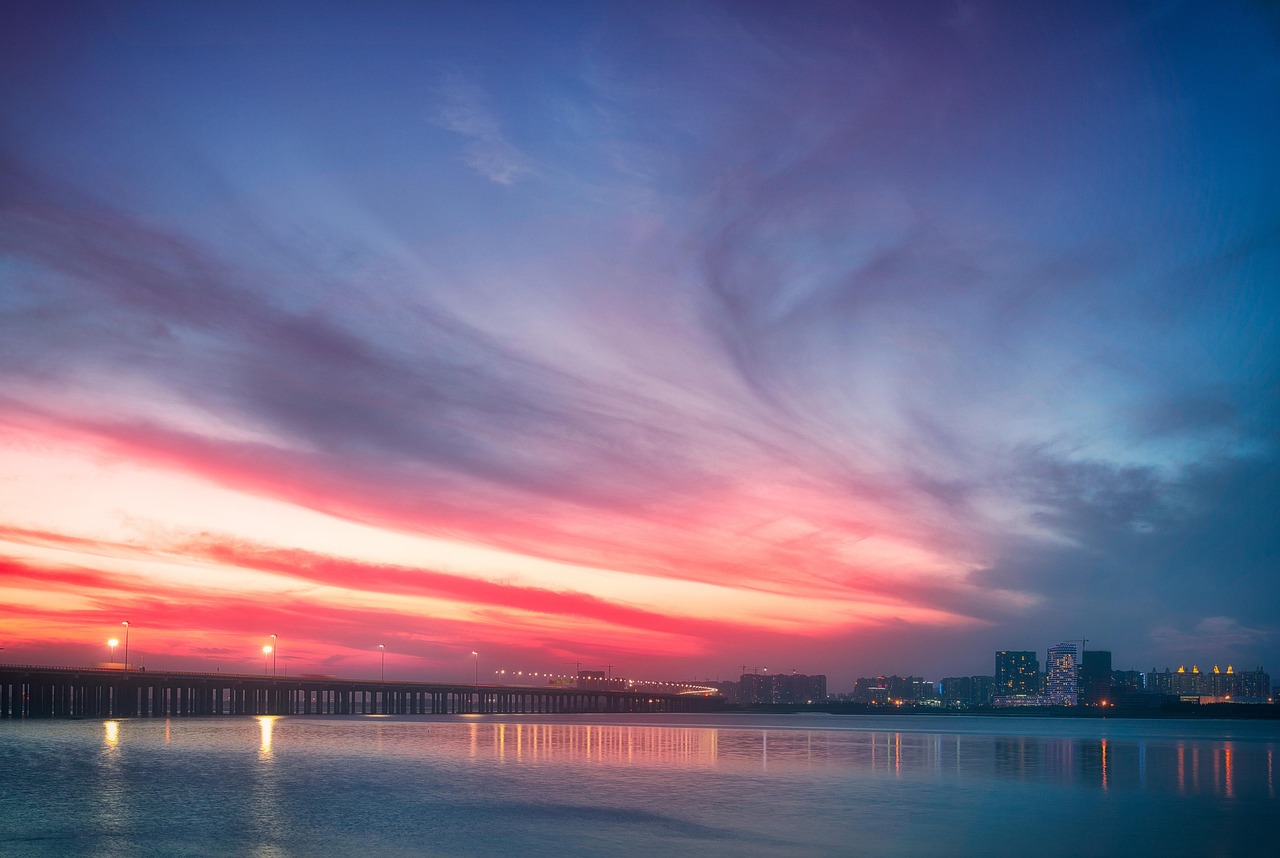
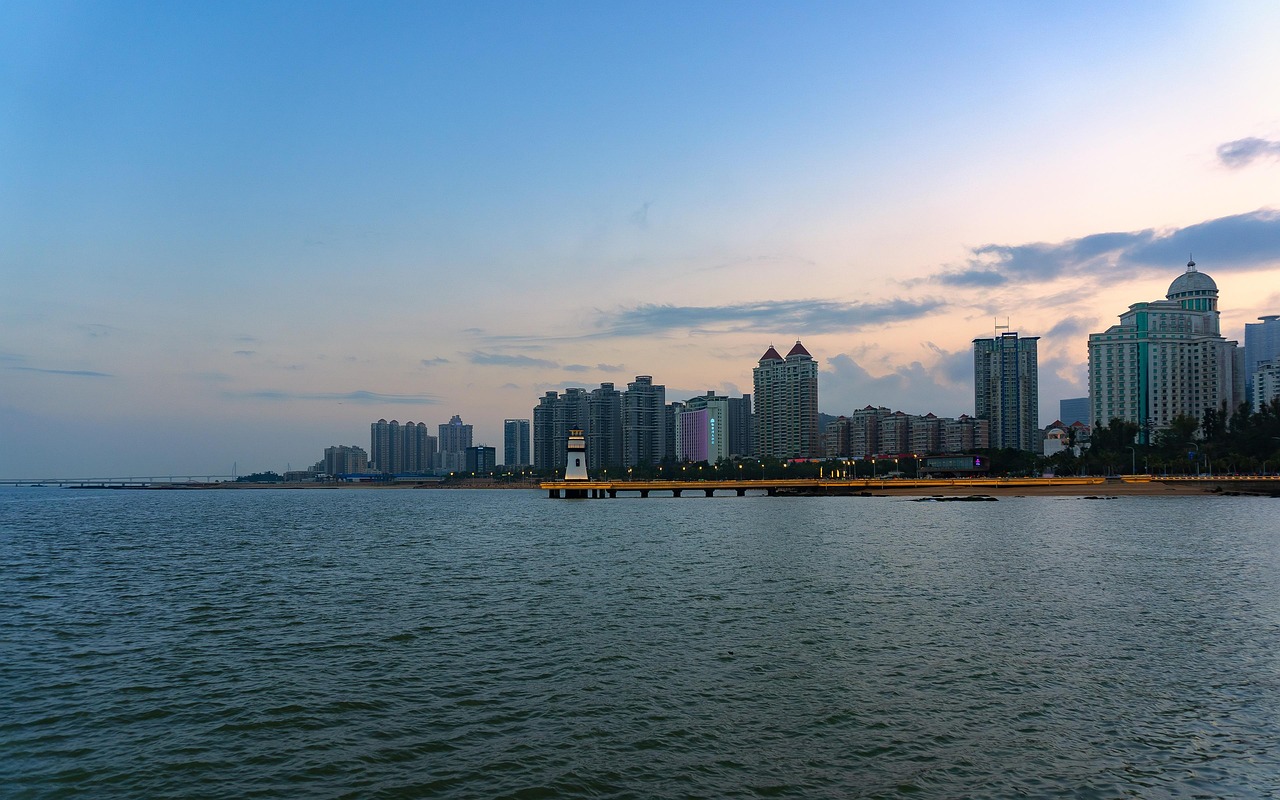
Zhuhai has always felt like China in soft focus to me. It’s a seaside city where palm trees line the boulevards, ocean air cuts through the subtropical heat, and the skyline glitters across the bay from Macau. While Beijing and Shanghai can feel like marathons, Zhuhai is more of a long, leisurely coastal walk.
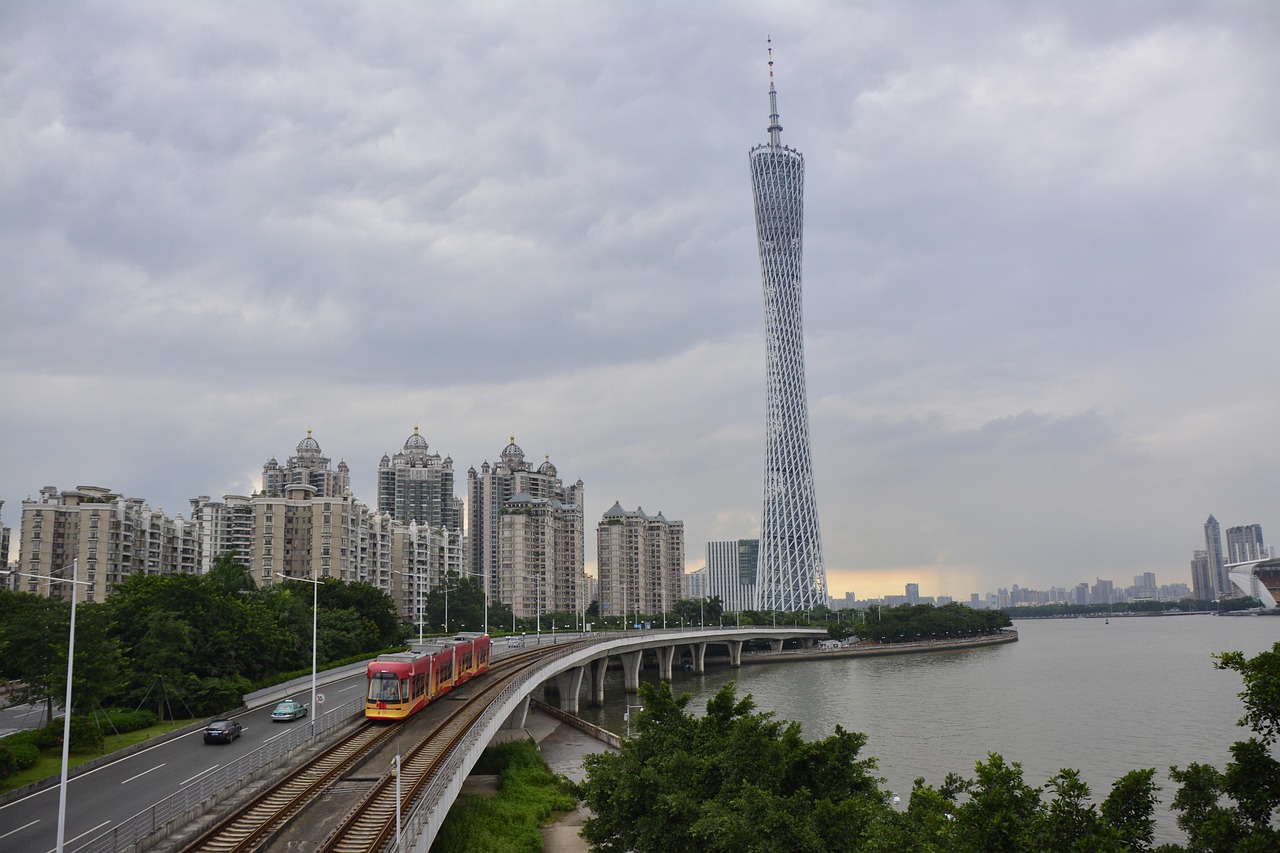
Located in Guangdong province on the Pearl River Delta, Zhuhai is often overshadowed by its flashier neighbors—Hong Kong, Shenzhen, and Macau. Yet that’s exactly why I love it. Zhuhai offers the best of both worlds: easy access to big-city energy plus long coastal promenades, islands, historic villages, and some of the most relaxed vibes you’ll find in coastal China.
In 2026, Zhuhai is having a bit of a moment. New cultural venues, upgraded ferry connections to nearby islands, and a growing food scene are making it one of the most interesting “second visit to China” destinations—and increasingly, a solid first stop if you want something slower and more local than the usual tourist triangle.
This travel guide for Zhuhai is written from the perspective of someone who has stayed in the city multiple times over the years—sometimes as a quick weekend from Hong Kong, other times as a full 4–5 day itinerary in Zhuhai with nothing on the agenda except wandering, eating, and watching the sunset over the bay.
Table of Contents
- Why Visit Zhuhai in 2026?
- Quick Overview of Zhuhai
- Suggested 3–5 Day Itineraries
- 20 Must-See Attractions in Zhuhai (In Depth)
- Best Neighborhoods & Districts to Explore
- Local Food in Zhuhai: What & Where to Eat
- Nightlife, Entertainment & Cultural Experiences
- Day Trips & Nearby Destinations
- What’s New: Events & Changes in 2026–2027
- Local Customs & Cultural Etiquette
- Practical Travel Advice for Zhuhai
- Summary & Best Time to Visit Zhuhai
Quick Overview of Zhuhai
Zhuhai translates to “Pearl Sea,” which already sounds like a place you’d go to slow down. It’s a coastal city of about 2 million people (urban core) spread across a mix of mainland coast and islands, directly facing Macau. It’s part of the Greater Bay Area, meaning it’s well-connected by high-speed rail, bridges, and ferries.
What stands out after a few visits:
- Relaxed coastal lifestyle: Long seaside promenades, parks, and surprisingly clean air for a Chinese city.
- Island access: A stepping stone to islands like Wailingding and Hebao, which feel a world away from the mainland hustle.
- Macau next door: Without the cost and chaos. You can literally see the Cotai strip glitter across the water.
- Mixed architecture: Sleek new districts, historic Qilou arcades, and old fishing villages.
- Food scene: A blend of Cantonese classics, Macanese influences, and straightforward, fresh seafood joints.
Suggested 3–5 Day Itineraries in Zhuhai
These itineraries are built from my own trips—some days I followed the plan, some days I threw it out and chased the smell of grilled squid along the promenade. Use them as flexible frameworks.
3 Days in Zhuhai: Classic Highlights
If you’re planning a 3 day itinerary for Zhuhai, you can hit the main coastal sights, get a feel for local life, and still sneak in a mini-island escape if you move efficiently.
Day 1: Coastal Promenade, Zhuhai Fisher Girl & Lovers’ Road
I usually start my first day with the ocean, to reset from travel. Drop your bags, grab a light breakfast (congee and youtiao from any busy corner shop), then head straight to the Zhuhai Fisher Girl and Lovers’ Road.
- Morning: Walk the stretch from the Fisher Girl statue along Lovers’ Road. The light is soft, locals are jogging, and it’s the least crowded time. This is family-friendly, romantic, and easygoing.
- Lunch: Grab Cantonese dim sum around Jida district—look for busy places full of locals rather than English menus.
- Afternoon: Explore Jingshan Park for views over the bay, or continue your coastal walk up to Yeli Island for a coffee with a sea view.
- Evening: Back along the promenade to see the skyline and Macau’s lights. I like to sit on the seawall with a take-away milk tea and just people-watch.
Day 2: New Yuanming Palace & Zhuhai Opera House
Day two is all about culture and architecture. Start with a replica of imperial Beijing, end with a futuristic opera house rising from the sea.
- Morning: Visit New Yuanming Palace (a recreation of Beijing’s Old Summer Palace). It’s kitschy in parts, but the gardens are genuinely lovely.
- Lunch: Nearby local eateries serving Cantonese stir-fries and noodles—easy place to experiment with dishes like claypot rice.
- Afternoon: Head to Zhuhai Opera House on Yeli Island. Walk around the complex, photograph the shell-like buildings, and linger until golden hour if you can.
- Night: Dinner in the seaside area near the Opera House, then an evening stroll along the waterfront. This is one of my favorite romantic nights in Zhuhai.
Day 3: Qi’ao Island or Macau Side Trip
For the final day of your 3 days in Zhuhai, choose between old villages and wetlands, or a day peeking at Macau’s excess.
- Option A – Qi’ao Island: Old temples, mangroves, and quiet village streets. Perfect if you want a slower, more local and nature-focused day.
- Option B – Macau: If you haven’t been, it’s a quick hop via the Gongbei border. Casinos, Portuguese architecture, and egg tarts—then back to calm Zhuhai by night.
4 Days in Zhuhai: City & Islands
A 4 day itinerary for Zhuhai lets you add a proper island escape, which I highly recommend.
Day 1: Classic Waterfront & Old Xiangzhou
Mostly similar to Day 1 of the 3-day plan, but add an evening wander through Old Xiangzhou for food streets and older residential lanes.
Day 2: New Yuanming Palace, Museums & Night Markets
After the palace, include a stop at the Zhuhai Museum for context on the city’s transformation, then hit a night market like Wanzai Seafood Street for dinner if you’re comfortable with a more local, noisy experience.
Day 3: Wailingding Island Mini-Getaway
Ferry out to Wailingding Island: sandy beaches, hilltop viewpoints, simple guesthouses. I’ve done this as a day trip and an overnighter; if the weather’s good, it’s one of the best things to do near Zhuhai.
Day 4: Qi’ao Island & Coastal Cycling
Rent a bike and follow coastal paths or explore Qi’ao Island’s villages, temples, and mangroves. End the day with a relaxed seafood dinner back in the city.
5 Days in Zhuhai: Deep-Dive & Hidden Gems
If you have 5 days in Zhuhai, you can really let the city’s slower rhythm soak in. This 5 day itinerary for Zhuhai mixes icons, neighborhoods, islands, and offbeat spots.
Day 1: Seaside Icons & First Taste of Zhuhai
Fisher Girl, Lovers’ Road, Jida district, early to bed to fight jetlag. In the evening, I like to wander a random residential block to see local life—courtyard games, kids skateboarding, aunties dancing in squares.
Day 2: Culture & Architecture
New Yuanming Palace, Opera House, Zhuhai Museum, then a walk through some of the newer business districts to appreciate the city’s changing skyline.
Day 3: Historic Qi’ao Island & Tangjiawan
Explore Tangjiawan’s old streets and then cross to Qi’ao Island for temples and wetlands. This is my favorite day for photography and quiet wandering.
Day 4: Island Escape (Wailingding or Hebao)
Dedicate the whole day (or overnight) to an island. Wailingding is more popular, Hebao is a bit rougher and more low-key. Both give you that South China Sea escape feeling.
Day 5: Neighborhood Hopping, Cafés & Nightlife
Use your last day to discover Gongbei (border district energy), Old Xiangzhou (markets, food), and one of the newer creative or café-filled blocks. End in a rooftop bar or livehouse if you’re into music.
20 Must-See Attractions in Zhuhai (With Personal Notes)
Below are the best places to visit in Zhuhai, from famous icons to quieter corners. I’ve included history, what to do, and little things I learned from visiting multiple times.
1. Zhuhai Fisher Girl Statue (珠海渔女)
The Zhuhai Fisher Girl is the city’s unofficial logo. Standing on boulders just offshore, holding a pearl above her head, she’s meant to symbolize beauty and love. She’s also the anchor point for the best stretch of waterfront walking in the city.
The first time I saw her, I’d just arrived from Hong Kong’s chaos. It was late afternoon; the sky was hazy pink, kids were chasing bubbles, and couples were snapping selfies. I remember thinking, “Okay, so this is the calm I came for.”
What to do:
- Walk along the seawall to view her from different angles (the side view with the distant hills behind is underrated).
- Come at sunrise if you want photos without crowds; at sunset if you want atmosphere.
- Combine with a longer walk down Lovers’ Road.
Tips: There’s no entrance fee to see the statue. Beware of touts offering “special photo spots”—you don’t need them. Watch for slippery rocks if you step down near the water for photos.
2. Lovers’ Road (情侣路)
Lovers’ Road is Zhuhai’s coastal promenade: palm trees, cycling paths, views across to Macau, and a steady stream of joggers and strolling families. Despite the name, it’s not just for couples; I’ve walked it alone, with friends, and once with a group of elderly ladies I ended up chatting with about the best place for wonton noodles.
Why it’s special: This is where you feel the city breathe. It’s ideal for:
- Families: Safe, stroller-friendly, with small playgrounds and snack stalls.
- Romantic walks: Sunset, hand in hand, Macau lights flickering in the distance.
- Budget travelers: It’s free, and you can make a whole afternoon of it with a picnic.
Getting there: Any taxi or Didi driver will know “情侣路”. I like starting near the Fisher Girl and heading toward Yeli Island.
3. Zhuhai Opera House (珠海大剧院)
The Zhuhai Opera House looks like two giant seashells rising from the bay—a piece of sculpture as much as a performance venue. I still remember my first glimpse from the taxi: the way it floats on the water, with the causeway leading out like a ribbon.
History & significance: Opened in the late 2010s, it was designed to give Zhuhai a cultural landmark on par with Sydney’s Opera House or Guangzhou’s Opera. It’s now a symbol of Zhuhai’s ambitions beyond being “Macau’s quiet neighbor.”
What to do:
- Walk the perimeter for different angles of the shells—great for architecture photography.
- If you can, book a performance in advance. Even if you don’t understand the language, the acoustics and interior are worth it.
- Grab a coffee or dessert at one of the cafés facing the water; I once camped there for two hours just watching boats glide by.
Tip: Bring a light jacket at night; the sea breeze can be surprisingly cool even in warmer months.
4. New Yuanming Palace (圆明新园)
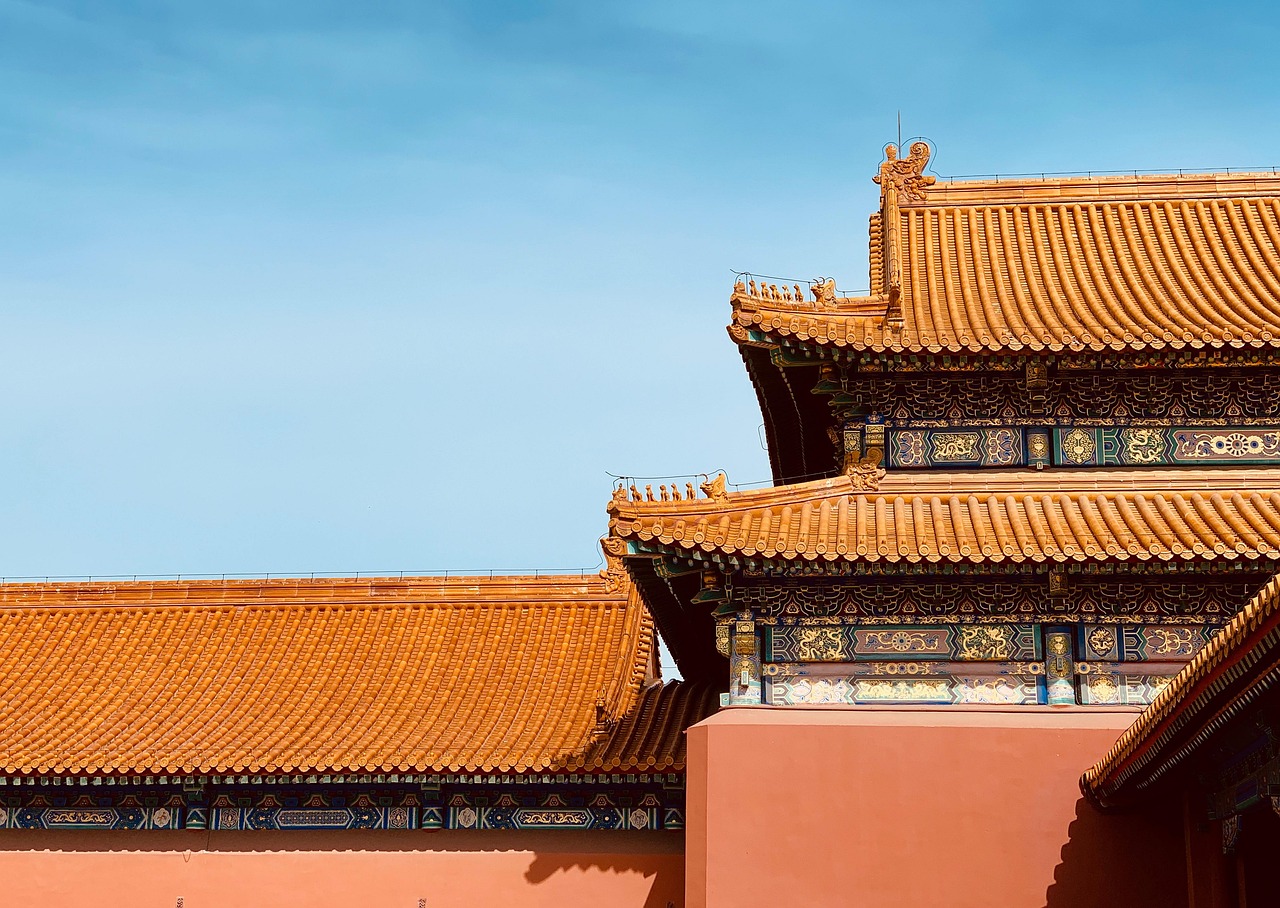
New Yuanming Palace is a reconstructed version of Beijing’s Old Summer Palace, which was destroyed in the 19th century. It’s part theme park, part historical homage, with lakes, pavilions, and ornate halls.
I’ll be honest: some of the performances and souvenir stalls feel touristy. But if you focus on the gardens, quiet corners, and lake reflections, it can be remarkably peaceful.
Highlights:
- Rent a paddleboat on the lake if you’re with kids or a partner.
- Seek out less crowded side paths—some have almost no visitors on weekdays.
- Check if there are cultural shows (traditional music, costume parades) if you’re curious; they’re not essential, but can be fun.
Best time: Weekday mornings to avoid local tour groups. Avoid mid-day in summer; there’s not enough shade to make that enjoyable.
5. Qi’ao Island (淇澳岛)
Qi’ao Island is where I go when I need to remember that Zhuhai is more than high-rises and malls. Connected by bridge to the mainland, it feels like a different era—temples, ancestral halls, narrow alleyways, and stretches of mangrove wetlands.
On my last visit, I spent an hour in a tiny temple courtyard chatting (in broken Mandarin and hand gestures) with an old caretaker about how the island has changed since the bridge went in. He pointed out where the water used to flood, and where new guesthouses had sprung up.
What to explore:
- Historic village streets with traditional Lingnan architecture.
- Temples and ancestral halls—be respectful, as many are still in use.
- Mangrove boardwalks, where you might spot crabs and birds at low tide.
Tip: Wear comfortable shoes; the lanes are uneven. Bring cash for small snacks and temple donations.
6. Wailingding Island (外伶仃岛)
Wailingding Island is my favorite nearby island for a quick escape. Think sandy beaches, turquoise shallows (on clear days), and hiking trails that reward you with South China Sea panoramas.
I once spent a full afternoon just lying on the beach with a book, occasionally looking up to watch fishing boats and ferries trace the horizon. It was hard to believe that a city full of high-rises was just a boat ride away.
Things to do:
- Swim and sunbathe on the main beach (go early on weekends to stake a spot).
- Hike up to viewpoints—bring water; shade is limited.
- Eat super-fresh seafood at simple local restaurants near the pier.
Getting there: Ferries leave from one of Zhuhai’s ports (schedules change; check locally or via your hotel). Seas can be choppy—if you’re prone to seasickness, take precautions.
7. Gongbei Border & Underground Mall (拱北口岸)
Gongbei is Zhuhai’s border crossing to Macau, and the area around it is a chaotic, fascinating slice of border-town life. Underground, there’s an enormous mall selling everything from electronics to bags to snacks.
I don’t come here for serenity; I come for the buzz and cheap eats. Once, I spent an entire rainy afternoon just wandering the maze-like mall, bargaining half-heartedly for socks and power banks, then emerging slightly dazed into the humid air.
Why go:
- To feel the energy of people moving between Zhuhai and Macau.
- To pick up cheap everyday items or snacks.
- To catch buses and connections if you’re continuing your journey.
Tip: Watch your belongings; it’s crowded. If you’re heading into Macau, have your documents ready and check current visa requirements.
8. Old Xiangzhou (老香洲)
Old Xiangzhou is one of my favorite neighborhoods to wander in Zhuhai. It’s a working district, not a polished tourist quarter—wet markets, small hardware shops, noodle joints, and narrow streets where laundry hangs overhead.
On my second trip to Zhuhai, I stayed in a small guesthouse nearby and spent mornings at the local market, watching people bargain for vegetables and live fish. This is where you really feel the city’s daily rhythm.
What to look for:
- Morning markets with fresh produce and seafood.
- Small eateries: try wonton noodles, congee, and roast meats.
- Older residential lanes that show pre-high-rise Zhuhai.
Tip: Come early; markets wind down by late morning. Be discreet with photos—ask if people are in the frame.
9. Jingshan Park (景山公园)
Jingshan Park is a modest city park with one major perk: views. Hike up the hill (it’s more of a vigorous walk than a full hike) and you’ll get sweeping vistas of the coast, city, and sometimes the outlines of Macau on a clear day.
I like coming here in the late afternoon, when the heat has eased and elderly locals are practicing tai chi or dancing in small groups.
Good for:
- Sunset views over the bay.
- A bit of exercise after too much dim sum.
- People-watching in a very local setting.
10. Zhuhai Museum (珠海博物馆)
The Zhuhai Museum is small but well-curated, with exhibits on local history, maritime trade, and the city’s rapid development. It’s one of the better ways to understand what Zhuhai was before it became a Special Economic Zone.
On a hot or rainy day, it’s a welcome cultural stop. I once ducked in during a sudden downpour and ended up spending two hours reading about old fishing communities and the early days of reform-era construction.
Tip: Check if there are any temporary exhibitions; they occasionally host interesting art or photography shows.
11. Tangjiawan Historic Area (唐家湾)
Tangjiawan is a historic town-turned-subdistrict with preserved old streets, ancestral halls, and buildings that nod to the area’s migrant and overseas connections.
Walking here one quiet weekday, I kept stumbling onto small details: faded signboards from older shops, intricate door carvings, and kids darting through alleyways on scooters.
Why go:
- To see a more historic side of Zhuhai.
- For photography of old architecture and street scenes.
- To combine with a trip to nearby universities and tech parks if you’re curious about modern Zhuhai’s brainpower side.
12. Yuanming & Surrounding Night Markets
While night markets in Zhuhai shift and evolve, the areas around New Yuanming Palace and certain busy streets in Xiangzhou often host lively, ever-changing rows of food stalls, games, and small vendors.
I’ve lost count of how many skewers of grilled squid I’ve eaten at these markets. My usual pattern: walk one full loop to see everything, then commit to a few stalls that look the busiest (a good sign for freshness).
Best bets:
- Grilled seafood skewers (squid, shrimp).
- Stinky tofu (if you’re brave—smells strong, tastes better than it smells).
- Bubble tea or herbal teas to cool off.
Tip: Bring small bills, and be prepared to stand or perch on stools—this is very casual dining.
13. Wanzai Seafood Street (湾仔海鲜街)
Wanzai Seafood Street is where you go if you want to pick your dinner from a tank and have it cooked to order. It’s loud, slightly chaotic, and very Zhuhai.
The first time I went, I let my local friend do the ordering: mantis shrimp, clams with garlic and vermicelli, steamed fish with ginger and scallions. We ate until we couldn’t move for less than what a single fancy seafood dish would cost in Hong Kong.
How it works:
- You pick live seafood from tanks (price by weight).
- The restaurant suggests cooking styles (steamed, stir-fried, etc.).
- You pay for both the seafood and the cooking/side dishes.
Tip: Go with a group to sample more dishes. Confirm prices clearly before ordering, and don’t be shy about walking away if something feels off.
14. Yeli Island (野狸岛)
Yeli Island is home to the Opera House but also worth visiting for its coastal paths and sea views. It’s a compact island connected by road, making it an easy extension of any seaside walk.
On one trip, I spent an entire morning circling parts of the island, stopping every few minutes to photograph different angles of the water and the distant city skyline.
Good for:
- Casual walking and light cycling.
- Cafés and sea-view restaurants.
- Sunrise or sunset photography.
15. Chimelong Ocean Kingdom (长隆海洋王国)
Chimelong Ocean Kingdom is one of the largest marine theme parks in the world, located in neighboring Hengqin (but commonly treated as part of a Zhuhai trip). Families, this is your big-ticket day.
I visited with friends who had kids, and even as an adult, the massive aquariums and roller coasters were impressive. Ethically, I have mixed feelings about large marine parks; if you share those concerns, research current practices and decide accordingly.
Highlights:
- Huge aquarium tunnel with whale sharks.
- Roller coasters and themed zones.
- Evening parades and light shows (depending on season).
Tip: Buy tickets online in advance, and arrive early to beat the crowds. Budget the whole day.
16. Zhuhai–Macau Waterfront Viewpoints
One of Zhuhai’s underrated pleasures is simply gazing across the water at Macau’s skyline. There are several waterfront points where you can see casino towers, bridges, and the outlines of Coloane’s hills.
On one quiet night, I sat on a bench with a take-away beer, watching the lights shift on Macau’s facades, thinking how strange and wonderful it is that two such different systems and energies sit separated by such a small stretch of water.
Good spots: Sections of Lovers’ Road near Gongbei, or lesser-known small piers locals can point you toward.
17. Coastal Cycling Routes
Zhuhai is one of the better Chinese cities for casual cycling, thanks to long coastal paths and relatively relaxed traffic in many areas.
I like renting a public bike or shared e-bike (scan with a local app) and meandering along the coast, stopping whenever a snack stall or viewpoint looks inviting.
Tip: If you don’t have a Chinese app account, ask your hotel if they can help you set up or recommend a rental shop.
18. Mangrove & Wetland Areas Around Zhuhai
Beyond Qi’ao’s boardwalks, several stretches of coast around Zhuhai feature mangroves and wetlands that are slowly being protected and integrated into parks.
Birdwatchers and photographers will appreciate early mornings here. I’m not a hardcore birder, but even I ended up taking dozens of photos of egrets and fiddler crabs.
19. University & Tech Districts (Hengqin / Tangjia Areas)
Zhuhai has a growing cluster of universities and research institutions, especially around Hengqin and Tangjia. The campuses are often open, green, and surprisingly pleasant for a stroll.
If you’re curious about modern China’s tech and education side, a walk through one of these areas, plus a coffee in a student café, can be an interesting contrast to old villages and island life.
20. Local Temples & Ancestral Halls Scattered Across the City
It’s hard to list just one temple, because part of Zhuhai’s charm lies in the many small temples and ancestral halls tucked into neighborhoods and villages. They’re living spaces of community memory, not just tourist sights.
When you pass one, peek in respectfully. You’ll often find incense coils, offerings of fruit, and sometimes quiet corners where time seems to slow.
Etiquette: Don’t photograph people praying without permission, keep your voice low, and avoid blocking entrances.
Neighborhoods & Districts to Explore
Zhuhai doesn’t have as sharply defined “must-see neighborhoods” as some older cities, but each district has its own flavor.
- Jida: Central, convenient, near the waterfront. Good for first-time stays if you want easy access to Lovers’ Road and city amenities.
- Xiangzhou: Older core with markets, everyday life, and plenty of modest eateries. Great for a more local feel.
- Gongbei: Busy border district. Lively, slightly gritty, with lots of shopping and food but more noise.
- Hengqin: Newer, with resorts, Chimelong, and some higher-end stays. Feels more like a planned zone than a lived-in city.
- Tangjiawan: Mix of history and academia; quieter, with old streets and campuses.
Local Food in Zhuhai: What to Eat & Where
Zhuhai’s food scene is grounded in Cantonese cuisine with strong seafood and Macanese influences. It’s an easy city to eat well in, even on a budget.
Must-Try Dishes
- Steamed fish with ginger & scallions: Simple, perfect when the fish is fresh (it usually is).
- Clams with garlic and vermicelli: A Wanzai classic.
- Dim sum: Har gow, siu mai, char siu bao—standard Cantonese, but I find Zhuhai’s versions reliably good.
- Congee with fish or seafood: Comforting breakfast, especially on rainy days.
- Macanese-style dishes: You’ll find Portuguese tarts, pork chop buns, and other Macau-influenced bites here and there.
Where I Like to Eat
I won’t list exact restaurant names (these change fast), but here’s where to look:
- Old Xiangzhou: For cheap, local Cantonese meals and breakfast spots.
- Near Wanzai Seafood Street: For seafood feasts with friends.
- Jida & Lovers’ Road area: For mid-range restaurants with sea views and cafés.
- Hengqin: For hotel buffets and more upscale dining if you’re splurging.
Saving Money on Food
To keep your budget in check:
- Eat where menus don’t have photos translated for tourists—prices are lower, food often better.
- Try set lunches at local chains and small canteens.
- Use convenience stores (FamilyMart, 7-Eleven) for snacks, drinks, and the occasional quick breakfast.
Nightlife, Entertainment & Cultural Experiences in Zhuhai
Zhuhai’s nightlife is more low-key than Shenzhen’s or Macau’s, but there’s still plenty to do once the sun sets.
Nightlife
- Waterfront bars & cafés: Along Lovers’ Road and near the Opera House. Great for a drink with a view.
- Local bars & KTV: Scattered through Jida and Gongbei; look for clusters on maps or ask at your hotel.
- Macau for big nights out: If you want casinos and clubs, you’re a short hop away—just remember border crossing times.
Cultural Experiences
- Zhuhai Opera House performances: Check the schedule; even a single show can be a highlight.
- Temple festivals: If you’re lucky to be in town for one, they’re colorful and lively. Ask locals or your hotel for info.
- Public square dancing: In the evenings, look for aunties dancing in squares—this is modern Chinese culture at its most accessible. Feel free to watch; occasionally, they’ll invite you to join.
Day Trips & Nearby Destinations from Zhuhai
Zhuhai is a springboard to several interesting side trips.
- Macau: 15–30 minutes via the Gongbei border. Explore the historic center, try egg tarts, see the casinos, and be back in Zhuhai by night.
- Wailingding & Hebao Islands: For beaches and hiking, as mentioned above.
- Zhongshan: Short train ride away; Sun Yat-sen’s birthplace and more traditional city feel.
- Guangzhou or Shenzhen: Possible as long day trips via high-speed rail, though I prefer at least an overnight.
Tip: Ferries and train schedules can change—always confirm times the day before you go.
What’s New in 2026–2027: Events & Changes
As of 2026, a few trends and events are worth noting for Zhuhai travelers:
- Zhuhai Airshow (China International Aviation & Aerospace Exhibition): Held in even-numbered years, usually in autumn. 2026’s edition is expected to be one of the biggest yet. Book accommodation early if your visit overlaps; the city gets busy.
- Greater Bay Area cultural festivals: Zhuhai has been leaning into joint events with Macau and nearby cities—concerts, art festivals, and food fairs. Check local listings or your hotel’s notice boards.
- Ongoing waterfront upgrades: Sections of the coast may periodically be under construction as Zhuhai expands parks and cycling paths. Detours are usually well-signed.
Local Customs & Cultural Etiquette in Zhuhai
Zhuhai is generally relaxed and used to visitors, but a few etiquette points go a long way.
- Greetings: A simple nod or “ni hao” (你好) works. Handshakes are common in formal contexts.
- Cash & paying: Mobile payments dominate, but cash and cards are still accepted in many places. Some small vendors may prefer cash.
- At temples: Dress modestly, speak softly, don’t touch statues, and don’t photograph people praying without permission.
- At meals: It’s polite to let elders or hosts start first. Don’t stick chopsticks upright in rice (it resembles funeral offerings).
- Queuing: Lines exist but may be looser at busy spots. Stay calm, hold your place gently but firmly.
Practical Travel Advice for Zhuhai
When to Visit & Weather
- Best overall: October–December (mild, drier, clearer skies).
- Spring (March–May): Pleasant but can be humid and rainy.
- Summer (June–September): Hot, humid, with potential typhoons. Good for beach/island trips if you can handle the heat and watch forecasts carefully.
- Winter (January–February): Mild and often clear; bring a light jacket.
Getting Around Zhuhai
- Buses: Extensive and cheap. Routes are posted in Chinese; map apps help a lot.
- Taxi & Didi: Easy, relatively inexpensive. Have your destination written in Chinese.
- Cycling: Great along the coast; shared bikes are common but may require local apps.
- Walking: Within central areas and along the waterfront, walking is a pleasure.
SIM Cards & Connectivity
For smooth navigation and translation, get connected as soon as you arrive.
- Airport or major train stations: Easiest places to buy tourist SIMs. Bring your passport.
- eSIMs: Increasingly available if your phone supports them—nice to set up before arrival.
- VPN: If you rely on Google, WhatsApp, or other blocked services, set up a VPN before entering China.
Money & Costs
- Currency: Chinese Yuan (RMB).
- Daily budget (rough):
- Budget: 200–350 RMB (hostel/cheap guesthouse + local food).
- Mid-range: 350–800 RMB (3-star hotel + mix of local and nicer meals).
- Higher-end: 800+ RMB (4–5 star hotels, seafood feasts, attractions).
Accommodation: Where to Stay
- Jida / Lovers’ Road: Great if you want to walk the coast every day. Mid-range hotels with some sea views.
- Xiangzhou: Cheaper, more local. Good base if you’re comfortable navigating a bit more on your own.
- Gongbei: Convenient for Macau and transport, but busier and slightly rough around the edges.
- Hengqin: Best for theme parks and resort-style stays.
Visa Requirements & Border Crossings
Rules change, so always confirm with official sources before your trip, but as a general guide:
- China visa: Many travelers need a visa in advance to enter mainland China, including Zhuhai.
- Macau: Has its own entry rules, often more lenient for short visits. Check separately.
- Border to Macau (Gongbei/Portas do Cerco): Bring your passport, allow time for queues, especially on weekends and holidays.
Driving & Car Rental
Driving in Zhuhai is generally not necessary or recommended for short-term visitors.
- Foreign driver’s licenses: Not valid on their own. China usually requires a Chinese license or a temporary permit; international driving permits are not enough.
- City layout: Public transport and taxis make getting around easy without a car.
Health & Safety
- Zhuhai is generally safe, with low violent crime rates.
- Watch for petty theft in crowded areas like Gongbei.
- Tap water is usually not drunk directly—use bottled or boiled water.
- In summer, heat and humidity can be intense; hydrate and use sunscreen.
Saving Money in Zhuhai
- Use buses instead of taxis for longer hops.
- Eat breakfast and some lunches in local canteens and markets.
- Prioritize free attractions (coastal walks, parks, old streets) and be selective about theme parks and pricier activities.
Summary: Key Takeaways & Best Time to Visit Zhuhai
Zhuhai is a city that rewards slowing down. It’s not a place where you rush from museum to museum; it’s a place where you linger along the coast, take day trips to islands, and get to know neighborhoods one market at a time.
If you’re planning 3 days in Zhuhai, focus on the waterfront, a few key attractions like the Opera House and New Yuanming Palace, and maybe a quick hop to Qi’ao or Macau. With 4 days in Zhuhai, add an island escape. With 5 days in Zhuhai, sink deeper into neighborhoods, old towns, and slower days.
The best time to visit Zhuhai is from October to December, when the air is clearer, temperatures comfortable, and the sea still inviting. Spring is a close second, with lush greenery and softer light. Summer brings beaches but also heat and potential storms; winter is mild but occasionally gray.
Whether you come for a 3 day itinerary for Zhuhai or stretch it to a 5 day itinerary for Zhuhai, you’ll find a city that feels both connected to the wider world and quietly content in its own coastal rhythm—a place where, if you’re anything like me, you’ll keep finding excuses to return.