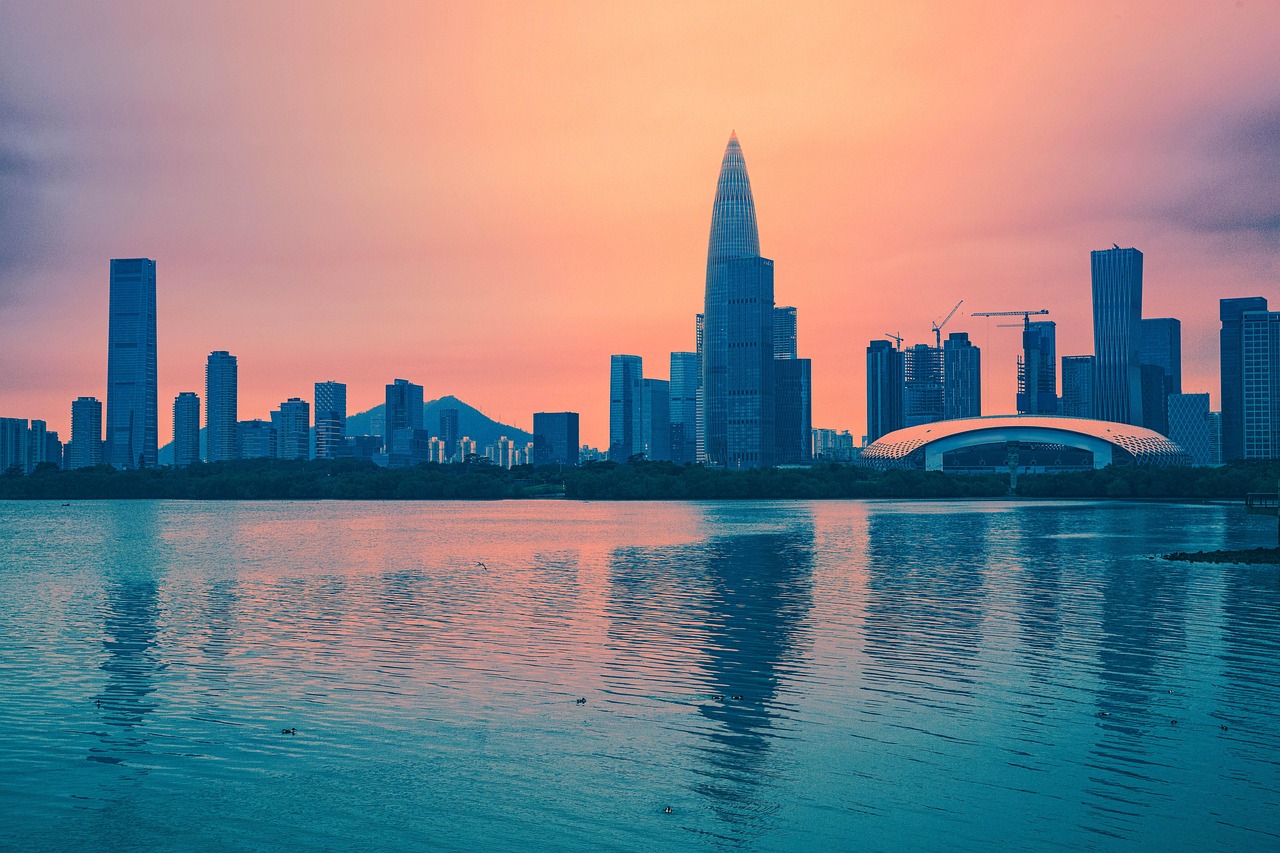
Why Visit Shenzhen in 2026
Shenzhen is the city that China built to fast-forward into the future. In just a few decades it has transformed from a fishing village on the border of Hong Kong into a shimmering mega-city of glass towers, design museums, leafy hills, and some of the most innovative food and tech scenes in Asia.
I moved here “just for a year” to write about the Pearl River Delta and somehow never left. What keeps me here isn’t just the skyscrapers and huaqiangbei electronics—it’s the small things: morning dim sum in a noisy local tea house, sunset hikes above the bay, and late-night walks through neon-lit streets where people are still dancing in the squares at 11 p.m.
In 2026, Shenzhen feels more complete than ever. The subway network is mature, the waterfronts are beautifully redeveloped, art spaces keep multiplying, and there’s a gentle push towards greener, more livable neighborhoods. It’s an easy place to visit, but still feels like a city you discover rather than consume.
This travel guide is designed for you if you’re planning 3–5 days in Shenzhen and want more than a checklist. I’ll walk you through detailed daily itineraries, 20+ major attractions with personal stories, the best neighborhoods to stay in, where to eat (and how not to blow your budget), cultural etiquette and local customs in Shenzhen, and lots of tiny tips that locals usually only share over hot pot.
Table of Contents
- Why Visit Shenzhen in 2026
- Shenzhen at a Glance
- Recommended 3–5 Day Itineraries
- 20+ Must-See Attractions in Shenzhen (With Stories & Tips)
- Best Neighborhoods & Districts to Explore
- Local Food in Shenzhen: What & Where to Eat
- Nightlife, Entertainment & Cultural Experiences
- Day Trips & Nearby Destinations
- Cultural Etiquette & Local Customs
- Practical Travel Tips for Shenzhen
- What’s New & Upcoming Events 2026–2027
- Summary & Best Time to Visit Shenzhen
Shenzhen at a Glance
Shenzhen sits in Guangdong province, hugging the border with Hong Kong. It’s part of the Greater Bay Area—China’s answer to Silicon Valley mixed with a dash of Singapore and a lot of Cantonese soul.
- Language: Mandarin is standard, but you’ll also hear Cantonese, Hakka, and countless dialects. English is limited but improving in tourist areas.
- Currency: Chinese yuan (RMB). Mobile payments (WeChat Pay, Alipay) dominate, but cards and cash still work at most mid-range places.
- Best for: Tech and architecture lovers, foodies, families, couples, hikers, and anyone curious about modern China.
- Ideal trip length: 3–5 days in Shenzhen for a good balance of city, culture, and nature.
Recommended 3–5 Day Itineraries
Below are three versions of a Shenzhen trip: a 3 day itinerary for Shenzhen to hit the major sights, a slower 4 day itinerary for Shenzhen that adds beaches and art, and a 5 day itinerary for Shenzhen if you want to really feel the city’s rhythm.
3 Days in Shenzhen: Classic Highlights
If you only have 3 days in Shenzhen, this itinerary focuses on iconic skylines, theme-park style cultural parks, and one good hike. I’ll keep this section concise and expand more deeply in the attraction sections below.
Day 1: Futian CBD, Ping An Finance Center & Civic Center
Spend your first day in the city’s heart: the Futian Central Business District. Start at the Ping An Finance Center, stroll through Shenzhen Civic Center and Lianhuashan Park, then end with dinner in COCO Park area.
- Morning: Ping An Finance Center observation deck, walk through the high-rise canyon of Futian.
- Afternoon: Civic Center & Shenzhen Museum, then hike or walk up Lianhuashan for sunset.
- Evening: Dinner and drinks around COCO Park.
Day 2: Nanshan, Window of the World & Shenzhen Bay
Day 2 is for playful sightseeing and sea views: Window of the World, OCT Harbor, and a sunset stroll by Shenzhen Bay.
- Morning: Window of the World theme park.
- Afternoon: OCT Harbor, coffee by the canal, maybe a boat ride.
- Evening: Walk or cycle along Shenzhen Bay Park; dinner in Nanshan.
Day 3: Dapeng Peninsula or Wutong Mountain
For your last day, escape the high-rises. Either head to the beaches and fortresses of Dapeng Peninsula or hike Wutong Mountain, the city’s highest peak.
- Option A (Relaxed): Dapeng Old Town, Jiaochangwei beach, seafood lunch.
- Option B (Active): Wutong Mountain hike, hot pot reward in Luohu.
4 Days in Shenzhen: Culture, Coast & Cuisine
A 4 day itinerary for Shenzhen lets you add more art and local life. Use the 3-day plan above and add:
Day 4: Old Shenzhen, Huaqiangbei & Dongmen
- Explore Huaqiangbei Electronics Market in the morning.
- Visit Shenzhen Museum of Contemporary Art and Urban Planning (MoCAUP).
- Spend the evening in Dongmen Pedestrian Street for street food and people-watching.
5 Days in Shenzhen: Deep Dive into Neighborhoods
With a 5 day itinerary for Shenzhen, you can experience the city like a local. Add to the 4-day plan:
Day 5: Creative Parks & Nightlife
- Morning coffee and browsing at OCT-LOFT Creative Culture Park.
- Afternoon in Shenzhen Bay area or Shenzhen Talent Park.
- Evening live music or bars in OCT-LOFT or Sea World, Shekou.
Below, I’ll walk you through each major place as if we’re traveling together—where to stand for the best views, what snacks to try, and which subway exit actually makes sense.
20+ Must-See Attractions in Shenzhen (With Local Stories & Tips)
These are the best places to visit in Shenzhen, arranged roughly from most iconic to more under-the-radar. I’ve included history, what it feels like to be there, and how to make each visit memorable.
1. Ping An Finance Center & Futian Skyline
The first time I rode the elevator up the Ping An Finance Center—Shenzhen’s signature needle of glass and steel—I made the rookie mistake of looking at the floor indicator. It jumps so fast that you feel like your stomach is lagging five floors behind you.
Opened in 2017, Ping An is one of the tallest buildings in the world and the tallest in Shenzhen. It sits in the center of Futian CBD like an exclamation point, surrounded by shimmering office towers, shopping malls, and elevated walkways that feel straight out of a sci-fi movie.
What to Do
- Observation Deck: Head up to the “Free Sky” observation deck on a clear afternoon. The 360-degree view lets you see Hong Kong’s hills, the sprawl of Nanshan, and the dense urban lattice of Futian.
- Photography: My favorite spot is actually below the tower—stand on Shennan Boulevard’s central island for a dramatic vertical shot, or shoot from Lianhuashan Park at sunset for the full skyline.
- Mall Wandering: The tower is attached to large malls (like PAFC Mall) with every brand you can imagine and some great dessert cafes.
Personal Tips
- Best Time: Late afternoon on a clear day so you can see the city in daylight, catch sunset, and watch the lights come on.
- Tickets: Book online (through Chinese apps or your hotel) to avoid queues. Prices fluctuate but expect a premium; it’s the view you’re paying for.
- Nearest Metro: Futian or Shopping Park stations (Lines 1, 3, 4). Follow signs to the Ping An Finance Center; allow time to navigate the underground links.
2. Lianhuashan Park & Deng Xiaoping Statue
Whenever I feel overwhelmed by Shenzhen’s speed, I go to Lianhuashan. It’s a low, gentle hill rather than a mountain, but it has the city’s most democratic view: kids learning to ride bikes, elderly couples doing tai chi, office workers on lunch break, and visitors all climbing the same path to the top.
At the summit, a bronze statue of Deng Xiaoping strides forward, coat flapping in the wind, looking out over the city that grew from his economic reforms. It’s one of the few places where the origin story of Shenzhen feels tangible.
What to Do
- Easy Hike: The walk to the top takes about 20–30 minutes along paved paths. Bring water but no special gear needed.
- Picnic: There are grassy lawns where families picnic on weekends. Buy fruit and snacks from a nearby supermarket beforehand.
- Night Views: If you come just before dusk, you can watch skyscrapers flicker to life in Futian and see Ping An tower glow.
Personal Tips
- Best Photo Spot: Stand slightly below the Deng statue, facing Futian CBD. This angle includes the Civic Center roof and Ping An.
- Family-Friendly: Great for kids—safe paths, playgrounds at the base, and plenty of ice-cream carts.
- How to Get There: Metro to Civic Center (Line 2/4), take Exit B and follow signs across the large Civic Center square toward the hill.
3. Window of the World
Window of the World is gloriously kitschy—and that’s why I love it. In one day, you can “visit” the Eiffel Tower, the Pyramids, Angkor Wat, and Niagara Falls… all slightly smaller and a bit surreal under the subtropical sun.
Opened in 1994, this theme park was Shenzhen’s early calling card, designed for a generation who might never travel abroad. Now it’s a nostalgic, slightly retro attraction where local families, school kids, and couples in matching outfits take photos next to mini global landmarks.
What to Do
- Walk the World: Start with Europe, loop through Asia and Africa, and end in the Americas. You won’t see every exhibit, but that’s okay.
- Mini Eiffel Tower: You can ride to the top for a surprisingly nice view of Nanshan.
- Shows & Performances: Check the schedule at the entrance; there are cultural shows and evening fireworks on some nights, especially weekends and holidays.
Personal Tips
- When to Go: Weekdays are much quieter. Avoid “Golden Week” holidays if you don’t like crowds.
- Photo Fun: If you’re traveling as a couple, this is where you unleash your cheesiest photo ideas.
- Nearest Metro: Window of the World Station (Line 1/2). Exit A leads almost directly to the entrance.
4. Splendid China Folk Village
While Window of the World is about the globe, Splendid China Folk Village is about China itself. The park combines miniature replicas of Chinese landmarks with live “folk villages” representing different ethnic groups.
The first time I visited, I spent almost an hour just wandering the minority villages section, where performers in traditional dress were cooking, weaving, and sometimes dragging visitors into impromptu dances.
What to Do
- Mini China: See scale models of the Great Wall, Forbidden City, and West Lake without leaving Shenzhen.
- Ethnic Performances: Check the schedule for dance shows and horse-riding stunts; they’re surprisingly impressive.
- Family Day Out: Kids love the open spaces and performances, and there are plenty of snack stalls.
Personal Tips
- Time Needed: 4–6 hours if you want both minis and shows.
- Food: The park food is decent but a bit pricier; I usually eat a light meal inside and then head to nearby OCT for dinner.
- Nearest Metro: OCT Station (Line 1) or Qiaocheng East Station (Line 1).
5. OCT-LOFT Creative Culture Park
If there’s one place that convinced me to stay in Shenzhen, it’s OCT-LOFT. This old factory district was transformed into a maze of cafes, galleries, design shops, and leafy courtyards. It feels like a cross between a European creative quarter and a very polished Chinese industrial-chic dream.
I’ve spent entire Sundays here doing nothing particularly productive: brunch at a courtyard cafe, browsing photobooks in an art bookstore, listening to a jazz band rehearse in a bar, and people-watching for hours.
What to Do
- Cafe-Hop: Try a third-wave coffee shop, then a tea house, then a craft beer bar—OCT-LOFT excels at all three.
- Galleries & Design Shops: Small galleries rotate exhibits from local and international artists. Design stores sell everything from ceramics to quirky notebooks.
- Nightlife: After dark, OCT-LOFT’s bars host live bands, DJs, and open-mic nights. It’s more artsy than wild.
Personal Tips
- Best Time: Late afternoon into evening. On weekends, there are often design fairs or pop-up markets.
- Hidden Corners: Look for small alleys between buildings—some of the nicest cafes are tucked away upstairs with hardly any signage.
- Nearest Metro: Qiaocheng East (Line 1), then a 10–15 minute walk or quick taxi.
6. Shenzhen Bay Park & Talent Park
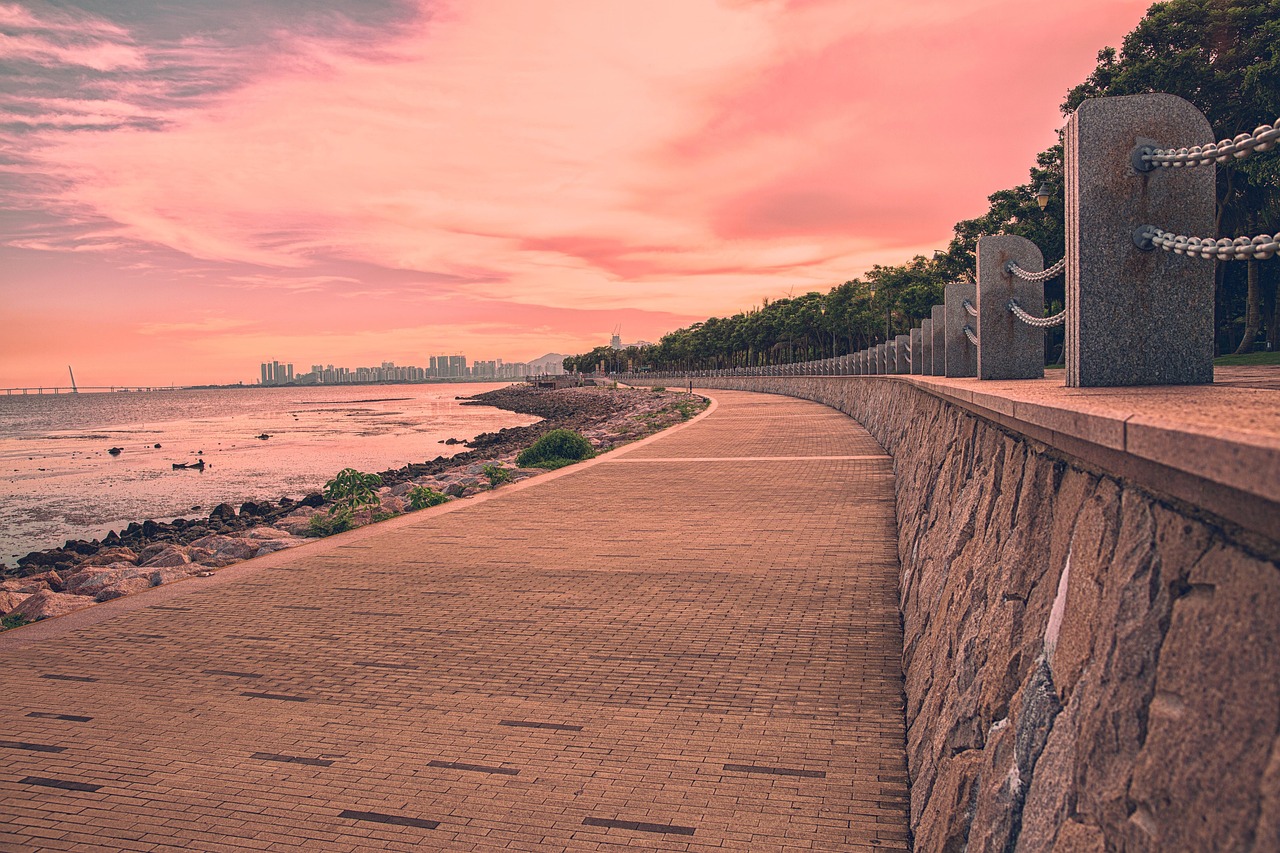
Shenzhen Bay Park is where the city remembers that it’s a coastal town. The waterfront promenade runs for kilometers along the bay, with separate lanes for bikes and pedestrians, mangrove trees on one side and the Hong Kong skyline shimmering across the water on the other.
On weekday evenings, you’ll see joggers and couples; on weekends, it turns into one long rolling picnic, with families flying kites and street musicians setting up impromptu stages.
What to Do
- Sunset Walk: Start around Shenzhen Bay Sports Center and walk towards the bridge, pausing at viewpoints.
- Bike Ride: Rent a shared bike (using local apps) and cruise the dedicated bike lane.
- Talent Park: Nearby Shenzhen Talent Park has sculpted lawns, water features, and views of high-tech company HQs; great for an early-morning stroll.
Personal Tips
- Romantic Pick: This is one of my favorite romantic spots in Shenzhen—especially on cool winter evenings.
- Bring Snacks: There are some kiosks, but a picnic from a local bakery or supermarket is better.
- Metro: Houhai or Shenzhen Bay Park stations (Lines 2/11), then walk south toward the water.
7. Dapeng Peninsula & Jiaochangwei Beach
Whenever I need to remember that Shenzhen is more than glass towers, I escape to Dapeng Peninsula. About 1.5–2 hours from the city center, this rugged coastline hides sandy beaches, small villages, and Qing-dynasty fortresses.
I’ve stayed in Jiaochangwei village several times—once in the height of summer, when the air tasted like salt and grilled squid, and once in the off-season, when I had the beach almost to myself.
What to Do
- Dapeng Fortress: Wander the preserved walled town, with stone gates, ancestral halls, and old houses turned into cafes and guesthouses.
- Jiaochangwei Beach: Not Thailand-level pristine, but charming and lively, especially with the rows of small boutique inns behind the sand.
- Water Sports: You can find kayaking, SUP, and sometimes diving trips in the area.
Personal Tips
- Overnight Stay: If you have 4–5 days in Shenzhen, spend a night here. The village glows with fairy lights at night and the mood is calmer than in the city.
- Seafood: Eat at a local seafood restaurant—pick your own fish and shellfish from the tanks.
- Getting There: From central Shenzhen, either take a long-distance bus from major stations or a Didi (ride-hailing). Travel time can be 1.5–2.5 hours depending on traffic.
8. Wutong Mountain
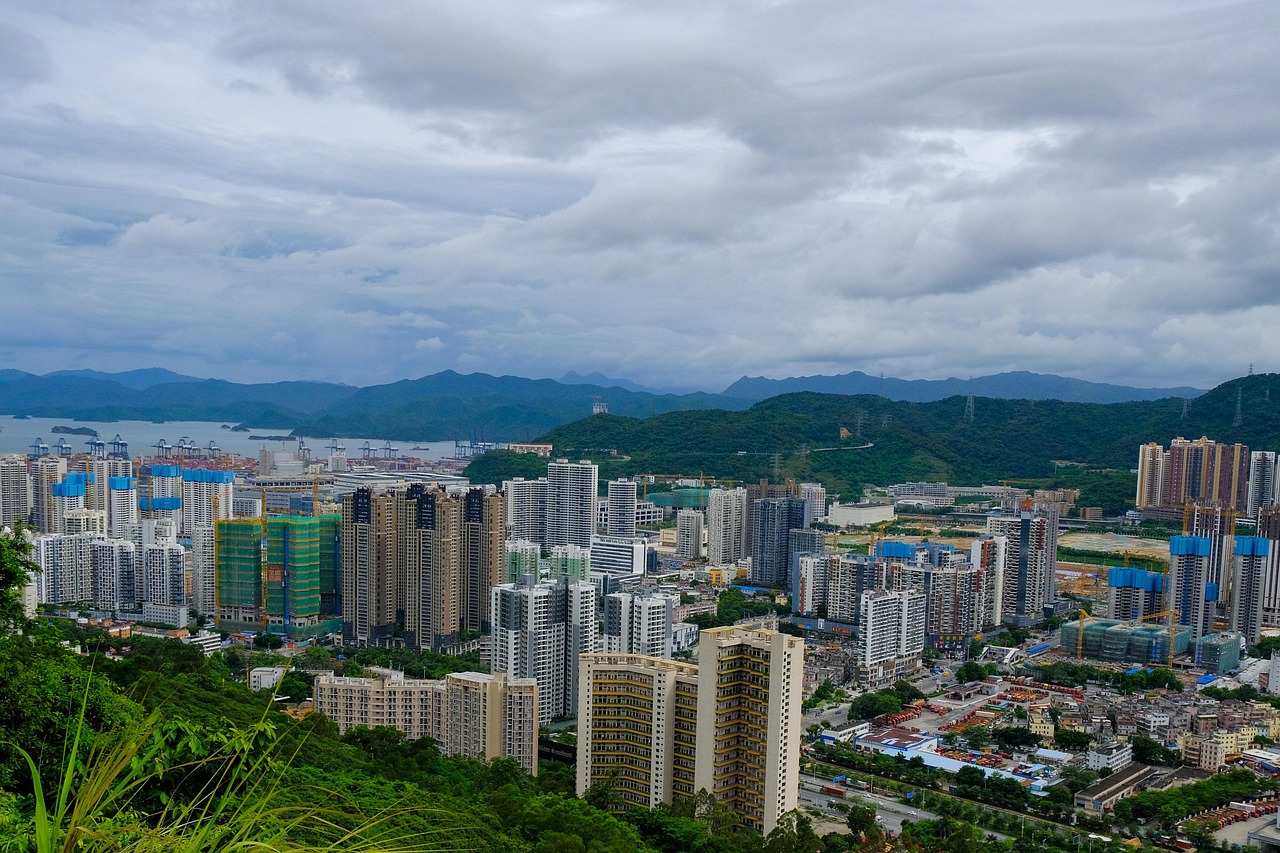
Wutong Mountain is Shenzhen’s highest peak and the city’s unofficial fitness test. The first time I hiked it, I underestimated the humidity and overestimated my cardio; I arrived at the top soaked but triumphant, rewarded with misty views of the city and the bay.
There are multiple routes; some are more like steep staircases, others are longer with gentler slopes and streams.
What to Do
- Choose a Route: The “Big Wutong” route is steeper and more direct; “Small Wutong” is longer, greener, and in my opinion more beautiful.
- Summit View: On clear days, you can see Hong Kong and the sprawl of Shenzhen below. On misty days, it’s atmospheric and moody.
- Tea & Snacks: Near some rest points and the base, vendors sell tea eggs, noodles, and simple snacks.
Personal Tips
- Start Early: Especially in summer, start before 8 a.m. to avoid the worst heat and crowds.
- Gear: Proper shoes, a light rain jacket in spring/summer, and at least 1–2 liters of water.
- Getting There: Buses serve trailheads; I usually take the metro to a nearby station (like Luohu area) and then a Didi to the entrance.
9. Huaqiangbei Electronics Market
Huaqiangbei is the world’s hardware bazaar. Even if you’re not a tech geek, wandering through towers full of circuits, LEDs, phone cases, and robot parts is a bizarrely fascinating experience.
On my first visit, I followed a friend who builds DIY synths. Watching him haggle over obscure components in a sea of tiny stalls was like stepping behind the curtain of global manufacturing.
What to Do
- Component Markets: Floors dedicated to chips, boards, cables, and everything in between. Great for makers.
- Consumer Electronics: Phone accessories, gadgets, drones, etc. Quality varies widely.
- Photography: Ask before shooting close-ups of stalls; some are fine, others are more private.
Personal Tips
- Bargaining: Expect to negotiate on many items, especially components and accessories.
- Beware Fakes: Don’t buy “brand-name” memory cards, USB drives, or phones here unless you know what you’re doing.
- Metro: Huaqiang Road (Line 1) or Huaqiang North (Line 2).
10. Dongmen Pedestrian Street
Dongmen is “old Shenzhen”—or at least as old as a city this young can be. It’s a dense tangle of shopping streets, snack stalls, and neon signs, always slightly chaotic and buzzing with energy.
I often bring first-time visitors here in the evening. We graze from stall to stall: skewers, grilled squid, bubble tea, stinky tofu if they’re brave. It’s not polished, but it’s very alive.
What to Do
- Street Food Crawl: Try chuanr (meat skewers), shaxian snacks, bubble tea, and local desserts.
- Budget Shopping: Clothes, shoes, accessories—it’s more about bargains than luxury brands.
- People-Watching: Find a second-floor cafe window seat and just watch the human river below.
Personal Tips
- Pickpockets: Keep valuables close; it’s safe but crowded.
- Best Time: Evening, when lights and food stalls are in full swing.
- Metro: Laojie Station (Lines 1/3).
11. Shenzhen Civic Center & Shenzhen Museum
The Shenzhen Civic Center looks like a giant steel-winged bird landing in the middle of the city. Under its swooping yellow roof you’ll find government offices, public plazas, and the Shenzhen Museum, which is free and surprisingly engaging.
On one rainy afternoon, I ducked into the museum to wait out a storm and ended up spending three hours reading about how this city grew from fishing villages to skyscrapers in less than a lifetime.
What to Do
- Museum Exhibits: Permanent exhibitions on Shenzhen’s history, reform and opening-up, and local culture.
- Civic Plaza: Wide open space great for photos of the Civic Center and surrounding skyline.
- Link to Lianhuashan: From here, you can walk straight to Lianhuashan Park.
Personal Tips
- Rain Plan: This is one of my go-to rainy-day options.
- Free Entry: Usually free, but bring an ID (passport) for registration.
- Metro: Civic Center Station (Lines 2/4).
12. Sea World, Shekou
Sea World in Shekou is built around a permanently docked cruise ship that’s been turned into restaurants and bars. It’s touristy, yes, but it’s also one of the most international corners of Shenzhen, with expats, local families, and visitors mingling in the open-air plaza.
I like to come here on warm evenings when the fountain show is running. Kids run through the spray while parents nurse beers at one of the many terraces.
What to Do
- Fountain Show: Timed music and lights in the central square in the evenings.
- Dining: Wide range of international and Chinese restaurants, from Mexican to Sichuan.
- Walk to the Waterfront: From Sea World, you can stroll down to the Shekou coastline and small parks.
Personal Tips
- Nightlife: Several bars with live music—good if you want a Western-style night out.
- Family-Friendly: Despite the bars, it’s very family-friendly earlier in the evening.
- Metro: Sea World Station (Line 2/12).
13. COCO Park & Futian Nightlife
COCO Park is a large shopping and dining complex in Futian that turns into one of Shenzhen’s nightlife hubs after dark. It’s shiny, loud, and full of energy.
On Friday nights, I’ve watched clusters of office workers in suits transform into table-dancing party people within an hour. The contrast with the buttoned-up CBD by day always amuses me.
What to Do
- Shopping & Dining: Big mall with mid- to high-end brands and plenty of restaurants.
- Bars & Clubs: The street-level plaza around the mall is lined with bars ranging from casual to clubby.
- People-Watching: This is where Shenzhen’s young professionals come to see and be seen.
Personal Tips
- Noise: It gets very loud; if you want a quiet drink, pick a bar tucked further inside rather than on the main strip.
- Safety: Generally safe, but as with any nightlife area, watch your drink and belongings.
- Metro: Shopping Park Station (Line 1).
14. OCT Harbor
OCT Harbor is Shenzhen’s answer to a waterfront lifestyle district: canals, bridges, boutiques, and a huge mall overlooking a man-made lake. At night, the lights reflect on the water and it feels like a glossy movie set.
I like to bring friends here after a day in the nearby theme parks. We sip coffee or cocktails by the water and watch the lights change color on the nearby buildings.
What to Do
- Stroll the Canals: Pretty bridges and landscaped walkways.
- Dining: Mid- to high-end restaurants, many with outdoor seating.
- Light Shows: Check for evening light shows or seasonal installations.
Personal Tips
- Date Night: Lovely setting for a romantic dinner or walk.
- Combine With: Window of the World or Splendid China during the day.
- Metro: Qiaocheng East (Line 1) then short taxi, or walk if you enjoy longer strolls.
15. Shenzhen Mangrove Nature Reserve
Between all the highways and high-rises, the Shenzhen Mangrove Nature Reserve is a reminder that this coast was once wild. Birdwatchers love it; even if you’re not into birds, the quiet boardwalks and water views are soothing.
I’ve come here on winter mornings with a thermos of tea, watching migratory birds pick their way through the shallows as joggers loop past on the paths behind me.
What to Do
- Boardwalk Walks: Wooden paths through mangroves, with viewing platforms.
- Birdwatching: Bring binoculars in winter—this is when migratory species appear.
- Cycling: Connects with longer waterfront cycling routes.
Personal Tips
- Season: Best from late autumn to early spring when it’s cooler and bird activity is higher.
- Quiet Escape: It’s one of my favorite places to clear my head without leaving the city.
- Metro: Hongshulin Station (Line 1/9).
16. Nanshan Mountain (Nanshan Park)
Nanshan Mountain rises behind the Nanshan district, offering a relatively quick hike and sweeping views over Shenzhen Bay and the western skyline. Compared to Wutong, it’s more of a vigorous walk than a serious undertaking.
When I lived in Shekou, this was my regular weekend ritual: climb up, eat an ice cream from a vendor at the top, and then reward myself with brunch back down in the city.
What to Do
- Hiking Trails: Paved steps and paths; about 45–90 minutes up depending on your pace.
- Viewpoints: Several pavilions and open platforms with great views of Shenzhen Bay and the bridge to Hong Kong.
- Fitness Culture: Lots of locals power-walking in sportswear; it’s part hike, part social scene.
Personal Tips
- Early Morning: Best before the sun gets too strong; sunrise can be spectacular on clear days.
- Combine With: Lunch in Nanshan or Shekou afterward.
- Getting There: Short taxi ride from Nanshan or Shekou metro stations to the trailhead.
17. Dafen Oil Painting Village
Dafen became famous as the world’s factory for hand-painted oil replicas of famous works. These days it’s more diversified: along with Mona Lisas and Van Goghs, you’ll find original art studios and student painters.
I like coming here on gray days. The narrow streets are lined with paintings propped against walls, artists bent over canvases, and the occasional smell of turpentine drifting around the corners.
What to Do
- Gallery Hopping: Browse endless studios. Some focus on replicas, others on original work.
- Commission a Piece: You can bring a photo and ask for a custom painting; allow days or weeks for more detailed work.
- Photography: Colorful, textured backdrops everywhere.
Personal Tips
- Respect: Ask before photographing artists at work.
- Bargaining: Reasonable to negotiate a bit, especially on replicas.
- Metro: Dafen Station (Line 3).
18. Shenzhen Museum of Contemporary Art & Urban Planning (MoCAUP)
MoCAUP is where Shenzhen reflects on itself. Part art museum, part urban planning exhibition, it shows how the city was designed, how it changed, and how artists interpret this hyper-accelerated place.
I still remember standing in front of a huge model of the city, lit from within, feeling both tiny and weirdly proud of this adopted home.
What to Do
- Urban Planning Exhibits: Scale models, maps, and interactive displays about Shenzhen’s growth.
- Contemporary Art: Rotating exhibitions spotlighting Chinese and international artists.
- Architecture: The building itself is worth a look: sleek, geometric, and very photogenic.
Personal Tips
- Language: Some exhibits have English; others may not. Even without full translations, the visuals tell a lot.
- Tickets: Often free or low-cost; bring ID.
- Location: Near Civic Center and Lianhuashan—easy to combine with both.
19. Shenzhen Bay Sports Center (“Spring Cocoon”)
The Shenzhen Bay Sports Center, nicknamed the “Spring Cocoon,” is a striking piece of architecture—a white, lattice-like shell wrapped around arenas, pools, and sports fields.
I’ve come here for concerts, for a random frisbee game with friends, and simply to admire the building at sunset when it glows against the sky.
What to Do
- Events: Check schedules for sports matches, concerts, and exhibitions.
- Sports: Public facilities nearby, jogging tracks, and open spaces for casual games.
- Photography: Great spot for architectural shots, especially with wide-angle lenses.
Personal Tips
- Combine With: Walk to Shenzhen Bay Park afterward.
- Tickets: Event tickets can sell out; book ahead if something catches your eye.
- Metro: Keyuan or Houhai stations plus a short taxi/bus.
20. Shenzhen University & Surrounding Neighborhood
Shenzhen University is a green oasis in Nanshan with lakes, lawns, and a youthful atmosphere. It’s not a typical tourist attraction, but if you enjoy campus vibes, it’s a lovely place to wander.
I used to meet friends here for evening walks around the lake; afterward we’d try a new noodle shop in the student streets just outside the gate.
What to Do
- Campus Walk: Stroll past lakes, modern academic buildings, and shaded paths.
- Cheap Eats: Around the gates, you’ll find affordable restaurants and milk tea shops aimed at students.
- Cultural Events: Occasional public lectures, performances, and fairs; check university calendars if you’re interested.
Personal Tips
- Respect: It’s an active campus; keep noise down and avoid disrupting classes.
- Late Afternoon: Best time to see campus life in full swing.
- Metro: Shenzhen University Station (Line 1).
Interesting Neighborhoods & Districts in Shenzhen
Futian: Central Business District & City Heart
Futian is the administrative and commercial core: Ping An tower, Civic Center, COCO Park, and endless shopping. It’s where I’d stay if I wanted quick access to most things to do in Shenzhen.
- Best for: First-time visitors, business travelers, nightlife, easy metro access.
- Highlights: Ping An Finance Center, Civic Center, Lianhuashan Park, COCO Park.
- Vibe: Polished, fast-paced, international.
Nanshan & Shekou: Tech Hub & Expat Corner
Nanshan is home to tech giants, universities, and sleek residential towers. Shekou, tucked in the southwest, has more of a laid-back, coastal flavor with a big expat population.
- Best for: Longer stays, families, expats, those who like waterfronts.
- Highlights: Shenzhen Bay Park, Nanshan Mountain, Sea World, OCT-LOFT.
- Vibe: Young, educated, slightly more relaxed than Futian.
Luohu: Old Center & Border Gate
Luohu was Shenzhen’s original downtown, right by the Hong Kong border. It’s a bit older and grittier than Futian, but full of character.
- Best for: Budget travelers, border crossers, shoppers.
- Highlights: Dongmen Pedestrian Street, Wutong Mountain access, Luohu Commercial City.
- Vibe: Dense, busy, slightly chaotic.
Longgang, Dapeng & Eastern Districts
East Shenzhen—Longgang, Pingshan, Dapeng—is where you’ll find mountains, coastal villages, and a slower pace. It’s not as convenient for quick city breaks, but ideal for nature-lovers and return visitors.
Local Food in Shenzhen: What & Where to Eat
Shenzhen doesn’t have a single “native” cuisine; instead, it’s a buffet of flavors from all over China, with a strong Cantonese backbone. That’s good news: in one city you can taste spicy Sichuan, subtle Cantonese, hearty northern noodles, and much more.
Must-Try Dishes
- Dim Sum (Yum Cha): Steamed dumplings, rice rolls, buns. Go late morning; bring friends so you can order more.
- Cantonese Roast Meats: Char siu (BBQ pork), roast duck, crispy pork belly over rice.
- Seafood: Especially along the coast and in Dapeng. Choose live seafood by the tank and have it cooked to order.
- Hot Pot: Chengdu or Chongqing style if you like spicy; there are also milder broths.
- Rice Noodles & Guilin Noodles: Popular for breakfast or quick lunches.
Where I Actually Eat
Restaurants change fast, but here are types of places and areas I return to often:
- Local Dim Sum Houses: Look for busy Cantonese restaurants in residential areas—if there’s a queue of grandparents at 9 a.m., it’s probably good.
- Food Courts in Malls: Futian and Nanshan malls have clean, affordable food courts with regional stalls—great for sampling.
- Dongmen & Huaqiangbei Streets: For street snacks and cheap eats.
- Seafood in Dapeng/Jiaochangwei: Choose restaurants with lots of local families inside.
Money-Saving Eating Tips
- Set Lunches: Many places offer discounted lunch sets on weekdays.
- Shared Dishes: Chinese meals are meant to be shared; ordering a few dishes for the table is cheaper and more fun than one dish per person.
- Tea & Water: Sometimes free, sometimes a small cover charge. Bottled water is inexpensive everywhere.
Nightlife, Entertainment & Cultural Experiences
Shenzhen’s nightlife ranges from glitzy clubs to mellow jazz bars, plus countless public squares where locals dance under streetlights.
Where to Go at Night
- COCO Park (Futian): Bars, clubs, and loud music; best if you want a big-night-out vibe.
- OCT-LOFT: Live music, DJ sets, craft beer, and art crowd; more alternative and relaxed.
- Sea World (Shekou): International bars and restaurants, fountain show, live bands.
- Shenzhen Bay Park: For a quieter night—walk by the water, watch skyline lights.
Cultural Experiences
- Performing Arts: Check large venues (like Shenzhen Poly Theatre) for concerts, ballet, and Chinese opera.
- Public Dancing: In parks and squares around dusk, you’ll see groups doing synchronized dances—feel free to watch, but join only if welcomed.
- Festivals: Chinese New Year, Mid-Autumn Festival, and National Day all feature special events, light shows, and crowds.
Day Trips & Nearby Destinations
Shenzhen is a great base to explore the Greater Bay Area.
Dapeng Peninsula
As described above: beaches, fortresses, and seafood. Best as a full day or overnight.
Hong Kong (Subject to Visa Rules)
Depending on your visa and current border regulations, you can cross into Hong Kong via Luohu, Futian, or Shenzhen Bay ports. It’s an easy day trip if paperwork allows.
Guangzhou
High-speed trains connect Shenzhen and Guangzhou in under an hour. Great for Canton Tower, historic neighborhoods, and more traditional Cantonese culture.
Cultural Etiquette & Local Customs in Shenzhen
Shenzhen is one of China’s most open and cosmopolitan cities, but a few local customs will make your visit smoother.
Basic Etiquette
- Greetings: A simple “ni hao” and a nod or handshake is enough. People often exchange WeChat contacts instead of business cards.
- Queuing: Lines exist, but can get a bit loose in crowded places. Hold your spot firmly but politely.
- Noise: Public spaces can be noisy by Western standards; raised voices don’t always mean anger.
At the Table
- Sharing Food: Dishes go in the center and everyone shares. Don’t stab food with chopsticks or leave them upright in rice (it resembles funeral offerings).
- Toasting: If someone toasts you with baijiu or beer, clink glasses and take at least a sip.
- Paying: It’s common for one person (often the inviter) to pay the whole bill. As a visitor, offering to treat or splitting is fine; just be ready for a friendly tug-of-war over the check.
In Public Spaces
- Photos: Ask before photographing individuals up close, especially children or street vendors.
- Temples & Shrines: Dress modestly, move quietly, and don’t touch offerings.
- Politics: Avoid political discussions, especially with strangers or in public.
Practical Travel Tips for Shenzhen
When to Visit & Weather
- Best Seasons: October–December and March–April offer pleasant temperatures and lower humidity.
- Summer (May–September): Hot, humid, and prone to heavy rain or typhoons; good for beach trips but plan around the heat.
- Winter (December–February): Mild; light jacket usually enough.
Visas & Entry
- Visa Requirements: Most visitors need a Chinese visa in advance. There are sometimes special transit or regional schemes; always check the latest regulations with your local Chinese consulate before traveling.
- Hong Kong Border: If you plan to visit Hong Kong and return, make sure your visa allows multiple entries to mainland China.
Money & Payments
- Currency: RMB (CNY). ATMs are common; notify your bank before traveling.
- Mobile Payments: WeChat Pay and Alipay dominate. As of 2026, foreign cards can often be linked, but setup can still be fiddly; bring a physical card and some cash as backup.
SIM Cards & Connectivity
- Airport Kiosks: Easiest place to buy a tourist SIM—bring your passport.
- Carriers: China Mobile, China Unicom, and China Telecom all have solid coverage in Shenzhen.
- VPN: Many Western apps and sites are blocked in mainland China. If you need them, install and test a VPN before arrival.
Getting Around
Shenzhen is one of the easiest Chinese cities to navigate.
- Metro: Extensive, clean, and cheap. English signage is available. Use it for most things to do in Shenzhen.
- Buses: Comprehensive, but slower and more Chinese-only; metro is usually easier for visitors.
- Taxis & Ride-Hailing: Official taxis plus Didi (China’s Uber). Keep your destination written in Chinese.
- Shared Bikes: Ubiquitous; good for short rides along parks and wide sidewalks.
Car Rental & Driving
- Foreign Drivers’ Licenses: Generally not accepted for self-driving. You usually need a Chinese license.
- Recommendation: Stick to public transport and taxis; driving in Shenzhen traffic as a visitor adds stress without much benefit.
Accommodation & Saving Money
- Where to Stay: Futian for central access; Nanshan/Shekou for a more relaxed vibe; Luohu if you’re crossing to Hong Kong frequently.
- Budget Options: Local business hotels and hostels exist but may have limited English; check reviews carefully.
- Saving Tips: Use metro instead of taxis, eat at local restaurants rather than hotel dining rooms, and take advantage of free parks and low-cost museums.
Hidden Local Tips
- Carry Tissues: Some public restrooms lack paper; pack travel tissues and hand sanitizer.
- Download Offline Maps: In case your data fails or apps misbehave.
- Peak Hours: Metro is very crowded weekday mornings and evenings; plan big luggage trips outside those times.
- Language: A few basic Mandarin phrases go a long way; translation apps help with menus and directions.
What’s New & Upcoming Events 2026–2027
Shenzhen loves exhibitions, expos, and festivals. Exact lineups change each year, but here’s what to watch for in 2026–2027 (always double-check closer to your travel dates):
- Shenzhen Design Week (Annual, Spring): City-wide design exhibitions, installations in OCT-LOFT and Futian, talks and workshops.
- High-Tech Fair (China Hi-Tech Fair, Annual, Autumn): Major tech expo showcasing new innovations, usually in Futian.
- Marathons & Sports Events: Shenzhen International Marathon and other races along Shenzhen Bay.
- New Art Spaces: The city has been steadily adding galleries and museums—keep an eye on Nanshan and Futian for new openings.
Summary: Key Takeaways & Best Time to Visit Shenzhen
Shenzhen is young, vertical, and relentlessly forward-looking—but if you slow down, you’ll find quiet hills, coastal boardwalks, and small rituals of daily life that soften all the steel and glass.
- 3 days in Shenzhen: Focus on Futian (Ping An, Lianhuashan, Civic Center), Nanshan/OCT (Window of the World, OCT Harbor), and one nature escape (Dapeng or Wutong).
- 4 days in Shenzhen: Add old-school shopping and snacking in Dongmen plus Huaqiangbei and a creative afternoon in OCT-LOFT.
- 5 days in Shenzhen: Dive deeper into neighborhoods, linger in Shenzhen Bay Park, and maybe spend a night in Dapeng.
- Best seasons: October–December and March–April for comfortable weather and clearer skies.
If you come with curiosity—ready to ride the metro, try unfamiliar dishes, and look beyond the first row of skyscrapers—Shenzhen will reward you with a version of China that’s firmly planted in the 21st century, yet still full of human-scale stories. I hope this travel guide for Shenzhen helps you craft your own.