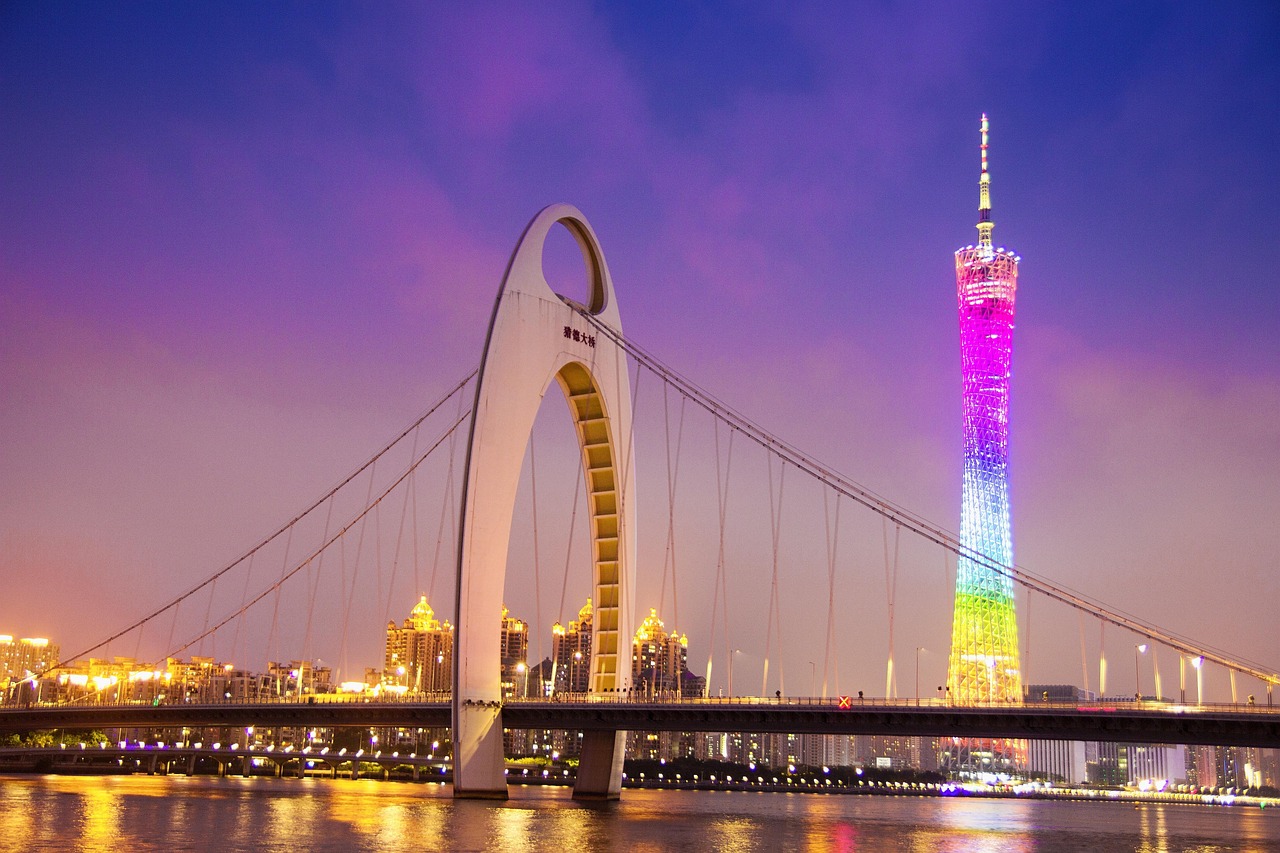
Why Visit Guangzhou in 2026?
If you’ve ever wanted to see a city where steaming bamboo baskets of dim sum sit beneath a futuristic skyline, Guangzhou is that delicious contradiction. I’ve been visiting Guangzhou regularly since my early twenties, and each time I return, the city feels sharper, taller, and somehow more relaxed at the same time.
Guangzhou (formerly Canton) is the beating heart of southern China and the cradle of Cantonese culture: lyrical language, soulful yum cha (dim sum), neon-washed riverside promenades, and a proud mercantile history that’s older than most modern countries. It’s less overwhelming than Shanghai, less touristy than Beijing, yet every bit as modern and dynamic.
For travelers planning 3 days in Guangzhou or stretching to 4–5 days in Guangzhou, this travel guide for Guangzhou will walk you through must-see attractions, hidden gems, local customs, essential travel tips, and detailed daily itineraries based on my own repeated trips.
2026–2027 will be a lively time: expanded metro lines improving access to suburbs and nature, more English-language signage around key tourist areas, and a packed festival calendar from the Canton Fair to the Guangzhou International Light Festival.
Guangzhou’s Neighborhoods & Districts: Where the City Comes Alive
1. Tianhe District – The Modern Heart
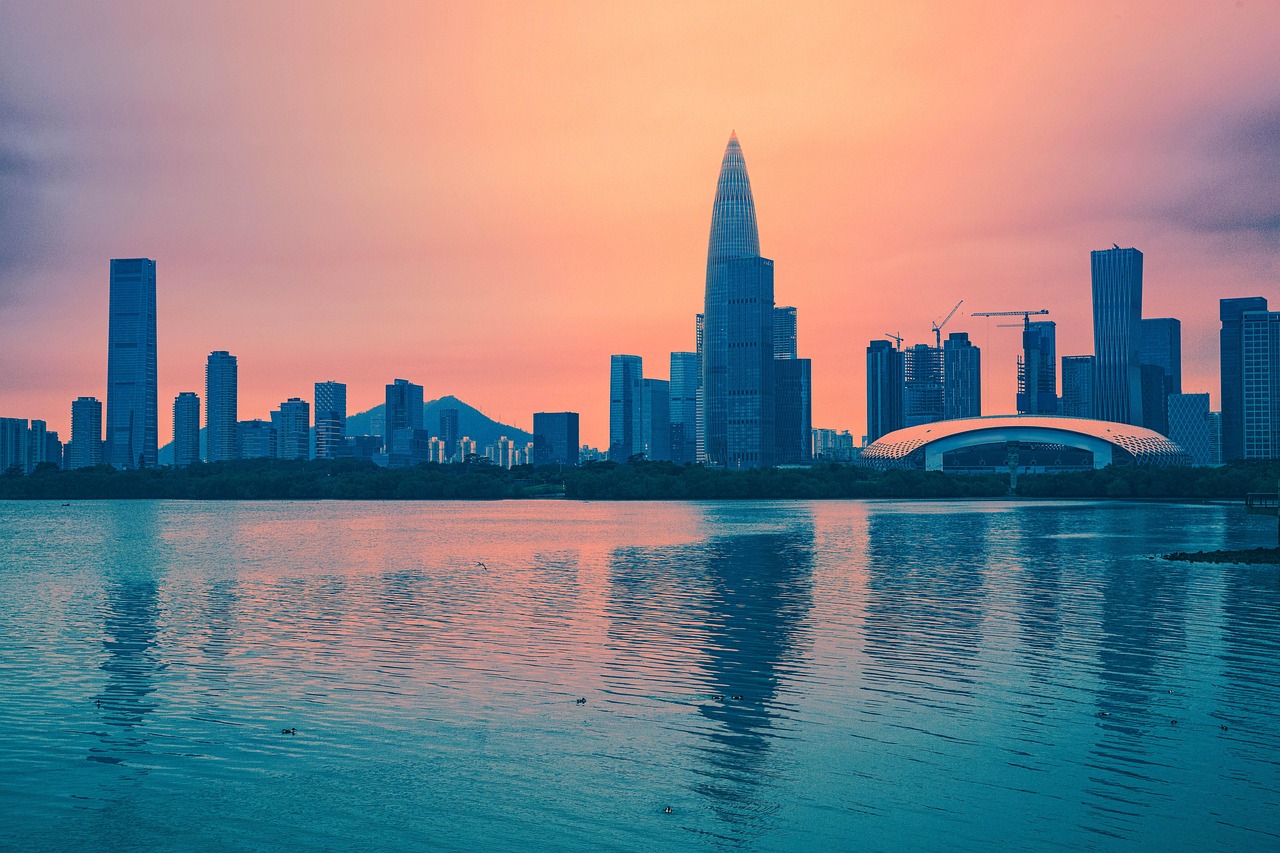
Tianhe is the gleaming commercial core: skyscrapers, mega malls, and central transport hubs. When I stay in Guangzhou for work, I usually base myself here. It’s practical, well-connected, and surprisingly green around Huacheng Square.
- Vibe: Business, shopping, sleek cafés, high-end hotels.
- Highlights: Zhujiang New Town, Huacheng Square, Taikoo Hui, Tee Mall, Guangzhou Opera House, easy access to Canton Tower across the river.
- Best for: First-time visitors, short stays (3–4 days), families wanting convenience.
2. Yuexiu District – Historic Core & Everyday Life
Yuexiu feels like “old Guangzhou”—not ancient, but full of the city’s administrative buildings, major parks, and classic food streets. Many of my favorite cha chaan teng-style cafés (Cantonese diners) hide in its backstreets.
- Vibe: Lived-in, local, slightly chaotic, lots of history.
- Highlights: Yuexiu Park, Five Rams Statue, Zhenhai Tower, Beijing Road Pedestrian Street, old city walls.
- Best for: History lovers, budget travelers, people-watching.
3. Liwan & Xiguan – Old Canton Soul
Liwan (especially the Xiguan area) is where I fell in love with Guangzhou. Arcaded streets, traditional mansions, incense-filled temples, and lychee trees along canals. It’s photogenic without feeling like a theme park.
- Vibe: Traditional, nostalgic, foodie heaven.
- Highlights: Shangxiajiu Pedestrian Street, Lychee Bay, Chen Clan Ancestral Hall, Qingping Market, Shamian Island nearby.
- Best for: Culture, photography, food-focused wandering.
4. Haizhu District – Riverside Living & Design
Just across the river from Zhujiang New Town, Haizhu mixes residential calm with creative spaces and riverfront promenades. I love jogging here in the early morning, when the city is still half asleep.
- Vibe: Local, slower-paced, arty pockets.
- Highlights: Canton Tower (technically Haizhu side), Party Pier, TIT Creative Park, Haizhu Lake Park.
- Best for: Long stays, families, sunset walks.
5. Panyu & Nansha – Suburban Escapes
Further out, Panyu and Nansha mix theme parks, ancient villages, and new eco-developments. Whenever I need a break from city density, I hop on the metro down here.
- Vibe: Suburban, spacious, greener, family-oriented.
- Highlights: Chimelong Resort, Shawan Ancient Town, Nansha Wetlands, Lotus Hill.
- Best for: Families, nature lovers, day trips.
Suggested Itineraries: 3–5 Days in Guangzhou
Depending on how many days you have, you can mix and match from these itineraries. I’ll sketch them briefly here, then we’ll dive deep into each attraction later.
3 Day Itinerary for Guangzhou: The Essentials
If you only have 3 days in Guangzhou, focus on the greatest hits and a couple of hidden gems.
- Day 1: Zhujiang New Town, Huacheng Square, Guangdong Museum, Canton Tower night view.
- Day 2: Yuexiu Park & Five Rams Statue, Beijing Road, Chen Clan Ancestral Hall, Shangxiajiu & Lychee Bay.
- Day 3: Shamian Island, Qingping Market, Pearl River Cruise or Haizhu riverfront walk, local food hunt.
4 Day Itinerary for Guangzhou: Classics + Culture
With 4 days in Guangzhou, you can slow down and add more cultural experiences.
- Day 1: Zhujiang New Town, Opera House, Canton Tower.
- Day 2: Yuexiu Park, museums, Beijing Road, night market eats.
- Day 3: Chen Clan Academy, Shamian Island, Qingping Market, Pearl River night cruise.
- Day 4: Panyu (Chimelong or Shawan Ancient Town) or Baiyun Mountain + local neighborhoods.
5 Day Itinerary for Guangzhou: Deep Dive into the City
A 5 day itinerary for Guangzhou lets you blend iconic sights, neighborhood wandering, and day trips.
- Day 1: Futuristic Guangzhou – Zhujiang New Town, Huacheng Square, Canton Tower.
- Day 2: Historic Core – Yuexiu Park, Beijing Road, museums.
- Day 3: Old Canton Charm – Liwan, Chen Clan Academy, Shangxiajiu, Lychee Bay.
- Day 4: Shamian Island, Qingping Market, Haizhu creative parks, Pearl River cruise.
- Day 5: Baiyun Mountain or Panyu/Shawan + final food pilgrimage.
Top 20+ Must-See Attractions in Guangzhou (Deep Dives)
Below are detailed, story-like guides to over 20 of the best places to visit in Guangzhou. I’ve grouped them roughly from most iconic to more hidden, but you can jump to whichever interests you.
1. Canton Tower (广州塔)
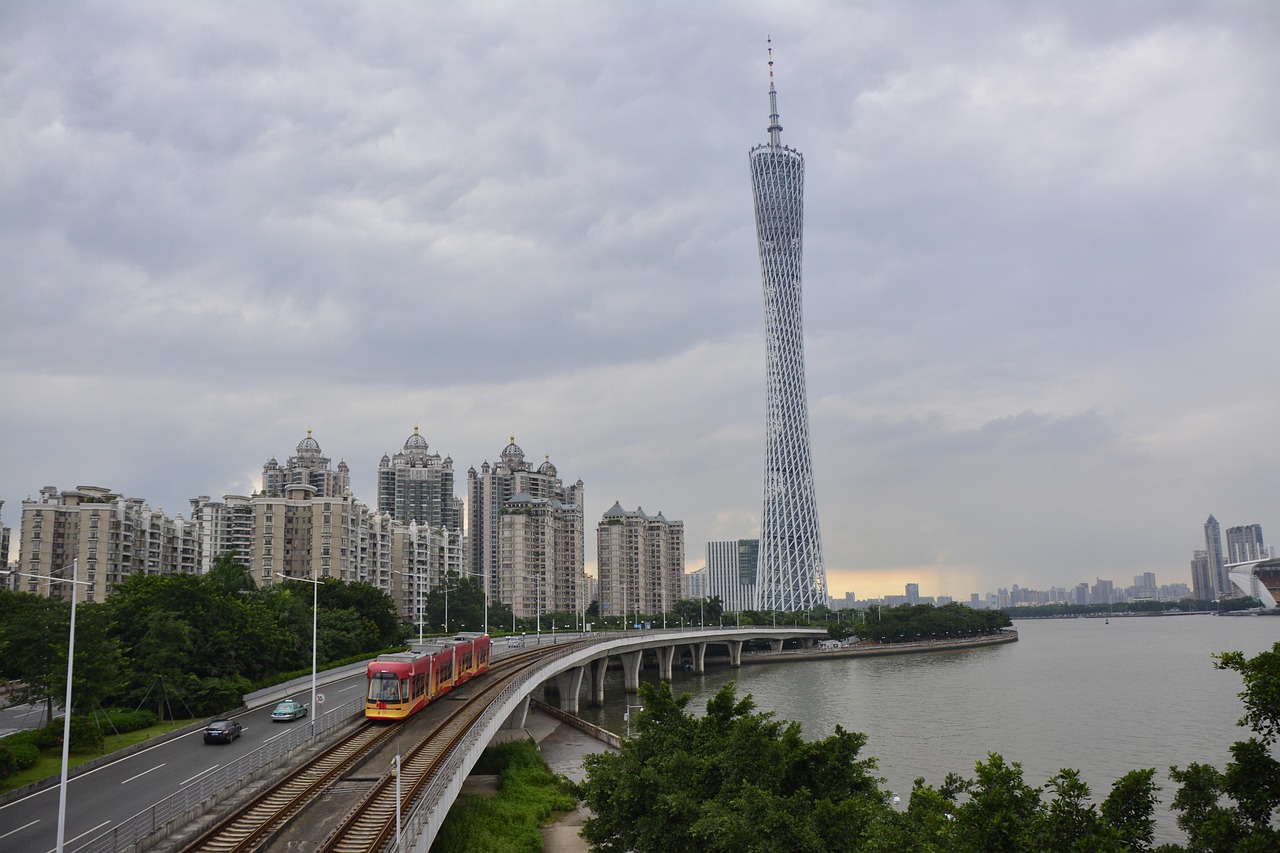
The first time I saw the Canton Tower was from a taxi window at night. It rose out of the darkness like a twisting DNA helix lit in neon rainbow. Even now, after multiple visits, stepping out of the metro at Zhujiang New Town and seeing it across the river still gives me that same little jolt: “Ah, I’m back in Guangzhou.”
Completed in 2010, the 600-meter Canton Tower is Guangzhou’s most recognizable landmark and one of the tallest towers in the world. It’s more than just a viewpoint: think observation decks, adrenaline rides, revolving restaurants, and an ever-changing light show that reflects in the Pearl River below.
What I Usually Do There
I like to arrive about an hour before sunset. I’ll wander the riverfront, grab a quick snack from a convenience store (iced lemon tea is my go-to), and watch locals taking photos and dancing in small groups. Once the sky begins to blush, I head up the tower.
- Observation Decks: Several levels offer 360° views. On a clear day, you’ll see the city’s full sprawl, from Baiyun Mountain to the dense clusters of towers in Tianhe.
- Bubble Tram: Transparent pods circling the top edge. It looks scarier than it feels, but if you’re afraid of heights, maybe skip.
- Sky Drop: A vertical free-fall ride from near the top. I did it once; my legs shook for 10 minutes afterward—but the rush was unforgettable.
Food & Drink
There’s a revolving restaurant at the top—nice for a romantic splurge, though the food is more about the view than culinary fireworks. For better price-to-quality ratio, I often eat in Haizhu or Zhujiang New Town beforehand and treat the Tower as a pure viewpoint.
How to Get There
- Metro: Line 3 or APM to Zhujiang New Town, then walk across the Liede Bridge or transfer to Line 3 to Canton Tower Station (Haizhu side).
- Taxi: Simply say “Guangzhou Ta” (广州塔). Drivers know it.
Tips for Visitors
- Best time: Clear afternoons into evening. Avoid hazy days (common in summer) when views are limited.
- Tickets: Multiple packages; if you’re on a budget, choose just the standard observation deck. Book online (through Chinese apps or hotel help) to save a bit.
- Family-friendly? Yes. Kids love the lights and views; teens might be braver for the rides.
- Romantic? Very. Sunset to evening is perfect for couples.
- Adventurous? Go for the Bubble Tram + Sky Drop combo if you dare.
2. Huacheng Square & Zhujiang New Town (花城广场)
Huacheng Square is Guangzhou’s living room—an enormous plaza framed by sleek towers, museums, and cultural venues. I usually start my first evening here whenever I’m back in town, to reset my mental map and feel the city’s energy.
By day, it’s all glass, steel, and fountains; by night, it transforms into a glowing stage with LED-lit trees, skyscrapers pulsing with animations, and families strolling with ice creams in hand.
What to See & Do
- City Skyline: Stand at the south end of the square; you’ll see Canton Tower framed perfectly between twin skyscrapers.
- Fountains & Light Shows: In the evenings, the fountains often dance to music while LED strips along the ground create glowing pathways.
- People-Watching: You’ll see everything from couples on dates to dance troupes practicing routines.
My Routine Here
I like to grab a milk tea from one of the mall kiosks (there are several in the underground mall below the square), then slowly wander from the north side (near Guangdong Museum and the Opera House) down to the Pearl River. If I’m tired, I sit on the low walls and just watch the city shimmer into darkness.
Getting There
- Metro: Zhujiang New Town (Lines 3 & 5) or Liede (Line 5). There are underground passages leading right into the square.
Tips
- Best time: 6–9 p.m. for lights and cooler air.
- Safety: Very safe, even late; just watch your belongings as you would anywhere.
- Photography: Bring a tripod if you want long exposures of the skyline (tripods are generally tolerated if you’re not blocking traffic).
3. Guangdong Museum (广东省博物馆)
I duck into Guangdong Museum whenever the weather misbehaves—typhoon rain in summer or unexpected chill in winter. But it’s far more than a rainy-day backup: this is one of China’s best provincial museums, and it’s free.
The building itself, a huge “treasure box” of patterned metal, houses exhibits on Guangdong’s natural history, cultural artifacts, ceramics, painting, and the story of the Pearl River Delta’s transformation.
Highlights
- Lingnan Culture Exhibits: Learn about Cantonese opera, architecture, and customs—great context before exploring Liwan’s old streets.
- Ceramics & Trade: Traces Guangzhou’s role in the maritime Silk Road.
- Natural History: Kids love the dinosaur skeletons and wildlife dioramas.
My Tips
- Timing: Arrive early (opening time) on weekends; it can get crowded with school groups.
- Tickets: Free, but sometimes require advance reservation via local apps; ask your hotel to help if needed.
- Plan: 1.5–2 hours is enough for a good overview without museum fatigue.
4. Guangzhou Opera House (广州大剧院)
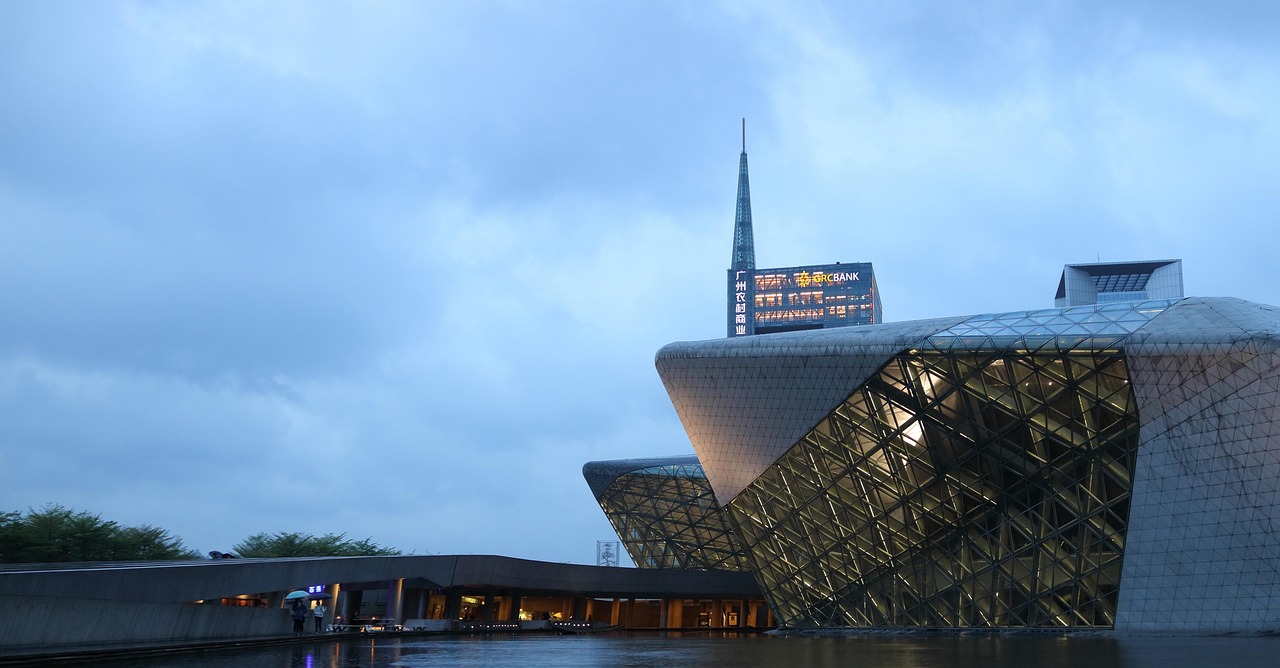
The Guangzhou Opera House is where Guangzhou’s futuristic architecture gets truly playful. Designed by Zaha Hadid, it looks like two river-worn boulders dropped beside Huacheng Square. I still remember running my hands along the smooth concrete the first time I visited, marveling at how organic it felt.
Experiencing a Show
I’ve seen both a Western classical concert and a contemporary Chinese dance performance here. The acoustics are excellent, and the crowd is a mix of dressed-up locals and visitors in smart-casual wear.
- Tickets: Check the official website or ticket platforms (like Damai). Weekend performances can sell out fast.
- Dress code: No strict code; neat casual is fine, but you’ll see some people very dressed up.
Even Without a Ticket
You can still walk around the exterior, photograph the curves, and explore the public foyer areas when open. At night, the building glows softly, reflecting in surrounding pools.
5. Yuexiu Park & Five Rams Statue (越秀公园)
Yuexiu Park is Guangzhou’s largest urban park and one of my favorite places to breathe when the city feels too dense. Locals come here to practice tai chi, sing in informal choirs, dance, play cards, and gossip under shady trees.
The park is built around several hills, lakes, and historical landmarks, including the city’s unofficial emblem: the Five Rams Statue, based on a local legend of celestial beings who blessed the city with fertility.
How I Spend a Morning Here
- Enter via the main south gate and slowly climb towards the Five Rams Statue, pausing to watch retirees doing fan dances.
- Continue to Zhenhai Tower (the Five-Story Pagoda), which houses the Guangzhou Museum with good historical exhibits.
- Wander around the old city wall remains and small lakes before exiting toward the busy streets for lunch.
Tips
- Best time: Early morning (6–9 a.m.)—cooler and most lively with local activities.
- Family-friendly: Yes, with open spaces and small amusement areas.
- Footwear: Wear comfortable shoes; there are hills and lots of walking.
6. Beijing Road Pedestrian Street (北京路步行街)
Beijing Road is where I go when I want to be reminded that Guangzhou is, at its heart, a trading city. It’s crowded, noisy, commercial—and yet, beneath the storefronts, glass panels reveal ancient road layers, showing stone pavements from dynasties long gone.
What to Expect
- Shopping: Mainstream brands, local boutiques, and plenty of inexpensive clothing and accessories.
- Street Snacks: Skewers, bubble teas, roasted chestnuts, and occasional more adventurous offerings.
- History: Look down for the excavated road sections—there are explanatory signs in English and Chinese.
My Tip
Come in the late afternoon, do your browsing, then detour into side streets for more authentic eateries. The main strip is fun but tourist-oriented; the real food magic is usually one or two blocks away.
7. Chen Clan Ancestral Hall (陈家祠)
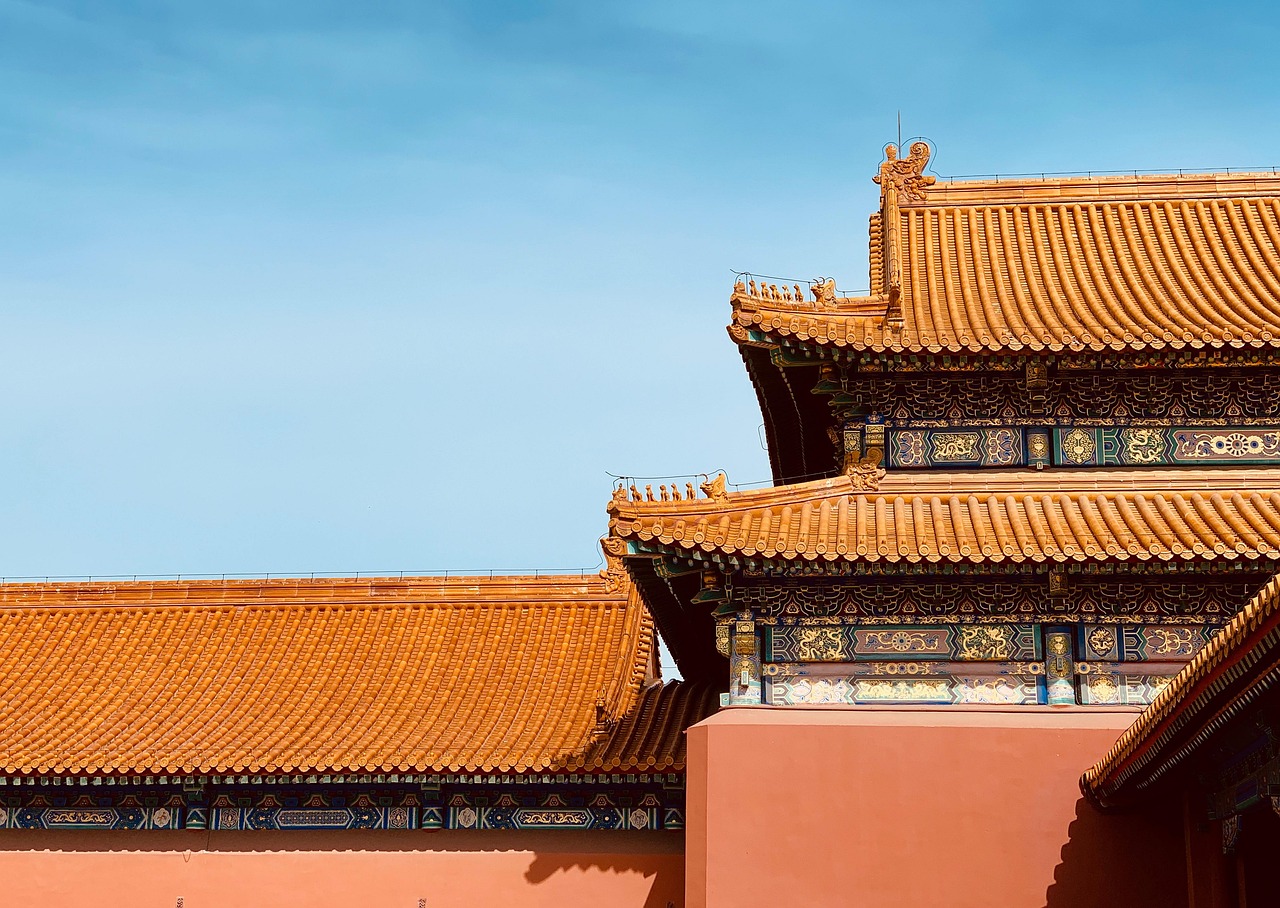
If you’re only visiting one classic Cantonese architectural complex, make it the Chen Clan Ancestral Hall. I still remember the first time I looked up at the roofline—dragons, phoenixes, and figures from opera scenes all frozen in intricately carved ceramic and wood.
Built in the late 19th century as a place for members of the Chen clan to study and worship, it’s now the Guangdong Folk Art Museum. The halls and courtyards showcase wood carvings, stone carvings, pottery, and traditional crafts.
What I Love Here
- Roof Decorations: The ridge lines are like three-dimensional storybooks.
- Court Yards: Peaceful spaces with bonsai and stone paths, great for photos.
- Folk Art Displays: Embroidery, ivory carving (historical), and intricate woodwork.
Practicalities
- Metro: Chen Clan Academy Station (Line 1). Exit signs are clear.
- Time needed: 1–1.5 hours.
- Best time: Morning on weekdays to avoid tour groups.
8. Shamian Island (沙面岛)
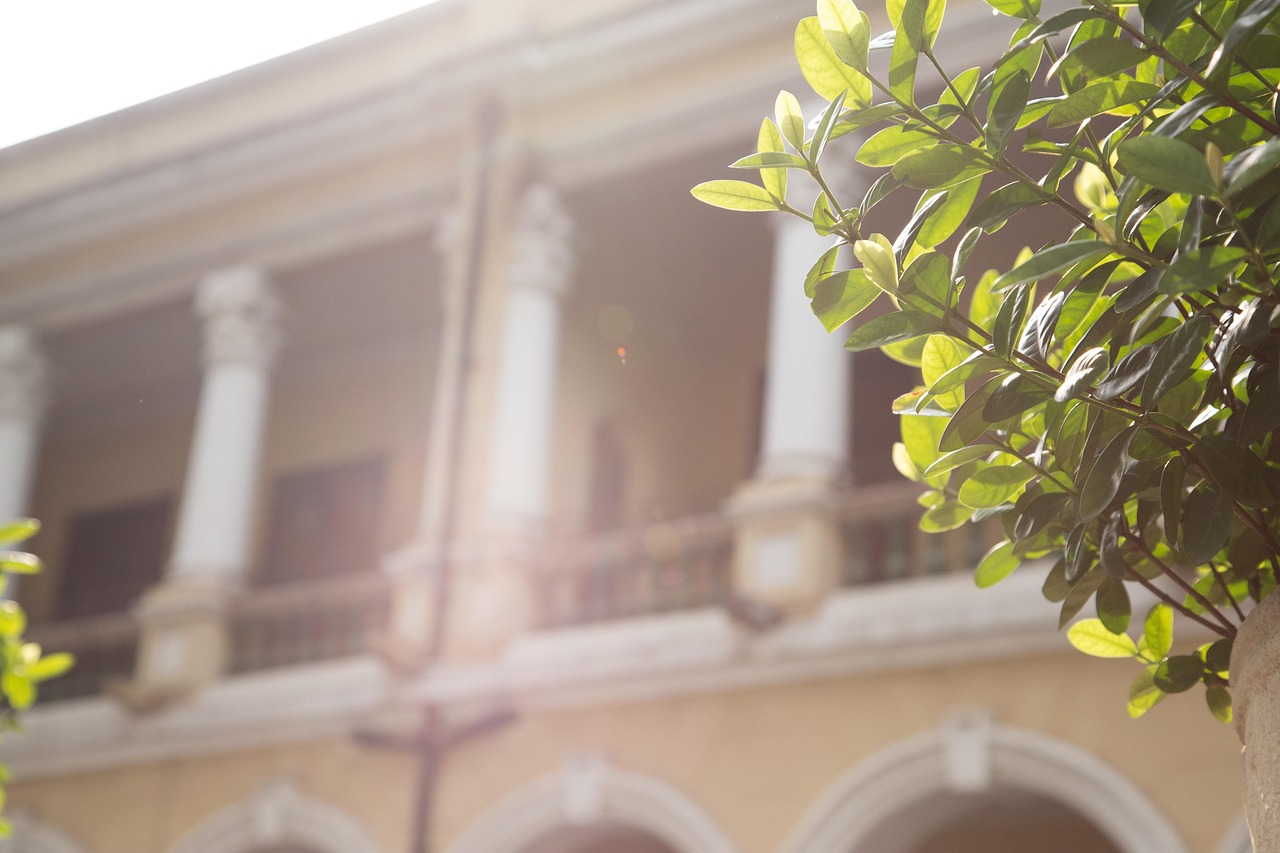
Shamian Island feels like someone lifted a slice of 19th-century Europe and gently placed it in the middle of the Pearl River. Whenever I need a slow, romantic afternoon, I head here.
Once a foreign concession, Shamian is dotted with restored colonial-era buildings, leafy streets, and small churches. It’s a favorite backdrop for wedding photos; on weekends, you’ll see brides in white drifting between banyan trees.
What to Do
- Stroll: Wander aimlessly; the island is small and walkable.
- Cafés: Sip coffee or tea on a terrace, watching the slow life unfold.
- Photography: Great for architecture and portrait shots.
My Routine
I often start from the east bridge, loop around the island once, then settle into a café with a book. If I’m with friends, we might grab a casual Western-style meal or ice cream before heading to nearby Qingping Market.
9. Qingping Market (清平市场)
Qingping is one of those places where Guangzhou’s mercantile spirit is on full display. Historically known for its exotic and sometimes controversial offerings, it has evolved over the years, now focusing more on Chinese medicinal herbs, dried seafood, and household goods.
I like to wander here after Shamian Island, as it’s just a short walk away and offers a stark contrast to Shamian’s serenity.
What You’ll See
- Dried Seafood: Scallops, fish maw, sea cucumbers—a glimpse into Cantonese soup culture.
- Herbs & Spices: Dried flowers, roots, and mysterious ingredients in large sacks.
- Local Life: Vendors chatting, bargaining, and drinking tea between customers.
Tips
- Respect: Ask before taking close-up photos of people or stalls.
- Smells: Be prepared—dried seafood has a strong aroma.
10. Shangxiajiu Pedestrian Street (上下九步行街)
Shangxiajiu is Liwan’s bustling commercial artery, lined with arcaded qilou buildings and neon signs. I love coming here at dusk, when the lights flicker on and the smell of grilled skewers fills the air.
Why Go
- Architecture: Classic Lingnan arcaded streets, perfect for photos.
- Food: Snack stalls, old-school Cantonese restaurants, dessert shops.
- Shopping: Cheaper than Tianhe malls, with lots of clothes and accessories.
My Favorite Experience
One rainy evening, I ducked into a tiny upstairs eatery here, drawn by the sight of bamboo steamers piled high. I ended up sharing a table with a local family who insisted I try their favorite dishes—cheung fun (rice rolls) and beef offal stew. We communicated with a mix of basic Mandarin, gestures, and plenty of laughter. That kind of serendipity is why I keep coming back.
11. Lychee Bay (荔枝湾涌)
Lychee Bay is a lovingly restored waterway in Liwan that feels like stepping into an idealized version of old Canton. Willows dip into the water, narrow boats glide past, and traditional pavilions overlook the canal.
It can get busy, but if you go early or on a weekday, it’s a peaceful pocket to escape the city roar.
Things to Do
- Boat Ride: Short cruises along the canal with commentary (often in Chinese).
- Snack Streets: Try traditional Cantonese snacks like sesame balls, herbal jelly, and stuffed bean curd.
- Opera & Performances: Occasionally, there are Cantonese opera shows or music performances in the pavilions.
12. Baiyun Mountain (白云山)
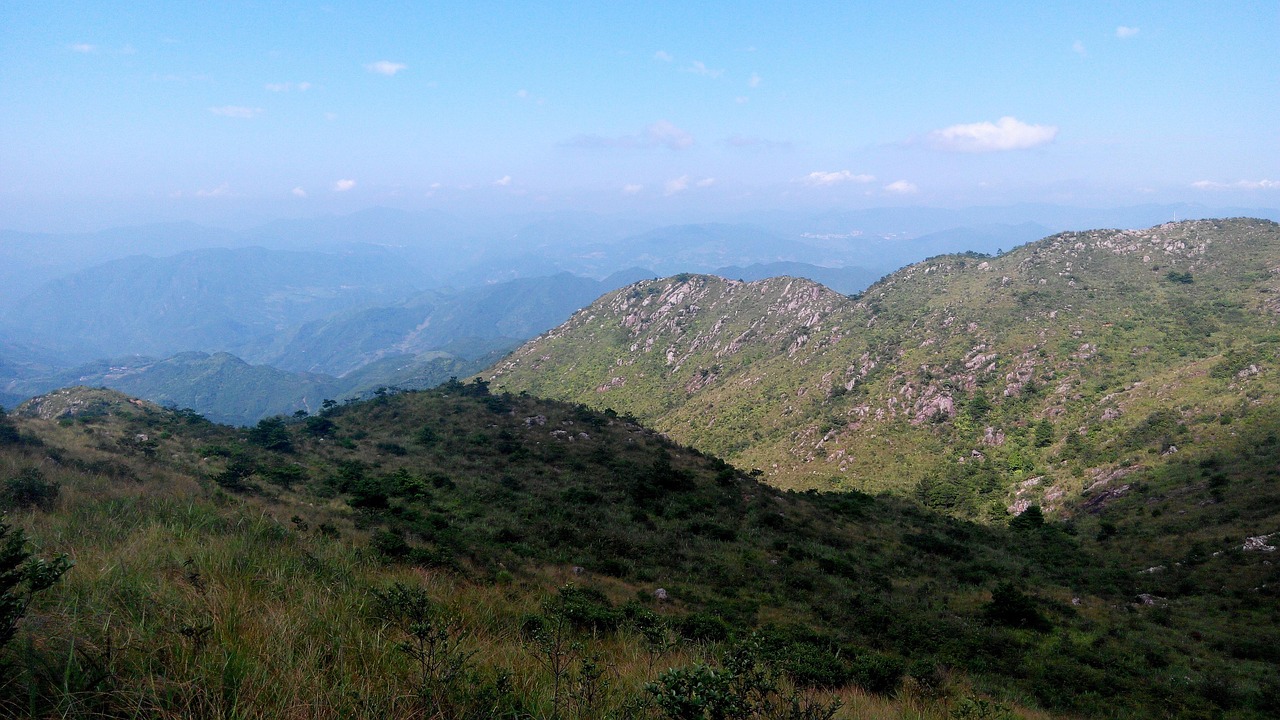
When Guangzhou’s air feels thick and my legs are craving a workout, I head for Baiyun Mountain. It’s not a high mountain by any means, but the forested slopes offer a welcome dose of green.
Hiking vs. Cable Car
- Hiking: Multiple trails and staircases lead to the top. You’ll be joined by locals of all ages.
- Cable Car: A gentler way up (or down), with nice views over the city.
Tips
- Best time: Early morning or late afternoon, especially in spring or autumn.
- Bring: Water, light snacks, and a small towel in summer—humidity can be intense.
13. Chimelong Tourist Resort (长隆旅游度假区)
Chimelong is the place my friends with kids always ask about. Located in Panyu, it’s a sprawling resort with a Safari Park, Amusement Park, Water Park, and circus performances.
I visited with a friend’s family, and we devoted almost an entire day to the Safari Park alone.
Highlights
- Safari Park: Combines self-drive or bus tours with walk-through animal areas.
- Amusement Park: Roller coasters and rides for different ages.
- Circus: Evening performances with acrobatics and animals (check updated policies and ethics discussions if this concerns you).
Tips
- Plan: Choose 1–2 parks per day; trying to do it all is exhausting.
- Best for: Families and theme-park lovers; less essential if you’re focused on culture and food.
14. Shawan Ancient Town (沙湾古镇)
On my third trip to Guangzhou, a local friend insisted: “You’ve seen the city; now you need to see Shawan.” About an hour from central Guangzhou, this old town offers narrow alleys, ancestral halls, and traditional snacks without the intense crowds of more famous water towns.
What to Do
- Wander the Lanes: Stone-paved alleys, old residences, and hidden courtyards.
- Try Shawan Desserts: Especially the famous Shawan double-skin milk pudding (双皮奶).
- Visit Ancestral Halls: Similar to Chen Clan but in a more village-like setting.
Getting There
- Metro + Bus/Didi: Take the metro towards Panyu, then taxi or rideshare. Allow about 1–1.5 hours.
15. Lotus Hill (莲花山)
Lotus Hill is a scenic area with red sandstone cliffs, an old quarry, temples, and a giant golden Guanyin statue overlooking the Pearl River. I visited once in mid-spring, when lotus ponds were starting to green up and the air felt gentle.
Why Go
- Scenery: Cliffs, water, and gardens make for a relaxing half-day escape.
- Temples: Quiet spots for reflection.
- Photography: Particularly good around sunrise/sunset if you’re staying nearby.
16. Haizhu Lake & Haizhu Wetland (海珠湖 / 海珠湿地)
Haizhu Lake was a surprise discovery for me. On a long stay in Haizhu District, I went for a run and stumbled into this huge, serene lake and wetland park ringed with walking and cycling paths.
It’s a favorite with locals for jogging, cycling, and picnics—yet relatively unknown to short-term visitors.
What to Do
- Walk or Cycle: Rent a bike or simply stroll around parts of the lake.
- Birdwatch: In winter and spring, you’ll see many water birds.
- Relax: Bring snacks, sit on a bench, and watch the water.
17. Party Pier & Pearl River Nightlife (琶醍啤酒文化创意艺术区)
Party Pier sits on a redeveloped industrial wharf in Haizhu, directly facing Canton Tower. It’s my go-to area when I want a drink with a view.
The area mixes bars, restaurants, and clubs with riverside terraces. On warm nights, the air hums with music and conversation.
What I Enjoy
- Craft Beer Bars: There are a few good spots with local and imported brews.
- Riverside Dining: Eat outdoors while watching the tower’s light show.
- Night Photography: Great angle for Canton Tower and Zhujiang New Town skyline.
18. Tianhe’s Mega Malls (太古汇, 天河城, 正佳广场)
Normally, I don’t push malls as attractions, but in Guangzhou, they double as air-conditioned refuges, dining hubs, and cultural spaces—especially Taikoo Hui, Tee Mall, and Grandview Mall.
Why You Might Visit
- Escape Heat or Rain: Summer afternoons can be brutal; malls are a cool respite.
- Food Courts: Affordable, varied, and clean—great for sampling different dishes.
- Shopping: From Uniqlo to luxury brands.
I often end a long day of sightseeing with an easy dinner in a Tianhe mall, then walk back through Huacheng Square.
19. Guangxiao Temple & Six Banyan Trees Temple (光孝寺 / 六榕寺)
These two temples give you a sense of Guangzhou’s Buddhist heritage.
- Guangxiao Temple: One of the city’s oldest temples, with a peaceful courtyard and ancient trees. I like slipping in here early morning to hear monks chanting.
- Six Banyan Trees Temple: Famous for its Flower Pagoda and often visited by families praying for good fortune.
Dress modestly (covered shoulders and knees) out of respect, and move quietly inside halls.
20. TIT Creative Park (TIT创意园)
Housed in a former textile factory, TIT Creative Park is a cluster of design studios, cafés, and fashion brands. I stumbled upon it while chasing a coffee recommendation; now it’s one of my favorite places to work remotely for a few hours.
Why Visit
- Cafés: Good coffee, minimalist interiors, and young creative crowds.
- Design Shops: Local brands selling clothing, stationery, and home goods.
- Street Art: Occasional murals and installations amid old industrial structures.
21. Pearl River Night Cruise (珠江夜游)
Seeing Guangzhou from the water ties the whole city together. I’ve done the Pearl River night cruise twice—once in winter bundled in a coat, once in sticky summer with the warm breeze on my face. Both were magical.
What to Expect
- Route: Typically passes by Canton Tower, Zhujiang New Town, and lit-up bridges.
- Duration: About 60–90 minutes.
- Boats: From basic to more luxurious, some including simple buffets.
Tips
- Seating: Go early to snag an outdoor upper-deck seat.
- Best time: Around 8 p.m., after full dark.
Best Local Food in Guangzhou: What to Eat & Where
Guangzhou is a paradise for food-lovers. This is the home of Cantonese cuisine: delicate flavors, fresh ingredients, and a love of slow-brewed soups. You could build an entire 3 day itinerary for Guangzhou around meals alone—and I’ve been tempted.
Must-Try Dishes
- Dim Sum (点心 / Yum Cha): Shrimp dumplings (har gow), siu mai, rice rolls, steamed ribs, egg tarts. Go in the morning or early lunch.
- Char Siu (叉烧): Sweet, glazed roast pork. Often served over rice.
- Roast Goose & Roast Duck (烧鹅 / 烤鸭): Crispy skin, juicy meat.
- White-Cut Chicken (白切鸡): Simple, poached chicken with ginger-scallion dipping sauce.
- Clay Pot Rice (煲仔饭): Rice cooked with Chinese sausage, ribs, or chicken, with crispy bits at the bottom.
- Wonton Noodles (云吞面): Springy noodles with shrimp/pork wontons in clear broth.
- Congee (粥): Rice porridge with toppings like fish, pork, or century egg.
- Double-Skin Milk (双皮奶): Silky milk pudding, often served warm.
- Herbal Teas (凉茶): Slightly bitter drinks said to balance the body, especially in humid summers.
Where I Love to Eat (Representative Examples)
Specific venues change often, but these types of places and areas rarely disappoint:
- Traditional Dim Sum Houses in Liwan & Yuexiu: Look for places bustling with local families, with pushcarts or extensive dim sum menus. I like going around 9–10 a.m. to avoid early-morning queues.
- Tianhe Food Courts: Taikoo Hui and Grandview Mall have big, clean food courts where you can try roast meats, noodles, and snacks at reasonable prices.
- Shangxiajiu & Enning Road: Street snacks and old Cantonese dessert shops are everywhere. Follow your nose and the longest lines.
- Shamian Island Cafés: Great for brunch or coffee in a slow-paced setting (less “local” but very pleasant).
Money-Saving Food Tips
- Avoid hotel breakfasts: They’re often overpriced. A bowl of congee and a few dim sum dishes at a local shop will be cheaper and tastier.
- Go where it’s busy: In Guangzhou, turnover is key to freshness. Long lines are usually a good sign.
- Menus with pictures: Many mid-range places have photo menus. Pointing works fine if language is a barrier.
Cultural Etiquette & Local Customs in Guangzhou
Guangzhou is cosmopolitan and used to visitors, but a bit of cultural sensitivity goes a long way.
Language
- Cantonese vs. Mandarin: Locals primarily speak Cantonese, but most also understand Mandarin. English is limited but growing in tourist areas.
- Learning a few phrases (“m̀h’gōi” for “thank you” in Cantonese, “xièxie” in Mandarin) earns smiles.
Dining Etiquette
- Sharing: Dishes are shared family-style. Use the communal serving spoons or the opposite end of your chopsticks when possible.
- Tea Etiquette: When someone pours you tea, tap the table with two fingers as a thank you.
- Leftovers: A little leftover food is normal in banquets; it shows generosity. But don’t waste excessively.
Temples & Sacred Sites
- Dress modestly—shoulders and knees covered.
- Remove hats inside main halls.
- Ask before photographing people praying or monks.
Everyday Norms
- Personal Space: Crowds are normal; gentle jostling on metro or markets isn’t meant as rude.
- Queuing: Lines are increasingly common at metros and shops; follow the flow and avoid cutting.
- Bargaining: Accepted in markets and small shops, not in malls or restaurants. Start politely and keep it lighthearted.
Nightlife, Entertainment & Cultural Experiences
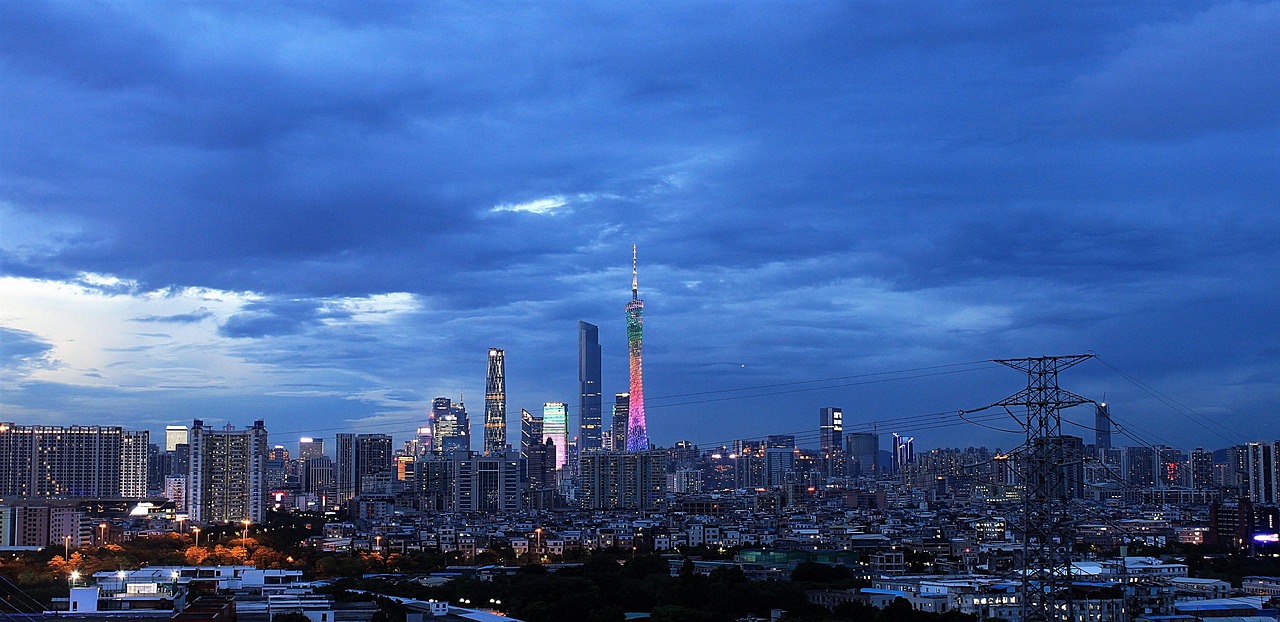
Guangzhou’s nightlife isn’t as hyped as Shanghai’s, but it’s diverse: riverside bars, live music, night cruises, and local parks buzzing with activity.
Nightlife Areas
- Party Pier: Bars, clubs, and restaurants with Pearl River and Canton Tower views.
- Zhujiang New Town: Sleek cocktail bars and hotel lounges with skyline panoramas.
- Liwan & Shangxiajiu: More local-style nights with late-opening eateries and dessert shops.
Cultural Experiences
- Cantonese Opera: Look for performances at traditional theaters or cultural centers; sometimes you’ll find free excerpts in parks or at Lychee Bay.
- Evening Park Life: Visit Yuexiu Park or smaller neighborhood squares after dinner to see dancing, singing, and exercise groups.
- Opera House Performances: Classical music, ballet, and modern dance at Guangzhou Opera House.
Family-Friendly Nights
- Pearl River night cruise.
- Evening walk around Huacheng Square with street performances.
- Early evening at Party Pier (before it gets loud) for riverside dinner.
Day Trips & Nearby Getaways from Guangzhou
Foshan (佛山)
Only about an hour away, Foshan is famous for its martial arts heritage (home of Ip Man and Wong Fei-hung) and ceramic traditions.
- Highlights: Foshan Ancestral Temple, kung fu shows, ceramic markets.
- Getting there: Intercity train or metro connections; around 45–60 minutes.
Kaiping Diaolou (开平碉楼)
A UNESCO World Heritage site, the Kaiping Diaolou are fortified village watchtowers blending Chinese and Western architectural styles. It’s a longer day trip (2–3 hours one-way) but unforgettable.
Conghua Hot Springs (从化温泉)
In cooler months, Conghua’s hot spring resorts offer steaming pools surrounded by greenery—perfect for a relaxing overnight or long day trip.
Major Events & Festivals in Guangzhou (2026–2027)
Guangzhou has a busy calendar, especially in spring and autumn. Precise dates shift each year (many follow the lunar calendar), so double-check closer to your trip.
Key Events
- Canton Fair (China Import and Export Fair): Held in three phases each spring and autumn at Pazhou. In 2026, expect large international attendance again, with expanded digital and green-tech sections. Book hotels early if visiting April–May or October–November.
- Guangzhou International Light Festival: Typically in November–December, turning the Pearl River and Zhujiang New Town into illuminated art galleries.
- Chinese New Year (Spring Festival): Jan/Feb; fireworks (subject to regulations), temple fairs, and family gatherings. Some shops close, but the atmosphere is special.
- Lantern Festival: 15th day of the first lunar month, with lantern displays and dragon dances.
- Dragon Boat Festival: Early summer; watch dragon boat races on the Pearl River or nearby rivers.
Practical Travel Tips for Guangzhou (2026 Edition)
Best Seasons & Weather
- Spring (March–April): Warm, occasionally rainy; great for parks and light clothing. One of the best times to visit.
- Autumn (October–November): Another excellent time: comfortable temperatures, clearer skies.
- Summer (May–September): Hot, humid, prone to heavy rain and occasional typhoons. Good for indoor attractions and night activities.
- Winter (December–February): Mild but can feel damp and chilly; still very travelable with a light jacket.
Getting Around
- Metro: Extensive, fast, cheap, and expanding in 2026–2027. Ideal for most attractions.
- Bus: Useful but requires some Chinese reading; metro is easier for visitors.
- Taxis & Ride-hailing: Didi and similar apps are widely used; have your destination written in Chinese.
- Bikes & Scooters: Shared bikes are common, but traffic can be intense. Not ideal for first-time visitors.
- Car Rental: Not recommended in the city due to traffic and parking challenges.
SIM Cards & Connectivity
- Airport SIM: At Guangzhou Baiyun International Airport, you’ll find kiosks selling tourist SIM cards from major providers (China Mobile, China Unicom, China Telecom).
- eSIM: By 2026, eSIM options are widespread; purchase before arrival via reputable travel eSIM providers.
- VPN: Many Western sites and apps are restricted. If you rely on them, arrange a VPN before arrival.
Money & Payments
- Cash vs. Mobile Pay: Mobile payments (WeChat Pay, Alipay) dominate, but cash and bank cards are still accepted in many places, especially hotels and larger restaurants.
- Tourist-Friendly Wallets: More foreign bank cards are being integrated into WeChat Pay/Alipay by 2026; set these up if possible.
- ATMs: Easy to find in central districts; notify your bank about international withdrawals.
Visa & Entry Requirements
Visa rules change frequently. As of 2026, many nationalities still require a visa to enter mainland China, while some benefit from visa-free transit policies in the Guangdong region.
- Check the latest requirements via official Chinese embassy or consulate websites before booking.
- For multi-city China trips, a standard tourist (L) visa is usually needed.
- Some travelers may qualify for transit visa exemptions when passing through Guangzhou for limited periods; verify details carefully.
Driving & Licenses
- Foreign driver’s licenses and International Driving Permits are generally not valid for self-driving without obtaining a Chinese license.
- Given Guangzhou’s dense traffic and excellent public transport, rely on metro, taxis, and ride-hailing instead.
Safety & Health
- Safety: Guangzhou is relatively safe. Petty theft can occur in crowded areas—keep valuables secure.
- Water: Don’t drink tap water; use bottled or boiled water.
- Food Safety: Stick to busy eateries with high turnover; avoid visibly unhygienic stalls.
- Air Quality: Can be hazy at times. Sensitive travelers might consider a mask on poor air days.
How to Save Money in Guangzhou
- Transport: Use metro instead of taxis when possible.
- Food: Eat where locals eat—street food and simple canteens offer great value.
- Attractions: Many parks, temples, and museums (like Guangdong Museum) are free or low-cost.
- Accommodation: Consider mid-range hotels or serviced apartments slightly away from the very center (e.g., in Haizhu or outer Tianhe) but near a metro station.
Accommodation Areas: Where to Stay
- Tianhe: Best for first-timers and short stays. Easy access to most attractions, shopping, and metro lines.
- Yuexiu: Closer to historic sites and slightly cheaper, with lots of local eateries.
- Haizhu (near river): Good for longer stays, more local feel, easy access to Canton Tower and Party Pier.
Hidden Local Tips
- Early Mornings: Parks and dim sum houses are at their best; you’ll see real local life.
- Afternoon Break: Heat and humidity peak in mid-afternoon. Plan indoor museums, malls, or a hotel rest during these hours.
- Carry Tissues: Some restrooms don’t provide toilet paper; small packs of tissues and hand sanitizer are essential.
- Offline Maps: Download offline maps of Guangzhou; some global mapping apps may be patchy, so having multiple options helps.
Summary: Key Takeaways & Best Time to Visit Guangzhou
Guangzhou is a city of layers: futuristic skylines, old Cantonese lanes, fragrant teahouses, and buzzing riversides. Whether you’re crafting a 3 day itinerary for Guangzhou or immersing yourself for 5 days in Guangzhou, you can balance must-see attractions with authentic, everyday experiences.
- Don’t Miss: Canton Tower, Huacheng Square, Shamian Island, Chen Clan Ancestral Hall, Yuexiu Park, and at least one Pearl River night experience.
- For Food Lovers: Dim sum mornings, roast meat shops, clay pot rice in local neighborhoods, and dessert stops in Liwan.
- For Families: Chimelong Resort, Baiyun Mountain, parks, river cruises, and safe, spacious plazas like Huacheng Square.
- For Culture Seekers: Temples, folk art museums, opera performances, and old streets in Xiguan and Shawan.
Best seasons to visit Guangzhou:
- Spring (March–April): Gentle weather, blooming parks, lively city without peak heat.
- Autumn (October–November): Comfortable, often clear skies, ideal for both city walks and nearby day trips.
Whenever you come, bring an open appetite, a flexible schedule, and the willingness to wander. Guangzhou rewards curiosity—with a steaming bamboo basket, a glittering skyline, and a thousand small moments in between.