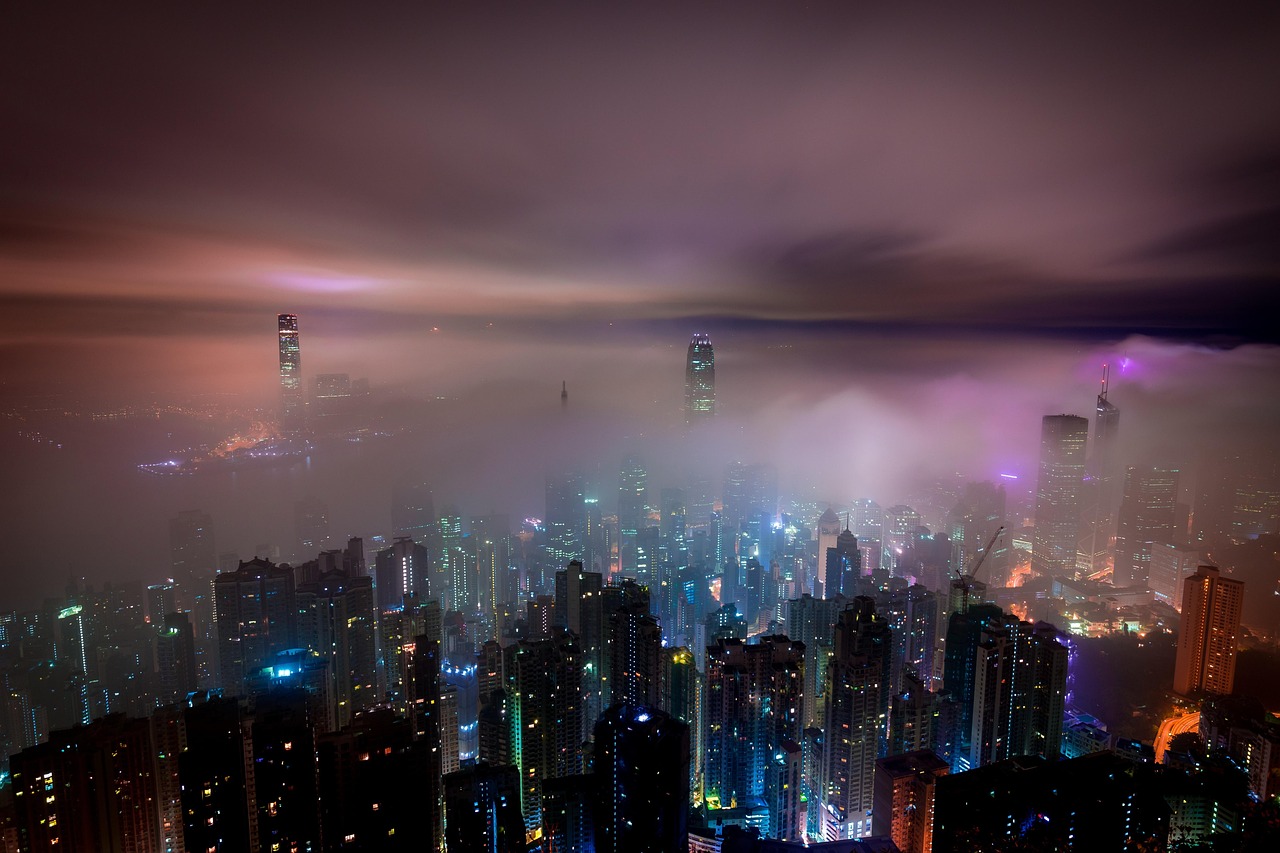
Why Visit Hong Kong in 2026?
Hong Kong is one of those cities that hits you all at once: neon alleys and mirrored skyscrapers, incense-filled temples next to Michelin-starred noodle shops, ferries gliding across Victoria Harbour while hiking trails disappear into subtropical mountains. Every time I land here, I feel like I’ve stepped into a movie I somehow already know by heart.
In 2026, Hong Kong feels especially vibrant. New cultural spaces have opened, classic street food stalls are still sizzling away, and the city’s famous skyline seems to gain a new glass-and-steel sculpture every year. It’s a place where you can spend the morning hiking above clouds, the afternoon bargaining in a market, and the evening sipping cocktails on a rooftop bar overlooking one of the most iconic skylines in the world.
If you’re planning 3 days in Hong Kong, 4 days in Hong Kong, or even 5 days in Hong Kong, this travel guide for Hong Kong is written to feel like a local friend walking you through the city. I’ll share the must-see attractions in Hong Kong, my personal favorite hidden gems in Hong Kong, the best local food in Hong Kong, and detailed 3 day, 4 day, and 5 day itineraries for Hong Kong that I’ve personally followed (and tweaked) over multiple trips.
Whether you’re coming for family-friendly fun, a romantic escape, or adventure on mountain ridges and outlying islands, Hong Kong is one of Asia’s easiest and most rewarding city destinations. You don’t need to speak Cantonese, you don’t need a huge budget (if you know where to eat and sleep), and you’ll never, ever run out of things to do in Hong Kong.
Table of Contents
- Why Visit Hong Kong?
- Quick Practical Overview (2026–2027)
- Hong Kong’s Neighborhoods & Districts
- 20+ Must-See Attractions in Hong Kong (Deep Dive)
- Suggested Itineraries: 3, 4 & 5 Days in Hong Kong
- Local Food in Hong Kong: What & Where to Eat
- Cultural Experiences & Local Customs
- Nightlife & Entertainment
- Day Trips & Nearby Escapes
- How to Get Around & Save Money
- Practical Travel Advice for Hong Kong (2026)
- Best Time to Visit & Final Takeaways
Quick Practical Overview (2026–2027)
Before we dive into the long-form stories and detailed 3 day itinerary for Hong Kong and beyond, here’s a quick snapshot of what to know for 2026–2027.
- Currency: Hong Kong Dollar (HKD)
- Language: Cantonese (primary), English widely spoken in tourism, transport, and many restaurants.
- Transport: Efficient MTR (metro), buses, trams, ferries, and taxis. Octopus card or contactless payment is essential.
- Best for: Food lovers, city explorers, families, hikers, nightlife seekers, and culture nerds.
Major Events & Festivals (2026–2027)
Dates change slightly each year (especially for lunar festivals), but here are key events to look out for:
- Chinese New Year (Jan–Feb 2026 & 2027): Lion dances, night parade, huge fireworks over Victoria Harbour. Book accommodation months ahead.
- Hong Kong Arts Festival (Feb–Mar 2026 & 2027): World-class theatre, music, and dance at venues across the city.
- Hong Kong Sevens (Rugby) 2026 & 2027: Usually spring; massive party atmosphere around Hong Kong Stadium and Wan Chai nightlife.
- Dragon Boat Festival (Tuen Ng) 2026 & 2027: Dragon boat races in Stanley and other harbours; a fantastic cultural spectacle.
- Mid-Autumn Festival & Lantern Carnivals (Sep–Oct): Lantern displays, mooncakes, and night markets; Victoria Park is a focal point.
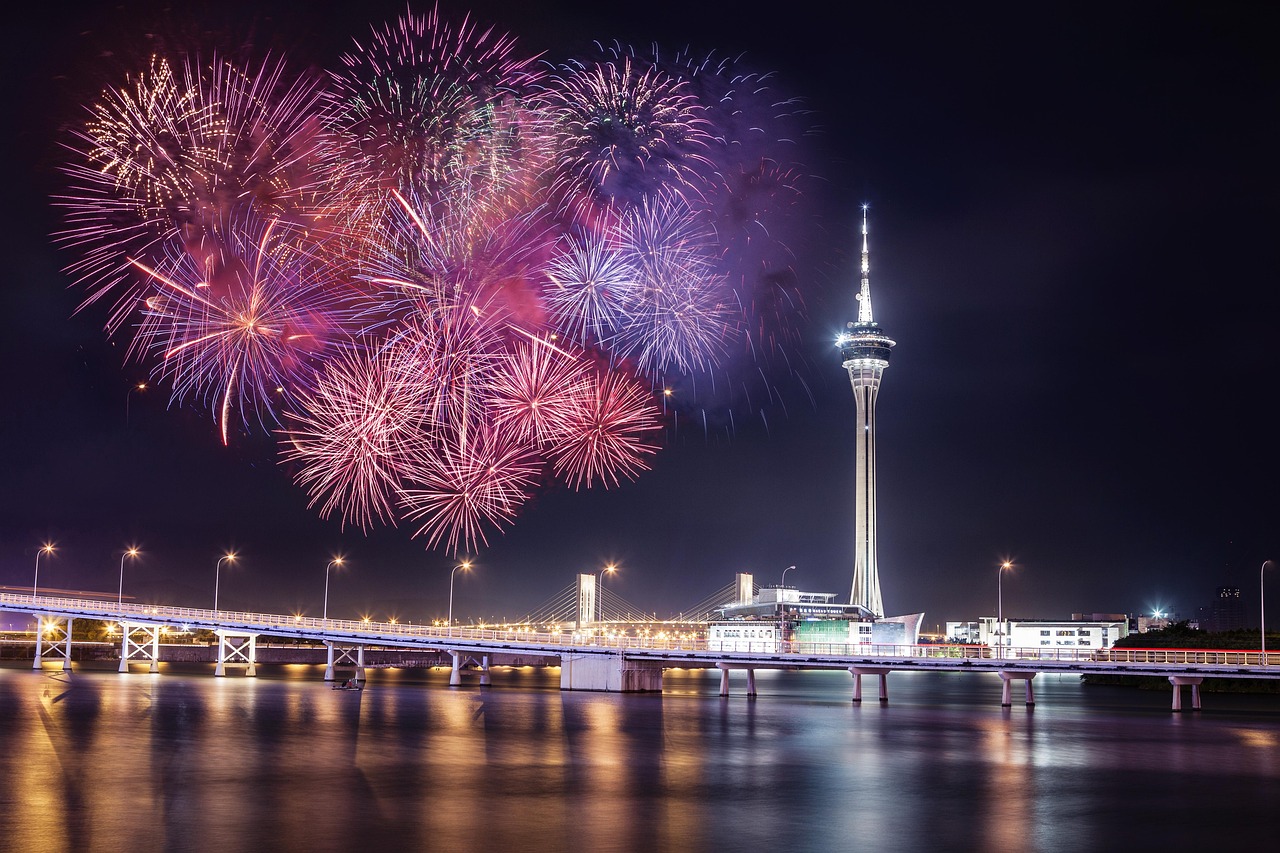
- New Year’s Eve 2026 & 2027: Fireworks and light shows over Victoria Harbour, some of the most impressive in Asia.
What’s New or Notable in 2026
Without getting lost in every little opening and closing, here are a few trends and changes worth noting for 2026:
- Contactless everything: Octopus cards now integrate smoothly with most foreign debit/credit cards; many small shops use QR payments.
- More pedestrian-friendly zones: Parts of Central and Tsim Sha Tsui continue experimenting with pedestrian-only weekends, especially near harbourfront promenades.
- Cultural spaces: The West Kowloon Cultural District keeps growing, with more exhibitions, free performances, and waterfront events.
Hong Kong’s Neighborhoods & Districts: Where to Wander
Hong Kong isn’t one city; it’s a cluster of distinct worlds stitched together by the MTR and the harbour. Here’s how I think about it when planning a 4 day itinerary for Hong Kong or 5 day itinerary for Hong Kong:
Hong Kong Island
- Central & Admiralty: Financial heart, glossy malls, historic colonial buildings, Mid-Levels Escalator, and a short hop to The Peak. Good for first-timers.
- Sheung Wan: Hip coffee shops, art galleries, dried seafood streets, and a more relaxed vibe. I often stay here to be close to Central but sleep in a quieter area.
- Wan Chai: Mix of old-school markets, office towers, and buzzing nightlife streets. A bit gritty around Lockhart Road, but great food and bars.
- Causeway Bay: Shopping mecca; neon-lit, busy, and energetic. Ideal if you love malls and late-night browsing.
- North Point, Quarry Bay, Tai Koo: More local, dense residential neighbourhoods with surprisingly good food and lower hotel prices.
- Stanley & Repulse Bay: Beachy, expat-heavy, and chill. Great for a slower day by the water.
Kowloon
- Tsim Sha Tsui (TST): Classic harbour views, Avenue of Stars, museums, and plenty of shopping. Excellent base for first-time visitors.
- Mong Kok: Night markets, sneakers and electronics, local eateries, and that famous “Hong Kong chaos” energy.
- Yau Ma Tei & Jordan: Grittier, more old-school Kowloon. I like staying here for cheaper guesthouses and great food.
- Sham Shui Po: Tech markets, fabric streets, budget eats, and a creative, artsy side emerging in old industrial blocks.
New Territories & Outlying Islands
- New Territories: Mountains, wetlands, walled villages, and more authentic suburban life. Amazing for hikes and day trips.
- Lantau Island: Big Buddha, Ngong Ping 360 cable car, Hong Kong Disneyland, and peaceful beaches and hikes.
- Cheung Chau, Lamma Island, Peng Chau: Laid-back islands with seafood, beaches, and car-free lanes. Perfect for a slower day in a 5 day itinerary for Hong Kong.
20+ Must-See Attractions in Hong Kong (Story-Style Deep Dive)
Instead of just listing the best places to visit in Hong Kong, I’ll walk you through more personal, story-driven snapshots of each. These are the big sights I mix into every 3 days in Hong Kong or longer trip, plus a few that often get overlooked.
1. Victoria Peak (The Peak)
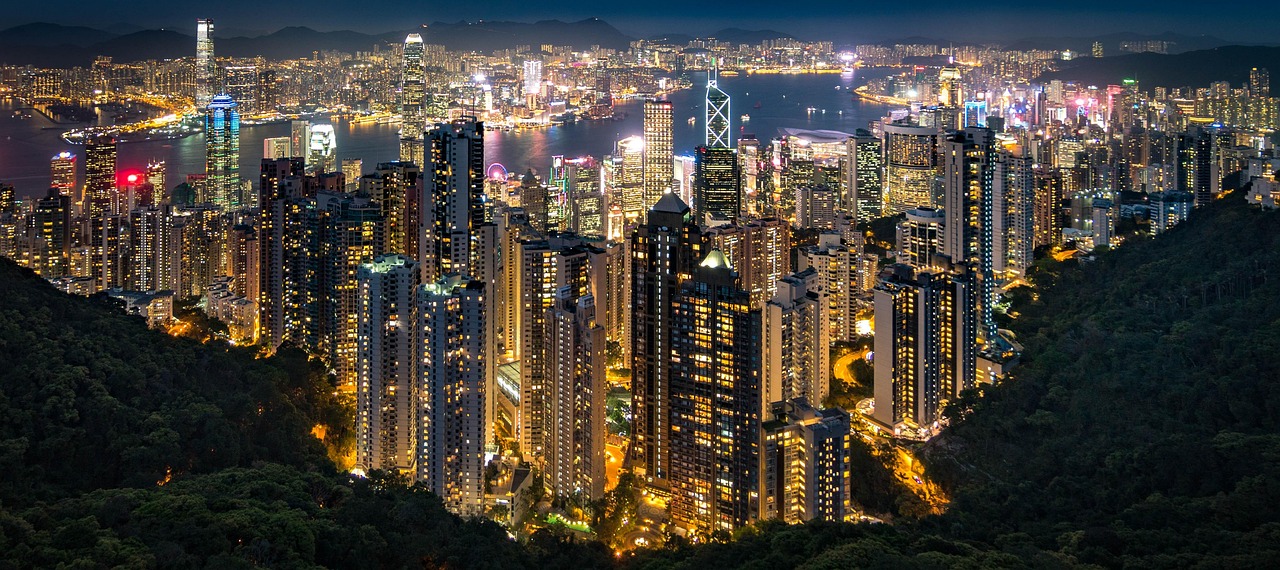
My ritual on almost every visit: drop my bags at the hotel, jump on the Star Ferry across the harbour, then head up to The Peak for that “oh wow, I’m really in Hong Kong” moment.
The Peak has watched over Hong Kong since the colonial era, when British officials built summer homes in the cooler air. Today, it’s home to luxury residences, a couple of malls, restaurants, and most importantly, the Peak Circle Walk, a path wrapping around the mountain with unbeatable views.
On my last trip, I arrived about 90 minutes before sunset. I took the Peak Tram from the lower terminus near Central – the funicular has been modernized but still climbs at that thrilling, steep angle that makes skyscrapers look like they’re tipping over. The queue can be long; if you hate waiting, you can taxi or bus up (Bus 15 from Central), then tram back down instead.
At the top, I skipped the paid Sky Terrace (the free views are already incredible) and walked the Lugard Road section of the circle walk. Early evening light turned the glass towers golden, and as the sky darkened, the city slowly flicked on, one window at a time. I always bring a light jacket – it gets breezy up here, even in warmer months.
Tips:
- Best time: Late afternoon into night for both day and night skyline views.
- Family-friendly: Yes; easy paths and lots of facilities. Strollers manageable along most of the circle walk.
- Romantic: Very. Find a quieter bench on Lugard Road for a less crowded viewpoint.
- Food: For something casual, I often grab a snack from the Peak Galleria food court. For splurging, book a window seat at one of the higher-end restaurants.
2. Victoria Harbour & Star Ferry
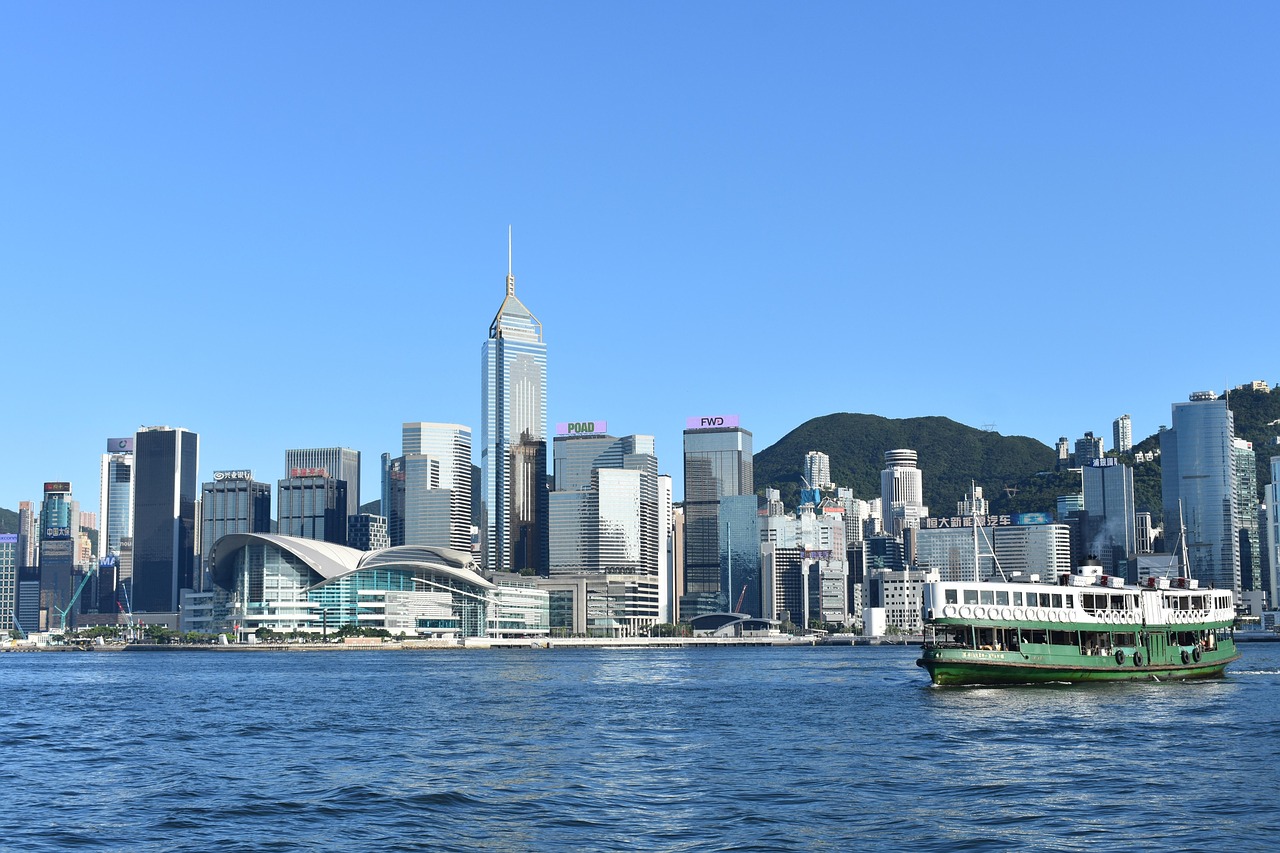
If The Peak is Hong Kong’s crown, Victoria Harbour is its beating heart. The first time I rode the Star Ferry from Tsim Sha Tsui to Central, it cost less than a cup of local milk tea and gave me one of the best skyline views I’ve found anywhere in the world.
The Star Ferry has been shuttling people across the harbour since the late 19th century. Even with tunnels and the MTR, locals still use it because it’s cheap, fast, and plain lovely. I like standing at the side rail, hair in the wind, watching ferries, barges, and cruise ships slide past.
On my last trip, I timed a crossing just before 8 PM to catch the Symphony of Lights, the nightly light-and-music show where buildings on both sides of the harbour join in. Honestly, the show itself is subtle; the real magic is simply seeing the city illuminated.
Tips:
- Take the upper deck for better photos and still only pay a tiny amount more.
- Try both directions – the view from Kowloon looking at Hong Kong Island is classic, but the reverse is also beautiful.
- Combine with a stroll along the Tsim Sha Tsui Promenade and Avenue of Stars (more below).
3. Tsim Sha Tsui Promenade & Avenue of Stars
The Tsim Sha Tsui (TST) waterfront is where I always end up when I can’t decide what to do. It’s free, open late, and feels like an open-air cinema of the Hong Kong skyline.
The Avenue of Stars is Hong Kong’s version of Hollywood’s Walk of Fame, with statues and handprints of local film legends like Bruce Lee. As much as I enjoy the film references, I’m mostly here for the wide promenade, harbour breeze, and the way kids, couples, photographers, and aunties out for a walk all share the space.
One evening, after a big seafood dinner in Jordan, I wandered down here with a milk tea in hand. Street musicians played near the Hong Kong Cultural Centre, and a group of teenagers were taking slow-shutter photos with tripods, trying to capture light trails from passing boats. I ended up chatting with a local photographer who gave me tips on where to stand for reflections after rain (answer: closer to the Museum of Art’s mirrored surfaces).
Tips:
- Come at dusk for softer light and fewer crowds than peak night hours.
- Families: plenty of open space for kids to run around.
- Budget travelers: this is one of the best free things to do in Hong Kong.
4. Tian Tan Buddha (Big Buddha) & Ngong Ping 360
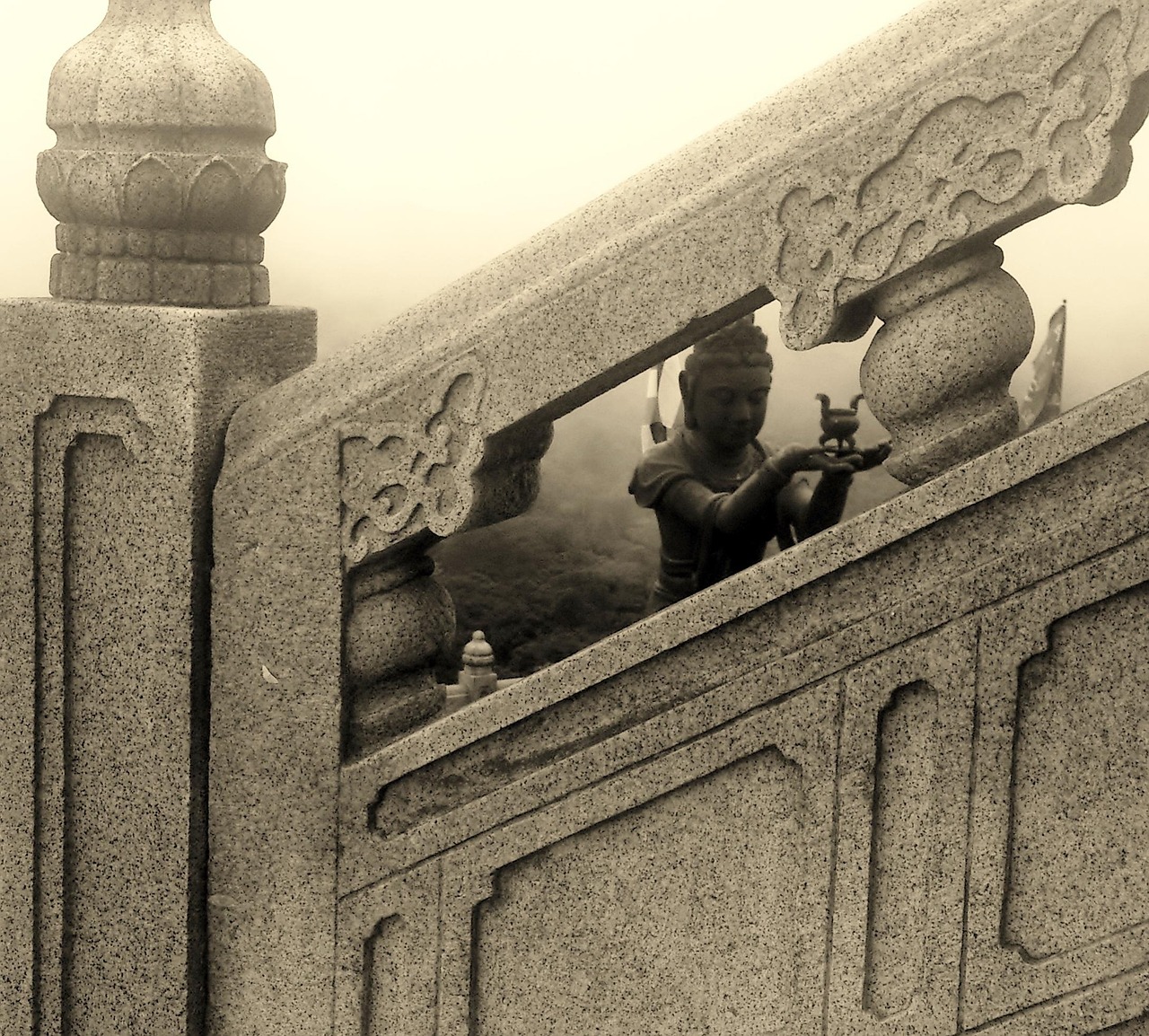
The first time I saw the Tian Tan Buddha on Lantau Island, mist wrapped around its base, and it felt like it was floating on clouds. The second time, the skies were crystal clear, and I could see all the way to the South China Sea. Both were unforgettable.
To reach Ngong Ping village, I usually take the MTR to Tung Chung and then ride the Ngong Ping 360 cable car. It’s not cheap, but the 25-minute ride over sea, forest, and mountains is an attraction in itself. Once, I splurged on a “crystal cabin” with a glass floor – not ideal if you’re afraid of heights, but amazing otherwise.
At the top, you’ll find the massive bronze Buddha, completed in 1993, sitting serenely above 268 steps. I like taking it slow, pausing halfway up to look back at the view. The nearby Po Lin Monastery is worth time too; I’ve eaten several vegetarian lunches here, simple but satisfying and peaceful after the tourist bustle outside.
Tips:
- Best time: Morning on weekdays to avoid the worst crowds.
- Alternate route: If the cable car is closed due to weather or maintenance, bus 23 from Tung Chung also goes up.
- Combine with: Tai O fishing village or an afternoon at a Lantau beach if you’re planning 4 days in Hong Kong or more.
5. Ngong Ping Village & Lantau Trails
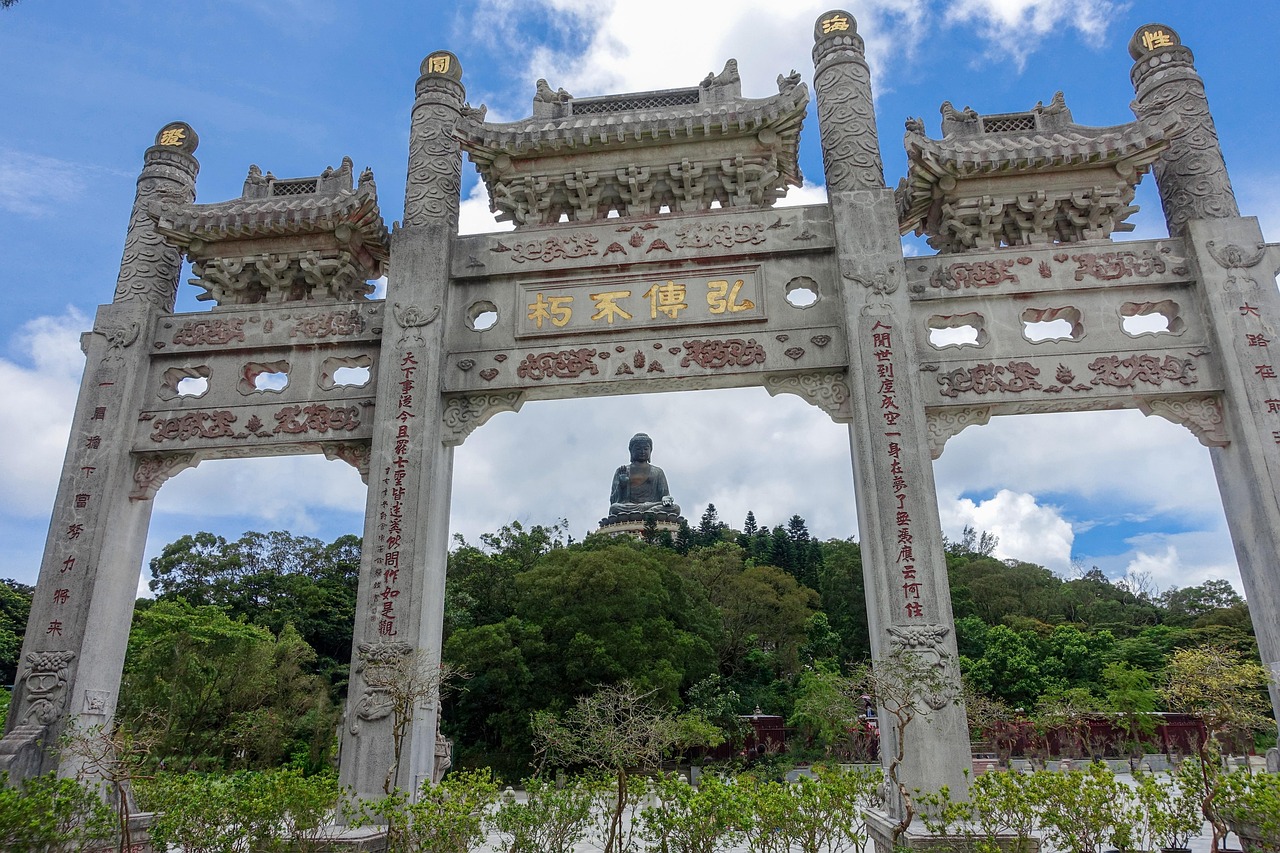
Ngong Ping Village is touristy, yes – but once you’ve had your fill of souvenirs and snacks, step a little further, and you’re quickly in true Lantau wilderness. I once spent an entire day up here hiking short sections of the Lantau Trail and barely saw another person.
From the Buddha, follow signs toward the Lantau hiking paths if you want quiet. Even a short wander along the ridge gives you sweeping views of islands and sea. On one cool, hazy December afternoon, I walked until I could no longer hear the village speakers, found a rock to sit on, and just watched clouds move over the peaks. It felt a world away from the cramped streets of Mong Kok the night before.
Tips:
- Wear proper shoes; trails can be steep and rocky.
- Bring water and snacks – limited options once you leave the main village area.
- If you’re hiking in summer, start early to avoid midday heat.
6. Mong Kok Markets: Ladies’ Market, Sneaker Street & More
Mong Kok is Hong Kong turned up to eleven: neon, crowds, market stalls, food smells, and signs stacked on signs. I still remember my first night here – jetlagged, slightly overwhelmed, but so excited I couldn’t stop walking.
The Ladies’ Market on Tung Choi Street is famous for clothes, souvenirs, and everything from phone cases to knockoff bags. I once spent an hour bargaining for a simple tote bag, more for the fun of the exchange than the savings. Remember that bargaining is expected; start around half the quoted price and smile while you negotiate.
Just a few blocks away is “Sneaker Street” (Fa Yuen Street), a paradise for shoe lovers. Brand-name shops line both sides of the street, and you can find limited editions and deals if you’re patient. I’ve bought running shoes here twice, each time about 15–20% cheaper than back home.
Tips:
- Come in the evening when the streets are livelier and cooler.
- Keep an eye on your belongings; it’s safe, but crowded.
- Pair your market crawl with a local dinner of claypot rice or wonton noodles nearby.
7. Temple Street Night Market & Yau Ma Tei
The Temple Street Night Market in Yau Ma Tei has a slightly faded charm these days, but I still go for the atmosphere. Red-and-white striped stalls line the street, and neon signs glow overhead like a still frame from an old Hong Kong movie.
One night, I sat at a plastic table at a dai pai dong-style eatery, eating stir-fried clams with black bean sauce, while a fortune-teller set up shop nearby under a small tent lit by a single bulb. Locals came and went for readings, and it felt more like a living neighborhood than a tourist trap.
The market itself sells electronics, gadgets, clothes, and souvenirs. The fun is in wandering, people-watching, and snacking along the way – curry fish balls on skewers, egg waffles, or herbal teas.
Tips:
- Combine with a walk through Yau Ma Tei’s fruit market if you come earlier in the evening.
- Eat at one of the simple street-side restaurants; ask for an English menu if needed.
- Good for budget shoppers; don’t expect high-quality electronics, though.
8. Man Mo Temple, Sheung Wan
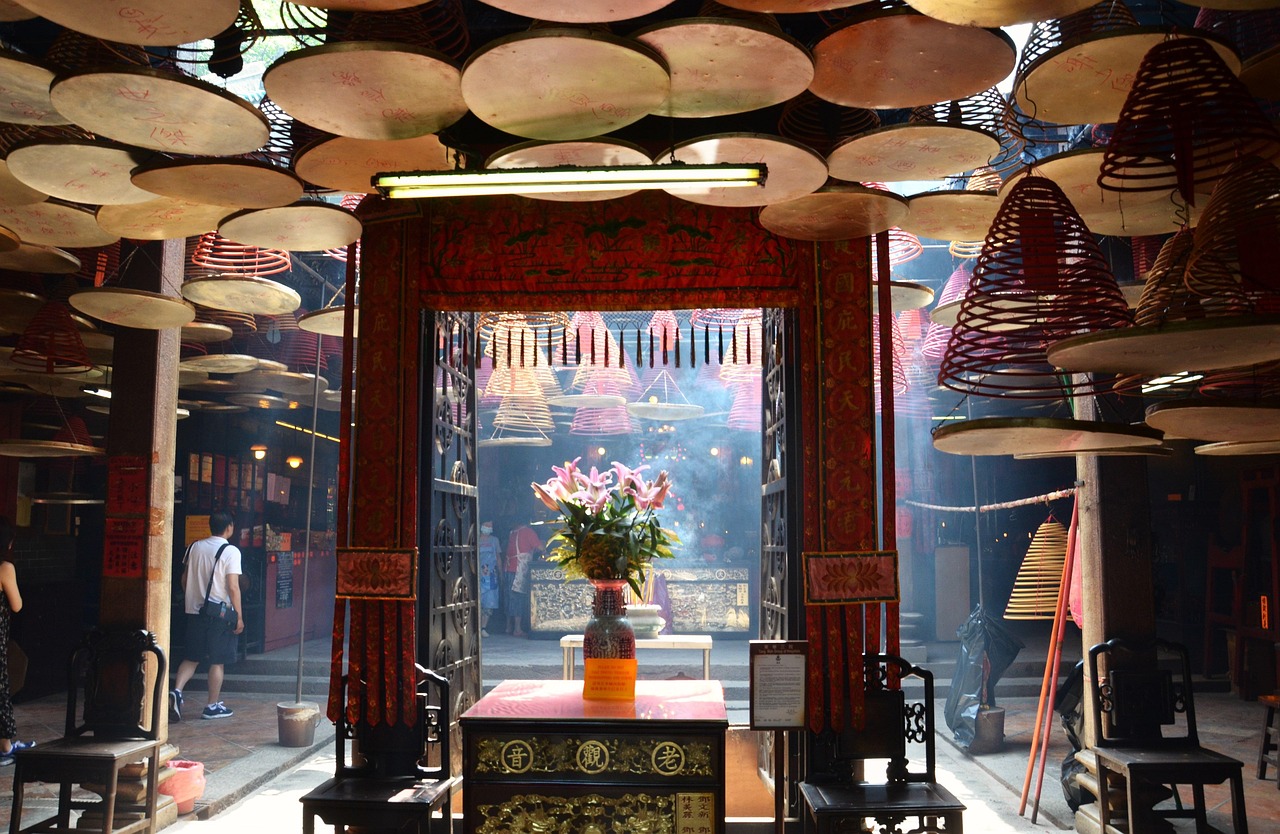
Just a few steep streets above the antique shops of Cat Street in Sheung Wan, Man Mo Temple feels like a portal to another era. Dedicated to the gods of literature (Man) and war (Mo), it’s one of Hong Kong’s oldest temples, built in the mid-1800s.
The first time I walked in, the air was thick with incense, sunlight slanting through the doorway and catching the smoke in golden beams. Spirals of incense coils hung from the ceiling, each with a small red tag of wishes. Locals moved quietly between altars, lighting sticks and bowing, while tourists tiptoed in the half-dark.
I always sit for a few minutes on one of the benches at the side, just to let my senses adjust and my mind slow down. It’s a powerful contrast to the high-rises just outside.
Tips:
- Dress respectfully (shoulders covered is appreciated).
- No flash photography; be discreet and mindful of worshippers.
- Combine with a stroll on Hollywood Road and the antique and art galleries of Sheung Wan.
9. Central–Mid-Levels Escalator & SoHo
The Central–Mid-Levels Escalator system is one of my favorite “only in Hong Kong” experiences. It’s a long chain of outdoor escalators and walkways that carry you up from the commercial chaos of Central into the residential Mid-Levels, passing through SoHo’s cafe-and-bar territory along the way.
I like riding up in the late afternoon, hopping off at different levels to explore side streets. One time, I followed a random alley and stumbled into a tiny independent coffee shop decorated with vintage Hong Kong film posters; another time, I found a quiet rooftop bar accessed by a seemingly random staircase.
Below the escalators, you’ll find SoHo’s dense cluster of restaurants from all over the world, along with chic wine bars and small galleries. It’s particularly lively on Friday and Saturday nights.
Tips:
- The escalators run downhill in the morning (commute hours) and uphill the rest of the day.
- Wear good shoes – you’ll still walk a lot between sections.
- Great area for evening drinks and dinners.
10. Chi Lin Nunnery & Nan Lian Garden
When I need a reset in Hong Kong, I go to Chi Lin Nunnery and Nan Lian Garden in Diamond Hill, Kowloon. It’s hard to believe this oasis of Tang-dynasty-style wooden buildings and sculpted ponds sits right next to a busy highway.
The nunnery’s temple halls are built entirely of wood using traditional techniques, without nails. Inside, golden Buddha statues glow in dim light, and the sound of the city fades. Just across a covered bridge, Nan Lian Garden unravels around a central pond, with manicured trees, rockeries, and that photogenic golden pavilion.
On one cool spring afternoon, I spent nearly two hours here, wandering slowly, sitting on benches, and watching koi fish swirl near the bridges. It’s a different side of Hong Kong – measured, contemplative, and deeply rooted in Chinese aesthetics.
Tips:
- Free entry; dress modestly.
- Try the vegetarian restaurant inside the garden complex; it’s not the cheapest but offers a peaceful setting and good food.
- Combine with a visit to nearby Wong Tai Sin Temple for a temple-focused day.
11. Wong Tai Sin Temple
Wong Tai Sin Temple is one of Hong Kong’s most beloved temples, famous for “answering all prayers.” It’s dedicated to a Taoist deity but also incorporates Buddhist and Confucian elements, reflecting the city’s eclectic spiritual life.
My standout memory here is of the kau cim fortune-telling practice. You kneel before the altar, shake a bamboo cylinder filled with numbered sticks until one falls out, then take that number to a fortune-teller in the adjacent arcade. I watched a local woman go through the ritual with intense focus; later, she smiled and told me the reading was “pretty good” for her upcoming business plans.
The temple complex is colorful, often busy, but full of small details – dragon motifs, incense burners, and side shrines. It’s a powerful place to witness living local customs rather than staged performances.
Tips:
- Come in the morning for a more peaceful experience.
- Be respectful around worshippers; step aside when people are praying.
- Photography is allowed in most outdoor areas, but follow posted signs.
12. PMQ (Former Police Married Quarters)
PMQ is where I go when I want to see Hong Kong’s creative side. This former police housing complex has been turned into a design hub filled with local brands, studios, and pop-up exhibitions.
On one rainy afternoon, I ducked in here to escape a downpour and ended up spending three hours browsing everything from handcrafted jewelry to minimalist stationery and quirky homeware. Some studios let you chat with the designers directly, which I love; it turns shopping into a conversation.
There are also regular events – design markets, workshops, and screenings. Check their calendar if you’re in town over a weekend.
Tips:
- Great place for unique souvenirs that aren’t mass-produced.
- Combine with nearby SoHo, Hollywood Road galleries, and Man Mo Temple.
- Good rainy-day option.
13. Hong Kong Disneyland
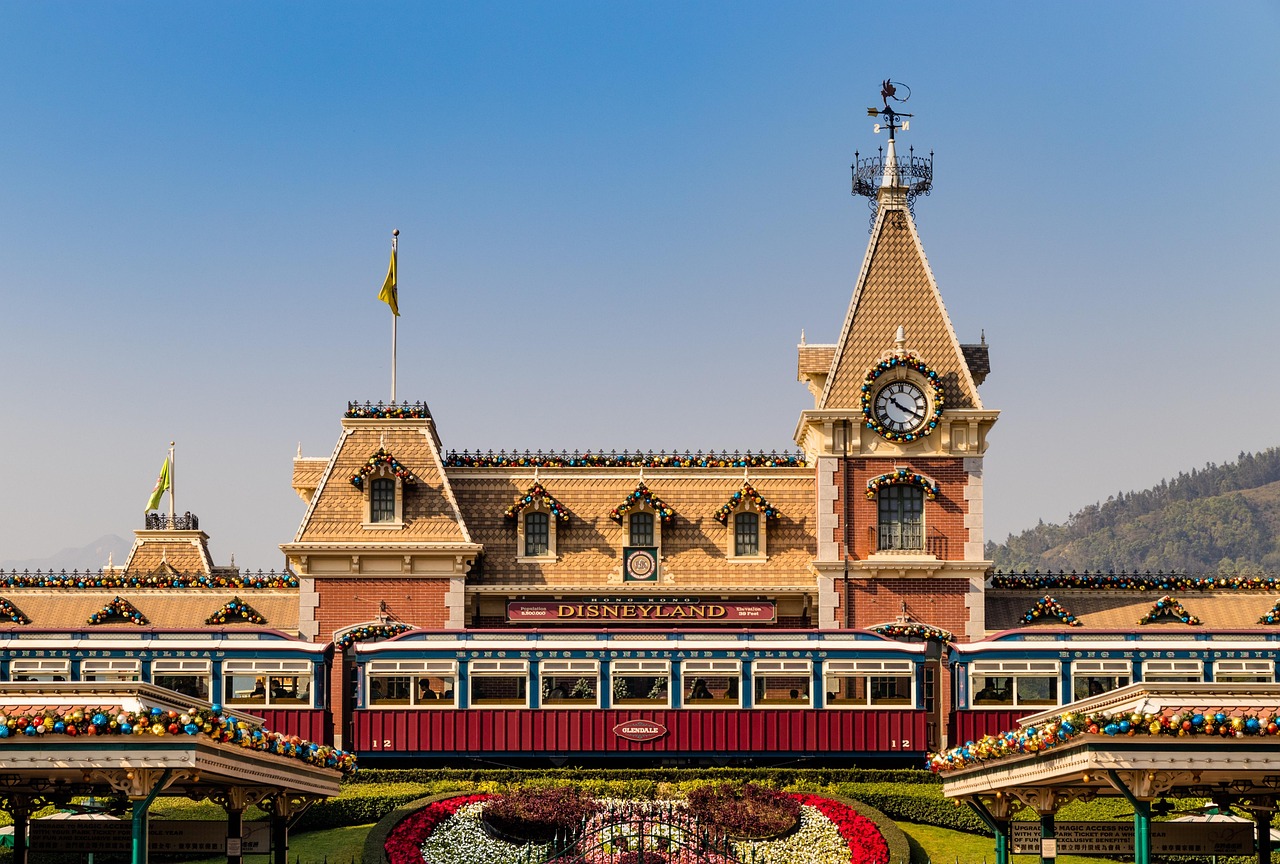
For families or anyone with a soft spot for theme parks, Hong Kong Disneyland on Lantau Island is a full day of fun. It’s smaller than its American counterparts but easier to manage in a single day, which I actually appreciate.
I visited once with friends who had their two young kids in tow. We arrived just before opening, took the dedicated MTR line (complete with Mickey-shaped windows), and planned our day around the must-do rides: Mystic Manor (a quirky, Hong Kong-original take on the haunted house), Big Grizzly Mountain, and the revamped castle area with its shows.
Lines can get long on weekends and holidays, but midweek in the shoulder season, we rarely waited more than 20–30 minutes. We ended the day watching the nighttime show, a mix of projections, fireworks, and music, which felt surprisingly emotional after a day of shared memories.
Tips:
- Buy tickets online in advance to save time at the gate.
- Avoid local school holidays and major festivals if possible.
- Pack sunscreen and a light poncho; weather changes quickly.
14. Ocean Park Hong Kong
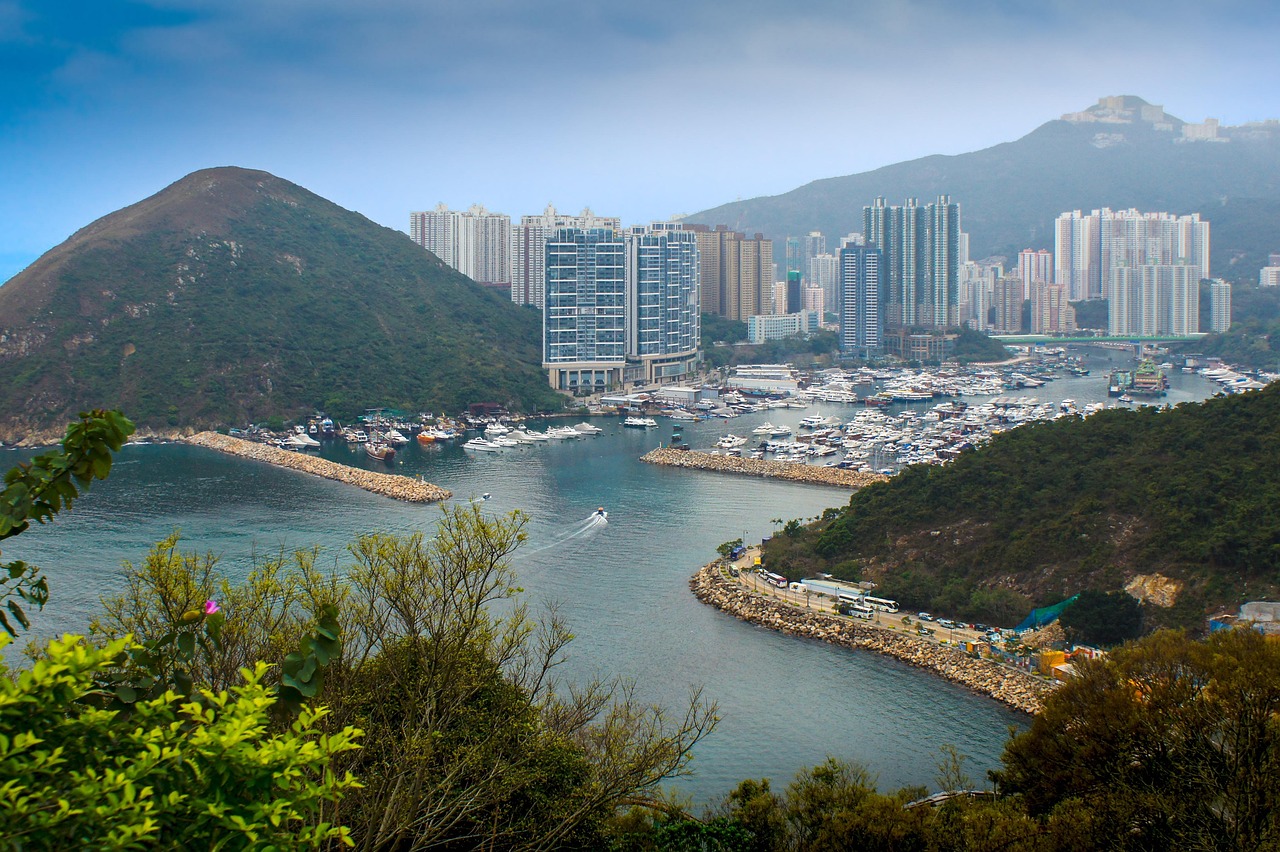
Ocean Park is part marine park, part theme park, and part hillside lookout all rolled into one. It mixes animal exhibits with roller coasters that swoop over sea cliffs – my inner child and my thrill-seeking side both love it.
I visited on a slightly overcast weekday, which turned out to be perfect: cooler temperatures and shorter queues. We started with the cable car ride connecting the two halves of the park, gliding over the sea and getting a bird’s-eye view of the coastline. Later, I braved one of the big coasters with my heart in my throat and then calmed down in the giant aquarium, watching rays and sharks drift by behind thick glass.
Tips:
- Good alternative or complement to Disneyland, especially for older kids and teens.
- Check showtimes and feeding times on arrival and plan your route accordingly.
- Can be combined with a quick look at nearby Aberdeen for a taste of old fishing-village life.
15. Stanley & Repulse Bay
On my third trip to Hong Kong, I dedicated an entire day to Hong Kong Island’s south side – and wondered why I hadn’t done it sooner. Stanley and Repulse Bay offer a lighter, breezier side of the city, with beaches, cafes, and a slower pace.
We took bus 6X from Central, winding over the hills with glimpses of bays below. In Stanley, we wandered the market (souvenirs, clothes, artwork) and then strolled along the waterfront promenade. Lunch was a long, lazy affair at a cafe overlooking the sea, watching weekend cyclists and dog-walkers go by.
Later, we hopped over to Repulse Bay for a beach walk and a paddle. The public beach is clean and well-maintained, and even if you don’t swim, it’s a refreshing change from city streets.
Tips:
- Weekend afternoons can be crowded; weekday visits are quieter.
- Family-friendly – lots of space for kids and a relaxed environment.
- Bring a swimsuit and a towel if there’s even a chance you’ll want to swim.
16. Cheung Chau Island
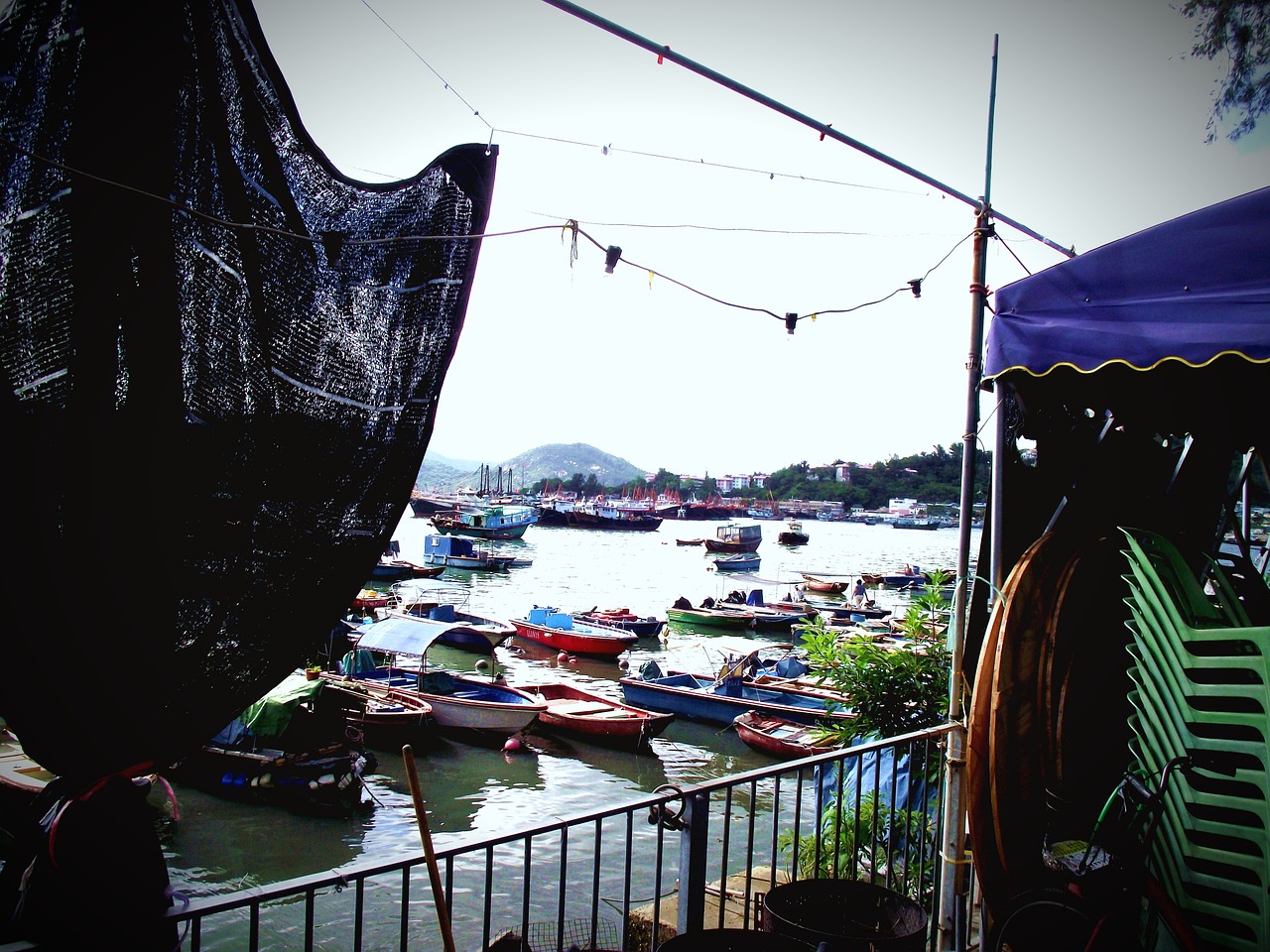
Cheung Chau is my go-to recommendation for a day trip if you have at least 4 days in Hong Kong. It’s close, car-free, and charming in a lived-in way – not polished, but full of character.
From Central Pier 5, the ferry ride takes about 30–60 minutes, depending on the type. Arriving at Cheung Chau, you’re greeted by a waterfront lined with seafood restaurants and low-rise buildings – a striking contrast to the skyscrapers you just left.
I usually rent a bicycle near the pier and pedal along the main path, stopping at small temples, snack stalls (try the giant fish balls and mango mochi), and beaches like Tung Wan or Kwun Yam. One of my favorite afternoons involved hiking to the Mini Great Wall, a coastal trail with rock formations given playful names like “Human Head Rock.”
Tips:
- Cheung Chau’s Bun Festival (usually spring) is famous, but the island gets extremely crowded then.
- Even on normal weekends, try to arrive earlier in the day.
- Cash is handy; some small shops don’t accept cards.
17. Lamma Island
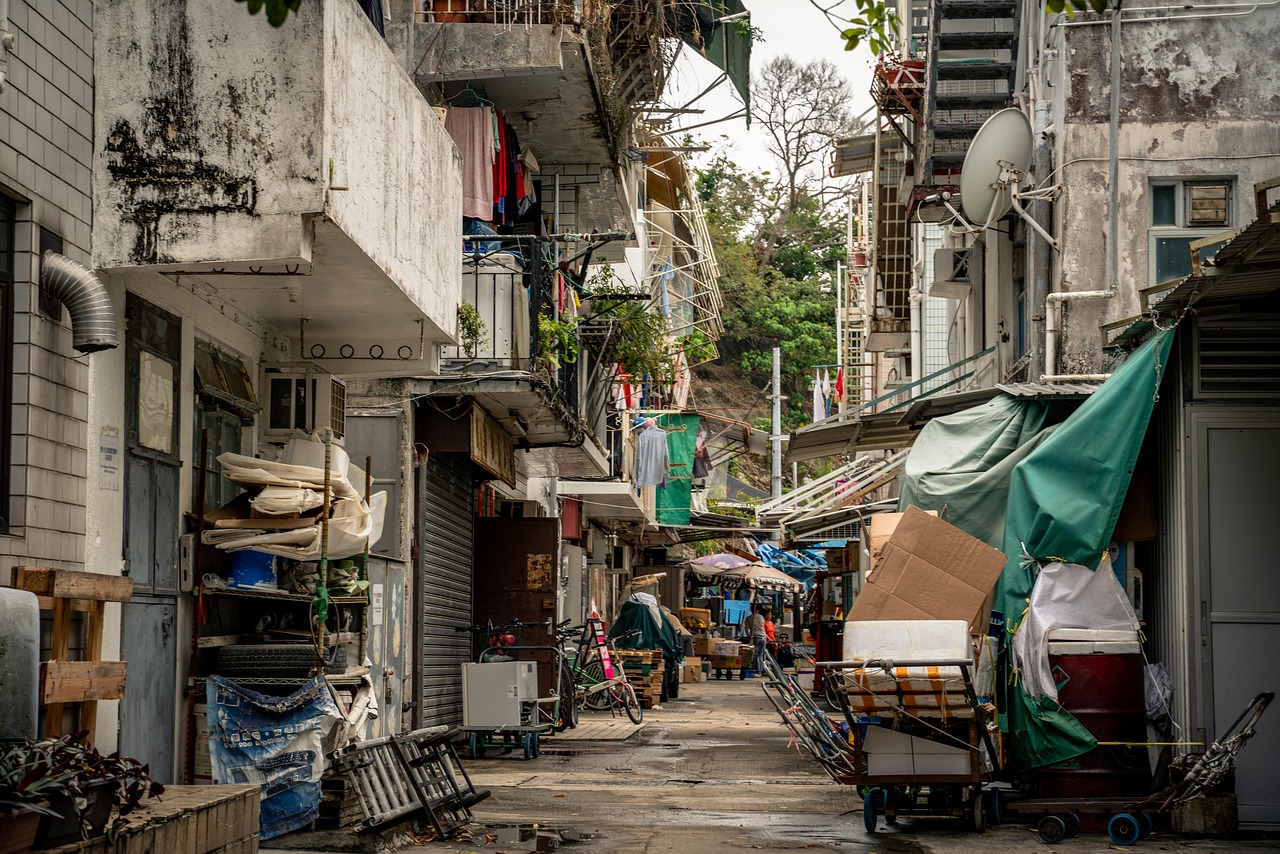
Lamma Island feels like Hong Kong’s chilled-out, bohemian cousin. It’s known for its no-car policy, seafood restaurants, and relaxed expat-meets-local vibe.
On my last visit, I took the ferry to Sok Kwu Wan, had an early seafood lunch by the water (steamed fish, garlic prawns, and stir-fried vegetables), then hiked the well-marked Lamma Island Family Walk across to Yung Shue Wan, where I caught the ferry back to Central.
The hike takes about 1.5–2 hours at an easy pace, with views of bays, villages, and the famous (and slightly incongruous) Lamma power station. At Yung Shue Wan, small cafes and bars line the pedestrian street – perfect for a cold drink before heading back.
Tips:
- Wear a hat and bring water, especially in the warmer months.
- Check ferry schedules to avoid long waits.
- Good for couples and solo travelers who want a slower-paced day.
18. Dragon’s Back Hike
If you think Hong Kong is just concrete and glass, Dragon’s Back will change your mind in a few hours. This ridge hike on Hong Kong Island offers sweeping views over Shek O, Tai Long Wan, and rolling green hills.
I tackled it on a breezy November morning, starting from the Shek O Road trailhead (accessible by bus from Shau Kei Wan). The initial climb is short but steep, and then you’re walking along the ridgeline, with the sea on both sides. It’s not technically difficult, but it’s exposed, so pick a day with moderate temperatures.
At the end, you can continue down toward Big Wave Bay for a post-hike swim or snack at a beachside cafe. Sitting with my shoes off, feet in the sand, looking back at the hills I’d just crossed, I realized how wild Hong Kong can feel just a short bus ride from the MTR.
Tips:
- Bring sunscreen, water, and proper footwear.
- Avoid the hottest summer days if possible.
- Family-friendly for older kids used to walking; not ideal for toddlers unless carried.
19. Sham Shui Po: Gritty, Creative, Delicious
Sham Shui Po used to be known mainly as a working-class district and a place to buy cheap electronics. Over the last decade, it’s added a creative streak while keeping its raw edge and excellent local food.
My Sham Shui Po days usually start with breakfast at a classic cha chaan teng (Hong Kong-style cafe) – macaroni in soup, scrambled eggs, and milk tea – then a wander along Apliu Street for gadgets and secondhand tech. Nearby, Yu Chau Street and neighbors specialize in beads, fabrics, and craft supplies.
On one visit, I joined a local-guided food walk, sampling tofu pudding, egg tarts, and old-school bakery items. We passed by new murals and small design shops tucked into old buildings – a nice reminder that neighborhoods evolve, but their core character can remain.
Tips:
- If you’re into photography, Sham Shui Po is a goldmine of textures and street scenes.
- Prices for food here tend to be lower than in Central or TST.
- Good area to experience truly local Hong Kong life.
20. West Kowloon Cultural District & M+ Museum
The West Kowloon Cultural District is Hong Kong’s big bet on becoming a global arts capital. Stretching along the waterfront, it’s home to performance venues, green lawns, and some of the city’s newest museums, including M+, focused on visual culture and design.
I visited M+ on a slightly hazy afternoon and spent hours wandering through exhibitions on Asian modern art, architecture, and graphic design. The building itself is striking, with an LED façade that becomes a canvas at night. Afterward, I walked along the waterfront park, where locals picnicked and kids rode scooters.
For a city known for commerce, this district feels like a breath of cultural fresh air, and it’s constantly evolving with new installations and events.
Tips:
- Check exhibition schedules for M+ and the Hong Kong Palace Museum nearby.
- Come around late afternoon to enjoy the park and stay for harbour views at dusk.
- Good for couples, solo travelers, and anyone with an interest in arts and culture.
More Notable Spots (Short but Sweet)
Once you’ve covered the big names, consider:
- Ten Thousand Buddhas Monastery (Sha Tin) – a hillside path lined with golden Buddha statues.
- Hong Kong Museum of History (TST) – fantastic overview of the city’s past (check reopening/exhibition status in 2026).
- Tai O Fishing Village (Lantau) – stilt houses, shrimp paste, and boat rides among the inlets.
- Lan Kwai Fong – Central’s tight cluster of bars and clubs, especially lively on weekends.
Suggested Itineraries: 3, 4 & 5 Days in Hong Kong (Local-Lens)
These itineraries combine the must-see attractions in Hong Kong with local neighborhoods and food. Feel free to swap days around depending on weather and your interests.
3 Days in Hong Kong: Classic First-Timer Itinerary
If you only have 3 days in Hong Kong, focus on the icons and a few well-chosen neighborhoods.
Day 1: Victoria Harbour, TST & The Peak
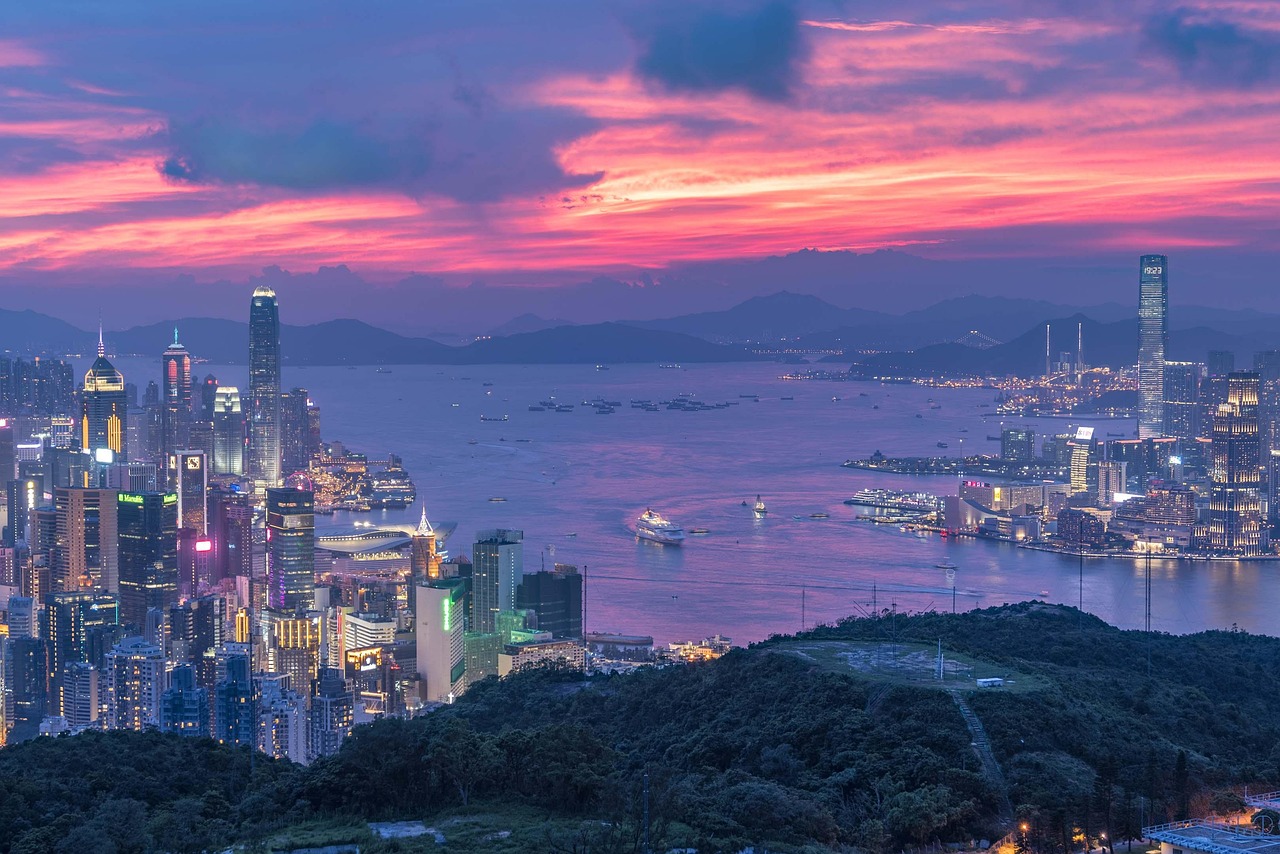
My ideal first day starts on the Kowloon side and ends above the city lights.
- Morning: Arrive, drop your bags, and head to the Tsim Sha Tsui Promenade. Walk from the Clock Tower past the Cultural Centre, Avenue of Stars, and towards the Museum of Art. Grab a simple breakfast – a pineapple bun and milk tea – from a nearby bakery.
- Late Morning: Take the Star Ferry across to Central. Wander through the canyon of skyscrapers, maybe pop into a cafe in Sheung Wan or SoHo for coffee and a snack.
- Afternoon: Head up to Victoria Peak using the Peak Tram or bus. Do the Peak Circle Walk for different vantage points. I like to sit for a while at one of the quieter overlooks, soaking in the scale of the city.
- Evening: Stay on The Peak for early dinner with a view, or head back down to Central for dinner in SoHo. If you still have energy, stroll around Lan Kwai Fong to see Hong Kong’s nightlife in full swing (even if you don’t drink, it’s a spectacle).
Day 2: Kowloon’s Markets & Temples
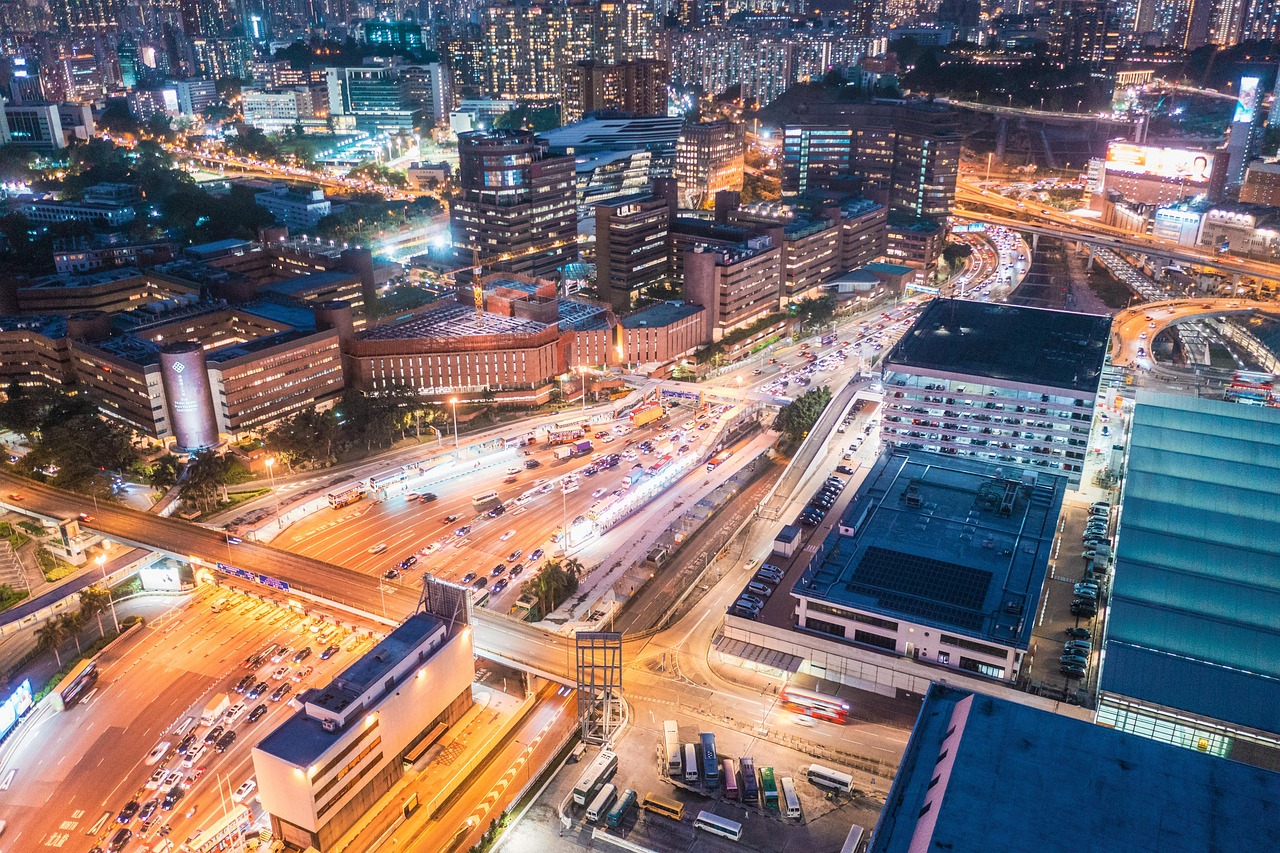
- Morning: Visit Chi Lin Nunnery & Nan Lian Garden for tranquility. Start at Nan Lian, then wander into the nunnery, taking your time.
- Lunch: Try a vegetarian lunch at the garden’s restaurant or head toward Mong Kok for a local noodle shop.
- Afternoon: Explore Mong Kok: Ladies’ Market, Sneaker Street, and the surrounding shopping streets. Snack as you go – egg waffles, bubble tea, or siu mai.
- Evening: Walk down to Temple Street Night Market via Yau Ma Tei. Have dinner at a simple dai pai dong-style restaurant, browse stalls, and maybe get your fortune told.
Day 3: Lantau Highlights – Big Buddha & Ngong Ping
- Morning: Take the MTR to Tung Chung, then the Ngong Ping 360 cable car to Ngong Ping Village. Visit the Big Buddha and Po Lin Monastery.
- Lunch: Vegetarian food at Po Lin or simple snacks in the village.
- Afternoon: If you have time and energy, hop on a bus to Tai O Fishing Village to see stilt houses and taste local snacks. Alternatively, return early for shopping or a final harbour walk.
- Evening: Final dinner back in the city – perhaps dim sum or roast goose as a farewell meal.
This 3 day itinerary for Hong Kong packs in the essentials without rushing too much. If you’re a serious hiker, you could swap Day 3 for Dragon’s Back and a south-side beach day.
4 Days in Hong Kong: Add Neighborhood Depth
With 4 days in Hong Kong, keep the 3-day structure and add:
Day 4: Island Life – Cheung Chau or Lamma
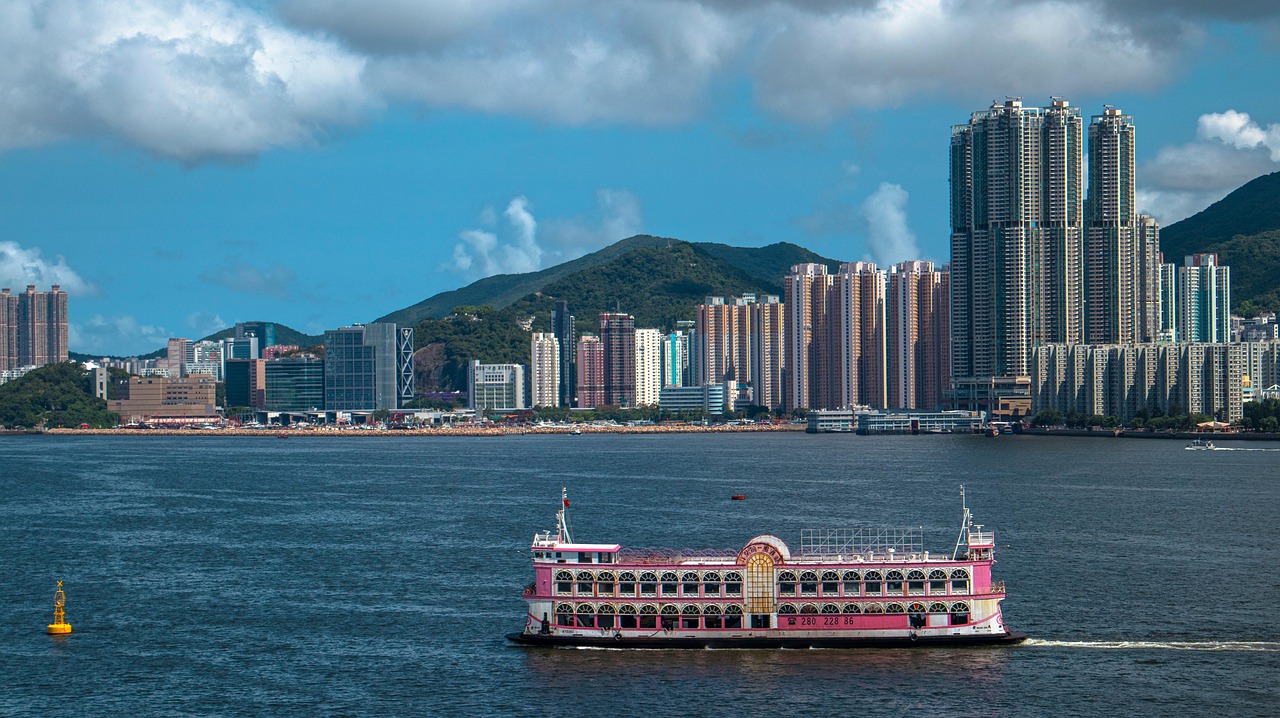
- Morning: Take a ferry from Central to Cheung Chau or Lamma Island. I lean toward Cheung Chau for its tight village feel.
- Daytime: Rent a bike, wander temples, snack your way along the waterfront, and relax on the beach. Or hike the family trail on Lamma and finish with seafood.
- Evening: Return to Central. Finish the day with drinks around SoHo or a quiet meal in Sheung Wan.
This 4 day itinerary for Hong Kong balances city intensity with an island exhale.
5 Days in Hong Kong: Hikes, Culture & Hidden Gems
With 5 days in Hong Kong, you can slow down and explore deeper. Add to the above:
Day 5: Hike & Culture – Dragon’s Back + West Kowloon
- Morning: Take the MTR to Shau Kei Wan, then bus to the Dragon’s Back trailhead. Hike the ridge and finish at Big Wave Bay if the weather is good.
- Afternoon: Return to the city, rest, then head to the West Kowloon Cultural District. Visit M+ or simply relax on the lawns.
- Evening: Watch the skyline glow from the West Kowloon promenade, then have dinner in nearby Jordan or TST.
This 5 day itinerary for Hong Kong leaves room for unexpected discoveries – a cafe you stumble into, a side street that calls your name – while still covering the major things to do in Hong Kong.
Local Food in Hong Kong: What & Where to Eat
Let’s be honest: for many of us, Hong Kong is first and foremost a food city. I plan my days around meals here. From humble cha chaan tengs to Michelin-recognized street stalls, the range is dizzying – and delicious.
Essential Hong Kong Dishes
- Dim Sum: Steamed dumplings, buns, rice rolls, and more, served in bamboo baskets. Try har gow (shrimp dumplings), siu mai, char siu bao (BBQ pork buns), and cheung fun (rice noodle rolls).
- Roast Meats: Roast goose, roast duck, char siu (BBQ pork), and crispy roast pork belly, often served with rice or noodles.
- Wonton Noodles: Springy egg noodles in a clear broth topped with prawn wontons.
- Claypot Rice: Rice cooked in a clay pot with sausages, chicken, or ribs, drizzled with sweet soy sauce.
- Cha Chaan Teng Classics: Hong Kong-style French toast, macaroni soup, scrambled eggs on toast, and strong, sweet milk tea.
- Street Snacks: Curry fish balls, egg waffles (gai daan jai), siu mai, and stinky tofu for the brave.
Where I Actually Eat (By Area)
Central / Sheung Wan / SoHo:
- Go to a traditional tea house for classic dim sum (arrive early for a more relaxed experience).
- Try small, hole-in-the-wall noodle shops for wonton noodles or beef brisket noodles.
Kowloon (Mong Kok / Jordan / TST):
- Look for bustling roast meat shops with ducks and geese hanging in the window.
- In Sham Shui Po and Mong Kok, follow your nose to claypot rice and street snacks – the queues often point you in the right direction.
Islands & South Side:
- Fresh seafood in Cheung Chau, Sai Kung, and Lamma Island – choose fish from the tanks and have it steamed with ginger and scallions.
- Beach-side cafes in Repulse Bay and Shek O for casual bites with a view.
Saving Money on Food
- Eat where the office workers eat: Lunchtime set menus in local restaurants are often great value.
- Skip hotel breakfasts: Grab breakfast at a cha chaan teng for a fraction of the price.
- Look for shared dishes: Many places serve portions designed for sharing; going with friends lets you try more for less.
Cultural Experiences & Local Customs in Hong Kong
Understanding a few local customs will make your trip smoother and your interactions richer.
Etiquette Basics
- Politeness: Hongkongers can seem brisk, but politeness matters. A simple “thank you” (in English or “m̀hgōi” in Cantonese) goes a long way.
- Lines: Queue properly, especially for transport and food. Cutting in is frowned upon.
- Cash & Cards: More places accept cards now, but small eateries and markets may still prefer cash or local e-pay.
- Temples: Dress modestly, speak softly, and don’t flash photography directly at worshippers or altars.
- Chopsticks: Don’t stick them upright in rice (it resembles funeral rites). Place them on the rest or across your bowl.
Local Cultural Experiences
- Temples: Visit Man Mo, Wong Tai Sin, and Chi Lin for different facets of local religious life.
- Festivals: If you’re in town during Chinese New Year, Mid-Autumn, or Dragon Boat Festival, join public events – lantern displays, races, or night markets.
- Tea & Yum Cha: Dim sum is as much about social ritual as food. Watch how locals pour tea, refill others’ cups first, and tap the table with fingers to say thanks.
Nightlife & Entertainment in Hong Kong
Hong Kong comes alive after dark. Whether your idea of a night out is a quiet harbour stroll or dancing until 3 AM, you’ll find it here.
Rooftop Bars & Views
For romantic evenings, I love heading to a rooftop bar in Central or TST and watching the skyline sparkle. Drinks can be pricey, but the view is part of what you’re paying for. Dress codes vary – check ahead if you’re packing light.
Lan Kwai Fong & Wan Chai
Lan Kwai Fong is Hong Kong’s most famous nightlife cluster – narrow streets, packed bars, and a mix of locals, expats, and visitors. Wan Chai has a broader mix of pubs, live music, and late-night eats. I usually start with a quieter drink in SoHo or along the waterfront and only dip into LKF if I’m in the mood for crowds.
Harbour Nights & Family-Friendly Evenings
For families or those who prefer calm evenings, a harbourfront walk in TST or West Kowloon, a ride on the Star Ferry at night, or a stroll through a night market are all memorable, low-key options.
Day Trips & Nearby Escapes from Hong Kong
With a few extra days, you can turn Hong Kong into a hub for exploring nearby nature and islands.
Outlying Islands
- Cheung Chau: Village life, beaches, and easy walks.
- Lamma Island: Family-friendly hikes and seafood.
- Peng Chau: Quieter, more low-key, ideal if you want a simple stroll and slow lunch.
New Territories Nature
- MacLehose or Wilson Trails: Longer, more challenging hikes through mountains and reservoirs.
- Sai Kung: Seafood town with access to some of Hong Kong’s best beaches and coastal hikes.
Getting There
- Use ferries from Central for islands; check return times.
- For New Territories hikes, MTR + bus combos are usually easiest; use a maps app plus posted signage.
How to Get Around Hong Kong & Save Money
Hong Kong’s public transport is one of the best in the world – fast, clean, and intuitive.
Octopus Card & Payment
Get an Octopus card as soon as you arrive (at the airport, MTR stations, or convenience stores). You can use it on the MTR, buses, trams, ferries, and in many shops. In 2026, contactless bank cards and mobile wallets also work on most systems, but the Octopus remains incredibly convenient.
MTR, Buses, Trams & Ferries
- MTR: Fastest way to get almost anywhere. Stations are well-signed in English and Chinese.
- Trams: The double-decker trams on Hong Kong Island (“ding dings”) are slow but scenic and very cheap – perfect for short hops.
- Buses & Minibuses: Reach beaches, hikes, and outer districts. Front-screen displays and announcements usually in English too.
- Ferries: Essential for islands and a joy in themselves.
Taxis & Ride-Hailing
Red taxis operate in most urban areas and are relatively affordable for short distances. Drivers may not speak much English, so have your destination written in Chinese or bookmarked on your phone. Ride-hailing apps operate in Hong Kong too; check current options in 2026 before you go.
Saving Money on Transport
- Use MTR and buses whenever possible – cheaper than taxis and often faster.
- Consider tourist day passes only if you’ll be taking many long rides; otherwise, pay-as-you-go with Octopus is usually better value.
- Walk more than you think: many neighborhoods are best explored on foot.
Practical Travel Advice for Hong Kong (2026)
SIM Cards & Connectivity
- Pick up a tourist SIM or eSIM at the airport or major convenience stores; several providers offer affordable data-heavy packages.
- Wi-Fi is common in cafes, malls, and hotels, but having mobile data is invaluable for maps and translation.
Money & Budget Tips
- ATMs are widespread and generally safe; check with your bank about international fees.
- Card acceptance is high in malls and midrange/upscale restaurants, but keep cash for markets and small eateries.
- To save: eat more in local spots, use public transport, and avoid peak hotel seasons.
Accommodation: Where to Stay
- Central / Sheung Wan: Best for short stays; close to many must-see attractions in Hong Kong.
- Tsim Sha Tsui / Jordan: Great harbour access and more midrange/budget options.
- Mong Kok: Cheaper, more local, but busier and noisier.
Visa Requirements & Entry (Check for Your Nationality)
Hong Kong maintains its own entry policies, separate from mainland China, though rules can evolve. As of 2026, many nationalities enjoy visa-free short stays, but always verify with official sources before travel.
Driving & Car Rental
For visitors, renting a car in Hong Kong rarely makes sense. Public transport is more efficient, parking is expensive, and traffic can be dense. Foreign driver’s license recognition depends on your home country and may require an international driving permit – but unless you have a specific reason, skip the car.
Health & Safety
- Hong Kong is generally very safe; petty crime is low, though still be sensible with bags and phones.
- Tap water is officially potable, but many locals still boil or use filters; I often refill from hotel filtered water stations or use bottled water.
- Air quality can vary; sensitive travelers may want to check daily indexes.
Weather & Seasons
- Autumn (Oct–Nov): The best overall – comfortable temps, clearer skies, ideal for city walks and hikes.
- Winter (Dec–Feb): Mild and dry; great for hiking and city exploring. Pack a light jacket – indoor heating is minimal.
- Spring (Mar–May): Warming up, can be humid and foggy; good for museums and food-focused trips.
- Summer (Jun–Sep): Hot, humid, with potential typhoons. Best for beaches and island trips if you can handle the heat and plan around storm warnings.
Hidden Tips from Repeat Visits
- Start early: Visiting big attractions (The Peak, Big Buddha, markets) right at opening can save you time and sanity.
- Always carry a light layer: Malls and MTR can be aggressively air-conditioned even when it’s sweltering outside.
- Use malls as shortcuts: In Central, TST, and Causeway Bay, air-conditioned malls and elevated walkways often connect major points – a blessing on hot or rainy days.
- Embrace the snack: Instead of three big meals, eat smaller portions throughout the day so you can try more dishes.
Summary & Best Time to Visit Hong Kong
Hong Kong is one of those rare places that can handle any travel style. You can spend 3 days in Hong Kong chasing its most iconic views, spread 4 days in Hong Kong between city and islands, or stretch to 5 days in Hong Kong to hike its ridges, dive into its markets, and linger over long dim sum feasts.
For most travelers, the sweet spots are:
- October–November: Ideal weather, great for both city and outdoor activities.
- Late February–March: Cooler, often comfortable, with cultural events around the Arts Festival period.
If you’re coming in summer, lean into beaches, islands, and air-conditioned cultural spaces. In winter, pack a sweater and enjoy crisp hikes and long walks along the harbour.
Whatever season you choose, focus your travel guide for Hong Kong around a mix of must-see attractions in Hong Kong – The Peak, Victoria Harbour, Big Buddha – and your own curiosity. Follow a 3 day itinerary for Hong Kong or create your own 4 day itinerary for Hong Kong or 5 day itinerary for Hong Kong from the ideas here. Leave room for detours down alleys, second helpings of your favorite dumplings, and one extra ferry ride just because the skyline looks different every time.
That’s the real magic of Hong Kong: no matter how often you visit, there’s always another layer to uncover.