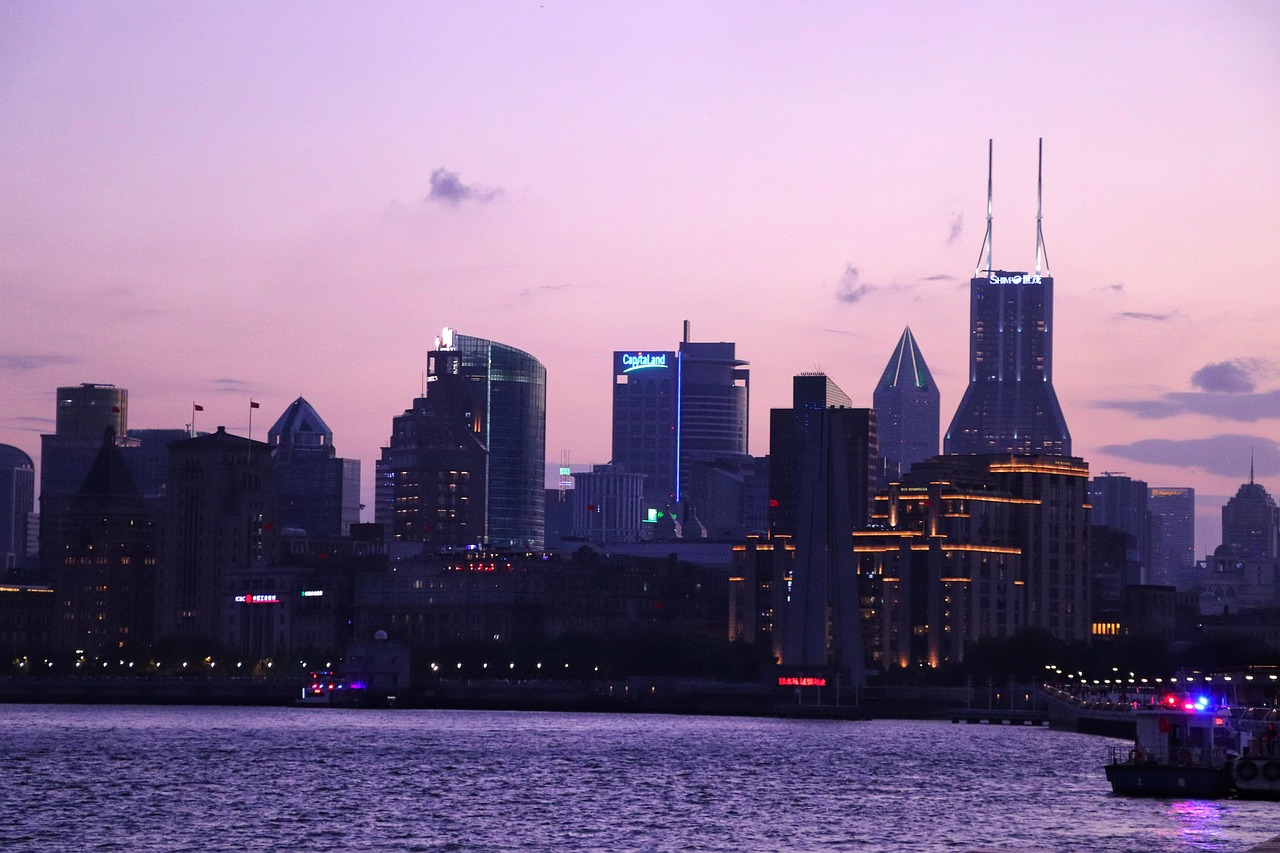
Why Visit Shanghai in 2026
Shanghai is the city where I always end up staying “just a few more days.” It’s a place that feels like the future and the past sandwiched into one street corner: a neon skyline across the river from 1920s art deco facades, a steaming bamboo basket of xiaolongbao next to a sleek third-wave coffee bar, a quiet temple tucked behind a shopping mall. If you’re planning 3 days in Shanghai, 4 days in Shanghai, or even 5 days in Shanghai, you’ll quickly understand why so many of us keep coming back.
As of 2026, Shanghai is fully back on the global travel map. The metro keeps expanding, new galleries and food halls open almost monthly, and the city is polishing up ahead of big events like the continued expansion of the Shanghai International Film Festival and new international art and design fairs slated for 2026–2027. Yet, between the skyscrapers, there are still lilong alleyways where neighbors chat over hanging laundry and cats nap on scooters.
This travel guide for Shanghai is written from the perspective of someone who’s lived here and also “played tourist” many times—testing out different 3 day itinerary for Shanghai options with visiting friends, refining a relaxed 4 day itinerary for Shanghai for families, and packing a lot into a 5 day itinerary for Shanghai for first-timers who want both the must-see attractions and the quieter, local side of the city.
You’ll find:
- Detailed, story-style breakdowns of 20+ major attractions with history, significance, and my candid tips.
- Step-by-step itineraries for 3, 4, and 5 days in Shanghai, including what I actually did and what I’d do differently next time.
- Neighborhood deep-dives so you can choose where to stay and where to wander.
- Honest advice on local food in Shanghai, what to try, and where I bring my own friends.
- Practical travel tips for Shanghai: metro, SIM cards, saving money, etiquette, and seasonal advice.
Shanghai is perfect if you love:
- Architecture & cityscapes – the skyline, art deco, lane houses, and futuristic towers.
- Food – from 5 RMB street snacks to refined Shanghainese banquets.
- Culture & history – old concessions, museums, temples, and traditional arts.
- Nightlife – rooftop bars, speakeasies, jazz clubs, and warehouse parties.
- Family fun – Disneyland, river cruises, aquariums, and parks.
Table of Contents
- Why Visit Shanghai in 2026
- Shanghai at a Glance
- Top 20+ Must-See Attractions in Shanghai
- Suggested Itineraries (3, 4, and 5 Days in Shanghai)
- Best Neighborhoods & Districts to Explore
- Local Food in Shanghai & Where to Eat
- Nightlife, Entertainment & Cultural Experiences
- Day Trips & Nearby Getaways
- Cultural Etiquette & Local Customs in Shanghai
- Practical Travel Advice for Shanghai (2026–2027)
- Summary & Best Time to Visit Shanghai
Shanghai at a Glance
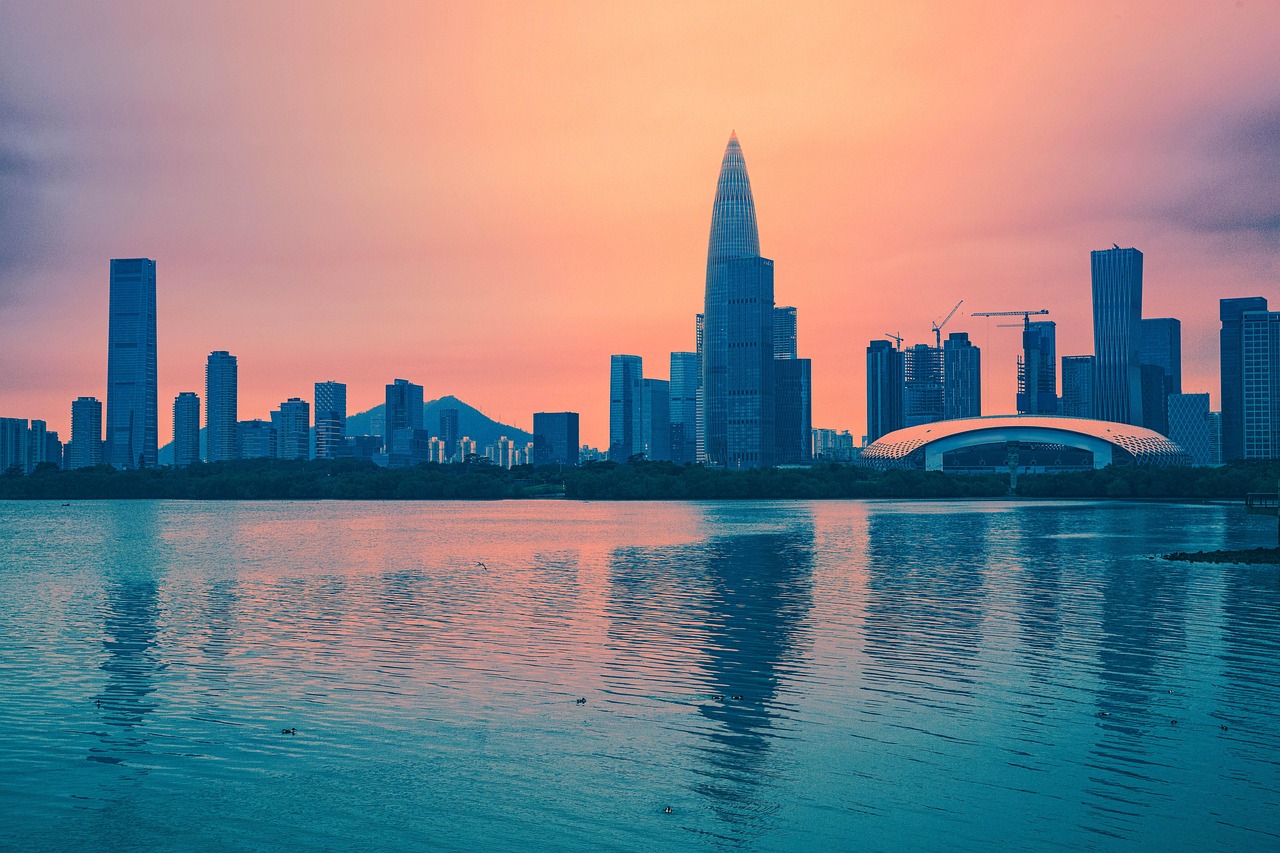
Shanghai is China’s largest city by population and its financial powerhouse. The Huangpu River slices the city into two broad halves: historic Puxi on the west and futuristic Pudong on the east. For most travelers, Puxi is where you’ll spend more time, but Pudong is where you’ll point your camera.
Key facts for 2026:
- Population: ~25 million in the metropolitan area.
- Language: Mandarin (Putonghua) is official; Shanghainese is widely spoken locally. English is common in hotels and tourist areas, less so in small shops.
- Currency: Chinese Yuan (RMB/CNY).
- Electricity: 220V, Type A/C/I plugs—many hotels have multi-standard sockets.
- Transport: Massive metro network, didi ride-hailing, high-speed rail links across China.
- Airports: Pudong (PVG, main international) and Hongqiao (SHA, domestic & some regional international).
Top 20+ Must-See Attractions in Shanghai
These are the places I return to again and again—sometimes to see how they’ve changed, sometimes because a visiting friend insists, and occasionally just to remind myself why I fell in love with this city in the first place.
1. The Bund (Waitan)
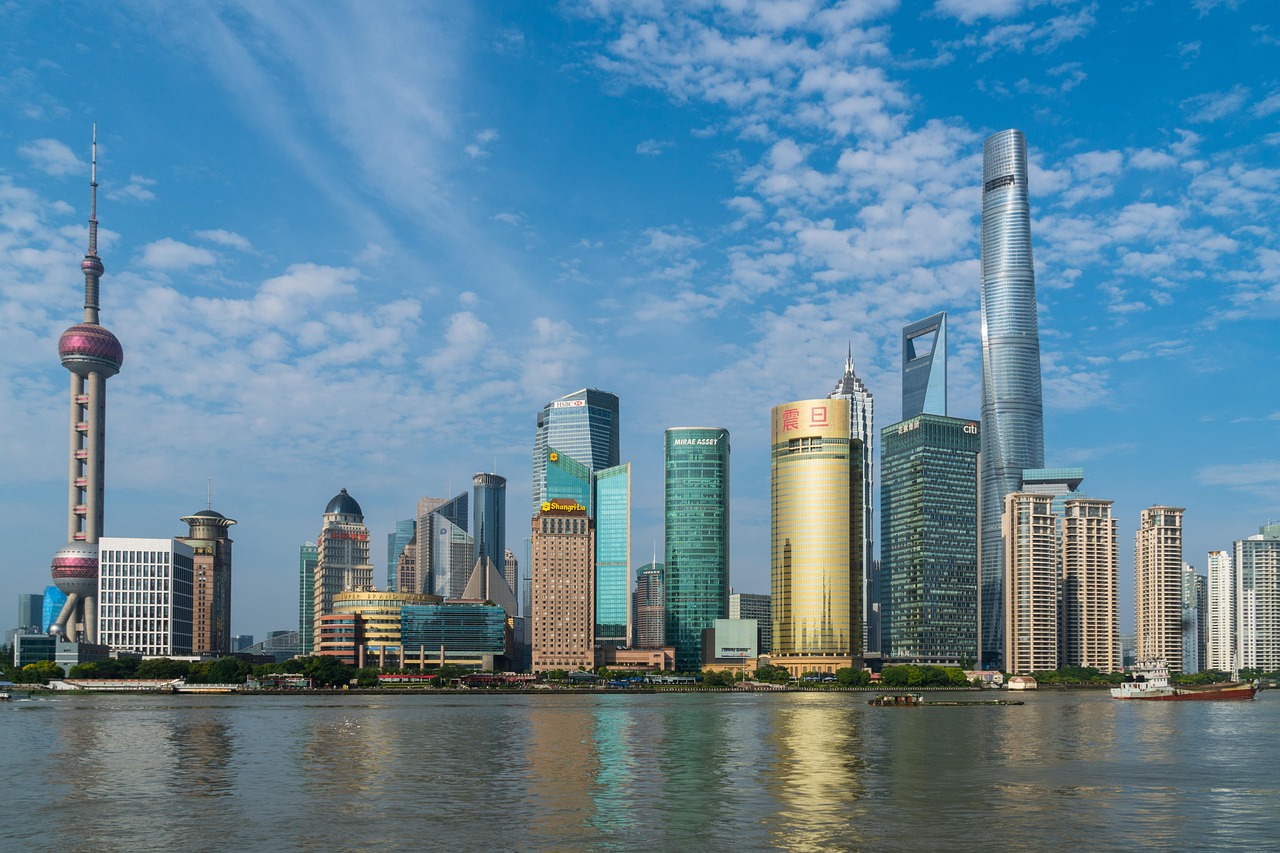
If you only have one clear evening during your 3 days in Shanghai, spend it on The Bund. This waterfront promenade along the Huangpu River is the city’s most iconic viewpoint, with the historic buildings of the former International Settlement at your back and the sci-fi skyline of Lujiazui glowing across the water.
I still remember my first night here: it was a humid spring evening, 2026 cherry blossoms just starting to appear in pockets of the city. We walked up from East Nanjing Road Station, and as we reached the river, the entire Pudong skyline lit up—Oriental Pearl Tower glowing pink, the Shanghai Tower’s spiraling LED strip slowly pulsing, boats drifting by with LED billboards. It felt like walking into a movie set.
History & significance
From the mid-19th to early 20th century, The Bund was the heart of foreign trade and banking in Shanghai, lined with grand neoclassical and art deco buildings housing British, American, French, Russian, and Japanese institutions. The skyline of these “big-nosed” (as they were once called) stone buildings—now banks, hotels, and government offices—earned it the nickname “Museum of International Architecture.”
What to do on The Bund
- Walk the promenade: Start near the Peace Hotel and wander south. I like to go an hour before sunset so I can see the skyline in daylight, then watch it transform.
- Climb a rooftop: For a romantic evening, head to a Bund-side rooftop bar. I’ve had consistently good evenings at rooftop spots around No. 3 on the Bund and other historic buildings—plan for a drink budget, but the view is worth it.
- Take a river cruise: The standard 45–60 minute cruises run all evening. I’ve taken both the budget and mid-range options; the mid-range boats are less crowded and nicer if you’re traveling with kids or on a date.
Food tips nearby
If you walk a street or two inland, prices drop quickly. I often duck into small noodle shops behind the iconic buildings—look for places with no English signboards but full of office workers. A bowl of beef noodles or scallion oil noodles (cong you ban mian) can still be found for under 30 RMB.
How to get there
- Metro: Line 2 or 10 to East Nanjing Road, then a 10–15 minute walk toward the river.
- Best time: Evening after 6:30 pm; avoid Golden Week holidays when it can be shoulder-to-shoulder.
Personal tip
For photos, I usually walk a bit south, away from the heaviest crowds, and stand on the slightly elevated platforms. If it’s foggy or drizzling (common in spring), don’t be disappointed—some of my favorite moody skyline shots are on misty nights.
2. Lujiazui Financial District & Skyscrapers
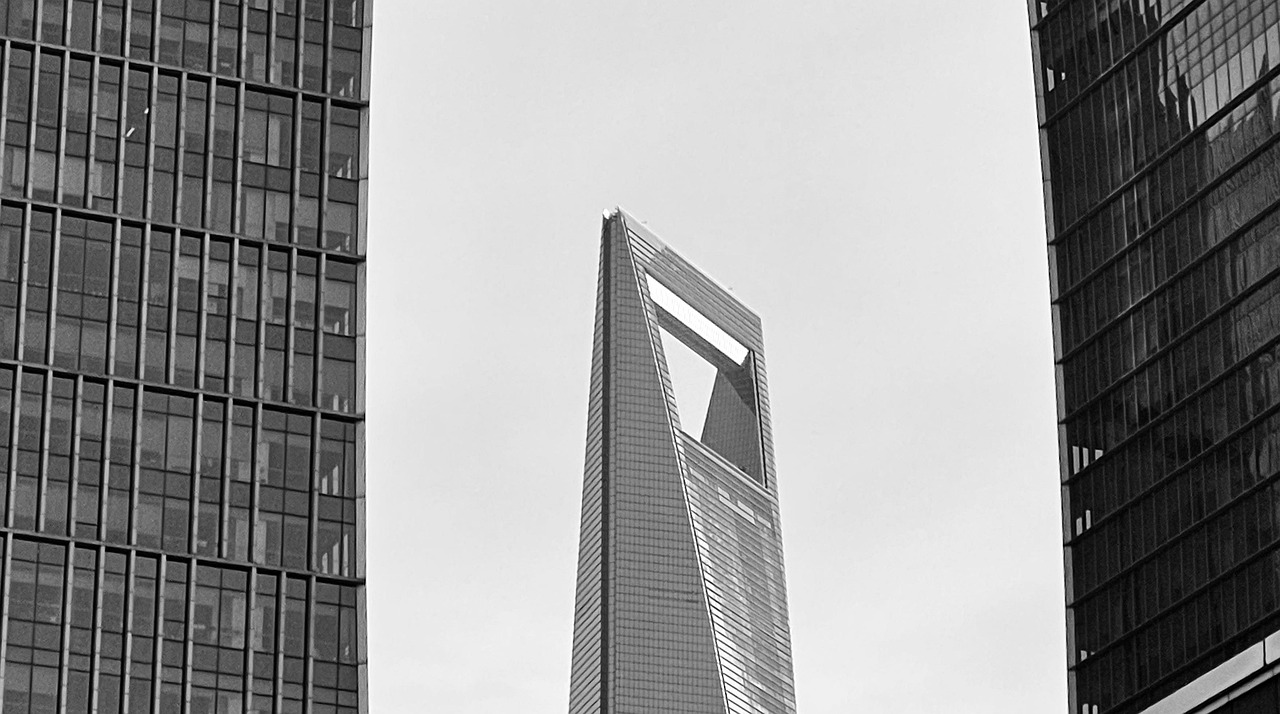
Across the river from The Bund lies Lujiazui, the cluster of skyscrapers that makes Shanghai’s skyline instantly recognizable. Standing here, surrounded by glass and steel, it’s hard to imagine that this area was farmland and warehouses a few decades ago.
What to see
- Shanghai Tower: China’s tallest building and the world’s second-tallest. The observation deck is the highest viewpoint in Shanghai—and my favorite for a clear-day visit.
- Shanghai World Financial Center (SWFC): The “bottle opener.” Its skywalk with glass floors is a hit with kids and thrill-seekers.
- Jin Mao Tower: A beautiful pagoda-inspired design; the Grand Hyatt atrium inside is worth peeking at.
- Oriental Pearl Tower: The purple spheres are retro-futuristic; the lower observation deck and small museum are more family-oriented.
On one crisp winter day in 2025, I timed my visit to catch both daytime and sunset views. I went up to the Shanghai Tower around 4 pm, watched the city slowly light up, and then came back down to wander the elevated walkways connecting the malls and towers—it felt like a city in the sky.
Choosing an observation deck
- For first-time visitors: Shanghai Tower—highest, fastest elevators, best 360º views.
- For families: Oriental Pearl Tower—more entertainment, glass-floor areas that kids love.
- For photographers: SWFC—great angle on the Bund and other towers; less glare at sunset.
How to get there
- Metro: Line 2 to Lujiazui Station (right under the main cluster).
- Time needed: 2–4 hours depending on how many towers/malls you visit.
Tip for 2026
In 2026, expect more bundled tickets and timed-entry systems to control crowds, especially on weekends. Booking online via official apps (or with your hotel’s help) will save you a lot of queuing.
3. Yu Garden & Yuyuan Old Street
Whenever friends visit during their 3 day itinerary for Shanghai, I bring them to Yu Garden early in the morning. Before the tour groups arrive, the classical Chinese garden feels almost meditative: koi swirling under zigzag bridges, carved rockeries, and pavilions framing perfectly composed views.
History
Yu Garden dates back to the Ming Dynasty (1559), built as a private garden for a high-ranking official to please his parents—hence the name “Yu” (meaning “peace” or “pleasure”). Over centuries, it’s been damaged, restored, and expanded; now it’s one of the best-preserved classical gardens in eastern China.
What I usually do here
- Arrive right at opening time, around 8:30–9:00 am, to walk the garden paths while it’s still quiet.
- Pause at the dragon wall and the Exquisite Jade Rock (a famous porous rock supposedly from Suzhou).
- After about 60–90 minutes in the garden, step out into the Yuyuan Bazaar area.
The bazaar outside is touristy, yes, but it’s also fun—especially if you’re traveling with family or you’re looking for souvenirs. I usually grab a quick snack here: a paper cup of tanghulu (candied hawthorn skewers) or a fresh scallion pancake.
Food around Yu Garden
There are chains and tourist-focused eateries, but if you duck into the side alleys away from the main square, you can find more local options. Once, on a drizzly afternoon, I found a tiny shop selling shengjian bao (pan-fried soup dumplings) with a line of office workers outside. I joined them and ended up with some of the crispiest-bottomed dumplings I’ve had in the city—for half the price of the famous spots.
How to get there
- Metro: Line 10 to Yuyuan Garden Station.
- Time needed: 2–3 hours (garden plus bazaar and snacks).
Tip
Bring cash or mobile payment and small change for snacks. On busy days, ticket lines can be long; check if your hotel can help you purchase e-tickets in advance.
4. Nanjing Road (East & West)
Nanjing Road is Shanghai’s most famous shopping street, stretching from The Bund through People’s Square and beyond. I treat it as a convenient artery rather than a destination by itself, but for first-timers, the neon and crowds can be exhilarating.
Two main sections
- East Nanjing Road: Pedestrianized, with big-name stores, malls, and flashing billboards. Great for a city-walk between The Bund and People’s Square.
- West Nanjing Road: More upscale, with luxury malls and boutiques, and easier access to Jing’an Temple area.
One evening, I walked East Nanjing Road with a friend visiting from Europe. We grabbed bubble tea, got swept along by the crowd, and ended up at a tiny backstreet bar playing 90s Mandopop. It wasn’t “authentic old Shanghai,” but it was very real today’s Shanghai.
Tips
- Watch out for overly friendly strangers inviting you to “tea ceremonies” or “art exhibitions”—they’re usually scams.
- If you’re sensitive to crowds, come earlier in the day; nights can be intense.
5. People’s Square & Shanghai Museum
People’s Square is Shanghai’s civic heart, ringed with museums and government buildings, with a surprisingly large amount of green space. I often find myself here on days when I want culture with a side of air-conditioning.
Shanghai Museum
The Shanghai Museum is one of China’s best collections of ancient art and artifacts—bronzes, ceramics, calligraphy, and more. It’s also free (with ID) and blissfully cool in summer.
I like to pick a single theme per visit: one afternoon it’s bronzes, another it’s minority costumes. That way, I don’t get overwhelmed. The English explanations are solid, and audio guides are available.
People’s Park Marriage Market
On weekends, the marriage market pops up in People’s Park. Parents post handwritten ads for their unmarried children: height, education, job, sometimes even blood type. As a visitor, observe respectfully—don’t take intrusive photos—but it’s a fascinating glimpse into social expectations.
How to get there
- Metro: Lines 1/2/8 to People’s Square.
- Time needed: 2–4 hours including the museum.
6. Tianzifang
Tianzifang is a maze of narrow alleyways in the former French Concession, now converted into boutiques, galleries, cafes, and tiny bars. Yes, it can be touristy, but I still like coming here on lazy afternoons.
My favorite Tianzifang ritual is simple: wander, get a coffee in a second-floor cafe overlooking the alleys, then poke into a few studios selling prints or handmade ceramics. Over the years, I’ve built up a small collection of Shanghai-themed art from here.
What to expect
- Small, often independent shops (though more chains have appeared in 2024–2026).
- Good for souvenirs that are a step above fridge magnets.
- Bars and eateries—many with Western menus if you need a break from Chinese food.
How to get there
- Metro: Line 9 to Dapuqiao Station, Exit 1.
- Time needed: 2–3 hours wandering.
Tip
Come on weekday late afternoons for fewer crowds. Evenings can be cozy with lights on, but weekends are packed.
7. Xintiandi
Xintiandi is a polished, upscale entertainment district built around restored shikumen (stone-gate lane houses). It’s a good example of how Shanghai packages its heritage—some locals roll their eyes at the prices, but for visitors, it’s an easy, atmospheric introduction to shikumen architecture.
I often end up here for dinners with visiting friends who want something “nice but not too adventurous.” There are plenty of international restaurants, along with some refined Shanghainese spots.
Highlights
- Evening strolls with lantern-lit lanes and outdoor seating.
- Nearby Site of the First National Congress of the Chinese Communist Party, for history buffs.
- Cafes and bars that are easy to navigate if you don’t speak Chinese.
How to get there
- Metro: Lines 10/13 to Xintiandi Station.
8. Former French Concession (FFC)
If you only have one neighborhood to truly wander, make it the Former French Concession. This area of leafy streets, lane houses, and low-rise art deco apartments is where I most often “lose” entire afternoons.
On one perfect autumn day in 2025, I rented a shared bike and pedaled slowly along Wukang Road and Ferguson Lane, stopping for coffee, browsing a second-hand bookstore, and watching elderly locals play cards in a pocket park. That, to me, is peak Shanghai.
What makes it special
- Shady plane trees arching over streets—especially beautiful in late spring and early autumn.
- Mix of historic villas, art deco buildings, and modern boutiques.
- Cafes, bakeries, small bars, and galleries tucked into side streets.
Streets to explore
- Wukang Road
- Fumin Road
- Anfu Road
- Ferguson Lane and surroundings
Tip
Accept that you’ll get a bit lost—that’s part of the charm. Use the metro to get into the area (e.g., Changshu Road Station), then rely on your feet.
9. Jing’an Temple
Jing’an Temple is an island of gold-roofed calm surrounded by office towers and malls. The contrast never gets old: incense smoke drifting upward while LED billboards flash across the street.
I like coming here on weekday mornings when the crowds are thinner. Once, during a light rain, the wet courtyards reflected the golden structures and it felt almost surreal—even with city noise humming in the background.
What to see
- Main hall with large Buddha statues and offerings.
- Central courtyard where worshippers light incense.
- Details on eaves and carvings—look up as you walk.
How to get there
- Metro: Lines 2/7 to Jing’an Temple.
- Time needed: 1–1.5 hours.
Tip
Dress modestly (shoulders covered, no super-short shorts) and be quiet and respectful. Photography is usually allowed in courtyards but not always inside halls—look for signs.
10. Jade Buddha Temple
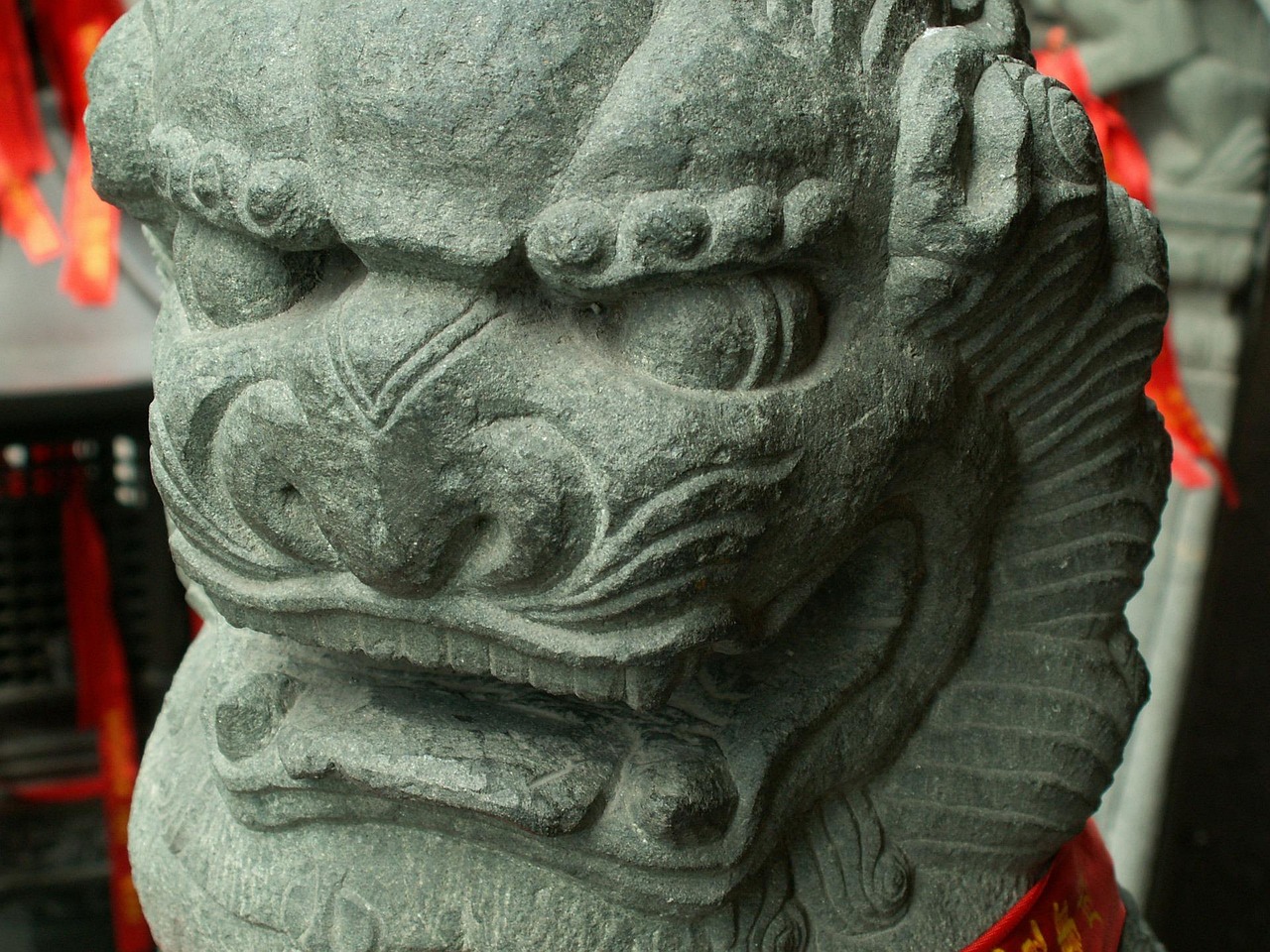
Jade Buddha Temple is a working monastery and one of the city’s most important Buddhist sites. Compared to Jing’an, it feels more spiritual, less commercial.
On my last visit here, I watched a line of worshippers quietly circle the hall, each pausing before the jade Buddha. Outside, in the courtyard, a group of elderly women chatted and laughed under the eaves. It felt very lived-in, not just staged for tourists.
Highlights
- Two jade Buddha statues brought from Burma in the late 19th century.
- Peaceful courtyards and incense burners.
- Vegetarian restaurant on-site—simple, hearty, and affordable.
How to get there
- Metro: Line 13 to Jiangning Road, then walk.
Tip
Combine this with a wander through nearby residential streets to get a feel for everyday Shanghai life.
11. Shanghai Tower (Detailed Focus)
Although we already mentioned it with Lujiazui, the Shanghai Tower deserves its own spotlight. The spiraling glass structure is visible from all over the city, and going up to the observation deck is one of those “must-see attractions in Shanghai” that I still enjoy.
On a clear winter day in early 2026, I booked a late afternoon slot, arrived with a friend, and we rode the elevator up—ears popping slightly as the floor counter blurred past. From the top, the Huangpu River looked like a silver ribbon, and tiny boats left white wakes behind them. Watching the city’s lights flicker on from this vantage point never gets old.
Practicalities
- Tickets: Book online for timed entry; prices vary by time slot and day.
- Best time: About an hour before sunset, on a clear day.
- Family-friendly: Yes, but younger kids may get bored after 30–40 minutes.
Photo tips
- Bring a lens cloth; the windows can get smudged.
- Walk all the way around to find the angles with least reflections.
12. Shanghai Disneyland
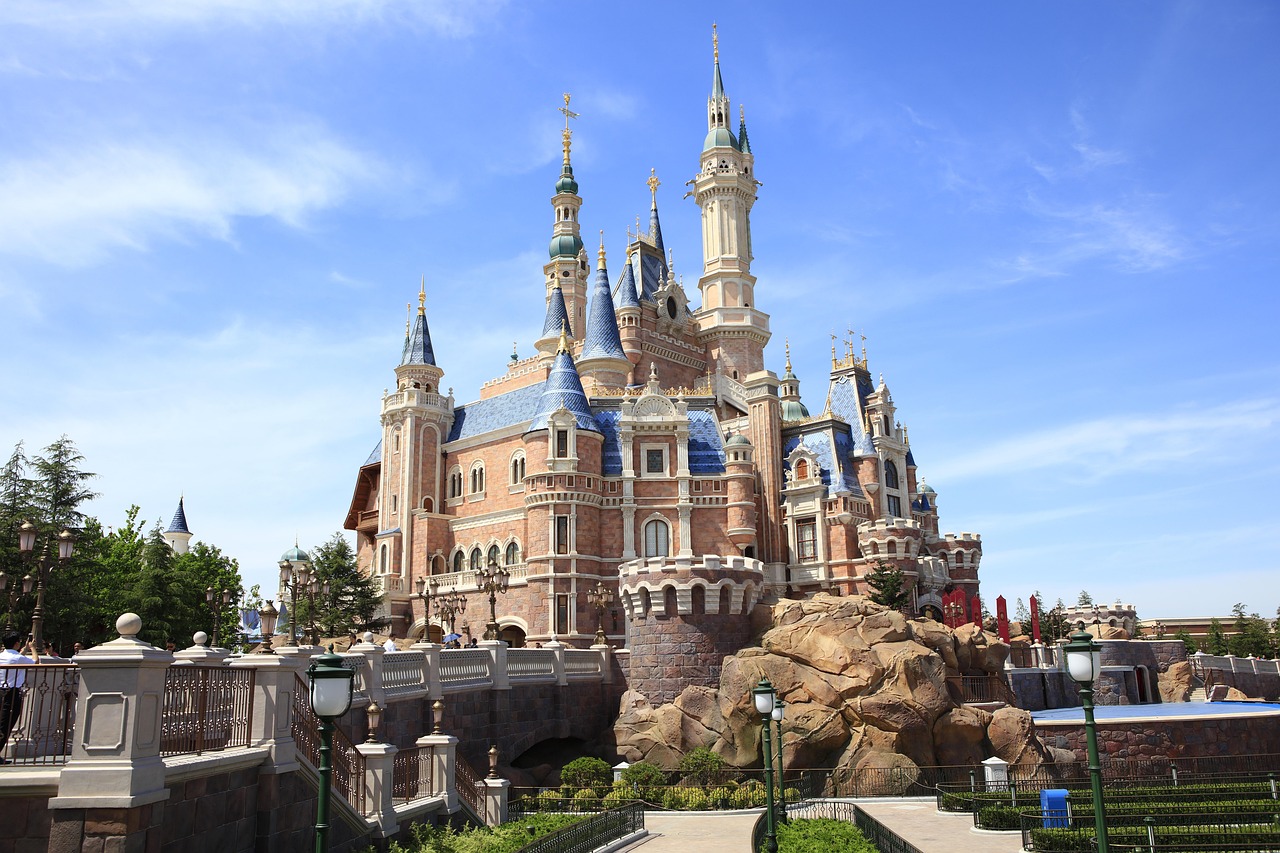
For families spending 4 days in Shanghai or more, Shanghai Disneyland is usually non-negotiable. Even as an adult, I’ve had fun here—especially on weekday visits when lines are shorter.
One midweek in 2024, I went with friends and we strategized like pros: arriving at opening, hustling to TRON first, then using the app for timed entries. By early afternoon we’d hit all the big rides and spent the rest of the day strolling, snacking on themed treats, and watching the evening parade.
Highlights
- TRON Lightcycle Power Run – unique to Shanghai, very popular.
- Pirates of the Caribbean: Battle for the Sunken Treasure – stunning effects.
- Enchanted Storybook Castle – the largest Disney castle.
Tips
- Avoid weekends and Chinese public holidays if possible.
- Use the official app for wait times and mobile ordering.
- Plan for a full day; it’s a trek from central Shanghai.
How to get there
- Metro: Line 11 to Disneyland Resort Station.
- Time: 60–90 minutes from central Shanghai.
13. Zhujiajiao Water Town
When you’re ready for a break from skyscrapers, Zhujiajiao is my favorite nearby water town. Canals, stone bridges, and whitewashed houses—it’s often called the “Venice of Shanghai,” though it’s quieter if you time it right.
On one overcast day, I arrived early, before the tour buses. I wandered along the canals, sipping hot soy milk, watching shop owners sweep their thresholds. By 11 am, the main streets were busy, but by then I’d already had my peaceful morning.
What to do
- Walk across the Fangsheng Bridge and along canal-side paths.
- Take a short boat ride (bargain politely for prices).
- Try local snacks—smoked fish, zongzi, and roasted seeds.
How to get there
- By metro + bus: Take Line 17 toward Zhujiajiao and then walk or take a local shuttle.
- Time: About 1–1.5 hours each way.
14. Shanghai Propaganda Poster Art Centre
This small museum is one of my favorite hidden gems in Shanghai. Tucked into the basement of a residential building (the location has moved before; ask your hotel or check maps for the latest), it houses a fascinating collection of political posters from the 1940s–1980s.
On my first visit, I spent nearly two hours slowly walking from wall to wall. The idealized workers, glowing fields, and heroic images of Mao are visually arresting—and the English captions add helpful context. It’s a compact but powerful look at 20th-century China.
Practicalities
- Small entry fee; some posters available as reproductions in the gift shop.
- No photos allowed in some sections—respect the rules.
- Easy to combine with a wander in the Former French Concession.
15. Longhua Temple & Pagoda
Longhua Temple is one of Shanghai’s oldest and largest temples, with a serene atmosphere and a striking multi-tiered pagoda. It’s less central than Jing’an or Jade Buddha, so it’s often quieter.
I visited on a chilly morning, when the air carried the smell of incense and winter trees were bare against a pale sky. Monks moved quietly through the courtyards, and the bells occasionally chimed. It felt far removed from the city, even though we’d arrived by metro.
What to see
- Main halls with impressive statues.
- The exterior of the ancient pagoda (interior usually closed to the public).
- Adjacent memorial and park area.
How to get there
- Metro: Line 11 or 12 to Longhua.
16. Shanghai Urban Planning Exhibition Center
Near People’s Square, this exhibition center is where Shanghai shows off its past, present, and future urban design. The star is a massive scale model of the city, lit up to highlight different districts.
Every time I bring visitors here, they’re stunned by the model—especially when they spot their hotel or the places they’ve already seen. It’s a neat way to understand the city’s layout, especially if you’re only spending 3 days in Shanghai and want a big-picture view.
17. Shanghai Science & Technology Museum
For families, the Shanghai Science & Technology Museum is a hit: interactive exhibits, IMAX theaters, and plenty of hands-on displays for kids. It’s also a good rainy-day option.
Last time I visited with a friend’s children, we spent hours in the robotics area and the space exploration section. Compared to some Western museums, English labeling can be patchy, but the visuals and interactivity make up for it.
18. Oriental Pearl Tower
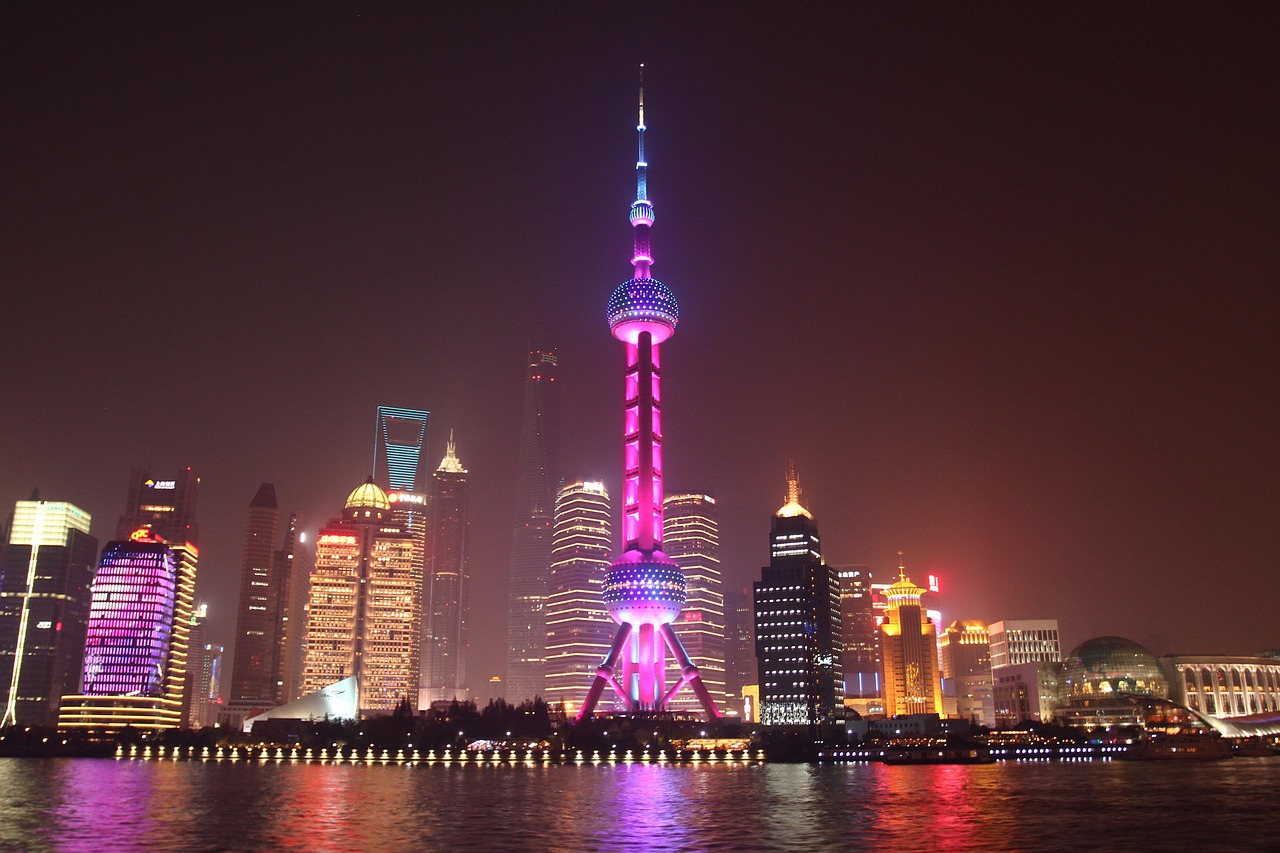
The Oriental Pearl Tower is Shanghai’s original skyline superstar. Its pink-purple spheres are instantly recognizable, and inside you’ll find observation decks, a glass-floor section, and a small history museum.
When I went up with a family visiting from Australia, the kids adored the glass-floor area—though one of the adults refused to step on it. The lower museum, with recreations of old Shanghai streets, was surprisingly fun and a bit kitschy.
19. Shanghai Ocean Aquarium
Near the Oriental Pearl Tower, the Shanghai Ocean Aquarium is another solid family activity. The long underwater tunnels, where sharks and rays glide overhead, are the highlight.
If you’re planning 4 days in Shanghai with kids, this pairs well with a half-day in Lujiazui—towers, aquarium, then an early dinner with a view.
20. Qibao Ancient Town
Qibao is a smaller, closer-to-town water town within Shanghai’s metro area. It’s busier and more commercial than Zhujiajiao, but very convenient if you’re short on time.
I once came here on a random Tuesday afternoon, grazing my way down the snack street—stinky tofu, grilled skewers, sweet rice cakes—before walking along the canal. It’s hectic but fun, and you’ll definitely find something new to nibble.
How to get there
- Metro: Line 9 to Qibao Station, then walk.
21. West Bund & Art Museums
West Bund is one of my favorite areas for a slower, more creative side of the city. Along the Huangpu’s west bank, old industrial warehouses have been converted into museums and galleries.
On a sunny autumn Sunday, I biked down the riverside path, stopping at the West Bund Art Museum and the Long Museum. Families picnicked on the grass, kids flew kites, and couples took wedding photos with the river as backdrop.
Highlights
- West Bund Art Museum – major rotating exhibitions.
- Long Museum (West Bund) – contemporary Chinese art, striking concrete architecture.
- Riverside walk/cycle path – great for sunsets.
22. M50 Art District
M50 is an art zone set in former factories along Suzhou Creek, with galleries, studios, and graffiti-covered walls. It’s a classic creative hub that’s managed to stay interesting despite the city’s rapid development.
I like to come here on gray days—it suits the industrial aesthetic. I’ll browse a few galleries, maybe buy a print or postcard, then grab coffee in one of the converted warehouses. It’s very photogenic, especially if you like urban textures.
Suggested Itineraries: 3, 4, and 5 Days in Shanghai
Below are flexible day-by-day plans based on how I usually show friends around. Use them as a base and adjust depending on your interests and pace.
3 Days in Shanghai: Classic Highlights
This 3 day itinerary for Shanghai hits the essential “first trip” sights: The Bund, Lujiazui, Yu Garden, French Concession, and a temple or two. It’s full but not insane—you’ll have time to sit for coffee or a cocktail.
Day 1: The Bund, People’s Square & Nanjing Road
Start by orienting yourself along the Huangpu, then work inward to People’s Square and Nanjing Road.
- Morning: Arrive at The Bund around 9 am. Walk the promenade, take in the skyline, and maybe pop into a Bund-side cafe for coffee with a view. If you’re jet-lagged, the river breeze helps wake you up.
- Late morning: Walk or metro to People’s Square. Visit the Shanghai Museum (book ahead if required). Focus on one or two sections rather than trying to see it all.
- Lunch: Grab noodles or dumplings in one of the many casual spots near People’s Square. I often duck into small mall food courts here; they’re cheap, varied, and easy even if you don’t speak Chinese.
- Afternoon: Stroll along East Nanjing Road toward The Bund again. Window-shop, people-watch, and sample a street snack or two.
- Evening: Back at The Bund for night views. Consider an early evening river cruise or a drink at a rooftop bar. If your budget allows only one splurge, I’d spend it here.
By the end of Day 1, you’ve checked off several must-see attractions in Shanghai and gotten a sense of the city’s scale.
Day 2: Yu Garden, Old Town & Lujiazui
- Morning: Arrive early at Yu Garden to beat the crowds. Spend 60–90 minutes inside, then explore the bazaar area and backstreets.
- Lunch: Try a famous xiaolongbao shop nearby or, if it’s too busy, a smaller dumpling place a few blocks away.
- Afternoon: Take the metro or a short taxi to Lujiazui. Visit one observation deck—Shanghai Tower if it’s clear, or SWFC for the skywalk.
- Late afternoon: Walk the elevated pedestrian platforms, maybe pop into IFC Mall or Super Brand Mall for coffee or snacks.
- Evening: Dine in a restaurant with skyline views or head back across the river for a more local meal.
Day 3: Former French Concession & Temples
- Morning: Start at Jing’an Temple. After exploring, walk south into the Former French Concession: tree-lined streets, cafes, boutiques.
- Lunch: Choose a cafe or casual bistro on Anfu Road or Wukang Road. I often end up lingering over coffee and dessert here.
- Afternoon: Wander more of the FFC, then visit Tianzifang or Xintiandi for a blend of heritage buildings and modern shops.
- Evening: Finish with a nice dinner in Xintiandi (good for romantic evenings) or a laid-back bar in the FFC. If you’re into jazz, this is a good night to seek out a live music venue.
4 Days in Shanghai: Add Art & Water Towns
With 4 days in Shanghai, you can follow the 3-day plan above and add a slower day of art and riverside walks, or a half-day water town trip.
Day 4 Option A: West Bund & M50 (Art & Architecture)
- Morning: Head to M50 Art District. Wander galleries and studios, take photos of street art, and grab coffee in a converted warehouse.
- Lunch: Eat near M50 or pick up something light and head to West Bund.
- Afternoon: Metro or taxi to West Bund. Visit the Long Museum or West Bund Art Museum depending on exhibitions.
- Late afternoon: Walk or bike along the riverside path; it’s often filled with families, dog walkers, and kite flyers.
- Evening: Simple dinner nearby or back in the FFC. West Bund sunsets over the river are lovely on clear days.
Day 4 Option B: Zhujiajiao (Water Town Escape)
- Morning: Leave Shanghai around 8–9 am. Take metro + bus or a pre-booked tour to Zhujiajiao. Wander the old streets before they fill up.
- Lunch: Try canal-side restaurants or snack your way through local specialties.
- Afternoon: Short boat ride, visit small temples or museums, then head back to Shanghai by late afternoon.
- Evening: Low-key dinner near your hotel—you’ll probably be tired from the walking.
5 Days in Shanghai: Deep Dive & Flex Time
A 5 day itinerary for Shanghai lets you slow down, revisit favorite spots, or chase more hidden gems in Shanghai. I often recommend:
- Days 1–3: Follow the 3-day highlights plan.
- Day 4: Zhujiajiao or Qibao water town.
- Day 5: Flex day—pick from:
- Shanghai Disneyland (full day, especially with kids).
- More museums (Science & Tech, Urban Planning, Propaganda Poster Centre).
- Neighborhood deep dives—more of the FFC, local markets, or West Bund.
On my longest recent trip “as a tourist,” I used Day 5 to revisit my favorite coffee shop in the French Concession, hunt down a specific bowl of wonton soup I’d been dreaming about, and sit by the river at West Bund doing nothing in particular. That “do nothing” day was one of the best.
Interesting Neighborhoods & Districts in Shanghai
The Bund & Lujiazui
Vibe: Iconic, polished, business-meets-tourism.
Stay here if skyline views and convenience to must-see attractions are your priorities. Hotels tend to be pricier, but you’ll be steps from river walks and major sights.
Former French Concession
Vibe: Leafy, layered, quietly trendy.
This is my top recommendation for where to stay if you want walkable streets, cafes, and a gentler introduction to the city. Great for couples and longer stays.
Jing’an
Vibe: Central, busy, expat-friendly.
Lots of mid- to high-range hotels, nightlife, and eateries. Good base for both sightseeing and business.
Xuhui & West Bund
Vibe: Residential, creative, riverside.
Great if you’ve been to Shanghai before or you’re staying longer. You’ll get more of a “local life” feel, plus easy access to art spaces.
Pudong (Beyond Lujiazui)
Vibe: Modern, spacious, family-friendly.
If you’re focused on Disneyland or the Science & Tech Museum, or you prefer big modern hotel complexes, Pudong works well. The trade-off is longer rides to Puxi’s older neighborhoods.
Local Food in Shanghai: What to Eat & Where
If there’s one thing I never get tired of in Shanghai, it’s eating. From 5 RMB street buns to multi-course Shanghainese feasts, the city has more good food than you can possibly sample in one trip.
Must-Try Shanghai Dishes
- Xiaolongbao: Soup dumplings—delicate skins, rich broth, pork or crab filling.
- Shengjian bao: Pan-fried buns with soupy interior and crispy bottoms.
- Hongshao rou: Red-braised pork belly, sticky and sweet-savory.
- Cong you ban mian: Scallion oil noodles—simple but addictive.
- Drunken chicken, smoked fish, and cold appetizers common in Shanghainese cuisine.
Where I Actually Eat
I avoid listing specific restaurant names that change often, but here’s how I find good food:
- Follow the lines: If locals are queuing at a dumpling or noodle shop, it’s usually worth your time.
- Mall food courts: Surprisingly great options at reasonable prices, with photos on menus.
- Wet markets & snack streets: Places like Qibao or certain FFC corners have clusters of snack stalls.
Saving Money on Food
- Eat your main meal at lunch rather than dinner—many places have cheaper lunch sets.
- Try local chains for dumplings and noodles; they’re often excellent value.
- Street breakfast (soy milk, youtiao fried dough, jianbing crepes) is tasty and very affordable.
Drinks
- Tea: Jasmine, green, and local blends—look for teahouses in the FFC.
- Coffee: Third-wave shops are everywhere, especially around Jing’an and the FFC.
- Alcohol: Craft beer bars, cocktail lounges, and wine bars abound; prices vary widely.
Nightlife, Entertainment & Cultural Experiences in Shanghai
Nightlife
Shanghai’s nightlife evolves constantly, but a few patterns hold:
- Rooftop bars on The Bund: Best for views and romantic evenings; dress codes may apply.
- French Concession bars: More relaxed, speakeasy-style cocktail spots and wine bars.
- Live music & jazz: Jazz clubs and small venues host both local and international acts.
- Clubs: Larger venues cater to dance and EDM crowds—ask locals or hotel staff for current hotspots.
Cultural Experiences
- Acrobatics shows: Family-friendly, impressive performances; book through reputable agencies.
- Chinese opera or traditional music: Smaller theaters sometimes host performances with subtitles or brief explanations.
- Calligraphy or dumpling-making classes: Fun, hands-on ways to bring something home besides souvenirs.
Major Events 2026–2027
Dates shift annually, but keep an eye out for:
- Shanghai International Film Festival (SIFF): Typically early summer, with screenings and events across the city.
- Shanghai Fashion Week: Usually spring and autumn, centered around Xintiandi and other venues.
- Art fairs & design festivals: West Bund and Pudong host major art and design events, especially in autumn.
- Chinese New Year (Spring Festival): Late Jan–Feb; fireworks rules change often, but expect closures and family-focused city life.
Day Trips & Nearby Attractions from Shanghai
Suzhou
Known for its classical gardens and canals, Suzhou is about 30 minutes away by high-speed train. If you have 5 days in Shanghai, a Suzhou day trip is an excellent addition.
Visit one or two gardens (like the Humble Administrator’s Garden), stroll Pingjiang Road, and sample Suzhou-style sweets and noodles.
Hangzhou
Hangzhou, with its West Lake scenery and tea fields, is another classic day or overnight trip. Trains from Shanghai take about an hour.
Other Water Towns (Tongli, Xitang, Wuzhen)
Further afield than Zhujiajiao and Qibao but richer in atmosphere, these water towns can be visited on organized tours or DIY with trains and buses. They’re especially lovely in shoulder seasons (spring and autumn).
Cultural Etiquette & Local Customs in Shanghai
Shanghai is cosmopolitan and used to visitors, but a bit of cultural awareness goes a long way.
Basic Etiquette
- Greetings: A simple nod or “ni hao” works. Handshakes are common in business settings.
- Volume: Locals often speak loudly in public, but you’ll be appreciated if you keep your voice moderate in temples and quiet cafes.
- Queuing: Lines are more respected than in the past, but at metro doors people can still surge. Stand your ground calmly.
Temples & Religious Sites
- Dress modestly: covered shoulders, avoid ultra-short shorts or skirts.
- Remove hats, don’t point directly at statues, and don’t touch religious objects.
- Ask before photographing people, especially those praying.
Dining Customs
- Shared dishes: Most meals are family-style. Use serving spoons if provided.
- Chopsticks: Don’t stick them upright in rice (it resembles funeral incense).
- Paying: It’s common for one person to treat, but among travelers splitting the bill is fine; just be clear when ordering.
Tipping
Tipping is not a strong custom in mainland China. Some upscale restaurants and hotels may add a service charge; otherwise, it’s optional. Rounding up small taxi fares is appreciated but not required.
Practical Travel Advice for Shanghai (2026–2027)
Visas & Entry
Visa policies change, so always check official Chinese consulate or embassy information before you travel. As of 2026, many travelers still need a visa obtained in advance, though certain nationalities and itineraries may qualify for transit-without-visa (e.g., 144-hour transit) when connecting through Shanghai airports. Confirm details based on your passport and onward travel.
SIM Cards & Connectivity
- Airport kiosks: Easiest place to get a tourist SIM upon arrival at PVG or SHA—bring your passport.
- eSIM: Increasingly common; pre-purchase from reputable providers before arrival.
- Wi-Fi: Widely available in hotels and cafes, but some public networks require SMS verification.
Getting Around
- Metro: Fast, cheap, extensive, and signed in English. Get a rechargeable transit card or use mobile payments if you can.
- Taxis: Reasonably priced; have your destination written in Chinese or saved on your phone.
- Ride-hailing: Didi and others operate, but apps may require Chinese payment methods; some now accept foreign cards—check in advance.
- Walking: Great in central districts, though distances can be larger than they look on the map.
Car Rental & Driving
Driving yourself in Shanghai is not recommended for visitors. Foreign driver’s licenses are not directly valid; you typically need a Chinese license, and traffic plus parking can be stressful. Stick to public transport and taxis/ride-hailing.
Money & Payments
- Cards: Major hotels and large restaurants accept international credit cards, but smaller shops may not.
- Cash: Still useful, though mobile payments dominate.
- Mobile payments: Alipay and WeChat Pay have improved foreign card support by 2026; setting one up before or upon arrival can be very convenient.
How to Save Money
- Use the metro instead of taxis for most trips.
- Eat where locals eat: mall food courts, neighborhood noodle shops, breakfast stalls.
- Choose one or two paid observation decks rather than going up every tower.
- Stay slightly away from The Bund—Jing’an or parts of the FFC offer better value.
Best Seasons & Weather
- Spring (March–May): Mild and often beautiful; occasional rain. Great for walking neighborhoods and gardens.
- Autumn (September–November): My favorite time—comfortable temperatures, clearer skies, ideal for skyline views and water towns.
- Summer (June–August): Hot, humid, occasional typhoons. Plan more indoor activities (museums, malls, cafes).
- Winter (December–February): Cold and damp but not extreme; fewer tourists, good for budget travelers.
Safety & Health
- Shanghai is generally safe; use normal big-city precautions.
- Tap water is not usually drunk directly; use bottled or boiled water.
- Carry tissues and hand sanitizer; some public restrooms lack supplies.
Hidden Tips from Experience
- Always carry your hotel address in Chinese on paper or your phone for taxis.
- Download an offline map before arrival; it helps in metro stations and older neighborhoods.
- Build “float time” into your days—Shanghai is best when you can linger in a cafe or sit by the river without rushing.
- Check local holidays—during Golden Week and Chinese New Year, attractions and trains can be extremely crowded or have altered hours.
Summary: Key Takeaways & Best Time to Visit Shanghai
Shanghai is a city that rewards both planners and wanderers. For first-timers, a structured 3 day itinerary for Shanghai—Bund, Yu Garden, Lujiazui, French Concession—will deliver the classic highlights. With 4 days in Shanghai, you can add art spaces or a half-day water town; with 5 days in Shanghai, you’ll start to feel the rhythms of local life.
My highest-level recommendations:
- Stay: In or near the Former French Concession or Jing’an for walkable, characterful neighborhoods.
- Must-see attractions in Shanghai: The Bund (day and night), at least one tower in Lujiazui, Yu Garden, a temple (Jing’an or Jade Buddha), and a wander through the FFC.
- Cultural experiences in Shanghai: A temple visit, a museum or two, a tea or coffee break in a restored lane house, perhaps an acrobatics or music performance.
- Local food in Shanghai: Don’t leave without xiaolongbao, shengjian bao, scallion oil noodles, and a few Shanghainese cold dishes.
- Hidden gems in Shanghai: M50, West Bund, Propaganda Poster Art Centre, and quieter backstreets behind the main shopping roads.
For weather and comfort, spring (March–May) and autumn (September–November) are the best seasons for visiting Shanghai. You’ll have the most pleasant conditions for walking the Bund, exploring neighborhoods, and taking day trips to water towns and nearby cities.
Whether you’re crafting a tight 3 days in Shanghai or a relaxed 5 day itinerary for Shanghai, this city will likely surprise you—in its food, its architecture, its pace, and its small, quiet corners. Leave space in your schedule for those surprises; they’re often what you remember most.