Why Visit Dubrovnik in 2026?
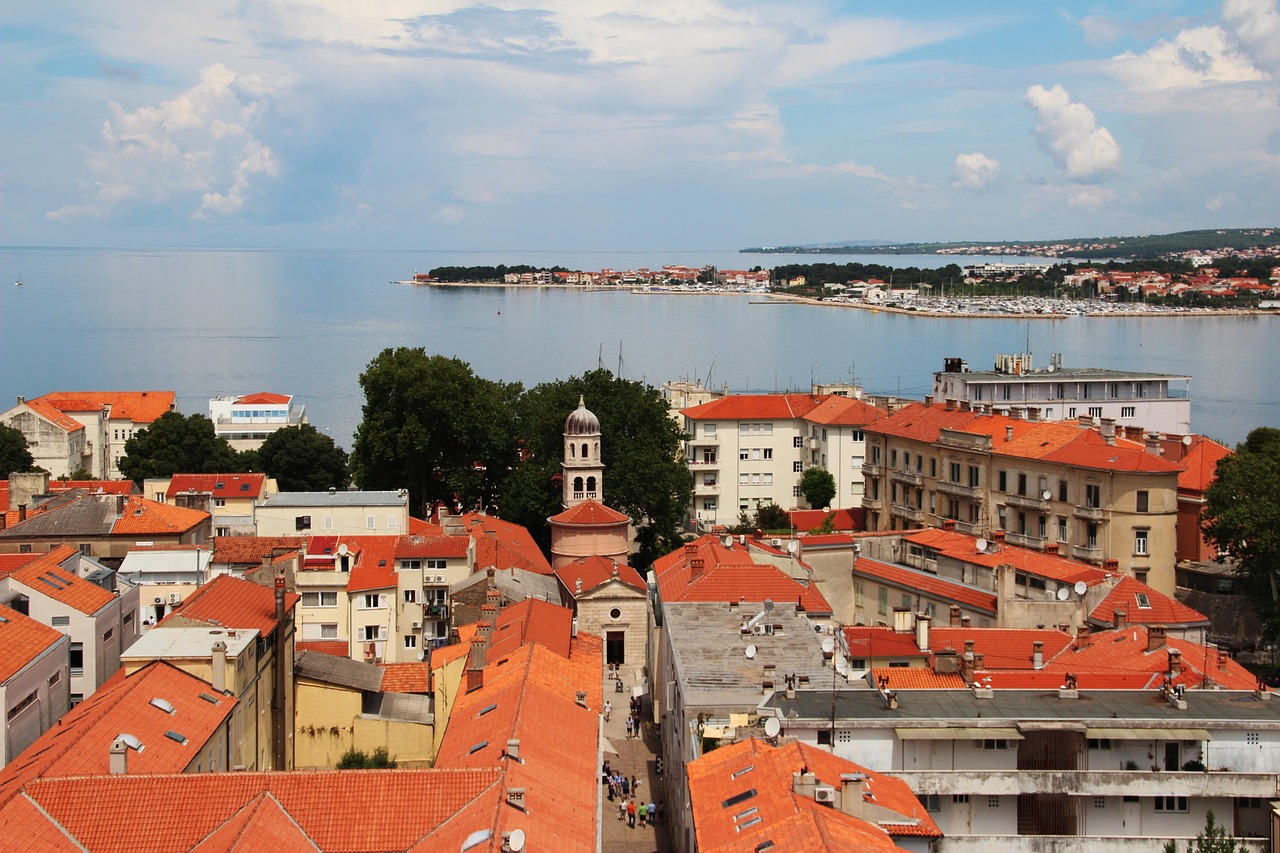
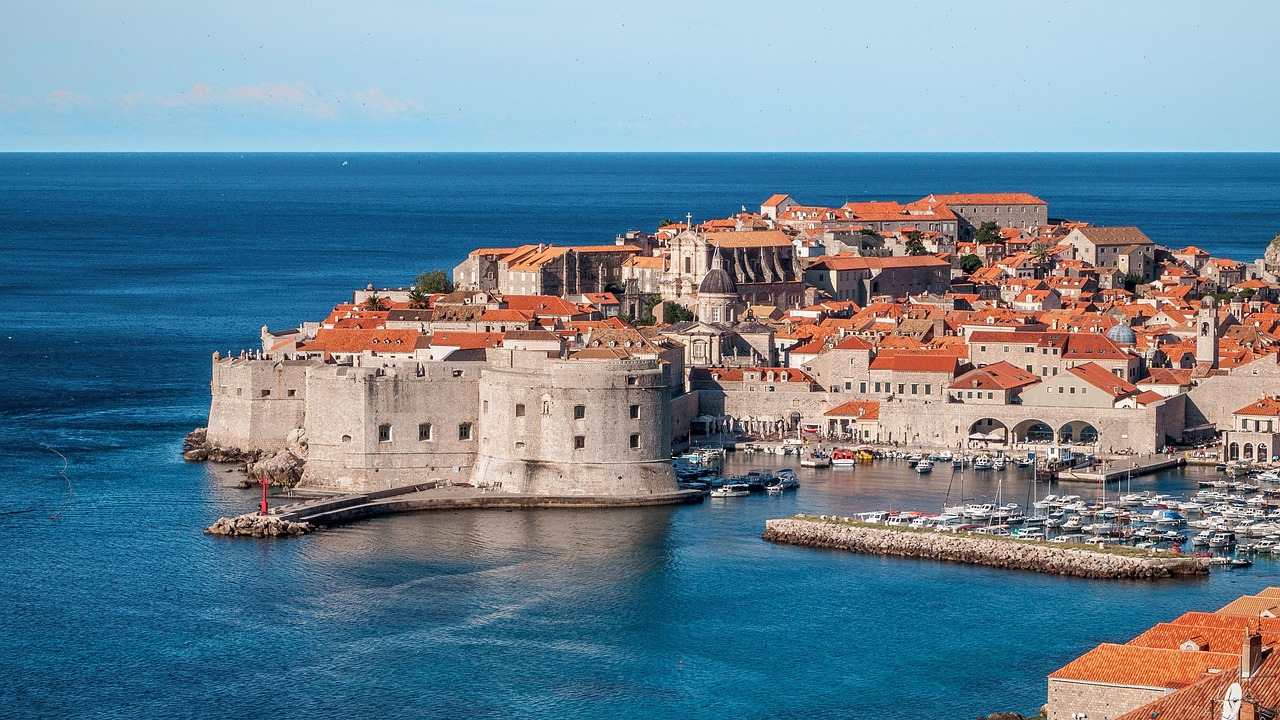
I still remember the first time I saw Dubrovnik’s Old Town walls from the airport bus back in 2013: a terracotta sea of rooftops dropping into impossibly blue water. Since then I’ve returned almost every year – spring, peak summer, even in December – and Dubrovnik somehow still surprises me.
In 2026, Dubrovnik is in a sweet spot. The city has learned from the pre‑2020 overtourism crunch: there are better crowd controls on the city walls, cruise ship arrivals are staggered, and more emphasis is placed on local culture rather than just “Game of Thrones” selfies. You still get the drama of those medieval walls and Adriatic views, but with a calmer rhythm, especially if you plan smart.
Why you should consider Dubrovnik for your next trip:
- Iconic beauty: A perfectly preserved walled city, marble streets, baroque churches, and sea vistas from every corner.
- Compact but rich: You can spend 3 days in Dubrovnik and see the highlights, or 5 days in Dubrovnik and add islands, vineyards, and villages.
- Cultural depth: Centuries of maritime history, Venetian and Ragusan influences, Orthodox and Catholic traditions, and post‑war resilience.
- Food & wine: Fresh seafood, octopus salad, black risotto, local Malvasija wines, and a café culture that encourages lingering.
- Easy to explore: Walkable Old Town, straightforward buses, ferries to islands, and day trips to Bosnia & Herzegovina and Montenegro.
This travel guide for Dubrovnik is written as if we’re sitting together at a café on the Stradun planning your trip. I’ll share what has worked for me over multiple visits: where to go at sunrise to avoid crowds, which hidden gems are worth climbing endless steps for, and how to build a 3‑, 4‑, or 5‑day itinerary for Dubrovnik that balances must‑see attractions with real local experiences.
Table of Contents
- Why Visit Dubrovnik in 2026?
- Quick Overview of Dubrovnik
- Recommended 3–5 Day Itineraries
- Top 20 Must‑See Attractions in Dubrovnik (With Personal Notes)
- Neighborhoods & Areas to Explore
- Local Food & Drink in Dubrovnik
- Nightlife, Entertainment & Cultural Experiences
- Best Day Trips from Dubrovnik
- What’s New: Events & Festivals 2026–2027
- Cultural Etiquette & Local Customs
- Practical Travel Tips for Dubrovnik
- Final Summary & Best Time to Visit Dubrovnik
Quick Overview of Dubrovnik
Dubrovnik lies on Croatia’s southern Dalmatian coast, a compact city wrapped in stone walls that once protected the powerful Republic of Ragusa. Today it’s one of Europe’s most photogenic cities and a classic stop on Adriatic cruises, but it’s also a living town where kids still play football in tiny squares and grandmothers gossip from stone balconies.
Most visitors stay around three to five days in Dubrovnik. This is enough to walk the city walls, swim in the Adriatic, hop to Lokrum Island, and dip into local food in Dubrovnik’s konobas (taverns). If you follow a smart 3 day itinerary for Dubrovnik or stretch to a 4 day or 5 day itinerary, you can avoid the busiest cruise hours and still see the must‑see attractions.
Recommended 3–5 Day Itineraries for Dubrovnik
Below I’ll outline a flexible plan that works as a 3 day itinerary for Dubrovnik and expands naturally into a 4 day itinerary or 5 day itinerary. I’ll weave in personal moments, timing tips, and how to dodge the worst crowds.
Day 1 – First Encounter with the Old Town & City Walls
On my very first morning in Dubrovnik, I woke up far too early thanks to jet lag and stepped into the Old Town just as workers were hosing down the marble streets. The Stradun – normally packed shoulder‑to‑shoulder – was almost empty. If you can, start your trip the same way.
Morning: Stradun & Getting Your Bearings
Start: Pile Gate (main entrance to the Old Town). Most buses from Lapad, Gruž, and Babin Kuk end here.
Walk slowly down the Stradun, the polished limestone spine of the city. Pop into side alleys, peek at tiny chapels, and notice how the morning light hits the stone. I like to grab my first coffee at Gradska Kavana Arsenal at the far end by the Old Port – slightly pricier, but that sweeping harbor view is my favorite “Welcome to Dubrovnik” moment.
- Family‑friendly: Kids love chasing pigeons on Luža Square and watching boats in the Old Port.
- Romantic: Sit outside with a cappuccino and people‑watch as the city slowly wakes up.
- Adventurous: Scout cliff bars (Buža) for a future cliff‑jumping session.
Late Morning: Walk the City Walls
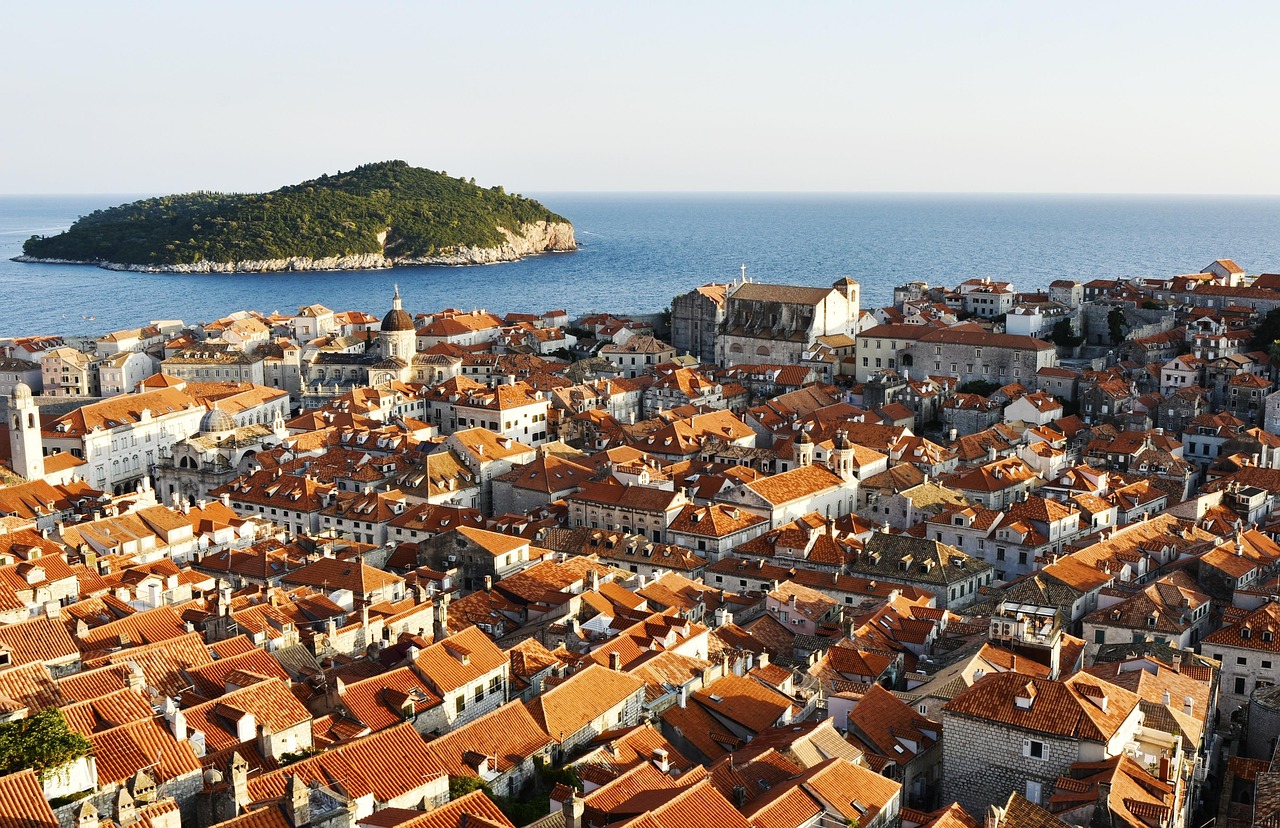
The city walls are Dubrovnik’s headline act and one of the absolute must‑see attractions in Dubrovnik. I’ve walked them in every season and time of day; starting at 8:00–8:30 (or as soon as they open) is consistently the best experience – cooler, fewer crowds, softer light for photos.
Entrance: Main gate is by Pile Gate; ticket kiosks and QR readers are straightforward. In 2026 expect timed entry slots in peak season (July–August) – book online the day before if you’re here then.
Give yourself 1.5–2 hours to circle the entire 2 km loop. The western side has epic views over the Lovrijenac Fortress and the open Adriatic, while the eastern side looks out to Lokrum Island and the Old Port. I always stop at the tiny café near the Minceta Tower for a cold drink – yes, it’s overpriced, but sitting above those orange rooftops is hard to beat.
- Tip: Bring water, a hat, and sunscreen; there’s almost no shade. In July I once saw three people give up halfway because of the heat.
- Photos: The best “classic” Dubrovnik skyline shot is from near Minceta Tower, looking back over the rooftops toward the sea.
Lunch: Old Town Konoba
For your first taste of local food in Dubrovnik, head to a konoba (traditional tavern) in the back streets:
- Konoba Mozarella & Wine Bar (example style) – good for light lunches, cheeses, and salads.
- Konoba Nava – family‑run feel, with grilled fish and simple Dalmatian dishes.
I like to order octopus salad and a glass of local white wine (Pošip or Malvasija). Portions are generous; you don’t need a starter, main, and dessert here unless you skipped breakfast.
Afternoon: Explore the Old Town’s Main Sights
After lunch, wander through some of the Old Town’s key buildings, all within a 10‑minute radius.
- Rector’s Palace – A beautiful blend of Gothic and Renaissance styles that was once the seat of the Ragusan government. I love how serene the inner courtyard is. Take time to read the plaques; they bring the city’s trading history alive.
- Dubrovnik Cathedral – Known for its baroque interior and a treasury of relics. I usually sit in a back pew for a few minutes to cool down and enjoy the quiet.
- Church of St. Blaise – Dedicated to Dubrovnik’s patron saint; the square outside is one of the city’s liveliest meeting points.
Late Afternoon: Cliff Bars & Swimming
By 4–5 pm, when the sun’s still warm but not punishing, I like to slip through one of the tiny gateways in the city walls to the famous Buža bars – informal cliff‑side terraces with plastic chairs, cold beers, and ladders into the sea.
- Family tip: The rocks are uneven and there are no railings; better for teens than toddlers.
- Adrenaline: Locals and confident visitors jump from the higher rocks. Always check where others jump and don’t push your limits.
Evening: Sunset & Dinner in the Old Town
For sunset on your first day, I like to stroll to the Old Port or climb a bit toward the northern walls for a quieter vantage point. Then it’s dinner in a side street:
- Try black risotto (crni rižot) – squid ink gives it the dramatic color and a rich, briny flavor.
- Or a simple grilled fish with blitva (Swiss chard and potatoes) and olive oil.
Nightlife on Day 1 can be gentle: a glass of Plavac Mali red wine on a quiet terrace, or a walk along the Stradun once the day‑trippers have gone. If you’ve got only 3 days in Dubrovnik, you’ll appreciate conserving energy for the next two packed days.
Day 2 – Islands, Beaches & the Adriatic
Day 2 is about water – swimming, boating, and seeing Dubrovnik’s skyline from the sea. If you’re doing a 3 day itinerary for Dubrovnik, this will be the day that balances out all the stone and steps of the Old Town.
Morning: Lokrum Island Escape
Getting there: Ferries to Lokrum Island leave from the Old Port every 15–30 minutes in high season; the ride takes about 15 minutes.
Lokrum is the locals’ favorite quick escape: no cars, just pine forests, rocky beaches, botanical gardens, and ruined monasteries. I like to walk straight up to the Fort Royal for a panoramic view back toward the city – it’s one of my top viewpoints anywhere in Dubrovnik.
- Family‑friendly: Peacocks and rabbits roam freely; kids love them.
- Romantic: There are quiet coves and benches overlooking the sea where it feels like the world has shrunk to just the two of you.
- Swim tip: The “Dead Sea” – a calm saltwater pool – is great if waves are rough elsewhere.
Lunch: Picnic or Island Café
Food options on Lokrum are better than they used to be, but still a bit pricier than the mainland. I often pack a simple picnic from a bakery and supermarket (burek, fruit, and water) and then reward myself with a coffee or ice cream on the island.
Afternoon: Kayaking or Beach Time
Back in Dubrovnik, you’ve got two great options:
- Sea Kayaking Around the Walls & Lokrum – Guided tours usually start from Pile Bay. Paddling under the walls gives you a fresh perspective; I’ve done this twice and would happily go again. Sunset tours are especially magical.
- Beach Time at Banje or Sveti Jakov – Banje Beach is closest to the Old Town and most famous; expect crowds and music. For more space, I prefer Sveti Jakov Beach, about a 20–25 minute walk (or short bus/taxi) from the Old Town, with a postcard view back to the city.
Either way, this is a good day to just float in the Adriatic and let the last of your travel stress dissolve.
Evening: Dinner with a View
If you chose kayaking, you may end your tour near sunset. Shower, change, and then head for a terrace restaurant outside the Old Town where you can see the whole city lit up. In Lapad, I like places along the Uvala Lapad promenade – less formal, more local. Try grilled calamari or pasticada (slow‑cooked beef in a rich sauce) if you’re craving something hearty.
Day 3 – Fortresses, Viewpoints & Local Life
By Day 3 you’ll have a feel for the Old Town and the sea. Now it’s time to seek out some of the best places to visit in Dubrovnik that most cruise passengers never reach.
Morning: Lovrijenac Fortress
Lovrijenac Fortress, sometimes called “Dubrovnik’s Gibraltar,” sits on a rocky outcrop west of the Old Town. It’s been my favorite spot since my second trip, when I stumbled up here mid‑morning and found only a handful of visitors and the sound of waves crashing far below.
Walk from Pile Gate down to the small bay, then up the stone steps. The views back to the city walls are some of the most iconic you’ll see.
Late Morning: Stroll Through Hidden Lanes
After Lovrijenac, duck back into the Old Town and deliberately get lost. Head uphill on almost any stairway off the Stradun, and you’ll find quiet residential lanes, tiny shrines, and laundry flapping between stone buildings. This is where you feel Dubrovnik as a living city, not just a film set.
Afternoon: Mount Srđ by Cable Car or Hike
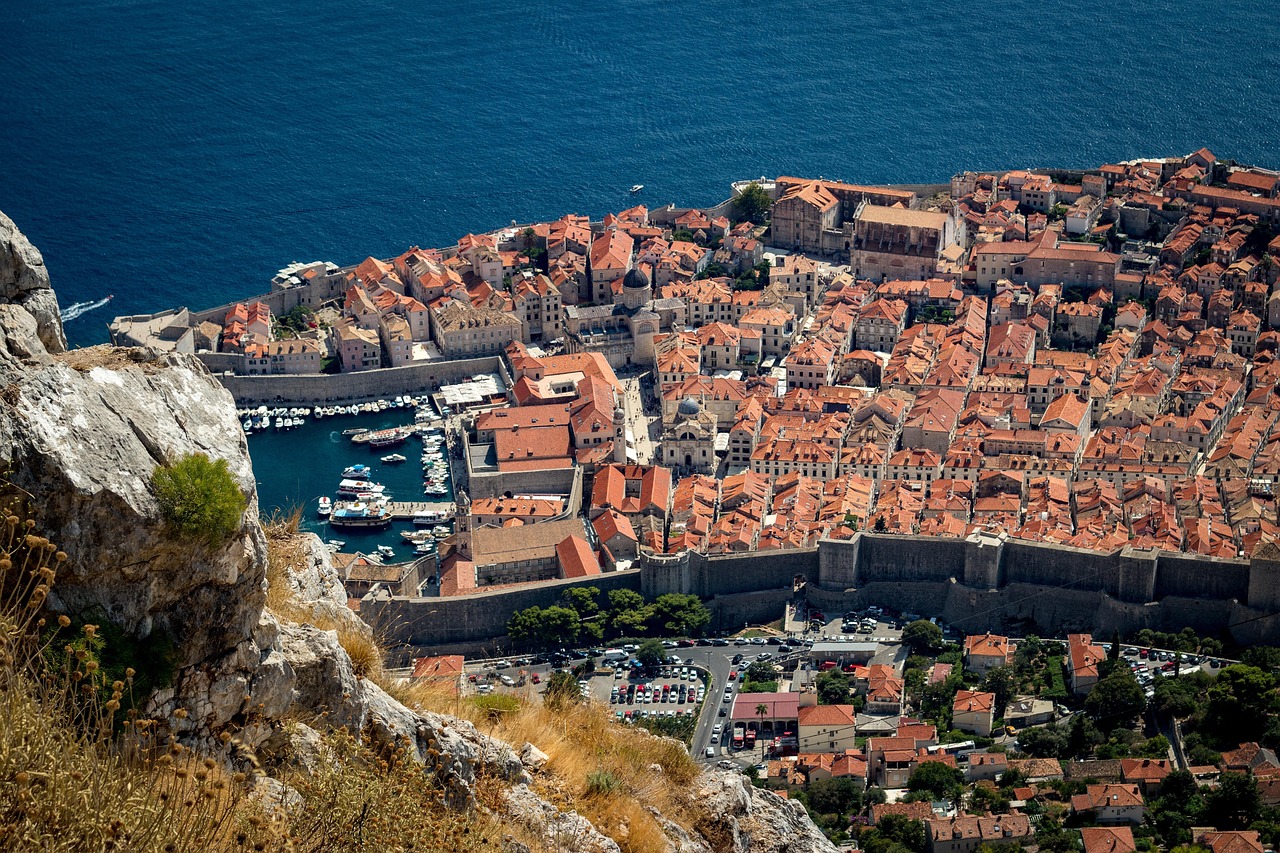
The Mount Srđ cable car is another must‑see attraction in Dubrovnik. From the top, you get a sweeping view over the Old Town, Lokrum, and the islands threading up the coast.
- Cable car: Fast and easy; buy tickets in advance in high season.
- Hike: A zigzag trail begins above the city; allow about 45–60 minutes up. I did this in late October once – warm but not brutal – and it was one of my favorite walks in Croatia.
At the summit, visit the Homeland War Museum housed in the former Imperial Fortress. The exhibits and photos about the 1990s siege of Dubrovnik give a deeper context to what you see today.
Sunset: Panorama Bar & Viewpoint
If weather allows, linger for sunset at the top of Mount Srđ. The Panorama restaurant is pricey, but you can nurse a drink and soak in the changing light over the city. For photographers, this is one of the very best spots for architecture and skyline shots of Dubrovnik.
Evening: Alternative Old Town or Gruž
For dinner, you can either head back into the Old Town for one last night or explore Gruž, the port district, where more locals live and eat. In Gruž, seek out simple konobas and pizzerias used by residents rather than tourists.
If you only have 3 days in Dubrovnik, this is the end of your core itinerary. For a 4 day itinerary for Dubrovnik or a 5 day itinerary for Dubrovnik, keep reading – the next days will take you further afield.
Day 4 – Countryside, Wine & Cultural Depth
On my fourth visit to Dubrovnik, I finally tore myself away from the city and discovered why locals rave about Konavle and the nearby countryside. If you have 4 days in Dubrovnik, this is the day to breathe different air.
Morning: Konavle Valley & Village Walks
Konavle is a green valley just south of Dubrovnik, dotted with stone villages, vineyards, and old mills. You can join an organized tour, rent a car, or take a local bus toward Cavtat and hop off in one of the villages.
I remember walking between two tiny villages here in late spring, the air full of wildflowers and the sound of a stream. Old stone houses, red roofs, and the occasional farmer tending vines – it felt like stepping back decades.
Lunch: Traditional Konavle Konoba
This is where you can try heavier, rustic dishes like:
- Peka – Meat or octopus slow‑cooked under an iron bell with potatoes and vegetables (must be ordered hours in advance).
- Homemade prosciutto and cheese – Often made on site; pairs beautifully with local wine.
I still think about a peka I had in a family‑run konoba here: the owner proudly lifted the lid at the table, releasing a wave of steam and aromas, and his grandmother hovered nearby making sure we ate enough.
Afternoon: Cavtat Coastal Walk
Continue to Cavtat, a small coastal town with a calm, elegant feel – pine‑shaded promenades, small beaches, and far fewer crowds than Dubrovnik. I love looping around the peninsula on foot, stopping to swim from flat rocks into clear turquoise water.
Evening: Back to Dubrovnik – Quiet Dinner
Return by bus or taxi and choose a quieter neighborhood (Lapad or Gruž) for dinner. This is a good night to try škampi na buzaru (scampi in a garlicky tomato and white wine sauce) with crusty bread to soak it up.
Day 5 – Day Trips & Deep Dives
If you’re lucky enough to have 5 days in Dubrovnik, use Day 5 to either take a full‑day excursion or revisit your favorite spots at a slower pace. Here are two excellent options I’ve tested:
Option 1: Elaphiti Islands Hopping
The Elaphiti Islands – especially Koločep, Lopud, and Šipan – are low‑key, car‑light islands ideal for an unhurried day. Join a small‑group boat tour or take local ferries from Gruž port.
- Koločep: Short walks, rocky coves, deep green pines.
- Lopud: Home to Šunj Beach, a sandy (yes, sandy!) bay, great for families.
- Šipan: Quiet villages and olive groves; perfect for strolling with an ice cream.
I spent one July day hopping between these islands, alternating between swims, naps on the boat deck, and simple seafood lunches. It felt like a holiday from my holiday.
Option 2: Bosnia & Herzegovina or Montenegro Day Trip
For a more intense cultural day, you can join a tour to Mostar (Bosnia & Herzegovina) or the Bay of Kotor (Montenegro). Both involve border crossings and a full day of driving but offer a striking contrast to Dubrovnik’s polished stone.
- Mostar: Ottoman bridges, mosques, and a layered history; can be hot and busy in summer but unforgettable.
- Kotor: A smaller walled town on a fjord‑like bay, with mountain hikes right from the center.
Evening: Farewell Dubrovnik
For your last night, I like to return to the Old Town for a final slow walk. Grab gelato, listen to a busker in a square, and peek back at the illuminated walls. This is when I start planning my next trip, even before I’ve left.
Top 20 Must‑See Attractions in Dubrovnik (With Stories & Tips)
Below are 20 of the best places to visit in Dubrovnik. Instead of just listing them, I’ll share how they feel at different times of day, what to watch for, and little details I’ve only noticed after coming back again and again.
1. Dubrovnik City Walls
These 13th–16th century fortifications encircle the Old Town and are Dubrovnik’s defining feature. On my second trip, I walked them during a light drizzle – the stone glistened, the crowds thinned, and the city felt like a film set built just for me.
Why go: Panoramic views over terracotta roofs, the Adriatic, and nearby islands. A must‑do for any 3 day itinerary for Dubrovnik.
Tips: Go early or late, walk clockwise, and pause at each tower. Don’t rush; even if it takes two hours, it’s worth savoring.
2. Stradun (Placa)
The Stradun is the polished marble avenue that runs the length of the Old Town. I like to walk it three times a day: early morning (quiet), midday (chaotic), and late at night (romantic and echoing with footsteps).
Don’t miss: Watching reflections of lanterns on the wet stone after a rain shower and feeling the subtle slope from one gate to the other.
3. Old Port (Porat)
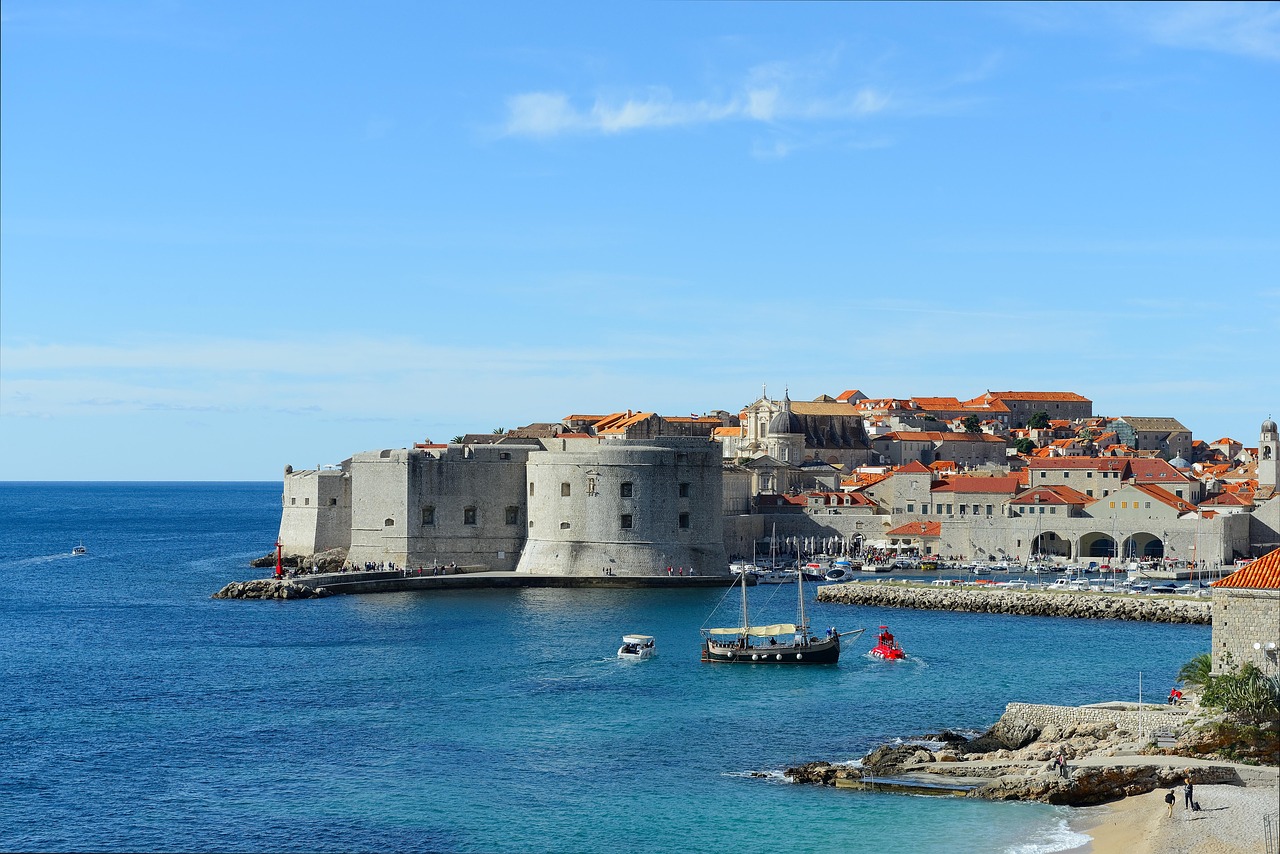
This sheltered harbor has been Dubrovnik’s maritime heart for centuries. Today, small fishing boats mix with ferries to Lokrum and tour boats.
I love sitting on the low walls here in the late afternoon, watching kids fish and locals chat. It’s also a great place to photograph the curve of the city walls from below.
4. Lovrijenac Fortress
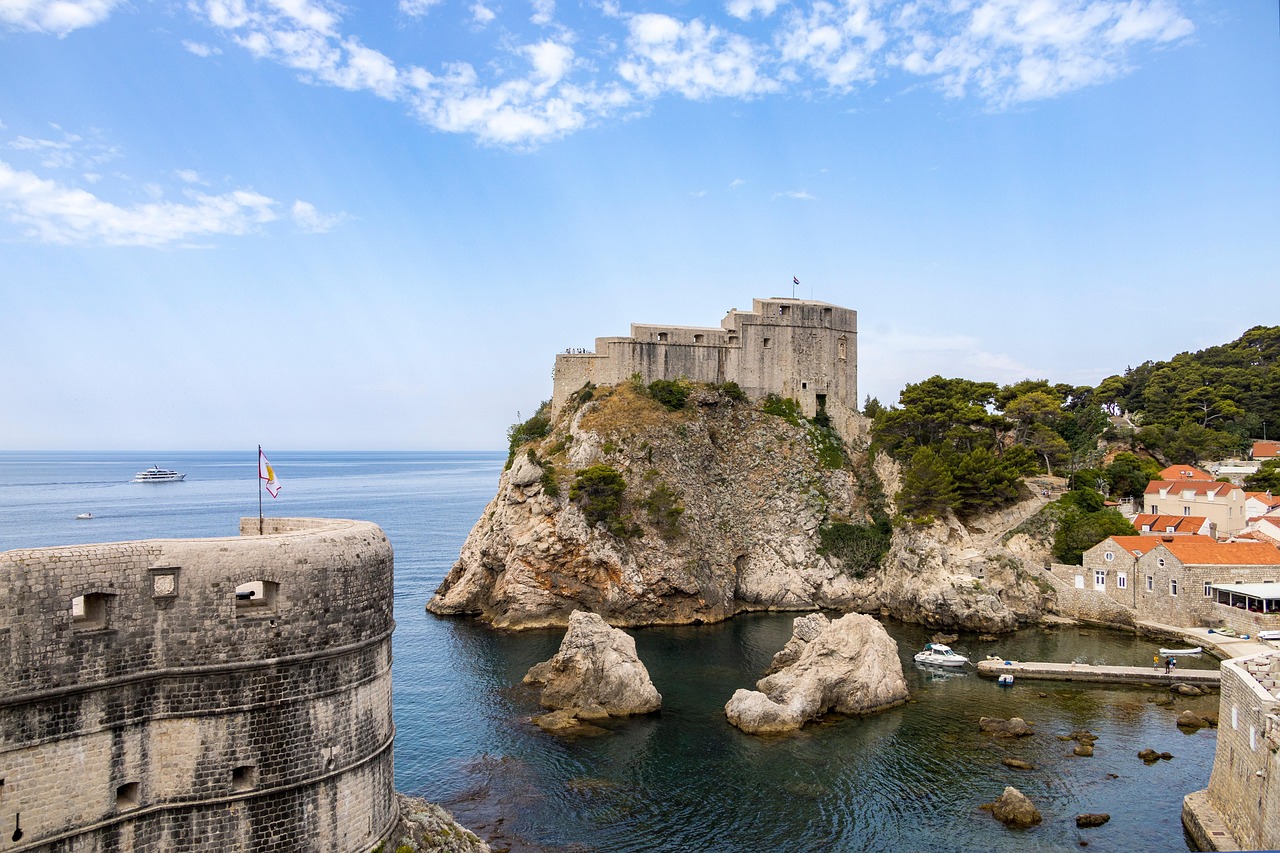
Perched on a 37‑meter rock outside the western walls, Lovrijenac was key to Dubrovnik’s defense. A Latin inscription above the entrance reads, “Freedom is not sold for all the gold in the world.” Standing there, with the wind off the sea, it feels especially poignant.
5. Fort Minceta
The highest point of the city walls, Minceta Tower is that rounded bastion you see in every skyline photo. Climb to the very top for one of the best 360‑degree views in town.
I once climbed up here just before closing time and had it almost to myself; the shadows over the alleys below looked like a maze.
6. Mount Srđ & Cable Car
At 412 meters, Mount Srđ looms above the city and offers one of the most dramatic viewpoints along the Adriatic. The modern cable car whisks you up in minutes; the hiking trail zigzags under it.
History: The summit fortress was a key defensive point during the 1991–92 siege. The small Homeland War Museum here is sobering but important.
7. Rector’s Palace
This former seat of the Rector (head of the Republic of Ragusa) is now a museum. I love the airy courtyard with its elegant arches and the sense of order and calm that pervades the building.
Tip: Visit in the late afternoon when tour groups have dwindled. In summer, classical concerts are sometimes held here – a memorable cultural experience in Dubrovnik.
8. Dubrovnik Cathedral
The baroque Cathedral of the Assumption stands on the site of older churches, including one said to have been funded by King Richard the Lionheart. The treasury holds relics of St. Blaise, the city’s patron saint.
9. Church of St. Blaise
St. Blaise is everywhere in Dubrovnik – statues on gates, images on walls – but this church on Luža Square is his main home. On February 3rd (St. Blaise’s Day), locals process through the city with relics and banners; if you’re here then, it’s one of the most vivid cultural experiences in Dubrovnik.
10. Franciscan Monastery & Old Pharmacy
Just inside Pile Gate, the Franciscan Monastery hides a peaceful cloister and one of Europe’s oldest functioning pharmacies (dating back to 1317).
I like ducking in here on hot afternoons: the gardens, arcades, and cool stone make you instantly calmer.
11. Dominican Monastery
On the eastern side of the Old Town, the Dominican Monastery has another beautiful cloister and a small but fascinating art collection. The gentle play of light in the colonnades is a photographer’s dream.
12. Lokrum Island
Just off the coast, Lokrum feels far away yet is barely 15 minutes by boat. Once, I spent a whole afternoon lying on a flat rock here, listening to cicadas and distant church bells from the mainland. Time felt suspended.
Highlights: Botanical gardens, Benedictine monastery ruins, Fort Royal, rocky beaches, and tame peacocks.
13. Banje Beach
Just east of the Old Town, Banje Beach is a mix of pebbles and sand with a front‑row view of the walls and Lokrum. Yes, it’s busy and has a party vibe in summer, but for a quick swim with a postcard backdrop it’s hard to beat.
14. Sveti Jakov Beach
Walk 20–25 minutes further along the coast and you reach Sveti Jakov, my favorite city‑accessible beach. There are more locals, fewer crowds, and the same glorious view back to the Old Town.
15. Lapad Promenade & Bay
Lapad is a peninsula west of the Old Town with beaches, a long pedestrian promenade, and lots of apartment rentals. When I stay here, my evenings are slower: kids on scooters, locals doing their passeggiata, and casual seaside bars.
It’s one of the best areas for families and for travelers seeking a quieter base with easy bus access to the Old Town.
16. Gruž Harbor & Market
Gruž is Dubrovnik’s working harbor – ferries, cruise ships, and the main bus station. In the morning, there’s a lively market with fresh produce and fish.
I like to come here early, buy fruit and snacks, and watch real daily life unfold away from the Old Town’s polish.
17. War Photo Limited
War Photo Limited is a small but powerful gallery near the Stradun that showcases photojournalism from conflicts around the world, including the former Yugoslavia.
On a rainy afternoon I once spent over two hours here, leaving quiet and thoughtful. It’s an essential stop if you want deeper cultural experiences in Dubrovnik than just beaches and walls.
18. Buža Cliff Bars
Through nondescript doors in the seaward walls, the Buža bars spill out onto cliffs. Plastic chairs, cold drinks, and the sound of waves – plus daring cliff‑jumpers.
Tip: Prices are higher than average, but the setting is worth one drink. Go just before sunset.
19. Cavtat
About 30 minutes south by bus or boat, Cavtat is a refined little town with a palm‑lined waterfront and pine‑fringed paths. I find it a perfect half‑day escape when Dubrovnik feels too crowded.
20. Elaphiti Islands
The Elaphiti Islands north of Dubrovnik are small, green, and blissfully laid‑back. Whether you join a simple “fish picnic” boat tour or plan your own ferry‑hopping, it’s one of the best day trips for 4 or 5 days in Dubrovnik.
Neighborhoods & Areas to Explore in Dubrovnik
Old Town (Stari Grad)
The walled core is where you’ll spend much of your time. It’s compact, walkable, and a bit like staying in an open‑air museum. I love waking up here and stepping straight into history, but note that accommodation is pricier and you’ll climb many stairs with luggage.
Lapad & Babin Kuk
These peninsulas west of the Old Town offer beaches, promenades, and plenty of mid‑range hotels and apartments. Buses into town are frequent (15–20 minutes), and evenings feel more residential. Ideal for families and anyone building a 4 or 5 day itinerary who wants space and quieter nights.
Gruž
Close to the harbor and bus station, Gruž is practical and more affordable. It’s not as pretty as the Old Town, but you’ll get a more local vibe and easy access to ferries for island trips. Great for budget travelers and island‑hoppers.
Ploče
Just east of the Old Town, around the Ploče Gate, this area has some of the best views back toward the walls and easy access to Banje and Sveti Jakov beaches. It’s a strong choice if you want both sea and city at your doorstep.
Local Food & Drink in Dubrovnik
Dalmatian cuisine is simple, fresh, and rooted in the sea. On my first trip, I over‑ordered everything; by my third, I learned to share and savor.
Must‑Try Dishes
- Black risotto (crni rižot) – Squid ink, cuttlefish, and a rich, briny flavor.
- Octopus salad – Tender octopus with olive oil, vinegar, onions, and herbs.
- Peka – Slow‑cooked meat or octopus under an iron bell; pre‑order.
- Grilled fish & calamari – Usually served with blitva (chard and potatoes).
- Pasticada – Beef slow‑cooked in wine and spices, served with gnocchi.
- Rozata – Local caramel custard dessert.
Local Drinks
- Pošip & Malvasija – Local whites, fresh and ideal with seafood.
- Plavac Mali – Robust local red, great with meat and cheese.
- Rakija – Fruit brandy; accept a small glass with caution!
Saving Money on Food
I’ve learned a few tricks over the years:
- Eat your main meal at lunch – many places have better deals then.
- Look one or two streets off the Stradun; prices drop quickly.
- Use bakeries (pekara) for cheap, tasty snacks like burek and sandwiches.
- In Lapad or Gruž, konobas aimed at locals offer good value.
Nightlife, Entertainment & Cultural Experiences
Dubrovnik isn’t a wild party city like some Croatian islands, but it has a lively bar scene and rich cultural life, especially in summer.
Bars & Nightlife
- Old Town bars – Clustered around side streets off the Stradun; cozy, atmospheric, and busy in July–August.
- Cliff bars (Buža) – Drinks with a view, earlier in the evening.
- Lapad – More relaxed seaside bars, better for conversation than clubbing.
Cultural Experiences
- Dubrovnik Summer Festival (July–August) – Outdoor performances (theatre, music, dance) in courtyards and on squares; a must if you’re here in high season.
- Classical concerts in churches and the Rector’s Palace.
- Local klapa singing (traditional a cappella) – sometimes heard at festivals and special events.
Best Day Trips from Dubrovnik
Elaphiti Islands
As mentioned earlier, the Elaphiti Islands are ideal for a relaxed day. Bring swim gear, sunscreen, and cash for simple seaside lunches.
Cavtat
A short hop but a big change of pace. Great for an afternoon walk, swim, and dinner.
Konavle Valley
For vineyards, traditional food, and village scenery. Rent a car or join an organized tour that includes a meal.
Mostar (Bosnia & Herzegovina)
About 3 hours each way by tour bus, but culturally and visually striking. Be prepared for heat in summer and bring your passport for the border crossing.
Bay of Kotor (Montenegro)
Another long day but fantastic scenery – fjord‑like bay, medieval town, and optional boat trips to island churches.
Events & Festivals in 2026–2027
Dates can shift year to year, so always confirm closer to your trip, but here’s what to look out for in 2026–2027:
- St. Blaise Festival (February 3, 2026 & 2027) – Processions, folk costumes, and church ceremonies honoring Dubrovnik’s patron saint.
- Dubrovnik FestiWine (Spring 2026) – Regional wine festival with tastings and events across the city.
- Dubrovnik Summer Festival (July–August 2026 & 2027) – The big one: theatre, music, and dance performances in historic venues.
- Late‑season cultural weekends (September–October) – Increasingly common mini‑festivals focused on food, film, or music as the city extends the season.
Cultural Etiquette & Local Customs in Dubrovnik
Croatians in Dubrovnik are generally warm but reserved at first. A few simple courtesies go a long way.
Greetings & Behavior
- Say Dobar dan (good day) and Hvala (thank you). English is widely spoken, but trying a few Croatian words is appreciated.
- Dress modestly when entering churches (cover shoulders and knees where possible).
- Keep noise down in residential lanes, especially at night; remember people live above many of the bars and restaurants.
Tipping
- Not mandatory, but rounding up or leaving 5–10% in restaurants is customary if you’re happy with the service.
- For taxis, round up to a convenient amount.
Respecting the Old Town
- Don’t climb or sit on fragile walls or monuments that aren’t clearly intended as seating.
- Swim only in designated areas; jumping off random harbor walls can be dangerous.
- Follow any crowd‑management signs on the city walls and main streets.
Practical Travel Tips for Dubrovnik (2026)
When to Visit
- April–May: Great for sightseeing, milder weather, fewer crowds; sea still cool.
- June & September: Ideal balance – warm sea, long days, manageable crowds.
- July–August: Hottest, busiest, and priciest; plan early/late sightseeing and midday swims.
- October: Quieter, often still pleasant; some seasonal services start winding down.
- Winter: Very quiet; some restaurants and attractions close or reduce hours, but you’ll feel the city’s local side more strongly.
Getting Around
- On foot: The Old Town is pedestrian‑only; expect many steps.
- Buses: Reliable local buses connect Lapad, Babin Kuk, Gruž, and the Old Town.
- Taxis & rideshare: Available but pricier; useful late at night or with luggage.
- Car rental: Handy for day trips (Konavle, Pelješac) but not needed for the city itself. Park outside the Old Town; parking inside is extremely limited and expensive.
Saving Money
- Stay outside the walls (Lapad, Gruž) for better accommodation value.
- Use bakeries and supermarkets for breakfasts and some lunches.
- Consider city passes or combined tickets if you’re visiting several museums.
- Travel in shoulder seasons (May, June, September, early October).
SIM Cards & Connectivity
- Local providers like Hrvatski Telekom, A1, Telemach sell tourist SIMs with generous data at airports, kiosks, and shops.
- EU roaming often works seamlessly if you’re from another EU country.
- Wi‑Fi is common in hotels, cafés, and restaurants, though speeds vary.
Visas & Entry
- Croatia is part of the EU and Schengen Area. Many nationalities (including most of Europe, North America, Australia, etc.) can enter visa‑free for short stays; always check the latest rules for 2026.
- Make sure your passport is valid for at least three months beyond your planned departure date and has blank pages.
Driving & Licenses
- Foreign driver’s licenses are generally accepted; an International Driving Permit is recommended if your license isn’t in Latin script.
- Drive defensively on coastal roads; they’re beautiful but winding.
- Never drink and drive; penalties are strict.
Safety
- Dubrovnik is generally very safe; usual city precautions apply (watch valuables in crowds).
- Heat and dehydration in summer are bigger risks than crime. Carry water and take breaks in the shade.
Hidden Tips from Many Visits
- Beat cruise crowds: Check cruise schedules online and plan Old Town visits for early morning, midday Lokrum/beach, then return later.
- Sunrise magic: One of my favorite memories is watching the sun rise from the Old Port steps with just a fisherman and a cat for company.
- Quiet corners: Head up any steep alley in the Old Town; within a few minutes the crowds thin and you’ll find tiny squares and neighborhood cafés.
- Cash vs card: Cards are widely accepted, but small kiosks and some family‑run places prefer cash.
Summary: Key Takeaways & Best Time to Visit Dubrovnik
After years of returning to Dubrovnik, here’s how I’d sum it up for 2026:
- 3 days in Dubrovnik – Focus on the Old Town, city walls, Mount Srđ, and one strong sea day (Lokrum or kayaking). Follow Days 1–3 of the itinerary.
- 4 days in Dubrovnik – Add the countryside and Cavtat (Day 4) for a deeper sense of the region.
- 5 days in Dubrovnik – Include a full Elaphiti Islands day or a cross‑border trip (Day 5) and build in time to simply wander and sit in cafés.
- Best seasons: Late May–June and September are ideal for a balanced 4 or 5 day itinerary for Dubrovnik – warm water, good weather, and fewer crowds than peak summer.
Dubrovnik is more than a backdrop for TV shows or Instagram shots. It’s a layered city that rewards those who slow down: drink coffee on hidden terraces, chat with waiters about their favorite beaches, watch kids play football in stone alleys at dusk. If you treat it as more than a checklist of things to do in Dubrovnik, you’ll leave already planning your return – like I always do.