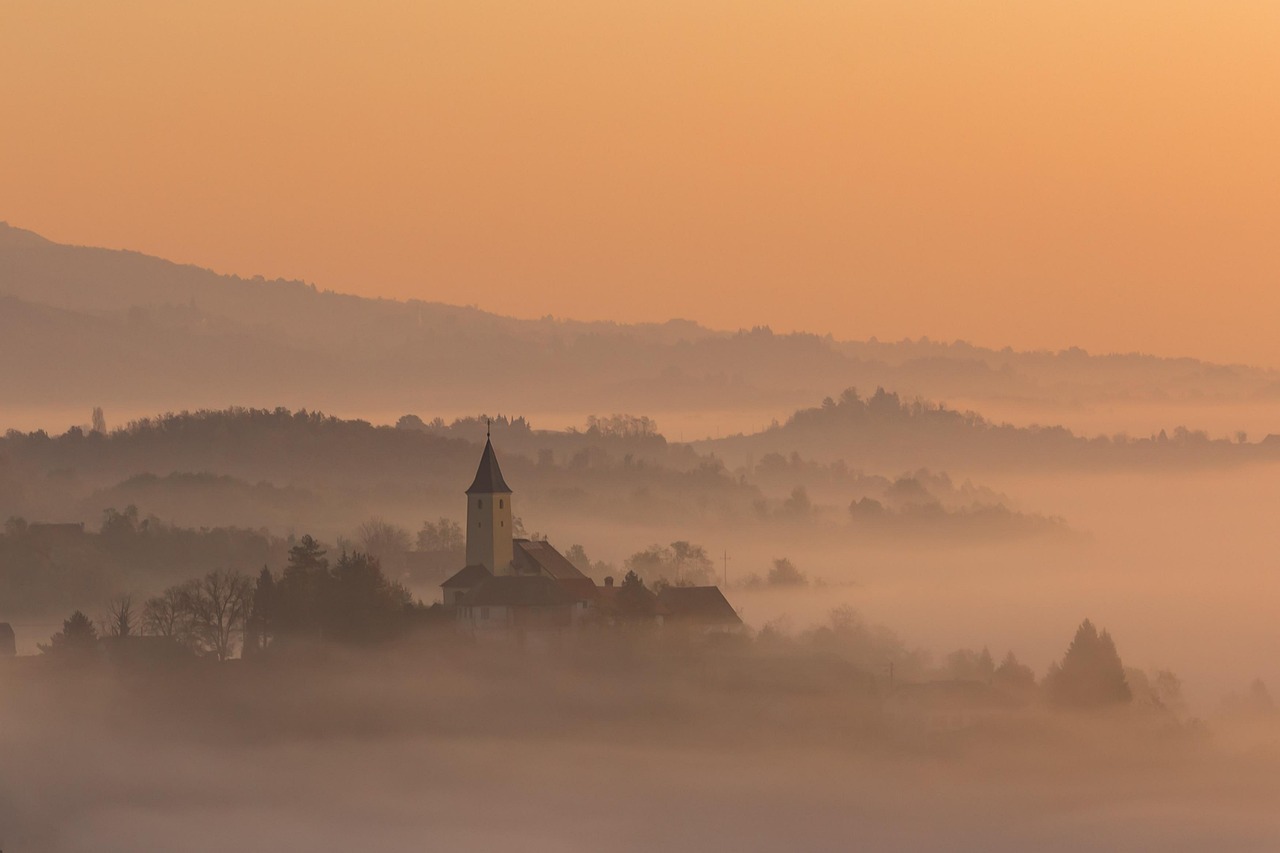
Why Visit Zagreb in 2026?
If you love cities that feel lived-in rather than staged, Zagreb is your kind of place. It’s not a theme-park version of Croatia; it’s where Croatians actually live, work, argue over football, linger over coffee, and head to the mountains or lakes on weekends. Think of Zagreb as a Central European city with a Mediterranean soul: Austro-Hungarian facades, leafy parks, tram bells, and a café culture that happily eats entire afternoons.
I’ve visited Zagreb almost every year since my first trip in the early 2010s, and every time I stay longer than planned. It’s affordable by European capital standards, incredibly walkable, and packed with quirky museums, romantic viewpoints, family-friendly parks, and a food scene that has quietly grown into something special.
For 2026, Zagreb is especially exciting: new craft breweries, a stronger street food scene, a calendar of music and film festivals that’s getting bolder, and a city that has learned to embrace its creative side while staying reassuringly laid-back. It’s also the perfect base for day trips to castles, thermal spas, and even Plitvice Lakes if you’re up for an early start.
Whether you have 3 days in Zagreb, are planning a 4 day itinerary for Zagreb, or want a deeper 5 day itinerary for Zagreb, this travel guide will walk you through the best places to visit in Zagreb, local food in Zagreb, and all the little hidden gems in Zagreb that most people miss.
Table of Contents
- Why Visit Zagreb
- Zagreb at a Glance (2026)
- Suggested Itineraries: 3–5 Days in Zagreb
- 20 Must-See Attractions in Zagreb (Deep Dive)
- Neighborhoods & Districts to Explore
- Food & Drink: What and Where to Eat in Zagreb
- Nightlife, Entertainment & Cultural Experiences
- Best Day Trips from Zagreb
- Cultural Etiquette & Local Customs in Zagreb
- Practical Travel Tips for Zagreb (Money, Transport, SIM, Visas)
- When to Visit Zagreb & 2026–2027 Events
- Summary & Final Recommendations
Zagreb at a Glance (2026)
Zagreb is Croatia’s capital and largest city, split into an “Upper” and “Lower” Town, ringed by hills and easily explored on foot and by tram. It’s a city of seasons: chestnut-scented autumns, snowy Advent markets, blooming spring parks, and long summer evenings when everyone spills onto terraces.
In 2026, Zagreb continues to evolve: new bike lanes, a more cohesive museum scene, and a strong push for more outdoor events. You’ll find English widely spoken, card payments accepted almost everywhere, and a public transport system that is simple enough to master in a day.
Suggested Itineraries: 3–5 Days in Zagreb
These itineraries are based on how I actually move through the city when I’m playing tour guide for friends. Mix and match based on your interests and energy, but use them as a framework for creating your own 3 day itinerary for Zagreb, 4 days in Zagreb, or 5 days in Zagreb.
3 Days in Zagreb: Classic Highlights & Easy Wandering
If you only have 3 days in Zagreb, focus on the historic core, a couple of key museums, and the café culture. Here’s how I usually plan it:
Day 1: Upper Town, Lower Town & City Icons
I like to start early at Ban Jelačić Square, when the trams are just getting busy and locals are grabbing their first coffees. From there, you’ll wander through Dolac Market, ride the funicular to the Upper Town, visit St. Mark’s Church and the Lotrščak Tower, then meander down to the green horseshoe of parks in the Lower Town.
- Morning: Ban Jelačić Square, Dolac Market, Tkalčićeva Street
- Midday: Funicular, Upper Town walk, St. Mark’s, Stone Gate
- Afternoon: Lotrščak Tower, Museum of Broken Relationships, Ilica Street
- Evening: Dinner in the center, drinks on Tkalčićeva or in Martićeva
Day 2: Museums, Parks & Street Life
Day two is about Zagreb’s “everyday” life. Start at the Archaeological Museum or Museum of Contemporary Art, then relax in Zrinjevac and King Tomislav Square. In the evening, head to Maksimir Park or the Zagreb Zoo if you’re with kids, or explore the bar scene if you’re not.
Day 3: Mirogoj, Jarun Lake & Hidden Corners
On your final day, visit the spectacular Mirogoj Cemetery, then choose between city wandering (Martićeva, Britanski trg, Lauba) and nature at Jarun Lake. If you’re catching an evening bus or train, this makes a gentle but memorable final impression.
4 Day Itinerary for Zagreb: Add Nature or a Short Day Trip
With 4 days in Zagreb, follow the 3-day outline and add:
- A half-day to Medvednica Mountain / Sljeme for hiking or views
- Or a cultural deep-dive with more time in the museums and galleries
I usually dedicate Day 4 to Sljeme: tram to the end of the line, bus or taxi up, hike (or just enjoy the view), then hearty mountain food in a planinarski dom (mountain hut) before descending to town for a relaxed evening.
5 Day Itinerary for Zagreb: Live Like a Local
With 5 days in Zagreb, you can slow down and slip into local routines. Follow the 4-day itinerary, and add:
- A full-day or long half-day trip (Samobor, Varaždin, or Krapina & Trakošćan)
- Extra time to linger in cafés, discover bookstores, or revisit your favorite spots
When I stay five days or more, my last day is always unscripted: I revisit the spot that surprised me the most on this trip and finish with a long, lazy dinner at a konoba (tavern) that knows my face by then.
20 Must-See Attractions in Zagreb (Deep Dive, Local-Style)
These are the must-see attractions in Zagreb I return to again and again. For each, I’ll share history, what to do, how to get there, and a personal tip or two. Think of this as your long, detailed travel guide for Zagreb.
1. Ban Jelačić Square (Trg bana Jelačića)
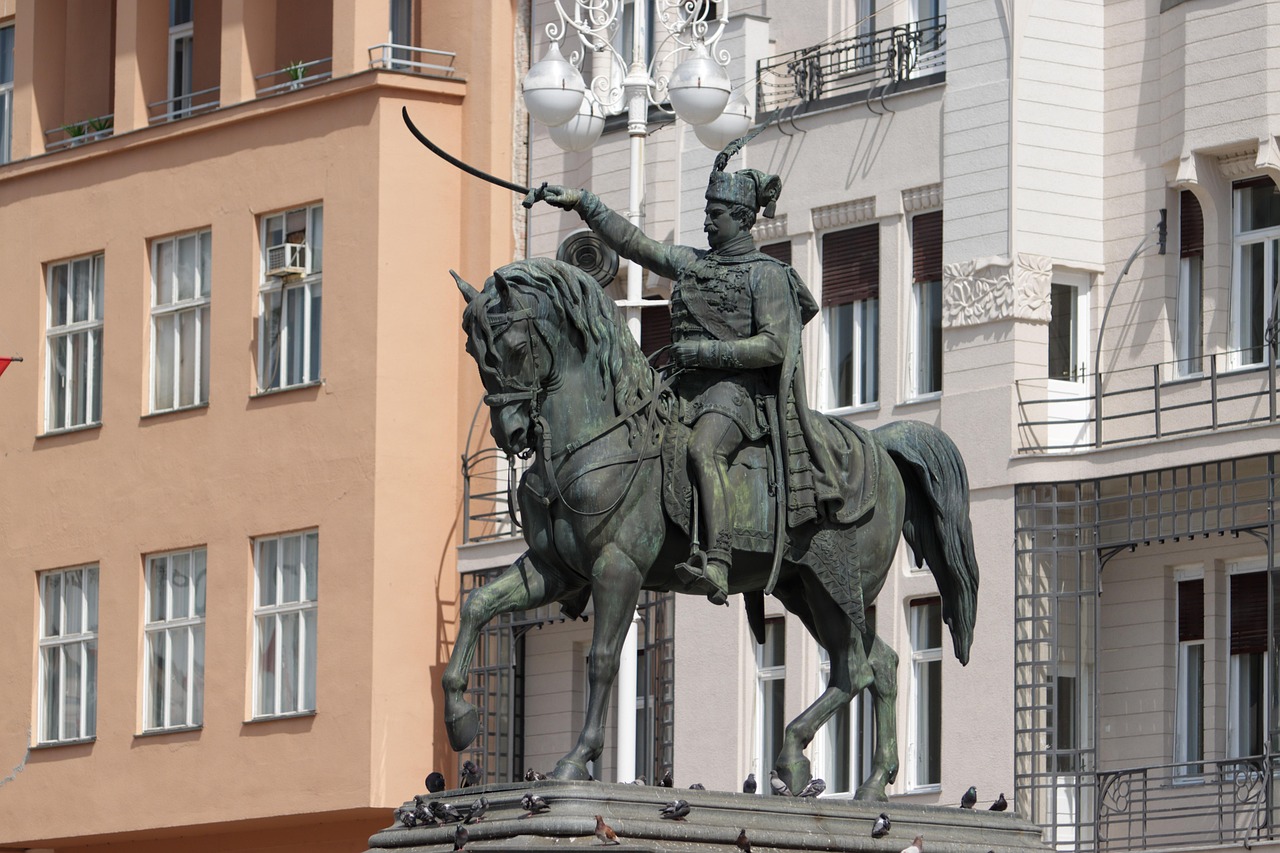
Ban Jelačić Square is Zagreb’s beating heart, the place every direction is measured from (“see you under the clock” is a local phrase you’ll hear). Named after Ban Josip Jelačić, a 19th-century Croatian governor, the square is framed by elegant 19th-century buildings in pastel colors, with trams gliding past and street performers filling the air with music.
The first time I arrived in Zagreb in winter, it was snowing lightly and the Advent stalls were set up right here. I grabbed a cup of kuhano vino (mulled wine) and watched people greet each other like they hadn’t seen one another in years, even though you could tell they met every few days. That’s Zagreb: it feels like a city of acquaintances.
What to do: Use the square as your navigation anchor, people-watch from one of the café terraces, and take photos of the iconic statue of Ban Jelačić on horseback. From here, all major streets radiate outward: Ilica to the west, Jurišićeva to the east, and the stairs up to Dolac Market to the north.
How to get there: Almost every tram line passes through or near the square. If you’re staying centrally, you’ll likely walk.
Tip: If you’re meeting locals, “kod sata” (“by the clock”) refers to the large clock on the square. It’s the default meeting point for the entire city.
2. Dolac Market
Just a flight of stairs above Ban Jelačić Square, Dolac is Zagreb’s kitchen. Red umbrellas cover stalls overflowing with seasonal produce: wild asparagus in spring, cherries in early summer, grapes and figs later on. The market dates back to the 1930s in its current form, but open-air trading here is much older.
I like to come right after 8:00 a.m., when the sun is still gentle and the stallholders are chatty. The “kumice” (market women, often from nearby villages) have been here for decades; some remember when prices were in dinars or even pre-war currencies.
What to do: Wander the upper level for fruits and vegetables, then duck down to the covered lower level for cheese (sir), cream (vrhnje), cured meats, and fish. Pick up picnic supplies for lunch in a nearby park.
What to eat: Grab a piece of sir i vrhnje (fresh cottage cheese with cream) and some warm bread from a nearby bakery. Add early-season strawberries if you’re here in May or June.
Tip: Bring cash for small purchases, and remember that mornings are best. By early afternoon, many stalls close.
3. Upper Town (Gornji Grad)
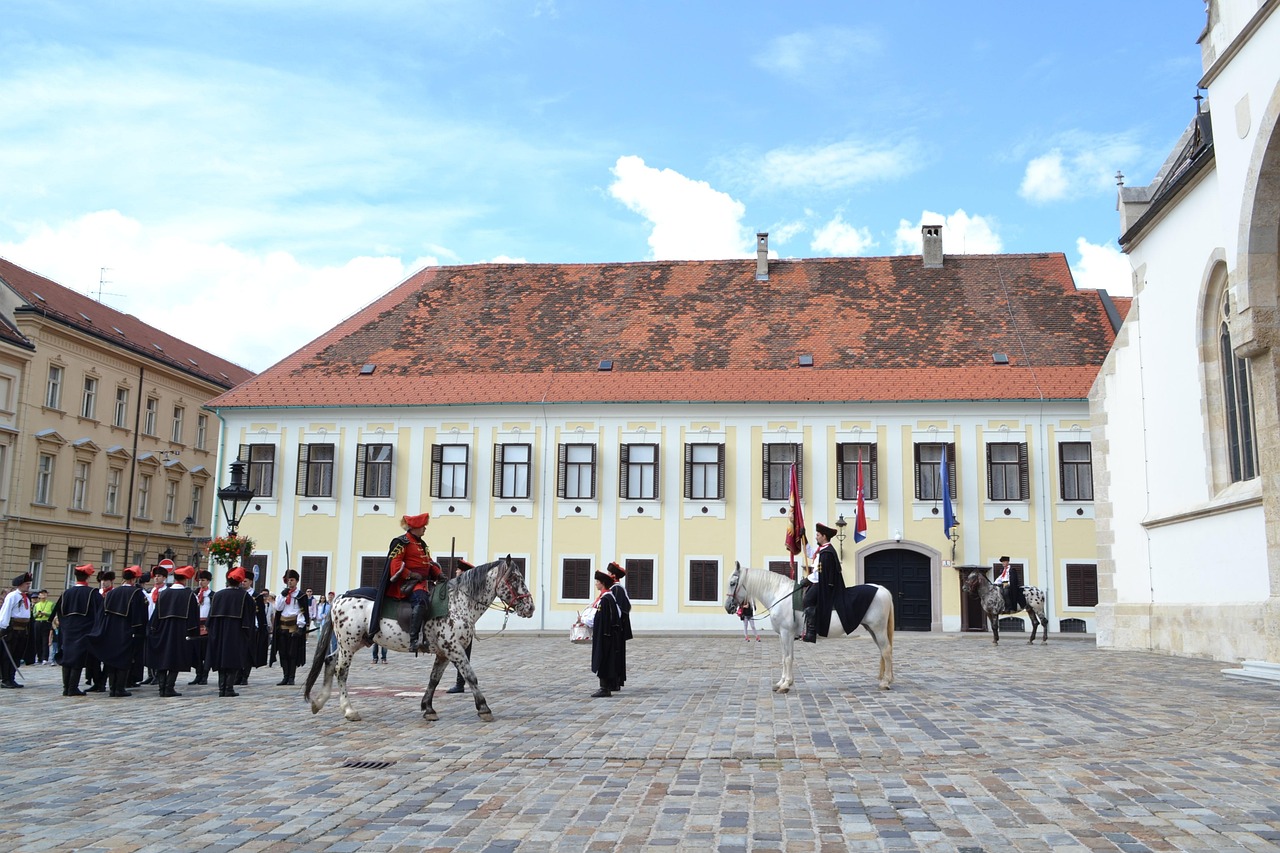
Gornji Grad, or the Upper Town, is Zagreb’s medieval core: cobblestone streets, gas lamps (still lit by hand at dusk), and views over the red roofs of the Lower Town. Historically, it consisted of two separate settlements—Gradec (a royal free city) and Kaptol (the church’s stronghold)—which eventually merged into what we now call Zagreb.
I’ve walked these streets in every season: in summer, when buskers fill the air with music; in winter, when the cobbles are dusted with snow and you can smell roasted chestnuts; and in spring, when wisteria spills over old stone walls. Each time, I notice a new detail: a carved doorway, a quiet courtyard, an old shop sign.
What to see: St. Mark’s Church, Stone Gate (Kamenita vrata), Lotrščak Tower, the funicular, the Croatian Parliament, and countless side streets where laundry, ivy, and history mingle.
Romantic factor: Very high. Come at sunset, walk slowly, and stop at one of the viewpoints over the Lower Town.
How to get there: Walk up from the main square via Radićeva Street, or take the funicular from Tomićeva Street.
Tip: If you’re here around dusk, watch for the lamplighter making rounds. It’s surprisingly moving to see such an old ritual still alive in a capital city.
4. St. Mark’s Church
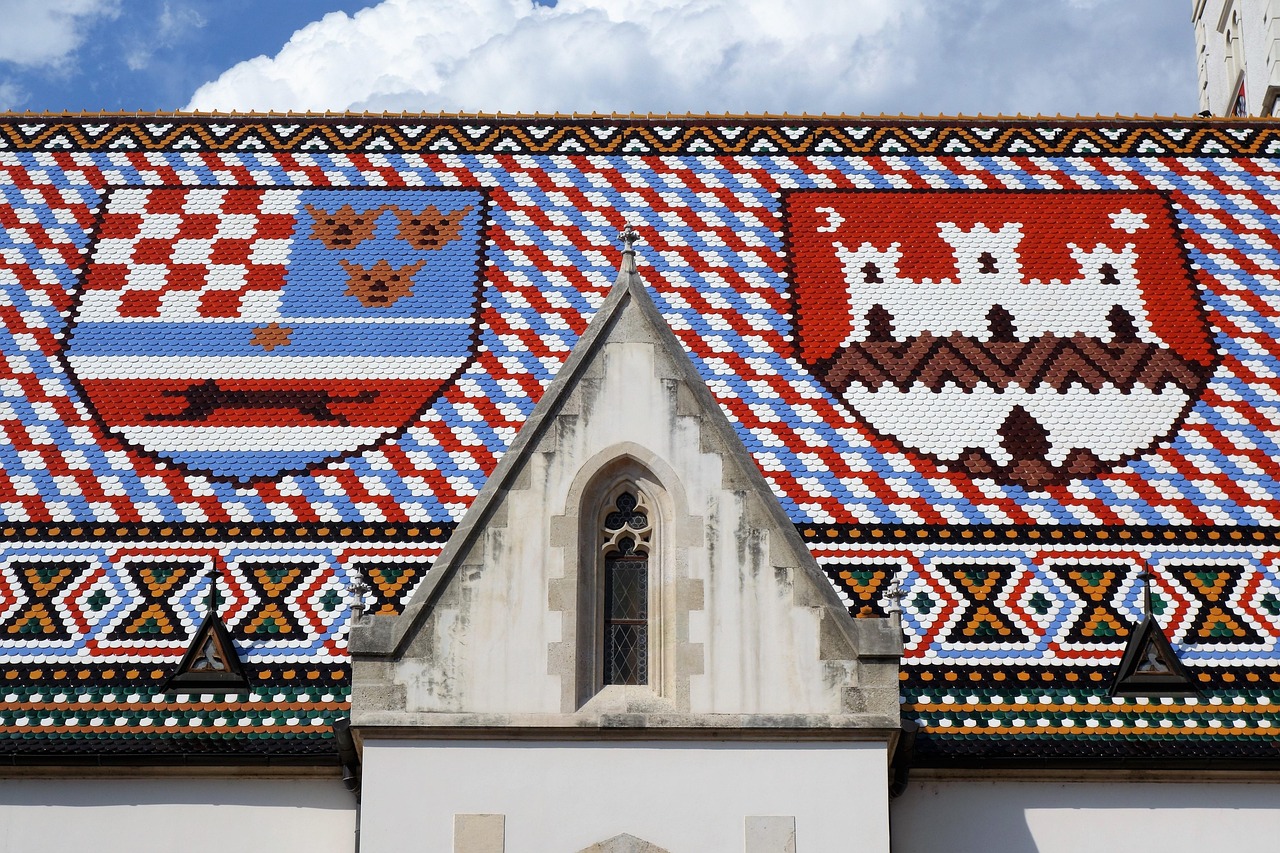
St. Mark’s Church is Zagreb’s postcard: a small Gothic church with a brilliantly tiled roof showing the coats of arms of Zagreb and the former Kingdom of Croatia, Dalmatia, and Slavonia. The church itself dates back to the 13th century, though it has been rebuilt and restored several times.
The first time I stood in St. Mark’s Square, it was completely quiet except for the echo of my steps. A light snow was falling, and the colors of the roof seemed unreal against the grey sky. On another visit, I caught a sunny Sunday morning when the bells were ringing and locals were spilling out after Mass.
What to do: Take time to walk around the church to appreciate the roof from every angle. If the church is open (hours vary), step inside to admire the interior and sculptures.
Family tip: Kids tend to love the colorful roof and the echoing square; it’s also a safe open space for them to run around a bit.
Tip: In summer, look for the changing of the guard ceremony on weekends (check current schedule in 2026; times can shift). It adds a bit of pageantry to your visit.
5. Stone Gate (Kamenita vrata)
The Stone Gate is one of Zagreb’s most intimate corners: a medieval gate turned into a small chapel, dedicated to the Virgin Mary. In 1731, a fire destroyed much of the gate, but a painting of the Virgin and Child survived almost unscathed, which locals took as a miracle. Since then, the gate has been a place of quiet devotion.
I always slow down here. People light candles, whisper prayers, or simply stand in silence. Even non-religious visitors tend to feel the weight of the place. The light is soft, the stone worn smooth by centuries of footsteps.
What to do: Walk through slowly, observe the plaques on the walls (many are thanks for answered prayers), and be respectful of those praying. Photography is generally allowed, but keep it discreet.
Tip: This is one of the few places in the usually lively Upper Town where it feels wrong to rush. Give it a few minutes, even if you’re not religious.
6. Lotrščak Tower & the Grič Cannon
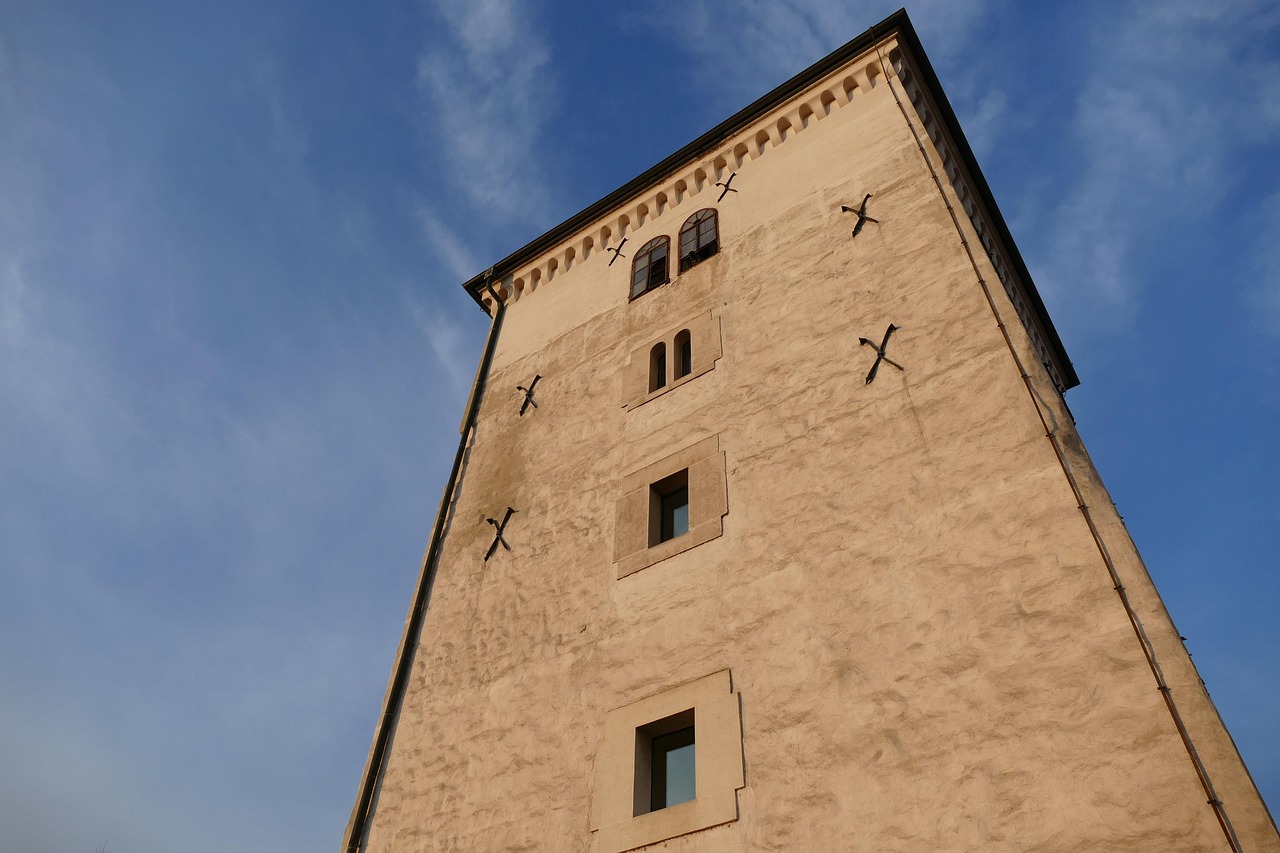
Lotrščak Tower is a squat, white watchtower from the 13th century, built to guard the southern gate of Gradec. Today, it’s famous for two things: its viewing platform over Zagreb’s rooftops, and the daily firing of the Grič cannon at noon, a tradition that’s been going on since the 19th century.
The first time I was in Zagreb, I forgot about the cannon and nearly spilled my coffee when it went off. Now, I love standing near the tower just before noon, watching first-timers jump at the boom while locals barely glance up.
What to do: Climb the tower (small fee) for one of the best panoramic views of the city. If you can, time your visit to be up there just before noon to experience the cannon from above.
Family-friendly: Kids usually find the cannon story fascinating. Just warn sensitive little ones about the loud noise.
Tip: Bring a light jacket; it can be windy at the top, even in warmer months.
7. Zagreb Funicular (Uspinjača)
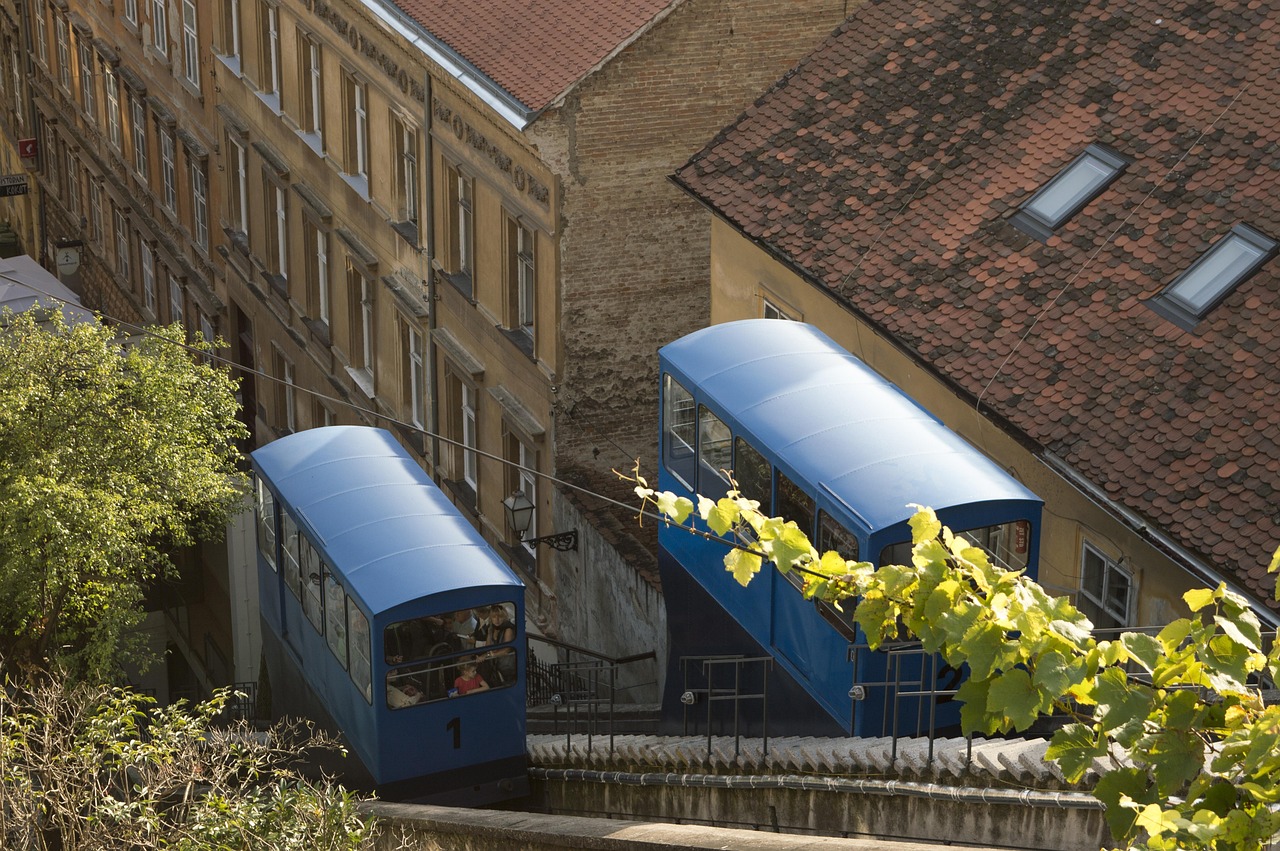
Zagreb’s funicular is officially one of the shortest in the world—just 66 meters long—but it’s one of my favorite little rides. Opened in 1890, it connects Tomićeva Street in the Lower Town with the Upper Town near Lotrščak Tower.
On my second trip to Zagreb, it was raining hard, and I ducked into the funicular more to escape the rain than anything else. Standing in the old wooden car, listening to the quiet hum as it climbed, I felt like I’d stepped back a century.
What to do: Ride it once for the experience, even if you’re perfectly capable of walking up. It’s especially handy if you have luggage, a stroller, or mobility issues.
Tip: Tickets are inexpensive and can be bought on the spot. The funicular runs frequently, so you’ll rarely wait more than a few minutes.
8. Museum of Broken Relationships
One of Zagreb’s best-known cultural experiences, the Museum of Broken Relationships started as an art project by two Croatian artists after their own breakup. People from around the world donated objects symbolizing relationships that had ended—loves, friendships, family ties—each with a story attached.
Every time I visit, different objects hit differently. One year, a simple pair of shoes and a note about a long-distance relationship made me tear up; another time, I found myself laughing at a toaster gifted in pettiness. It’s a rollercoaster of human emotion in a small, beautifully curated space.
What to do: Take your time reading the stories; that’s where the magic lies. There’s also a small café and a great gift shop with thoughtful, often witty items.
Romantic or not? Surprisingly, yes—if you’re the kind of couple who can handle emotional honesty and a few dark laughs. It can also be cathartic if you’re traveling solo post-breakup.
Tip: Go in the late morning or late afternoon to avoid school groups and bus tours, which sometimes pass through in clumps.
9. Zagreb Cathedral (Cathedral of the Assumption of the Blessed Virgin Mary)
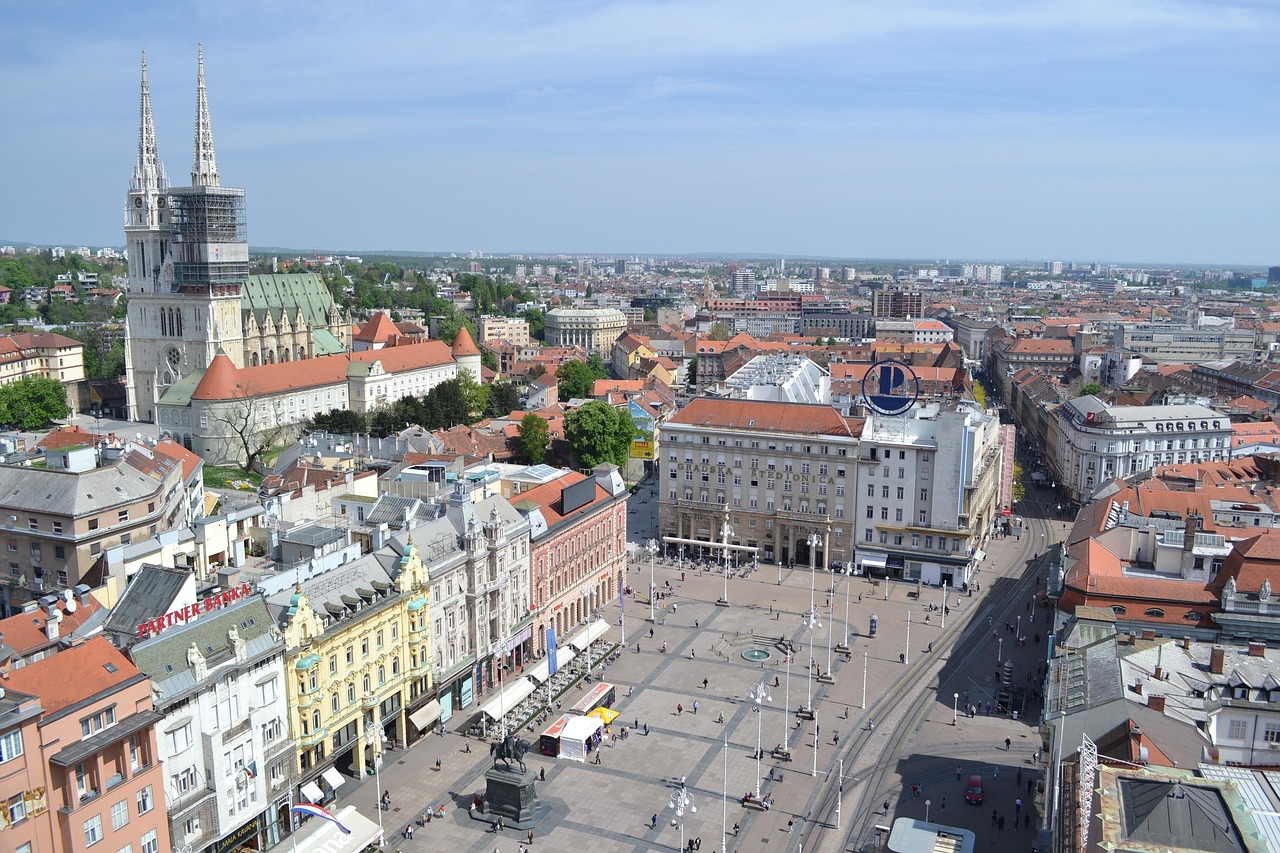
Zagreb Cathedral is the tallest building in Croatia, with twin spires visible from much of the city. Built on the site of an earlier church destroyed by the Mongols in the 13th century, it has been damaged and rebuilt several times, including after the 1880 earthquake and recent seismic events.
When I first visited, the cathedral was wrapped in scaffolding; on subsequent trips, I watched the slow process of restoration. Even half-covered, it was imposing. Inside, the cool air, high vaulted ceilings, and flickering candles create an instant sense of calm.
What to do: Admire the façade, step inside for a quiet moment, and walk around to see the fortification walls that once helped protect the city.
Tip: Check current 2026 restoration updates; some sections may be partially closed, but it’s still very much worth visiting.
10. Zrinjevac Park & the Green Horseshoe
Zrinjevac is the first link in the “Green Horseshoe,” a series of parks and squares laid out in the 19th century. With its mature trees, central music pavilion, and fountains, it’s Zagreb’s outdoor living room: locals read on benches, couples stroll, and kids chase pigeons.
On a warm spring afternoon, I like to grab a takeaway coffee and just sit here, watching the city go by. It’s also where I’ve stumbled upon impromptu concerts, book fairs, and food festivals.
What to do: Stroll through the entire horseshoe, from Zrinjevac to King Tomislav Square, then on to Botanical Garden if you have time. Notice the elegant buildings housing museums and institutions.
Tip: During Advent (late November–December), Zrinjevac transforms into one of the loveliest Christmas markets in the city, with live music and beautifully lit trees.
11. Botanical Garden
Founded in 1889, the Botanical Garden is a quiet green space just a short walk from the main train station. It’s not huge, but it’s beautifully laid out with ponds, bridges, and a variety of plant species.
On one hot July day, I escaped here with a book and ended up staying for hours. The city noise faded, replaced by rustling leaves and the occasional duck splash.
What to do: Stroll the paths, photograph the lily-covered ponds, and use it as a mid-day break from sightseeing.
Family-friendly: A great place for kids to run around a bit without traffic worries.
Tip: Check opening hours; it’s usually closed in winter and on some rainy days.
12. Maksimir Park & Zagreb Zoo
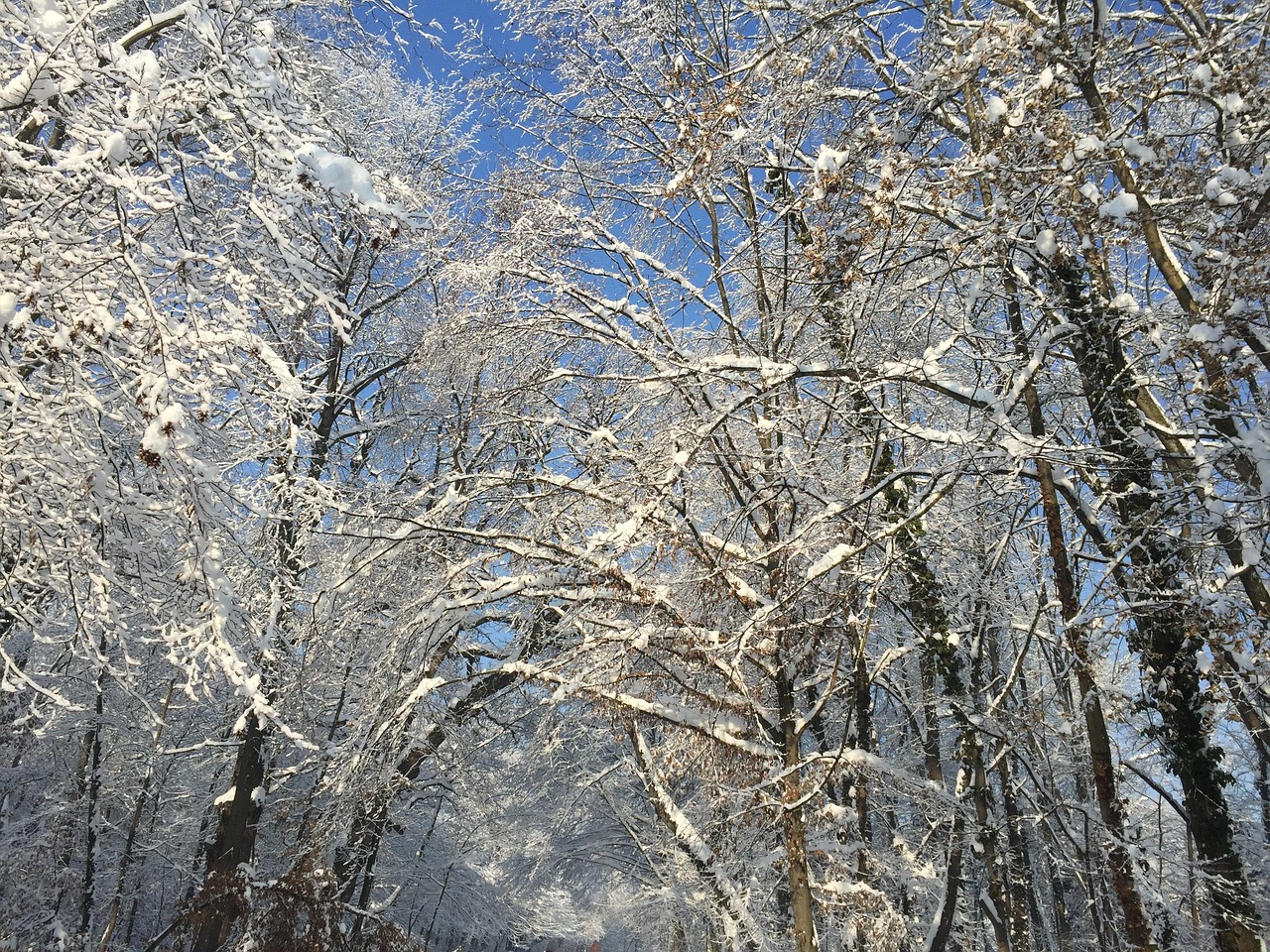
Maksimir Park is Zagreb’s oldest and largest public park, opened in 1794. It’s a mix of forest, meadows, lakes, and pavilions, with winding paths that make you forget you’re in a capital city. Tucked within it is the Zagreb Zoo, compact but thoughtfully laid out.
When my friends visit with kids, Maksimir is non-negotiable. We bring snacks, wander along the lakes, and end up at the zoo, which is manageable in 2–3 hours. On my solo trips, I like to jog here early in the morning alongside locals.
What to do: Walk the main paths, rent a bike if you want to cover more ground, and visit the zoo if you have children or just enjoy animals.
How to get there: Take tram 11 or 12 from the center toward Maksimir; get off near the stadium and walk a few minutes to the park entrance.
Tip: Bring a reusable water bottle in summer; there are fountains, but you’ll still want extra if you’re walking a lot.
13. Archaeological Museum & Mimara Museum
The Archaeological Museum houses over 450,000 artifacts, from prehistoric tools to Roman statues and the famous Zagreb Mummy with its mysterious Etruscan text. It’s one of those places that quietly impresses you without flashy tricks.
The Mimara Museum, in a grand neo-Renaissance building, holds a large collection of European art. There’s ongoing debate among locals about the collection’s quality and provenance, but if you enjoy classical paintings and sculptures, it’s still worth a look.
What to do: At the Archaeological Museum, don’t miss the Vučedol Dove (a prehistoric ceramic vessel) and the mummy. At Mimara, focus on the periods or artists that interest you most.
Tip: Museums are great for rainy or very hot days. Check combined ticket options and temporary exhibitions for 2026; Zagreb often hosts interesting traveling shows.
14. Museum of Contemporary Art (MSU)
Located in Novi Zagreb (New Zagreb), the Museum of Contemporary Art is a large, modern building with a collection that spans Croatian and international contemporary art. Outside, you’ll see the “Double Slide,” a large slide installation, and inside, rotating exhibitions that can be provocative, playful, or puzzling—in the best way.
On one winter afternoon when the city felt grey, I took the tram over and spent hours wandering the galleries. It felt like stepping into a different, more experimental Zagreb.
What to do: Explore the permanent collection, then focus on one or two temporary exhibitions; contemporary art can be overwhelming if you try to see everything intensely.
Tip: Combine a visit here with a coffee or lunch in Novi Zagreb to see a more residential side of the city.
15. Mirogoj Cemetery
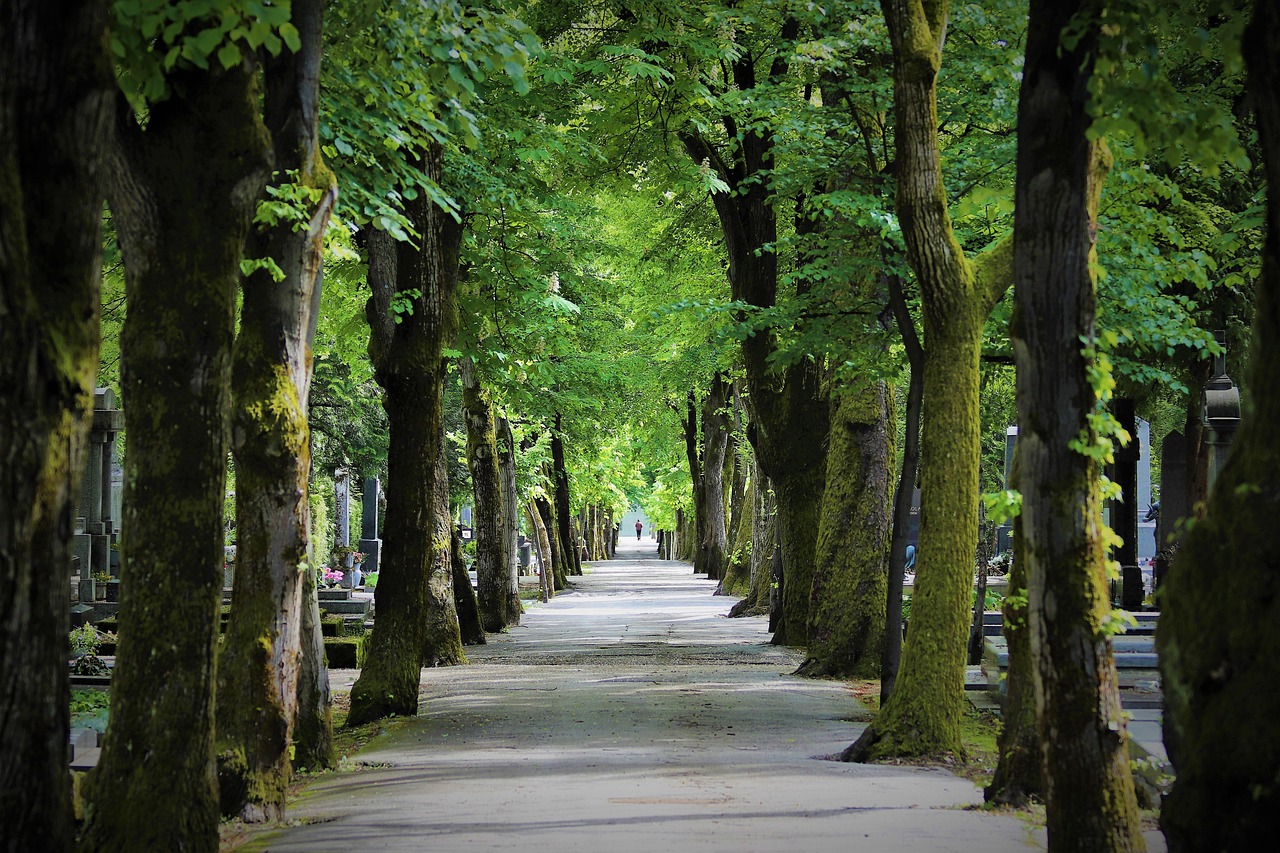
Mirogoj is one of Europe’s most beautiful cemeteries, designed by architect Hermann Bollé in the late 19th century. Arcades covered in ivy, copper-domed pavilions, elaborate gravestones, and peaceful avenues make it as much a park as a burial ground.
The first time I went, I expected a somber experience, but what struck me most was the serenity. Locals walked slowly, some bringing flowers, others simply passing through on a quiet stroll. In autumn, the ivy turns brilliant shades of red and gold—unforgettable.
What to do: Enter through the monumental gate and wander the main avenues and arcades. Look for the graves of notable Croatian figures, but also notice the details on family plots.
How to get there: Take bus 106, 201, or 226 from the city center (check current 2026 lines) or a short taxi ride.
Tip: Dress modestly and behave respectfully; this is an active cemetery. Early morning or late afternoon light is best for photos.
16. Jarun Lake
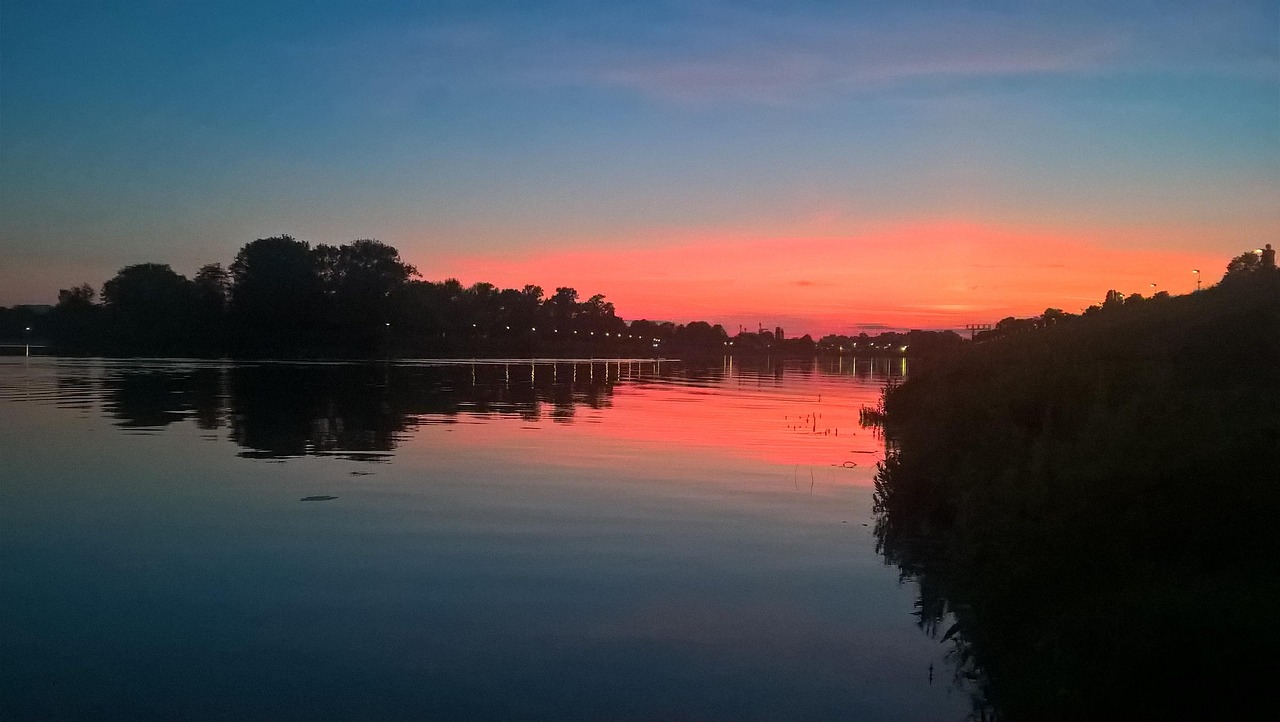
Jarun Lake, in southwestern Zagreb, is the city’s summer playground. Built as a rowing regatta course, it’s now a multi-use recreation area with biking and jogging paths, pebble beaches, cafés, and bars.
On hot days, Jarun is where you’ll find half the city rollerblading, cycling, swimming, or just sunbathing. I’ve watched sunsets here that rival coastal Croatia, the water turning deep orange as the city’s buzz feels far away.
What to do: Rent a bike or rollerblades, walk the loop, swim in designated areas in summer, or simply sit at a lakeside café with a cold drink.
Nightlife angle: Some lakeside bars turn into lively spots in the evening, especially in summer.
Tip: Bring a towel and swim shoes if you have sensitive feet; the beaches are pebbly, not sandy.
17. Tkalčićeva Street
Tkalčićeva is Zagreb’s café and bar artery, running north from Ban Jelačić Square parallel to the Kaptol hill. Once a creek, it’s now a lively pedestrian street lined with terraces, restaurants, and bars.
On my first night in Zagreb, I sat on Tkalčićeva with a beer, watching groups of friends hop from bar to bar, couples sharing pizza, and families strolling with ice cream. It’s touristy, yes, but still very much used by locals.
What to do: Come here for a relaxed drink, a people-watching session, or a casual meal. Try Croatian craft beers or a local rakija (fruit brandy) if you’re brave.
Tip: For a slightly more local vibe, explore the side streets uphill from Tkalčićeva, where you’ll find quieter bars and small galleries.
18. Britanski trg (British Square)
Britanski trg is a small square just west of the center, known for its daily produce market and Sunday antique and flea market. It’s where I go when I want to feel like I’m in a smaller town within the city.
On Sundays, the antique market is full of old books, records, porcelain, and assorted curiosities. I once found a stack of Croatian magazines from the 1970s and spent a rainy afternoon flipping through the ads and old photos.
What to do: Visit on a Sunday morning for the flea market, grab a coffee at one of the surrounding cafés, and watch the neighborhood wake up.
Tip: Haggling is possible but should be done politely; some prices are firm, especially for higher-quality antiques.
19. Martićeva & the Design District
Martićeva and the surrounding streets have become Zagreb’s design and hipster hub: independent cafés, concept stores, vintage shops, and small galleries. It’s where I go when I want good coffee and to feel the city’s creative pulse.
On my last trip, I spent a rainy afternoon here hopping between coffee shops, bookstores, and a tiny design shop where the owner explained how each piece was made by local artists.
What to do: Walk Martićeva from Draškovićeva eastward, popping into whatever catches your eye. Look for local fashion designers, bookstores, and specialty coffee.
Tip: Prices here can be higher than in more traditional parts of town, but the quality and originality are usually worth it.
Neighborhoods & Districts to Explore in Zagreb
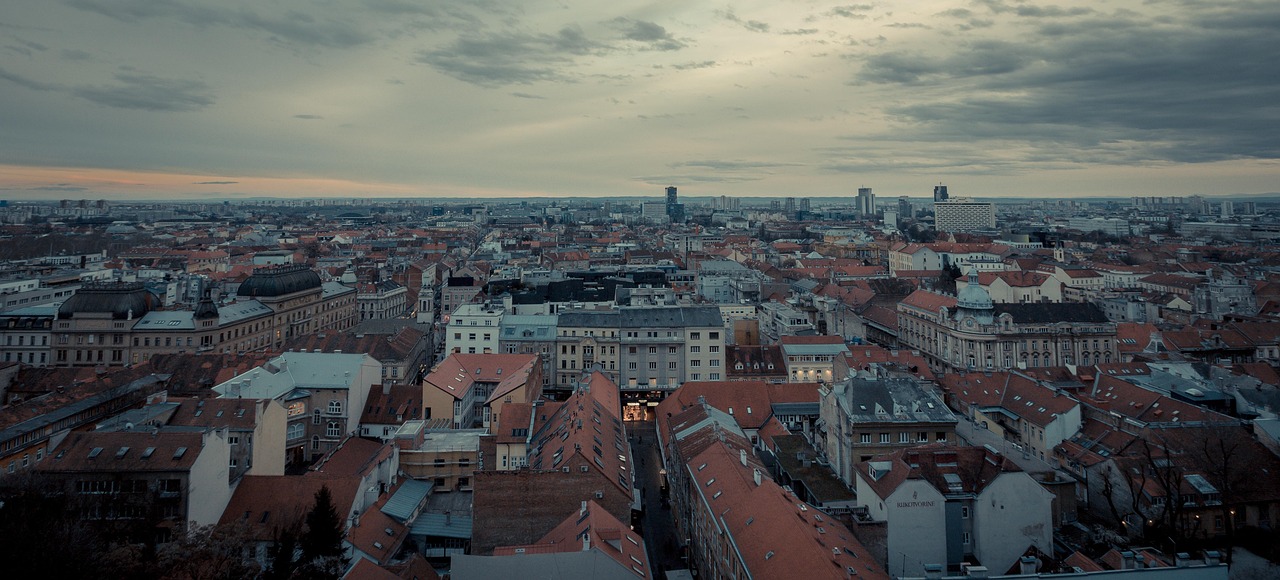
Zagreb isn’t just a list of attractions; it’s a patchwork of neighborhoods, each with its own feel. Here are the areas I recommend exploring as part of your things to do in Zagreb list:
Donji Grad (Lower Town)
The 19th-century heart of Zagreb: grand avenues, the Green Horseshoe of parks, museums, and most hotels. Perfect for first-timers, families, and anyone who wants to be walking distance from everything.
Gornji Grad (Upper Town)
Medieval and atmospheric, with cobbled streets, gas lamps, and political institutions. It’s quieter at night, except during festivals; staying up here feels like living in a storybook.
Kaptol & Around the Cathedral
Home to the cathedral and church institutions, with Dolac Market nearby. A mix of religious heritage and everyday bustle.
Črnomerec & Britanac Area
Residential with local markets, bakeries, and fewer tourists. Great if you want Airbnbs with a neighborhood feel and easy tram access.
Martićeva / Design District
Trendy, creative, and increasingly popular with younger locals and digital nomads. Specialty coffee, co-working spaces, and indie shops abound.
Novi Zagreb (New Zagreb)
Across the Sava River, built mostly in the socialist era: wide boulevards, apartment blocks, and green spaces. Come here for the Museum of Contemporary Art, Bundek Lake, and a glimpse of everyday life beyond the old center.
Food & Drink in Zagreb: What to Eat, Where to Eat, and How to Eat Like a Local
Zagreb’s food scene is a delicious mix of Central European comfort, Mediterranean freshness, and Balkan grill culture, with a growing modern twist. If you care about local food in Zagreb, you’re in the right city.
Must-Try Local Dishes
- Štrukli: Baked or boiled pastry filled with cheese and cream. My go-to comfort food on rainy days.
- Purica s mlincima: Roast turkey with thin, soaked-then-baked flatbread. A Sunday-lunch classic.
- Zagrebački odrezak: A schnitzel-style veal or pork cutlet stuffed with ham and cheese, breaded and fried.
- Grah: Hearty bean stew, often with sausage or smoked meat.
- Ćevapi: Grilled minced meat sausages, usually served with onions and flatbread.
- Kremšnita: Vanilla cream slice; Samobor nearby is famous for it, but you can find good versions in Zagreb too.
Coffee Culture
Coffee isn’t just a drink here; it’s a social ritual. Locals can spend hours over a single espresso, talking about everything and nothing. If you order “kava,” you’ll usually get something akin to an espresso; specify macchiato, cappuccino, or instant if you want something else.
Where I Like to Eat (Representative Examples)
I tend to avoid only-tourist menus and look for places where you hear as much Croatian as English. Around the center and Martićeva, you’ll find:
- Traditional restaurants serving štrukli, stews, and grilled meats.
- Modern bistros blending local ingredients with contemporary techniques.
- Tiny bakeries for burek (savory pastry) and pastries to-go.
Money-saving tip: Look for daily lunch menus (ručak or gablec) on weekdays—fixed-price meals that locals love. They’re one of the easiest ways to save money while eating very well.
Drinks to Try
- Local wines: Especially from Plešivica and Zagorje regions; ask for the house wine in a konoba.
- Rakija: Fruit brandy in many flavors—sljivovica (plum), medica (honey), or orahovac (walnut). Sip, don’t shoot.
- Croatian craft beer: The scene has grown a lot; ask bartenders for local IPAs, pale ales, and stouts.
Nightlife, Entertainment & Cultural Experiences in Zagreb
Zagreb’s nightlife is varied and approachable: no need for elaborate dress codes or VIP lists. You’ll find casual bars, cocktail lounges, live music venues, and clubs, plus a strong theater and classical music scene.
Where the Night Happens
- Tkalčićeva: Lively bars and terraces, especially good for early evening.
- Upper Town: Quieter but atmospheric wine bars and small pubs.
- Jarun & Lake area: Summer nightlife with lakeside bars and occasional open-air events.
- Martićeva & surrounding streets: Trendy bars and specialty cocktail spots.
Cultural Experiences in Zagreb
- Croatian National Theatre: Opera, ballet, and drama in a gorgeous 19th-century building.
- Cinemas: Many films screen in original language with Croatian subtitles.
- Live music: From jazz bars to rock clubs; check listings for 2026 events when you’re in town.
Romantic evening idea: Start with sunset in the Upper Town, have dinner in a cozy bistro, then end with a performance at the National Theatre or a wine bar visit.
Best Day Trips from Zagreb
One of Zagreb’s biggest advantages is how easy it is to escape the city for a day. With 4 days in Zagreb or especially 5 days in Zagreb, consider:
Samobor
A charming small town about 25 km west of Zagreb, known for its kremšnita cream cake, picturesque main square, and nearby hiking trails. I love coming here on sunny Sundays for a slow lunch and dessert.
How to get there: Frequent buses from Zagreb’s main bus station (Autobusni kolodvor), about 30–40 minutes.
Varaždin
A baroque gem north of Zagreb, with a well-preserved old town and a castle. It feels like stepping into an 18th-century Central European painting.
How to get there: Trains and buses run regularly; plan 1.5–2 hours each way.
Krapina & Trakošćan Castle
Krapina is home to a fascinating Neanderthal museum; Trakošćan is one of Croatia’s prettiest castles, set by a lake. Combining the two makes for a varied, memorable day.
How to get there: Easiest by rental car or organized tour; public transport is possible but slower and less direct.
Plitvice Lakes (Long Day Trip)
Doable as a very long day trip if you’re determined and start early, though I usually recommend an overnight. The waterfalls and turquoise lakes are worth the effort.
Cultural Etiquette & Local Customs in Zagreb
Understanding local customs in Zagreb makes your visit smoother and more rewarding. Croatians are generally warm but can seem reserved at first; once you’re in, you’re in.
Greetings & Social Norms
- A simple “Dobar dan” (good day) works well in shops and restaurants.
- Handshakes are common on first meeting; friends may kiss on the cheek (usually three times) but don’t initiate unless they do.
- Punctuality is appreciated, especially for formal appointments.
Café & Restaurant Etiquette
- It’s normal to linger over drinks; no one will rush you to leave.
- Service can feel slower than in some countries; it’s not rudeness, just a different pace.
- Tip around 10% if you’re happy with the service; rounding up is fine for small bills.
Dress & Behavior
- Casual but neat clothing is standard; you don’t need to dress up unless going somewhere fancy.
- Quiet behavior is expected in churches, cemeteries, and on public transport.
- Don’t sit on monuments or climb on statues for photos.
Language
Croatian is the official language, but many younger people and those working in tourism speak good English. Learning a few words goes a long way:
- Hvala – Thank you
- Molim – Please / You’re welcome
- Oprostite – Excuse me / I’m sorry
Practical Travel Tips for Zagreb (2026)
Money & Costs
Croatia uses the euro. Cards are widely accepted, but small cash is handy for markets, kiosks, and some smaller cafés. Compared to Western Europe, Zagreb is generally more affordable, especially for food and public transport.
Public Transport & Getting Around
Trams and buses form a simple, reliable network. Tickets can be bought at kiosks or via mobile apps (check current 2026 options). Validate your ticket when boarding.
- Walking: The center is compact; you can walk most places within 20–30 minutes.
- Trams: The easiest way to cover longer distances, like to Maksimir or Jarun.
- Taxis & ride-hailing: Available and reasonably priced; use apps for transparent pricing.
Car Rental & Driving
You don’t need a car in the city, but it’s useful for day trips. Foreign driver’s licenses are generally accepted (check if you need an International Driving Permit based on your country). Roads are in good condition; parking in the center can be tricky and paid.
SIM Cards & Connectivity
Prepaid SIMs with data are easy to buy from major providers in 2026, often at the airport or in city shops. Bring your passport. Wi-Fi is common in cafés, hotels, and many public spaces.
Visa Requirements
Croatia is part of the Schengen Area. Visa requirements depend on your nationality; many visitors can enter visa-free for short stays. Always check the latest regulations before traveling, especially as rules can evolve by 2026.
Safety
Zagreb is generally very safe. Usual big-city precautions apply: watch your bag in crowded trams and markets, and be cautious late at night around major stations. Violent crime is rare in tourist areas.
Saving Money in Zagreb
- Use lunch specials at local restaurants.
- Buy snacks and breakfast items at supermarkets or Dolac Market.
- Walk and use trams instead of taxis where possible.
- Choose accommodation slightly outside the main square but near a tram line.
When to Visit Zagreb & 2026–2027 Events
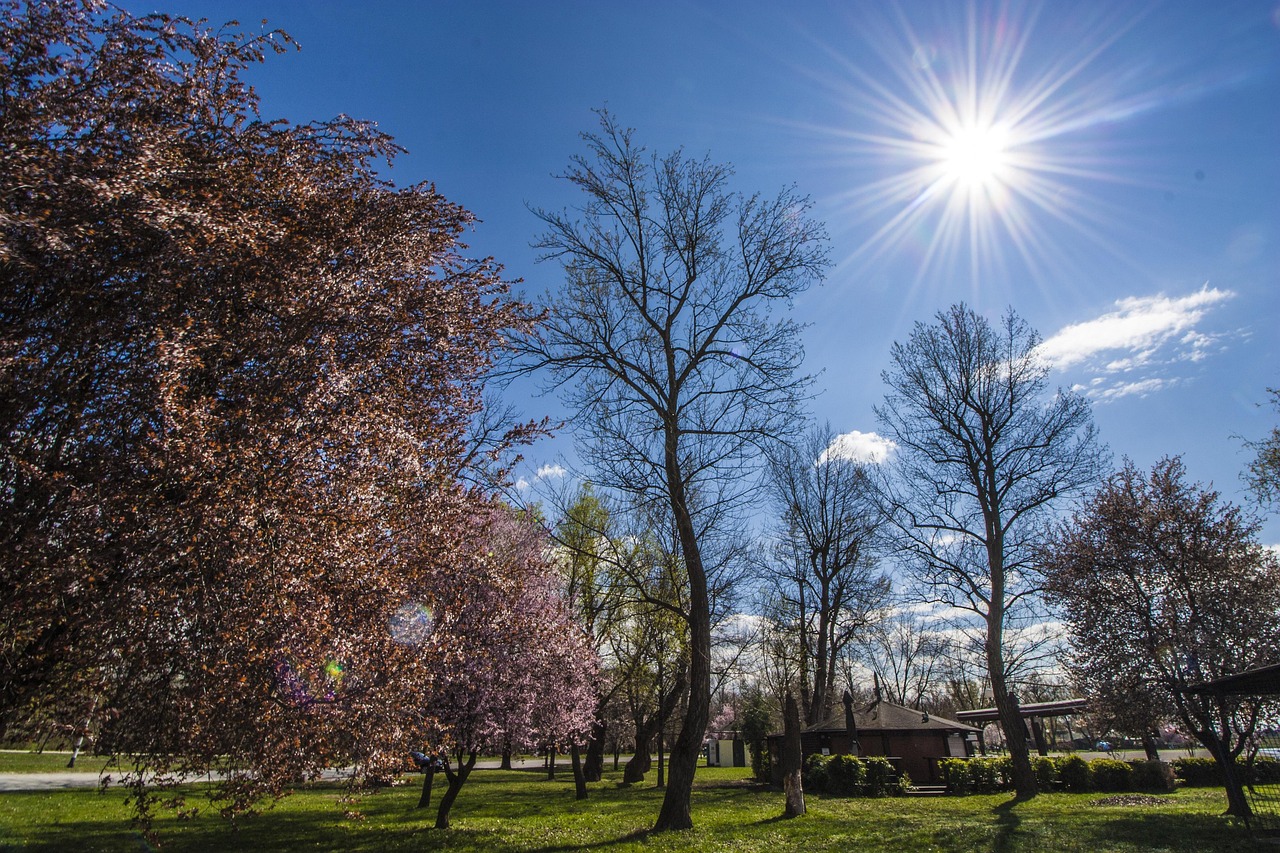
Each season in Zagreb offers different things to do in Zagreb and different moods. Your ideal time depends on what you’re after.
Spring (April–June)
Parks are lush, café terraces fill up, and temperatures are pleasant. Perfect for a balanced 3 day itinerary for Zagreb with lots of walking and outdoor time.
Summer (July–August)
Warm to hot, with occasional heatwaves. Some locals head to the coast, making the city feel a bit more relaxed. Great for Jarun, Maksimir, and evening events, but plan for midday shade.
Autumn (September–October)
My favorite: crisp air, colorful leaves at Mirogoj and Maksimir, and a full cultural calendar. Ideal for 4 days in Zagreb if you like museums and parks equally.
Winter (November–March)
Colder, with possible snow. The highlight is Advent (late November–December), when Christmas markets and light displays transform the city. A magical time for couples and families.
Major 2026–2027 Events (Indicative)
- Zagreb Advent (late 2026): City-wide Christmas market with concerts, food stalls, and ice skating.
- Zagreb Film Festival (usually in autumn): Showcases international and regional films.
- INmusic Festival (usually June at Jarun): Croatia’s biggest open-air music festival, often featuring major international acts.
- Various cultural festivals: Expect design, animation, and street performance events spread through the year; check the official Zagreb tourism website closer to your travel dates.
Summary & Final Recommendations
Zagreb isn’t the loudest city in Europe, but that’s precisely its charm. It’s a place that opens up slowly: through mornings at Dolac Market, sunsets from Lotrščak Tower, long coffees on Tkalčićeva, and quiet walks under the trees of Zrinjevac or Maksimir. It’s a city you live in for a few days rather than just tick off.
If you’re planning 3 days in Zagreb, focus on the historic core, Mirogoj, and the main parks. For a 4 day itinerary for Zagreb, add Medvednica or more museum time. With 5 days in Zagreb, give yourself a day trip to Samobor or Varaždin and a day to simply wander neighborhoods like Martićeva or Britanac with no agenda.
For most travelers, the best times to visit are spring and autumn, when you can comfortably explore both the city’s architecture and its green spaces. But if you’re drawn to Christmas lights and mulled wine, Advent in Zagreb is hard to beat.
Whatever season you choose, come prepared to slow down. In Zagreb, the highlights are as much the little moments—a perfect espresso, a conversation with a stallholder at Dolac, the echo of the Grič cannon at noon—as the major sights. Let the city set the pace, and you’ll leave already planning your return.