Why Visit Split, Croatia in 2026
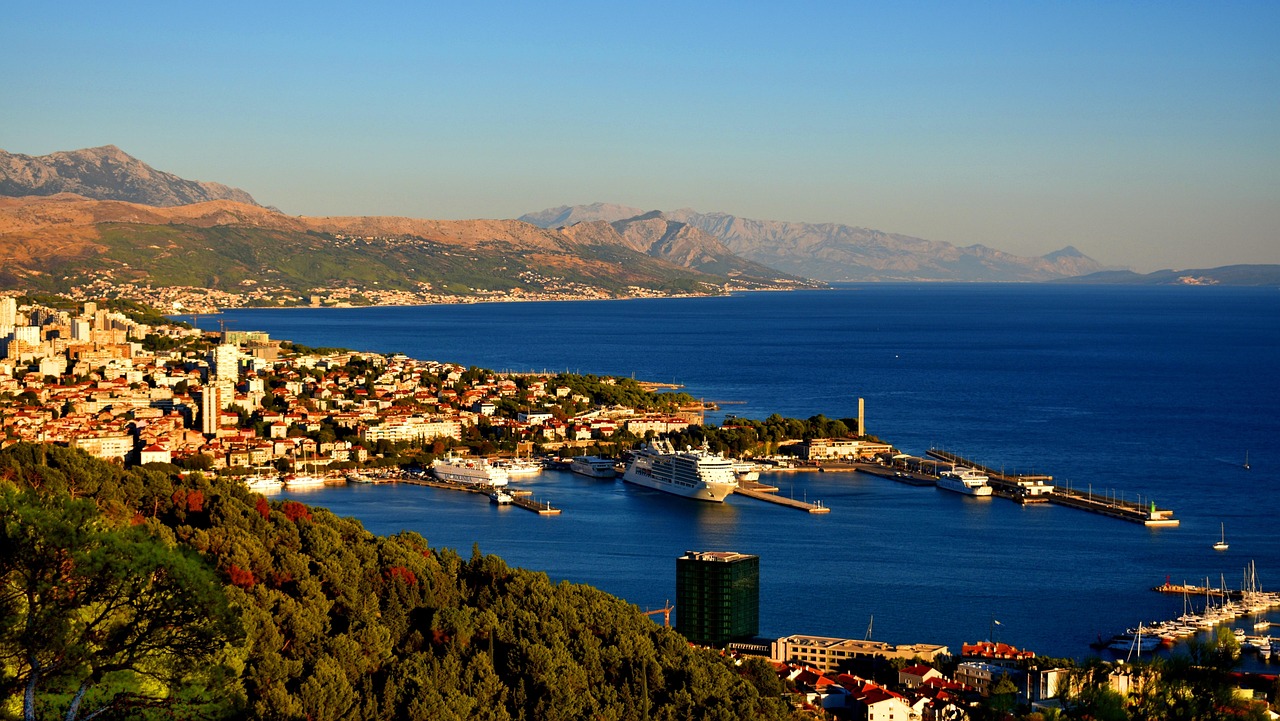
If there’s one city I never get tired of returning to, it’s Split. Every time my bus rolls down the hill from the highway and the Adriatic suddenly flashes into view, I feel the same little electric jolt: red-roofed houses cascading to the sea, the palm-lined Riva promenade, and the hulking stone walls of Diocletian’s Palace glowing in the sun.
Split is where ancient Rome, Venetian charm, Austro-Hungarian elegance, and modern Mediterranean life all jostle together in one narrow, sun-drenched strip along the coast. It’s a place where you can spend the morning swimming in crystal-clear coves, the afternoon wandering 1,700-year-old palace cellars, and the evening sipping wine in a tiny stone courtyard where laundry flaps overhead and somebody’s grandmother is arguing out of an open window.
In 2026, Split is buzzing more than ever. New restaurants, craft bars, and boutique hotels are opening in and around the palace, while the city is carefully restoring its heritage sites and expanding bike paths and coastal walks. It’s the perfect base whether you have 3 days in Split or are planning a deeper 4 day itinerary for Split or even a full 5 days in Split with island-hopping and day trips.
This travel guide for Split is written as if I’m walking you through the city myself: stories, misadventures, favorite cafés, and the little shortcuts locals use. You’ll find detailed itineraries, must-see attractions in Split, hidden gems in Split, the best local food in Split, cultural experiences in Split, and practical travel tips for Split so you can build your own perfect 3, 4, or 5 day itinerary.
Table of Contents
- Why Visit Split in 2026
- Quick Overview of Split
- Suggested 3–5 Day Itineraries
- Top 20 Attractions & Experiences (Deep Dive)
- Neighborhoods & Areas to Explore
- Local Food & Drink: What and Where to Eat
- Nightlife, Entertainment & Cultural Experiences
- Best Day Trips from Split
- What’s New & Major Events 2026–2027
- Cultural Etiquette & Local Customs
- Practical Travel Advice for Split
- Summary & Best Time to Visit Split
Split at a Glance
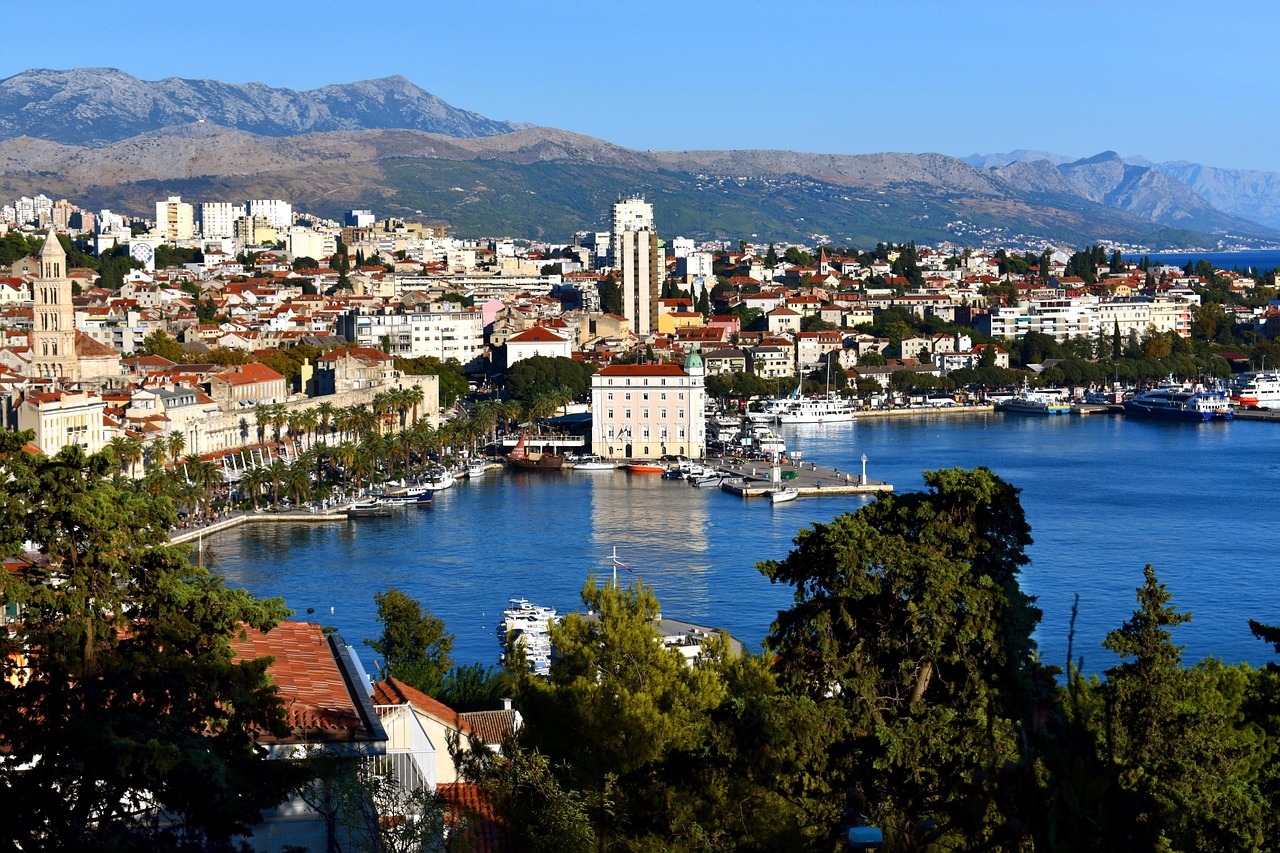
Split is Croatia’s second-largest city and the unofficial capital of Dalmatia. It wraps around a deep, sheltered harbor, backed by the rocky mass of Marjan Hill and facing a string of islands: Brač, Hvar, Šolta, and Vis. The heart of the city is Diocletian’s Palace, a Roman imperial residence from the 4th century that has, remarkably, become a living neighborhood.
Unlike some “museum” old towns, Split is stubbornly real. Kids kick footballs in Roman courtyards, fishermen mend nets beside million-euro yachts, and you’ll hear church bells overlapping with ferry horns and the slap of backgammon pieces in shady squares.
Recommended 3, 4 & 5 Day Itineraries in Split
Below are narrative-style itineraries based on my own stays. Each assumes you’re staying in or near the historic center and walking a lot. If you have fewer days, you can trim; if you have more, you can slow down.
3 Days in Split – Classic Highlights Itinerary
If you only have 3 days in Split, this is the perfect balance of history, sea, and local life. Think of this as your essential 3 day itinerary for Split.
Day 1: Diocletian’s Palace, Riva & Old Town Secrets
I like to start my first morning in Split as early as possible, before the cruise ship groups arrive. One of my favorite memories is walking into the Peristyle at 7 a.m. in late September: the marble square was completely empty except for a cat sunning itself on a 3,000-year-old sphinx.
- Morning: Explore Diocletian’s Palace – Peristyle, Cathedral of Saint Domnius, Bell Tower, Temple of Jupiter, and the underground cellars. Stop for coffee at a café tucked in one of the palace’s narrow lanes.
- Lunch: Grab a simple marenda (worker’s lunch) at a konoba just outside the palace walls—expect grilled fish, blitva (chard and potatoes), and house wine.
- Afternoon: Wander the Riva promenade, peek into the Pazar (Green Market), and get lost in the Varoš neighborhood’s steep alleys.
- Evening: Climb Marjan Hill viewpoint for sunset, then dinner back in the old town.
Day 2: Beaches, Marjan Forest Park & Coastal Walks
Day two is about the sea and that laid-back Dalmatian pace. On my last July visit, I spent the entire morning at Bačvice, swimming and watching locals play picigin in the shallows, then walked all the way around Marjan’s southern coves, jumping in whenever the heat got too much.
- Morning: Swim and relax at Bačvice Beach (sandy, shallow, great for families) or head further to Firule for a quieter vibe.
- Lunch: Beachfront snacks or a simple seafood lunch in a local konoba near the harbor.
- Afternoon: Explore Marjan Forest Park – walk or bike to beaches like Bene or Kašjuni, with time for swimming and an ice cream stop.
- Evening: Drinks on the Riva or in a hidden wine bar inside the palace.
Day 3: Island Hop or Explore Trogir
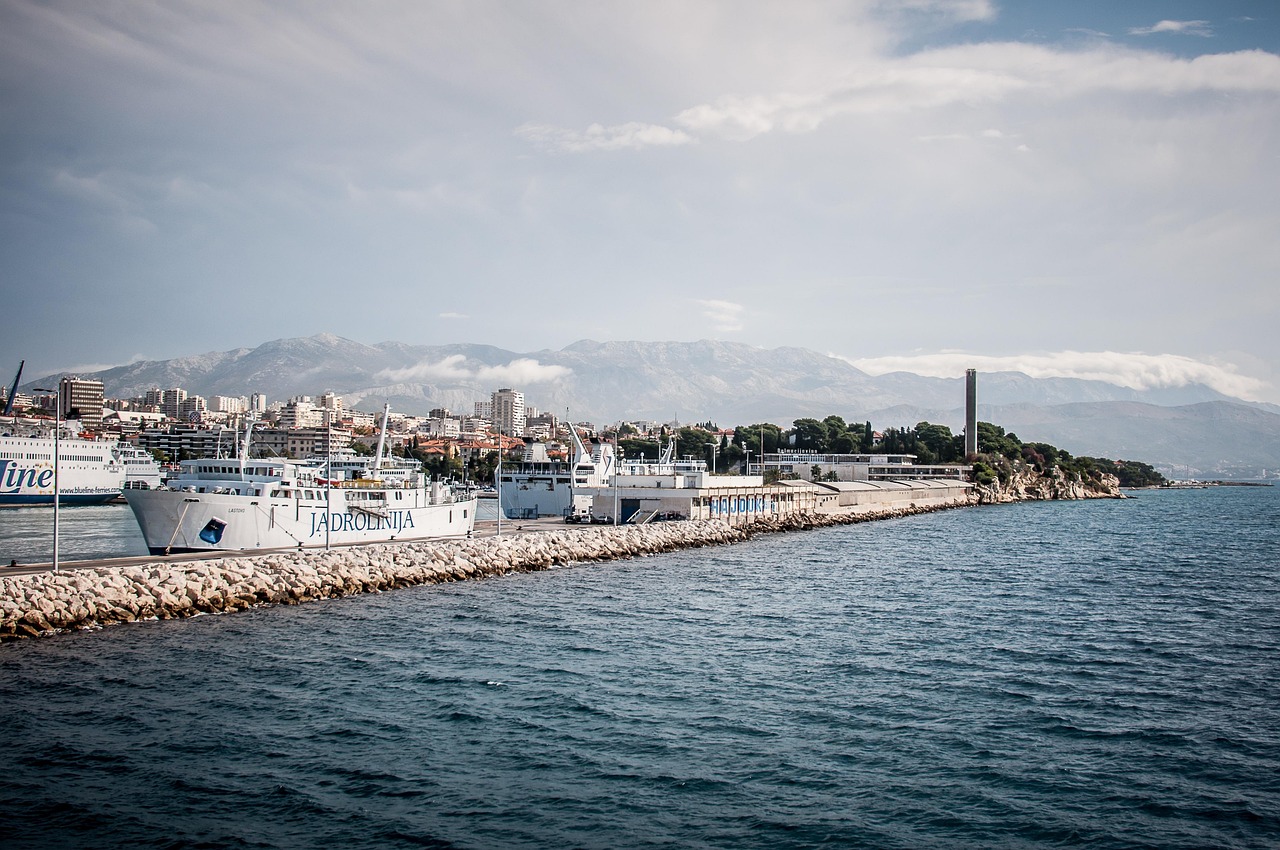
On your third day, choose between staying on the mainland or tasting the islands. My own “perfect” third day alternates between a lazy boat day and a cultural day trip to Trogir, depending on my mood and the weather.
- Option A (Islands): Join a boat tour to Hvar & the Pakleni Islands or the Blue Lagoon and Šolta. Expect swimming stops, sun, and a bit of party vibe in high season.
- Option B (Trogir): Take the bus or boat to Trogir, a UNESCO-listed town about 40 minutes away. Wander its tiny medieval core and climb the Kamerlengo Fortress.
- Evening: Farewell dinner in Split; walk the Riva one last time and listen to live klapa (a capella) music if you’re lucky.
4 Days in Split – Culture & Coast
If you have 4 days in Split, you can follow the 3-day plan and add more depth. This 4 day itinerary for Split includes extra museums, viewpoints, and local neighborhoods.
Day 4 Ideas: Museums, Local Neighborhoods & Food
- Visit the Archaeological Museum and/or the Galerija Meštrović (Meštrović Gallery) to dive deeper into Croatian art and history.
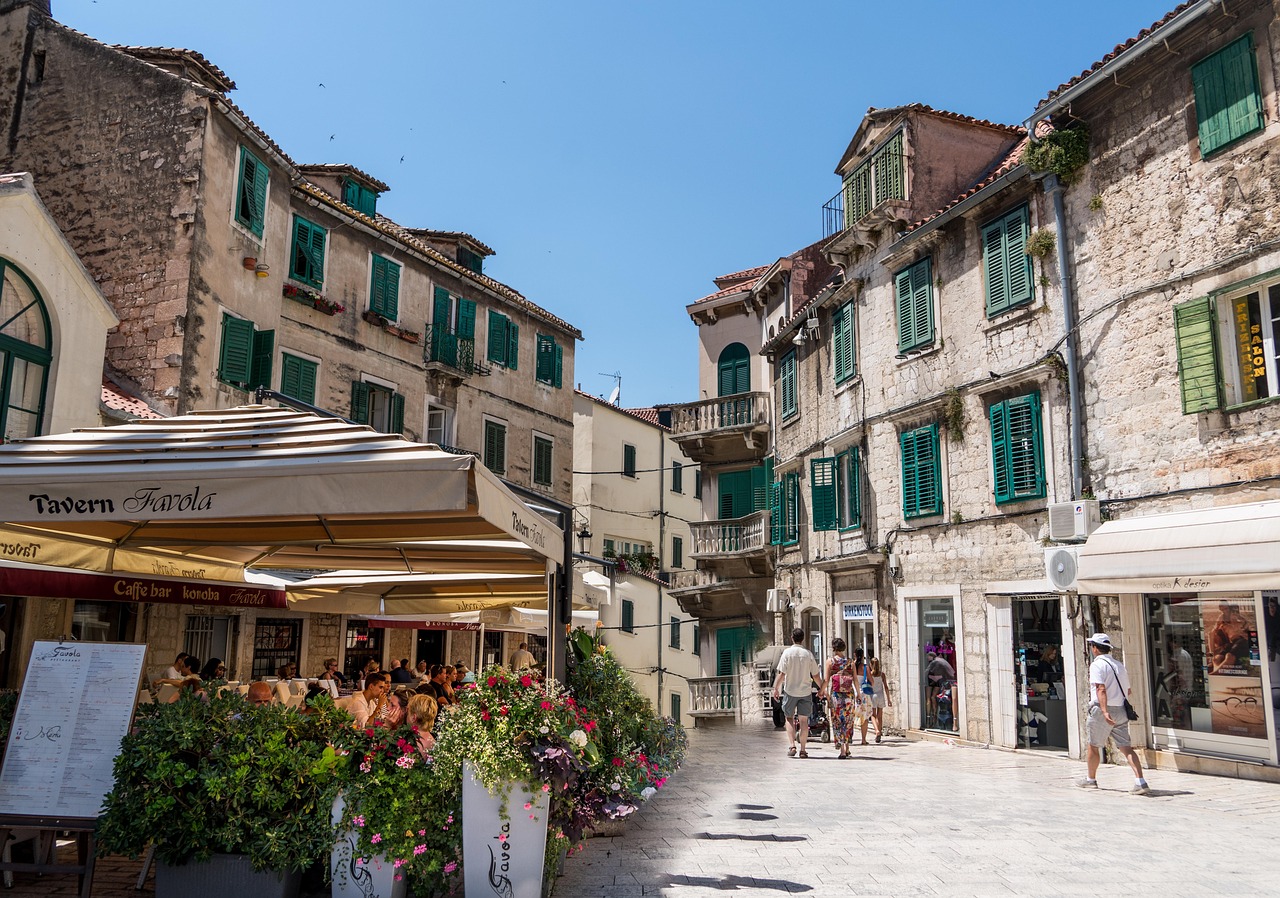
- Explore the Manuš and Lučac neighborhoods: everyday Split with bakeries, small squares, and local bars.
- Book a food tour or cooking class to understand Dalmatian cuisine: peka, pašticada, and local olive oils and wines.
- Evening drinks in the Bačvice area or along the West Coast promenade, which has a fancier, yacht-club feel.
5 Days in Split – Islands, Adventure & Slow Living
With 5 days in Split, you can really relax. A 5 day itinerary for Split gives you time for an extra island, a hike, or simply more mornings drinking coffee and watching the world go by.
Day 4 & 5 Suggestions
- Take a full-day boat trip to Vis and the Blue Cave (in season).
- Plan a hiking or canyoning day around Omiš and the Cetina River.
- Spend an unstructured “local day”: café on the Riva, market browsing, reading on a hidden beach, long lunch, then an evening concert or theater show.
- Use Split as a base for a day trip to Krka National Park or Šibenik.
Top 20 Attractions & Experiences in Split (Deep Dive)
Below are 20 of the best places to visit in Split, each described the way I’ve experienced them: when to go, what they feel like, and how to make the most of your visit. These are the backbone of any great itinerary, whether you’re planning 3, 4, or 5 days in Split.
1. Diocletian’s Palace
Every visit to Split starts and ends with Diocletian’s Palace. I remember my first time stepping through the Bronze Gate from the Riva: I expected a museum; instead, I walked straight into a neighborhood. Laundry hanging between columns, kids racing through alleys, a cat asleep on a 1,700-year-old threshold.
Built around 305 AD as a retirement palace for Emperor Diocletian, this complex is a mix of Roman, medieval, Renaissance, and Baroque layers. Over centuries, locals moved in and turned the imperial residence into a living city. Today, it’s one of the best-preserved Roman structures of its kind and a UNESCO World Heritage Site.
What to See Inside
- Peristyle (Peristil): The marble courtyard at the heart of the palace, framed by columns and guarded by a black granite sphinx shipped from Egypt. I like to sit on the steps with a takeaway coffee and watch the morning unfold.
- Cathedral of Saint Domnius: Once Diocletian’s mausoleum, now a cathedral. The irony of a persecutor of Christians becoming home to a Christian church isn’t lost on locals; guides love to point it out.
- Bell Tower: Climb the narrow, see-through stairs for one of the best views of Split. If you’re afraid of heights, go slowly and hold the rail; the payoff is worth it.
- Temple of Jupiter: A small, atmospheric temple turned baptistery, with a hulking bronze statue of St. John the Baptist.
- Substructures (Cellars): These vaults mirror the layout of Diocletian’s apartments above and were once filled with garbage, which accidentally preserved them. I love walking through here at midday when the stone is cool.
Practical Tips
- Best time: Early morning (before 9:00) or late evening, when tour groups thin out.
- Tickets: There are combined tickets for the Cathedral, Bell Tower, Temple of Jupiter, and Treasury; cellars have a separate fee.
- Game of Thrones fans: Some palace cellars were used as Daenerys’ dragon lair—ask a local guide to point out specific spots.
2. The Riva Promenade
The Riva is Split’s living room. It’s not an “attraction” in the traditional sense, but you’ll naturally find yourself here multiple times a day. I usually start my mornings with a macchiato at a Riva café, watching locals stroll in pressed shirts and perfectly styled hair, even at 8 a.m.
Flanked by palm trees and lined with cafés, the Riva runs along the southern edge of Diocletian’s Palace. Ferries and excursion boats bob just beyond, and in summer the promenade is full of vendors selling gelato, crepes, and souvenirs.
Why It’s Special
- People-watching: You’ll see everything from fishermen and old men in linen shirts to kids on scooters and street performers.
- Evening passeggiata: Around 7–9 p.m., locals come out for a leisurely stroll. Join them with a gelato or a glass of local wine.
- Events & festivals: Concerts, markets, and sports celebrations often take over the Riva.
My Tip
Prices on the Riva are higher than in backstreets, but you pay for the view. I usually have one “Riva coffee” each trip as a ritual, then head into the palace for cheaper drinks the rest of the time.
3. Marjan Hill & Forest Park
Marjan Hill is Split’s green lung—a peninsula covered in pine forest and crisscrossed with walking, running, and biking trails. On hot days, I escape up here to breathe in pine resin and look back at the city from above.
Historically, Marjan was a place of retreat for hermits and monks. You’ll still find tiny churches and hermitages carved into the rock on the southern slopes.
Highlights
- Vidilica Viewpoint: A short climb from the Varoš neighborhood brings you to this terrace café with postcard-perfect views of Split. I like coming here around golden hour.
- Stone churches: Seek out the small, whitewashed churches like St. Nicholas and St. Jerome tucked into the cliffs.
- Beaches: Bene (shady, family-friendly, with a playground) and Kašjuni (pebble, with a beach bar) are among the nicest beaches in the city.
Practical Tips
- Footwear: Wear proper shoes if you’re hiking beyond the main viewpoints.
- Shade & water: In summer, go early or late in the day and bring water.
- Family-friendly: The trails are manageable for kids, and Bene Beach is especially good for families.
4. Bačvice Beach
Bačvice is where Split goes to play. It’s one of the only true sandy beaches in the area, and its shallow, warm water is ideal for kids and for the beloved local sport: picigin.
My favorite Bačvice memory is from an early May trip. The water was still cool, but a group of older locals were already in, slapping a tiny ball in the air, yelling and laughing. They’ve probably been playing together for decades.
What to Expect
- Shallow water: You can walk far out and still be waist-deep—perfect for families.
- Beach clubs: In summer, there are loungers, bars, and music; at night, some venues turn into clubs.
- Local life: You’ll see everyone from teenagers to grandparents here, especially late afternoon.
Tips
- Getting there: It’s about a 10–15 minute walk east from the Riva.
- High season: It gets crowded. If you prefer quieter spots, head further along the coast to Firule or Trstenik.
5. Pazar – Green Market
On my second morning in Split on one trip, I woke up early and walked straight to the Pazar, the open-air green market just east of the palace. The smell of herbs, peaches, and fresh cheese hit me first, then the sound of haggling in rapid-fire Croatian.
This is where locals buy their fruits, vegetables, cheeses, cured meats, and everything from socks to souvenirs. It’s chaotic and colorful and one of the best cultural experiences in Split.
What to Buy
- Fruit: Figs, cherries, and grapes in late summer; oranges and mandarins later in the year.
- Cheese & cured meats: Ask for paški sir (Pag island cheese) and pršut (Dalmatian prosciutto).
- Olive oil & honey: Local producers sometimes sell small bottles—perfect edible souvenirs.
Money-Saving Tip
Prices can be slightly higher at the very front. Wander deeper into the market for better deals, and don’t be afraid to ask for “malo manje” (a little less) if you want to sample.
6. Peškarija – Fish Market
Split’s fish market is a small, covered hall west of the palace. I like to pass through in the morning, when the marble floors are wet and the vendors are loudly advertising their catch: sardines, squid, shrimp, and gleaming whole fish laid over crushed ice.
It smells less than you’d expect, thanks to sulfur springs beneath the city that keep flies away—an odd little local detail I love.
Visiting Tips
- Go early: 7–9 a.m. is best for the full experience and freshest catch.
- Even if you’re not cooking: It’s a short, atmospheric stop that shows you everyday life.
- Look for restaurants nearby: Some konobas buy here daily; ask where they source their fish.
7. Meštrović Gallery (Galerija Meštrović)
On a quiet spring afternoon, I walked along the coast road west of the center to the Meštrović Gallery, set in the former villa of Croatia’s most famous sculptor, Ivan Meštrović. The gardens slope gently to the sea, with sculptures scattered among the cypress trees, and the views back toward Split are gorgeous.
Meštrović was a contemporary of Rodin, and his work appears in cities around the world, but here you get a sense of his roots and his deep connection to Dalmatia.
Why Visit
- Art & architecture: The villa itself is elegant, and the sculptures are powerful yet graceful.
- Peaceful setting: Far from the crowds of the palace, it’s a great spot to slow down.
- Combined visit: Pair it with nearby beaches or a walk to Marjan.
Practical Info
- Getting there: 20–30 minute walk or a short bus/taxi ride west along the coast.
- Tickets: Modest entry fee; check seasonal opening hours.
8. Archaeological Museum (Arheološki Muzej)
Just north of the center, the Archaeological Museum is a quiet treasure. I ducked in here one rainy November afternoon and ended up staying hours longer than planned. The courtyard is full of Roman stonework—altars, inscriptions, sarcophagi—and inside you’ll find artifacts from prehistoric to early Christian times.
Why It’s Worth It
- Context: You’ll better understand what you’re seeing at Diocletian’s Palace and around Dalmatia.
- Rainy day option: Ideal when the weather isn’t beach-friendly.
- Less crowded: You often have rooms almost to yourself.
9. Marjan Beaches: Kašjuni & Bene
When I want a beach day but don’t feel like leaving town, I head to the Marjan beaches. They feel a world away from the busier Bačvice area.
- Kašjuni: Pebble beach under cliffs, with a beach bar and clear water. Perfect for couples and sunset swimmers.
- Bene: Shadier, backed by pine forest, with a playground and sports facilities—great for families and anyone needing shade.
Both can be combined with a walk in Marjan Park. Bring your own snacks or plan to eat at the simple beach bars.
10. Varoš Old Quarter
Varoš is one of my favorite neighborhoods to wander. Just west of the palace and rising up Marjan’s lower slopes, it’s a tangle of narrow alleys, stone staircases, and tiny houses with potted plants outside the door.
Historically, this was a fishermen’s quarter, and it retains a village feel even as more guesthouses and restaurants move in. I like to wander at twilight, when windows glow and you can hear cutlery clinking inside.
What to Do
- Follow any stairway uphill until you hit the Marjan viewpoint path.
- Look for small local konobas with a handful of outdoor tables.
- Photograph the stone houses, shutters, and unexpected micro-squares.
11. West Coast Promenade (Zapadna Obala)
West of the Riva, the West Coast promenade feels more modern and polished. Sleek yachts line the marina, and the walkway is wide and open, with designer hotels and bars overlooking the water.
On one shoulder-season visit, I spent a whole afternoon here with my laptop, working from a café terrace while sailboats drifted in and out. It’s a quieter alternative to the Riva but still perfect for strolling.
12. Game of Thrones Filming Locations
If you’re a Game of Thrones fan, Split is full of familiar corners—especially in the palace substructures. I’m not a hardcore fan, but even I got a thrill standing where Daenerys supposedly kept her dragons.
Several walking tours focus on filming spots around the palace and nearby Klis Fortress. Even if you’re not into the show, these tours double as excellent history walks.
13. Klis Fortress
Perched on a ridge above Split, Klis Fortress looks like something out of a fantasy novel—long, narrow, and bristling with walls. On a breezy April afternoon, I took a local bus up here and had sweeping views over the city, islands, and mountains.
Historically, Klis was a key defensive stronghold against Ottoman advances. Today, it’s partly famous as a Game of Thrones location (it was used for Meereen), but it’s worth visiting even if you’ve never seen the show.
Tips
- Getting there: Local buses run from Split; ask at the tourist office for the latest route numbers and schedules.
- Footwear: Wear sturdy shoes; there’s a lot of uneven stone.
- Time needed: 2–3 hours, plus travel time.
14. Trogir Old Town (Day Trip)
About 30–40 minutes from Split, Trogir is like a tiny, perfectly preserved medieval jewel. The entire old town sits on a small island connected by bridges, with a seafront promenade and a maze of stone lanes inside.
I often recommend Trogir to friends with an extra day in Split. It’s slower, smaller, and more relaxed, making a beautiful contrast with Split’s bustle.
Highlights
- Cathedral of St. Lawrence: Climb the bell tower for panoramic views.
- Kamerlengo Fortress: Walk the walls at sunset.
- Waterfront: Lined with cafés, great for a long coffee or glass of wine.
15. Krka National Park (Day Trip)
Krka National Park is about 1.5 hours from Split and features a series of waterfalls and river landscapes. It’s often compared to Plitvice but is closer and easier as a day trip from Split.
I joined a small-group tour one hot June day and loved walking the wooden boardwalks over turquoise pools, with dragonflies darting around. Swimming rules have changed in recent years, so check the current regulations if that’s important to you.
16. Omiš & Cetina River Adventures
South of Split, Omiš sits where the Cetina River meets the sea, surrounded by dramatic cliffs. It’s a dream for adventure lovers and one of my favorite day trips when I want something more active than another beach day.
Things to Do
- Canyoning & rafting: Guided trips take you down the Cetina through rapids and canyons.
- Zip-lining: Several long zip-lines cross the canyon—huge adrenaline rush and incredible views.
- Fortress hike: Hike up to Fortica or Mirabella fortresses for views over Omiš and the coast.
17. Hvar Town & Pakleni Islands (Day or Overnight Trip)
From Split, Hvar is often a first island stop. Fast catamarans run regularly to Hvar Town, famous for its sun, nightlife, and Venetian architecture. I’ve done it as both a day trip and an overnight—if you can, stay at least one night.
Highlights
- Fortica Fortress: Hike up for a classic view over the harbor and Pakleni Islands.
- Pakleni Islands: Take a taxi boat to find coves and beach bars.
- Nightlife: In high season, Hvar has a lively bar and club scene.
18. Ancient Salona (Solin)
North of Split, the ruins of Salona (near today’s Solin) are a reminder that this area was an important Roman center long before Diocletian retired here. I visited Salona on a slightly overcast day and almost had the site to myself—walking through the remains of an amphitheater, basilicas, and city walls in almost complete silence.
19. Trstenik & Žnjan Beaches
East of the center, Trstenik and Žnjan beaches are more modern, with promenades, cafés, and sections of pebble and concrete platforms. Locals come here in the late afternoon to swim laps, drink coffee, and watch the sun sink behind Marjan.
On my last August trip, I ended up at Žnjan almost every evening, just to sit on the wall with a gelato and watch families and dogs playing by the water.
20. Split’s Nightlife Spots
Split’s nightlife is more about bars and casual drinking than superclubs, though you’ll find those too. Popular areas include:
- Inside the palace: Tiny wine bars and cocktail spots
- Bačvice: Beachfront clubs and late-night bars in summer
- West Coast: Trendier bars with marina views
For me, the best nights in Split involve a slow dinner, then bar-hopping through the palace’s courtyards, ending with a nightcap on the Riva watching the boats.
Neighborhoods & Areas to Explore in Split
Diocletian’s Palace & Old Town
This is the historic, touristy, and endlessly fascinating core. It’s where you’ll probably stay if it’s your first time.
- Vibe: Lively, atmospheric, crowded in high season, quieter in shoulder months.
- Best for: First-time visitors, couples, anyone wanting to step out their door straight into history.
- Drawbacks: Can be noisy at night; lots of stairs and no elevators in old buildings.
Varoš
As mentioned, Varoš climbs the slopes of Marjan. It’s like staying in a stone village within walking distance of the center.
- Vibe: Quiet, residential, very “local.”
- Best for: Romantic stays, photographers, people who don’t mind hills and stairs.
Lučac & Manuš
East and northeast of the palace, these neighborhoods are where everyday Split life plays out: kids walking to school, old men playing cards in bars, laundry lines strung across courtyards.
- Vibe: Authentic, less touristy, still very walkable to the center.
- Best for: Longer stays, budget travelers, anyone wanting more “normal” surroundings.
Bačvice & Firule
East along the coast, centered around the beaches of Bačvice and Firule.
- Vibe: Beachy, casual, with both family and nightlife elements.
- Best for: Families (easy beach access), nightlife lovers, those who want sea views.
Trstenik & Žnjan
Further east, these are more modern residential and hotel areas, with long promenades and several beach segments.
- Vibe: More spread out, modern apartment blocks, open coastline.
- Best for: Drivers (more parking), families, and repeat visitors who don’t need to be next-door to the palace.
Local Food & Drink in Split: What to Eat & Where
Dalmatian cuisine is simple, fresh, and all about the sea. Here are the local foods in Split you should try, plus where I’ve enjoyed them most.
Must-Try Dalmatian Dishes
- Grilled fish (riba na gradele): Usually served whole, brushed with olive oil and herbs, with blitva (chard and potatoes). I like to ask the server what’s freshest that day.
- Black risotto (crni rižot): Squid ink risotto, rich and inky; don’t wear white.
- Pašticada: Slow-cooked beef in a rich, slightly sweet wine and prune sauce, served with gnocchi. Often a Sunday or special-occasion dish.
- Peka: Meat or octopus baked under a bell-shaped lid with potatoes and vegetables. Must be ordered in advance (usually for two or more).
- Fritule: Small fried dough balls, sometimes with raisins, sprinkled with sugar.
- Burek: Flaky pastry filled with cheese, spinach, or meat—my go-to breakfast on busy days.
Where to Eat in Split (Personal Favorites)
I’ve eaten my way through Split over multiple visits. Places change, but some patterns hold:
- Konobas (traditional taverns): Look for small, family-run spots a few streets away from the Riva. These are where I’ve had my best grilled fish and pašticada.
- Pekaras (bakeries): Perfect for budget breakfasts and snacks—burek, croissants, and sandwiches.
- Green Market stalls: Fruit, nuts, cheese, and cured meats make excellent picnic supplies.
- Wine bars: Inside the palace and in Varoš you’ll find cozy spots pouring Croatian wines by the glass; ask to try Plavac Mali (red) and Pošip (white).
To save money, I often do one sit-down main meal per day (usually lunch), then a lighter snack or bakery dinner. House wine is typically good and much cheaper than bottled international options.
Local Drinks to Try
- Plavac Mali: Robust red wine from Dalmatian coast and islands.
- Pošip & Graševina: Popular Croatian whites.
- Rakija: Fruit brandy (grape, plum, herb). Sip slowly; it’s strong.
- Gemist & Bevanda: Wine mixed with soda water or still water—common summer drinks.
- Coffee: Coffee culture here is big; lingering over a macchiato is practically a local custom.
Nightlife, Entertainment & Cultural Experiences in Split
Nightlife & Bars
Split’s nightlife skews towards relaxed socializing rather than giant clubs, though you’ll find those in peak summer.
- Old town bars: Wine bars and small pubs tucked into palace courtyards.
- Bačvice clubs: Summer-only or seasonal clubs near the beach, with DJs and dancing until late.
- West Coast lounges: Trendier spots with marina views, good for cocktails and sunset.
Dress codes are generally relaxed; smart-casual is fine almost everywhere.
Cultural Experiences & Events
- Klapa performances: Traditional a capella singing, sometimes informal on the streets or as part of organized concerts.
- Split Summer Festival: Theater, opera, and music performances in historic venues (typically July–August).
- Art galleries: Small contemporary galleries are scattered around the center, often open late for openings.
Keep an eye on posters around the palace and Riva; many events are advertised last-minute on street boards.
Best Day Trips & Nearby Attractions from Split
Top Day Trip Choices
- Trogir: Easy half or full day, great for culture and slow wandering.
- Krka National Park: Full day of nature, waterfalls, and boat rides.
- Omiš & Cetina Canyon: Perfect for rafting, canyoning, or zip-lining.
- Hvar or Brač: Islands accessible via ferries and catamarans; ideal if your Split stay is 4–5 days or longer.
Most tours can be booked from agencies near the Riva or online; DIY is also easy using buses and ferries.
What’s New in Split 2026–2027: Events & Changes
As of 2026, Split continues to balance its booming popularity with efforts to preserve local life and heritage. While details can shift, here are trends and recurring events to watch:
- Split Summer Festival 2026: Expect theater, opera, and concerts staged in the Peristyle and other outdoor venues (usually July–August).
- Ultra Europe Festival: The massive EDM festival has often used Split as its main hub in early July; check 2026–2027 dates and locations in advance, as accommodation prices and crowds surge during the festival days.
- Advent in Split 2026: December’s Christmas markets and events on the Riva and in the palace cellars are growing every year—lights, mulled wine, and concerts.
- Infrastructure improvements: Ongoing enhancements to the ferry port, bike lanes, and coastal promenades are gradually making it easier to walk and cycle around Split.
Cultural Etiquette & Local Customs in Split
Split is friendly and laid-back, but a few local habits are worth knowing:
- Greetings: A simple “Dobar dan” (good day) goes a long way. Younger people often speak excellent English; older folks may not, but appreciate the effort.
- Coffee culture: Coffee is not rushed. It’s normal to linger for an hour over a single drink, chatting and people-watching.
- Dress: Beachwear is for the beach. When walking in town, especially inside churches, wear a shirt and at least knee-length shorts or skirt.
- Churches: Remove hats, speak softly, and avoid disruptive photography during services.
- Tipping: Not mandatory, but 5–10% is appreciated in restaurants, especially if service is good.
- Bargaining: Fixed prices in shops and most food markets. Very gentle negotiation is sometimes possible at souvenir stands or for rooms, but do it politely.
- Quiet hours: Many buildings are residential. Late-night noise in old town alleys can disturb locals; be considerate when leaving bars late.
Practical Travel Advice for Split in 2026
Getting Around Split
- On foot: The old town, Riva, Bačvice, and Marjan foothills are all walkable. Expect cobblestones and some hills.
- Public buses: Connect outer neighborhoods, malls, Solin, and nearby areas. Tickets are inexpensive; buy from kiosks or on board.
- Taxis & ride-hailing: Taxis cluster near the ferry port and bus station; ride-hailing apps operate as well.
- Bikes & scooters: Increasingly common along coastal promenades; be cautious in pedestrian-heavy areas.
Car Rental & Driving
You don’t need a car within Split itself, but one can be useful for exploring beyond: Omiš, Makarska, inland villages, and national parks.
- Foreign licenses: EU and many international licenses are accepted; check if you need an International Driving Permit depending on your home country.
- Parking: Limited and sometimes expensive around the center in high season. Many locals park further out and walk.
- Road quality: Main roads are generally good, with some scenic (and winding) coastal stretches.
SIM Cards & Connectivity
Staying connected in Split is straightforward in 2026.
- Local SIMs: Available at airport kiosks, phone shops, and some newsstands. Look for tourist packages with data and EU roaming.
- eSIM: Many travelers now use eSIM plans purchased online before arrival.
- Wi-Fi: Widespread in hotels, apartments, cafés, and many public spaces.
Saving Money in Split
- Eat like a local: Have your main meal at lunch, opt for konobas a few streets from main tourist strips, and use bakeries for breakfasts.
- Self-cater: If your accommodation has a kitchen, buy produce at the green market and fish market.
- Use public transport: Buses are cheaper than taxis, and walking is free.
- Shoulder season: Visit in May–June or September–October for lower prices and fewer crowds.
- Free attractions: Many of the best things to do in Split—Riva, Marjan walks, neighborhood wandering—are free.
Visa Requirements & Entry
Croatia is part of the EU and in the Schengen area as of 2026. Visa requirements depend on your nationality:
- EU/EEA citizens: Can enter freely with ID or passport.
- Many non-EU nationals: Short-stay Schengen visa rules apply; check the latest requirements from official sources before travel.
- Passport validity: Ensure your passport is valid for at least several months beyond your planned departure.
Best Seasons for Different Activities
- June–August: Hot, busy, perfect for beaches and island-hopping. Best for nightlife and events, but also peak prices and crowds.
- May & September–early October: My favorite times—warm sea, pleasant temperatures, fewer visitors. Ideal for a balanced 3–5 day itinerary for Split.
- April & late October: Cooler, some services (like island boats and beach bars) may be reduced, but great for hiking and sightseeing.
- November–March: Quiet, more local. Some attractions and island routes may be limited; good for slow travel, workations, or those who prefer cities without crowds.
Summary: Key Takeaways & Final Recommendations
Split in 2026 is a city where you can design almost any kind of trip: a whirlwind 3 day itinerary for Split that hits the highlights, a slower 4 days in Split to really sink into its rhythms, or a full 5 days in Split using the city as a launchpad for islands and adventures.
Build your days around the classics—Diocletian’s Palace, Marjan Hill, the Riva, and the beaches—then sprinkle in hidden gems in Split like Varoš alleys, local food at konobas, and the green and fish markets. Add a day trip (Trogir, Krka, Omiš, or an island) if you have more time.
For most travelers, the sweet spot is late May to June and September to early October: warm enough to swim, cool enough to hike, and calm enough to still feel the local pulse. Whenever you come, give yourself at least two unstructured half-days—time to sit at a café, listen to church bells and ferry horns, and let Split work its quiet magic.
That’s when the city stops being just another stop on your itinerary and starts feeling like a place you’ll want to return to—just as I do, again and again.