Why Visit Zadar in 2026?
I still remember the first time I walked onto Zadar’s stone promenade just before sunset. The air smelled faintly of sea salt and grilled fish, church bells rang somewhere in the Old Town, and the Sea Organ began its eerie, beautiful song as the sky turned tangerine. That moment hooked me. Since then, I’ve been back to Zadar more times than I can count—solo, with friends, and with family—and it’s become one of my favorite bases on the Adriatic.
Zadar is often overlooked in favor of Dubrovnik or Split, but that’s exactly what makes it special. It’s big enough to have a lively cultural scene and excellent food, but small enough to feel relaxed and personal. Ancient Roman ruins, medieval churches, and quirky modern art installations sit side by side. You can swim in crystal-clear water, wander through 2,000 years of history, and be eating fresh octopus in a family-run konoba by sunset.
For 2026–2027, Zadar is especially appealing: better flight connections into Zadar Airport, renovated waterfront stretches, and a growing calendar of festivals that still feel local rather than overrun. Whether you have 3 days in Zadar, 4 days in Zadar, or are planning a full 5 day itinerary for Zadar, this guide will help you dig beneath the surface.
In this detailed travel guide for Zadar, I’ll walk you through:
- Step-by-step 3, 4, and 5 day itineraries with a mix of iconic and hidden gems
- Personal stories from multiple visits (including mistakes I wouldn’t repeat)
- Must-see attractions in Zadar with deep dives into at least 20 sights
- Local food in Zadar and specific places I actually return to
- Cultural experiences in Zadar, etiquette, and local customs in Zadar
- How to save money, get around, stay connected, and avoid common pitfalls
Table of Contents
- Why Visit Zadar
- Zadar at a Glance
- 20+ Must-See Attractions & Personal Stories
- Neighborhoods & Areas to Explore
- 3, 4 & 5 Day Itineraries for Zadar
- Local Food & Drink in Zadar
- Nightlife, Entertainment & Cultural Experiences
- Best Day Trips from Zadar
- Festivals & Events in 2026–2027
- Cultural Etiquette & Local Customs
- Practical Travel Tips for Zadar
- Summary & Best Time to Visit Zadar
Zadar at a Glance
Zadar is a coastal city in Northern Dalmatia, about halfway between Rijeka and Split. Its walled Old Town sits on a small peninsula connected to the modern city by bridges and a short causeway. It’s compact, walkable, and easy to get to know in a few days—but rewards longer stays if you want to explore islands and national parks.
- Population: ~75,000
- Vibe: Relaxed, local, historic-with-a-modern-twist
- Best for: Couples, families, slow travelers, history lovers, island hoppers
- Great bases: Old Town (Poluotok), Borik, Diklo, Kolovare
20+ Must-See Attractions in Zadar (With Personal Insights)
These are the best places to visit in Zadar—from the world-famous Sea Organ to quieter churches where you might find yourself alone with centuries of history. I’ve visited each of these across different trips, seasons, and times of day. Below are my honest impressions, practical tips, and small moments that stuck with me.
1. Sea Organ (Morske orgulje)
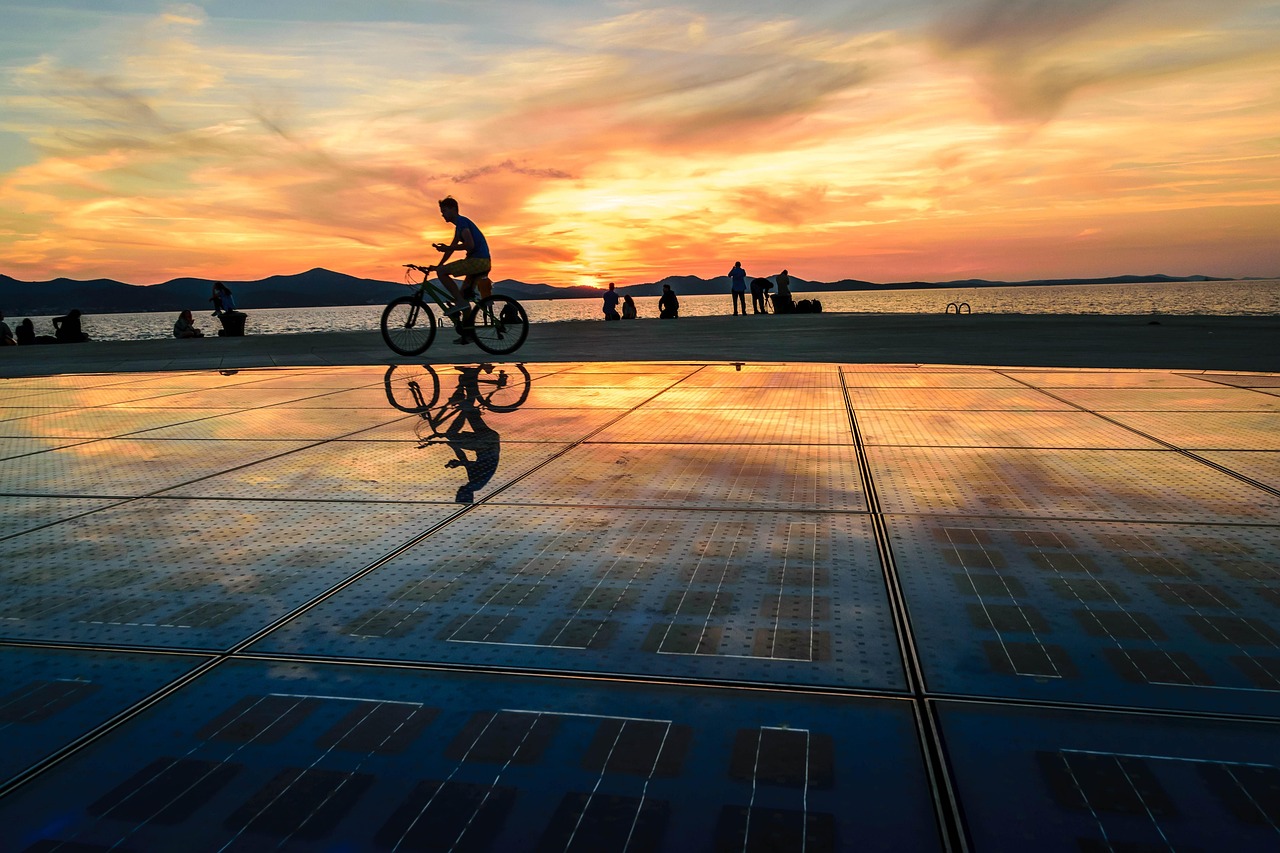
The Sea Organ is Zadar’s signature attraction and one of the most unusual instruments you’ll ever “hear.” Built into the marble steps along the promenade, it turns the motion of the waves into haunting, random harmonies. I’ve sat here in February with a jacket zipped to my nose and in August in a T-shirt, and it never loses its magic.
Why it’s special: It’s both a piece of architecture and a musical instrument. You’re sitting right on the edge of the Adriatic, listening to the sea literally play the city. It’s peaceful in the morning, lively at sunset, romantic at night—especially if you walk a bit away from the crowds.
My routine here: On my last visit in 2026, I came twice in one day: once at sunrise (almost empty; just fishermen and joggers) and again for sunset, when half the city seemed to gather. The morning visit gave me a completely different feeling—more meditative, less “Instagram spot.”
Tips:
- Arrive at least 30–45 minutes before sunset for good spots.
- For quieter vibes, come early morning or late at night.
- Watch your step on the wet marble—especially with kids.
- Combine it with the Greeting to the Sun right next door.
Family-friendly? Very. Kids love running up and down the steps and trying to “find” where the sounds are coming from.
Romantic? Yes. Bring a bottle of local wine (bought earlier) and plastic cups, and you’ve got an instant date spot.
2. Greeting to the Sun (Pozdrav Suncu)
Just a few steps from the Sea Organ, the Greeting to the Sun is a huge circular glass installation inlaid with solar panels. During the day, it charges. At night, it explodes into color—a shifting light show under your feet.
I first saw it in 2018 when it was still “new” to many visitors, and I’ve watched it slowly become a fixture of every 3 day itinerary for Zadar. In 2026, it’s as popular as ever, but I still find myself smiling like a kid when the lights start to dance.
Best time to visit: Right after sunset. Stay for the transition from golden hour to full darkness—the lights grow brighter as the sky dims.
What I love to do: I like to stand on the edge at first to take it all in, then wander toward the center and look out at the silhouettes of people against the glowing floor. It’s especially fun for photos if you play with long exposures (if you’re into photography).
Tips:
- It can get slippery. Flat shoes are best; avoid stilettos.
- Pickpockets occasionally work this area in high season. Keep valuables close.
- Come back very late (after 11 pm) if you want fewer people in your shots.
3. Roman Forum (Rimski forum)
In the heart of the Old Town lies the Roman Forum, built between the 1st century BCE and the 3rd century CE. Today, it’s an open square with scattered columns and stones, casually used as benches or kids’ playgrounds. That casualness is what I love—ancient history woven into everyday life.
My favorite moment: One mild October evening, I grabbed a gelato from a nearby shop and sat on a worn stone block watching kids on scooters zigzag around, a busker playing guitar, and the façade of St. Donatus Church glowing in the golden light. It felt like time-lapse history—Romans to Venetians to modern Croats, all at once.
How to experience it:
- Walk through during the day to see the stones clearly and read the plaques.
- Come back at night when everything is lit up and the atmosphere changes.
- Combine with a visit to St. Donatus and St. Anastasia’s Cathedral.
Family-friendly: Yes. Kids can safely roam under supervision, but do remind them not to climb on fragile ruins.
4. Church of St. Donatus (Crkva sv. Donata)
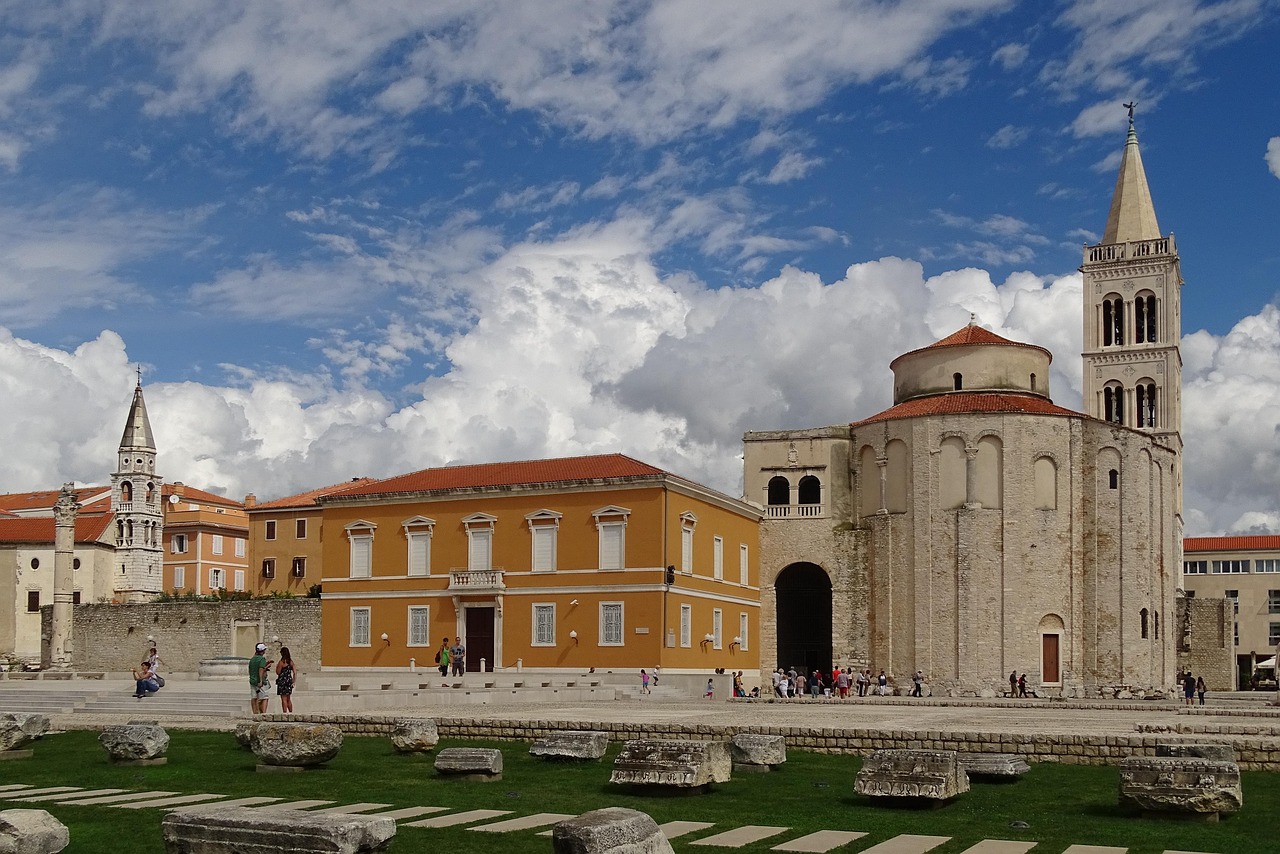
The round, stone Church of St. Donatus is Zadar’s most iconic historical building, dating back to the 9th century. It’s huge, austere, and almost fortress-like from the outside, but inside it’s surprisingly intimate.
I’ve been inside three times now, including once for a classical music concert. The acoustics are incredible—voices and instruments reverberate off the circular walls in a way that gives you goosebumps. If you’re into music, try to catch one of the summer performances here.
History & significance: Built on top of the Roman Forum, it originally served as a church dedicated to the Holy Trinity. It’s one of the best-preserved examples of pre-Romanesque architecture in Croatia.
Tips:
- There’s a small admission fee to enter; bring cash.
- Dress modestly (shoulders covered) if attending a service or concert.
- Check with the tourist office or online listings for concert schedules in summer.
5. St. Anastasia’s Cathedral & Bell Tower (Katedrala sv. Stošije)
The white façade of St. Anastasia’s Cathedral (Sv. Stošija) dominates the skyline of the Old Town. The interior is elegant but understated, with a peaceful atmosphere that invites you to sit for a moment and simply breathe.
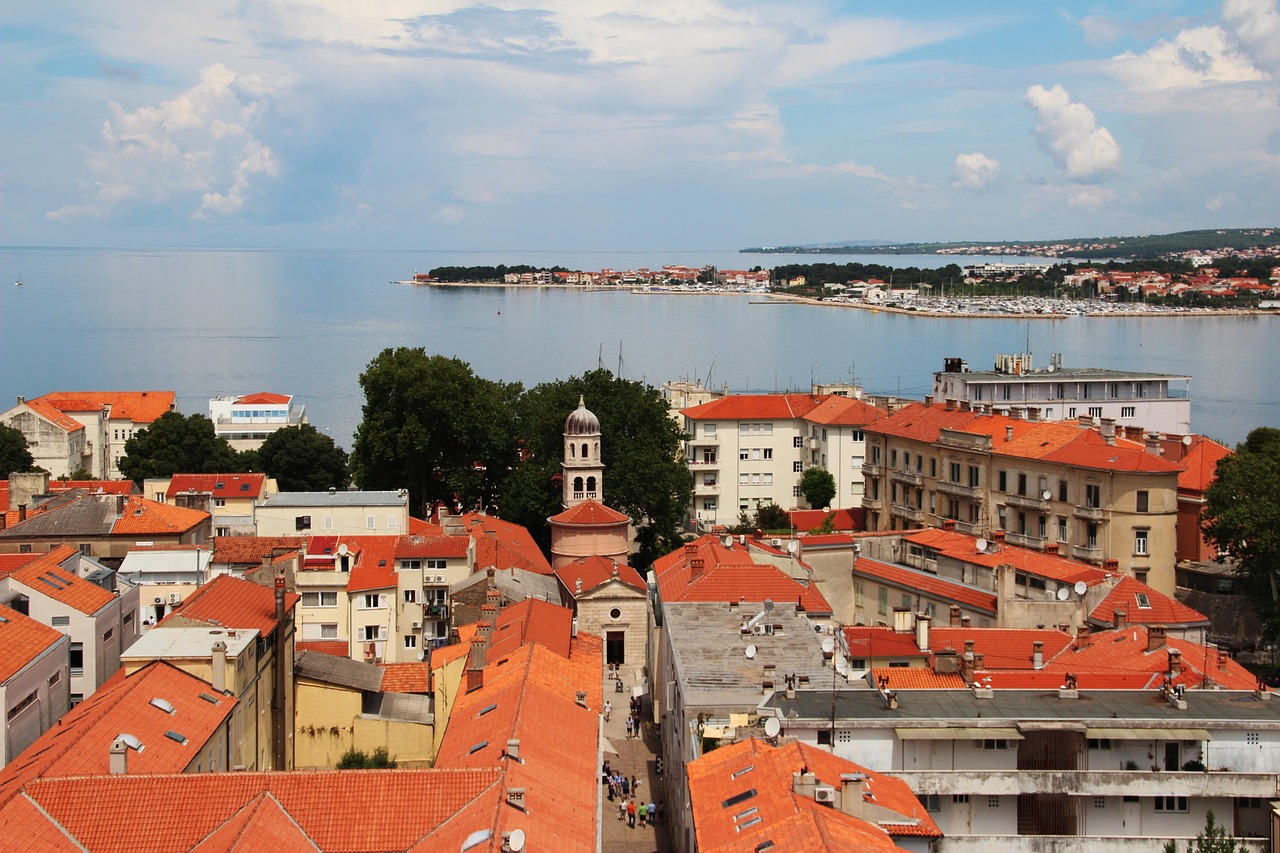
Bell tower climb: On my second trip, a local friend insisted I climb the bell tower at sunset. The climb is a bit tight and not for those with serious fear of heights, but the 360° view over terracotta rooftops, the sea, and nearby islands is stunning. It’s one of my favorite things to do in Zadar if you want a sense of the city layout.
Tips:
- Go in the late afternoon for the best light (and fewer crowds than sunset).
- The stairs can be narrow and a little wobbly; wear proper shoes.
- The bells ring on the hour—be warned if you’re right next to them!
6. City Walls & Land Gate (Kopnena vrata)
Zadar’s Venetian-built Land Gate is an ornate stone portal with a lion of St. Mark carved above the arch. It’s one of the most photogenic spots in town. I usually enter the Old Town via the footbridge at least once, but I always make a point to walk through the Land Gate too—it feels like stepping through a chapter of a history book.
Exploring the walls: Portions of the city walls can be walked, especially near the harbor. It’s not a continuous circuit like Dubrovnik’s, but you’ll find lovely viewpoints and quiet corners.
Personal tip: Early morning light here is soft and flattering. I like to grab a coffee from a nearby café and wander slowly, watching the city wake up.
7. Kalelarga (Široka ulica)
Kalelarga is Zadar’s main pedestrian artery—technically Široka ulica, but nobody calls it that. It runs straight through the Old Town, lined with cafés, shops, and small boutiques. It’s where you feel the city’s pulse.
I like to walk Kalelarga multiple times a day: on the way to morning coffee, in the afternoon heat when everyone is seeking shade, and at night when locals dress up for a paseo-style stroll. It’s perfect for people-watching.
Hidden gem tip: Take some of the narrow side alleys branching off Kalelarga. Many hide quiet courtyards, tiny bars, and residential glimpses of everyday life.
8. Five Wells Square (Trg pet bunara)
This pretty square, with its row of five stone wells, once supplied the city’s water. Today it’s a relaxed gathering spot and a gateway to the Queen Jelena Madije Park above.
Why I love it: It’s always a little less hectic than the waterfront, especially in the shoulder seasons. I’ve spent many late afternoons here, sitting on a bench reading or journaling with the murmur of conversations around me.
Tip: Climb the short stairs behind the square up into the park for a slightly elevated view over the harbor and the Old Town rooftops.
9. Queen Jelena Madije Park
This 19th-century park is built on top of the old city fortifications. It’s full of shady paths, benches, and viewpoints. On hot summer afternoons, I often escape here with a cold drink from a corner shop.
Family-friendly: Very. There’s space for kids to run around safely, and it’s stroller-friendly.
Romantic: Find a quiet bench at dusk overlooking the harbor. It’s one of the more low-key romantic spots in Zadar.
10. Kolovare Beach
Just a short walk south of the Old Town, Kolovare Beach is Zadar’s classic city beach: a mix of pebbles and concrete platforms with ladders into the sea. I’ve swum here in June, July, and even late September—the water is usually crystal-clear, and the atmosphere is relaxed.
My favorite time: Early morning. Locals come for a quick dip before work, and the light over the sea is beautiful. In high summer, afternoons get crowded, but it still feels more local than touristy.
Tips:
- Bring water shoes if you have sensitive feet; pebbles can be sharp.
- There are showers and changing cabins along the promenade.
- Good for families—shallow areas and lifeguards in peak season.
11. Borik & Diklo Beaches
A bit further northwest of the Old Town, the Borik and Diklo area offers a string of beaches, some with more resort infrastructure, others quieter. I usually stay in Borik when I want a more “beach holiday” feel with easy bus access into the Old Town.
What to expect: Calm waters, pine trees for shade, beach bars, and family-friendly facilities. It’s a great option if you’re spending 4 days in Zadar or more and want some dedicated beach time.
12. Archaeological Museum (Arheološki muzej Zadar)
If you like context with your ruins, the Archaeological Museum is a must. It’s one of the oldest museums in Croatia and covers prehistory through medieval times. I ducked in here on a rainy November day and ended up staying far longer than I planned.
Highlights: Roman statues and inscriptions, early Christian artifacts, and detailed models of what Zadar looked like in different eras.
Tip: It’s an excellent stop during the heat of the day in summer—cool, quiet, and educational, especially if you’re traveling with curious kids or history buffs.
13. Museum of Church Art (Gold and Silver of Zadar)
Housed in a Benedictine convent, this museum showcases religious art, gold, and silver objects collected over centuries. It’s smaller and more focused than the Archaeological Museum but deeply atmospheric.
Personal note: The first time I visited, I went in not knowing much and came out with a better sense of how important Zadar has been as a religious and cultural center. The nuns are discreet but present, which adds to the sense that you’re in a living institution, not just a museum.
14. Museum of Ancient Glass
This is one of Zadar’s most unique museums—and one I recommend to everyone, including families. The Museum of Ancient Glass holds an impressive collection of Roman glassware, but the real draw is the live glassblowing demonstrations.
Why go:
- Watch artisans create delicate pieces using traditional techniques.
- See glass objects that survived 2,000 years of history.
- Pick up a meaningful, locally made souvenir.
Tip: Check demonstration times in advance; they don’t run all day. I once missed a session by 10 minutes and had to reshuffle my afternoon to catch the next one—but it was worth it.
15. People’s Square (Narodni trg)
Narodni trg is one of the main squares in the Old Town, surrounded by elegant buildings, a clock tower, and cafés with outdoor seating. It’s been a meeting place for locals for centuries, and that hasn’t changed.
I like to start at one corner café (if you can, grab a table that looks out over the square) and linger over a macchiato, watching everything from kids chasing pigeons to older locals having animated discussions in dialect.
16. Zadar Market (Tržnica Zadar)
If you want to feel Zadar’s everyday life, go to the market in the morning. There’s an open-air section with fruit and vegetables, and a covered fish market nearby. I make it a point to visit on my first morning in town.
What I usually buy: Fresh figs (in late summer), local cheeses, olives, sun-dried tomatoes, and a small bottle of local olive oil. If I’m staying in an apartment, I’ll pick up vegetables and grill fish from the fish market.
Money-saving tip: Prices are generally fair, but it doesn’t hurt to compare a couple of stalls. Buying seasonal produce is the cheapest and tastiest option.
17. Café Culture & Vintage Bars
Zadar’s café culture is strong. People linger over coffee, often without rushing, and many bars transform from laid-back daytime spots into lively nighttime hangouts.
Over multiple trips, I’ve built a small circuit of favorites: one for morning espresso, another for afternoon craft beer, and a third for late-night cocktails. The key is to sit outside whenever you can—the street life is half the experience.
18. Zadar Archipelago Boat Trips
Dozens of islands lie off Zadar’s coast—Ugljan, Pašman, Dugi Otok, and countless tiny islets. Even a short trip gives you a sense of how intertwined the city is with the sea. I’ve taken both organized tours and public ferries; each has its charm.
Best for: Couples (sunset cruises), families (calm bays and beaches), and adventurers (kayaking, snorkeling, cliff jumping on Dugi Otok).
19. Riva Promenade & Sunsets
Zadar’s waterfront promenade, the Riva, is where everything slows down, especially at sunset. Alfred Hitchcock once allegedly called Zadar’s sunset the most beautiful in the world—and on some evenings, you can see why.
On most of my visits, I’ve made a ritual out of this: pick up a gelato or a takeaway drink, find a spot along the Riva or near the Sea Organ, and just watch the colors shift from gold to pink to deep indigo. This simple routine is one of the reasons I keep returning.
Neighborhoods & Areas to Explore in Zadar
Old Town (Poluotok)
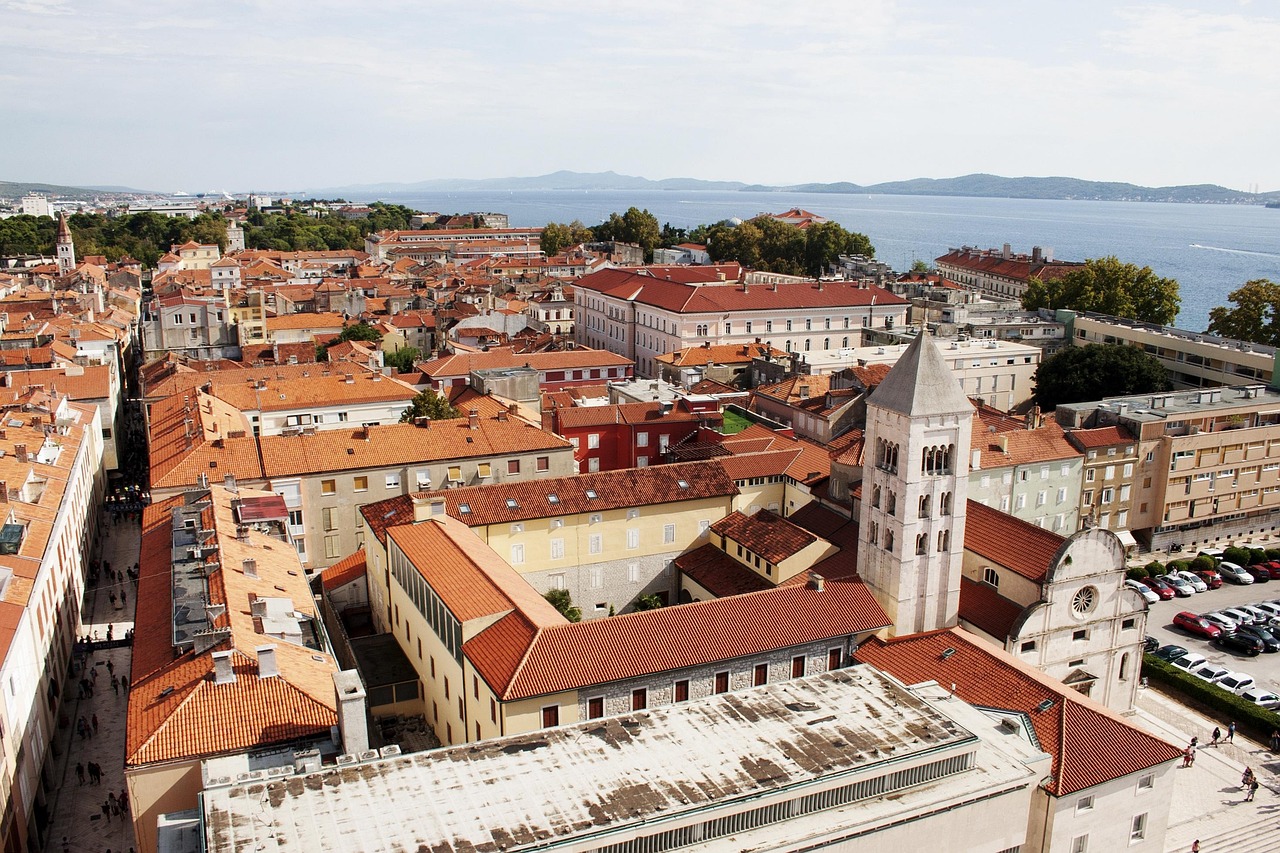
This is where you’ll probably spend most of your time—especially if you only have 3 days in Zadar. It’s compact, walkable, and packed with sights, cafés, and restaurants.
Vibe: Historic, lively, slightly touristy in peak season but still very local at heart.
Best for: First-time visitors, short stays, nightlife, and easy access to everything.
Borik & Diklo
Northwest of the Old Town, Borik and Diklo are beachside residential areas with hotels, apartments, and a calmer vibe.
Vibe: Relaxed, family-oriented, more space, more greenery.
Best for: Families, longer stays, and anyone who wants to prioritize the beach but still access the Old Town by bus or bike.
Kolovare & Relja
South of the Old Town, Kolovare is a mix of residential blocks and the waterfront promenade; Relja is more functional, with shops and transport connections.
Vibe: Everyday local life with easy access to the beach.
Best for: Budget travelers, those who like a less touristy feel but still want walking distance to the Old Town (20–25 minutes).
New Town (Modern Zadar)
Beyond the peninsula lies modern Zadar: shopping centers, residential areas, business districts. It’s not as pretty, but it’s where most locals live and work.
Why go: To see everyday life, use bigger supermarkets, and catch buses/trains. It’s also where you’ll find some of the newer bars and clubs that cater to locals.
3, 4 & 5 Day Itineraries for Zadar (With Personal Stories)
Below are flexible itineraries based on how much time you have. They’re built from my own repeat visits—days when I rushed too much, days when I slowed down, and everything in between. Adjust depending on whether you’re more into history, beaches, food, or day trips.
3 Days in Zadar: Classic Highlights
If you only have 3 days in Zadar, focus on the Old Town, the waterfront, and one short excursion. Here’s how I’d structure it.
Day 1: Old Town Orientation & Iconic Sights
I like to start my first day in Zadar with a slow wander through the Old Town, letting my body adjust to the city’s pace. On my 2026 spring trip, I landed mid-morning, dropped my bag at a guesthouse near Narodni trg, and headed straight out, resisting the urge to over-plan.
- Morning: Walk Kalelarga, visit the Roman Forum, pop into St. Donatus and St. Anastasia’s Cathedral. Climb the bell tower if you’ve got the energy.
- Lunch: Simple konoba near the market—grilled fish, blitva (Swiss chard with potatoes), and a glass of house white. It’s affordable and filling.
- Afternoon: Explore Five Wells Square and Queen Jelena Madije Park. Duck into the Archaeological Museum if the sun is harsh.
- Sunset: Head to the Sea Organ and Greeting to the Sun. Sit on the steps, listen, watch.
- Evening: Dinner in the Old Town—try black risotto or octopus salad. Finish with a drink at a bar overlooking a small square.
Tip: Don’t overschedule your first day; the jet lag + heat combo can be real in summer. Build in time for a nap or a siesta-style break.
Day 2: Culture & Waterfront
The second day is when I usually dig into museums and deeper layers of the city, plus a bit of beach time if it’s warm.
- Morning: Zadar Market visit—buy fruit and snacks. Then head to the Museum of Ancient Glass for a demonstration.
- Lunch: Light lunch from market ingredients (if you have a kitchen) or a simple sandwich/pastry from a bakery.
- Afternoon: Visit the Gold and Silver of Zadar museum, then stroll the Riva promenade. If it’s hot, take a quick bus or walk to Kolovare Beach for a dip.
- Sunset: Back along the Riva. Maybe this time, watch the sunset from a different viewpoint, like the park above Five Wells.
- Evening: Tapas-style dinner—order several small plates to share so you can try more local dishes. Follow it up with gelato on Kalelarga.
Day 3: Island or National Park Taster
On my third day in Zadar, I almost always leave town—to an island or a national park. If it’s your first time:
- Option 1 (Relaxed): Take a ferry to Ugljan for a day of swimming, easy hiking, and village life. Rent a bike near the port.
- Option 2 (Active): Book a tour to Krka National Park for waterfalls and greenery.
- Option 3 (Sea-focused): Join a boat excursion into the Kornati Islands (longer and more intense, but unforgettable).
Return to Zadar in the late afternoon or evening, have a final dinner in the Old Town, and take one last stroll along the promenade. This is when the city really imprints itself on you.
4 Days in Zadar: Adding Beaches & Hidden Corners
If you have 4 days in Zadar, you can slow down. Follow the 3-day plan above, then add:
Day 4: Beach Time & Backstreets
On my last 4-day stay, I dedicated the final day purely to savoring the atmosphere rather than chasing new sights.
- Morning: Sleep in. Late breakfast at a café on Narodni trg.
- Late morning: Head to Borik or Diklo beaches. Rent a lounger if you like, or just lay a towel under the pines.
- Lunch: Beach bar or simple grill—cevapi (grilled minced meat) in a flatbread is cheap and satisfying.
- Afternoon: Back to the Old Town to wander aimlessly. This is when I explore side alleys, tiny churches, and shops I’ve been noting mentally all week.
- Evening: Make your last dinner special—book a slightly nicer restaurant overlooking the water or a hidden courtyard konoba.
Tip: Use this extra day to revisit a favorite spot at a different time of day—Sea Organ at sunrise, the market at opening time, or a museum when it’s nearly empty.
5 Days in Zadar: Deep Dive & Day Trips
A full 5 day itinerary for Zadar lets you combine city, sea, and national parks at a comfortable pace. I’ve done this a few times, and it’s my ideal rhythm.
Use the first three days as outlined above, then:
Day 4: Kornati Islands or Dugi Otok Adventure
Kornati: A long day by boat through a surreal landscape of bare, rocky islands and impossibly blue water. Tours usually include lunch and swimming stops.
Dugi Otok: My personal favorite for a 5-day stay. You can visit Sakarun Beach, sea caves, and quiet villages. I once rented a scooter here and spent a full day exploring tiny coves where I was the only swimmer.
Day 5: Krka or Paklenica National Park
Krka National Park: Famous waterfalls, wooden boardwalks, boat rides. Less crowded than Plitvice and closer to Zadar.
Paklenica National Park: A paradise for hikers and climbers. I’ve done a couple of half-day hikes here; the canyon views are spectacular. Bring sturdy shoes and plenty of water.
Return to Zadar for a final sunset and dinner. After 5 days, you’ll know the bar staff at your regular café by name—and that’s exactly how I like to leave a place.
Local Food & Drink in Zadar
Dalmatian cuisine is simple, fresh, and focused on what the sea and land provide. In Zadar, you’ll eat a lot of fish, olive oil, vegetables, and grilled meats. Here are some essentials.
Must-Try Dishes
- Black risotto (crni rižot): Squid ink risotto—rich, deeply savory. Don’t wear white.
- Octopus salad (salata od hobotnice): Chilled, with olive oil, garlic, and parsley. Perfect on a hot day.
- Grilled fish (riba na žaru): Usually charged by weight. Ask for whatever’s fresh that day.
- Pašticada: Slow-cooked beef in a sweet-sour sauce, often served with gnocchi.
- Peka: Meat or octopus baked under a bell-shaped lid with potatoes and vegetables. Needs to be ordered in advance in many places.
- Pag cheese (paški sir): Hard sheep’s cheese from the nearby island of Pag.
Local Drinks
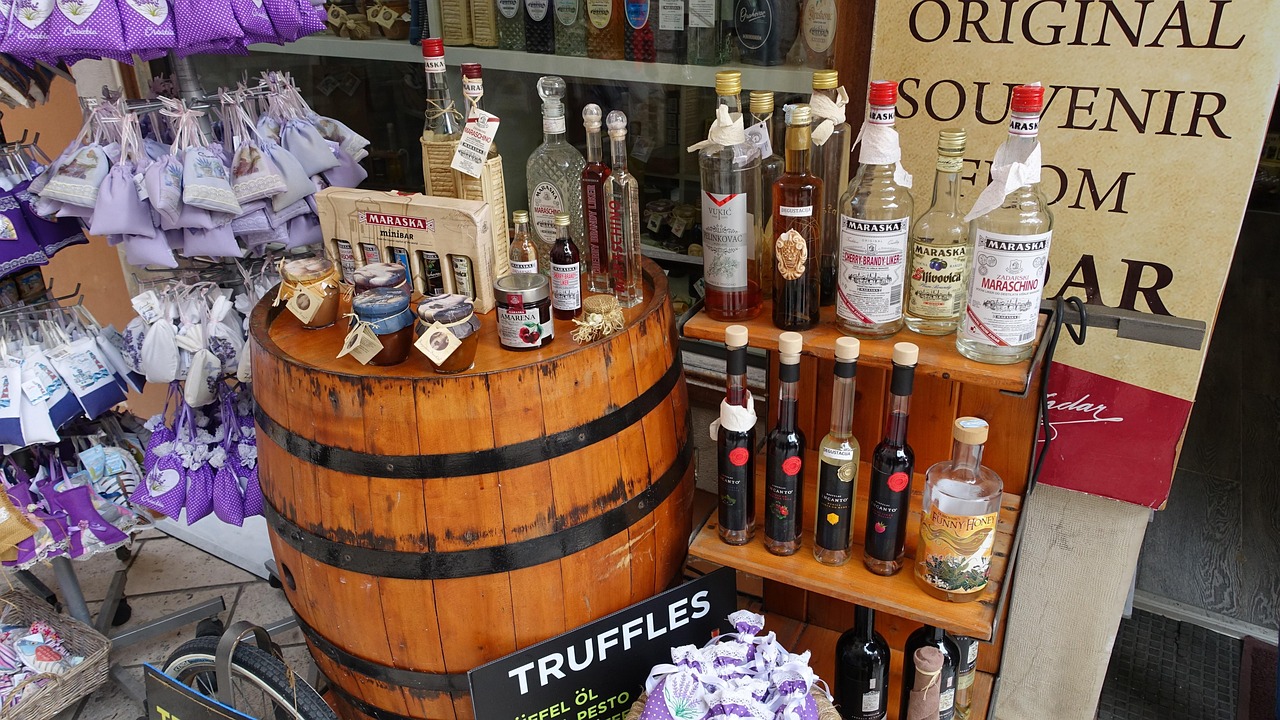
- Maraschino: Sweet cherry liqueur from Zadar—sip it neat as a digestif.
- Local wines: Try Pošip and Maraština (whites), Plavac Mali (red).
- Gemist: White wine spritzer, perfect for hot afternoons.
Where I Actually Eat
I’m always wary of tourist traps in Old Towns, but Zadar still has many honest, family-run places. Prices have risen in recent years, but you can still eat well on a budget.
- Konobas near the market: Great for daily specials (marenda) at lunchtime—usually the best value.
- Pekaras (bakeries): Burek, sandwiches, and pastries make cheap on-the-go meals.
- Gelato stands on Kalelarga: Perfect for an evening treat; I judge them by their pistachio.
Money-saving tip: Have your main meal at lunch. Daily menus are cheaper than à la carte dinners, and portions are still generous.
Nightlife, Entertainment & Cultural Experiences in Zadar
Zadar’s nightlife is lively but not overwhelming. It’s more about bars, live music, and late café culture than mega-clubs (though those exist too, especially in summer).
Evening Routine
My typical night begins with a sunset drink along the Riva, followed by dinner, and then a bar or live music venue. On weekends and in July–August, the Old Town stays busy past midnight.
Cultural Experiences
- Summer concerts in St. Donatus: Classical and traditional music in a unique acoustic setting.
- Open-air events on the Forum: Film screenings, performances, and festivals, especially in July–August.
- Local klapa singing: Traditional a cappella groups sometimes perform at festivals—if you see it on a poster, go.
Day Trips & Nearby Attractions from Zadar
Zadar is one of the best bases in Croatia for day trips. Here are some of my favorites, all of which I’ve done at least once.
Kornati National Park
A maze of rocky islands and deep blue channels. Most people visit on organized boat tours that include lunch and swims. It’s a full day and can be hot, so bring a hat, sunscreen, and lots of water.
Dugi Otok & Sakarun Beach
Dugi Otok offers some of the clearest waters I’ve seen in Croatia. Sakarun Beach is famous, but explore beyond it—rent a scooter or car and find your own cove.
Ugljan & Pašman
Closer and easier than Dugi Otok, these islands are great for a relaxed day of cycling, swimming, and village wandering.
Krka National Park
Famous waterfalls and forest walks. Easily done as a group tour or with a rental car in about 1–1.5 hours each way.
Paklenica National Park
Hiking, climbing, and dramatic karst scenery. Great for active travelers; not ideal in the midday summer heat.
Festivals & Events in Zadar (2026–2027)
Zadar’s event calendar has been growing steadily. For 2026–2027, watch for:
- Zadar Summer Theatre Festival (Zadarsko ljeto): July–August; open-air performances around the Old Town.
- Musical Evenings in St. Donatus: Classical and traditional concerts in the church; dates vary through summer.
- Maraschino Festival: Celebrating Zadar’s cherry liqueur with tastings, cocktails, and music (usually in summer).
- Advent in Zadar: Christmas markets, mulled wine, lights, and concerts from late November through December.
- Sporting events: Expect more running and cycling events along the Riva and surrounding areas as Zadar leans into outdoor tourism.
Exact 2026–2027 dates are usually confirmed a few months in advance; check the city’s official tourism site closer to your trip.
Cultural Etiquette & Local Customs in Zadar
Croatians in Zadar are generally warm but reserved at first. A few small gestures go a long way.
- Greetings: A simple “Dobar dan” (good day) or “Bok” (hi) is appreciated. Say hello when entering small shops or bakeries.
- Dress: Beachwear is for the beach. In town, especially in churches, cover shoulders and avoid very skimpy clothing.
- Tipping: Not mandatory but appreciated. Round up or leave 5–10% in restaurants and bars if service was good.
- Noise: Old Town has many residents. Keep late-night noise down in narrow streets; sound travels.
- Cash vs card: Cards are widely accepted, but small kiosks, markets, and some older bars may prefer cash.
- Language: English is widely spoken in tourism, but learning a few Croatian words is always appreciated.
Practical Travel Advice for Zadar (2026)
Getting There
By air: Zadar Airport (ZAD) has increasing seasonal connections across Europe. A shuttle bus and taxis connect the airport to the city (about 15–20 minutes).
By bus: Excellent connections to Split, Rijeka, Zagreb, and beyond.
By ferry: Domestic ferries to nearby islands; seasonal routes to other coastal cities.
Getting Around Zadar
- Walking: The Old Town is fully walkable; you won’t need a car there.
- Buses: City buses connect the Old Town with Borik, Diklo, Kolovare, and the bus station.
- Car rental: Useful for day trips to Krka, Paklenica, and inland villages. Parking in the Old Town is limited; many visitors park outside the walls.
- Boats & ferries: Jadrolinija and local companies run to islands from the main port.
SIM Cards & Connectivity
In 2026, Croatia is well-covered by 4G/5G networks. You can buy prepaid SIM cards at kiosks, mobile stores, or the airport. Look for tourist packages with generous data (often 7–15 days). EU roaming usually works for EU citizens but check your plan.
Money & Costs
Croatia uses the euro. Zadar is generally cheaper than Dubrovnik but more expensive than some inland towns.
- Budget travel: Apartments outside the Old Town, bakeries and markets for meals, city buses instead of taxis.
- Mid-range: Old Town guesthouses, konobas for dinners, occasional day tours.
Visas & Driving
Croatia is in the EU and Schengen. Many nationalities can enter visa-free for short stays, but check current rules before traveling.
- Visa: If you need a Schengen visa, it covers Croatia.
- Driving license: EU and many international licenses are accepted. An International Driving Permit is recommended if your license is not in Latin script.
Best Seasons & What They’re Good For
- Spring (April–June): Mild weather, fewer crowds, perfect for sightseeing and light hiking.
- Summer (July–August): Hot, busy, best for beaches and nightlife. Book well in advance.
- Autumn (September–October): My favorite: warm sea, calmer atmosphere, lower prices.
- Winter (November–March): Quiet, some places close, but Advent in Zadar is charming. Good for slow travel and low budgets.
Saving Money in Zadar
- Stay slightly outside the Old Town (Kolovare, Relja, or Borik) and use buses.
- Shop at the market and cook some meals if you have a kitchen.
- Have your main meal at lunch with daily specials.
- Choose one or two big ticket day trips instead of doing them all.
Hidden Tips from Repeat Visits
- Visit the Sea Organ at least once at sunrise—it’s a completely different experience.
- Keep small coins for public toilets and buses.
- Always carry a reusable water bottle; fountains are available around town.
- In high summer, plan indoor activities (museums, naps) between 1–4 pm when the heat peaks.
Summary & Final Recommendations
Zadar is one of those cities that creeps up on you. It doesn’t shout like Dubrovnik; it quietly shows you Roman stones used as benches, kids playing beside medieval churches, and families out for evening gelato along the Riva. After a few days, you start to recognize faces on Kalelarga and have a “usual” table at a café—that’s when you know Zadar has gotten under your skin.
For most travelers, 3 days in Zadar is enough to see the main must-see attractions. 4 days in Zadar lets you slow down and enjoy the beaches. A full 5 day itinerary for Zadar is perfect if you want to add islands and national parks without rushing.
Best time to visit: Late May–June and September–early October hit the sweet spot: pleasant weather, warm sea (especially in autumn), and fewer crowds. July–August is great for beach lovers and nightlife but requires more planning and a bigger budget. Winter is peaceful and introspective, ideal if you prefer local life over sunbathing.
However long you stay, give yourself at least one unscheduled afternoon—time to get lost in the Old Town, linger at a café, or listen to the Sea Organ until you forget what time it is. That’s where the real Zadar lives, and it’s what will stay with you long after you leave.