Why Visit Bordeaux in 2026?
If Paris is France’s head and Lyon its stomach, Bordeaux is the heart that beats to the rhythm of wine, water, and golden stone. I’ve been returning to Bordeaux almost every year for the past decade, and in 2026 the city feels more alive than ever: trams gliding quietly, riverfront terraces packed with locals nursing glasses of ruby-red, kids running through fountains, and the eternal hum of café conversation on cobblestone streets.
Bordeaux is perfect whether you’re planning 3 days in Bordeaux as a quick city break, a 4 day itinerary for Bordeaux to mix city and vineyard life, or a full 5 days in Bordeaux to really sink into the local rhythm. It’s compact, walkable, and surprisingly relaxed for such a famous wine capital.
What makes Bordeaux special to me is the way everyday life and world-class culture wrap around each other. You can start your morning with a flaky canelé and espresso on a quiet square, wander past 18th-century mansions and medieval gates, hop a tram to a cutting-edge wine museum, and end your day sipping organic wine in a tiny bar where the owner knows every winemaker by first name.
In this travel guide for Bordeaux I’ll share not just the must-see attractions in Bordeaux, but also the places where I actually linger: the side streets, the riverside benches, the little bistros that never quite make it into glossy magazines. You’ll find:
- Detailed 3, 4, and 5 day itineraries for Bordeaux with morning-to-evening suggestions.
- In-depth stories about at least 20 of the best places to visit in Bordeaux.
- Honest recommendations for local food in Bordeaux, wine bars, and markets.
- Hidden gems in Bordeaux that I go back to each trip.
- Practical travel tips for Bordeaux: getting around, costs, SIM cards, safety, cultural etiquette, and more.
- Ideas for day trips to vineyards and the Atlantic coast.
I’ll write as if you’re a good friend asking, “Okay, I’ve got a few days. What should I actually do?” and then hand you my own notebook of favorites.
Table of Contents
- Why Visit Bordeaux in 2026?
- Top 20+ Must-See Attractions in Bordeaux (With Personal Notes)
- Suggested Itineraries: 3, 4, and 5 Days in Bordeaux
- Neighborhoods & Districts to Explore
- Best Local Food & Drink in Bordeaux
- Nightlife, Entertainment & Cultural Experiences
- Best Day Trips from Bordeaux
- Cultural Etiquette & Local Customs
- Practical Travel Tips for Bordeaux (Money, Transport, SIM, Visas)
- When to Visit Bordeaux & 2026–2027 Events
- Summary & Final Recommendations
Top 20+ Must-See Attractions in Bordeaux
These are the places I find myself visiting over and over. I’ll focus more deeply on the big ones, with personal stories and practical advice to help you plan each stop.
1. Place de la Bourse & Miroir d’Eau
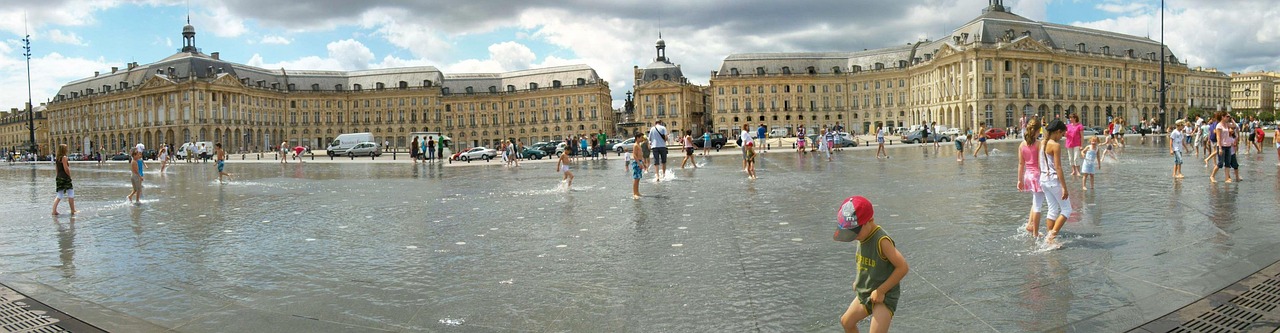
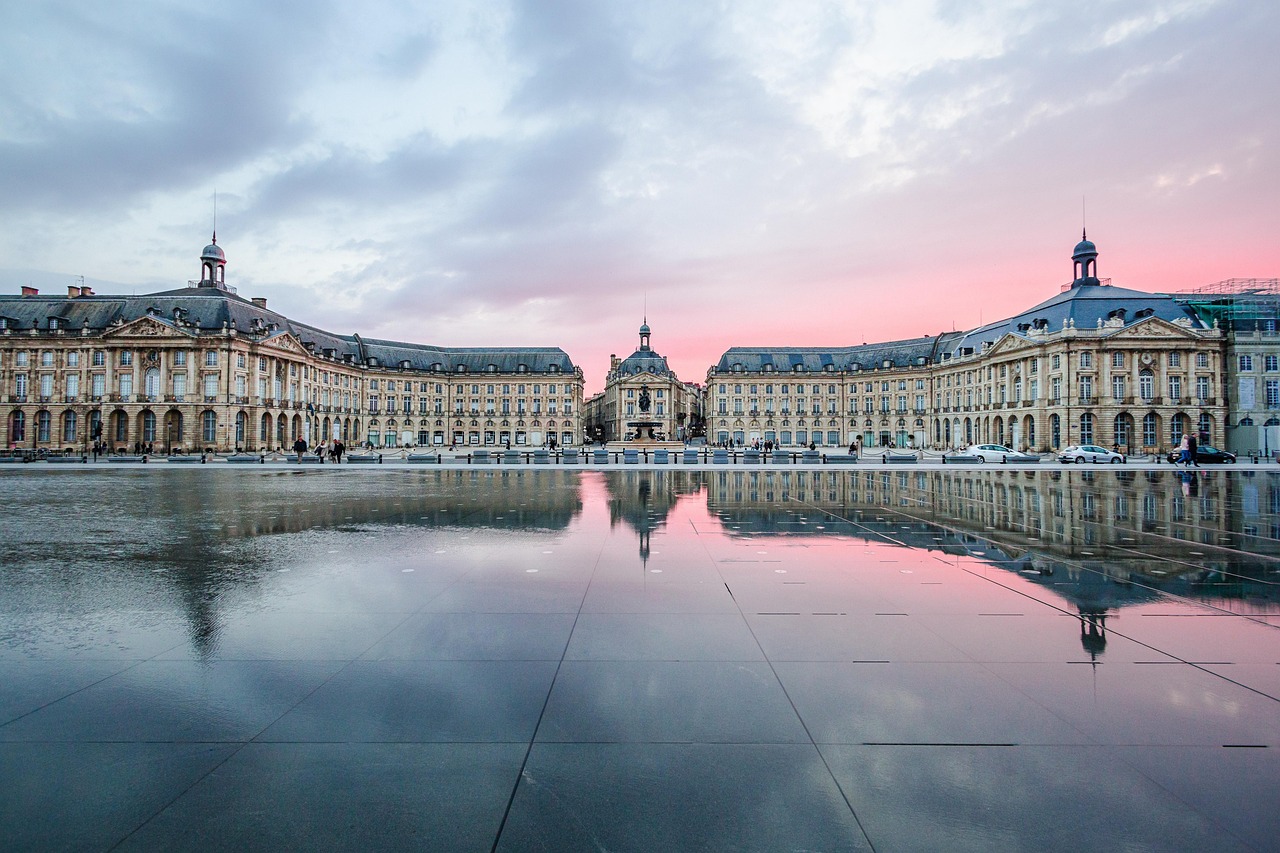
If you’ve seen one photo of Bordeaux, it was probably this square glowing at blue hour, perfectly reflected in a shallow sheet of water. Even after so many visits, the Place de la Bourse and its famous Miroir d’Eau still make me stop mid-conversation.
The square dates back to the 18th century, when Bordeaux was transforming into a wealthy port city. The curve of the classical façades feels like a stone embrace around the river, and at night the warm lighting makes it genuinely romantic. Families come early evening to let kids run barefoot through the water mirror; couples show up later, when the crowds thin and the city lights double in the reflections.
My routine here: I like to arrive about 30–40 minutes before sunset. I sit on the low stone wall facing the Garonne with a takeaway glass of wine from a nearby bar (there are always a few selling by the glass, especially in summer). As the sky deepens, the square slowly lights up and the Miroir d’Eau alternates between a thin sheet of water and a rolling mist. It’s endlessly photogenic.
Tips for visiting:
- Best time: Sunset into blue hour. In hot months, early afternoon is also fun to cool your feet.
- What to bring: A small towel if you plan to walk in the water; sandals you can slip off easily.
- How to get there: Tram C or D to “Place de la Bourse.” From the historic center, it’s an easy 5–10 minute walk.
- Family-friendly? Very. Kids love the fountains and mist.
- Romantic? Possibly the most romantic spot in Bordeaux when the lights come on.
2. La Cité du Vin
La Cité du Vin is Bordeaux’s futuristic temple to wine, and it’s far better than the cliché “wine museum” might suggest. The building itself looks like a swirling splash of wine or a decanter in motion, rising above the Garonne in the modern Bassins à Flot district.
The first time I visited, I expected a quick hour. I stayed for nearly four. The exhibits are interactive and surprisingly playful: scent stations where you guess aromas, immersive videos on harvest seasons, little listening booths with winemakers talking about their craft. Everything is beautifully translated into multiple languages.
Don’t miss: The panoramic bar at the top. Your ticket includes a tasting glass of wine (or grape juice), and you can choose from a long list covering French regions and beyond. I always go for something local from Bordeaux or the nearby southwest. The view over the river, old docks, and city rooftops is one of the best in town.
Visiting tips:
- Time needed: 2–4 hours if you’re genuinely interested in wine; at least 90 minutes even for casual visitors.
- Book ahead: In high season and on rainy days, booking a timed ticket online saves a lot of waiting.
- Family-friendly? Yes. Kids like the interactive visuals, even if they skip the tasting.
- How to get there: Tram B to “Cité du Vin.” From the center it’s about 15–20 minutes.
- Combine with: A walk along the modern docks and a stop at nearby wine bars in Les Chartrons.
3. Cathédrale Saint-André & Tour Pey-Berland
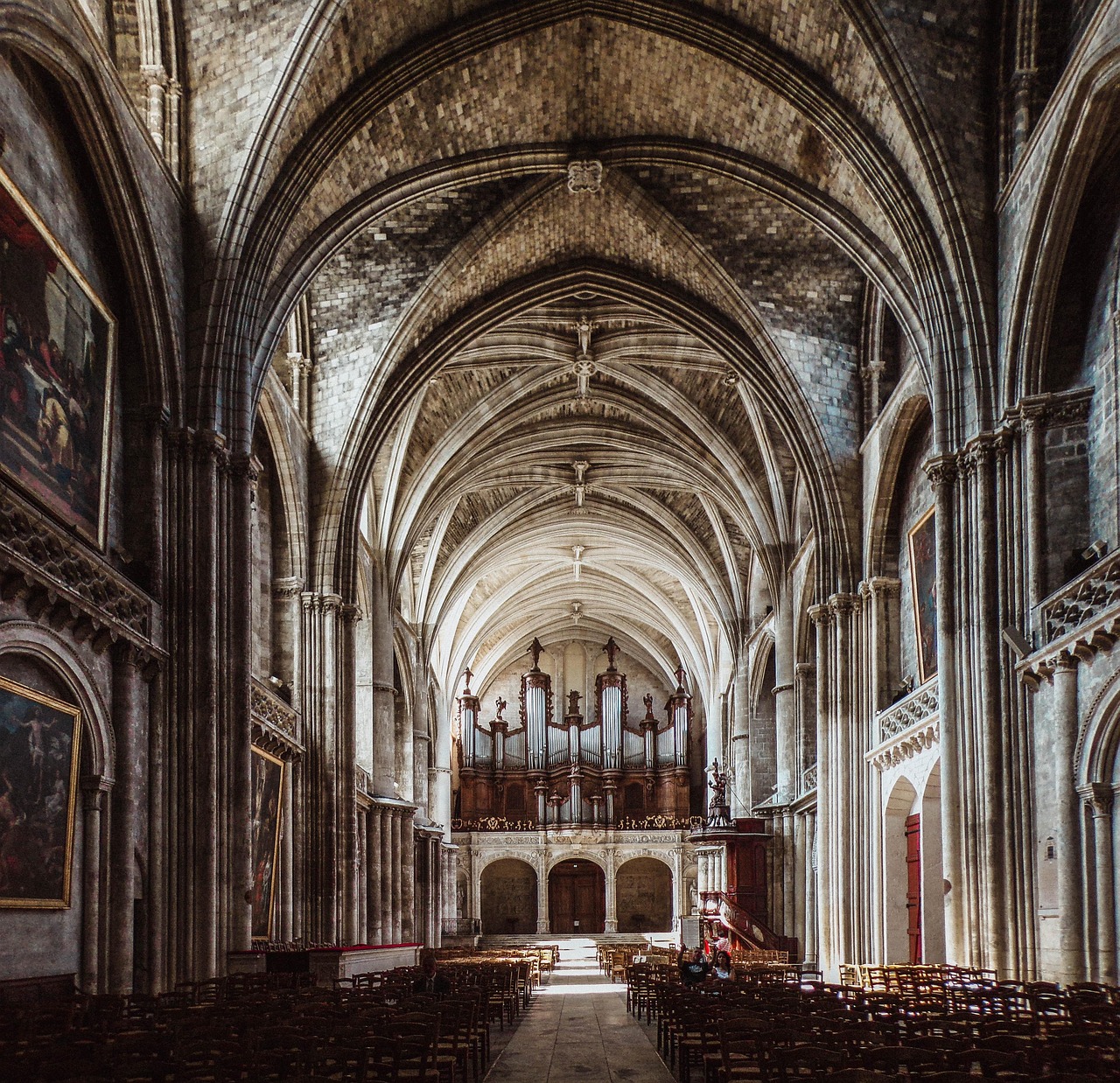
The Cathédrale Saint-André, with its delicate Gothic spires and flying buttresses, is the spiritual heart of Bordeaux. Every time I emerge from the tram stop into Place Pey-Berland, the cathedral suddenly rises in front of me, and I instinctively slow down.
Inside, the atmosphere is hushed and cool, a welcome relief on hot summer afternoons. I like to walk slowly up the central aisle, letting my eyes adjust to the stained-glass light. If you’re lucky, the organist might be practicing; the sound fills the huge space in a way that photographs never capture.
Across from the cathedral stands the separate bell tower, Tour Pey-Berland. Climbing it is one of my favorite little “adventures” in central Bordeaux. The staircase is narrow and spirals forever, but the reward is a 360° view over the city’s creamy stone rooftops.
My tip: Go up Pey-Berland on a clear late afternoon. The low sun brings out the warm tones of Bordeaux’s stone, and you can pick out landmarks you’ll visit later.
Visiting details:
- Entry: The cathedral is usually free; the tower has a small fee and timed entry numbers.
- Dress: Respectful clothing (shoulders covered) is appreciated, especially if services are ongoing.
- How to get there: Tram A or B to “Hôtel de Ville.” It’s central and easy to walk from most places.
- Nearby: City Hall, a handful of good cafés, and Rue des Remparts for shopping.
4. Grand Théâtre de Bordeaux (Opéra National)
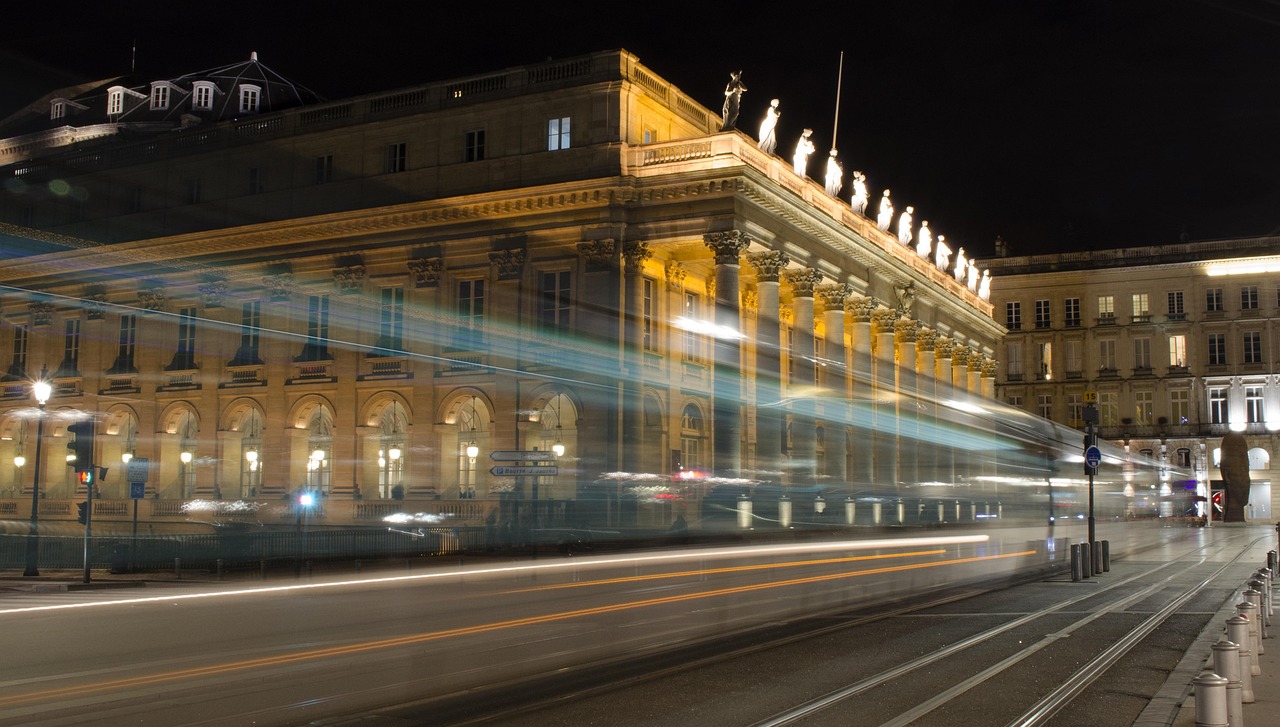
The Grand Théâtre anchors the lively Place de la Comédie and might be one of the most elegant opera houses in Europe. Completed in 1780, its neo-classical façade with twelve statues standing above the columns looks impeccably stately by day, but I prefer it at night when the interior lights glow through the windows.
As a visitor, you have two options: join a daytime guided tour or, better yet, see a performance. The first time I attended an opera here, I spent as much of the intermission gawking at the gilded interior and sweeping staircases as I did discussing the performance. Even if you’re not a big opera person, a ballet or classical concert is a memorable cultural experience in Bordeaux.
Tips:
- Dress code: Smart casual is fine. You’ll see everything from jeans and nice tops to full evening wear.
- Tickets: Book online via the Opéra National de Bordeaux site, especially in peak season.
- Photo opportunity: Stand at the corner of Rue Sainte-Catherine and Cours de l’Intendance at dusk for a great view of the theatre and trams gliding by.
5. Quartier Saint-Pierre (Old Town)
Saint-Pierre is the medieval core of Bordeaux, a tangle of narrow streets that spill into intimate squares lined with cafés and wine bars. This is where I bring friends on their first evening in the city.
Start around Place du Parlement and Place Saint-Pierre. In the early evening, the terraces fill with both locals and visitors, and the atmosphere is lively but rarely rowdy. I’ve lost track of the number of times I’ve ended up here “just for one drink” that turned into a full evening of tapas, local wine, and people-watching.
Hidden corners I love:
- Side alleys off Rue du Pas-Saint-Georges for tiny boutiques and wine shops.
- Rue des Faussets which is touristy but still charming in the early evening before it gets busy.
- Small wine bars that specialize in natural and organic wines—ask for something from small producers in the Côtes de Bordeaux or Entre-Deux-Mers.
Good for: Strolling, first-night dinners, low-key nightlife, and feeling the “old Bordeaux” atmosphere.
6. Rue Sainte-Catherine
Rue Sainte-Catherine is one of Europe’s longest pedestrian shopping streets, stretching from the Grand Théâtre area down towards Place de la Victoire. I don’t particularly love shopping, but I walk this street at least once every trip to absorb the energy.
Expect a blend of big international brands, French chains, and a few local boutiques on the side streets. My favorite part is actually ducking off into side alleys for quieter cafés and smaller shops. When my feet get tired, I usually escape into a side street like Rue des Remparts for a coffee.
Tip: If you’re short on time, prioritize the section between Place de la Comédie and Place Saint-Projet; it has a nice mix of shops and is closest to other key sights.
7. Les Chartrons District
Les Chartrons used to be the quarter of wine merchants; now it’s one of Bordeaux’s trendiest neighborhoods, with a slightly bohemian feel. I often stay here when I want a quieter base that’s still walkable to the center.
Start at Rue Notre-Dame, a lovely street lined with antique shops, galleries, and independent boutiques. On Sunday mornings, the Quai des Chartrons market along the river is one of my must-do experiences: stalls overflowing with cheese, oysters, pastries, local produce, and ready-to-eat goodies. Grab a dozen oysters and a glass of white wine and perch at a makeshift table overlooking the water.
Why I love it: Chartrons feels like “local Bordeaux” at its best—creative, slightly scruffy in places, with great food and wine and a slower pace than the tourist-heavy old town.
8. Garonne River Quays & Promenade
The renovated Garonne riverfront is where Bordeaux’s soul stretches out. Wide promenades, bike lanes, skateparks, gardens, and benches make this the city’s outdoor living room.
In the morning, I like to jog or walk from the Pont de Pierre bridge up towards the Cité du Vin, watching the city slowly wake up. In the late afternoon and evening, the riverfront fills with locals sipping drinks, practicing tightrope walking, or just hanging out. Watching the sunset from a riverside bench is a daily ritual when I’m in town.
Activities:
- Rent a bike or e-scooter and cruise up and down the quays.
- Take a Garonne river cruise—some include wine tastings or dinner.
- Browse the Sunday market at Chartrons.
9. Pont de Pierre
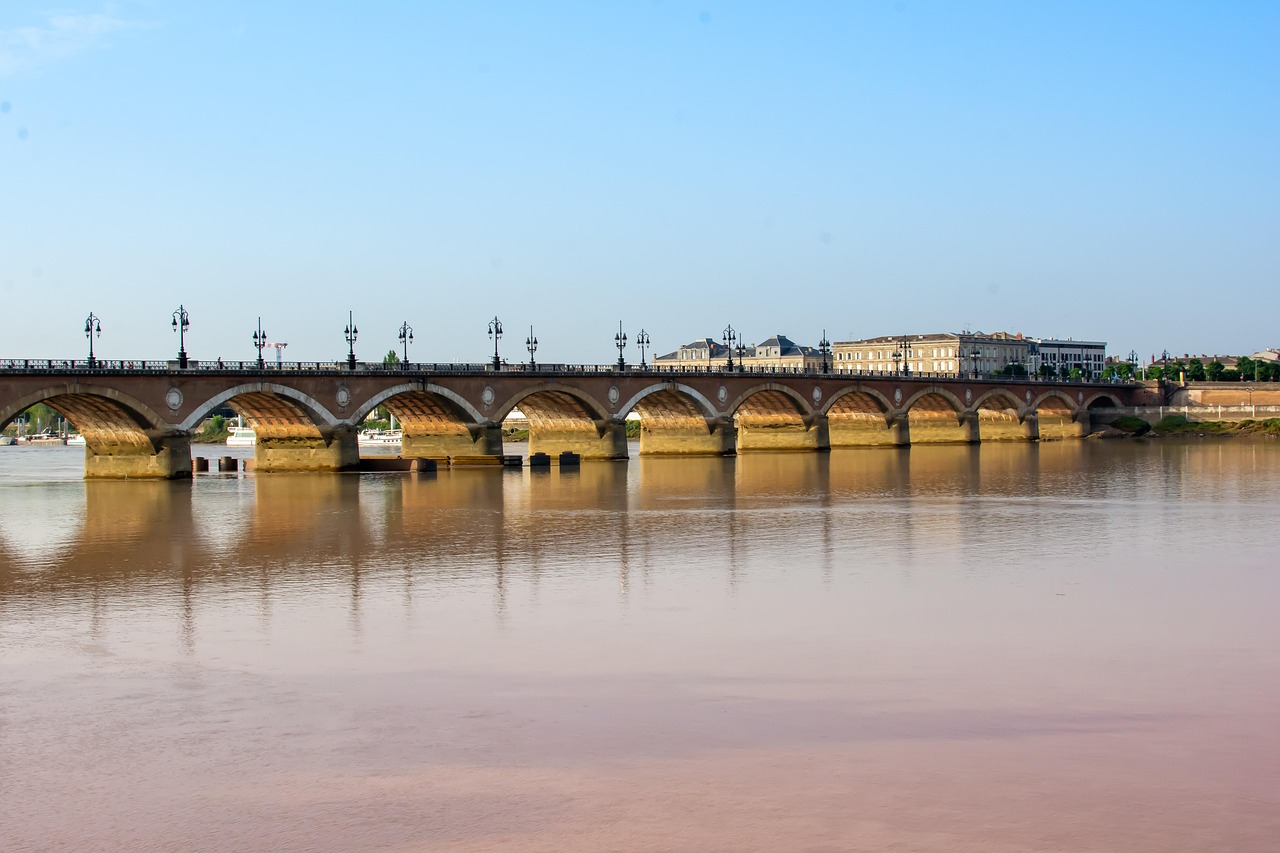
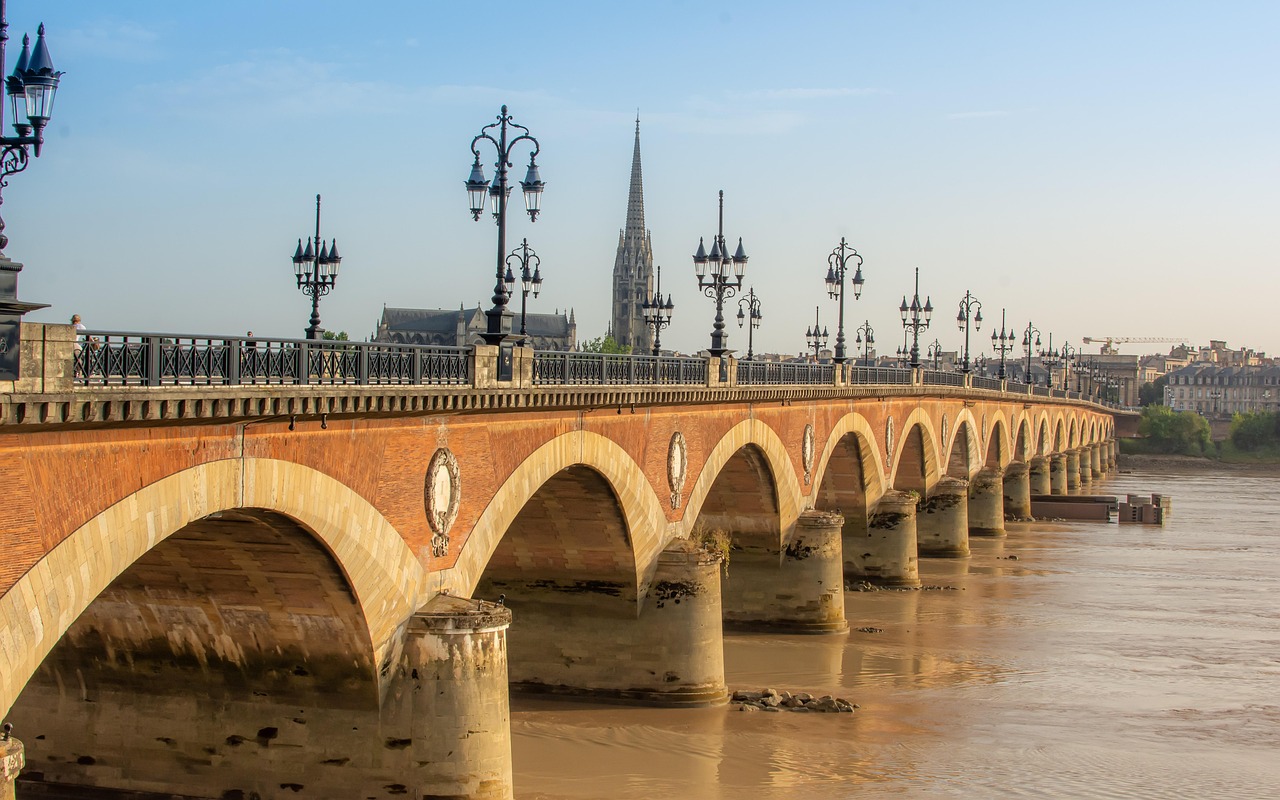
The Pont de Pierre is Bordeaux’s iconic stone bridge, commissioned by Napoleon. It connects the historic center with the right bank and offers some of the best skyline views in the city.
I like to walk it at dusk, when the streetlamps come on and the façades along the left bank glow. On the right bank, turn left and walk a little along the river; the view back towards the old town is postcard-perfect.
10. Basilique Saint-Michel & Flèche Saint-Michel
The Saint-Michel area has a more multicultural, edgy vibe than the polished center, and I love it for that. The basilica itself is another Gothic beauty, and its separate spire, the Flèche Saint-Michel, pierces the skyline. The square in front hosts markets and second-hand sales, especially on weekends.
For a long time, this was my “secret” lunch neighborhood: affordable, diverse food options and small cafés where you can linger with a book. It’s changing fast, with new bars and restaurants opening regularly, but it still feels more “lived-in” than postcard-ready.
11. Grosse Cloche
The Grosse Cloche is one of the last remaining medieval gates of Bordeaux and one of its most photogenic corners. The twin towers and central bell look like something from a fairy tale.
I often pass under it on my way between the old town and the Saint-Michel district. In the early morning, when the street is quiet and only a few locals are out, it feels like stepping back in time.
12. Porte Cailhau
Another medieval gate, Porte Cailhau rises dramatically at the end of Rue Saint-Pierre, near the river. You can go inside for a small fee and climb up for views over the river and the old town rooftops. The little square in front has cafés that are touristy but pleasant for a quick coffee with a view.
13. Jardin Public
When I need a break from stone and wine, I head to the Jardin Public. This 18th-century park, with its lake, lawns, and tall trees, is my favorite place for a picnic or lazy afternoon reading.
Families love the playgrounds and puppet shows; couples sprawl on the grass with a bottle of rosé and a baguette; joggers loop around the paths. In spring and early summer, the gardens are particularly pretty.
14. Musée d’Aquitaine
The Musée d’Aquitaine is the place to go if you want to understand Bordeaux’s deeper history, including its often uncomfortable role in the slave trade and colonial commerce. The exhibits cover everything from prehistoric times to the present.
As a travel writer, I appreciate destinations that don’t shy away from their complex past. This museum gives crucial context to the city’s wealth and architecture. It’s a good stop on a cooler or rainy day.
15. Marché des Capucins
Marché des Capucins is the beating culinary heart of Bordeaux. Locals call it “the belly of Bordeaux,” and I can’t imagine a visit without at least one breakfast or lunch here.
Inside, you’ll find stalls piled with oysters from Arcachon, sausages, cheeses, fruits, vegetables, and more. My standard ritual: oysters and a glass of white wine for a late breakfast, followed by a coffee and a canelé. If I’m staying in an apartment, I’ll stock up on ingredients for simple dinners.
Tip: Go in the morning (especially on weekends) for the liveliest atmosphere. Many stalls close after lunch.
16. Darwin Éco-système
Across the river on the right bank, Darwin Éco-système is a former military barracks turned eco-friendly, creative hub. Think street art, skateboard ramps, co-working spaces, organic grocery, and a big canteen-style restaurant called Magasin Général.
This is where I go when I want a different side of Bordeaux—young, experimental, and a bit gritty in a good way. It’s great for families (kids love the skatepark and murals), digital nomads, and anyone who enjoys alternative culture.
17. Bassins de Lumières
One of the most impressive cultural openings of the last years, the Bassins de Lumières is an immersive digital art center installed in a former submarine base. Huge projections of artworks reflect off the water-filled basins, creating a dreamlike experience.
I went once out of curiosity and ended up staying for several show cycles. It’s atmospheric, a little surreal, and one of my top recommendations for art lovers or families, especially on hot or rainy days.
18. Bordeaux Wine Bars (General “Attraction”)
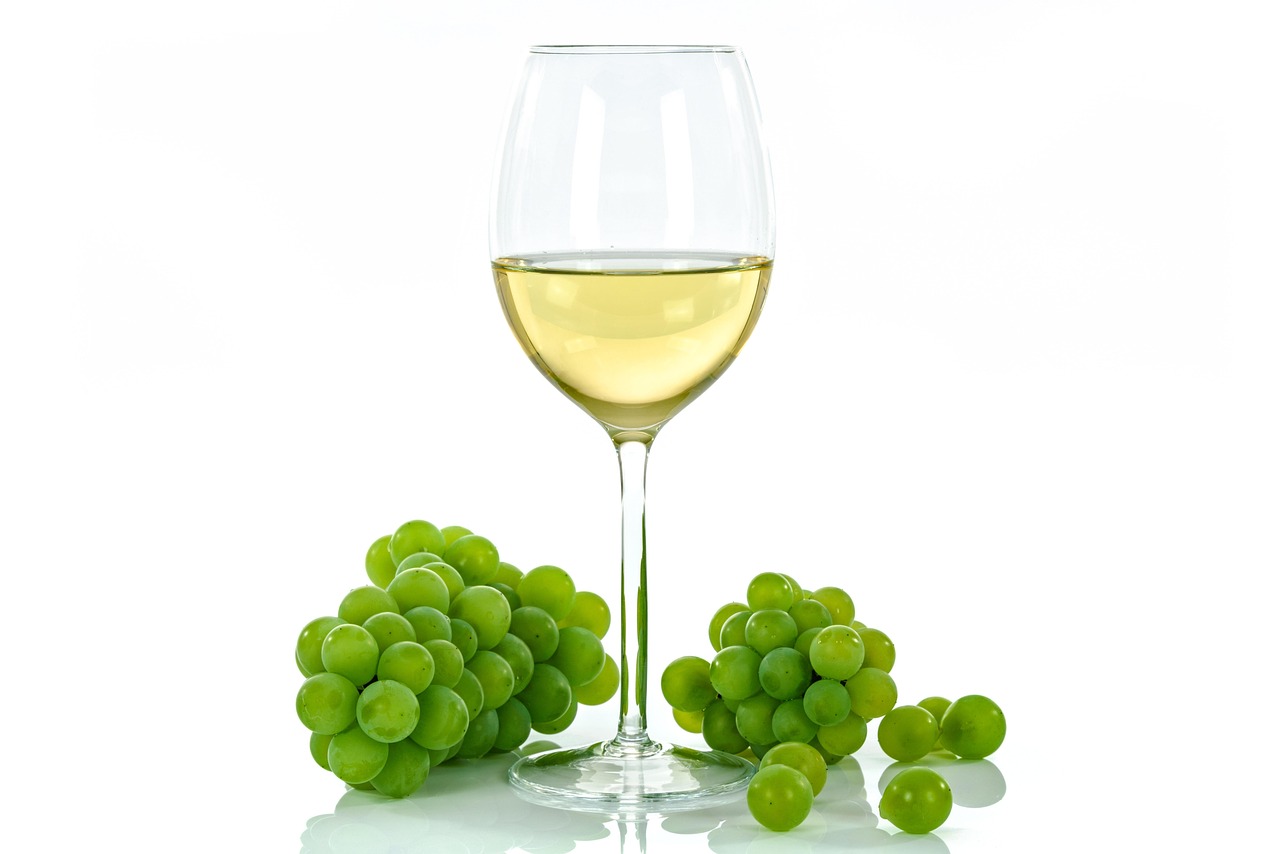
In Bordeaux, wine bars are as much an “attraction” as churches and museums. From tiny cavistes with handwritten chalkboards to sleek modern bars, there’s a place for every mood.
On my last visit, I spent an entire evening in a single small bar in Saint-Pierre, where the owner guided me through lesser-known appellations and small producers. We talked about organic farming, climate change, and his favorite winemakers. These are the kinds of experiences that stick with you long after you’ve forgotten which château you toured.
19. Palais Rohan (City Hall)
Palais Rohan is Bordeaux’s elegant City Hall, next to the cathedral. While it’s primarily an administrative building, its façade and courtyard are worth a quick look. Sometimes there are exhibitions or open days—check local listings.
20. Bacalan & Docks (Modern Bordeaux)
The Bacalan area around the docks has transformed from an industrial zone into a trendy district with food halls, bars, and cultural spaces. If you’re in town for more than 3 days, it’s worth an afternoon exploring here after visiting Cité du Vin or Bassins de Lumières.
More Interesting Spots (For Longer Stays)
- Musée des Beaux-Arts – Fine arts museum near the Jardin Public.
- Flèche Saint-Michel interior tours – When open, they often host exhibitions or special visits.
- Botanical Garden (Jardin Botanique) on the right bank – Pleasant for a quiet stroll.
- Local street art walks in Saint-Michel and around Darwin.
Planning Your Stay: 3, 4, or 5 Days in Bordeaux
Whether you have 3 days in Bordeaux for a compact city break, 4 days in Bordeaux to include a vineyard, or a leisurely 5 days in Bordeaux to truly live like a local, these itineraries are based on how I actually structure my own trips.
Suggested 3 Day Itinerary for Bordeaux
If you only have 3 days in Bordeaux, focus on the historic center, riverfront, and one deep dive into wine culture.
- Day 1: Old Town & Riverfront – Saint-Pierre, Place de la Bourse, Miroir d’Eau, Grosse Cloche, Porte Cailhau, dinner in the old town.
- Day 2: Wine & Architecture – Cité du Vin, Chartrons district, Garonne quays, sunset at Pont de Pierre.
- Day 3: Markets, Cathedral & a Vineyard – Marché des Capucins, Cathédrale Saint-André, optional half-day wine tour.
Suggested 4 Day Itinerary for Bordeaux
A 4 day itinerary for Bordeaux lets you add a full day trip to a nearby wine region or the coast.
- Days 1–3: As per the 3-day itinerary.
- Day 4: Full-day trip – Médoc châteaux, Saint-Émilion medieval village, or Arcachon Bay & the Dune du Pilat.
Suggested 5 Day Itinerary for Bordeaux
With 5 days in Bordeaux, you can mix city life, multiple vineyards, and maybe even a creative or alternative side of town.
- Days 1–3: Core Bordeaux sights.
- Day 4: Wine region day trip (Médoc or Saint-Émilion).
- Day 5: Darwin Éco-système, Bassins de Lumières, Bacalan docks, or a second day trip (Arcachon).
My Personal 5-Day Story in Bordeaux (Detailed Walkthrough)
Below is how I actually spent one of my 5-day stays in Bordeaux, with a mix of iconic places, local food, and hidden gems. You can compress this into a 4 day itinerary for Bordeaux by combining some activities or expand if you have more time.
Day 1 – First Impressions: Old Town & River Magic
I usually arrive in Bordeaux by train from Paris around late morning. The moment I step out of Gare Saint-Jean, I feel a shift: the light is softer, the pace slower, and the air carries a hint of the ocean mixed with coffee and croissants from the station cafés.
Morning: Check-in & Saint-Pierre Stroll
After dropping my bag at a small guesthouse in Saint-Pierre (I like staying somewhere between Place du Parlement and Place Saint-Pierre), I start with a gentle wander. No big agenda, just getting lost.
- Walk along Rue Saint-Rémi and nearby lanes, noticing the carved stone faces above doorways and old wrought-iron balconies.
- Stop for a quick espresso and a canelé at a local bakery—caramelized outside, custardy inside. I usually can’t resist a second.
- Pop into small shops selling local delicacies: jars of duck rillettes, tins of sardines, salted caramels.
There’s something satisfying about starting a trip slowly, just letting the city introduce itself. You’ll likely pass the Grosse Cloche and catch glimpses of the river at the end of narrow streets.
Afternoon: Place de la Bourse & Miroir d’Eau
After lunch (a simple salad and glass of wine at a brasserie on Place du Parlement), I make my way to the Place de la Bourse. The first time I saw it, I remember thinking it looked like someone had built Paris and then left more room for the sky.
Spend some time:
- Walking the perimeter of the square, noticing the uniformity of the façades.
- Crossing the road to the Miroir d’Eau and watching kids chase each other through the mist.
- Taking photos, then putting your camera away for a few minutes just to watch.
If it’s warm, I always kick off my shoes and walk through the shallow water. It sounds silly, but that cool sensation under your feet with the city spread out in reflections is a perfect “I’m really here” moment.
Late Afternoon: Garonne Promenade & a Glass of Wine
From Place de la Bourse, I stroll along the river towards the Quai des Chartrons. The promenade is wide, with separate lanes for bikes and pedestrians. Street performers appear now and then, and you’ll pass joggers, families, and students sitting in clusters on the grass.
I like to stop at a riverside bar for a first proper glass of Bordeaux red or a crisp white from the nearby Entre-Deux-Mers region. If you want something non-alcoholic, ask for a local grape juice—many places have it.
Evening: Dinner in Saint-Pierre & Blue Hour at the Miroir d’Eau
For dinner, I head back into the maze of Saint-Pierre. There are dozens of options: bistros specializing in southwestern French cuisine (duck confit, entrecôte à la bordelaise), tapas-style wine bars, or modern bistronomy spots with creative takes on classics.
After dinner, I always walk back to the Miroir d’Eau for blue hour. Watching the city lights appear, mirrored perfectly in the water, is one of those simple travel moments that never get old. It’s especially lovely if you’re traveling as a couple; there’s something undeniably romantic about the scene.
Day 2 – Wine, Chartrons, and Skyline Views
Morning: La Cité du Vin
On my second day, I dedicate the morning to La Cité du Vin. I catch Tram B from the center up to the “Cité du Vin” stop, watching the scenery shift from old stone to modern docks.
Inside, I take my time. I start with the immersive exhibits, listening to winemakers talk about harvests and climate, and testing my nose at the aroma stations. Even after multiple visits, I still learn something new—about lesser-known wine regions, about amphora aging, or about how wine and religion intersect across cultures.
Tip: Don’t rush. Give yourself at least two hours before heading up to the top for your included tasting. I usually pick a local red and then sit by the windows, slowly sipping as I scan the cityscape.
Lunch: Chartrons & Riverside Market (if Sunday)
From Cité du Vin, I walk 10–15 minutes along the river to the Chartrons district. If it’s Sunday, the riverside market is non-negotiable: I grab half a dozen oysters, a wedge of lemon, and a glass of chilled white wine and claim a spot at one of the high tables overlooking the Garonne.
On other days, I wander down Rue Notre-Dame, peeking into antique shops and galleries. There are several good lunch spots—small bistros, crêperies, and cafés with daily specials. I often go for a simple plat du jour and a carafe of water, saving my wine quota for later.
Afternoon: Jardin Public & Coffee Break
After lunch, I walk or tram towards the Jardin Public. If I’ve bought cheese or fruit from the market, this is where I snack on it. I’ll find a shady bench and watch kids sail little boats on the pond or couples lazily reading in the grass.
There are a few nice cafés just outside the park where I stop for coffee or tea. By mid-afternoon, the heat can be strong in summer, and the park’s trees are a welcome shelter.
Late Afternoon: Cathédrale Saint-André & Pey-Berland Tower
I time my visit to Cathédrale Saint-André and Tour Pey-Berland for late afternoon. After exploring the cathedral’s interior, I climb the tower (book a time slot if needed). As I reach the top, the panorama always makes me pause: the ripple of rooftops, the ribbon of the Garonne, the outline of the Pont de Pierre and the spires of Saint-Michel.
I take a few photos, then simply lean against the stone and look, making mental notes of places I want to explore further: that small square, that leafy street, that cluster of cafés.
Evening: Wine Bar Hopping
Back at street level, I head towards the triangle between Place de la Comédie, Saint-Pierre, and Saint-Paul. This area is dense with good wine bars. My perfect night is choosing two or three and having a glass and a small plate at each, moving slowly.
In one bar, I might order a flight of Bordeaux reds from different appellations to compare. In another, I ask the staff for their favorite white or rosé. If you’re not a wine expert, don’t worry—Bordelais bartenders are used to curious visitors and generally happy to help.
Day 3 – Markets, Museums, and an Optional Vineyard
Morning: Marché des Capucins
On Day 3, I head early to Marché des Capucins. The tram or a short walk brings me into a bustling hall packed with stalls. The air smells of coffee, oysters, and ripe fruit.
My breakfast order is always the same: a plate of oysters from Arcachon with lemon and sometimes a dab of shallot vinegar, plus a glass of white wine. If oysters aren’t your thing, you’ll find pastries, crêpes, and more traditional breakfasts.
After eating, I wander the aisles, picking up snacks for later: a slice of Basque cake, some cheese, a baguette. I like to chat with vendors when it’s not too busy; they’re often full of tips about where else to eat in the city.
Late Morning: Musée d’Aquitaine or Free Time
Depending on my mood, I either visit the Musée d’Aquitaine for a dose of history or take a more relaxed approach: browsing small shops, sitting in a café with a book, or returning to a favorite square.
The museum can be emotionally heavy in parts, especially the section on slavery and colonialism, but it feels important for understanding how Bordeaux became what it is.
Afternoon: Optional Half-Day Wine Tour
By Day 3, many visitors crave an actual vineyard experience. When I can’t spare a full day, I book a half-day tour to nearby wine country. Several companies offer afternoon excursions to the left bank (Médoc) or right bank (Saint-Émilion area), visiting one or two châteaux with tastings.
I’ve done both, and while each is lovely, Saint-Émilion tends to charm first-timers with its medieval village and hillside vineyards. Médoc offers grand, castle-like estates along the “Route des Châteaux.”
Evening: Quiet Dinner & Night Stroll
After a half-day tour, I keep the evening simple. A relaxed dinner—maybe grilled fish, duck confit, or a vegetarian platter—in a neighborhood bistro, followed by a slow walk along the river or through Saint-Pierre. On my last trip, I ended up sitting on the steps by the river with an ice cream, watching the reflections of the city lights ripple in the Garonne.
Day 4 – Full-Day Excursion: Saint-Émilion or the Médoc
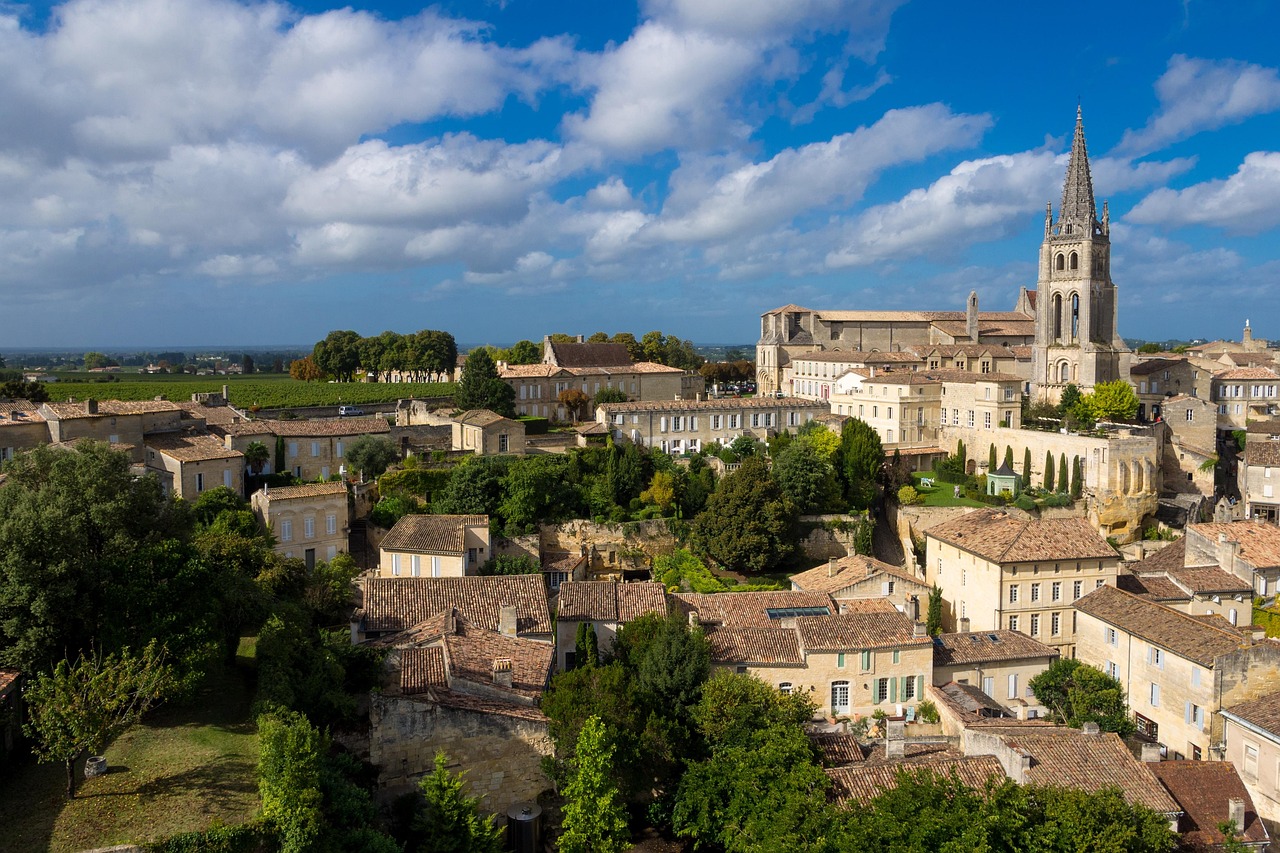
With a fourth day, I always dedicate one full day to a proper wine-country outing. Two classic choices:
- Saint-Émilion: Picture-perfect medieval hilltop village about 40 minutes by train. Cobblestone lanes, monolithic church, and endless vineyards.
- Médoc: The left bank region famous for prestigious appellations like Margaux, Pauillac, and Saint-Julien, lined with grand château estates.
I personally lean towards Saint-Émilion for first-timers. I take a morning train from Bordeaux Saint-Jean, then either join a small-group tour from the village or pre-book visits at nearby châteaux. I love the feeling of standing among vines that have been tended for generations, inhaling the warm, earthy scent of sun on leaves and soil.
Tips:
- Book château visits in advance; many require reservations.
- Wear comfortable shoes—the streets of Saint-Émilion are steep and cobbled.
- Have a light lunch; tastings can add up.
Returning to Bordeaux in the evening, I usually grab a simple dinner near my accommodation—soup, salad, maybe a cheese plate—and call it an early night.
Day 5 – Alternative Bordeaux: Darwin & Bassins de Lumières
Morning: Right Bank Walk & Darwin Éco-système
On my fifth day, I cross the Pont de Pierre towards the right bank. The view back to the old town is one of my favorites: the curve of the façades, the cathedral spire, the gentle arch of the bridge itself.
I walk or bus north along the river to Darwin Éco-système. Inside the complex, I wander through the courtyards, admiring graffiti and installations, then head into Magasin Général for a late breakfast or early lunch—think organic bowls, good coffee, and fresh-baked bread.
I love sitting here with my laptop for an hour or two, soaking up the creative energy. It’s easy to forget you’re in the same city of classical façades and wine merchants.
Afternoon: Bassins de Lumières
From Darwin, I either bike or take public transport towards the old submarine base that now houses the Bassins de Lumières. Inside, I step into a vast, cool space where entire walls and water surfaces are alive with projected art.
I remember one visit where the main show was dedicated to a mix of impressionist and modern artists, the colors rippling across the water. It was unexpectedly moving, like being inside a living painting. I stayed standing at one spot until the cycle ended, then watched it again from another angle.
Evening: Farewell Bordeaux
For my last night, I usually pick a neighborhood I haven’t explored enough—maybe around Saint-Michel or deeper into Chartrons—and just wander. A final glass of wine, a shared dessert, a last look at the illuminated bridges. Then it’s back to the hotel to pack, with the quiet conviction that I’ll be back.
Neighborhoods & Districts of Bordeaux
Getting a feel for Bordeaux means understanding its different quarters. Each has its own flavor and “things to do in Bordeaux” that are best experienced on foot.
Saint-Pierre & Saint-Paul
Vibe: Medieval streets, lively squares, lots of restaurants and bars, very central.
Best for: First-time visitors, nightlife, staying close to main sights.
Les Chartrons
Vibe: Former wine merchants’ quarter turned arty and trendy; antique shops, galleries, relaxed cafés.
Best for: Longer stays, Sunday market, feeling like a local.
Saint-Michel
Vibe: Multicultural, slightly gritty, full of life; flea markets, diverse food spots, street art.
Best for: Budget eats, alternative bars, people who like rough edges.
Gambetta & Mériadeck
Vibe: Mix of classic Bordeaux architecture and a 1970s modernist business district; less touristy.
Best for: Shopping, some mid-range hotels, offices, and a quieter local feel away from the old town.
Bacalan & Bassins à Flot
Vibe: Former industrial docks now home to Cité du Vin, Bassins de Lumières, food halls, and modern apartments.
Best for: Contemporary Bordeaux, architecture, evening drinks by the water.
Right Bank (La Bastide & Darwin)
Vibe: Residential, parks, creative hubs; great views of the left-bank skyline.
Best for: Picnics, cycling, street art, a different perspective on the city.
Local Food in Bordeaux: What & Where to Eat
Bordeaux is heaven if you like good food and wine—but there’s more than just fancy restaurants. Here are the essentials I keep coming back to.
Must-Try Dishes & Specialties
- Canelés: Small rum-and-vanilla cakes with a caramelized crust. Best fresh in the morning.
- Entrecôte à la bordelaise: Steak in a red wine and shallot sauce, often served with fries.
- Magret de canard: Duck breast, often grilled or pan-seared.
- Oysters from Arcachon Bay: Briny, fresh, perfect with a squeeze of lemon and a glass of white.
- Grillades & charcuterie: Charcuterie boards, pâtés, rillettes—ideal for sharing with wine.
- Basque influences: In pastries (Basque cake) and savory dishes, thanks to regional proximity.
Where I Actually Eat
I tend to mix markets, casual bistros, and a few nicer tables:
- Marché des Capucins: For breakfast oysters, casual lunches, and picnic supplies.
- Old Town bistros (Saint-Pierre): For classic southwestern dishes—look for daily chalkboard menus.
- Chartrons eateries: Slightly more local, creative, and relaxed; great on Sundays after the market.
- Right-bank cafés near Darwin: For organic and vegetarian-friendly options.
Money-saving tip: Many places offer a good-value formule at lunch (set menu), often cheaper than ordering à la carte at dinner. I often make lunch my main hot meal and keep dinner lighter—cheese, bread, salads, and wine from a shop.
Wine Culture & Tasting in the City
You don’t need to leave Bordeaux to taste fantastic wines:
- Wine bars: Order by the glass to sample across regions and styles without committing to a full bottle.
- Cavistes (wine shops): Many offer tastings and will help you pick bottles to take home.
- Cité du Vin: For a broad education in wine, not just Bordeaux.
- Events: Look out for pop-up tastings and festivals, especially in spring and early summer.
Nightlife, Entertainment & Cultural Experiences in Bordeaux
Evening Ideas
- Wine bar evenings in Saint-Pierre, Chartrons, or near Place de la Comédie.
- Performances at the Grand Théâtre – opera, ballet, classical concerts.
- Riverfront sunset walks and occasional evening cruises.
- Bars & live music in Saint-Michel and the side streets off Rue Sainte-Catherine.
Cultural Experiences
- Museums: Musée d’Aquitaine, Musée des Beaux-Arts, Cité du Vin, Bassins de Lumières.
- Festivals: Wine festivals, film festivals, music events (see the events section for 2026–2027).
- Street art: Self-guided walks around Saint-Michel and Darwin.
Best Day Trips from Bordeaux
Saint-Émilion
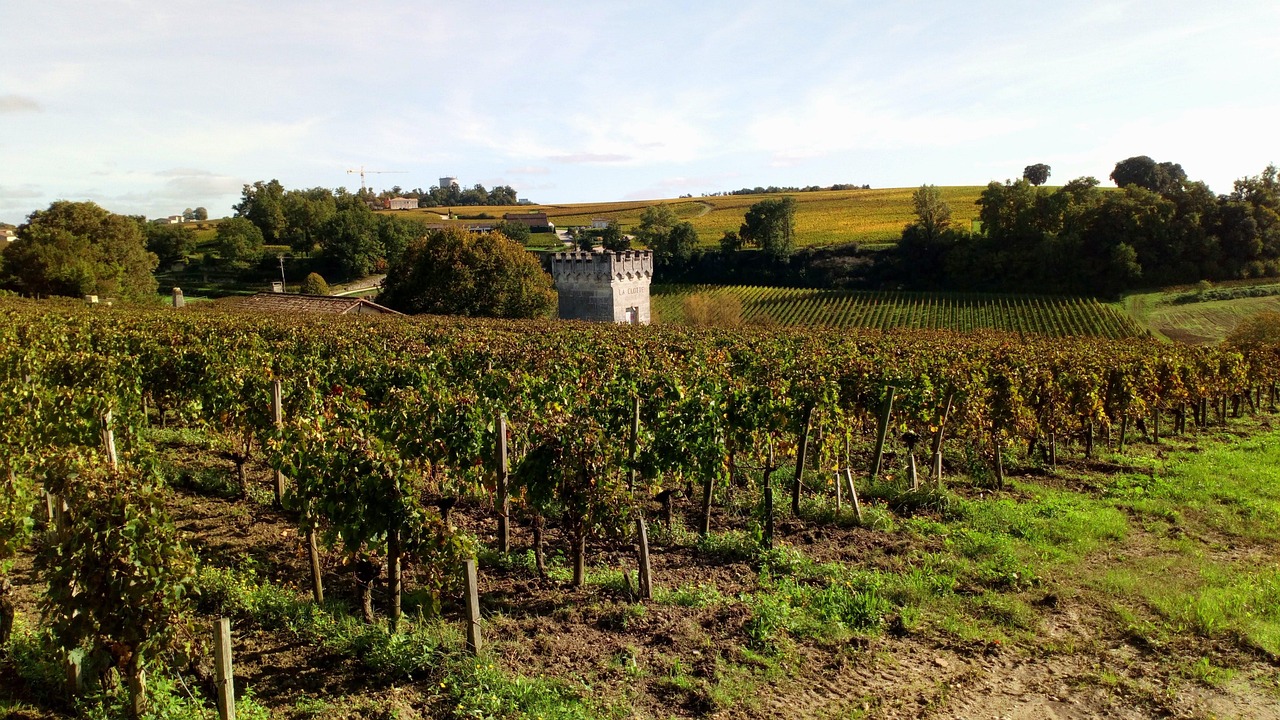
Why go: Medieval village, UNESCO-listed landscapes, world-famous red wines.
How to get there: 35–40 minutes by train from Bordeaux Saint-Jean, then a 10–15 minute walk into the village.
What to do: Explore the village, visit the monolithic church, tour one or two châteaux (book ahead), enjoy a long lunch on a terrace.
Médoc & Route des Châteaux
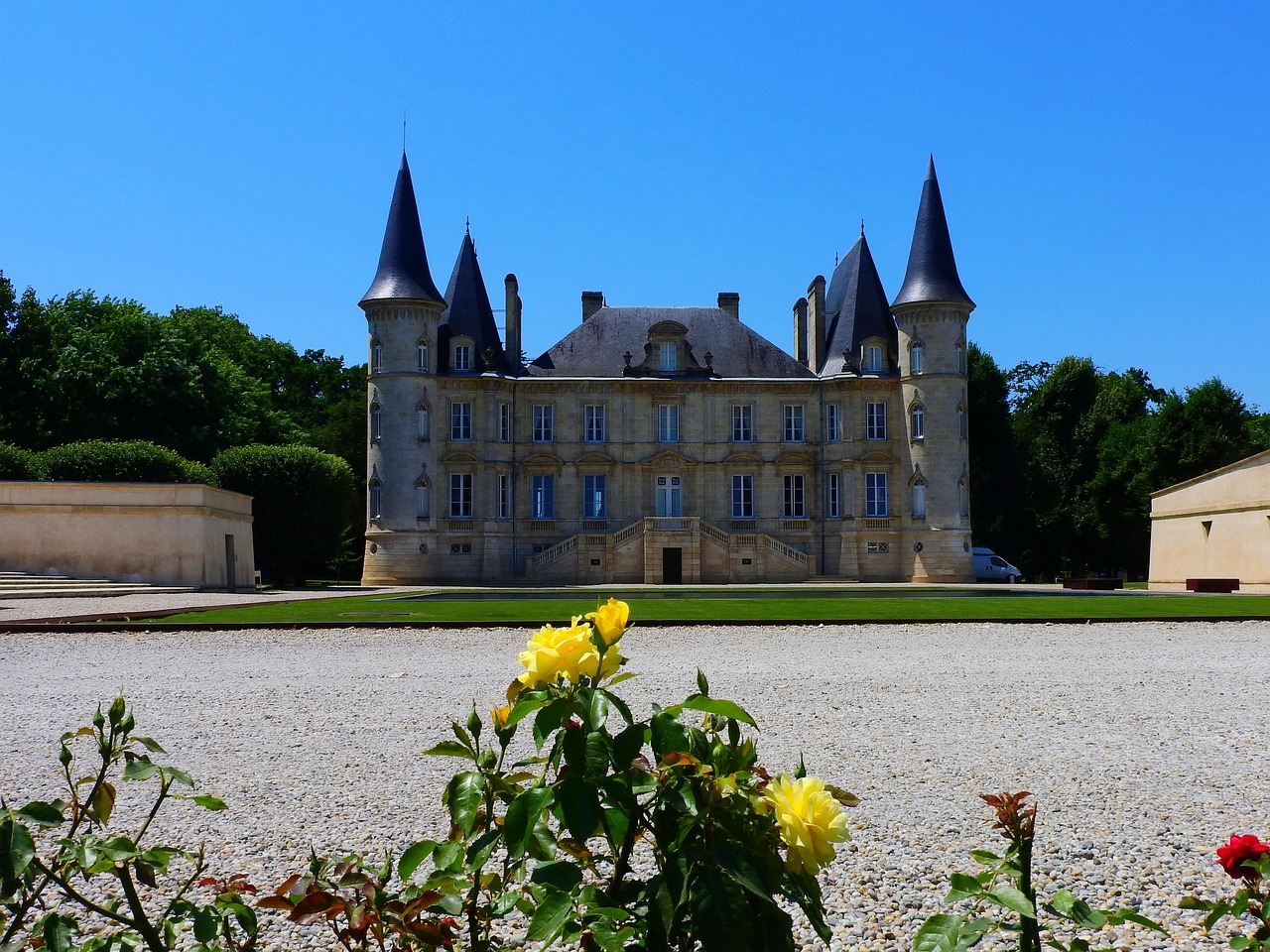
Why go: Grand estates, famous appellations, classic Bordeaux reds.
How to get there: Easiest with a guided tour or rental car; public transport is possible but slower.
What to do: Visit 2–3 châteaux, tour cellars, taste wines, take photos of the castle-like architecture.
Arcachon Bay & Dune du Pilat
Why go: Atlantic coast beaches, Europe’s highest sand dune, fresh seafood.
How to get there: About 50–60 minutes by train to Arcachon; local buses or shuttles to the dune in season.
What to do: Climb the dune for sweeping ocean views, eat seafood in Arcachon, stroll along the promenade.
Cultural Etiquette & Local Customs in Bordeaux
Greetings & Politeness
- Always start interactions with a polite “Bonjour, Madame/Monsieur” (daytime) or “Bonsoir” (evening), especially in shops, cafés, and bars.
- “Merci” (thank you) and “s’il vous plaît” (please) go a long way.
- Don’t assume English—many people speak it, but starting in French is appreciated.
Dining & Drinking Etiquette
- In restaurants, table service is slower than in some countries; you’re expected to linger. To get the bill, politely ask: “L’addition, s’il vous plaît.”
- It’s considered normal to share a bottle of wine; if you only want a glass, that’s fine too—just say so.
- Tipping is not mandatory, but rounding up or leaving 5–10% for good service is appreciated.
- Snacking while walking is less common; people usually sit to eat, especially for hot food.
General Behavior
- Keep voices moderate on trams and in residential areas at night.
- On public transport, give up seats to elderly passengers or pregnant women.
- Dress is generally casual but neat; wearing beachwear or gym clothes in the city center feels out of place.
Practical Travel Tips for Bordeaux
Getting Around Bordeaux
On Foot: The historic center is compact and walkable; you’ll likely walk more than you ride.
Trams & Buses:
- Bordeaux’s tram network (A, B, C, D) is clean, efficient, and easy to use.
- Buy single tickets, day passes, or multi-day passes at tram stops or via apps.
- Always validate your ticket when boarding.
Bikes & E-Scooters: There is a city bike-share system and various scooter services. The riverfront and right bank are especially pleasant for cycling.
Car Rental: Not needed in the city and parking can be expensive. Consider renting only for day trips where tours or trains don’t fit your style, like exploring smaller Médoc villages at your own pace.
How to Save Money in Bordeaux
- Make lunch your main meal with formules (set menus) and keep dinners simpler.
- Use markets (Capucins, Sunday Chartrons) to assemble picnics.
- Buy tram passes instead of single tickets if you’ll ride more than twice a day.
- Choose wine by the glass at bars to sample widely without expensive bottles.
- Stay a bit outside Saint-Pierre (e.g., in Chartrons or Saint-Michel) for better-value accommodation.
SIM Cards & Connectivity
In 2026, staying connected is straightforward:
- Large French providers (Orange, SFR, Bouygues) sell prepaid SIMs at shops and some supermarkets.
- Bring your passport to register if required.
- eSIM options are widely available via travel eSIM apps, often more convenient if your phone supports them.
- City cafés and many public areas offer free Wi-Fi, but a local data plan is more reliable.
Visas, Entry & Driving
Visas:
- France is in the Schengen Area. Many nationalities can enter visa-free for short stays (up to 90 days) but check current rules for 2026 before you travel.
- Ensure your passport is valid for at least 3–6 months beyond your stay, depending on your nationality.
Driving & Licenses:
- Foreign driver’s licenses are generally accepted for visitors, but an International Driving Permit (IDP) is recommended, especially if your license is not in Latin script.
- City driving is not particularly enjoyable due to traffic and tram lines; I only rent a car when I want to explore rural areas independently.
- Speed cameras are common, and parking rules are enforced—respect signs and painted lines.
Safety & Health
- Bordeaux is generally safe; usual big-city precautions apply (watch for pickpockets in crowded trams and markets).
- Tap water is safe to drink.
- Pharmacies are well distributed; look for the green cross signs.
- In summer, heat waves can occur—carry water, wear sunscreen, and take breaks in the shade.
When to Visit Bordeaux & 2026–2027 Events
Best Seasons for Different Activities
- Spring (April–June): Ideal weather, fewer crowds, perfect for city walking, vineyards starting to green, and outdoor terraces. Great for a 3 or 4 day itinerary for Bordeaux.
- Summer (July–August): Warm to hot, vibrant, lots of events and night life. Best for riverfront evenings and day trips to Arcachon and the Dune du Pilat. Crowds are heavier; book ahead.
- Autumn (September–October): Harvest season in vineyards, warm days, cool nights. My personal favorite for wine-focused trips and a slower 5 day itinerary for Bordeaux.
- Winter (November–March): Quieter, cooler, with some rain. Good for museum-hopping, food, and wine on a budget, though some vineyard activities and coastal attractions slow down.
Major Events & Festivals in 2026–2027
Bordeaux’s event calendar shifts yearly, but based on recent patterns, here’s what you can expect around 2026–2027 (exact dates to be confirmed closer to the time):
- Bordeaux Fête le Vin (Bordeaux Wine Festival): Usually in June, a major wine event along the riverfront with tastings, food stalls, and fireworks.
- Bordeaux Fête le Fleuve (River Festival): Alternates or complements the wine festival; focuses on the Garonne and maritime culture with boat parades and concerts.
- Music & Film Festivals: Various jazz, classical, and film events throughout the year, especially in spring and early summer.
- Christmas Markets: In December, festive stalls set up around central squares, selling crafts, food, and mulled wine.
For 2026–2027, keep an eye on the official Bordeaux tourism website for exact dates and any special one-off events, especially if you’re planning your trip around wine or cultural festivals.
Summary & Final Recommendations
Bordeaux is one of those cities that reveals itself layer by layer. On the surface: wine, golden stone, and stately squares. But if you linger for 3 to 5 days in Bordeaux, you’ll find river promenades where locals gather at sunset, markets where vendors know their customers by name, creative spaces in old barracks, and quiet parks where the city exhales.
For a first visit:
- 3 days in Bordeaux: Focus on the historic center, riverfront, Cité du Vin, and one deep dive into wine culture via a half-day tour or extended tasting.
- 4 days in Bordeaux: Add a full-day trip to Saint-Émilion, Médoc, or Arcachon for a richer sense of the region.
- 5 days in Bordeaux: Slow down. Add Darwin, Bassins de Lumières, extra markets, and maybe a second day trip.
In terms of timing, late spring and early autumn are my favorite seasons for a balanced mix of pleasant weather, manageable crowds, and vivid vineyard life. Summer is perfect if you love festivals and the coast; winter suits travelers who prioritize food, wine, and museums over sunshine.
What keeps drawing me back is how Bordeaux manages to feel both grand and intimate: you can stand awestruck before the Place de la Bourse one moment and be chatting with a winemaker over a bar counter the next. Come curious, walk a lot, talk to people, and leave space in your itinerary for the unexpected—those unscripted café stops and riverside sunsets are often the best memories you’ll take home.