Why Visit Lyon in 2026?
If Paris is France’s polished big sister, Lyon is the effortlessly cool friend who knows all the best places to eat, drink, and wander. Nestled at the meeting of the Rhône and Saône rivers, Lyon combines Roman ruins, Renaissance alleyways, grand 19th-century boulevards, and forward-thinking modern districts in a way that feels cohesive and lived-in rather than staged.
I’ve been coming back to Lyon almost every year for the past decade, sometimes for just 3 days in Lyon on a quick escape, sometimes for 4 or 5 days to slow down, eat obscenely well, and revisit favorite corners. Every time, I find something new: a tiny wine bar in Croix-Rousse, a mural that wasn’t there before, a new chef shaking up traditional Lyonnaise cuisine.
Lyon in 2026 is especially exciting: the city continues to polish its riverfronts, expand bike lanes, and invest in cultural events. The food scene is in constant motion, with young chefs reinterpreting the “capital of gastronomy” title in lighter, more sustainable ways. Meanwhile, the historic core—the traboules, Fourvière, the Presqu’île—remains timeless.
This travel guide for Lyon is written with both first-timers and return visitors in mind. Whether you’re planning a 3 day itinerary for Lyon, stretching to 4 days in Lyon for a more relaxed pace, or immersing yourself for 5 days in Lyon and beyond, you’ll find detailed daily plans, must-see attractions, cultural experiences, and plenty of hidden gems in Lyon that most quick guides skip.
Table of Contents
- Why Visit Lyon in 2026?
- Lyon at a Glance
- Suggested 3–5 Day Itineraries
- Neighborhoods & Districts to Explore
- 20 Must-See Attractions in Lyon (With Local Insights)
- Local Food in Lyon: What & Where to Eat
- Nightlife, Entertainment & Cultural Experiences
- Major Events & Festivals in 2026–2027
- Best Day Trips from Lyon
- Cultural Etiquette & Local Customs in Lyon
- Practical Travel Tips for Lyon
- Summary & Best Time to Visit Lyon
Lyon at a Glance
Lyon is France’s third-largest city, but it rarely feels overwhelming. The historic core is compact and walkable, the metro and tram system is efficient, and the rivers act as natural anchors so you rarely feel lost. The city is divided into distinct districts (arrondissements), each with its own character: medieval Vieux Lyon, hillside Croix-Rousse, grand Presqu’île, and contemporary Confluence, among others.
Lyon is also:
- A UNESCO World Heritage Site for its preserved historic districts.
- The capital of gastronomy, home of Paul Bocuse and countless bouchons.
- A cultural hub, with excellent museums, opera, festivals, and street art.
- Perfectly positioned for day trips to Beaujolais, the Alps, and the Rhône Valley.
In this 2026 travel guide for Lyon, I’ll walk you through the best places to visit in Lyon, from must-see attractions to quiet corners where you can just sit with a coffee and watch the city glide by.
Suggested 3–5 Day Itineraries in Lyon
These itineraries are based on trips I’ve actually taken, refined over multiple returns. They balance big sights and hidden gems, cultural experiences and lazy riverfront strolls, and of course, plenty of local food in Lyon. Use them as a base and tweak according to your interests.
3 Days in Lyon – Classic Highlights
If you only have 3 days in Lyon, this 3 day itinerary for Lyon focuses on the essentials: Vieux Lyon, Fourvière, the Presqu’île, and a taste of Croix-Rousse and Confluence.
Day 1 – Vieux Lyon, Fourvière & Riverfront Evenings
I still remember my first morning in Lyon: I crossed the Saône just as the sun was sliding down the pastel façades of Vieux Lyon, and the city felt like a film set, except the cafés smelled of real butter and coffee.
Morning: Vieux Lyon & Traboules
- Start around Place Saint-Jean, with its view of Cathédrale Saint-Jean-Baptiste.
- Wander the traboules (hidden passageways) with a self-guided map from the tourist office or a local guided tour.
- Pause at a café on Rue Saint-Jean—yes, it’s touristy, but it’s your first day; you’re allowed.
Lunch: Try a light option; you’ll eat heartier later. I often duck into a small crêperie just off the main drag for a savory galette and cider.
Afternoon: Fourvière Hill & Roman Theatres
- Take the funicular from Vieux Lyon up to Basilique Notre-Dame de Fourvière.
- Visit the basilica (free), then step to the terrace for one of the best views of Lyon.
- Walk down to the Ancient Theatre of Fourvière and the Roman museum.
Evening: Saône Riverfront & Bouchon Dinner
- Stroll along the Saône quays at sunset; the reflections are gorgeous.
- Dinner at a traditional bouchon lyonnais in Vieux Lyon or on the Presqu’île.
Tip: On my last visit, I booked my first-night bouchon in advance; by 8 pm, walk-ins were being turned away. Lyon takes dinner seriously.
Day 2 – Presqu’île, Museums & Shopping
This day is all about the vibrant heart between the Rhône and Saône: big plazas, elegant architecture, and great shopping.
- Morning: Explore Place Bellecour, stroll up Rue de la République toward Place des Terreaux.
- Visit the Musée des Beaux-Arts (Lyon’s fine arts museum) or the Musée de l’Imprimerie if you love books and typography.
- Lunch: A brasserie on the Presqu’île; I like grabbing a terrace table near Place des Jacobins.
- Afternoon: Shopping in the Presqu’île, then a coffee in the Hôtel de Ville area.
- Evening: Cross to the Rhône riverbanks for aperitif on a péniche (boat bar) and watch locals picnic and play pétanque.
Day 3 – Croix-Rousse & Confluence
Your last of 3 days in Lyon dives into silk history and modern architecture.
- Morning in Croix-Rousse: Ride metro to Croix-Rousse, explore the boulevard de la Croix-Rousse market (if it’s a market day), visit the Maison des Canuts, and seek out the Mur des Canuts mural.
- Lunch: A simple plat du jour at a neighborhood bistro.
- Afternoon in Confluence: Tram or walk along the Saône to Confluence, see the Musée des Confluences and the contemporary riverside quarter.
- Evening: Dinner in Confluence or back on the Presqu’île, then a final stroll along the illuminated bridges.
This 3 day itinerary for Lyon hits the major must-see attractions in Lyon while leaving enough breathing room that you don’t feel rushed.
4 Days in Lyon – Deeper Dive
4 days in Lyon lets you add more museums, more neighborhood wandering, and a bit of countryside. Days 1–3 can follow the plan above; here’s how I usually spend Day 4.
Day 4 – Parc de la Tête d’Or & Hidden Corners
- Morning: Head to Parc de la Tête d’Or for a leisurely walk or bike ride. Visit the free zoo and botanical gardens.
- Rent a rowboat on the lake if the weather is good; it’s wonderfully romantic or fun for families.
- Lunch: Picnic in the park with goodies from a nearby boulangerie or the Halles de Lyon Paul Bocuse (if you don’t mind carrying them).
- Afternoon: Explore the Brotteaux district or dive into the food temple that is Halles de Lyon Paul Bocuse.
- Evening: Discover a wine bar in the 1st arrondissement near Croix-Paquet or Terreaux, and try some Beaujolais or Northern Rhône wines.
With 4 days in Lyon, you’ll start to feel how locals use the city—especially in the park, on the riverbanks, and in neighborhood bars.
5 Days in Lyon – Slow Travel & Day Trips
5 days in Lyon is my sweet spot. It gives you time to adopt a rhythm: morning café, a museum or market, a long lunch, and an aimless wander. You can also add a day trip.
Day 5 – Beaujolais, Pérouges, or Wine & Countryside
On my last 5 day itinerary for Lyon, I took a small-group tour to the Beaujolais vineyards. We tasted Gamay in stone villages that seemed unchanged for centuries and were back in Lyon by early evening.
- Option 1: Beaujolais wine tour – perfect for couples or groups of friends.
- Option 2: Medieval village of Pérouges – great for families; kids love the cobblestones and crepes.
- Option 3: Stay within Lyon – revisit a favorite neighborhood, or dig into smaller museums like the Musée des Confluences or the Musée Lumière.
Return to Lyon for a final dinner at a restaurant you’ve been eyeing all week. I like ending with something slightly more refined than a bouchon: contemporary Lyonnaise cuisine with local ingredients and lighter touches.
Lyon’s Neighborhoods & Districts
Vieux Lyon (5th Arrondissement)
Vieux Lyon is the city’s Renaissance heart: narrow cobblestone lanes, pastel façades, carved wooden doors, and those famous traboules. It’s touristy, yes, but also genuinely atmospheric—especially in the early morning or late evening when day-trippers have left.
Fourvière Hill
Perched above Vieux Lyon, Fourvière is where you go for sweeping views and a sense of Lyon’s deep history, from Roman amphitheaters to 19th-century pilgrimage basilicas.
Presqu’île (1st & 2nd Arrondissements)
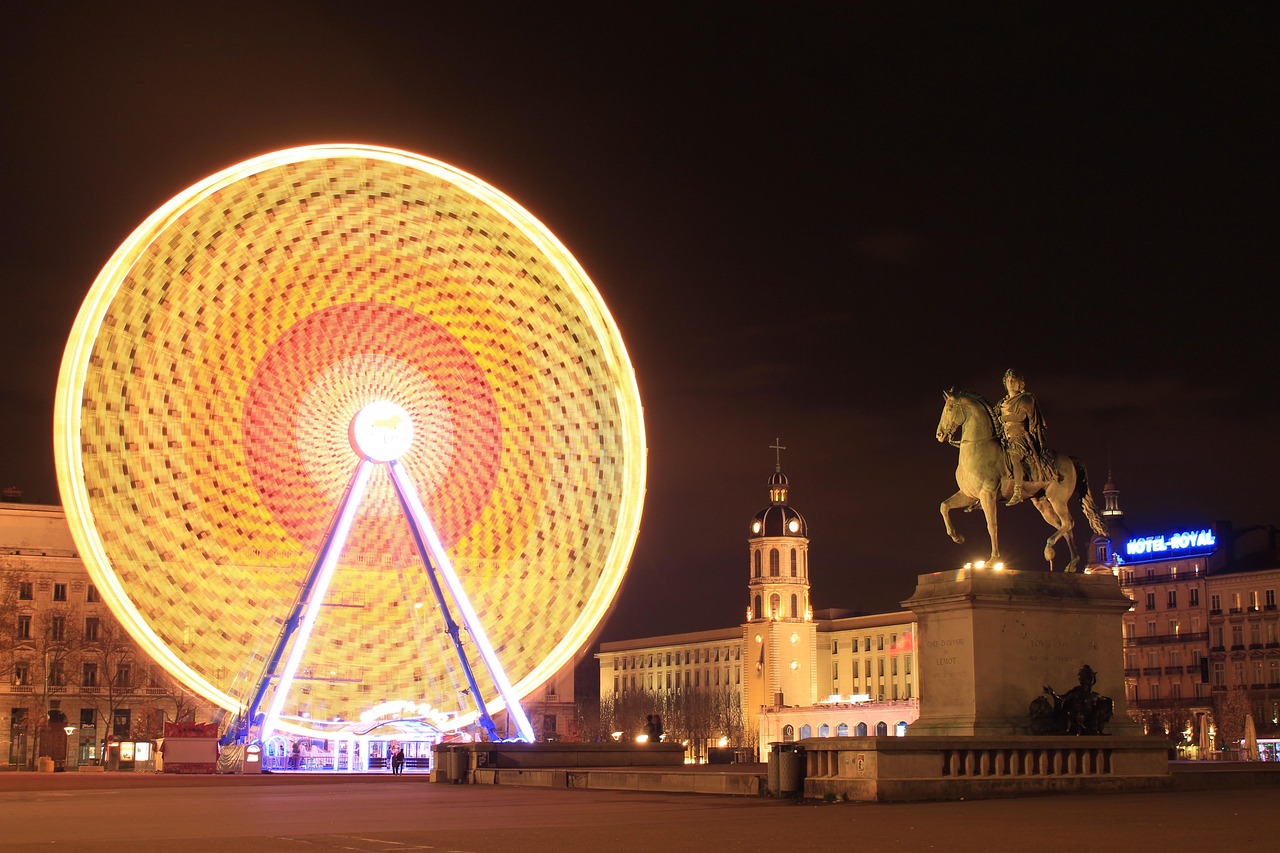
The Presqu’île is the elegant spine that runs between the two rivers. Think shopping streets, grand plazas, theaters, and some of the best people-watching in the city.
Croix-Rousse (1st & 4th Arrondissements)
Once the hill of silk workers (canuts), Croix-Rousse today is bohemian, creative, and village-like, with steep staircases, murals, and independent boutiques.
Confluence (2nd Arrondissement)
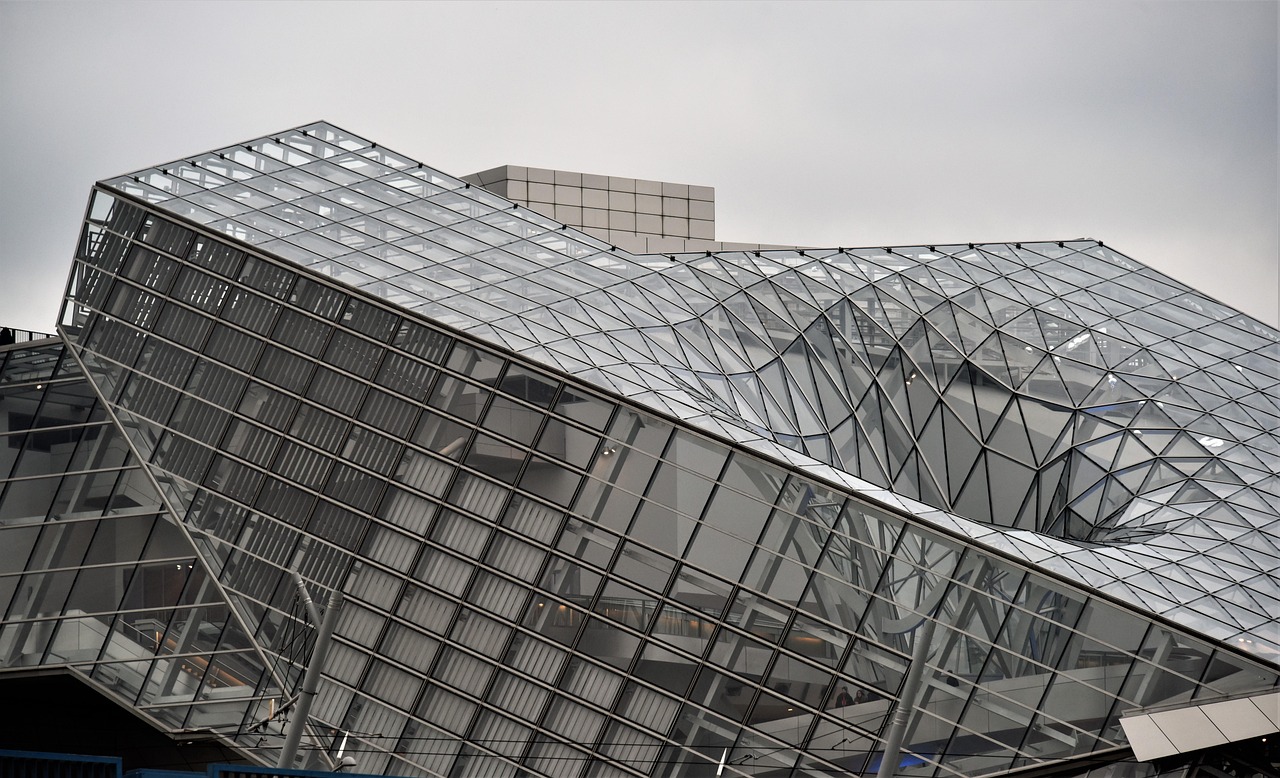
The southern tip of the Presqu’île has been reborn as Confluence: eco-friendly architecture, a shiny mall, riverside promenades, and the futuristic Musée des Confluences.
Parc de la Tête d’Or & Brotteaux (6th Arrondissement)
A leafy, upscale district anchored by one of France’s largest urban parks. Perfect for families, runners, and anyone craving greenery.
Guillotière & 7th Arrondissement
Multicultural, edgy, and full of cheap eats. The 7th is where many students live, and where you’ll find some of the best global food in Lyon.
20 Must-See Attractions in Lyon (With Local Insights)
Below are 20 of the best places to visit in Lyon. I’ve written each as a mini-article based on multiple visits, with context, history, and practical tips.
1. Basilique Notre-Dame de Fourvière
The basilica is Lyon’s crown, visible from almost everywhere. I’ve seen it in blazing summer light, in winter fog, and once glowing gold at sunset after a storm—it always feels slightly unreal.
Why visit: For the panoramic view of Lyon’s terracotta roofs and the Alps on a clear day, for the richly decorated interior, and for the sense that this hill has always been spiritually important, long before Christianity.
History: Built in the late 19th century, Fourvière was funded largely by private donations after the Franco-Prussian War. Locals consider it a symbol of protection; the golden Virgin Mary statue was credited with saving Lyon from the plague and war.
My experience: My favorite time is early morning on a weekday. I take the funicular from Vieux Lyon, step into the cool interior for a moment of quiet, then circle around the terrace to find my usual spot overlooking the city. I like spotting familiar landmarks—the red pencil of Tour Part-Dieu, the twin rivers, the cranes in Confluence.
Tips for visitors:
- Getting there: Funicular from “Vieux Lyon – Cathédrale Saint-Jean” metro station. You can also walk up via steep staircases if you’re feeling energetic.
- Cost: Entry is free; some tower or crypt tours may have a fee.
- Best time: Early morning or just before sunset. Avoid Sunday mid-day if you’re not attending mass; it gets crowded.
- Family-friendly: Yes, kids usually love the view, but keep an eye on them near railings.
- Romantic: Very—sunset views here are perfect for couples.
2. Vieux Lyon & Its Traboules
Vieux Lyon was where I first got lost on purpose. The trick is to follow your curiosity: a slightly open door, a stone archway, a hint of a courtyard beyond.
Why visit: To walk through centuries of architecture, from medieval to Renaissance, and to discover the hidden traboules that once sheltered silk workers and resistance fighters.
History: Many traboules date back to the 4th century, but most of what you see now is from the Renaissance, when Italian bankers and merchants made Lyon a thriving trade hub.
My experience: On one rainy afternoon, I joined a small guided tour; our guide carried a ring of keys, opening seemingly private doors to reveal painted courtyards and spiral staircases. Another time, I used the city’s official traboule map and still stumbled upon unmarked passages. Each visit feels like a scavenger hunt.
Tips:
- Respect residents: Many traboules are in residential buildings. Keep quiet, don’t buzz random apartments, and follow posted hours.
- Look for signage: Small plaques or symbols often indicate public traboules.
- Combine with: Saint-Jean Cathedral, Fourvière funicular, and a stop at a traditional ice cream or praline shop.
- Family-friendly: Kids love the secret passage vibe. Turn it into a mini-treasure hunt.
3. Ancient Theatre of Fourvière & Roman Odeon
The first time I walked into the Roman theatre complex, I was struck by how casually it sits in the city. In some places, ruins are roped off and distant; here, people sit on the stones eating sandwiches, teenagers rehearse dance routines on the stage.
Why visit: To touch nearly 2,000 years of history and imagine the roar of ancient crowds, and to see how Lyon constantly reuses its spaces—today, the theatre hosts concerts and the summer Nuits de Fourvière festival.
History: Lugdunum (Roman Lyon) was a major city of Gaul. The large theatre dates from 15 BC, expanded under Hadrian, while the smaller Odeon was used for music and readings.
Tips:
- Museum: The adjacent Lugdunum – Musée & Théâtres Romains is excellent and worth 1–2 hours.
- Accessibility: There are many steps; wear good shoes.
- Events: Check summer schedules; attending a concert here under the stars is unforgettable.
4. Cathédrale Saint-Jean-Baptiste
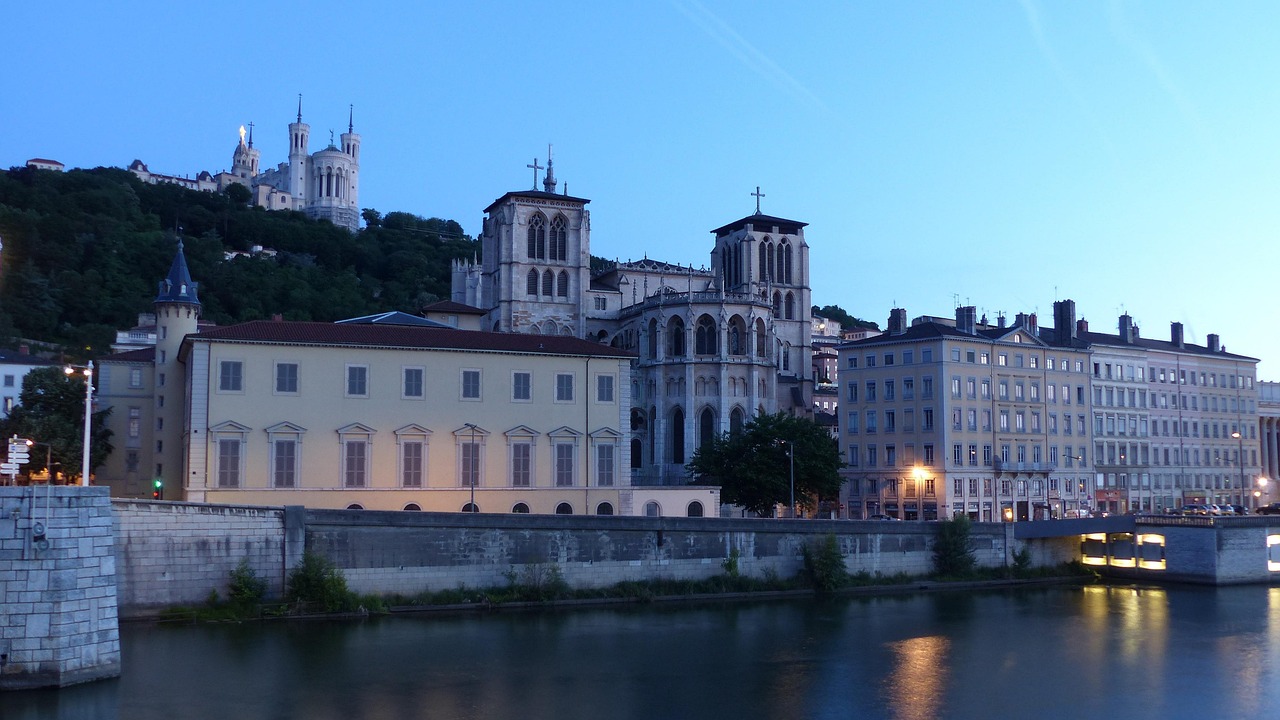
This Gothic-Romanesque cathedral anchors Vieux Lyon. I like to step inside when the city outside feels too busy; the cool stone and filtered light are instantly calming.
Highlight: The astronomical clock, dating to the 14th century, puts on a small show a few times a day—check posted hours.
Tip: Step back across the Saône to the Saint-Jean footbridge for one of the classic postcard views of the cathedral with Fourvière rising behind it.
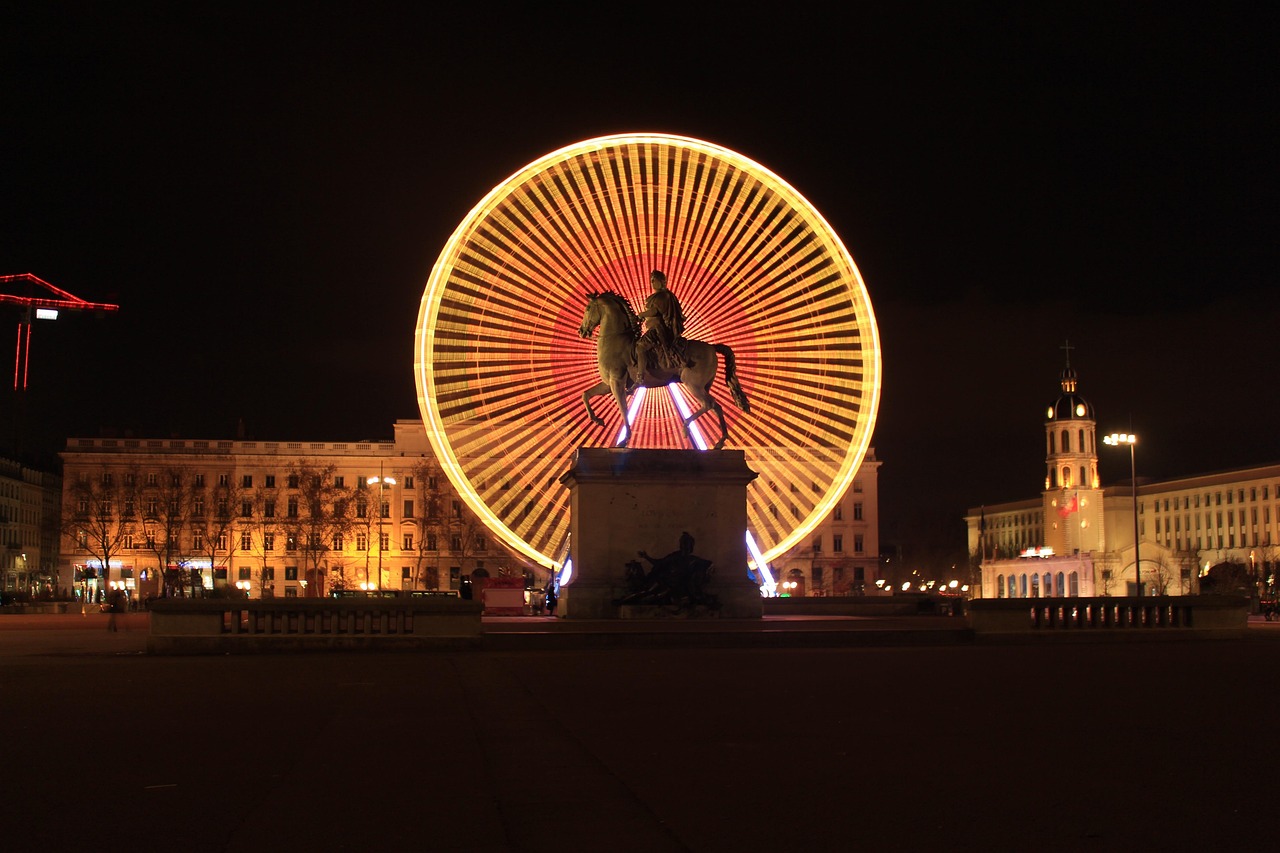
5. Place Bellecour
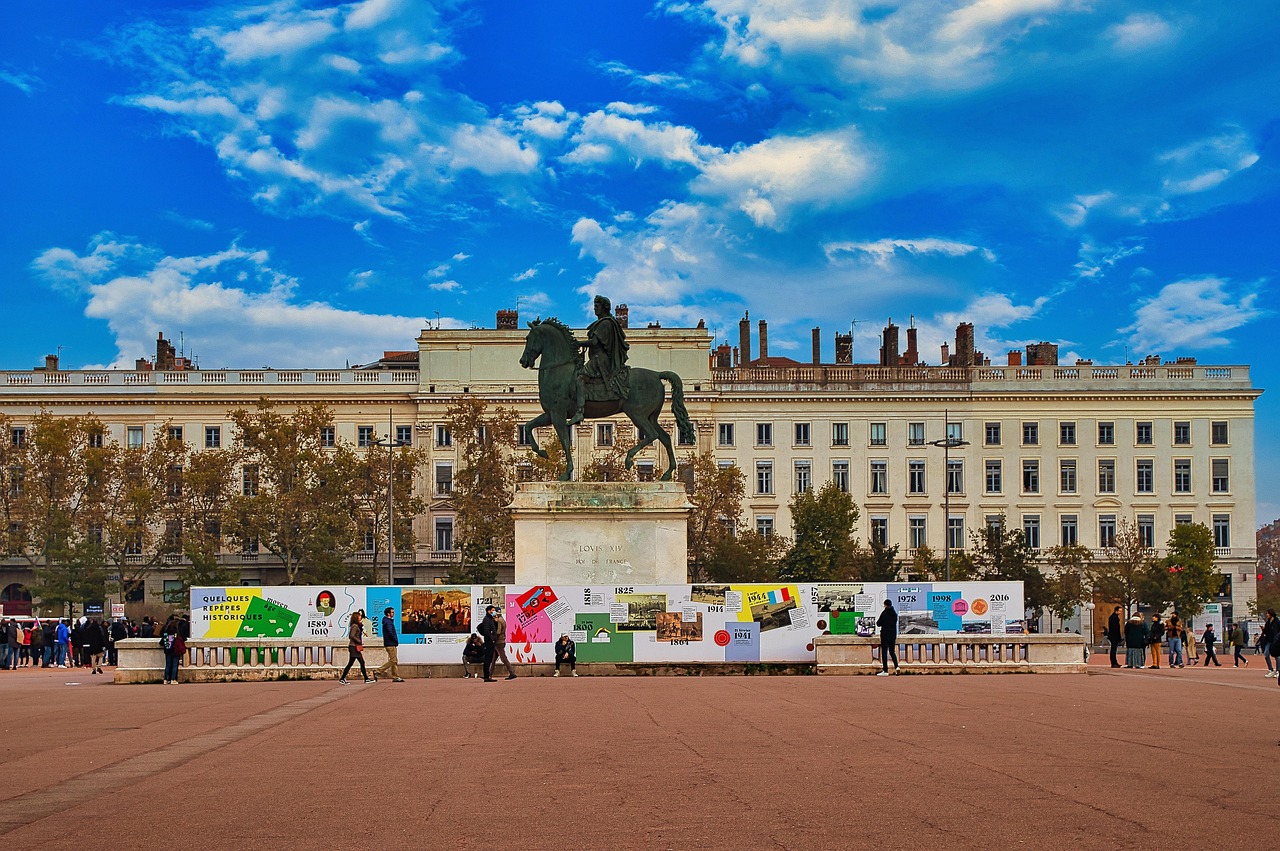
Place Bellecour is one of Europe’s largest pedestrian squares and the geographic “zero point” of Lyon. I often use it as a navigation reference; all distances in Lyon are measured from here.
Why visit: For its centrality, the statue of Louis XIV, the view of Fourvière, and as a gateway to both the upscale boutiques of Rue du Président Édouard Herriot and the more mainstream Rue de la République.
Tip: In winter, there’s often a small ice rink or Christmas activities; in summer, open-air events or art installations pop up.
6. Place des Terreaux & Bartholdi Fountain
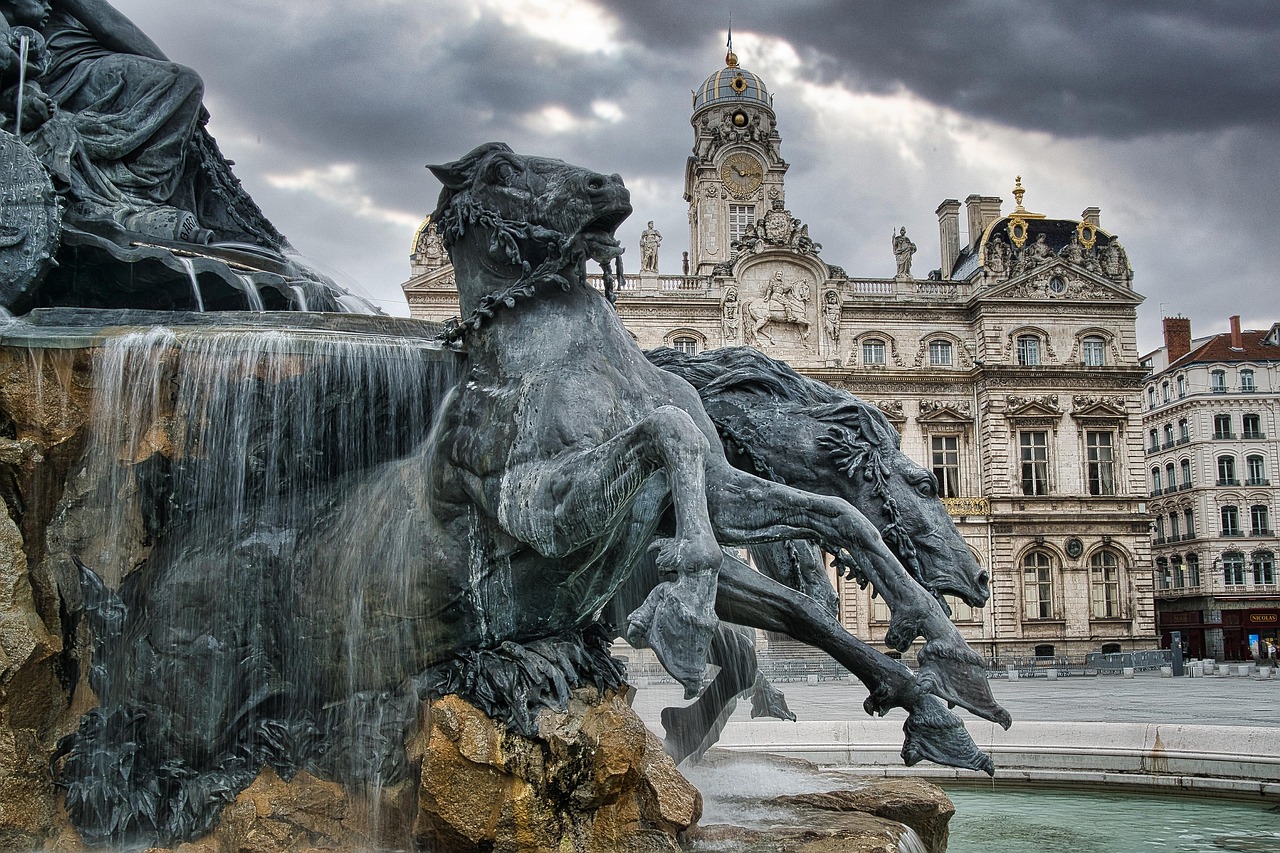
I always end up at Place des Terreaux without quite planning to. It’s framed by the Hôtel de Ville and the Musée des Beaux-Arts, with the dramatic Bartholdi Fountain—four wild horses representing France’s rivers—at its center.
Why visit: It’s a nexus of culture and nightlife; from here, narrow streets lead to wine bars, restaurants, and the slopes up to Croix-Rousse.
Tip: At night, the fountain and buildings are beautifully lit; nearby bars make this a good starting point for an evening out.
7. Musée des Beaux-Arts de Lyon
Housed in a former 17th-century abbey, this museum is often called France’s “little Louvre.” On one rainy visit, I spent nearly four hours wandering the collections and still didn’t see everything.
Highlights: Egyptian antiquities, medieval religious art, French paintings, and a lovely sculpture garden in the inner courtyard.
Tip: The café in the courtyard is a peaceful spot for a coffee; even if you’re not a hardcore art lover, the building itself is worth seeing.
8. Croix-Rousse & the World of the Canuts
Croix-Rousse is the part of Lyon that feels most like a small town perched above a big city. I love coming up here on a sunny afternoon and just wandering—the slopes, the stairs, the views.
Why visit: For its silk history, the Maison des Canuts museum, the famous Mur des Canuts trompe-l’œil mural, and the relaxed, creative vibe.
My experience: Once, I followed a local friend through a series of staircases and tiny squares until we arrived at a viewpoint over the city just as the light turned golden. We ended with a glass of natural wine at a tiny bar, surrounded by students and artists.
Tips:
- Market: The daily market on Boulevard de la Croix-Rousse is fantastic for produce and local specialties (busiest on weekends).
- Family-friendly: Yes, but note the many stairs if you have a stroller.
- Hidden gem: Seek out lesser-known traboules on the slopes (look for discreet signs).
9. Parc de la Tête d’Or
This massive park is where Lyon breathes. On any half-decent day, it’s full of joggers, families, students, and couples sprawled on the grass.
Why visit: For the lake, the rose gardens, the free zoo (kids love the giraffes), and the botanical greenhouses. It’s also ideal for a picnic.
My ritual: I rent a city bike, ride slowly along the paths, then park it and walk into the quieter corners near the botanical gardens. I almost always end up stretching out in the grass with a book and losing track of time.
Tips:
- Family-friendly: Extremely; there are playgrounds, pony rides, and pedal boats.
- Romantic: Yes—boat rental at sunset is a lovely idea.
- Budget: Entry, zoo, and gardens are free.
10. Halles de Lyon Paul Bocuse
If you care at all about food, you cannot skip this covered market. It’s like walking through the greatest hits of Lyonnaise gastronomy.
Why visit: To see (and taste) cheeses, charcuterie, oysters, quenelles, pastries, chocolates, and wines from top producers. You can sit down for a meal at one of the counters or graze as you go.
My experience: I like coming mid-morning, when locals are shopping and chefs are grabbing a quick coffee. I pick a stall for oysters and a glass of white wine, then wander until I find a patisserie that calls to me. On one memorable visit, I ended up chatting with a cheesemonger who insisted I try three different types of Saint-Marcellin “to properly understand the terroir.”
Tips:
- Costs: Not cheap; this is where you splurge a little.
- Timing: Go hungry and avoid Sunday afternoons when some stalls close or run low.
- Souvenirs: Vacuum-sealed sausages and cheeses travel well.
11. Musée des Confluences
This science and anthropology museum is impossible to miss: a glass-and-metal “crystal cloud” at the very tip where the Rhône and Saône converge.
Why visit: For thought-provoking exhibitions on humanity, nature, and the universe—plus a rooftop terrace with river views.
My view: The permanent exhibition is strong, but what really stays with me are the temporary shows. One year it was about our relationship to time; another, about the future of cities. It’s a great option for a rainy day.
Tips:
- Combine with: A walk or tram ride through the Confluence district, maybe some shopping or a coffee by the marina.
- Family-friendly: Yes, with interactive exhibits kids enjoy.
12. Presqu’île Architecture & Shopping Streets
The Presqu’île is a living museum of 18th–19th-century urban design: arcaded façades, ornate balconies, and broad boulevards made for promenading.
Why visit: For a feel of daily life in the city, the mix of chain stores and independent boutiques, and the cafés where locals linger.
Tip: Walk Rue de la République from Bellecour to Hôtel de Ville, then zigzag onto side streets for more character and fewer crowds.
13. Lyon’s Giant Murals (Fresques)
Lyon is one of Europe’s great mural cities. The most famous are the hyper-realistic trompe-l’œil works by CitéCréation.
Must-see murals:
- Fresque des Lyonnais: Depicts 30 famous Lyonnais historical figures, including the Lumière brothers and Paul Bocuse.
- Mur des Canuts: In Croix-Rousse, a sprawling scene of everyday life on the hill.
My tip: Download a mural map from the tourist office and turn it into a self-guided walk. It’s a fun, free, and very “Lyon” activity.
14. Musée Lumière
For film lovers, this museum is a pilgrimage. It’s housed in the former home of the Lumière family, pioneers of cinema.
Why visit: To see early film equipment, watch some of the first films ever made, and walk through the elegant mansion and garden.
Tip: Combine with a stroll around the Monplaisir neighborhood, where you can still see the factory buildings where cinema was born.
15. Saint-Georges & Saint-Paul Quarters
South of Saint-Jean, the Saint-Georges area feels quieter and more residential. I often escape here when Vieux Lyon feels too crowded.
Why visit: For its riverside church, pretty backstreets, and smaller cafés frequented by locals rather than tourists.
Romantic: Yes—especially at twilight, walking along the river with the lights reflected in the water.
16. Rhône Riverbanks (Berges du Rhône)
The revitalized Rhône quays are one of Lyon’s greatest urban achievements in recent decades. What used to be parking lots are now leafy promenades with bike lanes, skate parks, and floating bars.
Why visit: For a sunset stroll, a riverside jog, or drinks on a péniche. On warm evenings, the atmosphere is festive, with groups picnicking and playing music.
My experience: On one summer trip, I made it a habit to end each day here. One night it was a quiet beer alone, watching the current; another, it turned into a spontaneous multi-table conversation with locals who insisted I try their homemade tapenade.
17. Île Barbe
This small island on the Saône, a short ride from central Lyon, feels like a secret world.
Why visit: For its medieval abbey remains, peaceful vibe, and riverside views. It’s a wonderful contrast to the city bustle.
Tip: Go on a clear day, bring a snack, and just wander—there isn’t a long list of “things to do,” and that’s the point.
18. Guillotière & 7th Arrondissement Street Life
Guillotière is messy, lively, and full of flavor—literally. This is where many immigrant communities have settled, and the food scene reflects it.
Why visit: For cheap eats (North African, Asian, Middle Eastern), vintage shops, and the feeling of being in the “real city.”
My tip: Go in the early evening, wander the side streets, and pick a crowded, no-frills place where locals are eating. I’ve had some of my best couscous and pho in Lyon here.
19. Opéra de Lyon & Place de la Comédie
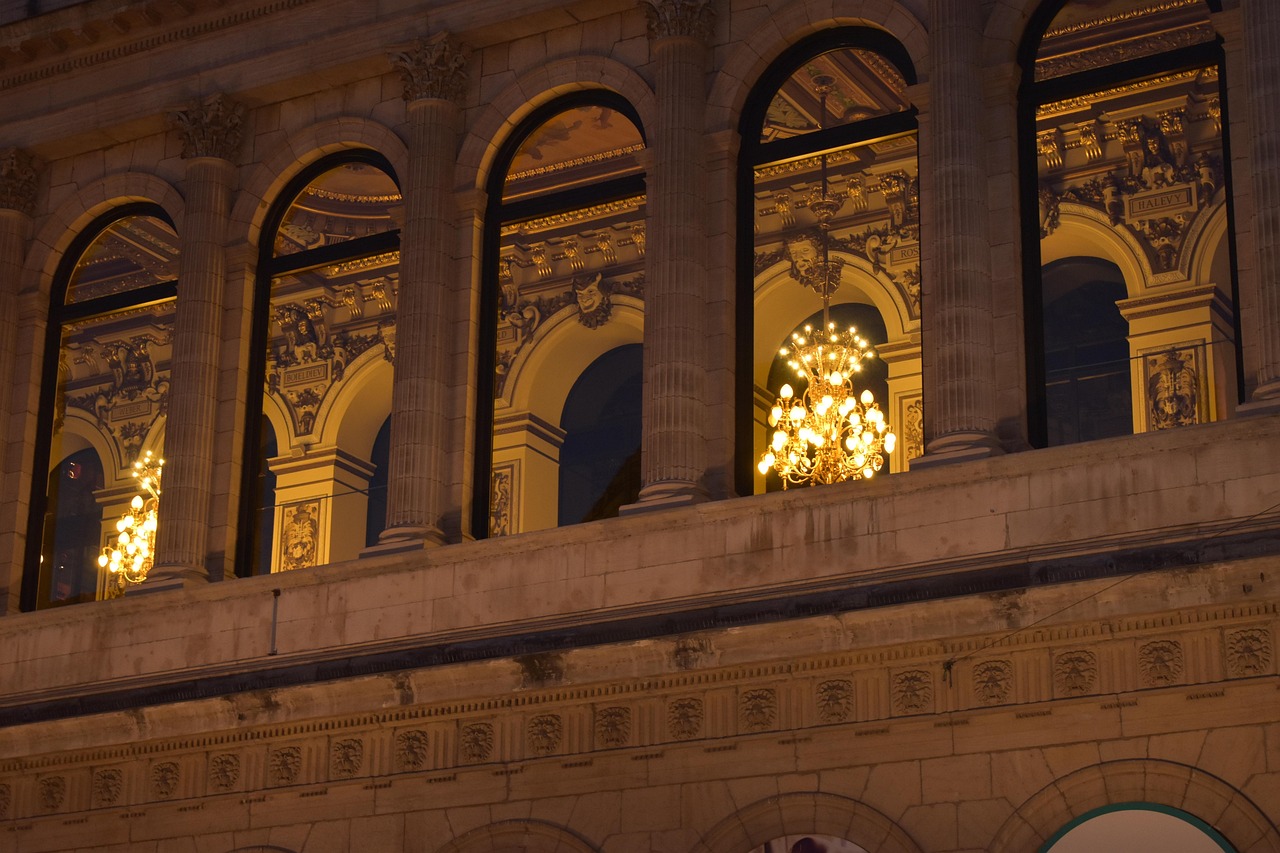
The opera house, with its modern glass dome atop a classical façade, symbolizes Lyon’s blend of old and new.
Why visit: Even if you don’t see a performance, the building and surrounding square are worth a look. But if you can catch an opera, ballet, or concert, do—it’s a cultural highlight.
Tip: Check the Opéra de Lyon website for discounted last-minute tickets or standing room, especially outside peak weekends.
20. Confluence District & Marina
Walking into Confluence sometimes feels like stepping into a different city: bold architecture, colorful facades, and experimental urban design.
Why visit: To see how Lyon is reinventing itself, to walk along quiet stretches of river, and to enjoy modern cafés and terraces by the water.
Family-friendly: The malls and open spaces are easy with kids; there’s often entertainment or pop-up events.
Local Food in Lyon: What & Where to Eat
Lyon’s food reputation is not hype. This is a city where even random neighborhood bistros can surprise you, and where “cheap” doesn’t mean “bad.”
Essential Lyonnaise Dishes
- Quenelles de brochet: Pike dumplings in a rich crayfish or béchamel sauce.
- Saucisson brioché: Sausage baked in brioche.
- Tablier de sapeur: Breaded and fried tripe—adventurous, but very Lyon.
- Salade lyonnaise: Frisée lettuce with bacon, croutons, and poached egg.
- Poulet de Bresse: Local chicken, often roasted or in cream sauce.
- Cervelle de canut: A fresh cheese dip with herbs and garlic, usually eaten with bread.
- Pralines roses: Candied pink almonds used in tarts and brioches.
Where to Eat: Personal Favorites
I won’t list every famous name, but here are patterns I follow:
- For traditional bouchons: I avoid the loudest tourist traps in Vieux Lyon and look for those with the official “Les Bouchons Lyonnais” label, or I head slightly north into the 1st arrondissement near Hôtel de Ville.
- For contemporary cuisine: The Presqu’île and 6th arrondissement have excellent bistros with seasonal menus and lighter takes on classics.
- For budget eats: Guillotière and the 7th are fantastic for filling, cheap meals from around the world.
- For markets: Croix-Rousse’s daily market for produce and snacks; Halles Paul Bocuse for gourmet treats.
Saving Money on Food
Eating well in Lyon doesn’t have to destroy your budget:
- Lunch menus: Many restaurants offer a menu du jour at lunch that’s 20–40% cheaper than dinner.
- Picnics: Buy bread, cheese, charcuterie, and fruit at markets and picnic along the Rhône or in Parc de la Tête d’Or.
- Cafés vs. bars: Coffee at the counter (“au comptoir”) is cheaper than sitting, especially in tourist areas.
Nightlife, Entertainment & Cultural Experiences in Lyon
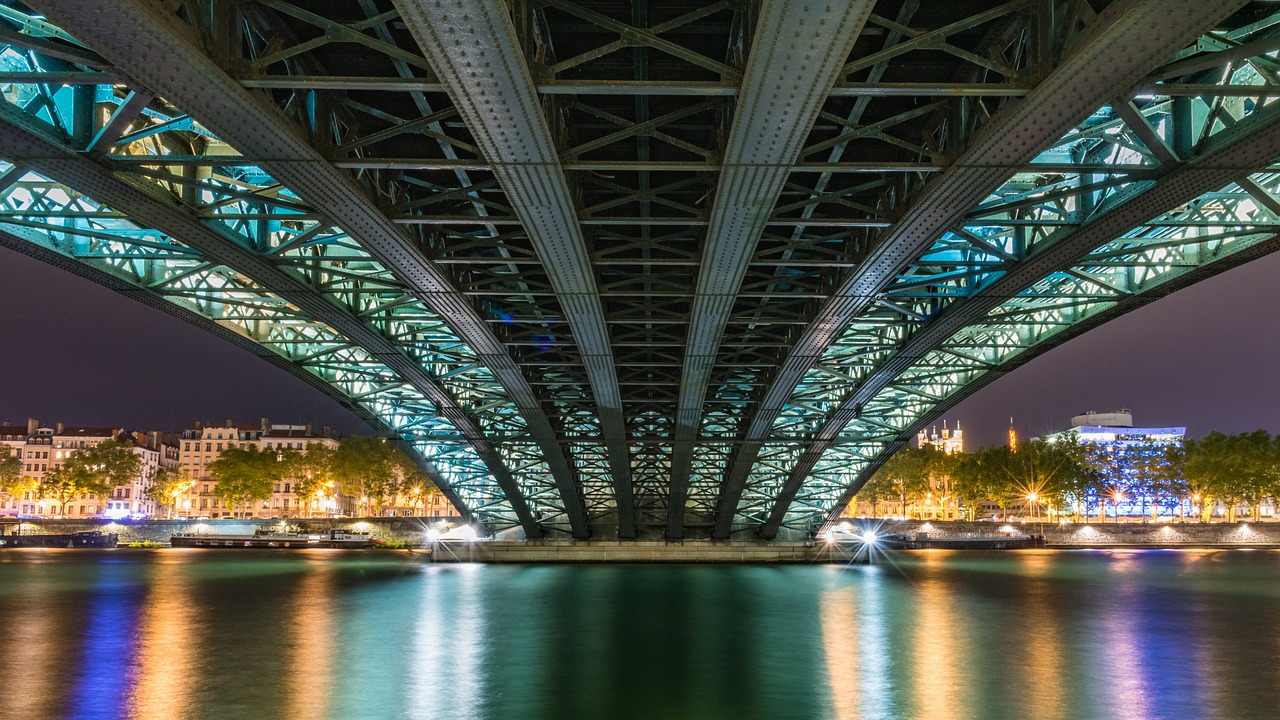
Lyon’s nightlife is more low-key than Paris, but it’s diverse. You can sip natural wine in a cozy bar, dance in a club by the river, or catch an opera.
Areas for Nightlife
- Presqu’île (Hôtel de Ville / Terreaux): Wine bars, cocktail spots, and late-night eateries.
- Rhône riverbanks: Boat bars (péniches) with DJs and drinks in warm months.
- Croix-Rousse: More bohemian bars and live music in smaller venues.
- 7th arrondissement: Student-heavy, casual bars, and alternative spaces.
Cultural Experiences
- Opéra de Lyon: Opera, ballet, and concerts; book ahead.
- Théâtre des Célestins: Historic theater on the Presqu’île.
- Live music: Jazz and world music bars scattered around the city.
- Fête des Lumières (Festival of Lights): In early December, the whole city becomes a light art gallery.
Major Events & Festivals in Lyon (2026–2027)
Lyon’s event calendar is rich year-round. Here’s what to watch for in 2026–2027 (dates may shift slightly each year; always confirm closer to travel):
- Fête des Lumières (Festival of Lights) – December 2026 & 2027: The city’s most famous event. Buildings, squares, and riversides are transformed by light installations. Crowded but magical.
- Nuits de Fourvière – Summer 2026 & 2027: Open-air concerts, theater, and dance in the Roman theatres. Tickets sell quickly.
- Biennale de la Danse / Biennale d’Art Contemporain: Alternating years, bringing cutting-edge art or dance to venues across the city. Expect 2026–2027 editions to be particularly ambitious as Lyon continues positioning itself as a cultural capital.
- Quais du Polar – Spring: A crime fiction festival with authors, film screenings, and events in iconic venues.
- Les Nuits Sonores – May: An electronic music festival that takes over parts of the city, especially for younger and adventurous travelers.
- Food & Wine Events: Expect seasonal wine harvest celebrations in nearby Beaujolais and occasional local food festivals centered around regional specialties.
Best Day Trips from Lyon
With 4 or 5 days in Lyon, adding a day trip gives you a taste of the surrounding region.
Beaujolais Wine Region
Rolling hills, golden stone villages, and Gamay vineyards. Join a small-group tour (easiest) or rent a car. Tastings usually include charcuterie and cheese.
Pérouges
A perfectly preserved medieval village about 45 minutes from Lyon. Cobbled streets, stone houses, and famous galette de Pérouges (a sugar-topped tart). Family-friendly and photogenic.
Pilates & Monts d’Or
For hiking and countryside views, head to the Monts d’Or hills just northwest of Lyon. Trails, stone villages, and panoramas over the city.
Vienne
A small town south of Lyon with its own Roman theatre and temple, plus a jazz festival in summer.
Cultural Etiquette & Local Customs in Lyon
Lyon is relaxed but still very French in terms of etiquette.
- Greetings: Say “Bonjour” (daytime) or “Bonsoir” (evening) when entering shops or cafés, and “Au revoir” when leaving.
- Language: Many people in tourism speak English, but attempting a few French phrases goes a long way.
- Dining: Meals are not rushed. Don’t expect the bill unless you ask: “L’addition, s’il vous plaît.” Tipping is modest (round up or add 5–10% for excellent service).
- Dress: Casual but neat. Sportswear outside parks feels out of place; smart casual is the norm for dinner.
- Public behavior: Speak at a moderate volume; loudness is frowned upon, especially on public transport.
- Sunday closures: Many shops close or have reduced hours; plan accordingly.
Practical Travel Tips for Lyon (2026)
Getting Around
- Public transport: TCL network of metro, tram, bus, and funicular is excellent. Buy single tickets, day passes, or multi-day passes.
- Walking: Central Lyon is very walkable; wear good shoes—there are hills and cobblestones.
- Biking: The Vélo’v bike-share system is widespread; great for riverfront paths.
- Car rental: Not needed in the city; useful only for certain day trips. Parking in central Lyon is expensive and limited.
Saving Money
- City passes: Look into the Lyon City Card for bundled museum entrances and transport if you plan to visit several attractions.
- Free sights: Churches, Parc de la Tête d’Or, riverfronts, murals, and most neighborhood wandering are free.
- Lunch deals: Choose your main restaurant meal at lunch for better prices.
SIM Cards & Connectivity
- eSIMs: In 2026, many travelers use eSIMs purchased online (Europe-wide data packages are common).
- Physical SIMs: Bouygues, Orange, and SFR stores in central Lyon sell tourist SIMs with data and calls; bring your passport.
- Wi-Fi: Most hotels, cafés, and even some public spaces offer free Wi-Fi.
Visa & Entry Requirements
- Schengen rules: Lyon follows France’s Schengen Area policies. Many nationalities can enter visa-free for short stays (up to 90 days in 180), but check official sources.
- ETIAS (for some non-EU nationals): The EU is rolling out travel authorization systems; verify if you need one before 2026–2027 travel.
Driving & Licenses
- Foreign licenses: Many non-EU licenses are accepted for short stays; some may require an International Driving Permit. Confirm for your country before renting.
- City driving: Between tram lanes, one-way streets, and low-emission zones, I strongly recommend avoiding driving in central Lyon unless necessary.
Safety
- Overall: Lyon is generally safe. Usual big-city precautions apply.
- Pickpockets: Watch your belongings in crowded areas (metro, festivals, tourist hotspots).
- Night: Main central districts are fine; as always, be more cautious around stations late at night.
When to Visit & Seasonal Considerations
- Spring (April–June): Mild weather, blooming parks, great for walking and a classic 3 or 4 day itinerary for Lyon.
- Summer (July–August): Warm to hot, lively riverbanks, festivals, but some smaller restaurants close for vacation in August.
- Autumn (September–October): My favorite: crisp air, wine harvests, beautiful light, fewer crowds—ideal for 5 days in Lyon with a Beaujolais day trip.
- Winter (November–March): Colder, cozier, with the Fête des Lumières in December. Great for museums and long meals.
Summary: Key Takeaways & Final Recommendations
Lyon is a city that rewards lingering. In 3 days in Lyon, you can see the major must-see attractions in Lyon: Vieux Lyon, Fourvière, the Presqu’île, a museum or two, and a taste of local food in Lyon in a bouchon. With 4 days in Lyon, you add slower pleasures: Parc de la Tête d’Or, markets, and more neighborhood wandering. With 5 days in Lyon, you can truly sink into the rhythm of the city and venture into the surrounding countryside.
For most travelers, the best times to visit Lyon are spring and autumn: comfortable weather, active cultural calendars, and fewer crowds. Summer is vibrant but hotter; winter is atmospheric, especially around the Festival of Lights.
Whichever season and however many days you choose—3, 4, or 5 day itinerary for Lyon—come hungry, walk a lot, say “bonjour” often, and leave room in your schedule (and stomach) for serendipity. Lyon has a way of surprising you when you least expect it.