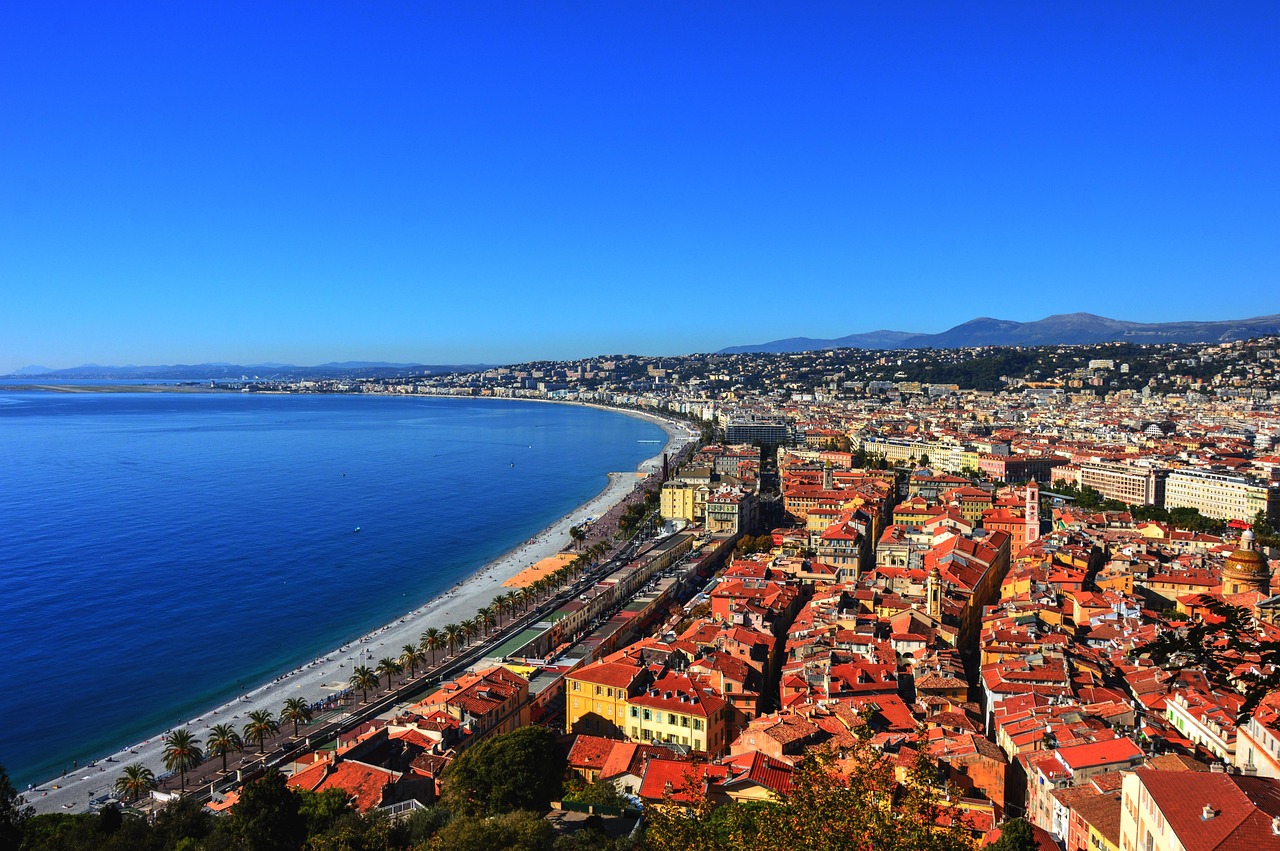
Why Visit Nice? What Makes It So Special
I still remember my first evening in Nice: it was late May, the sky was turning cotton-candy pink, and the whole city seemed to gather along the Promenade des Anglais just to watch the sun slide into the sea. Since then, I’ve returned to Nice every year—sometimes for work, often just because I miss the smell of the sea mixed with espresso and sunscreen.
Nice is more than a stop on the French Riviera; it’s a place where Italian and French cultures collide in the most delicious way. Think pastel Belle Époque facades, palm-lined boulevards, markets overflowing with sun-ripened tomatoes and olives, and tiny alleyways where grandmothers still yell in Nissart (the local dialect) from open windows.
Whether you’re planning 3 days in Nice, a deeper 4 day itinerary for Nice, or a relaxed 5 days in Nice, this comprehensive travel guide for Nice will help you uncover both the must-see attractions and the hidden corners locals quietly love.
- Romantic? Sunsets on Castle Hill, quiet dinners in the Old Town, and coastal walks to Villefranche-sur-Mer.
- Family-friendly? Beaches, parks, easy tram system, and plenty of gelato bribes.
- Adventurous? Hikes in the hills above Nice, paragliding, canyoning day trips, and coastal kayak tours.
- Cultural? World-class art museums, Baroque churches, and a strong local identity with its own food and traditions.
In this 2026 guide, I’ll share the best places to visit in Nice, a detailed 3–5 day itinerary, my favorite spots for local food in Nice, true hidden gems in Nice, and plenty of travel tips for Nice that I’ve picked up over many visits.
Table of Contents
- Why Visit Nice
- Neighborhoods & Areas to Explore
- 20 Must-See Attractions in Nice (Deep Dive)
- 3–5 Day Itineraries for Nice
- Local Food & Drink in Nice
- Nightlife, Entertainment & Cultural Experiences
- Best Day Trips from Nice
- What’s New in 2026–2027: Events & Changes
- Cultural Etiquette & Local Customs
- Practical Travel Tips for Nice
- Summary & Best Time to Visit
Neighborhoods & Areas to Explore in Nice
Vieux-Nice (Old Town)
Vieux-Nice is a maze of narrow lanes, laundry-strung alleyways, and ochre-colored buildings. This is where I always stay on shorter trips; you can roll out of bed and be at the morning market in five minutes.
- Vibe: Lively, historic, a bit chaotic, full of bars and tiny restaurants.
- Highlights: Cours Saleya market, Baroque churches, tiny local bakeries.
- Best for: First-time visitors, night owls, food-lovers.
Promenade des Anglais & Seafront
This is the postcard view of Nice: the curve of Baie des Anges, blue chairs facing the sea, joggers and cyclists flying past. I love an early-morning walk here when the air still feels cool.
- Vibe: Open, breezy, touristic but beautiful.
- Highlights: Beaches, iconic hotels, bike path, sunrise and sunset views.
- Best for: Beach vacations, families, runners, photographers.
Carré d’Or & City Center
Just behind the seafront, the Carré d’Or is a grid of elegant 19th-century streets, with boutiques, cafés, and Belle Époque architecture.
- Vibe: Comfortable, upscale, central.
- Highlights: Rue Masséna, Place Masséna, Avenue Jean Médecin shopping.
- Best for: Shoppers, first-timers who want everything walkable.
Port Lympia (Le Port)
Port Lympia is where I go when I want “real life” Nice with a colorful backdrop of fishing boats and yachts. In the evenings, the bars along Rue Bonaparte buzz with locals.
- Vibe: Trendy, slightly bohemian, increasingly hipster.
- Highlights: Port basin, antique shops, cool bistros.
- Best for: Foodies, nightlife, people who prefer less touristy areas.
Cimiez
Up on the hill, Cimiez is calm and elegant, with Roman ruins and olive groves. I like coming up here on hot days; it’s always a degree or two cooler.
- Vibe: Residential, leafy, cultural.
- Highlights: Matisse Museum, Roman arena, gardens.
- Best for: Museum lovers, families, quiet stays.
Libération & North of the Center
This is my go-to neighborhood for “real” markets and affordable restaurants. Fewer tourists, more grandmas with shopping trolleys.
- Vibe: Authentic, local, budget-friendlier.
- Highlights: Marché de Libération, casual bistros, tram access.
- Best for: Longer stays, food explorers, budget travelers.
20 Must-See Attractions in Nice (With Local Insight)
These are the must-see attractions in Nice, ordered from iconic to more hidden. I’ve visited each of these multiple times; below are my honest thoughts, stories, and tips.
1. Promenade des Anglais
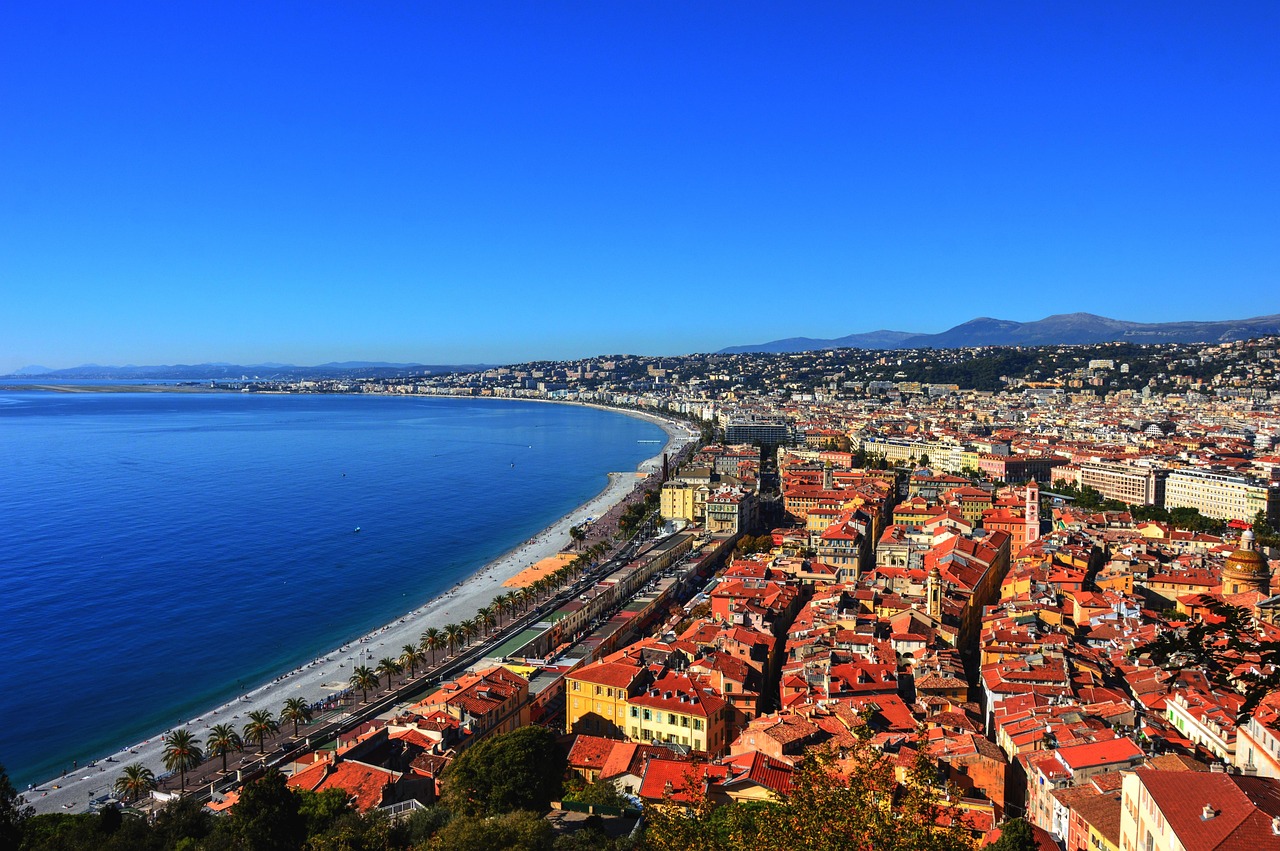
If I had to pick one place that defines Nice, it would be the Promenade des Anglais. Stretching for about 7 km along the sea, it’s the city’s living room. I walk this promenade every single visit—sunrise runs, afternoon strolls with an ice cream, late-night chats on the iconic blue chairs.
History & significance: Built in the 19th century with support from wealthy English visitors (hence the name), it became the elegant winter playground of European aristocracy. Today, it’s both a daily route for locals and a dreamlike backdrop for visitors.
What I usually do: My favorite ritual: grab a takeaway coffee from a café near Place Masséna, then walk east toward the Port in the morning light. In the late afternoon, I rent a Vélo Bleu bike and ride west toward the airport, stopping at quieter stretches of beach.
- Family-friendly: Wide, flat, stroller-friendly; kids love scooters here.
- Romantic: Sit on the blue chairs at sunset; bring a small picnic.
- Adventurous: Try rollerblading or join a running group; the path is well-marked.
Food tip: Beach restaurants along the Prom are pricey. For a cheaper option, I grab a pan bagnat (Niçois sandwich) from a bakery in town and eat it on the beach.
How to get there: Tram line 2 (Port Lympia – Airport) runs parallel; get off at stops like Jean Médecin, Alsace-Lorraine, or Magnan and walk 5–10 minutes.
2. Vieux-Nice (Old Town)
Vieux-Nice is where I always feel the heartbeat of the city: the smell of socca (chickpea pancake) sizzling in olive oil, bells ringing from Baroque churches, scooters buzzing through narrow streets.
History & vibe: Once part of the Kingdom of Sardinia, the Old Town preserves an Italianate feel—tall, colorful houses, green shutters, laundry across alleyways. It’s packed with tiny shops, bars, and restaurants.
My usual loop: I like to enter via Place Rossetti, peek into the Cathédrale Sainte-Réparate, then wander aimlessly to discover new cafés. I always end up at Cours Saleya (for the market) or climb toward Castle Hill.
- Don’t miss: Place Rossetti at dusk, when façades glow and kids chase each other around the fountain.
- Eat: Socca, pissaladière (onion tart), tourte de blettes (chard tart).
- Hidden gem: Tiny art galleries on side streets off Rue Droite.
Tip: Come early (before 10:00) for quiet photos; come late (after 21:00) if you like nightlife. Avoid driving here—streets are narrow and parking is a nightmare.
3. Colline du Château (Castle Hill)
Every time I climb Castle Hill, I tell myself I’ve seen the view enough times. And every time, I end up taking another 50 photos. The panorama over the Bay of Angels and the terracotta roofs of Vieux-Nice is simply addictive.
History: The medieval castle that once stood here was destroyed in the early 18th century, but the hill became a public garden in the 19th century. Locals still use it as a green escape.
What to do:
- Walk up the stairs from the Promenade des Anglais or from Vieux-Nice.
- Visit the waterfall (artificial but photogenic).
- Explore the cemeteries (Jewish and Catholic) with peaceful views.
- Let kids enjoy the playground near the top.
My favorite time: Early morning for calm or golden hour before sunset. One summer evening, I brought a baguette, cheese, and rosé up here with friends; we watched the city lights slowly come on below us—one of my favorite memories in Nice.
How to get there: Free public elevator from the seafront near the Hotel Suisse, or stairs from multiple points in Old Town and the Port side.
4. Cours Saleya Market
Cours Saleya is where I go to feel greedy—piles of olives, sun-warmed strawberries, towers of flowers. It’s touristy, yes, but also genuinely used by locals (especially very early).
What you’ll find:
- Daily (except Monday): Fruit, vegetables, flowers, local specialties.
- Monday: Famous antique and flea market.
- Evenings: The stalls disappear and restaurant terraces take over.
My routine: I arrive around 8:00–8:30, buy seasonal fruit, grab a coffee at a corner café, and watch the world wake up. On Mondays, I’ve found vintage postcards and old Riviera posters that I now have framed at home.
Tip: Prices are higher than neighborhood markets. For a budget version, visit Marché de Libération one morning.
5. Place Masséna & Promenade du Paillon
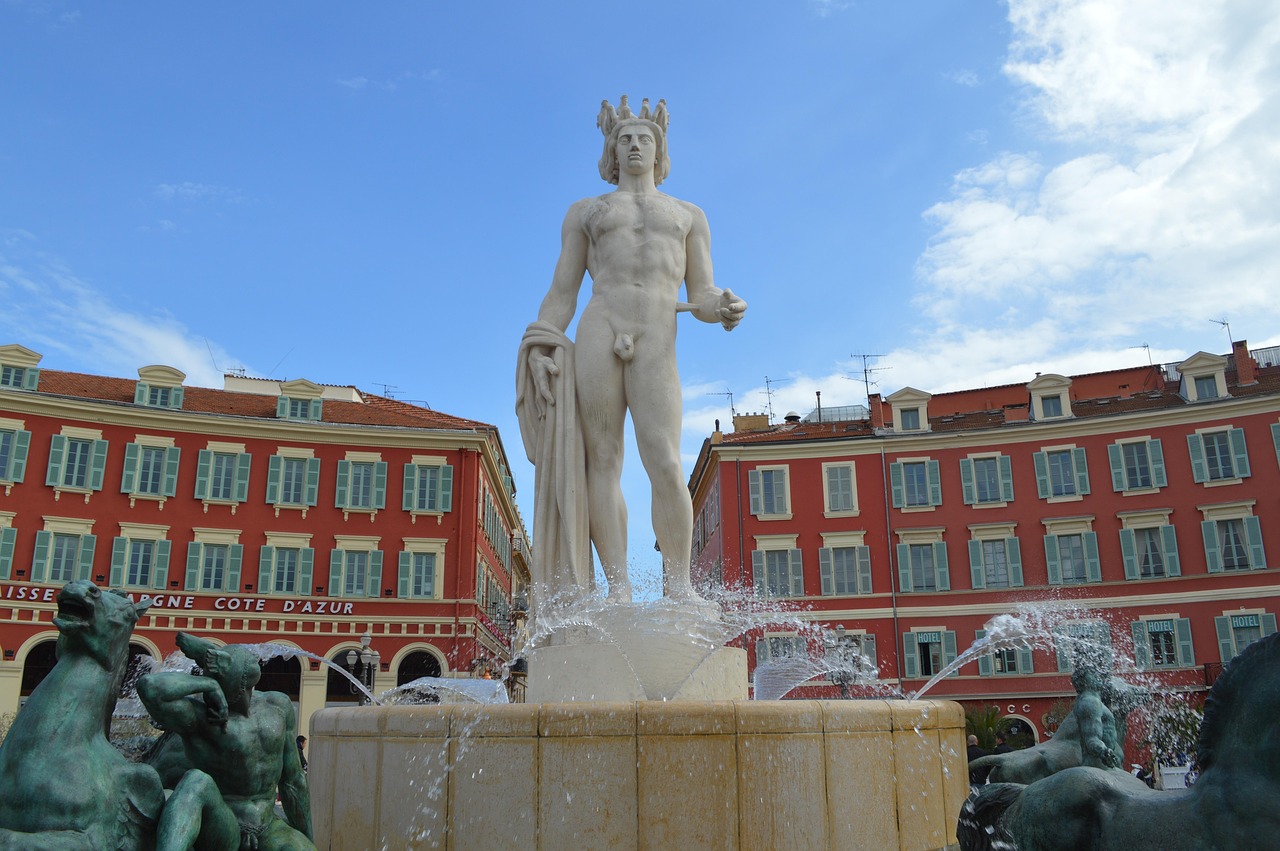
Place Masséna is Nice’s colorful, slightly surreal central square. Red Italian-style buildings, a checkerboard floor, and contemporary art statues that glow at night—it’s where many itineraries naturally intersect.
Nearby, the Promenade du Paillon is a long green corridor with fountains, playgrounds, and lawns. In the summer, you’ll see kids running through the water jets while parents lounge under trees.
Why I love it: It’s my orientation point in the city; from here, you can walk to the sea, Old Town, or the main shopping street in minutes. In late afternoon, I like to buy a snack and sit by the fountains watching families and street performers.
Family tip: This is one of the best free play areas in Nice. Pack a change of clothes for kids who can’t resist the water jets.
6. Cathédrale Sainte-Réparate (Nice Cathedral)
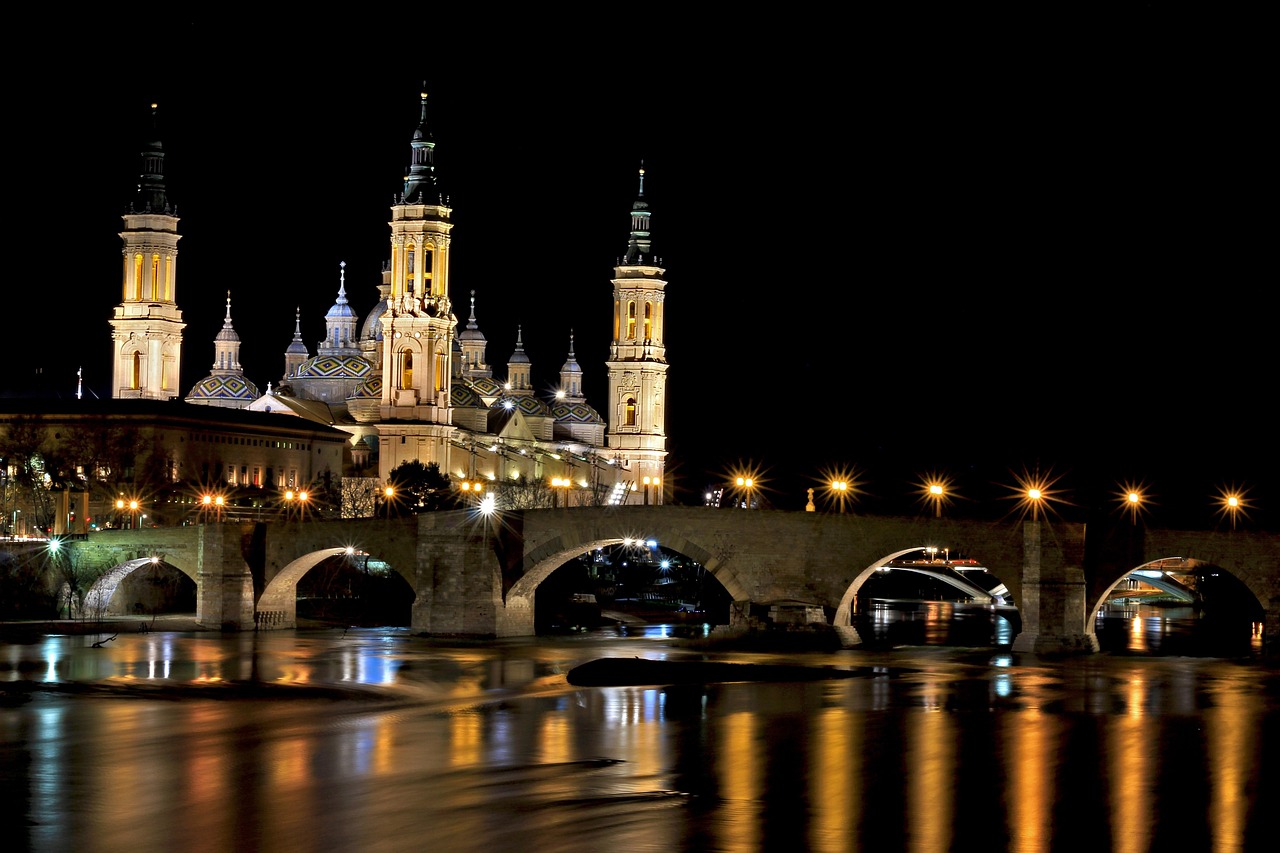
Tucked into Place Rossetti, the Cathédrale Sainte-Réparate is easy to stumble upon yet somehow many visitors never step inside. Don’t make that mistake.
History: Originally built in the 17th century, the cathedral is a Baroque jewel dedicated to Saint Reparata, the patron saint of Nice. Inside, chapels are richly decorated with marble, gilt, and paintings.
My impression: Every time I enter, the noise of the Old Town vanishes. I once ducked in here during a sudden summer storm—the sound of rain on the roof mixed with the organ music was unexpectedly moving.
Tips: Dress modestly if you plan to linger; avoid loud conversations and photos during services.
7. Musée Matisse
Perched in the Cimiez neighborhood, the Matisse Museum is housed in a beautiful red Genoese villa surrounded by olive trees. It’s one of my favorite cultural experiences in Nice, especially on hot afternoons.
Why it matters: Henri Matisse lived in Nice for decades; the light and colors of the Riviera had a profound impact on his work. The museum traces his evolution through paintings, drawings, and cut-outs.
Personal tip: I like to combine a museum visit with a slow picnic in the olive grove nearby. Locals bring books, kids play between the trees, and you forget you’re in a city.
How to get there: Bus from the city center (lines often change; check in 2026 on the Lignes d’Azur app) or by car/taxi (parking nearby). It’s up a hill, so walking from the center is a bit of a workout in summer.
8. Musée National Marc Chagall
If you only choose one art museum in Nice and you like color and emotion, pick the Marc Chagall Museum. The main room with his Biblical Message cycle is one of the most powerful museum spaces I know.
What to expect: Large, luminous paintings with deep blues and reds, stained glass, and a peaceful garden. Audio guides help unpack the symbolism.
My experience: I visited once on a rainy day in October; the museum was quiet, and I had long stretches alone in front of the paintings. The saturated colors felt like a counterpoint to the gray sky outside.
Tip: Combine with the Matisse Museum in one half-day; they’re not far apart by bus or on foot (though the walk is uphill).
9. Port Lympia (Nice Port)
The Port area is where I go when the Old Town feels a bit too crowded. Colorful buildings reflect in the water, fishing boats bob next to yachts, and the streets behind hide excellent bistros.
Things to do:
- Walk around the basin and compare the tiny fishing boats to enormous yachts.
- Have a drink on Quai des Docks or along Rue Bonaparte.
- Climb the staircase near the sea wall for a great viewpoint over the harbor.
Food note: Some of my best seafood meals in Nice have been near the Port; prices are still reasonable compared to the Promenade.
How to get there: Tram line 2 to Port Lympia terminus; easy walk from Old Town.
10. Saint Nicholas Russian Orthodox Cathedral
Seeing onion domes against the Mediterranean sky is always a bit surreal. The Russian Orthodox Cathedral is a legacy of the Russian aristocrats who wintered in Nice in the 19th century.
Inside: The interior is richly decorated with icons, candles, and intricate woodwork. It feels like stepping into another world—and another climate—especially on hot days.
My tip: Dress respectfully (covered shoulders and knees). Check current visiting hours because the church is active and sometimes closes for services or ceremonies.
How to get there: About a 20-minute walk from the train station, or local bus; it’s a bit outside the usual tourist loop but worth the detour.
11. Roman Ruins & Gardens of Cimiez
People often forget that Nice has Roman roots. In Cimiez, you can wander among the remains of an amphitheater, baths, and streets of the ancient city of Cemenelum.
Why I like it: It’s rarely crowded. I’ve spent tranquil afternoons here reading on a bench under olive trees, with school groups occasionally drifting by.
Combine with: Matisse Museum (right next door) and the monastery garden, which has one of the best lesser-known viewpoints over Nice.
12. Monastère de Cimiez & Gardens
The Cimiez Monastery and its gardens are one of my favorite quiet corners in the city. Roses, clipped hedges, and a view that sweeps all the way down to the sea—it feels like a secret.
What I do: After museum visits, I walk through the cemetery where Matisse is buried, then sit on a bench in the monastery garden with a book or just the view. It’s particularly romantic at sunset.
13. Mont Boron Park
Mont Boron is for those who like a little adventure with their views. It’s a forested hill east of the city, with walking trails and incredible panoramas over Nice on one side and Villefranche-sur-Mer on the other.
My experience: One October morning, I hiked up just after sunrise; the light over the Port and Old Town was magical. It’s also a great picnic spot away from the crowds.
Tip: Wear decent shoes; some paths are rocky. Bring water in summer. Buses can drop you reasonably close, but check current routes (they change occasionally).
14. Nice’s Public & Private Beaches
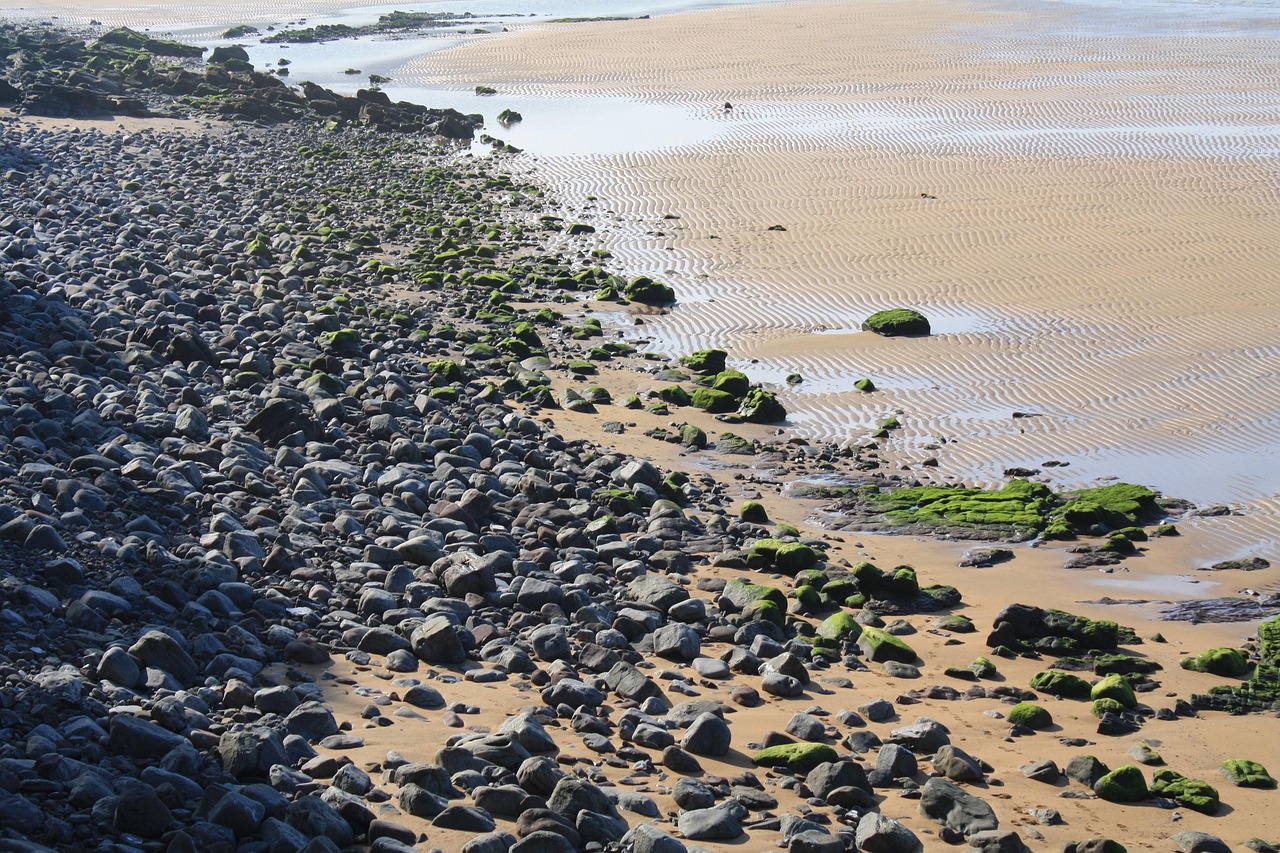
The beaches of Nice are pebbly, not sandy—this surprises many visitors. I actually love it: the water is clearer, and you don’t go home covered in sand. But you’ll want water shoes or sandals.
Types of beaches:
- Public beaches: Free, bring your own towel and umbrella. Examples: Plage Publique des Ponchettes (near Old Town), Plage du Centenaire, Plage du Magnan (west).
- Private beaches: Pay for a sunbed and umbrella; bar and restaurant service, showers, and changing rooms included.
My approach: For short trips, I’ll splurge on a private beach for one day (for comfort), then use public beaches the rest of the time.
Family tip: The slope into the water can be steep, and waves sometimes strong; keep a close eye on small kids.
15. Place Garibaldi
Place Garibaldi is one of the oldest squares in Nice, with yellow arcaded buildings and trompe-l’oeil decorations. It feels distinctly Italian and marks the gateway between Old Town and the Port.
What I like: I often stop here for a coffee or aperitif on my way to the Port. It’s slightly less touristy than Place Masséna and great for people-watching.
Tip: Tram lines cross here, making it a handy transport hub.
16. Marché de la Libération
If you want a true local market experience, head to Libération. This is where I shop when I’m staying in an apartment in Nice.
What you’ll see: Locals bargaining for fish, vegetables, cheeses, and mountains of citrus. Prices are better than Cours Saleya, and the atmosphere is more everyday-life than Instagram.
My tip: Arrive hungry. Grab a coffee from a corner café, buy fruit and maybe some cheese and bread, and you’ve got the makings of a perfect picnic.
17. Musée d’Art Moderne et d’Art Contemporain (MAMAC)
MAMAC is Nice’s hub for modern and contemporary art, with a strong focus on the École de Nice and artists like Yves Klein.
Why I go: The rooftop terrace offers a cool view over the city, and the collection is a good break from sun and beach. It’s walkable from Old Town and Place Garibaldi.
18. Rauba Capeu & East Promenade Viewpoint
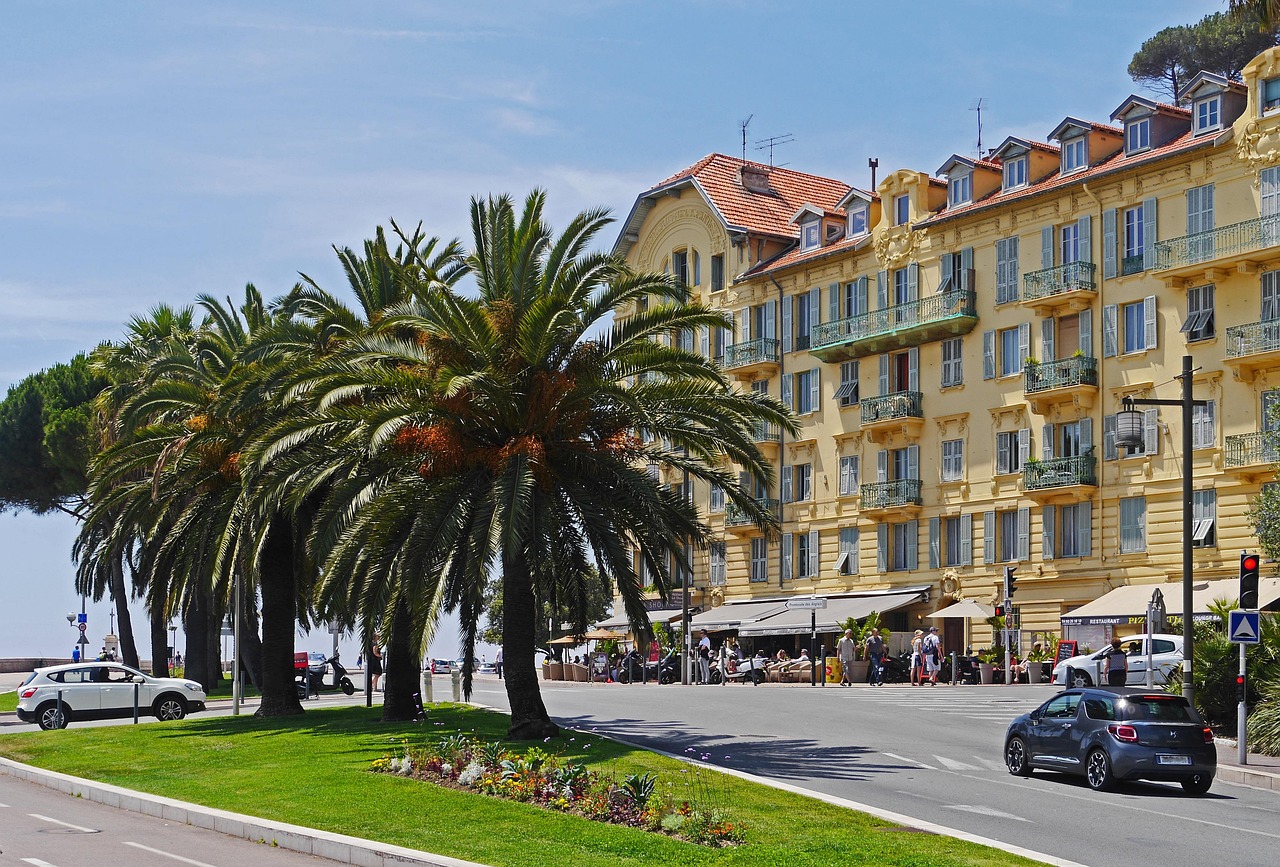
At the eastern end of the Promenade, near Castle Hill, there’s a curve in the road called Rauba Capeu—one of my favorite viewpoints in Nice. You get the gentle arc of the bay, the line of palm trees, and often paragliders dotting the sky.
Tip: Great at sunrise if you’re staying nearby, or at sunset if you’re heading back from the Port.
19. Art & Architecture Along the Tram Lines
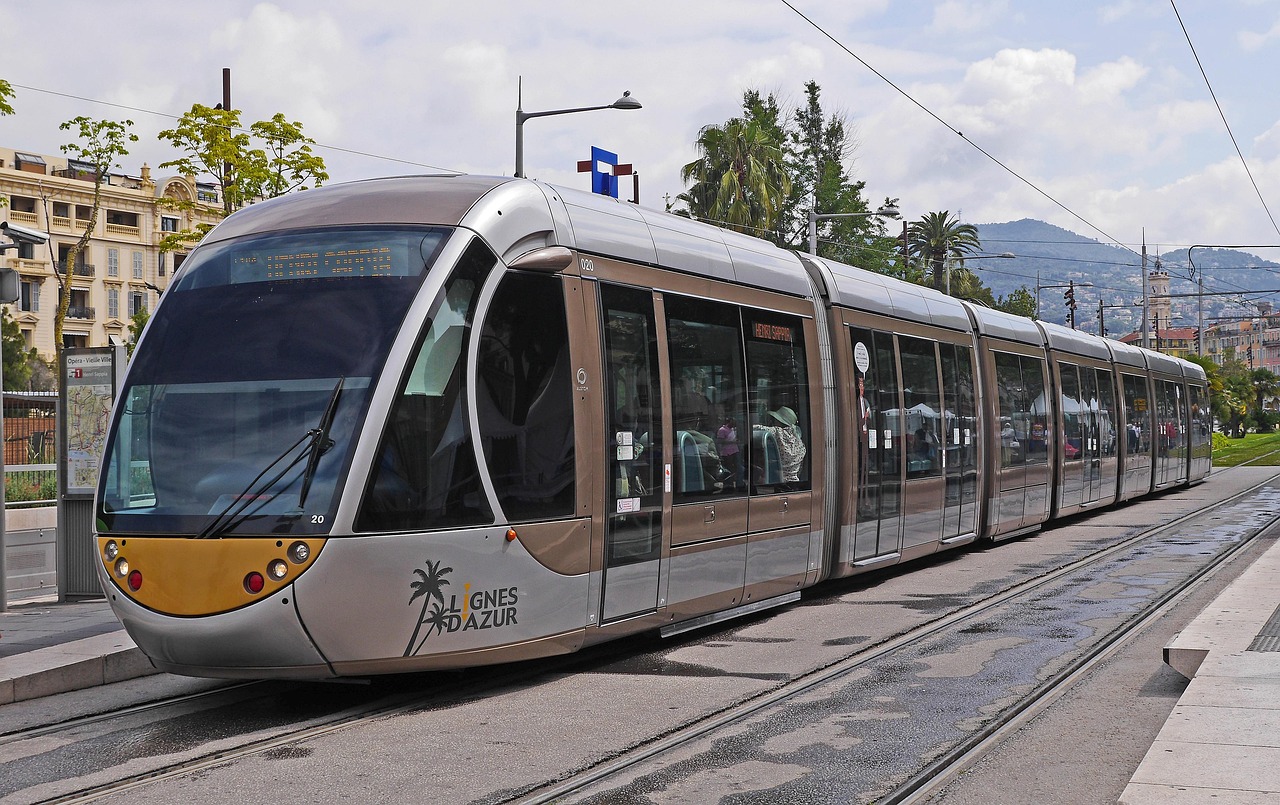
This might sound odd as a “sight,” but the tram lines in Nice are a great way to see different architectural faces of the city: Belle Époque façades, contemporary buildings, and everyday residential streets.
My suggestion: Ride tram line 2 from the Airport to Port Lympia once, just to get a feel for the city’s layout and neighborhoods. I often do this on my first day.
3–5 Day Itineraries for Nice (With Personal Stories)
Below are flexible itineraries you can adapt whether you have 3 days in Nice, 4 days in Nice, or 5 days in Nice. I’ve structured them like I actually travel here—with a mix of famous sights, local food, hidden gems, and breathing space.
3 Days in Nice: Classic Highlights & Local Flavor
If you only have 3 days in Nice, focus on the essentials: Old Town, seafront, views, and one short excursion. This is my go-to 3 day itinerary for Nice when I bring friends for the first time.
Day 1 – Seafront, Old Town & Castle Hill
Whenever I land in Nice, I drop my bags and head for the sea. On your first day, do the same.
- Morning: Promenade des Anglais walk, coffee with a sea view, explore Place Masséna and Promenade du Paillon.
- Lunch: Casual spot in Vieux-Nice—try socca and salad.
- Afternoon: Wander Old Town lanes, visit Nice Cathedral, climb Castle Hill for views.
- Evening: Aperitif in Place Rossetti or Place Garibaldi, dinner in Old Town, gelato for dessert.
Tip: Keep day one relatively light; jet lag plus too much sun can hit hard.
Day 2 – Art & Hilltop Calm
Day two is for culture and greenery.
- Morning: Tram/bus up to Cimiez. Visit the Matisse Museum, then stroll Roman ruins and the monastery gardens.
- Lunch: Picnic in the olive grove or a simple café nearby.
- Afternoon: Head to the Chagall Museum. Later, tram back to the center for shopping or beach time.
- Evening: Dinner near the Port for seafood.
Tip: Museums often close one day a week (commonly Tuesday); check schedules in 2026 before planning.
Day 3 – Half-Day Trip + Beach
On your last day, taste a bit of the surrounding Riviera.
- Morning: Train or bus to nearby Villefranche-sur-Mer (10 minutes by train). Wander the old town and relax on its sandy-ish beach.
- Lunch: Sea-view café in Villefranche.
- Afternoon: Return to Nice for beach time or last-minute shopping.
- Evening: Final stroll along the Promenade, farewell drink with a view.
This 3 day itinerary for Nice hits the essential “things to do in Nice” without feeling rushed.
4 Days in Nice: Deeper Exploration
With 4 days in Nice, you can slow the pace and add more local experiences. Here’s a sample 4 day itinerary for Nice based on a trip I took in early June.
Day 1 – Same as 3-Day Itinerary Day 1
Seafront, Old Town, Castle Hill. End the night with wine in a tiny bar in Vieux-Nice.
Day 2 – Art, Cimiez & Evening in the Port
Follow Day 2 from the 3-day plan, but in the evening, linger in the Port for drinks along Rue Bonaparte. Locals call this area the “Petit Marais” because of its bistro culture.
Day 3 – Hidden Neighborhoods & Local Market
This is your chance to see beyond the tourist core.
- Morning: Tram to Libération for the market. Have coffee and a pastry, shop for picnic supplies.
- Midday: Picnic in Promenade du Paillon or on the beach.
- Afternoon: Explore residential streets north of the center, or visit MAMAC and Place Garibaldi.
- Evening: Attend a concert or performance if any are on at the Nice Opera or nearby venues.
Day 4 – Full-Day Trip
Use your extra day for a longer excursion:
- Option A: Eze village + Monaco (classic combo by bus/train).
- Option B: Antibes (old town, Picasso Museum, sandy beaches).
- Option C: Hiking around Saint-Jean-Cap-Ferrat (coastal trails and villas).
Return to Nice for a farewell dinner, perhaps somewhere special along the seafront.
5 Days in Nice: Slow Travel, Local Life
If you have 5 days in Nice, you can really settle in. Here’s a 5 day itinerary for Nice that mirrors one of my longer stays—perfect if you like a balance of rest and exploration.
Day 1 – Arrival & Orientation
Same as Day 1 in the 3-day plan. Add an evening walk through lightly lit Old Town alleys; Nice feels safe and calm at night compared to bigger cities.
Day 2 – Old Town Deep Dive & Food Focus
Spend more time tasting local food in Nice:
- Join a food tour (in 2026, several small group tours focus on Niçois specialties).
- Visit Cours Saleya early and sample olives, cheeses, and pastries.
- In the afternoon, take a cooking class to learn pissaladière or socca.
Day 3 – Art & Hills (Cimiez + Mont Boron)
Combine the museums of Cimiez with an evening walk or short hike in Mont Boron for sunset views over the bay and the port.
Day 4 – Day Trip + Nightlife
Take a full-day trip (Antibes, Eze/Monaco, or Cap-Ferrat). In the evening, explore Nice’s nightlife: wine bars in Vieux-Nice, live music near the Port, or a cocktail bar in the city center.
Day 5 – Free Day & Hidden Gems
Keep the last day flexible:
- Revisit your favorite beach or viewpoint.
- Get lost in Vieux-Nice’s backstreets, hunting for hidden courtyards.
- Shop for local products (olive oil, soaps, herbes de Provence) to take home.
- End with a leisurely dinner at a neighborhood bistro away from the main squares.
This kind of 5 day itinerary for Nice lets you leave feeling like you’ve actually lived here a little, not just passed through.
Local Food & Drink in Nice: What to Eat & Where
Food is one of the best cultural experiences in Nice. Niçois cuisine has strong Mediterranean and Italian influences, with an emphasis on vegetables, olive oil, and fresh seafood.
Must-Try Dishes
- Socca: Thin chickpea pancake, crisp at the edges and soft inside. Eat hot, with black pepper.
- Pissaladière: Caramelized onion tart with anchovies and olives.
- Salade Niçoise: The real version uses local vegetables, tuna, anchovies, hard-boiled eggs, and no cooked potatoes.
- Pan bagnat: Sandwich version of salade niçoise in a round bread roll—perfect beach lunch.
- Ratatouille & farcis: Vegetable dishes that taste of summer.
- Tourte de blettes: Sweet or savory tart made from Swiss chard—a true local curiosity.
Where I Like to Eat
I won’t list every restaurant (they change frequently), but here are types of places and areas where I consistently eat well:
- Old Town: Traditional Niçois spots on quieter backstreets, away from Cours Saleya itself.
- Port area: Excellent seafood bistros with slightly better quality/price ratio than the seafront.
- Libération: Neighborhood bistros serving menus of the day for lunch at reasonable prices.
Money-saving tip: Have your main meal at lunch. Many places offer a prix-fixe menu that is much cheaper than dinner. In the evening, you can picnic with market supplies and a bottle of local rosé.
Drinks
- Rosé from Provence: Light, dry, perfect with everything.
- Pastis: Anise-flavored spirit, usually diluted with water and sipped slowly before dinner.
- Local wines: Look for Bellet wines (from the hills above Nice).
Nightlife, Entertainment & Cultural Experiences in Nice
Nice isn’t as wild as some party destinations, but it has a pleasant mix of bars, live music, and cultural events.
Nightlife Areas
- Vieux-Nice: Lively bars, especially around Rue de la Préfecture—good for younger crowds.
- Port / Rue Bonaparte: Trendy wine bars and bistros; my preferred area for an evening out.
- City Center: Cocktail bars and lounges around the Carré d’Or.
Cultural Experiences
- Opera & classical music: Nice Opera sometimes has accessible tickets; I’ve had lovely evenings there in the balcony seats.
- Outdoor concerts & festivals: In summer, free or low-cost events pop up in public spaces.
- Local festivals: See the 2026–2027 section below.
Best Day Trips from Nice
Nice makes an excellent base for exploring the Côte d’Azur. Here are some of my favorite day trips.
Villefranche-sur-Mer
Just one train stop away, Villefranche feels like a film set: colorful houses tumbling down to a perfect bay.
Why I go: Sandy beach, calmer vibe, beautiful old town lanes. Great with kids or for a romantic day.
Eze Village
Perched dramatically on a cliff, Eze is all stone lanes and staggering views. It’s touristy but magical if you arrive early.
Monaco
Glitz, casinos, and yachts. I usually go for the day, visit the old town on the Rock, the harbor, and people-watch.
Antibes
Charming old town, Picasso Museum, and sandy beaches. One of my favorite nearby towns for a laid-back day.
Saint-Jean-Cap-Ferrat
Coastal walking paths, hidden coves, and villa gardens. Ideal for hikers and sea-lovers.
What’s New in 2026–2027: Events & Travel Scene
Nice has a busy calendar, and 2026–2027 look particularly lively.
Major Annual Events (Typical Dates)
- Nice Carnival (Carnaval de Nice): Usually February. Parades, flower battles, illuminated floats. In 2026, expect expanded eco-themed floats and more family programming.
- Nice Jazz Festival: Typically July. Big names plus intimate concerts in town. By 2026, the festival is expected to continue its mix of international and local artists.
- Fête de la Musique (June 21): Free music all over the city.
- Christmas Market: Late November through December, with lights, stalls, and a big wheel in Place Masséna.
Travel Scene in 2026
- Airport & tram: The tram line from Nice Airport to the city remains the easiest way to arrive. Expect frequent departures and integrated ticketing with buses.
- Sustainability: More emphasis on bike lanes, electric buses, and car-free events in central areas.
- Accommodation: A continued shift toward regulated rentals; book early for peak summer and Carnival.
Cultural Etiquette & Local Customs in Nice
Nice is relaxed, but a few customs will make your stay smoother.
Everyday Etiquette
- Greetings: Say “Bonjour” (daytime) or “Bonsoir” (evening) when entering shops or addressing staff. It’s considered rude to jump straight into a question.
- Language: Many people speak some English, but starting in French is appreciated. A simple “Parlez-vous anglais ?” goes a long way.
- Tipping: Service is included in restaurant bills, but rounding up or adding 5–10% for good service is common.
Dining Customs
- Reservations: For popular dinner spots, especially on weekends, book ahead.
- Timing: Locals eat later; restaurants fill around 20:00–21:00.
- Coffee: Cappuccinos are more of a morning thing; after lunch or dinner, locals drink espresso.
Beach & Public Behavior
- Topless sunbathing: Technically allowed on many beaches but less common than in the past; gauge the vibe.
- Noise: Nighttime noise is controlled in residential streets; keep late-night balcony parties quiet.
Practical Travel Tips for Nice (2026)
Getting Around Nice
- Tram & bus: The Lignes d’Azur network is efficient and affordable. Tram line 2 connects the airport with the center and Port.
- Tickets: Buy single tickets or day passes at machines or via the official app; validate when you board.
- Walking: Central Nice is very walkable; I rarely use transport within the core except the tram from the airport.
- Car rental: Useful for exploring hinterland villages but unnecessary and inconvenient in the city center (parking is expensive).
How to Save Money in Nice
- Stay slightly inland: Neighborhoods like Libération offer better-value accommodation and easy tram access.
- Eat like a local: Lunch menus, bakeries, and markets instead of seafront tourist traps.
- Use public beaches: Bring your own umbrella and towel.
- Museum passes: Check for multi-museum passes that can save money if you’re hitting several in a few days.
SIM Cards & Connectivity
- EU travelers: Roaming usually included in your plan—check with your provider.
- Non-EU travelers: In 2026, eSIMs remain the easiest option (e.g., regional Europe data eSIMs). Physical SIMs are sold at the airport, major phone shops, and some supermarkets; bring your passport.
- Wi-Fi: Common in hotels and many cafés; connection quality is generally good.
Visa Requirements & Driving Licenses
- Schengen rules: Nice is in France, part of the Schengen Area. Many nationalities can stay up to 90 days in 180 without a visa; always check current rules for your passport in 2026.
- Driving: For visitors from many countries, your home license is accepted for short stays; if it’s not in a Latin alphabet, carry an International Driving Permit.
- Parking: If you drive, book accommodation with parking or budget for public garages.
Best Seasons to Visit Nice
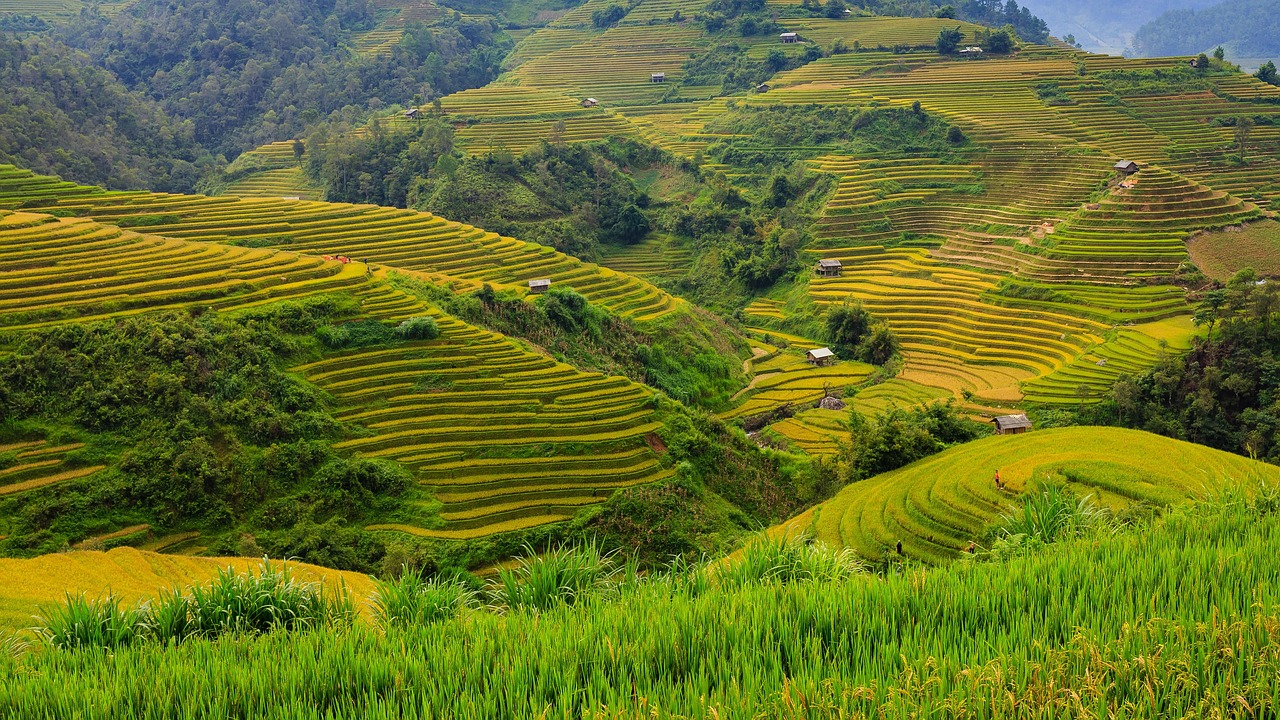
- Spring (April–June): My favorite time: pleasant temperatures, blooming flowers, fewer crowds than peak summer.
- Summer (July–August): Hot, busy, and festive. Best for beach life, but book well ahead and expect higher prices.
- Autumn (September–October): Warm sea, softer light, harvesting season in nearby wine regions.
- Winter (November–March): Mild compared to much of Europe; Carnival brightens February. Not prime beach weather but good for culture and quiet walks.
Summary: Key Takeaways & Final Recommendations
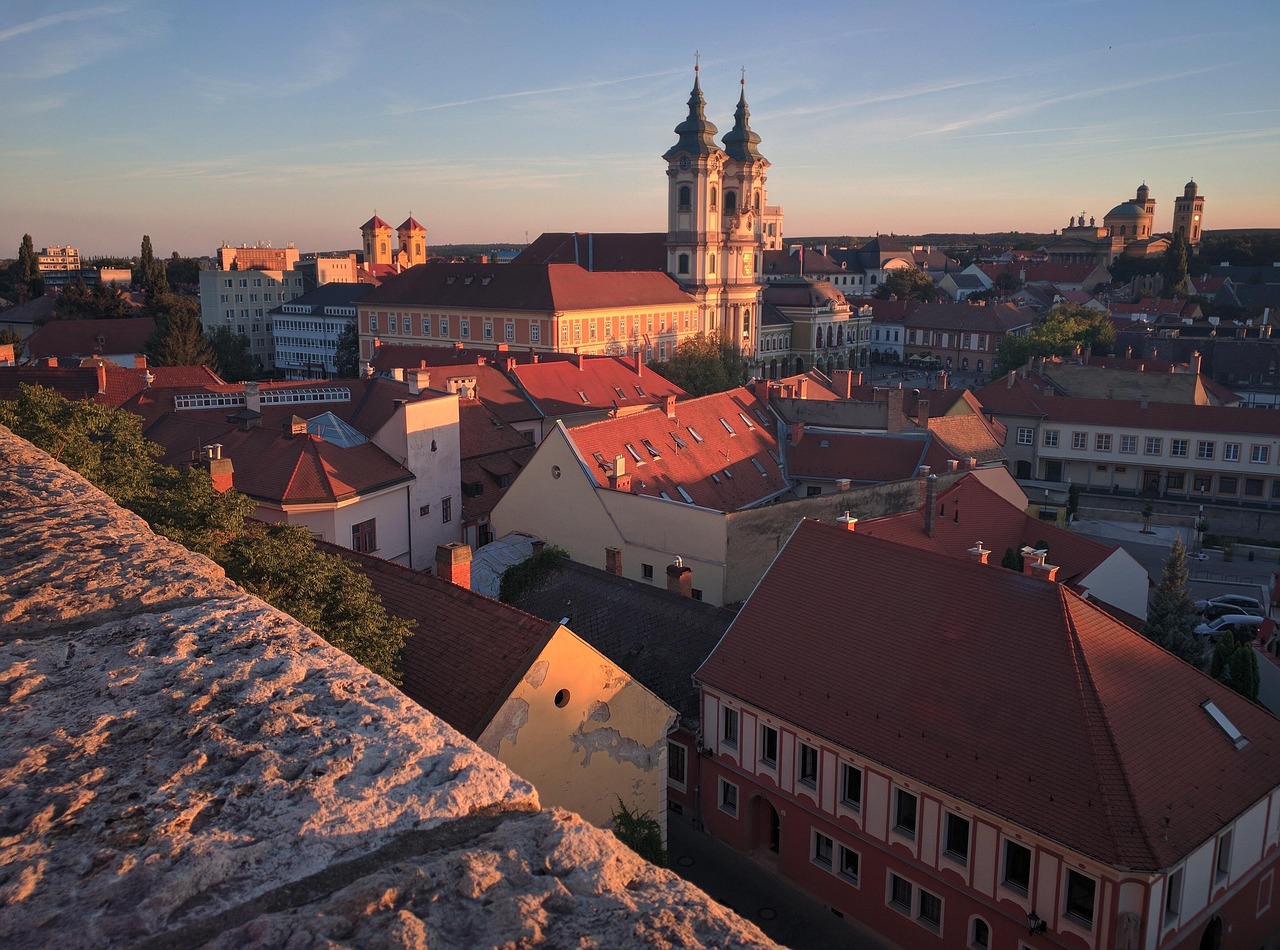
After many stays and countless sunsets along the Baie des Anges, Nice still feels like a city I’m just getting to know. That’s part of its charm: beneath the obvious beauty—Promenade des Anglais, pastel Old Town, glittering sea—there’s a lived-in, local side that reveals itself slowly.
- For 3 days in Nice: Focus on Old Town, seafront, Castle Hill, one museum, and a short nearby trip.
- For 4 days in Nice: Add Cimiez, Port nightlife, and a full day trip (Eze, Monaco, or Antibes).
- For 5 days in Nice: Slow down: markets, cooking classes, hikes, and time to simply sit in cafés and watch daily life unfold.
- Best seasons: Late spring and early autumn offer the best balance of weather, crowds, and prices.
Whether you come for a tight 3 day itinerary for Nice or linger for a week, this city rewards both the checklist-ticker and the wanderer. My advice: see the must-see attractions in Nice, but leave room in your schedule for detours—down a quiet alley, up an unplanned staircase, or into a neighborhood café where no one has translated the menu. That’s where the real Nice lives, and where your best memories will be made.