Why Visit Strasbourg in 2026
Strasbourg is where France and Germany quietly shake hands over a glass of Riesling. I’ve been coming here for over a decade, and every time I walk out of the train station and see the tram gliding past the Vosges sandstone buildings, I’m reminded why this city gets under your skin.
You’ll find a Gothic cathedral that once was the tallest building in the world, canals wrapped around an island of half-timbered houses, wine taverns where the menu is handwritten in Alsatian dialect, and sleek EU institutions just a short tram ride away. Strasbourg is big enough to keep you busy for a week, but small enough to feel walkable and intimate.
In 2026–2027, Strasbourg is especially interesting: new bike lanes connect even more neighborhoods, the city is expanding pedestrian areas, and festivals are leaning heavily into local food, sustainability, and cross-border culture. Whether you have 3 days in Strasbourg or 5 days in Strasbourg, you can shape your trip into something romantic, family-friendly, or a bit adventurous.
Strasbourg’s Neighborhoods & Districts to Explore
Strasbourg is compact but surprisingly diverse. When I plan a 3 day itinerary for Strasbourg for friends, I usually structure it by neighborhood. Here’s a quick overview.
Grande Île (Historic Center)
This UNESCO-listed island is the heart of Strasbourg: narrow medieval streets, the cathedral, squares like Place Kléber and Place Gutenberg, and much of what you’d call the “postcard” city.
La Petite France
On the western edge of Grande Île, Petite France is the fairy-tale quarter: canals, old tanners’ houses, flower boxes, and cobbled lanes. It’s busy in the afternoon, but in the early morning, I’ve had entire streets to myself.
Neustadt & Orangerie
North of the historic center is Neustadt, built when Strasbourg was part of the German Empire. Wide boulevards, stately buildings, and the lovely Parc de l’Orangerie. The European Quarter is here too.
Krutenau
Just south of the cathedral, Krutenau is a former boatmen’s district turned hip neighborhood with cafés, bars, indie shops, and a more local feel. When I want to escape the tourist crush, I come here.
Esplanade
Student-heavy area east of Krutenau, anchored by the university. Cheap eats, green spaces, and a laid-back vibe.
Neudorf
A largely residential district south-east of the center, but increasingly interesting for foodies and people who want to see “real life” Strasbourg beyond the half-timbered facades.
20 Must-See Attractions in Strasbourg (With Personal Stories)
1. Cathédrale Notre-Dame de Strasbourg
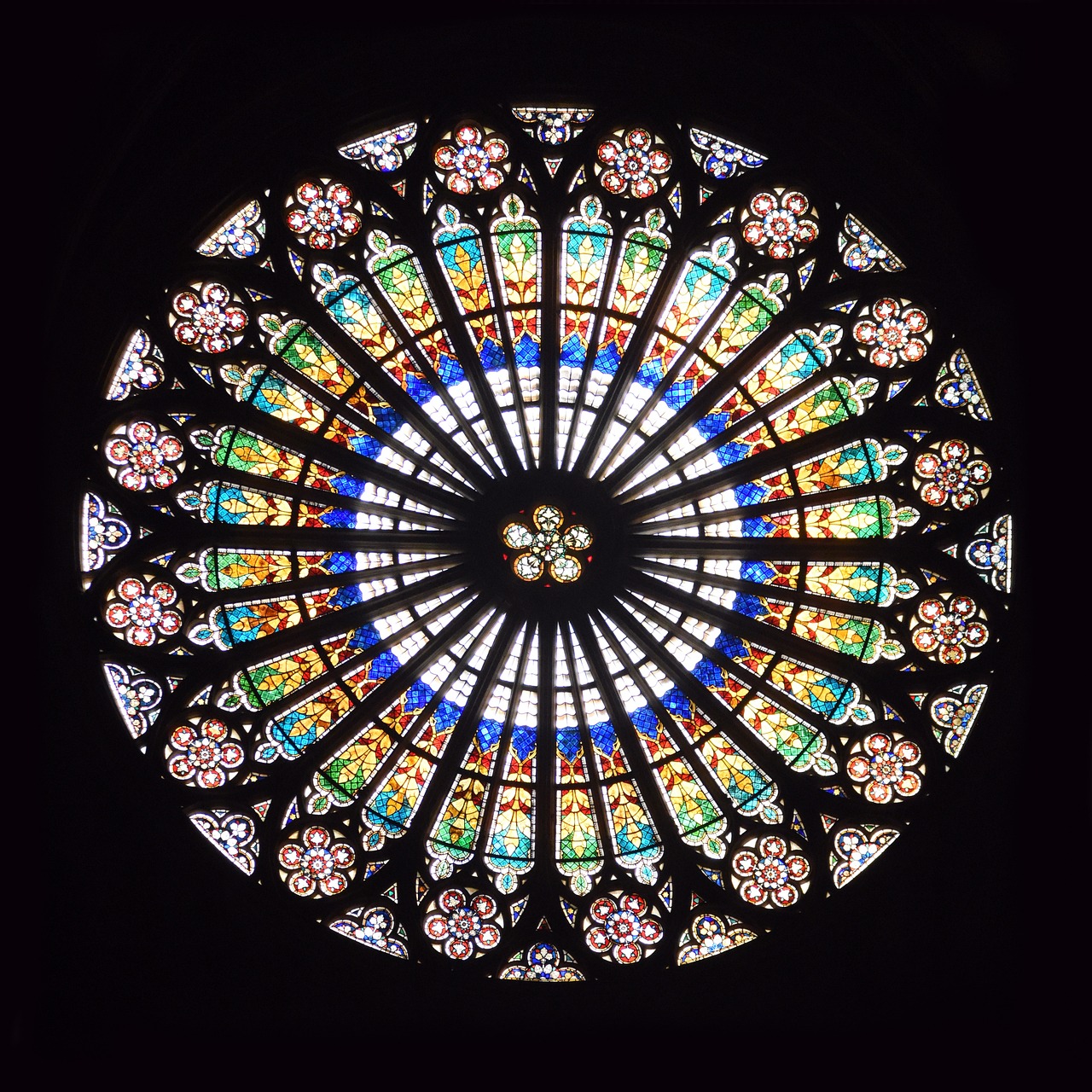
Every visit to Strasbourg begins for me with that first glimpse of the cathedral spire appearing at the end of Rue du Dôme. Built mainly between the 12th and 15th centuries in warm pink Vosges sandstone, Strasbourg Cathedral is one of Europe’s great Gothic masterpieces.
Inside, the stained glass glows in jewel tones, and if you arrive when the organ is playing, you’ll feel the sound in your ribs. The famous astronomical clock, with its elaborate moving figures, draws a crowd around 12:30 p.m. daily (except some holidays) when the apostles parade.
My ritual: I like to come twice: once in the morning when it’s quieter, and once at dusk to sit on the steps of Place de la Cathédrale and watch the square change color as the lights come on.
Don’t miss:
- Cathedral platform climb: The spiral staircase is narrow and a bit of a workout, but the panoramic view over the Grande Île rooftops is worth every step. It’s especially good if you only have 3 days in Strasbourg and want a quick “overview” of the city.
- Light shows (summer & Christmas): In recent years, Strasbourg has projected beautiful illuminations on the facade during festivals. For 2026, expect updated eco-friendly light installations in summer and around Advent.
Tips: Dress modestly (no beachwear), and speak softly inside; this is still an active place of worship. Early morning (around 9 a.m.) is best to avoid tour groups. The square is pickpocket territory in peak season—keep valuables secure.
Nearby bite: At the corner of Rue Mercière, grab a kougelhopf (Alsatian brioche cake) from a bakery and eat it on a bench in Place de la Cathédrale.
2. La Petite France
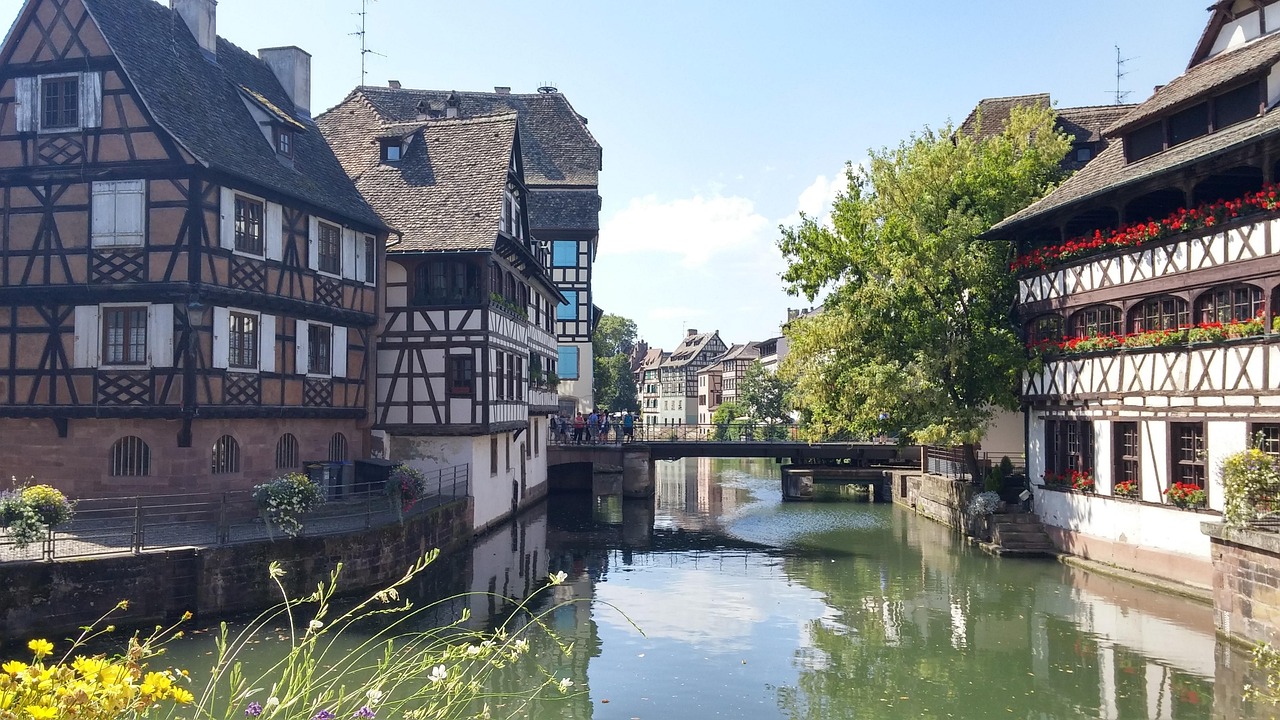
La Petite France is where I take anyone visiting Strasbourg for the first time. Once home to tanners, fishermen, and millers, its half-timbered houses lean over the canals like they’ve been whispering to each other since the 16th century.
I love coming here early on a misty autumn morning, when the reflections in the water are perfectly still. Later in the day, it’s a different mood: riverboats gliding past, café terraces buzzing, musicians playing on the corners.
Highlights:
- Maison des Tanneurs: A classic timber-framed house from 1572, now a restaurant. Even if you don’t eat there, it’s a beautiful photo spot from the bridge.
- Riverside walks: Follow the path along the Ill and just wander; the best views often appear where you’re least expecting them.
Family-friendly: Kids love watching the tour boats pass through the locks and the slowly rotating bridges.
Tip: If you’re on a 3 day itinerary for Strasbourg, time your walk through Petite France for late afternoon golden hour, then stay for dinner—it’s one of the most romantic places in the city.
3. Ponts Couverts & Barrage Vauban
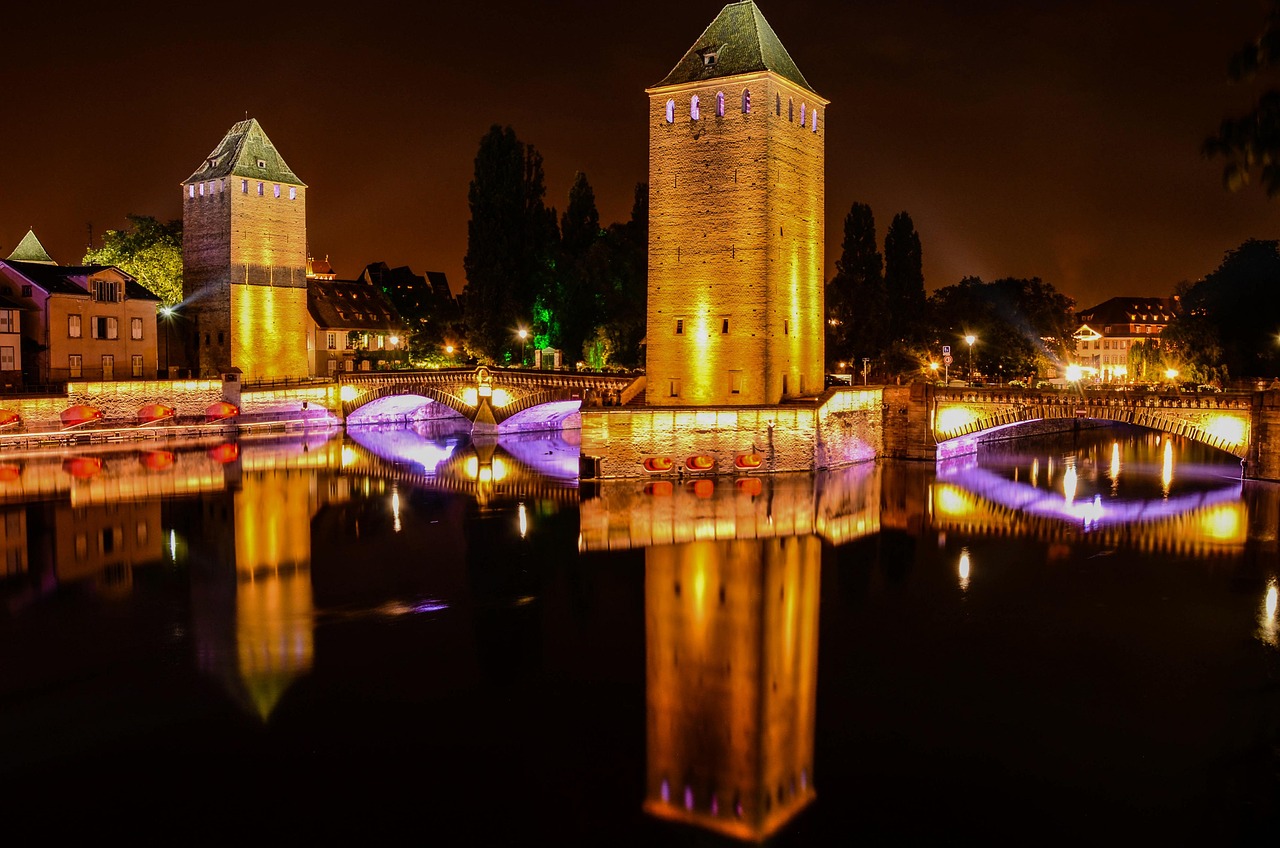
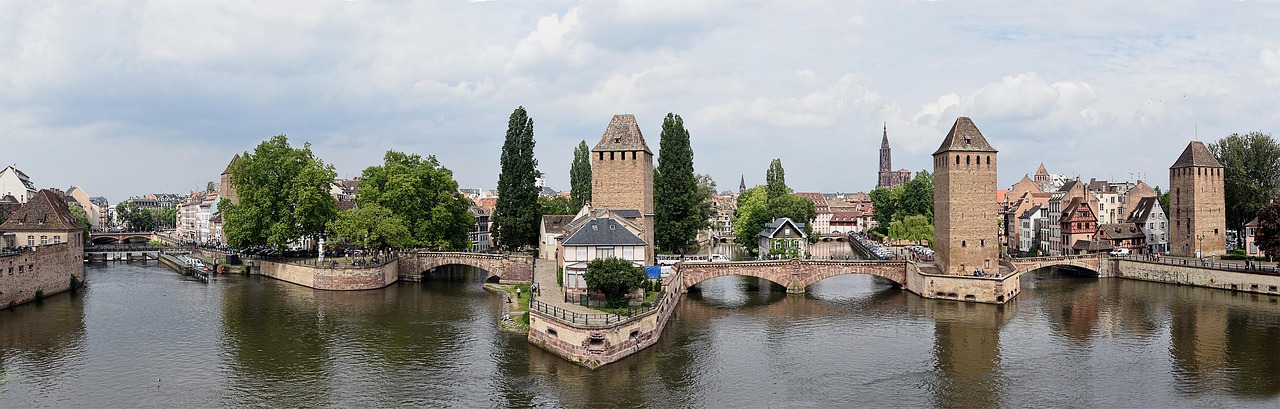
The Ponts Couverts (“covered bridges,” though the coverings are gone) and the Barrage Vauban defensive dam form a photogenic ensemble at the western edge of Petite France. The three medieval towers look like something out of a fantasy film.
I like to start at the river level, walking across the bridges and under the towers, then head up to the Barrage Vauban rooftop terrace for one of the best free views in Strasbourg.
History in brief: The Ponts Couverts date to the 13th century and were once part of the city’s fortified walls. The Barrage Vauban, designed by military engineer Vauban in the 17th century, could flood surrounding fields to defend Strasbourg.
Photo tip: Arrive just after sunrise or around sunset to catch the towers reflected in the still water. Tripod photographers: come early; it gets busy.
4. Grande Île & Historic Squares
Grande Île is the official name of the historic island that makes up Strasbourg’s core. The joy here is in wandering: each square has its own personality.
- Place Kléber: The main central square, with the Aubette building on one side and seasonal installations (ice rink in winter, events in summer). I often sit on the steps with a coffee and people-watch.
- Place Gutenberg: Once the economic heart of the city, with a statue of Gutenberg (who lived here) and lovely views toward the cathedral spire.
- Place du Marché-aux-Cochons-de-Lait: Tiny, charming square with restaurants and old houses, perfect for a quiet meal.
Tip: If you’re doing 4 days in Strasbourg, dedicate at least one entire morning to simply meandering the streets of Grande Île without a strict plan. That’s how I’ve found some of my favorite cafés.
5. Palais Rohan & Its Museums
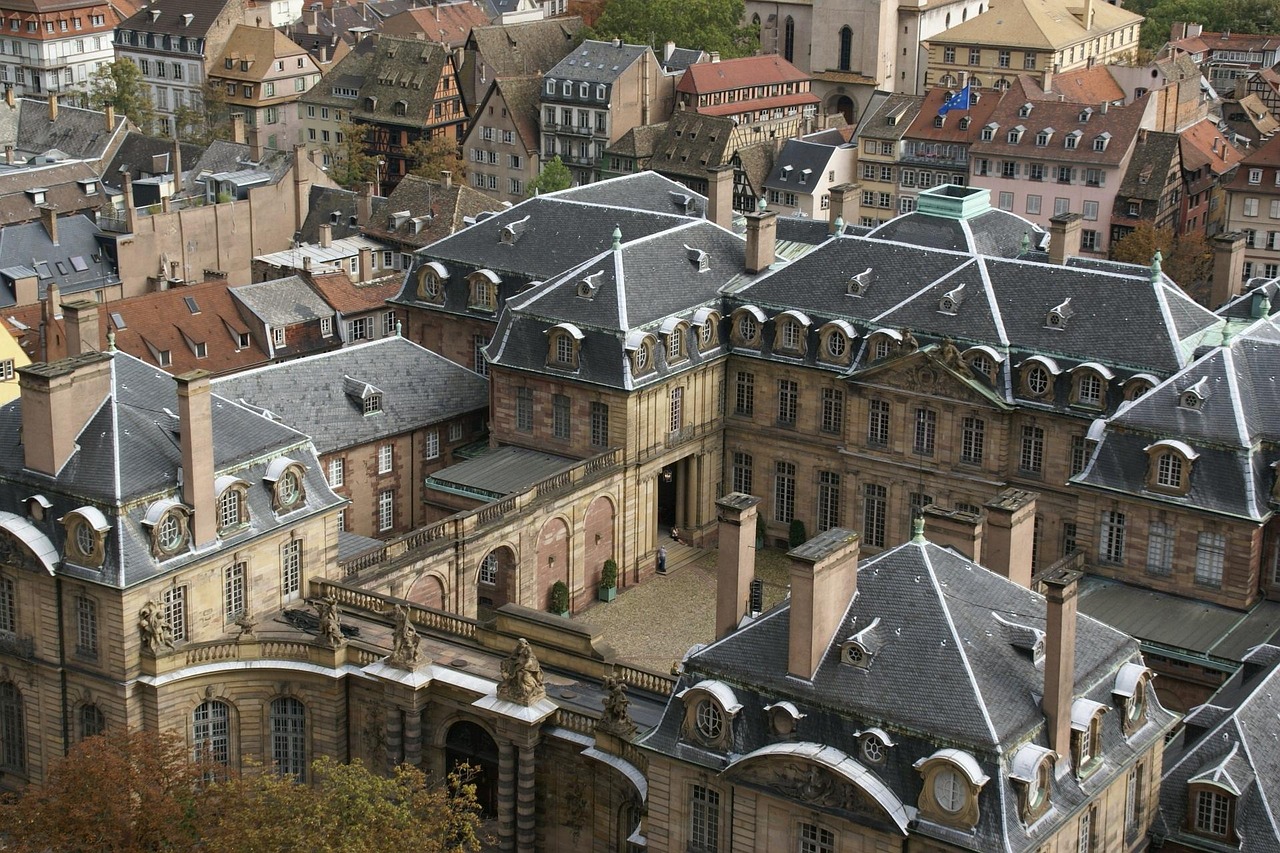
Just behind the cathedral, Palais Rohan is a stately 18th-century palace that once housed prince-bishops and even hosted Marie Antoinette and Napoleon. Inside, three museums share the space: the Fine Arts Museum, the Archaeological Museum, and the Decorative Arts Museum.
I tend to gravitate toward the Decorative Arts section, wandering through the former apartments with their ornate ceilings and period furnishings. It feels like sneaking into a baroque film set.
Good for: Rainy days, culture lovers, and anyone on a 5 day itinerary for Strasbourg who wants to dig deeper than the obvious sights.
Tip: Check combo tickets that give you access to multiple city museums—worth it if you’re a museum person.
6. Parc de l’Orangerie
Parc de l’Orangerie is my go-to escape when I’ve had one too many flammekueches. It’s Strasbourg’s oldest park and a favorite among locals for picnics, jogs, and lazy Sunday afternoons.
There’s a small lake with rowboats in summer, a mini-zoo (great for kids), and wide lawns shaded by mature trees. The park is also home to nesting storks, the beloved symbol of Alsace—you’ll often see them perched in big nests on top of poles and chimneys.
Local moment: One of my favorite memories is a late April picnic here: friends, a couple of bottles of Riesling from a local wine shop, and a spread of cheeses from the market. Nearby families were flying kites and kids were cycling past.
Tip: Combine a visit here with the European Quarter; they’re an easy walk apart. Great for a romantic stroll or a family break from sightseeing.
7. European Parliament & European Quarter
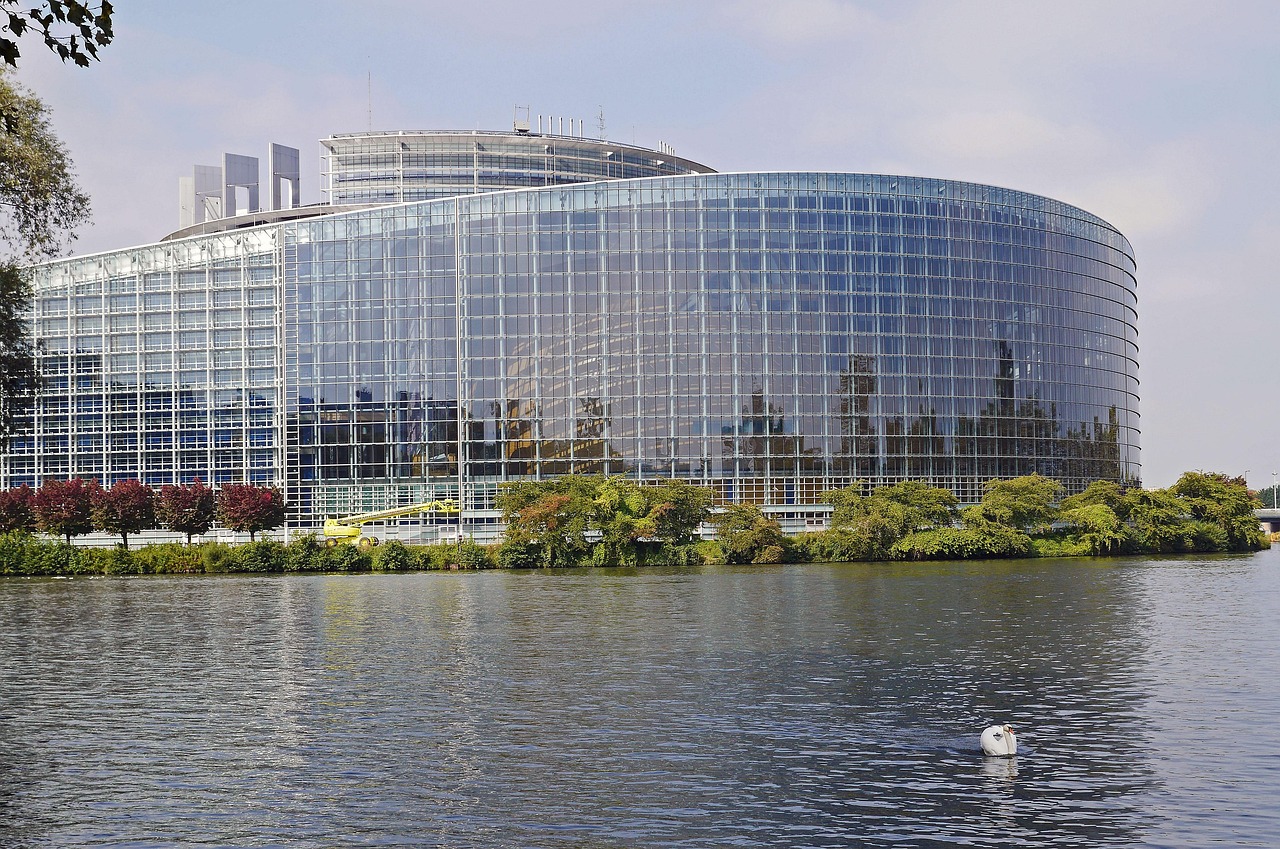
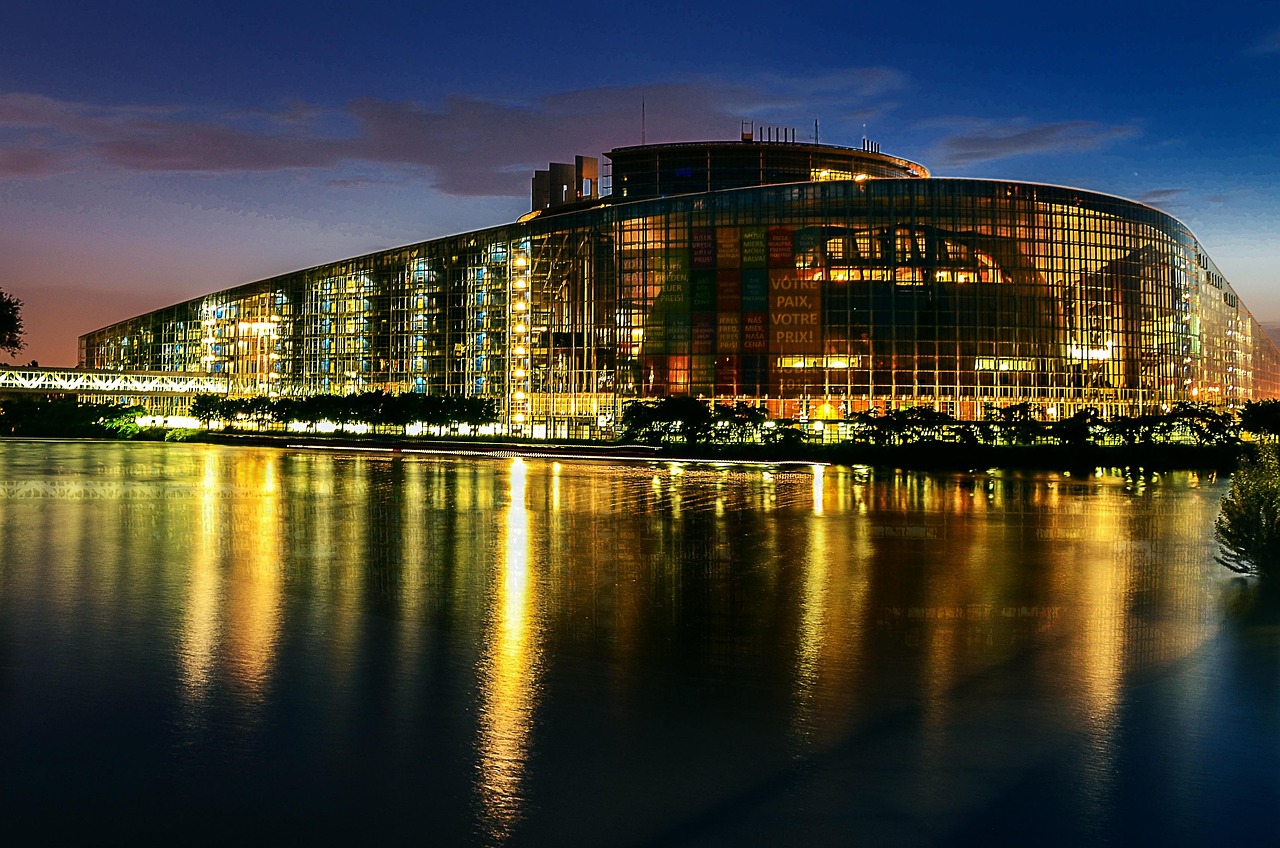
Strasbourg is one of the capitals of the European Union, and the futuristic glass curve of the European Parliament contrasts sharply with the medieval center. The first time I visited, I took the tram from Homme de Fer to Parlement Européen and felt like I’d traveled decades forward in time.
You can usually visit the Parliament hemicycle (plenary chamber) with free multimedia guides when sessions aren’t in progress. It’s especially interesting if you’re into politics or traveling with teenagers learning about the EU.
Tip: Check the official website for visiting hours; security is airport-style, so bring ID and avoid carrying large bags.
8. Musée Alsacien
This museum is one of Strasbourg’s underrated gems. Housed in several old Alsatian houses along the river, it recreates traditional interiors and showcases folk art, costumes, and everyday objects from rural Alsace.
Walking through creaky wood corridors, peeking into reconstructed kitchens and living rooms, you get a sense of how people actually lived in this region centuries ago. I always recommend it to visitors who want to understand more than just the surface-level charm.
9. Musée d’Art Moderne et Contemporain (MAMCS)
Just beyond Petite France, this glass-and-steel museum sits by the river, with a terrace that’s lovely on a sunny day. The collection spans from impressionism to contemporary art, with regular temporary exhibitions.
I’ve had some of my best “quiet city breaks” here: an hour with the paintings, then a coffee in the café looking out over the water.
10. Krutenau Quarter
Krutenau is the neighborhood where I most often find myself in the evenings. Once a marshy area inhabited by boatmen and fishermen, it’s now full of student bars, concept cafés, small galleries, and restaurants that locals actually go to.
It’s an ideal area to explore if you’re on a 4 day itinerary for Strasbourg and want to get beyond the obvious. Walk Rue d’Austerlitz and the surrounding streets, and follow your nose into whichever place smells good.
11. Esplanade & University Quarter
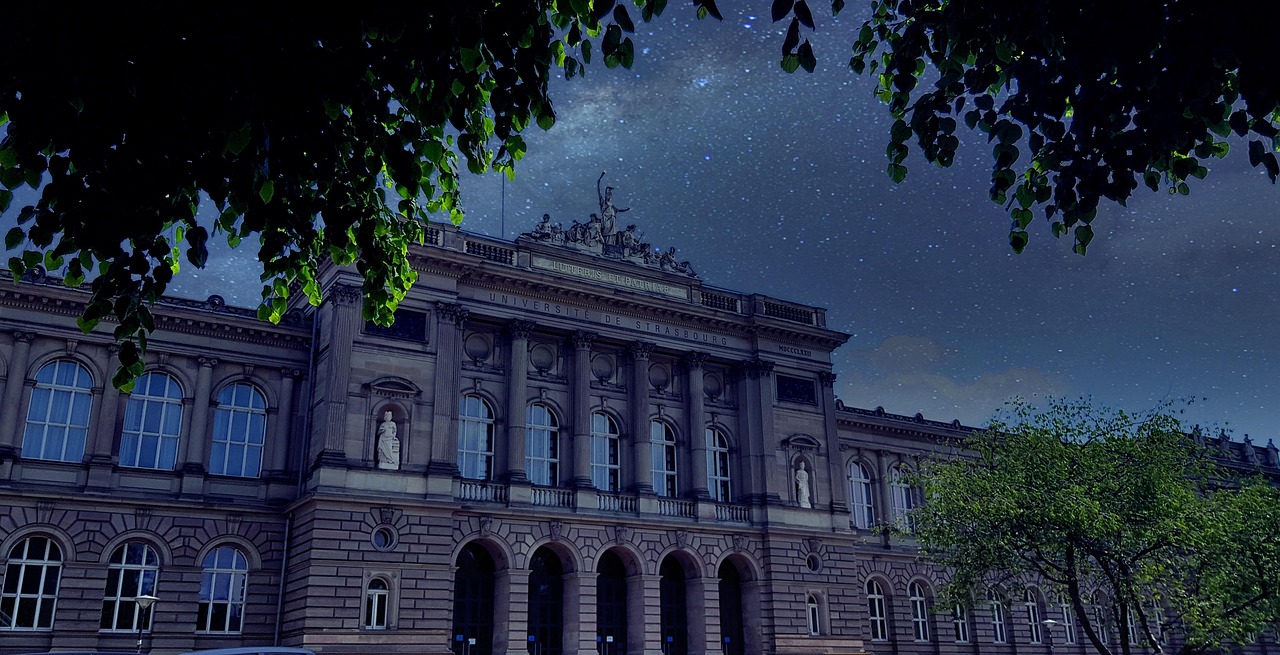
East of Krutenau, Esplanade is home to the University of Strasbourg. Think student cafés, affordable eateries, and green spaces. I often cut through here on my bike, enjoying the campus atmosphere and the mix of languages you hear around you.
For budget travelers, this is a good area to look for inexpensive lunch menus and bars with happy hours.
12. Neustadt & Place de la République
Neustadt was built after 1871 when Strasbourg became part of the German Empire. The architecture here is grand and a little severe: wide avenues, big stone buildings, and elegant mansions.
Place de la République is the centerpiece, with its fountains and imposing buildings like the National Theatre and the Library. It’s a reminder of the city’s layered Franco-German history.
13. Boat Tour on the Ill River
Taking a boat tour might seem touristy, but in Strasbourg it’s genuinely a great introduction to the city. The route usually circles the Grande Île, passes through Petite France (locks and covered bridges included), and heads out toward the European Quarter.
I like doing this either on my first afternoon or my last, to tie everything together. Audio guides are available in multiple languages, and kids tend to love the whole “boat and locks” aspect.
Tip: Book in advance around Christmas and summer weekends. In winter, opt for the covered, heated boats.
14. Place Broglie & Opera
Place Broglie is a long, tree-lined square that hosts one of Strasbourg’s main Christmas markets and weekly produce markets. It’s flanked by grand townhouses and the Opéra national du Rhin.
If you’re in town during opera or ballet season, check the program; catching a performance here adds a special cultural note to any 3 days in Strasbourg.
15. Strasbourg Christmas Market (Christkindelsmärik)
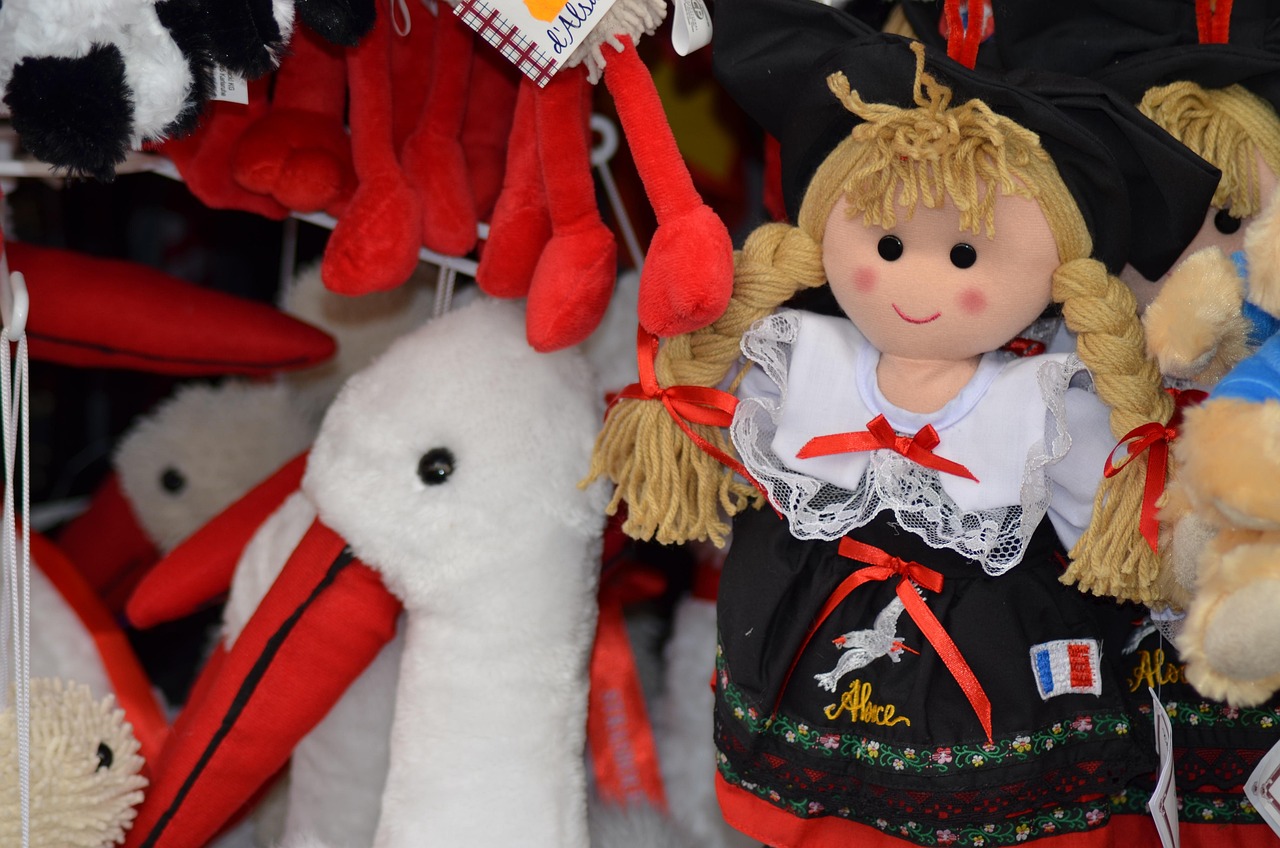
Strasbourg calls itself the “Capital of Christmas,” and in December, it earns the title. The Christkindelsmärik is one of Europe’s oldest Christmas markets, dating back to 1570.
The whole city glows: timbered facades draped in lights, the enormous Christmas tree at Place Kléber, and dozens of themed markets spread across the center. I’ve come several times in December, and each visit feels like stepping into a snow globe—minus the peace and quiet.
Expect crowds: If your 3 day itinerary for Strasbourg falls in Advent, book early, avoid driving into the center, and consider visiting markets right at opening or late in the evening.
16. Riverbanks & Pedestrian Bridges
Some of my happiest Strasbourg moments have been simple walks along the Ill and its canals. Small pedestrian bridges criss-cross the water; many have views you won’t find in guidebooks.
If you’re on a romantic trip, come out after dinner and wander along the illuminated riverbanks—it’s quietly magical.
17. Neudorf: Everyday Strasbourg
Neudorf doesn’t have big-ticket attractions, but it’s where you feel Strasbourg as a living city. Local bakeries, markets, and cafés cater to residents more than tourists.
On longer stays (4 or 5 days in Strasbourg), I like to wander Neudorf’s streets, stop at a neighborhood bakery, and watch the rhythms of daily life.
18. Église Saint-Thomas
This Protestant church, with its squat tower, feels very different from the cathedral. Inside, the atmosphere is calmer, more restrained—fitting for a Lutheran church with roots in the Reformation.
There are regular organ concerts, and the acoustics are beautiful. If you’re visiting on a Sunday, be respectful of service times.
19. Walking the City Walls Remnants & Backstreets
Pieces of Strasbourg’s old fortifications still appear in odd corners of the city. On a long walk starting at Petite France and heading south along the river, you’ll occasionally spot remnants of walls, towers, and gates.
I once spent an entire afternoon following these traces with an old city map and a camera—it turned into one of my favorite “adventures” in a city most people treat as a quick stop.
20. Street Art & Contemporary Strasbourg
Beyond timbered houses and Gothic spires, Strasbourg also has a lively street art scene. Look around Krutenau, Esplanade, and some parts of Neudorf for murals, stencils, and paste-ups.
It’s a nice counterpoint to the historic postcard image, and it’s free—perfect for budget-conscious travelers working out how to save money in Strasbourg.
Sample Itineraries: 3–5 Days in Strasbourg
These itineraries are based on how I actually structure my own visits and how I guide friends when they ask for a 3 day itinerary for Strasbourg or suggestions for 4 days in Strasbourg. Adjust depending on your pace and interests.
3 Day Itinerary for Strasbourg
If you only have 3 days in Strasbourg, focus on the historic center, Petite France, and a taste of the European Quarter and local food.
Day 1: First Impressions of the Grande Île
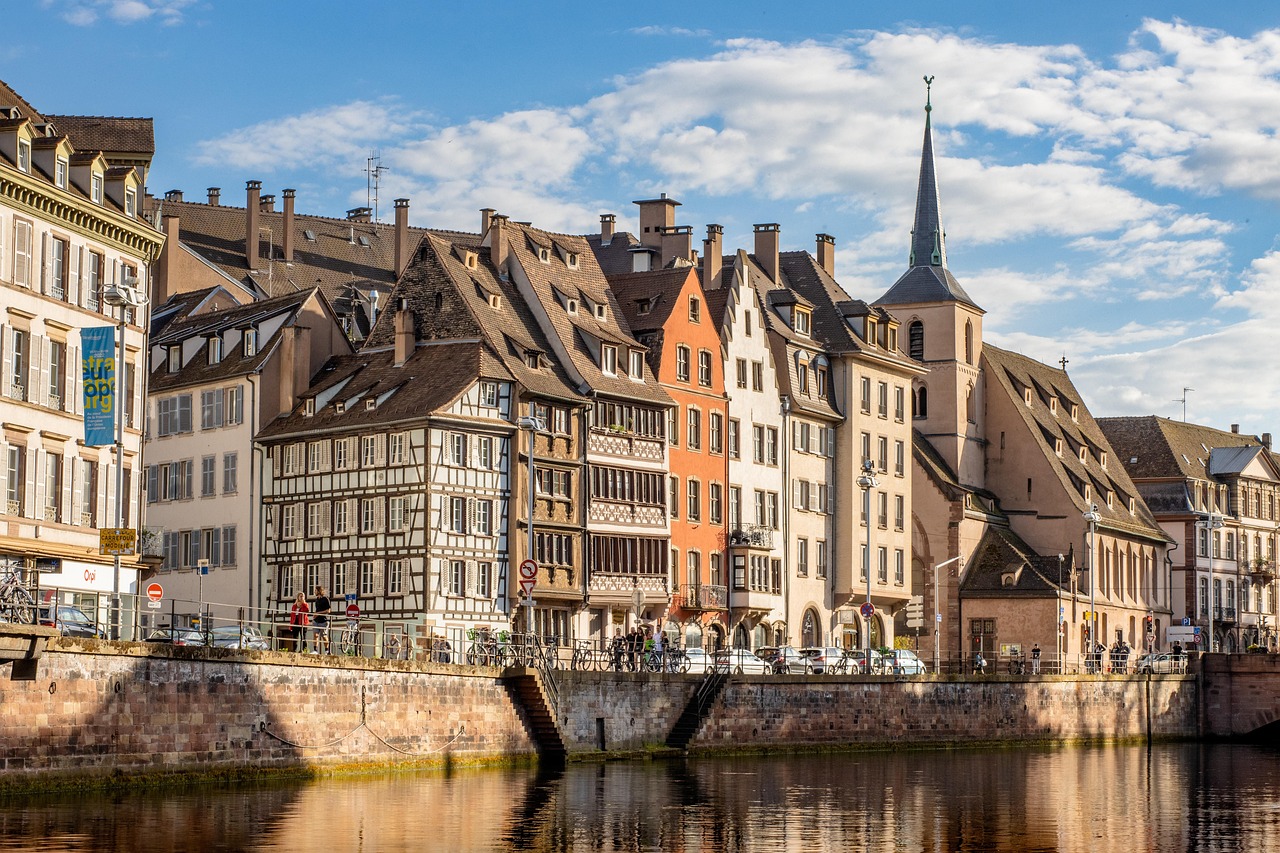
Morning: Arrive and drop your bags at your hotel or guesthouse—ideally somewhere central, near Place Kléber or the Cathedral. Start with a slow loop around the Grande Île: Place Kléber, Place Gutenberg, and the streets radiating from the cathedral.
Visit the cathedral mid-morning, climb the platform if the weather is clear, then have lunch at a winstub (traditional Alsatian tavern) nearby. Order tarte flambée (flammekueche) to start your culinary education.
Afternoon: Wander smaller streets—Rue des Juifs, Rue des Frères, Rue du Sanglier—and dip into shops for local products like Alsatian pottery or spice mixes for choucroute.
Evening: Dinner in Krutenau or back near the cathedral. Afterward, walk to the river and follow the banks; the illuminated cathedral reflected in the Ill never gets old.
Day 2: Petite France & Boat Tour
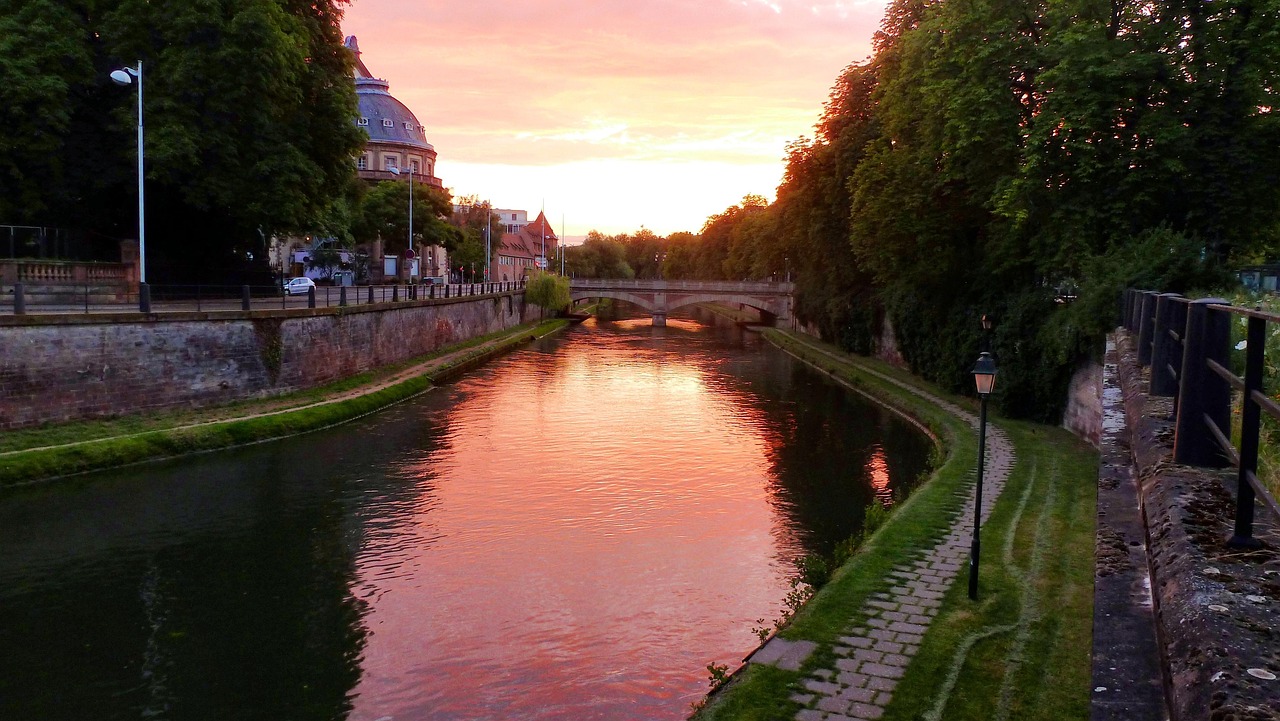
Morning: Head straight to Petite France, ideally before 10 a.m. to enjoy the quiet. Walk the bridges, take your time with photos, then visit the Barrage Vauban terrace for panoramic views.
Midday: Grab lunch in Petite France or just outside (prices inside the core can be higher). Try baeckeoffe (a slow-cooked Alsatian stew) if it’s chilly.
Afternoon: Take a boat tour on the Ill. Afterward, visit the Musée d’Art Moderne et Contemporain (MAMCS) or stroll back through the center.
Evening: For something romantic, book a table at a riverfront restaurant and linger over tarte aux fruits with a glass of late-harvest Gewürztraminer.
Day 3: Orangerie, European Quarter & Hidden Corners
Morning: Tram or walk to Parc de l’Orangerie. Stroll, watch the storks, and have a coffee at the park café. If you’re traveling with kids, let them loose on the playgrounds.
Late morning/early afternoon: Visit the European Parliament if tours are available. Otherwise, walk around the European Quarter and admire the modern architecture.
Afternoon: Head back via Neustadt and Place de la République, then spend your last hours shopping for edible souvenirs—Munster cheese (vacuum-packed), local wines, bredele biscuits.
Evening: Early dinner and one final wander through the cathedral square, soaking up the atmosphere before you go.
4 Day Itinerary for Strasbourg
With 4 days in Strasbourg, you can slow down: explore neighborhoods more deeply and add extra cultural experiences.
Use the 3 day itinerary for Strasbourg as your base, and add:
Day 4: Krutenau, Musée Alsacien & Evening Culture
Morning: Start in Krutenau. Have breakfast at a local café, then wander side streets. Visit the Musée Alsacien late morning to deepen your understanding of the region.
Afternoon: Cross the river, check out more of Neustadt’s architecture, or visit another museum like Palais Rohan’s Fine Arts collection.
Evening: Catch a concert or opera if the schedule works, or go bar-hopping in Krutenau. This is a good night to sample local craft beers.
5 Day Itinerary for Strasbourg
5 days in Strasbourg allows for true immersion and at least one day trip, plus time for hidden gems in Strasbourg.
Start with the 4 day itinerary for Strasbourg, then add:
Day 5: Day Trip or Deeper Dive
You can either:
- Take a day trip to the Alsace Wine Route (Colmar, Obernai, or a small village like Barr or Ribeauvillé), or
- Stay in Strasbourg and explore Neudorf, street art, and lesser-known corners along the river.
I often take friends to Obernai by train for a taste of wine-country village life and a long lunch, then return to Strasbourg for a relaxed evening stroll.
Local Food in Strasbourg & Where to Eat
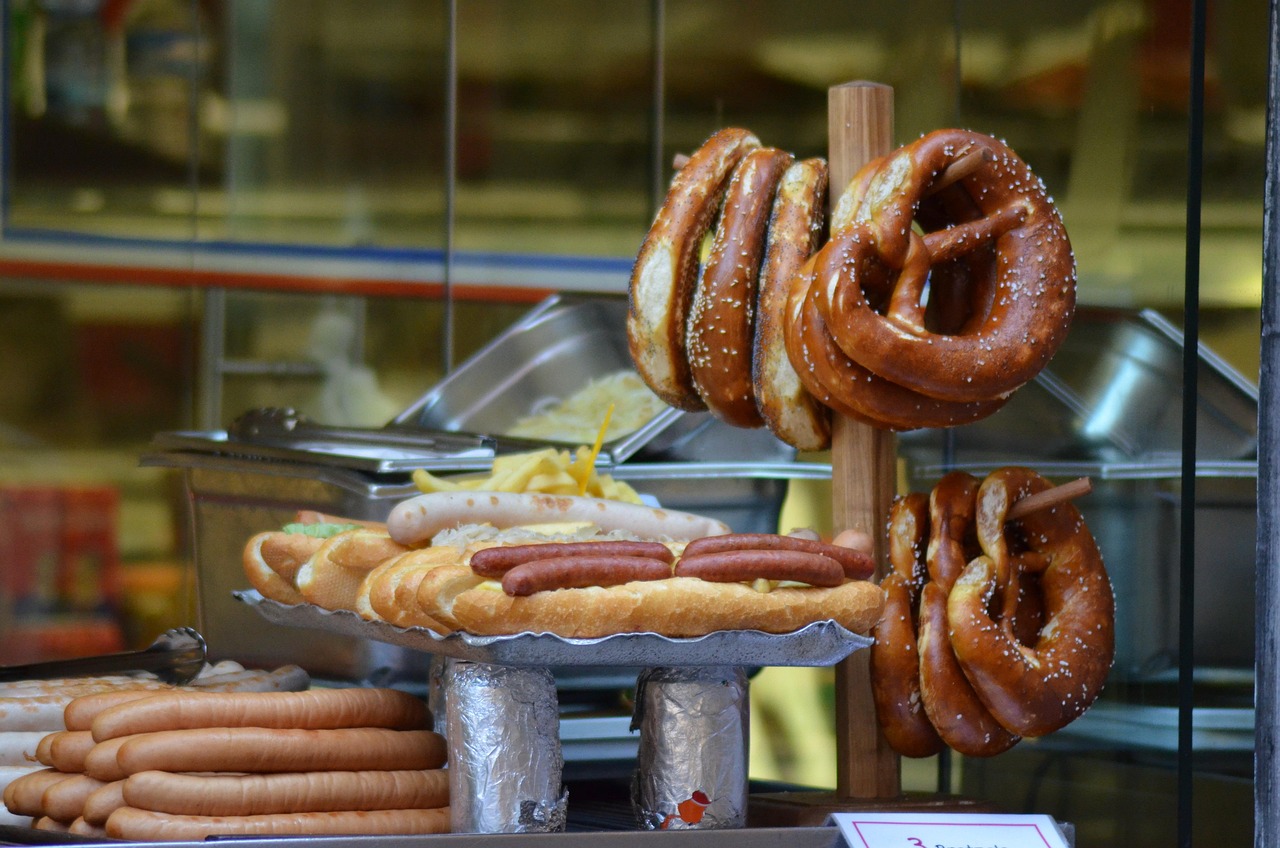
Alsatian cuisine is hearty, comforting, and heavily influenced by both French and German traditions. It’s one of the highlights of any travel guide for Strasbourg.
Must-Try Dishes
- Tarte flambée (Flammekueche): Thin crust topped with crème fraîche, onions, and lardons, baked in a wood-fired oven. My go-to order is the classic “gratinée” with extra cheese.
- Choucroute garnie: Sauerkraut cooked with white wine and spices, topped with a mountain of sausages and smoked meats. Best attempted when hungry and not on a tight clothes budget.
- Baeckeoffe: Slow-baked casserole of marinated meats, potatoes, and onions, traditionally sealed with a dough crust.
- Kougelhopf: Tall, ring-shaped brioche with raisins and sometimes almonds, lightly sweet, perfect for breakfast.
- Bretzel: Soft pretzels sold from street stands and bakeries—grab one as a walking snack.
- Munster cheese: Pungent but delicious cow’s milk cheese, often served with cumin seeds and potatoes.
What to Drink
- Alsace white wines: Riesling, Pinot Gris, Gewürztraminer, Sylvaner. Many restaurants offer local wines by the glass.
- Crémant d’Alsace: Sparkling wine that’s my favorite aperitif here.
- Local beers: Alsace has a strong brewing tradition; try regional brands or microbrews.
Where I Like to Eat (Examples)
I won’t list every place (they change often), but here’s the kind of spots I gravitate toward:
- Traditional winstubs around the cathedral and Petite France for classic dishes and wood-paneled interiors.
- Wine bars in Krutenau for cheese boards and glasses of local wine.
- Student cafés in Esplanade for budget-friendly lunches and good coffee.
- Markets like the one at Place Broglie (weekdays) for fresh produce, cheeses, and street snacks.
How to Save Money on Food
- Prix fixe lunch menus: Many restaurants offer a more affordable set menu at midday.
- Bakeries for breakfast: Skip hotel breakfasts and grab pastries and coffee from a boulangerie.
- Picnics: In good weather, assemble a picnic from a supermarket or market and eat in Parc de l’Orangerie or along the river.
Nightlife, Entertainment & Cultural Experiences
Strasbourg is not a wild party city, but it has a rich cultural life and a pleasant, sociable nightlife.
Evening Ideas
- Wine bars & winstubs: Cozy places to linger over a glass of Riesling or a carafe of local red.
- Krutenau bars: Lively but relaxed, popular with students and locals.
- Opera & concerts: Check the Opéra national du Rhin and local churches (for organ concerts) for schedules.
- Summer terraces: In warm months, many squares and riverbanks sprout temporary terraces and guinguettes.
Cultural Experiences
- European Parliament visit: For a political and historical angle.
- Museums: From fine arts to Alsatian culture, ideal for deeper understanding.
- Street festivals: In summer especially, look out for music and food events in public squares.
Day Trips from Strasbourg
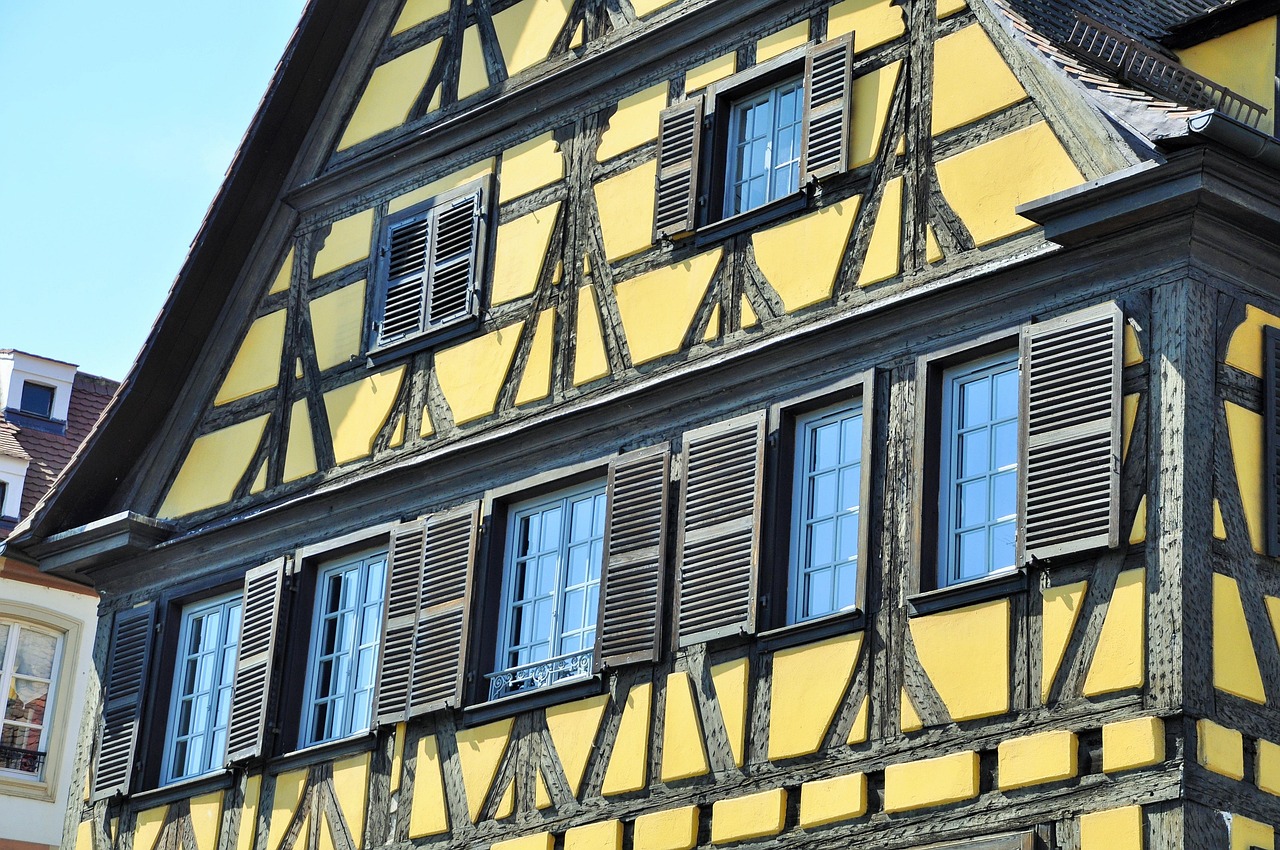
With an extra day or two, it’s easy to explore the surrounding Alsace region.
Colmar
About 30–40 minutes by train, Colmar is a smaller town with canals and painted houses, often compared to a storybook. Great for a full-day wander with lunch and wine tasting.
Obernai
Roughly 25 minutes by train from Strasbourg, Obernai is a lovely wine-route village wrapped in old walls. I like it as a slightly quieter alternative to Colmar.
Alsace Wine Route Villages
With a rental car or organized tour, you can string together several villages—Riquewihr, Ribeauvillé, Kaysersberg—for cellar visits, gentle hikes, and vineyard views.
Black Forest (Germany)
Strasbourg is just across the Rhine from Germany. With a bit of planning, you can hop across for a taste of the Black Forest, although this is easier by car.
Cultural Etiquette & Local Customs in Strasbourg
Strasbourg is French, but with a strong Germanic flavor and a unique Alsatian identity. Locals are generally friendly but appreciate basic politeness.
Language
- French is the main language; many people speak some English, especially in tourism and among younger locals.
- German is widely understood; Alsatian (a Germanic dialect) is still spoken by some older residents and in rural areas.
Always start interactions with a “Bonjour, Madame/Monsieur” before launching into English or your request; it makes a big difference.
Dining Customs
- Meals are slower; don’t expect the bill unless you ask (“L’addition, s’il vous plaît”).
- Service is included; tipping is appreciated but modest (round up or add 5–10% for good service).
- It’s considered polite to keep hands visible on the table (not in your lap) in more formal settings.
Dress & Behavior
- Smart-casual dress fits most situations; sportswear is for sports, not nicer restaurants.
- Speak quietly on trams and in residential streets at night.
- In churches, dress modestly and avoid loud conversations or phone use.
Practical Travel Tips for Strasbourg
Getting Around
Strasbourg is walkable, bikeable, and well-served by trams and buses.
- Trams & buses: Run by CTS. Buy tickets at machines or via app; validate before boarding. Day passes are good value if you’re moving around a lot.
- Bikes: Extensive bike lanes; you can rent from shops or bike-share schemes.
- Car: Generally unnecessary within the city and a headache for parking, especially in the center. If you must drive, use park-and-ride lots.
How to Save Money
- Use day passes or multi-day transport tickets.
- Take advantage of museum passes if you plan to visit several.
- Eat your main meal at lunch when set menus are cheaper.
- Stay a bit outside the core center (e.g., Krutenau, Esplanade, Neudorf) for better-value accommodation, still within tram distance.
SIM Cards & Connectivity
- EU travelers can usually use their existing plans without extra roaming fees.
- Non-EU visitors can buy prepaid SIMs from major French providers (Orange, SFR, Bouygues) at shops in town or at larger train stations.
- Cafés and hotels generally offer free Wi-Fi.
Visas & Entry
- France is in the Schengen Area. Many nationalities (e.g., US, Canada, UK, Australia, Japan) can enter visa-free for short stays; others require a Schengen visa. Check current rules before travel, as they may change by 2026–2027.
- Carry your passport; ID checks sometimes occur, especially near EU institutions.
Driving & Licenses
- Foreign driver’s licenses are generally accepted for tourists; some non-EU licenses may require an International Driving Permit—check before you come.
- City-center driving is discouraged; pedestrian and tram zones are strictly enforced.
Best Seasons & What They’re Good For
- Spring (April–June): Mild weather, blossoms, ideal for strolling and picnics. Great for 3 or 4 day itineraries for Strasbourg with fewer crowds.
- Summer (July–August): Warm, sometimes hot. Outdoor terraces, festivals, boat tours. More tourists and higher prices.
- Autumn (September–November): Wine harvest season, golden leaves, fewer crowds in early fall. Lovely for romantic trips and day trips to vineyards.
- Winter (December): Christmas markets with magical atmosphere but big crowds, especially weekends. January–February is quieter, colder, and good for budget travelers.
What’s New & Upcoming Events 2026–2027
Event calendars shift every year, but some regular fixtures and trends are worth noting for 2026–2027.
- Strasbourg Christmas Market (late Nov–Dec): Continues as the flagship event, with increasing emphasis on sustainability and local artisans.
- Music & arts festivals: Expect summer open-air concerts in public squares and along the river, plus indoor festivals at venues across the city.
- European Parliament sessions: Public interest remains high; visits are a good way to understand ongoing EU debates.
- Urban development: Ongoing projects to expand pedestrian zones and bike infrastructure, making it even easier to explore without a car.
Before your trip, check Strasbourg’s official tourism website for up-to-date festival dates and any special exhibitions or events.
Summary & Final Recommendations
Strasbourg rewards both quick visits and slow stays. In 3 days in Strasbourg, you can see the essentials: the cathedral, Petite France, a boat tour, and a taste of local food and wine. With 4 days in Strasbourg, you can slip into neighborhood life, discover hidden gems in Strasbourg like Krutenau’s backstreets and the Musée Alsacien, and enjoy more cultural experiences. With 5 days in Strasbourg, you can add day trips to Alsace’s wine villages or Colmar and truly settle into the rhythm of the city.
Best seasons: For many travelers, late spring (May–June) and early autumn (September–early October) offer the best balance of weather, crowds, and prices. December is unforgettable for the Christmas markets if you’re prepared for crowds and colder days.
Whether you’re here for a romantic weekend, a family-friendly break, or a deeper cultural exploration, Strasbourg’s blend of French and German influences, its walkable historic core, and its comforting food will likely make you start planning your return before you’ve even left.