Why Visit Berlin in 2026?
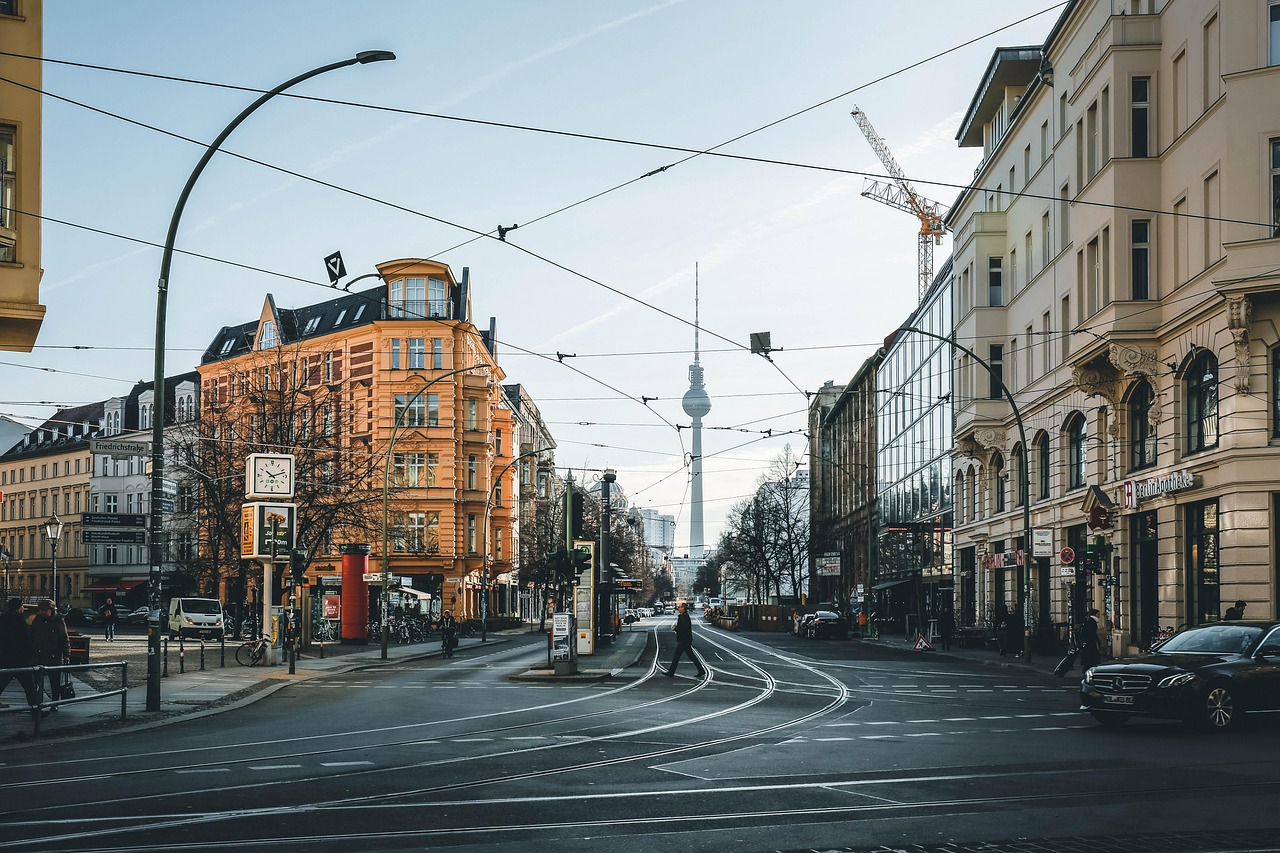
Berlin isn’t beautiful in the classical “postcard” way like Paris or Prague. It’s more like a giant open-air studio: graffiti, cranes, concrete, lakes, clubs, Turkish bakeries, Michelin-starred restaurants, and memorials that make you stop talking for a while. That contrast is exactly what makes it special.
I’ve lived in Berlin and returned many times since, and every visit feels like a different city. Neighborhoods change, bars vanish, new galleries pop up, and some old smoky Kneipen (traditional pubs) stubbornly stay the same. It’s a city where you can spend the morning at a world-class museum, lunch at a street-food market, the afternoon at a lake, and the night in a techno club—or a quiet wine bar.
In 2026, Berlin is especially lively: major cultural events, continued redevelopment around the central station and Museum Island, and a food scene that’s exploding with creative local and immigrant influences. It’s also one of the easiest big European capitals to navigate on a budget.
- For culture lovers: Some of Europe’s best museums, opera, theater, and contemporary art.
- For history buffs: Layers of Prussian, Nazi, Cold War, and reunification history in walkable distance.
- For foodies: From currywurst and döner to natural wine bars and high-end tasting menus.
- For families: Parks, zoos, kid-friendly museums, lakes, and easy public transport.
- For couples: Sunset walks along the Spree, rooftop bars, and candlelit courtyards.
- For night owls: Legendary nightlife that really does go until Monday morning.
Table of Contents
- 3–5 Day Itineraries for Berlin
- 20 Must-See Attractions in Berlin (With Deep Dives)
- Berlin Neighborhoods Guide
- Local Food in Berlin & Where to Eat
- Nightlife, Entertainment & Cultural Experiences
- Best Day Trips from Berlin
- Cultural Etiquette & Local Customs in Berlin
- Practical Travel Tips for Berlin (2026–2027)
- Summary & Best Time to Visit Berlin
3–5 Day Itineraries for Berlin (With Personal Stories)
These itineraries are flexible: use the core of Days 1–3 if you only have 3 days in Berlin, add Day 4 if you have 4 days in Berlin, and include Day 5 for a full 5 day itinerary for Berlin. I’ve structured them roughly how I guide visiting friends around the city.
Day 1: Icons, First Impressions & Classic Berlin
Your first day is all about the most famous landmarks—with enough time to slow down and actually feel the city.
Morning: Brandenburg Gate, Reichstag & Government Quarter
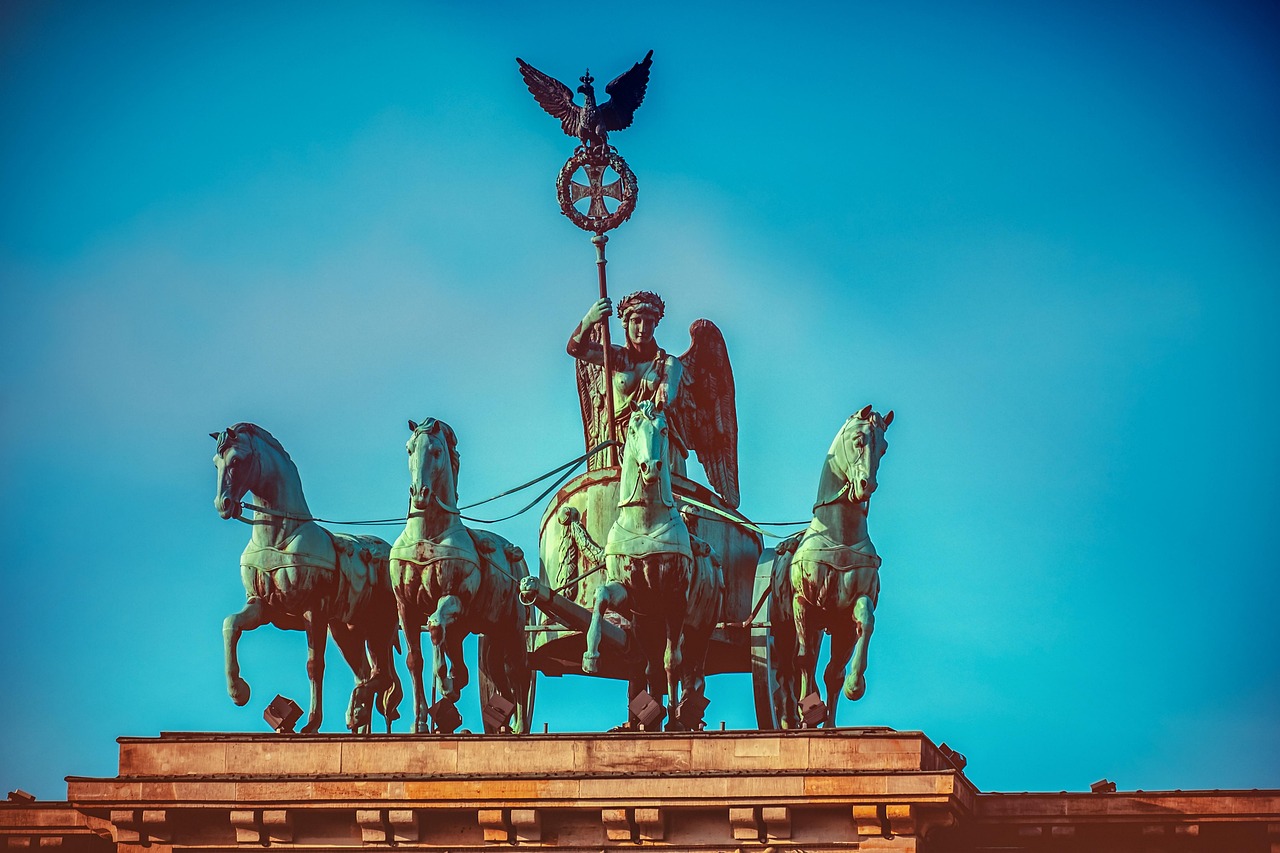
I like starting at Brandenburger Tor (Brandenburg Gate) around 8–9 a.m., before the tour buses arrive. Step out of the S+U Brandenburger Tor station, and the gate frames Unter den Linden like an opening shot of your Berlin movie.
On my first visit, I walked under the gate and tried to imagine the years when it stood between East and West, inaccessible from both sides. Now it’s full of selfie sticks and street musicians, but if you come early, it’s surprisingly peaceful.
- Nearest station: S+U Brandenburger Tor (S1, S2, S25, S26; U5)
- Best time: Early morning or late evening for softer light and fewer crowds.
Reichstag Dome
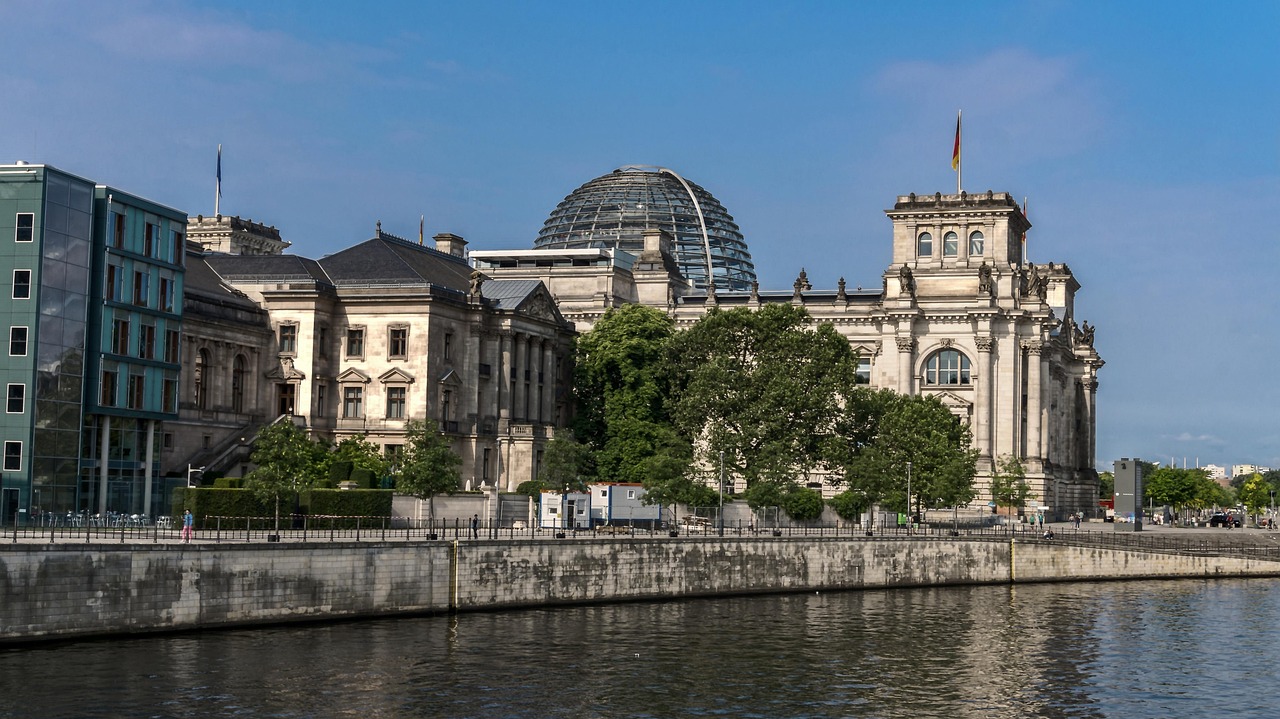
From the gate, it’s a short walk to the Reichstag, Germany’s parliament building. The glass dome is one of my favorite free experiences in Berlin—if you reserve ahead.
I remember one February afternoon when it started snowing gently as I stood inside the dome, looking down on the Bundestag in session. The audio guide (included, multiple languages) is genuinely good, pointing out landmarks as you spiral upward.
- Tip: Reserve your dome visit online at least a few days in advance, especially in summer.
- Time needed: 60–90 minutes including security.
Midday: Memorials & Unter den Linden
Memorial to the Murdered Jews of Europe
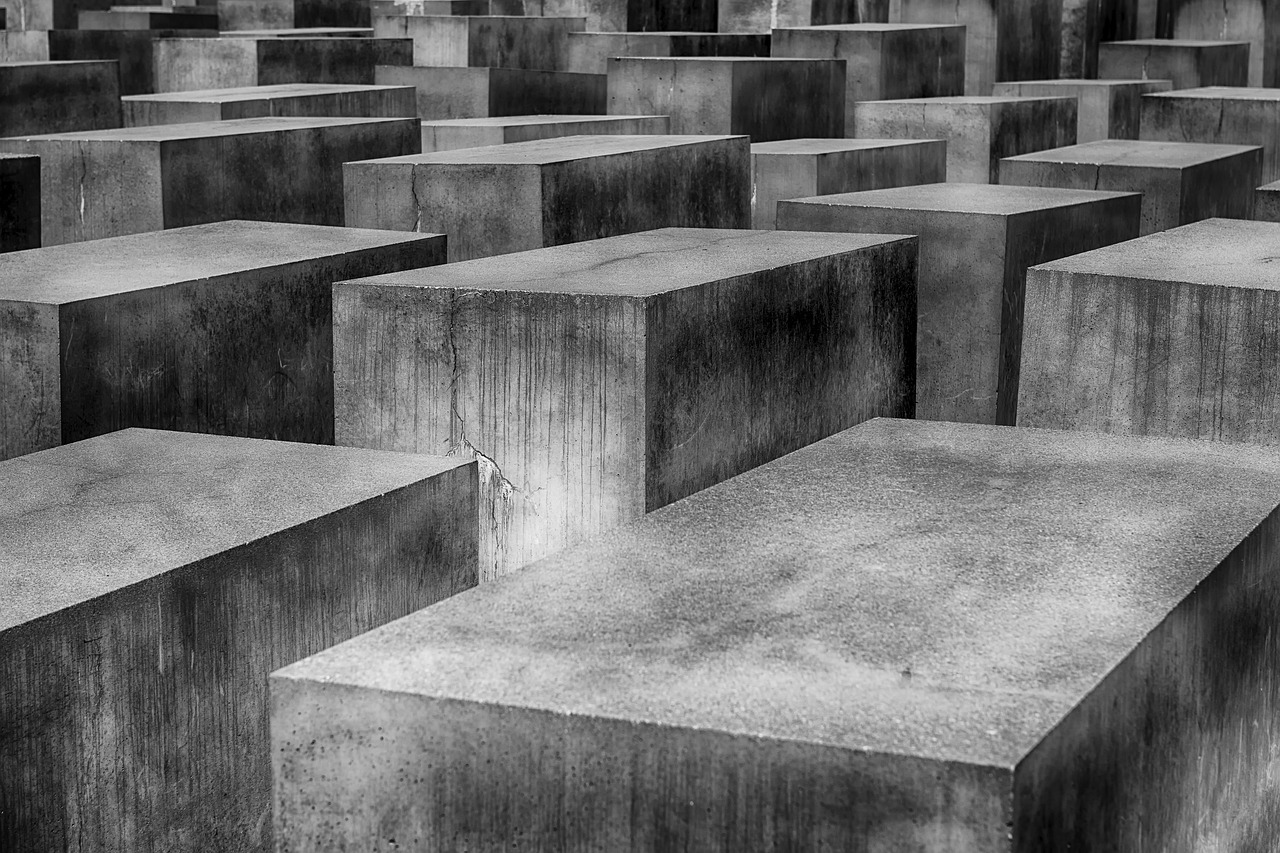
A 5-minute walk from Brandenburg Gate is the Holocaust Memorial. The grid of concrete stelae looks different every time I visit—on foggy mornings it feels like a maze; on sunny days, kids run between the blocks (which can be uncomfortable to watch, but also a reminder of how public Berlin’s memorial culture is).
Go down into the information center underneath the memorial if you have emotional bandwidth; it’s powerful and heavy, but important.
Walk Unter den Linden to Museum Island
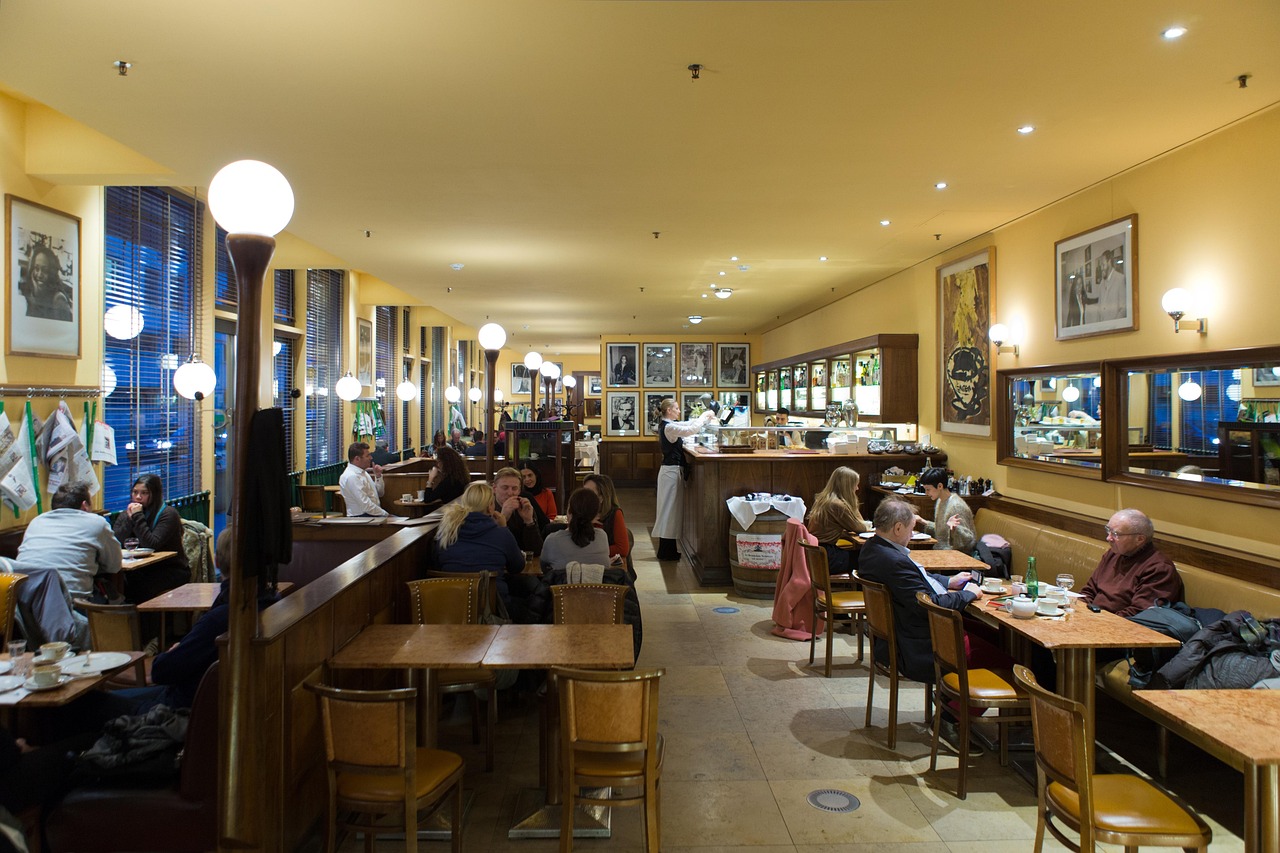
From here, stroll along Unter den Linden toward Museum Island. I like to grab a coffee from one of the side-street cafés; avoid the overpriced spots directly on the boulevard if you’re on a budget.
- Good coffee nearby: Father Carpenter (slight detour into a courtyard), The Barn (multiple locations).
Afternoon: Museum Island & Berlin Cathedral
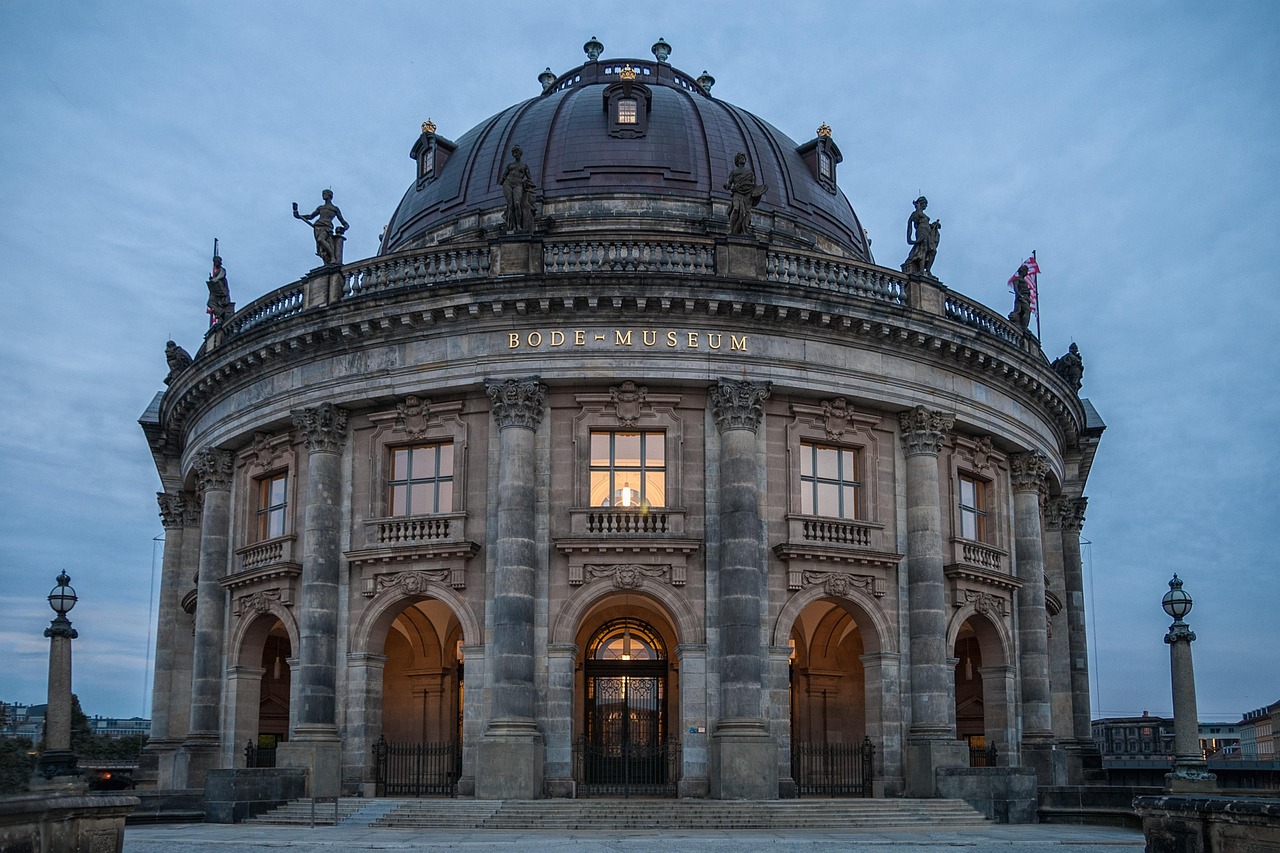
Museum Island is a UNESCO World Heritage Site with five major museums in stunning neoclassical buildings, plus the Berliner Dom (Berlin Cathedral). It’s easy to spend an entire day here, but for Day 1, pick one museum and the cathedral.
Pick One: Pergamon Museum (Partially Reopened), Neues Museum, or Alte Nationalgalerie
By 2026, the Pergamon Museum is in a staged reopening after its long renovation. Check what’s open—if the Pergamon Altar or Ishtar Gate are accessible, they’re worth the time. Otherwise, I often recommend the Neues Museum for first-timers (hello, Nefertiti) or the Alte Nationalgalerie if you like 19th-century art.
- Tip: Get a Museum Island day pass if you’re a museum person; it can be great value.
Berlin Cathedral (Berliner Dom)
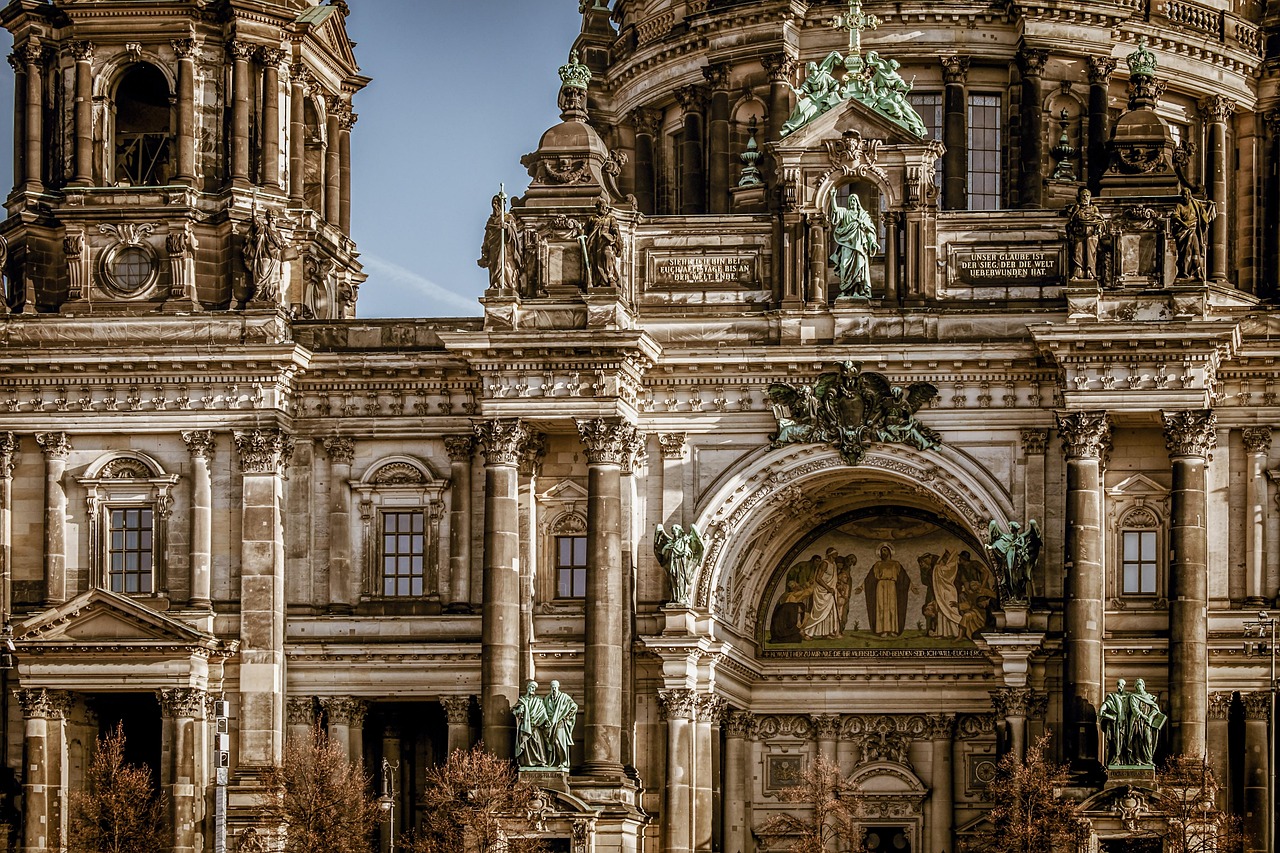
I still remember climbing up the dome on a chilly March day and being hit by wind and a 360° view of central Berlin. The interior is ornate, almost overwhelming compared to much of Berlin’s practicality.
- Romantic angle: Time your dome visit for late afternoon and watch the light fade over the Spree.
- Family-friendly: Kids usually love the climb and the view; just watch the stairs with little ones.
Evening: Hackescher Markt & Spree Promenade
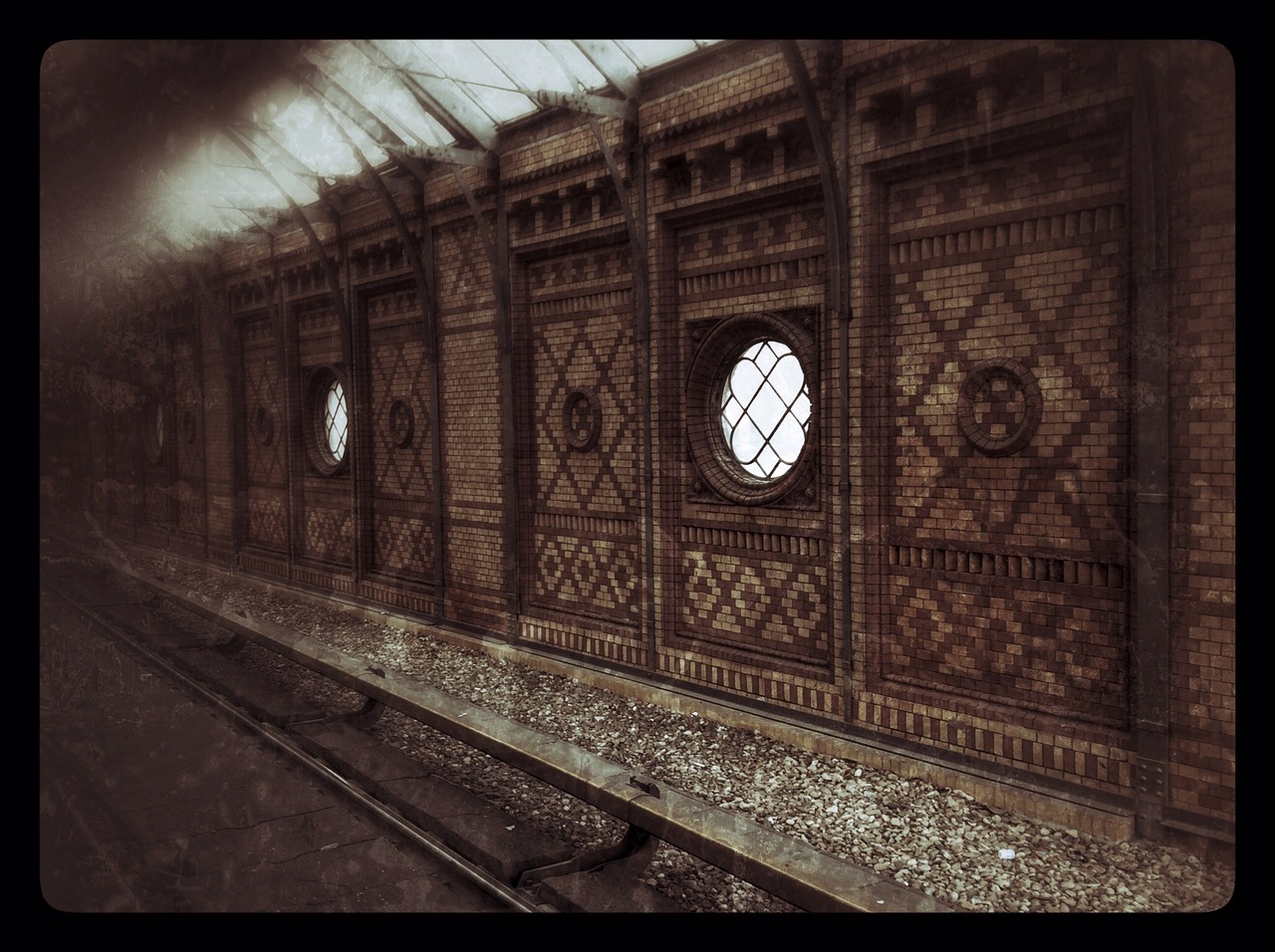
Finish your first day around Hackescher Markt and the Spree. This area gives you classic “first-night-in-Berlin” vibes—courtyards, street art, and a mix of tourists and locals.
- Dinner ideas:
- Affordable: Vietnamese on Torstraße (Monsieur Vuong is classic, but there are many good spots).
- Mid-range: Modern German around Hackescher Markt or Mitte.
- Splurge: One of the fine-dining spots in Mitte—book ahead.
- Nightcap: A riverside drink near Museumsinsel or a cocktail bar in Mitte.
Day 2: Cold War Berlin, Checkpoint Charlie & Kreuzberg
On my second day with first-time visitors, I usually dive into the Cold War story and then lighten it up with food and canal-side hangs in Kreuzberg.
Morning: Topography of Terror & Remnants of the Wall
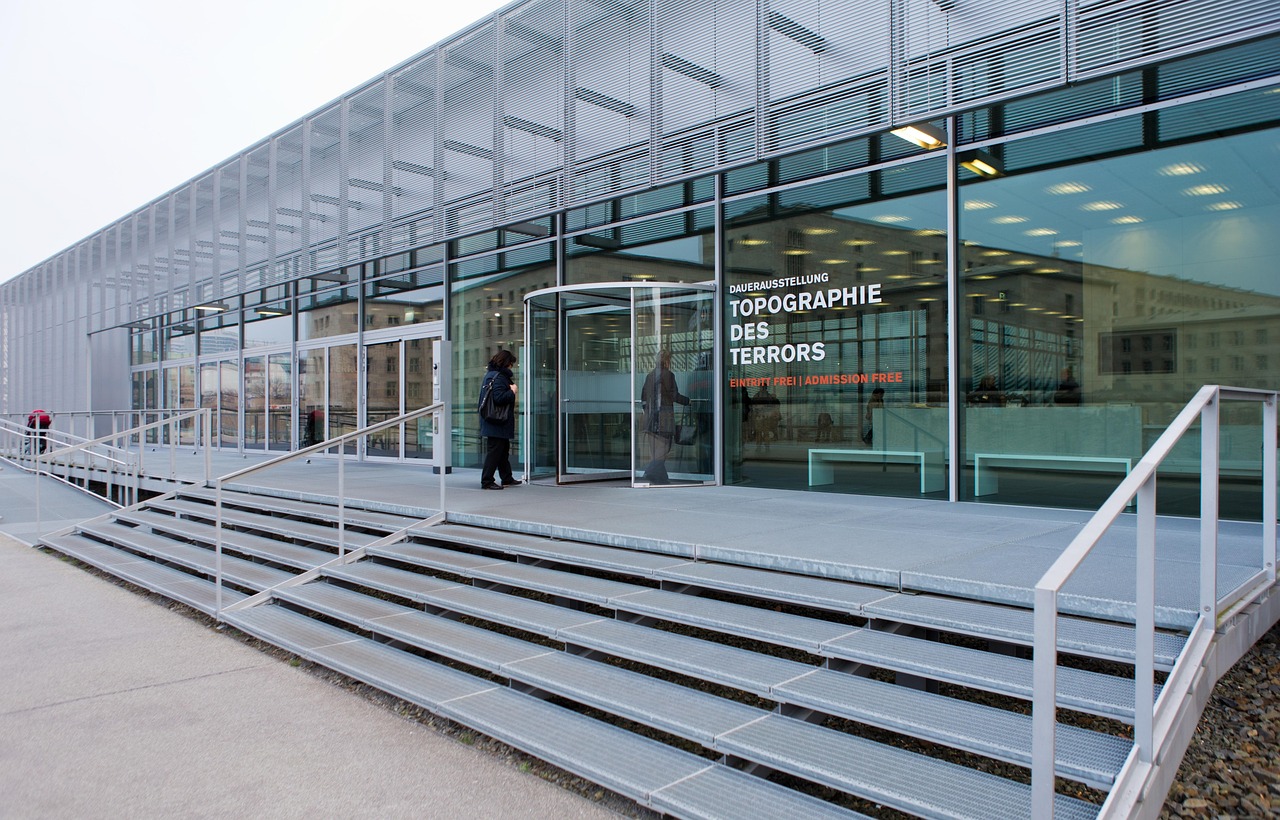
Start at the Topography of Terror, built on the former Gestapo and SS headquarters. The mix of outdoor exhibits and the indoor documentation center is intense but well-presented.
- Time needed: 1.5–2 hours.
- Tip: It’s free and doesn’t require booking—good to pair with nearby sites.
Checkpoint Charlie & Surroundings
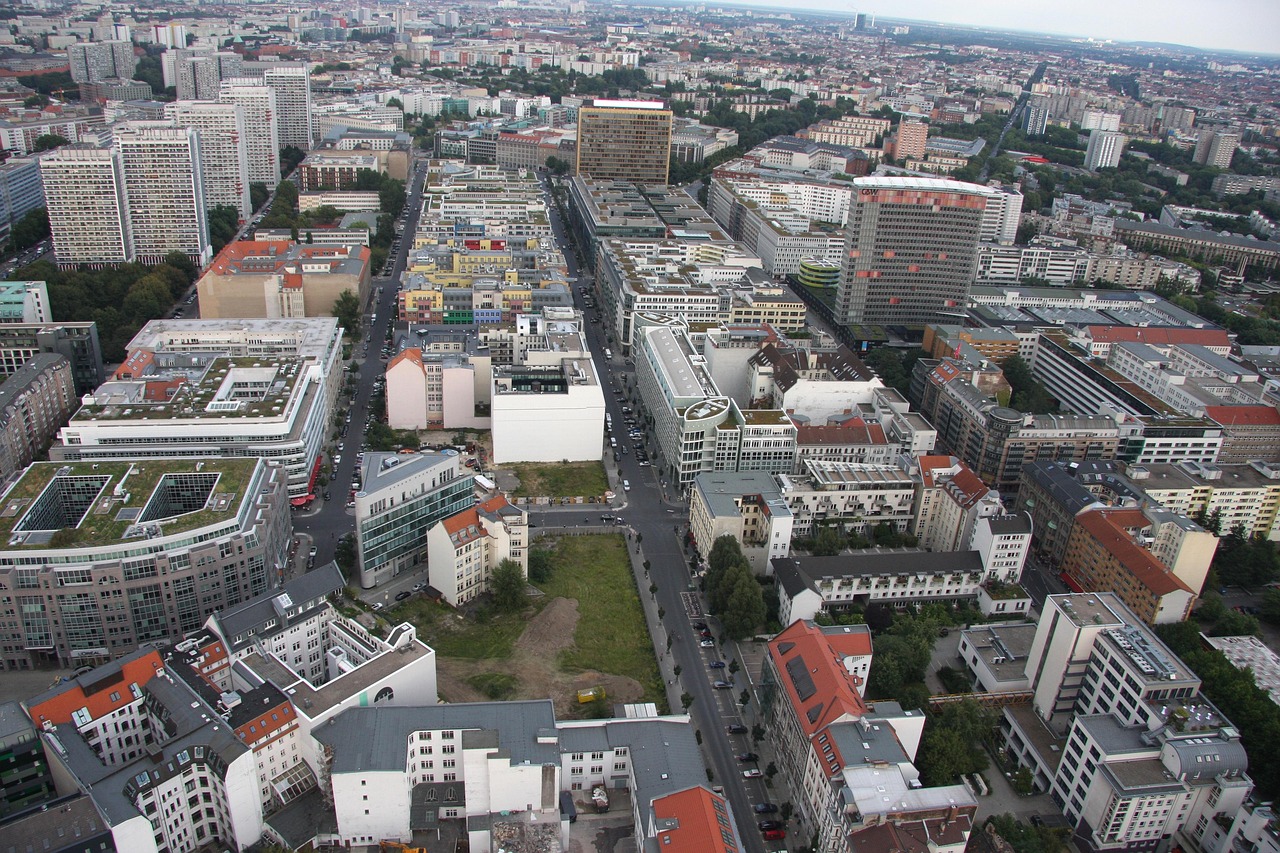
Checkpoint Charlie itself is one of the few Berlin sights I rarely linger at—overly touristy. But it’s worth passing through to understand its symbolic place in Cold War history. Around it, some newer museums and exhibitions (including augmented reality experiences by 2026) give context.
On one visit, I joined a walking tour that started here and ended near the East Side Gallery, following the path of the Wall. Having a guide trace the invisible line through modern streets was eye-opening.
Afternoon: East Side Gallery & Spree River Walk
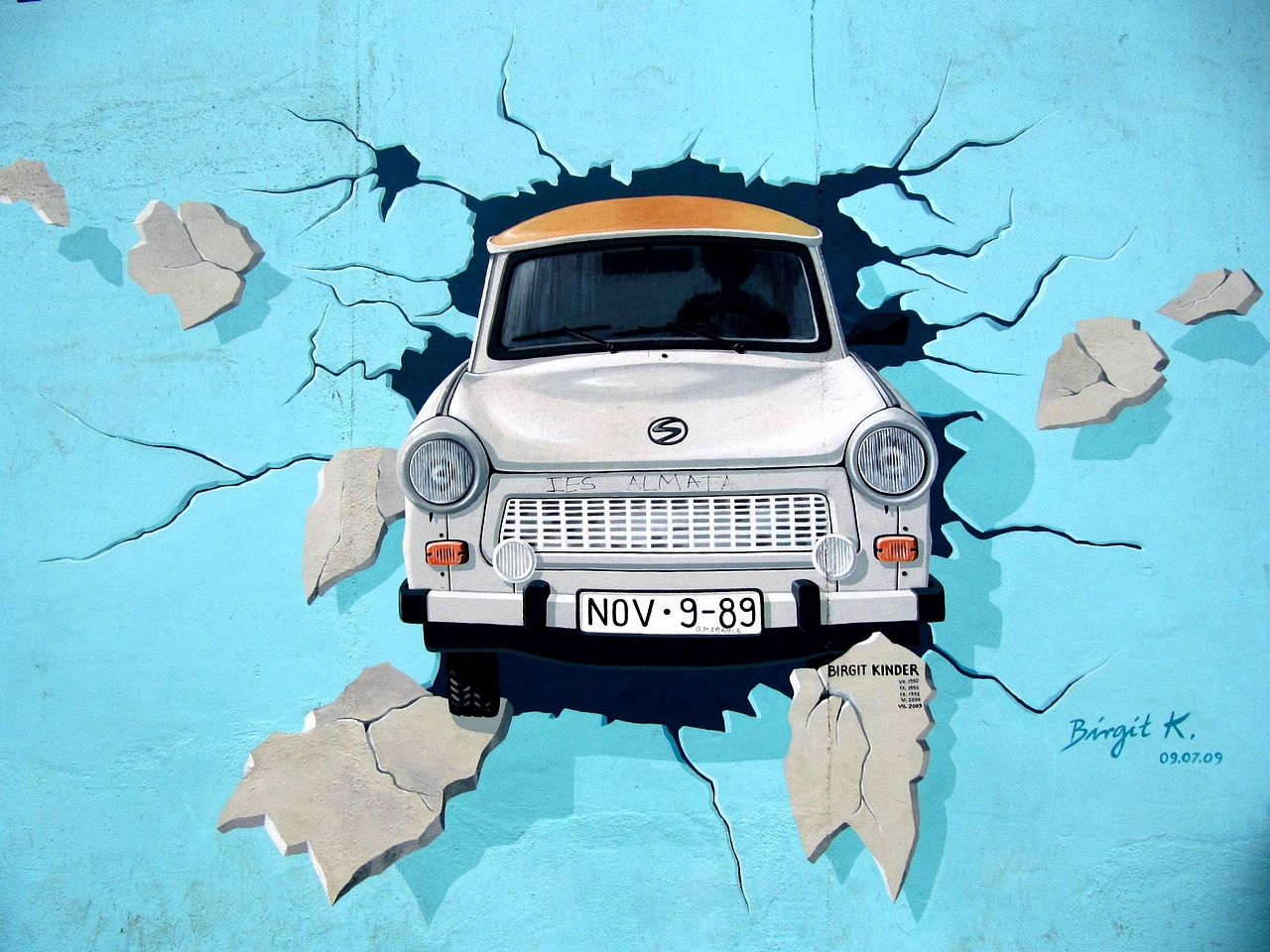
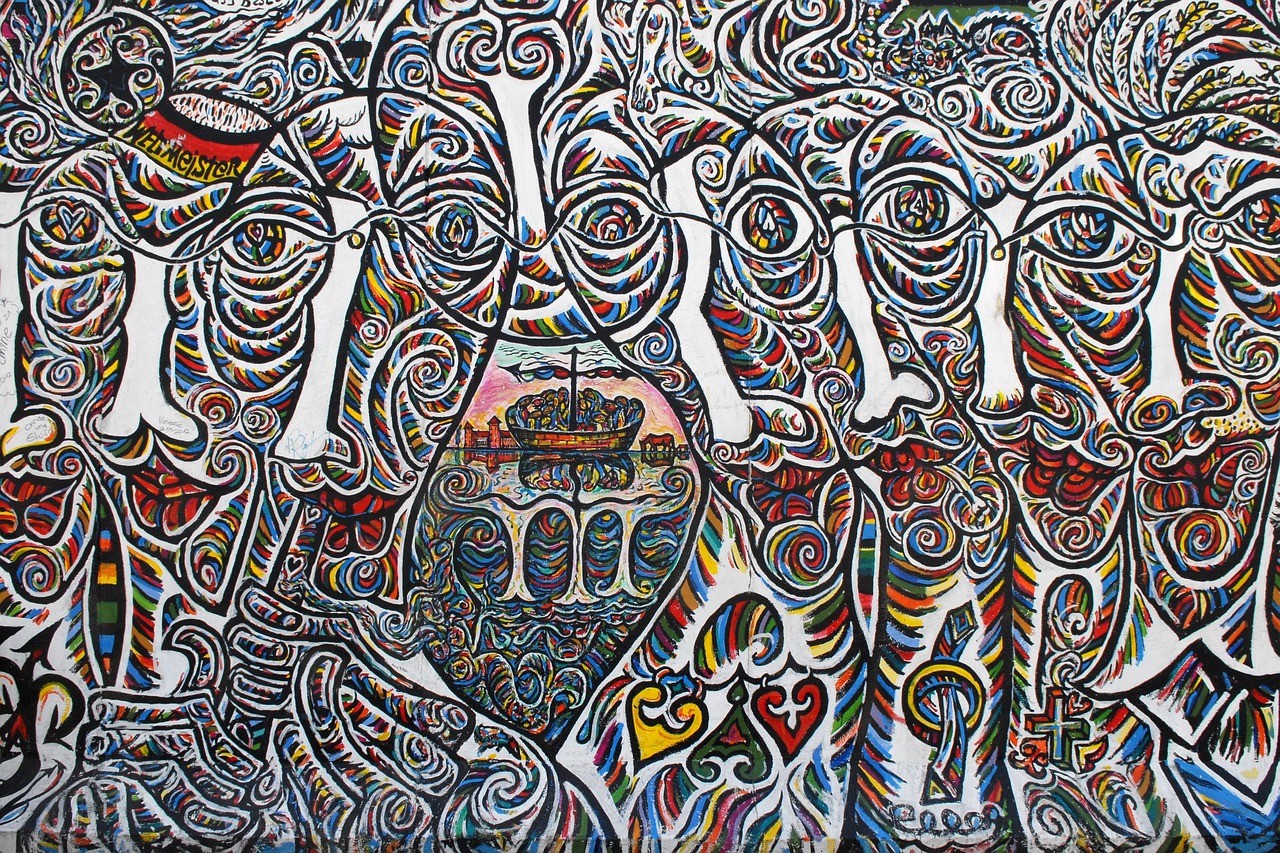
Head to the East Side Gallery, the longest remaining stretch of the Berlin Wall, now covered in murals. Yes, it’s crowded, but I still love walking the full length occasionally, noticing which murals age gracefully and which feel stuck in another era.
- Nearest stations: Ostbahnhof or Warschauer Straße.
- Family-friendly: Kids often enjoy the colorful art and river views.
Evening: Kreuzberg Food & Landwehr Canal
Cross the Spree into Kreuzberg, one of my personal favorite areas. In warm months, the banks of the Landwehrkanal fill with people drinking beer, playing music, and just hanging out. It’s the perfect place to feel “everyday Berlin.”
- Food: Grab a döner (Mustafa’s, Rüyam, or just a busy-looking local place), ramen, or Middle Eastern food. Kreuzberg is excellent for veggie/vegan options.
- Nightlife: Bars around Görlitzer Park and Kottbusser Tor; live music venues; or catch an open-air cinema in summer.
Day 3: Neighborhoods, Street Art & Everyday Berlin
Day 3 is where you lean into Berlin’s neighborhoods—especially Prenzlauer Berg, Friedrichshain, and maybe Neukölln—instead of chasing only big sights.
Morning: Prenzlauer Berg Brunch & Mauerpark
Prenzlauer Berg on a Sunday morning is brunch central. I like to start at a café on Kollwitzplatz or Helmholtzplatz, then wander slowly toward Mauerpark.
On Sundays, the Mauerpark flea market is chaos in the best way—vintage clothes, records, handmade jewelry, and a lot of junk. I once spent two hours bargaining for a vintage East German camera that I now barely use but treasure for the story alone.
- Family-friendly: Great for kids to run around; food stalls offer snacks from all over.
- Tip: Bring cash; many flea market stalls are still cash-only.
Afternoon: Street Art & Friedrichshain Vibes
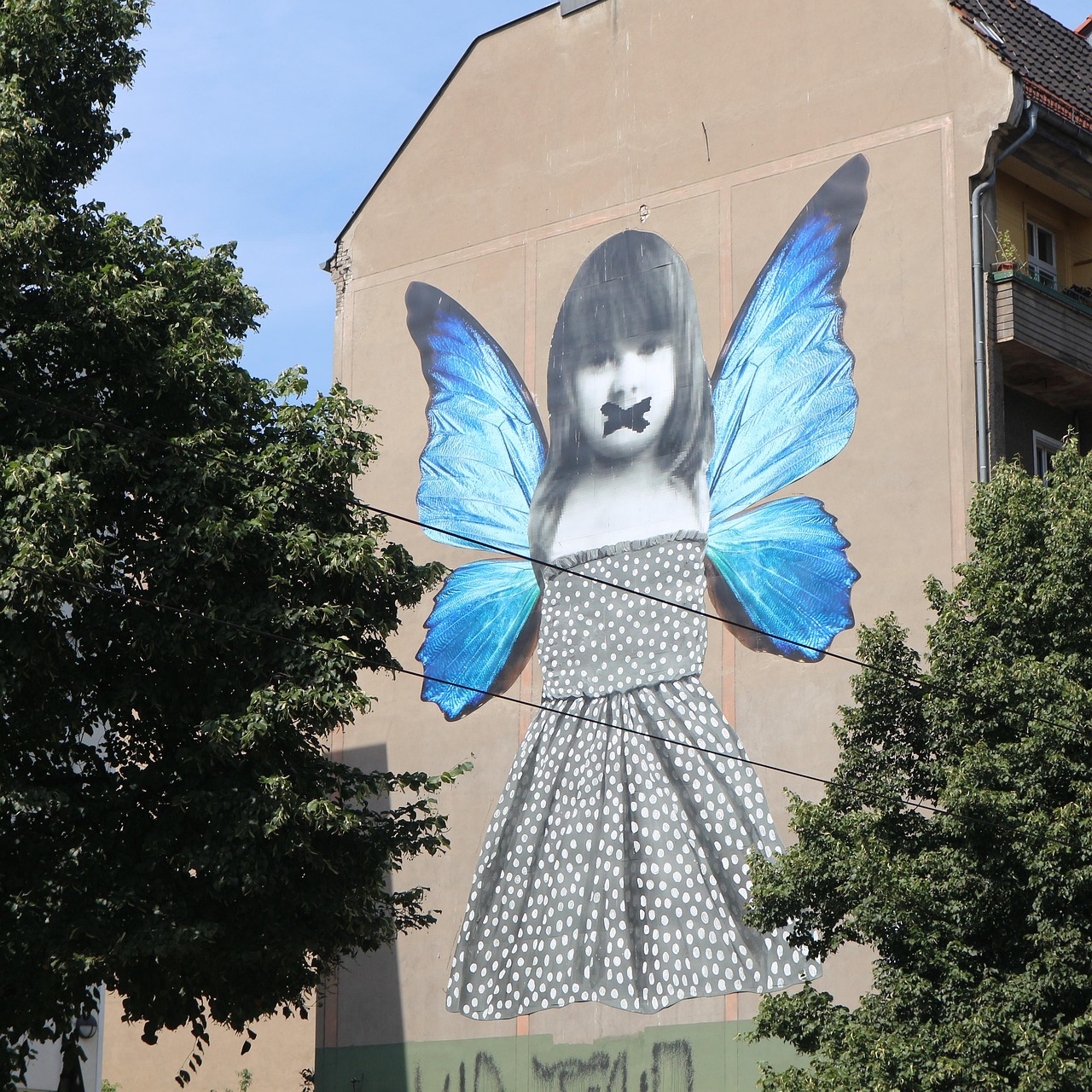
Head over to Friedrichshain. I sometimes join a street-art walking tour that explains the stories behind the murals and tags—so much of Berlin’s identity lives in these layers of paint.
- Hidden gem: The courtyards off Simon-Dach-Straße have some surprisingly quiet corners if you step away from the main bar street.
Evening: Neukölln Rooftops or Quiet Dinner
If you still have energy, hop to Neukölln for a rooftop bar with sunset views—perfect for couples or friends. On colder nights, I like finding a cozy, dimly lit bar with second-hand furniture and candles on the tables; Neukölln has plenty.
If you only have 3 days in Berlin, this evening is a good time to recap and revisit your favorite neighborhood or sight.
Day 4: Charlottenburg, West Berlin & Lakes
If you have 4 days in Berlin, use Day 4 to explore the western side: elegant boulevards, a Prussian palace, and maybe a lake escape if the weather’s good.
Morning: Charlottenburg Palace
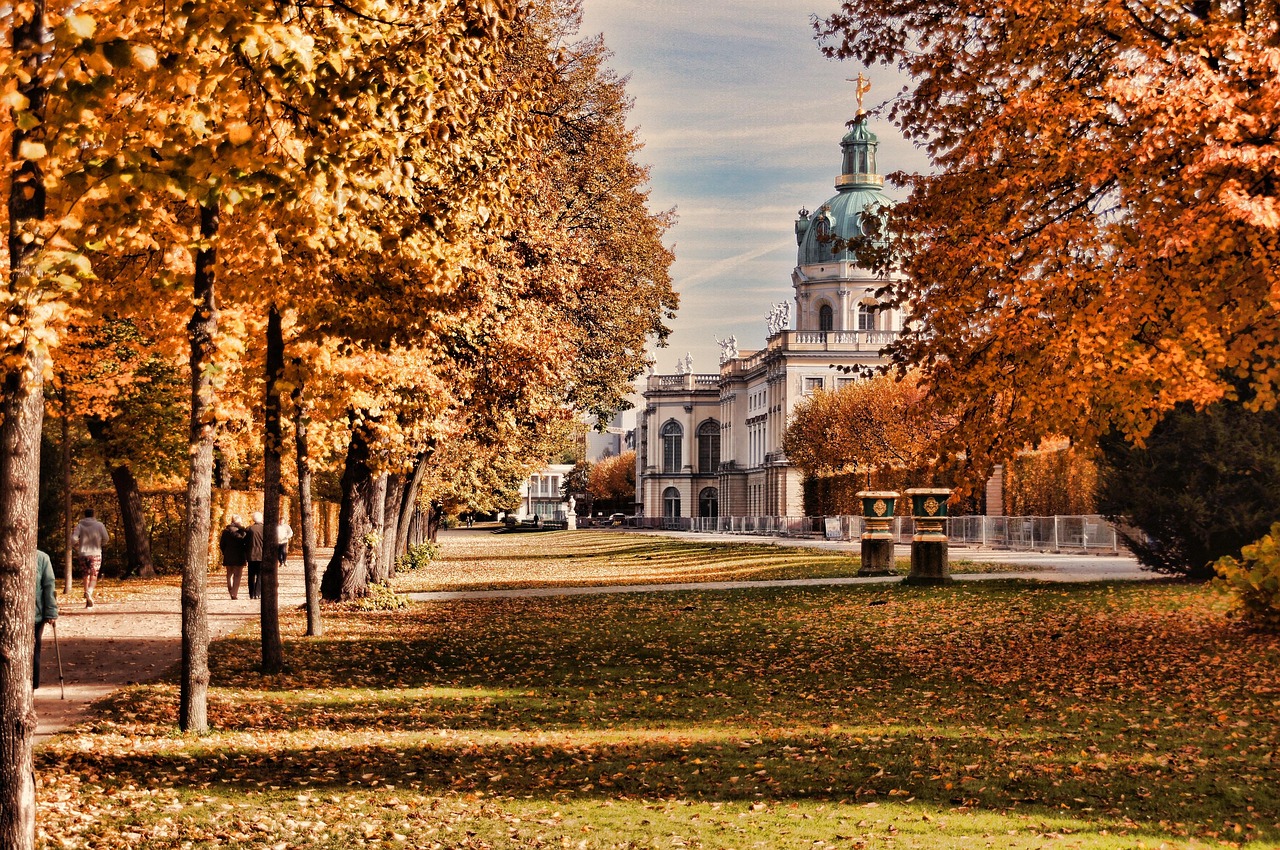
Schloss Charlottenburg feels like stepping into a different city. The baroque palace and its gardens are a calm counterpoint to gritty central Berlin. I like coming in spring when the flowers start to bloom or in autumn for that golden light on the palace facade.
- Romantic: A stroll through the gardens early in the day, away from the crowds.
- Tip: Combine palace interiors with a walk along the Spree nearby.
Afternoon: Kurfürstendamm, Kaiser Wilhelm Memorial Church & Zoo
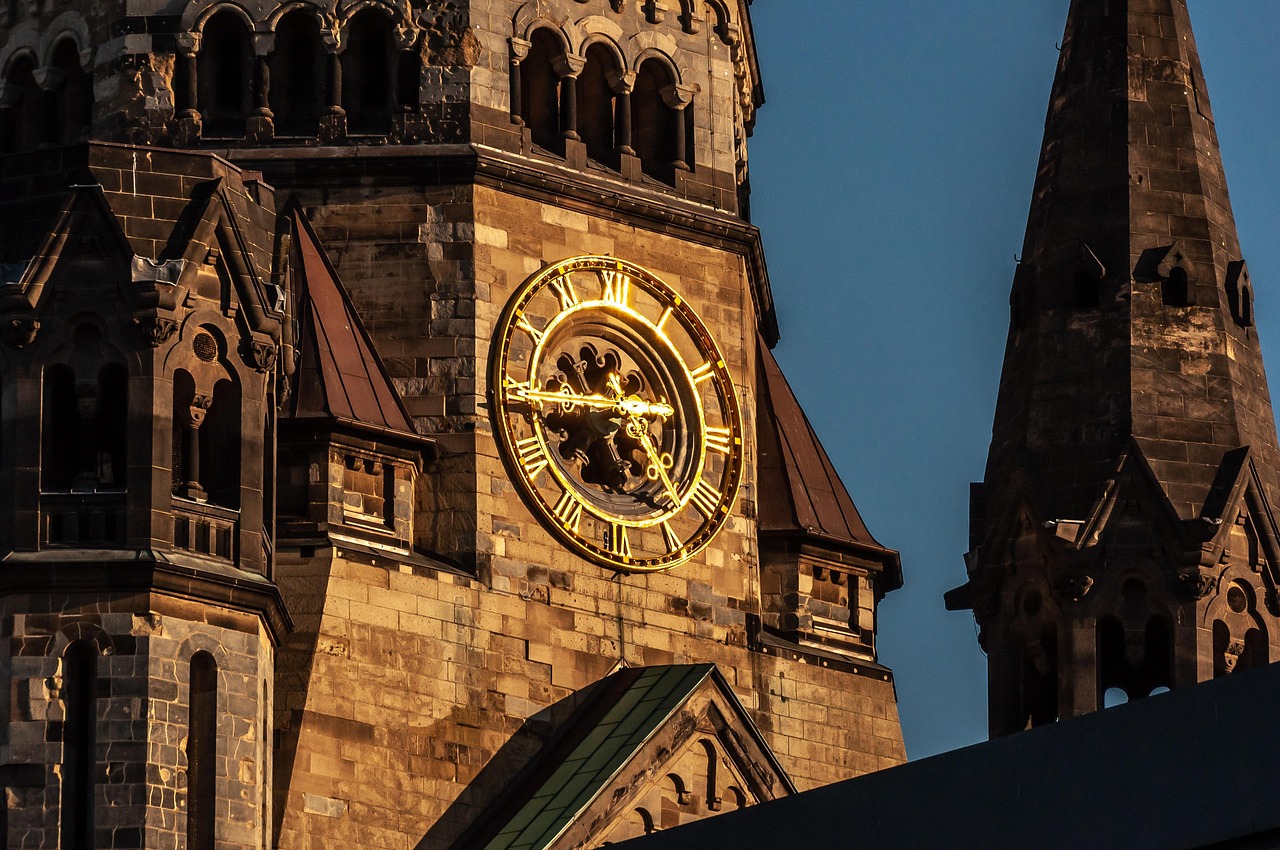
Make your way to Kurfürstendamm (Ku’damm), old West Berlin’s shopping boulevard, and the striking Kaiser Wilhelm Memorial Church. The bombed-out tower next to the modern blue-glass church is one of the most moving symbols of the city’s WWII scars.
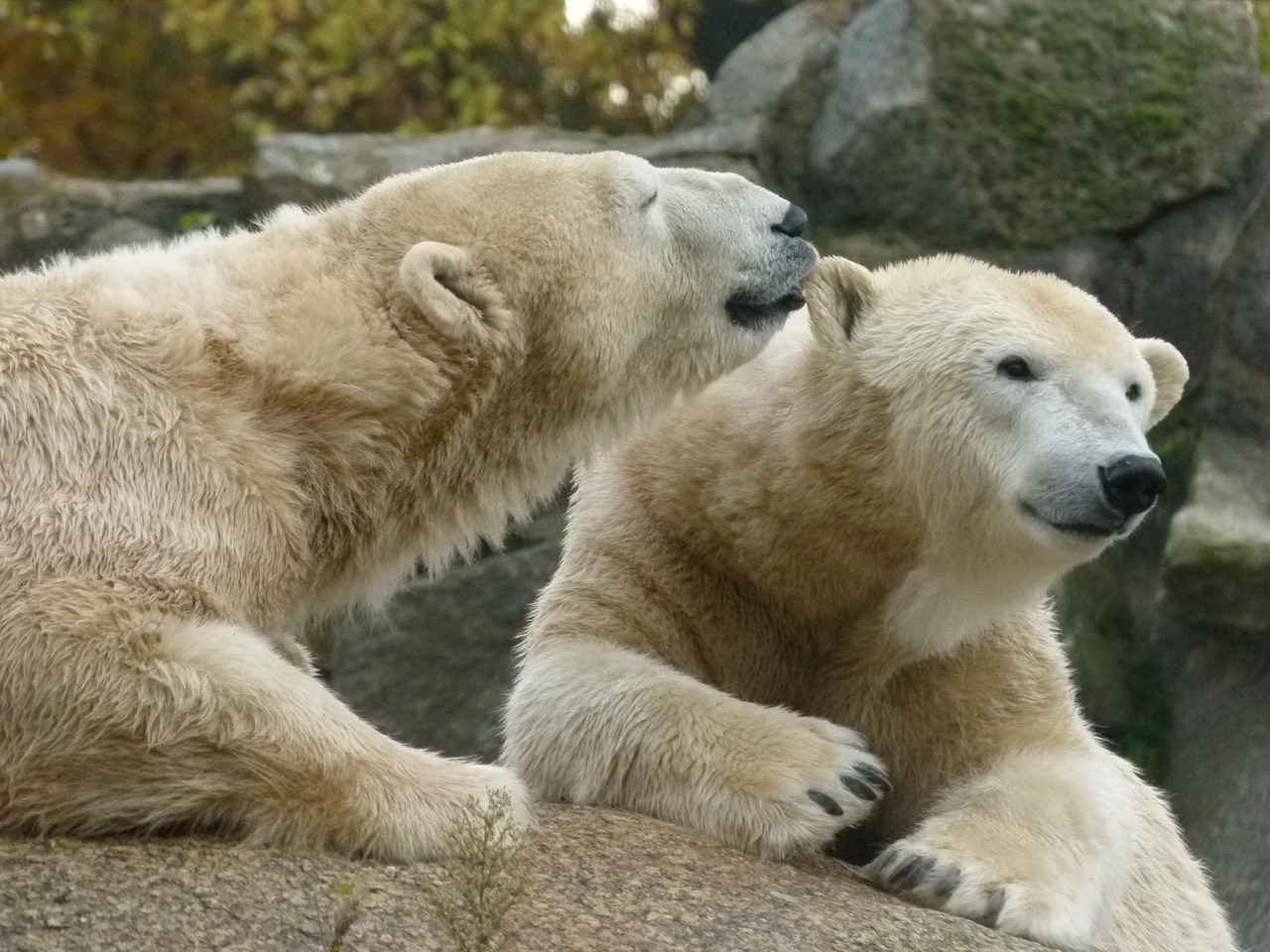
Next door is the Berlin Zoo, very popular with families. I’ve gone with friends’ kids, and it easily fills half a day. The aquarium is great on rainy days.
Optional Late Afternoon: Lake Wannsee or Schlachtensee

On hot days, escape to a lake—Berliners are obsessed with their lakes and for good reason. Wannsee has a “beach resort” feel; Schlachtensee is quieter and ringed by forest trails.
- Tip: Bring a towel and swimsuit; many lakes have small kiosks but limited shade.
Day 5: Potsdam Day Trip or Deep-Dive Neighborhoods
With 5 days in Berlin, you have time for a full-day trip or a more relaxed deep dive into your favorite parts of the city.
Option 1: Day Trip to Potsdam
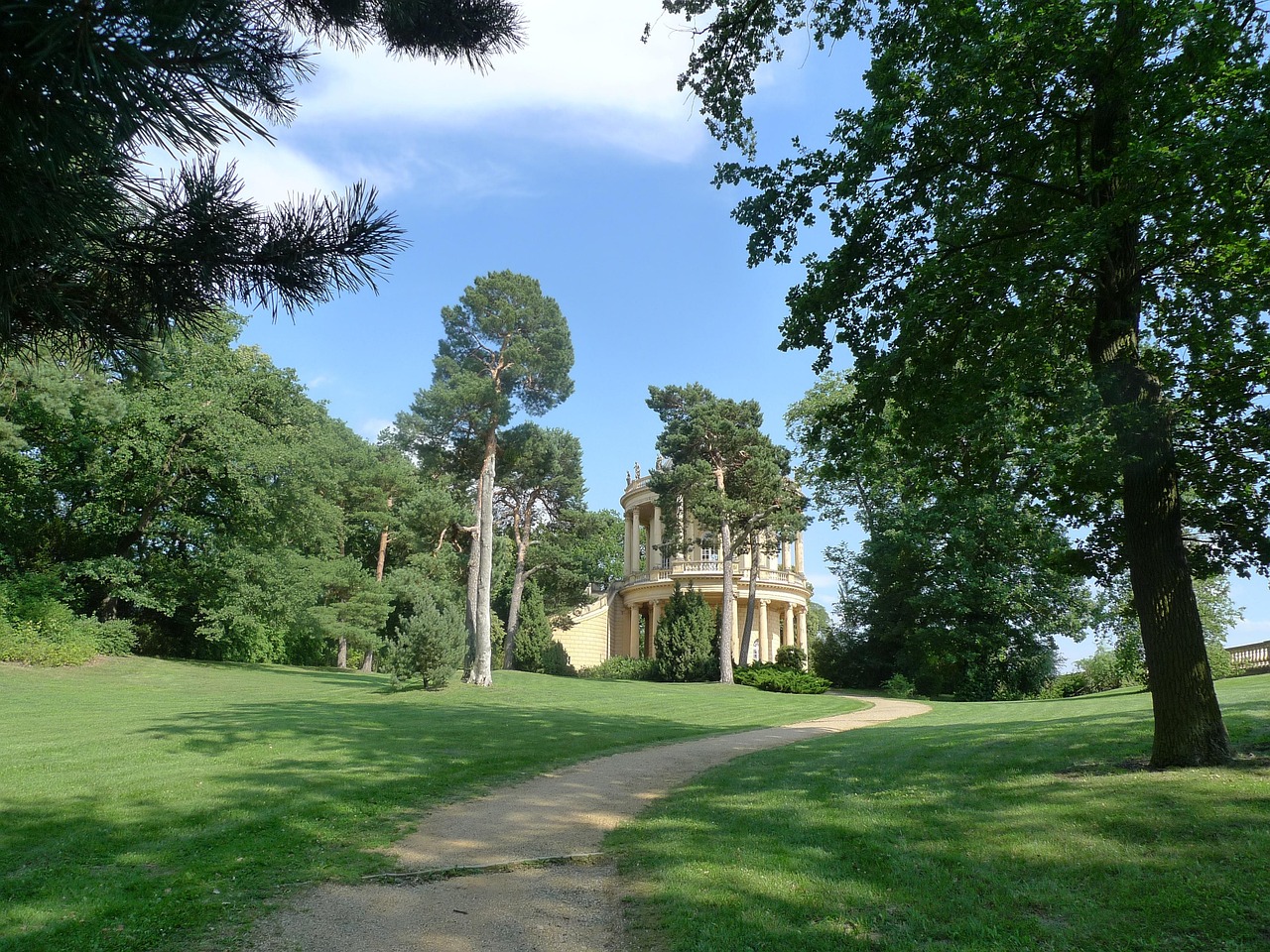
Potsdam is an easy 40-minute S-Bahn ride and feels like a royal garden escape. The highlight is Sansomly Palace and its terraced gardens. I still remember picnicking on the grass with friends, watching tour groups pass by while we lazily planned nothing.
- Romantic: Stroll through the park, find a quiet bench, and just sit together.
- Family-friendly: Lots of open space, palaces to explore, and ice cream stands in summer.
Option 2: Deep-Dive Berlin Neighborhoods
If you prefer to stay in the city, use Day 5 to:
- Revisit your favorite neighborhood (Neukölln, Kreuzberg, or Prenzlauer Berg) and wander without a plan.
- Explore Tempelhofer Feld, the former airport turned massive park.
- Discover more niche museums: Jewish Museum, German Historical Museum, Hamburger Bahnhof, or GDR Museum.
20 Must-See Attractions in Berlin (Deep Dives, History & Tips)
Here’s a closer look at 20 of the best places to visit in Berlin, with personal anecdotes, history, and practical tips. You’ve already seen many in the itineraries; this section goes deeper so you can decide what to prioritize.
1. Brandenburg Gate
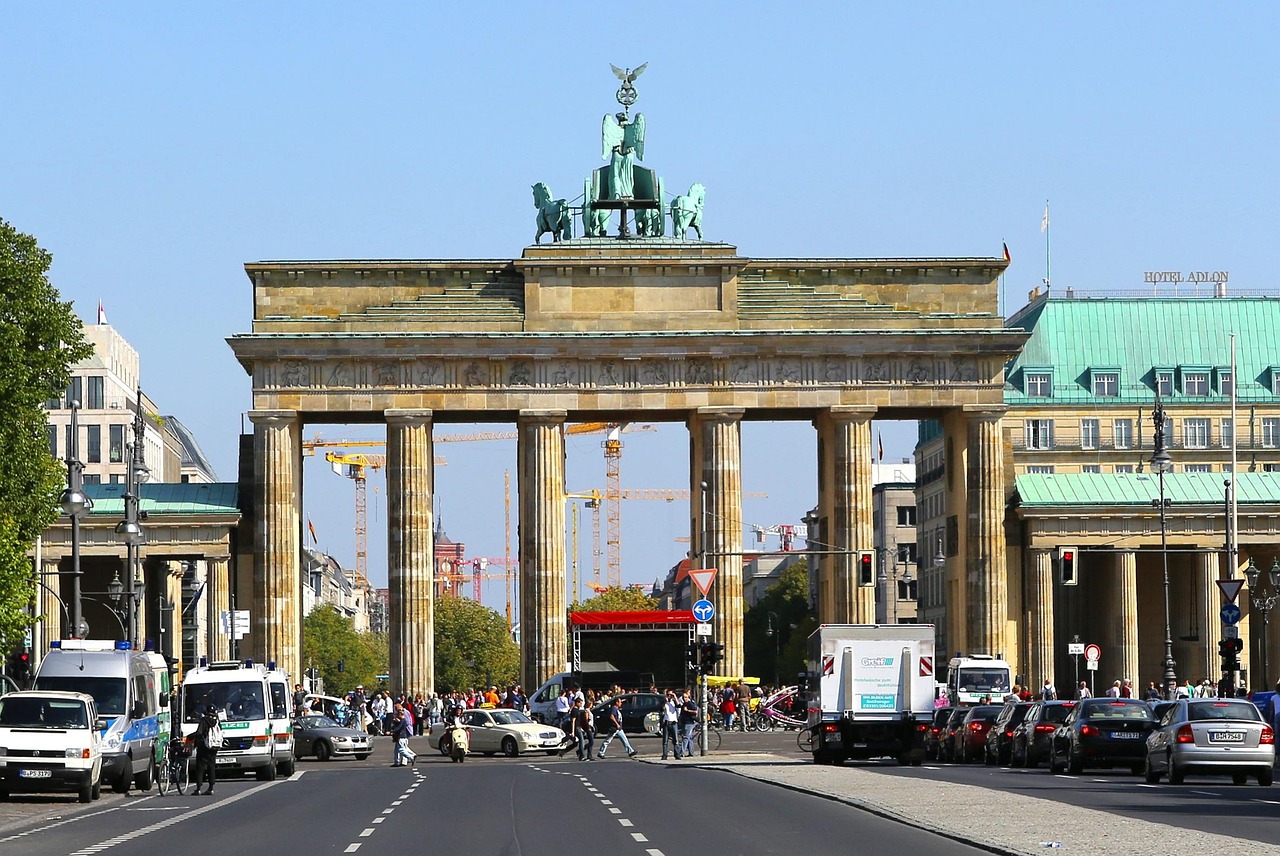
The Brandenburg Gate is Berlin’s triumphal arch and the city’s most recognizable symbol. Built in the late 18th century, it’s seen everything from Napoleonic troops to Nazi parades, Cold War stand-offs, and the celebrations of reunification in 1989.
One winter, I stood here on New Year’s Eve as fireworks exploded above and strangers hugged each other in the cold. Another time, it was a quiet Tuesday morning with just a few joggers and a street cleaner. Both moments felt equally “Berlin.”
- Why go: It’s the centerpiece of many historic events and a perfect starting point.
- When: Early morning or late evening for fewer crowds and better photos.
2. Reichstag & Glass Dome
The Reichstag is where Germany’s federal parliament meets. The original 1894 building was heavily damaged by fire and war; the current version, completed in the late 1990s by architect Norman Foster, combines historic stone with a futuristic glass dome.
On one of my visits, I booked a late-afternoon slot and watched office lights flicker on across the city as the sun went down. The audio guide walks you through Berlin’s landmarks and history as you ascend the spiral walkway.
- Booking: Mandatory online registration (free). Bring ID matching your reservation.
- Time: 60–90 minutes including security.
3. Museum Island
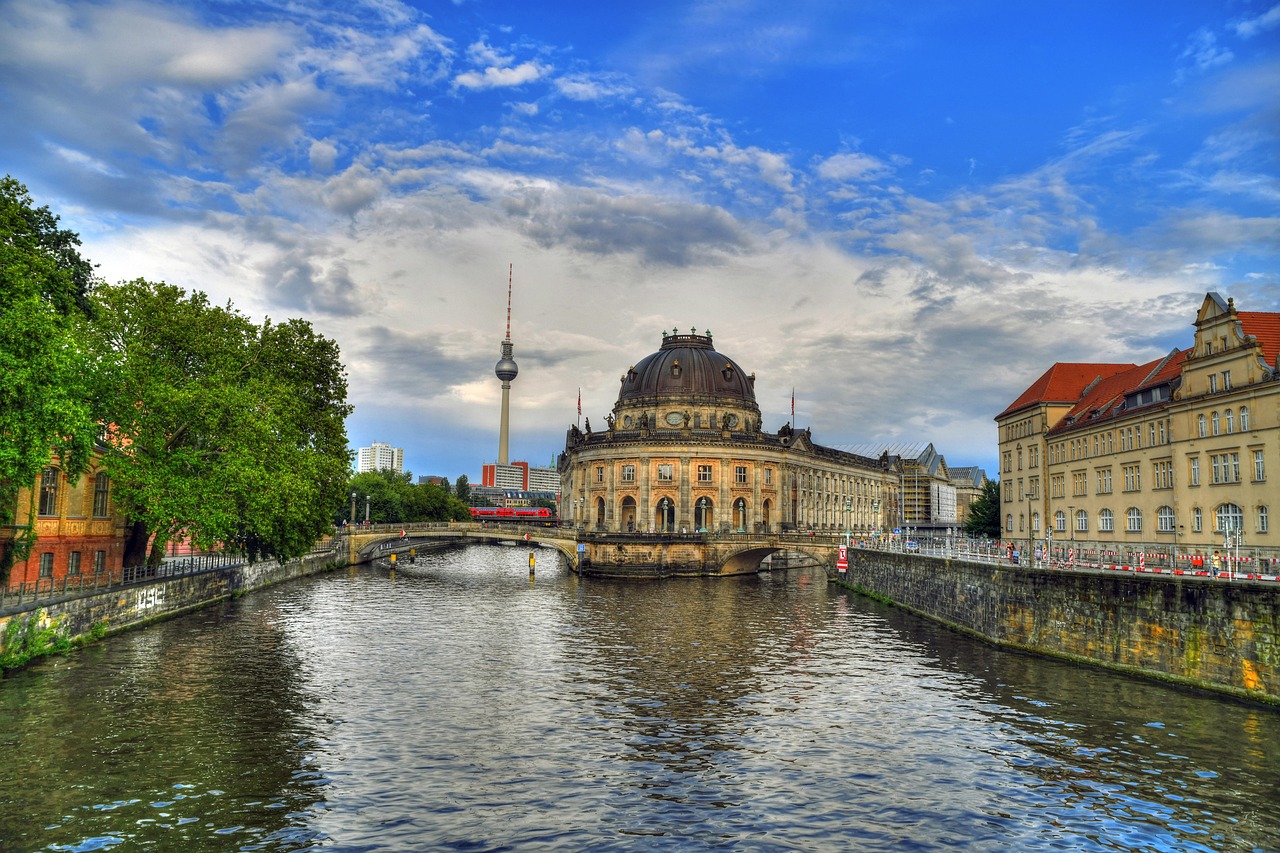
Museum Island gathers five world-class museums on an island in the Spree: Pergamon, Bode, Neues, Alte Nationalgalerie, and Altes Museum. Together, they form a kind of time machine, from ancient Mesopotamia to 19th-century European art.
I’ve done both the “sprint” (one museum in two hours) and the “marathon” (three museums in a day). The marathon is intense but deeply satisfying if you’re a museum nerd.
- Best for: Rainy days, art and history lovers.
- Tip: Consider a combined ticket; check current renovations (Pergamon is partially reopened in 2026).
4. Berlin Cathedral (Berliner Dom)
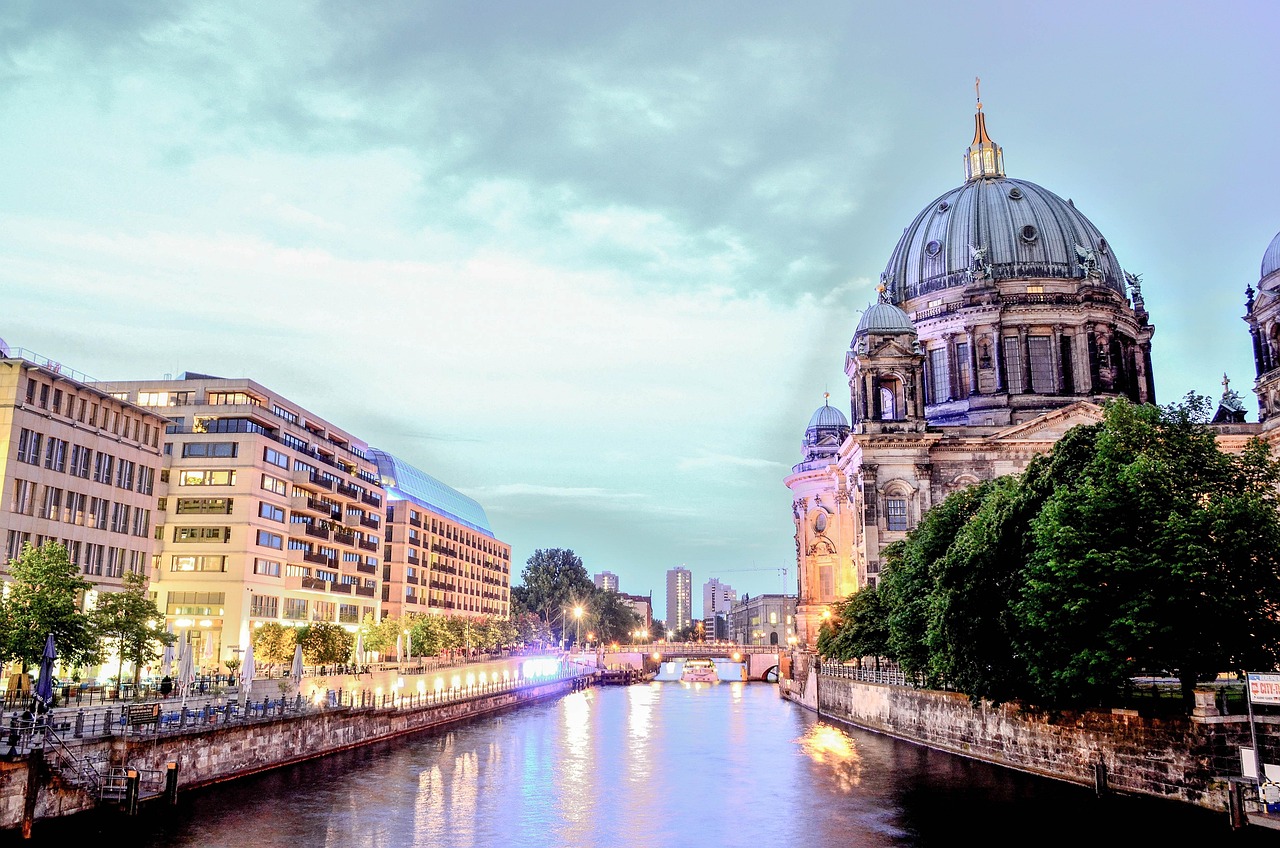
The Berliner Dom is lavish and theatrical, especially compared to Berlin’s generally understated Protestant churches. The imperial crypt, the ornate altar, the organ concerts—it all feels a bit like a scene from a historical drama.
The dome climb is the highlight for me: 360° views over Museum Island and central Berlin. On clear days, you can see as far as the TV Tower and beyond.
5. Memorial to the Murdered Jews of Europe
This memorial’s 2,711 concrete blocks rise and fall in a wave across a city block. As you walk deeper, the ground slopes, and the slabs tower above you, creating a disorienting, claustrophobic maze.
I’ve been here on bright days when kids play hide-and-seek and on grey days when the mood feels more somber. Both experiences say something about how memory lives in a living city.
- Tip: Visit the underground information center; it adds crucial context.
6. East Side Gallery
The East Side Gallery is a 1.3 km long open-air gallery on a preserved section of the Berlin Wall. The murals range from iconic (the “Fraternal Kiss”) to political to surreal.
When I first walked it, I stopped constantly to photograph small details: a phrase here, a cracked paint texture there. The murals change over time with restorations and new works, so it never feels exactly the same.
7. Topography of Terror
Built on the site of the former Gestapo and SS headquarters, this documentation center is one of the most thorough and sobering places to learn about Nazi terror apparatus. Outdoor panels run alongside a preserved section of the Wall; inside, exhibitions go deep into documents, photos, and testimonies.
I usually plan something lighter afterward—a walk, a café—because it’s emotionally heavy.
8. Checkpoint Charlie
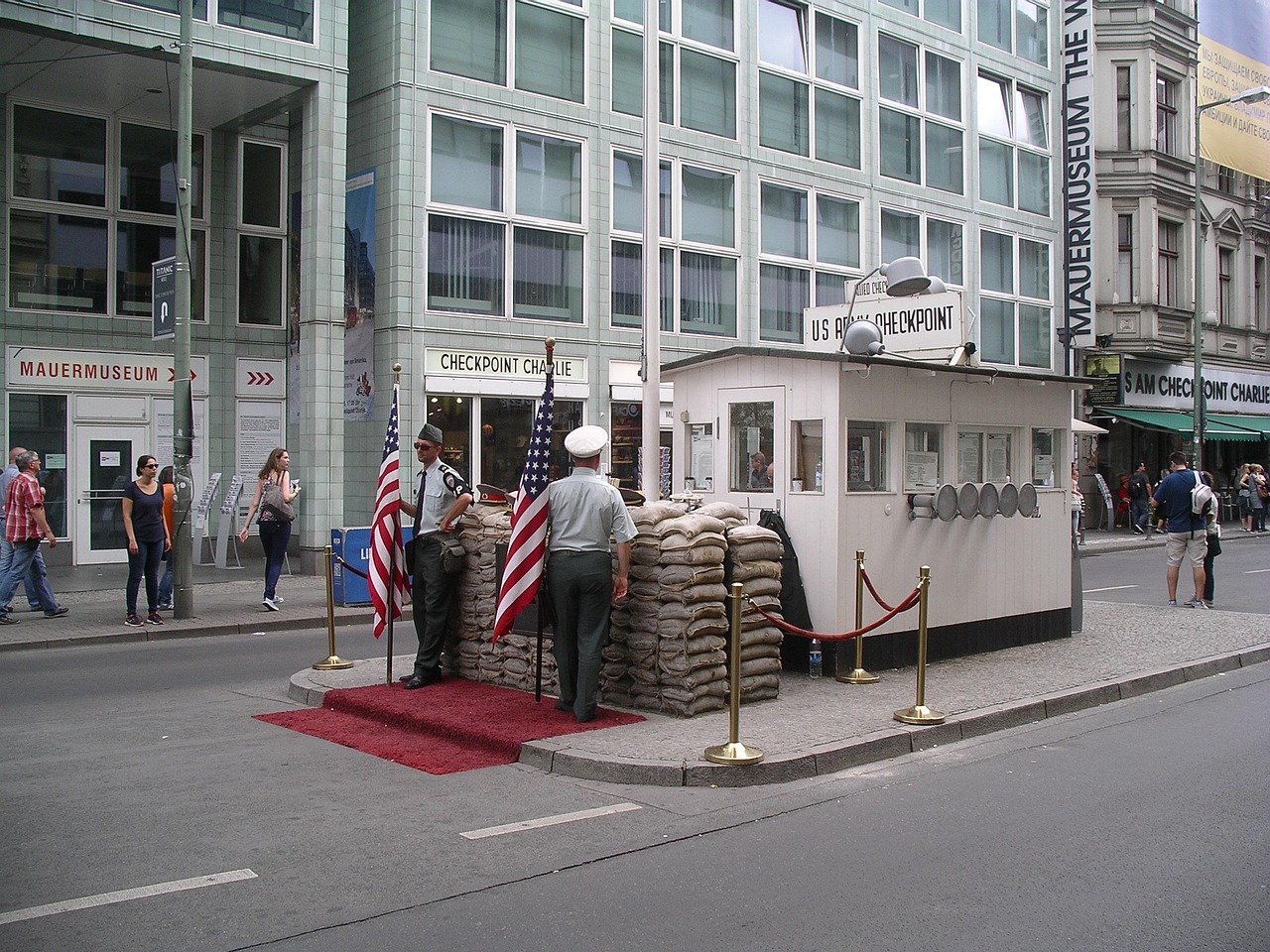
Once the most famous border crossing between East and West Berlin, Checkpoint Charlie is now a bit of a circus: actors in uniforms, fast-food chains, souvenir stands. Yet, when you look past the kitsch, the idea that people risked their lives to cross here hits hard.
On a guided tour, I heard stories of escape attempts—some successful, many not—that made the spot feel more than just a photo-op.
9. Berlin Wall Memorial (Bernauer Straße)
This is my favorite place to really understand the Wall. Along Bernauer Straße, you can see a preserved section with the death strip, watchtower, and documentation center explaining how the Wall cut straight through a neighborhood.
I once spent an entire afternoon reading every panel here. It’s less crowded than the East Side Gallery and much more informative.
10. Berlin TV Tower (Fernsehturm)
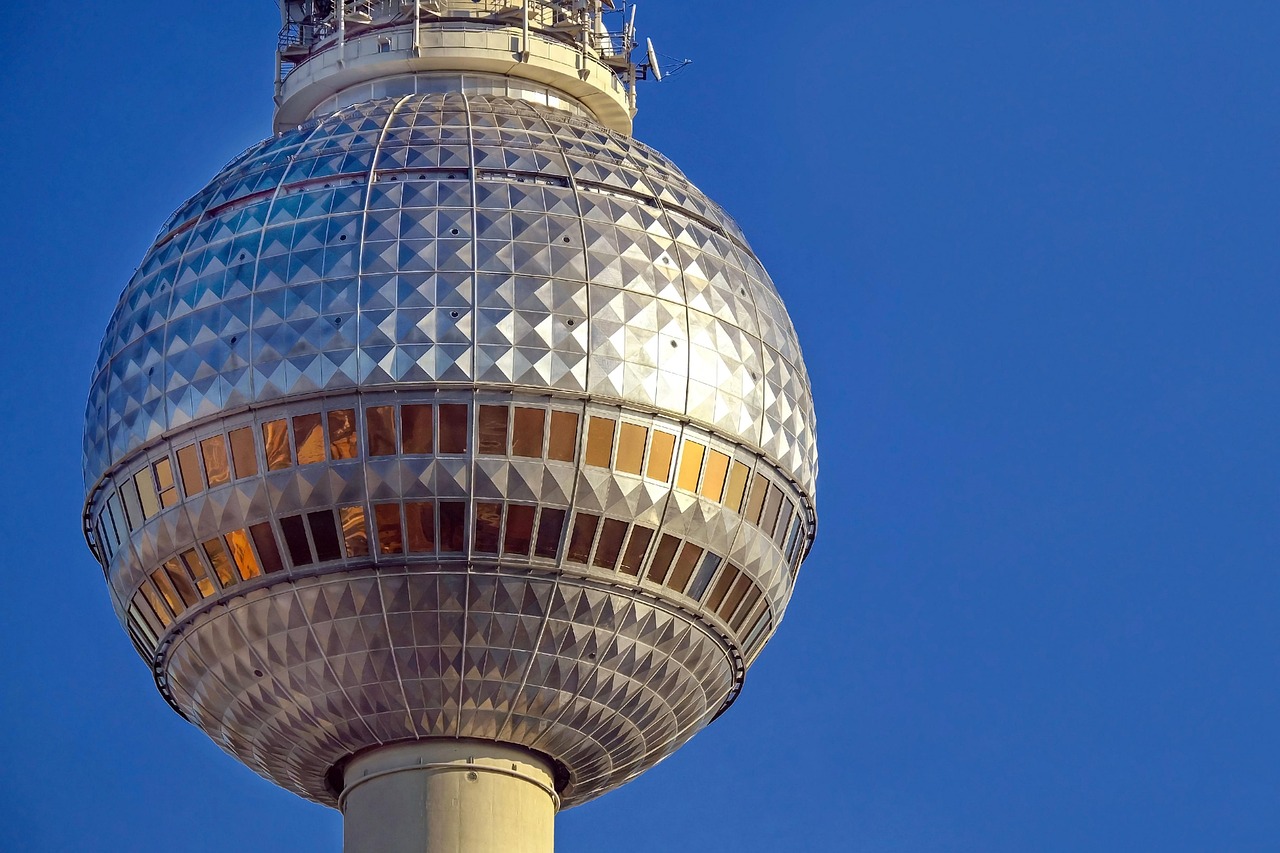
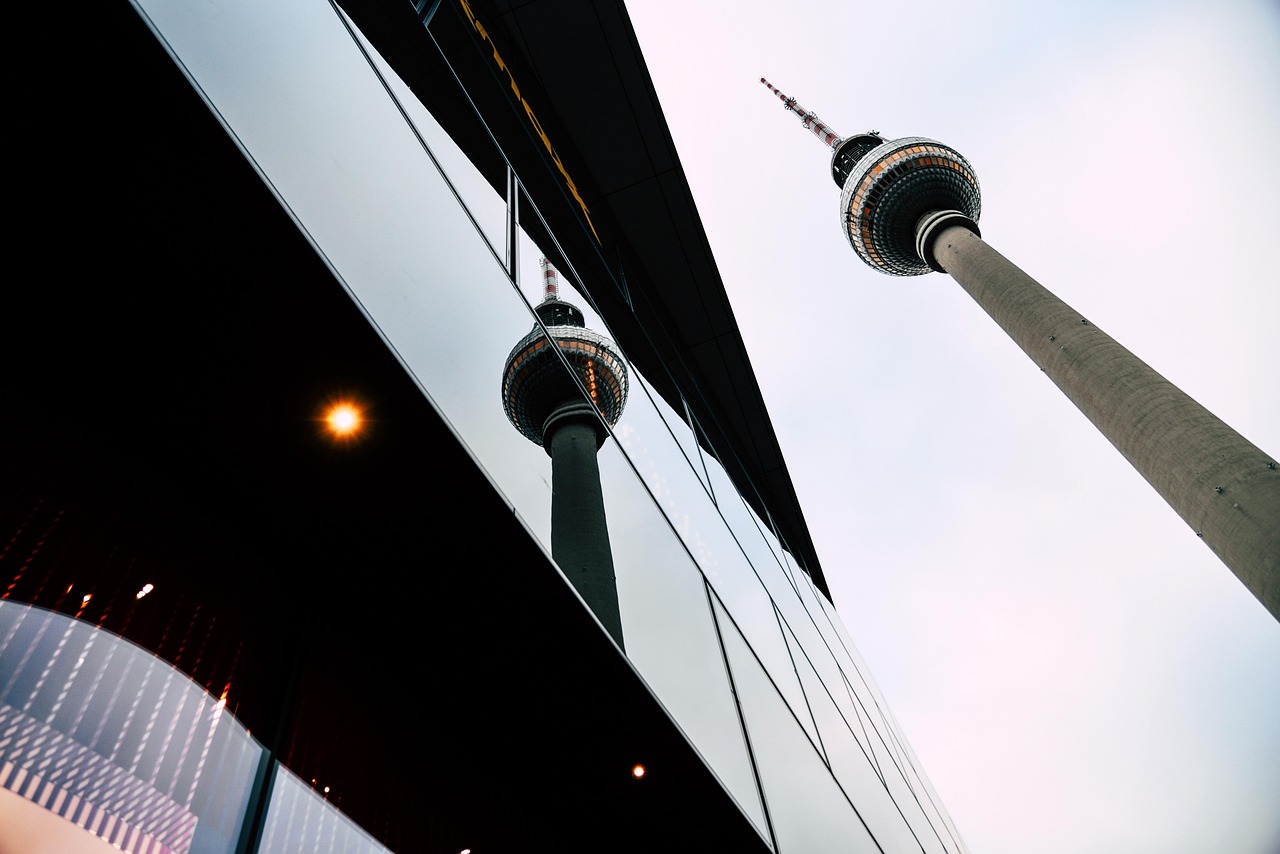
The Fernsehturm at Alexanderplatz is that silver needle you see in almost every Berlin skyline photo. Built by the GDR as a proud symbol of socialism, it’s now mostly a touristy observation deck and revolving restaurant—but the views are unbeatable.
On a clear evening, I timed my visit to catch sunset and the city lighting up—definitely worth the ticket price.
11. Alexanderplatz
Alex is not pretty, but it’s pure Berlin: concrete, trams, shopping centers, street food, and the iconic World Time Clock. It’s a major transport hub and a good orientation point.
I rarely linger long here, but I often pass through, grab a quick snack, and people-watch.
12. Gendarmenmarkt
Gendarmenmarkt is one of Berlin’s most elegant squares, framed by the German and French Cathedrals and the Konzerthaus. In winter, it often hosts one of the city’s best Christmas markets (check 2026 dates).
On warm evenings, I like to sit on the steps of the Konzerthaus with a takeaway coffee or ice cream and watch people drift through the square.
13. Charlottenburg Palace
Built as a summer residence for Sophie Charlotte, this baroque palace offers gilded halls, porcelain collections, and formal gardens that feel a world away from Berlin’s rough edges.
I love coming here in shoulder seasons—April/May or late September—when the gardens are alive but not packed.
14. Jewish Museum Berlin
Designed by Daniel Libeskind, the Jewish Museum is as much about architecture as exhibitions. The zigzag building, voids, and slanted walls physically disorient you, reflecting ruptures in Jewish life in Germany.
One of the most powerful experiences I’ve had in Berlin was walking through the “Memory Void” filled with metal faces (“Shalekhet”) that clanged underfoot with every step.
15. Tempelhofer Feld
Tempelhof is a decommissioned airport turned massive public park. The runways are now for cyclists, skaters, and kite-skaters; the grass fields fill with barbecues, kite-flyers, and people just lying around.
One summer evening, a friend and I biked full-speed down the runway as the sun set—no cars, just a long stretch of asphalt and the outline of the old terminal building behind us. It was pure freedom.
16. Mauerpark
Once a death strip along the Wall, Mauerpark is now one of the city’s liveliest parks. On Sundays: flea market, street food, and (if it’s running) the famous Bearpit Karaoke amphitheater where brave souls sing to a huge crowd.
Even on quiet weekdays, the park is good for a stroll and a look at the ever-changing graffiti on the remaining wall segments.
17. Berlin Zoo & Aquarium
One of Europe’s oldest zoos, Zoo Berlin is known for its diverse species and central location near Tiergarten. The adjacent aquarium is great for rainy days.
I’ve gone with friends and their kids; it’s an easy half-day that feels far from the city bustle, even though you’re right in the middle.
18. Tiergarten
Tiergarten is Berlin’s “green lung,” a huge park stretching from Brandenburg Gate toward the west. Lakes, tree-lined paths, and meadows make it perfect for picnics or a decompression walk between sightseeing stops.
I often cut through here on foot or by bike instead of taking the bus—it’s an easy way to add nature to your day.
19. Hamburger Bahnhof – Museum für Gegenwart
Housed in a former railway station, Hamburger Bahnhof is Berlin’s major contemporary art museum. If you’re into installations, conceptual pieces, and big-name modern artists, this is your spot.
On one visit, I stumbled into an installation that transformed an entire hall into a soundscape—utterly weird and mesmerizing.
20. Holzmarkt & Spree Riverside Hangouts
Holzmarkt is a creative riverside village: wooden decks, bars, food stalls, quirky architecture. It’s a fantastic place to end a summer day, drink in hand, watching the Spree flow by and techno beats drifting from somewhere nearby.
It captures the “temporary” spirit Berlin is famous for—though ironically, it’s now a semi-permanent institution.
Berlin Neighborhoods Guide
Berlin is a city of neighborhoods (“Kieze”), each with its own character. Here’s a quick overview of the main ones you’re likely to explore.
Mitte
The historic and political heart: Brandenburg Gate, Museum Island, Unter den Linden, government quarter, and lots of galleries and concept stores. Great base for first-time visitors who want to be central.
Kreuzberg
Once a countercultural island, now a mix of punk legacy, Turkish community, creative offices, and hipster cafés. Excellent for nightlife and diverse food; still retains a rough edge in parts.
Friedrichshain
Known for the East Side Gallery, club scene (RAW-Gelände), and youthful energy. Bars, cheap eats, and plenty of street art.
Prenzlauer Berg
Leafy streets, playgrounds, brunch cafés, and boutiques. Very family-friendly; a bit gentrified, but charming. Great base if you like quieter evenings.
Neukölln
A lively mix of Turkish, Arab, and international communities, plus artists and students. Grittier than Kreuzberg but full of interesting bars, eateries, and creative spaces.
Charlottenburg-Wilmersdorf
Old West Berlin chic: Ku’damm shopping, Charlottenburg Palace, classic cafés, and a more traditional, residential feel. Good for slightly more upscale stays.
Moabit & Wedding
Up-and-coming, more local, fewer tourists. Good for cheaper stays and seeing everyday Berlin, with pockets of great food and bars.
Local Food in Berlin & Where to Eat
Berlin isn’t a traditional German food capital like Munich, but its strength lies in diversity: Turkish, Vietnamese, Middle Eastern, and creative modern European sit next to currywurst stands and bakeries.
Must-Try Berlin Foods
- Currywurst: Sliced sausage with curry ketchup. Try Konnopke’s in Prenzlauer Berg or Curry 36.
- Döner Kebab: Berlin’s unofficial street food. Look for long lines and fresh salads—not just the famous spots.
- Berliner Pfannkuchen: Jam-filled doughnut, especially around New Year or at bakeries.
- Berliner Weiße: Slightly sour wheat beer, sometimes served with flavored syrup (traditionally red or green).
- German classics: Schnitzel, Königsberger Klopse, Flammkuchen at traditional or modern German restaurants.
Saving Money on Food
- Grab lunch menus (“Mittagstisch”)—cheaper than dinner.
- Use bakeries for breakfast and snacks; they’re everywhere.
- Street food and Imbiss stands are often tasty and budget-friendly.
- Supermarkets (REWE, Edeka, Lidl, Aldi) for picnic supplies.
Markets & Food Halls
- Markthalle Neun (Kreuzberg): Street Food Thursday and weekly markets.
- Turkish markets (e.g., Maybachufer): Fresh produce, snacks, fabrics.
- Arminiusmarkthalle (Moabit): Less touristy, good food stalls.
Nightlife, Entertainment & Cultural Experiences in Berlin
Berlin’s nightlife reputation is legendary, but it’s not all 36-hour techno marathons. There’s also classical music, jazz, theater, comedy, and quiet wine bars.
Club Culture
- Big techno clubs (strict door policies; black clothes and low-key attitude help).
- Smaller neighborhood clubs and bars with DJs—easier entry, still great music.
- Summer open-airs along the Spree or in parks (check local listings).
Live Music & Performance
- Konzerthaus, Philharmonie, Staatsoper: World-class classical and opera.
- Jazz clubs in Kreuzberg/Charlottenburg.
- English-language comedy nights popping up all over town.
Romantic Evenings
- Sunset by the Spree (Holzmarkt, Monbijoupark, or East Side Gallery area).
- Rooftop bars with skyline views.
- Quiet dinner in a courtyard restaurant in Mitte or Prenzlauer Berg.
Family-Friendly Evenings
- Early dinners at casual restaurants (kitchens often open from 18:00).
- Walks through lit-up central Berlin or along the river.
- Open-air cinemas (Freiluftkino) in summer if kids speak some German/English.
Best Day Trips from Berlin
Once you’ve covered the core things to do in Berlin, these nearby destinations are easy and rewarding.
Potsdam
Palaces, gardens, and a charming old town. Sanssouci, the New Palace, Cecilienhof, and Dutch Quarter are highlights. Reachable by S-Bahn in under an hour; a full-day trip is ideal.
Wannsee & Havel Lakes
Perfect for swimming and boating in summer. Combine with a visit to the House of the Wannsee Conference if you want a historical angle (very heavy topic).
Spreewald
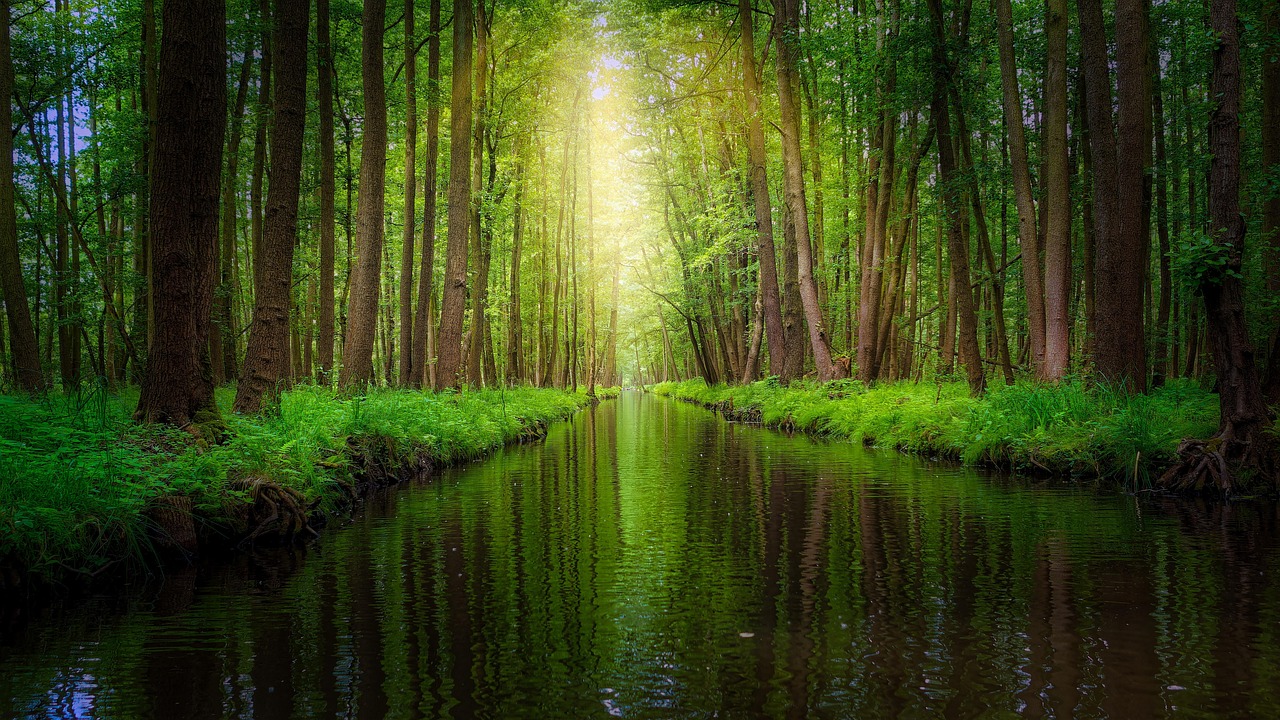
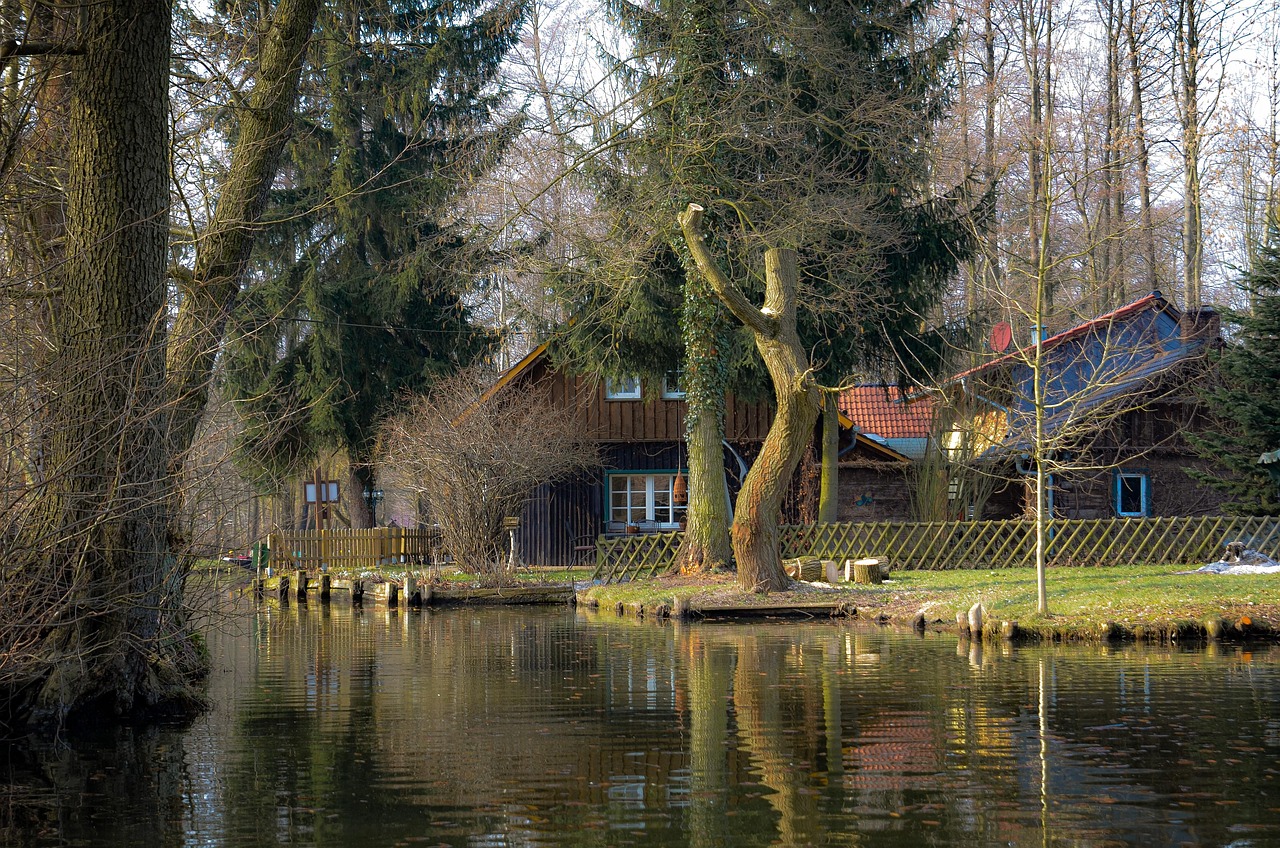
A bit farther, but a magical network of canals in the forest; you can rent kayaks or take boat tours. Best in late spring through early autumn.
Cultural Etiquette & Local Customs in Berlin
General Behavior
- Germans value punctuality. Being 10–15 minutes late without a message is frowned upon.
- People can seem direct or reserved at first; it’s not rudeness, just communication style.
- On public transport, keep your voice low and avoid blocking doors.
Cash, Cards & Tipping
- Cards are widely accepted in 2026, but small Imbiss stands or kiosks may still be cash-only.
- Tipping: Round up or add about 5–10% in restaurants, bars, and taxis.
- Say “Zusammen” (together) or “Getrennt” (separate) when paying bills.
Sunday Quiet
Most shops are closed on Sundays. Cafés, restaurants, and museums stay open. Berlin is more relaxed than small towns, but loud construction or house parties on Sundays may annoy neighbors.
Memorials & Sensitive Sites
- Behave respectfully at war and Holocaust memorials: avoid loud laughter, climbing, or posing insensitively.
- Photography is usually allowed, but check rules inside museums and memorial centers.
Practical Travel Advice for Berlin (2026–2027)
Getting Around
Berlin’s public transport (BVG) is excellent: U-Bahn, S-Bahn, trams, and buses all on one ticket system.
- Tickets: Single, day, and multi-day passes; validate paper tickets before travel.
- Zones: Most sightseeing is in AB zones; airport and some suburbs are in C.
- Apps: BVG app, DB Navigator, and Google Maps work well for routing and tickets.
- Bikes & scooters: Rental bikes and e-scooters are everywhere—great for short distances in good weather.
Saving Money
- Use WelcomeCard or other tourist passes if you’ll use a lot of transit and visit multiple museums.
- Stay slightly outside Mitte (e.g., Neukölln, Wedding, Moabit) for cheaper accommodation and eat where locals eat.
- Take advantage of free sights: memorials, many parks, Tempelhofer Feld, some galleries.
SIM Cards & Connectivity
- EU eSIMs and roaming (for EU residents) make things easy.
- Local prepaid SIMs from Telekom, Vodafone, or O2 available at phone shops and some supermarkets; bring passport for registration.
- Wi-Fi is common in cafés, hotels, and some public spaces.
Car Rental & Driving
- You don’t need a car in Berlin; parking is expensive and traffic is annoying.
- Rent only if you’re doing multiple day trips or a road trip.
- Most foreign driver’s licenses are accepted short-term; check if you need an International Driving Permit based on your home country.
Visa Requirements
Germany is part of the Schengen Area. Many nationalities get visa-free short stays (usually up to 90 days in 180). Others need a Schengen visa in advance. Always check official government sources for up-to-date rules before you travel.
Safety
- Berlin is generally safe; watch for pickpockets in crowded areas and on transit.
- Avoid obvious drug deals and late-night trouble spots around some parks and stations.
- Emergency number is 112; police is 110.
Seasons & What They’re Good For
- Spring (April–May): Blossoms, milder temperatures, fewer tourists. Great for walking and parks.
- Summer (June–August): Lakes, open-air events, long days, but higher prices and some heat waves.
- Autumn (September–October): Golden light, comfortable weather, cultural season in full swing.
- Winter (November–March): Grey but atmospheric; Christmas markets, museums, and lower hotel rates. Short days and cold; pack layers.
Major Events in 2026–2027
- Ongoing exhibitions and reopening phases on Museum Island (including parts of the Pergamon).
- Annual festivals: Berlinale (film festival, February), Carnival of Cultures (early summer), Berlin Marathon (autumn), and New Year’s celebrations around Brandenburg Gate.
- Check updated city calendars in late 2025 for specific 2026–2027 event dates; Berlin’s cultural scene shifts quickly.
Summary & Final Recommendations
Berlin is not a “one and done” city; it’s a place you come back to, each time exploring a new layer. For a first visit:
- 3 days in Berlin: Focus on central icons (Brandenburg Gate, Reichstag, Museum Island, Holocaust Memorial), Berlin Wall history (East Side Gallery, Bernauer Straße), and one or two neighborhoods (Kreuzberg, Prenzlauer Berg).
- 4 days in Berlin: Add Charlottenburg Palace, West Berlin (Ku’damm, Kaiser Wilhelm Church, Zoo), or a lake afternoon.
- 5 days in Berlin: Include a day trip to Potsdam or a slower deep-dive into Tempelhofer Feld and more niche museums.
Best time to visit Berlin: Late April–June and September–early October hit the sweet spot of pleasant weather, active cultural life, and manageable crowds. Summer is fantastic if you love outdoor life and don’t mind heat and higher prices; winter is for Christmas markets, museums, and a moodier, quieter Berlin.
However you structure your 3, 4, or 5 day itinerary for Berlin, leave space for wandering: a random courtyard, a café that smells good, a park bench that begs for a pause. That’s where the city stops being a list of attractions and starts feeling like a place you know.