Why Visit Frankfurt in 2026?
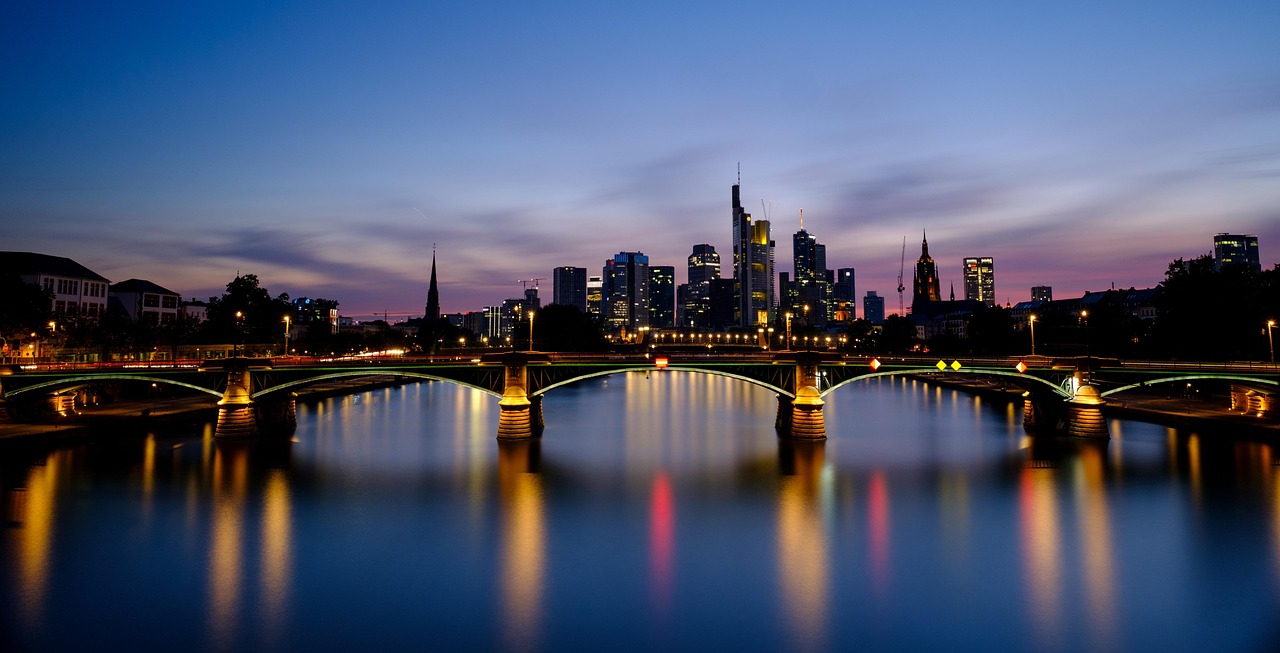
Frankfurt is one of those cities that many travelers initially treat as a layover hub—just an airport on the way to “somewhere else” in Europe. But once you step beyond the terminals and into the city itself, you discover a surprisingly layered place: a skyline of glassy skyscrapers rising above medieval timbered houses, riverside parks packed with picnickers, and food that ranges from hearty apple-wine taverns to sleek Michelin-starred restaurants.
I’ve lived in and around Frankfurt for years and still find new things each season: a tiny gallery tucked into a courtyard in Bornheim, a jazz bar in Sachsenhausen that feels unchanged since the 70s, a new food stand at the Kleinmarkthalle that becomes my latest obsession. Unlike more “museumified” European cities, Frankfurt is a place where people actually live, work, and play—so your visit feels less like walking through a postcard and more like borrowing someone else’s daily life for a few days.
In 2026, Frankfurt is especially worth your time. The city has been upgrading its riverside promenades, expanding cultural festivals, and polishing infrastructure in the run-up to several major events. Whether you have 3 days in Frankfurt, 4 days in Frankfurt, or a full 5 day itinerary for Frankfurt, this guide will help you experience the city like a local—down to which bakery queue is worth the wait and which tram seat gives you the best skyline view at dusk.
Expect a city of contrasts: bankers in tailored suits cycling past graffiti-filled walls, quiet cobbled lanes a few minutes from bustling shopping streets, and cozy apple-wine taverns a short walk from futuristic skyscrapers. It’s a city that rewards wandering and lingering, not just ticking off the obvious “things to do in Frankfurt.”
Table of Contents
- Why Visit Frankfurt in 2026?
- Frankfurt at a Glance
- Suggested 3–5 Day Itineraries
- 20 Must-See Attractions in Frankfurt (Deep Dive)
- Frankfurt’s Neighborhoods & Districts
- Local Food in Frankfurt & Where to Eat
- Cultural Experiences & Local Customs
- Nightlife & Entertainment
- Major Events & Festivals 2026–2027
- Best Day Trips from Frankfurt
- Practical Travel Advice for Frankfurt
- Summary & Best Time to Visit Frankfurt
Frankfurt at a Glance
Locals call it Mainhattan for a reason: Frankfurt sits on the river Main and has one of Europe’s only true skylines. But beyond the towers, you’ll find:
- Population: Around 775,000 in the city proper; over 5 million in the metropolitan region.
- Vibe: Compact, international, efficient, with a surprisingly relaxed riverside atmosphere.
- Best for: First-timers to Germany, food lovers, culture nerds, families, couples, business travelers adding a few extra days for fun.
- Perfect trip length: A well-planned 3 day itinerary for Frankfurt hits the highlights; 4–5 days in Frankfurt lets you add hidden gems and day trips.
Suggested 3–5 Day Itineraries for Frankfurt
The following itineraries are written the way I actually show visiting friends around. Each day mixes the must-see attractions in Frankfurt with less obvious corners and plenty of food.
3 Day Itinerary for Frankfurt – Essential Highlights
If you have 3 days in Frankfurt, this plan gives you a strong sense of the city: old town, skyline, museums, riverside life, and a taste of local food in Frankfurt.
Day 1: Old Town, Römerberg & the River
I usually start guests at Römerberg, the heart of the old town. The first time I brought my parents here, we arrived early—around 9:00 a.m.—and had the square almost to ourselves. The half-timbered houses, reconstructed after WWII, glow softly in the morning light, and you can actually hear the church bells without the noise of tour groups.
- Morning: Stroll Römerberg, visit the Römer (city hall) courtyard, then climb the tower at Frankfurt Cathedral (Kaiserdom) for a panoramic view of the city’s layered architecture.
- Lunch: Walk to Kleinmarkthalle for a market lunch—grab a fresh Bratwurst, some antipasti, or try “Handkäs mit Musik” with a glass of apple wine if you’re feeling brave.
- Afternoon: Wander to the Eiserner Steg (Iron Bridge) and cross to Sachsenhausen for river views and a first taste of the apple-wine district.
- Evening: Dinner in a traditional apple-wine tavern in Old Sachsenhausen, then a slow walk back along the river.
Day 2: Museumsufer & Sachsenhausen
Frankfurt’s Museumsufer (Museum Embankment) is one of Europe’s densest stretches of museums. When I moved here, I bought an annual museum pass within my first week—it’s that good.
- Morning: Choose one or two big museums: Städel Museum for art, German Film Museum if you’re a movie buff, or German Architecture Museum for design fans.
- Lunch: Picnic by the river—pick up snacks at a bakery in Sachsenhausen or from a supermarket, and join locals on the grass.
- Afternoon: Explore Sachsenhausen’s cobbled lanes and hidden courtyards; grab coffee at a neighborhood café on Brückenstraße.
- Evening: Apple-wine tavern hopping; try both the classic rowdy spots and at least one more modern twist on Hessian cuisine.
Day 3: Skyline, Shopping & Modern Frankfurt
This is your “Mainhattan” day—skyscrapers, shopping streets, and a bit of financial-district gloss.
- Morning: Ride up to the viewing platform of Main Tower for 360° views. On clear days you can see all the way to the Taunus hills.
- Midday: Explore Zeil (main shopping street) and its side streets. Duck into MyZeil mall for its impressive glass architecture.
- Afternoon: Head to the Old Opera House (Alte Oper) and relax in the nearby park, then wander into the Bahnhofsviertel (station district) to see how quickly the city’s atmosphere changes.
- Evening: Dinner in Bahnhofsviertel (excellent international food) or trendy Nordend, then riverside drinks watching the skyline light up.
4 Day Itinerary for Frankfurt – Add Hidden Corners
With 4 days in Frankfurt, you can slow down a bit and add neighborhoods that most business travelers never see.
Day 4: Nordend, Bornheim & Local Life
On my ideal “local life” day, I rarely go near a major attraction. Instead, I start in Nordend for coffee at an independent café, then walk all the way to Bornheim, my favorite neighborhood for people-watching.
- Morning: Breakfast in Nordend, then walk through leafy residential streets, stopping in small boutiques and bakeries.
- Lunch: Head to Berger Straße in Bornheim; choose one of the many casual restaurants or imbiss stands.
- Afternoon: Continue along Berger Straße toward the Berger Warte area, or cut across to one of the parks like Günthersburgpark to see families and dog walkers.
- Evening: Early dinner and drinks in Bornheim at a cozy wine bar or relaxed restaurant; tram back to your accommodation.
5 Day Itinerary for Frankfurt – Deep Dive & Day Trip
With a full 5 days in Frankfurt, you can dedicate one day to a nearby town or deepen your museum and neighborhood explorations.
Day 5: Day Trip or Theme Day
For a fifth day, my two favorite choices are:
- Day Trip: Take a short train ride to Heidelberg, Eltville in the Rheingau wine region, or Mainz for a different Rhine/Main river city vibe.
- Frankfurt Theme Day: Dive into lesser-known museums (like the Communication Museum), explore Grüneburgpark and the Palmengarten, and end with a concert or opera.
20 Must-See Attractions in Frankfurt – Stories, History & Tips
Below are twenty of the best places to visit in Frankfurt. Each subsection reads like a mini-article with history, personal experiences, and practical travel advice for Frankfurt.
1. Römerberg & the Römer
Why go: Römerberg is Frankfurt’s storybook heart: a cobbled square framed by half-timbered houses and the iconic Römer, the city hall that has witnessed coronations, wars, destruction, and reconstruction.
History in a nutshell: The square dates back to the Middle Ages and served as a market and coronation site for Holy Roman Emperors. Almost everything you see was painstakingly rebuilt after WWII bombing raids. The most recent phase of reconstruction, the Neue Altstadt (New Old Town), opened in 2018, stitching together faithful reconstructions and modern interpretations of historic buildings.
My experience: I try to pass through Römerberg at different times of day. Early mornings feel almost private—you can lean against the fountain and hear your footsteps echo. In December, during the Frankfurt Christmas Market, the square turns into a sea of lights, mulled wine, and roasted almonds. One December evening, I stood under the towering Christmas tree with friends, our gloves sticky with sugar from Schmalzkuchen (tiny fried doughnuts), and realized that however modern Frankfurt can seem, it still knows how to do tradition.
What to do:
- Wander the square and side alleys like Hinter dem Lämmchen in the Neue Altstadt.
- Pop into the Römer courtyard; if guided tours are running, the Kaisersaal (Emperor’s Hall) is worth seeing.
- Visit nearby Historical Museum Frankfurt to understand how the city rebuilt itself.
- Grab coffee at a café on the square and watch wedding parties appear at the city hall steps—there’s almost always one on Saturdays.
Practical tips: Arrive before 10:00 a.m. to avoid large tour groups, especially in summer. Combine Römerberg with the Cathedral and Eiserner Steg in one loop. Photographers: the warm evening light from the west side is perfect for façade shots.
2. Frankfurt Cathedral (Kaiserdom St. Bartholomäus)
Why go: The Kaiserdom is not technically a cathedral (Frankfurt never had a bishop’s seat), but it feels every bit as grand. It’s the spiritual anchor of the old town and offers one of my favorite skyline views.
History & significance: Built in its current Gothic form in the 14th–15th centuries, the church was where emperors of the Holy Roman Empire were elected and later crowned. Like much of Frankfurt, it was heavily damaged in WWII and later rebuilt.
My experience: I still remember the first time I climbed the cathedral tower. It was a crisp autumn day; the city was clear and the Main sparkled. As you spiral up the narrow stone staircase (mind the traffic—there’s only one way up and down), the sounds of the city fade. At the top, you get a 360° panorama that perfectly captures Frankfurt’s contrasts: clustered timbered roofs below, glass towers ahead, and green belts on the horizon.
What to do:
- Explore the interior; it’s calmer and less ornate than many European cathedrals, but the vaulted ceiling and soft light are beautiful.
- Visit the small museum or crypt, if open, for artifacts and information on imperial coronations.
- Climb the tower (usually a small fee) for views; check opening times as they vary by season and weather.
Tips: The tower can be windy and chilly even on warm days; bring a light layer. If mobility is an issue, the interior alone is still well worth a visit. Combine with a stroll through the Neue Altstadt just behind the church.
3. Eiserner Steg (Iron Bridge)
Why go: This pedestrian bridge gives you the classic, postcard-perfect skyline view, especially at sunset.
Story & vibe: Built in 1868 (and rebuilt after WWII), the Eiserner Steg connects the old town with Sachsenhausen. It’s where I bring friends on their first evening in Frankfurt. We grab ice cream in summer or hot chocolate in winter and stand in the middle of the bridge, the wind tugging at our scarves while riverboats glide beneath us.
What to do:
- Walk across between Römerberg and Sachsenhausen; it’s a natural part of most sightseeing routes.
- Stop midway for photos of the skyline and cathedral.
- Look at the love locks (and maybe roll your eyes a bit; there are many) and the Greek inscription from Homer’s Odyssey across the steel beams.
Tips: Sunset is crowded but magical. For fewer people, come early morning. If you’re taking a river cruise, this is your main landmark at embarkation and return.
4. Städel Museum
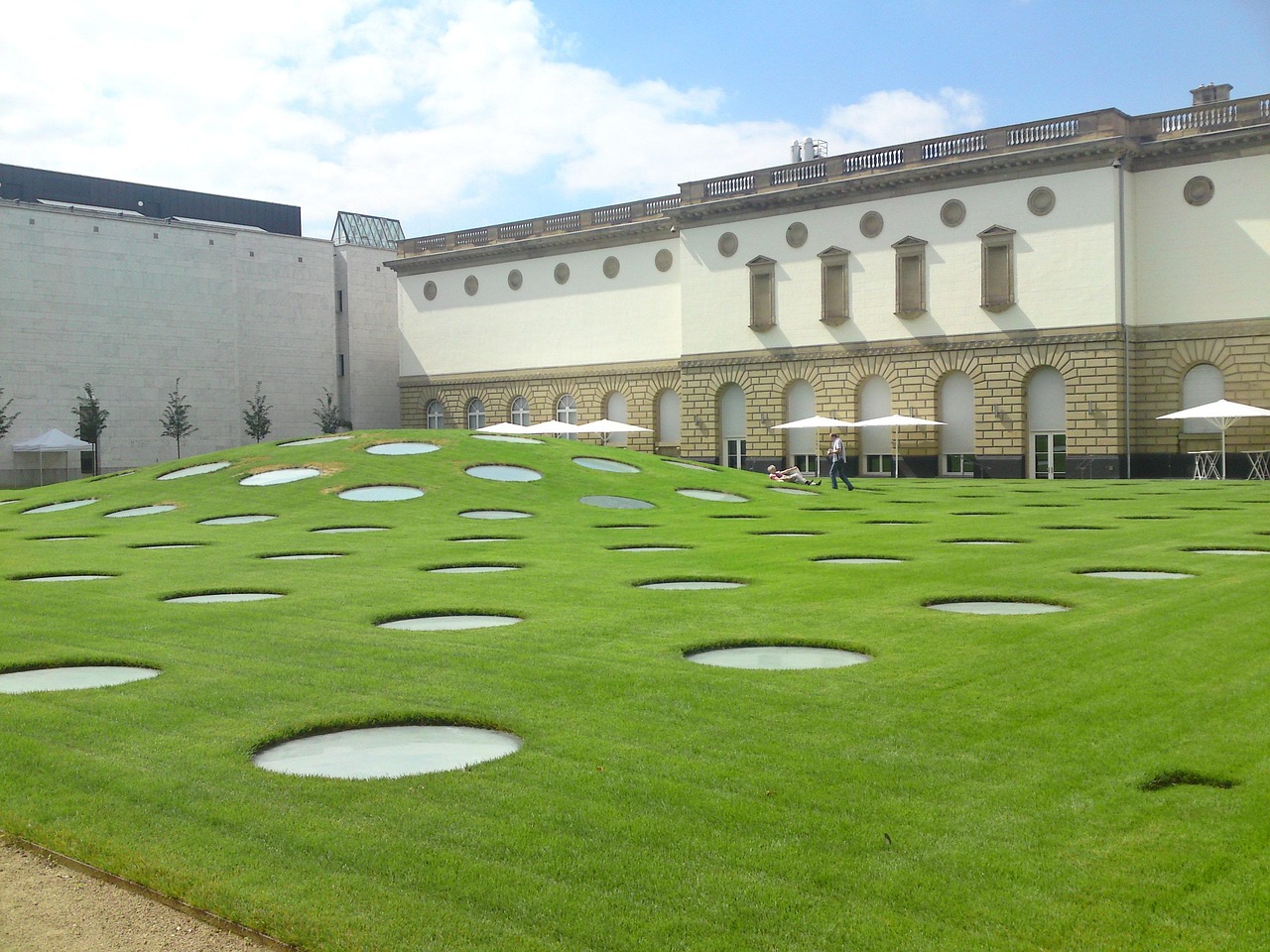
Why go: Frankfurt’s premier art museum and one of the best in Germany, covering 700 years of European art.
History: Founded in 1815 by banker Johann Friedrich Städel, the museum has grown into an impressive collection ranging from Old Masters to contemporary installations. The modern extension with its grassy, skylight-studded roof is almost a work of art in itself.
My experience: When I first moved to Frankfurt, I spent a rainy Sunday getting lost in the Städel. I wandered from Rembrandt portraits to German Expressionists, then ended up in the contemporary wing staring at a video installation far longer than I’d like to admit. Now I often come for special exhibitions—they’re usually excellent—and then sit in the café with a slice of cake, watching museum-goers drift in and out.
Good for: Couples, solo travelers, culture fans, families with older kids.
Tips: Buy tickets online for big exhibitions. If you’re on a budget and staying longer, consider the Museumsufer Ticket (museum riverbank pass) for multiple museums over two days. The Städel is easily combined with a river walk and Sachsenhausen.
5. Palmengarten
Why go: A botanical garden and green oasis in the city’s Westend, perfect for a slow afternoon.
My experience: Palmengarten is my go-to when city life feels a bit too concrete-heavy. I’ve spent lazy Sundays here reading on benches under giant trees, ducking into the tropical greenhouse when it starts to rain. In spring, the tulip displays are almost ridiculous in their color; in winter, the greenhouses feel like a quick escape to another climate.
What to do: Stroll among themed gardens, visit the Palm House, take the little boat on the pond in summer, or just find a quiet corner to relax. Families love the playgrounds and open spaces.
Tips: Combine with a visit to Grüneburgpark nearby for an extended green day. Bring snacks or visit the on-site café. It’s a lovely addition on a 4 or 5 day itinerary for Frankfurt when you want to slow down.
6. Main Tower
Why go: For the best accessible observation deck in Frankfurt—65 floors up, with both indoor and outdoor viewing platforms.
My experience: I’ve gone up Main Tower in all kinds of weather. Once, in early spring, low clouds drifted past us and half the skyline disappeared for seconds at a time, then reappeared like a movie reveal. On clear summer evenings, it’s crowded but worth it; you can trace the curve of the Main and pick out tiny details in districts you’ve walked through earlier in your trip.
Tips: Check opening times; the deck sometimes closes in bad weather. Weekdays late afternoon are usually quieter than weekend sunsets. There’s a restaurant in the tower too—pricey but memorable for a special night out.
7. Kleinmarkthalle
Why go: This indoor market is heaven for food lovers and the easiest way to taste your way through both Hessian and international flavors.
My experience: I rarely leave Kleinmarkthalle empty-handed. On Saturdays, I meet friends there for a standing lunch: we grab fresh pasta from one stall, olives from another, maybe a slice of cake or a Portuguese pastel de nata for dessert. You’ll hear a dozen languages in ten minutes and see office workers shoulder-to-shoulder with grandmothers choosing herbs.
Must-tries:
- Fresh bread and pretzels from one of the bakeries.
- Local specialties like Grüne Soße (green sauce) to take away.
- Seasonal fruit and cheese; perfect for a picnic by the river.
Tips: Go before 1:00 p.m. for the best selection; many stalls close by mid-afternoon and the market is closed on Sundays. Cash is still useful; not every stall takes cards.
8. Sachsenhausen & Apple-Wine Taverns
Why go: This district south of the river is the heartland of Apfelwein (apple wine), Frankfurt’s signature drink, and a lovely mix of cobbled lanes, museums, and nightlife.
My experience: I’ve had quiet Tuesday dinners in Sachsenhausen where the tavern owner sat down with us to explain the difference between “sauer gespritzt” and “süß gespritzt,” and rowdy Friday nights where the entire street seemed to sing along to Schlager hits. It can feel touristy in parts, but if you wander a few streets off the main drag, you’ll find taverns that are still very much local hangouts.
What to order:
- Apfelwein in a Geripptes (ribbed glass) or shared from a Bembel (ceramic jug).
- Handkäs mit Musik (marinated cheese) – smells intense, tastes better than it looks.
- Rippchen mit Kraut (pork ribs with sauerkraut) or Frankfurter Schnitzel with green sauce.
Tips: For a more authentic feel, avoid the most obvious party-oriented taverns on a Saturday night and aim for weeknights or early evenings. Combine with the Museumsufer or a riverwalk.
9. Goethe House & Museum
Why go: The birthplace of Johann Wolfgang von Goethe, Germany’s literary giant, reconstructed to show how a wealthy Frankfurt family lived in the 18th century.
My experience: I took a friend here who had studied German literature and watched her light up in every room. Even if you’re not a Goethe fan, the house itself is fascinating—creaky floors, intimate rooms, and a sense of domestic life that contrasts with the city’s modern surface.
Tips: Audio guides make a big difference if you’re not familiar with Goethe. Combine with a walk through the nearby Fressgass (food street) for lunch or coffee.
10. Alte Oper (Old Opera House)
Why go: A stunning concert venue and one of the city’s most elegant buildings, fronted by a lively square that’s perfect for people-watching.
Story: The original opera house was heavily damaged in WWII and stood as a ruin nicknamed “Germany’s most beautiful ruin” for decades. Citizens campaigned for its restoration, and it reopened in 1981 as a concert hall. Today, it’s a symbol of Frankfurt’s ability to reinvent itself.
My experience: I love coming here just before sunset. Office workers pour out of the surrounding high-rises, families gather around the fountain, and the façade glows golden. I’ve attended classical concerts and jazz nights inside—the acoustics are excellent and the interior is as grand as you’d hope.
Tips: Even if you don’t attend a performance, walk around the building and linger in the square. If you’re planning a romantic trip, check the program and book a concert in advance.
11. Museumsufer (Museum Embankment)
Why go: A string of museums along both sides of the river, offering everything from classical art to world cultures, film, architecture, and communications.
My experience: Some of my favorite rainy days have been spent “museum-hopping” here. Once, a friend and I did a self-imposed challenge: three museums in one day with only one coffee break. We made it through Städel, the Film Museum, and the World Cultures Museum and ended up exhausted but happy, watching the river from a café window as evening fell.
Highlights:
- Städel Museum – see above.
- German Film Museum – interactive exhibits on cinema history.
- German Architecture Museum – models and exhibitions on building and urban planning.
- World Cultures Museum – small but thought-provoking.
Tips: Look into a Museumsufer Ticket if you plan to visit several museums over two days—it’s great value. The annual Museumsuferfest in late August turns the entire embankment into a festival of lights, food, and culture.
12. Senckenberg Natural History Museum
Why go: Dinosaur skeletons, fossils, and natural history galore—perfect for families and science nerds.
My experience: I first went to Senckenberg with friends’ kids and quickly realized it’s as fun for adults as it is for children. The towering dinosaur skeletons are impressive, and the exhibits on geology and biodiversity are well done without feeling overwhelming.
Tips: Great rainy-day activity. It’s an easy tram or walk from the Messe (fairgrounds) and Westend. Expect crowds on weekends and during school holidays; go early if possible.
13. Bahnhofsviertel (Station District)
Why go: One of the most controversial and fascinating neighborhoods in Frankfurt: a mix of red-light district, immigrant-run shops and restaurants, trendy bars, and creative spaces.
My experience: When I moved here, everyone warned me about Bahnhofsviertel—and yet, it’s where I go for the city’s best international food. I’ve had incredible Korean, Ethiopian, Vietnamese, and Middle Eastern meals all within a few blocks. It’s gritty, yes, but also full of energy and diversity.
Tips: Be street-smart, especially late at night around the immediate station area, but don’t be afraid of the whole district. Stick to main streets like Kaiserstraße and Münchener Straße your first time. This is a great place for dinner if you’re craving something other than German food.
14. Zeil & MyZeil
Why go: Frankfurt’s main shopping artery and a good place to feel the city’s everyday hustle.
My experience: I rarely come to Zeil for fun—it’s busy and commercial—but it’s useful and occasionally impressive. The MyZeil mall’s swirling glass façade and interior atrium are worth a quick look, even if you don’t plan to shop.
Tips: If you’re pressed for time, don’t prioritize Zeil over more unique neighborhoods like Bornheim or Nordend. But if you need to pick up something or like big-city shopping, it’s your spot. Come on a weekday morning if you dislike crowds.
15. Nordend & Bornheim
Why go: Leafy, lived-in neighborhoods with great cafés, bars, and a more “local” feel than the tourist core.
My experience: If I could move my apartment anywhere in Frankfurt, I’d choose Nordend or Bornheim. Weekend mornings here are my favorite: kids on scooters, older residents reading newspapers at corner cafés, and the smell of fresh bread everywhere.
Highlights:
- Berger Straße in Bornheim – long, lively street with shops and eateries.
- Independent cafés in Nordend (especially around Oeder Weg).
- Small parks and weekly markets.
Tips: Come for brunch or a relaxed dinner. This is where you feel everyday Frankfurt, not just the banker version.
16. Grüneburgpark
Why go: A large park near the university and Palmengarten, popular with joggers, families, and sunbathers.
My experience: In summer, I often bring a blanket and book here after work. The park feels big enough that you can always find a quiet corner, or join the crowd near the central lawns if you want more buzz. On warm evenings, informal groups kick balls around and students spread out with takeaway pizza.
Tips: Combine with Palmengarten or the adjacent university campus. Great for a picnic if you’ve stocked up at a supermarket or bakery.
17. Frankfurt Zoo
Why go: One of Germany’s older zoos, compact but varied, especially good for families.
My experience: I’ve been here with visiting friends who have kids; it’s a manageable size, so you don’t end up exhausted halfway through. The Exotarium (with reptiles and aquatic life) and the Grzimek House (night animals) are always hits.
Tips: Easy to reach by U-Bahn from the city center. Combine with a walk through the Ostend district or along the river if the weather is nice.
18. European Central Bank & Ostend
Why go: Modern architecture along a revitalized stretch of the river, centered around the striking European Central Bank building.
My experience: I like walking east along the river from the city center. The crowds thin, the skyline shifts behind you, and the ECB’s twin towers rise ahead. Nearby you’ll often find food trucks, skaters, and creative spaces in old industrial buildings.
Tips: Come in late afternoon to see the glass façades catch the light. Good area for photography and a different, less touristy feel of the city.
19. Frankfurt Messe (Trade Fair Grounds)
Why go: If you’re in town for events like the Frankfurt Book Fair or music and tech expos, you’ll likely end up here. Even if not, it’s an interesting glimpse into Frankfurt’s role as a trade hub.
My experience: I’ve attended the Book Fair several times; it’s enormous and overwhelming in the best way. Publishers, authors, and book lovers fill hall after hall. The Messe area also hosts events like the Light + Building fair and the International Motor Show (IAA when scheduled in Frankfurt).
Tips: During major fairs, hotel prices across the city rise sharply—book early or adjust your dates if you’re on a budget. Public transport runs extra services during big events.
20. Mainufer (Main Riverbanks)
Why go: The riverbanks are Frankfurt’s living room: joggers at dawn, picnickers at noon, couples and groups of friends at sunset.
My experience: I’ve lost count of how many evenings I’ve spent on the Mainufer. On warm summer nights, the grassy slopes fill with people; someone always has a speaker, someone else is grilling (technically not allowed everywhere—watch for signs), and the skyline glows across the water.
Tips: Perfect for a break between sightseeing stops. Bring snacks and drinks from a supermarket; it’s one of the cheapest and loveliest “meals” you can have in the city. Families love the paths and playgrounds; couples get romantic skyline views.
Frankfurt Neighborhoods & Areas to Explore
Innenstadt & Altstadt (City Center & Old Town)
Where you’ll find: Römerberg, the Cathedral, Zeil shopping street, and most first-time “things to do in Frankfurt.” Fast-paced on weekdays, more relaxed on Sundays when shops are closed but cafés are open.
Sachsenhausen
Old Sachsenhausen’s cobbled streets and apple-wine taverns, plus quieter residential areas and a stretch of the Museumsufer. Lively at night, especially weekends.
Nordend
Leafy, residential, and full of independent businesses. Great for cafés, brunch, and a sense of “I could live here.”
Bornheim
Often called “das lustige Dorf” (the cheerful village). Berger Straße is the spine: shops, bars, restaurants, and a weekly market.
Bahnhofsviertel
Edgy, diverse, rapidly gentrifying. Excellent international food, creative spaces, and some nightlife. Requires street smarts, especially late.
Westend
Elegant, with grand old villas, the Palmengarten, and Grüneburgpark. Feels upscale but not showy.
Ostend
Up-and-coming, anchored by the ECB. Riverfront redevelopment, new housing, and a growing food scene.
Local Food in Frankfurt & Where to Eat
Frankfurt Specialties to Try
- Apfelwein (Apple Wine): Slightly sour, low-alcohol; usually mixed with sparkling water (sauer gespritzt).
- Frankfurter Grüne Soße (Green Sauce): Seven-herb sauce, usually served cold over boiled eggs and potatoes or schnitzel.
- Handkäs mit Musik: Sour milk cheese in vinegar-and-onion marinade; often eaten with caraway and bread.
- Frankfurter Würstchen: Thin smoked sausages, traditionally with bread and mustard.
Where I Actually Eat
Budget: Kleinmarkthalle stalls (lunchtime), Turkish and Middle Eastern spots in Bahnhofsviertel, Asian noodle bars near Konstablerwache, bakery lunches.
Mid-range: Apple-wine taverns in Sachsenhausen, casual bistros in Nordend and Bornheim, riverfront cafés.
Splash-out: Fine-dining restaurants in the city center or Westend, or a skyline-view dinner at one of the tower-top venues.
Cultural Experiences & Local Customs in Frankfurt
How Locals Behave (and What’s Expected)
- Punctuality: Being on time matters. For tours or restaurant bookings, aim to arrive a few minutes early.
- Quiet on Public Transport: Keep phone calls short and quiet; headphones, not speakers.
- Cash vs. Card: Cards are widely accepted, but small places (especially traditional taverns, kiosks, some bakeries) may still be cash-only.
- Tipping: Round up or add 5–10% in restaurants. Say the total including tip when you pay (e.g., “Zwanzig, bitte” for a €18 bill).
- Recycling: Use the right bins when you see them; bottle deposits (Pfand) are common—return bottles to supermarkets.
Cultural Experiences in Frankfurt
- Attend a concert at Alte Oper or a performance at the Frankfurt Opera (consistently ranked among Germany’s best).
- Visit during the Christmas Market (late November–December) for peak tradition.
- Join locals for a Sunday stroll along the river or in one of the parks—Sunday is quiet, shops are closed, but life is outside.
Nightlife & Entertainment
Where to Go Out
- Sachsenhausen: Apple-wine taverns, beer gardens, casual bars; more traditional and tourist-friendly.
- Bahnhofsviertel: Trendy cocktail bars, late-night food, clubs; more urban and edgy.
- Alt-Sachsenhausen: Party strip feel on weekends; good if you want loud and lively.
- Nordend/Bornheim: Laid-back bars and wine spots; good for conversation rather than clubbing.
Cultural Evenings
- Classical music or jazz at Alte Oper.
- Opera or ballet at the Oper Frankfurt.
- Smaller theaters and cabaret venues sprinkled around Innenstadt and Sachsenhausen.
Major Events & Festivals in 2026–2027
(Check exact dates closer to your trip; schedules can shift.)
- Frankfurt Book Fair (Frankfurter Buchmesse) – October 2026 & 2027: The world’s largest book fair; huge crowds, packed hotels.
- Museumsuferfest – Late August 2026 & 2027: Cultural festival along the river with food, music, and museum late openings.
- Christmas Market – Late November through December each year: One of Germany’s oldest markets, centered on Römerberg.
- Apple Wine Festival – August: Celebrates Apfelwein with stalls, music, and tastings in the city center.
- Various trade fairs at Frankfurt Messe throughout 2026–2027; these events significantly affect hotel availability and pricing.
Day Trips from Frankfurt
Heidelberg
Romantic old town and castle above the Neckar River; about an hour by train. Perfect for couples or anyone craving a classic historic town setting.
Mainz
Charming old town, impressive cathedral, and Gutenberg Museum (printing history). About 40 minutes by regional train.
Rheingau Wine Region (Eltville, Rüdesheim)
Vineyards tumbling down to the Rhine, wine tasting, and river views. Easily reached by train; best from late spring to early autumn.
Practical Travel Advice for Frankfurt
Getting Around
Public Transport: Frankfurt has excellent trams, buses, U-Bahn (subway), and S-Bahn (commuter trains). A day ticket or group ticket often pays off if you’re making several trips. Validate your ticket where required and keep it handy; inspections do happen.
From the Airport: S8/S9 trains run frequently between the airport and the main station/center; journey is about 15 minutes. Taxis and rideshares are readily available but much pricier.
Walking & Biking: The city center is compact and very walkable. Bike lanes are common; rental bikes and scooters are widely available.
Car Rental: Not necessary in the city; parking can be expensive and traffic is dense at rush hours. Rent a car only if you’re planning rural day trips.
Saving Money
- Use lunch specials (Mittagstisch) at restaurants for better prices.
- Grab picnic supplies from supermarkets and eat by the river.
- Consider Museumsufer Ticket if you’re doing a museum-heavy 3 or 4 day itinerary for Frankfurt.
- Travel off-peak and avoid major trade fair dates if hotel costs are a concern.
SIM Cards & Connectivity
Prepaid SIM cards are easy to buy at the airport, electronics stores, or supermarkets. Providers like Telekom, Vodafone, and O2 offer tourist-friendly data packages. You’ll need your passport for registration. Many cafés and hotels provide Wi-Fi, but it’s handy to have mobile data for maps and ticket apps.
Visa Requirements & Driving Licenses
Germany is part of the Schengen Area. Many nationalities can enter visa-free for short stays; others require a Schengen visa. Always check official sources before travel.
Visitors from many countries can use their foreign driver’s license for a limited period; some may need an International Driving Permit. If you’re mostly staying in Frankfurt, you won’t need to drive at all.
Best Seasons & Weather
- Spring (April–June): Mild, green, ideal for walking and park picnics. Great for 3–5 day itineraries.
- Summer (July–August): Warm to hot; riverside life in full swing, outdoor festivals, but also busier and sometimes humid.
- Autumn (September–October): Crisp air, colorful parks, wine region at its best. Good balance of weather and crowds.
- Winter (November–February): Cold, sometimes grey, but the Christmas Market makes late November and December magical.
Hidden Tips from a Local
- For skyline photos without paying an observation deck fee, use the upper levels of some parking garages near the city center (where accessible) or walk east along the south riverbank.
- Sunday is for strolling, parks, and cafés—shops are closed, so plan accordingly.
- Carry a light scarf or layer: air conditioning can be strong in summer in some trains and malls, and evenings can cool down quickly.
- Download the local transit app or DB Navigator for real-time schedules and mobile tickets.
Summary & Final Recommendations
Frankfurt is far more than its airport and business skyline. In 3 days in Frankfurt, you can see the old town, river, key museums, and sample local food. With 4 days in Frankfurt, you’ll add neighborhoods like Nordend and Bornheim and start to feel how locals live. Give yourself 5 days in Frankfurt, and you’ll have time for a day trip to the Rhine or Heidelberg and deeper cultural experiences.
For most travelers, the best time to visit Frankfurt is late spring (May–June) or early autumn (September–early October), when the weather is comfortable and outdoor life is in full swing. Winter, especially December, is ideal if you love Christmas markets and a cozier atmosphere.
Plan your own 3, 4, or 5 day itinerary for Frankfurt using this guide as a framework, but leave room for serendipity: a street musician on the Eiserner Steg, an unplanned café stop in Nordend, or a last-minute concert at the Alte Oper. That’s where the city often feels most alive.