Why Visit Hamburg in 2026?
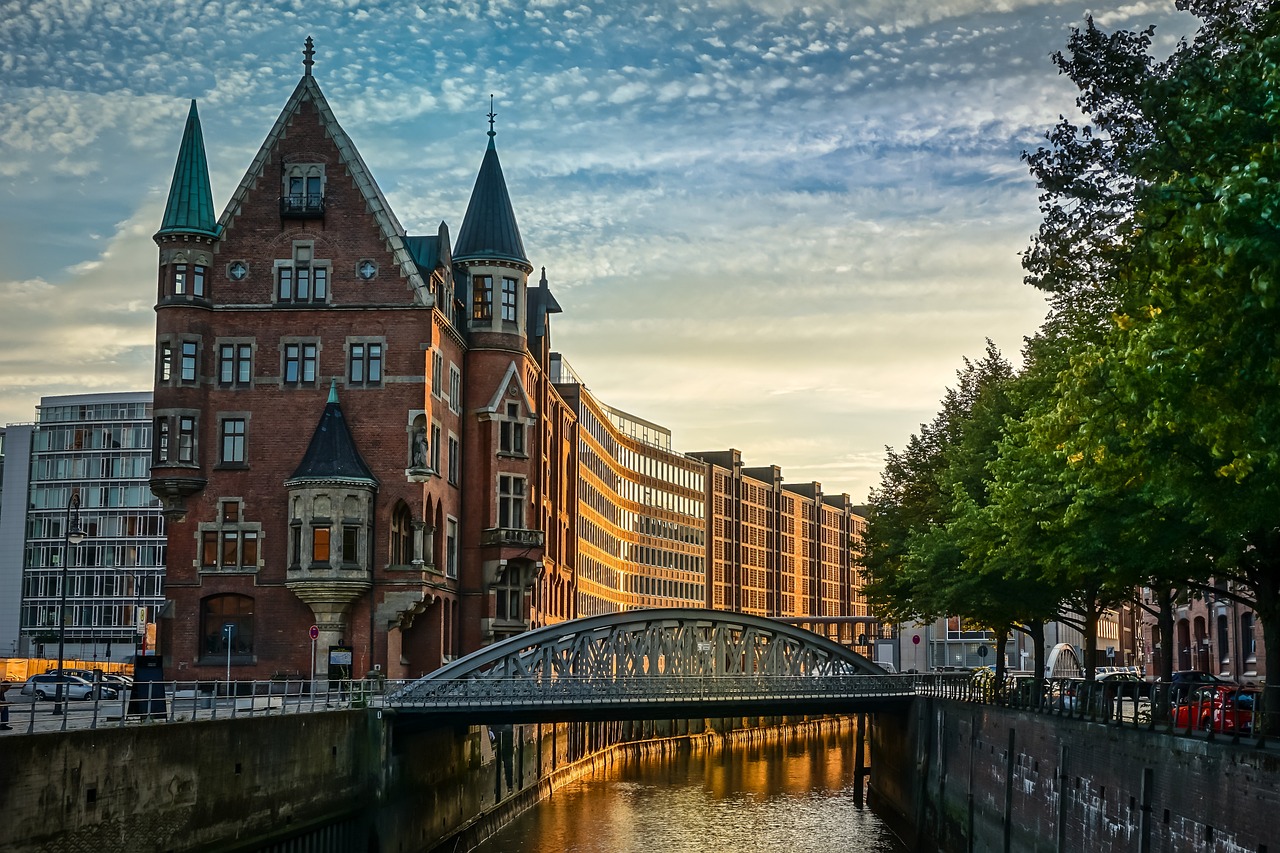
Every time I step out of Hamburg Hauptbahnhof and smell that mix of harbor air, roasted coffee, and rain on cobblestones, I remember why I never get tired of this city. Hamburg is water and red-brick warehouses, punk bars and elegant canals, Michelin-star restaurants and currywurst stands under gray northern skies. It’s Germany’s second-largest city, but it feels like a collection of distinct little worlds stitched together by bridges (over 2,400 of them, more than Venice and Amsterdam combined).
If you’re wondering whether to spend 3 days in Hamburg or stretch it into 4 or 5 days in Hamburg, my honest recommendation: if you can, go for at least four. Three days will let you see the big-ticket sights; four or five will let you actually feel the city’s rhythm — lingering over coffee in the Schanzenviertel, getting lost in Speicherstadt fog, and catching a spontaneous jazz session in St. Pauli.
In 2026, Hamburg is especially worth a visit. The city is leaning hard into its identity as a green, water-focused, and cultural capital. The HafenCity district keeps evolving with new architecture and public spaces, and big events on the horizon (more on those below) make the city buzzier than usual.
What makes Hamburg special?
- The harbor soul: The Port of Hamburg is Europe’s third-largest. Watching container ships glide past old brick warehouses at sunset never gets old.
- Architecture that tells stories: From the fairytale red-brick canyon of Speicherstadt to the futuristic glass sails of the Elbphilharmonie, Hamburg is a playground for architecture lovers.
- Atmosphere over “sights”: Hamburg isn’t about ticking off monuments; it’s about neighborhoods: bohemian Sternschanze, edgy St. Pauli, elegant Eppendorf, maritime Altona, and village-like Ottensen.
- Water everywhere: Lakes, canals, rivers, and the Elbe — boat rides, riverside walks, and waterside cafés are core to any good 3–5 day itinerary for Hamburg.
- Music & nightlife: From Beatles-era clubs on the Reeperbahn to world-class classical performances in the Elbphilharmonie, Hamburg is a city that stays up late.
Hamburg at a Glance
Hamburg sits in northern Germany on the Elbe River, about 100 km from the North Sea. With around 1.9 million people (2026), it’s big enough to feel cosmopolitan but compact enough to navigate easily using public transport and your feet.
- Language: German, but English is widely spoken, especially by younger people and in tourism.
- Currency: Euro (€).
- Good for: Couples (romantic canals and lake sunsets), families (tons of parks, Miniatur Wunderland), solo travelers (safe and walkable), and foodies (from fish rolls to fine dining).
- Best quick stays: A 3 day itinerary for Hamburg works well for first-timers. If you can, upgrade to a 4 day itinerary for Hamburg or a 5 day itinerary for Hamburg to explore beyond the main sights.
Top 20 Must-See Attractions in Hamburg (with Local Stories)
These are the places I find myself returning to again and again. I’ll weave them into the itineraries later, but here’s a deep dive into each, with history, personal anecdotes, and practical tips.
1. Elbphilharmonie (Elphi)
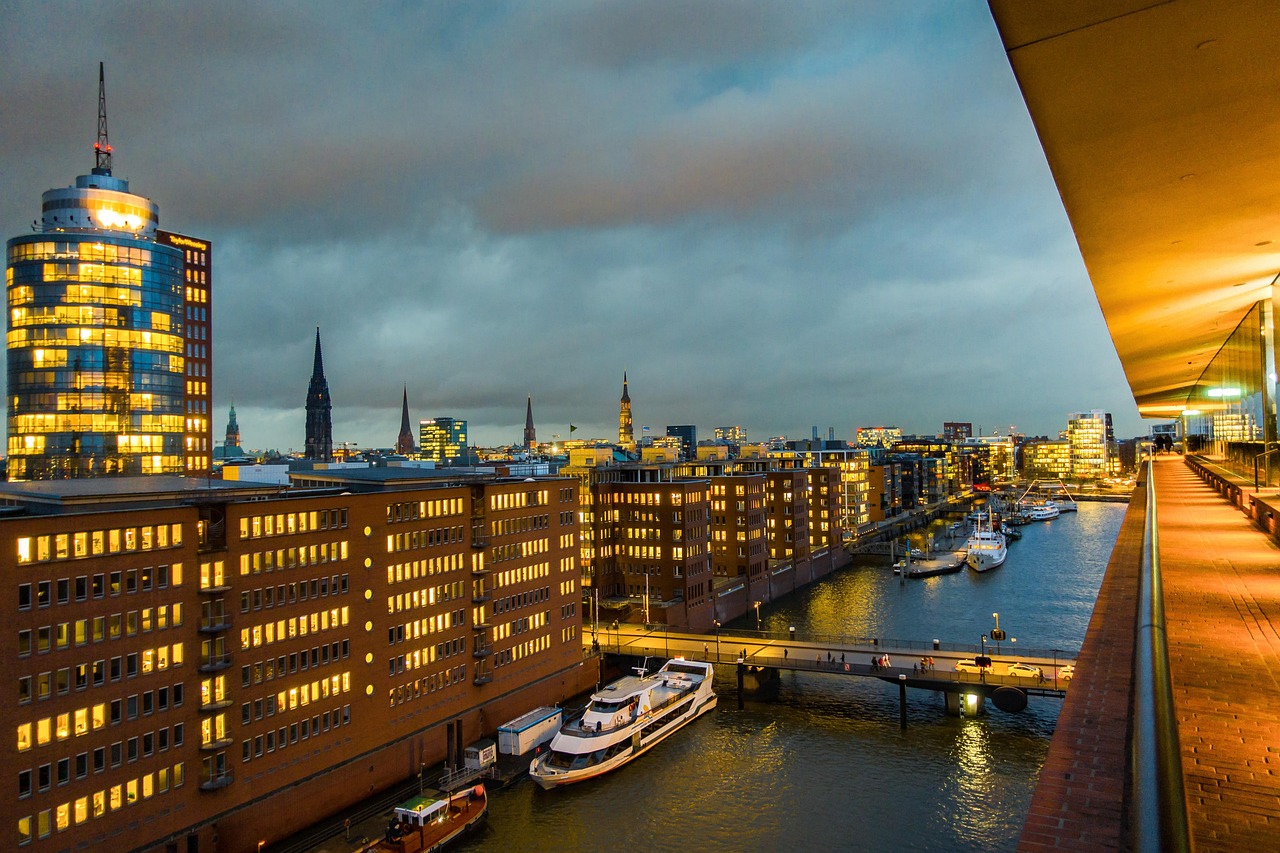
The Elbphilharmonie is Hamburg’s glittering glass crown, perched atop old brick warehouses on the Elbe. Completed after many delays and cost overruns, it opened in 2017 and quickly became the city’s defining landmark.
The first time I visited, I went up to the public Plaza on a gray, windy afternoon. The elevator shot up through the brick base, and then I stepped out to a 360-degree view of the harbor, the cranes, and the red roofs of Speicherstadt. Even if you’re not into classical music, the Plaza alone makes this a must on any list of things to do in Hamburg.
History & Architecture
The lower part of the building is an old brick warehouse, Kaispeicher A, built in the 1960s. The glass “wave” on top, designed by Herzog & de Meuron, looks like a frozen crest of water. Inside, the main concert hall is built in a “vineyard” style — seats rising around the stage so acoustics reach everyone.
My Tips for Visiting Elbphilharmonie
- Tickets for the Plaza: You can get a free same-day ticket at the desk, but they sell out on busy days. I prefer buying a timed-slot ticket online for a few euros and walking straight in.
- Best time to go: Late afternoon leading into sunset. You’ll catch the harbor in daylight, golden hour, and then lit up at night.
- Concerts: If you can snag a ticket, do it. I once sat in the cheapest side seats for a jazz concert, and the acoustics were still incredible.
- Food: There’s a café on the Plaza, but for better value, grab a Fischbrötchen (fish roll) afterward at nearby Landungsbrücken.
- How to get there: U3 to Baumwall or U4 to Überseequartier, then a 5–10 minute walk through HafenCity.
2. Speicherstadt & Kontorhaus District
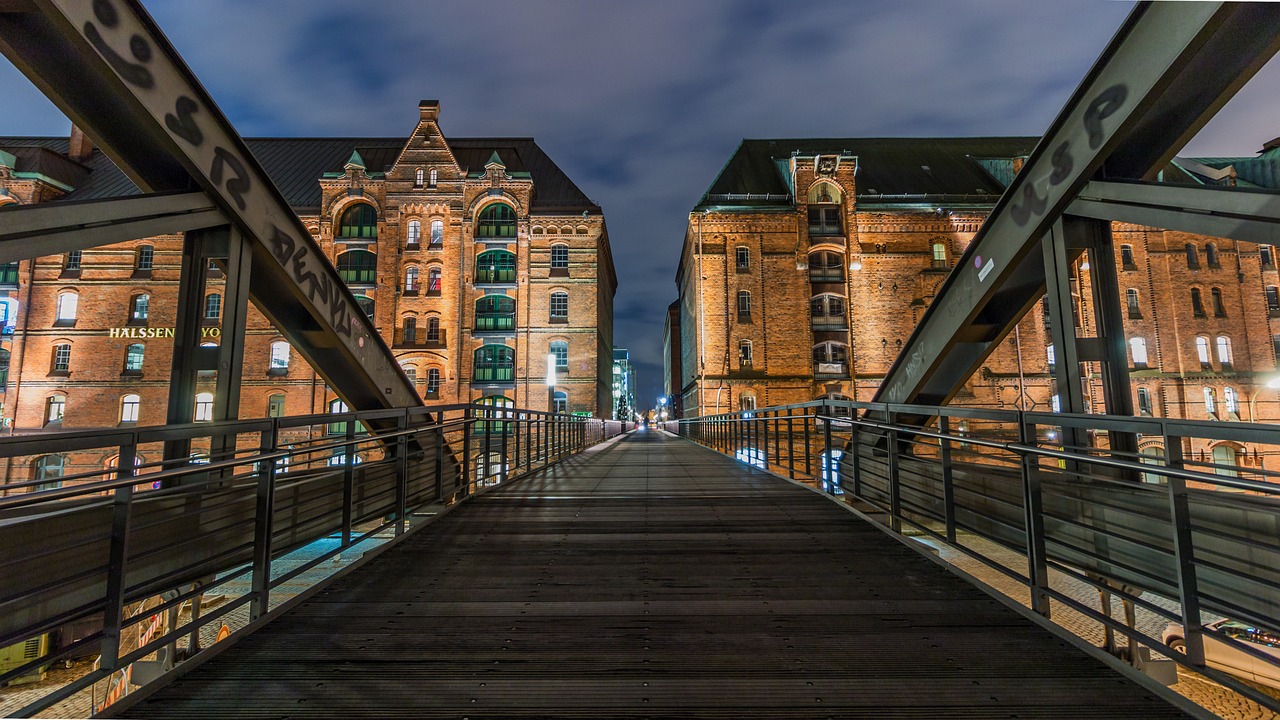
Speicherstadt is where I bring every first-time visitor, usually early in the morning before the tour groups arrive. The red-brick warehouses rise straight from the water, crisscrossed by narrow canals and iron bridges. On foggy mornings, it feels like a movie set.
History & Significance
Built from 1883 to the late 1920s, Speicherstadt was the world’s largest warehouse district built on timber-pile foundations. Coffee, tea, spices, carpets — this is where Hamburg’s wealth flowed through. Together with the Kontorhaus District (office buildings like the famous Chilehaus), it’s a UNESCO World Heritage Site.
What I Like to Do There
- Early morning photo walk: I usually start near Poggenmühlenbrücke, where you get that classic view of Wasserschloss (the pointed building between two canals).
- Cafés in converted warehouses: Stop at a café like Speicherstadt Kaffeerösterei for freshly roasted coffee and cake.
- Nighttime lights: The canals light up beautifully after dark. It’s surprisingly romantic for a “warehouse district.”
- Combo with nearby sights: Miniatur Wunderland and the Elbphilharmonie are both a short walk away, making this area central to any 3 day itinerary for Hamburg.
Practical Tips
- Wear comfy shoes: You’ll be on cobblestones a lot.
- Weather: It’s windier and colder by the water — layers are key.
- Best views: Poggenmühlenbrücke, Brooksbrücke, and the bridges near Sandtorhafen.
3. Miniatur Wunderland
Every time I think I’m “too old” for Miniatur Wunderland, I go back with a friend “for the kids” and end up staying for hours. It’s the largest model railway and miniature world in the world, but that description doesn’t do it justice. It’s pure imagination.
Why It’s a Must-See
Whole countries are recreated in insane detail: the Swiss Alps, Italy, Scandinavia, the US, and of course Hamburg itself. My favorite is the miniature Hamburg Airport, where planes actually take off and land. Every 15 minutes or so, the lights dim and “night” falls, with thousands of tiny LEDs flickering on.
My Experience & Tips
- Timing: Book tickets in advance, especially in summer and on weekends. Evening slots tend to be a bit calmer.
- How long to stay: I never manage less than 3 hours. Families often stay 4–5 hours without realizing it.
- Hidden jokes: Look for tiny stories in each scene — a rooftop party here, a UFO there, a crime scene by the highway.
- Food: There’s a cafeteria, but I prefer eating afterward at nearby HafenCity or in the old town.
- Good for families: This is one of the best family-friendly activities in Hamburg, hands down.
4. Elbe River & Harbor (Landungsbrücken)
If Hamburg has a soul, it’s down by the Elbe. Whenever I’ve had a long week, I end up at Landungsbrücken, leaning on the railing with a paper-wrapped fish roll, watching container ships drift by and ferries crisscross the river.
History & Atmosphere
The harbor made Hamburg rich. For centuries, goods from all over the world passed through here. Today, Landungsbrücken is where you catch harbor tours, ferries, and river cruises, but it’s also a favorite hangout for locals.
What To Do
- Take a harbor ferry (HVV line 62): This is my favorite budget hack. With a normal public transport ticket, you can ride the ferry to Finkenwerder and back, getting a full harbor cruise for a fraction of the tourist price.
- Join a proper harbor tour: For commentary and closer views of container terminals, look for the boats offering “Hafenrundfahrt.” Many have English audio.
- Eat Fischbrötchen: Try a herring or salmon roll from one of the stands along the pier.
- Walk the Elbe Tunnel: The old Elbe Tunnel (Alter Elbtunnel) is a 1911 engineering gem, with tiled tubes under the river. On the south side, you get a great skyline view.
Practical Tips
- Windproof clothing: Even in summer, the Elbe can be chilly.
- Best light for photos: Late afternoon and sunset, especially from the south bank or from the top of St. Michael’s Church.
5. St. Michael’s Church (Michel)
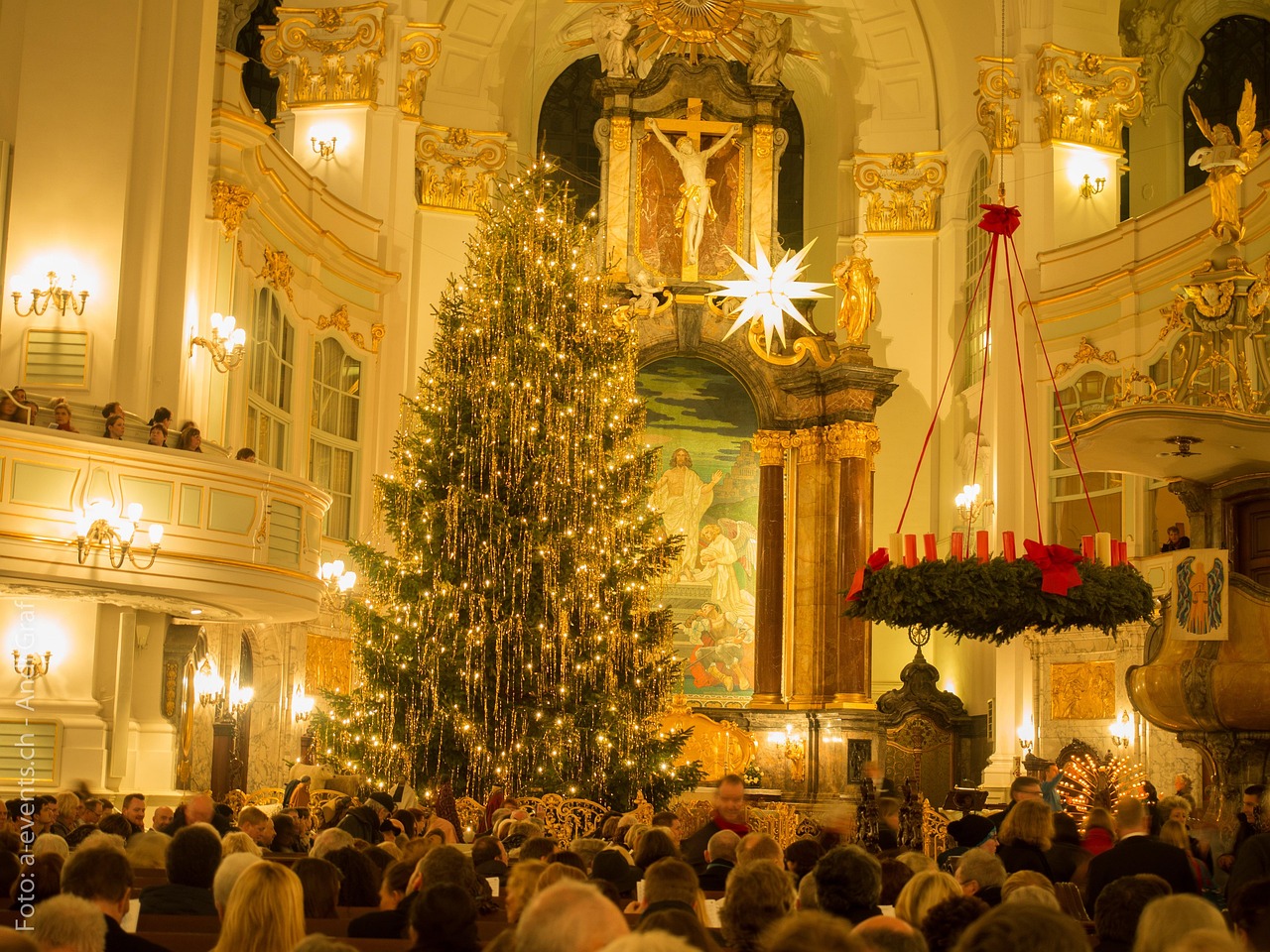
“Michel” is Hamburg’s most beloved church, and its tower is one of the best viewpoints in the city. I still remember climbing up on a cold, clear winter day: my fingers were numb, but the view over the icy Elbe and the red-roofed city was worth every step.
History
The current Baroque-style church dates from the 18th century and has been rebuilt several times after fires and war damage. Its 132-meter tower once guided ships safely up the Elbe.
Visiting Tips
- Observation deck: You can take an elevator or climb the stairs. I always recommend going up in daylight and staying until the lights come on below if possible.
- Interior: The white-and-gold interior is airy and elegant. If you’re lucky, you’ll catch an organ rehearsal.
- Location: A short walk from the harbor and from the Portuguese Quarter (perfect for a post-visit meal).
6. Inner & Outer Alster Lakes
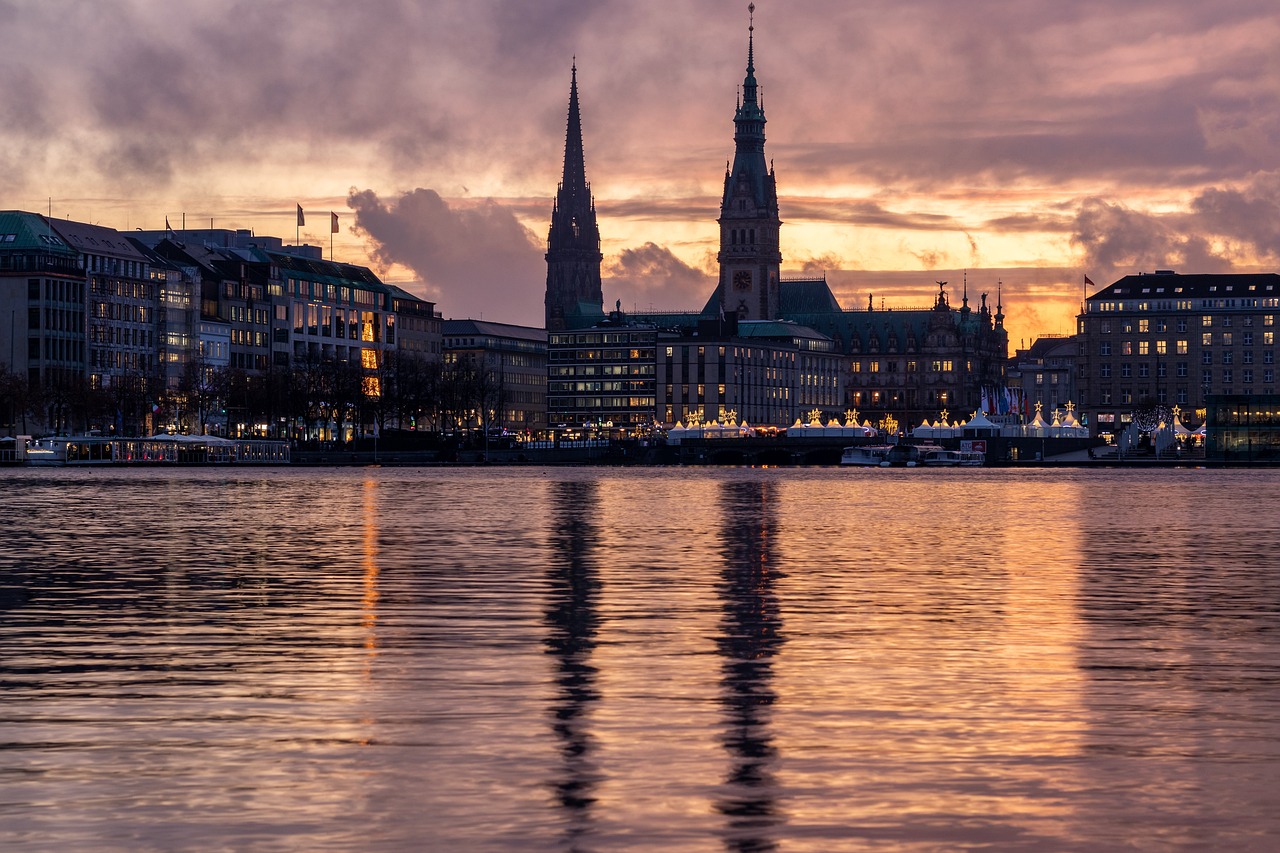
Whenever Hamburg gets a rare heatwave, the whole city seems to gravitate to the Alster. The twin lakes — Binnenalster (Inner) and Außenalster (Outer) — are the city’s blue heart, ringed with promenades, elegant villas, and sailing boats.
My Favorite Ways to Enjoy the Alster
- Walk or run around Außenalster: It’s about 7.5 km. I love doing this early in the morning when the water is still and the city is just waking up.
- Boat tours: Short Alster cruises leave from Jungfernstieg, right in the city center. They’re especially pretty in the evening.
- Stand-up paddling & kayaks: In summer, renting a SUP or kayak and paddling along the canals off the Alster is one of the most relaxing things you can do in Hamburg.
- Cafés with a view: Try Alsterperle (a casual kiosk with a million-dollar view) or one of the terraces on the western shore.
7. Hamburg City Hall (Rathaus) & Rathausmarkt
Hamburg’s Rathaus looks like something from a fantasy novel: a grand Neo-Renaissance building with a soaring green copper roof and intricate statues. I often cut through the courtyard on my way from the old town to the Alster — it’s one of those corners of the city that never gets old.
History & Significance
Completed in 1897, the Rathaus symbolizes Hamburg’s independence as a city-state. The façade is covered in statues of emperors and historical figures, and the interior has lavish halls, some of which you can visit on guided tours.
Things To Do
- Guided tour: If you’re into history and architecture, the tour is worth it to see the grand halls.
- Rathausmarkt events: In winter, there’s a charming Christmas market here; in summer, open-air events and food stalls pop up.
- Canal-side cafés: On the side facing the Alsterarkaden, enjoy a coffee or ice cream by the water.
8. St. Pauli & the Reeperbahn
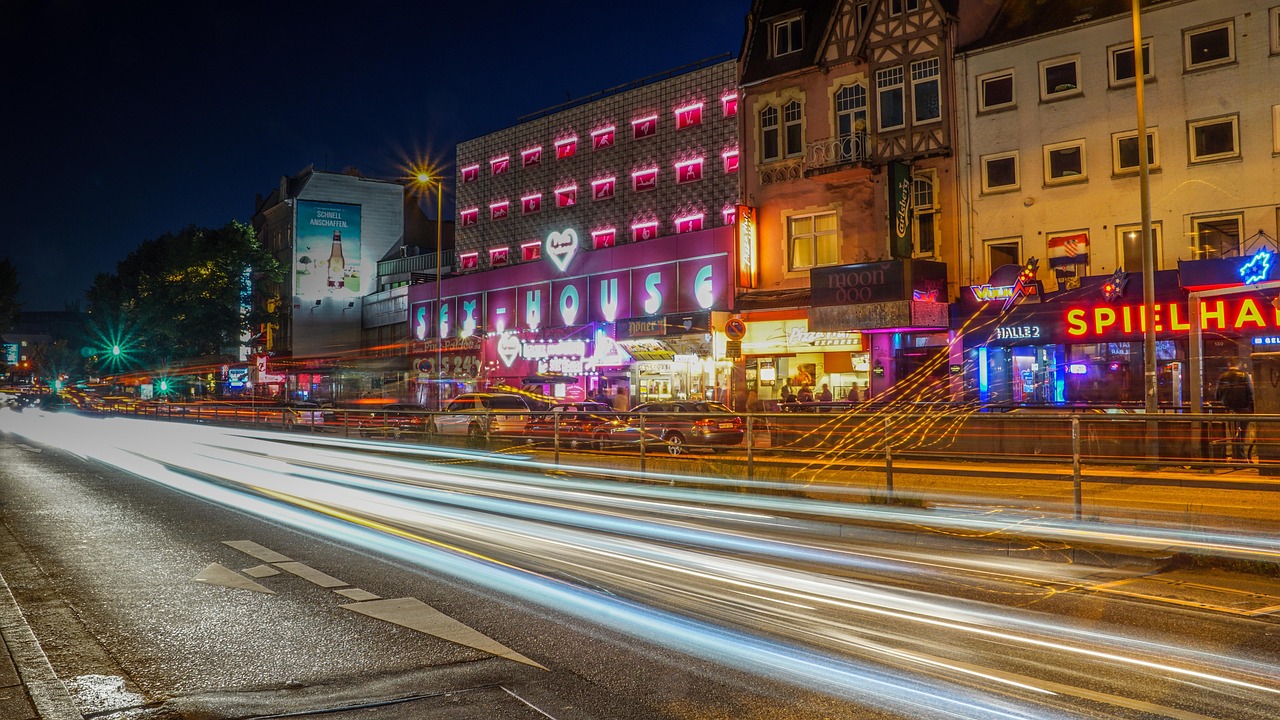
St. Pauli is messy, loud, creative, and unapologetically itself. It’s where the Beatles played before they were famous, where street art covers almost every surface, and where you’ll find everything from punk bars to sleek cocktail lounges.
My Experience
I’ve had countless nights in St. Pauli — some ending with quiet beers in side streets, others with dancing until sunrise. It’s not just the Reeperbahn (the infamous “sin street”); it’s also the smaller streets around it: Hamburger Berg, Clemens-Schultz-Straße, and the squats and galleries tucked into the back lanes.
What To Do
- Beatles history: Visit Beatles-Platz and the clubs like Indra and Kaiserkeller where they played.
- Nightlife: Bars on Hans-Albers-Platz for a classic night out; more alternative vibes around Hamburger Berg.
- Street art walk: By day, wander through the side streets and photograph the murals.
- Football culture: If you’re lucky, catch an FC St. Pauli match at Millerntorstadion — the atmosphere is legendary.
Tips
- Safety: It’s generally safe, but like any nightlife district, keep an eye on your belongings.
- Families: I wouldn’t bring young kids here at night, but daytime visits for Beatles history and street art are fine.
9. Planten un Blomen Park
Planten un Blomen is where Hamburg slows down. I often come here with a book or a takeaway coffee and just wander between the rose gardens, ponds, and bridges. In summer, it feels like the city’s living room.
Highlights
- Japanese garden: Peaceful and beautifully designed, with a tea house and koi ponds.
- Water light concerts: On summer evenings, fountains “dance” to music with colorful lights — romantic and fun for families.
- Playgrounds and ice rink: Fantastic playgrounds for kids; in winter, there’s an ice rink.
Practical Notes
- Location: Between St. Pauli and the city center; easy to combine with shopping or a visit to the Messe (fairgrounds).
- Cost: Free to enter; bring a picnic if you want to save money.
10. HafenCity
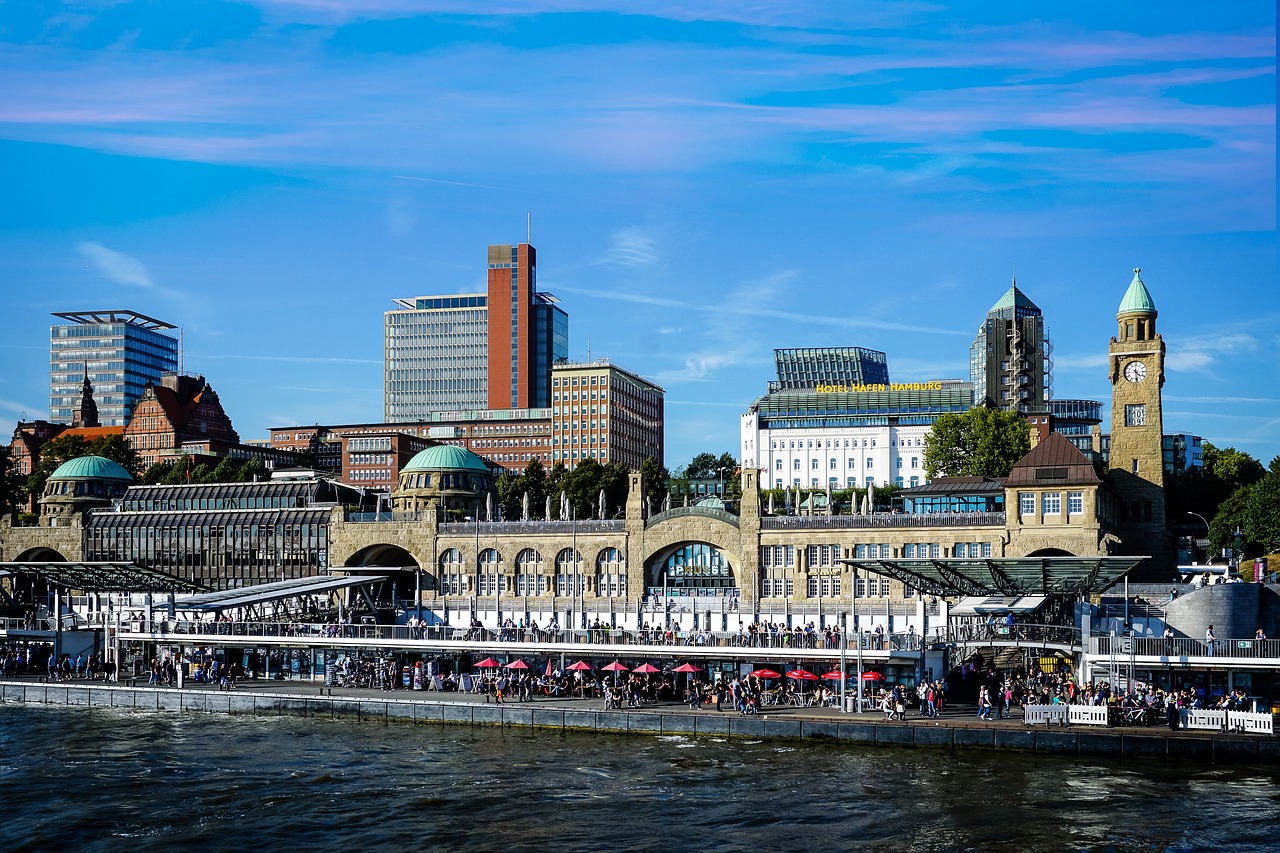
HafenCity is Hamburg’s future: a huge redevelopment of old port land into a modern district of bold architecture, plazas, and waterfront walkways. I like seeing how it changes from year to year — new buildings, new public spaces, new cafés.
What to See
- Marco Polo Tower & Unilever building: Striking, curvy buildings by the Elbe.
- Überseequartier: Growing into a major shopping and entertainment area, with new openings in 2026–2027.
- Promenades: Long riverside paths perfect for sunset walks.
Tip
Combine HafenCity with a visit to the Elbphilharmonie and Speicherstadt for a full “old meets new” day.
11. Hamburg Fish Market (Fischmarkt)
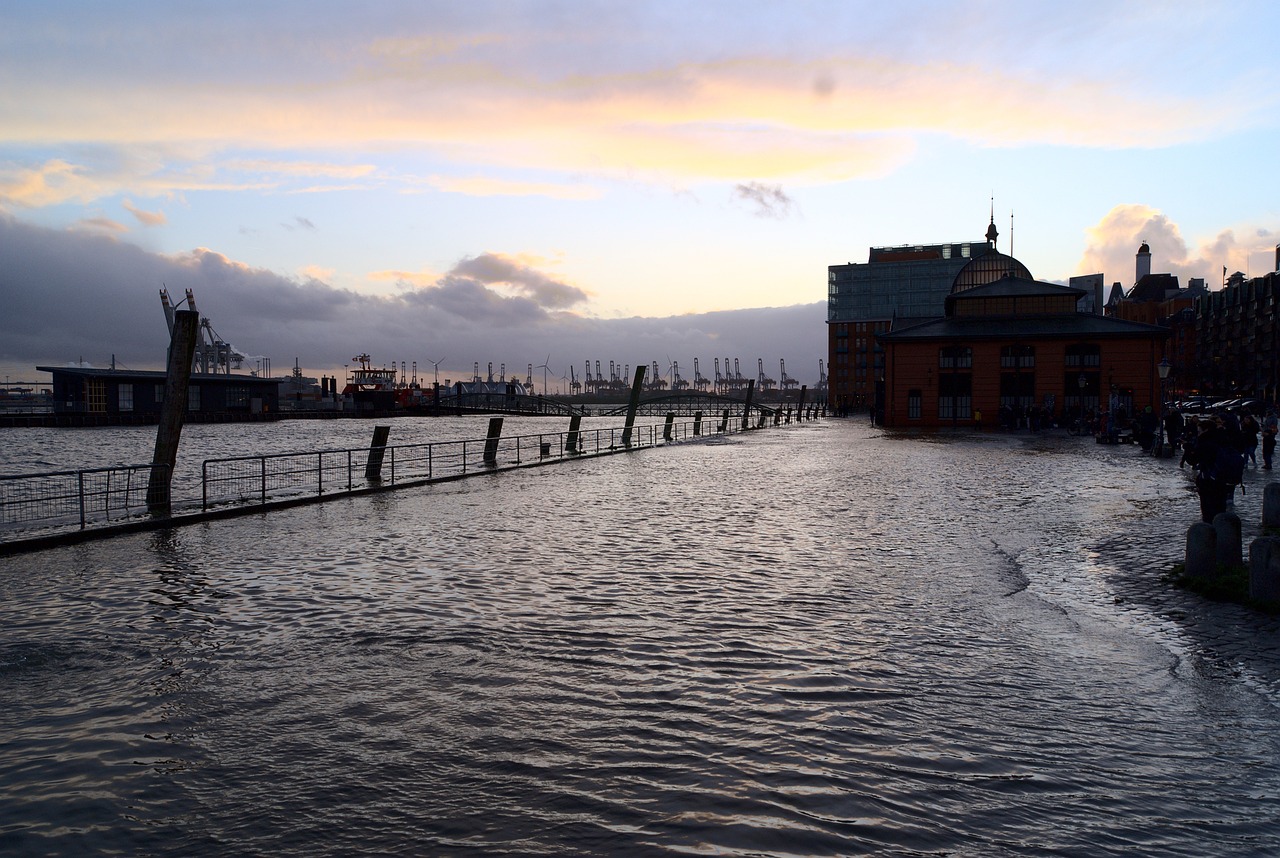
My most “Hamburg” morning ever was stumbling out of a club on the Reeperbahn at 5:30 a.m. and heading straight to the Fischmarkt. Inside the old auction hall, a band was playing rock classics while people danced with coffee in one hand and a fish sandwich in the other.
What It Is
Every Sunday morning (early!), traders sell fish, fruit, plants, and more down by the Elbe. It’s part market, part party, part hangover cure.
Tips
- Opening hours: Usually around 5–9:30 a.m. (later in winter). Go early for the full atmosphere.
- Food: Try a smoked fish sandwich or a traditional North German breakfast.
- Family-friendly? Early in the morning, yes. Just remember that some visitors are coming straight from the clubs.
12. Altonaer Balkon & Elbstrand
When I want a quieter view of the harbor than Landungsbrücken, I head to Altonaer Balkon. The little park sits on a bluff above the Elbe, with big lawns and some of the best picnic spots in the city.
What I Love Here
- Views: You see the full sweep of the harbor, from container terminals to passing ships.
- Elbstrand (Elbe beach): A bit further west, there are sandy stretches where locals sunbathe in summer. It’s surreal to sit on a beach watching giant container ships glide by.
- Sunset: Bring a blanket, some snacks, and maybe a bottle of wine (discreetly) and watch the sun go down over the river.
13. Sternschanze (Schanzenviertel)
Schanze is where I most often meet friends — it’s full of cafés, bars, little boutiques, and an alternative, creative vibe. It’s also one of the best places to feel “local” even on a short trip.
Highlights
- Café culture: Sidewalk tables everywhere; perfect for people-watching.
- Rote Flora: A former theater turned autonomous cultural center, covered in political posters and graffiti.
- Street food: From falafel to vegan burgers, you’ll find affordable options here.
14. Ottensen & Altona Old Town
Ottensen feels like a little town within the city — narrow streets, independent shops, and a cozy, neighborly feel. When I want a quieter evening, I come here for dinner and a wander.
What To Do
- Stroll: Walk from Altona station down to the Elbe, weaving through Ottensen’s car-free streets.
- Eateries: Great mix of cuisines and plenty of vegetarian/vegan options.
- Fabriken & courtyards: Look for old factory buildings turned into cultural spaces.
15. Hamburg’s Museums: Maritime, Art, and More
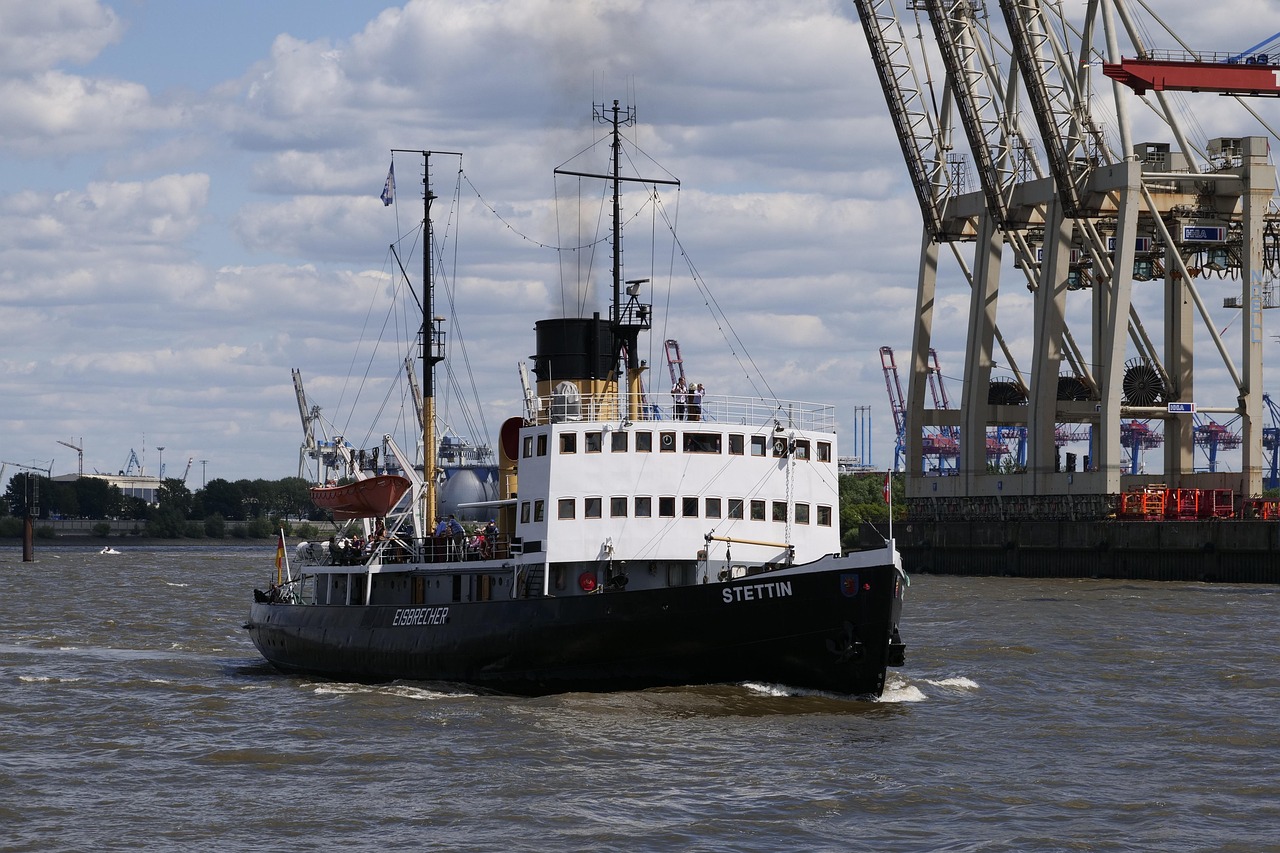
Hamburg’s museums are underappreciated. If you hit bad weather (likely at some point), they’re essential.
Key Museums
- International Maritime Museum: Nine floors of ship models, navigation instruments, and maritime history in a historic warehouse.
- Hamburger Kunsthalle: Major art museum with works from medieval altarpieces to contemporary art.
- Deichtorhallen: Fantastic for modern art and photography in former market halls.
- BallinStadt Emigration Museum: Tells the stories of millions who left Europe via Hamburg.
16. Jungfernstieg & Neuer Wall
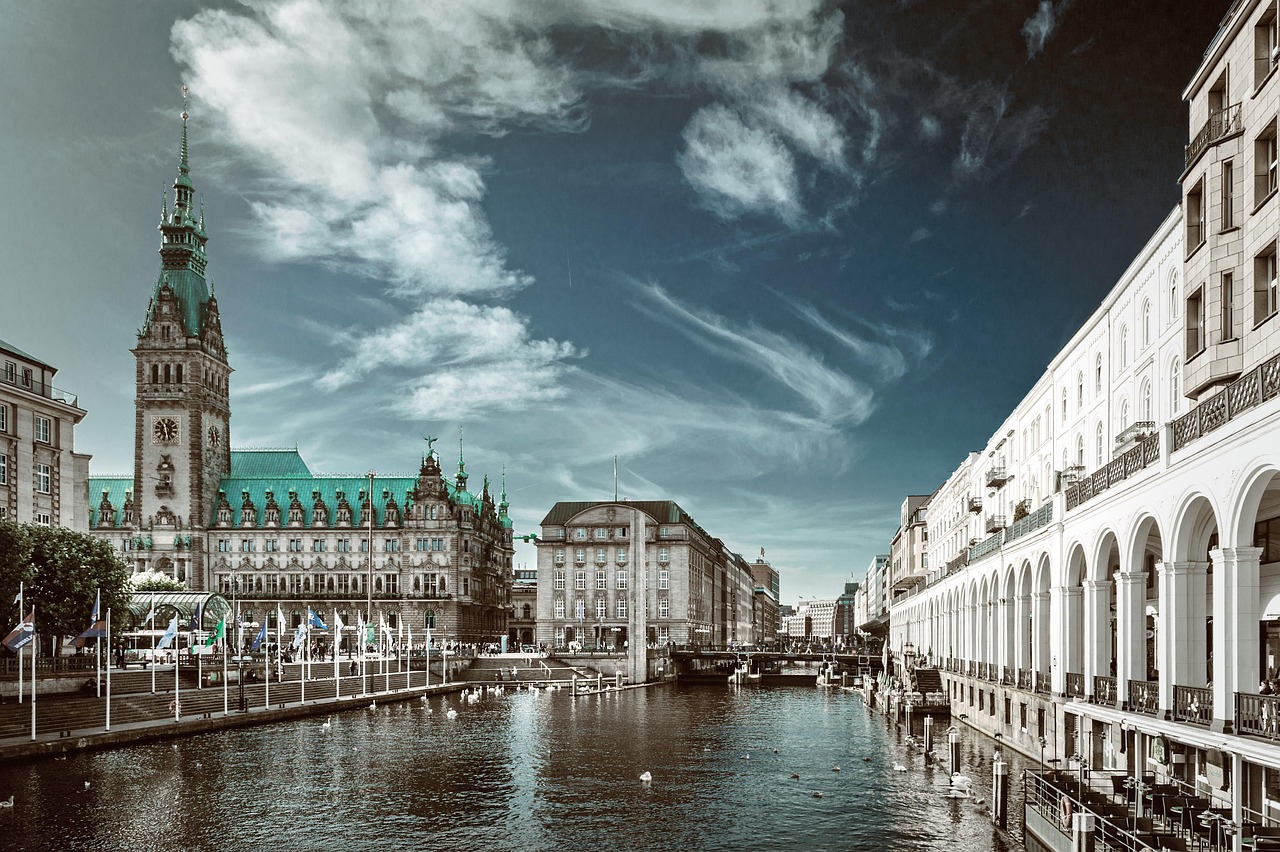
Jungfernstieg is the classic promenade along the Binnenalster, with big department stores and cafés. In December, the Christmas lights here are magical.
What To Expect
- Shopping: High-street brands along Mönckebergstraße, luxury on Neuer Wall.
- Views: Benches overlooking the lake and the fountain.
- Boat tours: Many Alster and canal cruises depart from here.
17. Blankenese & Treppenviertel
Blankenese is Hamburg’s hillside village on the Elbe, with white villas, narrow stairs, and gardens tumbling down toward the water. It feels a bit like the Mediterranean on a sunny day.
Why I Love It
- Treppenviertel: The “stair quarter” is a maze of steps and lanes with surprise views at every turn.
- Elbe walks: Walk along the river from Blankenese toward the Wittenbergener Sand dunes.
- Cafés with a view: There are terraces where you can sip coffee and watch ships go by below.
Getting There
Take the S1 or S11 from the city center to Blankenese, then walk down toward the river. It’s an easy half-day trip and a great addition to a 4 day itinerary for Hamburg or 5 day itinerary for Hamburg.
18. Canal Tours & Hidden Waterways
One of my favorite ways to show Hamburg to friends is from the water — not just on the Elbe, but along the canals and side arms of the Alster. You see back gardens, bridges, and quiet corners you’d never find on foot.
Options
- Classic canal cruises: Depart from Jungfernstieg; commentary is often in German, but many companies offer English audio guides.
- Self-paddle: Rent a kayak or canoe from rental spots like Winterhude and explore the green canals yourself.
19. Portuguese Quarter (Portugiesenviertel)
After a day exploring St. Michael’s and the harbor, I often end up in the Portuguese Quarter for dinner. The neighborhood is packed with Portuguese and Spanish restaurants — grilled fish, tapas, and cozy wine bars.
Why Go
- Affordable, good food: Big portions, lots of seafood, and a lively atmosphere.
- Location: Between the harbor and the city center, easy to fold into any itinerary.
20. Stadtpark & Planetarium
Hamburg’s Stadtpark is where locals barbecue, play frisbee, and sunbathe in summer. At its center stands the old water tower, now Hamburg’s Planetarium.
Highlights
- Planetarium shows: Great for families and anyone into astronomy or immersive shows.
- Green space: Huge meadows, a lake with pedal-boat rentals, and wooded corners.
- Concerts: In summer, open-air concerts and festivals sometimes take place here.
3, 4 & 5 Day Itineraries for Hamburg (with Personal Stories)
These itineraries are built from how I actually show friends around when they visit. You can use them as a 3 day itinerary for Hamburg and then tack on Day 4 and Day 5 if you have more time. Each day mixes must-see attractions, local food, and a few hidden gems.
Day 1: Iconic Hamburg – Harbor, Speicherstadt & Elbphilharmonie
On the first day I host friends in Hamburg, I always start by the water. It sets the tone: this is a port city, shaped by ships, trade, and the Elbe.
Morning: Landungsbrücken & Harbor Ferries
After breakfast — usually a simple Brötchen (bread roll) and coffee at a bakery near your hotel — head to Landungsbrücken. The moment you walk out of the U3 station and see the piers stretching along the river, you’ll understand Hamburg’s obsession with its harbor.
Instead of jumping straight on a tourist boat, I like to start with the HVV ferry 62. It’s part of the public transport network, so a normal day ticket covers it. I take guests onto the upper deck, and as we pull away from Landungsbrücken, I point out the Elbphilharmonie to the east and the endless cranes and container ships to the west.
We ride the ferry out to Finkenwerder, watching shipyards and wharves slide by. On the way back, the city skyline slowly reappears, with church spires and glass towers layered against the sky.
Late Morning: Old Elbe Tunnel
Back at Landungsbrücken, we walk over to the entrance of the Alter Elbtunnel, the old Elbe Tunnel. I love watching first-timers’ faces as they descend in the huge lifts, then walk the tiled tunnel under the river. On the south side, climb up for one of the best free views of the city skyline.
Lunch: Fischbrötchen by the Water
By now you’ll be hungry. Time for your first Fischbrötchen. My personal favorite is a simple Matjesbrötchen (young, mild herring) with onions and pickles from one of the stands at Landungsbrücken. If raw fish isn’t your thing, go for smoked salmon or fried fish.
Afternoon: Speicherstadt & Miniatur Wunderland
From Landungsbrücken, it’s a pleasant 15–20 minute walk along the Elbe and into Speicherstadt. As the brick warehouses close in, I usually slow down and suggest a few photo stops on the bridges.
We head first to Miniatur Wunderland (booked in advance). Even if my friends aren’t “model train people,” they always end up wide-eyed at the tiny worlds. I tend to lose everyone for a while as they wander off to discover their favorite section. I always swing by the Hamburg part and smile at the miniature Elbphilharmonie and harbor — a city within a city.
Late Afternoon: Speicherstadt Photo Walk & Coffee
After Miniatur Wunderland, we step back into the real Speicherstadt. I like to grab coffee at Speicherstadt Kaffeerösterei, a cozy café and roastery, and then wander toward Poggenmühlenbrücke for that classic Wasserschloss view.
Evening: Elbphilharmonie Plaza & HafenCity
As golden hour approaches, we walk into HafenCity and up to the Elbphilharmonie. With timed Plaza tickets on my phone, we glide up the long, curved escalator and step out into the glass hall. I always take the full lap around the Plaza, pointing out the docks below, the cranes, and the courses of the Elbe.
If I’ve managed to get concert tickets, we stay for a performance; if not, we descend and walk the HafenCity promenades as the sky turns pink.
Dinner: HafenCity or Portuguese Quarter
For dinner, I choose based on my guests’ mood:
- HafenCity: Modern restaurants and bars with harbor views, a bit pricier but stylish.
- Portuguese Quarter: A 10–15 minute walk toward St. Michael’s, full of relaxed restaurants serving grilled fish, tapas, and wine.
By the time we head back to the hotel, everyone usually says the same thing: “I didn’t expect Hamburg to feel this… maritime.” And that’s exactly why I start here.
Day 2: Old Town, Alster Lake & St. Pauli Nights
Day 2 balances history, shopping streets, lakeside relaxation, and a taste of Hamburg’s nightlife.
Morning: Rathaus & Old Town
We start in the heart of the city at the Rathaus. I like to meet friends at the fountain in the inner courtyard, then either take a guided tour or just admire the façade and the arcades leading toward the Alster.
From there, we wander the Altstadt, ducking into little passages and courtyards. I usually swing by St. Nikolai Memorial — the ruined church tower left as a war memorial, with a small museum below and a lift to a viewing platform (haunting but powerful).
Late Morning: Mönckebergstraße & Speicher-Passages
If anyone in the group wants to shop, we head up Mönckebergstraße, one of the main shopping streets, then maybe cut through Europa Passage toward the water.
Lunch: Jungfernstieg & Alster
By midday, we gravitate toward Jungfernstieg on the Binnenalster. Sometimes we grab takeaway from a bakery and sit on the steps facing the lake; other times we pick a café with outdoor seating.
Afternoon: Alster Cruise or Canal Tour
For first-timers, I like to do an Alster boat tour in the afternoon. Boats leave from Jungfernstieg and glide out onto the Außenalster, passing sailboats and lakeside villas. It’s a totally different side of Hamburg — greener, calmer, almost suburban in feel.
If my friends prefer something more active, we rent kayaks or stand-up paddle boards a bit further north and explore the canals, paddling under low bridges and by lush backyards. It’s a wonderful summertime activity and a highlight in any 4 or 5 day itinerary for Hamburg.
Late Afternoon: Planten un Blomen
After the water, I steer us toward Planten un Blomen, entering near the Dammtor station. We stroll through the Japanese garden and find a bench by a pond. On warm days, we might grab ice cream from a kiosk and watch kids run across the lawns.
Dinner & Night: St. Pauli & Reeperbahn
As evening falls, it’s time to show my guests St. Pauli. We usually eat first — perhaps at a casual burger joint or a small restaurant on a side street — and then wander down the Reeperbahn.
I’m honest about it: parts of the Reeperbahn are seedy, with strip clubs and loud bars. But there’s also live music, comedy clubs, and a wild mix of people. I point out Beatles-Platz and some of the clubs where they played. If we’re in the mood, we catch a gig at a smaller venue or just hop between bars on Hamburger Berg.
For those who prefer something more low-key, we head into the side streets of St. Pauli, where cozy bars and quirky spots give a different feel of the neighborhood. I always tell visitors: you don’t have to love partying to appreciate St. Pauli — it’s about the energy and the history.
Day 3: Sternschanze, Karoviertel & Art
Day 3 is about feeling like a local: slow breakfasts, neighborhood walks, street art, and maybe a museum if the weather turns.
Morning: Breakfast in Sternschanze
Schanze is brunch heaven. I like to start late — 9 or 10 a.m. — at a café with sidewalk tables. A typical breakfast might be a plate of cheeses, cold cuts, jams, and fresh rolls, or something more international like shakshuka or pancakes.
Afterward, we wander the Schanzenviertel, stopping in little boutiques, record stores, and secondhand shops. I always pause by Rote Flora, the graffiti-covered cultural center, and try to explain some of Hamburg’s alternative political scene.
Midday: Karoviertel & Messe
From Schanze, we drift into the Karoviertel, another creative neighborhood with independent shops, vintage stores, and a slightly grittier vibe. If there’s a fair or exhibition at the Messe Hamburg and my guests are interested, we might pop in — there’s almost always something going on.
Lunch: Street Food or Café
Lunch is usually something casual: a falafel wrap from a takeaway place, a bowl of soup, or pizza slices. This is a good day to keep food costs lower if you’re watching your budget.
Afternoon: Museums or Altona
In the afternoon, I give my guests options based on their interests:
- Art lovers: We head to the Hamburger Kunsthalle or Deichtorhallen for modern art and photography.
- Maritime fans: We take the U-Bahn toward the International Maritime Museum in HafenCity.
- Neighborhood explorers: We go to Ottensen and Altona, walking down through its cozy streets to the Elbe for a riverside coffee.
Evening: Stroll & Casual Drinks
We often end Day 3 with a quiet evening — maybe back in Schanze or Ottensen — sipping a beer or wine at a neighborhood bar, reflecting on the city. If it’s summer, a detour to Altonaer Balkon for sunset is hard to beat.
Day 4: Blankenese, Elbe Walks & Stadtpark
If you have 4 days in Hamburg, Day 4 is about stretching your legs and discovering the greener, quieter sides of the city.
Morning: Blankenese & Treppenviertel
We take the S-Bahn from the center to Blankenese, about 25–30 minutes. As we walk from the station toward the river, the streets narrow and the houses grow fancier.
Then we dive into the Treppenviertel, the stair quarter. I love watching people’s reactions as we start going down — and down, and down — through a maze of staircases between white villas and gardens. Every few turns, a new view of the Elbe opens up.
Lunch: Café with a View or Picnic
At the bottom, we reach the river. Sometimes we grab lunch at a café with a terrace overlooking the water; other times we bring a picnic and sit on the grass or on the small beach.
Afternoon: Elbe Walk or Return to City
If everyone’s feeling energetic, we walk along the Elbe, following the path west toward more natural stretches of riverbank. Otherwise, we climb (slowly!) back up the stairs to the station and return to the city.
Late Afternoon: Stadtpark & Planetarium
Back in Hamburg, we head to Stadtpark. Some of us might nap on the grass, others rent a pedal boat on the lake. If we’re into it, we check the schedule at the Planetarium and catch an early evening show.
Evening: Casual Dinner
For dinner, I like something relaxed near your accommodation — maybe a neighborhood restaurant you’ve passed a few times and wanted to try. By now, you’ll have your own favorite corners of Hamburg.
Day 5: Day Trip or Deep Dive
If you’re lucky enough to have 5 days in Hamburg, you can either take a proper day trip or deepen your exploration of a particular interest (art, history, or just more cafés and canals).
Option 1: Day Trip to Lübeck
Lübeck, with its brick Gothic architecture and marzipan history, is about 45–60 minutes away by train. It’s an easy, rewarding day trip: walk through the Holstentor city gate, wander the old town, and sit by the Trave River with coffee and marzipan cake.
Option 2: Day Trip to Lüneburg
Lüneburg is another brick beauty, with a compact old town and old salt-trade wealth. I like its relaxed, student-town feel — narrower streets, plenty of cafés, and a slower pace.
Option 3: Deep Dive in Hamburg
If you prefer to stay in Hamburg, use Day 5 to:
- Visit more **museums** (Kunsthalle, BallinStadt, Deichtorhallen).
- Spend more time on the **water**, paddling the Alster canals.
- Get lost in **neighborhoods** you haven’t seen yet: Winterhude, Eppendorf, Barmbek.
- Enjoy more **cultural experiences in Hamburg**, like a theater performance or jazz night.
Neighborhoods & Districts to Explore
Altstadt & Neustadt
Altstadt (Old Town) and Neustadt (New Town) are the historic and commercial core: Rathaus, Mönckebergstraße, Jungfernstieg, and the Alster. Great for sightseeing, shopping, and boat tours, but quieter at night once shops close.
St. Pauli
Nightlife central: Reeperbahn, clubs, bars, street art, and FC St. Pauli’s stadium. Lively, edgy, and creative. Ideal for evenings; by day, it has a rough charm and interesting cafés and shops.
Sternschanze & Karoviertel
Bohemian and hip, with lots of independent shops, affordable eats, and a young crowd. Great base for travelers who want nightlife without being right on the Reeperbahn.
Eppendorf & Winterhude
Leafy, upscale residential areas with beautiful old buildings, boutiques, and canals. Winterhude borders the Stadtpark; both are great for relaxed strolls and café-hopping.
Altona & Ottensen
Formerly independent, Altona has a slightly different flavor. Ottensen is cozy and village-like, full of local life, small theaters, and good food. Easy access to the Elbe.
HafenCity & Speicherstadt
Old warehouses meet bold new architecture. Good for sightseeing, riverside walks, and photography. Not my first choice for a base (can be quiet at night), but excellent to visit.
Blankenese
Elegant hillside district on the Elbe with the Treppenviertel and river walks. Best as a half-day trip rather than a base.
Local Food in Hamburg: What to Eat & Where
Must-Try Dishes
- Fischbrötchen: Fresh fish roll; try herring, salmon, or fish filet at Landungsbrücken or the Fischmarkt.
- Labskaus: A traditional sailor’s dish of mashed potatoes, corned beef, beetroot, and a fried egg, usually served with pickles and herring. Hearty and very North German.
- Franzbrötchen: A local pastry, like a flattened, cinnamon-rich croissant. I grab one almost every time I pass a bakery.
- Grünkohl mit Pinkel: Kale with sausage, typically a winter dish — warming and rustic.
- Rote Grütze: Red berry compote with vanilla sauce or ice cream — a classic dessert from the north.
Where I Actually Eat
- Budget-friendly: Imbiss (snack stands) in Sternschanze and St. Pauli, Turkish and Middle Eastern spots along Schulterblatt and around the central station.
- Mid-range: Portuguese Quarter for grilled fish, Ottensen for international cuisine, Winterhude for bistros.
- Splurge: Harbor-view restaurants in HafenCity or near Landungsbrücken, and a few fine-dining places around the Alster.
Drinks
- Beer: Local brews and craft beer bars in Schanze and St. Pauli.
- Astra: Iconic St. Pauli beer; not the fanciest, but somehow always tastes right there.
- Wine & cocktails: Wine bars in Ottensen and Eppendorf; creative cocktails in St. Pauli side streets.
Saving Money on Food
- Eat your main hot meal at lunch; many restaurants have cheaper lunch menus.
- Use bakeries for breakfast and snacks; they’re everywhere and good quality.
- Look for “Mittagstisch” (lunch specials) signs in neighborhood spots.
Nightlife, Entertainment & Cultural Experiences in Hamburg
Nightlife
- Reeperbahn & St. Pauli: Clubs, live music, late-night food. Great if you want to experience that legendary Hamburg night.
- Schanze & Karoviertel: More laid-back bars and pubs with outdoor seating in summer.
- Ottensen & Winterhude: Wine bars, craft beer spots, and more local crowds.
Cultural Experiences
- Elbphilharmonie: World-class concerts in a stunning hall.
- Theaters: Musicals, plays, and cabaret in and around St. Pauli and the city center.
- Festivals: Reeperbahn Festival (music), Filmfests, and local street festivals throughout the year.
Day Trips from Hamburg
Lübeck
Brick Gothic churches, the Holstentor city gate, and riverside cafés. About 45–60 minutes by train. Perfect for history and architecture lovers.
Lüneburg
Charming old town with a salt-trade history and plenty of cafés. Around 30–40 minutes by train. Easy wandering and great photo ops.
North Sea & Baltic Coast
On warm days, locals escape to the coasts. Cities like Cuxhaven and Travemünde can be reached in a couple of hours by train for beach walks and sea air.
Cultural Etiquette & Local Customs in Hamburg
Communication & Behavior
- Direct, but polite: Hamburgers tend to be straightforward. A simple “Danke” (thank you) and “Bitte” (please/you’re welcome) go a long way.
- Quiet on public transport: Keep voices low and phone calls short on buses and trains.
- Queueing: Lines are usually respected; don’t push ahead.
Restaurants & Tipping
- Tipping: 5–10% is standard if service was good. You usually say the total amount you want to pay (including tip) when handing over cash or card.
- Water: Tap water is safe, but asking for “Leitungswasser” sometimes gets you a skeptical look; many places expect you to order bottled water or another drink.
Cash & Cards
Cards are accepted more and more, but some smaller places still prefer cash. Carry a bit of cash for bakeries, kiosks, and toilets.
Practical Travel Tips for Hamburg (2026)
Arriving & Getting Around
- From the airport: S1 train goes directly from Hamburg Airport to the city center (Hauptbahnhof) in about 25 minutes.
- Public transport: HVV network of U-Bahn, S-Bahn, buses, and ferries is excellent. A day ticket is usually worth it if you’re moving around a lot.
- Bikes: Hamburg is bike-friendly, with rental bikes and e-scooters available.
- Car rental: Not needed within the city; parking can be tricky and expensive.
SIM Cards & Connectivity
In 2026, eSIMs and prepaid SIMs from providers like Telekom, Vodafone, and O2 are easy to buy at the airport, main station, or electronics stores. EU roaming rules mean EU SIMs generally work at no extra charge.
Visa & Entry Requirements
Germany is part of the Schengen Area. Many nationalities can enter visa-free for short stays; others need a Schengen visa. Check current requirements well before you travel, as rules can change.
Foreign Driver’s Licenses
If you do rent a car for day trips, most non-EU licenses are accepted, but an International Driving Permit is recommended for some countries. Always confirm with your rental company.
Best Seasons for Different Activities
- Spring (April–June): Great for walking, canal tours, and parks. Weather is changeable but often pleasant.
- Summer (July–August): Best for Elbe beaches, outdoor concerts, and long evenings by the water. Also the busiest and priciest time.
- Autumn (September–October): Cooler, fewer crowds, cozy café time, and beautiful light over the harbor.
- Winter (November–February): Short days but magical Christmas markets, especially around the Rathaus and Jungfernstieg. Dress warmly and plan indoor activities.
Money-Saving Tips
- Use public ferries instead of tourist harbor cruises at least once.
- Stay in neighborhoods slightly outside the center (Schanze, Altona, Barmbek) for better accommodation deals.
- Look for free city views (Alter Elbtunnel south side, Altonaer Balkon) instead of only paid towers.
Major Events in Hamburg 2026–2027
Specific lineups shift every year, but you can expect:
- Hafengeburtstag (Port Anniversary): Each May, the city celebrates the port’s birthday with ship parades, fireworks, and harbor festivities.
- Reeperbahn Festival: Europe’s leading club festival and music industry gathering every September in St. Pauli.
- Film & cultural festivals: Various film, art, and photography festivals throughout the year, often centered around Deichtorhallen and cinemas.
- Christmas Markets: From late November, markets pop up across the city, with the largest at Rathausmarkt and Jungfernstieg.
Summary & Final Recommendations
Hamburg is a city that reveals itself slowly. On your first visit, you’ll be drawn to the big sights: Elbphilharmonie, Speicherstadt, the harbor, and the Reeperbahn. With a well-planned 3 day itinerary for Hamburg, you can see the essentials. With 4 days in Hamburg or a full 5 day itinerary for Hamburg, you can add Blankenese, more museums, canal paddling, and day trips to Lübeck or Lüneburg.
If your priorities are must-see attractions in Hamburg, focus on Days 1–3 of the itinerary. If you’re after hidden gems in Hamburg and deeper cultural experiences in Hamburg, make sure to build in time for neighborhood wandering in Schanze, Ottensen, Winterhude, and along the Alster canals.
For most travelers, the best time to visit is late spring to early autumn, when you can spend long evenings by the water and take full advantage of outdoor life. But even in winter, Hamburg has its charm — foggy canals, Christmas lights, and cozy cafés to shelter from the rain.
However long you stay, don’t rush. Let the city’s water, brick, and music work on you. Hamburg isn’t about checking off boxes; it’s about the feeling you get as the harbor wind hits your face and you realize you’re already planning your next visit.