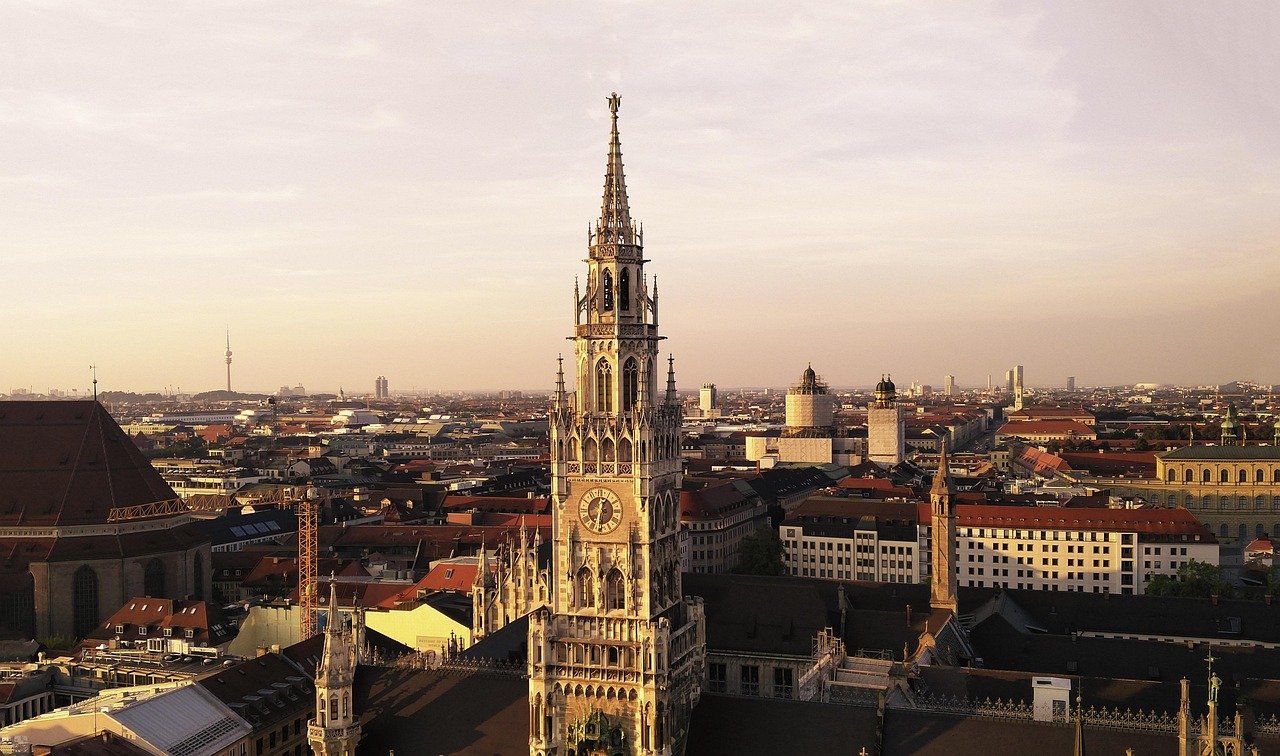
Why Visit Munich in 2026?
Munich is the kind of city that feels like a village and a world capital at the same time. One minute you’re sipping a beer under centuries-old chestnut trees; the next, you’re stepping into a sleek modern art museum or hopping on a train to the Alps. I’ve visited Munich more times than I can easily count, and every trip has had a slightly different flavor: one was all about beer gardens and late nights, another about art and architecture, another about cycling along the Isar and eating my way through local food markets.
In 2026, Munich is especially worth a visit. The city has been investing heavily in cultural spaces, green mobility, and big events. It’s safe, extremely walkable and bike-friendly, and the public transport is one of the easiest in Europe to navigate. For first-timers planning 3 days in Munich or a 4 day itinerary for Munich, you can hit the must-see attractions; with 5 days in Munich, you can mix in day trips to castles and lakes and really get a feel for Bavarian life.
What makes Munich special to me is the rhythm of the day: the slow morning coffee in a café, the midday stroll through a park, the clink of glasses at sunset in a beer garden, and the cozy, candle-lit dinners in wood-paneled restaurants. It’s a city that loves tradition, but doesn’t feel stuck in the past.
Table of Contents
- Why Visit Munich in 2026?
- Munich at a Glance
- Sample Itineraries (3–5 Days in Munich)
- 20 Must-See Attractions in Munich (Deep Dive)
- Best Neighborhoods and Districts to Explore
- Local Food in Munich: What and Where to Eat
- Nightlife, Entertainment & Cultural Experiences
- Best Day Trips from Munich
- Cultural Etiquette & Local Customs in Munich
- Practical Travel Tips for Munich (Money, SIM, Transport, Visas)
- When to Visit Munich & Seasonal Highlights
- Major Events in Munich 2026–2027
- Final Summary & Recommendations
Munich at a Glance
Munich (München) is the capital of Bavaria, in southern Germany, sitting comfortably between the Isar River and the foothills of the Alps. It’s known for beer, yes, but also for world-class museums, tech companies, peaceful parks, and a strong sense of regional identity.
- Population: ~1.6 million
- Language: German (English widely spoken in the center)
- Currency: Euro (€)
- Best for: Culture lovers, foodies, families, couples, and anyone wanting easy access to the Alps
Whenever I land at Munich Airport, I know that within 45 minutes I can be standing in Marienplatz, listening to church bells echo between pastel façades. The city is big enough to keep you busy for a week, but compact enough to feel manageable, even if it’s your first time in Germany.
Itineraries: 3–5 Days in Munich
Below are flexible itineraries you can mix and match. I’ll give the overview here, then dive into the individual attractions later in the guide.
3 Day Itinerary for Munich (First-Time Highlights)
If you only have 3 days in Munich, focus on the historic center, museums, and at least one classic beer garden.
- Day 1: Marienplatz, Frauenkirche, Viktualienmarkt, Residenz, Hofbräuhaus
- Day 2: English Garden, surfers at Eisbachwelle, afternoon in Schwabing, evening beer garden
- Day 3: Nymphenburg Palace & park, Olympiapark & BMW Welt
4 Day Itinerary for Munich
With 4 days in Munich, you can layer in more culture and a different neighborhood vibe.
- Days 1–3: Follow the 3-day itinerary
- Day 4: Alte & Neue Pinakothek museums, Maxvorstadt cafés, evening in Glockenbachviertel
5 Day Itinerary for Munich
With 5 days in Munich, add either a full day trip or go deeper into local life.
- Days 1–4: Follow the 4-day itinerary
- Day 5: Day trip to Neuschwanstein Castle, Dachau Memorial, or Lake Starnberg / Tegernsee
20 Must-See Attractions in Munich (With Local Insights)
These are the must-see attractions in Munich I return to again and again. I’ll share what to expect, a bit of history, and my own experiences and tips.
1. Marienplatz & the New Town Hall (Neues Rathaus)
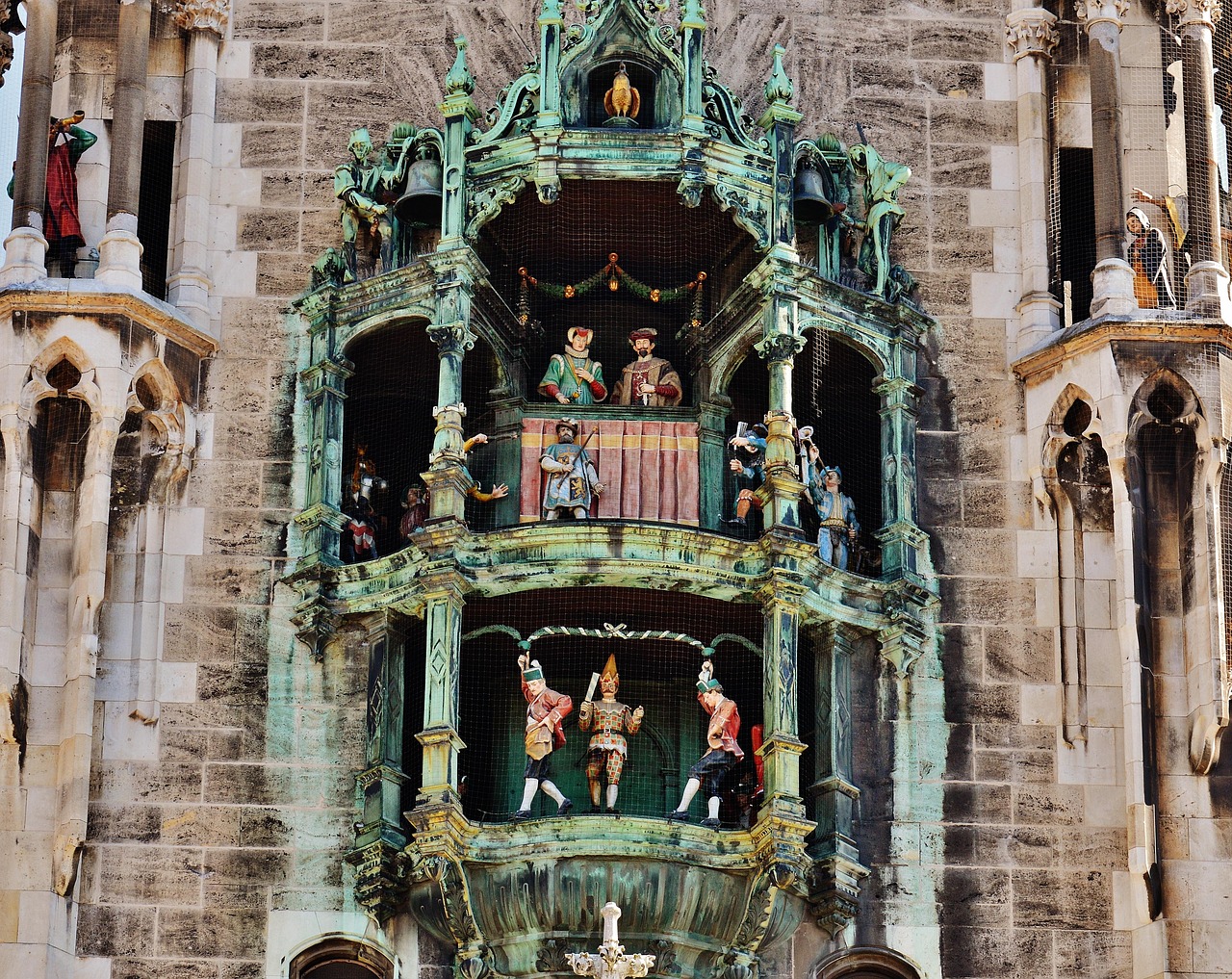
Marienplatz is Munich’s living room. Every visit I’ve made to the city begins or ends here. The square is framed by the ornate Neo-Gothic New Town Hall, the more restrained Old Town Hall, and a sea of people: commuters, tourists, street musicians, and locals cutting through on their way to work.
The star of the show is the Glockenspiel in the New Town Hall tower. At 11:00 and 12:00 (and 17:00 in summer), figures dance and joust high above the crowd. I’ll be honest: it’s charming but a bit overrated—go once, enjoy the atmosphere, then use your time to explore the side streets.
What I usually do: I like to arrive around 10:30, grab a quick coffee from a nearby bakery (try a butterbreze, a buttered pretzel), and watch the square slowly fill. After the Glockenspiel, I head into one of the small lanes like Weinstrasse or Kaufingerstrasse for window shopping.
Don’t miss: the tower view. Take the elevator up the New Town Hall tower for one of the best views of Munich’s red roofs, with the Alps visible on clear days.
- Family-friendly: Yes, kids love the puppets of the Glockenspiel.
- Romantic: Go up the tower near sunset for golden-hour photos.
- Getting there: U- and S-Bahn “Marienplatz” (central hub).
- Money-saving tip: Enjoy the square for free; only the tower has a small fee.
2. Frauenkirche (Cathedral of Our Dear Lady)
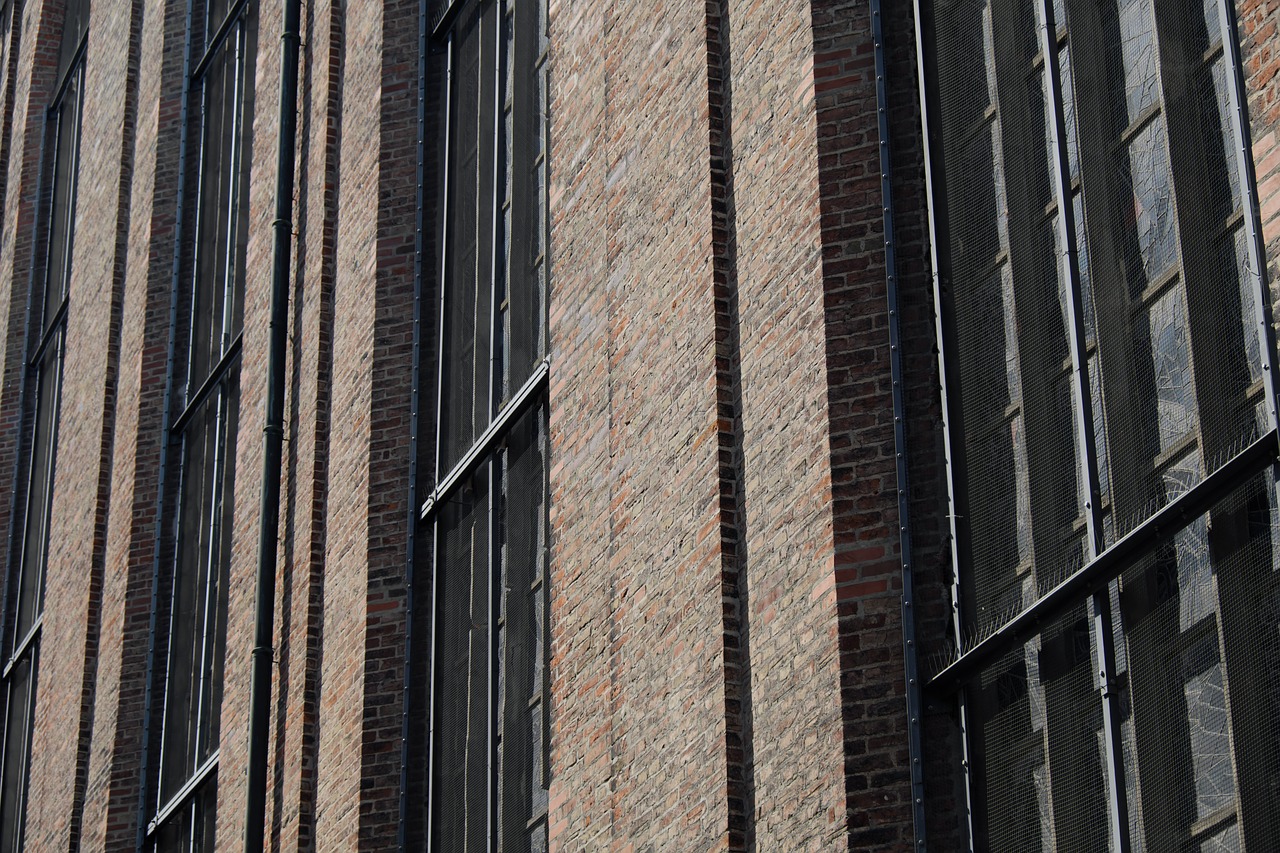
The twin onion-domed towers of the Frauenkirche are Munich’s most recognizable silhouette. I still get a bit of a thrill when I spot them peeking between other buildings as I wander the old town.
Completed in the late 15th century, the cathedral was heavily damaged in World War II and carefully restored. Inside, it’s calmer than many European cathedrals: white walls, tall columns, and soft light filtering through simple windows.
My routine: I often duck into the Frauenkirche when I need a moment of quiet. On a rainy day, I once sat through part of a choir rehearsal here—it was one of those unscripted cultural experiences that made me love the city more.
Look for the so-called Devil’s Footprint near the entrance, a dark mark in the floor with a local legend attached: stand there and look towards the altar, and you’ll notice the windows seem to disappear behind the columns.
- Good for: Architecture lovers, anyone seeking calm in the city center.
- Viewpoint: One of the towers is periodically open for panoramic views (check current opening times).
- Admission: Entrance to the main church is free; donations appreciated.
3. Viktualienmarkt
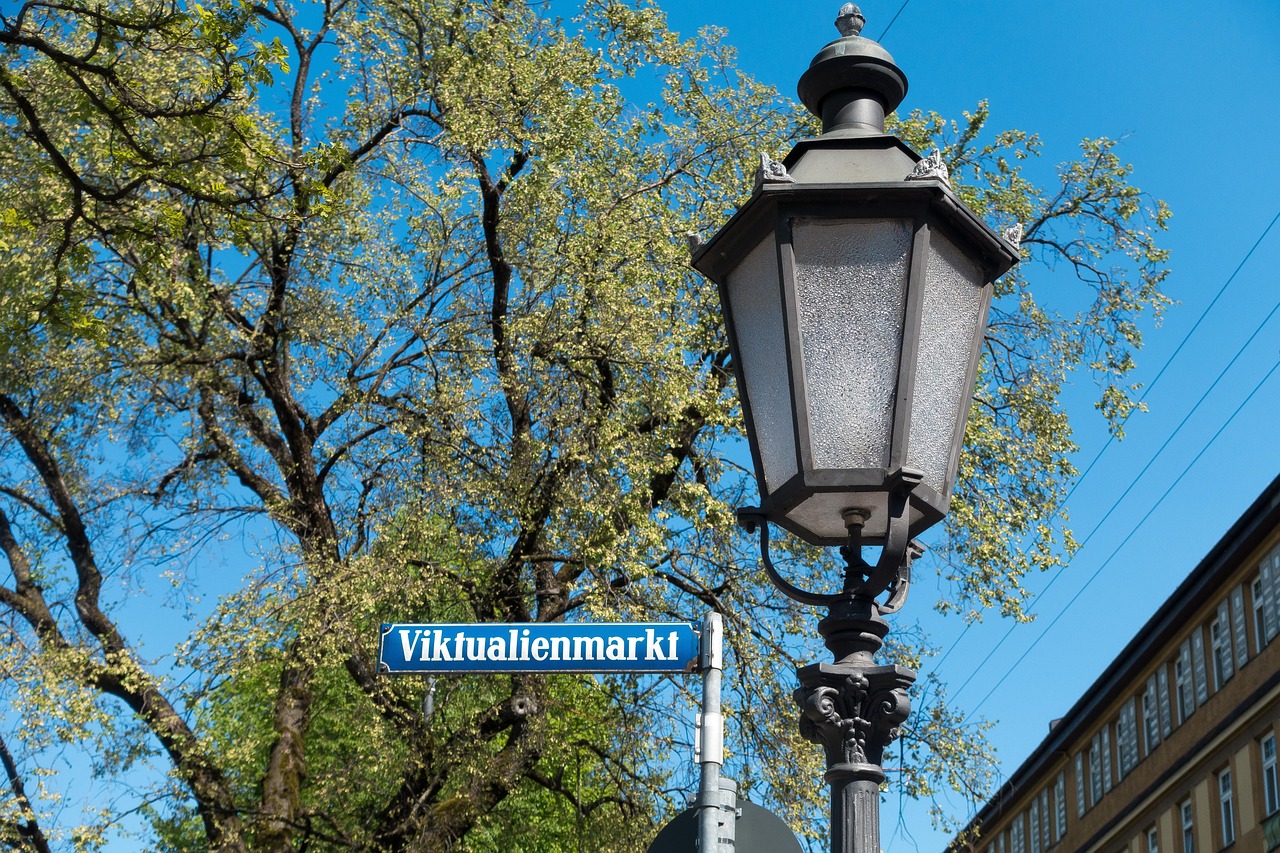
Just a few minutes’ walk from Marienplatz, Viktualienmarkt is where Munich’s food-obsessed side shines. If you want to understand local food in Munich, start here. I rarely visit the city without eating at least one meal at this open-air market.
Stalls sell everything from fresh berries and wild mushrooms to regional cheeses and sausages. There’s a central beer garden shaded by chestnut trees, where the beer on tap rotates between six major Munich breweries—so you can taste broadly without leaving one spot.
What I eat: My go-to lunch is a Leberkässemmel (a kind of Bavarian meatloaf in a roll) from a butcher stand, followed by an Obazda cheese plate and a half-liter of Helles beer. If I’m feeling lighter, I get fresh fruit and a pretzel and just people-watch.
- Family-friendly: Yes, lots of casual food options for picky eaters.
- Money-saving tip: Avoid the most touristy-looking stands; prices can vary. Look for ones where locals are in line.
- Best time: Late morning to early afternoon, when everything is open but not yet packed with tour groups.
4. Munich Residenz
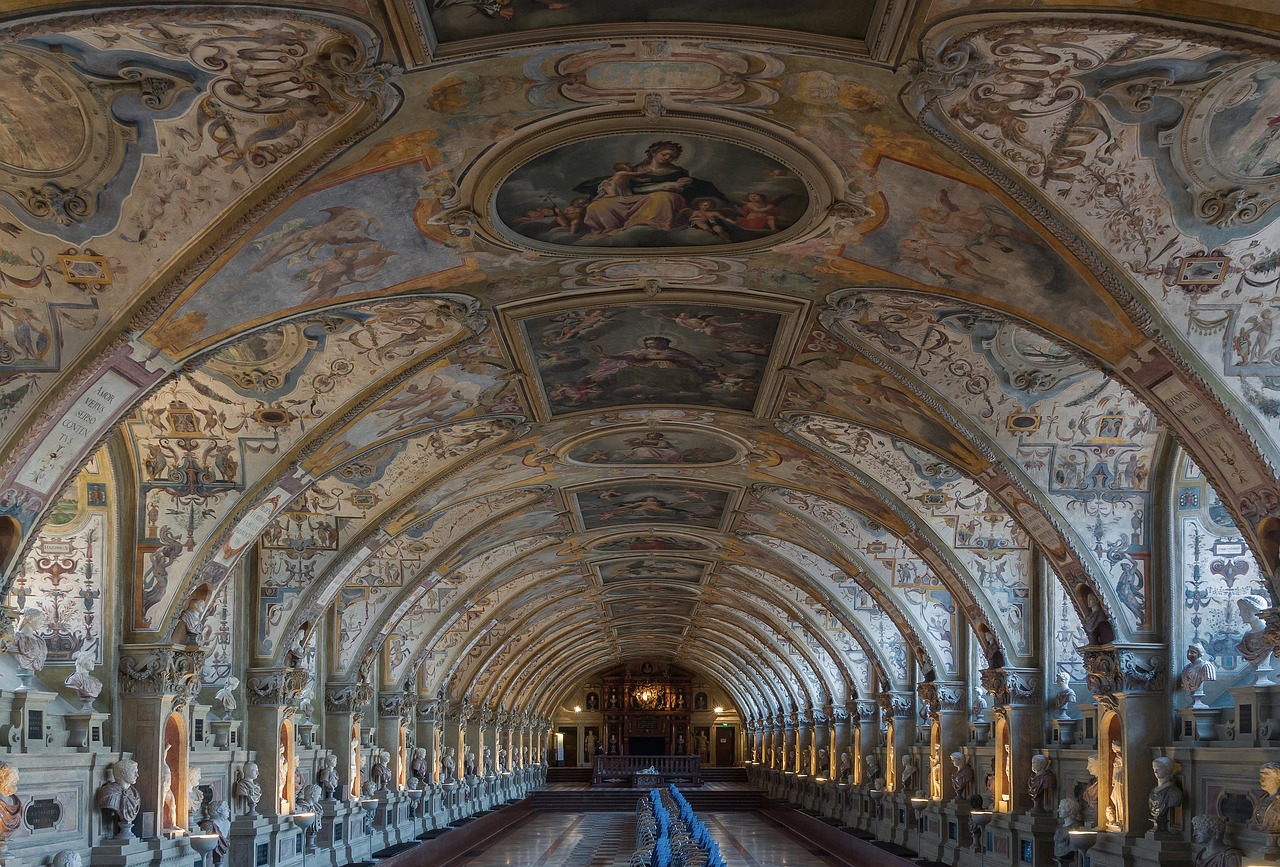
The Residenz is a labyrinth of opulence: Bavaria’s former royal palace, right on the edge of the old town. I still get lost in its corridors, and I’ve been through it multiple times. If you’re into palaces, this is easily one of the best places to visit in Munich.
The complex includes ornate rooms, the jaw-dropping Renaissance Antiquarium hall, treasury, and the Cuvilliés Theatre. On my last visit, I spent almost four hours inside and still skipped a few wings.
Tip: Go early in the day to avoid crowds and palace fatigue. The audio guide is worth it if you like context.
- Romantic: Yes, especially if you like wandering through historic rooms together.
- Family note: Younger kids may get bored; combine with nearby Hofgarten to let them run around.
- Money-saving tip: Combined tickets (museum + treasury) are better value than separate entries.
5. English Garden (Englischer Garten)
The English Garden is Munich’s green lung, bigger than New York’s Central Park and just as beloved. I’ve biked, picnicked, sunbathed, and even sledded here over the years, depending on the season.
The park stretches from the city center into the north, with meadows, streams, beer gardens, and even a Japanese teahouse. In summer, the lawns are full of sunbathers (note: some areas are traditionally clothing-optional), and the Isar river arms fill with swimmers.
Personal favorite: I like to enter near the Eisbachwelle to watch the surfers (more on that below), then wander towards the Chinese Tower beer garden for a liter of beer and a roast chicken shared with friends.
- Family-friendly: Very; there are playgrounds and plenty of space to run.
- Romantic: Pack a picnic and find a quieter meadow further north.
- Money-saving tip: Grab picnic supplies from a supermarket and save versus eating in central restaurants.
6. Eisbachwelle (River Surfing)
Even after multiple trips, watching surfers on the Eisbach never gets old. Right at the southern edge of the English Garden, a powerful artificial wave in the Eisbach stream has become a legendary surfing spot.
Surfers in wetsuits take turns jumping onto the wave, performing quick tricks, and then are swept downstream. Crowds line the bridge to watch, cameras ready.
My tip: I like to stop here in the late afternoon, when the light is softer and locals are out. It’s also a good meeting point if you’re exploring the park with friends.
- Adventurous: Surfing here is only for experienced surfers; the current is strong and dangerous.
- Free: Watching is free and makes for great photos.
7. Nymphenburg Palace & Park
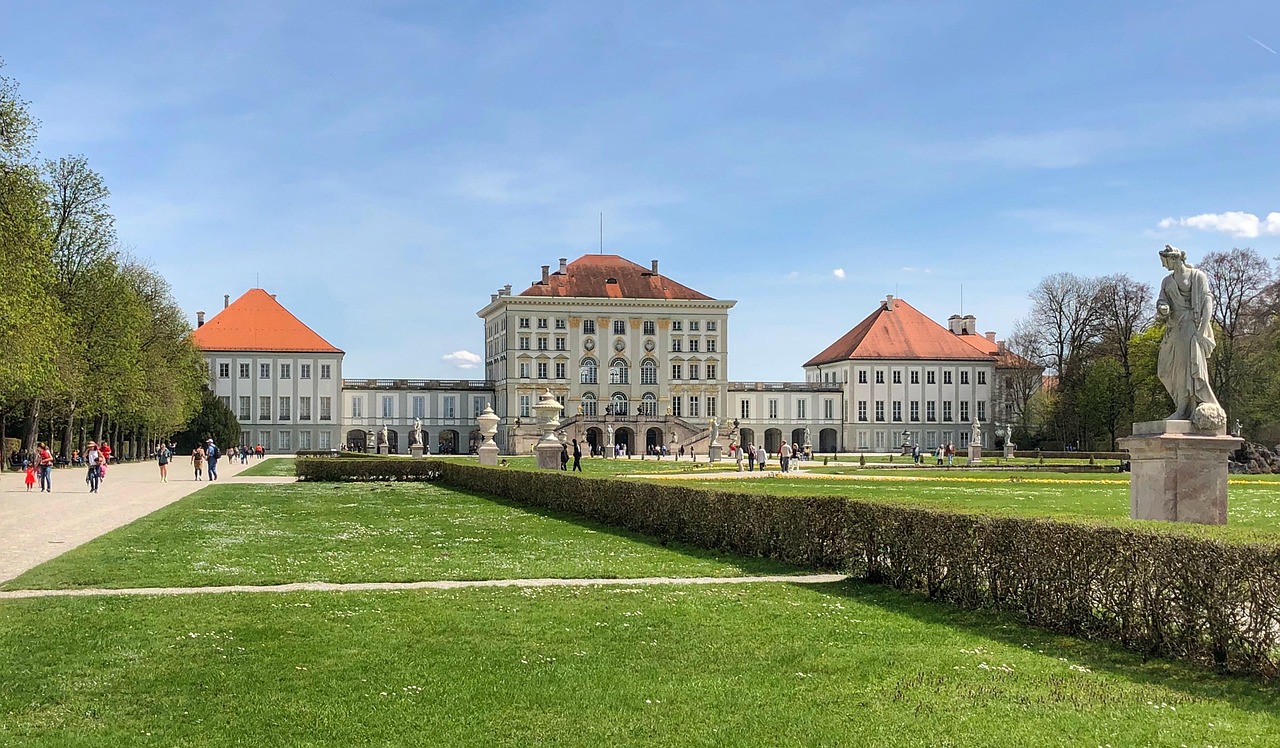
Nymphenburg Palace feels like a countryside escape, even though it’s still within Munich’s city limits. This Baroque palace was the summer residence of Bavarian rulers, and its long, symmetrical façade reflected in the water is one of the city’s most photogenic sights.
I like to visit Nymphenburg on slower days. I wander through the lavish rooms, then spend most of my time outside in the vast park with canals, small palaces (like Amalienburg), and tree-lined paths.
In winter, I’ve seen locals ice-skating on the frozen canals here, bundled in scarves and laughing over thermoses of mulled wine. In summer, you can rent small boats on the central canal.
- Family-friendly: Yes, especially the park; bring snacks and let kids explore.
- Romantic: Very; the grounds are perfect for long walks.
- Getting there: Tram from the center (about 20–30 minutes).
8. Olympiapark
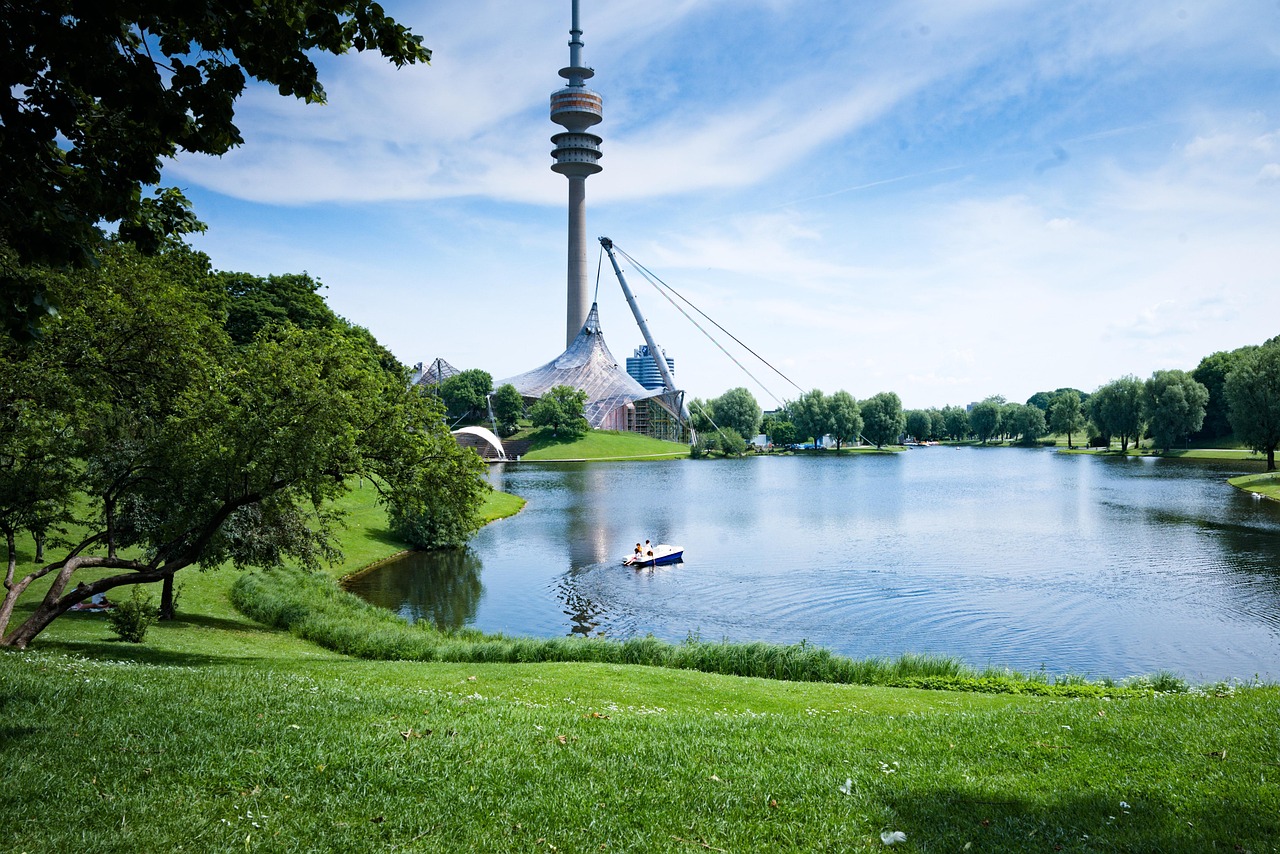
Built for the 1972 Olympics, Olympiapark is a showcase of 1970s futurism: sweeping tent-like roofs, tall towers, and open spaces. I first came here on a hot June afternoon and ended up staying until the sun set behind the Olympic Tower.
Today, the park hosts concerts, festivals, sports events, and everyday activities like jogging and paddle boating. The grassy hill (built from wartime rubble) offers one of my favorite sunset views in Munich.
What I usually do: Climb the hill for sunset, then walk around the lake and maybe grab a snack from a food stand. If I have time, I combine it with a visit to BMW Welt and the BMW Museum right next door.
- Family-friendly: Yes; open spaces, lake, and often events.
- Adventurous: You can sometimes do roof climbs or zip lines (check current offerings).
9. BMW Welt & BMW Museum
Whether you’re a car enthusiast or just appreciate design, BMW Welt and the BMW Museum are worth a stop. The architecture alone—gleaming glass, metal, and bold shapes—is striking.
BMW Welt is more of a brand experience center: free to enter, with rotating displays of cars and motorcycles. The actual museum (ticketed) dives into the history of BMW and showcases classic models and concept vehicles.
I once visited on a rainy day and ended up spending almost three hours here, fascinated by the evolution of automotive design. If you’re traveling with kids or teens, this is often a hit.
- Family-friendly: Yes, lots to look at and interactive elements.
- Money-saving tip: If you’re on a tight budget, stick to BMW Welt (free) and skip the museum.
10. Alte Pinakothek, Neue Pinakothek & Pinakothek der Moderne

Maxvorstadt’s trio of “Pinakothek” museums is where Munich flexes its art muscles. I’ve dedicated entire rainy days to wandering these halls, and I still haven’t seen every corner properly.
The Alte Pinakothek focuses on Old Masters (think Rubens, Dürer, Rembrandt). The Neue Pinakothek (under renovation at various times—check 2026 status) covers 19th-century art, while the Pinakothek der Moderne dives into modern and contemporary art, design, and architecture.
My strategy: Pick one or two rather than trying to see all three in one day. I usually choose the Pinakothek der Moderne plus either the Alte or the Neue, then recharge at a nearby café.
- Money-saving tip: On Sundays, many Munich museums offer €1 admission (check current rules for 2026).
- Good for: Culture lovers, anyone on a 3 day itinerary for Munich that wants serious art time.
11. Deutsches Museum
The Deutsches Museum is one of the world’s largest science and technology museums, and it’s absolutely massive. My first visit was overwhelming; now I go with a plan and pick a few sections I care about most: aviation, space, physics experiments, or musical instruments.
Interactive displays make it especially great for families. I’ve watched kids become completely absorbed in the hands-on exhibits here, giving parents a much-needed hour of relative peace.
- Family-friendly: One of the best in the city for kids and teens.
- Time needed: Minimum 3–4 hours; a full day if you’re a science geek.
12. Allianz Arena & FC Bayern Experience
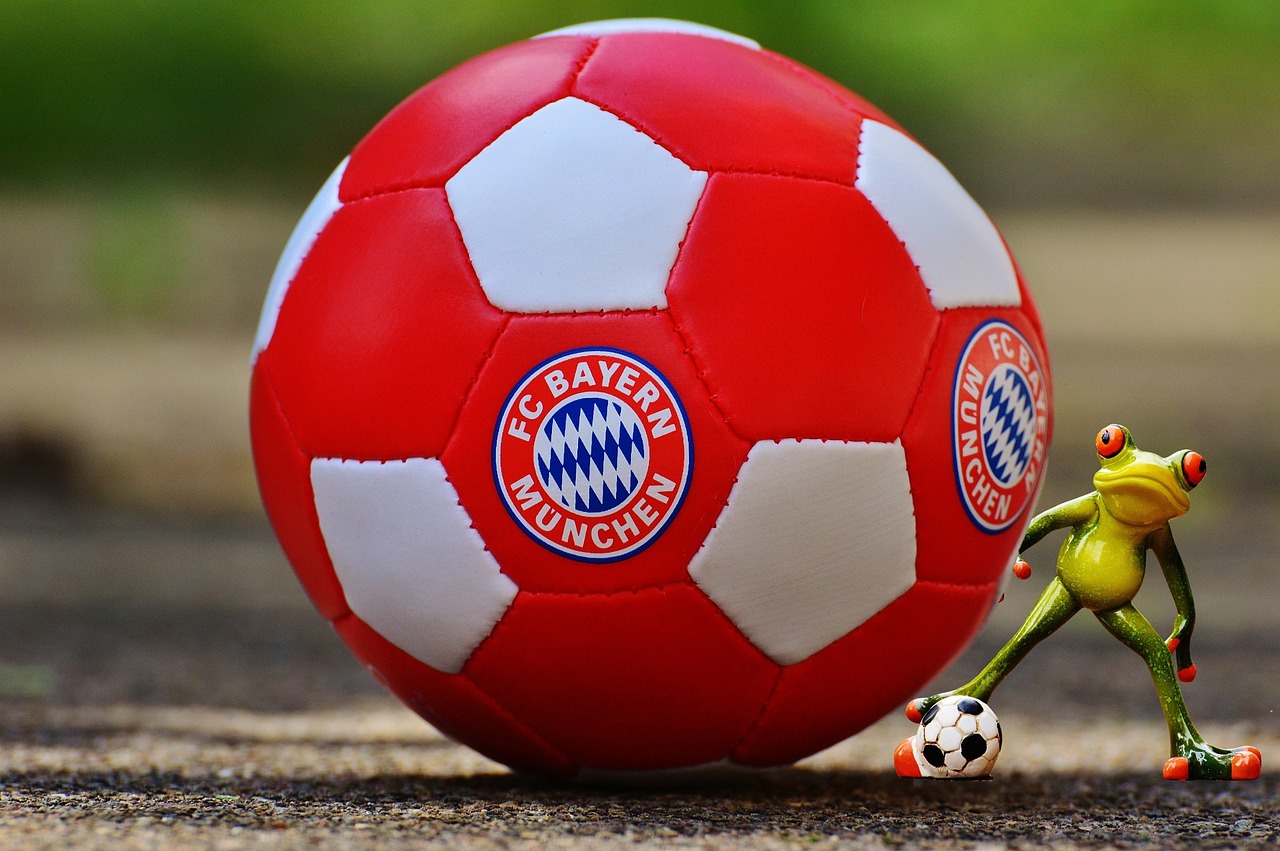
Home to FC Bayern Munich, the Allianz Arena is a pilgrimage site for football fans. Even if you’re not obsessed with the sport, the stadium’s glowing, color-changing façade is impressive.
I visited on a match day once, and the energy was electric—fans in red and white streaming off trains, singing, and chanting. On non-match days, you can take a stadium tour and visit the FC Bayern Museum.
- Adventurous: Catching a live match is an unforgettable cultural experience.
- Family note: Great for older kids who like sports; ear protection recommended for younger ones.
- Getting there: U6 to “Fröttmaning”, then follow the crowds.
13. Glockenbachviertel & Gärtnerplatz
Glockenbachviertel is one of my favorite neighborhoods for evenings: leafy streets, independent boutiques, and a lively LGBTQ+-friendly nightlife scene. The area around Gärtnerplatz, with its circular square and flower beds, is particularly charming.
I love coming here for dinner and drinks. There are cozy wine bars, cocktail spots, and relaxed restaurants. It’s less touristy than the old town and gives you a clearer sense of how young Munich lives.
- Romantic: Yes; lots of date-night-worthy places.
- Best time: Evenings, especially in warm weather when people spill onto sidewalks.
14. Maxvorstadt & Schellingstrasse
Maxvorstadt is Munich’s university and museum district, and it has that particular energy of students, academics, and creatives. I like to wander here between museum visits, dropping into bookshops and cafés along Schellingstrasse and Türkenstrasse.
On one trip, I spent an entire afternoon here doing nothing “important”: just reading in a café, browsing vinyl records, and soaking in the atmosphere. Those slow days became some of my favorite Munich memories.
- Hidden gems in Munich: Independent galleries and small bars tucked into side streets.
- Money-saving tip: Student-oriented eateries often have more affordable lunch specials.
15. Isar River Banks
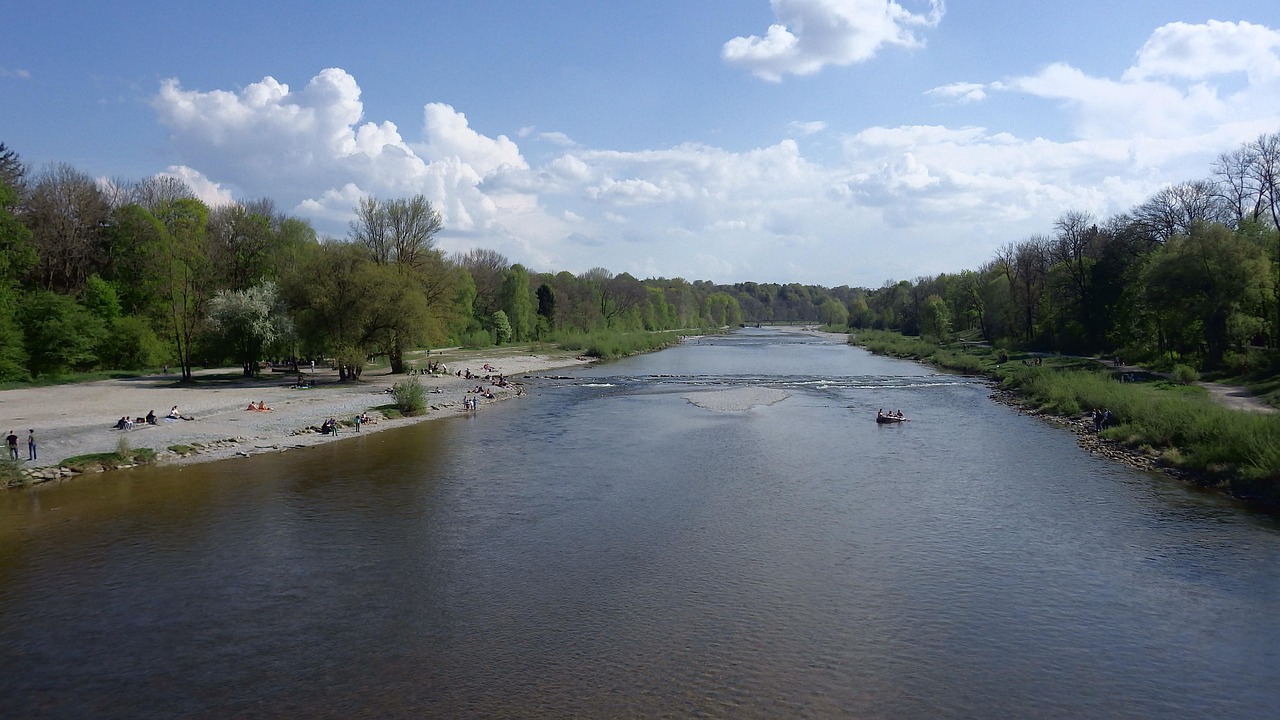
The Isar River is where Munich truly relaxes. On sunny days, locals head to the water with picnic blankets, portable grills, and crates of beer. It’s like an endless urban beach without the sea.
I’ve cycled the Isar paths multiple times, stopping to sit on the stones near Reichenbachbrücke or further south towards Flaucher. In summer, you’ll see swimmers braving the cold, fast-flowing water (stick to safe, signed areas).
- Family-friendly: Yes, though keep an eye on kids near the water.
- Romantic: Evening walks by the river are lovely.
- Money-saving tip: Free entertainment; bring your own snacks and drinks.
16. Asamkirche (St. Johann Nepomuk)
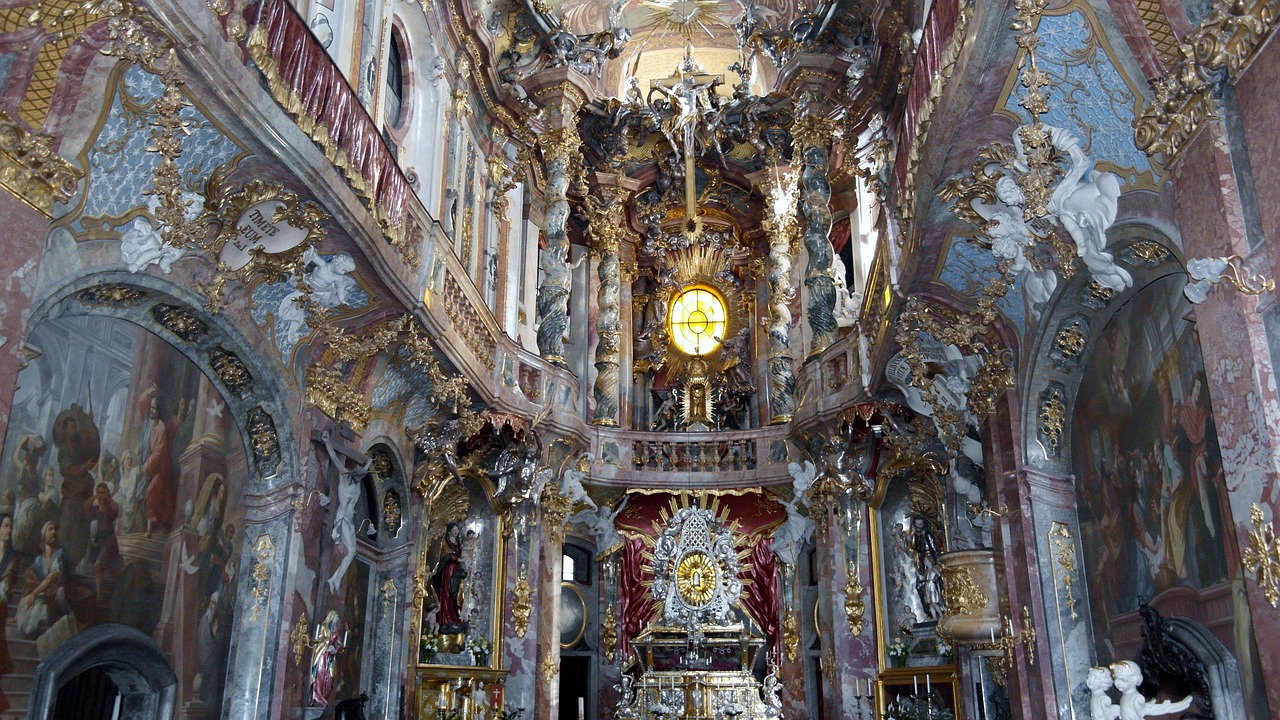
Asamkirche is a compact explosion of Baroque decoration tucked on a regular shopping street, Sendlinger Strasse. From the outside, you might almost miss it. Inside, it’s all gilded details, twisting columns, and dramatic sculpture.
The first time I found it, I ducked in from the rain and was stunned at how ornate it was for such a small space. It’s a great stop on a self-guided old town walk and rarely as crowded as Frauenkirche.
- Hidden gem: Definitely; many visitors walk right past.
- Quick stop: You can see the interior in 10–15 minutes.
17. Sendlinger Tor & Surroundings
Sendlinger Tor is one of Munich’s remaining medieval city gates and marks the southern end of the old town. I like this area for its mix of history and everyday life: old fortifications, modern shops, and plenty of eateries.
From here, you can walk up Sendlinger Strasse towards Marienplatz, detouring into side streets for quieter corners and small boutiques.
- Good for: A relaxed stroll into the city center.
- Photography: The gate makes a nice backdrop, especially at dusk.
18. Hofbräuhaus
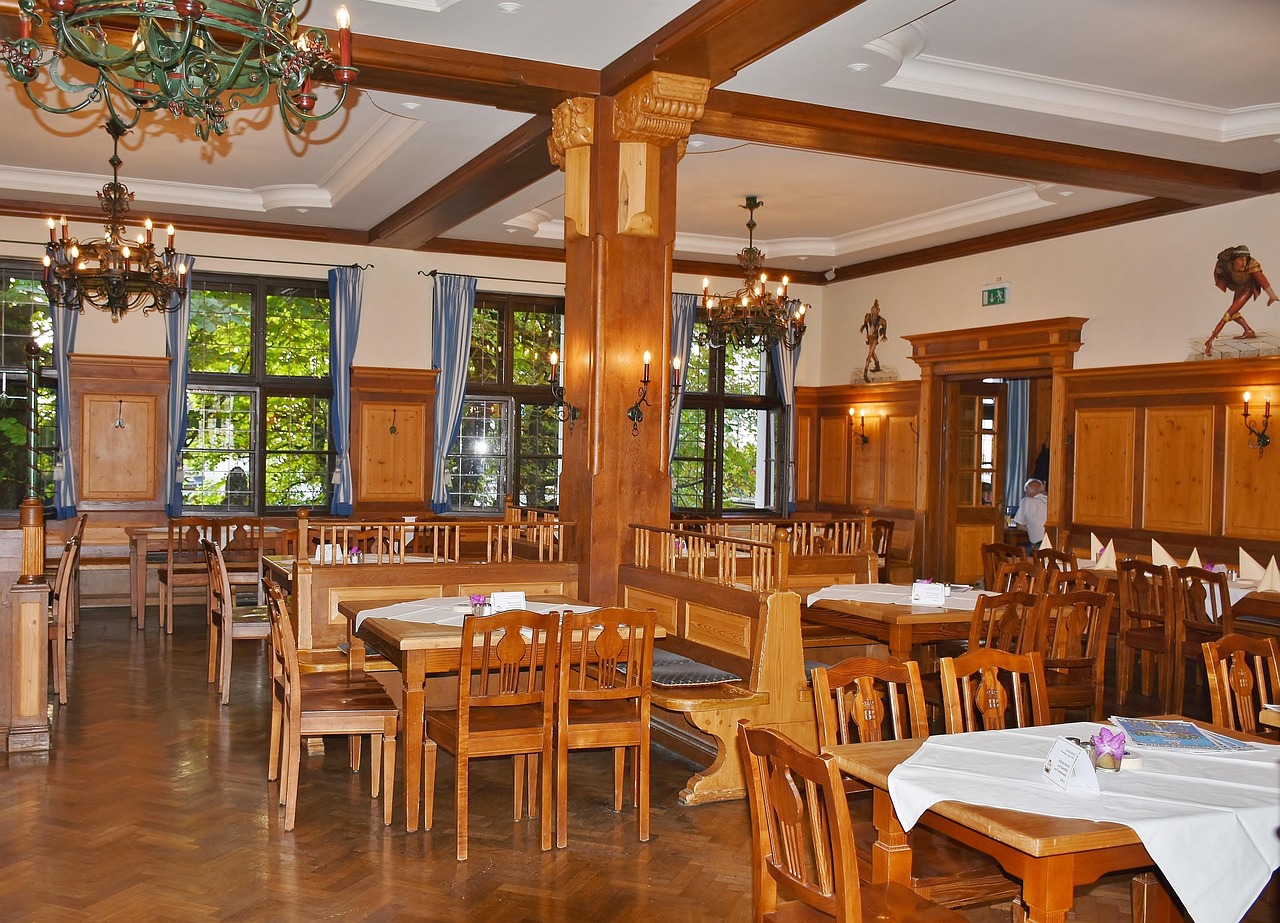
Hofbräuhaus is the world’s most famous beer hall—and it knows it. It’s loud, often packed, and undeniably touristy, but it’s also a classic Munich experience if you go in with the right mindset.
I’ve been multiple times, usually when visiting with friends new to Munich. We share a big table with strangers, order liter-sized beers and traditional dishes, and listen to the oompah band. I wouldn’t eat here every night, but once per trip can be fun.
- Family note: Kids are allowed; go earlier in the evening before it gets rowdy.
- Money-saving tip: Prices are higher than neighborhood beer gardens; think of it as paying for the atmosphere.
19. Augustiner-Keller & Other Beer Gardens
While Hofbräuhaus is famous, I prefer the more local feel of beer gardens like Augustiner-Keller, Hirschgarten, and the Chinese Tower in the English Garden.
Augustiner-Keller, near the central station, has huge chestnut trees and that classic Munich vibe of long tables full of friends and families. I like grabbing a beer from the self-service area, picking up a roast chicken or sausages, and settling in for a lazy evening.
One of the joys of Munich is that you’re allowed to bring your own food to most traditional beer gardens as long as you buy your drinks there. I often stop at a supermarket for salads, bread, and cheese, then feast cheaply under the trees.
- Family-friendly: Yes; lots of kids and even playgrounds in some gardens.
- Romantic: A summer evening at a quieter beer garden can be very romantic.
Munich Neighborhoods & Districts to Explore
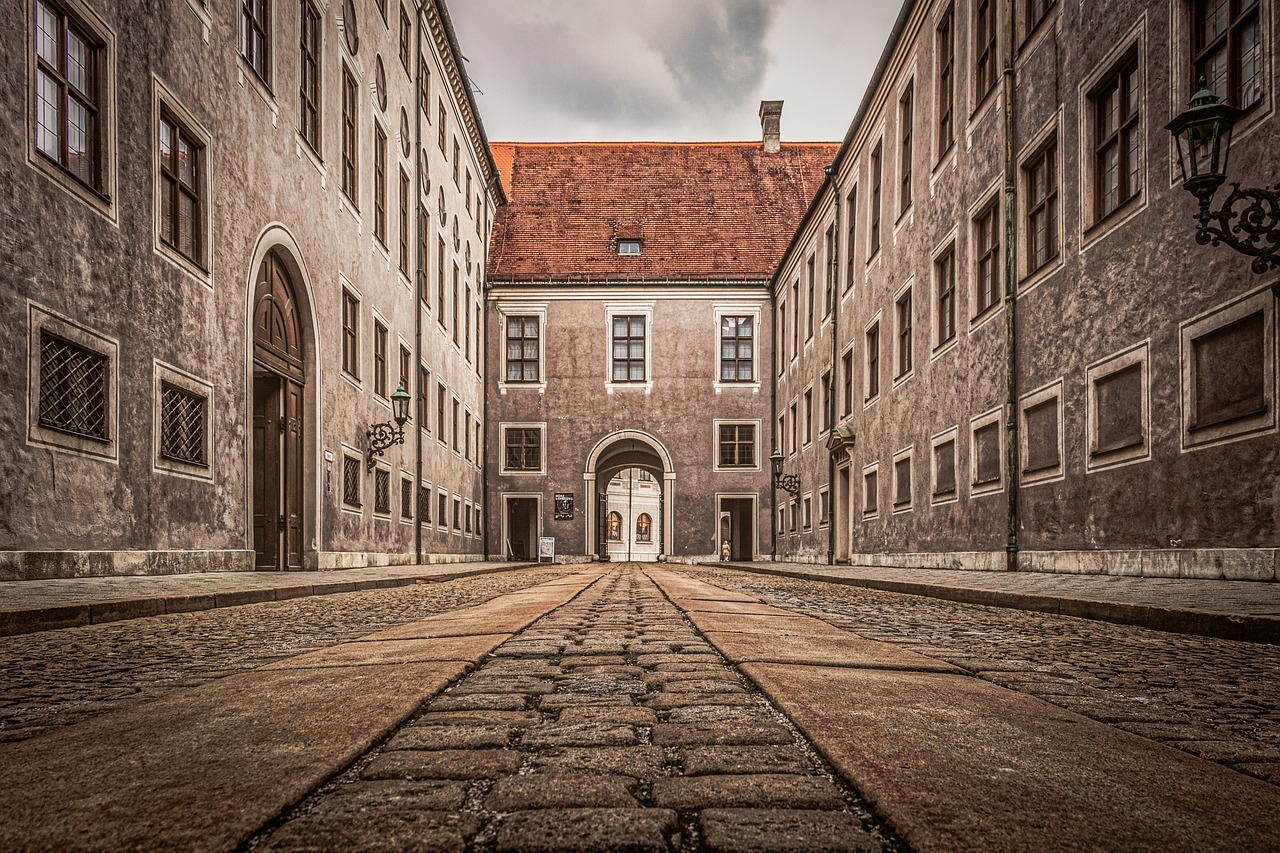
Munich’s character changes subtly from district to district. Here’s a quick guide to where to wander.
- Altstadt-Lehel: The old town and its immediate surroundings. Historic squares, churches, Viktualienmarkt, high-end shopping. Great for first timers.
- Maxvorstadt: Museum and university district. Art, libraries, students, and plenty of cafés and bars.
- Schwabing: Once bohemian, now upscale and residential with pockets of student life. Good for evenings and the northern English Garden.
- Glockenbachviertel / Isarvorstadt: Creative, LGBTQ+-friendly nightlife, independent shops, cool cafés.
- Haidhausen: Across the river from the old town; village-like squares, nice restaurants, and a slightly quieter feel.
- Neuhausen-Nymphenburg: Residential, local, and home to Nymphenburg Palace.
When I plan 4 days in Munich or more, I make a point to spend at least one full evening each in Glockenbachviertel and Schwabing, to balance the tourist center with real-life Munich.
Local Food in Munich: What & Where to Eat

Bavarian cuisine is hearty, comforting, and perfect after a day of sightseeing or hiking. Here are essentials to try and where I like to eat them.
Must-Try Bavarian Dishes
- Weißwurst: Traditional white veal sausages, eaten before noon with sweet mustard and pretzel.
- Schweinshaxe: Crispy pork knuckle, usually served with dumplings and gravy.
- Hendl: Roast chicken, a beer garden classic.
- Obazda: Spiced cheese spread, great with pretzels.
- Käsespätzle: Bavarian mac and cheese with fried onions.
- Apfelstrudel: Apple strudel, often with vanilla sauce.
Where I Like to Eat
- Viktualienmarkt: For casual lunches and sampling local specialties.
- Augustiner Bräustuben: Traditional, slightly less touristy than Hofbräuhaus.
- Zum Augustiner (Neuhauser Strasse): Classic beer hall atmosphere and solid food.
- Smaller Wirtshäuser in Haidhausen / Neuhausen: Great for a more local feel; look for daily chalkboard menus.
Money-saving tip: Many restaurants offer cheaper lunch menus and slightly smaller portions; eat your main meal at midday and go lighter in the evening.
Nightlife, Entertainment & Cultural Experiences in Munich
Munich’s nightlife is more laid-back than Berlin’s, but there’s plenty to do after dark.
Beer Halls & Beer Gardens
From Hofbräuhaus to neighborhood beer gardens, this is where Munich shines. Summer evenings outdoors under chestnut trees are a cultural experience in themselves.
Bars & Clubs
- Glockenbachviertel: Cocktails, wine bars, LGBTQ+ bars, and late-night spots.
- Schwabing: More relaxed pubs and student-friendly bars.
Cultural Experiences
- Bavarian State Opera: A beautiful venue; dress up and enjoy a night of opera or ballet.
- Gasteig HP8 (new cultural center): Concerts, performances, and events (check the 2026 program).
- Open-air cinema: In summer, look for pop-up outdoor screenings in parks and courtyards.
Best Day Trips from Munich
Neuschwanstein Castle
The fairy-tale castle that inspired Disney’s logo is a classic day trip. It’s busy, but the mountain scenery and the castle’s dramatic position make it worthwhile at least once.
- Getting there: Train from Munich to Füssen, then bus to Hohenschwangau (about 2.5 hours each way).
- Tip: Reserve tickets in advance and go early to beat tour groups.
Dachau Concentration Camp Memorial Site
A sobering but important visit, Dachau is one of the most significant memorials to the victims of the Nazi regime. It’s not an easy day, but it offers crucial historical context.
- Getting there: S-Bahn to Dachau, then local bus to the memorial.
- Tip: Allow 3–4 hours on site; consider an audio guide or guided tour.
Munich’s Lakes: Starnberger See, Ammersee, Tegernsee
On hot days, I escape Munich for its nearby lakes: swimming, lakeside walks, and café terraces with mountain views.
- Starnberger See: Easiest to reach; good for walks and quick swims.
- Tegernsee: More Alpine, postcard-perfect; combine with an easy hike.
- Getting there: Regional trains from Munich; travel passes often cover these.
Cultural Etiquette & Local Customs in Munich
Understanding local customs in Munich will make your trip smoother and your interactions warmer.
- Greetings: A simple “Grüß Gott” (Bavarian), “Hallo,” or “Guten Tag” works. In shops, always greet when entering and say “Tschüss” or “Auf Wiedersehen” when leaving.
- On time: Germans value punctuality. For tours, restaurant reservations, and meetups, try to be on time or let people know if you’re running late.
- Cash culture: Cards are widely accepted now, but some smaller places still prefer cash. I keep some euros handy.
- Quiet on public transport: Keep voices low; loud phone calls are frowned upon.
- Tipping: Round up in cafés; 5–10% in restaurants if service is good. Hand the tip directly to the server when paying; don’t leave it on the table.
- Beer garden etiquette: Don’t sit at tables marked “Stammtisch” (regulars’ table). It’s normal to share long tables with strangers—just ask “Ist hier frei?” (Is this seat free?).
Practical Travel Tips for Munich
Getting Around: Public Transport & Bikes
Munich’s U-Bahn (subway), S-Bahn (suburban trains), trams, and buses are integrated and efficient.
- Tickets: Buy single tickets, day tickets, or group day tickets at machines or via the MVV/MVG app.
- Validation: Some tickets must be stamped before boarding; check the instructions.
- Airport transfer: S1 and S8 trains connect the airport to the city center in about 40 minutes.
- Bikes: Munich is bike-friendly; rent from shops or bike-share services and use dedicated lanes.
Car Rental & Driving
For the city itself, you don’t need a car. For rural day trips, a rental can be handy.
- Foreign driver’s license: EU licenses are valid; many non-EU licenses (e.g., from the US, Canada, Australia) are accepted for short stays. An International Driving Permit is recommended; check the latest 2026 rules before traveling.
- Parking: Central parking is expensive; many hotels offer garage deals.
SIM Cards & Connectivity
For data, you have a few options:
- eSIM: Many travelers now use eSIM packages for Europe, activated before arrival.
- Local SIM: Carriers like Telekom, Vodafone, and O2 sell prepaid SIMs in shops and at the airport. Bring your passport for registration.
- Wi-Fi: Common in hotels, cafés, and many public areas.
Money & Costs
- ATMs: Widely available; avoid expensive currency exchange counters.
- Budget tips: Eat your main meal at lunch, picnic in parks, use group day transport tickets, and drink tap water (it’s safe).
Visa Requirements
Germany is part of the Schengen Area. Travelers from many countries (including the EU, UK, US, Canada, Australia, New Zealand, and others) can enter visa-free for short stays (up to 90 days in a 180-day period), but this depends on your nationality.
Always check the latest entry and visa requirements for international visitors with your local German embassy or consulate or the official EU websites, especially as rules can change by 2026.
When to Visit Munich & Seasonal Highlights
Munich changes dramatically with the seasons; the best time for you depends on what you want to do.
- Spring (April–May): Mild weather, blooming parks, fewer crowds. Great for city walks and early beer garden season.
- Summer (June–August): Warm and lively. Perfect for the English Garden, Isar river, and lakes. Also the busiest and priciest time.
- Autumn (September–October): Cooler, colorful foliage, and of course, Oktoberfest. Book early if you visit during the festival.
- Winter (November–February): Christmas markets, cozy pubs, and potential trips to ski resorts. Shorter days and colder temperatures, but a very atmospheric time, especially in December.
For a balanced trip with decent weather and manageable crowds, I often recommend May, early June, or late September.
Major Events in Munich 2026–2027
Munich’s event calendar is always packed. For 2026–2027, watch for:
- Oktoberfest (late Sept–early Oct, annually): The world’s biggest beer festival. Expect massive crowds, high accommodation prices, and a very festive atmosphere.
- Starkbierfest (Strong Beer Festival, March): A more local, less touristy beer festival with strong brews and traditional music.
- Christmas Markets (late Nov–Dec): Marienplatz, Residenz, and many neighborhood markets with lights, Glühwein, and crafts.
- Film, music, and cultural festivals: Events like the Munich Film Festival, Tollwood Festival, and various open-air concerts in Olympiapark; check city listings for 2026–2027 dates.
As 2026 approaches, keep an eye on the official Munich tourism website for new exhibitions, openings, or large-scale cultural projects that may be announced.
Final Summary & Recommendations
Munich is more than Oktoberfest and beer halls. It’s a city of art museums, riverside walks, palace gardens, and neighborhoods where you can linger over coffee and feel oddly at home, even if it’s your first visit.
For a 3 day itinerary for Munich, focus on the old town, English Garden, and either Nymphenburg or Olympiapark/BMW. With 4 days in Munich, add the Pinakothek museums and an evening in Glockenbach or Schwabing. With 5 days in Munich, build in a day trip to Neuschwanstein, a lake, or Dachau, depending on your interests.
The best seasons for most travelers are late spring and early autumn, but every season offers its own reward—from river swims in July to Christmas markets in December. Whichever time you choose, give yourself at least one unplanned afternoon to simply wander, sit by the Isar, or get lost in a side street café. Those unscripted hours have always been when Munich felt least like a destination and most like a place I could live.