Why Visit Denpasar, Indonesia?
When most travelers think of Bali, they picture Canggu’s cafés, Ubud’s rice terraces, or Uluwatu’s cliffs. Denpasar, the island’s capital, is often treated as a place you pass through on the way to “real Bali.” That’s a shame—because Denpasar is real Bali.
I’ve lived between Denpasar and the Bukit Peninsula on and off for years, and whenever I want to reconnect with everyday Balinese life—temple ceremonies, chaotic markets, smoky satay grills on the sidewalk—I head back into Denpasar. It’s where the island’s history, bureaucracy, and culture all collide in a way that’s messy, loud, and deeply rewarding.
Denpasar offers:
- Authentic local life – far fewer tourists, more Balinese families, civil servants, students, and small business owners.
- Incredible food – from legendary babi guling (suckling pig) to humble warungs serving perfect nasi campur and spicy lawar.
- Deep cultural experiences – royal palaces, museums, old temples, and a constant rhythm of ceremonies and offerings.
- Strategic base – equidistant to Sanur’s calm beaches, Kuta’s malls, and Ubud’s art scene, with easier access to local transport.
- Better value – accommodation, food, and services are typically cheaper than in the main tourist enclaves.
This travel guide for Denpasar is written as both a local and a traveler. I’ll walk you through the must-see attractions, hidden gems, cultural etiquette, and detailed 3–5 day itineraries that weave the capital into a broader Bali trip. Whether you plan 3 days in Denpasar or stretch it to a 5 day itinerary, you’ll leave with a much richer understanding of Bali than beach clubs alone can offer.
Table of Contents
- Why Visit Denpasar
- Practical Overview of Denpasar in 2026
- Key Neighborhoods & Districts in Denpasar
- 20 Must-See Attractions & Hidden Gems
- Suggested Itineraries: 3–5 Days in Denpasar
- Best Local Food & Drinks in Denpasar
- Cultural Etiquette & Local Customs
- Nightlife, Entertainment & Cultural Experiences
- Day Trips & Nearby Attractions
- Getting Around, SIM Cards, and Practical Travel Advice
- Money-Saving Tips & Where to Stay
- What’s New: Events & Changes in 2026–2027
- Summary & Best Time to Visit Denpasar
Practical Overview of Denpasar in 2026
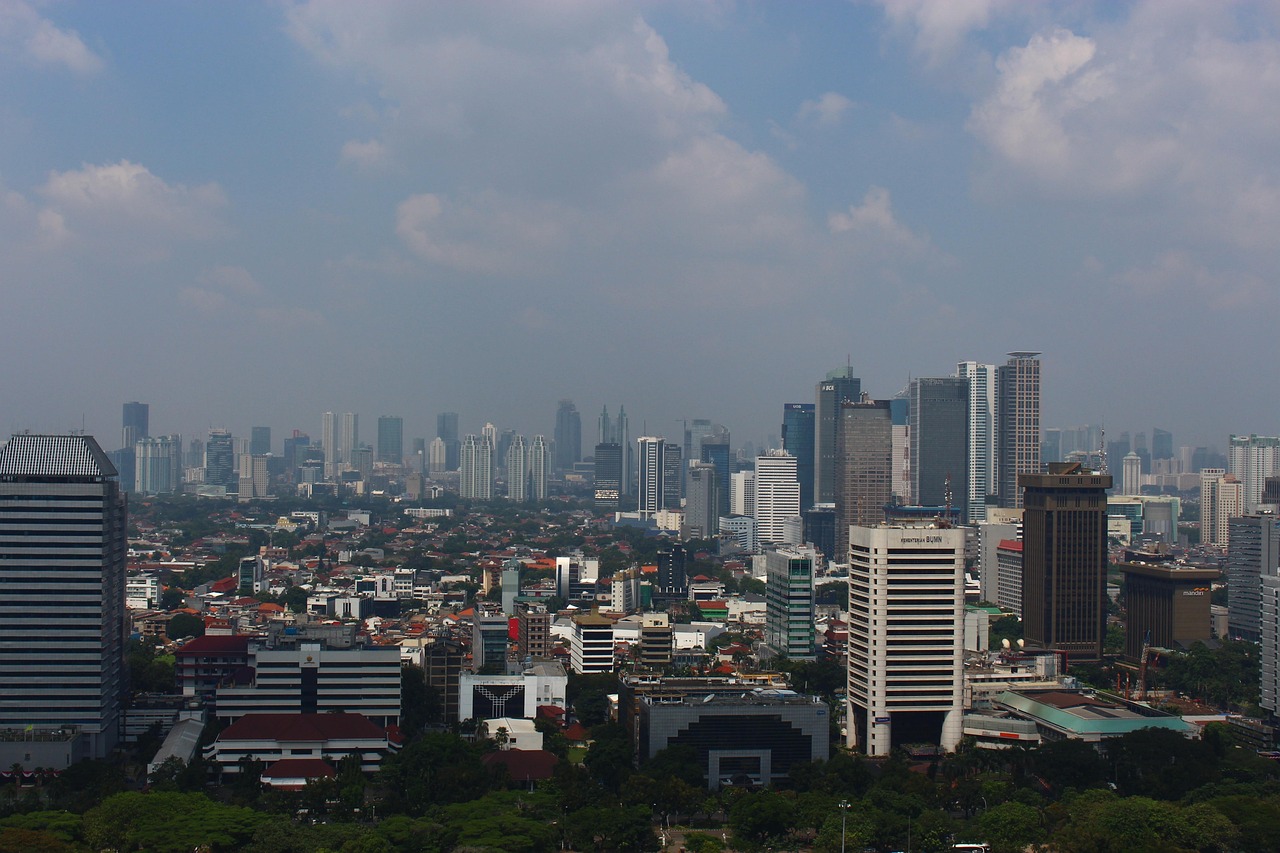
By 2026, Denpasar has matured into a fascinating mix of old and new. The city has modest mid-rise buildings instead of towering skyscrapers, but its skyline is increasingly dotted with government complexes, malls, and new hotels alongside temple towers and banyan trees.
The city is busy, yes—but it’s also surprisingly green in spots, with wide trees shading neighborhoods like Renon and small canals threading past family compounds. Traffic is heavy during rush hours, but if you time your movements well and use strategic shortcuts (I’ll share my favorites), it’s manageable.
Think of Denpasar less as a “sights” city and more as a living organism. You’ll come for the museums and temples—but you’ll stay for the warung breakfasts, late-night street food, and the sense of being woven into everyday Balinese life.
Neighborhoods & Districts to Explore in Denpasar
Renon: Green Boulevards & Government Buildings
Renon is the administrative heart of Denpasar—wide streets, embassies, and the iconic Bajra Sandhi Monument rising above a large park. I love jogging here at sunrise when locals walk their dogs, kids ride bicycles, and food carts start appearing along the periphery.
Renon is perfect if you like morning walks, open spaces, and a calmer feel while still being central. Many mid-range homestays and boutique guesthouses hide in quiet side streets here.
Pemecutan & Old Denpasar: Markets, Palaces, and Temples
This is the historical core, around Pasar Badung and Pasar Kumbasari, and the old royal palaces. It’s busy, chaotic, and endlessly photogenic. When I want to remember that Bali is more than Instagram swings, I wander here at dawn as sellers unload fresh produce and incense hangs in the air.
Gatot Subroto & Teuku Umar: Modern Commerce & Food Strip
Think electronics stores, budget fashion, and a ridiculous number of eateries. This is where Denpasar residents come to shop and eat. At night, many warungs spill onto the sidewalks with grilled fish, martabak, and kopi susu (sweet milk coffee).
Sanur Border: Calm Beachside Access
Technically Sanur is its own area, but the Denpasar–Sanur boundary is seamless. Staying in eastern Denpasar gives you quick access to Sanur’s calm beach and harbor without paying Sanur’s premium accommodation prices.
Mahendradata & West Denpasar: Residential & Local Life
These areas see almost no foreign tourists. I once rented a simple room in a family compound here for a month and loved the nightly gamelan rehearsals from the banjar (community hall) nearby. If you want to immerse in Balinese daily rhythms, this is a great zone.
20 Must-See Attractions & Hidden Gems in Denpasar
The list below blends iconic must-see attractions in Denpasar with quieter corners I’ve grown to love. For each, I’ll share history, what to do, and my personal tips so you can experience them beyond a quick photo stop.
1. Bajra Sandhi Monument (Monumen Perjuangan Rakyat Bali)
Best for: First-time visitors, families, history lovers, sunrise/sunset walks.
Bajra Sandhi is Denpasar’s most recognizable landmark—a towering grey stone monument in the shape of a giant bajra (Hindu priest’s bell), surrounded by a landscaped park in Renon. It commemorates the struggles of the Balinese people through centuries of colonization and conflict.
My first visit was a humid late afternoon, and I remember the park buzzing with joggers and teenagers practicing K-pop dances. I climbed to the upper deck just as the sky burned orange over Denpasar’s low skyline, temple merus piercing the horizon.
Inside the monument, dioramas tell the story of Bali—from early kingdoms through Dutch colonial rule to independence. The exhibits are a little old-school, but they give essential context for everything else you’ll see in Bali.
- Tip: Come just after sunrise (6–7:30 a.m.) or late afternoon (4:30–6 p.m.) to avoid the heat and catch locals exercising.
- Getting there: A 10–20 minute ride from most parts of Denpasar. Bluebird taxis and ride-hailing apps are widely available.
- Food nearby: Try the small warungs along Jalan Raya Puputan for cheap rice dishes and iced tea after your walk.
2. Pasar Badung & Pasar Kumbasari: Denpasar’s Market Heart
Best for: Food lovers, photographers, cultural explorers, early risers.
If you only have time for one “real life” experience in Denpasar, make it Pasar Badung and the adjacent Pasar Kumbasari across the river. These twin markets are where Denpasar really wakes up.
I like to arrive by 6 a.m., when the air is still cool and the alleyways are alive with bargaining. Women in lace kebaya carry baskets of flowers and fruit for offerings; porters weave through with sacks of rice; the smell of fried bananas and coffee drifts from tiny stalls.
Pasar Badung focuses more on fresh produce, meat, and daily necessities, while Kumbasari has textiles, offerings, crafts, and cheap clothes. Upstairs in Kumbasari, you can find everything from sarongs to temple umbrellas.
- Tip: Dress modestly and keep valuables secure. Ask before taking close-up photos of people, and buy a little something (fruit, snacks) as a thank you.
- Food: Try jajanan pasar (market snacks) like klepon (palm sugar rice balls) and lupis (sticky rice with grated coconut).
- Family-friendly? Yes, but it’s crowded; keep kids close.
3. Pura Jagatnatha & Puputan Badung Square
Best for: Culture, architecture, relaxed evenings.
Pura Jagatnatha is a city temple dedicated to the supreme god Sang Hyang Widi Wasa, right next to the leafy Puputan Badung Square. It’s one of Denpasar’s most accessible places to observe live Hindu worship without feeling like you’re intruding.
My most memorable evening here was just before Galungan. The temple courtyard was alive with women arranging offerings and boys practicing gamelan. I sat quietly on the low wall, sarong wrapped around my waist, just listening and watching the interplay of incense smoke and fading light.
Across the road, Puputan Badung Square is anchored by a statue commemorating the tragic 1906 puputan (ritual mass suicide) of the Badung royal family during the Dutch invasion. Today, the square is a cheerful public park with vendors, kids playing, and couples chatting on benches.
- Etiquette: Wear a sarong and sash (you can rent or borrow at the entrance if needed). Don’t enter during major ceremonies unless invited or guided.
- Timing: Late afternoon to early evening is ideal; combine with a stroll around the square and nearby museum.
4. Bali Museum (Museum Negeri Provinsi Bali)
Best for: Culture, history, first-time Bali visitors.
Next to Pura Jagatnatha, the Bali Museum is often overlooked, but I recommend it early in your trip. The museum is set in gorgeous traditional pavilions and courtyards that themselves are worth the visit.
You’ll see exhibits on Balinese textiles, ritual objects, traditional houses, and historical photos that show just how much (and how little) has changed. The section on cremation ceremonies helped me understand the symbolism behind processions I’d seen on the streets.
- Tip: Visit in the late morning after the markets; the shady courtyards are a relief from the heat.
- Kids: The architecture and statues fascinate most kids; it’s an easy cultural stop.
5. Puri Pemecutan & Puri Satria (Old Royal Palaces)
Best for: Architecture, history, photography.
Denpasar’s royal past survives in several palaces (puri) scattered through the city, notably Puri Pemecutan and Puri Satria. These are living compounds where descendants of the royal families still reside, so access may be limited, but even peeking through the gates is a step back in time.
I remember being invited to sit for coffee in the outer courtyard of Puri Pemecutan by an elderly gentleman who turned out to be distant royalty. He pointed out old photos of Dutch officials and told me how the palace used to flood during the rainy season before modern drainage.
- Tip: Come with a guide or local friend to increase chances of meaningful access and stories.
- Dress: Modest clothing; be extra respectful—this is people’s home.
6. Bali Arts Center (Taman Werdhi Budaya Art Center)
Best for: Culture, dance, music, families.
The Bali Arts Center is a sprawling complex of open-air stages, galleries, and pavilions that truly comes alive during the annual Bali Arts Festival (usually June–July). But even outside festival season, it’s worth exploring for its grand Balinese architecture.
I’ve spent many evenings here on worn concrete steps watching dance performances—sometimes big productions, sometimes neighborhood rehearsals. There’s something magical about gamelan echoing under the night sky with bats swooping overhead.
- Tip: Check current schedules—by 2026, more events are being posted online and at local tourism offices.
- Photography: The stone carvings and gates are fantastic photo subjects, especially in golden hour.
7. Serangan Island (Turtle Island & Quiet Shores)
Best for: Quiet beaches, seafood, light adventure.
Just south of Denpasar, connected by a causeway, Serangan Island feels far from the city’s noise. Historically known for turtles, it now balances conservation, fishing, and low-key tourism.
I often escape here on Sunday mornings. I rent a scooter in Denpasar, cross the causeway with the wind in my face, and end up at a simple warung by the water, eating grilled fish while watching fishing boats bob offshore.
- Tip: If you visit any turtle-related attractions, choose ones verified for ethical practices. Avoid places that allow handling, riding, or posing closely with turtles.
- Romantic? Yes—sunset by the water here can be very atmospheric without the crowds of more famous beaches.
8. Sanur Beachfront & Mertasari Area
Best for: Families, sunrise lovers, casual cycling.
While technically in the Sanur area, the eastern side of Denpasar melts into Sanur’s long, calm beachfront. The Mertasari section is my favorite: less crowded than central Sanur, with a mix of local warungs and simple beach clubs.
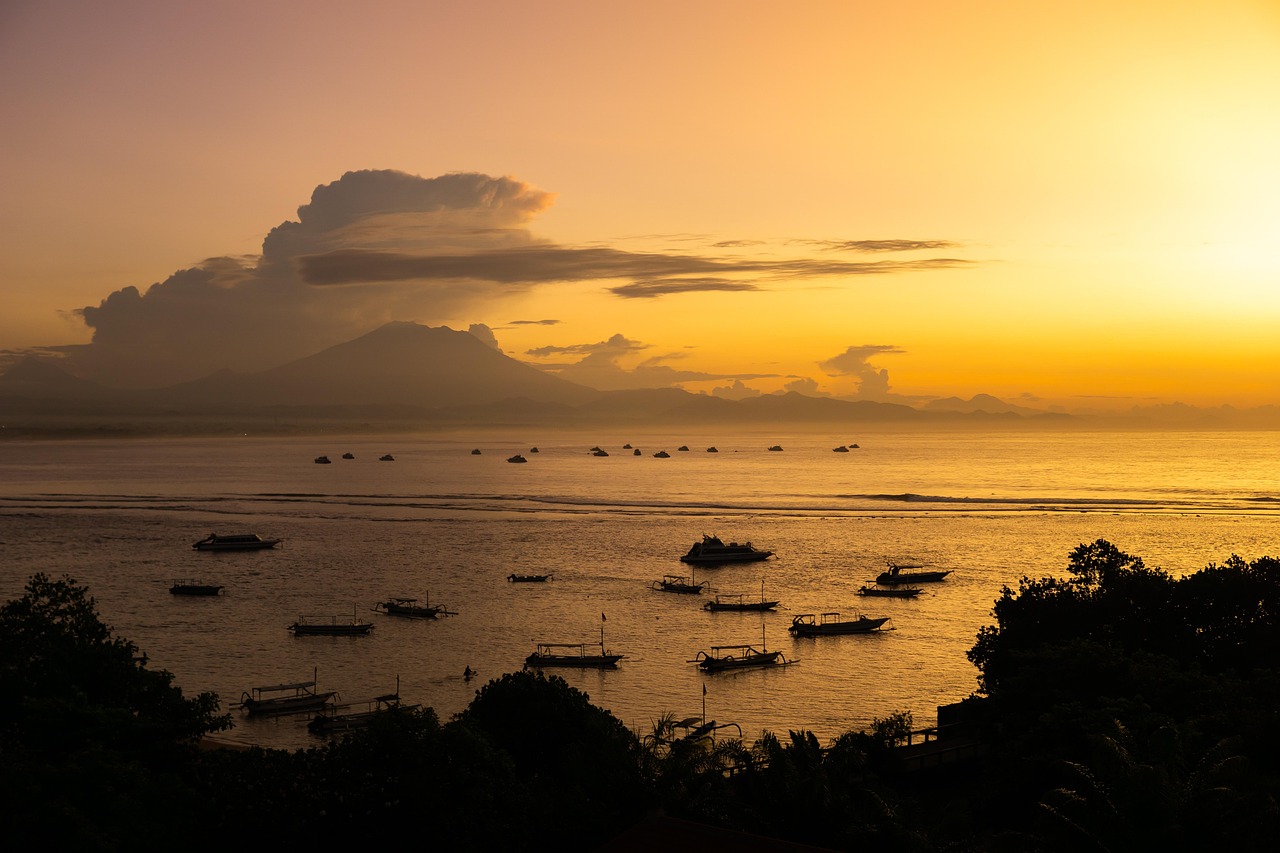
I’ve lost count of the number of sunrises I’ve watched here. Locals practice yoga, older men wade waist-deep while chatting, and fishermen paddle out in traditional jukung boats. Rent a bicycle and follow the paved path along the water—it’s one of the most pleasant flat rides on the island.
- Family-friendly: Very. Shallow water, gentle waves, and plenty of shade.
- Tip: Combine Sanur sunrise with a return to Denpasar for a big market breakfast at Pasar Badung.
9. Lapangan Puputan Margarana Renon (Renon Field)
Best for: Jogging, picnics, people-watching.
The wide green square around Bajra Sandhi is one of Denpasar’s lungs. I love coming here at dusk when food carts line up, and families spread mats on the grass. Kids fly kites, teenagers skate, and there’s always someone selling es kelapa muda (fresh coconut ice).
For travelers, it’s a nice break from temples and traffic—a chance to simply exist where locals relax.
10. Pura Dalem Sidakarya
Best for: Spiritual travelers, those curious about Balinese rituals.
Pura Dalem Sidakarya is a temple associated with completion and blessings—offerings here are believed to ensure ceremonies are successful. It’s slightly off the usual tourist circuit, so you’ll mostly see local worshippers.
A friend once took me during a smaller ceremony; we stayed respectfully on the sidelines while he offered incense. The rhythmic chanting and smell of frangipani blossoms are still vivid in my mind.
- Tip: Only visit with proper dress and behavior; ideally, go with a local who can explain the temple’s role.
11. Jalan Waturenggong & Jalan Raya Sesetan Food Strips
Best for: Nighttime eating adventures.
These streets in South Denpasar turn into culinary corridors at night, with warungs and carts selling everything from sate babi to nasi goreng and bakso (meatball soup).
On many evenings, I simply walk these streets, following my nose. My go-to is a humble stall where an elderly couple has been making the same spicy mie ayam bakso (chicken noodle soup with meatballs) for decades.
- Tip: Look for places busy with locals—that’s your best quality check.
- Money-saving: You can eat very well here for under IDR 30,000–40,000 per meal.
12. Taman Festival Bali (Abandoned Theme Park)
Best for: Urban explorers, photographers, adventurous couples.
Near the Denpasar–Sanur border lies the eerie remains of Taman Festival Bali, an abandoned theme park slowly being reclaimed by nature. It’s one of those places that feels worlds away from beach clubs and yoga studios.
I came here once on a cloudy afternoon. Ivy-covered walls, graffiti, and broken statues created a post-apocalyptic aesthetic. It’s not an official tourist site; access conditions change, and you should only go if it’s currently allowed and safe.
- Safety: Enter only if local authorities or landowners permit; watch for unstable structures and avoid going alone.
- Photography: Incredible for moody, atmospheric shots.
13. Turtle Conservation & Education Center (Serangan)
Best for: Families, animal lovers, responsible wildlife interaction.
On Serangan, the Turtle Conservation & Education Center works to protect sea turtles from poaching and illegal trade. Over the years I’ve seen their facilities improve and their educational efforts expand.
Visits typically include explanations about different turtle species, threats they face, and hatchling release programs (when in season). Kids especially love this place, and it’s a good way to teach about responsible wildlife tourism.
- Tip: Always check that current practices align with ethical standards—no handling or harassment of turtles.
14. Tukad Badung Riverwalk (Taman Kumbasari Tukad Badung)
Best for: Evening strolls, casual dates, urban scenery.
Once a neglected canal, the Tukad Badung area has been turned into a pleasant riverside promenade with pedestrian paths, decorative lights, and food stalls.
I like to come here after visiting the markets; as night falls, the reflections of colorful lights on the water can be surprisingly pretty. It’s a simple joy—just walking, snacking, and people-watching.
15. Taman Kota Denpasar (Denpasar City Park)
Best for: Peaceful breaks, reading, yoga.
This small but leafy park is a favorite with locals for morning exercise and afternoon relaxation. It’s not spectacular, but it’s a wonderful place to pause and breathe between errands or sightseeing.
16. Traditional Villages: Kertalangu Cultural Village
Best for: Culture, rice field walks, families.
Just outside central Denpasar, Kertalangu Cultural Village offers a mix of rice fields, cultural performances, and small craft shops. Yes, it’s somewhat set up for visitors, but it’s still rooted in real agricultural land, and I enjoy walking the paths between paddies here when I need greenery without going all the way to Ubud.
- Tip: Come in late afternoon for softer light and cooler temperatures.
17. Neighborhood Temples (Pura Banjar) Around Denpasar
Best for: Understanding everyday spirituality.
Beyond the big temples, Denpasar is full of small pura banjar—community temples that come alive during local ceremonies. These are not tourist attractions in the traditional sense, but simply walking past them at dusk, when incense curls up from fresh offerings, is one of my favorite Denpasar experiences.
If you’re staying in a homestay, ask your hosts if there are any local ceremonies you may quietly observe from outside the main compound.
18. Level 21 Mall & Living World Denpasar
Best for: Air-conditioned breaks, modern conveniences, rainy days.
Sometimes you just need AC, Wi-Fi, and a clean restroom. Level 21 Mall and the newer Living World are Denpasar’s main modern shopping centers, with cinemas, chain cafés, local brands, and international fast food.
On especially hot or rainy afternoons, I camp out in a corner café here to catch up on work, then catch a movie in the evening. It’s not “cultural,” but it’s part of modern Denpasar life.
19. Creative Hubs & Co-working Cafés
Best for: Digital nomads, long-stay visitors, remote workers.
As Canggu gets crowded, more creatives are quietly shifting into Denpasar. Small co-working cafés and studios are popping up, especially around Renon and Teuku Umar. I often bring my laptop to a quiet café with strong Wi-Fi, good coffee, and mostly local clientele—it’s a different vibe than the more performative “digital nomad” scene elsewhere.
20. Night Markets (Pasar Kreneng & Others)
Best for: Street food, budget shopping, night owls.
Pasar Kreneng is one of Denpasar’s liveliest night markets, with everything from cheap clothes to heaping plates of rice dishes. I love weaving through the stalls, grazing on snacks: a satay here, a fried banana there, a plastic cup of iced cendol to finish.
- Tip: Don’t wear your nicest shoes; floors can be wet or sticky.
- Money-saving: This is one of the cheapest places to eat in the city.
Suggested Itineraries: 3–5 Days in Denpasar
These itineraries blend the must-see attractions in Denpasar with local life, food, and nearby coastal escapes. You can adapt them whether you want 3 days in Denpasar or a longer 4–5 day itinerary for Denpasar.
3 Day Itinerary for Denpasar: Essentials & Local Flavor
Day 1: Markets, Temples & Denpasar’s Historic Heart
I like to start any Denpasar visit with a dive straight into its historic core—it sets the tone for everything else.
Morning: Pasar Badung & Pasar Kumbasari
Wake early and head to Pasar Badung by 6–7 a.m. Have breakfast here: a simple nasi campur from a warung stall, with strong Balinese coffee. Wander the produce aisles, watch women buying flowers for offerings, and cross the bridge to Kumbasari for textiles and souvenirs.
Midday: Bali Museum & Pura Jagatnatha
By 10 a.m., move toward the Bali Museum. Spend an hour or two in the cool courtyards, then step next door into Pura Jagatnatha. Wrap a sarong and just sit quietly for a few minutes; it’s an ideal introduction to Balinese Hinduism.
Lunch: Head to a simple warung near Puputan Badung Square for bakso or ayam betutu (slow-cooked spiced chicken).
Afternoon: Puputan Badung Square & Riverwalk
Stroll Puputan Badung Square, read the plaque about the historic puputan, then meander down to the Tukad Badung riverwalk. By late afternoon, more vendors appear; it’s an easy place to get a coconut and rest.
Evening: Street Food Dinner
For dinner, taxi or ride-hail to Jalan Waturenggong or Jalan Teuku Umar. Join the locals for satay and nasi goreng.
Day 2: Renon, Arts & Sanur Sunrise
Early Morning: Sunrise in Sanur
Leave your accommodation by 5:30 a.m. and head to Sanur’s beachfront—ideally Mertasari. Watch the sky turn pink behind Mount Agung (when visible). Walk or cycle the beachfront path and grab a light breakfast: maybe a smoothie bowl or nasi goreng by the beach.
Late Morning: Bajra Sandhi Monument
Around 9–10 a.m., make your way to Renon. Explore Bajra Sandhi’s museum exhibits and climb to the viewing deck. On clear days, you can see all the way to the ocean and the mountains.
Lunch: Pick a Renon café or warung—there’s a growing number of spots with good coffee and Indonesian-Western fusion menus.
Afternoon: Renon Field & Bali Arts Center
Walk or ride around Renon’s field, then head to the Bali Arts Center. Take your time photographing the architecture and checking if any rehearsals or small performances are happening.
Evening: Casual Night Out
If there’s a performance scheduled at the Art Center, make a night of it. Otherwise, return to your area and try another local food spot—perhaps a babi guling warung recommended by your homestay host.
Day 3: Serangan Island & Night Market Feast
Morning: Serangan Island Exploration
After breakfast, ride or drive to Serangan. Visit the Turtle Conservation & Education Center (if current conditions are positive), then wander the village and shoreline. Sit at a seaside warung for a simple grilled fish lunch.
Afternoon: Free Time or Spa
Back in Denpasar, you might want to cool off in your guesthouse or try a local spa for a traditional Balinese massage—prices are often lower here than in tourist hotspots.
Evening: Pasar Kreneng Night Market
End your 3 days in Denpasar with a night market dinner at Pasar Kreneng. Try a bit of everything, and don’t worry too much about “doing it right”—just follow your curiosity and appetite.
4 Day Itinerary for Denpasar: Deeper Cultural Immersion
With 4 days in Denpasar, you can keep the 3-day itinerary as your base and add one day focused on traditional villages, neighborhood temples, and slower exploration.
Day 4: Kertalangu & Neighborhood Life
Morning: Kertalangu Cultural Village
Head out to Kertalangu. Walk among rice fields, watch farmers at work, and browse small craft shops. If there’s a scheduled cultural show, it’s usually light and family-friendly—dances, music, and basic introductions to Balinese arts.
Lunch: Eat at a simple restaurant overlooking the fields—food is straightforward Indonesian fare, but the setting is the real draw.
Afternoon: Neighborhood Temple Walk
Return to your area and simply wander the side streets. Peek respectfully into temple courtyards (from outside), notice offerings on the ground and shrines, and maybe chat with locals. This is more about absorbing atmosphere than ticking off sights.
Evening: Café & Co-working Vibes
Try one of Denpasar’s creative cafés in Renon or Teuku Umar. If you’re a remote worker, this is a good day to blend a few hours of laptop time with people-watching and good coffee.
5 Day Itinerary for Denpasar: Slow Travel & Side Trips
A 5 day itinerary for Denpasar lets you really settle in—almost like a mini “live like a local” week.
Day 5: Flexible Day Trip or Deep-Dive City Day
You have two good options for your fifth day:
- Option A: Day Trip Base – Use Denpasar as a base and do a day trip to Ubud, Tanah Lot, or even Nusa Penida via Sanur harbor. You’ll return to a quieter, cheaper base in the evening.
- Option B: Deep-Dive Denpasar – Revisit your favorite sites at a slower pace, spend extra time with a local guide, join a cooking class, or just wander markets and cafés.
On one of my own five-day stays, I spent the last day doing absolutely “nothing” by tourist standards: coffee with a local friend, helping her family prepare offerings, and an impromptu invitation to a small temple ceremony. That day taught me more about Denpasar than any museum.
Best Local Food & Drinks in Denpasar
Denpasar is where Balinese people actually eat—so if you’re serious about local food in Denpasar, you’re in the right place. Prices are lower than in resort areas, and flavors are often bolder.
Must-Try Dishes
- Babi Guling – Spiced roast suckling pig with crackling, rice, lawar, and crackly bits. Go at lunch; it sells out fast.
- Ayam Betutu – Chicken slow-cooked with spices, often wrapped in banana leaf. Rich, smoky, and slightly spicy.
- Nasi Campur Bali – Mixed rice plate with small portions of many dishes: vegetables, meats, sambals, peanuts.
- Lawar – Finely chopped vegetables, grated coconut, spices; sometimes mixed with minced meat or blood (ask if unsure).
- Sate Lilit – Minced fish or meat satay wrapped around lemongrass sticks.
- Jajanan Pasar – Colorful sweet and savory snacks like klepon, dadar gulung, and lupis.
Where to Eat: Personal Favorites
I won’t name every place (and places change), but here are typical venues and how I use them:
- Morning Warungs near Markets – For bubur (rice porridge), lontong (rice cakes), and coffee.
- Specialty Babi Guling Warungs – Ask locals for their current favorite; every Denpasar resident has a strong opinion.
- Teuku Umar & Gatot Subroto Corridors – Great for Indonesian-Chinese food, dim sum, and dessert cafés.
- Renon Cafés – For good espresso, brunch-style menus, and co-working-friendly environments.
Drinks to Try
- Es Daluman – Green grass jelly in sweet coconut milk; refreshing in the heat.
- Es Cendol/Dawet – Icy drink with rice flour jellies and palm sugar.
- Kopi Bali – Strong local coffee, usually with grounds in the bottom of the cup.
- Arak Bali – Local spirit; drink only from reputable bars/restaurants due to safety concerns.
Saving Money on Food
Eating like a local is the easiest way to save money in Denpasar:
- Choose warungs with many customers, fast turnover, and visible cooking.
- A filling meal at a local joint: IDR 20,000–40,000. A café meal: IDR 60,000–120,000.
- Markets are great for fruit and snacks if you have a fridge.
Cultural Etiquette & Local Customs in Denpasar
Denpasar is deeply Balinese at its core. Understanding local customs will make your stay smoother and more meaningful.
Dress & Behavior at Temples
- Wear a sarong and sash, with shoulders and knees covered.
- Do not enter temple inner courtyards during major ceremonies unless invited or guided.
- Women traditionally avoid temples during menstruation.
- Never point your feet at shrines or step over offerings.
Offerings on the Ground
You’ll see small woven palm-leaf trays filled with flowers, rice, and incense (canang sari) everywhere, even on sidewalks and motorbikes.
- Walk around them, not over.
- If you accidentally step on one, don’t panic—just move on respectfully.
Social Interactions
- Use your right hand to give/receive items or money.
- Smiling goes a long way; Balinese are generally polite and reserved at first.
- Public anger or shouting is frowned upon; stay calm in disputes.
Photography Etiquette
- Ask before photographing people, especially in markets or ceremonies.
- During religious rituals, keep a respectful distance; never block participants.
Nightlife, Entertainment & Cultural Experiences
Denpasar isn’t a late-night party hub like Kuta or Seminyak, but it has its own quieter nightlife: food, family activities, and occasional live music.
Cultural Nights
- Bali Arts Center – Check for evening dance and music shows, especially during the Bali Arts Festival.
- Community Performances – Some banjars hold open rehearsals for gamelan and dance; ask your host.
Casual Nightlife
- Cafés & Live Music Bars – Mostly mellow; think acoustic sets more than club DJs.
- Malls & Cinemas – Level 21 cinema is good for a relaxed evening with air-con.
- Night Markets – The true “nightlife” of Denpasar: food, chatter, kids running around.
Romantic Evenings
For something romantic, I like to head back to Sanur for a beachfront dinner, then return to Denpasar for a quiet drink in a café. The lack of intense nightlife actually makes it easier to focus on conversation and atmosphere.
Day Trips & Nearby Attractions from Denpasar
Denpasar’s central location makes it a practical base for exploring the rest of South and Central Bali.
Sanur & Nusa Penida/Lembongan
From Denpasar, Sanur harbor is about 15–25 minutes away. From there, fast boats go to Nusa Penida and Nusa Lembongan—excellent for snorkeling and dramatic cliffs. Book early morning boats for day trips and be prepared for bumpy seas in windy season.
Ubud
Ubud is roughly 1–1.5 hours away, depending on traffic. You can hire a driver, join a tour, or use a ride-hailing app. Combine rice terraces, monkey forest (be cautious with belongings), and temples in a long day trip, or stay overnight if time allows.
Tanah Lot & Canggu
A late afternoon trip to Tanah Lot for sunset works well from Denpasar, with a stop in Canggu for coffee or dinner. Expect traffic on the way back; bring your patience.
Getting Around Denpasar & Practical Travel Advice
Transport Options
- Ride-Hailing Apps: Widely used (cars and motorbikes). Affordable and convenient for most trips.
- Bluebird Taxis: Reliable metered taxis; use official app or street hails from known spots.
- Scooter Rental: Popular but only if you’re experienced. Traffic in Denpasar can be intense; always wear a helmet.
- Car Rental: Viable for families, but parking and traffic require confidence. Consider hiring a car with driver instead.
- Public Transport: Limited; some local bemos (minibuses) exist but are hard to navigate without Bahasa Indonesia.
SIM Cards & Connectivity
For easy navigation and communication:
- Buy a prepaid SIM (Telkomsel, XL, Indosat) at official shops or convenience stores after arrival.
- Bring your passport; registration is required.
- Data packages are cheap; 20–30 GB is usually enough for a few weeks.
Visa & Entry Requirements (2026)
Rules can change, but as of 2026, many nationalities can enter Indonesia with:
- Visa on Arrival (VoA): Typically valid 30 days, extendable once. Fees payable at airport.
- E-Visa: Some travelers prefer applying online beforehand.
Always check updated regulations with official Indonesian immigration or your local Indonesian embassy before travel.
Driving Licenses & Road Rules
- An International Driving Permit (IDP) plus your home license is generally required to legally ride scooters or drive.
- Police checks do happen; fines are issued if you lack proper documentation.
- Drive on the left. Watch for sudden lane changes and scooters coming from all directions.
Health & Safety
- Drink bottled or filtered water only.
- Use mosquito repellent, especially at dawn/dusk.
- Street food is great; choose busy stalls and freshly cooked items.
- Always wear a helmet on scooters; avoid drunk driving, ever.
Money-Saving Tips & Where to Stay in Denpasar
Budgeting for Denpasar
Denpasar is one of the best places in Bali to stretch your budget.
- Budget travelers: IDR 300,000–500,000/day (simple guesthouse, warung meals, local transport).
- Mid-range: IDR 600,000–1,500,000/day (comfort hotel, mix of cafés/warungs, some taxis).
- Higher-end: More comfortable boutique hotels/apartments, private drivers, spa treatments.
Areas to Stay
- Renon: Best overall for visitors—green, relatively quiet, easy access to monuments and cafés.
- Near Teuku Umar: Great food options, more urban feel, still central.
- East Denpasar (toward Sanur): Good if you want quick beach access without Sanur prices.
Saving Money
- Eat main meals at warungs, use cafés for one meal or coffee.
- Use ride-hailing apps instead of private taxis when possible.
- Book accommodation monthly or weekly for discounts if staying longer.
What’s New: Events & Travel Scene in 2026–2027
Denpasar’s annual calendar is anchored by recurring cultural events, with some upgrades and expansions expected in 2026–2027.
Major Events
- Bali Arts Festival (June–July 2026 & 2027): A month-long celebration of Balinese arts at the Bali Arts Center—parades, dance, music, theater, and exhibitions. In recent years, more contemporary collaborations have been added to the traditional lineup.
- Bali Kite Festival (July–August, weather dependent): While main events happen closer to Padang Galak (near Sanur), many kites are launched from fields in and around Denpasar. Look up in the late afternoons—you’ll see the sky full of giant, fish-shaped kites.
- Religious Holidays (Galungan, Kuningan, Nyepi): These rotate based on the Balinese calendar. Around Galungan and Kuningan, Denpasar’s streets are lined with beautifully decorated penjor bamboo poles. Nyepi (Day of Silence) shuts everything down for 24 hours; being in Denpasar the night before, for the ogoh-ogoh parades, is intense and unforgettable.
Ongoing Changes
- Continued river and park revitalization projects, especially around Tukad Badung and Renon.
- Gradual growth of creative hubs and cafés catering to both locals and long-stay foreigners, especially in Renon.
Summary & Best Time to Visit Denpasar
Denpasar is not the Bali of glossy brochures; it’s the Bali of office workers, market sellers, schoolchildren, and priests. That’s precisely why it’s worth your time.
Key Takeaways
- Use Denpasar as both a cultural hub and a budget-friendly base for day trips.
- Prioritize Bajra Sandhi Monument, Pasar Badung & Kumbasari, Pura Jagatnatha, and the Bali Museum for essential context.
- Explore night markets, street food strips, and Sanur sunrise for memorable experiences.
- Plan 3–5 days in Denpasar to balance must-see attractions, hidden gems, and slow, everyday moments.
Best Time to Visit Denpasar
- Dry Season (April–October): Best overall for sightseeing, day trips, and coastal activities. June–August is busiest but comfortable.
- Wet Season (November–March): Hotter and more humid, with afternoon showers. Good for fewer crowds and lush landscapes, but plan indoor options (museums, malls, cafés) for rainy spells.
- Festival Periods: Around the Bali Arts Festival and major religious holidays, Denpasar is at its most vibrant—though traffic can be heavier.
Whether you spend 3 days in Denpasar or stretch your stay to a full 5 day itinerary, let the city surprise you. Linger in its markets, sip coffee in its side-street cafés, watch the rhythm of offerings and ceremonies, and you’ll discover a Bali that’s deeper, quieter, and far more real than any beach club can offer.