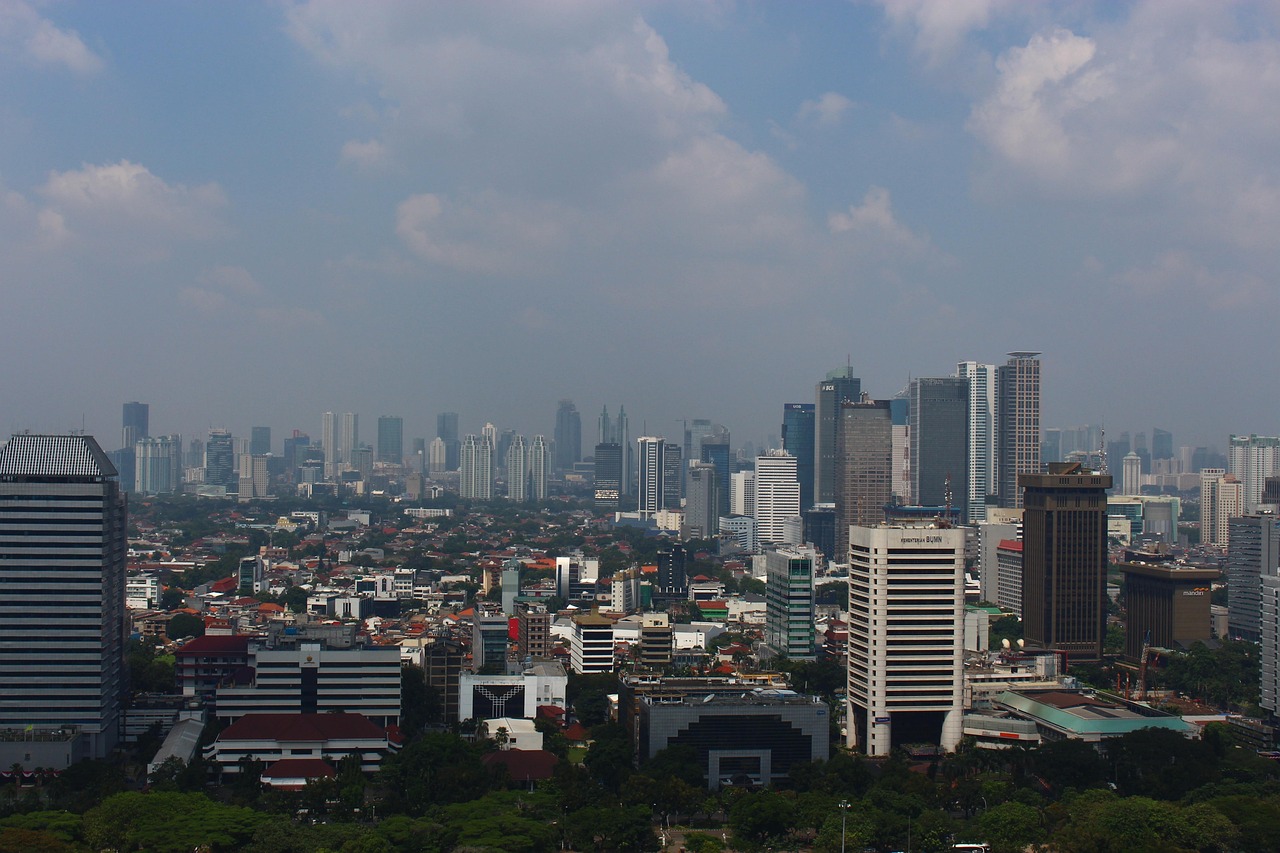
Why Visit Jakarta in 2026?
Jakarta is often treated as a layover on the way to Bali or Yogyakarta, but spend a few days here and the city starts to feel like an endlessly layered story. It’s messy, hot, chaotic—and incredibly rewarding once you slow down and let it reveal itself. I’ve been living in and around Jakarta for years and still find new corners, warungs, and stories every month.
Jakarta in 2026 is an especially interesting moment: the new capital, Nusantara, is gradually taking shape in Kalimantan, but Jakarta remains the beating commercial and cultural heart of Indonesia. That means new MRT and LRT extensions, revitalized public spaces, a flourishing coffee and culinary scene, and a renewed focus on arts, heritage, and waterfront regeneration around the old port.
Come to Jakarta if you want:
- Dense urban energy with skyscrapers, rooftop bars, and mega malls.
- Deep history from Dutch colonial architecture in Kota Tua to the early nationalist era around Merdeka Square.
- Real Indonesian daily life: warung lunches, commuter trains, kampung alleys, and late-night street food.
- A base for day trips to Thousand Islands, Bogor’s botanical gardens, and volcanic highlands.
If you’re planning 3–5 days in Jakarta, this travel guide gives you detailed, local-style itineraries and stories for each day, plus deep dives into at least 20 of the city’s must-see attractions and hidden gems.
Table of Contents
- Why Visit Jakarta in 2026?
- Jakarta at a Glance
- 20 Must-See Attractions & Hidden Gems (With Local Stories)
- 3, 4 & 5 Day Itineraries for Jakarta
- Best Neighborhoods & Districts to Explore
- Best Local Food in Jakarta & Where to Eat
- Cultural Etiquette & Local Customs
- Nightlife, Entertainment & Cultural Experiences
- Best Day Trips from Jakarta
- Practical Travel Advice for Jakarta
- Summary & Best Time to Visit Jakarta
Jakarta at a Glance
Jakarta is a metropolis of more than 30 million people in the larger metropolitan area (Jabodetabek). Officially, the city is divided into five administrative municipalities (Central, South, North, West, East Jakarta) plus the Thousand Islands, but as a visitor you’ll mostly feel it as a patchwork of distinct neighborhoods, mega malls, office districts, and old port areas.
On my first proper “tourist” visit, I gave myself 5 days to pretend I didn’t live here: I booked a hotel near Bundaran HI, spent a full morning just walking along the new sidewalks and MRT-connected corridors, and rode the TransJakarta buses like a backpacker. It changed how I see the city and inspired this guide’s itineraries.
By 2026, improvements like extended MRT lines, new LRT routes to Bekasi and Bogor, and ongoing riverside clean-up projects make it easier than ever to tackle Jakarta as a visitor—if you know how to plan around the traffic, heat, and crowds. That’s what this guide is for.
20 Must-See Attractions & Hidden Gems in Jakarta (With Local Stories)
These are the places I keep taking visiting friends and family to—some obvious, some obscure. Each subsection is written like a mini-guide, with history, what to do, and local-style tips.
1. Monas (National Monument) & Merdeka Square
Best for: First-time visitors, history lovers, families, city views
Location: Central Jakarta
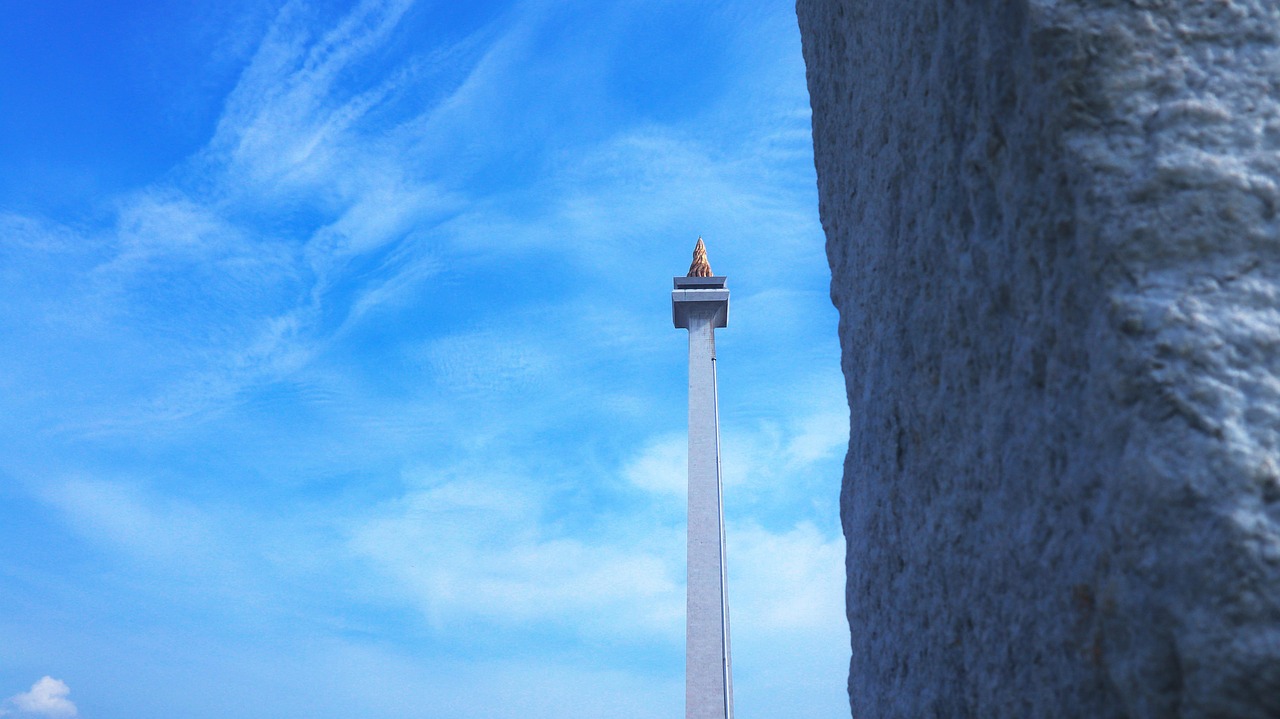
Monas is where I always tell people to start their 3 days in Jakarta. It’s both a symbol and an orientation point: a 132-meter marble obelisk topped with a flame of gold, standing in the middle of the vast Merdeka Square. Built in the 1960s under President Sukarno, it commemorates Indonesia’s struggle for independence.
I like to visit twice: once in the late afternoon for a walk around the park, and once just before sunset to go up to the observation deck. The last time I went (mid-2025), a sea breeze cut through the usual heat, and from the top I could see the contrast: colonial rooftops of Kota Tua to the north, glass towers of Sudirman to the south, and endless kampungs in between.
What to do:
- Visit the National History Museum in the base of Monas to see dioramas of Indonesia’s independence struggle.
- Ride the elevator to the observation deck (queue early; it can be long on weekends and public holidays).
- Walk around Merdeka Square, observing locals jogging, kids playing, and hawkers selling snacks like otak-otak and kerak telor.
How to get there: Take the MRT to Bundaran HI and then a short TransJakarta ride or taxi, or the Commuter Line to Gambir Station (right beside Monas).
Tips: Go early morning (before 9 am) or late afternoon after 4 pm to avoid the worst of the heat. Dress modestly; it’s a national symbol and there are often school groups and local families. Keep small bills ready for snacks and drinks from vendors.
2. Kota Tua (Jakarta Old Town)
Best for: History, photography, café hopping, families, couples
Location: North Jakarta
Kota Tua is where Jakarta feels most like a layered history book. The old Dutch name was Batavia, and this former colonial hub still wears its past on its façades: grand white buildings, colonnaded arcades, and a cobbled central square, Taman Fatahillah.
On one of my favorite mornings here, I arrived just as the museums opened. The square was still quiet; a few old men were selling colorful vintage bicycles with matching hats. I grabbed a strong local coffee in a heritage café, then wandered through the Jakarta History Museum, imagining the days when this was the VOC’s Asian stronghold.
What to do:
- Visit the Jakarta History Museum for artifacts and models of old Batavia.
- Explore the Wayang Museum (shadow puppets) and watch a performance if the timing lines up.
- Take a slow walk to the nearby Bank Indonesia Museum—it’s surprisingly modern and well-curated.
- Enjoy lunch at a heritage café in one of the restored buildings.
How to get there: Take the Commuter Line to Jakarta Kota Station (a beautiful colonial station itself) and walk 5–10 minutes.
Tips: Weekends are lively but crowded; weekdays are calmer but hotter. Bring water, and don’t forget to explore the side streets—some of the best murals and small galleries are tucked just off the main square.
3. Sunda Kelapa Harbor
Best for: Photography, maritime history, off-the-beaten-path
Location: North Jakarta, near Kota Tua
Sunda Kelapa is the old port of Jakarta and still feels like a working maritime frontier. The first time I went, a friend who’s a photographer dragged me along at 6 am. The light was soft, the air salty, and long wooden phinisi schooners were being loaded by hand with sacks of rice and cement. It felt centuries away from the air-conditioned malls of South Jakarta.
What to do:
- Walk along the docks and watch traditional phinisi cargo boats being loaded.
- Chat (with a smile and basic Bahasa) with the workers; many are from Sulawesi and happy to share stories.
- Take a short local boat ride for a different perspective of the harbor.
How to get there: From Kota Tua, it’s a short taxi or ride-hail trip north. You can also walk, but the sidewalks can be inconsistent.
Tips: Go early in the morning or near sunset for the best light and cooler air. Wear closed shoes; the docks can be messy. Keep your valuables secure but visible photography is fine—locals are used to it.
4. Thousand Islands (Kepulauan Seribu)
Best for: Day trips, snorkeling, couples, families, escape from the city
Location: North of Jakarta Bay, accessible by boat
Whenever Jakarta’s heat and noise get overwhelming, I mentally escape to the Thousand Islands. The archipelago has dozens of small islands, some developed as resorts, others as simple homestay-style villages. The water isn’t Maldives-clear, but it’s more than enough for a quick tropical reset.
My most memorable trip was a spontaneous overnight stay on Pulau Macan. We left early from Marina Ancol, spent the day snorkeling over coral patches, and ended up eating grilled fish with our feet in the sand while the city’s glow flickered on the horizon.
What to do:
- Snorkel or dive (some islands have surprisingly vibrant coral and fish).
- Kayak, paddleboard, or simply lounge on the small beaches.
- Walk around the island at sunset; many can be circled in under an hour.
How to get there: Boats depart from Marina Ancol (faster, usually pricier) or Muara Angke (cheaper, more local). Many resorts include boat transfer in their packages.
Tips: For a 3-day itinerary for Jakarta, I’d skip an overnight here and do a day trip; for 4–5 days in Jakarta, an overnight island stay is absolutely worth it. Book with reputable operators and confirm boat times in advance.
5. Bundaran HI & Grand Indonesia / Plaza Indonesia
Best for: Cityscapes, shopping, food courts, first-timers, rainy days
Location: Central Jakarta
The Hotel Indonesia Roundabout (Bundaran HI) is the iconic modern postcard view of Jakarta: fountains, the Welcome Monument, and clusters of high-rise towers. On weekends, this whole stretch becomes pedestrian heaven during Car Free Day.
On one of my favorite Sunday mornings, I rented a bicycle, joined the crowds cycling down Sudirman, then rewarded myself with nasi padang and iced coffee in the Grand Indonesia food court. I remember watching families in matching sportswear, teens taking TikTok videos, and uncles debating politics over kopi tubruk.
What to do:
- Walk or cycle Sudirman–Thamrin during Car Free Day (Sunday mornings).
- Explore Grand Indonesia and Plaza Indonesia for shopping and excellent food courts.
- Head up to one of the nearby rooftop bars for city views at night.
How to get there: Take the MRT to Bundaran HI station; it’s directly connected to the area.
Tips: This is a great base area to stay if it’s your first time in Jakarta and you want easy MRT access for your 3–5 day itinerary.
6. Istiqlal Mosque & Jakarta Cathedral
Best for: Architecture, culture, interfaith understanding
Location: Central Jakarta, near Monas
The juxtaposition of Istiqlal Mosque and Jakarta Cathedral, facing each other across a small park, says a lot about Indonesia. Istiqlal is the largest mosque in Southeast Asia, a monumental structure of marble and domes, while the cathedral is a neo-Gothic spire of red brick and stone.
One afternoon, I joined a free guided tour at Istiqlal (available in English). My guide explained how the mosque’s architect, a Christian, intentionally aligned the design with the cathedral to symbolize harmony. Later, I slipped into the cathedral’s quiet interior just as a small choir was practicing, their voices drifting out onto the busy street.
What to do:
- Take a guided tour of Istiqlal (modest dress required; headscarves can usually be borrowed).
- Visit the Jakarta Cathedral and its small museum.
- Walk the short distance to Monas afterward.
Tips: Avoid prayer times on Fridays at Istiqlal if you’re just visiting. Dress conservatively for both sites. Photography is allowed in many areas but be respectful.
7. National Museum of Indonesia (Museum Nasional)
Best for: History, culture, families, air-con break
Location: Central Jakarta, near Monas
This is the place that finally helped me make sense of Indonesia’s mind-boggling diversity: prehistoric artifacts, Hindu-Buddhist statues, tribal art from Papua, and traditional textiles from across the archipelago.
I spent a long, rainy afternoon here once, wandering the galleries while the storm pounded outside. I remember pausing in front of a massive stone statue from Java, reading about the Majapahit Empire, and feeling how Jakarta is just one chapter in a much older story.
What to do:
- Focus on the archaeology and ethnography sections if you’re short on time.
- Join a guided tour if one is available; they add invaluable context.
- Browse the small gift shop for quality souvenirs like batik and books.
Tips: Combine with Monas and Istiqlal for a full “history & identity” day. It’s a great rainy-day option in any 3–5 day itinerary for Jakarta.
8. Taman Mini Indonesia Indah (TMII)
Best for: Families, culture, architecture, all-day exploring
Location: East Jakarta
TMII is like a mini open-air encyclopedia of Indonesia, with traditional houses and pavilions representing each province. I first came here on a school trip years ago; now I bring visiting friends with kids. After its recent revitalization (completed just before 2026), the park is greener, cleaner, and easier to navigate, with better signage and shuttle systems.
What to do:
- Visit several traditional house pavilions to see architecture and cultural artifacts.
- Take the sky lift (if operational) for an aerial overview.
- Catch a cultural performance on weekends and holidays.
Tips: TMII is big. Wear comfortable shoes, bring water, and consider hiring a bike or using on-site shuttles. Great for a slower, family-focused day in a 4 or 5 day itinerary.
9. Ancol Dreamland & Jakarta Waterfront
Best for: Families, amusement parks, seaside sunsets
Location: North Jakarta
Ancol is Jakarta’s long-standing waterfront playground: theme parks, beaches, seafood restaurants, and the gateway to some Thousand Islands boats. It’s not a pristine beach destination, but it’s fun, especially if you’re traveling with kids.
I like to come here on late afternoons: walk by the water, watch the fishing boats, then have dinner at a seafood restaurant with tables spilling toward the water. One evening, I sat with friends under string lights, eating chili crab while a street musician played Indonesian love songs a few tables away.
What to do:
- Visit Dunia Fantasi (Dufan) amusement park.
- Walk along the waterfront promenade at sunset.
- Eat grilled fish and seafood at the cluster of restaurants facing the sea.
Tips: Combine Ancol with a morning boat to the Thousand Islands for a full north-coast day. Check opening hours and ticket packages online; combo tickets sometimes save money.
10. Sudirman–Senayan Corridor & Gelora Bung Karno (GBK)
Best for: Modern city vibes, jogging, events, nightlife
Location: Central/South Jakarta
This corridor is Jakarta’s business and lifestyle spine, lined with office towers, hotels, and malls like FX Sudirman and Senayan City. At its heart is Gelora Bung Karno Stadium (GBK), a gigantic sports complex that doubles as Jakarta’s favorite public park.
Some of my happiest city moments have been evening jogs around GBK. The stadium lights blaze, couples stroll hand in hand, kids ride scooters, and food stalls line the edges selling everything from coconut water to siomay. On concert nights, the atmosphere is electric.
What to do:
- Jog or walk around the GBK complex in the early morning or evening.
- Attend a football match or concert if one coincides with your trip.
- Explore nearby malls for dining and shopping.
Tips: This area is easy to reach via MRT (Senayan, Istora Mandiri stations). For nightlife, many rooftop bars and lounges are scattered along Sudirman and SCBD nearby.
11. Kemang: Bohemian Cafés & Nightlife
Best for: Cafés, bars, expat scene, boutique shopping
Location: South Jakarta
Kemang is one of those neighborhoods that rewards wandering. It’s long been popular with expats, so you’ll find a mix of Indonesian warungs, stylish cafés, art boutiques, and music bars. When I want to feel like I’ve left central Jakarta without really leaving, I head here for a slow Saturday.
What to do:
- Café-hop along Jalan Kemang Raya and nearby alleys.
- Browse small design shops for local fashion and homeware.
- Enjoy live music or cocktails at one of the neighborhood bars.
Tips: Traffic into Kemang can be intense on weekend evenings; use ride-hailing and be patient. For a romantic evening in a 3 or 4 day itinerary, a dinner + drinks combo here is perfect.
12. Menteng & Jalan Surabaya Antique Market
Best for: Architecture, leafy streets, antiques, photography
Location: Central Jakarta
Menteng is where Jakarta feels surprisingly calm: tree-lined boulevards, early 20th-century houses, embassies, and small parks. One of the quirkiest spots is Jalan Surabaya, an open-air antique market with everything from vinyl records to old cameras and typewriters.
On a drizzly afternoon, I once spent two hours here with a friend digging through crates of old Indonesian records and black-and-white photos. We didn’t buy much, but the stall owners were happy to chat and share the stories behind some items.
What to do:
- Stroll through Menteng to admire old houses and embassies.
- Browse Jalan Surabaya for antiques (bargaining expected).
- Stop at a nearby café for coffee and people-watching.
Tips: Prices at Jalan Surabaya can start high for foreigners; smile, bargain gently, and don’t feel pressured. Verify authenticity if you’re buying “antiques.”
13. Setu Babakan Betawi Cultural Village
Best for: Local culture, food, families, offbeat experiences
Location: South Jakarta
Betawi people are Jakarta’s original inhabitants, and Setu Babakan is one of the best places to learn about their culture: traditional houses by a small lake, performances, and food stalls selling Betawi dishes.
I came here on a quiet weekday once, rented a pedal boat on the lake, then tried kerak telor (sticky rice omelet) from an old man who had been making it for decades. He told me how the recipe used to be festival-only, but now it’s a staple street snack.
What to do:
- Visit Betawi-style houses and small museums.
- Try Betawi food like kerak telor, soto Betawi, and es selendang mayang.
- Rent a boat on the lake and relax.
Tips: Weekends may have more shows and food stalls, but also more crowds. Great for families and anyone looking for hidden gems in Jakarta.
14. Museum MACAN (Modern and Contemporary Art in Nusantara)
Best for: Art lovers, Instagrammers, rainy days
Location: West Jakarta
Museum MACAN is Jakarta’s premier contemporary art museum, with rotating exhibitions featuring Indonesian and international artists. It’s sleek, bright, and thoughtfully curated.
During one exhibition of immersive installations, I watched a group of schoolkids move from giggles to quiet contemplation as they interacted with the art. It reminded me how much Jakarta’s creative scene has grown in the last decade.
Tips: Check what’s on before you go; some exhibits are hugely popular and timed-entry tickets may be required, especially on weekends. Great “culture & coffee” combo with nearby cafés.
15. Glodok (Jakarta Chinatown)
Best for: Street food, temples, markets, photography
Location: West of Kota Tua, North Jakarta
Glodok is chaotic, colorful, and endlessly fascinating. Narrow alleys packed with food stalls, electronics shops, herbal medicine stores, and red lanterns; temples hidden behind nondescript façades.
I love starting my Glodok mornings with a bowl of bakmi (noodles) at a tiny shop that’s been around for generations, then wandering into Vihara Dharma Bhakti temple to breathe incense and watch devotees make offerings.
Tips: Wear comfortable shoes; the alleys can be slippery. Come hungry and try everything: pork-free and halal options are available, but Glodok is also known for non-halal Chinese-Indonesian dishes, so ask if needed.
16. Blok M & Little Tokyo
Best for: Budget shopping, nightlife, izakayas, urban vibes
Location: South Jakarta
Blok M is an old-school commercial hub that’s having a bit of a renaissance. The gritty bus terminal area has cleaned up (thanks to MRT access), and the nearby Little Tokyo cluster is popular for izakayas, ramen joints, and bars.
I often end up here on casual nights out: cheap eats in one of the underground food courts, followed by beer and skewers in a tiny izakaya where the owner greets regulars by name.
Tips: Blok M is one of the best places to feel Jakarta’s everyday energy on a budget. Easy MRT access (Blok M station) makes it a great nightlife stop in a 3–5 day itinerary.
17. Maritime Museum (Museum Bahari) & Old Harbor Area
Best for: History buffs, photographers, quiet corners
Location: Near Sunda Kelapa, North Jakarta
Set in old Dutch warehouses, the Maritime Museum tells the story of Indonesia’s seafaring past. It’s a bit rough around the edges but atmospherically so: creaky wooden floors, scale ships, and maps of spice routes.
I once came here on a blazing-hot afternoon; inside the cool, dim rooms, the noise of the city felt far away. Climbing the old watchtower, I could see the harbor and imagine Dutch ships docking centuries ago.
18. Ragunan Zoo & Schmutzer Primate Center
Best for: Families, nature, budget-friendly day out
Location: South Jakarta
Ragunan is a large, leafy zoo that doubles as an urban green lung. The Schmutzer Primate Center is particularly well-regarded for its orangutan and primate enclosures.
On a Sunday visit with a friend’s kids, we spent hours just walking under the trees, stopping for ice cream, and watching orangutans play. It’s not a fancy zoo, but it’s spacious and shaded—a relief from city concrete.
19. Kota Kasablanka & Kuningan Business District
Best for: Shopping, modern architecture, food courts
Location: South-Central Jakarta
This area is less “touristic” but very representative of modern Jakarta: office towers, embassies, apartment blocks. Kota Kasablanka mall (KoKas) is one of the city’s biggest, with a genuinely impressive mid-range food scene.
I often come here for lunch meetings, then sneak off to a quiet corner café to work. If you’re staying nearby, it’s a convenient and comfortable place to grab meals and see Jakartans at play.
3–5 Day Itineraries for Jakarta (With Personal Stories)
These itineraries are designed so you can pick and choose depending on whether you have 3 days in Jakarta, 4 days in Jakarta, or 5 days in Jakarta. I’ve based them on how I actually show the city to visiting friends.
Day 1: Icons & First Impressions (Monas, Istiqlal, Cathedral, Bundaran HI)
The vibe: Classic must-see attractions in Jakarta, getting your bearings, easy logistics.
I like to start Day 1 with a mix of national symbolism and modern city life. It’s the ideal opening for any 3 day itinerary for Jakarta.
Morning: Monas & National Museum
After breakfast at your hotel (or a nearby coffee shop), head to Monas. Aim to arrive just after opening to beat the heat and the school groups. I usually buy a ticket for both the museum in the base and the observation deck—if the line for the elevator is already long, I’ll walk the grounds first, then return later.
Once you’ve taken in the view and the dioramas, walk or take a short taxi over to the National Museum. Spend 1.5–2 hours here. Focus on prehistoric artifacts, Hindu-Buddhist Java, and the ethnography section; these will give you context for the rest of your time in Indonesia.
Lunch: Local Food Near Monas
For lunch, I often take friends to a simple Indonesian restaurant nearby. Look for places serving nasi padang or ayam bakar. Order iced tea or fresh coconut to rehydrate.
Afternoon: Istiqlal Mosque & Jakarta Cathedral
Walk or ride to Istiqlal Mosque. Join a guided tour if available; they usually start near the main entrance. Dress modestly; if unsure, bring a scarf and wear long pants or a long skirt. Afterward, cross over to the Cathedral for a brief visit.
Late Afternoon & Evening: Bundaran HI & Grand Indonesia
By now you’ll be ready for air-con. Take the MRT or a taxi to Bundaran HI. Walk around the roundabout for photos of the Welcome Monument and skyline, then dive into Grand Indonesia mall.
I like to take a slow lap through the mall’s excellent food courts, letting guests choose from Indonesian, Japanese, Korean, or Western options. For dessert, try es teler (fruit and coconut in sweet milk) or a local-style coffee.
End the day at a rooftop bar nearby (ask your hotel or check current favorites; they change). Watching the city lights come on from above is a powerful way to wrap up your first day in Jakarta.
Day 2: History, Old Port & Chinatown (Kota Tua, Sunda Kelapa, Glodok)
The vibe: Colonial history, maritime heritage, serious street food.
Morning: Kota Tua
Take the Commuter Line to Jakarta Kota Station. Step out and take a moment to appreciate the station’s colonial architecture. Then walk to Taman Fatahillah, the main square of Kota Tua.
Start with the Jakarta History Museum, then move to the Wayang Museum or Bank Indonesia Museum according to your interests. I usually pick two museums and then spend the rest of the time just wandering, photographing façades, and grabbing coffee.
Lunch: Heritage Café or Street Food
For lunch, you can sit in a restored colonial café or head to nearby side streets for more local fare. If it’s not too hot, I love sitting by a window with a fan blowing and watching the square’s life go by.
Afternoon: Sunda Kelapa Harbor
After lunch, take a short taxi to Sunda Kelapa. Pay the entrance fee and walk along the docks. If you’re into photography, this will likely be a highlight of your 3 or 4 day itinerary for Jakarta. Consider a short boat ride for waterside perspectives.
Late Afternoon & Early Evening: Glodok (Chinatown)
Head to Glodok for an early dinner. Wander the alleys, step into temples, and snack your way through street food: noodles, fried snacks, herbal drinks. This is a great area to join a food tour if you’re nervous about ordering on your own.
I usually end the day here with a big bowl of bakmi and a cold drink, then take a taxi back to my hotel, pleasantly exhausted and smelling faintly of incense and frying oil.
Day 3: Modern City Life & Neighborhood Vibes (GBK, Senayan, Kemang or Blok M)
The vibe: Contemporary Jakarta, lifestyle, cafés, nightlife.
Morning: GBK & Sudirman
If it’s a weekend, I highly recommend setting an alarm and joining Car Free Day on Sudirman–Thamrin. Rent a bike, walk, or jog among the crowds; it’s one of the most joyful weekly rituals in the city.
On weekdays, go for a morning walk or jog around GBK instead. Grab breakfast or coffee in one of the surrounding malls or office-tower cafés.
Afternoon: Shopping or Museum MACAN
For the afternoon, you have options:
- Option A (Shopping): Explore Senayan City, Plaza Senayan, or FX Sudirman for shopping and lunch.
- Option B (Art): Take a taxi to Museum MACAN for a few hours of contemporary art and then café-hopping nearby.
Evening: Kemang or Blok M
As the sun sets, head to either Kemang (bohemian cafés and bars) or Blok M (Little Tokyo and local nightlife). If you’re on a 3 day itinerary for Jakarta, this is your farewell night: go for a special dinner, maybe some live music, and a slow ride back through the city lights.
Day 4: Culture in Depth (TMII, Setu Babakan, Menteng)
The vibe: Traditional culture, slower pace, leafy neighborhoods.
If you have 4 days in Jakarta, Day 4 is where you dive deeper into Indonesia’s diversity and Betawi heritage.
Morning & Early Afternoon: Taman Mini Indonesia Indah
Head out early to TMII. It takes a while to get there, and you’ll want as much cool morning air as possible. I usually pick 5–6 provincial pavilions that interest me (e.g., Bali, Toraja, Papua, Aceh) and take my time.
Have lunch inside the park; many pavilions have small eateries featuring regional food. Try something you haven’t had yet—maybe papeda from eastern Indonesia or spicy Padang dishes.
Late Afternoon: Setu Babakan or Return to City
If you still have energy and want more local culture, swing by Setu Babakan on the way back. Otherwise, head toward central Jakarta and relax in your hotel for a bit.
Evening: Menteng Walk & Dinner
Spend your evening strolling the leafy streets of Menteng. Browse Jalan Surabaya if it’s still open, then settle into a café or restaurant for a relaxed dinner. This is a more low-key, romantic side of the city—perfect for couples doing a 4 day itinerary for Jakarta.
Day 5: Escape & Reflection (Thousand Islands or Bogor Day Trip)
The vibe: Nature, sea breeze or cool mountain air, decompression.
If you’re lucky enough to have 5 days in Jakarta, use Day 5 as a mini-retreat.
Option A: Thousand Islands Day Trip
Book a day trip to one of the closer islands from Marina Ancol. Most trips include snorkeling, lunch, and beach time. You’ll leave early (around 7–8 am) and return by late afternoon or early evening.
Bring sunscreen, a hat, and a change of clothes. I always pack a light sarong for sitting on the boat and on the sand.
Option B: Bogor & Botanical Gardens
Alternatively, catch a morning Commuter Line train to Bogor (about an hour if traffic to the station is kind). Visit the Bogor Botanical Gardens, wander under giant trees, and have lunch at a café overlooking the greenery.
By the time you return to Jakarta in the late afternoon, you’ll feel like you’ve been on a whole different trip.
Interesting Neighborhoods & Districts in Jakarta
Jakarta is easier to understand when you think in neighborhoods instead of administrative zones. Here are the main areas you’ll likely explore, each with its own flavor.
Central Jakarta (Gambir, Menteng, Thamrin)
Character: Political & historical heart, mixed with upscale offices and hotels.
Highlights: Monas, National Museum, Istiqlal Mosque, Cathedral, Menteng’s leafy streets, Bundaran HI.
South Jakarta (Kemang, Blok M, SCBD, Kuningan)
Character: Affluent, modern, nightlife, embassies, big malls.
Highlights: Kemang cafés and bars, Blok M’s Little Tokyo, SCBD nightlife, Kota Kasablanka, Kuningan skyline.
North Jakarta (Kota Tua, Sunda Kelapa, Ancol)
Character: Historic port, old town, seaside recreation.
Highlights: Kota Tua, Sunda Kelapa Harbor, Ancol Dreamland, access to Thousand Islands.
West Jakarta (Glodok, Museum MACAN)
Character: Markets, Chinatown, emerging art scene.
Highlights: Glodok Chinatown, Museum MACAN, traditional markets.
East Jakarta (TMII, Residential Areas)
Character: More suburban, cultural parks, industry.
Highlights: Taman Mini Indonesia Indah, Setu Babakan (border of south/east).
Best Local Food in Jakarta & Where to Eat
Eating is half the joy of traveling in Jakarta. The city is a melting pot of regional cuisines, Chinese-Indonesian dishes, Betawi specialties, and international options.
Must-Try Dishes
- Nasi Goreng: Indonesian fried rice; try a street version at a busy warung at night.
- Soto Betawi: Rich, milky beef soup from Jakarta’s Betawi people; I love it with lime and emping crackers.
- Nasi Padang: Sumatra-style rice with multiple side dishes; pay by what you eat.
- Gado-Gado: Peanut-sauce salad; great vegetarian option.
- Bakso: Meatball soup; look for carts with big metal pots and clouds of steam.
- Martabak: Sweet or savory stuffed pancake; an indulgent late-night snack.
Where I Actually Take Friends
Malls for Easy Variety: Food courts at Grand Indonesia, Kota Kasablanka, Plaza Senayan are clean, reasonably priced, and perfect for sampling multiple dishes.
Street Food Areas: Around Glodok, Blok M, and some kampung edges near Cikini. I look for stalls with queues and fresh ingredients.
Seafood: The restaurants along Ancol or traditional spots in North Jakarta serve excellent grilled fish, squid, and prawns.
Cafés & Brunch: Kemang, Senopati, and Menteng are full of specialty coffee shops with good brunch menus.
Saving Money on Food
- Eat where locals eat. A busy warung is usually safe and tasty.
- Stick to bottled or filtered water; most middle-class restaurants serve refills.
- Use apps like ride-hailing food delivery for affordable meals if you’re tired of going out.
Cultural Etiquette & Local Customs in Jakarta
Jakarta is a big, diverse city with a generally relaxed vibe, but a few cultural norms will make your stay smoother and more respectful.
Dress & Behavior
- Dress modestly in government buildings and religious sites: shoulders and knees covered.
- Public displays of affection are frowned upon; keep it low-key.
- Use your right hand to give or receive items; the left is considered less clean.
Social Interactions
- A friendly smile goes a long way. Indonesians are generally warm and curious.
- “Permisi” (excuse me) is useful when moving through crowds.
- People may ask personal questions (age, marital status); it’s usually just friendly small talk.
Religion & Ramadan
- Jakarta is majority Muslim. Respect prayer times and avoid loud behavior near mosques.
- During Ramadan, many people fast during the day. Restaurants still operate, but be discrete eating in very public spaces.
Nightlife, Entertainment & Cultural Experiences in Jakarta
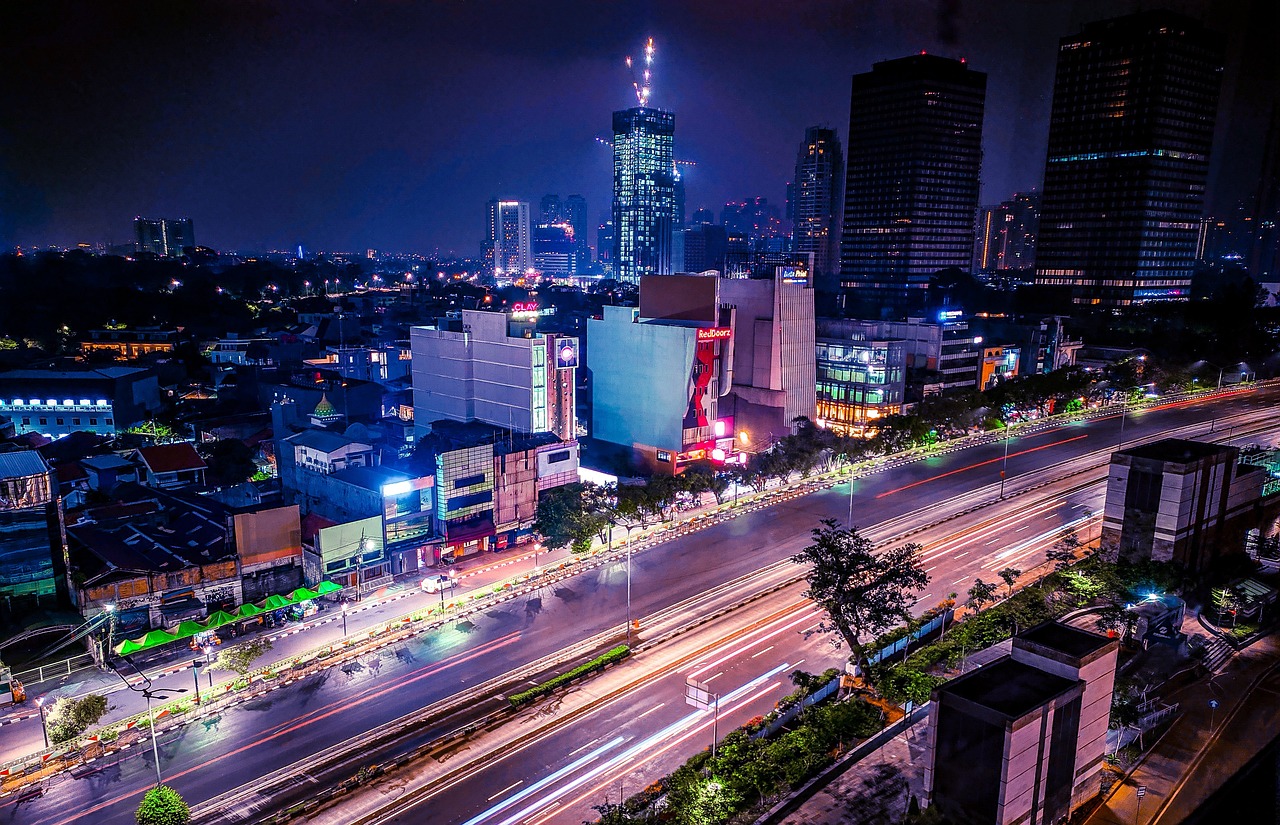
Jakarta’s nightlife ranges from rooftop cocktails to live music in smoky bars, from Islamic study circles to late-night street food adventures. It’s not a party city like Bangkok, but there’s always something happening.
Rooftop Bars & City Views
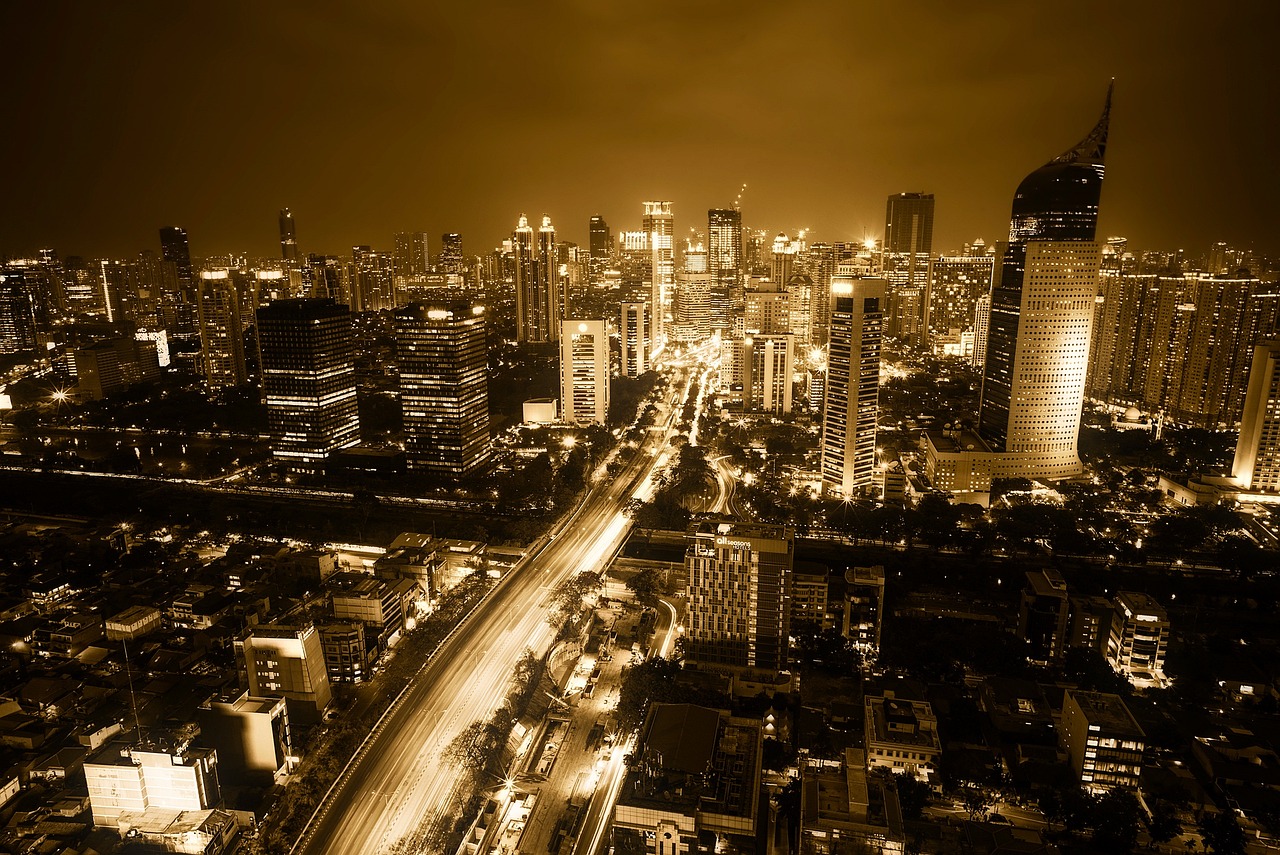
Central and South Jakarta (Sudirman, SCBD, Kuningan) are dotted with rooftop venues. I love taking visitors up for a drink after dinner: the traffic looks almost poetic from 40 floors up.
Live Music & Bars
Kemang and Blok M are reliable for live bands, DJ sets, and relaxed bars. The scene shifts often; ask locals or check recent online listings for current hotspots.
Family-Friendly Evenings
For families, evening walks around GBK, Ancol, or mall promenades (like in Grand Indonesia or Kota Kasablanka) are perfect: safe, lively, full of snack options.
Cultural Performances
Look for scheduled events at TMII, cultural centers, and sometimes at museums. Traditional dance, wayang (puppet) shows, and music performances are more common around national holidays and festivals.
Day Trips & Nearby Attractions from Jakarta
If you’re staying 4–5 days in Jakarta, adding a day trip gives you a change of scenery.
Bogor & Botanical Gardens
How to get there: Commuter Line train from Jakarta Kota, Manggarai, or other central stations to Bogor (about 1 hour). Then a short taxi to the gardens.
What to do: Stroll the huge gardens, visit the palace area (exterior), have lunch overlooking the greenery.
Puncak Highlands
For tea plantations and cool air, Puncak is a classic weekend escape—but traffic can be brutal. Best on weekdays with an early start.
Thousand Islands
Mentioned earlier, but worth repeating: this is your easiest tropical-island fix from Jakarta, either as a day trip or overnight.
Practical Travel Advice for Jakarta (2026–2027)
Getting Around Jakarta
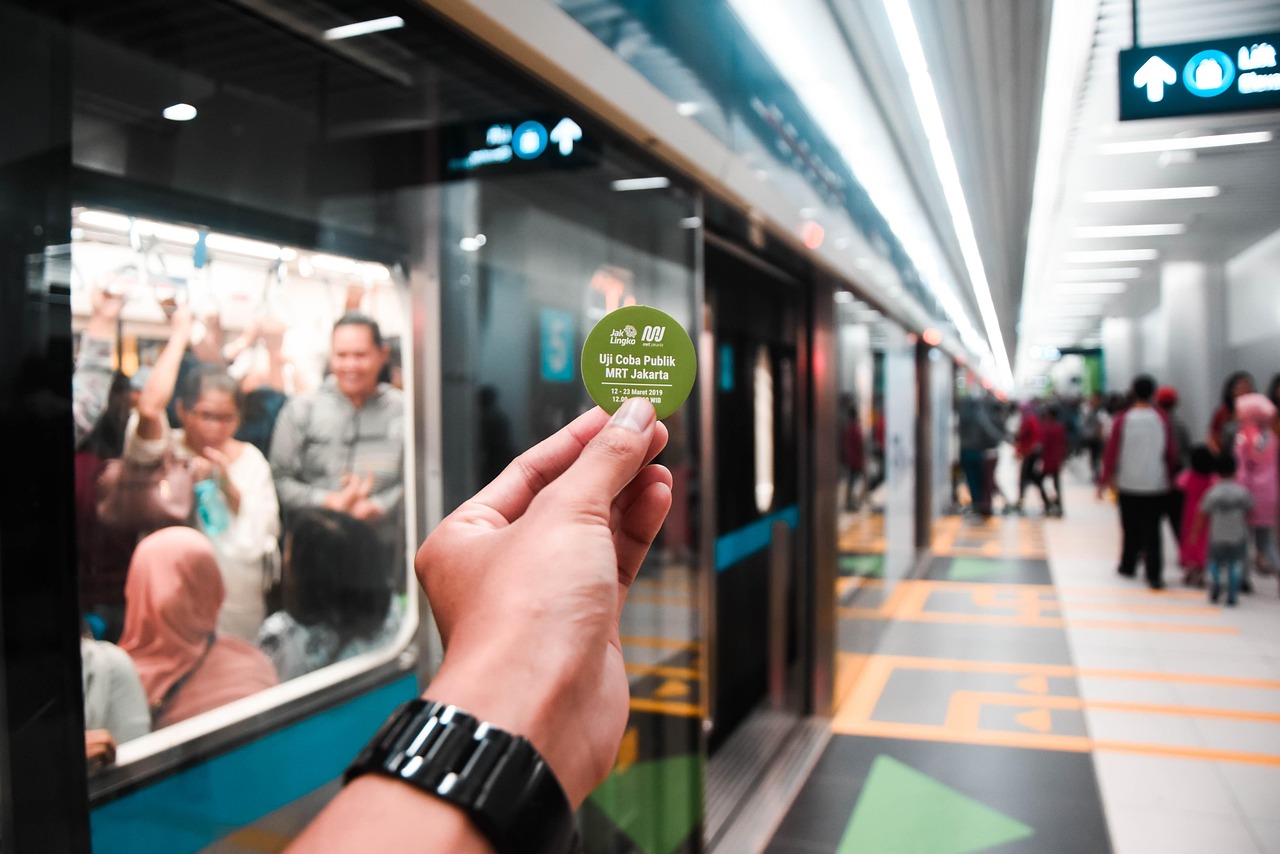
- MRT Jakarta: Clean, safe, and fast along the North–South corridor (Lebak Bulus to Bundaran HI). Essential for avoiding traffic.
- LRT & Commuter Line: Great for reaching suburbs, Bogor, Bekasi. Can be crowded at rush hour.
- TransJakarta BRT: Bus rapid transit with dedicated lanes. Very cheap; good for budget travelers willing to navigate routes.
- Ride-Hailing Apps: The easiest way to get around door-to-door; cars and motorcycle taxis are widely available.
- Walking: Improving but still limited in many areas. Fine around central business districts and some neighborhoods like Menteng or Kemang.
How to Save Money in Jakarta
- Use public transport (MRT, TransJakarta) for longer hops; combine with ride-hail for “last mile.”
- Eat at warungs, food courts, and local chains instead of high-end restaurants every meal.
- Stay slightly outside five-star zones but near MRT/Commuter Line stations.
- Buy a local SIM and use ride-hailing to avoid overpriced taxis.
SIM Card & Connectivity (2026)
In 2026, getting connected is straightforward:
- Major providers: Telkomsel, XL, Indosat.
- Buy SIMs at the airport, malls, or official outlets; bring your passport for registration.
- Packages often include generous data plus local calls; 10–20 GB is plenty for a week.
Where to Stay & Area Tips
- Bundaran HI / Thamrin: Best for first-timers; easy MRT, central, safe, wide choice of hotels.
- Menteng / Cikini: Quieter, leafy, still central; good for couples and long stays.
- Kuningan / Mega Kuningan: Upscale, business district, many international hotels.
- Kemang: Trendy, cafés and nightlife, more “neighborhood” feel but more traffic.
Visa Requirements & Entry (Check for 2026 Updates)
Visa rules for Indonesia change periodically, but as of the mid-2020s:
- Many nationalities can enter with a Visa on Arrival (VoA) or are visa-free for short stays (up to 30 days).
- The VoA can often be extended once for an additional 30 days.
- Always check the latest official information from Indonesian embassies or the immigration website before your trip in 2026–2027.
Driving, Car Rental & Foreign Licenses
I rarely, if ever, recommend that short-term visitors drive themselves in Jakarta. Traffic is dense, rules are flexible, and parking can be a headache.
- If you must drive, bring an International Driving Permit (IDP) plus your home license; some rental agencies require both.
- Most visitors are far happier using ride-hailing apps, taxis, and public transport.
Weather, Seasons & Best Time for Activities
Jakarta has a tropical monsoon climate: hot and humid year-round, with distinct wet and dry seasons.
- Dry-ish Season (June–September): Less rain, slightly clearer skies; best for city walks, Thousand Islands, day trips.
- Wet Season (November–March): Frequent afternoon and evening downpours; best for planning more indoor activities like malls, museums, and cafés.
- Transitional Months (April–May, October): Mixed weather, sometimes very humid.
Flooding can occur during heavy rains, especially in low-lying areas. For 3–5 day itineraries in 2026–2027, consider aiming for the drier months if flexibility allows.
Safety, Health & Hidden Tips
- Petty crime: Pickpocketing can happen in crowds; keep valuables secure and avoid flashy displays.
- Water: Tap water is generally not drinkable. Use bottled or filtered water.
- Food: Choose busy stalls with high turnover. I avoid raw vegetables at sketchy places.
- Heat: Dehydration and sunburn sneak up fast. Wear a hat, use sunscreen, and drink regularly.
- Hidden tip: Carry a small packable umbrella. It doubles as rain and sun protection—indispensable in Jakarta.
Major Events & What’s New in 2026–2027
Jakarta’s calendar is always full, but for 2026–2027 keep an eye out for:
- Jakarta Fair (Pekan Raya Jakarta): Annual trade and cultural fair around June, celebrating the city’s anniversary with concerts, food, and exhibitions.
- Ramadan & Eid: Dates shift each year; the atmosphere changes significantly during the fasting month, with special evening markets and communal prayers.
- Art & Music Festivals: Regular events around Museum MACAN, SCBD, and Kemang; check local listings closer to your travel dates.
- Urban Development: Ongoing MRT and LRT expansions, plus public-space upgrades, will continue to make central areas more walkable and connected through 2026–2027.
Summary: Key Takeaways & Best Time to Visit Jakarta
Jakarta is not a typical “pretty” city, but it rewards curiosity. With 3 days in Jakarta, you can see the main must-see attractions: Monas, Kota Tua, Sunda Kelapa, Glodok, and the Sudirman–GBK corridor. With 4–5 days in Jakarta, you can add Thousand Islands or Bogor, dive deeper into culture at TMII and Setu Babakan, and explore neighborhoods like Kemang, Menteng, and Blok M.
For most travelers, the best time to visit Jakarta is between June and September, when rains are lighter and your chances of clear-ish skies (and smoother day trips) are higher. That said, Jakarta is a year-round destination if you plan around the afternoon downpours and embrace the tropical mood.
If you treat Jakarta not just as a gateway but as a destination—with time for slow walks, street food, museums, and everyday neighborhoods—you’ll leave with a far richer sense of Indonesia as a whole. This travel guide gives you the structure; the city will happily supply the stories.