Why Visit Cork in 2026?
Cork has a way of getting under your skin. It’s smaller and friendlier than Dublin, more laid-back than Galway, and somehow manages to be both a historic port city and a creative, youthful hub. It’s a place where you can sip specialty coffee in a 19th-century market, listen to trad music in a snug pub, kayak past illuminated bridges at night, and be on a wild Atlantic beach within an hour.
I’ve been coming back to Cork regularly for over a decade, and every visit feels like catching up with an old friend who has new stories to tell. In 2026, the city feels particularly alive: upgraded riverside walks, a stronger food scene than ever, and a packed calendar of festivals.
Whether you’re planning 3 days in Cork, a 4 day itinerary for Cork, or stretching it to 5 days in Cork and beyond, this comprehensive travel guide for Cork will help you make the most of your time: from must-see attractions and hidden gems in Cork to local food in Cork, cultural experiences in Cork, and practical travel tips for Cork.
Think of this as a friendly, slightly obsessive Cork local walking you through the city, neighborhood by neighborhood and day by day.
Table of Contents
- Why Visit Cork in 2026?
- Quick Overview of Cork
- Suggested Itineraries (3–5 Days in Cork)
- 20 Must-See Attractions in Cork
- Neighbourhoods & Districts of Cork
- Best Local Food & Drink in Cork
- Nightlife, Entertainment & Cultural Experiences
- Best Day Trips from Cork
- Cultural Etiquette & Local Customs
- Practical Travel Advice for Cork
- Events & Festivals 2026–2027
- Summary & Best Time to Visit Cork
Quick Overview of Cork
Cork is Ireland’s second city, perched along the River Lee and wrapped around an island-like city centre. It’s famously independent-minded—locals jokingly call it “the real capital”—and that attitude shows in everything from its food scene to its arts culture.
- Population: ~220,000 in the greater area
- Vibe: Creative, compact, friendly, with a strong student presence
- Best for: Food lovers, culture seekers, couples, families, and road trippers exploring Ireland’s south and west
- Ideal stay: 3–5 days in Cork (plus a few day trips)
Suggested Itineraries: 3–5 Days in Cork
Below are linked outlines; detailed, story-style versions live in the attraction and neighborhood sections. You can easily adapt them into a 3 day itinerary for Cork, 4 day itinerary for Cork, or 5 day itinerary for Cork depending on how long you stay.
3 Day Itinerary for Cork (First-Time Visitors)
- Day 1: Historic Cork City – English Market, Saint Fin Barre’s Cathedral, Shandon Bells, Cork City Gaol, evening trad music
- Day 2: Cobh & Harbour – Titanic Experience, colourful waterfront, Spike Island
- Day 3: Blarney Castle & Country – Blarney Castle & Gardens, Blarney Woollen Mills, evening along the River Lee
4 Day Itinerary for Cork
- Day 1–3: As above
- Day 4: Kinsale & the Coast – colourful town, Charles Fort, seafood, coastal walk
5 Day Itinerary for Cork
- Day 1–4: As above
- Day 5: West Cork Taster – Clonakilty & Inchydoney, or a kayaking/whale-watching day near Baltimore
Further down, I break these days into detailed, narrative-style plans with timing, food stops, and lots of personal tips.
20 Must-See Attractions in Cork (With Local Stories & Tips)
The list below is organised roughly from most iconic to more under-the-radar gems. Many will form the backbone of your 3–5 day itinerary.
1. The English Market
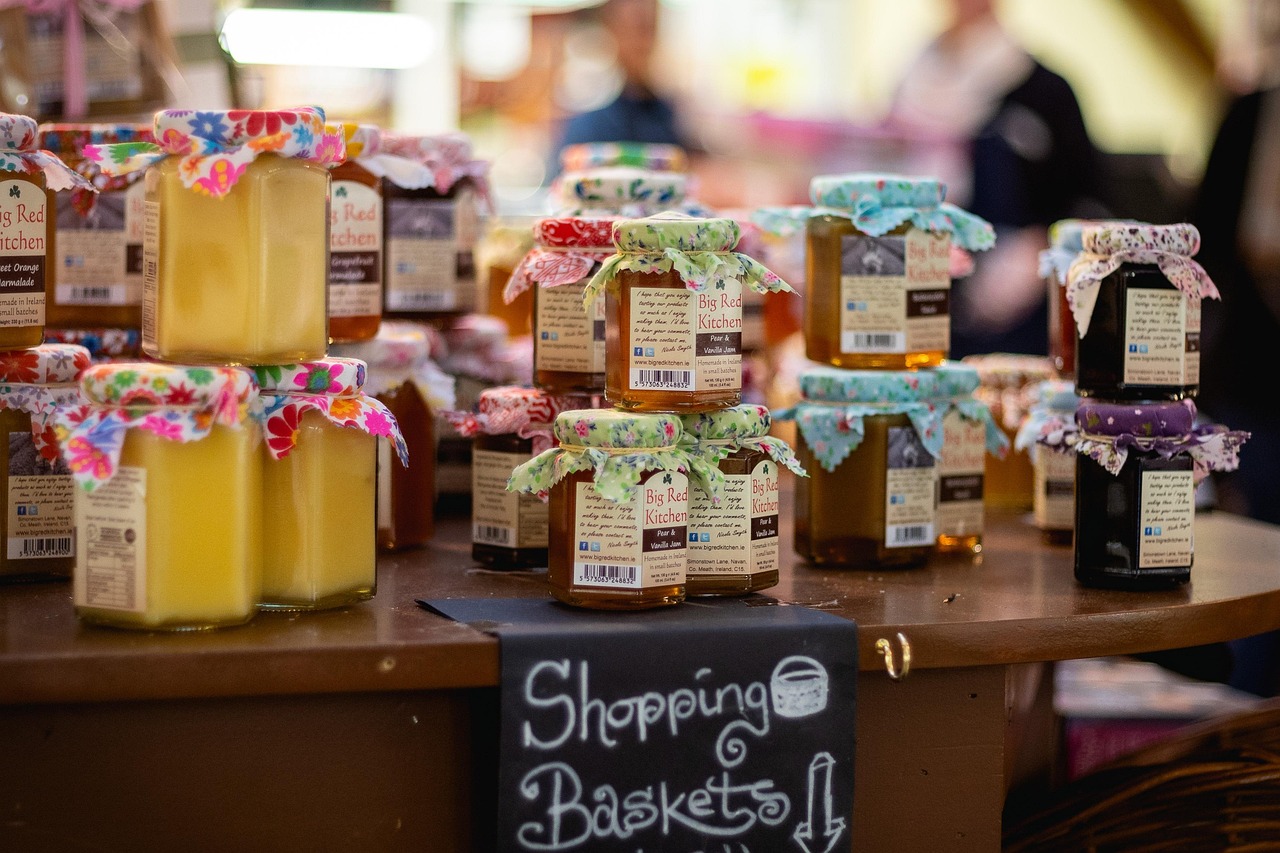
If Cork has a beating heart, it’s the English Market. I still remember my first time stepping inside on a drizzly morning: the smell of coffee and fresh bread, the glint of fish on ice, the soft Cork accents bouncing off the Victorian ironwork arches.
Operating since 1788, this is both a working food market and a social hub. Locals duck in for a quick chat and a bag of veg; chefs source their cheeses, meats, and fish here; visitors wander around wide-eyed.
What to Do
- Wander the aisles slowly. Start at one end and loop back. Notice the mix of traditional Irish stalls (tripe and drisheen if you’re brave) and newer international stands.
- Eat upstairs at the Farmgate Café. My favourite is a late breakfast of scrambled eggs and smoked salmon overlooking the market floor. Grab a window table if you can.
- Pick up picnic supplies. Local cheeses, soda bread, olives, and fruit make the perfect snack to enjoy by the river or in the Mardyke.
Personal Tip
Go before 11:00, especially on Saturdays, when locals do their weekly shop. On one visit in 2024, I arrived at 9:30, watched the stalls setting up, and had time to chat with a cheesemonger who drew me a mini map of his favourite pubs. This kind of interaction is pure Cork.
Practical Info
- Location: Off Patrick Street, right in the city centre
- Best time: Morning to early afternoon
- Family-friendly: Yes – kids love the sights and smells
- Budget: Free to enter; food prices vary but plenty of budget options
2. Blarney Castle & Gardens
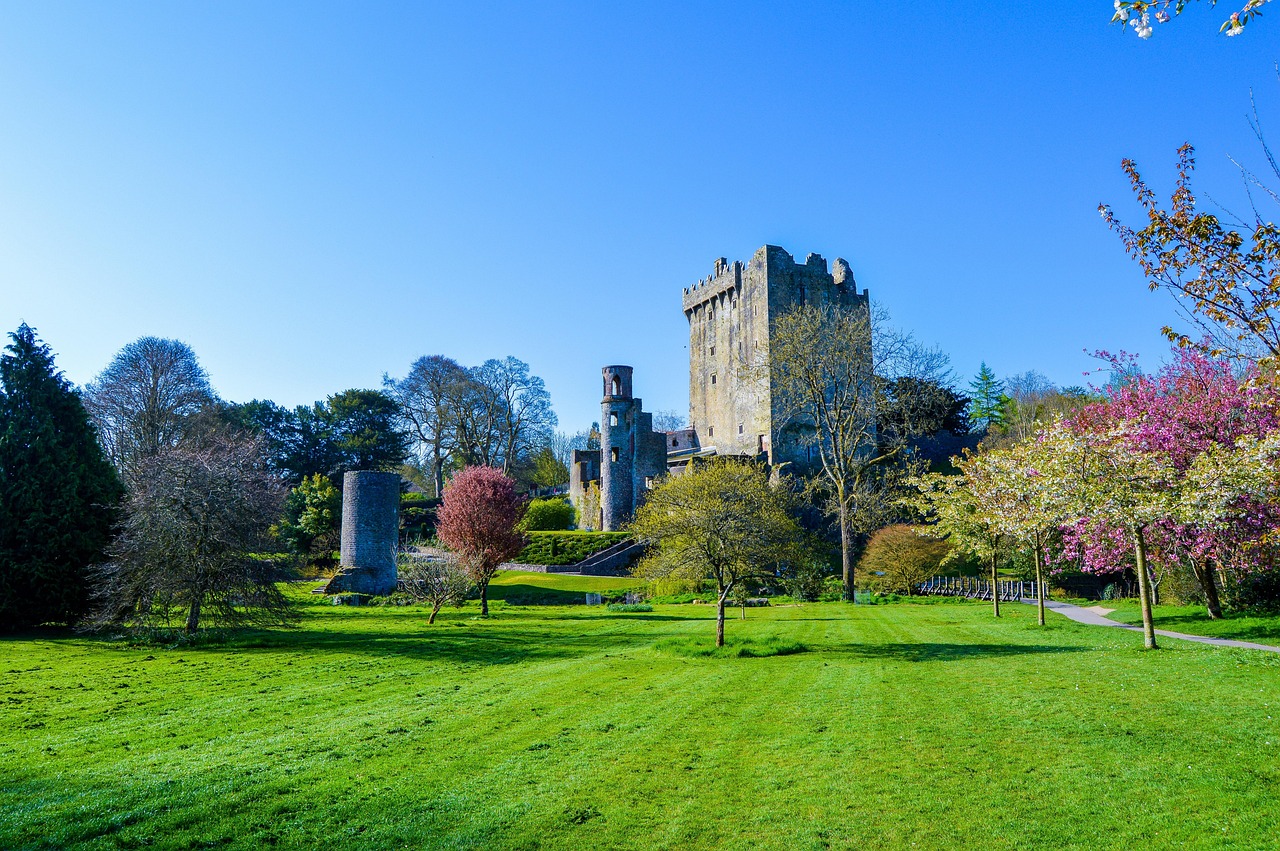
Blarney Castle is one of those places that sounds touristy on paper and then completely wins you over in person. I’ve visited four times now, in sunshine, drizzle, and a full-on Irish downpour—and I’d go back again tomorrow.
The 15th-century castle is best known for the Blarney Stone, but the real magic is in the grounds: acres of woodlands, ferns, a poison garden, a mysterious rock close, and quiet riverside paths.
Why Go
- The Blarney Stone. Legend says kissing it will give you the “gift of the gab.” Whether you believe that or not, the climb to the top is atmospheric: narrow limestone steps, thick walls, and views over the countryside.
- The gardens. I’ve lost entire afternoons wandering the fern garden and the Seven Sisters stone circle. In late spring, the colours are spectacular.
- Family fun. Kids love the dungeon-like spaces, the Wishing Steps, and the freedom to roam.
My Personal Routine at Blarney
I like to catch the first bus from Cork city (usually around 9:00), arriving just after opening. I head straight up the castle before any queues form for the Stone, then spend the rest of the morning exploring the grounds. Around 13:00, I’ll grab a late lunch in Blarney village and browse Blarney Woollen Mills for knitwear before heading back to Cork.
Tips for Visitors
- Go early or late. Midday can get crowded, especially in summer.
- Wear proper shoes. The steps inside the castle are stone and can be slippery.
- Allow at least 3–4 hours. Don’t rush—this isn’t just a quick photo stop.
3. Cobh (The Titanic Town)
Cobh is one of my favourite day trips from Cork: a pastel-coloured harbour town with steep streets, a towering cathedral, and deep maritime history. I’ve done this journey by train more times than I can count, and the moment the harbour comes into view never gets old.
Highlights
- Titanic Experience Cobh. Housed in the original White Star Line ticket office, this immersive museum gives you a boarding pass based on a real passenger. On a rainy afternoon in 2023, I spent over an hour here listening to survivor stories and staring out at the same harbour the Titanic once left from.
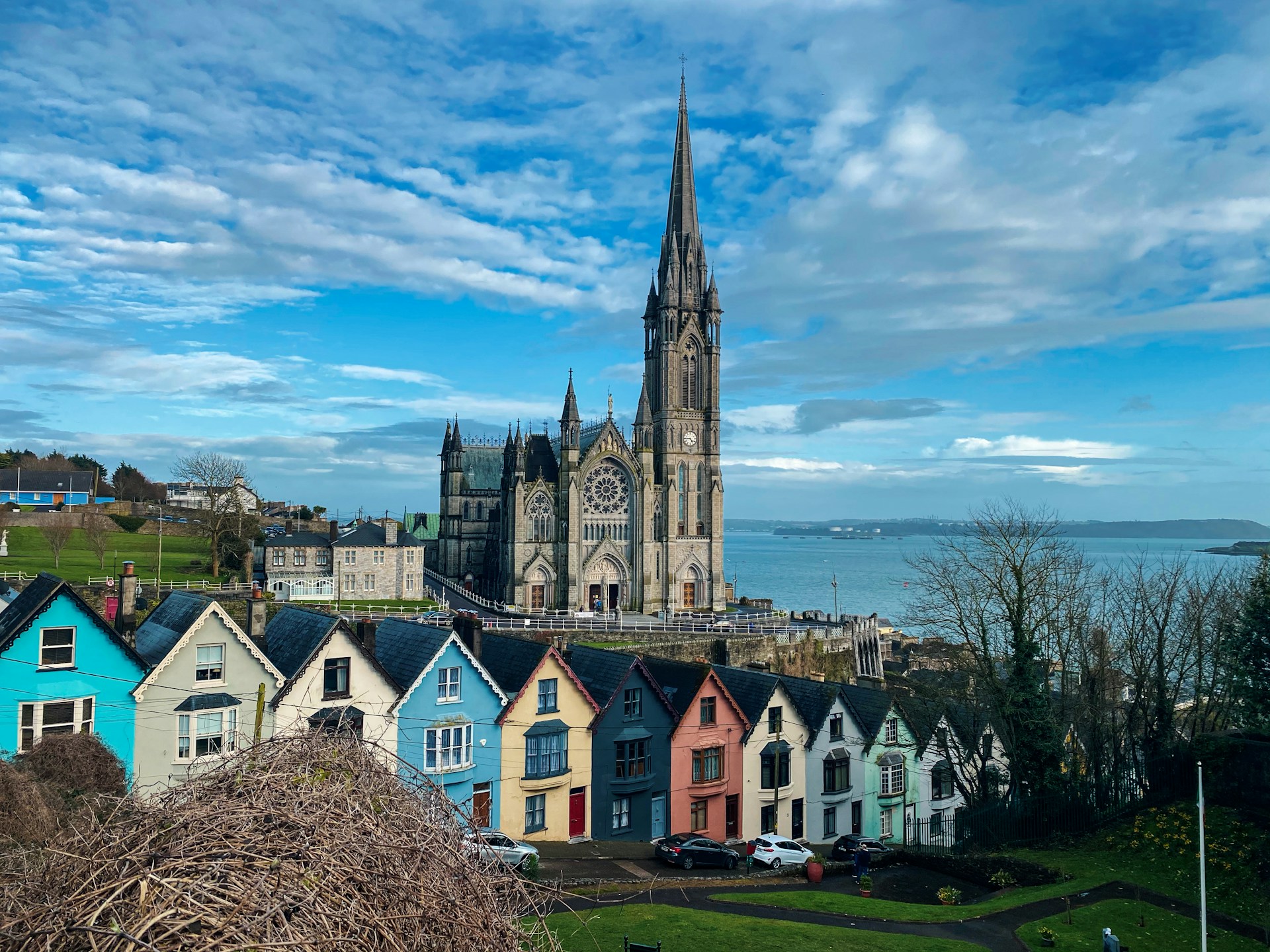
- St Colman’s Cathedral. The neo-Gothic cathedral dominates the town. Climb the hill (take your time!) and step inside to see the intricate interior. The view back over the harbour is one of the classic shots of Cobh.
- The Deck of Cards Houses. This row of colourful houses, stacked up the hill, is Instagram-famous but still charming in real life.
Food & Atmosphere
I like to arrive mid-morning, wander the waterfront, and then linger over seafood chowder in a harbour-view café while watching ferries and small boats glide by. Cobh has a relaxed, slightly nostalgic feel—perfect for couples and families.
Practical Info
- Getting there: 25–30 minutes by train from Cork’s Kent Station; services are frequent
- Best for: History lovers, families, photographers
- Combine with: Spike Island (see below) on a full-day harbour adventure
4. Shandon Bells & Church of St Anne
Shandon is Cork’s most iconic skyline silhouette: a square tower topped with a weather vane shaped like a salmon. On my very first visit, a local insisted, “You can’t say you’ve been to Cork if you haven’t rung the Shandon Bells.” They were right.
What to Expect
- Climb the tower. You’ll pass directly beside the bells (ear defenders are provided!) and emerge onto the viewing platform with 360° views of Cork’s rooftops and the River Lee.
- Ring the bells yourself. In the ringing chamber, a set of ropes corresponds to different notes. There’s a sheet of simple tunes; on one visit, a group of teenagers were valiantly attempting “Ave Maria,” slightly off-key but with great enthusiasm.
- Explore the Shandon neighbourhood. The area around the church is full of character: old lanes, independent shops, and murals.
Local Tip
Combine Shandon with a coffee stop at one of the nearby cafés, then stroll down to the riverside via narrow residential streets—this gives you a feel for everyday Cork life, not just the postcard sights.
5. Saint Fin Barre’s Cathedral
If the English Market is Cork’s heart, Saint Fin Barre’s Cathedral is its soul. This soaring Gothic Revival church, completed in the 19th century, sits on a site where Christian worship has taken place for over 1,000 years.
I still remember ducking in during a rainstorm and being struck by the light filtering through stained glass, painting the stone pillars with colour. Pipe organ notes floated up to the high ceiling while a small choir rehearsed.
What to Notice
- Exterior carvings. There are hundreds of figures and details; the golden angel on the roof is especially striking on a rare blue-sky day.
- Interior mosaics and windows. The craftsmanship here is exquisite. Give yourself time to sit and simply look.
Visiting Tips
- Entry fee: There’s usually a small fee to help with maintenance; it’s worth every cent.
- Best time: Late afternoon, when it’s quieter; or check the schedule for concerts, which are magical here.
6. Cork City Gaol
Cork City Gaol is one of those places that hits you emotionally. The imposing 19th-century structure sits on a hill above the city; walking through its corridors, you hear stories of ordinary men and women imprisoned for things that today would barely raise an eyebrow.
I visited on a grey morning, and the weather matched the mood perfectly. Audio guides and life-size figures bring the stories to life, while displays explain Ireland’s social history.
Why It’s Worth Your Time
- Atmospheric architecture. The central hall, with its balconies and ironwork, is beautiful in a stark way.
- Social history. You’ll leave with a deeper sense of how tough life once was in Cork and Ireland.
Practical Info
- Location: About 20–25 minutes’ walk from the city centre, or a quick taxi ride
- Time needed: 1.5–2 hours
- Family-friendly: Older kids and teens often find it fascinating
7. University College Cork (UCC) & The Glucksman
University College Cork’s campus feels like a self-contained world: leafy, studious, and full of architectural contrasts. I love wandering here on a sunny afternoon, watching students sprawl on the grass and riverside paths.
Highlights
- The Quad. A classic cloistered courtyard with ivy-covered buildings. It’s especially photogenic in autumn.
- The Glucksman Gallery. A contemporary art gallery in a striking modern building by the river. Exhibitions are usually free or low-cost.
- Stone Corridor & Ogham Stones. Inside one of the university buildings, you’ll find ancient Ogham stones (stone pillars inscribed with early Irish writing).
Local Tip
Grab a takeaway coffee from a campus café and stroll along the River Lee towards the Mardyke Walk afterwards. On one spring visit, cherry blossoms were falling like confetti along the path—pure magic.
8. Fitzgerald Park & Cork Public Museum
Fitzgerald Park is where Cork comes to breathe. Spread along the river, it’s a mix of manicured gardens, playgrounds, sculptures, and quiet benches. On any half-decent day, you’ll find families, students, joggers, and older couples all sharing the same space.
Inside the park, Cork Public Museum offers a compact but fascinating look at the city’s history—from prehistoric artefacts to the War of Independence.
Why I Love It
On my longer stays in Cork, I often develop a ritual: morning coffee from a café on the way, a slow lap of the park, a peek in the museum (it’s free), then twenty minutes on a bench just people-watching. It’s a grounding counterpoint to busy sightseeing days.
Great For
- Families: There’s an excellent playground.
- Picnics: Combine with supplies from the English Market.
- Budget travellers: A full afternoon of enjoyment for free.
9. Spike Island
Spike Island is sometimes called “Ireland’s Alcatraz,” but that undersells it. Yes, it’s a former prison on an island in Cork Harbour, but it’s also a star-shaped 18th-century fortress, a site of monastic history, and a place with sweeping views across the water.
I took the ferry over on a breezy summer afternoon. As the boat pulled away from Cobh, we passed sailboats and seabirds; the fortress loomed ahead. Guided tours cover everything from rebel prisoners to everyday prison life. You can also explore the ramparts and tunnels independently.
Visiting Tips
- Book ahead in summer. Ferries can sell out.
- Wear layers. It can be windy and cooler on the island.
- Allow at least half a day. Factor in ferry time plus exploring.
Combine Spike Island with a few hours in Cobh for a full, immersive harbour day.
10. Kinsale
Kinsale is where Cork city goes to play by the sea. About 30 minutes’ drive (or bus) from Cork, this historic harbour town is a tangle of colourful streets, galleries, and some of the best seafood in the county.
I’ve spent everything from rainy winter afternoons to golden August evenings here, and it always delivers: boats bobbing in the harbour, kids with ice creams, couples lingering over wine and oysters.
Top Things to Do
- Wander the old streets. Kinsale is compact; you can happily spend hours ducking in and out of shops and cafés.
- Visit Charles Fort. A star-shaped 17th-century fort with brilliant harbour views and a slightly wild, romantic feel.
- Eat seafood. This is non-negotiable. From simple fish and chips to fine dining, Kinsale has it all.
Romantic Angle
If you’re on a couple’s trip, stay for sunset. On one visit, we sat on a bench by the water with takeaway fish and chips, watching the sky turn pink and the harbour lights flicker on. Simple, perfect.
11. Crawford Art Gallery
Right in the city centre, the Crawford Art Gallery is an oasis of calm and creativity. The building itself has character, and the collection ranges from classical casts to contemporary Irish works.
I like using the Crawford as a reset button on busy days: 45 minutes of wandering through quiet rooms, then a coffee in the gallery café.
Good To Know
- Entry: Usually free (check current details)
- Location: Just off Emmet Place, near the Opera House
- Great for: Rainy days, culture lovers, budget travellers
12. Cork Opera House
Cork Opera House isn’t just for opera; it’s a hub for theatre, comedy, concerts, and family shows. I’ve seen everything here from stand-up comedy to Irish-language theatre.
If you’re in town for more than a couple of nights, check the programme. An evening show followed by a late drink in a nearby bar is a perfect Cork night out.
13. The Marina Market
The Marina Market is relatively new compared to the English Market, but it has quickly become a local favourite. Housed in an old industrial space near the docks, it’s part food hall, part farmers’ market, part social hangout.
I first went on a chilly Sunday in 2022 and was struck by the buzz: families sharing pizzas, students sipping craft coffee, dogs under tables, fairy lights overhead.
Why You Should Go
- Street food variety. Tacos, bao buns, burgers, vegan bowls, doughnuts—ideal if your travel group has mixed tastes.
- Local producers. Cheeses, hot sauces, baked goods, and more.
- Atmosphere. It’s a great way to see modern Cork life in action.
Combine with a walk along the Marina riverside path for a chilled half-day.
14. Blackrock Castle Observatory
Blackrock Castle looks like a fairytale fortress guarding a bend in the River Lee, but inside you’ll find a science and astronomy centre aimed at all ages.
On one visit, I joined a family group tour; the guide seamlessly switched between explaining astrophysics to the adults and pointing out fun interactive exhibits for the kids. The castle’s rooftop battlements offer lovely views down the river.
Good For
- Families with kids. Lots of interactive, educational fun.
- Curious adults. Especially those interested in space.
- Half-day outing. Combine with a cycle or walk along the riverside to and from the city.
15. Franciscan Well Brewery & Brewpub
Cork’s craft beer scene has been quietly growing, and Franciscan Well is at the centre of it. Built on the site of a 13th-century Franciscan monastery, this brewpub has a cosy interior and a lively beer garden that comes into its own on summer evenings.
I’ve spent more than a few nights here with friends, sharing pizza (there’s usually a wood-fired pizza operation) and tasting flights of beer. It’s sociable without being rowdy—perfect for travellers who want to meet people.
16. St Patrick’s Street & Oliver Plunkett Street
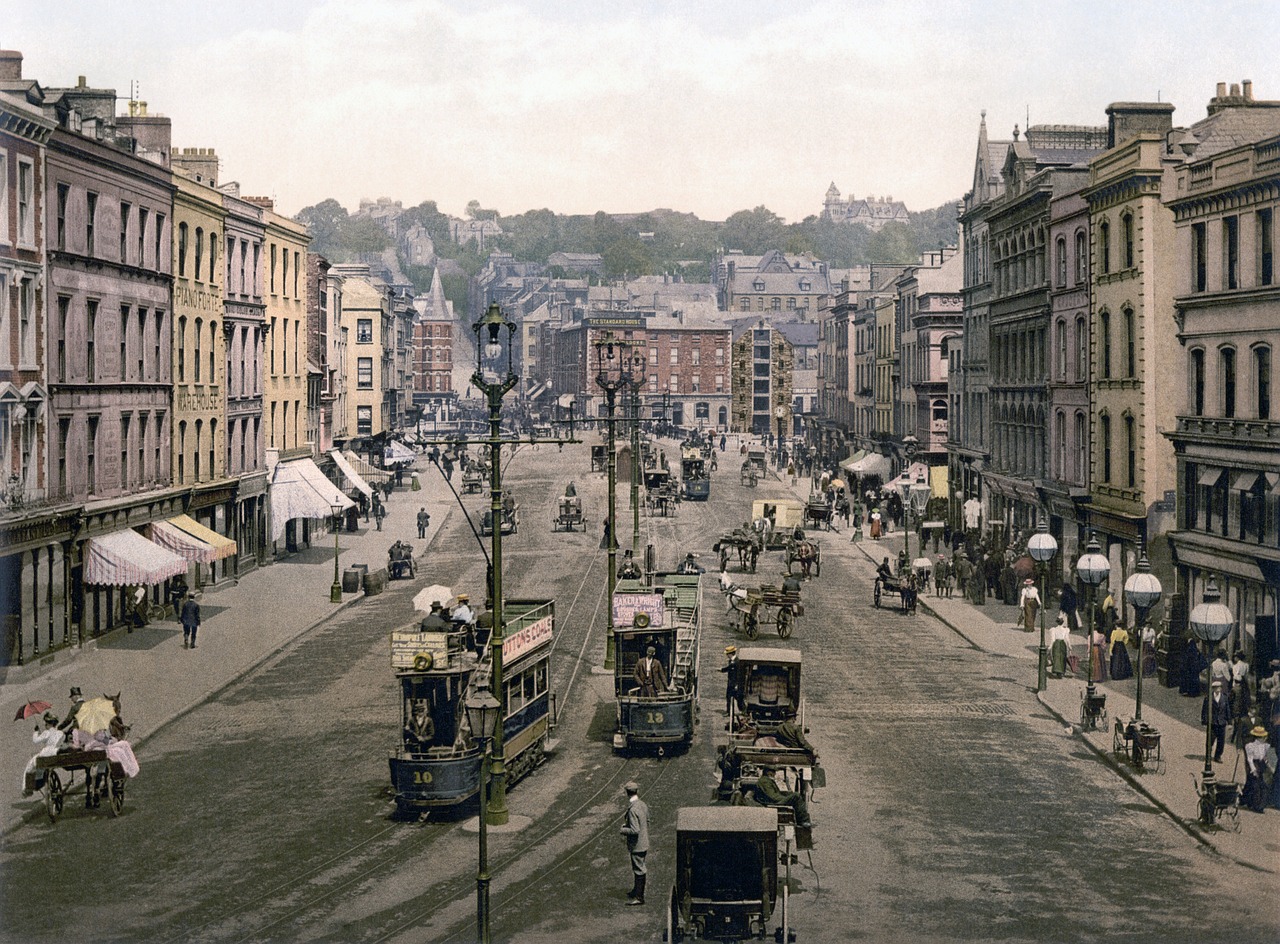
These two main arteries define Cork’s city centre. Patrick’s Street (“Pana” to locals) is wide and grand, with department stores and big brands. Oliver Plunkett Street is narrower, more intimate, full of independent shops, cafés, and bars.
On a Saturday afternoon, you’ll see buskers, shoppers, and groups of friends weaving between the two. This isn’t a “sight” in the traditional sense, but it’s where you’ll feel the city’s pulse.
17. Night Kayaking on the River Lee
One of the most memorable things I’ve ever done in Cork was a night-time kayaking tour along the River Lee. As dusk fell, we paddled under bridges and past the illuminated quays, seeing familiar streets from a completely different angle.
It’s peaceful, slightly surreal, and surprisingly romantic. Don’t worry if you’re a beginner; the guides are patient and the water is usually calm.
18. Cork Butter Museum
It sounds niche, but the Cork Butter Museum is a quirky gem that explains how butter helped shape Cork’s global connections. In the 19th century, Cork was a major butter trading hub, exporting to far-flung corners of the world.
It’s a small museum, but you’ll leave with a newfound appreciation for that simple pat of butter on your morning toast.
19. St Peter’s Cork
St Peter’s is a deconsecrated church turned cultural space, hosting art exhibitions, talks, and community events. The stone interior, often combined with contemporary exhibits, makes for an atmospheric stop.
I once stumbled into a photography exhibition here on a rainy day and ended up staying for an hour, chatting with the curator over coffee in the small café space.
20. Old Head of Kinsale (Scenic Headland)
Though technically outside Cork city, the Old Head of Kinsale is one of the most jaw-dropping coastal viewpoints within day-trip distance. Dramatic cliffs plunge into the Atlantic, waves crash below, and seabirds wheel overhead.
There’s a famous golf course here and a lighthouse (not generally open to the public), but the real appeal is simply standing at the edge (safely behind fences) and feeling the raw power of the ocean.
I’ve driven out here in both sunshine and mist; either way, it’s atmospheric. On clear days you can see for miles; in fog, the cliffs emerge and disappear like something from a myth.
Neighbourhoods & Districts of Cork
City Centre Island
Cork’s core sits on an island formed by two branches of the River Lee. This is where you’ll likely stay and spend much of your time: Patrick’s Street, the English Market, the Opera House, and countless pubs and restaurants.
The vibe is bustling by day, lively but manageable at night. Everything is walkable; you can cross the island in 15–20 minutes.
Shandon & Northside Lanes
North of the river, Shandon and its surrounding streets feel more residential and lived-in. This is where you’ll find Shandon Bells, the Butter Museum, small local shops, and some excellent, lesser-known pubs.
Wandering these hilly streets, you’ll glimpse everyday Cork life: kids playing, neighbours chatting over low walls, washing lines strung between houses.
UCC & The Mardyke
West of the centre, this area blends student energy with leafy calm. University College Cork anchors the district, while the Mardyke Walk and Fitzgerald Park provide green space along the river.
It’s a great area to stay if you prefer quieter evenings but still want to walk into town in 15–20 minutes.
Docklands & Marina
Cork’s Docklands and Marina area are in the midst of a slow transformation from industrial zone to modern mixed-use neighbourhood. Here you’ll find the Marina Market, riverside walking paths, and increasingly, contemporary apartments and quirky workspaces.
It’s a glimpse of Cork’s future: more riverside living, more cycling paths, more outdoor social spaces.
Suburban Villages: Douglas, Blackrock & Beyond
Just outside the core, you’ll find village-like suburbs such as Douglas and Blackrock. These areas are packed with local pubs, cafés, and small parks, and they give a different flavour of Cork life.
If you have 4–5 days in Cork, spending an afternoon exploring one of these districts can be a nice break from the main sights.
Best Local Food & Drink in Cork
Cork is often called Ireland’s food capital, and with good reason. From traditional dishes to inventive modern cooking, you’ll eat very well here—even on a budget.
Local Dishes & Specialities to Try
- Seafood chowder: Creamy, comforting, packed with local fish and shellfish.
- Fresh fish & chips: Best enjoyed near the coast (Kinsale, Cobh) or at a good city chippy.
- Coddle and stews: Hearty, slow-cooked dishes perfect for cooler days.
- Soda bread & butter: Simple, but Cork’s dairy and bread are exceptional.
- Black and white pudding: Often part of a full Irish breakfast.
- Local cheeses: Including varieties from West Cork, easily found at the English Market.
Where I Love to Eat
I won’t name every single restaurant, as the scene shifts quickly, but here are categories and experiences I’d prioritise:
- English Market stalls: For grab-and-go bites, artisan cheeses, and simple sit-down meals upstairs.
- Modern Irish bistros: Small city-centre spots that do seasonal menus and great value early-bird deals.
- Cafés around UCC & the centre: Perfect for brunch (don’t skip the pancakes and excellent coffee).
- Seafood in Kinsale: If you’re doing a 4 or 5 day itinerary for Cork, make one meal in Kinsale a priority.
- Pub grub: Many pubs do surprisingly good food: pies, stews, burgers, and sometimes fresh fish.
Saving Money on Food
- Lunch deals: Many places offer cheaper set lunches than dinners; flip your main meal to midday.
- Self-cater breakfast: Grab yoghurt, fruit, and bread from a supermarket to save on the first meal of the day.
- Markets: Both the English Market and Marina Market have affordable, filling options.
Pubs & Drinks
Cork’s pub culture is about conversation and music as much as drinking. You’ll find:
- Traditional pubs: Dark wood, snugs, Guinness poured slowly, regulars at the bar.
- Music pubs: Look for live trad sessions in the evenings—ask locals or your accommodation for current favourites.
- Craft beer bars: Places featuring Cork breweries like Franciscan Well and others from across Ireland.
- Cocktail bars: A growing scene of small, creative venues for something a bit fancier.
Nightlife, Entertainment & Cultural Experiences in Cork
Cork’s nightlife leans more sociable and musical than wild. You’ll find something for every mood:
Live Music
Almost every night of the week, you can find live music somewhere: traditional Irish sessions, jazz, indie bands, or singer-songwriters. Many pubs never charge a cover; just buy a drink and enjoy.
Theatre & Performance
- Cork Opera House: For everything from stand-up to big touring shows.
- Smaller theatres: Keep an eye out for local productions, often excellent value and very creative.
Evening Walks & Low-Key Nights
If you’re not into loud nights, Cork still shines after dark: stroll along the quays with the city lights reflecting in the river, grab a late dessert in a café, or listen to acoustic music in a quiet bar.
Cultural Experiences
- Gaelic games: If you’re around when there’s a hurling or Gaelic football game, go. The energy is incredible.
- Festivals: From jazz to film and food, Cork has a packed festival calendar (see Events section).
Best Day Trips from Cork
Beyond Cobh, Blarney, Kinsale, and Spike Island (already covered), consider extending your 4 or 5 day itinerary for Cork with:
- Clonakilty & Inchydoney Beach: Charming town plus one of the region’s loveliest beaches. Great for families and surfers.
- Baltimore & Sherkin Island: Further west, but magical in good weather. Boat trips, island walks, and seafood.
- Midleton: For distillery tours (Irish whiskey lovers, take note) and a small-town feel.
Buses cover many of these, though hiring a car gives you more flexibility for coastal explorations.
Cultural Etiquette & Local Customs in Cork
Cork people are famously friendly and have a distinct humour. A few things to keep in mind:
- Greetings: A simple “Hi, how are you?” is standard. Don’t be surprised if shop staff or bar staff chat a bit longer than you’re used to.
- Queues: Irish people queue. If in doubt, ask “Is this the queue for…?”
- Pubs: Order at the bar; tabs are less common. If someone buys you a drink, it’s polite to return the favour later—this is called “getting a round in.”
- Tipping: 10–15% in sit-down restaurants if service is good; rounding up or leaving small change in pubs and cafés is appreciated but not obligatory.
- Conversation: Self-deprecation is common; bragging is frowned upon. Jokes often come with a straight face—don’t be afraid to laugh.
Practical Travel Advice for Cork (2026)
Getting To & Around Cork
- By air: Cork Airport has direct flights from many European cities. It’s a short taxi or bus ride to the city centre.
- By train: Kent Station connects Cork to Dublin and other Irish cities. It’s walkable to the centre (about 15–20 minutes) or a quick taxi.
Public Transport & Walking
The city centre is very walkable. For suburbs and day trips, buses are frequent and reliable. Check time tables online or via local apps. For exploring the Docklands and Marina, walking and cycling paths are improving every year.
Car Rental & Driving
If you’re planning coastal day trips or a wider Ireland road trip, renting a car is useful.
- Foreign licences: Most visitors from the EU, UK, US, Canada, Australia, and many others can use their home licence for short stays. Check up-to-date rules before you travel.
- Driving side: Left-hand side of the road.
- City driving: Narrow streets and one-way systems can be stressful; I’d avoid driving much within the core if you can walk or bus instead.
SIM Cards & Connectivity
In 2026, you’ll easily find prepaid SIMs from major Irish providers at the airport, in supermarkets, and phone shops. Data is generally affordable, and coverage in Cork city is excellent. If your carrier supports eSIMs, you can also set one up before arrival through international providers.
Money & Budget Tips
- Currency: Euro (€)
- Cards: Contactless payment is widely accepted, even for small purchases.
- ATMs: Easy to find in the city centre; avoid ones with extra fees if possible.
- Saving money: Use lunch specials, cook occasionally if you have a kitchen, and prioritise free attractions (parks, galleries, walking the city).
Visa Requirements
Visa rules depend on your nationality. In general, EU/EEA and UK citizens can enter freely; visitors from many other countries (including the US, Canada, Australia, and New Zealand) can often enter visa-free for short stays. Always check the latest Irish government guidance before you travel, as rules can change.
Safety
Cork is generally safe. Usual city common sense applies: keep an eye on your belongings, especially on busy nights; avoid poorly lit areas late at night; and drink responsibly. Locals are quick to help if you’re lost or in difficulty.
Weather & What to Pack
Cork’s weather is famously changeable. You can experience all four seasons in a single day.
- Year-round: Pack layers, a waterproof jacket, and comfortable waterproof shoes.
- Summer (June–August): Mild, with long evenings; bring a light sweater and rain gear.
- Spring & Autumn: Great for active trips; expect cool, damp days with bursts of sunshine.
- Winter: Chilly but rarely extremely cold; perfect for cosy pub evenings and fewer crowds.
Events & Festivals in Cork (2026–2027)
Cork’s cultural calendar is packed. While exact dates shift each year, here are major events you can expect in 2026–2027:
- Cork International Film Festival (Autumn 2026 & 2027): Ireland’s oldest film festival, with screenings across the city.
- Cork Jazz Festival (Late October 2026 & 2027): The city’s biggest weekend—streets and pubs fill with live music from afternoon to late night.
- Cork Midsummer Festival (June 2026 & 2027): Contemporary arts, theatre, and outdoor performances.
- Cork on a Fork Food Festival (likely Summer 2026 & 2027): A newer but fast-growing celebration of local food and drink.
- St Patrick’s Day (March 17 every year): Parades, music, and a citywide party—busy but great fun.
2026 also continues the city’s slow Docklands redevelopment, so expect more riverside walkways, pop-up events, and food spots along the Lee.
Summary & Best Time to Visit Cork
Cork is a city that rewards both quick flings and longer stays. With 3 days in Cork, you can hit the highlights: the English Market, Shandon, Saint Fin Barre’s, Blarney, and at least one harbour or coastal excursion. With 4 days in Cork, you add Kinsale or Spike Island; with 5 days in Cork, you start to feel like you’re living here: exploring neighbourhood cafés, taking park walks, and chatting to the same barista two days in a row.
Best Seasons for Visiting Cork
- Late Spring (May–June): My personal favourite. Longer days, mild weather, blooming gardens, and plenty of events.
- Summer (July–August): Warmer, with lively festivals and the best time for coastal day trips. Also busier and pricier.
- Autumn (September–October): Rich colours, harvest produce, and big cultural events like the film and jazz festivals.
- Winter (November–February): Quiet, atmospheric, and ideal if you like cosy pub nights and don’t mind cooler, wetter weather.
What I love most about Cork is that it’s big enough to surprise you but small enough to feel intimate. You can start your day with coffee in a 200-year-old market, spend the afternoon in a castle or on a cliff walk, and end the evening listening to music in a pub where, by the second round, someone will probably ask where you’re from and how you’re finding the place.
Come with an appetite, a raincoat, and a willingness to say yes when someone suggests “just one more” scenic walk, pub, or slice of cake—and Cork will look after the rest.