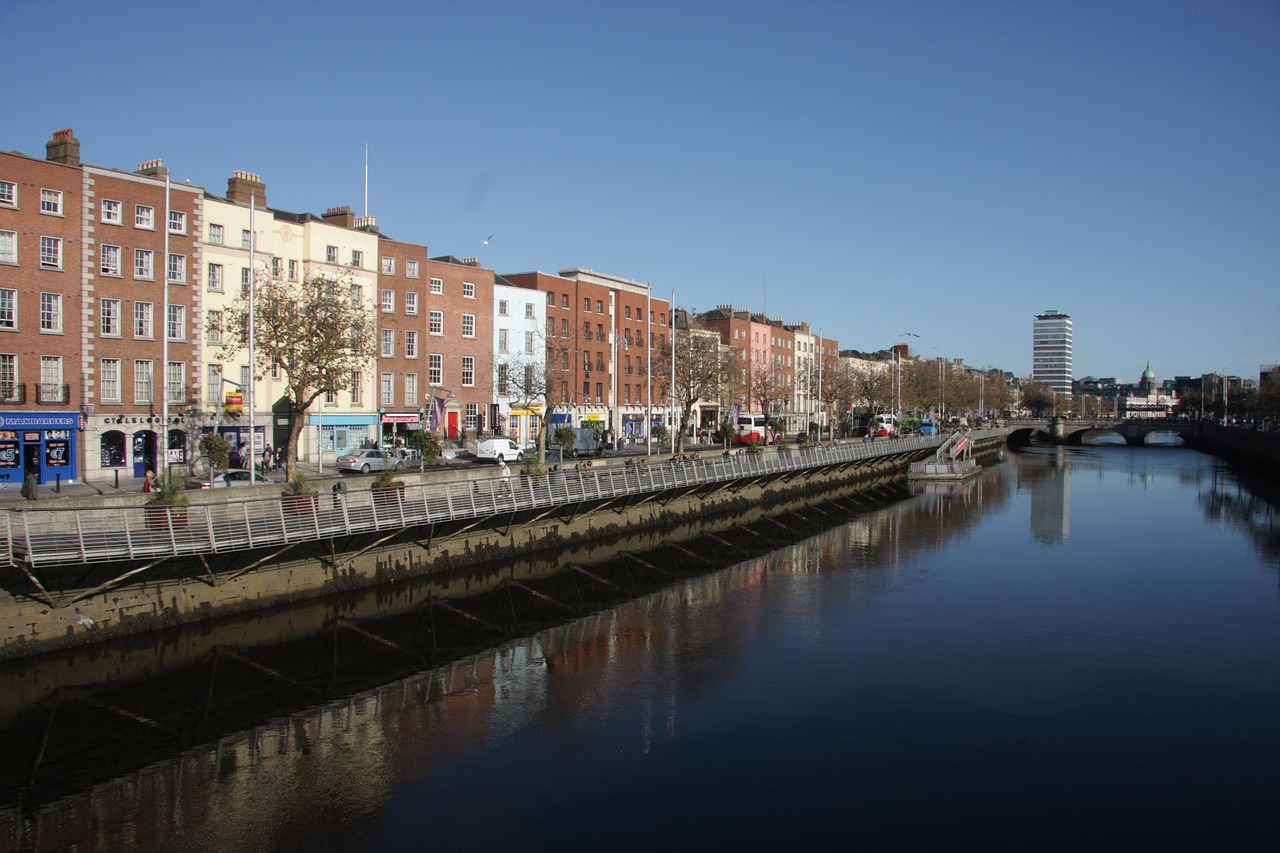
Why Visit Dublin in 2026?
Dublin is a city of conversations. Yes, you’ll find the classic must-see attractions in Dublin like Trinity College, the Guinness Storehouse, and Temple Bar, but what you’ll remember most are the stories: the taxi driver explaining hurling rules, the bartender recommending a local whiskey, the busker on Grafton Street belting out a U2 cover in the drizzle.
In 2026, Dublin is buzzing: tech hub, literary capital, music city, and easy gateway for day trips along the coastline and into the countryside. It’s a city where you can spend the morning inside a centuries-old library, the afternoon hiking on sea cliffs, and the evening listening to trad music over a perfectly poured pint.
Whether you have 3 days in Dublin or a full 5 day itinerary for Dublin, you’ll find a blend of:
- Cultural experiences in Dublin: literature, music, museums, Georgian architecture.
- Local food in Dublin: from cozy stew and soda bread to refined tasting menus and excellent coffee.
- Family-friendly things to do in Dublin: parks, interactive museums, and easy day trips.
- Romantic corners: riverside walks, candlelit bars, and sea views in nearby coastal towns.
- Adventurous escapes: cliff walks, biking the coastline, and hiking day trips from the city.
Table of Contents
- Why Visit Dublin
- Dublin’s Neighborhoods & Where to Stay
- Top 20 Must-See Attractions in Dublin (Deep Dive)
- 3–5 Day Dublin Itineraries (With Personal Stories)
- Best Local Food & Drink in Dublin
- Nightlife, Entertainment & Cultural Experiences
- Best Day Trips from Dublin
- Cultural Etiquette & Local Customs in Dublin
- Practical Travel Advice for Dublin (Transport, Money, SIMs, Visas)
- Major Events in Dublin 2026–2027
- Summary & Best Time to Visit Dublin
Dublin’s Neighborhoods & Where to Stay
Dublin is compact, but each area has its own character. When planning your 3 day itinerary for Dublin or longer, where you stay will shape your experience.
1. City Centre (Temple Bar, Grafton Street, O’Connell Street)
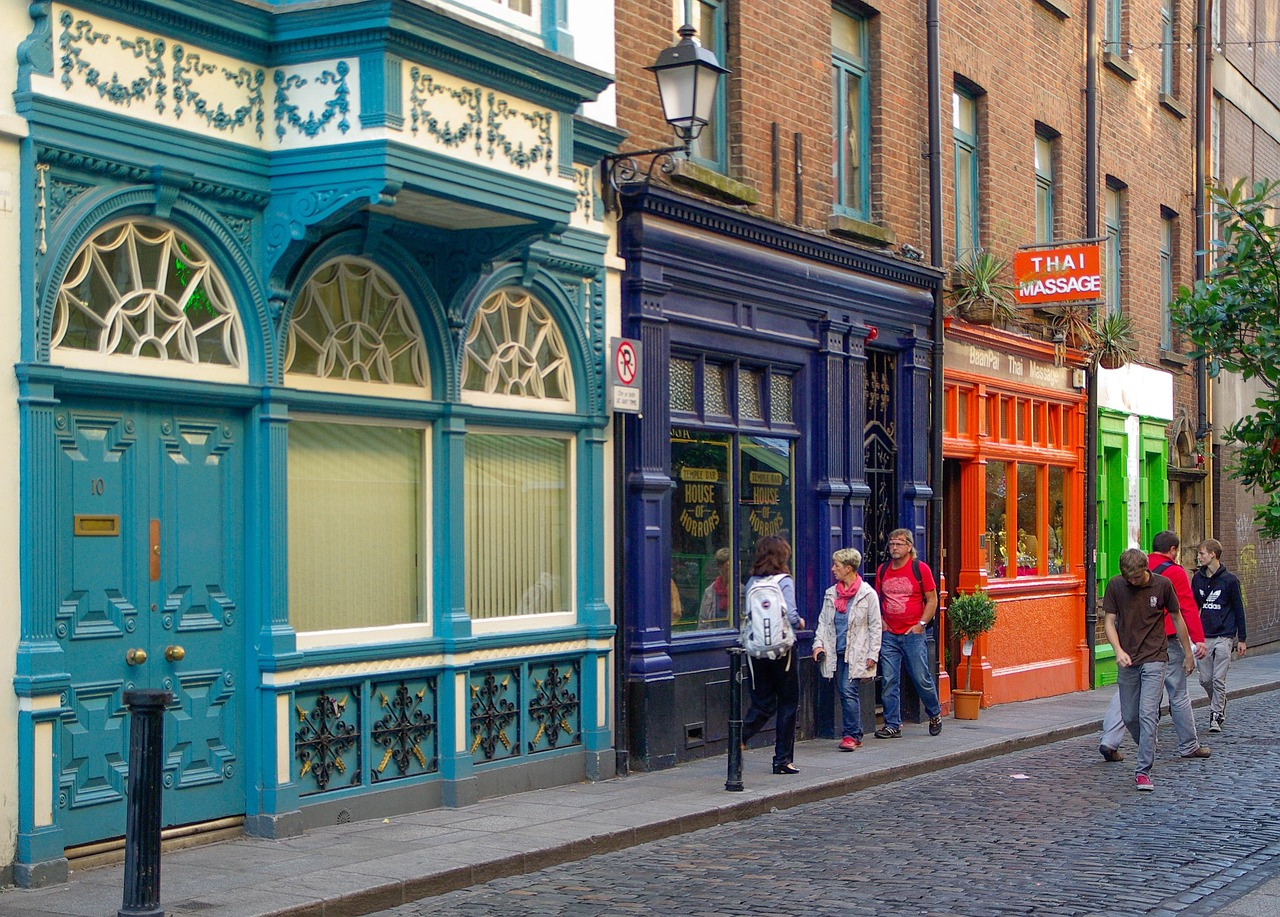
This is the postcard Dublin: cobbled streets, buskers, colorful pubs, and crowds. I usually stay a short walk away from Temple Bar to avoid noise but still be close to the action.
- Good for: First-time visitors, nightlife, short stays (3 days in Dublin).
- Vibe: Lively, touristy, convenient.
- Tip: For quieter nights, stay south of St. Stephen’s Green or around Merrion Square.
2. St. Stephen’s Green & Georgian Dublin
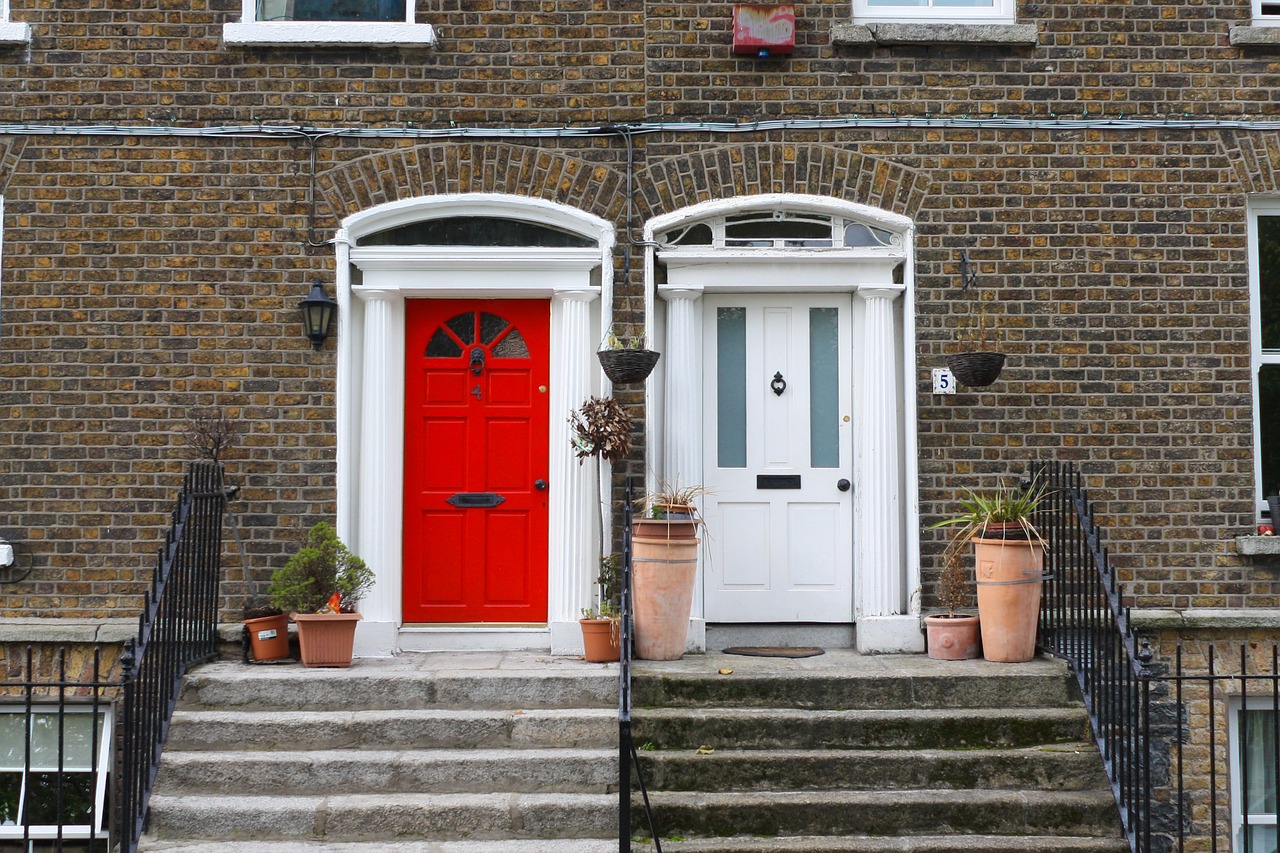
My favorite area to base myself. Leafy squares, elegant Georgian townhouses, and easy walking distance to most things to do in Dublin.
- Good for: Couples, culture lovers, slightly quieter stays.
- Highlights: National Museum, National Gallery, beautiful architecture, good restaurants.
3. Smithfield & Stoneybatter
Once a bit gritty, now one of Dublin’s coolest pockets. I’ve spent weeks here working from cafés and wandering to the Phoenix Park.
- Good for: Longer stays, foodies, those wanting a more “local” feel.
- Highlights: Jameson Distillery, indie cafés, easy walk to city centre.
4. Docklands & Grand Canal Dock
Dublin’s “Silicon Docks” – sleek glass buildings, the Bord Gáis Energy Theatre, and riverside walks. I like this area for business trips or if I want a modern hotel feel.
5. Ranelagh, Rathmines & Portobello
Trendy, residential, and full of great food. I often come here in the evenings when I’m tired of the city centre crowds.
6. Coastal Suburbs (Howth, Dalkey, Dún Laoghaire)
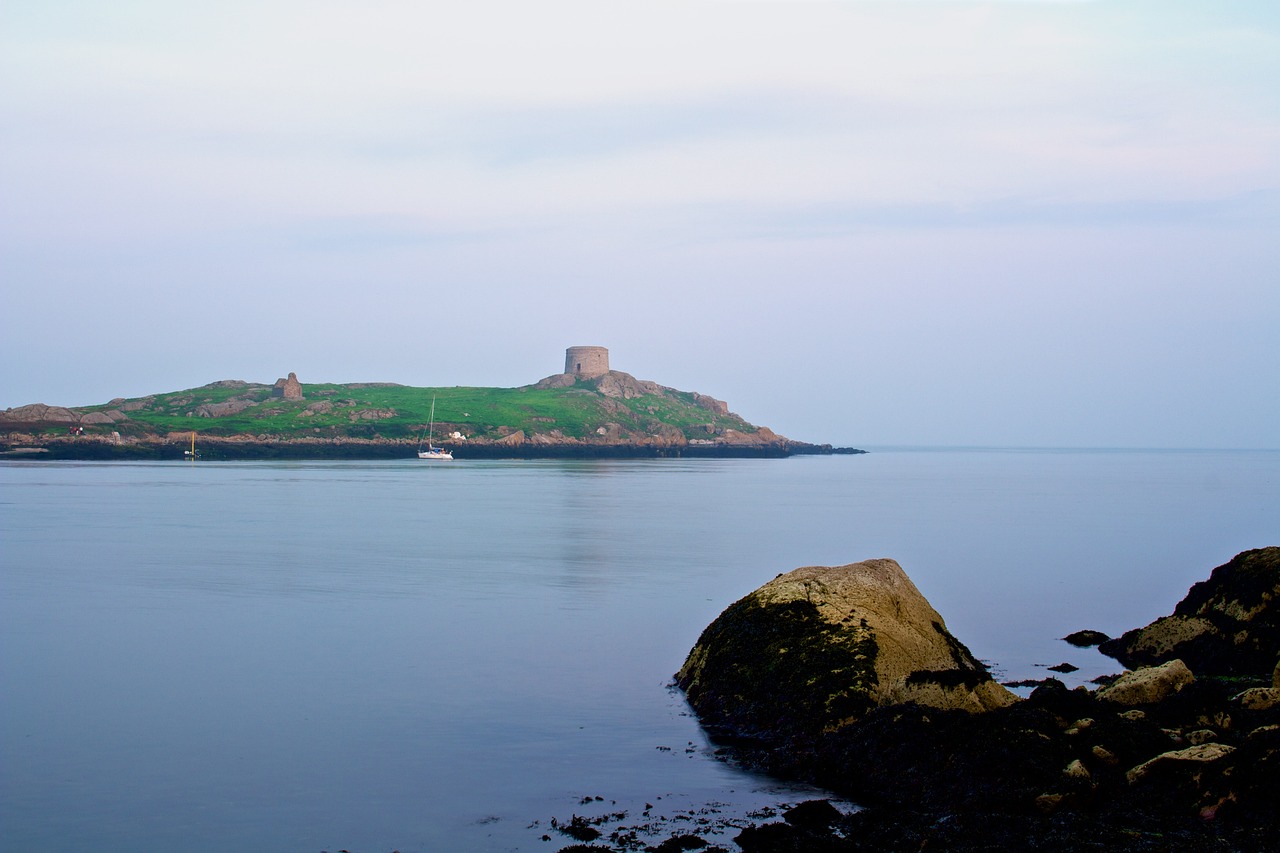
Technically outside the central city but reachable by DART train in under 30 minutes. If I’m on a longer 5 day itinerary for Dublin, I like to spend a night or two in Dalkey or Howth for sea air and cliff walks.
Top 20 Must-See Attractions in Dublin (With Stories & Tips)
Here are twenty of the best places to visit in Dublin, mixing big-ticket sights with a few under-the-radar local favorites. Each subsection reads like a mini-article: how to get there, what it’s like, and how I’d fit it into a 3, 4, or 5 day itinerary for Dublin.
1. Trinity College Dublin & The Book of Kells
The first time I walked into Trinity’s Front Square, it was early morning in March; the cobblestones were slick with drizzle and students in big coats hurried between lectures. I ducked under the Campanile, half expecting to be scolded by a don, and joined the line for the Book of Kells.
Founded in 1592, Trinity is Ireland’s oldest university and the campus feels like a quiet city within the city. The real showstopper though is the Book of Kells, a 9th-century illuminated manuscript of the Gospels, and the Long Room library just beyond.
Don’t rush the exhibition. The Book itself is small and behind glass, but the interpretive displays are excellent. When you finally step into the Long Room, you’re in one of the world’s most beautiful libraries: a barrel-vaulted ceiling, rows of dark wood shelves, and busts of philosophers and writers. Even after several visits, I still get goosebumps.
- How to get there: Right in the city centre, at the bottom of Grafton Street. Easy walk from most hotels.
- When to go: Book a timed ticket online and go for the first or last slot of the day to avoid the heaviest crowds.
- Family tip: Kids often love spotting mythical creatures and intricate designs in the Book of Kells illustrations.
- Nearby food: For coffee, I like to slip to 3FE on Grand Canal Street or Bewley’s on Grafton Street for something more old-school.
2. Guinness Storehouse & Gravity Bar
I’ve done the Guinness tour more times than I’ll admit, and I still manage to learn something new (or at least enjoy the pint at the end). The Storehouse is built around a massive glass atrium shaped like a pint glass, with seven floors dedicated to the story of “the black stuff.”
My favorite part is always the tasting rooms: dark spaces lit with gentle spotlights where you learn how to “properly” sip Guinness. If you’re keen, you can take a short class in pulling your own pint – a fun photo op and surprisingly satisfying, even if you’re not usually a beer person.
The payoff is the Gravity Bar at the top. On clear days, the 360° views of Dublin are some of the best in the city. Try to time your visit for late afternoon, when the city glows and you can watch the light fade over the Wicklow Mountains in the distance.
- How to get there: A 20–25 minute walk from the city centre, or hop on a bus/taxi to St. James’s Gate.
- When to go: Weekday mornings are calmer. Evenings can be crowded, especially weekends.
- Romantic tip: Grab a window seat in the Gravity Bar just before sunset.
- 3-day itinerary note: This fits perfectly on Day 1 or 2 with Kilmainham Gaol or St. Patrick’s Cathedral.
3. St. Patrick’s Cathedral
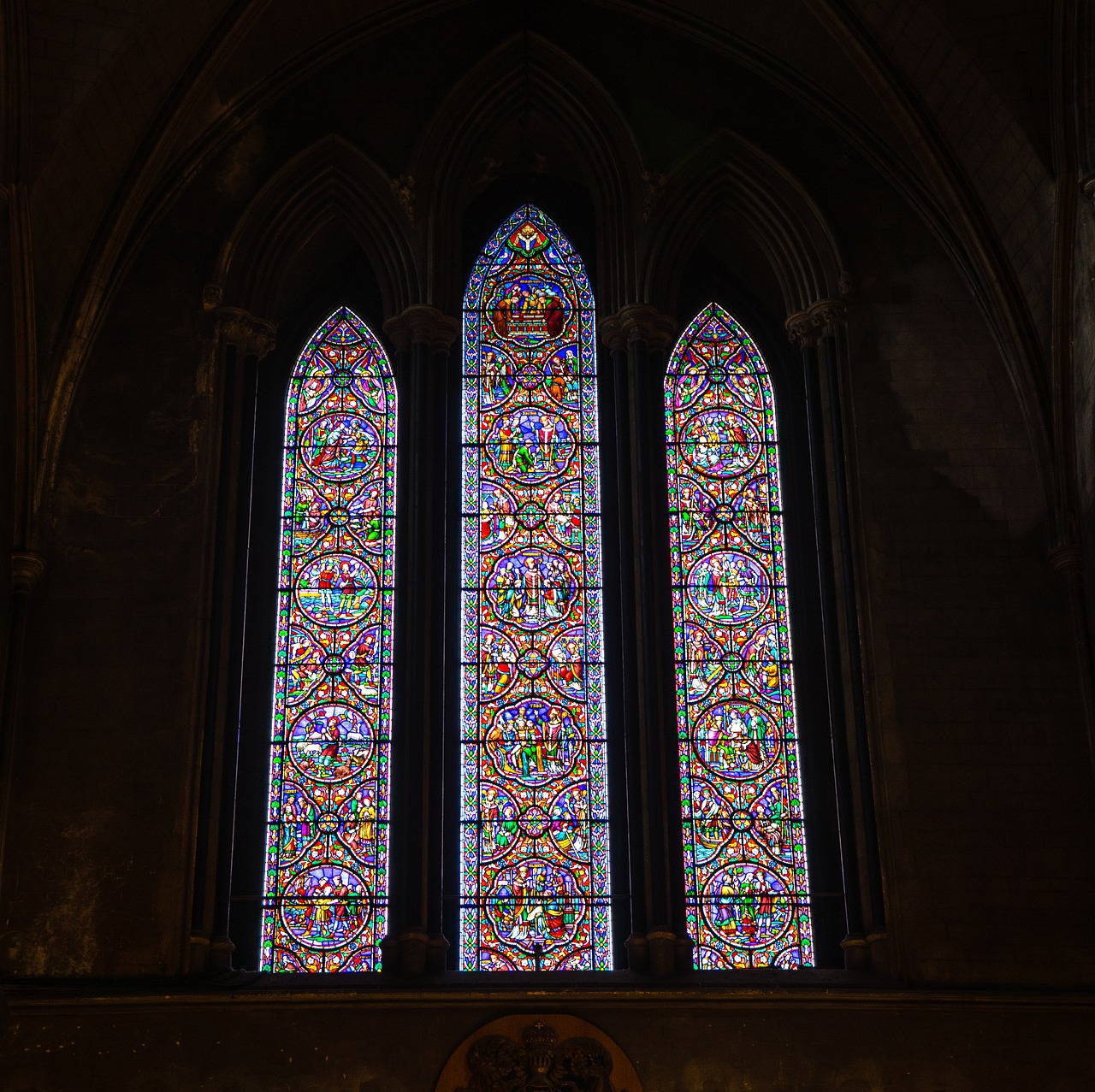
On a rainy winter afternoon in 2024, I stepped into St. Patrick’s just as the choir began rehearsing. The sound rose into the vaulted ceiling and wrapped around the stone pillars; for a few minutes, every dripping umbrella and damp sock was worth it.
Built in the 13th century near a well where St. Patrick is said to have baptized converts, the cathedral is both historic monument and living church. Look for the memorial to Jonathan Swift (author of “Gulliver’s Travels”), who was Dean here, and the banners hanging in the nave.
- How to get there: A short walk from the city centre; combine with nearby Christ Church Cathedral.
- Best time: Late afternoon is often quieter. Check if a choral evensong is scheduled; it’s a beautiful, free cultural experience (donations appreciated).
- Family tip: The small park outside is good for a quick run-around if kids are restless.
4. Christ Church Cathedral & Medieval Dublin
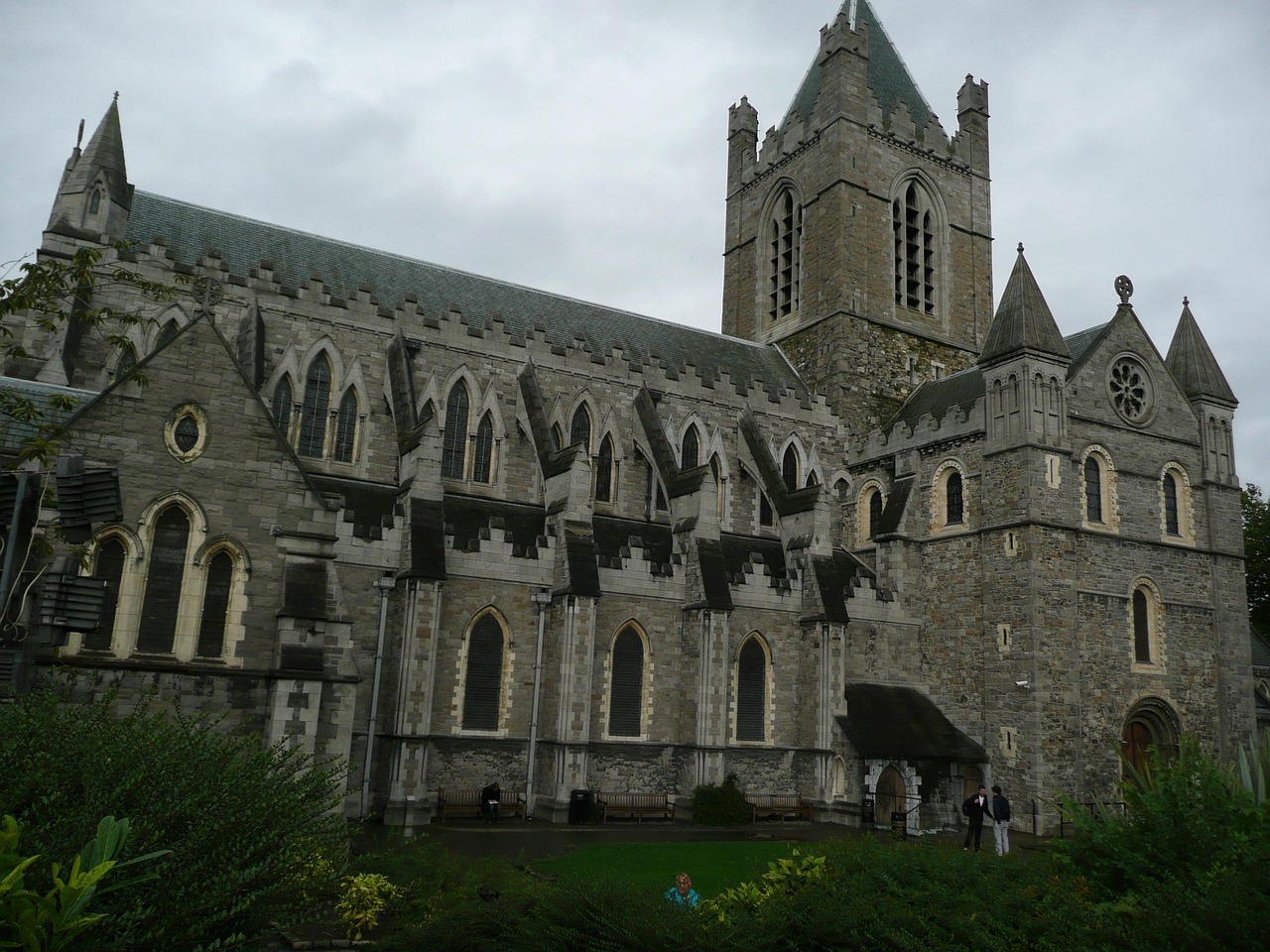
Christ Church feels more intimate than St. Patrick’s, with a cosier, slightly older atmosphere. The crypt is one of the largest in Britain and Ireland and houses an odd mix of religious artifacts and curiosities, including the famous mummified cat and rat found in the organ pipes.
On my last visit, I climbed the belfry for a bell-ringing demonstration; standing among the massive bells as they swung and tolled around me was easily one of the most memorable cultural experiences in Dublin.
- How to get there: 5–10 minutes’ walk from Temple Bar, just across Christchurch Place.
- Tip: Combine with Dublinia (the Viking & medieval museum) for a family-friendly half day.
5. Kilmainham Gaol
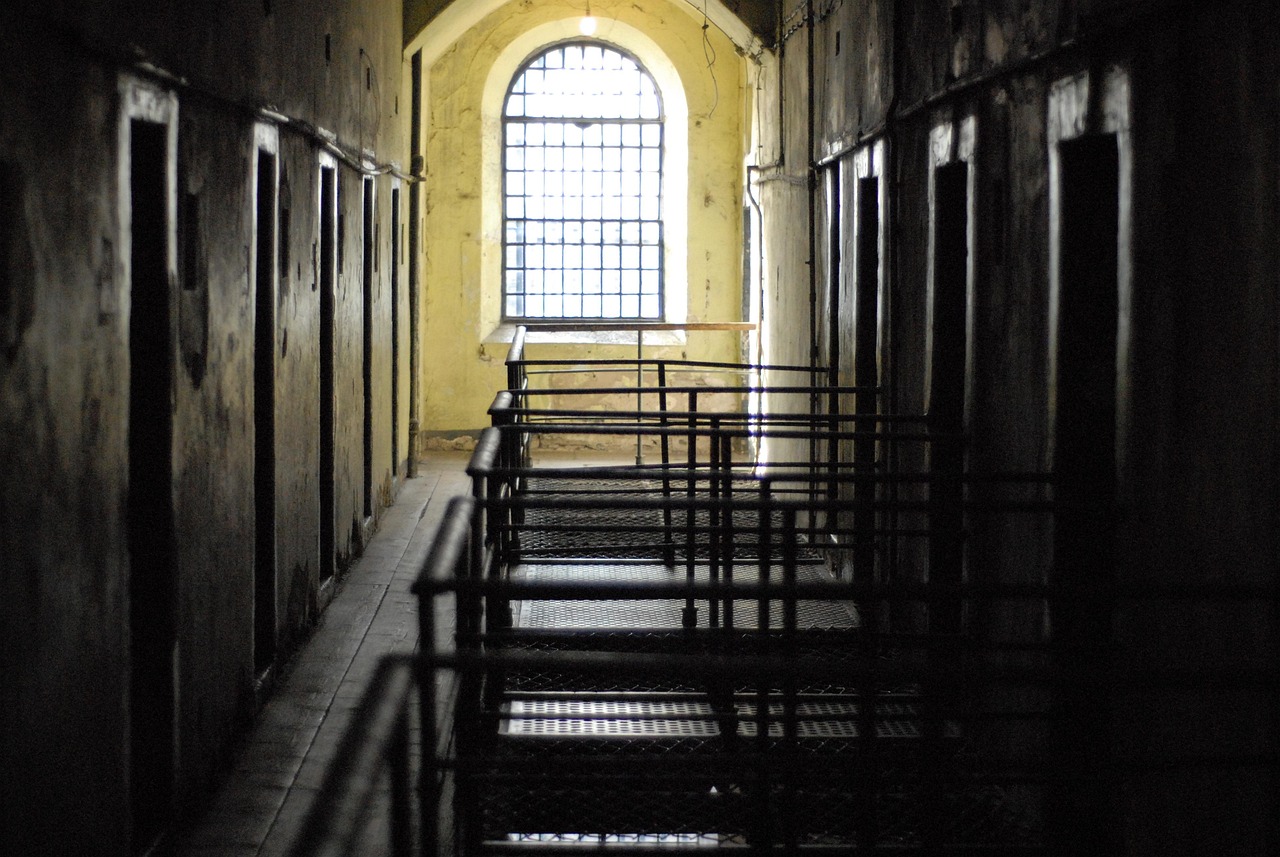
If you only visit one history museum, make it Kilmainham Gaol. It’s not an easy visit emotionally, but you walk out understanding Ireland on a much deeper level.
I still remember my guide’s voice cracking slightly as she spoke about the leaders of the 1916 Easter Rising held and executed here. Walking through the echoing cellblocks, with their iron walkways and tiny barred windows, you feel the weight of the stories embedded in the walls.
- How to get there: West of the city; take a bus or taxi (or a 30–40 minute walk from the centre).
- Tickets: Book in advance online. Tours are timed and often sell out in high season.
- Family note: The content is heavy; best for teens and up rather than very young children.
- Itinerary tip: Pair with the Irish Museum of Modern Art (IMMA) and a stroll through its grounds.
6. Phoenix Park
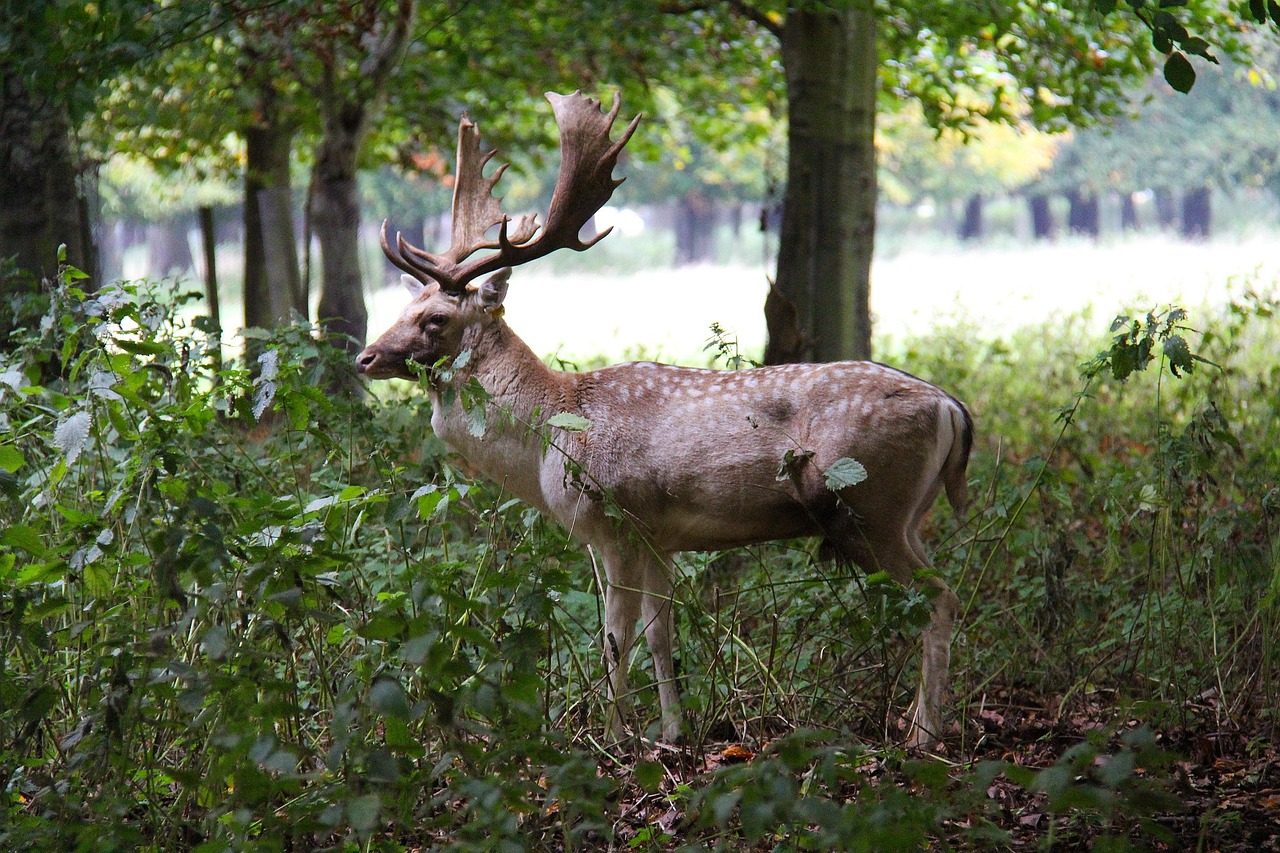
On a sunny spring morning in 2025, I rented a bike near Heuston Station and pedaled into Phoenix Park. Within minutes, the city noise faded, replaced by birdsong and the occasional rustle of deer in the bracken.
At 1,700 acres, Phoenix Park is one of the largest enclosed city parks in Europe. It’s home to a herd of fallow deer, Áras an Uachtaráin (the President’s residence), the Papal Cross, and Dublin Zoo.
- How to get there: LUAS (tram) to Heuston or a short bus/taxi ride from the centre.
- Best for: Families, runners, picnics, cyclists, anyone needing a city break.
- Tip: Deer are wild – keep your distance and don’t feed them, however tempting.
7. Dublin Castle & Chester Beatty
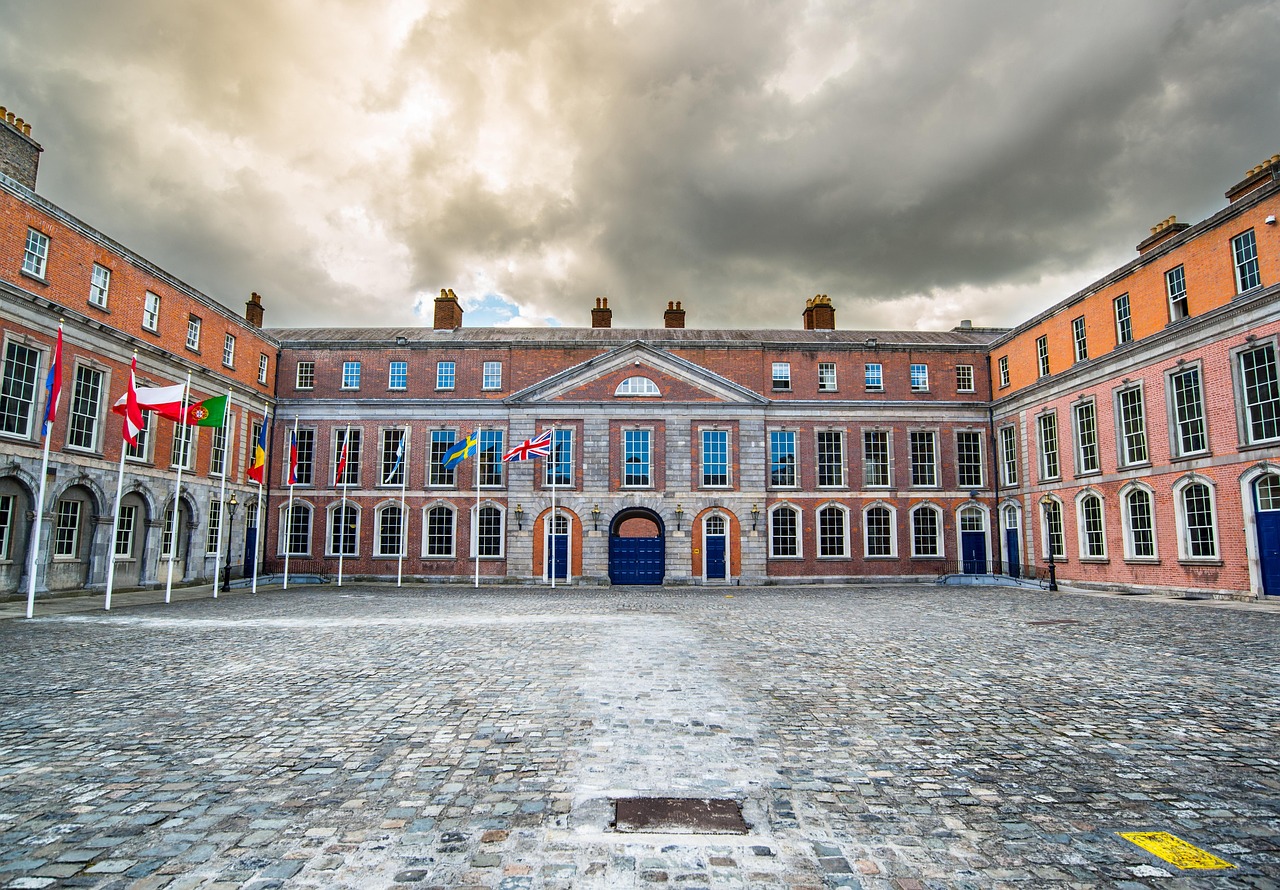
Dublin Castle is more a collection of buildings and courtyards than a fairy-tale fortress, but it’s central to the story of British rule in Ireland. The State Apartments are ornate and interesting, especially if you catch a guided tour.
The real gem, though, is the Chester Beatty museum tucked at the back. It’s one of my favorite hidden gems in Dublin: an extraordinary collection of manuscripts, books, and artworks from around the world, housed in a calm, modern space with a lovely café and rooftop garden.
- How to get there: Right behind Dame Street; 5 minutes’ walk from Temple Bar.
- Cost: Castle tours paid; Chester Beatty is free (donations welcome).
- Perfect on: A rainy day during your 3 or 4 days in Dublin; you can easily spend 2–3 hours here.
8. Grafton Street & St. Stephen’s Green
Grafton Street is Dublin’s main pedestrian shopping artery, but I come here as much for the atmosphere as the stores. Street performers line the pavement: I’ve seen everything from classical quartets to a guy playing techno on a tin whistle.
At the top sits St. Stephen’s Green, a beautifully kept park with ponds, flowerbeds, and meandering paths. On summer days, office workers sprawl on the grass and teenagers gather on benches, giving the whole place a cheerful hum.
- How to get there: Central; walkable from anywhere in the city core.
- Romantic tip: Stroll Grafton around golden hour and steal a quiet bench in the park.
- Family tip: Great space for kids to run; watch the ducks on the pond.
9. National Museum of Ireland & National Gallery
One of my best money-saving discoveries: many of Dublin’s top museums are free. On a blustery afternoon, I like to drift between the National Museum (Archaeology) and the National Gallery, both within easy walking distance of each other.
At the Archaeology museum, don’t miss the bog bodies – astonishingly preserved ancient remains – and the Celtic gold. At the National Gallery, you’ll find Irish artists like Jack B. Yeats alongside European masters.
- How to get there: Around Merrion Square and Kildare Street, south of Trinity College.
- Best for: Culture lovers, budget travelers, rainy-day itineraries.
10. Temple Bar (Beyond the Stag Parties)
Temple Bar has a reputation: bachelor parties, pricey pints, and loud music. All true, but there’s more under the surface. I like to visit during the day, when the cobbled streets are calmer and you can appreciate the galleries, cafés, and the excellent Temple Bar Food Market on Saturdays.
At night, if you want that classic “packed pub with live music” experience, you’ll find it here. But if you prefer something a bit more local-feeling (and cheaper), I suggest having a quick wander, then crossing the river to Capel Street or heading toward Camden Street.
- How to get there: Central; between Dame Street and the River Liffey.
- Tip: Expect higher prices and crowds; keep bags close and avoid drinking so much you lose your bearings.
11. Jameson Distillery Bow St.
Even as someone who isn’t a big whiskey drinker, I love this tour. The guides are charismatic, the tasting is educational without being stuffy, and the refurbished distillery space in Smithfield is gorgeous.
On one visit, I tried the blending experience, where you get hands-on with different whiskey styles; on another, I just joined the classic tour and lingered in the bar afterward with a whiskey sour and a charcuterie board.
- How to get there: In Smithfield, a 15–20 minute walk from the city centre or a short LUAS ride.
- Best with: Friends or as part of a couple’s night; book in advance for evenings and weekends.
- 3-day itinerary note: Works well with Guinness Storehouse or a Smithfield/Stoneybatter food wander.
12. Powerscourt Townhouse & Creative Quarter
Just off Grafton Street, the Creative Quarter is my favorite place to browse independent shops. Powerscourt Townhouse, an elegant 18th-century mansion turned shopping centre, is full of boutiques, jewelers, and cafés.
I like to come here on my last day to pick up thoughtful souvenirs – Irish-made jewelry, prints, or textiles – instead of last-minute airport tat.
- How to get there: South of Grafton Street, around South William Street and Drury Street.
- Hidden gem tip: Duck into some of the side streets: you’ll find vintage shops, artisan coffee, and small galleries.
13. Howth Cliff Walk (Day Trip)
On a clear June day in 2023, I took the DART train to Howth, grabbed a coffee and a fresh-baked scone near the harbour, and set off on the cliff walk. Within minutes, the sea breeze slapped my cheeks awake and Dublin felt a world away.
The looped walks range from easy to moderate, with views across Dublin Bay to the Wicklow Mountains. On the path, you’ll pass gorse-covered hills, seabirds wheeling overhead, and, if you’re lucky, seals near the harbour.
- How to get there: DART train from Connolly or Tara Street; about 30 minutes.
- Best time: Clear days; avoid stormy weather as the cliffs can be exposed and muddy.
- Food: Reward yourself with fish and chips or seafood chowder in the village afterward.
- Family note: Choose shorter routes with older kids; keep a close eye near cliff edges.
14. Dún Laoghaire & the Pier
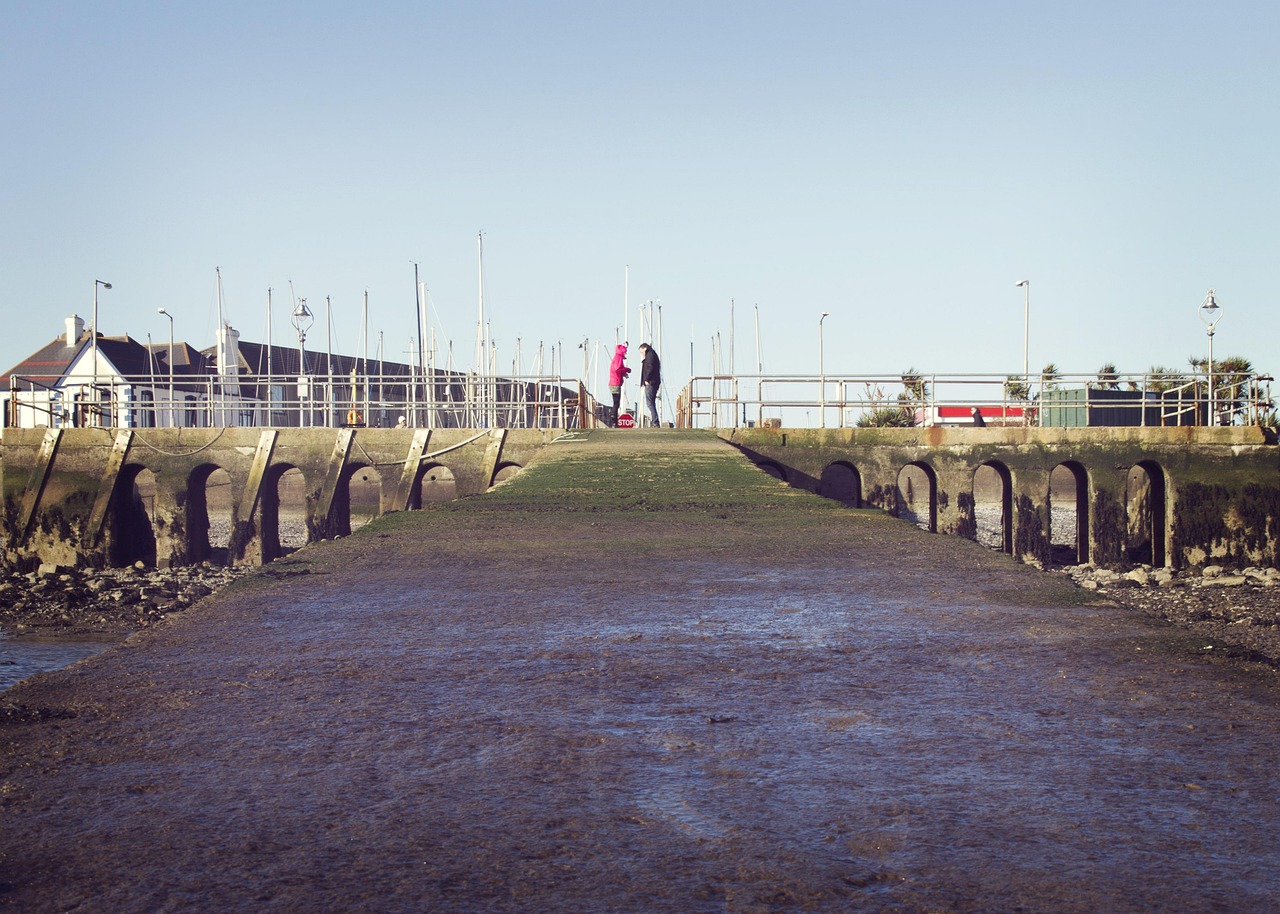
When Dublin feels too crowded, I hop on the DART to Dún Laoghaire. Walking the East Pier with a 99 ice cream in hand is one of those simple Irish pleasures.
The town has a slightly faded seaside grandeur, with a lovely library, markets, and good cafés. On one blustery January afternoon, I joined a few brave locals for a dip at the Forty Foot in nearby Sandycove – icy, exhilarating, and followed by the best hot chocolate of my life.
- How to get there: DART train, 20–25 minutes from the city centre.
- Best for: Gentle seaside strolls, pier walks, and literary history (James Joyce Tower is nearby).
15. EPIC The Irish Emigration Museum
EPIC is one of Dublin’s most modern and engaging museums, located in the Docklands. It tells the story of Irish emigration and diaspora around the world, and it’s incredibly interactive.
On a rainy 2022 afternoon, I spent nearly three hours here, tapping through digital exhibits, listening to emigrant stories, and tracing Irish influence across the globe. If you have Irish roots, it’s especially moving.
- How to get there: In CHQ building near Custom House Quay; a short walk along the Liffey from the city centre.
- Family-friendly: Very much so; kids enjoy the interactive displays.
16. The Little Museum of Dublin
This small museum on St. Stephen’s Green is a love letter to 20th-century Dublin, told through donated objects and lively storytelling tours. It’s charming and very human.
On my first visit, a guide had our small group laughing at tales of Dublin characters one minute and reflecting quietly on political struggles the next. It feels like being welcomed into a slightly eccentric friend’s townhouse.
- How to get there: On the north side of St. Stephen’s Green.
- Tip: Book a timed guided tour; that’s where the magic is.
17. Croke Park & GAA Museum
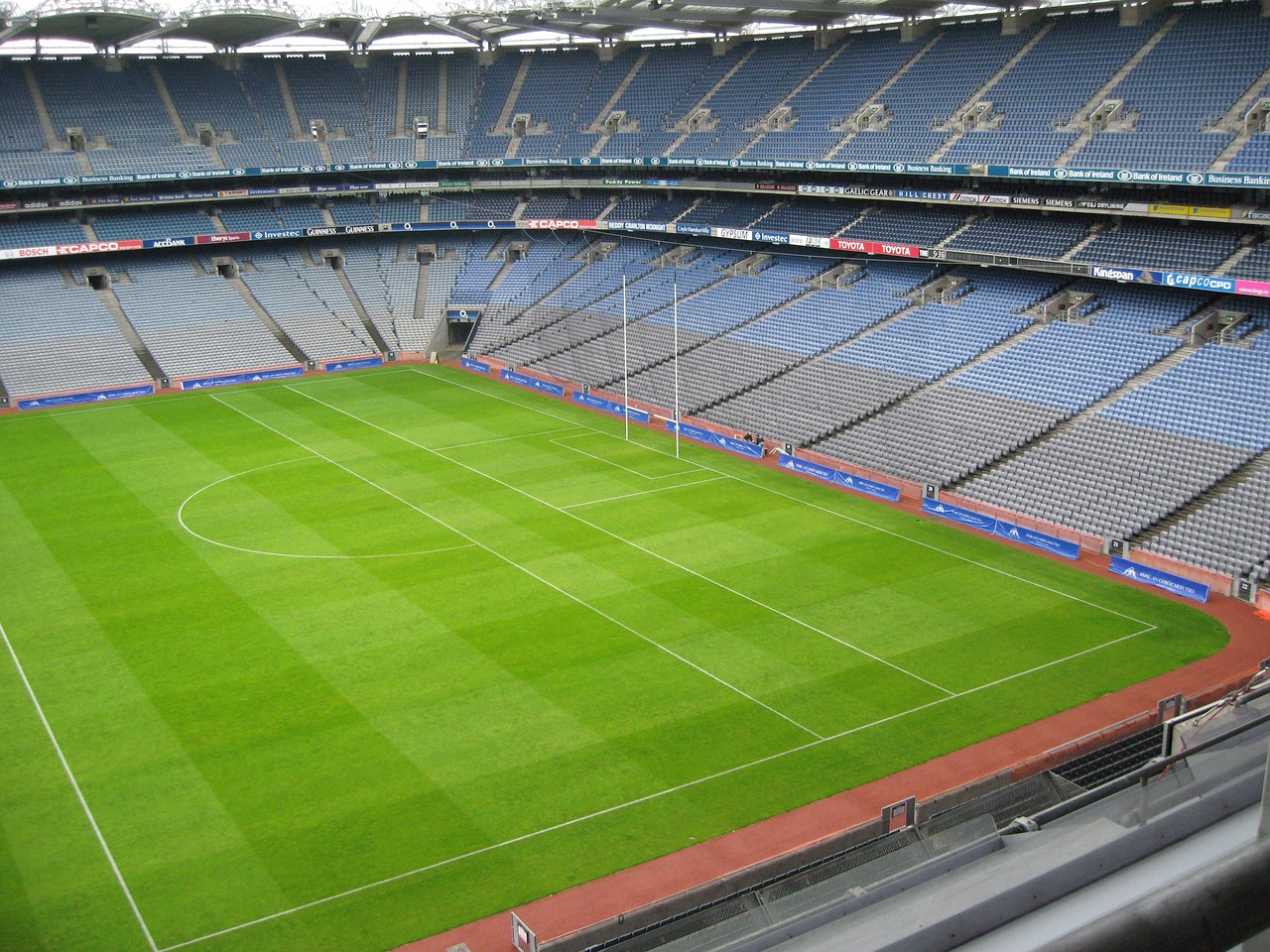
Even if you’re not a sports fan, Croke Park offers a window into Irish identity. This is the home of Gaelic games: hurling and Gaelic football. The stadium tour takes you into the dressing rooms, pitchside, and up into the stands, while the museum explains the history and culture behind the games.
On one memorable summer evening, I joined a local friend for a hurling match: 80,000 fans, a blur of players, and a roar that shook my chest. It’s electric.
- How to get there: North of the city; about a 20–25 minute walk or short bus/taxi.
- Adventure note: There’s a Skyline rooftop tour with views over Dublin – fun on a clear day.
18. Glasnevin Cemetery & National Botanic Gardens
Glasnevin is one of Dublin’s most underrated attractions. The guided tours bring to life the stories of political leaders, writers, and everyday people buried here. It’s somber but also oddly uplifting.
From here, it’s a short walk to the National Botanic Gardens, where Victorian glasshouses shelter lush collections of plants. On one trip, I spent a serene couple of hours wandering among the palms and cacti, listening to the rain patter on the glass above.
- How to get there: North of the city; take a bus from O’Connell Street.
- Hidden gem combo: Cemetery tour + Botanic Gardens make a peaceful half day away from the city centre.
19. Marsh’s Library
Tucked behind St. Patrick’s, Marsh’s Library is a true hidden gem in Dublin. Founded in 1707, it’s one of the oldest public libraries in Ireland and has barely changed in centuries: dark wooden shelves, rolling ladders, and reading cages where scholars were once locked in with the books.
As a book lover, this is my idea of heaven. It’s small, quiet, and feels like stepping onto a film set – except everything is real.
- How to get there: Next to St. Patrick’s Cathedral.
- Best for: Literature fans, photographers (respectful, no flash), those seeking a calm corner.
20. Grand Canal Dock & Bord Gáis Energy Theatre
For a completely different architectural side of Dublin, head to Grand Canal Dock. Glass offices reflect in the water, red light sticks line the square, and sleek apartments overlook cafés and restaurants.
I like to come here for evening walks and to catch a show at the Bord Gáis Energy Theatre – everything from touring musicals to concerts. It’s a glimpse of contemporary Dublin energy, lit by the water.
- How to get there: A 20-minute walk from Trinity or a short bus/taxi/LUAS ride.
- Romantic tip: Dinner by the water followed by a show makes a lovely date night.
3–5 Day Itineraries for Dublin (With Personal Stories)
Below are flexible outlines you can tailor to your style. Whether you’re crafting a 3 day itinerary for Dublin or stretching to a 5 day itinerary for Dublin, you can pick and mix from these days.
Suggested 3 Days in Dublin
If you only have 3 days in Dublin, focus on the city centre highlights and one coastal escape.
- Day 1: Trinity College, Grafton Street, St. Stephen’s Green, Dublin Castle, Temple Bar (lightly).
- Day 2: Guinness Storehouse, Kilmainham Gaol, Phoenix Park.
- Day 3: Day trip to Howth or Dún Laoghaire, evening in a traditional pub with live music.
4 Day Itinerary for Dublin
With 4 days in Dublin, you can add museums and a neighborhood wander.
- Day 1: Trinity, Book of Kells, city centre walk, Temple Bar Food Market (if Saturday).
- Day 2: Guinness Storehouse, Kilmainham Gaol, IMMA or Phoenix Park.
- Day 3: National Museum & Gallery, Merrion Square, Little Museum, Grand Canal Dock.
- Day 4: Day trip to Howth or Dún Laoghaire, evening in Smithfield/Stoneybatter or Camden Street.
5 Day Itinerary for Dublin
On a recent 5 days in Dublin stay, I followed a version of this plan, with room for lazy coffees and unplanned wanders:
- Day 1: Trinity, Grafton, St. Stephen’s Green, Dublin Castle & Chester Beatty.
- Day 2: Kilmainham Gaol, Guinness Storehouse, evening in the Liberties.
- Day 3: EPIC, Docklands, Jameson Distillery, Smithfield/Stoneybatter food crawl.
- Day 4: Howth cliff walk or Dún Laoghaire & Sandycove.
- Day 5: Glasnevin Cemetery, Botanic Gardens, Croke Park or Marsh’s Library & more city centre exploring.
Best Local Food & Drink in Dublin
Dublin’s food scene has grown up fast. You’ll still find hearty pub grub, but also inventive modern Irish, excellent coffee, and a strong emphasis on local produce.
What to Eat: Classic Local Dishes
- Full Irish breakfast: Eggs, bacon, sausage, black and white pudding, grilled tomato, toast. Ideal before a big sightseeing day.
- Irish stew: Lamb or beef with potatoes, carrots, onions. Perfect on a cold evening.
- Seafood chowder: Creamy, rich; best in coastal areas like Howth but widely available.
- Coddle: Dublin’s own sausage-and-potato stew; rustic and filling.
- Boxty & soda bread: Potato pancakes and dense, satisfying bread served with butter.
Personal Favorite Spots (As of 2026)
These are places I’ve returned to repeatedly on my trips. Always check current hours and book ahead for dinner.
- For breakfast & brunch:
- Brother Hubbard (north & south): Middle Eastern-leaning brunch, great coffee.
- Queen of Tarts: Cakes, scones, and a cosy vibe near Dublin Castle.
- For modern Irish:
- Etto (Merrion Row): Small plates, seasonal, always delicious.
- The Winding Stair (by the Ha’penny Bridge): Upstairs dining with Liffey views, Irish ingredients.
- For casual eats:
- Boojum: Budget-friendly burritos – useful on longer trips.
- Food stalls at Temple Bar Food Market (Saturdays) & various pop-ups in the Docklands.
- For pubs & drinks:
- The Long Hall (South Great George’s Street): Beautiful Victorian-era pub, great for a quiet pint.
- Grogan’s (South William Street): Toasties, pints, and people-watching.
- The Cobblestone (Smithfield): Trad music, a cultural institution.
Saving Money on Food
To keep costs down during your 3–5 day itinerary for Dublin:
- Have your main meal at lunch: many restaurants offer better-value lunch menus.
- Take advantage of early bird menus (usually before 6:30–7pm).
- Grab picnic supplies from supermarkets or food halls and eat in parks when the weather cooperates.
Nightlife, Entertainment & Cultural Experiences in Dublin
Dublin’s nights can be as quiet or as raucous as you like. I’ve had evenings of hushed theatre, followed by gentle pints, and others of pub-hopping with live trad music until closing time.
Traditional Music & Pubs
- The Cobblestone (Smithfield): My go-to for real trad sessions. Musicians often gather around a table rather than on a stage.
- O’Donoghue’s (Merrion Row): Famous for its music; can be packed but atmospheric.
- Darkey Kelly’s (near Christ Church): Often has live music, friendly atmosphere.
Theatre & Live Performance
- Abbey Theatre: National theatre; great for Irish plays.
- Gate Theatre: Another historic venue; intimate and high-quality productions.
- Bord Gáis Energy Theatre: Big touring shows and musicals in the Docklands.
Nightlife Districts
- Temple Bar: For high-energy, touristy nights.
- Camden Street & Wexford Street: Mix of bars, clubs, and late-night spots; more local than Temple Bar.
- Portobello: Quieter bars along the canal, popular with locals.
Best Day Trips from Dublin
1. Howth
Cliff walks, seafood, and harbour views (see above). Ideal for a half or full day.
2. Dún Laoghaire & Sandycove
Pier walks, sea swims, and Joyce connections. Easy DART ride.
3. Wicklow Mountains & Glendalough
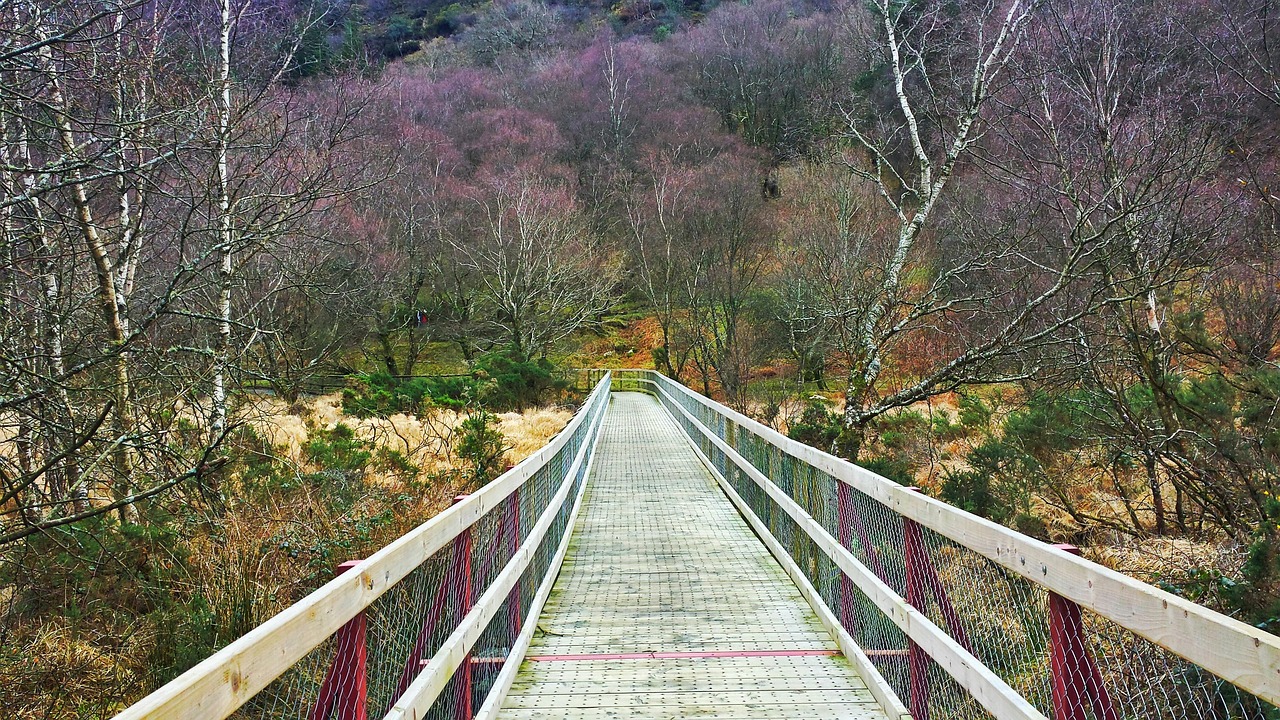
Monastic ruins, lakes, and hiking trails. I usually join a small-group tour from Dublin city centre; self-driving is also popular.
4. Malahide Castle
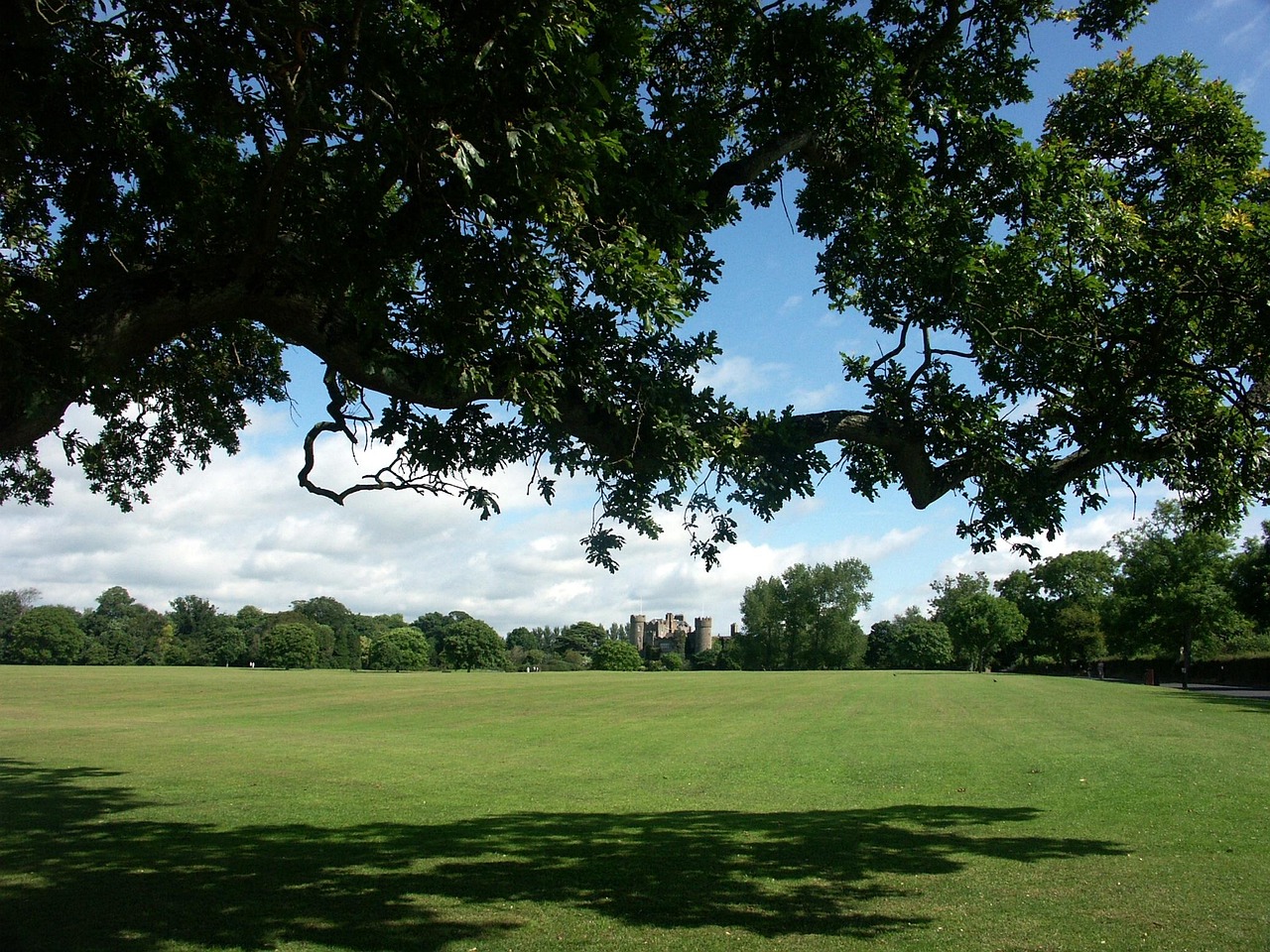
A pretty castle and gardens accessible by DART; good with kids and history buffs.
Cultural Etiquette & Local Customs in Dublin
Irish people are generally informal, friendly, and quick with a joke, but there are a few unspoken rules that will help you blend in.
- Greetings: A simple “Hi, how are you?” or “How’s it going?” is standard. Don’t overthink it.
- Queues: Queuing is taken seriously. Always join the back of the line.
- Pub etiquette: Order and pay at the bar; tipping isn’t obligatory but rounding up or leaving small change is appreciated. In a small group, it’s common to buy rounds of drinks.
- Conversation: Self-deprecating humor is common. Politics and history can be sensitive; listen more than you speak unless you know the context.
- Personal space: Irish people are friendly but not overly touchy with strangers. A bit of distance is normal.
Practical Travel Advice for Dublin (2026)
Getting Around
- On foot: The city centre is compact; you’ll walk a lot, especially on a 3-day itinerary.
- Public transport:
- LUAS (tram), Dublin Bus, and DART (coastal train) are the main systems.
- Use a Leap Card for discounted fares; available at many shops and stations.
- Taxis & ride-hailing: Taxis are easy to find; apps like Free Now are widely used.
- Car rental: Not recommended just for the city; useful if you plan multiple rural day trips.
SIM Cards & Connectivity
In 2026, getting online is easy:
- Major providers: Vodafone, Three, Eir. You’ll find shops in the city centre and at the airport.
- Prepaid SIMs with generous data (often 20–50 GB) are affordable; bring an unlocked phone.
Money & Budgeting
Dublin uses the euro. Card payments (contactless) are accepted almost everywhere. ATMs are widely available.
- Budget tips:
- Use free museums and parks.
- Eat your main meal at lunch or early bird dinners.
- Walk whenever possible to avoid multiple small transport fares.
Visa & Entry Requirements (Check Latest)
As of 2026:
- EU/EEA & UK citizens can enter freely with valid ID.
- Many other nationalities (including US, Canada, Australia, New Zealand) can enter visa-free for short stays; always check the official Irish immigration website before travel.
Driving & Foreign Licenses
If you plan to rent a car for day trips:
- Driving is on the left.
- Most foreign licenses in Roman script are accepted for short-term rentals; some non-EU licenses may require an International Driving Permit – check with your rental company.
- City driving and parking can be stressful; consider picking up the car only when you leave Dublin.
Weather & What to Pack
The big rule: layers and waterproofs. The weather changes fast.
- Spring (March–May): Cool, changeable; great for museums and walks if you pack a light rain jacket.
- Summer (June–August): Mild rather than hot (15–22°C). Longer days; ideal for 3–5 day itineraries with coastal trips.
- Autumn (September–November): Can be lovely; rich colors in parks, fewer crowds.
- Winter (December–February): Short days, chilly, sometimes wet – but cosy pubs and Christmas lights make up for it.
Major Events in Dublin 2026–2027
While exact lineups change yearly, these recurring events shape the city’s calendar:
- St. Patrick’s Festival (March): Parades, street performances, and citywide celebrations.
- Bloomsday (June 16): James Joyce fans in period dress, readings, and literary events.
- Dublin Fringe Festival (September): Innovative theatre, comedy, and performance around the city.
- Dublin Theatre Festival (autumn): Major cultural highlight for theatre lovers.
- New Year’s Festival Dublin: Fireworks and events ringing in the new year.
2026–2027 will also see ongoing development in the Docklands, new food markets, and continued growth of small independent venues in Smithfield and Stoneybatter – keep an eye out for pop-up events during your stay.
Summary & Best Time to Visit Dublin
Whether you’re planning a quick 3 day itinerary for Dublin or a deeper 5 days in Dublin, the city rewards slow wandering, curiosity, and a willingness to chat with strangers at pub counters and bus stops.
Key takeaways:
- Base yourself centrally or in a character-filled neighborhood like Georgian Dublin or Smithfield.
- Balance big-ticket sights (Trinity, Guinness, Kilmainham) with quieter hidden gems in Dublin (Marsh’s Library, Glasnevin, the Botanic Gardens).
- Use free museums and walking to keep costs under control.
- Plan at least one coastal escape to Howth or Dún Laoghaire.
- Embrace the weather: pack for rain, then rejoice when the sun comes out.
Best seasons for visiting Dublin:
- May–June & September: The sweet spot – decent weather, longer days, and fewer crowds than peak summer.
- July–August: Best for families and coastal day trips, but busier and pricier.
- December: Magical for Christmas lights, markets, and cosy pubs, if you don’t mind short days and chill.
However you structure your time – 3, 4, or 5 days – Dublin will likely surprise you with its warmth, wit, and depth. And if you’re anything like me, you’ll find yourself planning your return before you’ve even left.