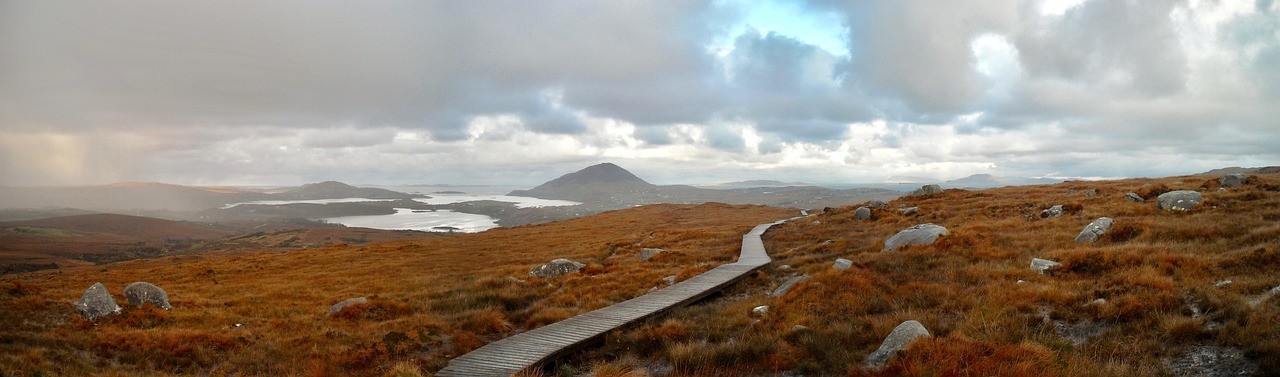
Why Visit Galway in 2026
Galway is the Irish city that somehow feels like a small town, a music festival, and a seaside village all at once. It’s where the wild Atlantic crashes into centuries-old stone, where you can hear a busker singing in Irish on one corner and a trad session thundering out of a pub on the next. Even after living here for years and leaving and returning more times than I can count, Galway still feels like a place I’m discovering for the first time.
If you’re planning 3 days in Galway, a full 4 or 5 day itinerary for Galway, or using it as a base for the west of Ireland, this travel guide for Galway (2026) is designed to feel like walking around the city with a local friend. I’ll share how I actually spend my days here: where I grab coffee, which pubs I take visitors to, how I avoid crowds at the must-see attractions in Galway, and which hidden gems in Galway are worth tracking down.
In 2026–2027, Galway continues to build on its legacy as a former European Capital of Culture. Festivals are back in full swing, new food spots are popping up beside old institutions, and the city’s creative energy feels as strong as ever. Whether you’re after cultural experiences in Galway, live music, coastal walks, or simply a slow pint in a quiet pub, Galway has a way of getting under your skin.
Table of Contents
- Why Visit Galway in 2026
- Galway at a Glance
- Neighborhoods & Districts to Explore
- 20 Essential Galway Attractions (With Local Stories & Tips)
- Suggested Itineraries: 3–5 Days in Galway
- Local Food in Galway: What & Where to Eat
- Nightlife, Music & Cultural Experiences in Galway
- Best Day Trips from Galway
- Cultural Etiquette & Local Customs in Galway
- Practical Travel Tips for Galway (2026–2027)
- Summary & Best Time to Visit Galway
Galway at a Glance
Galway sits on Ireland’s west coast, where the River Corrib spills into Galway Bay. It’s the gateway to Connemara, the Aran Islands, and the Cliffs of Moher, but it’s also a destination in its own right, with enough things to do in Galway to fill a week or more.
- Population: ~85,000, including a big student population that keeps things lively.
- Vibe: Bohemian, musical, artistic, and proudly Irish-speaking in parts.
- Best for: Food, live music, coastal walks, culture, and easy access to wild landscapes.
- Ideal trip length: 3–5 days in Galway to balance city and surroundings.
Galway’s Neighborhoods & Districts
The Latin Quarter & City Centre
This is the Galway you’ve seen in photos: cobbled streets, rainbow shopfronts, buskers, pubs spilling music into the air. I’ve lost count of evenings that started with “just one drink” here and turned into impromptu pub crawls with new friends.
Key streets: Shop Street, High Street, Quay Street, Cross Street. This is where you’ll find some of the best places to visit in Galway packed into a small area: traditional pubs, boutiques, street performers, and restaurants ranging from cheap eats to fine dining.
Claddagh & Salthill
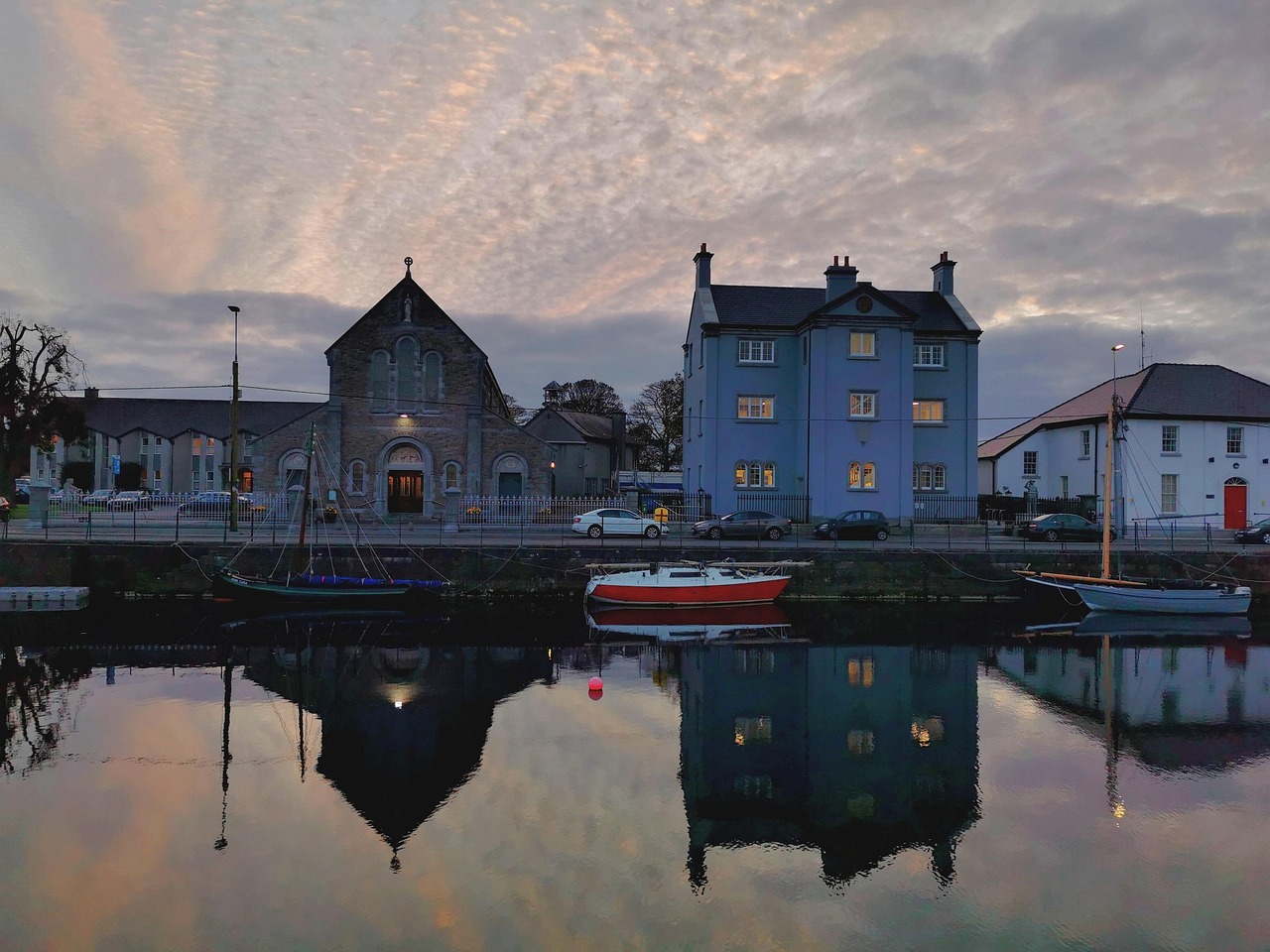
The Claddagh is an old fishing village right beside the city centre, now more of a residential area with gorgeous views across the river to the colourful Long Walk. Salthill is the seaside suburb stretching along the bay—think long promenade, pebble beaches, and families with ice cream even on chilly days.
This area is my favourite escape when the Latin Quarter feels too busy. A slow walk from the Spanish Arch out to Salthill at sunset is one of the must-do things to do in Galway.
Westend
Across the bridge from the Latin Quarter, the Westend is where locals actually hang out after work. It’s slightly scruffier, definitely hipper, and full of excellent restaurants and bars. On a typical Friday, I’ll end up somewhere here for dinner—often without a reservation—because the vibe is lively but less touristy.
University & Canal Area
Walk upriver from the city centre and you’ll reach the University of Galway campus, the canal walks, and the leafy residential streets that feel a world away from Quay Street. It’s lovely by day, especially in spring and early autumn when the trees along the river turn colour.
Suburbs & Countryside Edge
Areas like Newcastle, Knocknacarra, and Barna won’t be on every visitor’s radar, but if you have 4 days in Galway or more, renting a bike or car and exploring out this way gives you a feel for everyday life on the city’s fringes.
20 Essential Galway Attractions (With Local Stories & Tips)
These are the core must-see attractions in Galway. I’ll weave many of them into the later 3, 4, and 5 day itineraries for Galway, but here’s a deeper dive into each one so you can pick and choose what speaks to you.
1. The Spanish Arch & Long Walk
The Spanish Arch is one of Galway’s most recognizable landmarks, a 16th-century extension of the old city walls built to protect quays and merchant ships. Today it’s less about defence and more about atmosphere: on a sunny day, locals sprawl along the grass and stone walls by the river, eating takeaway fish and chips and watching swans drift by.
My ritual is to grab a coffee from a nearby café (often from Coffeewerk + Press on Quay Street) and wander down to the Arch in the late afternoon. If it’s warm enough, you’ll see students and families picnicking, kids hopping from rock to rock, and maybe someone strumming a guitar under the arches.
Walk past the Arch along the river and you’ll reach the Long Walk, the row of colourful houses facing the Corrib. It’s one of Galway’s most photogenic spots, especially at golden hour when the facades glow and the water reflects the sky.
- How to get there: 5-minute walk from Eyre Square down Shop Street towards the river.
- Best time: Late afternoon or sunset; it’s a favourite spot for couples and photographers.
- Tip: Bring a light jacket even in summer; it can get breezy by the water.
2. Eyre Square (John F. Kennedy Memorial Park)
Eyre Square is Galway’s central plaza and transport hub—a patch of green framed by shops, hotels, and bus stops. It’s not the city’s prettiest corner, but it’s the heart of everyday life. I usually use it as my meeting point: “I’ll see you by the Eyre Square fountain.”
You’ll find public art here, including the “Galway Hooker” sculpture (named after the traditional fishing boat, not what you might think) and a bust of John F. Kennedy, who visited in 1963. In December, the Galway Christmas Market transforms the square into a maze of wooden stalls, mulled wine, and a big Ferris wheel—perfect if you’re visiting in late November/December 2026.
- How to get there: You literally can’t miss it; most buses drop you here.
- Best for: People-watching, orientation, Christmas Market in winter.
- Budget tip: Supermarkets around the square are good for cheap snacks and picnic supplies.
3. Shop Street & the Latin Quarter
Shop Street is Galway’s main pedestrian artery, running from Eyre Square down into the Latin Quarter. It’s lined with buskers, chain stores, independent shops, and historic buildings. Even if you think you’re not into shopping, you’ll end up walking it multiple times a day.
Some of my fondest memories are of lingering to listen to a busker and ending up staying for the whole set. Galway buskers are seriously talented—many are music students or touring musicians between gigs. Toss a few coins if you enjoy the music; tipping is appreciated.
- Don’t miss: Street performers near Brown Thomas, artisan shops selling Claddagh rings, and tiny bookstores tucked into side streets.
- Tip: Come early in the morning if you want quieter photos of the colourful facades.
4. Galway Cathedral (Cathedral of Our Lady Assumed into Heaven and St Nicholas)
Galway Cathedral is one of the last great stone cathedrals built in Europe, completed in 1965. Sitting on the banks of the Corrib, its dome is visible from many parts of the city. Inside, the stained glass, mosaics, and marble floors create a serene, echoing space that feels far older than it is.
I love walking here via the canal paths, letting the city noise fade behind me. Step inside for a few quiet minutes even if you’re not religious; it’s a peaceful break from Galway’s busyness. If you’re lucky, you might catch the organist practising, filling the cathedral with music.
- How to get there: 10–15-minute walk from Eyre Square along the river.
- Best time: Late morning or early afternoon; check for Mass times if you don’t want to interrupt services.
- Tip: Combine a cathedral visit with a loop walk along the canals and university campus.
5. St Nicholas’ Collegiate Church & Galway Market
St Nicholas’ Collegiate Church is the largest medieval parish church still in use in Ireland, dating back to 1320. Legend has it that Christopher Columbus worshipped here in 1477 before sailing west. Whether or not that’s true, there’s a tangible sense of history in its stone walls and Gothic arches.
On Saturdays (and some Sundays), the laneway beside the church transforms into Galway Market, one of my favourite local experiences. Stalls sell everything from artisan cheese and olives to vegetarian curries, crepes, and handmade crafts. I rarely leave without a bag of fresh bread and some local goat cheese.
- How to get there: Just off Shop Street; you’ll see the church tower as you wander.
- Best for: Foodies, souvenir hunters, and anyone who likes browsing markets.
- Tip: Bring cash; some smaller stalls don’t take cards, though this is changing in 2026.
6. Salthill Promenade & Blackrock Diving Tower
“Have you kicked the wall yet?” is something you’ll hear a lot in Galway. Locals walk the Salthill Promenade from the city out to the end, where a concrete wall marks the turning point. Tradition says you have to give it a good kick before heading back. I resisted for months, then caved—and yes, I’ve done it ever since.
The Blackrock Diving Tower is a concrete structure jutting out into the bay, where brave souls jump into the Atlantic year-round. I’ve only gone in summer (and still yelped at the cold), but there’s a hardy crew who swim daily, even in January. On a clear day, the views across the bay to the Burren are spectacular.
- How to get there: 25–30-minute walk from the city centre along the seafront, or take a local bus or taxi.
- Best time: Sunset on a calm evening is magic; families, couples, and runners all share the path.
- Tip: Wear layers; it’s often windier than you think. If you plan to swim, bring a towel and sandals—the rocks can be slippery.
7. Galway City Museum
Right beside the Spanish Arch, Galway City Museum is an excellent free introduction to the city’s history, archaeology, and maritime heritage. It’s not huge, but it’s thoughtfully curated, with exhibitions on everything from medieval trade to modern Galway culture.
On rainy days (which do happen), this is my go-to. I’ve ducked in here more times than I can count when the skies opened unexpectedly. The top floor also has lovely views over the Claddagh and the bay.
- How to get there: Next to the Spanish Arch, easily reached from the Latin Quarter.
- Best for: Families, history buffs, and anyone wanting context before exploring.
- Tip: Check their 2026 events calendar; they often host talks, workshops, and temporary exhibitions.
8. Quay Street & Traditional Pubs
Quay Street is the beating heart of Galway’s pub scene. By day, it’s colourful and charming; by night, it’s buzzing with music and laughter. Traditional pubs like The Quays, Tig Cóilí, and Tigh Neachtain’s have been my unofficial classrooms in Irish music and culture over the years.
One of my first nights in Galway, I squeezed into a corner of a packed pub, pint in hand, and listened to a trad session that felt like a conversation in music. You don’t just watch; you feel the rhythm in your chest. Many pubs host sessions nightly, especially in peak season.
- Best for: Live music, people-watching, and soaking in Galway’s famous craic (fun/atmosphere).
- Tip: Arrive early (before 8pm) if you want a seat, especially in summer and festival weeks.
- Family note: Children are generally welcome in pubs until early evening; check with staff.
9. University of Galway Campus & Canal Walks
The University of Galway campus, with its ivy-covered Quadrangle and modern riverfront buildings, is a lovely place for a quiet stroll. The adjacent canals, sluice gates, and bridges create one of my favourite walking circuits in the city.
On crisp autumn mornings, I like to follow the path along the canal from the cathedral, looping around the campus and back via the river. You’ll pass students hurrying to lectures, joggers, dog walkers, and the occasional heron fishing in the water.
- How to get there: 10–15-minute walk from the city centre along University Road.
- Best for: Peaceful walks, photography, and a sense of everyday Galway life.
- Tip: Visit the Quadrangle courtyard for classic collegiate architecture.
10. Claddagh & Claddagh Ring Heritage
The Claddagh area, just across the river from the Spanish Arch, is the ancestral home of the famous Claddagh ring—a gold band featuring two hands holding a crowned heart. It symbolizes love, loyalty, and friendship, and it’s one of the most meaningful souvenirs you can bring home.
When my friend got engaged in Galway, she and her partner chose Claddagh rings instead of traditional diamond rings, buying them from one of the family-run jewellers who’ve been crafting them for generations. Hearing the jeweller explain the symbolism and how to wear it (heart pointing inward if your heart is taken, outward if you’re single) felt like stepping into a living tradition.
- Best for: Romantic gifts, meaningful souvenirs, understanding local heritage.
- Tip: Buy from a reputable jeweller in the Latin Quarter or Claddagh; ask about their history.
11. Lynch’s Castle & Medieval Streets
Lynch’s Castle on Shop Street is a fine example of a 16th-century fortified townhouse, once home to one of Galway’s “Tribes” (powerful merchant families). Today, it houses a bank, but its carved stone façade—complete with gargoyles and coats of arms—still hints at its past.
I like to imagine the bustle of medieval Galway as I pass by: merchants negotiating deals, sailors arriving from Spain and France, local gentry watching from upper windows. Look up as you walk along the surrounding streets; you’ll spot fragments of history tucked above modern shopfronts.
- How to get there: On Shop Street, between Eyre Square and the Latin Quarter.
- Best for: History lovers, architecture fans, quick photo stop.
12. Galway Arts Centre & Street Art
Galway has a thriving arts scene beyond its pubs. The Galway Arts Centre, small galleries, and an ever-changing collection of murals and street art make wandering the city feel like exploring an open-air gallery.
On rainy afternoons, I like to dip into a gallery, then wander the Westend spotting new murals. Around every corner there’s something creative: a painted door, a witty stencil, or a full building-length mural.
- Best for: Art lovers, photographers, and anyone looking for non-touristy things to do in Galway.
- Tip: Check listings for exhibitions and performances in 2026; Galway’s arts calendar is busy.
13. Beaches of Salthill & Silverstrand
While Galway isn’t a tropical destination, its beaches have a rugged charm. Along Salthill you’ll find small pebble and sand patches popular with swimmers and families. A short drive or bus ride away, Silverstrand offers a sandy cove with sweeping bay views.
I’ve spent lazy Sunday afternoons here in every season: wrapped in a scarf in winter, listening to the waves; paddling barefoot in surprisingly warm shallows in late summer. The light on the bay is constantly changing, and on clear days you can see the hills of Clare across the water.
- How to get there: Salthill beach is walkable from the city; Silverstrand requires a short drive or local bus.
- Best for: Families, picnics, beach walks, and brave swimming.
- Tip: Bring a windproof layer even on sunny days; Atlantic breezes are no joke.
14. South Park (The Swamp) & Claddagh Quay
Locally known as “The Swamp,” South Park is a wide open green beside the Claddagh, facing Galway Bay. It’s a favourite spot for dog walkers, kite flyers, and anyone who wants big sky and sea views without leaving town.
On windy days, I love watching kites dance above the bay and kids racing along the shoreline. It’s also a quiet place to watch the sunset if Salthill feels too busy.
- How to get there: A short walk from the Spanish Arch through the Claddagh.
- Best for: Peaceful walks, sunsets, families with kids and pets.
15. Galway’s Festival Venues & Squares
Galway’s identity is deeply tied to its festivals. From the Galway International Arts Festival and Galway Film Fleadh in July to the Galway Races and Oyster Festival, the city often feels like it’s in some state of celebration.
In 2026–2027, expect the Arts Festival to continue pushing boundaries with installations, theatre, and music across venues like the Big Top, Town Hall Theatre, and Eyre Square. I still remember walking into a glowing art installation on the docks at midnight, feeling like I’d stepped into another world.
- Upcoming (2026–2027): Check official websites for exact dates, but July is the big month for arts and film, late July/early August for the Races, and September for oysters.
- Tip: Book accommodation months ahead if you plan to visit during a major festival.
16. Corrib River & Lough Corrib Cruises
The River Corrib is one of the shortest yet fastest-flowing rivers in Europe, tumbling from Lough Corrib through the city into the bay. Taking a boat cruise upriver gives you a different perspective on Galway’s landscape and history.
On a misty spring afternoon, I joined a small cruise that glided past ruins, wooded banks, and stories of castles and clan battles. By the time we reached the open reaches of Lough Corrib, the clouds had lifted just enough to reveal distant hills.
- How to book: Tours typically depart from near Woodquay; check schedules in 2026 as operators may adjust timings.
- Best for: Families, older travellers, and anyone wanting a relaxing outing.
17. Galway Atlantaquaria (National Aquarium of Ireland)
Located in Salthill, the Galway Atlantaquaria is Ireland’s largest native species aquarium. It’s especially good for families, but I’ve gone with friends on rainy days and always found something new to marvel at—eels, rays, and quirky displays about local marine life.
- How to get there: On the Salthill Promenade; walk or take a bus from the city centre.
- Best for: Families, marine enthusiasts, rainy-day plan B.
18. Independent Shops & Crafts
Galway is full of independent shops selling Irish crafts, from knitwear and pottery to art prints and music. I have a tradition of buying one small piece from a local artisan each time I’m in town—a mug, a print, a pair of earrings—so my home slowly fills with reminders of Galway.
Look out for shops that highlight local makers and Irish-made products. Ask about the stories behind the items; shopkeepers are usually delighted to share.
19. Galway Westend Dining & Wine Bars
The Westend is where Galway’s contemporary food scene really shines. Trendy bistros, tapas bars, wine bars, and vegetarian-friendly spots cluster along streets like Dominick Street and Raven Terrace. On cool evenings, the glow from restaurant windows and the hum of conversation feel incredibly inviting.
Some of my most memorable meals have been here: seafood chowder with a modern twist, small plates shared over good wine, or a long, slow dinner that stretched into midnight. It’s ideal for couples looking for something more intimate than the lively Latin Quarter pubs.
Suggested Itineraries: 3–5 Days in Galway
Below are flexible itineraries that mix the best places to visit in Galway with local experiences. You can easily adapt them into a 3 day itinerary for Galway, or stretch to a 4 or 5 day itinerary for Galway by adding day trips and slower days.
3 Day Itinerary for Galway
Day 1: First Taste of Galway – Latin Quarter, Spanish Arch & Salthill
On the first day I ever properly “did” Galway as a visitor, I arrived by bus into Eyre Square just before noon. My backpack felt heavy, but my excitement heavier. If you’re spending 3 days in Galway, use Day 1 to orient yourself and dive into the city’s atmosphere.
- Morning: Drop your bags at your accommodation and walk straight down Shop Street. Let the buskers be your soundtrack as you drift through the Latin Quarter. Pop into St Nicholas’ Church and, if it’s a weekend, browse the market for a snack—crepes, falafel, or a fresh pastry.
- Lunch: Choose a casual spot in the Latin Quarter or Westend for your first taste of local food in Galway—seafood chowder, a hearty sandwich, or a bowl of mussels with soda bread.
- Afternoon: Head to the Spanish Arch and Galway City Museum. Then follow the river and Claddagh out towards Salthill, walking the Promenade if the weather allows. Kick the wall, of course.
- Evening: Walk back into town in time for dinner and your first trad session on Quay Street. I still remember my first night’s music in Galway—fiddle, flute, bodhrán, and a whole pub singing along to “The Galway Girl.”
Personal tip: Don’t over-schedule Day 1. Galway works best when you give it room to surprise you.
Day 2: History, Culture & Canal Walks
On my second full day during an early visit, I slowed down and let Galway’s quieter side show itself.
- Morning: Follow the river to Galway Cathedral. Spend a few minutes in silence inside, then continue along the canals, crossing bridges and circling the university campus.
- Lunch: Grab a sandwich or soup from a café near the university or back in town; bring it to Eyre Square or the riverside if it’s dry.
- Afternoon: Explore independent shops and galleries, hunt for street art, and maybe book a Corrib river cruise if the timing works.
- Evening: Have dinner in the Westend—tapas, modern Irish, or a vegetarian feast—then tuck into a wine bar or quieter pub for the night.
Day 3: Day Trip – Connemara, Aran Islands or Cliffs of Moher
For your last of 3 days, leave the city for the wild surrounds that make Galway such an incredible base.
- Option 1 – Connemara: Bus tour or self-drive through bogs, lakes, and mountains; visit Kylemore Abbey and Killary Fjord.
- Option 2 – Aran Islands: Ferry from Rossaveel to Inis Mór or one of the smaller islands; cycle or walk to stone forts and sea cliffs.
- Option 3 – Cliffs of Moher: Day tour including the Burren, coastal villages, and the iconic cliffs.
Return to Galway for a final pint and a stroll through the glowing streets. This is usually when people tell me, “I wish I had 4 or 5 days in Galway instead.”
4 Day Itinerary for Galway
With 4 days in Galway, you can follow the 3-day outline and add a slower, more local day—or a second, shorter day trip.
Day 4: Hidden Gems, Westend & Seaside
- Morning: Sleep in, then linger over coffee in a local café. Visit a smaller gallery or craft shop you spotted earlier.
- Midday: Walk out to South Park and the Claddagh for bay views. If it’s sunny, bring a picnic.
- Afternoon: Explore more of the Westend, maybe taking a food tour or simply hopping between bakeries, wine bars, and delis.
- Evening: Choose a special-occasion restaurant for a final dinner, then end your trip with one last trad session or a quiet drink overlooking the river.
5 Day Itinerary for Galway
A 5 day itinerary for Galway lets you breathe. You can spend three days in the city and two on day trips, or choose one overnight excursion.
Sample 5-Day Structure
- Day 1–2: As in the 3-day itinerary—Latin Quarter, Spanish Arch, Salthill, cathedral, canals.
- Day 3: Connemara or Aran Islands day trip.
- Day 4: Slow city day—markets, galleries, independent shops, Westend dining.
- Day 5: Second day trip (e.g., Cliffs of Moher) or a completely unplanned “go where the mood takes you” day.
On my longest stays, the best memories often come from those unplanned hours: an impromptu chat with a jeweller about Claddagh rings, a surprise lunchtime trad session, or following live music echoing down a lane.
Local Food in Galway: What & Where to Eat
Galway punches far above its weight in food. Thanks to its location on the Atlantic and strong farming traditions, you’ll find incredible seafood, lamb, cheese, and modern Irish cooking alongside international options.
Must-Try Local Dishes
- Seafood chowder: Creamy, warming, packed with local fish and shellfish. I order this at least once every trip.
- Fresh oysters: Especially during the Galway Oyster Festival (typically September). Slurp them with lemon, Tabasco, or just as they are.
- Fish and chips: Grab a takeaway near the Spanish Arch and eat it by the river like a local.
- Irish stew & lamb dishes: Connemara lamb is especially prized.
- Soda bread & brown bread: Dense, nutty, perfect with butter and soup.
Restaurants & Cafés (Styles & Suggestions)
Rather than a rigid list (which changes every year), here’s how I approach eating in Galway:
- Latin Quarter: Great for first-night dinners with atmosphere. You’ll find pubs serving hearty fare, classic seafood spots, and mid-range bistros. Book in high season (summer, festivals, Christmas Market).
- Westend: My pick for more creative, local-feeling food. Ideal for date nights and foodies—think small sharing plates, inventive takes on Irish ingredients, and good vegetarian options.
- Cafés: Scattered across the centre; look for places with good coffee, home-baked cakes, and window seats for people-watching.
- Budget eats: Bakeries, takeaway counters, and small ethnic eateries (Italian, Asian, Middle Eastern) are easy to find. I often grab a bakery sandwich and eat it by the water to save money.
Pubs & Drinks
- Guinness & Irish stout: It really does taste better in Ireland, especially in a well-kept pub.
- Irish whiskey: Many pubs offer tasting flights; ask staff for recommendations.
- Craft beer: Galway has several local breweries; look for their taps.
- Non-alcoholic options: Pubs increasingly stock 0.0% beers and soft drinks; don’t feel pressured to drink.
Saving Money on Food
- Go for lunch specials: Many restaurants offer cheaper midday menus with similar quality.
- Self-cater breakfasts: Stay somewhere with a fridge and stock up at a supermarket.
- Picnic when it’s dry: Buy bread, cheese, fruit, and snacks and picnic by the river, in Eyre Square, or along the Prom.
Nightlife, Music & Cultural Experiences in Galway
Traditional Music
Live trad is the soul of Galway evenings. Sessions usually start around 9pm and run late. Some pubs are famous for nightly music; others have more informal gatherings where musicians drop in with fiddles and flutes.
I still get goosebumps when a whole pub joins in on a chorus. Don’t talk loudly over the music—listen, clap, and enjoy.
Modern Bars & Late-Night Options
- Westend: Wine bars, cocktail spots, and places to have a conversation.
- City centre: More clubs and late-night venues, popular with students.
Cultural Experiences in Galway
- Theatre & performance: Town Hall Theatre and smaller venues host plays, comedy, and dance—especially during festivals.
- Irish language & culture: You’ll see bilingual signs; some locals speak Irish daily. Listen for it on buses and in shops.
- Festivals (2026–2027): Expect full schedules for the Arts Festival, Film Fleadh, Races, and Oyster Festival. Check official sites for updated lineups and ticket info.
Best Day Trips & Nearby Attractions from Galway
Connemara
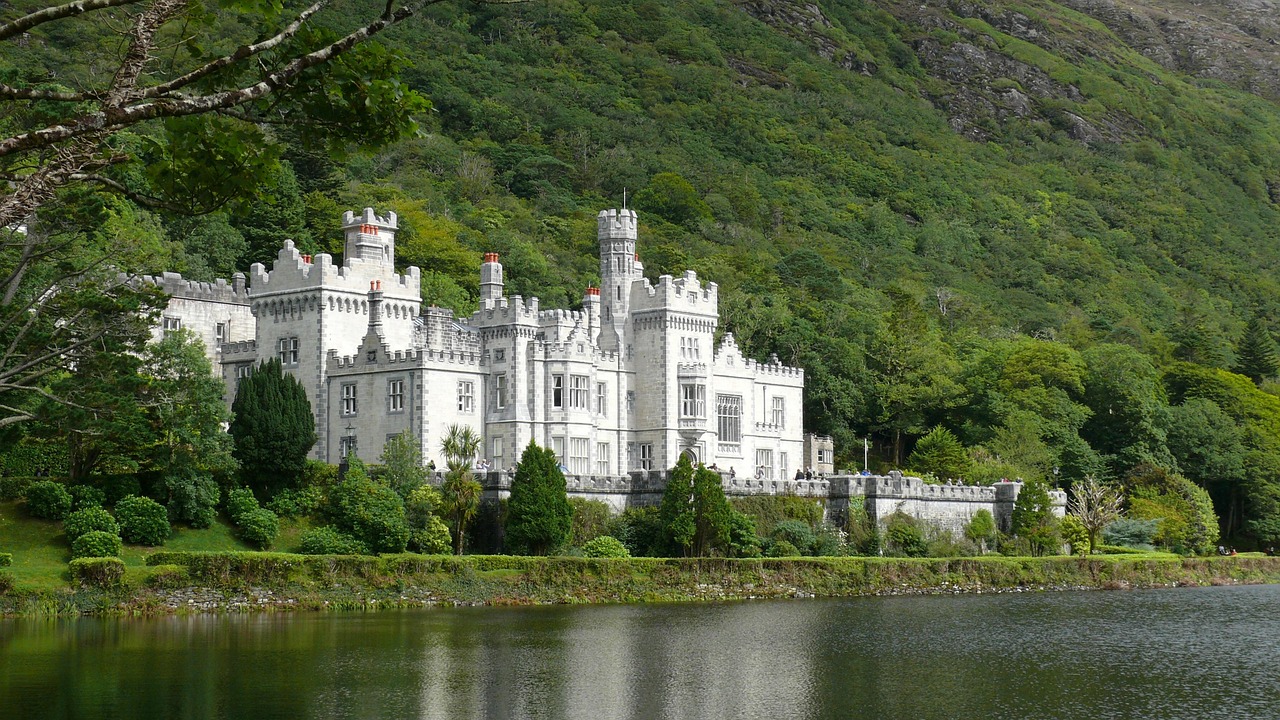
Connemara is a wild region of bogs, lakes, and mountains northwest of Galway. Think stone walls, sheep, and big skies. I never tire of this landscape; it feels raw and ancient.
- Highlights: Kylemore Abbey, Killary Fjord, Clifden town, Sky Road, beaches at Dogs Bay and Glassilaun.
- How to get there: Join a day tour from Galway or rent a car for maximum flexibility.
Aran Islands
The Aran Islands feel like stepping back in time: stone-walled fields, Irish-speaking locals, and dramatic cliffs. On Inis Mór, I rented a bike and cycled between ruins, beaches, and the iconic fort of Dún Aonghasa perched over the Atlantic.
- How to get there: Ferry from Rossaveel (reachable by bus from Galway) or from Doolin; book ahead in summer.
- Tip: Wear good shoes and layers; weather can change fast.
Cliffs of Moher & The Burren
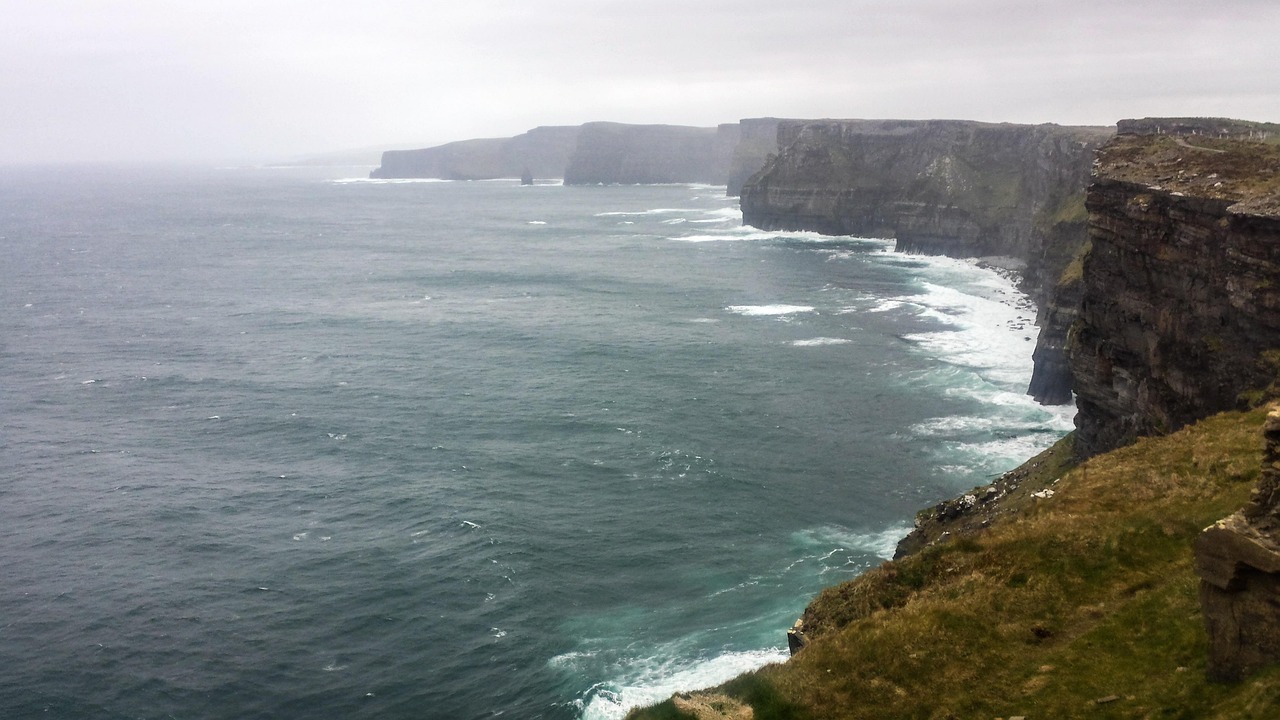
The Cliffs of Moher need little introduction, but the surrounding Burren—a limestone karst landscape—is equally fascinating. I love the contrast: vertical cliffs plunging into the sea, then quiet, rocky hills full of rare plants.
- How to get there: Numerous day tours run from Galway; driving takes about 1.5–2 hours each way.
- Family-friendly: Yes, but keep children well away from cliff edges and follow paths.
Cultural Etiquette & Local Customs in Galway
- Greetings: A simple “Hi” or “How are you?” works. Irish people may self-deprecate; don’t take it too literally.
- Pub etiquette: Order at the bar; there’s usually no table service. Pay as you go or start a tab if offered. Taking your empty glasses back to the bar is appreciated but not required.
- Tipping: Around 10–15% in restaurants if service is good; rounding up at pubs and cafés is common but not obligatory.
- Queuing: Irish people queue; don’t skip lines at bus stops, bars, or shops.
- Conversation topics: Weather, travel, sport, and music are safe. Politics and religion can be sensitive; tread carefully unless invited in.
- Language: You’ll see Irish (Gaeilge) on signs. “Sláinte” is “cheers,” “Go raibh maith agat” is “thank you.” Locals appreciate any attempt, even if your pronunciation is shaky.
Practical Travel Tips for Galway (2026–2027)
Getting To & Around Galway
- From Dublin: Direct buses (about 2.5–3 hours) and trains (around 2.5 hours) connect Dublin and Galway frequently.
- From Shannon Airport: Bus services run via Limerick; driving takes about 1.5 hours.
Within Galway:
- On foot: The city centre is very walkable; most attractions are within 15–20 minutes.
- Local buses: Connect suburbs like Salthill and Knocknacarra; pay with contactless or buy tickets.
- Taxi: Plentiful; use apps or taxi ranks around Eyre Square and Shop Street.
- Car rental: Not needed in the city, but useful for Connemara and rural day trips. Parking in the centre is limited and paid.
SIM Cards & Connectivity (2026)
- Local SIMs: Available from providers like Vodafone, Three, and Eir in city shops; bring your passport.
- eSIM options: In 2026, many travellers use eSIMs bought online before arrival; ensure your phone is unlocked.
- Wi-Fi: Common in hotels, cafés, and pubs; speeds are usually good.
Money & Costs
- Currency: Euro (€).
- Cards: Contactless card and phone payments are widely accepted, even for small amounts.
- Budget tips: Self-cater some meals, walk instead of taxi, and choose free attractions (museums, walks, markets).
Visa Requirements & Driving
- Visas: Ireland is not in Schengen; check Irish government sites for your nationality’s rules. Many visitors from the EU, UK, US, Canada, Australia, etc., don’t need a visa for short stays, but always confirm.
- Driving licences: EU/EEA and UK licences are generally accepted for visitors. Others may need an International Driving Permit alongside their home licence—check before renting.
- Driving: On the left. Rural roads in Connemara are narrow and winding; drive cautiously.
Weather & When to Visit
- Spring (March–May): Cool, often bright. Good for walks and fewer crowds.
- Summer (June–August): Mild (15–22°C), longer days, festival season. Busiest and priciest, but most lively.
- Autumn (September–October): Changeable but beautiful light, Oyster Festival, fewer tourists.
- Winter (November–February): Short days, wind, rain—but Christmas Market and cosy pub season can be magical.
Packing: Think layers, waterproof jacket, comfortable walking shoes, and something warm for evenings. Umbrellas can be useless in Atlantic wind; a good hooded jacket is better.
Staying Safe & Healthy
- Safety: Galway is generally safe, including at night in busy areas. As always, use common sense with valuables and avoid very dark, deserted areas late.
- Water: Tap water is safe to drink; refill bottles to save money and plastic.
- Emergency number: 112 or 999 for police, fire, ambulance.
Saving Money in Galway
- Accommodation: Book early for 2026–2027 festivals; consider guesthouses, hostels, or Airbnb-style stays in Westend or suburbs.
- Transport: Use buses for intercity travel; book advance tickets when possible for discounts.
- Attractions: Focus on free or low-cost experiences: walks, museums, markets, live music (just buy a drink).
Summary: Key Takeaways & Best Time to Visit Galway
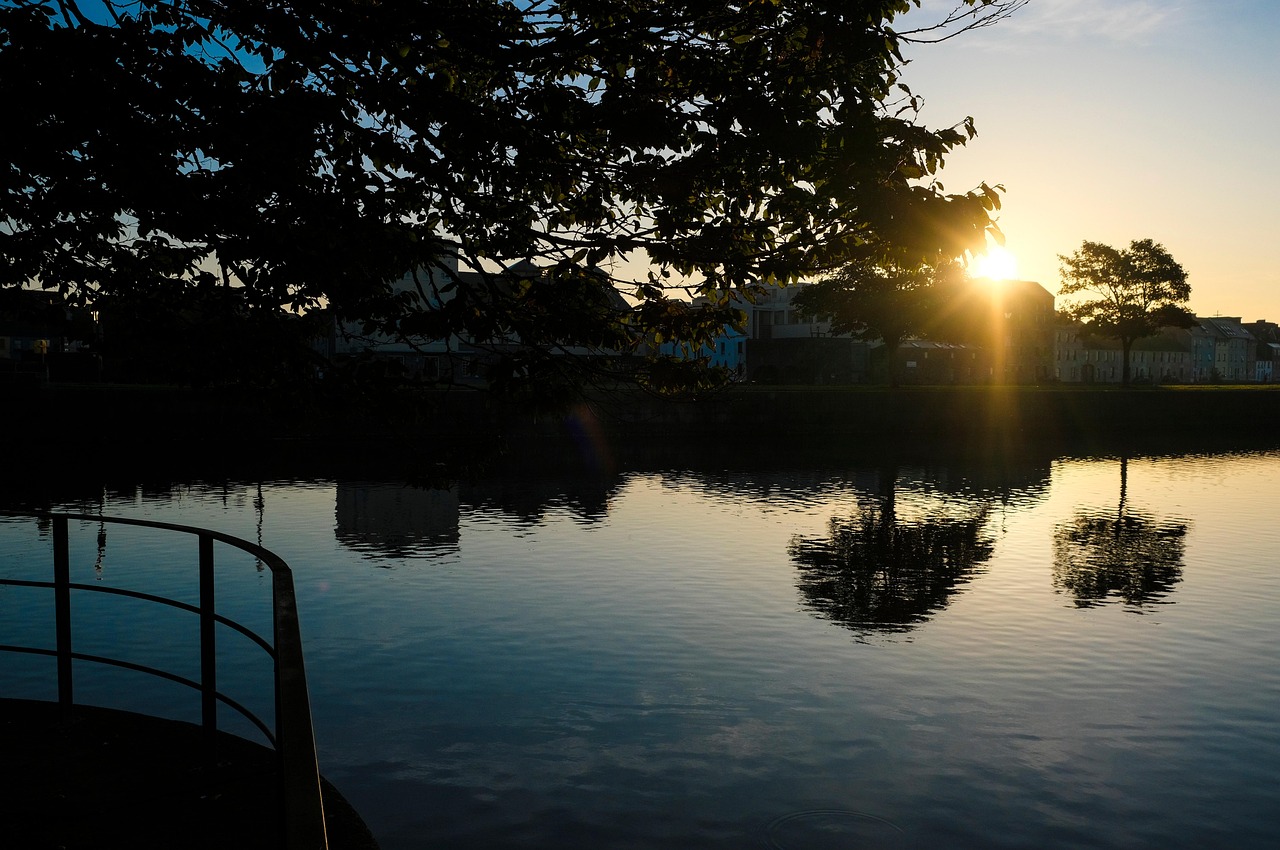
Galway is a city that rewards both planning and spontaneity. Use this guide to shape a 3, 4, or 5 day itinerary for Galway, but leave gaps for wandering, for following music into a pub you hadn’t noticed before, for detouring along a canal just because the light looks interesting.
- Don’t miss: Latin Quarter, Spanish Arch & Long Walk, Salthill Prom, Galway Cathedral, trad music, and at least one day trip (Connemara, Aran Islands, or Cliffs of Moher).
- Eat & drink: Seafood chowder, oysters, fish and chips by the water, and a pint or tea in a cosy pub.
- Best time to visit: Late spring to early autumn (May–September) for milder weather and festivals; December for Christmas Market and winter cosiness.
- How long: 3 days in Galway is a great introduction; 4–5 days lets you blend city life with the wild west of Ireland.
Every time I leave Galway—whether after a whirlwind weekend or a long, slow stay—I carry its music, sea air, and easy warmth with me. I suspect you will too.