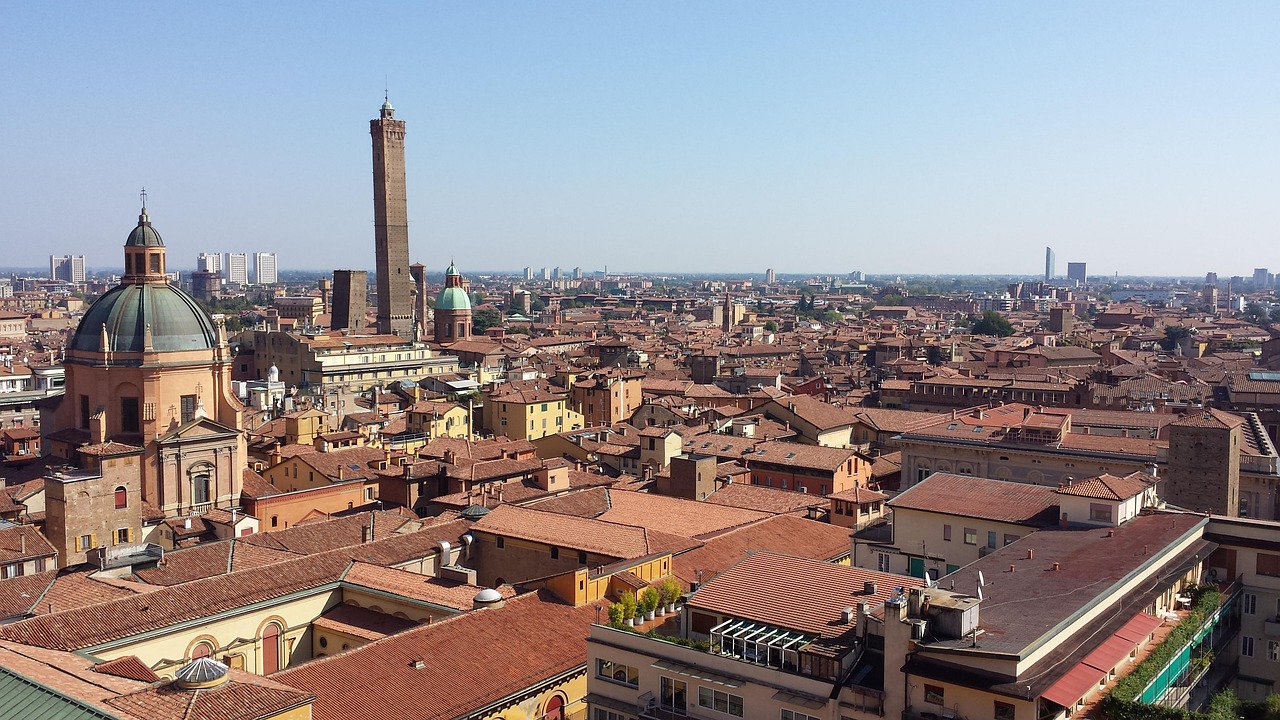
Why Visit Bologna in 2026?
I still remember the first time I arrived at Bologna Centrale: it was late afternoon in autumn, the air smelled faintly of roasted chestnuts and espresso, and the city glowed a deep terracotta under the porticoes. I’d planned to stay just 3 days in Bologna. I ended up staying almost three weeks.
Bologna isn’t a checklist city like Rome or Venice. It’s a city you live in, even if just for a few days. You walk under endless porticoes, sip wine in tiny osterie, listen to students argue about politics on Piazza Verdi, and watch the light shift on red-brick towers that have been standing for almost a thousand years.
In 2026, Bologna feels more vibrant than ever. Culinary tours are getting more creative, historic palazzi are hosting contemporary art, and the city is preparing new cultural events around food, music, and cinema. Yet it still feels wonderfully local: most of the voices you hear are Italian, many of them Bolognese, and the rhythm of life follows mealtimes more than museum hours.
This travel guide for Bologna is written as if I’m walking beside you under those porticoes. I’ll share my favorite must-see attractions in Bologna, the best places to visit in Bologna, the most memorable local food in Bologna, and a lot of practical travel tips for Bologna—including how to design a perfect 3, 4, or 5 day itinerary for Bologna.
Table of Contents
- Why Visit Bologna in 2026?
- Bologna at a Glance
- 20+ Must-See Attractions in Bologna (with Personal Notes)
- Suggested Itineraries: 3, 4, and 5 Days in Bologna
- Neighborhoods & Districts to Explore
- Local Food & Drink in Bologna
- Nightlife, Entertainment & Cultural Experiences
- Cultural Etiquette & Local Customs
- Day Trips from Bologna
- What’s New in 2026–2027: Events & Festivals
- Practical Travel Advice for Bologna
- Summary & Best Time to Visit Bologna
Bologna at a Glance
Bologna is the capital of Emilia-Romagna, one of Italy’s richest food regions (home of Parmigiano Reggiano, traditional balsamic vinegar, and prosciutto di Parma). It’s also one of Europe’s oldest university cities, giving it a youthful, slightly rebellious energy.
- Nicknames: La Grassa (the Fat – for its food), La Dotta (the Learned – for the university), and La Rossa (the Red – for its roofs and political history).
- Population: ~400,000 in the city, over 1 million in the metropolitan area.
- Perfect trip length: At least 3 days in Bologna; 4–5 days if you love food and want day trips.
- Best for: Food lovers, culture seekers, couples, curious families with older kids, slow travelers.
20+ Must-See Attractions in Bologna (with Personal Experiences)
This section focuses on the core things to do in Bologna—the places I return to almost every trip, plus a few that most visitors miss. Each one can anchor part of your 3 day itinerary for Bologna or extend a 4 or 5 day itinerary.
1. Piazza Maggiore & Piazza del Nettuno
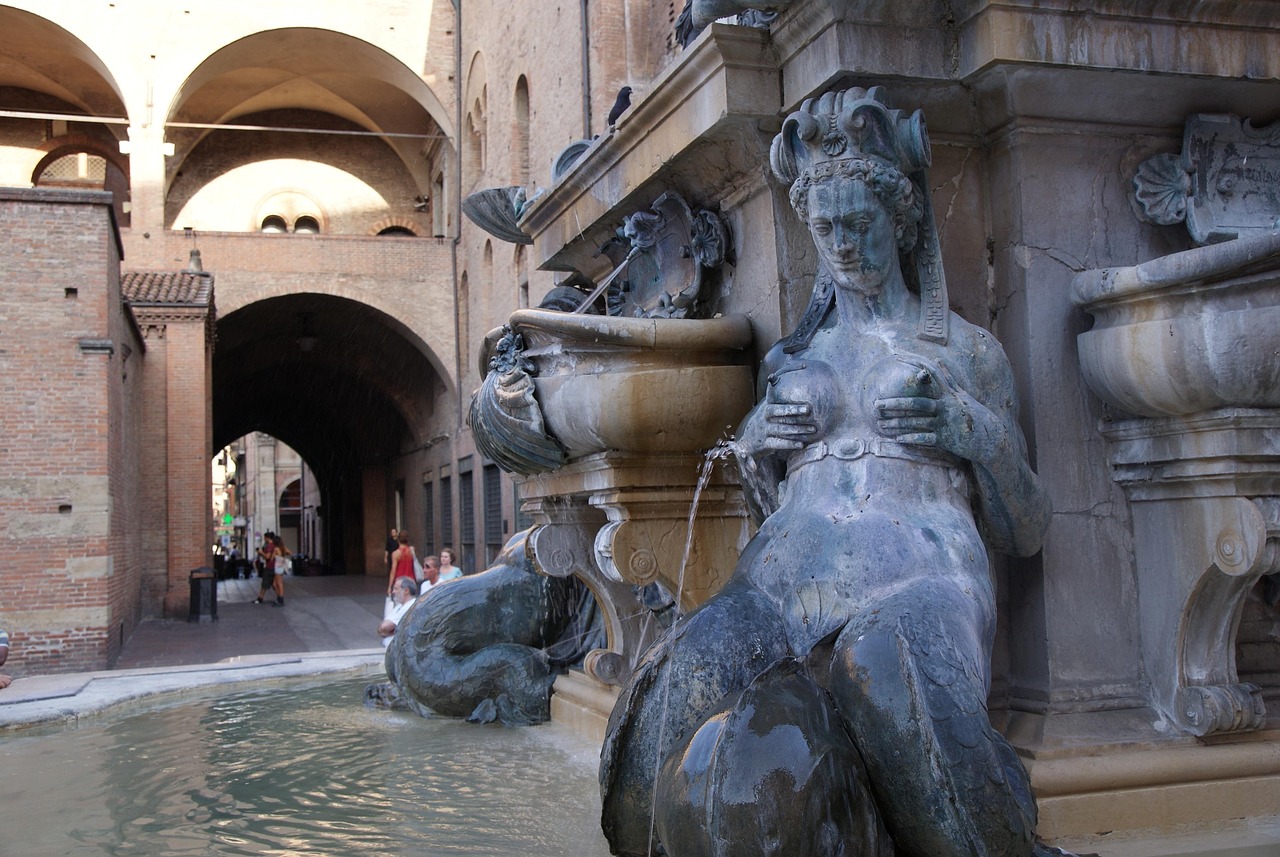
If Bologna had a living room, this would be it. Piazza Maggiore is where I always start or end my day. I’ve stood here in winter drizzle and in blazing August heat, and it never loses its sense of drama.
On one side, the unfinished façade of Basilica di San Petronio rises like a brick cliff. On another, the grand Palazzo del Podestà and Palazzo d’Accursio glow deep red at sunset. Slip around the corner and you’re in Piazza del Nettuno, with the slightly cheeky bronze Fountain of Neptune (yes, locals will show you the “optical illusion” that made the statue controversial).
My ritual: I like to grab a takeaway espresso from Via d’Azeglio early in the morning and drink it standing at the edge of the square, watching the city wake up. By evening, couples sit under the porticoes, kids chase pigeons, and street musicians test the square’s acoustics.
Tips for visitors:
- Best time: Early morning (before 9:00) or golden hour in spring/autumn.
- Family-friendly: Very; children love the open space and Neptune fountain.
- Romantic: Sit on the steps of San Petronio at dusk and watch the lights come on.
- Don’t miss: Stand under the vaulted archway of Palazzo del Podestà and test the whispering corners—sound travels from one corner to the opposite.
2. Basilica di San Petronio & Its Rooftop View
I’ve climbed the rooftops of many Italian churches, but San Petronio’s terrace always feels intimate: a little rough around the edges, with an unforgettable view over red roofs and the Asinelli Tower.
Inside, the basilica is massive and slightly austere. Look for the famous meridian line cut into the floor, used by astronomers in the 17th century to measure time and seasons. It’s a reminder that Bologna’s history is as scientific as it is spiritual.
My experience: On my last visit in 2025, I went up just before closing on a chilly February afternoon. A light mist blurred the hills, and the city felt like it was floating. I was almost alone up there—just me, the bells, and the wind.
Tips:
- Check current opening times; the terrace has separate hours and a small fee.
- Dress modestly (shoulders covered) inside the basilica.
- The view is especially gorgeous near sunset, but clouds can be dramatic too.
3. Le Due Torri: Asinelli & Garisenda
Every time I arrive in Bologna, the first thing I do is look for the Two Towers. They lean above the rooftops like two slightly tipsy guardians.
The taller one, Torre degli Asinelli, is the one you can climb. The shorter, Torre Garisenda, leans so dramatically that Dante mentioned it in the Divine Comedy. In recent years, Garisenda has been under careful structural monitoring; in 2026 you’ll likely still see protective measures and restricted access around its base.
Climbing Asinelli: It’s 498 wooden steps in a narrow staircase. I’ve done it in summer (hot, crowded, slightly sweaty) and in late autumn (cool, quiet, much better). At the top, the 360-degree view is exactly as advertised: sea of red roofs, the line of porticoes, distant Apennine hills.
Personal tip: If you’re not in great shape, take it slow, step aside in the wider landings to catch your breath, and don’t feel rushed. Kids over about 8 usually handle it well, but it’s not ideal for very young children or anyone with vertigo.
Practical info:
- Booking: In high season, book your time slot online in advance.
- Best time: Morning on clear days for crisp views; late afternoon for golden light.
- Romantic: Consider a late slot, then wander to a nearby wine bar afterward.
4. The Quadrilatero Market
Just off Piazza Maggiore, the Quadrilatero is Bologna’s historic market district: a tight grid of narrow lanes overflowing with food shops, produce stands, fishmongers, salumerie, and tiny wine bars.
I rarely walk through without stopping “just for a taste” that somehow turns into a full meal. You’ll see fat tortellini, wheels of Parmigiano stacked like golden coins, hanging prosciutti, and jars of pickled vegetables. This is the heart of local food in Bologna.
My routine: I like to come around 11:30, when the morning rush calms. I buy a small wedge of aged Parmigiano, some mortadella, and a handful of fresh cherries if they’re in season, then stand at a wine bar counter with a glass of local Pignoletto or Lambrusco.
Tips:
- Budget-friendly: Skip sit-down restaurants here and opt for standing counters and takeaway plates.
- Souvenirs: Vacuum-packed salumi and Parmigiano are easy to take home (check your country’s customs rules).
- Family-friendly: Kids love watching pasta being made in shop windows.
5. Basilica di Santo Stefano (The Seven Churches)
Walk 10 minutes from the Two Towers and the city suddenly softens. Piazza Santo Stefano is one of my favorite squares in Italy: elegant, slightly sloping, framed by porticoes and cafes.
The real treasure is the Santo Stefano complex, a cluster of churches, courtyards, and cloisters often called the “Seven Churches.” Inside, it’s dim, cool, and full of quiet corners: ancient stone columns, faded frescoes, and a small, atmospheric cloister with a well.
My memory: One rainy afternoon I ducked in to escape a sudden downpour. A small choir was rehearsing in one of the chapels, and the sound of their voices echoing off the stone walls felt almost otherworldly. I stayed until closing without realizing how much time had passed.
Tips:
- Respect the silence; this is still a place of worship.
- Visit in late afternoon, then enjoy an aperitivo on the square.
- Beautiful setting for photography, especially the cloister.
6. Via Zamboni & Piazza Verdi (University Quarter)
For a taste of Bologna’s student soul, wander along Via Zamboni to Piazza Verdi. This is the historic university district, still buzzing with lectures, protests, and late-night debates.
By day, students spill out of lecture halls, grabbing cheap piadine and coffees. At night, the area transforms: street music, groups drinking beers on the steps of Teatro Comunale, the murmur of a hundred conversations in different languages.
My take: I usually come here in the early evening for a casual drink. It’s not polished—graffiti, posters, and a bit of chaos—but it’s the best place to feel Bologna’s young, intellectual energy.
Tips:
- Safety: Generally fine, but like any student nightlife area, keep an eye on belongings at night.
- Budget eats: You’ll find the cheapest slices, kebabs, and piadine in this area.
- Cultural experience: Look for free public lectures or student theater posters on walls.
7. Archiginnasio & Anatomical Theatre
If you’re interested in cultural experiences in Bologna, the Archiginnasio is essential. This former seat of the University now houses a grand library and the famous Anatomical Theatre, where medical students once learned anatomy by candlelight.
Walking into the theatre feels like stepping onto a movie set: wooden benches rising in tiers, a central marble dissection table, carved wooden statues of skinned figures (the “spellati”) watching from above.
My experience: I visited on a quiet weekday morning and had the room almost to myself. In the silence, you can almost hear centuries of whispered lectures and the scratching of quills.
Tips:
- Modest entry fee; sometimes combined tickets with other museums.
- Combine with San Petronio and Quadrilatero—it’s all walkable.
- Good for older kids and teens interested in science or history.
8. Santuario della Madonna di San Luca & The Longest Portico
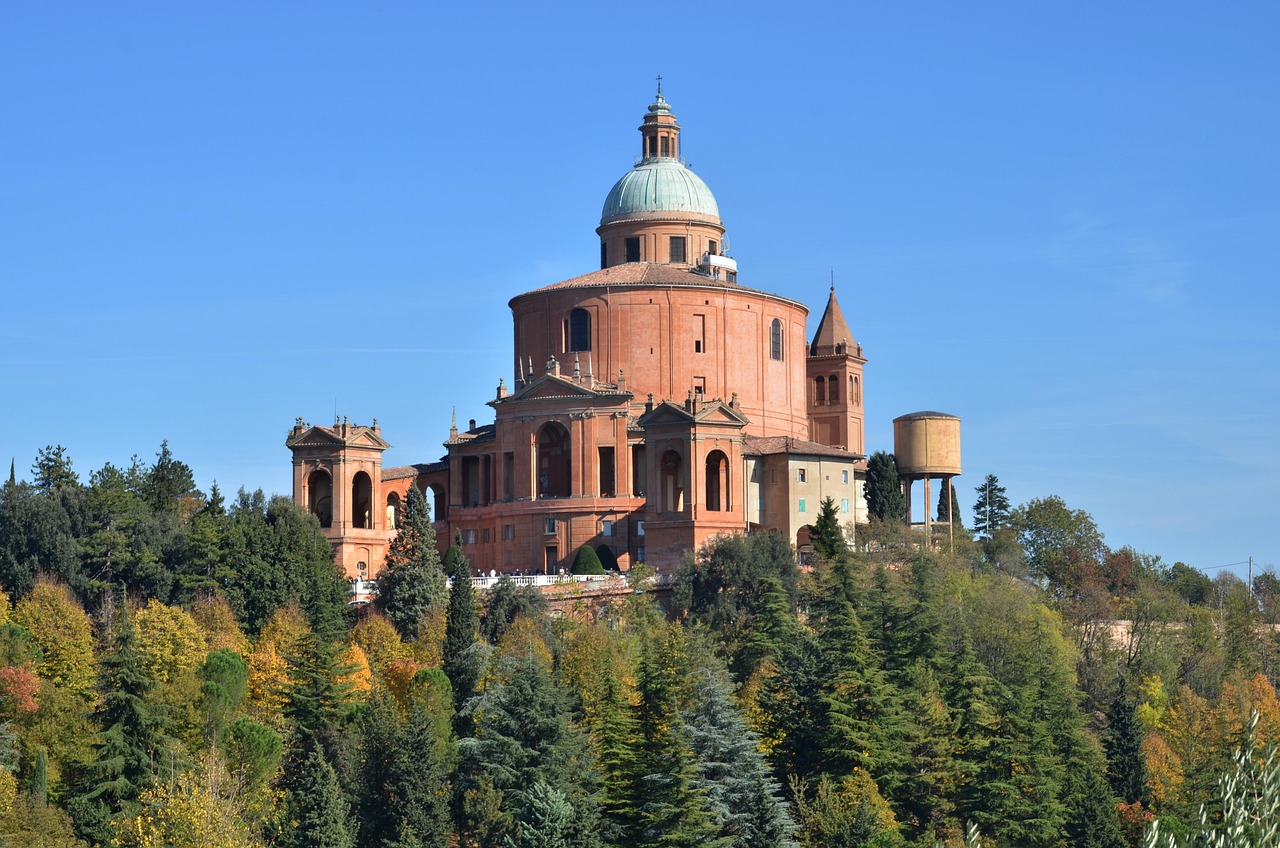
Perched on a hill south of the city, the Santuario della Madonna di San Luca is both a pilgrimage site and a local favorite sunset spot. Getting there under the famous Portico di San Luca—almost 4 km and 666 arches—is half the experience.
Hiking up: I’ve done the walk in all seasons. In spring and autumn it’s perfect: a slow, steady climb, locals jogging or chatting, glimpses of villas and the countryside between arches. In summer, go early to avoid the heat.
At the top, the sanctuary itself is lovely, and the view over Bologna and the surrounding plains is worth every step. On clear days you can see the outline of the Alps on the horizon.
Alternative: There’s also a tourist “San Luca Express” train from the city center if you’re traveling with small children, have mobility issues, or just prefer not to hike.
Tips:
- Wear comfortable shoes; the walk takes 45–60 minutes one way from the city start.
- Bring water, especially in warmer months.
- Romantic at sunset; family-friendly in the morning.
9. The Porticoes of Bologna (UNESCO World Heritage)
The porticoes aren’t just a feature; they are the city’s skeleton. In 2021 they were added to the UNESCO World Heritage list, and by 2026 Bologna is still investing in careful restoration and lighting projects.
I love walking the city in the rain precisely because of these porticoes: you can wander for kilometers almost entirely under cover. Each stretch has its own character—some with frescoed ceilings, others with plain brick or stone, some wide and elegant, others narrow and intimate.
Favorite stretches:
- Via Santo Stefano: Atmospheric and historic.
- Via Saragozza to San Luca: Long, scenic, and meditative.
- Via dell’Indipendenza: Grand and lively, connecting the station to the center.
10. MAMbo – Museo d’Arte Moderna di Bologna
When I need a break from medieval brick and Renaissance frescoes, I head to MAMbo, Bologna’s modern art museum. Set in a former bakery, it hosts contemporary and 20th-century Italian art, plus rotating exhibitions.
What I like about MAMbo is its scale: big enough to be interesting, small enough not to be overwhelming. You can spend 1–2 hours here then grab a coffee nearby or wander back toward the center.
Good to know:
- Often quiet, a nice respite on hot or rainy days.
- Check their website for temporary exhibitions and late opening nights.
- Combine with a stroll through the nearby Bolognina area for a different side of the city.
11. Pinacoteca Nazionale di Bologna
If you’re an art lover, the Pinacoteca Nazionale is a must. It preserves a rich collection of Emilian paintings from the 13th to the 18th century, including works by Giotto, Raffaello, and the Carracci.
It’s quieter than the big-name galleries in Florence or Rome, which means you can stand in front of a masterpiece for as long as you like without being jostled by tour groups.
My tip: Visit in the late morning, then have lunch in the nearby university area. It’s a nice blend of high culture and everyday student life.
12. Giardini Margherita
When you need greenery, head to Giardini Margherita, Bologna’s largest park. I’ve picnicked here in spring under pink blossoms, jogged here on frosty winter mornings, and watched families crowd the playgrounds on long summer evenings.
There’s a small lake, plenty of lawns, cafes, and seasonal kiosks. It’s perfect if you’re traveling with kids or just need a pause from churches and museums.
Tips:
- Pick up picnic supplies at a supermarket or market before you go.
- Safe and lively, especially on weekends and late afternoons.
- Easy walk from the center or a quick bus ride.
13. Mercato delle Erbe
While the Quadrilatero is beautiful and historic, Mercato delle Erbe is where many locals actually shop. This covered market combines traditional produce stalls with modern food corners and casual eateries.
I like to come here for an unpretentious lunch: a plate of tortellini in brodo at one stand, a glass of wine at another, maybe some gelato afterward. Prices are often friendlier than in the very center.
Great for: Budget-conscious travelers, families who want choice, and anyone who loves markets.
14. Via dell’Indipendenza
This broad, portico-lined avenue runs from the train station to Piazza Maggiore and is one of the city’s main shopping streets. It’s not a “must-see” in a monumental sense, but it’s where you feel everyday Bologna: people rushing to work, meeting friends, window-shopping.
My tip: Walk it at twilight, when the shops are still open, streetlights glow under the arches, and the view back toward the Two Towers is particularly beautiful.
15. La Finestrella & Bologna’s Hidden Canals
Most people don’t realize Bologna has canals—many are covered or hidden. The most famous glimpse is from La Finestrella on Via Piella: a small window that looks out on a narrow canal lined with colorful houses, sometimes called “Little Venice.”
It can get crowded with selfie-takers, but it’s still a charming detour, especially if you explore the surrounding backstreets afterward.
Tip: Go early in the morning or in the evening to avoid crowds. Combine with a wander north toward the Bolognina neighborhood if you want to see a less touristy side.
16. The Medieval Jewish Ghetto
Between Via Zamboni and the Two Towers lies a maze of narrow lanes that formed Bologna’s medieval Jewish Ghetto. Today it’s full of small shops, cafes, and artisan boutiques, but the layout and atmosphere still feel distinctly medieval.
I enjoy getting “lost” here for half an hour, ducking into tiny bookshops and peering into courtyards. It’s also one of the better areas to find high-quality crafts rather than generic souvenirs.
17. Oratorio di Santa Cecilia
Attached to the Church of San Giacomo Maggiore, this small oratory is one of Bologna’s hidden artistic treasures. The walls are covered with 16th-century frescoes depicting the life of Saint Cecilia, painted by some of the city’s best artists of the time.
My experience: I discovered it almost by accident one quiet afternoon and had the entire space to myself. The colors, the storytelling, the intimacy—it felt like walking into a jewel box.
18. Certosa Monumental Cemetery
This might sound like an odd recommendation, but Certosa is one of the most beautiful monumental cemeteries in Europe, full of sculptures, arcades, and quiet pathways. It’s a lesson in 19th-century art and social history as much as a burial place.
Good to know: It’s large; wear comfortable shoes and give yourself at least an hour. Go in the morning or late afternoon for softer light and cooler temperatures.
19. Fiera District & Modern Architecture
For a glimpse of modern Bologna, head to the Fiera District, especially if you’re in town for a trade fair or event. You’ll see contemporary architecture, office towers, and large exhibition halls—very different from the medieval center.
While it’s not an essential stop for every visitor, it’s interesting if you’re into urban development or attending one of Bologna’s many fairs (like the book or children’s fairs).
20. Torre Prendiparte (Stay in a Medieval Tower)
For a truly unique experience, consider visiting or even staying overnight in Torre Prendiparte, a privately owned medieval tower in the city center that doubles as an exclusive B&B and event space.
Spending a night here (I did it once as a splurge for a birthday) feels like time travel: thick stone walls, narrow staircases, a rooftop terrace where you can drink wine under the stars with the city spread below.
Tip: It’s expensive and needs advance booking, but even a short visit (sometimes arranged via special events) is memorable and very romantic.
Itineraries: 3, 4, and 5 Days in Bologna
These itineraries are built from my own stays—tweaked to help you design the perfect 3 days in Bologna, extendable to a 4 day itinerary for Bologna or a slow, indulgent 5 day itinerary for Bologna. Adjust for your pace and interests.
3 Day Itinerary for Bologna (First-Time Visit)
Day 1 – Classic Bologna: Towers, Piazza, and Porticoes
Morning: Arrive, drop your bags, and head straight to Piazza Maggiore. Duck into San Petronio, visit the Archiginnasio & Anatomical Theatre, then wander the Quadrilatero Market for a standing lunch of tagliere (cured meats and cheeses) and a glass of wine.
Afternoon: Walk to Le Due Torri and climb Torre degli Asinelli (book a mid-afternoon slot). Afterward, explore the Jewish Ghetto and nearby backstreets, including a quick peek at La Finestrella.
Evening: Stroll Via dell’Indipendenza under the porticoes, then dine at a traditional osteria: order tortellini in brodo or tagliatelle al ragù. Finish with gelato from a reputable gelateria (look for natural colors and modest displays).
Day 2 – University Quarter & Art
Morning: Head to the Pinacoteca Nazionale for a couple of hours with Emilian art. Walk through the University Quarter along Via Zamboni, pausing for coffee among students.
Afternoon: Visit Oratorio di Santa Cecilia and San Giacomo Maggiore, then continue to Piazza Santo Stefano and explore the Santo Stefano complex. Take your time in the cloister.
Evening: Aperitivo in Piazza Santo Stefano (order a spritz or local wine, with snacks). If you enjoy nightlife, continue toward Piazza Verdi and Via Zamboni for a casual, student-y evening.
Day 3 – San Luca & Green Bologna
Morning: Walk (or take the San Luca Express) to the start of the Portico di San Luca and hike up to the Sanctuary. Enjoy the views; visit the church; maybe have a coffee at the bar nearby.
Afternoon: Head back down and make your way to Giardini Margherita for a relaxing few hours. Grab a simple lunch nearby or picnic in the park. If you have energy, visit MAMbo on your way back toward the center.
Evening: For your final dinner, seek out a slightly more special trattoria or osteria. Try gramigna alla salsiccia or cotoletta alla bolognese and a good bottle of Sangiovese. End with a stroll through the softly lit porticoes.
4 Day Itinerary for Bologna (Add Slow Moments & Hidden Gems)
If you have 4 days in Bologna, keep the 3-day itinerary and add:
Day 4 – Markets, Canals & Certosa
Morning: Start at Mercato delle Erbe for a coffee and a wander. If you’re self-catering, this is a great time to stock up. Then walk through the backstreets to revisit any favorite spots you rushed on Day 1.
Afternoon: Explore more of Bologna’s hidden canals around Via Piella and beyond, then take a bus or taxi to the Certosa Monumental Cemetery. Spend an hour or two wandering the arcades and sculptures.
Evening: Return to the center; maybe choose a wine bar you haven’t tried yet, or attend a concert or performance if one catches your interest.
5 Day Itinerary for Bologna (Deep Dive & Day Trip)
With 5 days in Bologna, follow the 4-day plan and add:
Day 5 – Day Trip to Emilia-Romagna’s Surroundings
Use your fifth day for a day trip. From Bologna, you have superb rail connections:
- Modena: Balsamic vinegar, Ferrari Museum, beautiful Duomo.
- Parma: Prosciutto, Parmigiano Reggiano, elegant historic center.
- Ravenna: Stunning Byzantine mosaics, a UNESCO treasure.
I often choose Modena for a first-timer: it’s compact, delicious, and just 30 minutes by train. Take an early train, wander the market, taste balsamic vinegar, have a long lunch, and be back in Bologna for dinner.
Neighborhoods & Areas to Explore in Bologna
Centro Storico (Historic Center)
This is where you’ll likely stay and spend most of your time: a dense, walkable area of medieval streets, porticoes, and piazzas. It’s ideal if you want to be within 10–15 minutes’ walk of most main attractions.
Best for: First-time visitors, couples, short stays, anyone without a car.
University Quarter
Northeast of the center, around Via Zamboni, this is lively, youthful, and a bit scruffy in the best way. Cheaper eats, lots of bars, and a multicultural atmosphere.
Best for: Younger travelers, budget-conscious visitors, nightlife.
Santo Stefano & Surroundings
Elegant, slightly quieter, with beautiful porticoes and easy access to the Santo Stefano complex and the road toward San Luca. Great for those who want a more refined, residential feel while staying central.
Bolognina
North of the train tracks, Bolognina is a changing, multicultural neighborhood with street art, markets, and more affordable accommodation. It’s less polished and not everyone’s taste, but it shows a real, contemporary side of Bologna.
Best for: Repeat visitors, those interested in urban culture and street art.
Saragozza & San Luca Axis
West of the center, this area follows Via Saragozza and the portico leading toward San Luca. It’s residential, pleasant, and a good choice if you want quieter evenings while still being walkable to the center.
San Ruffillo & The Colli Bolognesi (Hills)
To the south, the city rises into hills dotted with villas, small churches, and walking trails. If you’re in Bologna for 5 days or more and love nature, a few hours in the hills is a beautiful change of scene.
Local Food & Drink in Bologna
Food is the main reason many people come—and come back. The trick is knowing what to order, where to find it, and how not to blow your budget on the first night.
Essential Dishes to Try
- Tagliatelle al ragù: The real “spaghetti bolognese” (which doesn’t exist here). Fresh egg pasta ribbons with slow-cooked meat sauce.
- Tortellini in brodo: Tiny stuffed pasta in rich capon or meat broth. Comfort in a bowl.
- Tortelloni burro e salvia: Larger stuffed pasta (often with ricotta and herbs) in butter and sage.
- Lasagne alla bolognese: Made with fresh green pasta, ragù, and béchamel.
- Mortadella: The original, delicate ancestor of “bologna” sausage, best sliced thin.
- Cotoletta alla bolognese: Breaded veal with ham and Parmigiano, often baked in broth.
- Crescentine / Tigelle: Small breads served with cured meats, cheeses, and spreads.
Where to Eat (and How to Save Money)
I’ve eaten my way through dozens of trattorie and osterie here. A few general strategies:
- Lunch vs dinner: Lunch menus are often cheaper; consider making lunch your main meal.
- Avoid tourist menus: If you see laminated menus with photos in four languages right on Piazza Maggiore, keep walking.
- Seek osterie and trattorie: These are usually more traditional and better value than “ristoranti.”
- Mercato options: Eat at Mercato delle Erbe or casual stands in the Quadrilatero to save.
For 2026 specifics, I recommend asking your accommodation host for current favorites—Bologna’s dining scene evolves, and locals always know who’s cooking best right now.
What to Drink
- Pignoletto: Local white, often frizzante; perfect aperitivo wine.
- Lambrusco: Slightly sparkling red from nearby; great with cured meats.
- Sangiovese di Romagna: Reliable red for heartier dishes.
- Espresso & cappuccino: Cappuccino only in the morning; espresso all day.
Nightlife, Entertainment & Cultural Experiences in Bologna
Aperitivo Culture
Aperitivo (pre-dinner drinks with snacks) is a key local ritual. From about 6:00–8:30 p.m., bars fill with people catching up over spritz, wine, or Negroni and small plates.
Evening Options
- Piazza Verdi & University area: Student bars, casual, lively, budget-friendly.
- Centro Storico: Wine bars, cocktail lounges, more refined spots for couples.
- Teatro Comunale & other venues: Check listings for opera, classical music, and contemporary performances.
Cultural Experiences
Look out for:
- Street musicians under the porticoes on weekends.
- Film festivals and open-air cinema in summer (2026 will continue recent expansions of these events).
- Food festivals and markets centered on local products.
Cultural Etiquette & Local Customs in Bologna
Dining Etiquette
- Reservations: For popular places, especially Thursday–Sunday evenings, always book.
- Coffee: Cappuccino is a breakfast drink; after lunch or dinner, order espresso or macchiato.
- Tipping: Not obligatory; locals often leave small change or round up. For excellent service, 5–10% is appreciated.
- Timing: Dinner starts around 8:00–8:30 p.m.; arriving at 7:00 can feel early.
Day Trips from Bologna
One of Bologna’s strengths is its location: fast trains connect you to many gems of Emilia-Romagna and beyond. Here are a few favorites, all easy in a day.
Modena
About 30 minutes by train. Highlights:
- UNESCO-listed Piazza Grande and Duomo.
- Traditional balsamic vinegar acetaie (book tastings in advance).
- Great restaurants and a more relaxed pace than Bologna.
Parma
About 1 hour by train. Elegant and food-focused, famous for:
- Prosciutto di Parma and Parmigiano Reggiano.
- Beautiful Cathedral and Baptistery.
Ravenna
About 1–1.5 hours by train. World-famous for its Byzantine mosaics, some of the most stunning in Europe.
Ferrara
About 30–40 minutes by train. A Renaissance city with a moated castle in the center; great for cycling and strolling medieval streets.
What’s New in 2026–2027: Events & Festivals
While exact calendars evolve, Bologna typically hosts:
- Bologna Children’s Book Fair (Fiera del Libro per Ragazzi): Spring – a major international publishing event.
- Cersaie: Autumn – international ceramics and bathroom design fair.
- Arte Fiera: Early in the year – contemporary art fair with city-wide collateral events.
- Cinema Ritrovato: Early summer – film festival focused on restored classics, with open-air screenings in Piazza Maggiore.
- Food festivals: Throughout the year, especially autumn, celebrating local products and regional recipes.
For 2026–2027, expect continued emphasis on food culture, portico-related cultural programs, and expansions of summer open-air cinema and music events. Check the city’s official tourism site closer to your trip for exact dates.
Practical Travel Advice for Bologna
Getting Around Bologna
- On foot: The historic center is compact; you’ll walk most places.
- Buses: Efficient for reaching outlying areas like San Luca starting point or Certosa. Tickets can be bought at tabacchi or via apps.
- Taxis & rideshares: Available, useful late at night or with luggage.
- Bikes: Increasingly common; look for bike lanes, but be cautious on cobblestones and under crowded porticoes.
How to Save Money in Bologna
- Stay slightly outside the very center: Neighborhoods like Bolognina or Saragozza can be cheaper yet still convenient.
- Eat main meal at lunch: Look for lunch specials or fixed menus.
- Use markets: Buy picnic food from Mercato delle Erbe or supermarkets.
- Walk: You rarely need taxis within the center.
- Free attractions: Many churches and piazzas are free; plan paid museums strategically.
SIM Card & Connectivity
In 2026, options include:
- eSIMs: Easy to purchase online before arrival; good for short stays.
- Local SIMs: Available from major providers (TIM, Vodafone, WindTre) in shops around the center and near the station. Bring your passport.
- Wi-Fi: Many cafes, hotels, and some public spaces offer free Wi-Fi, but speeds vary.
Car Rental & Driving
Within Bologna: A car is more hassle than help. The historic center is a ZTL (limited traffic zone) with cameras and fines for unauthorized vehicles.
For day trips: Trains are usually better. Rent a car only if you want to explore rural Emilia-Romagna or the hills extensively.
Foreign driver’s licenses: EU licenses are accepted. Non-EU visitors often need an International Driving Permit alongside their national license; check the latest Italian regulations before traveling.
Visa Requirements
Bologna is in Italy, part of the Schengen Area. Requirements depend on your nationality:
- EU/EEA & Swiss citizens: No visa needed; travel with national ID or passport.
- Many other nationalities: Short stays (up to 90 days in 180) may be visa-free but often require travel authorization under evolving EU rules.
- Others: May need a Schengen visa. Check with your local Italian consulate well before departure.
Always confirm current rules, as policies and digital entry systems are evolving through 2026–2027.
When to Visit & Seasonal Advice
- Spring (March–May): Ideal. Mild temperatures, blooming parks, outdoor seating returns. Great for city walks and first hikes toward the hills.
- Summer (June–August): Hot, sometimes very hot. The city can feel quieter in August as locals leave, but tourism remains. Good for evening events and open-air cinema.
- Autumn (September–November): My favorite: harvest season, food festivals, comfortable weather, rich colors on the hills.
- Winter (December–February): Cold, often damp, but atmospheric. Fewer tourists, cozy trattorie, and festive lights around Christmas and New Year.
Summary & Final Recommendations
Bologna rewards those who slow down. Whether you’re crafting a 3 day itinerary for Bologna, stretching to 4 days in Bologna, or sinking into a leisurely 5 days in Bologna, the city will meet you with porticoes, pasta, and a quietly confident charm.
Use the historic center as your base, wander without too much planning, and let your days revolve around simple pleasures: a long lunch, a view from a tower, an unexpected cloister, an evening aperitivo as the bells ring.
For most travelers, the best time to visit Bologna is spring or autumn, when you can walk comfortably, enjoy the hills, and experience the full richness of the food scene without summer heat or winter chill. But in truth, Bologna is a year-round city, lived in and loved by its residents in every season.
Come hungry, bring comfortable shoes, and give yourself enough time to do more than just “see the sights.” Stay long enough for a barista to recognize you, for a waiter to recommend “what we had for lunch today,” for the city’s rhythms to become your own—if only for a few days.
Social Customs