Why Visit Florence in 2026
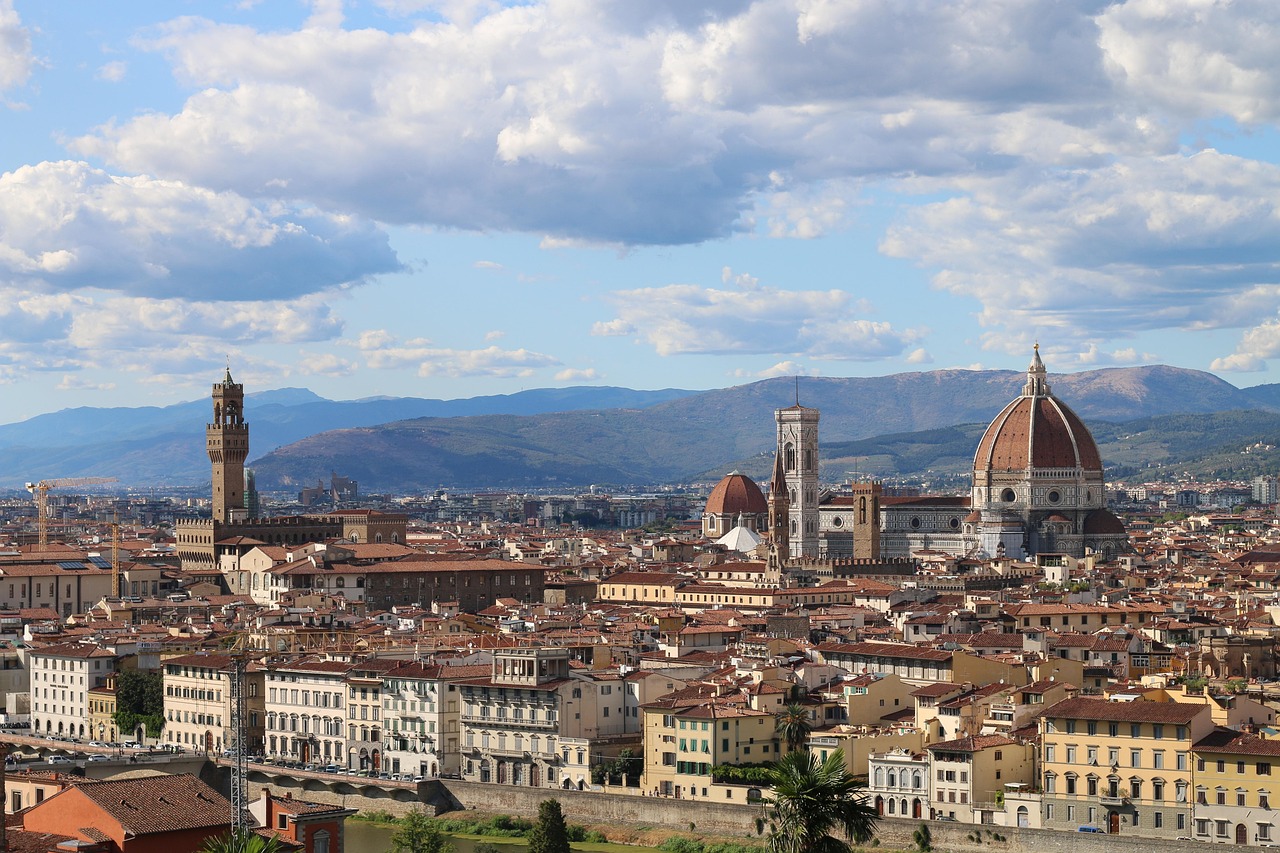
Florence is the kind of city that gets under your skin slowly and then refuses to leave. I still remember one early April morning, standing alone on Piazzale Michelangelo, watching the sun set the Duomo’s terracotta dome on fire. Church bells echoed across the Arno, the smell of fresh pastries drifted up from some invisible bakery, and for a moment the entire city felt like a perfectly staged film set. That was more than a decade ago; I’ve been coming back several times a year ever since.
Florence isn’t just a list of “things to do” – it’s a dense, walkable museum of living history. In a city that you can cross on foot in 30 minutes, you’ll find some of the planet’s greatest artworks, streets that still follow medieval lines, and food that tastes like it was cooked in someone’s home kitchen (because often, it is).
In 2026, Florence is especially exciting: cultural institutions are investing in new exhibits, some major restorations have just finished, and the city is carefully balancing its Renaissance soul with a more sustainable, local-focused way of welcoming visitors.
This guide is written for travelers who want more than a quick photo stop – whether you have 3 days in Florence, a 4 day itinerary for Florence, or a full 5 days in Florence, I’ll help you plan an immersive trip with a mix of must-see attractions, hidden corners, local food, and real-life logistics.
Table of Contents
- Why Visit Florence in 2026
- Florence at a Glance
- Suggested Itineraries (3–5 Days in Florence)
- 20 Must-See Attractions in Florence (Deep Dives)
- Neighborhoods & Areas to Explore
- Local Food in Florence & Where to Eat
- Nightlife, Entertainment & Cultural Experiences
- What’s New: Events in 2026–2027
- Day Trips from Florence
- Local Customs & Cultural Etiquette
- Practical Travel Tips for Florence
- Summary & Best Time to Visit
Florence at a Glance
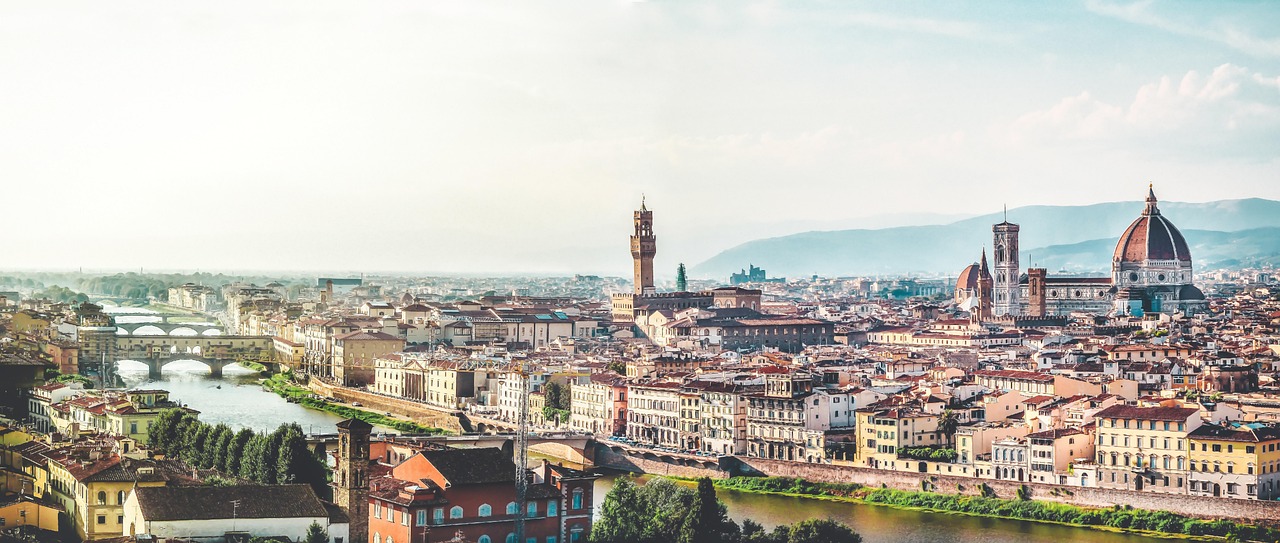
Florence (Firenze) is the capital of Tuscany and the cradle of the Renaissance. With around 380,000 residents in the wider metro area, it feels more like an oversized village than a big city. You’ll walk most places, you’ll probably bump into the same barista twice, and locals really do shop at markets that have been around for centuries.
- Language: Italian (but basic English is common in the center).
- Currency: Euro (€).
- Best for: Art lovers, couples, foodies, culture nerds, families with curious kids.
- Walkability: Excellent – the historic center is compact and mostly flat.
- Good trip length: 3–5 days in Florence is ideal: 3 days to see highlights, 4 days to breathe, 5 days for a deep dive and day trips.
Suggested Itineraries: 3, 4 & 5 Days in Florence
I’ll start with shorter outlines (for people skimming), then I’ll walk you through a detailed, story-style 5 day itinerary for Florence that you can trim down to 3 or 4 days depending on your schedule.
3 Days in Florence – Classic Highlights
If you only have 3 days in Florence, focus on the essentials: Duomo, Uffizi, Accademia, Oltrarno, and a viewpoint or two. Here’s a compact plan:
Day 1 – Heart of the Renaissance
- Morning: Duomo Complex (Cathedral, Dome or Bell Tower, Baptistery) & Piazza della Signoria.
- Afternoon: Uffizi Gallery (pre-book tickets), stroll along the Arno.
- Evening: Sunset on Ponte Vecchio, dinner in Oltrarno.
Day 2 – Art & Artisan Florence
- Morning: Accademia (Michelangelo’s David), San Lorenzo Market.
- Afternoon: Medici Chapels or Santa Maria Novella, coffee break in a historic café.
- Evening: Wine bar in Santo Spirito, gelato by the river.
Day 3 – Gardens & Views
- Morning: Boboli Gardens & Pitti Palace.
- Afternoon: Explore Oltrarno’s artisan workshops.
- Evening: Hike or bus up to Piazzale Michelangelo and San Miniato al Monte for the best views of Florence.
4 Day Itinerary for Florence – Slow It Down
With 4 days in Florence, you can keep all the above and add more local experiences:
- Day 1–3: Same as 3-day plan.
- Day 4: Morning food tour or cooking class; afternoon Santa Croce & leather district; evening aperitivo with locals near San Niccolò.
5 Day Itinerary for Florence – Deep Dive
The rest of this section is written as if we’re spending 5 days in Florence together. Use it as a flexible 5 day itinerary for Florence, or trim pieces out to create your perfect 3 day itinerary for Florence or 4 day itinerary for Florence.
Day 1 – First Glimpse of Florence: Duomo to the Arno
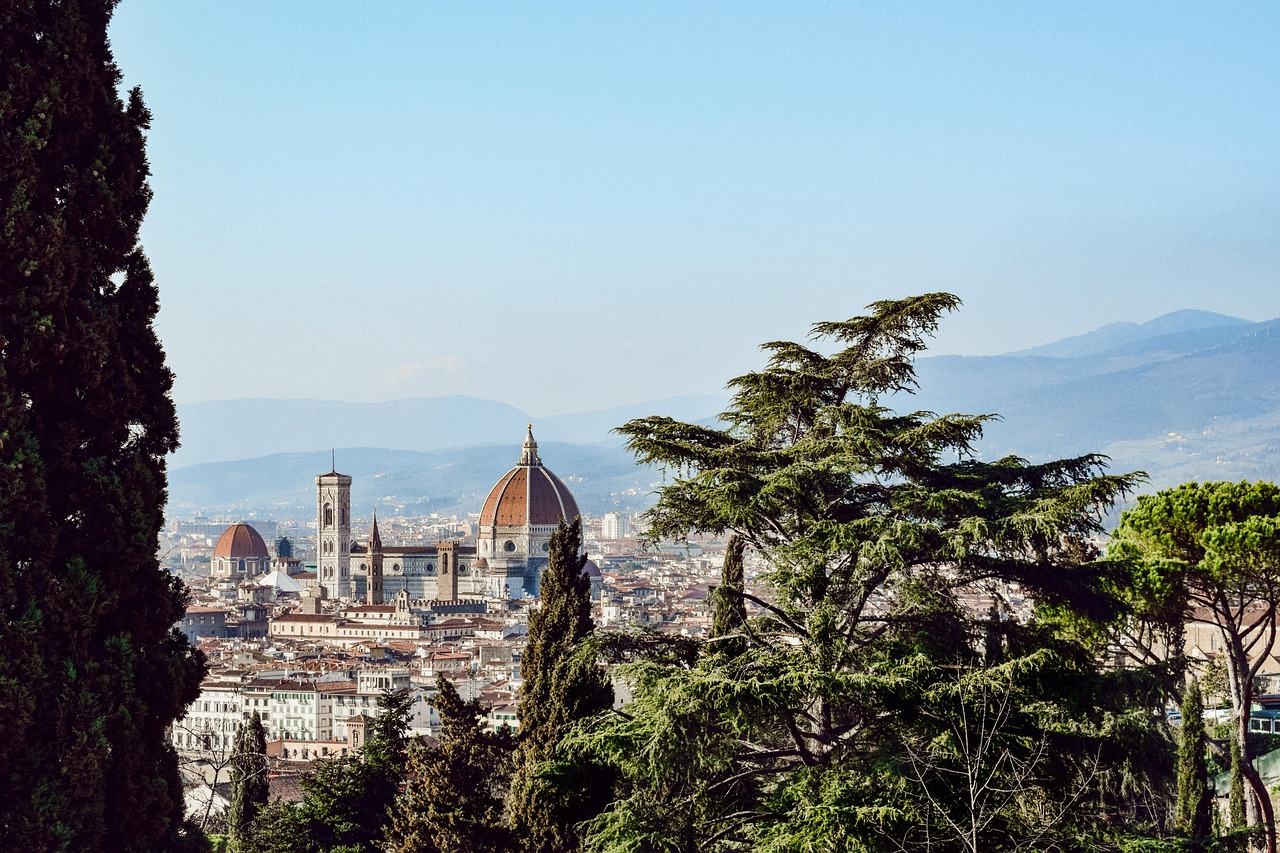
I like to start every trip to Florence the same way: by walking straight to the Duomo before I even check in properly. It resets my internal compass: wherever you stand in the city, that dome will guide you.
Morning: Duomo Complex – Florence’s Beating Heart
On my last spring visit (April 2026), I booked the first time slot for the Brunelleschi’s Dome climb. The streets were still quiet, with shop shutters down and the clink of coffee cups echoing out of tiny bars. I grabbed a quick cappuccino e cornetto at a standing-only café near Via dei Calzaiuoli and walked over to Piazza del Duomo.
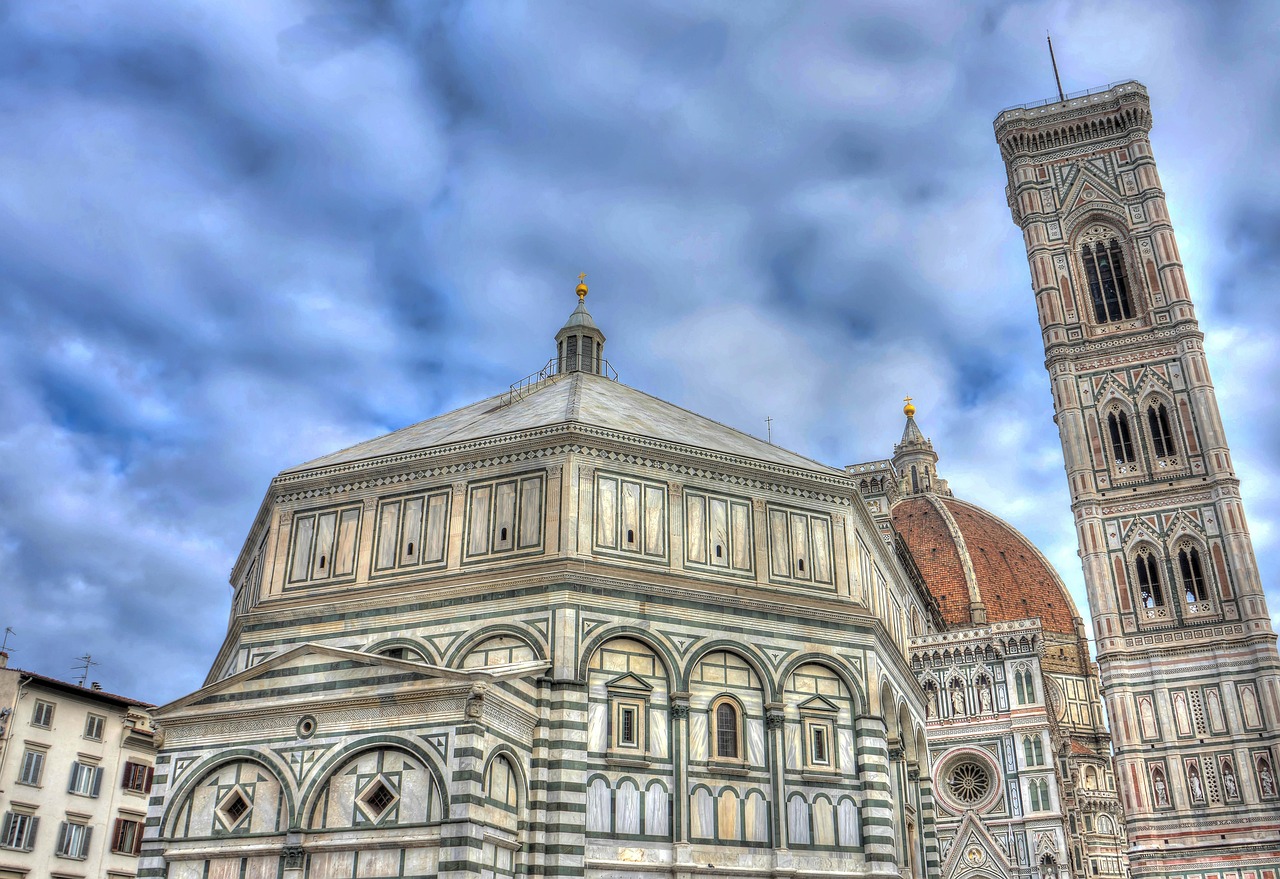
The Duomo complex is actually three main sites:
- Cattedrale di Santa Maria del Fiore – the cathedral itself, with its green, pink and white marble façade.
- Brunelleschi’s Dome – the iconic brick dome you see on every postcard.
- Giotto’s Campanile – the bell tower with a slightly more forgiving staircase.
My suggestion: if you’re reasonably fit and not claustrophobic, climb the Dome once in your life. You walk between the inner and outer shells of the dome, literally inside a 15th-century engineering miracle, passing close to Vasari’s frescoes of the Last Judgment. The last time I climbed, I shared a narrow stretch of stairs with a family from Brazil whose kids were counting each step in increasingly dramatic Italian; somehow, the shared suffering made the view at the top even sweeter.
If you’re anxious about enclosed spaces, choose Giotto’s Campanile – similar views, a bit more breathing room, and fewer bottlenecks. Either way, book tickets online ahead of time, especially in peak months (May–October).
After the climb, take time to step into the cathedral interior. It surprises many people: the inside is much more austere than the candy-like exterior, but that contrast is part of Florence’s character – sobriety under the surface of beauty.
Don’t skip the Baptistery across the square. On one of my winter trips, I ducked inside to escape a sudden downpour and ended up sitting under its golden mosaic ceiling for nearly an hour, listening to the rain hammer on the roof while the guard hummed softly. Look up: the mosaic of Christ surrounded by angels and devils feels like it’s hovering right over you.
Tip: Dress modestly (shoulders covered) for entering religious sites; carry a light scarf in summer. Also, mornings are cooler and less crowded for climbs.
Lunch: Simple Tuscan Classics Near the Duomo
Avoid the pizza-by-the-slice shops hugging the piazza – they’re fine in a pinch, but you can do better a few streets away. I often slip down a side street toward Via dei Servi and look for small trattorie where the day’s menu is written by hand on a board.
Order something simple and local: ribollita (hearty bread and vegetable soup), pappa al pomodoro (thick tomato and bread soup), or fresh pici pasta with ragu. These are the dishes Florentines still eat at home, and they’re naturally budget-friendly.
Afternoon: Piazza della Signoria & Palazzo Vecchio
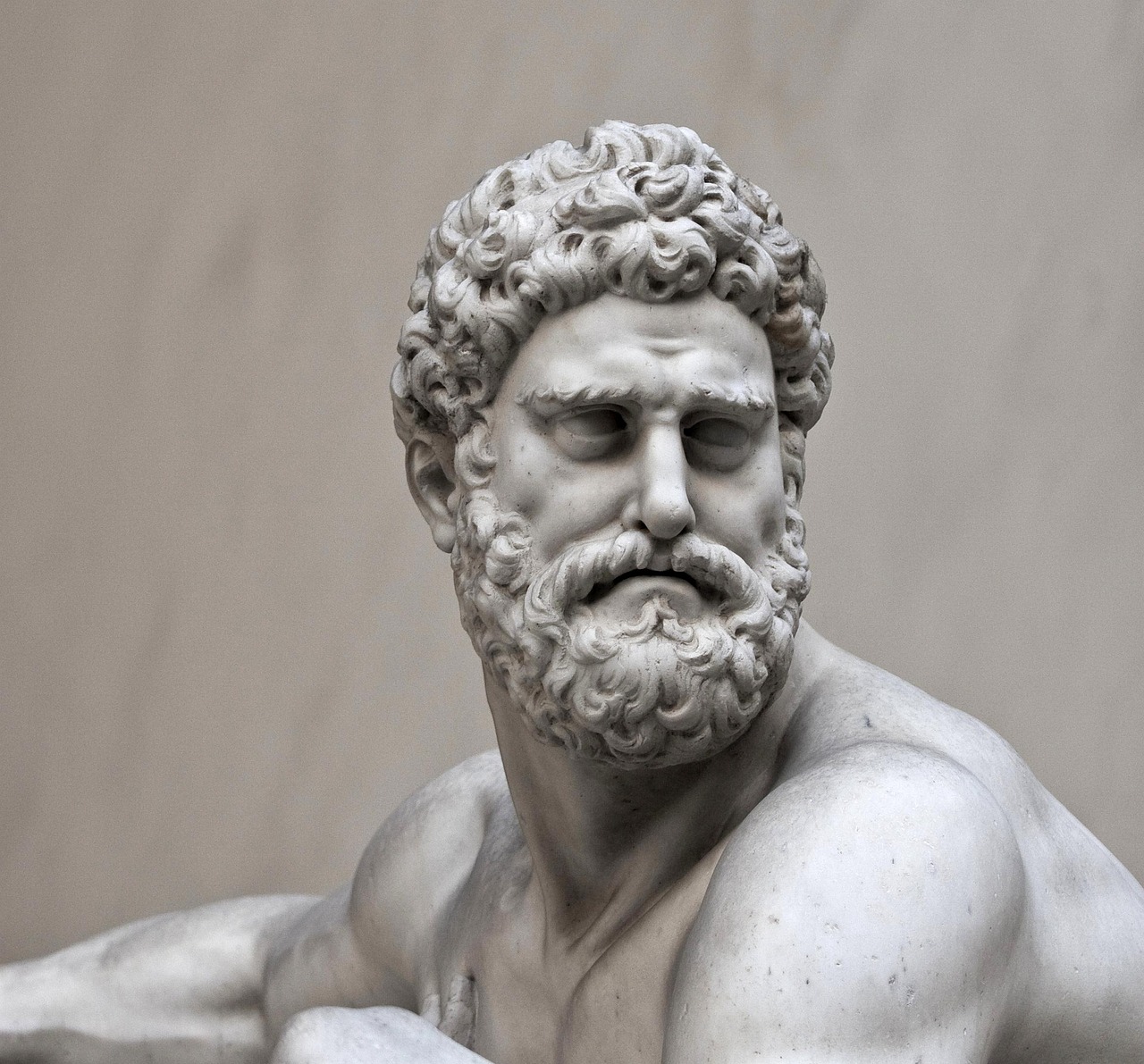
From the Duomo, stroll down Via dei Calzaiuoli to Piazza della Signoria. This square feels like the city’s outdoor living room. I like to stand near the fountain of Neptune and imagine the processions, executions, and celebrations that have played out here over centuries.
The main star is Palazzo Vecchio, the fortress-like town hall. Its crenellated tower is one of Florence’s icons, and you can actually climb it for another exceptional view that’s less crowded than the Duomo.
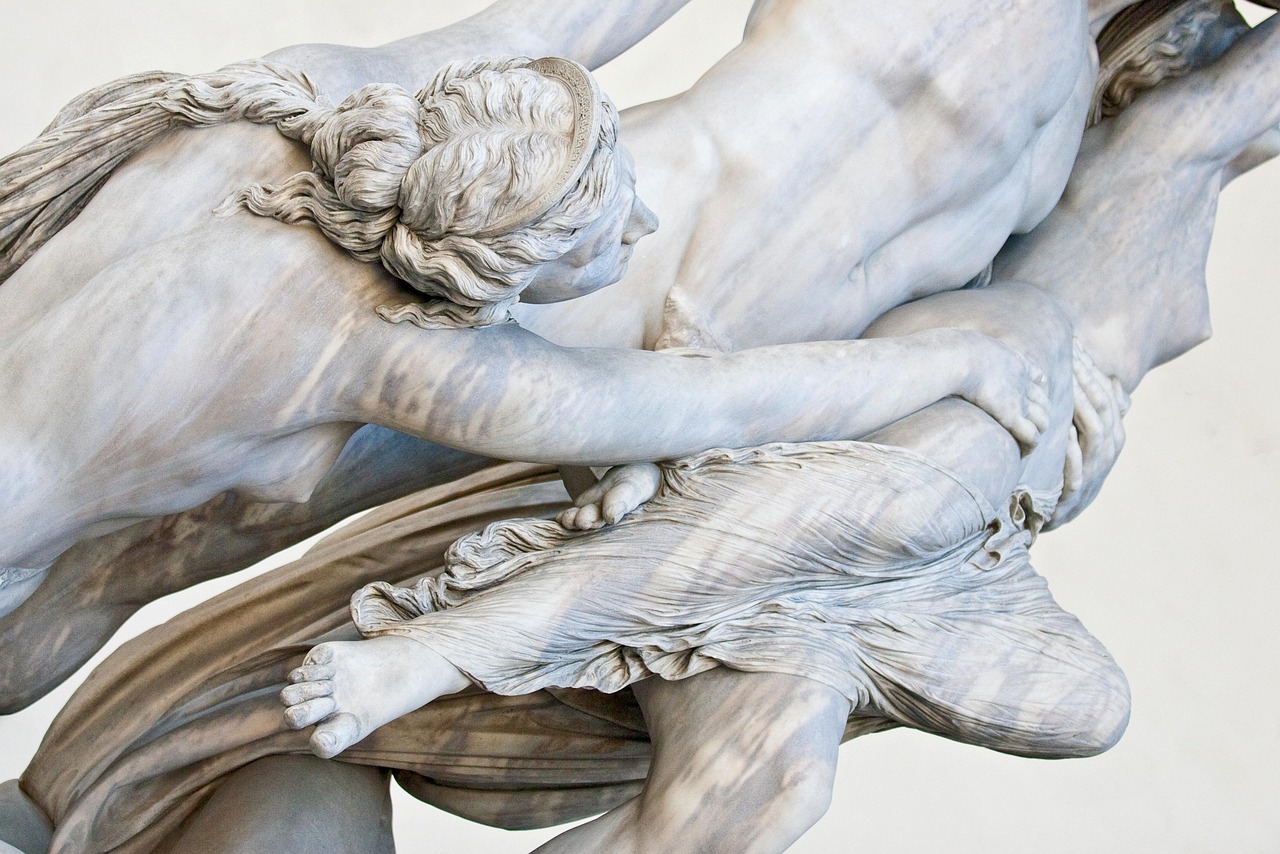
Inside, the Salone dei Cinquecento (Hall of the Five Hundred) is a jaw-dropper, painted and sculpted within an inch of its life. On one visit, a guide quietly pointed out a tiny Leonardo da Vinci reference hidden behind later frescoes; Florence is full of these little secrets buried in plain sight.
Tip: Late afternoon is a good time for Palazzo Vecchio – tour groups thin out, and the warm light coming through the windows makes the gilded decorations glow.
Late Afternoon & Evening: First Walk to the Arno & Ponte Vecchio
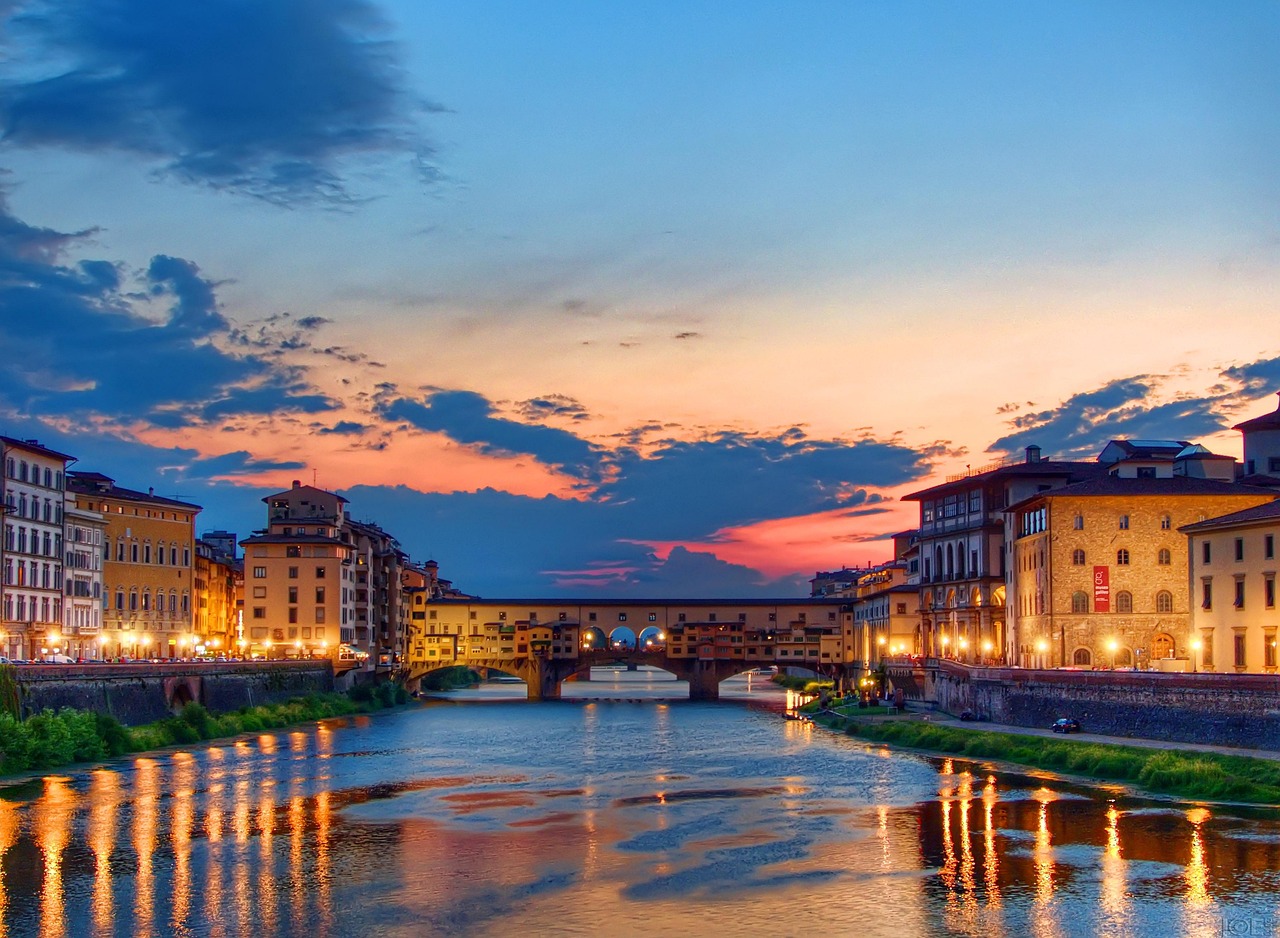
From Piazza della Signoria, it’s just a few minutes’ walk to the Arno River. Cross the pedestrianized strip to reach Ponte Vecchio, Florence’s most famous bridge, lined with jewelry shops that cling to its sides like barnacles.
The bridge is always busy, but I still love to come here on my first day, lean on the stone wall, and watch the reflections of the buildings in the water. If you want a quieter view, step one bridge upstream (Ponte Santa Trinita) around sunset – you’ll get a postcard-perfect view of Ponte Vecchio, with the sky turning pink behind it.
For dinner, I usually wander into the Oltrarno (the “other side” of the Arno) and pick a small osteria around Piazza Santo Spirito. More on that neighborhood later, but expect candlelit tables, chatty servers, and hearty Tuscan dishes.
Family-friendly: Kids tend to love the tower climbs and the open-air statues in Piazza della Signoria – it feels like a sculpture park rather than a formal museum.
Romantic: An evening stroll along the Arno, gelato in hand, is classic Florence romance without spending a cent.
Day 2 – Art Icons: Uffizi & David
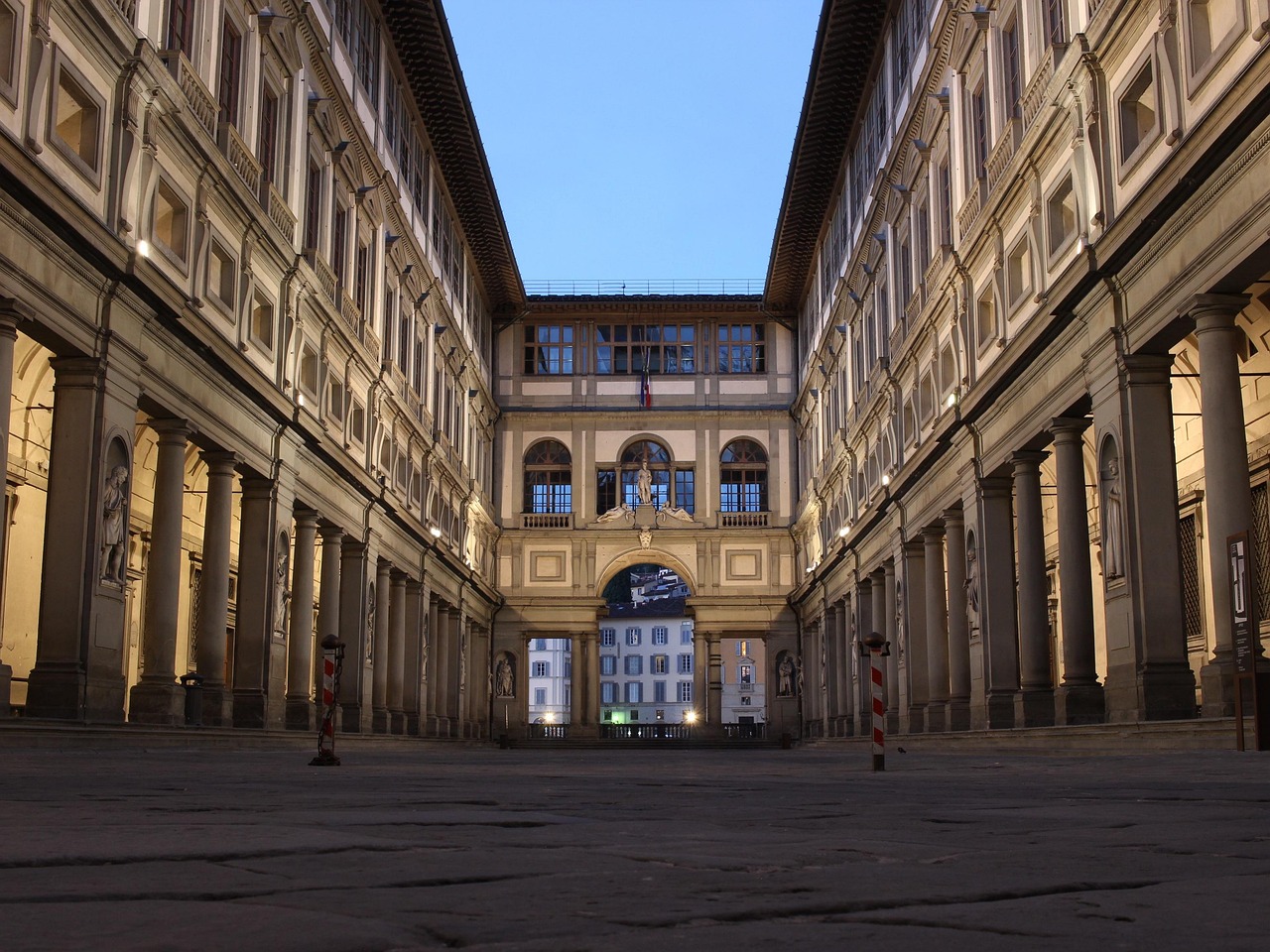
Day 2 is your deep dive into the art that made Florence world-famous. This is where a good plan really matters; otherwise, you’ll end up exhausted and half-blind from staring at Madonnas.
Morning: Uffizi Gallery – Where the Renaissance Lives
Book your Uffizi Gallery ticket online for the first or second time slot of the day. On a crisp morning last November, I walked into nearly empty halls and had Botticelli’s Birth of Venus almost to myself for a few precious minutes. By 10:30 a.m., the same room was a sea of phones.
The Uffizi is huge; you don’t need to see everything. Focus on:
- Botticelli Rooms: Birth of Venus and Primavera – luminous, dreamlike, and much larger than you might expect.
- Leonardo da Vinci works – to see early experiments in light and anatomy.
- Michelangelo’s Tondo Doni – his only finished panel painting.
- The corridor windows overlooking the Arno and Ponte Vecchio – an underrated highlight.
On one visit, I followed an Italian grandmother who was clearly showing the gallery to her granddaughter for the first time. She stopped in front of each painting and whispered stories – some accurate, some invented. It reminded me that these masterpieces are part of local life, not just tourist checklists.
Tip: Plan about 2–3 hours, then stop. Choose a couple of artists you’re curious about in advance so you’re not just drifting.
Lunch: Trattoria or Panini
After the Uffizi, my stomach is always louder than the audio guide. Walk away from the main tourist arteries and look for tiny spots around Via dei Neri and side streets beyond (avoiding anywhere with pictures of food on the menu).
A reliable option is a good porchetta panino (roast pork sandwich) or lampredotto (traditional Florentine tripe sandwich). If that sounds too adventurous, there are plenty of places offering fresh focaccia layered with local cured meats and pecorino cheese.
Afternoon: Accademia Gallery – Meeting David
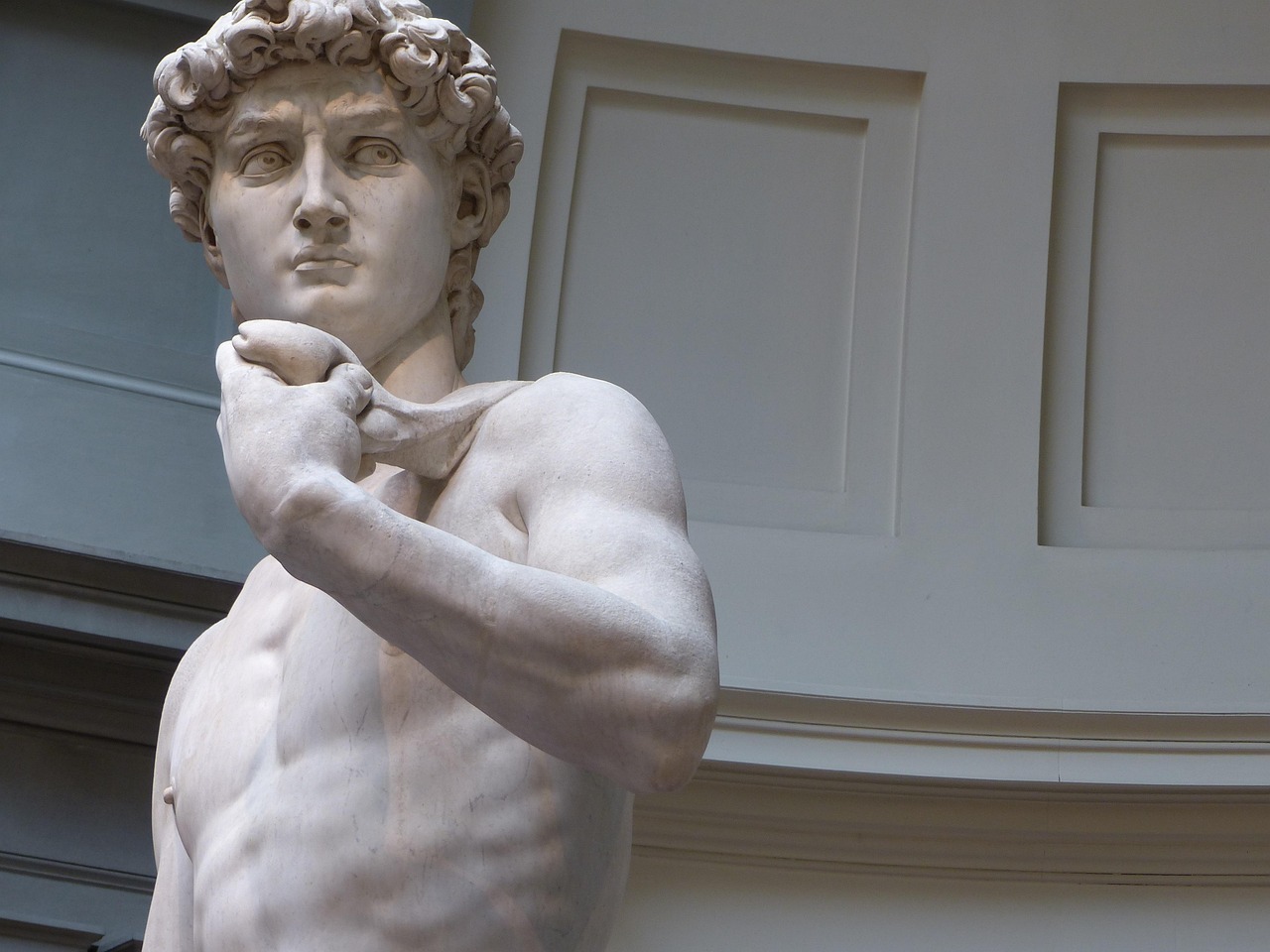
In the afternoon, head to the Galleria dell’Accademia. It’s smaller than the Uffizi, and almost everyone comes for one thing: Michelangelo’s David. Again, book a timed ticket in advance – walk-up lines can stretch over an hour in high season.
No matter how many photos you’ve seen, David in person is different. He’s taller, more alive, and more vulnerable than you expect. The first time I saw him, I remember being struck by the veins in his hands and the tension before battle captured in his stance. I’ve now visited at least a dozen times, and each visit I notice something new: the slight twist of the torso, the way one foot presses into the base, the almost adolescent face paired with a warrior’s body.
Don’t rush out after David. The Accademia also houses Michelangelo’s “Prisoners” (unfinished sculptures that look like figures struggling to break free from marble) and some surprisingly lovely medieval paintings.
Family-friendly: Kids often love David – he looks like a superhero. Turn it into a game: spot all the details (slingshot, stone, veins, curls).
Evening: San Lorenzo & Mercato Centrale
After so much art, reward yourself with food. Walk over to the San Lorenzo area and explore Mercato Centrale, Florence’s historic food market. The ground floor is still a working market with stalls piled high with artichokes, seasonal mushrooms, pecorino cheeses, and hanging cured meats.
Upstairs, a modern food court offers everything from fresh pasta to seafood, pizza, and vegetarian options. On a chilly January evening, I perched at the bar with a plate of pappardelle al cinghiale (wide pasta with wild boar ragu) and a glass of Chianti while a group of local students debated football and politics at the next table.
Budget tip: Markets are one of the best ways to eat well without wrecking your budget. You can also pick up fruit and snacks for the next day.
Day 3 – Oltrarno, Gardens & Artisan Florence
By Day 3, many visitors realize the city is smaller than they thought and start slowing down. This is when Florence gets under your skin.
Morning: Pitti Palace & Boboli Gardens
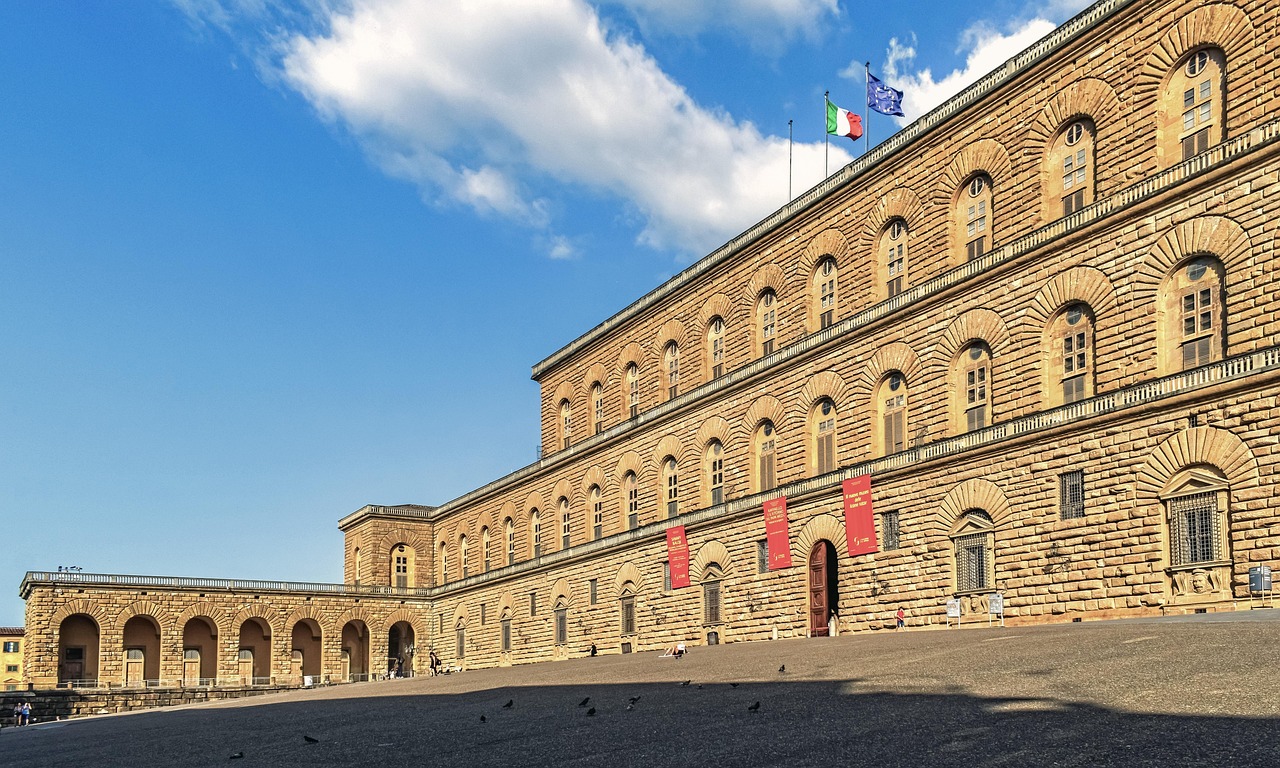
Cross Ponte Vecchio into the Oltrarno and head to Pitti Palace (Palazzo Pitti). Once the residence of the Medici, it’s now a complex of museums. The Palatine Gallery is a dense maze of paintings hung floor-to-ceiling in lavish rooms – a stark contrast to the more curated Uffizi.
Behind the palace, the Boboli Gardens offer a green escape with fountains, grottos, and views back over the city. One late May afternoon, I climbed to one of the higher terraces with a take-away panino and watched locals sunbathing on the grass while swallows swooped overhead. It felt almost like a countryside villa, yet the Duomo peeped over the horizon.
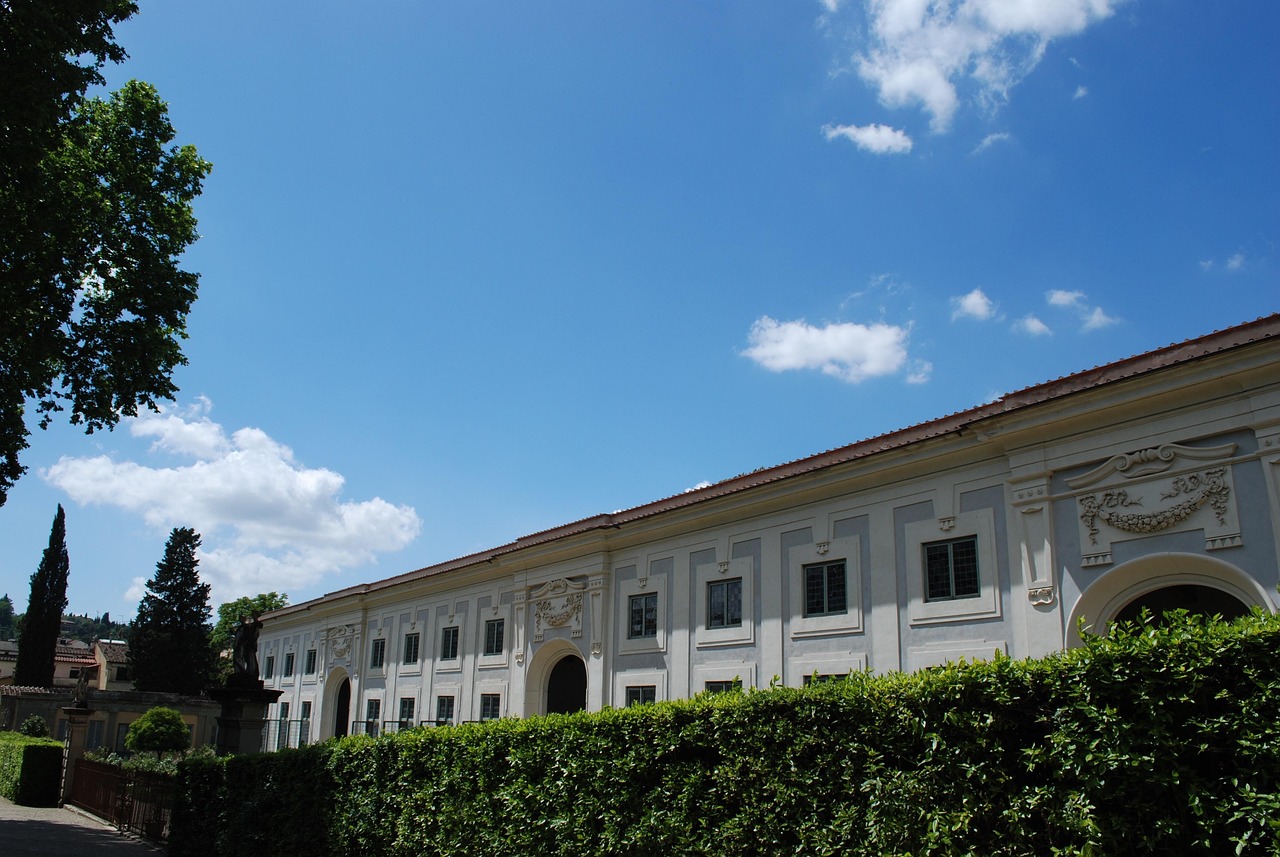
Tip: Wear comfortable shoes; the garden paths can be steep and gravelly. Mid-morning is ideal before it gets too hot in summer.
Lunch: Santo Spirito & Local Trattorie
Walk to Piazza Santo Spirito, one of my favorite squares in Florence. The façade of the church is plain, almost stark, but inside you’ll find works by Brunelleschi and others – and a cool, calm respite from the sun.
The square is ringed with cafés and trattorie. I like to sit under the trees with a plate of tagliere (a wooden board of cured meats, cheeses, crostini, and olives), watching locals meet for their lunch break. It’s a great place to try crostini toscani (chicken liver pâté toasts) and a glass of local red wine.
Afternoon: Artisan Workshops & Hidden Corners
Oltrarno is Florence’s artisan heart. Wander the backstreets around Via Maggio, Via Romana, and Via dei Serragli and look for small workshops: bookbinders, gilders, leatherworkers, wood carvers. Many welcome visitors if you step in respectfully.
One rainy afternoon, I ducked into a tiny workshop where an elderly man was restoring gilded picture frames. We ended up talking for half an hour in a mix of Italian and English about how tourism has changed the city. “Ma senza artigiani, Firenze non esiste,” he said – “Without artisans, Florence doesn’t exist.” Buying even a small item here helps keep those crafts alive.
Evening: Sunset at Piazzale Michelangelo
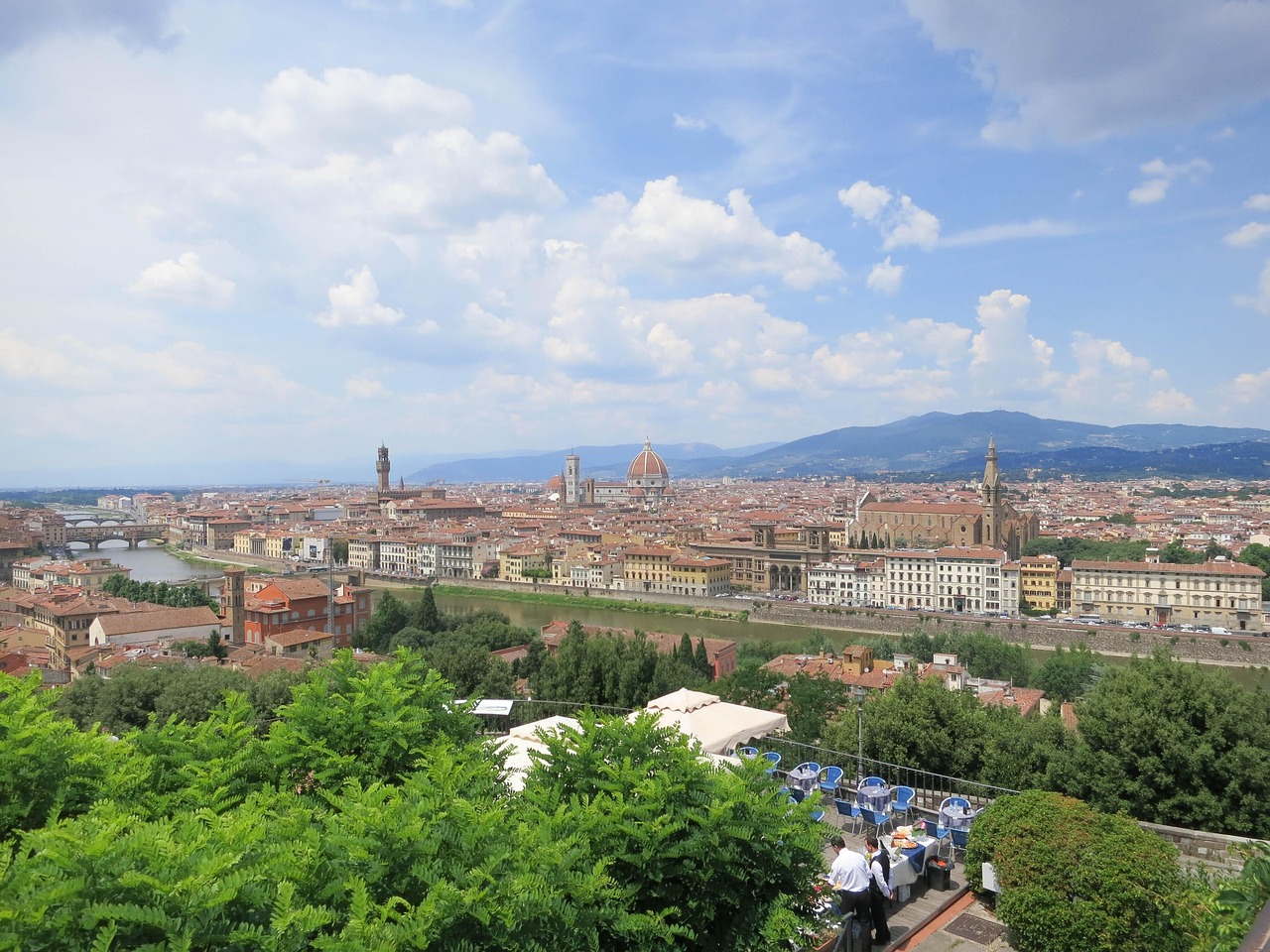
In the late afternoon, walk or take the bus up to Piazzale Michelangelo. Yes, it’s a classic tourist move. It’s also absolutely worth it. From here you get the iconic view: the Arno, Ponte Vecchio, the Duomo, and Santa Croce all lined up against the Tuscan hills.
On a warm June evening last year, I arrived about an hour before sunset with a takeaway pizza and a small bottle of Chianti (bought legally, discreetly enjoyed). A street musician was playing soft guitar, kids were chasing pigeons, and as the sky turned orange the entire crowd fell into a kind of collective hush. It sounds cliché, but it felt like the whole city took a breath together.
Walk a little further uphill to San Miniato al Monte, a serene Romanesque church with an even quieter viewpoint and, if you time it right, evening vespers sung by monks.
Romantic: This is one of the most romantic spots in Florence; bring a light jacket, even in summer, as the hilltop breeze can be cool.
Day 4 – Santa Croce, Markets & Food Culture
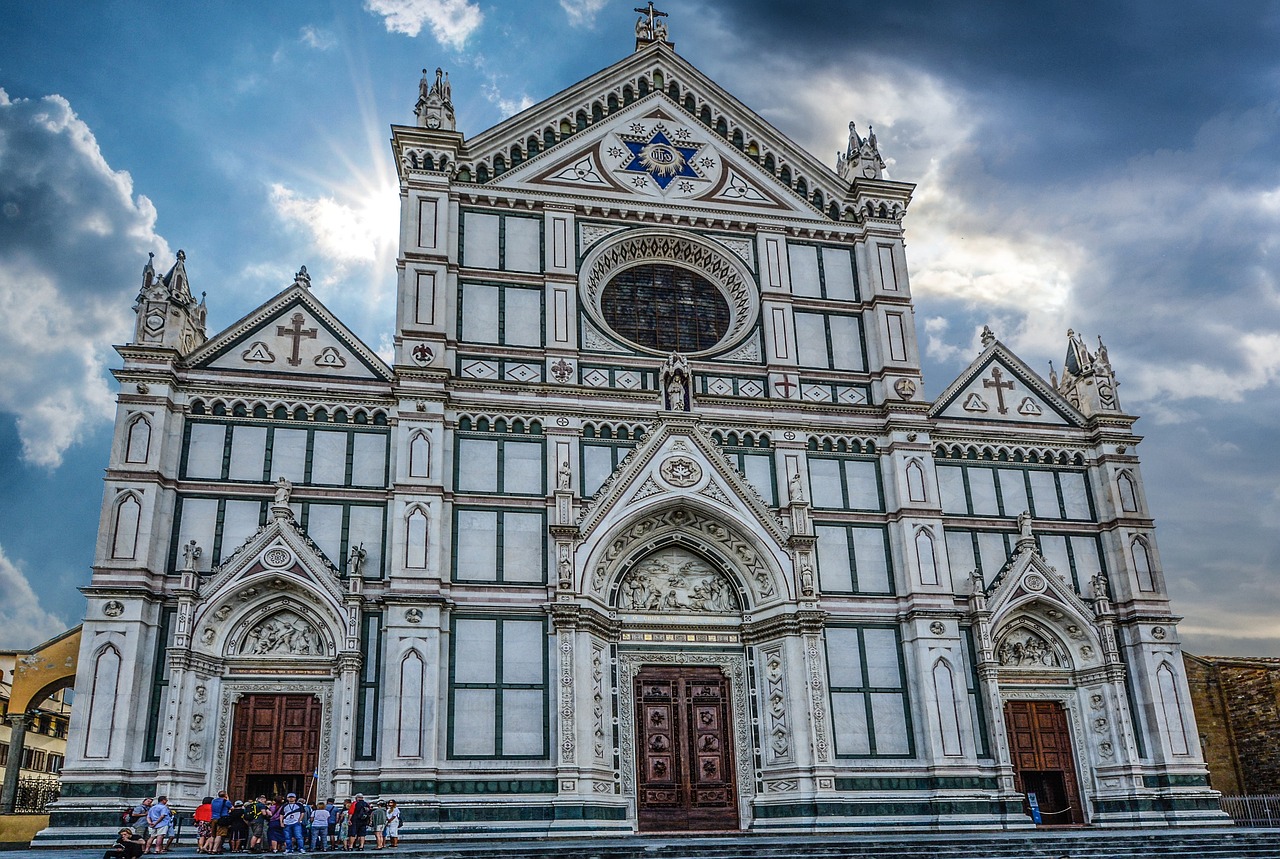
With the big icons checked off, Day 4 is about digging into neighborhoods, flavors, and history that many visitors rush past.
Morning: Basilica di Santa Croce – Stories in Stone
Santa Croce is sometimes called the “Temple of Italian Glories” because of the famous Italians buried here: Michelangelo, Galileo, Machiavelli, and many others. But beyond the names, it’s also a beautiful Gothic church with a vast, peaceful cloister.
On one visit, I joined a short guided tour and learned that Michelangelo’s tomb was designed by Vasari, with three sculpted figures representing Painting, Sculpture, and Architecture mourning his death. Standing there, surrounded by centuries of genius, I felt a strange mix of awe and intimacy – these were people who walked these same streets, argued in these same piazzas.
Behind the church, you’ll find leather workshops and schools; Santa Croce is also the city’s historic leather district. Quality varies, but if you’re looking for a well-made belt, bag, or wallet, this is a good area to browse.
Late Morning: Sant’Ambrogio Market – Everyday Florence
Walk a bit further east to Mercato di Sant’Ambrogio, my favorite market in Florence. Unlike Mercato Centrale, this one still feels mostly local. Elderly Florentines argue over the best tomatoes, vendors joke with regulars, and the smell of fresh herbs and cheese fills the air.
Inside, there are simple counters serving home-style dishes on plastic trays. I love grabbing a plate of trippa alla fiorentina (Florentine-style tripe in tomato sauce) or arrosto (roast meats) and eating shoulder-to-shoulder with market workers and nonnas. It’s cheap, authentic, and deeply satisfying.
Budget tip: Eating where market workers eat is almost always a safe bet for quality and price.
Afternoon: Cooking Class or Food Tour
Afternoons are perfect for a cooking class or food tour. Over the years, I’ve done everything from pasta workshops to full Tuscan menu classes. My favorite format is:
- Short walk through a market with a local guide learning how Florentines shop.
- Hands-on cooking of 2–3 dishes (often fresh pasta, a main, and a dessert).
- Shared meal with wine at the end.
In one 2025 class, our group included a couple from Canada, a solo traveler from Japan, and an Italian-American trying to reconnect with her roots. By the time we sat down to eat, we’d gone from strangers to friends arguing over whose pasta shapes were better. It’s a fun, social way to understand why food matters so much here.
Evening: Aperitivo Culture
Aperitivo is Italy’s answer to happy hour, and Florence does it well. Buy a drink (often €8–12) and you’ll get access to a spread of snacks: olives, bruschetta, small pasta dishes, salads. In some places it’s a light nibble; in others, it can almost replace dinner.
Around San Niccolò and Santo Spirito, you’ll find plenty of bars with a relaxed, local vibe. Order a Negroni (invented in Florence) or a glass of Tuscan wine, and linger as the sky darkens and conversations rise around you.
Day 5 – Churches, Hidden Gems & Free Time
Your final day is a choose-your-own-adventure: catch up on anything you missed, or dive into lesser-known spots. Here’s a flexible plan I often follow when I have a full 5 days in Florence.
Morning: Santa Maria Novella & Off-the-Radar Museums
Santa Maria Novella, just across from the main train station, is much more than a landmark commuters rush past. Its façade, with perfect geometric patterns, hides a gorgeous interior with works by Masaccio, Ghirlandaio, and others.
On a quiet weekday morning last February, I had the cloister almost to myself. The green-and-white striped arches created a kind of visual rhythm that made me forget I was steps from the busiest part of town.
Nearby, consider one of Florence’s smaller, often overlooked museums:
- Bargello Museum: A former prison now housing an incredible collection of sculpture, including works by Donatello and Michelangelo.
- Museo dell’Opera del Duomo: Home to the original doors of the Baptistery and many sculptures moved from the cathedral for protection.
Afternoon: Free Time, Shopping & Last Wanders
Use your last afternoon to wander without a strict plan. Some ideas:
- Browse independent bookstores and paper shops near Via del Parione.
- Pick up edible souvenirs (olive oil, cantucci biscuits, local wine) at a trusted enoteca.
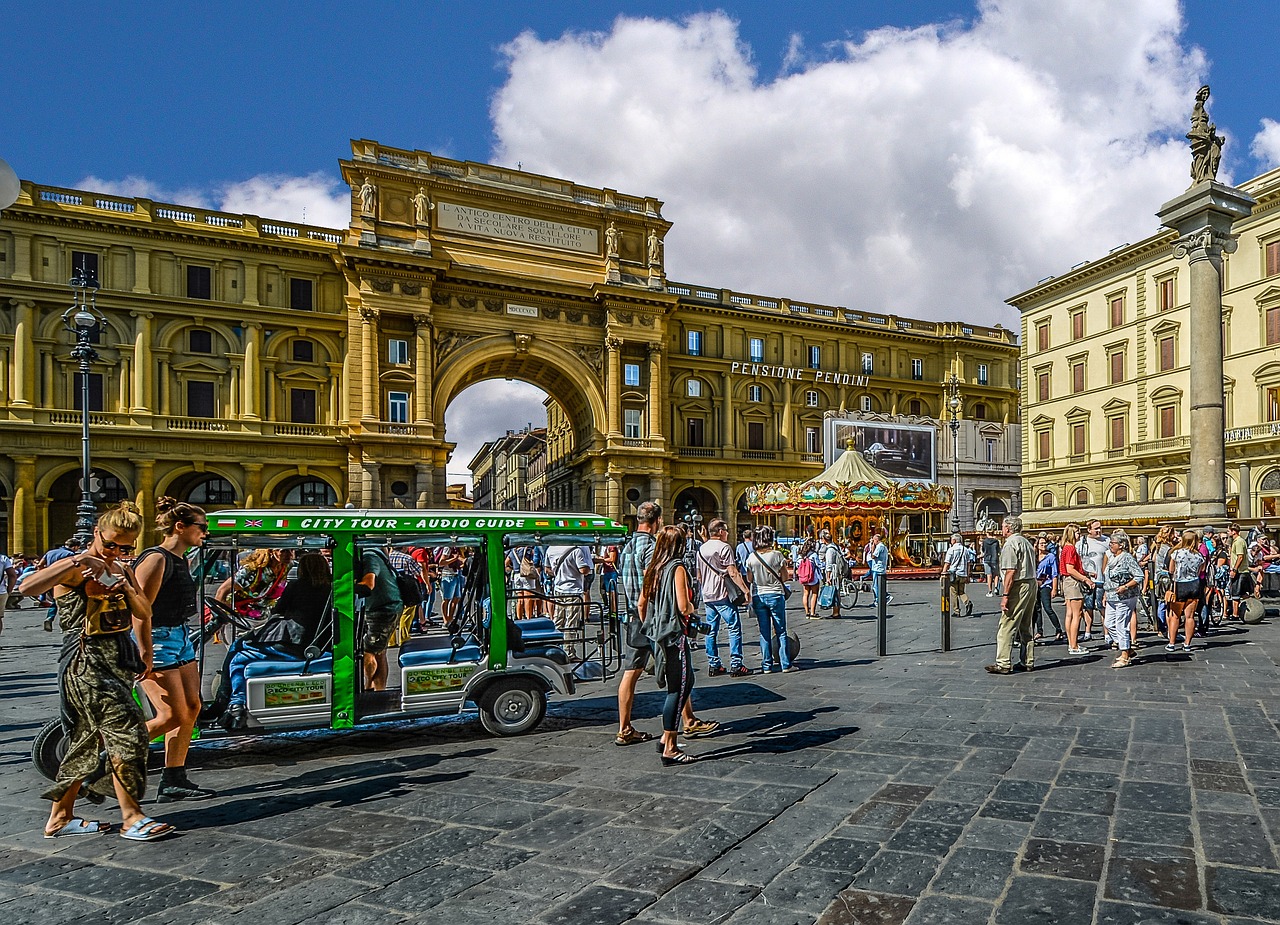
- Sit in Piazza della Repubblica with a coffee and people-watch.
One of my favorite rituals is to return to the Arno one last time, find a quiet spot on a low wall, and just sit. It’s in these unplanned moments that Florence often reveals herself most clearly: a couple arguing softly in Tuscan dialect, a bike rattling over cobblestones, the smell of bakeries preparing for the next morning.
Evening: Farewell Dinner
For your last meal, choose somewhere that feels a bit special but still local – a family-run trattoria where the owner might come out to chat. Order a full Tuscan spread if you can: antipasti, primo (pasta or soup), secondo (meat or fish), contorno (side dish), and dessert.
My go-to combination: crostini toscani, ribollita, bistecca alla fiorentina to share (Florentine T-bone steak, always ordered by weight and cooked rare), grilled vegetables, and cantuccini with vin santo to finish. Walk home slowly; Florence is even more beautiful on a full stomach.
20 Must-See Attractions in Florence (Deep Dives)
Here are twenty of the best places to visit in Florence, with history, significance, and personal tips. Many are woven into the itineraries above; this section lets you dive deeper and mix-and-match for your own travel guide for Florence.
1. Florence Cathedral (Duomo di Santa Maria del Fiore)
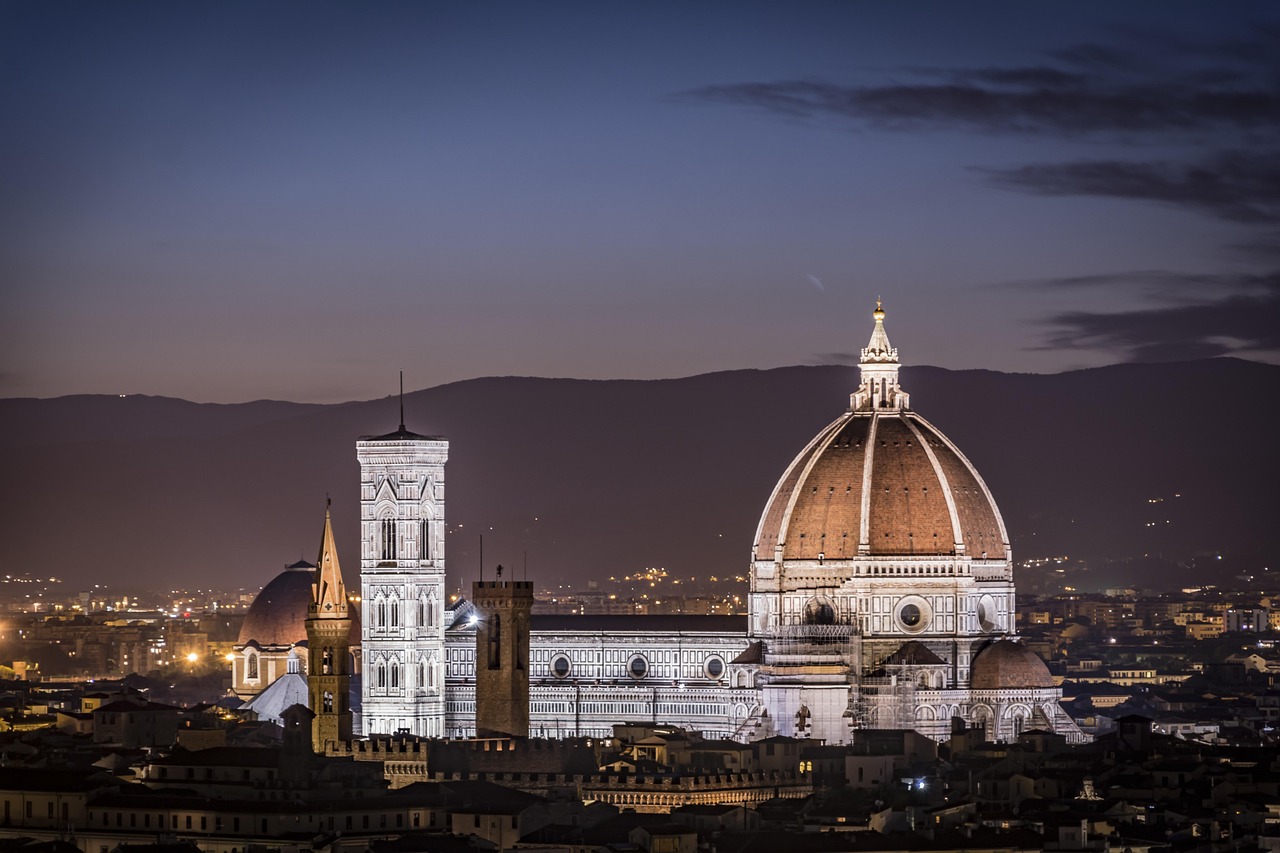
The Duomo is more than a church – it’s the city’s compass needle and symbol of Florentine stubbornness. Designed over centuries and crowned by Brunelleschi’s revolutionary dome in the 15th century, it signaled that Florence had the ambition (and money) to outshine rival cities.
Inside, the vast, relatively bare interior contrasts sharply with the busy façade. Look up to see Vasari’s Last Judgment fresco swirling across the dome; from below, the figures seem to tumble toward you.
My most vivid memory here is attending an early-morning Mass in winter. The cathedral was half-dark, lit mostly by candles and a few dim lamps. Tourists stayed by the door, but locals slipped quietly into pews. The priest’s voice echoed in the huge space, and for a moment, the Duomo felt small and personal rather than monumental.
Tips: Entry to the cathedral itself is free, but you pay for the dome, bell tower, and museum. Book dome climbs in advance; shoulders and knees should be covered.
2. Uffizi Gallery
The Uffizi started life as the Medici administrative offices (uffizi means “offices”) and evolved into one of the world’s first modern museums. It’s a powerful reminder that Renaissance art didn’t appear out of nowhere – it was funded and curated by powerful families with very specific tastes and ambitions.
Beyond the famous works, I love the long Vasari Corridor-style windows overlooking the city. On a stormy afternoon, I watched rain streak down the glass while the Arno churned below, and imagined 16th-century nobles scurrying between palaces along this elevated passage, invisible to the streets below.
Tips: Pre-book tickets; consider a short, focused guided tour if you’re not an art history buff. Use the café terrace for a quick break and a great view.
3. Accademia Gallery & Michelangelo’s David
The Accademia was built in part to house David when he was moved from Piazza della Signoria in the 19th century to protect him from weather and vandalism. Today, he stands under a custom dome of his own, lit naturally, surrounded by visitors who circle him like pilgrims around a shrine.
I’ll never forget watching an older Italian man stand in front of David and quietly cross himself. It wasn’t religious worship of the statue, but more an expression of gratitude for what human hands can create.
Tips: Time your visit for late afternoon to avoid the biggest crowds. Don’t skip the “Prisoners” – they give real insight into Michelangelo’s process.
4. Ponte Vecchio
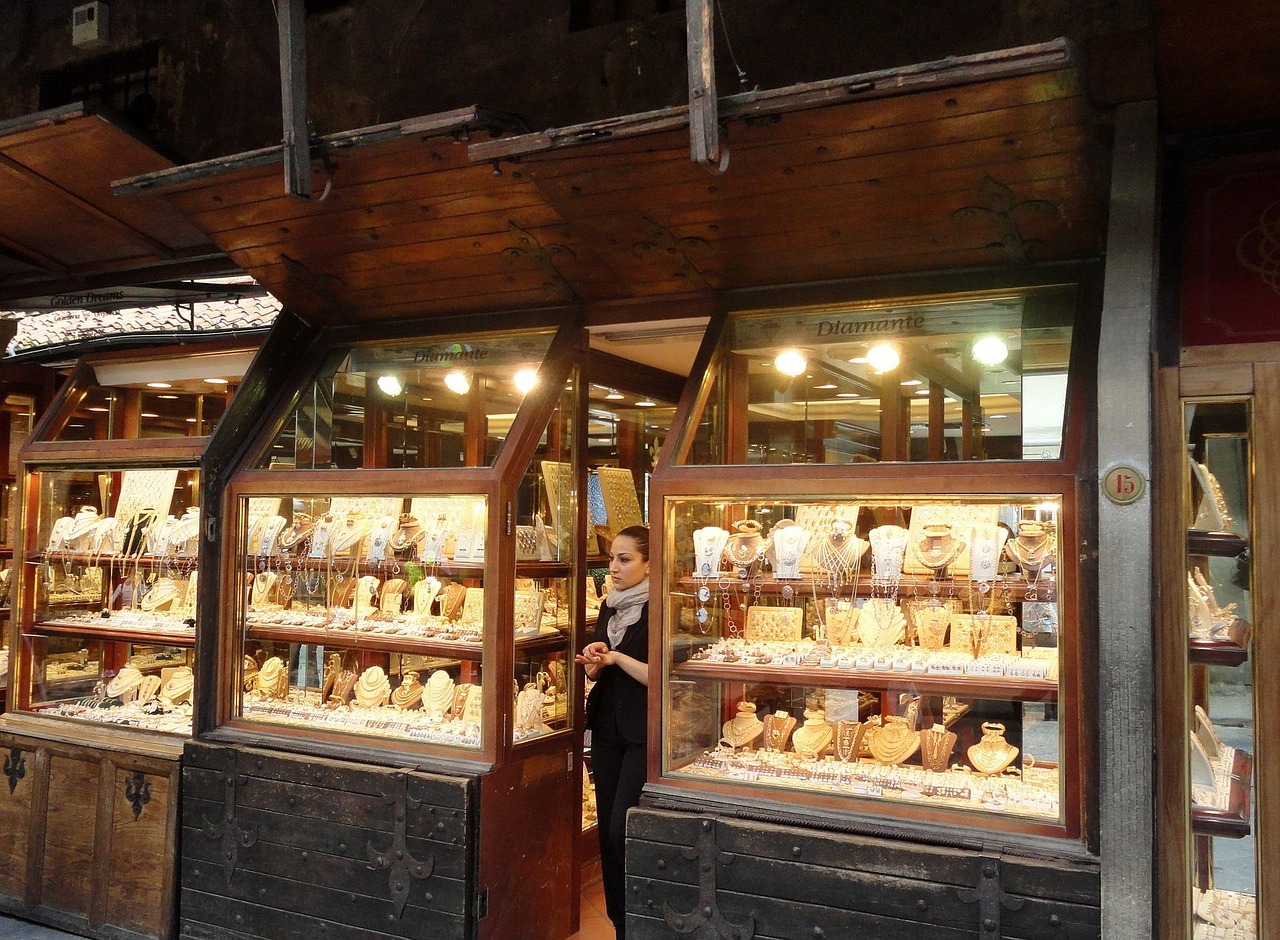
The only bridge in Florence to survive World War II bombings intact, Ponte Vecchio has carried everything from butchers to jewelers over the centuries. Today, it’s lined with gold and jewelry shops that glow warmly at night.
In high season, it can feel like a crush of bodies and selfie sticks. My trick is to walk it early in the morning, when shop shutters are still down, and then admire it from Ponte Santa Trinita at golden hour.
Family-friendly: Kids love looking at the displays of watches and jewelry; it’s like a glittering treasure row.
5. Piazzale Michelangelo
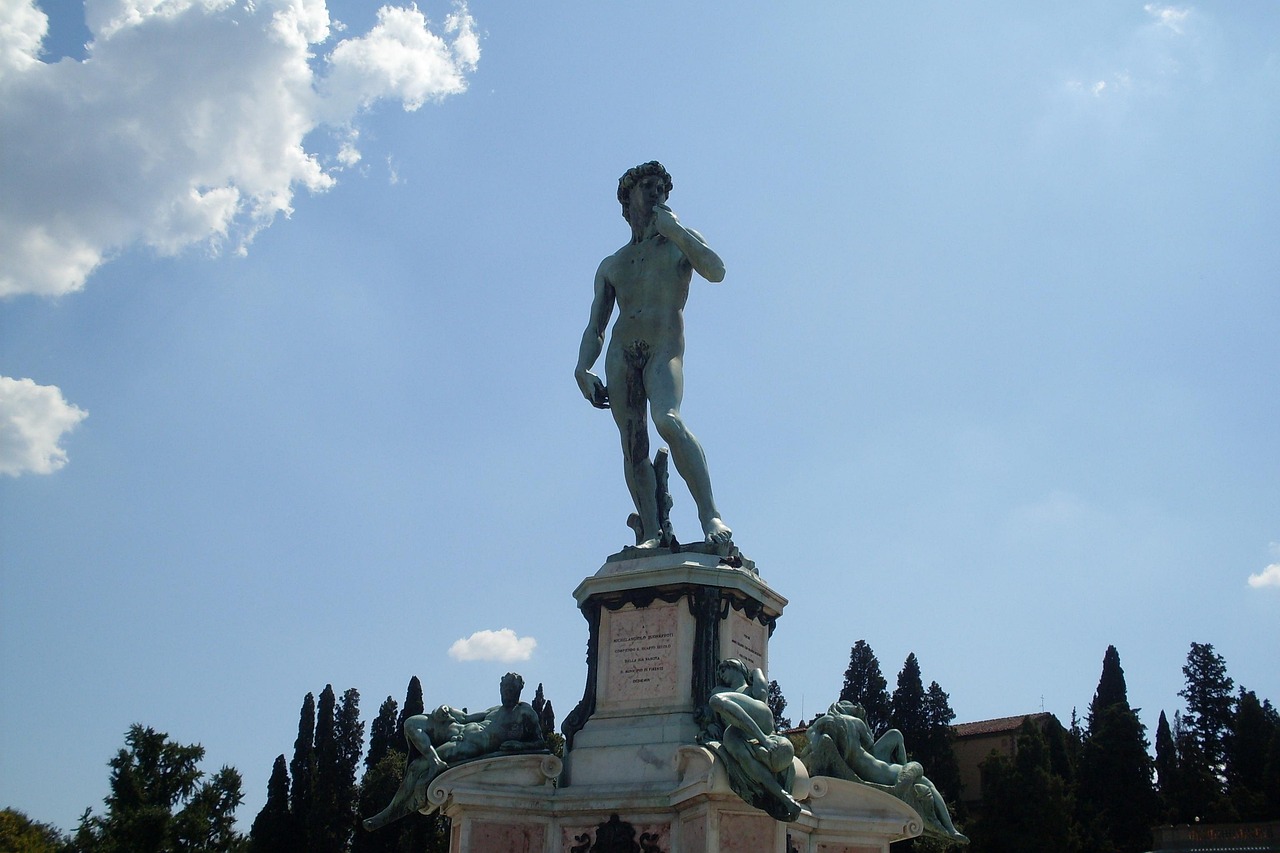
Piazzale Michelangelo is a 19th-century terrace built specifically to give visitors a sweeping view of Florence, complete with a bronze replica of David. It’s unabashedly theatrical, and locals grumble about the crowds – but many of us still sneak up here on quiet winter days.
On one cold January evening, I watched thick fog roll in from the hills and slowly swallow the city; the Duomo’s dome disappeared last, like the final candle snuffed out on a stage.
Tips: Walk up via the scenic stairways through the Giardino delle Rose (Rose Garden), or take bus 12 or 13. Bring a light layer; it’s cooler up here.
6. Boboli Gardens
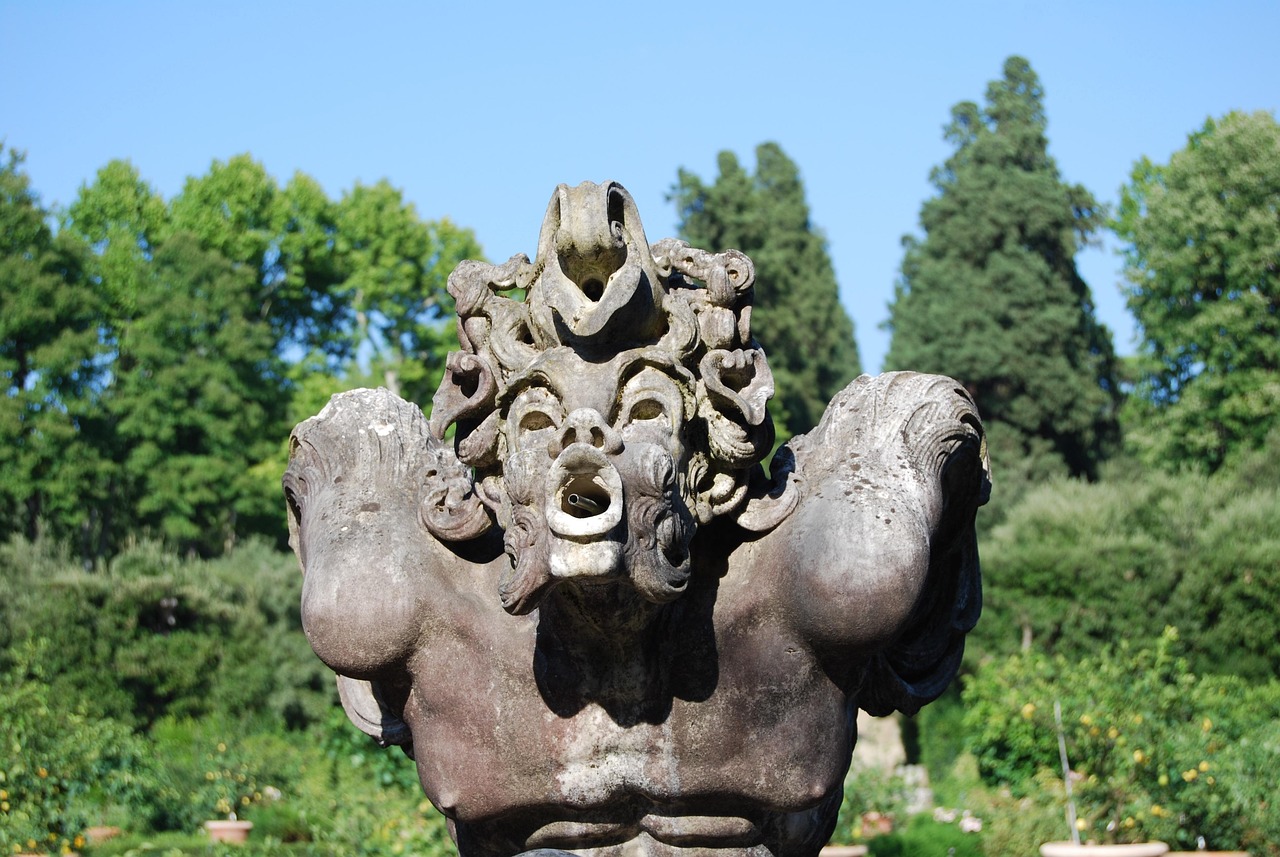
The Giardino di Boboli behind Pitti Palace is a textbook example of an Italian Renaissance garden: structured, terraced, and studded with fountains and statues. Built largely in the 16th and 17th centuries, it was the Medici’s backyard – and a model for later European gardens, including Versailles.
Wandering its paths, you’ll find shady corners that feel surprisingly wild given you’re within city limits. I like to bring a book and settle on a bench overlooking the city, with the occasional peacock strutting past.
Tips: Good for hot days; bring water and a hat. The combined ticket with Pitti Palace is usually the best value.
7. Pitti Palace
Pitti Palace was originally built for the Pitti family, rivals of the Medici, before the Medici bought it (poetic justice) and turned it into their main residence. Today, its brick bulk dominates the Oltrarno side of the river.
Inside, the Palatine Gallery packs masterpieces into heavily decorated rooms. On one visit, I found myself almost alone in a room with Raphael’s portraits; the combination of gilded frames, silk walls, and quiet made me feel like I’d slipped into a different century.
Tips: Choose one or two museums within the complex rather than trying to see everything; it’s easy to get overwhelmed.
8. Basilica di Santa Croce
Santa Croce has stood since the 13th century as the Franciscan heart of Florence. Its façade is 19th-century neo-Gothic, but inside you’ll find medieval frescoes, tombs, and chapels funded by powerful families.
A personal favorite is the Pazzi Chapel in the cloister, designed by Brunelleschi. It’s a small, perfectly proportioned space where mathematics and spirituality seem to merge. I once sat there through a sudden thunderstorm, the sound reverberating softly through the dome.
Tips: Combine a visit here with time in the leather district and Sant’Ambrogio Market.
9. Santo Spirito & Oltrarno
The Church of Santo Spirito is a Brunelleschi design, austere on the outside, harmonious inside. Its neighborhood is one of the most lived-in parts of central Florence.
On summer nights, Piazza Santo Spirito fills with students, families, and the occasional street musician. I’ve lost count of the evenings I’ve passed here over a spritz, watching kids run in loops while parents talk at nearby tables.
Tips: Great base area for accommodation if you want a more local vibe and vibrant nightlife without wild crowds.
10. Santa Maria Novella
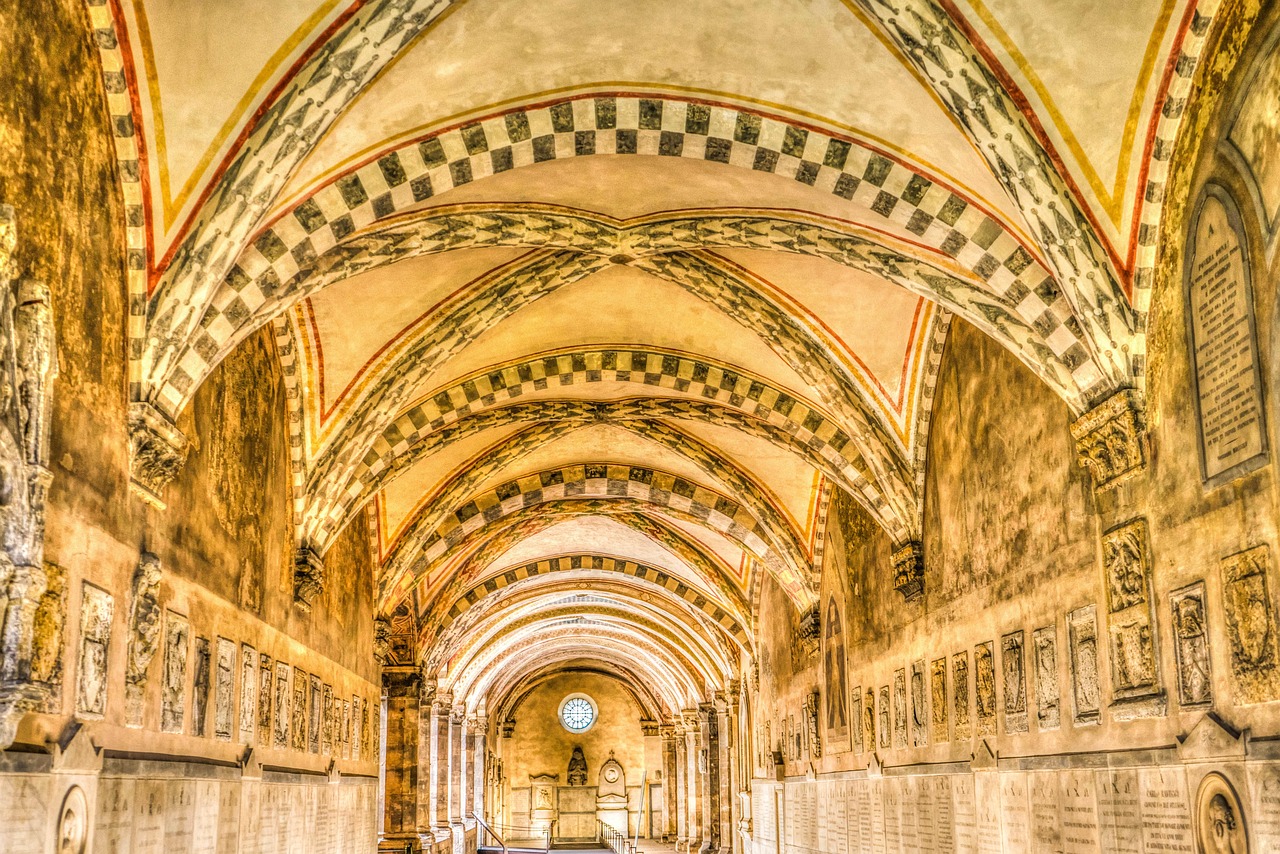
Santa Maria Novella’s striking façade harmoniously blends Gothic and Renaissance elements. Inside, Masaccio’s Trinity is one of the first works to use linear perspective convincingly – a game-changer in art history.
Just next door is the historic Officina Profumo-Farmaceutica di Santa Maria Novella, one of the world’s oldest pharmacies. Walking in feels like entering a chapel of scent, with frescoed ceilings and shelves of perfumes and herbal remedies. I still wear a simple cologne I first sampled there years ago; every time I put it on, I’m back in Florence for a second.
Tips: Good rainy-day combo: church + pharmacy + a café nearby.
11. San Miniato al Monte
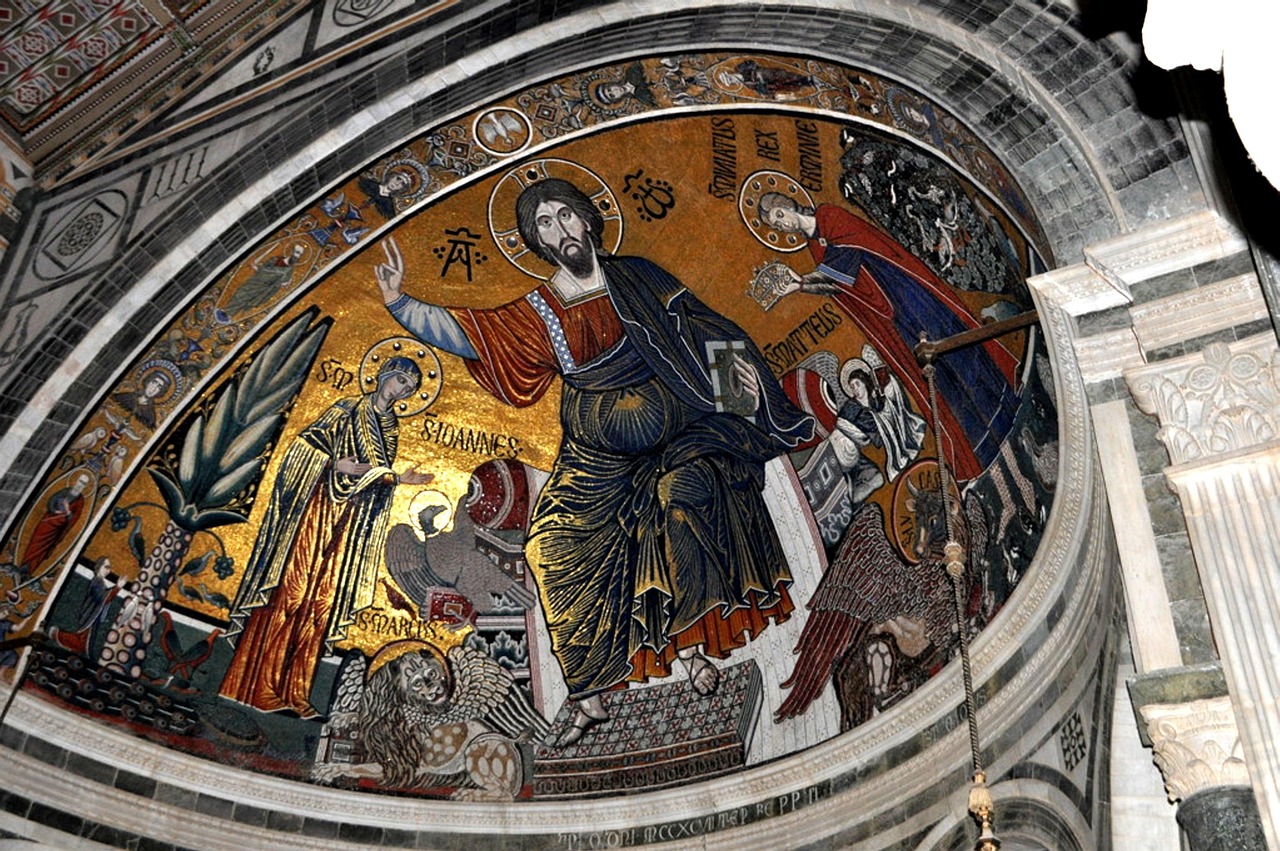
This Romanesque church, older than the Duomo, sits above Piazzale Michelangelo, watching over the city. Its black-and-white marble façade glows at sunset, and the views from its terrace are arguably better than from the piazzale itself – and much quieter.
My favorite moment here was stumbling into evening vespers. The monks’ chants filled the dimly lit church, and for half an hour, even the restless tourists sat still.
Tips: Combine with a sunset visit to Piazzale Michelangelo; check times for vespers if you’d like to experience them.
12. Sant’Ambrogio Market
Sant’Ambrogio is where you feel the everyday rhythm of the city. Farmers from around Florence bring in produce, butchers shout orders, and locals do their weekly shopping.
Here, I learned the difference between supermarket olive oil and the cloudy, peppery liquid gold that comes from small Tuscan producers. A vendor insisted I taste three varieties on a piece of bread before I chose one to take home; I still remember the warmth in the back of my throat from the freshest bottle.
Tips: Go in the morning for the liveliest atmosphere. Closed afternoons and Sundays.
13. Mercato Centrale
Mercato Centrale’s iron-and-glass structure dates from the late 19th century, but the upper-floor food court is entirely modern. It’s a great place to sample different Tuscan dishes and international twists in one go.
On a recent visit, I shared a table with a group of Florentine office workers on their lunch break. They complained about rising rents and tourism, but when my pasta arrived, one of them leaned over to approve my choice with a nod: “Brava, quello è buono.” Little moments of local validation always make my day.
Tips: Ideal for groups with mixed tastes; everyone can order from different stalls and sit together.
14. Piazza della Signoria
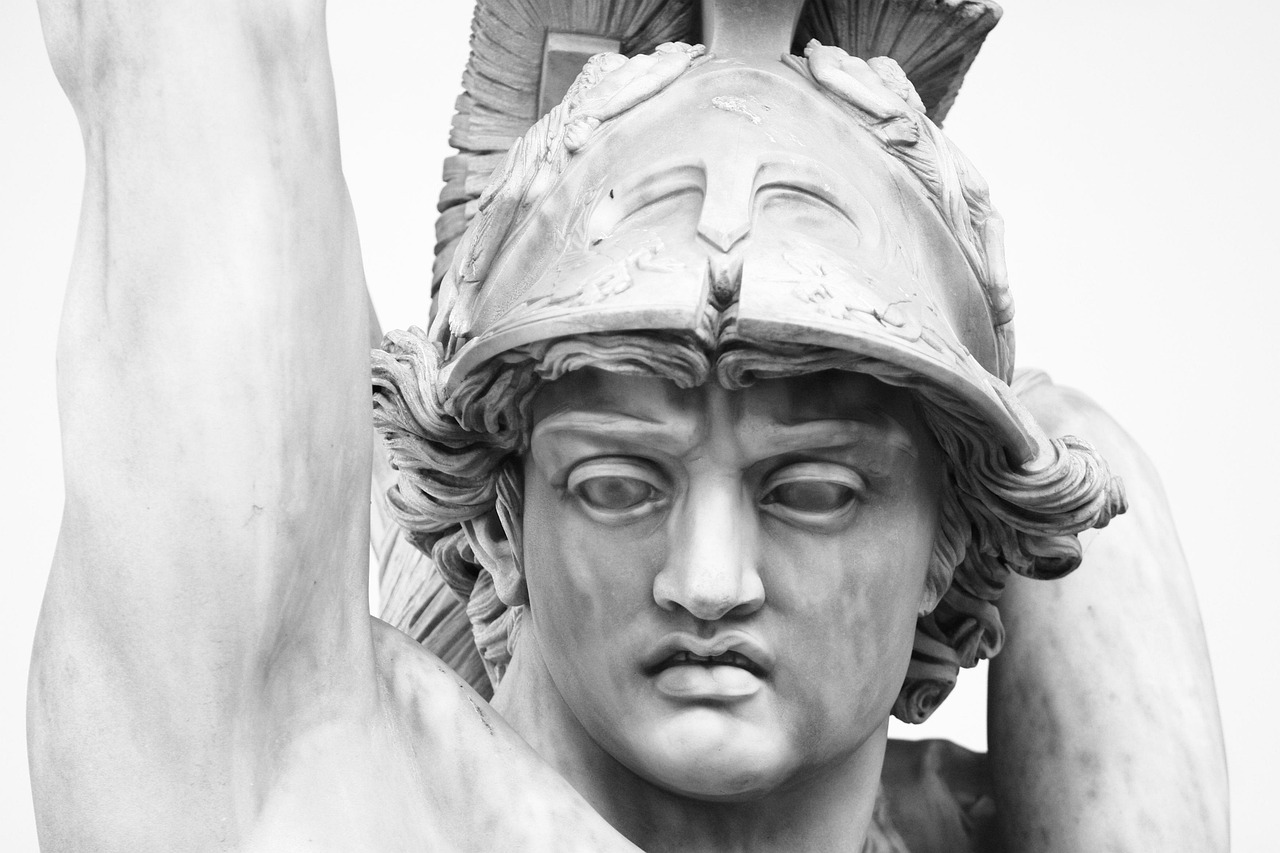
More than a square, this was the center of Florentine political life for centuries. Here, Savonarola’s bonfires burned “vanities,” and later, his own body. Here, the republic celebrated victories and mourned losses.
The open-air Loggia dei Lanzi functions as a free sculpture gallery. I love sitting on its steps, watching tour groups blur past while Perseus holds Medusa’s head aloft above them. The juxtaposition of hurried modern life and frozen myth is pure Florence.
Tips: Come early in the morning or late at night to experience the square with fewer people.
15. Bargello Museum
The Museo Nazionale del Bargello is a dream for sculpture lovers and a calm refuge from the bigger museums. Once a prison, it now holds masterpieces by Donatello (including his bronze David), Michelangelo, and others.
The courtyard, with its coats of arms and arches, is one of my favorite spots to take a breather in the city. On a hot day, it’s shaded and surprisingly cool.
Tips: Often overlooked, so usually less crowded; great for a quieter museum afternoon.
16. Museo dell’Opera del Duomo
This museum holds original artworks and architectural elements from the cathedral complex, moved indoors to protect them. The reconstructed façade wall with the original Baptistery doors and sculptures gives you a sense of how the Duomo once looked up close.
Standing in front of Ghiberti’s original “Gates of Paradise” doors, I felt more moved than when I saw the replicas outside – here, you can approach them without weathering and crowds, and see the incredible detail of each panel.
Tips: Combine with your Duomo ticket; excellent for understanding the cathedral’s story.
17. San Lorenzo & Medici Chapels
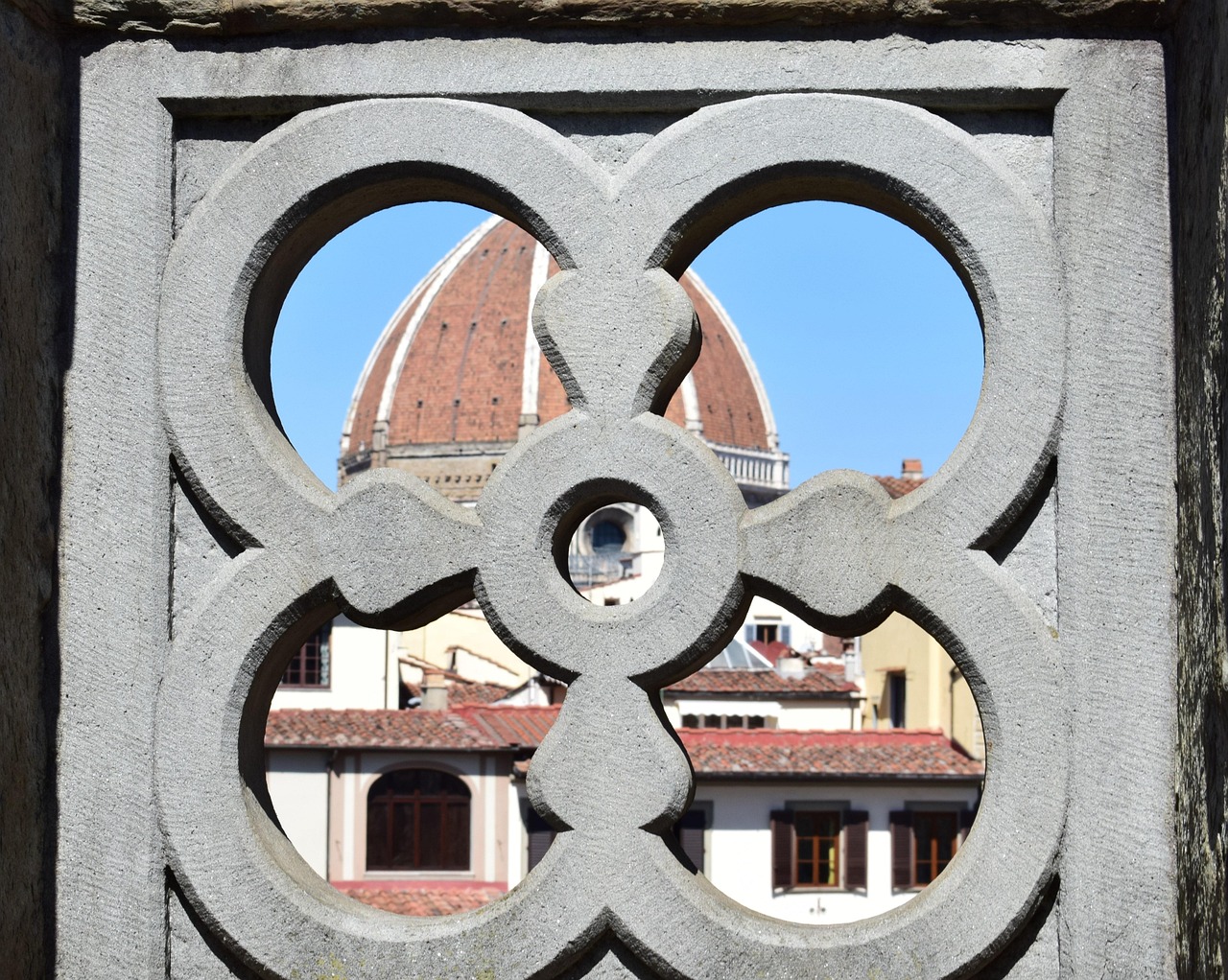
The Medici Chapels behind San Lorenzo church are monumental reminders of the family that shaped Florence’s destiny. Michelangelo designed some of the tombs, including the famous allegorical figures of Dawn, Dusk, Night, and Day reclining on sarcophagi.
In the Cappella dei Principi, the opulence almost tips into excess: colored marbles, semi-precious stone inlays, and a vast dome. It’s a striking contrast to the simple, unfinished façade of San Lorenzo itself.
Tips: Good to pair with Mercato Centrale (they’re close by).
18. Santa Trinita & Fashion District
The modest Santa Trinita church hides beautiful Sassetti Chapel frescoes by Ghirlandaio, including scenes of Florence itself in the background. Step outside, and you’re at the edge of Florence’s luxury shopping district, with designer boutiques on Via de’ Tornabuoni.
On one December trip, I wandered through here under Christmas lights strung between palaces, the shop windows transformed into theatrical sets. Even if you’re not shopping, it’s an atmospheric stroll.
Tips: Combine with a walk over Ponte Santa Trinita for great river views.
19. San Marco & Fra Angelico Frescoes
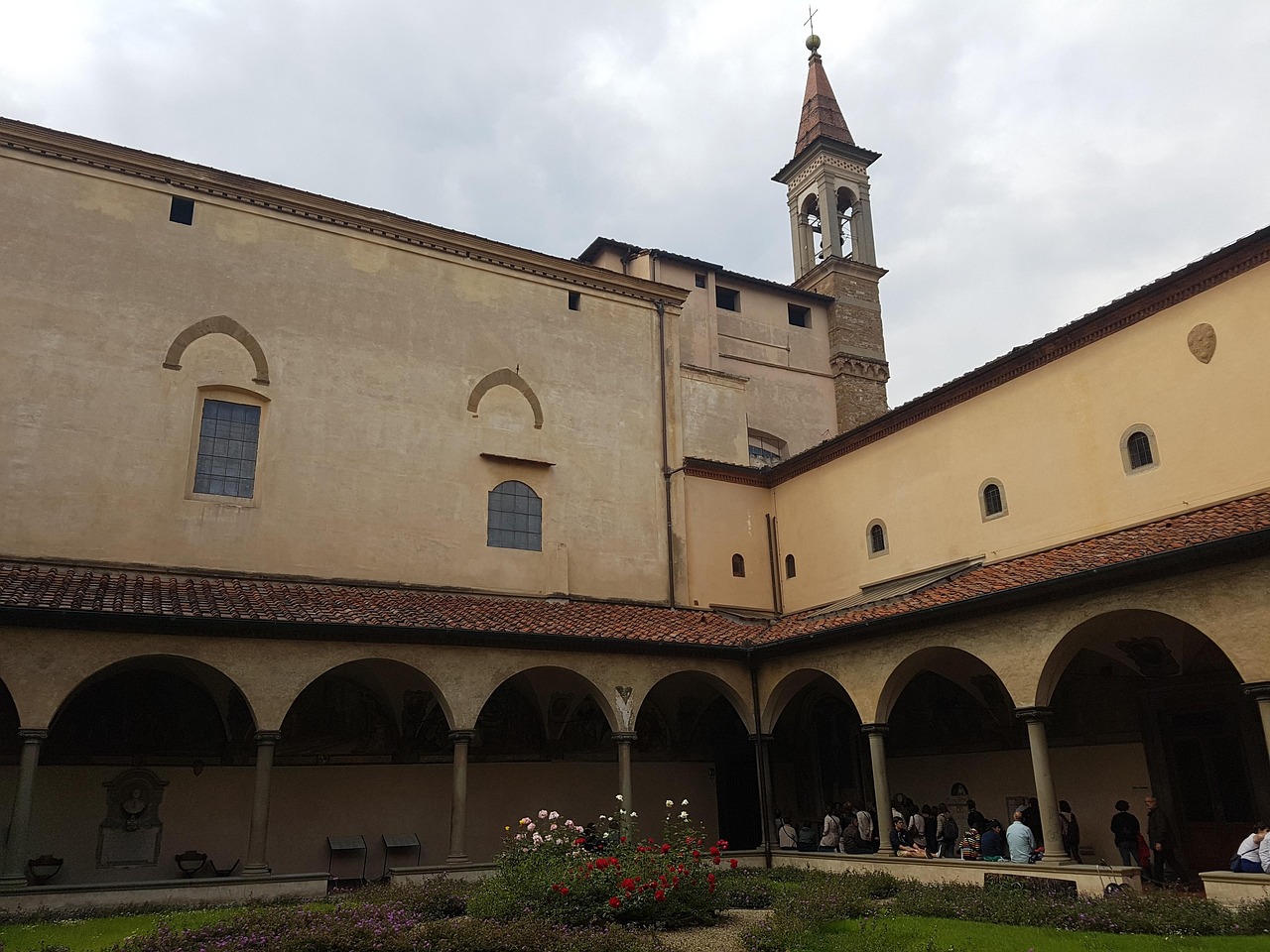
The former Dominican convent of San Marco houses serene frescoes by Fra Angelico in each monk’s cell. Walking through the corridors feels like entering a peaceful, painted labyrinth.
I once visited on a rainy weekday and had several cells to myself. Sitting on the narrow wooden benches, I imagined the monks who once sat here in silence, using these images as tools for meditation. It’s one of the most contemplative corners of Florence.
Tips: Near the Accademia; consider pairing the two on one day.
20. Vasari Corridor & New Openings (Check 2026–2027)
The Vasari Corridor is an elevated passage built in the 16th century to allow the Medici to move between Palazzo Vecchio and Pitti Palace without going through the streets. After being closed for years for restoration and safety work, parts of it are in the process of reopening with controlled visits (check the latest for 2026–2027).
If you’re able to book a visit during your trip, it offers a unique perspective on the city and a chance to literally walk in the footsteps of its rulers.
Tips: Tickets are limited and often tied to guided tours; plan well ahead.
Neighborhoods & Areas to Explore in Florence
Florence’s historic center is compact, but each area has its own flavor. Understanding the neighborhoods helps you choose where to stay and what vibe to expect.
Duomo & Centro Storico
This is the core, wrapped around the Duomo, Piazza della Signoria, and Via dei Calzaiuoli.
- Best for: First-time visitors, short stays, those who want to walk to all must-see attractions in Florence.
- Vibe: Busy, tourist-heavy by day, quieter at night except around main piazzas.
- Pros: Maximum convenience; everything is close.
- Cons: Higher prices, more noise, fewer truly local spots.
Oltrarno, Santo Spirito & San Niccolò
On the “other” side of the Arno, these areas have become my go-to base over the years.
- Best for: Couples, longer stays, those seeking hidden gems in Florence and a more local feel.
- Vibe: Bohemian, artisan, lively at night but more neighborhood than nightclub.
- Pros: Great restaurants, artisan shops, easy access to viewpoints.
- Cons: Slightly longer walks to some museums; some hilly streets.
Santa Croce & Sant’Ambrogio
East of the Duomo, this area blends student life, markets, and local bars.
- Best for: Food lovers, night owls, budget-conscious travelers.
- Vibe: Energetic, slightly scruffy in places, very authentic.
- Pros: Sant’Ambrogio Market, excellent trattorie, lower prices.
- Cons: Can be noisy at night on some streets.
Santa Maria Novella & Train Station Area
Close to the main train station, this area is practical and increasingly polished.
- Best for: Short stays, day-trip heavy itineraries, business travel.
- Vibe: Mixed: some elegant streets, some more functional.
- Pros: Easy arrivals/departures; good base for day trips.
- Cons: Less charm in immediate station surroundings; watch your belongings at night.
San Lorenzo & Mercato Centrale
Clustered around the basilica and market, this area mixes stalls, leather shops, and budget hotels.
- Best for: Budget travelers, foodies who want market access.
- Vibe: Busy by day with market stalls; quieter at night.
- Pros: Great food options, central location.
- Cons: Some streets feel very tourist-oriented; check reviews for noise.
Local Food in Florence – What to Eat & Where
Florentine cuisine is rustic, hearty, and rooted in cucina povera – “poor” cooking that makes the most of simple ingredients. Forget complicated sauces; think grilled meats, beans, bread, olive oil, and seasonal vegetables.
Must-Try Dishes
- Bistecca alla Fiorentina: Huge T-bone steak from local Chianina cattle, grilled rare over coals, usually shared between two or more. Don’t ask for it well done; you’ll break your server’s heart.
- Ribollita: Thick bread and vegetable soup (kale, beans, carrots), reheated (“reboiled”) for extra flavor. Perfect in autumn and winter.
- Pappa al Pomodoro: Tomato and bread soup with garlic and basil – simple, comforting, and surprisingly rich.
- Pappardelle al Cinghiale: Wide ribbons of pasta with wild boar ragu, especially good in cooler months.
- Crostini Toscani: Toasts topped with chicken liver pâté; a classic starter.
- Trippa & Lampredotto: Offal dishes beloved by locals; lampredotto (fourth stomach of the cow) is typically served in a sandwich from street trucks.
- Cantuccini & Vin Santo: Almond biscuits dipped in sweet dessert wine.
- Gelato: Florence has some excellent gelaterie; look for muted colors and metal tubs (not piled-high neon mounds).
Where to Eat – Personal Favorites
Restaurant scenes change quickly, but here are the types of places I return to again and again (names kept general to avoid promoting specific businesses that may change):
- Traditional Trattorie in Oltrarno: Around Santo Spirito and San Frediano, you’ll find low-key spots serving excellent ribollita, grilled meats, and homemade desserts. Look for handwritten menus and mostly Italian being spoken.
- Wine Bars (Enoteche): Scattered across Santa Croce and near the Duomo, great for cured meat boards, cheeses, and tasting Tuscan wines by the glass.
- Street Food Stands: Lampredotto trucks near markets or busy squares; panini shops with short menus and long lines of locals.
- Markets: Mercato Centrale (upstairs) and Sant’Ambrogio (simple counters) for budget-friendly, authentic meals.
Money-saving tricks I use:
- Have your main meal at lunch when many places offer set menus.
- Stand at the bar for coffee; sitting often costs extra.
- Order house wine (vino della casa) – it’s usually local and good value.
- Share a big steak or antipasti board rather than ordering multiple mains.
Nightlife, Entertainment & Cultural Experiences in Florence
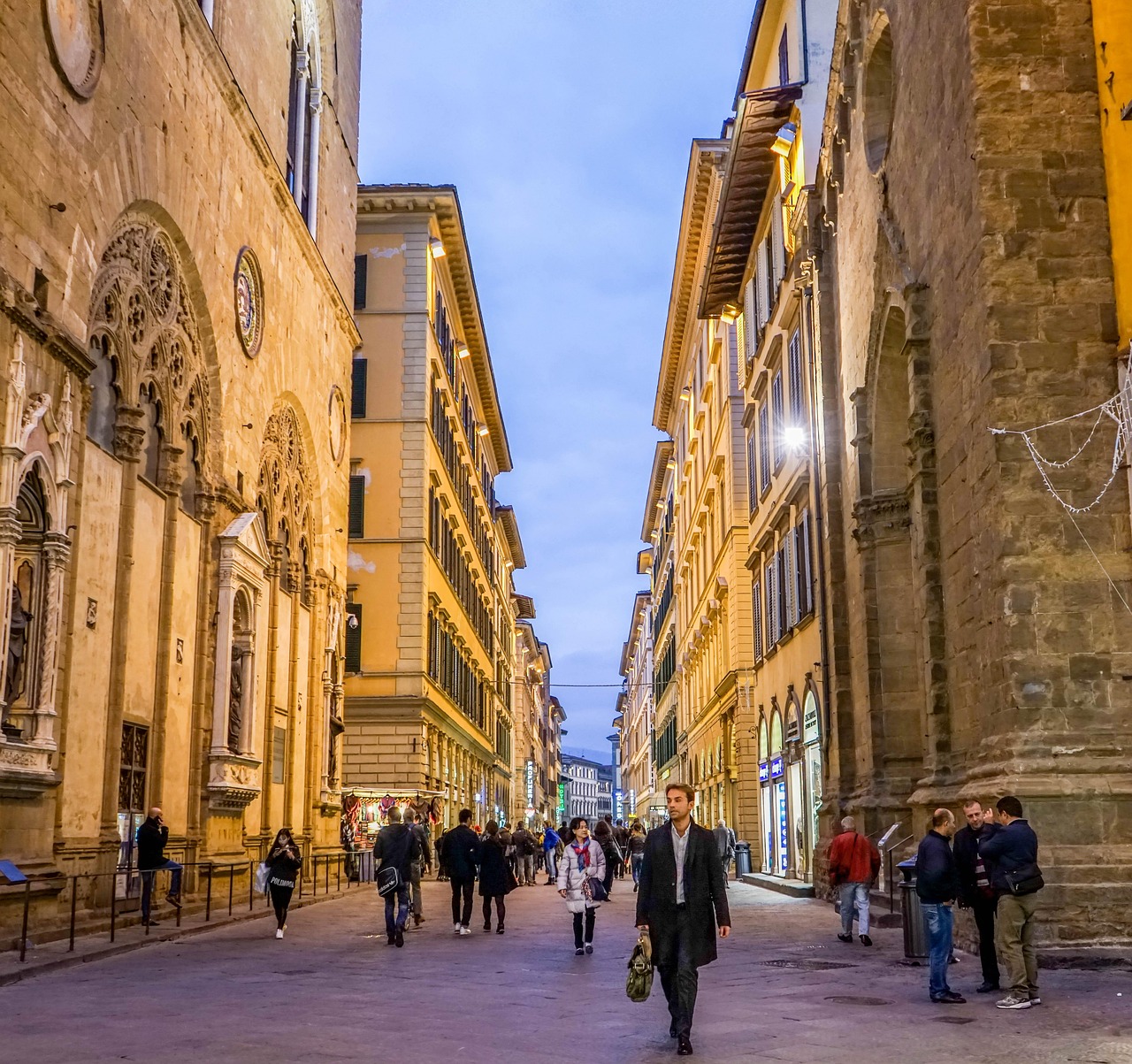
Florence isn’t a wild party city like some European capitals, but it has a rich evening life centred on food, wine, and culture.
Aperitivo & Wine Bars
From 6–8 p.m., aperitivo is the main event. In Oltrarno and Santa Croce, bars set out spreads of snacks ranging from simple olives and chips to generous buffets.
Some of my fondest evenings have been spent in tiny wine bars with only a handful of stools, chatting with owners about their favorite Tuscan vineyards and discovering new grapes like Colorino or Canaiolo blended into Chianti.
Live Music & Performances
- Classical & Opera: Small churches and venues often host evening concerts; look for posters near Santa Croce and Santo Spirito.
- Jazz & Contemporary: A handful of clubs around Oltrarno and Santa Croce host live bands, particularly on weekends.
Theater & Cinema
Florence has several historic theaters with regular programming, from Italian plays to dance and occasional English-language performances. In summer, open-air cinema screenings sometimes pop up in squares.
Family-Friendly Evenings
For families, evening gelato walks, carousel rides in Piazza della Repubblica, and riverfront strolls are simple but memorable. Many restaurants welcome children, especially if you come on the early side of Italian dinner time (around 7:30 p.m.).
What’s New: Events & Festivals in Florence (2026–2027)
Florence’s calendar blends centuries-old traditions with modern cultural events. For 2026–2027, expect continuity with a few new twists and rotating exhibitions.
- Scoppio del Carro (Explosion of the Cart) – Easter 2026 & 2027: A centuries-old ritual where a cart packed with fireworks is ignited by a mechanical dove launched from the Duomo. Crowded but unforgettable; arrive early to get a good spot in Piazza del Duomo.
- Calcio Storico Fiorentino – June 2026 & 2027: Historical football matches in Piazza Santa Croce featuring teams from Florence’s four historic districts. It’s rough, loud, and very local. Tickets sell out quickly; not ideal for very young children.
- Firenze Rocks & Summer Music Festivals (June–July): Large concerts at venues like the Visarno Arena, featuring international artists. Check 2026 line-ups closer to your trip.
- Art Exhibitions 2026–2027: The Uffizi, Pitti, and other museums rotate special exhibitions annually, often focusing on specific artists or themes (e.g., lesser-known Renaissance painters, Medici women, contemporary dialogues with classical art). Check official museum websites for the latest.
- Florence Biennale (Art & Design): Contemporary art and design showcase that often falls in autumn; 2026–2027 editions are expected to expand international participation.
- Christmas Markets & Winter Lights (Dec 2026 & 2027): Festive markets in squares like Santa Croce, plus light installations projected on buildings in the historic center.
Day Trips from Florence
Once you’ve covered the main things to do in Florence, it’s easy to explore Tuscany without changing hotels.
Pisa
Travel time: About 1 hour by regional train from Firenze SMN.
Highlights: Leaning Tower, Cathedral, Baptistery, and a compact historic center. It’s an easy half-day or full-day trip; go early to dodge some of the day-tour crowds.
Siena
Travel time: 1.5–2 hours by bus (usually more direct than train).
Highlights: Shell-shaped Piazza del Campo, Siena Cathedral’s intricate interior, medieval streets. Siena feels like Florence’s moody cousin; I love spending a full day here.
Chianti Wine Region
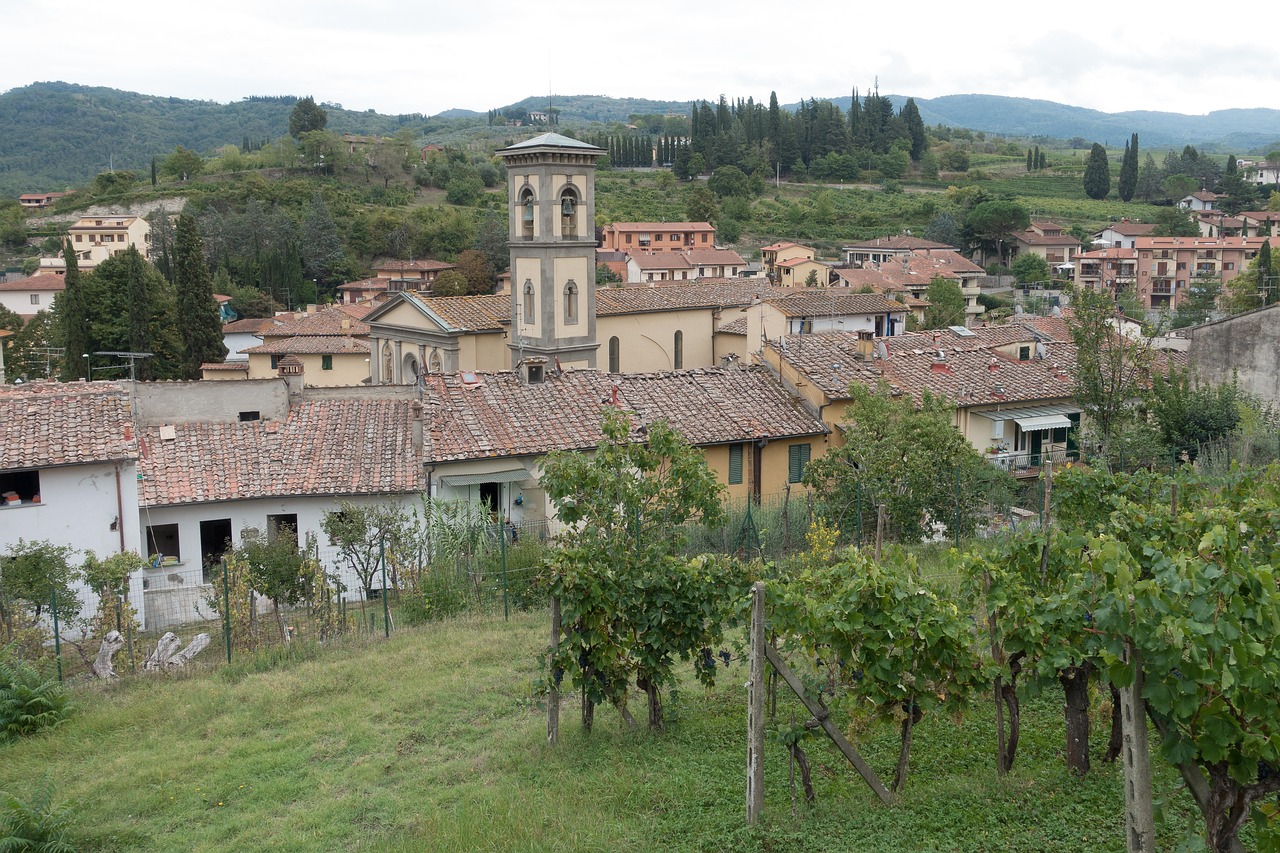
Travel time: 30–60 minutes by car or organized tour.
Highlights: Rolling vineyards, wine tastings at family-run wineries, small towns like Greve in Chianti. Ideal for a romantic or foodie day out; don’t drink and drive – join a tour or hire a driver.
Lucca
Travel time: 1.5 hours by train.
Highlights: Encircling Renaissance walls you can walk or cycle on, quiet streets, and a relaxed vibe. Great for families and those wanting a slower pace.
Local Customs & Cultural Etiquette in Florence
Florentines are generally warm but reserved. A little cultural awareness goes a long way.
- Greetings: A simple “Buongiorno” (good day) or “Buonasera” (good evening) when entering shops or cafés is appreciated.
- Coffee Etiquette: Cappuccino is typically a breakfast drink; locals rarely order milky coffee after about 11 a.m. Espresso is just “un caffè”. Pay at the register first if there’s a cashier, then show the receipt at the bar.
- Restaurants: Table service is slower by design; meals are social events. You won’t be rushed out, but you may need to ask for the bill (“Il conto, per favore”) when you’re ready.
- Dress: Smart casual is common; avoid beachwear in the city center. To enter churches, cover shoulders and avoid very short shorts.
- Noise: Apartments have thin walls; keep voices and music down late at night, especially in historic buildings.
- Tipping: Not obligatory but appreciated. Round up or leave 5–10% in restaurants if service was good. Many places include a “coperto” (cover charge) on the bill.
- Personal Space: Lines (queues) can be looser than in some countries; hold your place gently but firmly.
Practical Travel Advice for Florence (2026 Edition)
Getting Around
- On Foot: The best way. Most must-see attractions in Florence are 10–20 minutes’ walk apart.
- Buses & Trams: Managed by local transit operators; tickets can be bought at kiosks, tabacchi (tobacco shops), or via mobile apps. Validate when you board.
- Taxis: Use official taxi stands or phone apps; you can’t usually hail them on the street.
- Driving: Strongly discouraged in the historic center. There’s a ZTL (limited traffic zone) with cameras and hefty fines for unauthorized entries.
SIM Cards & Connectivity
In 2026, staying connected is straightforward:
- eSIMs: Many travelers buy eSIM data packages before arrival for easy activation.
- Physical SIMs: Available from major providers (TIM, Vodafone, WindTre) at shops near Santa Maria Novella station and in malls. Bring your passport.
- Wi-Fi: Most hotels, many cafés, and some public spaces offer free Wi-Fi, but speeds can vary in old buildings.
How to Save Money in Florence
- Visit major museums on off-peak days and times; consider combination passes.
- Eat one meal per day at markets or simple osterie instead of touristy restaurants on main squares.
- Use tap water – it’s safe; refill a reusable bottle at public fountains.
- Take advantage of free attractions: churches (some), piazzas, viewpoints like Ponte Santa Trinita.
Where to Stay – Budget, Mid-Range & Splurge
Budget: Guesthouses and hostels around Santa Maria Novella and San Lorenzo; apartments further from the center.
Mid-range: Boutique hotels in Oltrarno or Santa Croce for charm and relative quiet.
Splurge: Historic palazzi converted into luxury hotels near the Arno or in the Duomo area, some with rooftop terraces.
Visa & Entry Requirements
Florence follows Italy and Schengen Area rules. As of 2026:
- EU/EEA and many non-EU passport holders can enter visa-free for short stays (often up to 90 days in 180). Check your country’s specific requirements well before travel.
- Some nationalities will need to complete pre-travel authorization for the EU; follow official government sites for updates.
- Ensure your passport is valid for at least 3–6 months beyond your planned departure, depending on your nationality.
Foreign Driving Licenses & Car Rental
- Many visitors can drive with their domestic license plus an International Driving Permit (IDP) – strongly recommended and sometimes required by rental agencies.
- Parking in Florence is expensive and limited; better to rent a car only for specific days when leaving the city (e.g., exploring rural Tuscany).
- Watch for ZTL zones in Florence and other Tuscan towns; entering without authorization generates automatic fines.
Best Time to Visit Florence by Season
- Spring (March–May): Mild weather, blooming gardens. Ideal for a 3–5 day itinerary for Florence. Easter can be crowded and more expensive.
- Summer (June–August): Hot, busy, long lines. Good for evening walks and outdoor events, but plan early museum visits and midday breaks.
- Autumn (September–November): My favorite: warm early autumn light, harvest season in Tuscany, fewer crowds by late October–November.
- Winter (December–February): Quiet, atmospheric, occasional rain and chilly days. Great for museum-heavy trips, Christmas markets, and lower prices (except around holidays and events).
Florence Travel Guide 2026 – Key Takeaways
Florence rewards those who linger. Whether you spend 3 days in Florence, follow a detailed 4 day itinerary for Florence, or dive deep with a full 5 days in Florence, you’ll find layers of history, food, and everyday life woven into every street.
- Prioritize your must-see attractions (Duomo, Uffizi, Accademia, Ponte Vecchio) and book key tickets ahead.
- Balance big sights with quieter neighborhoods like Oltrarno and Sant’Ambrogio to experience hidden gems in Florence.
- Eat like a local: simple trattorie, markets, and aperitivo bars offer some of the best value and flavor.
- Respect local customs – from church dress codes to slower restaurant service – and the city will open up in small, meaningful ways.
- For most travelers, the best seasons to visit Florence are spring and autumn, when weather is pleasant and crowds manageable.
What keeps me coming back isn’t just the art or the skyline; it’s the small, repeatable rituals: an espresso at the bar, a familiar view from a bridge at dusk, a friendly argument with a waiter about which pasta is in season. I hope this travel guide for Florence helps you find your own rituals here – and that your first visit won’t be your last.