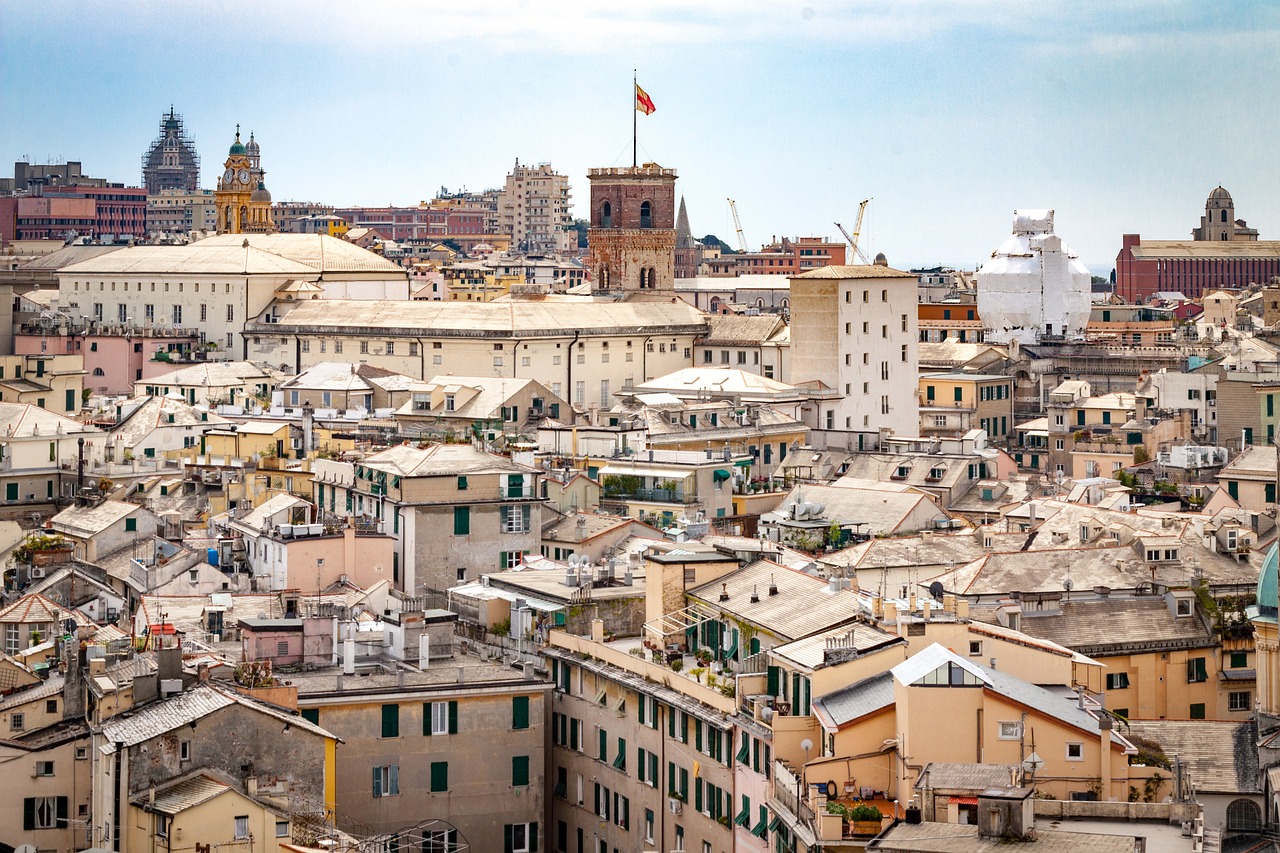
Why Visit Genoa in 2026
Genoa (Genova in Italian) is the city that quietly steals your heart when you’re not looking. It doesn’t have the show-off glamour of Venice or Florence, but that’s exactly its magic. It’s gritty and grand at the same time: aristocratic palaces hidden behind graffiti-splashed caruggi (medieval alleys), laundry fluttering above marble doorways, sea salt mixing with the smell of freshly baked focaccia.
I’ve visited Genoa almost every year since 2014, and in 2026 the city feels more alive than ever: new street art in the centro storico, a better-connected airport, and a food scene that somehow keeps getting more inventive while staying fiercely traditional. It’s a perfect base for 3 days in Genoa or a deeper 4–5 day itinerary if you want to explore properly and take some day trips.
If you love layered history, authentic neighborhoods, and the kind of local food that ruins you for supermarket pesto forever, Genoa belongs high on your list.
Table of Contents
- Why Visit Genoa
- Top Highlights & Must-See Attractions in Genoa
- Suggested Itineraries: 3–5 Days in Genoa
- Best Neighborhoods & Areas to Explore
- Local Food in Genoa: What & Where to Eat
- Nightlife, Entertainment & Cultural Experiences
- Best Day Trips from Genoa
- Events & Festivals in 2026–2027
- Cultural Etiquette & Local Customs
- Practical Travel Tips for Genoa
- Summary & Best Time to Visit Genoa
20+ Must-See Attractions & Experiences in Genoa (With Personal Notes)
This section walks through the main attractions in Genoa as I’ve experienced them over multiple visits. You can mix and match them into your own 3 day itinerary for Genoa, or stretch them over 4–5 days in Genoa if you like to wander slowly (highly recommended).
1. Porto Antico (Old Port)
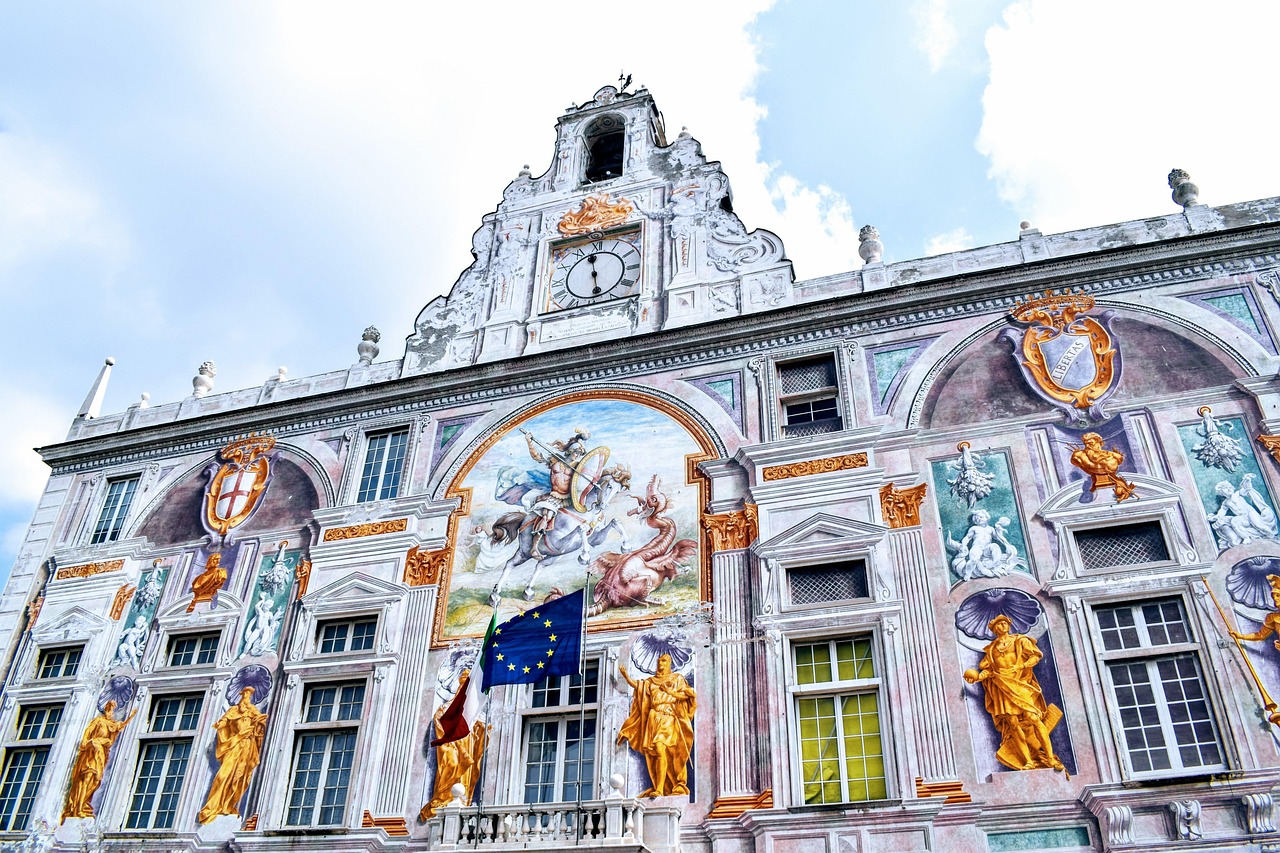
Porto Antico is Genoa’s living room by the sea. It was redesigned by Renzo Piano for the 1992 Columbus celebrations and has been evolving ever since. I usually make this my first stop in the city, especially if I arrive in the late afternoon. The light over the harbor, with its cranes and sailboats, is the most honest introduction to Genoa you can get.
On my last trip in 2025, I checked into my guesthouse near Via San Lorenzo and walked straight down to the water. Families were licking gelato, teenagers were clustered around the skatepark, and older Genovesi were quietly watching everything from the benches, commenting in the lilting local dialect.
What to Do:
- Stroll the promenade from the Magazzini del Cotone warehouses to the Marina Molo Vecchio.
- Hop on a short harbor cruise (about 1 hour) to see the massive container port and the city skyline from the sea.
- Visit the Bigo panoramic lift for a quick, gentle spin above the harbor.
- Let kids loose at the playgrounds and open spaces – this area is very family friendly.
Food Tip: I like grabbing a simple paper cone of fried seafood from a kiosk and eating it on the steps facing the water. If you want something more sit-down, the restaurants in the dock area are decent but a bit pricier; for better value, walk 5–10 minutes into the alleys near Via San Lorenzo.
How to Get There: From Genova Piazza Principe train station, it’s a 10–15 minute downhill walk; from Brignole, hop on the metro to San Giorgio.
When to Go: Early evening for golden light and cooler temperatures. In summer, this is where the city comes out to breathe.
2. Acquario di Genova (Genoa Aquarium)
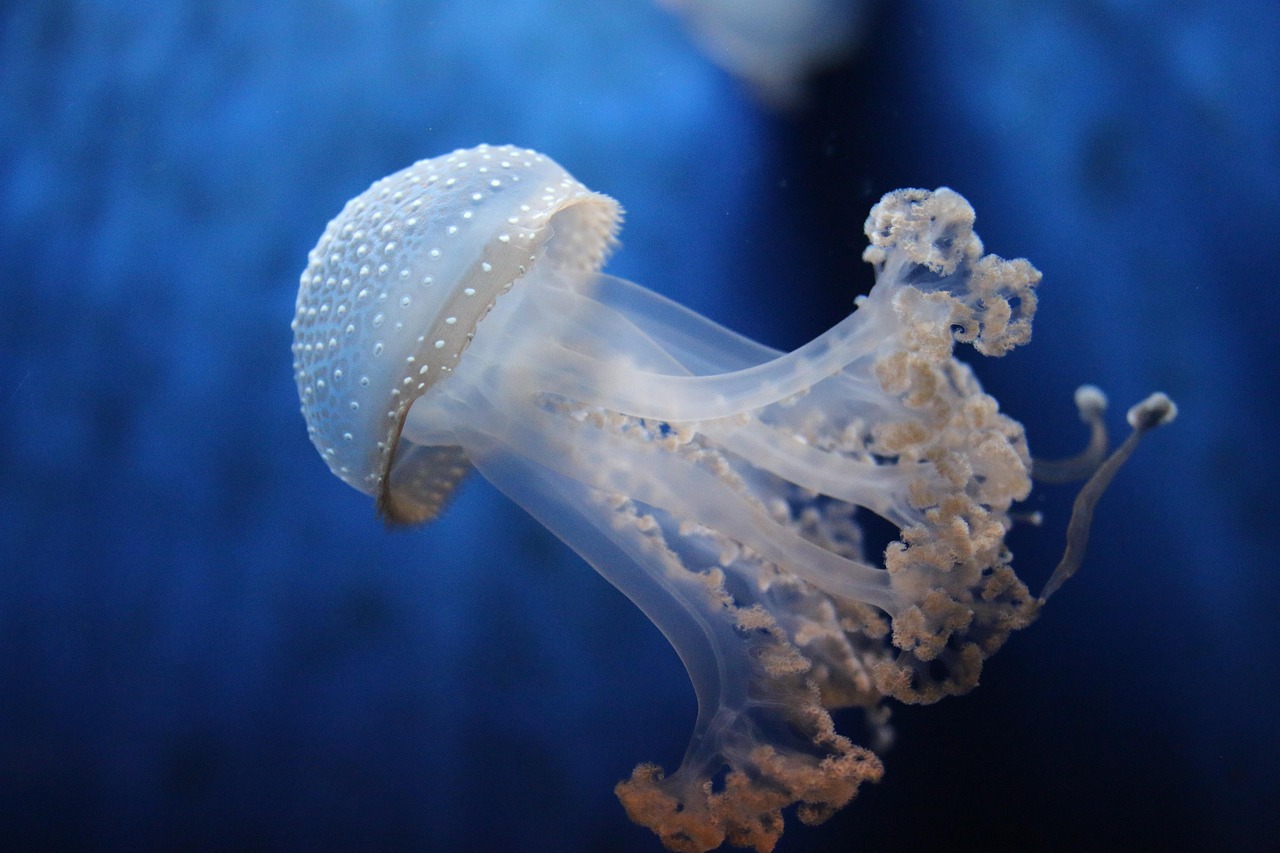
One of Europe’s largest aquariums and Genoa’s most popular family attraction. I’ve now visited three times, once with friends’ kids, once solo on a rainy winter day, and once in a shoulder-season afternoon when it was blissfully quiet.
Why It’s Worth It: The aquarium showcases Mediterranean and global marine life in thoughtful, immersive exhibits: manatees, sharks, penguins, touch pools for kids, plus special areas about conservation. It’s touristy, yes, but also genuinely well done.
Practical Tips:
- Book online in advance, especially in summer and school holidays. Lines can be long.
- Allow at least 2–3 hours; with kids, you might easily spend half a day.
- If you’re planning 3–5 days in Genoa and want to see multiple Porto Antico attractions (Aquarium, Biosfera, Bigo), look into combo tickets.
Personal Note: The first time I went, a storm rolled in and the sound of rain drumming on the harbor outside made the giant tanks feel even more atmospheric. If you catch a bad weather day in Genoa, this is an ideal refuge.
3. Palazzi dei Rolli & Via Garibaldi
Via Garibaldi is a narrow canyon of opulence: a street lined with 16th-century palaces that once belonged to Genoa’s ruling families. These palaces formed the Rolli system – a kind of official list of noble residences obliged to host visiting dignitaries. Today, they’re a UNESCO World Heritage site and one of the best places to understand Genoa’s golden age.
I still remember the first time I stepped into Palazzo Rosso and looked up at the painted ceilings – sheer visual overload. Since then, I’ve made a habit of revisiting a different palace every trip, noticing a new detail each time: a staircase curve, a fresco tucked in a corner, a quiet courtyard with unexpected palm trees.
Key Palaces to Visit:
- Palazzo Rosso – art collections and rooftop viewpoint.
- Palazzo Bianco – paintings by Van Dyck, Caravaggio and more.
- Palazzo Tursi – houses Paganini’s violin and city council offices.
Visiting Tips:
- Buy the combined ticket for Rosso–Bianco–Tursi; allow 2–3 hours.
- Climb to the rooftop terrace of Palazzo Rosso for a gorgeous, slightly crooked view over Genoa’s rooftops.
- Time your visit for mid-morning to avoid coach tour groups when possible.
Rolli Days: Twice a year (usually spring and autumn), Genoa hosts the Rolli Days festival, when many normally private palaces open their doors with free or low-cost guided tours. In 2026, watch for dates in May and October – if you can plan your 3 or 4 days in Genoa to coincide, you’ll see behind doors that are usually firmly closed.
4. Genoa’s Centro Storico & the Caruggi
Genoa’s historic center is one of the largest medieval old towns in Europe. It’s a maze of caruggi (alleys) so narrow that at midday you can sometimes touch both sides with outstretched arms. This is where I always feel Genoa’s soul most strongly – in the echoes of footsteps on worn stones, the smell of basil and garlic seeping out of tiny kitchens, the faded Madonna shrines watching over corners.
Highlights While Wandering:
- Via del Campo – made famous by Genoese singer-songwriter Fabrizio De André; today home to music shops and a small museum.
- Piazza delle Erbe – a cozy square with bars and cafés, lively in the evenings.
- Via Macelli di Soziglia – food shops, old bakeries, butchers, and cheese stores.
- Madonna shrines – look up; they’re everywhere.
Is It Safe? The alleys can look intimidating, especially at night. I’ve walked them alone many times and generally felt fine, but like any port city, there are rougher corners. Stick to main routes at night, avoid very dark, deserted lanes, watch your belongings, and trust your instincts.
My Ritual: I start with a cappuccino at a tiny bar, then just drift with no particular plan, following whichever alley smells best. I usually emerge, slightly disoriented but happy, somewhere near a church I’ve never seen before.
5. Cattedrale di San Lorenzo
San Lorenzo is Genoa’s main cathedral: striped black-and-white marble on the outside, a mix of Romanesque and Gothic, and a surprisingly intimate interior. I like to slip inside for a moment of cool quiet between sightseeing stops.
Things to Notice:
- The striped façade with its slightly crooked symmetry.
- The bomb shell displayed inside – it fell on the cathedral in WWII but didn’t explode.
- The atmospheric crypt and treasury (small extra fee).
Tip: If your knees allow, take the rooftop/terrace visit when available (check onsite); you get unusual angles over Genoa’s slate roofs and bell towers.
6. Boccadasse Fishing Village
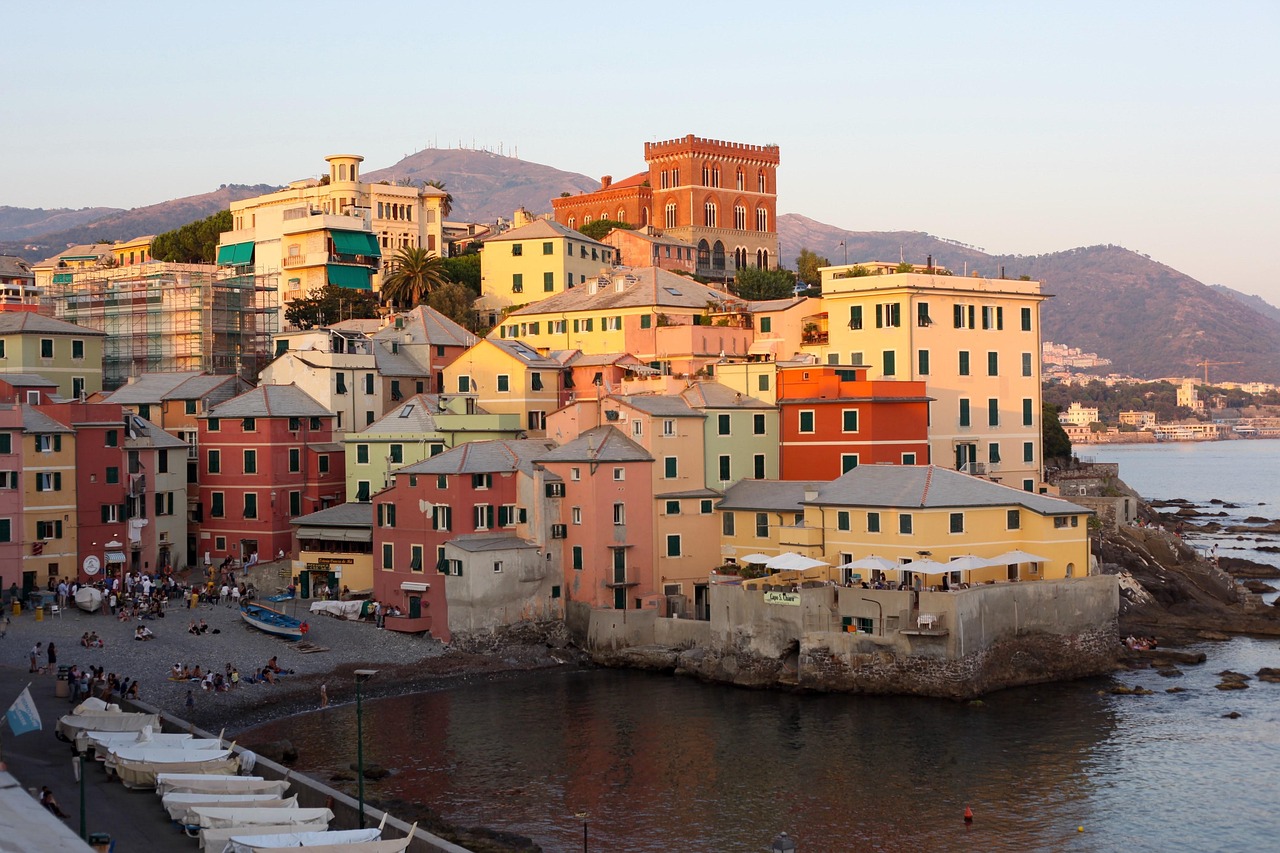
Boccadasse is the Genoa of postcards: a tiny bay with pastel houses tumbling into the sea, fishing boats pulled up on the pebbles, and gelato in everyone’s hands. It’s technically still part of Genoa, but feels like a separate village.
I’ve come here in all seasons: in July when the pebbles are packed, in October when the air smells of wet stones and the crowds thin, and once in January when the sea was steely and a single old man was mending nets by the water. Every time, I stay longer than planned.
What to Do:
- Walk along Corso Italia (seafront promenade) from Foce to Boccadasse – about 30–40 minutes, flat and easy.
- Sit on the pebbles with a cone from one of the gelaterie and watch the light change.
- Grab aperitivo at a bar overlooking the bay as the sun goes down – very romantic.
Food Tip: Try acciughe fritte (fried anchovies) or trofie al pesto at a small trattoria up the steps from the beach. Avoid the most obviously touristy menus and look for the places where locals are squeezed shoulder to shoulder.
How to Get There: Bus 31 or 42 from the center (check current routes) or train to Genova Sturla plus a short walk. On a 4 or 5 day itinerary for Genoa, I’d dedicate at least half a day here.
7. Nervi & Passeggiata Anita Garibaldi
Nervi, on the eastern edge of Genoa, is where I go when I need sea, air, and space. The Passeggiata Anita Garibaldi is a cliffside promenade that snakes above the waves, with benches tucked into little curves of rock and the occasional bar for a spritz with a view.
Why Go:
- It’s one of the best coastal walks easily reachable by city train.
- Gardens of Nervi: interconnected parks with Mediterranean vegetation and sea views.
- Art museums in old villas if you want some culture with your sea breeze.
My Advice: Aim for late afternoon on a clear day. Walk the promenade, sit and stare at the water for as long as you feel like, then wander back through the parks. Bring a light jacket even in summer – the wind can surprise you.
8. Spianata Castelletto Viewpoint
If you’ve seen one picture of Genoa’s skyline, it was probably taken from Spianata Castelletto: a terrace high above the old town, with the port, bell towers, and chaotic rooftops spread out like a relief map.
I try to come up here on my first evening in town. It helps me mentally map the city, and it’s also one of the most romantic spots in Genoa – musicians sometimes play, couples lean on the railing, and kids run circles around the gelato stand.
How to Get There:
- Take the Art Nouveau elevator from Piazza Portello (Ascensore Castelletto – Levante). It’s a little time capsule of a ride.
- Or walk up through the alleys and staircases if you’re feeling energetic.
Best Time: Sunset, hands down. If you’re a photographer, also consider early morning for softer light and fewer people.
9. La Lanterna (Genoa Lighthouse)
La Lanterna is Genoa’s symbol: a tall stone lighthouse guiding ships since the 16th century (with older versions before that). It stands at the edge of the port, surrounded by the industrial sprawl that still fuels the city’s economy.
Why Visit:
- To understand Genoa as a working port, not just a pretty historic center.
- For views over the container terminal and city.
- For the small but interesting museum about the port and lighthouse.
Getting There: There’s a pedestrian walkway leading from the western side of the port area; follow signs for Lanterna. It’s not the most scenic approach, but that’s part of the experience.
Note: Opening hours can be irregular and weather-dependent. Check the official site before you go.
10. Belvedere Luigi Montaldo & Righi Hills
Above Genoa, steep hills rise into green ridges, dotted with old forts and woodland trails. From the Righi area you get sweeping views over the city, and it’s a wonderful contrast to the dense alleys below.
How I Do It:
- Take the funicular from Largo Zecca up to Righi.
- Walk to Belvedere Luigi Montaldo for views and a coffee.
- If you have energy, follow one of the signed paths towards old forts like Forte Sperone.
On one spring day in 2024, I spent a whole afternoon up here with a picnic from a bakery in the centro storico. The contrast of sea and mountains, just minutes apart, is one of Genoa’s best kept open secrets.
11. Galata Museo del Mare (Maritime Museum)
Genoa has always been a maritime power, and Galata Museo del Mare tells that story brilliantly. It’s one of my favorite museums in the city and easily fills a half-day, especially if you’re traveling with history buffs or kids.
Highlights:
- Reconstruction of a 17th-century galley ship you can walk through.
- Exhibits on transatlantic migration – many Italians left from Genoa for the Americas.
- The submarine Nazario Sauro moored outside (separate visit, very cool but a bit claustrophobic).
Tip: Start earlier in the day when your feet are still fresh. There’s a lot to see, and it’s easy to get museum fatigue if you come at the end of a long sightseeing day.
12. Via XX Settembre & Piazza De Ferrari
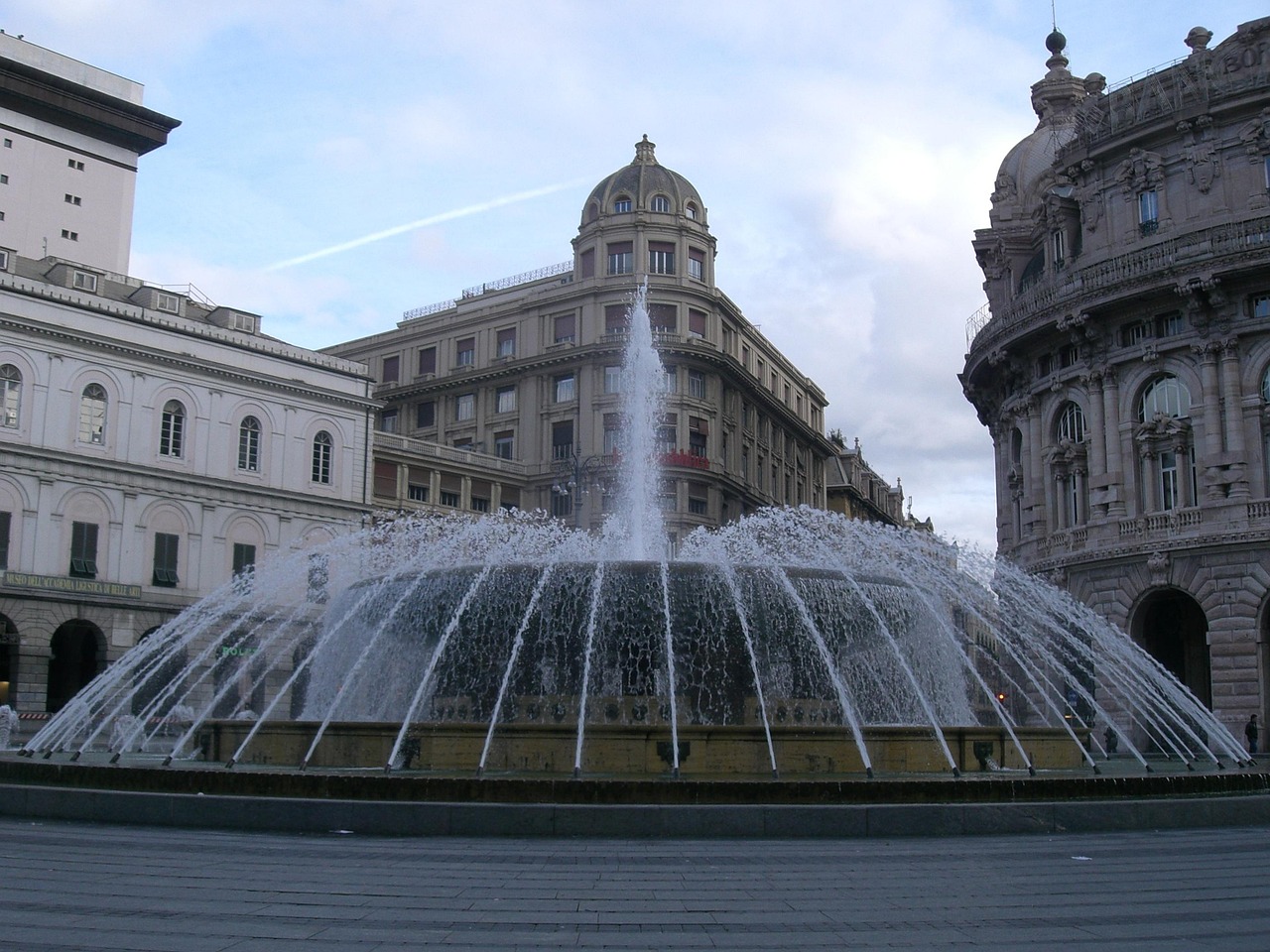
Via XX Settembre is Genoa’s grand shopping artery, leading to Piazza De Ferrari, the city’s main square with its famous fountain and elegant buildings. This area feels very different from the medieval center – airier, more 19th-century bourgeois.
What to See:
- Piazza De Ferrari – the fountain, Teatro Carlo Felice, Palazzo Ducale nearby.
- The covered arcades along Via XX Settembre with their mosaicked pavements.
- Upscale shops, cafés, and gelaterie.
I often end up here in late afternoon, when locals emerge for a stroll and an aperitivo. It’s a good place to feel Genoa’s more modern, everyday rhythm.
13. Palazzo Ducale
Palazzo Ducale was once the seat of the Doge of Genoa; today it’s a major cultural center hosting art exhibitions, events, and festivals. Architecturally, it’s more sober than the flamboyant palaces on Via Garibaldi, but it’s impressive in its own way.
Why Visit:
- Check what temporary exhibitions are on – in recent years they’ve hosted everything from photography retrospectives to major painting shows.
- Enjoy the courtyard café for a mid-day break.
- During events like Rolli Days or festivals, the palace becomes a lively hub.
Tip: Even if you’re not an art person, it’s worth popping into the courtyard and public areas just to get a sense of the building.
14. Cimitero Monumentale di Staglieno
Staglieno is one of Europe’s great monumental cemeteries – a vast hillside of elaborate sculptures, family chapels, and arcades. This is one of my favorite “unusual” Genoa attractions, especially if you’re into history, art, or photography.
I visited for the first time on a misty November morning, and it was haunting in the best way: stone angels streaked with rain, ivy creeping up obelisks, portraits of 19th-century merchants staring out from faded mosaics.
Practicalities:
- Take bus from the center (routes change; ask locally for Staglieno).
- Wear comfortable shoes – it’s big and on a slope.
- Be respectful; it’s an active cemetery.
15. Belvedere di Castelletto West & City Walls
Beyond the main Spianata Castelletto terrace, there are smaller viewpoints and remnants of ancient and 17th-century city walls scattered in the hills. I stumbled upon one belvedere by accident while following a cat up some steps (as one does in Italy) and ended up with a quiet view all to myself.
Why It’s a Hidden Gem: Most visitors head straight to Spianata Castelletto and stop there. If you’re curious and have a bit more time in your 4 or 5 day itinerary for Genoa, wandering uphill reveals more intimate vantages and a very local residential feel.
16. Strada Nuova Museums & Hidden Courtyards
Beyond the main Rolli palaces, the Strada Nuova (now Via Garibaldi and neighboring streets) hides plenty of courtyards, loggias, and minor palaces with beautiful details.
On one visit, during a light drizzle, I ducked into a random open gate to escape the rain and found myself in a tiny courtyard with an overgrown orange tree and a statue missing its nose. That’s Genoa: layer upon layer, if you’re willing to peek through doors left ajar.
17. Piazza San Matteo & Doria Quarter
Piazza San Matteo is one of those perfect little Genoese squares: striped church, noble palaces, and a sense that time here is moving a bit slower. It was the private domain of the powerful Doria family, and you can still feel the exclusivity.
What I Love: Coming here in the early evening when the stone glows and the square is almost empty. There’s not much “to do” beyond admire the architecture and soak up the atmosphere – but that’s exactly the point.
18. Castello D’Albertis – Museum of World Cultures
Castello D’Albertis looks like a neo-medieval castle perched above the city, built by a slightly eccentric sea captain who filled it with objects from his travels. Today, it houses the Museum of World Cultures, with thoughtful exhibits about the stories behind those objects.
Why Visit:
- Eclectic architecture and interior.
- Panoramic terraces with views over the port.
- Interesting reflection on travel, colonialism, and collecting.
Getting There: There’s an elevator/funicular connection from the lower city (check for Ascensore Montegalletto); otherwise it’s an uphill walk from the Principe station area.
19. Via Pré & Multiethnic Genoa
Via Pré and its surroundings show Genoa as a crossroads of cultures: North African bakeries, South Asian grocery stores, Latin American bars, long-time Genoese shops, and a constant hum of traffic from the port.
This area can feel gritty and is not everyone’s cup of tea, but if you’re comfortable in big cities and keep your wits about you, it’s fascinating. I usually come through in daytime, pick up some fresh fruit or street snacks, and keep moving.
20. Historic Bakeries & Focaccia Pilgrimage
One of the best “attractions” in Genoa isn’t a building at all – it’s the network of old bakeries turning out trays of warm focaccia all day long. Over the years I’ve made my own unofficial focaccia trail through the city, and it’s a delicious way to explore.
What to Try:
- Classic focaccia genovese with olive oil and salt.
- Focaccia di Recco – ultra-thin, filled with stracchino cheese (often better in Recco itself, but you can find good versions in Genoa).
- Onion or olive-topped variations.
Tip: Eat it warm, within an hour or two of baking. I like grabbing a slice mid-morning – locals happily dip it into their cappuccino, which sounds odd until you try it.
Suggested Itineraries: 3–5 Days in Genoa
Below are flexible itineraries based on trips I’ve actually taken, adjusted for 2026. They mix must-see attractions in Genoa with hidden gems, food stops, and moments to just wander.
3 Day Itinerary for Genoa
If you only have 3 days in Genoa, you can still cover a lot of ground while leaving space for coffee breaks and impromptu detours.
Day 1: Porto Antico, Old Town & Skyline Views
On my latest 3-day stay, I landed around 10:00 at Genoa’s Cristoforo Colombo Airport and took the shuttle bus straight into town. I dropped my bag in a small B&B near Via San Lorenzo – a perfect base between the port and the historic center.
Morning – Porto Antico & Aquarium: Start by stretching your legs along the harbor. If you’re traveling with kids (or if you’re a grown-up who loves sea creatures), tackle the Aquarium now while your energy is high. Book your timed ticket for mid-morning.
Afterwards, grab lunch at one of the harbor-side spots or duck into the caruggi behind Via San Lorenzo for cheaper, more local options – a plate of trofie al pesto makes a great first Genoese meal.
Afternoon – Centro Storico Walk: From the port, head up to San Lorenzo Cathedral, then dive into the alleys. Follow your nose towards Via Macelli di Soziglia and Via del Campo, peeking into churches and tiny shops. Don’t worry too much about getting lost; you’re never more than 10–15 minutes from a recognizable square or street.
Late Afternoon – Spianata Castelletto: Around an hour before sunset, make your way to Piazza Portello and take the Art Nouveau elevator up to Spianata Castelletto. This is where Genoa’s chaotic geometry finally makes sense. I like to get a small gelato from the kiosk and claim a spot on the railing.
Evening – Dinner in the Old Town: Head back down on foot through the stairs (scenically steep) or elevator. For dinner, pick a trattoria tucked into the alleys – many focus on seafood and Ligurian classics. Try trenette al pesto or pansoti con salsa di noci (pasta with walnut sauce).
Day 2: Palaces, Art & Modern Genoa
Morning – Via Garibaldi & Palazzi dei Rolli: After a quick breakfast (coffee and focaccia, ideally), walk to Via Garibaldi. Spend the morning exploring Palazzo Rosso, Palazzo Bianco, and Palazzo Tursi. Take your time; the art collections are rich, but the architecture is just as compelling.
Make sure to go up to the Palazzo Rosso rooftop for views – it’s less crowded than Spianata Castelletto and feels like a secret even though it’s right in the center.
Lunch – Around Via Garibaldi: There are several good lunch options on side streets – small osterie offering daily specials. Look for chalkboard menus and locals inside.
Afternoon – Piazza De Ferrari & Via XX Settembre: Stroll down to Piazza De Ferrari, watch the fountain for a bit, then wander Via XX Settembre’s arcades. This is a good time for a mid-afternoon gelato or coffee break. If you’re interested in exhibitions, check what’s on at Palazzo Ducale.
Evening – Aperitivo & Nightlife: As the shops close, Genoa switches to aperitivo mode. Head towards Piazza delle Erbe or the streets around it for a drink and snacks included in the price (usually 6–10€). If you want more nightlife, the centro storico’s bars and live music venues keep things going late, especially Thursday–Saturday.
Day 3: Boccadasse & Seaside Relaxation
For your last of 3 days in Genoa, slow down and head to the sea.
Morning – Corso Italia Walk: Take a bus or walk from Foce along Corso Italia, the coastal promenade. It’s flat and easy, with sea views and small beaches below. You’ll pass beach clubs, bars, and some striking Liberty-style villas.
Midday & Afternoon – Boccadasse: Arrive in Boccadasse by lunchtime. Grab a table at a trattoria on the steps or above the bay and order seafood – spaghetti alle vongole (clams) or mixed fried fish.
After lunch, switch to full vacation mode: sit on the pebbles, read a book, wander the narrow lanes behind the waterfront, lick gelato, repeat. If you’re visiting in cooler months, the bay has a moody charm; in summer, swimming is very possible (bring water shoes for the pebbles).
Evening – Farewell to Genoa: Head back to the center in late afternoon. For a last dinner, choose somewhere you haven’t tried yet in the alleys near Piazza delle Erbe or Via San Bernardo, and toast Genoa with a glass of local white wine (Pigato or Vermentino).
4 Day Itinerary for Genoa
With 4 days in Genoa, follow the 3-day plan above and add a day exploring the hills and maritime history.
Day 4: Galata, Submarine & Righi Hills
Morning – Galata Museo del Mare: Start at the Maritime Museum. Dive into Genoa’s seafaring past, visit the reconstructed galley, and, if you’re up for it, explore the submarine outside. This is a wonderful combination of education and hands-on exhibits.
Lunch – Porto Antico: Grab a simple lunch nearby – there are cafés and casual spots by the water. If you want to save money, pick up a focaccia sandwich from a bakery in the alleys and eat on a bench facing the harbor.
Afternoon – Funicular to Righi: In the afternoon, head to Largo Zecca and take the funicular up to Righi. Spend a few hours wandering between viewpoints, maybe hiking a short stretch of the trails to the old forts if the weather is good.
Evening – Dinner with a View (Optional): There are a few restaurants and pizzerias in the Righi area with panoramic terraces. On one trip, I had a simple pizza up here while watching the port lights flicker on below – not fancy, but memorable. Otherwise, head back down to the center for dinner.
5 Day Itinerary for Genoa
With 5 days in Genoa, you can really breathe: include everything above, plus a cemetery-art excursion and Nervi’s sea cliffs.
Day 5: Staglieno & Nervi
Morning – Staglieno Cemetery: Take a bus to Staglieno and spend 2–3 hours exploring the monumental cemetery. Stick to main routes unless you’re comfortable with hills and stairs; the side paths climb quite a bit.
Lunch – Back in Town or On the Go: Either grab a quick lunch in the Staglieno area (there are a couple of bars and bakeries) or return to the center.
Afternoon & Evening – Nervi & Passeggiata Anita Garibaldi: In mid-afternoon, catch a local train from Genova Brignole to Nervi (10–15 minutes). Walk through the parks and onto the seaside promenade. Find a bench, breathe the salt air, and let the city’s intensity fade into the background.
As the sun dips, choose a bar or café on the promenade for aperitivo. I still remember sipping a spritz while waves crashed below and thinking, “This is why I keep coming back to Genoa.”
Neighborhoods & Areas to Explore in Genoa
Centro Storico (Historic Center)
Vibe: Medieval maze, bohemian, a bit gritty, endlessly photogenic.
Why Stay Here: You can walk everywhere, and you feel Genoa’s character intensely. Ideal for travelers who like urban texture and don’t mind some noise.
Carignano & Surroundings
Vibe: Elegant, residential, with great views.
Centered around the imposing Basilica di Carignano, this hilltop neighborhood offers a calmer base that’s still walking distance from the center. I often cut through here in late afternoon: quiet streets, nice vantage points, and local cafés.
Foce & Brignole Area
Vibe: Everyday Genoa, mix of residential and commercial, close to the sea.
Good for budget to mid-range stays, especially if you want quick access to Corso Italia and Boccadasse. Brignole station makes day trips easy.
Albaro & Boccadasse
Vibe: Leafy, upmarket residential, seaside charm.
If you’re planning a more relaxed 4 or 5 days in Genoa and don’t mind a bus ride into the center, staying near Boccadasse can feel like a coastal holiday with city access.
Principe & Via Balbi
Vibe: Grand old buildings, near the main port and train station, slightly rough around the edges.
Convenient if you’re arriving/departing by train or cruise, and home to some striking palaces along Via Balbi. I usually stay here only if I have very early trains, but it’s fine with normal city awareness.
Local Food in Genoa: What & Where to Eat
Genoa is a pilgrimage site for pesto lovers and carb enthusiasts. Ligurian cuisine is all about simplicity, fresh herbs, and the sea. Here are key dishes and personal favorites.
Must-Try Dishes
- Trofie al pesto – Short, twisted pasta with basil pesto, potatoes, and green beans.
- Trenette al pesto – Ribbon pasta with pesto; the other classic.
- Focaccia genovese – Flat bread drenched in olive oil and salt.
- Farinata – Thin, oven-baked chickpea pancake; best eaten hot with black pepper.
- Pansoti con salsa di noci – Stuffed pasta in walnut sauce.
- Acciughe ripiene o fritte – Stuffed or fried anchovies.
- Cappon magro – Elaborate seafood and vegetable salad (often at Christmas or special menus).
Where to Eat (Indicative, Not Exhaustive)
I won’t list exact restaurant names as they change, but here’s how I choose places:
- Look for short menus focused on Ligurian dishes.
- Avoid large multilingual menus with photos; these are usually tourist traps.
- Check for a mix of ages among diners, not just tourists.
Saving Money: My go-to budget strategy is a bakery breakfast (2–3€), a big slice of focaccia or farinata for lunch (3–5€), and a sit-down dinner (15–25€ without splashing on wine). Street food plus supermarket fruit keeps costs low.
Nightlife, Entertainment & Cultural Experiences in Genoa
Genoa’s nightlife is concentrated in the centro storico and around Piazza delle Erbe, with a mix of wine bars, craft beer spots, and casual pubs. Summer nights spill into the streets; in winter, things move indoors but stay lively on weekends.
Evening Ideas
- Aperitivo in Piazza delle Erbe – Order a spritz or local wine and enjoy the included snacks.
- Live Music Bars – Small venues in the alleys host everything from jazz to rock.
- Teatro Carlo Felice – Check the opera and concert schedule if you enjoy classical music.
- Films & Festivals – Outdoor summer cinema and occasional cultural festivals in Palazzo Ducale courtyards.
For a romantic evening, I love a late walk along Porto Antico or Corso Italia, gelato in hand, with the sound of the sea and distant port activity in the background.
Day Trips & Nearby Attractions from Genoa
Cinque Terre
Cinque Terre is an easy day trip by train from Genoa (about 1–1.5 hours). I recommend leaving early and focusing on 2–3 villages to avoid rushing. In peak season, it’s crowded; visiting in shoulder months (April–May, late September–October) from Genoa makes for a calmer experience.
Portofino & Santa Margherita Ligure
Take the train to Santa Margherita Ligure (about 40–50 minutes), then either walk the scenic coastal path or take a bus/boat to Portofino. I like combining a harbor stroll with a hike up to Castello Brown for views and then a swim in nearby coves.
Recco & Camogli
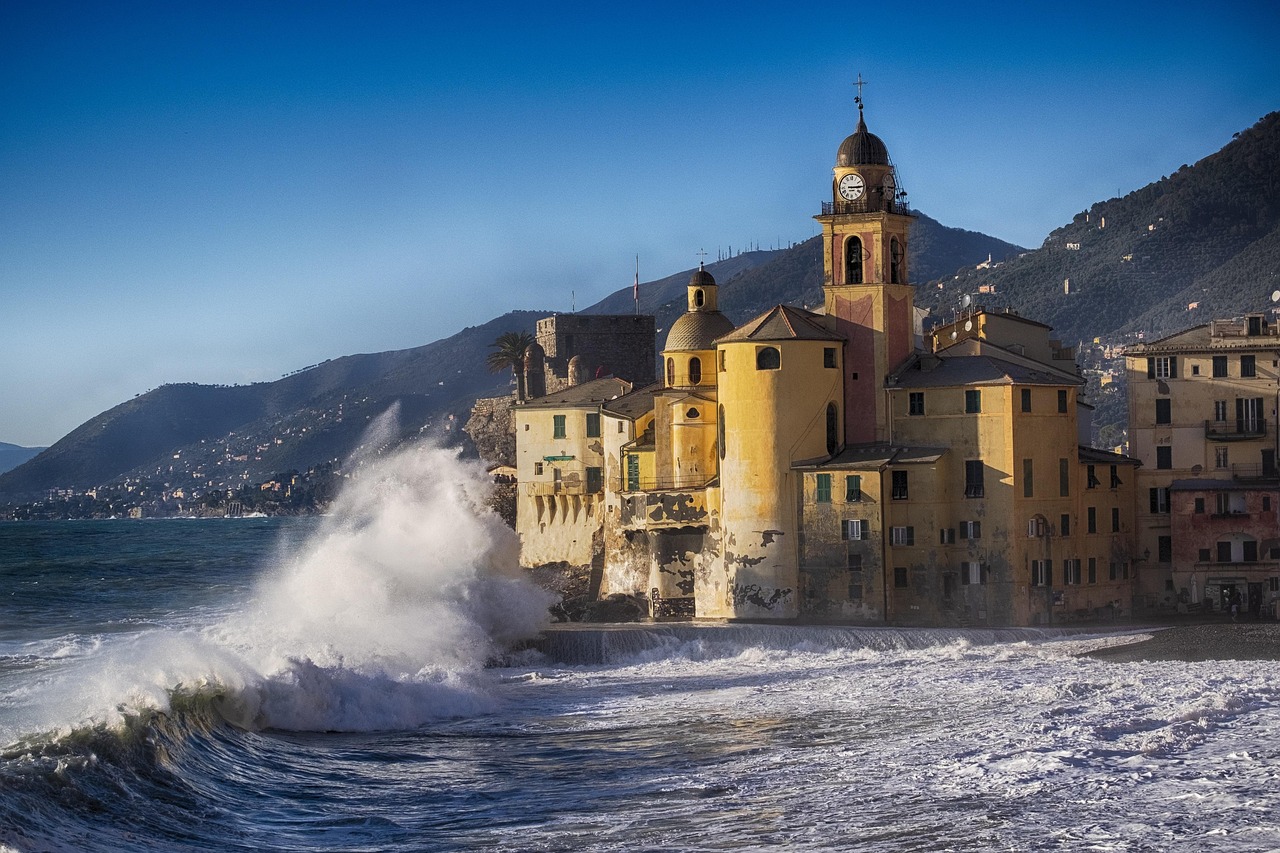
Recco is famous for focaccia di Recco (cheese-filled), and Camogli is a picture-perfect fishing town with tall colorful houses. They’re on the same rail line as Nervi and Santa Margherita, making them easy add-ons for a 4 or 5 day itinerary based in Genoa.
Events & Festivals in Genoa (2026–2027)
Dates shift slightly each year, but here are recurring highlights expected for 2026–2027:
- Rolli Days (Spring & Autumn 2026/2027) – Historic palaces open to the public with guided tours and cultural events.
- Suq Festival (Early Summer) – Intercultural market and performance festival at Porto Antico celebrating global cultures.
- Festival della Scienza (Late October–Early November) – City-wide science festival with exhibits, talks, and workshops.
- Euroflora-related floral events – While Euroflora itself is not annual, expect spin-off floral and garden events in 2026–2027.
- Christmas Markets & New Year – Traditional holiday markets, nativity scenes in churches, lights in the old town.
Check the city’s official tourism site closer to your travel dates for updated schedules.
Cultural Etiquette & Local Customs in Genoa
Genoa is friendly but reserved. A few tips help you blend in:
- Greetings: A simple “Buongiorno” (morning/day) or “Buonasera” (evening) when entering shops or cafés is appreciated.
- Coffee Culture: Locals often drink coffee standing at the bar. It’s normal to pay after drinking. Cappuccino is usually a morning thing; in the afternoon, switch to espresso or macchiato if you want to fit in.
- Dress: Casual but neat. Swimwear stays at the beach, not in city streets.
- Churches: Cover shoulders and avoid very short shorts; speak quietly, avoid flash photography unless clearly allowed.
- Meals: Dinner often starts around 8 pm or later. Don’t be surprised if restaurants are empty at 7 and fill up later.
- Tipping: Not mandatory but appreciated – round up or leave 5–10% in restaurants if service was good.
Practical Travel Advice for Genoa (2026)
Getting Around Genoa
On Foot: The historic center is best explored walking, but expect hills and stairs.
Public Transport: AMT runs buses, metro (single line), funiculars, and some elevators. A day pass is good value if you’re moving around a lot, especially up to the hills or out to Boccadasse.
Train: Frequent regional trains connect Genoa’s multiple stations (Principe, Brignole, Sturla, Nervi) and run along the coast – great for day trips.
Car Rental: I don’t recommend a car in Genoa itself. Streets are narrow, parking is scarce, and ZTL (limited traffic zones) can be confusing. Rent a car only if you’re exploring the hinterland deeply.
How to Save Money in Genoa
- Stay slightly outside the most touristy core (Foce, Brignole) for better hotel value.
- Use bakeries and rosticcerie (takeaway rotisserie and pasta shops) for affordable meals.
- Buy combined tickets for museums when available.
- Walk or use public transport instead of taxis; Genoa is compact.
SIM Cards & Connectivity
By 2026, major Italian providers (TIM, Vodafone, WindTre, Iliad) offer eSIMs and prepaid physical SIMs. Bring your passport to purchase. Plans with a few dozen GB of data for 2–4 weeks are usually inexpensive compared to roaming fees from outside the EU.
Visa Requirements & Driving
Visas: Italy is in the Schengen Area. Travelers from many countries (including EU, UK, US, Canada, Australia, New Zealand, and others) can enter visa-free for short stays; others need a Schengen visa. Check official sources before travel, especially as EU entry regulations evolve.
Foreign Driving Licenses: Non-EU visitors should carry an International Driving Permit (IDP) along with their home license if they plan to rent a car. Always confirm requirements with your rental agency.
Seasons & When to Go
- Spring (March–May): Ideal for sightseeing and hikes; mild temps, fewer crowds.
- Summer (June–August): Hot, busy, great for swimming and seaside evenings; afternoons can be sticky in the alleys.
- Autumn (September–November): My favorite – warm sea, fewer tourists, atmospheric light; some rainy days possible.
- Winter (December–February): Quiet, cool but rarely freezing; good for museums, palaces, and food-focused trips.
Summary & Final Recommendations
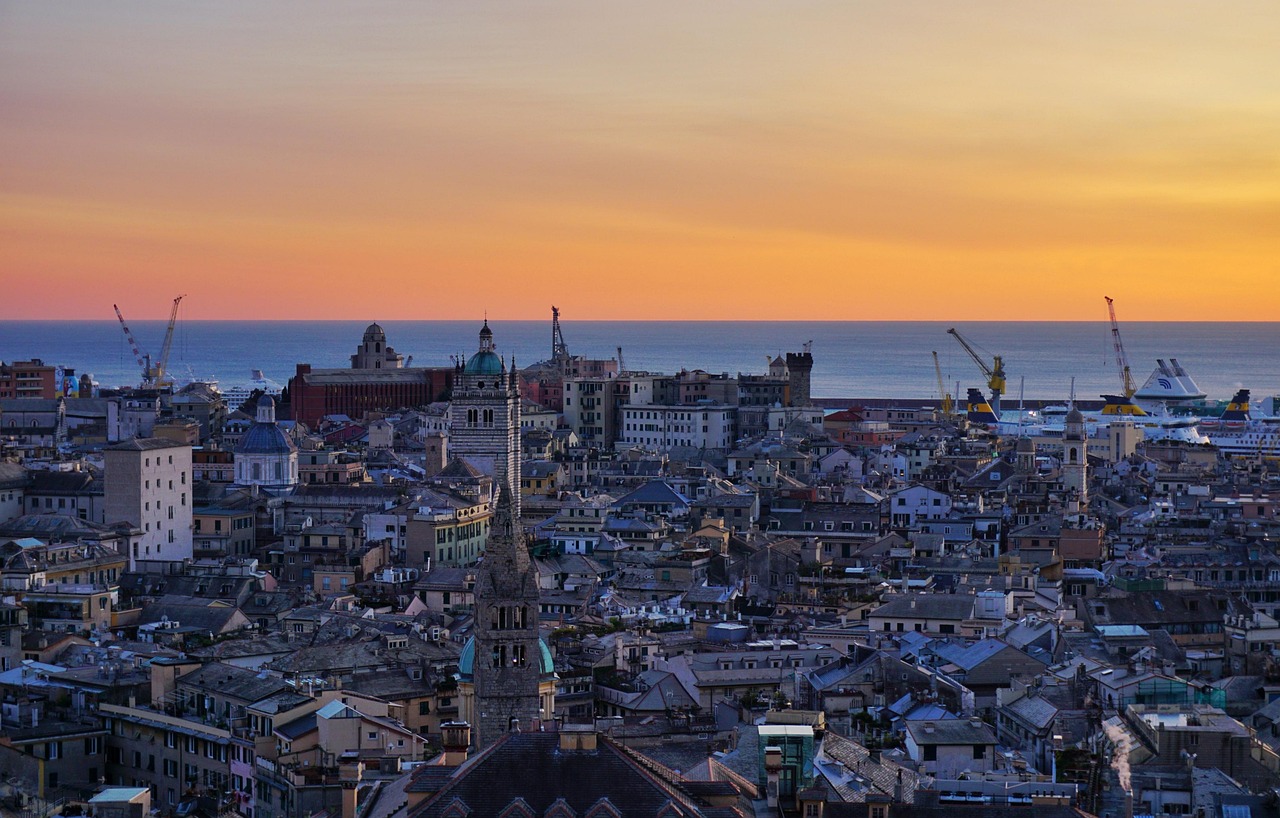
Genoa is a city of contrasts: port cranes and baroque ceilings, working-class alleys and aristocratic palaces, stormy seas and sun-soaked promenades. Whether you plan 3 days in Genoa or stretch to a full 5 day itinerary, you’ll find enough history, food, and atmosphere to keep you busy – and probably enough to tempt you back.
Key Takeaways:
- Base yourself near the historic center or Foce for easy access to most things to do in Genoa.
- Don’t try to see everything; leave time to wander the caruggi and sit by the sea.
- Eat focaccia and pesto early and often; use bakeries and local markets to save money.
- Use Genoa as a hub for day trips to Cinque Terre, Portofino, Camogli, and Nervi.
- For a balance of good weather and manageable crowds, aim for April–June or September–October.
Come with curiosity, good walking shoes, and an empty stomach, and Genoa will reward you with more layers than you can uncover in a single trip – which is exactly why I keep coming back.