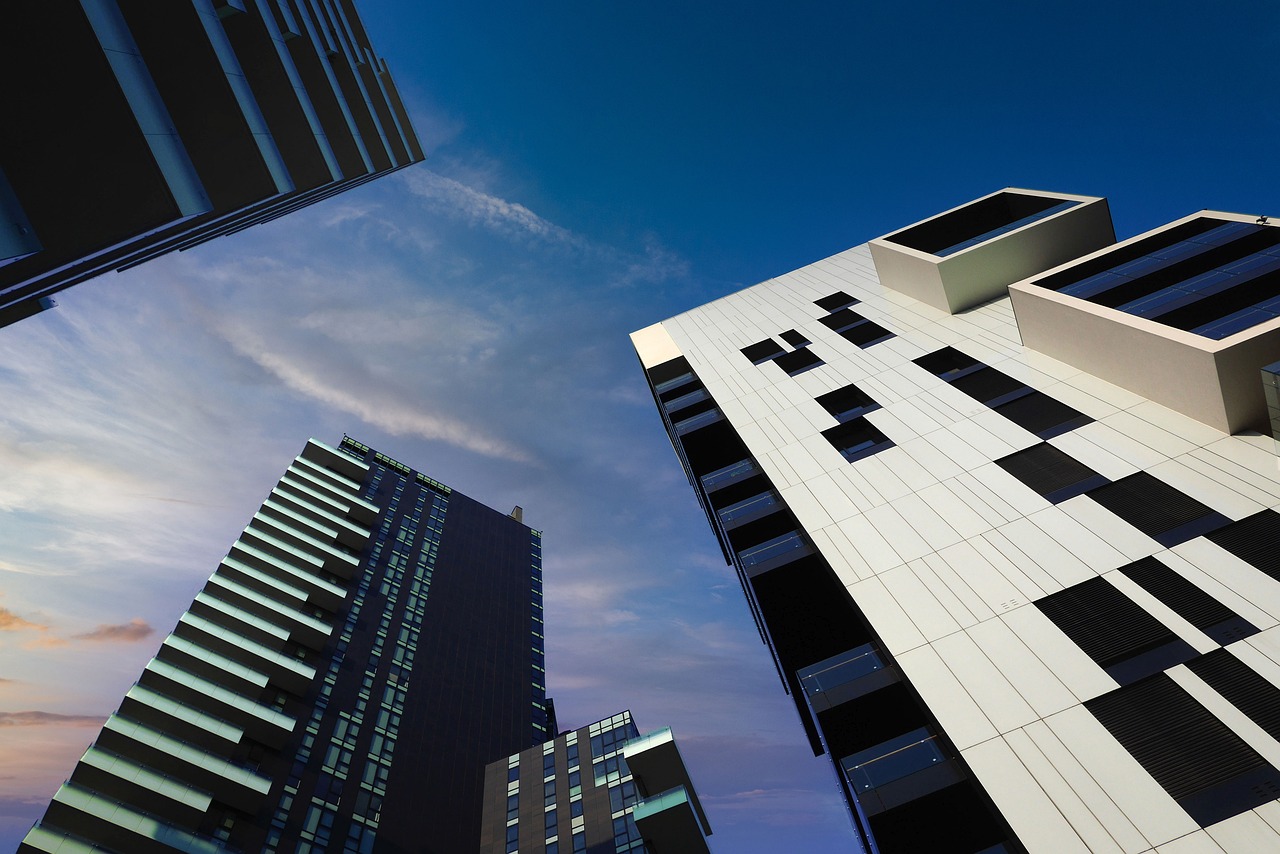
Why Visit Milan in 2026?
Milan is often reduced to a cliché: fashion shows, luxury shopping, and business suits striding through glass towers. Living here, I can tell you it’s much more layered than that. Milan is a city where Gothic spires and Renaissance courtyards sit comfortably beside cutting-edge skyscrapers and street art; where you can sip a €2 espresso at the bar and, five minutes later, walk into one of the world’s greatest cathedrals. It’s a city that reveals itself slowly, but once it does, you’ll find it hard to leave.
2026 is a particularly exciting year to visit. The city is still riding the momentum of major redevelopments in Porta Nuova and CityLife, and there’s a renewed focus on green spaces, bike lanes, and cultural events. Milan is also a perfect base for exploring northern Italy: the Italian lakes, the Alps, and even quick train trips to Venice, Florence, and Turin.
Whether you’re planning 3 days in Milan or a deeper 5 day itinerary for Milan, this travel guide will help you blend the must-see attractions with local neighborhoods, hidden gems, and food spots that we actually go to. I’ve structured this like the guide I wish someone had given me when I first moved here years ago, with personal stories from many return visits to the city’s big-name sights and its quiet corners.
Table of Contents
- Why Visit Milan in 2026
- Milan at a Glance
- Top 20 Must-See Attractions in Milan
- Suggested Itineraries: 3–5 Days in Milan
- Neighborhoods & Districts to Explore
- Local Food in Milan: What & Where to Eat
- Nightlife, Entertainment & Cultural Experiences
- Best Day Trips from Milan
- Local Customs & Cultural Etiquette
- Practical Travel Tips for Milan (2026–2027)
- Major Events in Milan 2026–2027
- Summary & Best Time to Visit Milan
Milan at a Glance
Milan (Milano) is Italy’s second-largest city and its financial, fashion, and design capital. It’s in Lombardy, in northern Italy, just under an hour by train from Lake Como and a little over an hour from the Alps. Unlike Rome or Florence, Milan isn’t a museum city; it’s always working, always evolving. That means you’ll find high-speed trains, slick public transport, and Wi‑Fi in most places—but also old trattorie where the menu hasn’t changed since the 1970s.
The city center is compact and walkable: from the Duomo, you can reach most of the best places to visit in Milan on foot within 20–30 minutes, or hop on the metro (the metro) for quick connections. The vibe shifts wildly by neighborhood: the chic streets of Brera, student-heavy Navigli by the canals, futuristic Porta Nuova, and the old industrial bones of Isola and Lambrate.
Top 20 Must-See Attractions in Milan (With Local Insights)
These are the attractions I find myself returning to with visiting friends and relatives, again and again. Each one can anchor a half-day or more in your 3–5 day itinerary for Milan.
1. Duomo di Milano & Rooftop Terraces
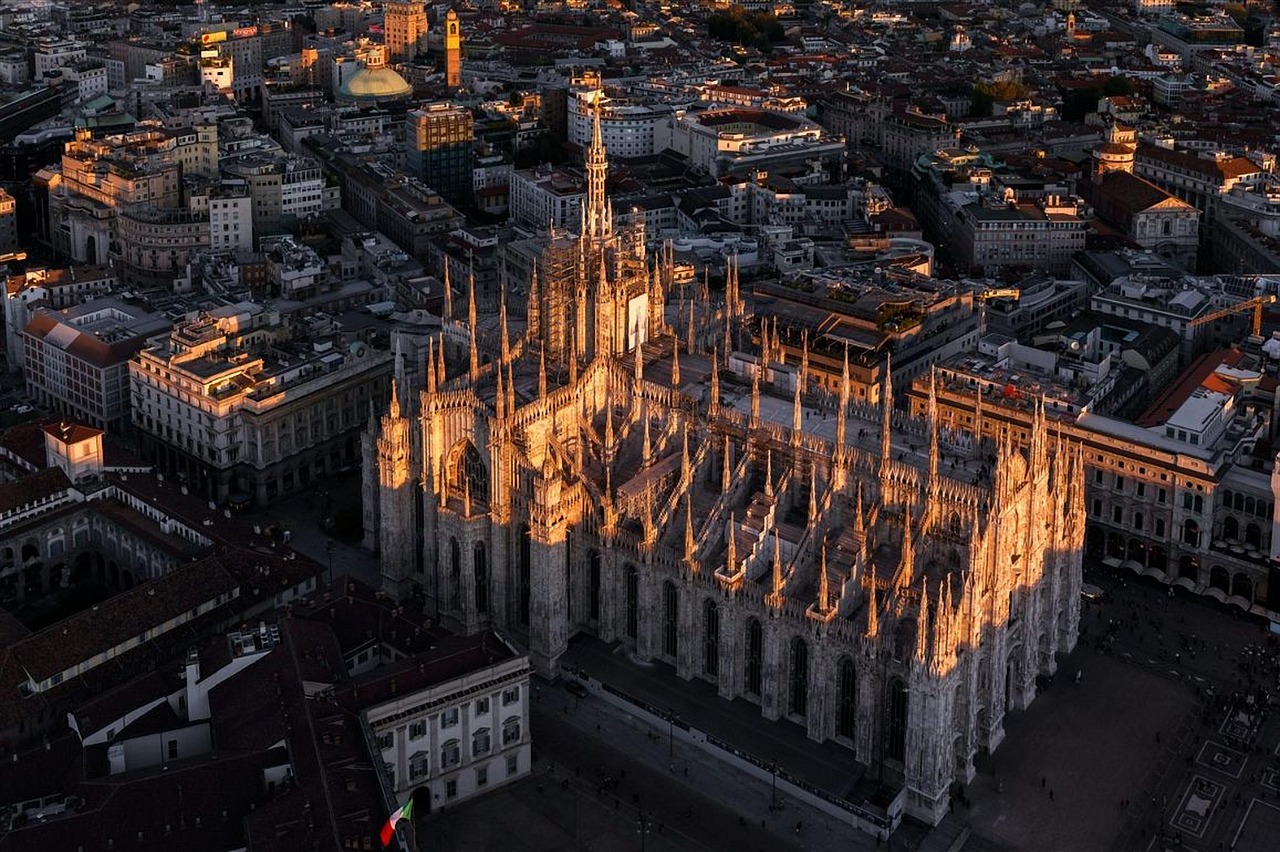
No matter how many times I see it, stepping into Piazza del Duomo and looking up at the cathedral still makes me stop. The Duomo is Milan’s heart and its compass: you’ll use it as your orientation point for the rest of your stay.
Construction started in 1386 and took nearly six centuries. The result is a forest of marble spires, flying buttresses, and 3,400 statues. Inside, the light is dim and colored through enormous stained glass windows. I like going early—around 8:30 am on weekdays—when the square is still waking up and you can actually hear your footsteps echo on the stone.
Rooftop Experience
The rooftop is, in my opinion, non-negotiable. You can take stairs (cheaper, more effort) or elevator. Up top, you wander among the marble spires, almost eye-level with the golden Madonnina statue. On a clear day, you can see the Alps on the horizon and the modern skyline of Porta Nuova and CityLife. I usually bring a small snack and just sit on the warm stone for a while—just don’t picnic blatantly, as staff might ask you to stop.
Practical Tips
- Booking: Reserve timed tickets online, especially in peak months (May–September, December).
- Dress code: Shoulders and knees covered; a light scarf works fine.
- Best light for photos: Late afternoon or golden hour, when the marble glows.
- Nearby food: For a non-touristy espresso, step a few streets back to Panini Durini or Marchesi 1824 (Galleria branch is beautiful, but pricier).
2. Galleria Vittorio Emanuele II
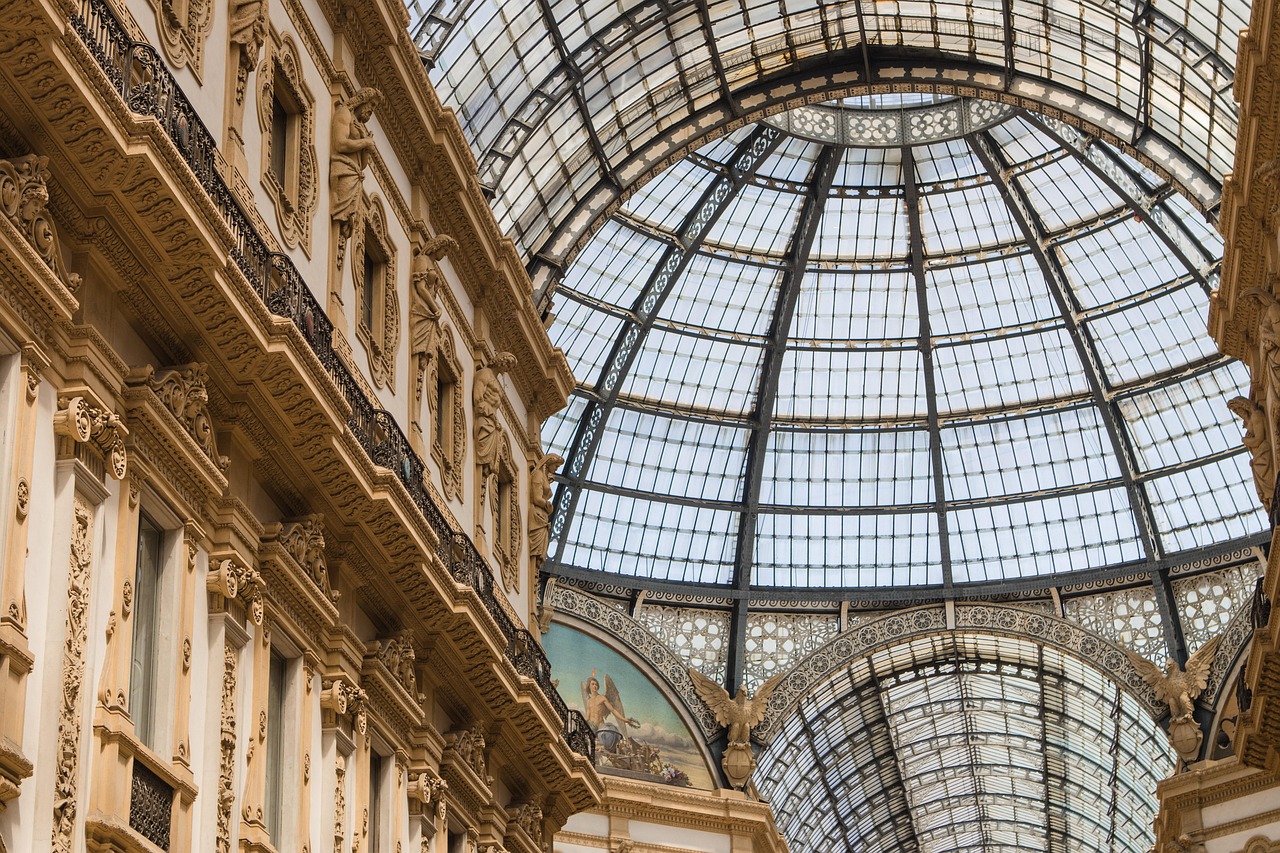
Just off the Duomo, you’ll walk into one of the world’s oldest shopping galleries, a glamorous 19th-century arcade of glass, iron, and mosaics. Locals call it “il salotto di Milano” (Milan’s living room). Even if you’re not into luxury shopping, it’s an essential stop.
Every time I’m here, I watch the ritual at the central mosaic: people spinning on their heel on the bull’s balls (a Turin symbol) for good luck. It’s silly, touristy, and yes, I’ve done it too. My favorite thing is actually looking up: the domed roof, the frescoes, and the way the light changes with the time of day.
For a splurge, have an espresso at the standing bar at Camparino in Galleria, the historic Campari bar. It’s more expensive than a neighborhood café, but you’re paying for history and atmosphere.
3. Castello Sforzesco & Parco Sempione
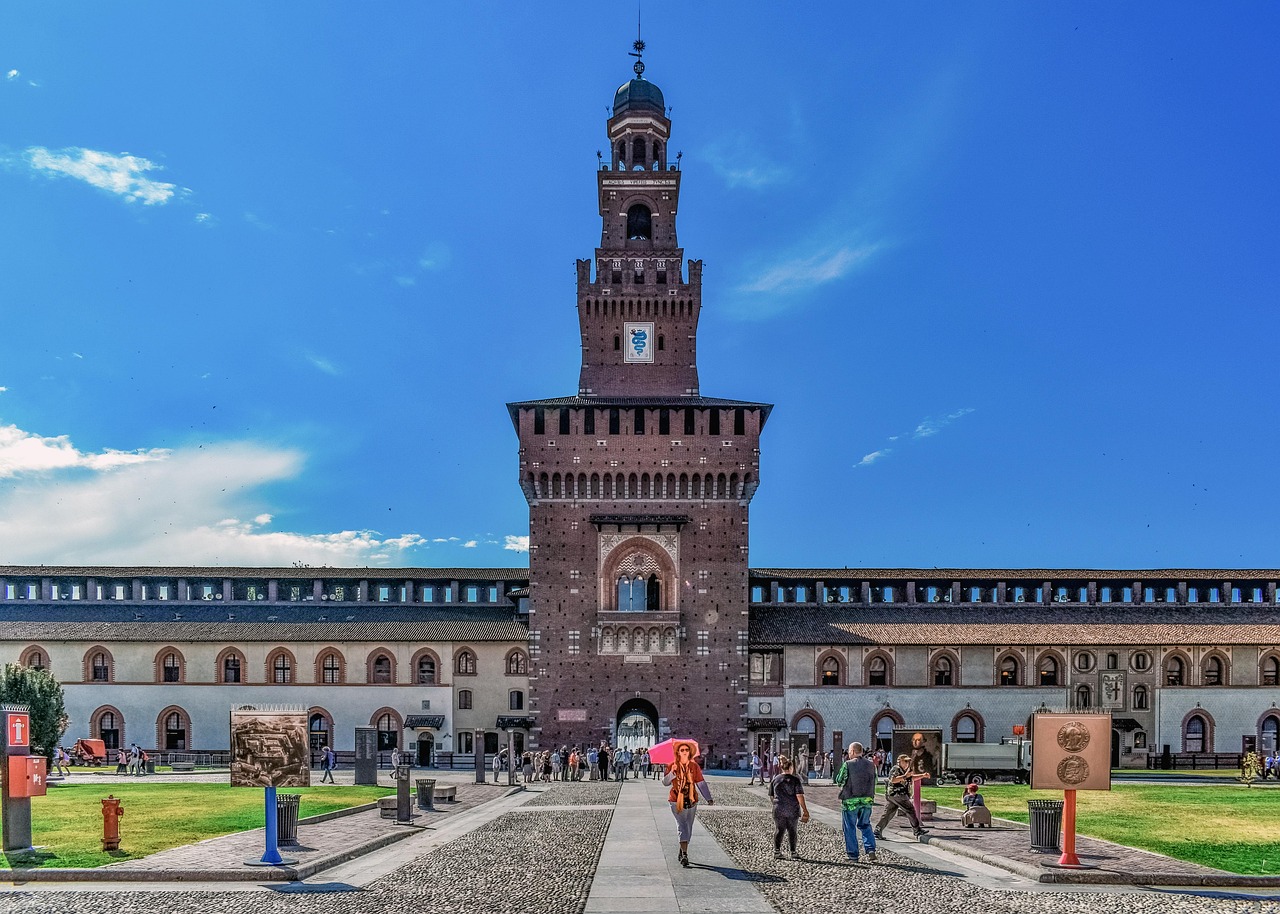
Castello Sforzesco is a massive red-brick fortress that once housed the Sforza dynasty, who ruled Milan in the Renaissance. Today, it’s part museum complex, part city park gateway, and part local hangout.
I love approaching from the Duomo side and walking up Via Dante, watching the castle grow larger at the end of the street. Inside the courtyard, you’ll often see art students sketching, locals cutting through on bikes, and couples taking wedding photos.
What Not to Miss
- Michelangelo’s unfinished Rondanini Pietà—quiet, moving, and often uncrowded.
- The frescoed ceilings and rooms painted by Leonardo’s contemporaries.
- The back of the castle, which opens onto Parco Sempione, Milan’s largest central park.
Parco Sempione
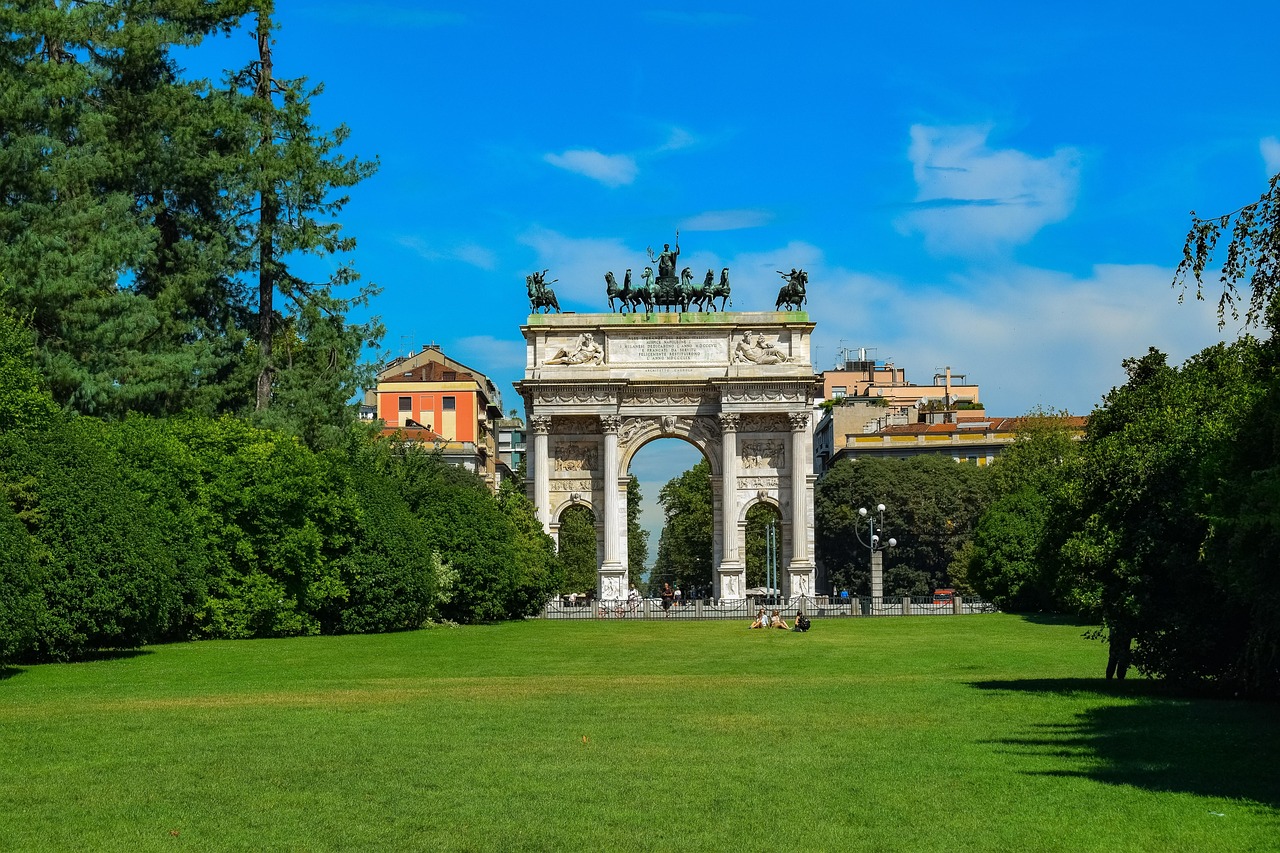
I’ve spent countless lazy afternoons here: picnics with friends, reading under trees, watching kids sail toy boats on the small lake. From the central path, you get a postcard-perfect view straight through to the Arco della Pace (Arch of Peace). Perfect for families, joggers, and anyone needing a breather from city streets.
4. Leonardo da Vinci’s “The Last Supper” (Cenacolo Vinciano)
Hidden in a refectory beside the church of Santa Maria delle Grazie, The Last Supper is one of those experiences that really does live up to the hype—if you see it with the right expectations.
The first time I went, I almost missed my slot because I misjudged the metro. You only get 15 minutes inside with the painting, in small groups, to protect the fragile mural. Those 15 minutes feel strangely intimate. The room is quiet, and as your eyes adjust, details emerge: the expressions, the play of light, the way the scene seems to extend beyond the wall.
Key Tips
- Booking: Reserve weeks (or months) ahead for peak seasons. Official ticket site or trusted resellers only.
- Timing: Aim for first or last slots of the day for a calmer atmosphere.
- Combine with: A visit to Santa Maria delle Grazie church and a stroll through the quiet residential streets nearby, where you can feel everyday Milan.
5. Brera District & Pinacoteca di Brera
Brera is Milan’s artsy, romantic quarter: narrow cobbled streets, ivy-covered buildings, galleries, and wine bars. At night it glows with soft light and clinking glasses; during the day it’s full of art students and shoppers.
I love coming here on weekday mornings. I walk past perfumeries and antique shops and duck into quiet courtyards. The beating heart is the Pinacoteca di Brera, one of Italy’s great art galleries, but somehow still relatively calm compared to the Uffizi or Vatican Museums.
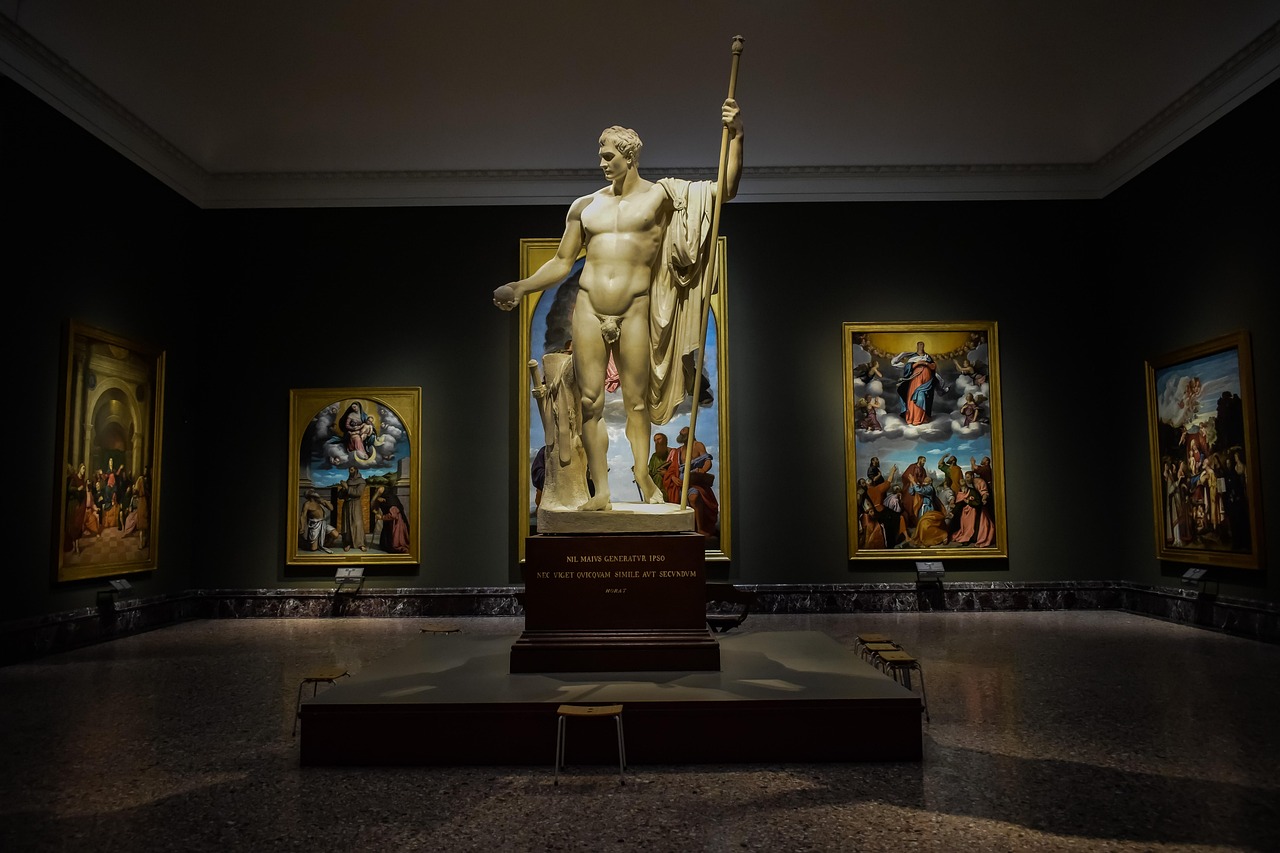
Inside the Pinacoteca, you’ll find masterpieces by Caravaggio, Raphael, and Mantegna. The layout is human-scale; you can see the highlights in about two hours without feeling overwhelmed. I always linger in front of Caravaggio’s Supper at Emmaus—the light and realism are incredible.
After the museum, I usually reward myself with a coffee at one of the nearby cafés. If you want a local-feeling spot, skip the main drag and look for smaller corners like Fioraio Bianchi Caffè, a flower shop–café hybrid that feels like stepping into a movie set.
6. Navigli Canals & Aperitivo
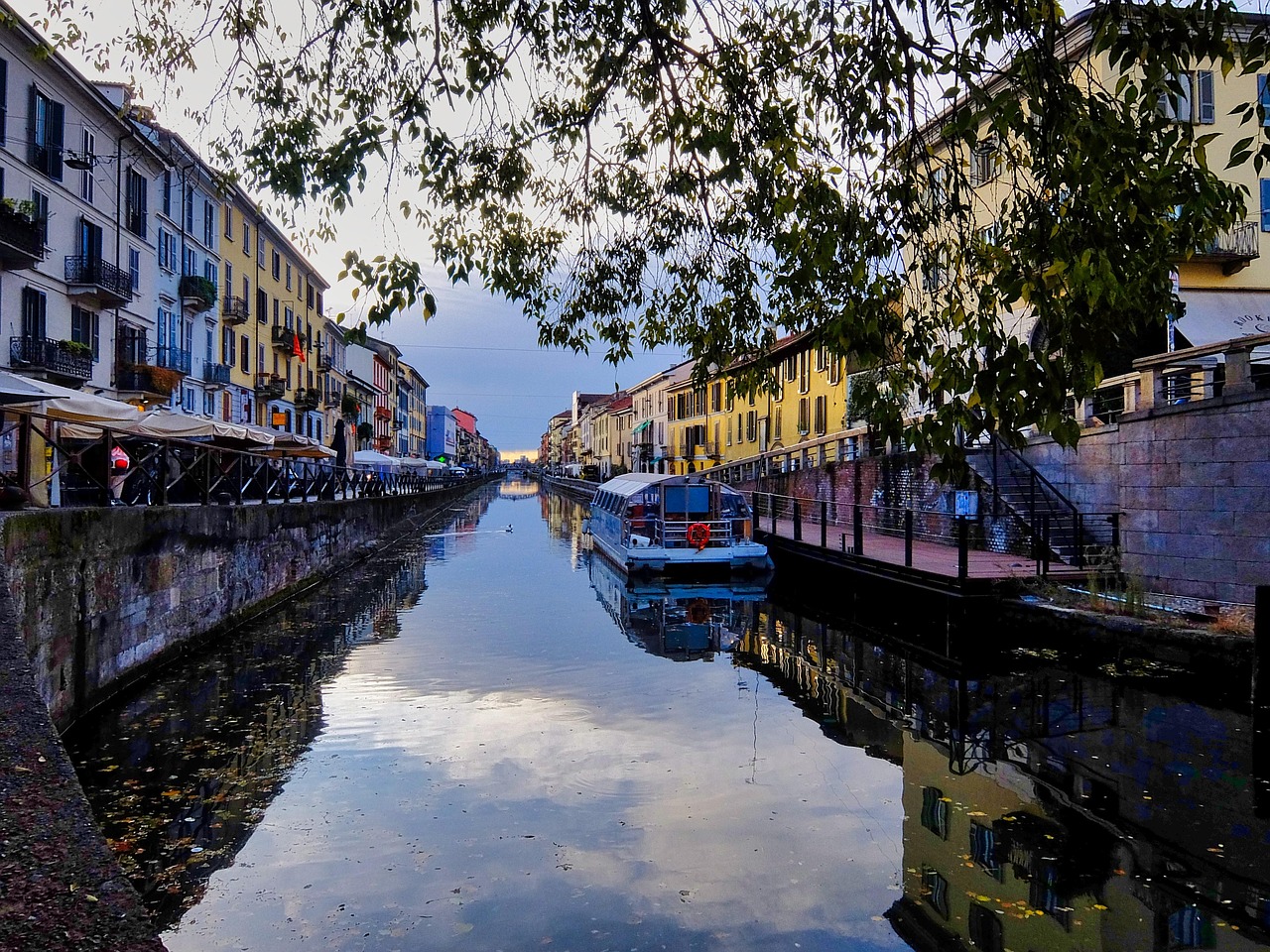
Navigli is where Milan loosens its tie. The two main canals—Naviglio Grande and Naviglio Pavese—used to be trade routes linking the city to the surrounding countryside. Today, the area is a dense concentration of bars, restaurants, vintage shops, and galleries.
Come at sunset. That’s when the light hits the water just right and the cafés begin setting out tables. I’ve had some of my favorite aperitivo evenings here—Milan’s beloved pre-dinner ritual of drinks with snacks. Order a spritz, Negroni, or glass of Franciacorta, and you’ll get a spread ranging from simple chips and olives to full buffets, depending on the bar.
Local Tips
- Avoid the worst tourist traps: If a place’s buffet looks too huge and cheap, the quality probably matches. Better to choose a smaller selection with good ingredients.
- Romantic: Book a table at a canal-side restaurant on a quieter weekday night.
- Family-friendly: Early evenings (before 7:30 pm) are calmer; kids love watching the boats and street artists.
- Hidden gem: Wander the side streets and inner courtyards; many studios open only in the evening or on art nights.
7. Porta Nuova, Bosco Verticale & Piazza Gae Aulenti
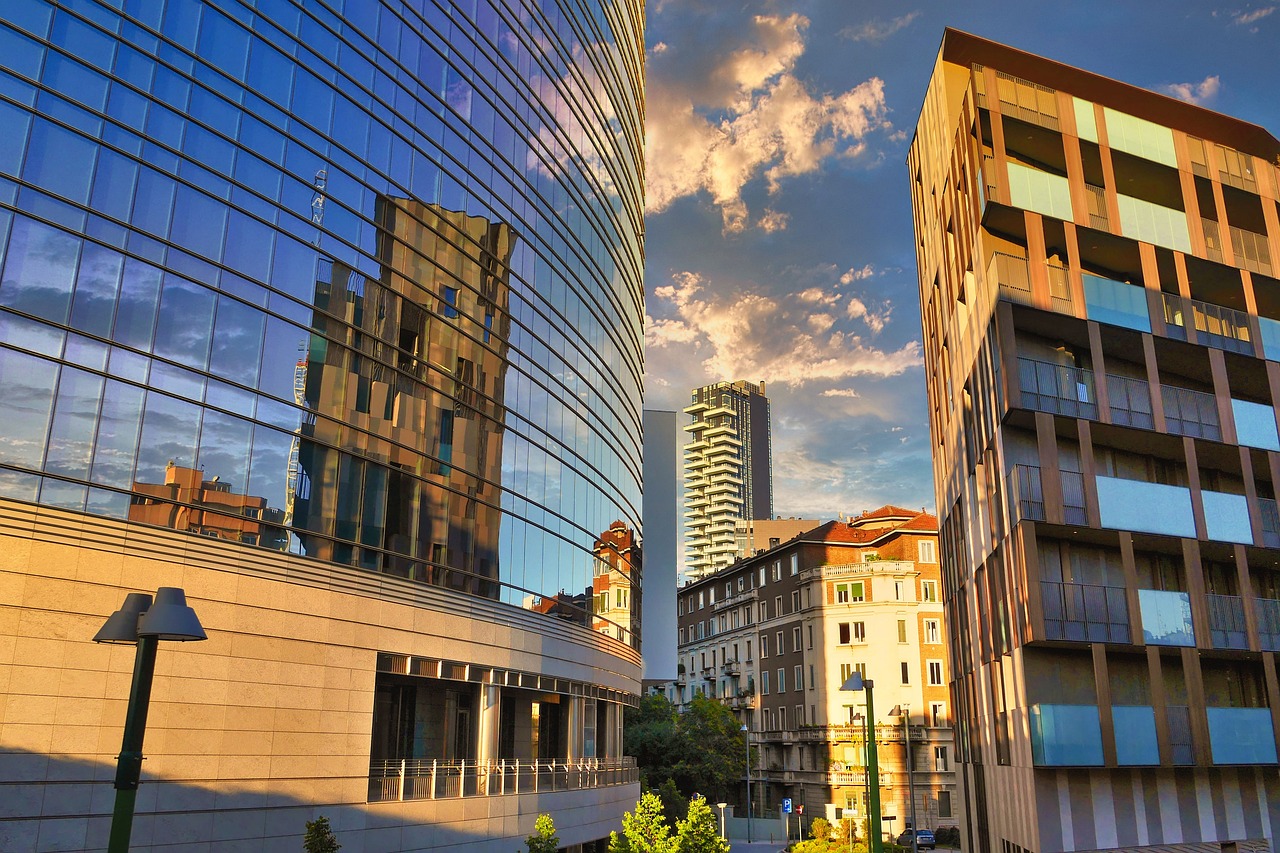
For architecture lovers, Porta Nuova is non-negotiable. It’s Milan’s futuristic district, full of glass skyscrapers, elevated walkways, and public art. Walking here feels like stepping into a different city.
Start at Piazza Gae Aulenti, a circular plaza surrounded by curved towers and a shallow pool with fountains. It’s particularly magical at night when everything is lit up. From there, follow the pedestrian paths toward Isola and the Bosco Verticale (Vertical Forest), two residential towers covered in thousands of trees and shrubs.
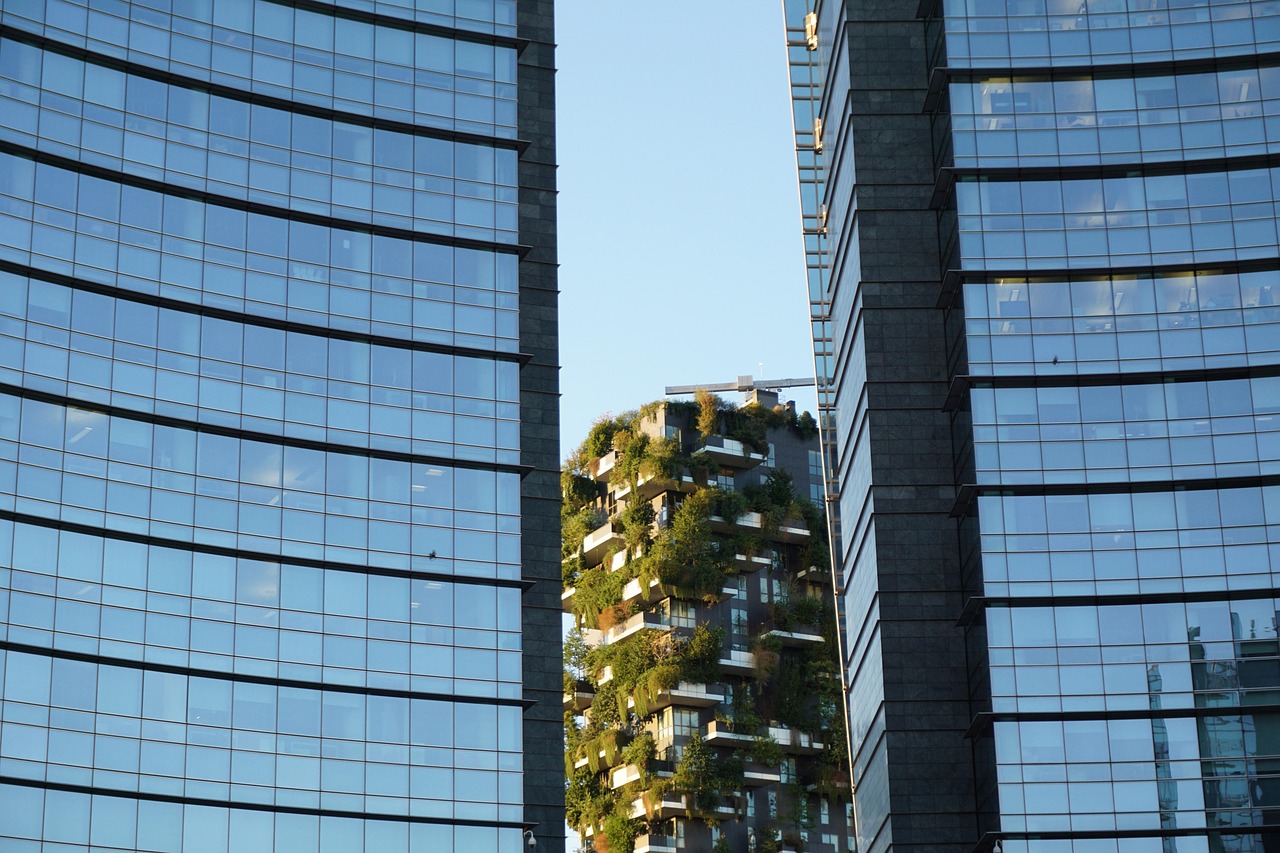
Every time I bring friends here, they’re stunned by how green the towers are. The buildings change with the seasons: lush in summer, fiery in autumn, bare but sculptural in winter. You can’t visit inside unless you live there, but the views from the park at their base are perfect.
For a budget-friendly meal, the food court at Eataly Smeraldo nearby offers regional Italian dishes, or you can grab takeaway and eat on a bench under the trees.
8. CityLife District & Tre Torri
CityLife is Milan’s other big modern development—an old fairground turned into a futuristic district of parks, shopping, and three iconic skyscrapers: the “Straight” (Allianz Tower), the “Twisted” (Generali Tower), and the “Curved” (PwC Tower). It’s a great place to see how the city is reinventing itself.
I often come here on Sunday afternoons: families picnic in the park, kids zoom around on scooters, and the car-free streets feel almost utopian. The shopping center is sleek but has a mix of high and mid-range brands, and there’s usually some kind of pop-up event or design market.
9. Teatro alla Scala
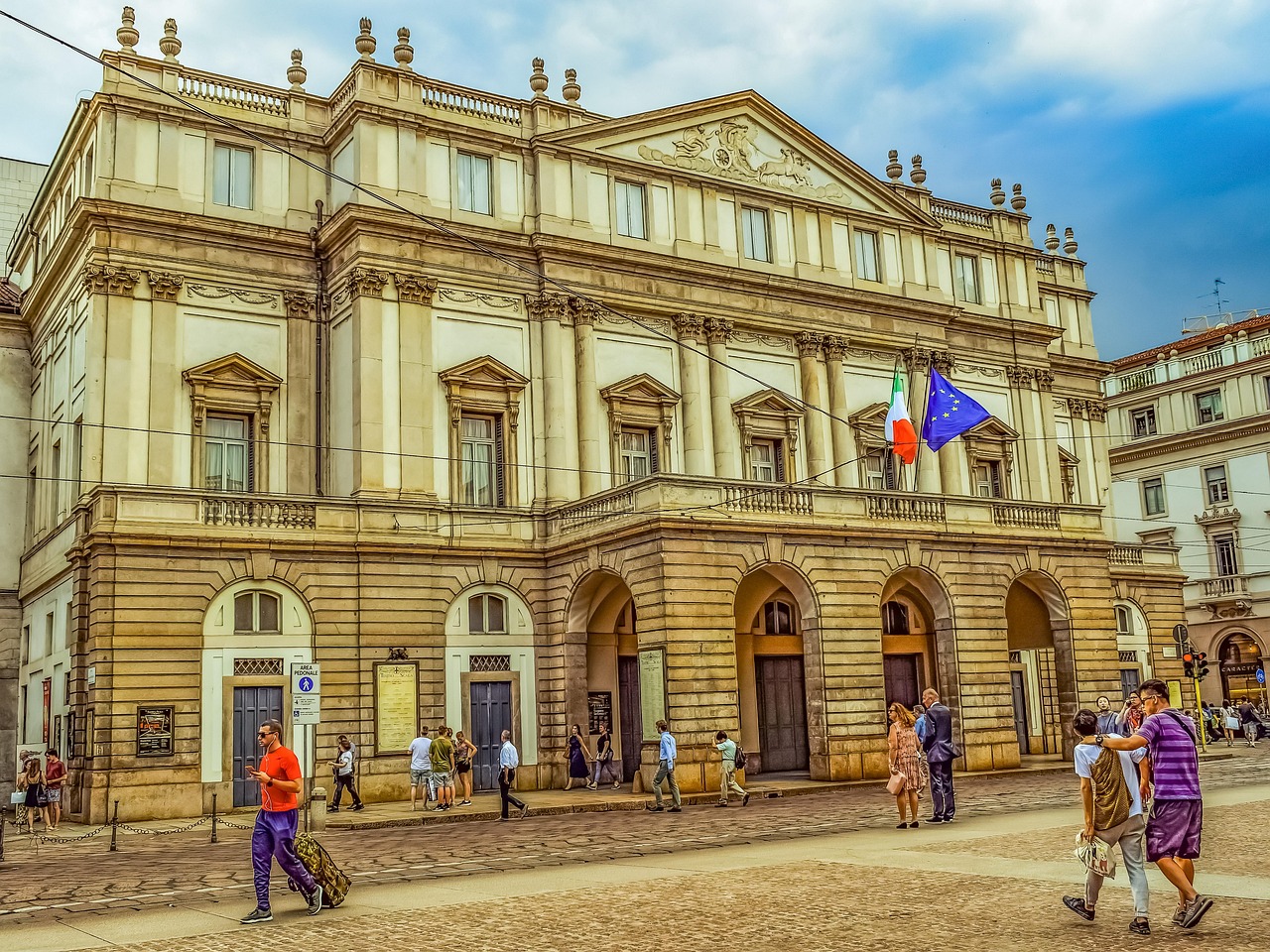
La Scala is one of the most famous opera houses in the world. Even if you’re not an opera fan, it’s worth stepping inside to feel the red velvet, gold trim, and history of centuries of performances.
I still remember my first performance here: Verdi, of course. I’d booked a cheap “limited view” seat way up in the galleries. The pillar blocked part of the stage, but when the orchestra started, it didn’t matter. The sound is incredible, and watching the audience—people dressed to the nines, whispered greetings between regulars—was a show in itself.
How to Experience La Scala
- Museum visit: The on-site museum lets you peek into the auditorium from a box, see costumes, and learn the theatre’s history.
- Catch a rehearsal: Occasionally open to the public; check the official site.
- Dress code: For performances, smart-casual is fine for most seats, but locals still dress up for premieres.
10. Quadrilatero d’Oro (Fashion District)
The “Golden Rectangle” around Via Montenapoleone is luxury central: Gucci, Prada, Armani, and every other high-end name you can think of. Even if your budget is more H&M than Hermès, strolling these streets is a fun look at Milan’s fashion side.
As a local, I rarely shop here, but I do enjoy window-shopping and people-watching. The side streets sometimes hide smaller boutiques and interesting concept stores. If you’re planning serious shopping, bring your passport for tax-free forms.
11. Basilica di Sant’Ambrogio
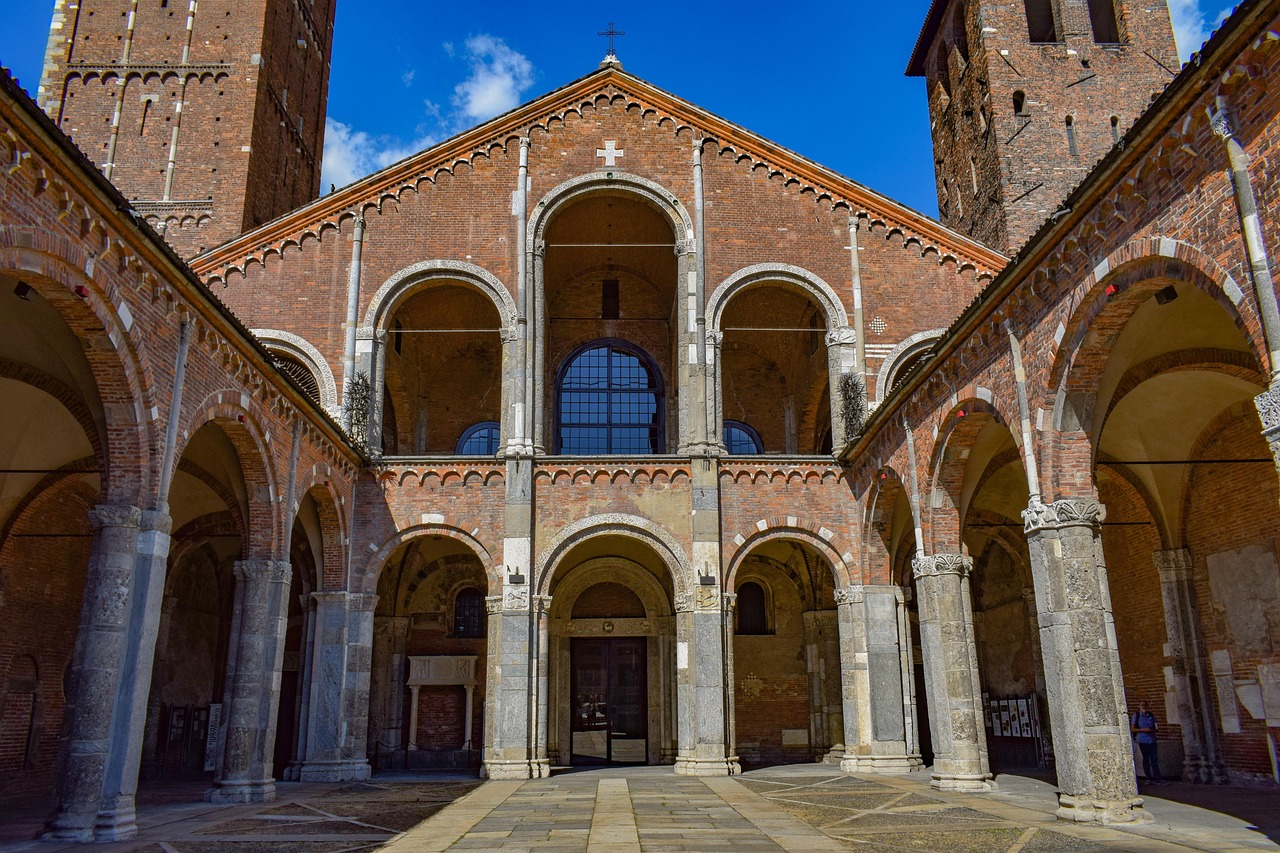
This 4th-century basilica dedicated to Milan’s patron saint, Ambrose, is one of the city’s most spiritually powerful spaces. It’s less ornate than the Duomo, with Romanesque arches and a sense of deep, ancient calm.
I often recommend visitors come here when they feel overwhelmed by crowds. Sit for a few minutes in the courtyard, look at the stone lions and old brickwork, and you can almost feel the centuries layered in the walls.
12. San Maurizio al Monastero Maggiore (“The Sistine Chapel of Milan”)
San Maurizio is the definition of a hidden gem in Milan. From the street, it looks modest. Inside, it’s a riot of Renaissance frescoes covering every surface: saints, biblical scenes, delicate patterns, and a serene Madonna above the choir.
The first time I pushed open the door, I literally whispered “wow” without meaning to. It’s free to enter (donations welcome), and volunteers often give short explanations in Italian or English. If you love art but hate crowds, this is your sanctuary.
13. Cimitero Monumentale
Cemeteries might sound like an odd tourist attraction, but Monumentale is an open-air museum of sculpture and architecture. Monumental tombs, Art Nouveau angels, family chapels shaped like temples or miniature skyscrapers—it’s unlike any cemetery I’ve seen.
I like coming here on clear days, when the light carves deep shadows in the statues. It’s surprisingly peaceful, and you’ll see local families paying respects as well as visitors wandering with cameras.
14. Santa Maria delle Grazie & Surroundings
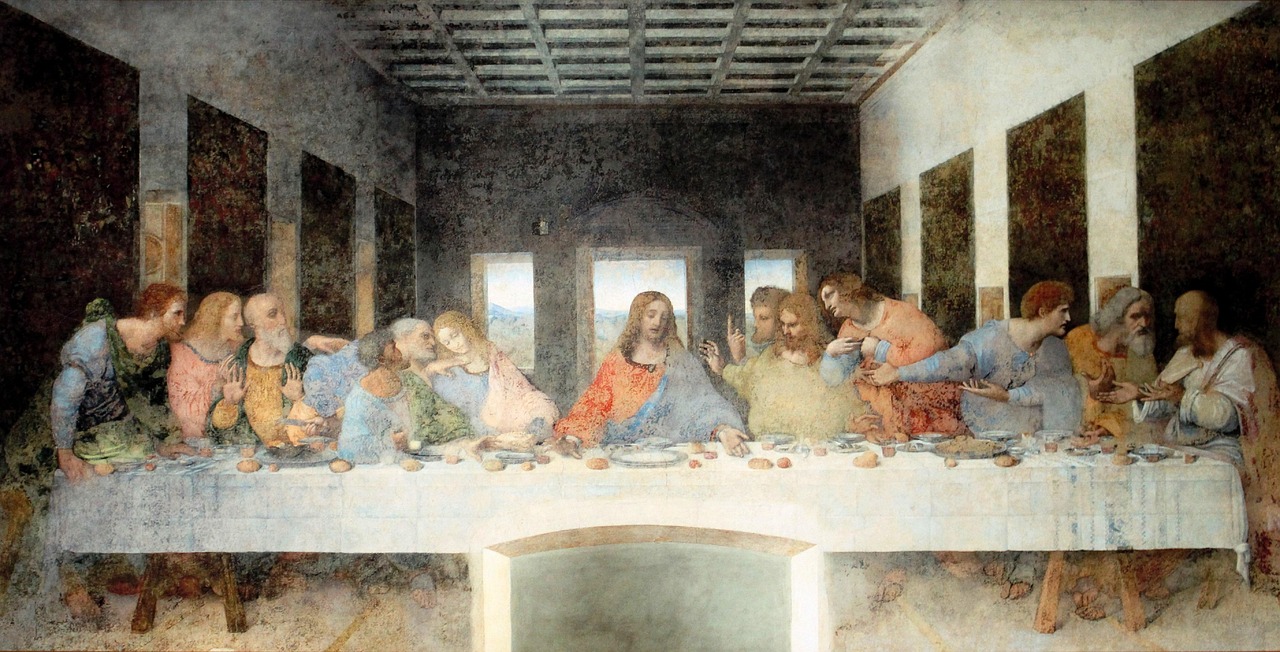
Beyond housing The Last Supper, Santa Maria delle Grazie is worth a quieter visit. The church combines Gothic and Renaissance elements, with a beautiful brick apse designed by Bramante. I like sitting in the small cloister after visiting the refectory—its arcades and central garden are a restful pause.
The surrounding streets are residential, with neighborhood cafés where you’re more likely to hear Italian than English. Great area for a simple, affordable lunch.
15. Porta Ticinese & Colonne di San Lorenzo
Just east of Navigli, the ancient Roman columns of San Lorenzo sit in front of the basilica, watching over a lively square. By day, it’s kids on skateboards and tourists taking photos; by night, it turns into a popular student hangout with cheap bars and street musicians.
I’ve spent many summer nights sitting on these steps, drinking a takeaway beer and chatting with friends. It’s noisy and a bit chaotic, but it’s a slice of real, young Milan.
16. San Siro Stadium (Giuseppe Meazza)
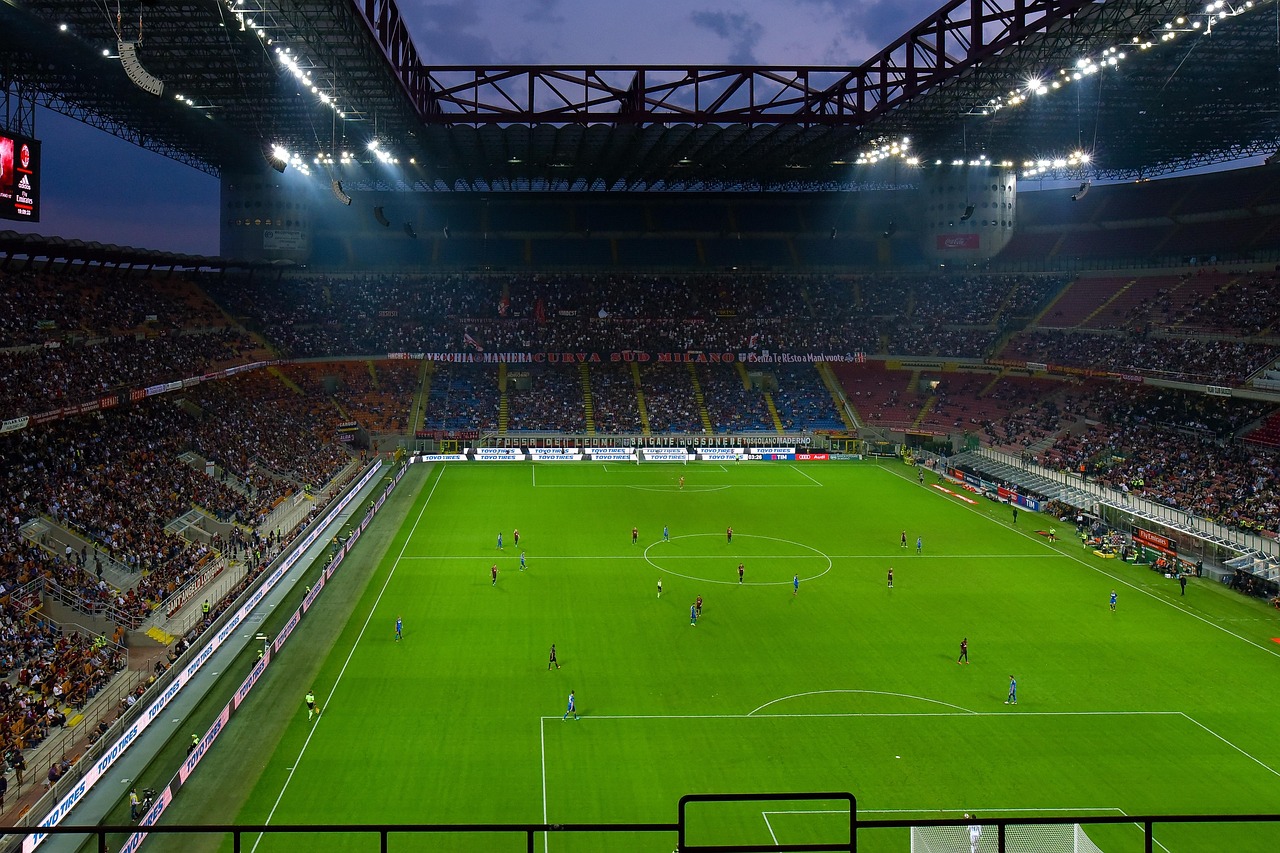
If you’re a football fan, San Siro is pilgrimage material. Home to both AC Milan and Inter Milan, it’s one of Europe’s most iconic stadiums. The roar when a goal is scored in a derby match is something you feel in your ribs.
Even if you’re not into football, concerts and major events here can be a fun way to experience Italian crowd energy. There’s also a museum and stadium tour during non-match days.
17. Museo Nazionale Scienza e Tecnologia “Leonardo da Vinci”
This science and technology museum is a hit with families and curious adults alike. Housed in a former monastery, it covers everything from Leonardo’s machines to space exploration and trains.
I brought my nephew here one rainy day, and we barely scratched the surface in three hours. The transport halls—with vintage trains and a submarine—are especially fun for kids. Book ahead for special experiences like the submarine interior tour.
18. Fondazione Prada
For contemporary art lovers, Fondazione Prada is essential. Located in a former distillery, its mix of old industrial buildings and new architecture (including a “haunted house” clad in gold leaf) is a work of art in itself.
I like to come here on weekday afternoons; the spaces are vast, and you often have entire rooms to yourself. Exhibitions change regularly, often challenging and thought-provoking. Don’t miss the quirky on-site café, designed by Wes Anderson, which feels like stepping into one of his films.
19. Pirelli HangarBicocca
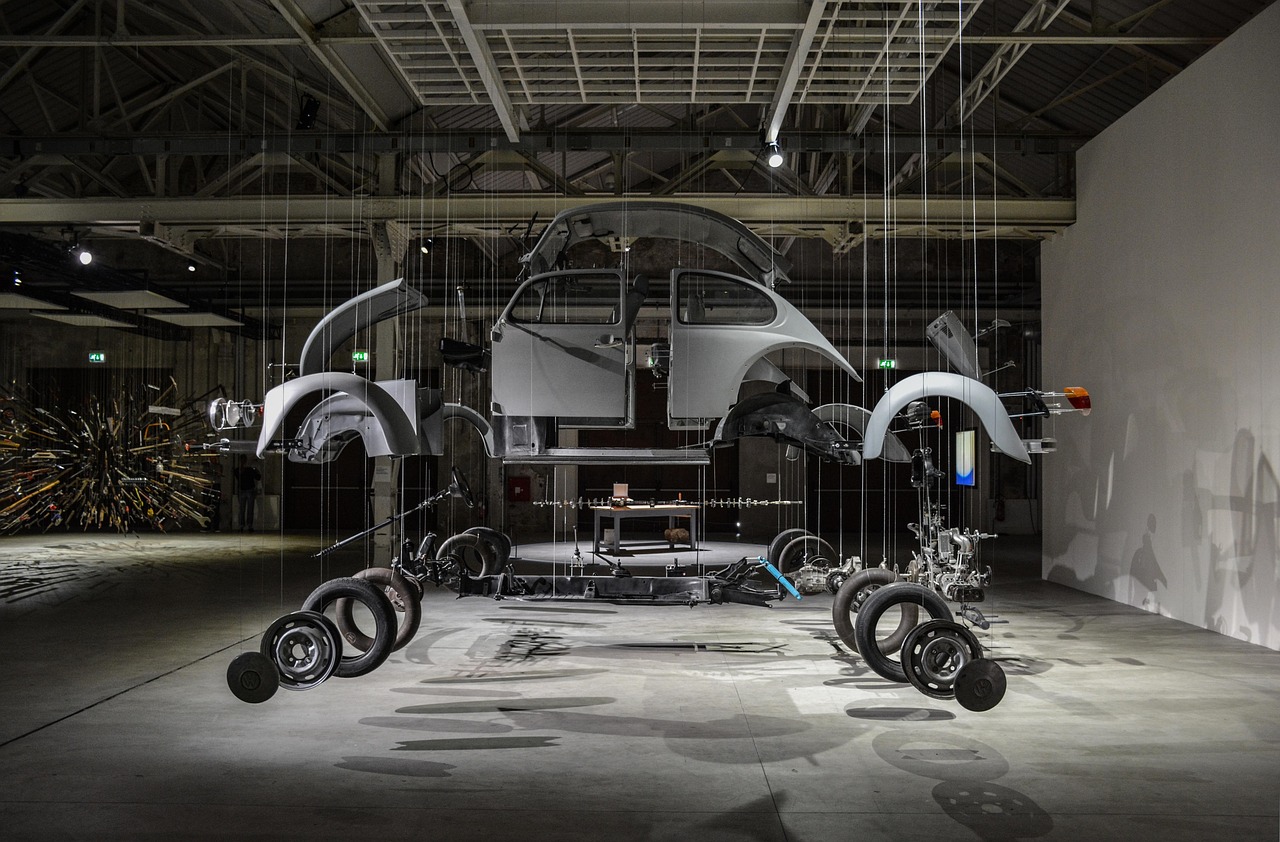
Another contemporary art favorite, HangarBicocca is a massive former industrial space in Bicocca. The permanent installation “The Seven Heavenly Palaces” by Anselm Kiefer—seven towering concrete structures—is worth the trip alone.
Most exhibitions are free, and the scale of the place means you can truly breathe around the artworks. It’s a bit out of the center, but easy to reach by metro, and gives you a different perspective on Milan beyond the historic core.
20. Via Lincoln & Other Hidden Corners
To end this list with a true hidden gem in Milan: Via Lincoln, sometimes called Milan’s “Burano” or “Notting Hill” in miniature. It’s a tiny street of colorful houses, originally built for workers, now carefully maintained and beloved by locals.
The first time I found it, I’d taken a wrong turn coming back from the Porta Vittoria area. I rounded a corner and suddenly everything was pastel: pink, blue, yellow façades with flowers spilling from balconies. It’s small and residential—please be respectful, keep voices low, and don’t treat it like a theme park—but it’s a charming glimpse of a different Milan.
Suggested Itineraries: 3, 4 & 5 Days in Milan
Here’s how I’d structure 3 days in Milan, and how I’d expand that to a 4 day itinerary for Milan or a full 5 days in Milan. Think of these as flexible frameworks you can adapt to your pace and interests.
3 Day Itinerary for Milan
Day 1: Iconic Milan – Duomo, Galleria, Brera & Sforza Castle
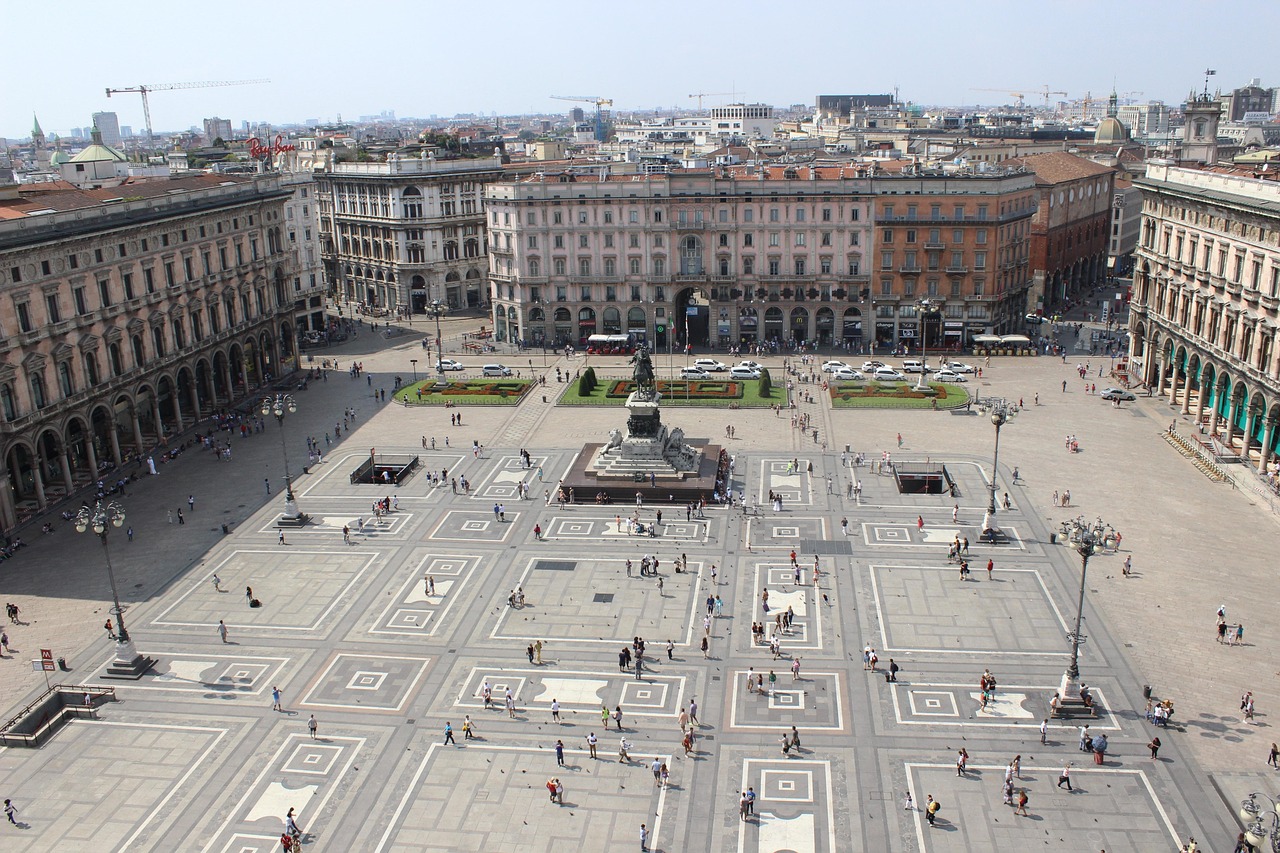
On your first day, stay mostly on foot in the historic center and Brera. This is the classic introduction to Milan’s must-see attractions.
Morning: Duomo & Galleria
Start early at the Duomo (ideally doors-open). Visit the interior, then head up to the rooftop terraces before the lines build up. I like to wander the rooftop slowly, then come down and circle the piazza once, watching street life unfold.
Next, step into Galleria Vittorio Emanuele II. Walk its full length, from Piazza del Duomo to Piazza della Scala. Peek into La Scala’s exterior, then consider a quick visit to the La Scala Museum if you’re an opera fan.
Lunch: Near Brera
Walk north into Brera (10–15 minutes). On the way, you can pass through Via dei Mercanti and Piazza dei Mercanti, a medieval square that feels miles away from the modern city.
In Brera, I often grab a sit-down lunch at a simple trattoria on a side street—look for daily specials (piatti del giorno) for better prices. Avoid places with overly insistent hosts.
Afternoon: Pinacoteca & Brera Streets
Spend a couple of hours in the Pinacoteca di Brera. Even if you’re not an art expert, the audio guide does a good job of explaining key works without overwhelming detail.
Afterward, wander Brera’s streets: browse independent boutiques, pop into perfumeries, and pause for a coffee or gelato. If you’re into photography, the light in late afternoon on these narrow streets is gorgeous.
Evening: Aperitivo in Brera or Corso Garibaldi
For your first Milanese aperitivo, choose a bar along Corso Garibaldi or one of the quieter Brera side streets. I like spots where the focus is on quality drinks with a modest plate of snacks, rather than all-you-can-eat buffets.
Day 2: Leonardo, Santa Maria delle Grazie & Navigli Canals
Morning: The Last Supper & Santa Maria delle Grazie
Book a morning slot for The Last Supper. Arrive at least 20 minutes early to check in, pass through the climate-control chambers, and settle your thoughts before entering the refectory. After your 15 minutes with Leonardo, take time to visit Santa Maria delle Grazie and its cloister.
Late Morning: San Maurizio & City Center
Walk (or take a short tram) to San Maurizio al Monastero Maggiore. Spend 20–30 minutes soaking in the frescoes. Then head back toward the center, maybe grabbing a quick espresso at a standing bar along the way.
Afternoon: Free Time or Shopping
This is a good slot for exploring the Quadrilatero d’Oro, doing some shopping, or revisiting any central sights you wanted more time for. Alternatively, you could visit the Museo del Novecento (20th-century art) near the Duomo.
Evening: Navigli & Porta Ticinese
Head to Navigli around 6–7 pm. Stroll the canals, browse vintage shops, and settle in for aperitivo. If you’re traveling as a couple, consider a later dinner at a canal-side osteria, then walk up toward Colonne di San Lorenzo to see the evening energy around the Roman columns.
Day 3: Modern Milan – Porta Nuova, CityLife & Monumentale
Morning: Porta Nuova & Bosco Verticale
Start at Piazza Gae Aulenti. Explore the elevated walkways and shops, then walk toward Bosco Verticale and the adjacent park. Grab a coffee and croissant at a café overlooking the greenery.
Late Morning: Cimitero Monumentale
From Porta Nuova, it’s a short tram or 20-minute walk to Cimitero Monumentale. Spend an hour or so exploring the monumental tombs. It’s especially beautiful in clear weather, but atmospheric year-round.
Afternoon: CityLife
Head to CityLife via metro (Tre Torri stop). Wander the park, admire the Tre Torri skyscrapers, and have a late lunch or coffee in the shopping complex. On weekends, check if there are any design or food events happening in the square—they’re common.
Evening: Neighborhood Dinner
For your final evening, pick a neighborhood you liked most—Brera, Navigli, or even Isola—and have a relaxed dinner. If you still have energy, finish with a nightcap at a cocktail bar or wine bar.
4 Day Itinerary for Milan
With 4 days in Milan, you can slow down a bit and add more museums or neighborhoods.
Day 4: Museums, Science & Hidden Churches
Use your extra day for deeper culture:
- Morning: Museo Nazionale Scienza e Tecnologia “Leonardo da Vinci” – great for families and anyone curious about science and tech.
- Lunch: Nearby local cafés or a quick panino at a bakery.
- Afternoon: Basilica di Sant’Ambrogio and a second look at San Maurizio if you loved it.
- Evening: Quiet aperitivo near Sant’Ambrogio or head back to your favorite area.
5 Day Itinerary for Milan
With 5 days in Milan, you can add a full-day excursion and still keep relaxed mornings or evenings in the city.
Day 5: Day Trip to Lake Como, Bergamo or Pavia
For a classic choice, take the train from Milano Centrale to Como or Varenna (Lake Como). Spend the day strolling lakeside promenades, taking a ferry between towns, and soaking in mountain-lake views.
If you prefer something quieter, Bergamo’s Città Alta (upper town) or the university town of Pavia are charming, cheaper, and less crowded than the lake in high summer. I’ll cover more day trips below, but any of these can be done comfortably in a day.
Neighborhoods & Districts to Explore in Milan
Understanding Milan’s neighborhoods will help you decide where to stay and how to shape your days:
- Centro Storico: Around the Duomo; best for first-timers who want to walk to most things, but pricier and busier.
- Brera: Romantic, artsy, ideal for couples; lots of boutiques, galleries, and cozy restaurants.
- Navigli & Porta Ticinese: Nightlife, canals, younger crowd; can be noisy but full of character.
- Porta Nuova & Isola: Modern, trendy, great for design lovers and those who enjoy new architecture.
- CityLife & Fiera: Residential with modern vibes; good if you want calmer evenings.
- Porta Romana: Slightly quieter, with excellent restaurants and a local feel.
- Lambrate & Città Studi: Studenty, creative, cheaper bars and street art.
Local Food in Milan: What & Where to Eat
Milan’s food scene mixes traditional Lombard dishes with international flavors. Some must-try local specialties:
- Risotto alla Milanese: Saffron-infused risotto, often served with ossobuco (braised veal shank).
- Cotoletta alla Milanese: Breaded veal cutlet, traditionally bone-in and thick.
- Mondeghili: Milanese meatballs, perfect with a glass of red wine.
- Panettone: Christmas cake originally from Milan—by 2026 you can find artisanal versions year-round.
- Aperitivo spread: From olives and focaccia to small pasta dishes, depending on the bar.
For saving money, eat your main meal at lunchtime: many places offer fixed-price menus (menu del giorno). For authentic, budget-friendly bites, check out neighborhood bakeries, rosticcerie (rotisserie takeaways), and small family-run trattorie a few blocks away from main squares.
Nightlife, Entertainment & Cultural Experiences in Milan
Milan’s nightlife spreads across several districts: Navigli for canal-side bars, Colonne di San Lorenzo for student energy, Brera for wine bars, and Porta Romana for more low-key spots. For clubs, look toward Corso Como and areas slightly outside the center.
Culturally, beyond La Scala, there are smaller theatres, jazz clubs, and frequent design and fashion events. Museums like Fondazione Prada and HangarBicocca often host evening openings and performances.
Best Day Trips from Milan
- Lake Como: Como, Bellagio, and Varenna for lakeside charm and boat rides.
- Bergamo: Medieval upper town with stone lanes and sweeping views.
- Pavia: University town with a beautiful Certosa (monastery complex) nearby.
- Lake Maggiore: Stresa and the Borromean Islands for gardens and palaces.
All are reachable by frequent regional trains from Milano Centrale, Porta Garibaldi, or Cadorna. Buy tickets at machines or via Trenitalia/Italo apps, and remember to validate paper tickets in the little green or yellow machines before boarding regional trains.
Local Customs & Cultural Etiquette in Milan
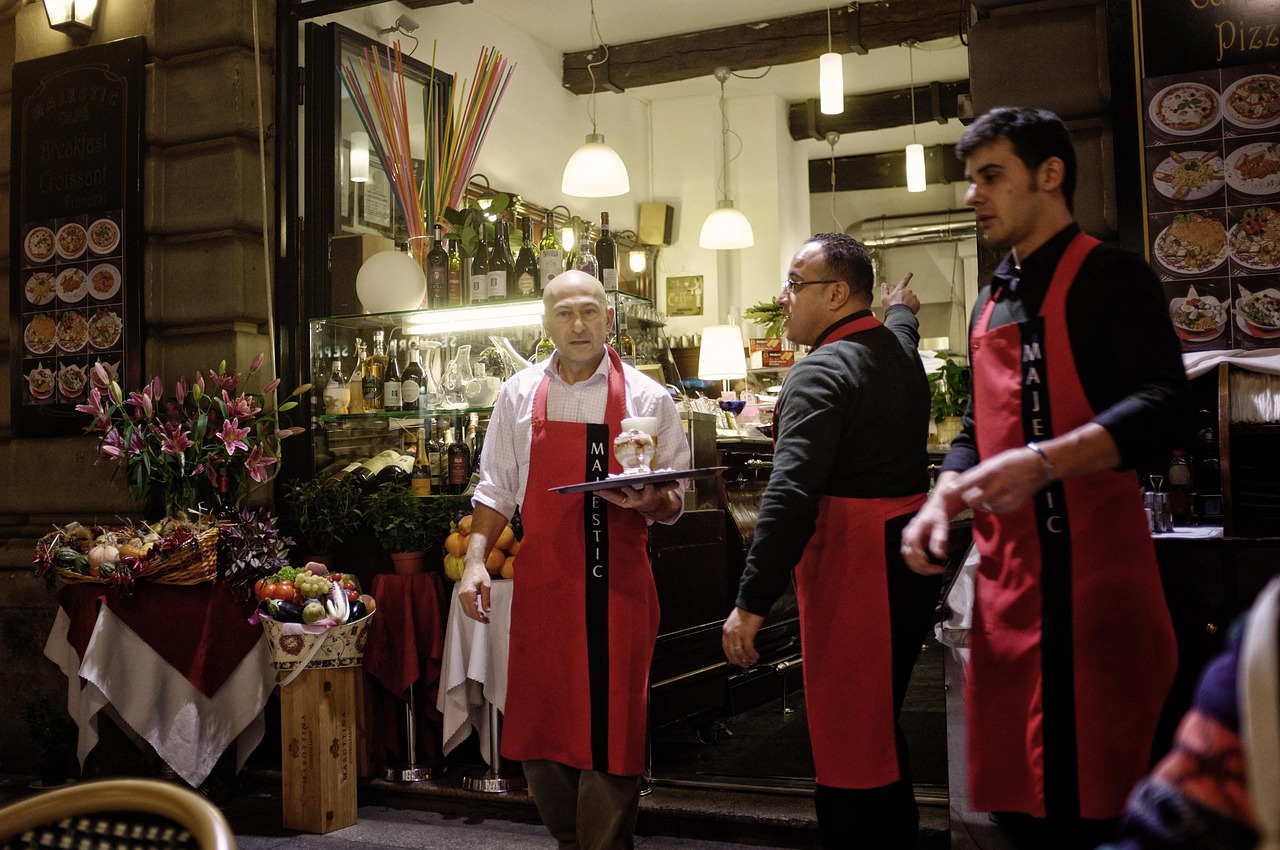
- Coffee culture: Italians drink cappuccino only in the morning; after lunch, it’s espresso or macchiato. Stand at the bar for cheaper prices.
- Aperitivo: Usually 6–9 pm. It’s not meant to replace dinner entirely, though many travelers treat it that way.
- Dress: Milanese style is generally polished. Smart-casual works almost everywhere; cover shoulders and knees in churches.
- Punctuality: More punctual than southern Italy, especially for meetings and tours.
- Language: A basic “Buongiorno,” “Per favore,” and “Grazie” go a long way. Many people speak some English, but trying Italian is appreciated.
Practical Travel Tips for Milan (2026–2027)
Getting Around
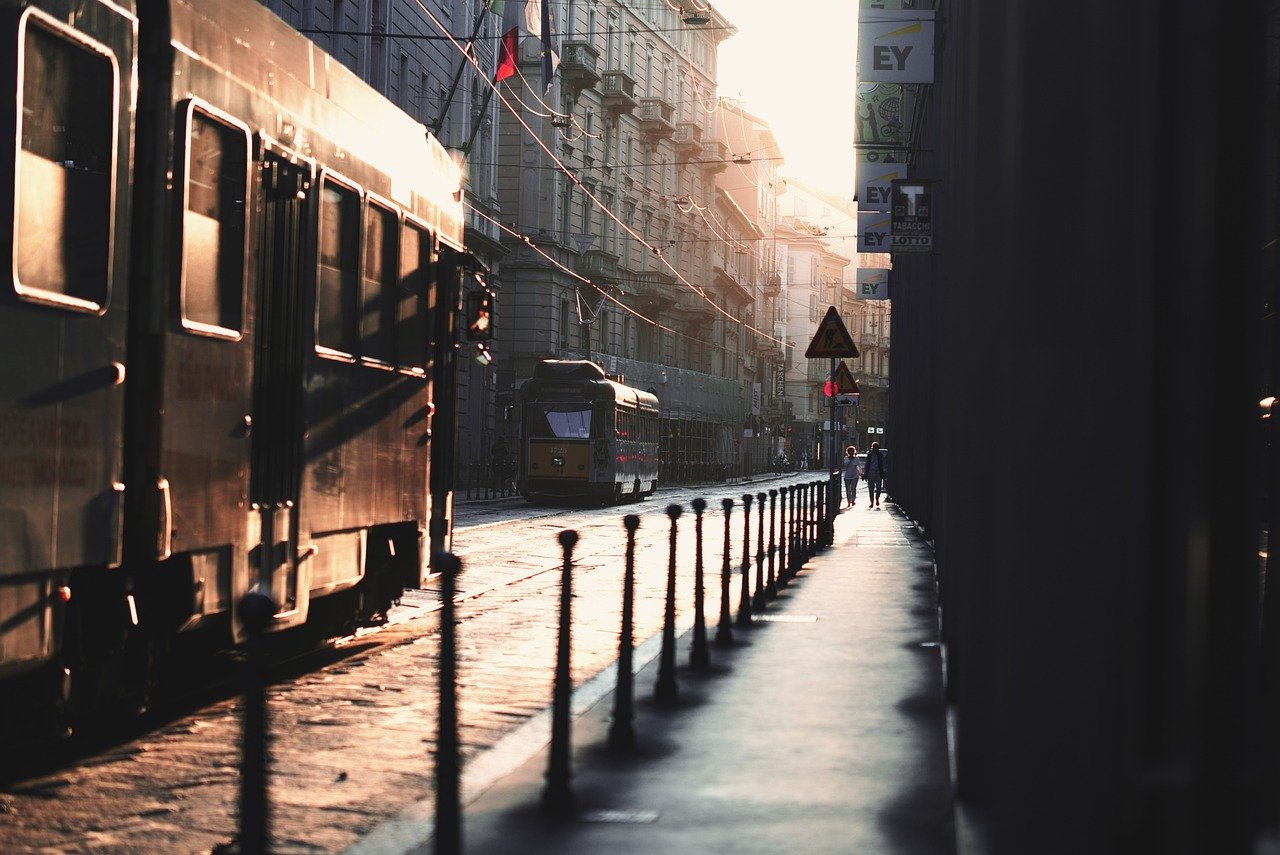
- Public transport: Extensive metro, tram, and bus network. Contactless payments increasingly accepted on some lines by 2026, but standard tickets still common.
- Tickets: Buy at metro stations, newsstands, or via ATM/Trenord apps. Validate on board trams/buses.
- Walking: The center is very walkable; comfortable shoes are essential.
- Bikes & scooters: Bike-sharing and e-scooter services are widespread; use bike lanes where available.
Saving Money
- Choose accommodation just outside the historic center (Porta Romana, Isola, Lambrate) for better value.
- Eat at neighborhood spots at lunchtime, self-cater some breakfasts with supermarket supplies.
- Use day or multi-day transport passes if you’ll ride often.
- Book major attractions (Duomo rooftop, Last Supper) in advance to avoid expensive last-minute tours.
SIM Cards & Connectivity
- Italian providers like TIM, Vodafone, and WindTre offer tourist SIMs with generous data; bring your passport.
- eSIMs are common by 2026; consider purchasing one online before arrival.
Car Rental & Driving
- Milan’s ZTL (limited traffic zone) in the center means you should avoid driving into the core unless you understand the rules.
- Foreign driver’s licenses are accepted; many non-EU visitors also need an International Driving Permit.
- For most visitors, a car is unnecessary in the city; rent only for trips into the countryside or mountains.
Visa Requirements
Milan follows Italy’s Schengen visa rules. Check official sources or your local Italian consulate for up-to-date requirements, but in general:
- EU/EEA/Swiss citizens can enter freely with ID.
- Many non-EU nationals can visit visa-free for short stays (up to 90 days in 180), subject to ETIAS-style authorization systems expected to be fully in place by 2026.
- Others need a Schengen visa obtained in advance.
Seasons & Weather
- Spring (April–June): Mild, great for walking and day trips; popular and busier.
- Summer (July–August): Hot and humid; some locals leave in August; still plenty open but slower vibe.
- Autumn (September–October): My favorite: comfortable temperatures, food festivals, fashion and design events.
- Winter (November–February): Grey and damp, but magical around Christmas with lights and markets.
Major Events in Milan 2026–2027
While specific lineups change each year, some recurring and expected highlights for 2026–2027 include:
- Milan Fashion Week: Held twice yearly (February/March and September), bringing global fashion crowds.
- Milan Design Week (Salone del Mobile & Fuorisalone): Usually in April; the entire city turns into a design playground with installations, open studios, and parties.
- Christmas Markets: Late November through December, especially around the Duomo and Castello Sforzesco.
- Summer concerts at San Siro and open-air venues: International and Italian acts.
- Local festivals: Food and wine fairs in various neighborhoods, especially in autumn.
Summary & Best Time to Visit Milan
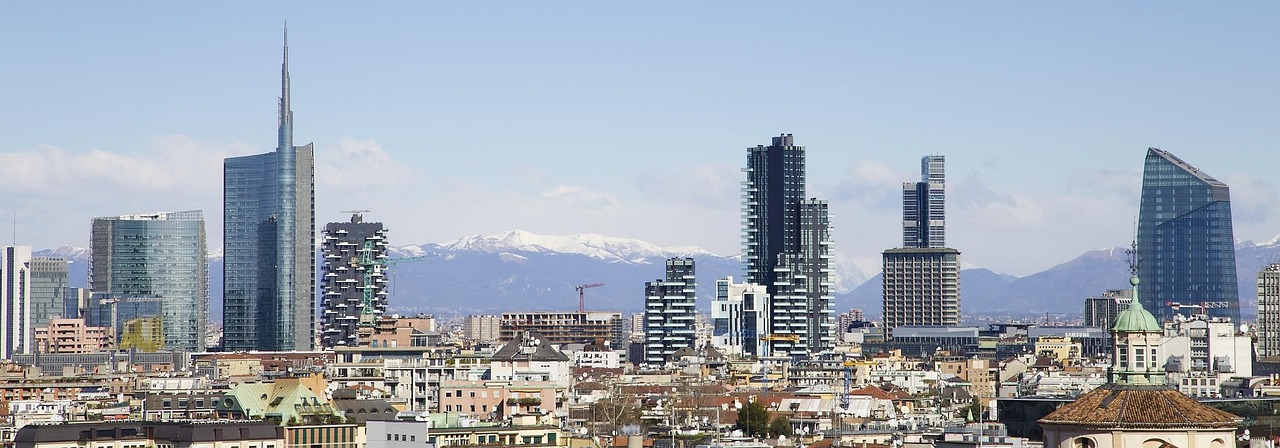
Milan is best enjoyed as a living city rather than a checklist of monuments. In 3 days in Milan, you can see the Duomo, Last Supper, canals, and modern skyline. With 4 days in Milan, you add depth—more museums, more neighborhoods, slower evenings. With 5 days in Milan, you can fold in a day trip to Lake Como or Bergamo and still savor local cafés and hidden churches.
For most travelers, the best times to visit Milan are late April to early June and September to mid-October, when the weather is pleasant and the cultural calendar is busy. Winter is atmospheric for Christmas lights and sales; summer offers long evenings but also heat and some closures in August.
However long you stay, let yourself wander beyond the Duomo square: into Brera’s courtyards, along Navigli’s water, under the shadows of Bosco Verticale, and through quiet residential streets where laundry flutters between windows. That’s where Milan stops being just a fashion capital and becomes a city you’ll want to return to.