Why Visit Naples? What Makes This City So Special
If you’re imagining Naples as just a chaotic gateway to Pompeii and the Amalfi Coast, you’re missing the heart of Southern Italy. I’ve been coming back to Naples for over a decade, and every visit feels like opening a new chapter of the same intense, delicious, noisy novel. This city is alive in a way few European cities are: laundry flaps above Baroque palaces, scooters weave past ancient churches, and the smell of wood-fired pizza drifts through 18th‑century alleyways.
Naples is raw, layered, and unapologetically authentic. It’s where you eat the world’s best pizza for the price of a coffee, walk on streets older than Rome, and look out over a volcano that quietly watches everything. It’s also one of the best bases for 3–5 day itineraries in Southern Italy, with easy day trips to Capri, Pompeii, Herculaneum, Ischia, and the Amalfi Coast.
In this comprehensive 2026 travel guide for Naples, I’ll walk you through the must-see attractions, hidden gems, neighborhoods, and food you absolutely need to try. I’ll also share personal stories from my own trips, plus practical travel tips for Naples—from saving money on transport and where to stay, to local customs and cultural etiquette. Whether you have 3 days in Naples, 4 days in Naples, or a full 5 day itinerary for Naples, you’ll find ideas you can mix and match.
Table of Contents
- Why Visit Naples
- Neighborhoods & Areas to Explore
- 20 Must-See Attractions in Naples (With Personal Stories & Tips)
- Suggested 3–5 Day Itineraries (With Personal Daily Stories)
- Local Food in Naples: What & Where to Eat
- Cultural Etiquette & Local Customs
- Nightlife, Entertainment & Cultural Experiences
- Best Day Trips from Naples
- What’s New in 2026–2027: Events & Festivals
- Practical Travel Advice for Naples
- Summary & Best Time to Visit Naples
Naples Neighborhoods & Areas to Explore
Naples is compact but incredibly dense. Each neighborhood has a different flavor—sometimes literally. Here’s how I mentally map the city when planning a 3–5 day itinerary.
Centro Storico (Historic Center)
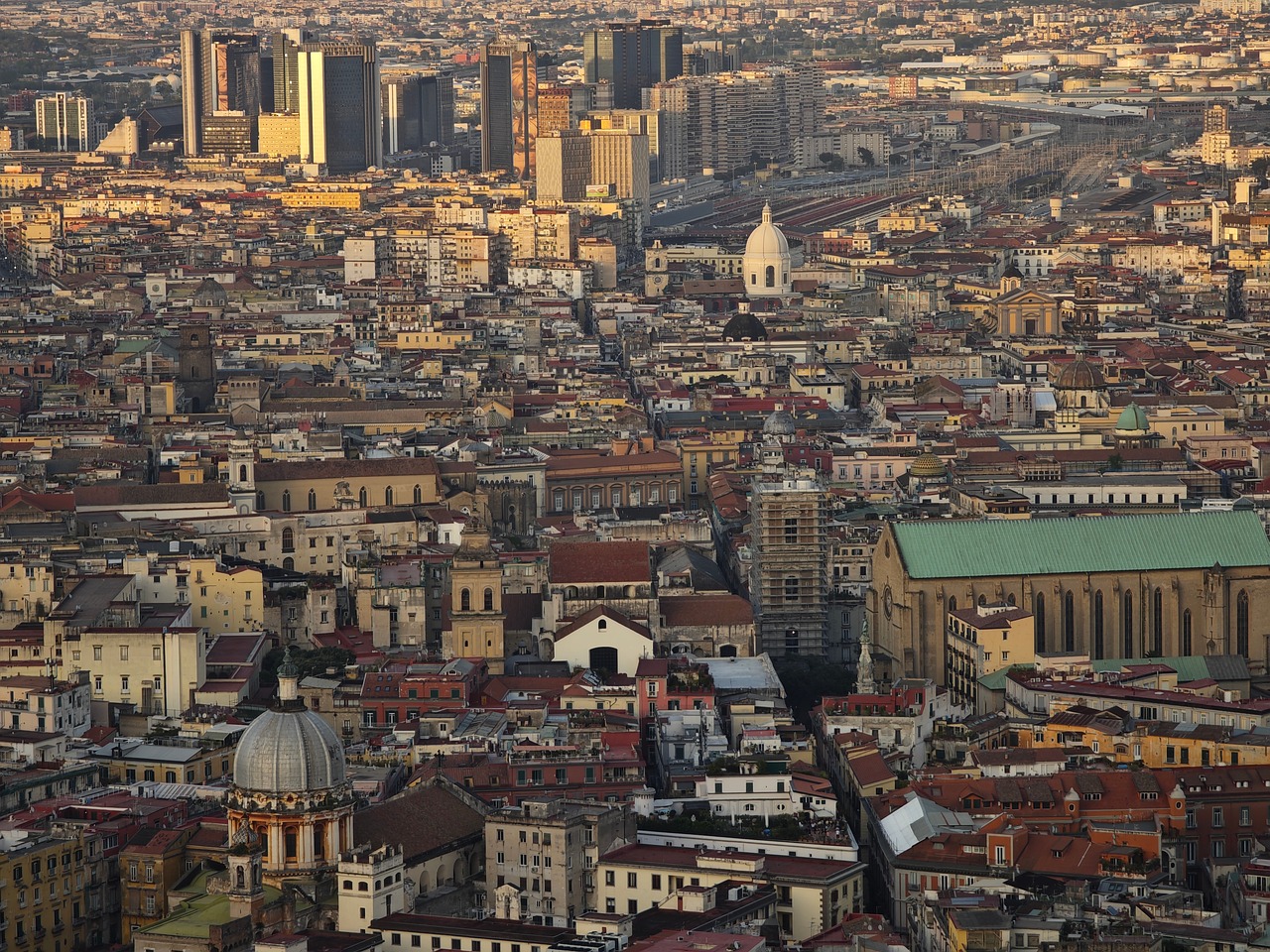
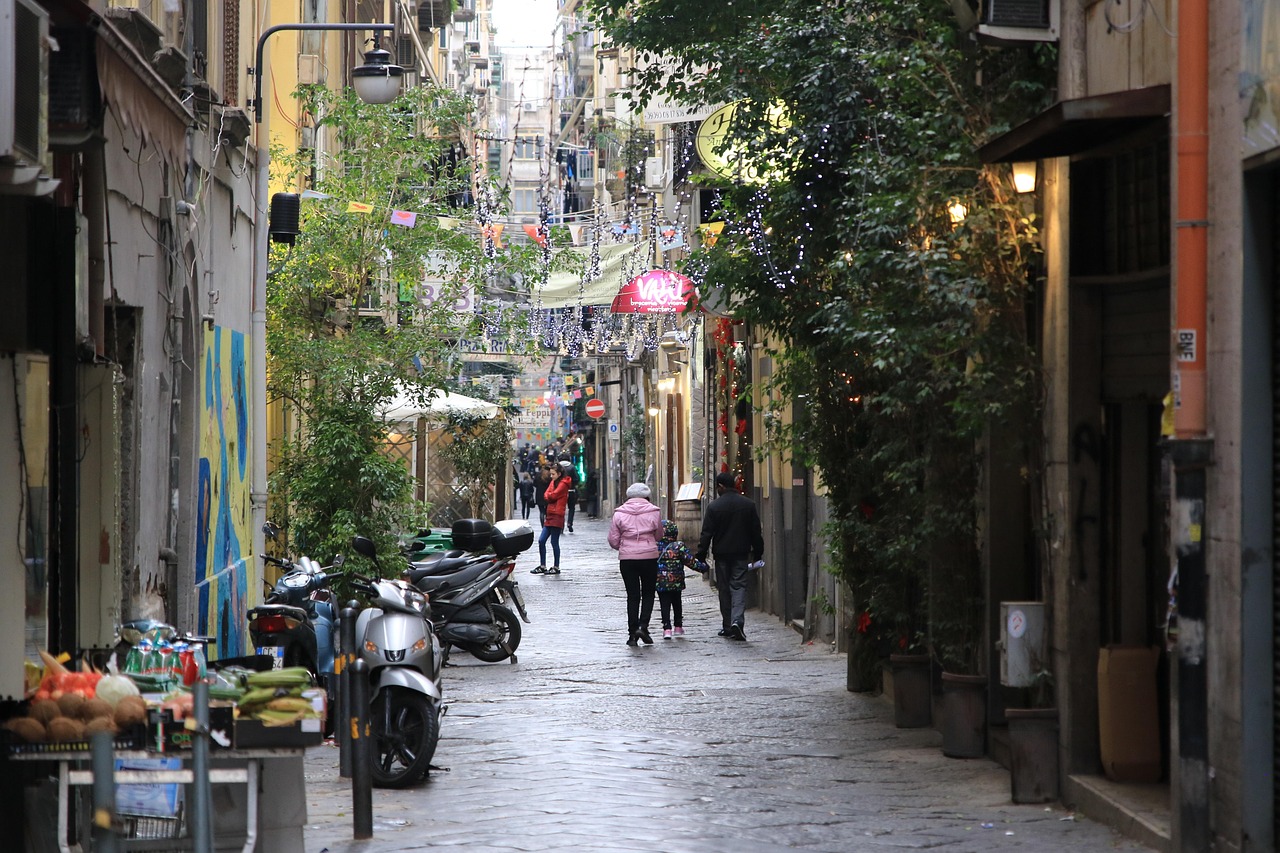
The beating heart of Naples and my favorite place to wander aimlessly. Narrow alleys, shrines on street corners, tiny pizza fritta stalls, and more churches than you can count. It’s chaotic, loud, and endlessly photogenic.
- Best for: First-time visitors, street life, budget eats, historic sights.
- Highlights: Spaccanapoli, Via dei Tribunali, Naples Cathedral (Duomo), San Gregorio Armeno, underground tours.
Spaccanapoli & Decumani
Technically part of the historic center, but worth its own mention. Spaccanapoli is the long, straight street that seems to slice Naples in half. It’s where I always bring friends on their first morning in the city.
- Best for: People-watching, coffee bars, quick access to many attractions.
Quartieri Spagnoli (Spanish Quarter)
Once considered rough, now one of the coolest places to stay. It’s still gritty in the best way, with mural-covered buildings, tiny trattorie, and Vespas zipping past hanging laundry.
- Best for: Local life, budget-friendly stays, nightlife, street art.
Chiaia
The polished, elegant side of Naples along the waterfront. When I need a break from the chaos, I walk Chiaia’s wide streets, browse boutiques, and sit for aperitivo overlooking the bay.
- Best for: Shopping, seafront strolls, upscale bars and restaurants.
Vomero
A hilltop residential district with cooler breezes in summer and some of the best views of Naples. It feels more relaxed, with tree-lined streets, local families, and fewer tourists.
- Best for: Views, castles, family-friendly evenings, quieter stays.
Lungomare & Santa Lucia
The waterfront promenade is where Naples shows off: Castel dell’Ovo, Vesuvius in the background, and locals out for a passeggiata at sunset.
- Best for: Romantic walks, sunset views, seafood dinners.
Rione Sanità
One of the city’s most fascinating and historically rich neighborhoods, just north of the center. It’s a bit raw but full of soul, art projects, and some of the best food spots I’ve discovered.
- Best for: Street photography, catacombs, non-touristy eateries.
20 Must-See Attractions in Naples (With Personal Stories & Tips)
These are the best places to visit in Naples if you’re building a 3, 4, or 5 day itinerary. I’ve visited each of these at least once—many of them several times—often bringing friends and family, so I’ll share what worked, what didn’t, and how to make the most of your time.
1. Spaccanapoli: The Street That Splits the City
Spaccanapoli is not just a street; it’s a living timeline of Naples. On my first morning in the city, my local friend Luca insisted we start here: “If you understand Spaccanapoli, you understand Naples,” he said. We walked from west to east, and in less than an hour I saw medieval churches, Baroque palaces, graffiti-covered walls, and kids kicking a football between ancient columns.
Historically, Spaccanapoli follows the path of one of the original Greco-Roman decumani (east–west streets). Today, it’s a narrow artery full of cafes, bakeries, souvenir shops, and shrines decorated with fairy lights.
What I usually do here: Start with a strong espresso at a standing bar, then wander with no fixed plan. I duck into churches whenever I hear music or see an open door. Around late morning, I grab a sfogliatella (the flaky ricotta pastry Naples is famous for) and eat it standing in the street like everyone else.
Tips for visitors:
- Best time: Morning for calmer vibes, late afternoon for peak local energy. Avoid midday in summer—heat plus crowds can be intense.
- Safety: It’s busy and generally safe, but keep your bag close—pickpockets love distracted tourists.
- Dress: Many churches require covered shoulders and knees. Carry a light scarf if visiting in summer.
2. Naples Cathedral (Duomo di San Gennaro)
The Duomo di San Gennaro is where Naples’ spiritual and superstitious sides collide. The cathedral is dedicated to the city’s patron saint, San Gennaro, whose blood is believed to liquefy miraculously several times a year. I was in Naples once during the September festival; the atmosphere outside was electric—church bells, street vendors, and grandmothers crossing themselves fervently.
The Gothic interior is full of side chapels, frescoes, and relics. The Royal Chapel of the Treasure of San Gennaro feels more like a jewel box than a chapel, packed with silver and gold offerings from centuries of devotees.
What I love to do: I usually combine a visit here with a slow stroll along Via Duomo, stopping for a coffee afterwards in a tiny bar where the barista always seems to remember my face, if not my name.
Visitor tips:
- Entrance: Free for the main cathedral, small fees for some side areas.
- Dress code: Shoulders and knees covered; bring a scarf or light shawl.
- Good for: Families (short visits), culture lovers, architecture fans.
3. Napoli Sotterranea (Naples Underground)
Naples is like a multi-layered cake, and most visitors only see the top. The Napoli Sotterranea tour takes you 40 meters below the surface, into Greek aqueducts, Roman tunnels, and WWII bomb shelters. The first time I did this tour, we squeezed through a narrow passage with candles in hand, and I remember thinking, “This is not for the claustrophobic.”
The guides are usually witty and theatrical, mixing history with dark humor. You’ll see water channels carved centuries ago, chambers used as shelters during Allied bombings, and even an underground garden in some tour variants.
Tips from experience:
- Book ahead: Especially in high season and weekends. Tours are timed and can sell out.
- Footwear: Wear closed, non-slip shoes; it’s damp and uneven in places.
- Not ideal for: Severe claustrophobia, very young kids, or those with mobility issues.
4. National Archaeological Museum of Naples (MANN)
If you’re planning to visit Pompeii or Herculaneum, this museum is essential. Many of the finest mosaics, frescoes, and artifacts were moved here to protect them. I’ve spent entire rainy afternoons wandering these halls, losing track of time in front of a single mosaic panel.
The Farnese Collection is jaw-dropping: massive Roman statues, intricate sculptures, and the famous Farnese Bull. The rooms dedicated to Pompeii and Herculaneum hold vivid frescoes and the sort of everyday items (cosmetics, cookware, jewelry) that make ancient life feel immediate.
My routine: I usually visit in the late morning when it’s quieter, then head out around 2–3 p.m. for a late lunch at a nearby pizzeria. It’s also my go-to indoor activity if the weather turns stormy.
Visitor tips:
- Time needed: 2–4 hours, more if you love archaeology.
- Family-friendly: Yes, especially with older kids interested in ancient Rome.
- Combine with: A later day trip to Pompeii; the context really helps.
5. Castel dell’Ovo & Borgo Marinari
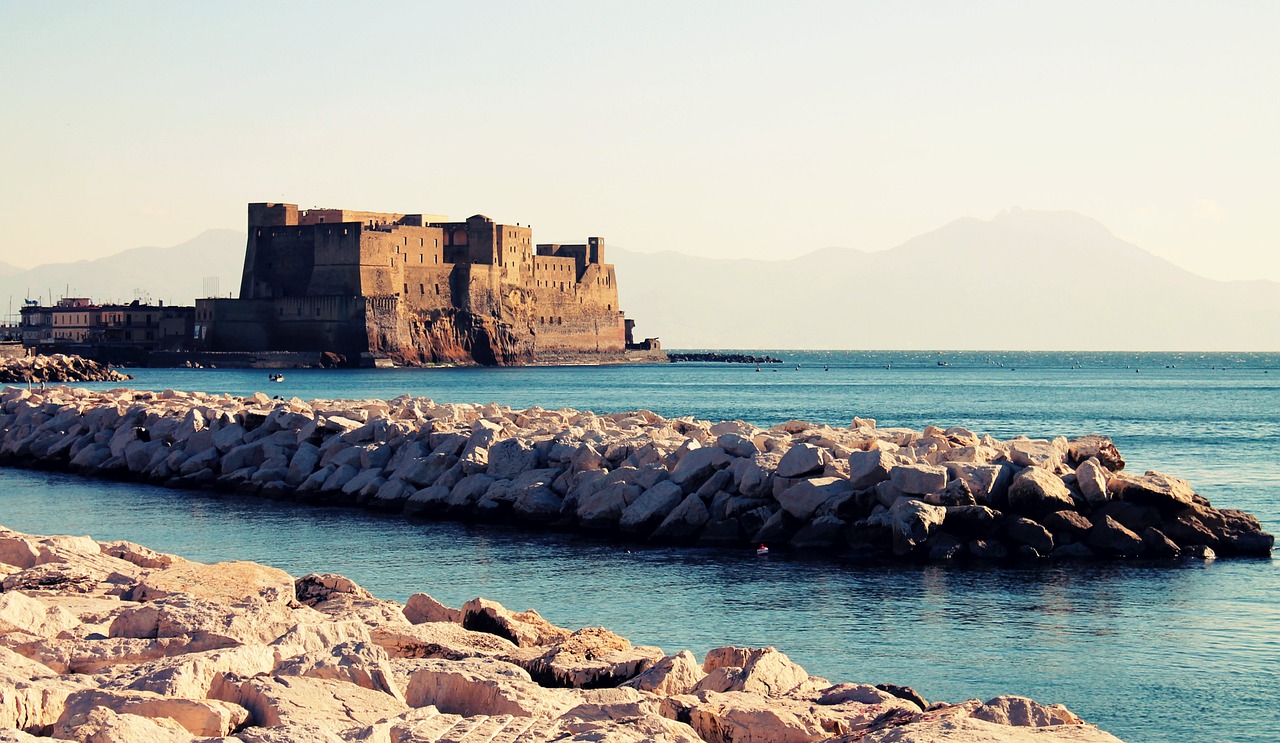
Castel dell’Ovo sits on a small island just off the shore, connected by a short causeway. Legend says a magical egg (“uovo”) hidden in its foundations protects Naples from disaster. Myth aside, this is one of my favorite free viewpoints in the city.
Every time I visit, I walk up through the castle’s ramparts to catch the sweeping view: Vesuvius, the curving bay, pastel buildings stacked up the hillside. Below, the Borgo Marinari is a tiny marina filled with boats and seafood restaurants. One chilly January evening, I sat here under a heat lamp sharing a plate of mixed fried seafood and watching the reflections on the water.
Why it’s great: Romantic at sunset, family-friendly during the day, and an easy stroll from the city center and Chiaia.
Tips:
- Entrance: Free for the castle; restaurants are mid- to high-priced.
- Best time: Late afternoon into sunset for dreamy photos.
- Bring: A light jacket; the sea breeze can be surprisingly cool.
6. Castel Nuovo (Maschio Angioino)
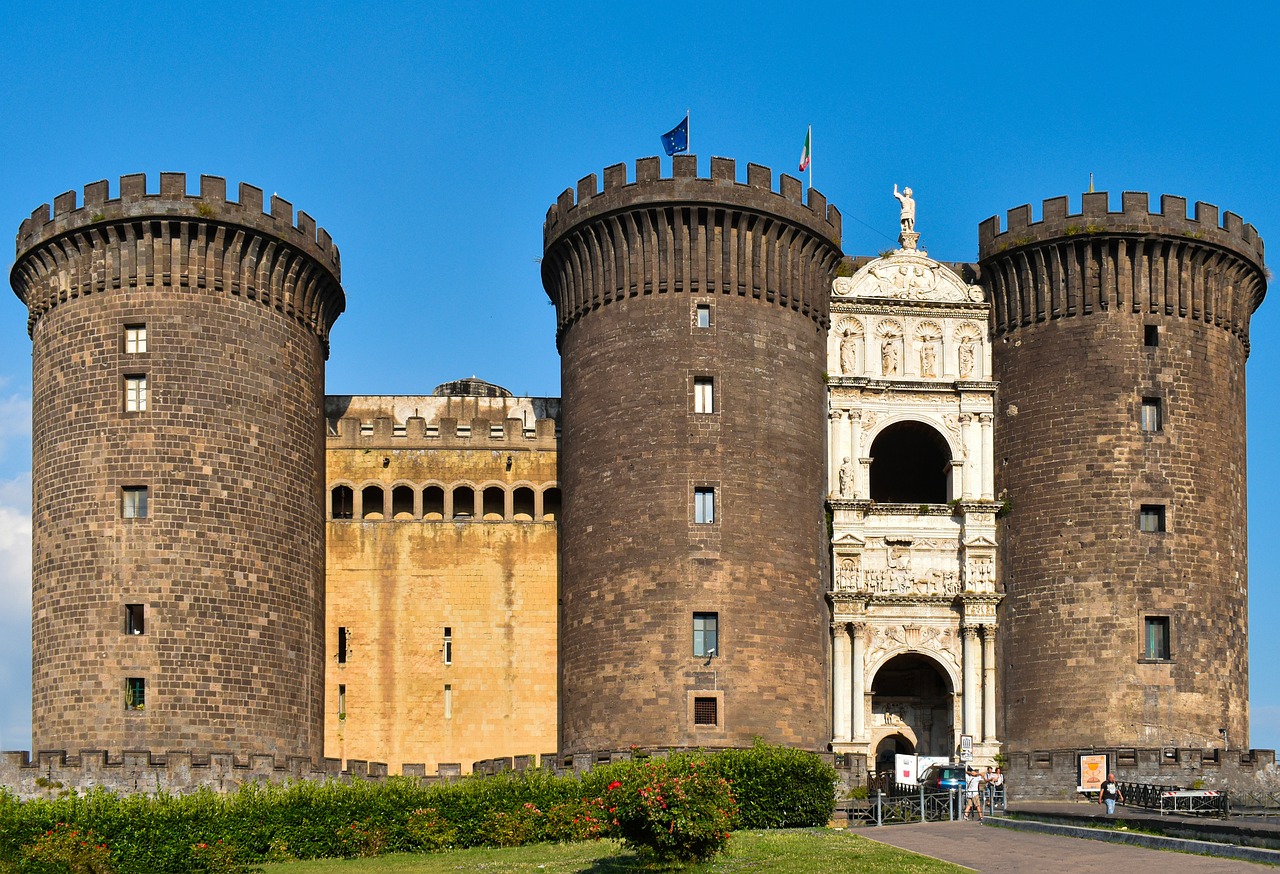
Right by the port, Castel Nuovo is often the first fortress visitors see as they arrive by ferry or cruise ship. With its round towers and triumphal arch, it looks like something from a fantasy novel. I remember one winter afternoon where the sky was moody gray, making the stone walls look even more imposing.
Inside, you’ll find small exhibitions, frescoed halls, and access to ramparts with views over the harbor. It’s less atmospheric than Castel dell’Ovo but has more formal historical displays.
Good to know:
- Time needed: 1–1.5 hours; easy to combine with a stroll along the port or a visit to Piazza del Plebiscito.
- Who will enjoy it: History buffs, families, photographers (for the exterior).
7. Piazza del Plebiscito & Royal Palace
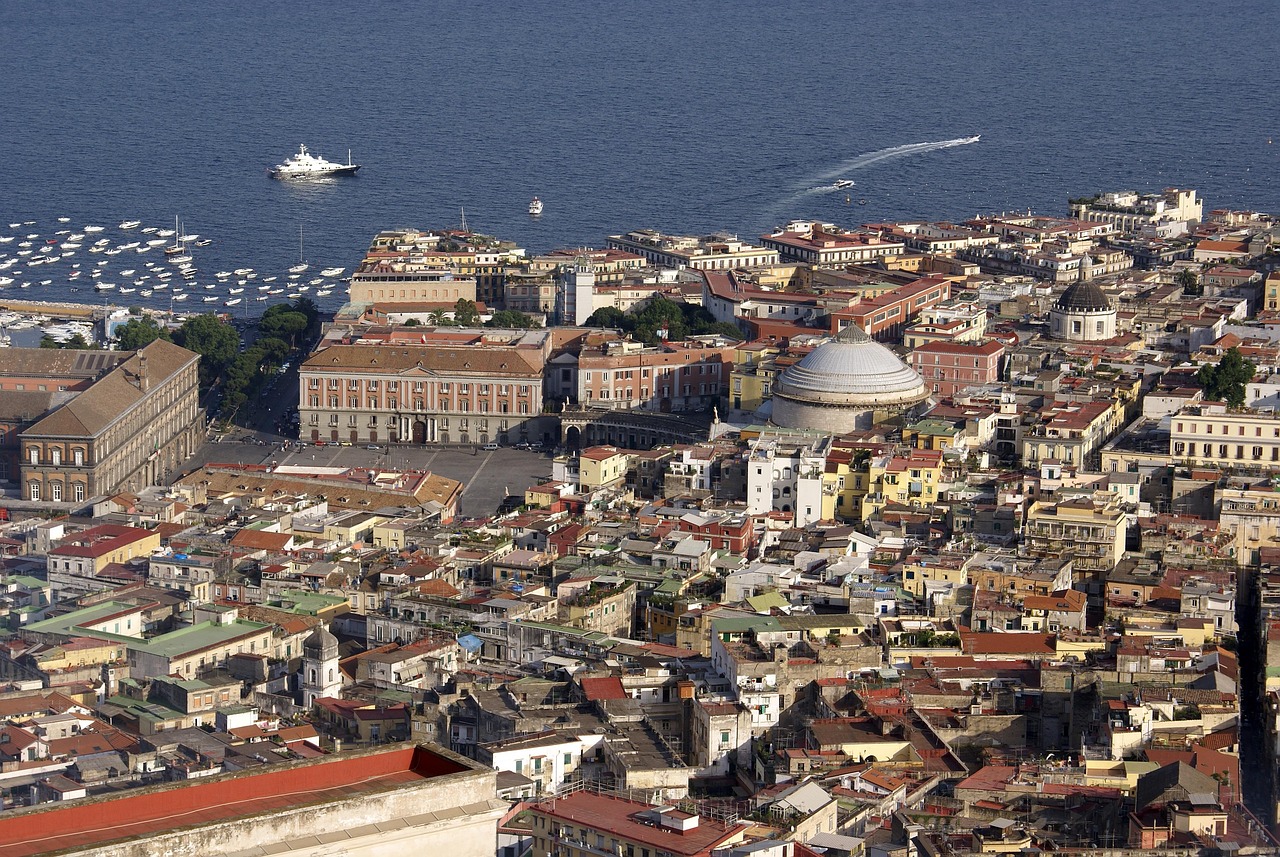
Piazza del Plebiscito is the grand stage of Naples: a huge semi-circular square framed by the Royal Palace and the church of San Francesco di Paola, whose colonnade always reminds people of Rome’s Pantheon.
On one of my summer visits, there was an open-air concert being set up here; locals lounged on the steps, kids rode scooters, and the whole scene felt like a casually monumental living room.
The Royal Palace (Palazzo Reale) is worth stepping into for its lavish halls and historic apartments. It’s not as crowded as royal palaces in other European cities, which means you can often wander in relative calm.
Tips:
- Best time: Golden hour for soft light on the buildings; evenings for a relaxed stroll.
- Combine with: Teatro San Carlo, Galleria Umberto I, and a coffee at a historic café nearby.
- Accessibility: The square is flat and easy to navigate with strollers or wheelchairs.
8. Galleria Umberto I

The first time I stepped into Galleria Umberto I, I actually stopped in the doorway. The soaring glass dome, intricate floor mosaics, and ornate facades feel like a cousin of Milan’s Galleria Vittorio Emanuele II—but with a distinctly Neapolitan edge.
There are cafes, shops, and plenty of opportunities to sit and people-watch. On rainy days, it becomes a sheltered promenade for locals.
Why visit: Architecture, photos, and a mid-day coffee or gelato stop. It’s also a great cut-through between major sights.
9. Teatro di San Carlo (Opera House)
Teatro di San Carlo is Europe’s oldest continuously active opera house, older than La Scala in Milan. The first time I visited, I joined a daytime guided tour, and the moment we stepped into the red-and-gold horseshoe auditorium, the group collectively went quiet. It’s that beautiful.
If you can, catch a performance—opera, ballet, or a concert. I once splurged on a last-minute ticket high up in the gallery, and even from there the acoustics were spine-tingling.
Tips:
- Dress code: Smart casual is fine for most performances; locals may dress up on opening nights.
- Budget tip: Gallery seats are cheaper and still offer a great experience.
- Language: Operas are usually in Italian; supertitles may be provided.
10. Castel Sant’Elmo & Certosa di San Martino (Vomero Views)
For the best panoramic view of Naples’ skyline and bay, I always head to Castel Sant’ElmoCertosa di San Martino in the Vomero district. I still remember my first time: we arrived just before sunset, and the city slowly lit up below as the sky turned pink behind Vesuvius.
Castel Sant’Elmo is a star-shaped fortress with a rooftop walkway that gives you a 360-degree view. The Certosa, a former Carthusian monastery, is a serene contrast to the bustle below, with cloisters, art, and terraces.
Getting there: Take the funicular from Montesanto, Chiaia, or Augusteo up to Vomero—it’s an experience in itself and saves your legs.
Tips:
- Best time: Late afternoon into sunset. Bring a light jacket.
- Family-friendly: Yes; kids enjoy the fortress and views.
- Combine with: A relaxed dinner in Vomero’s quieter streets.
11. Lungomare Caracciolo: Naples Waterfront Promenade
The Lungomare is where I go when I need to remember that Naples is by the sea, not just a tangle of urban alleys. It’s a long, mostly pedestrian-friendly promenade with views over the bay, Vesuvius, and Castel dell’Ovo.
On summer evenings, it’s full of families eating gelato, couples strolling arm-in-arm, and teenagers playing music from portable speakers. I love renting a bike or simply walking the stretch from Mergellina towards Castel dell’Ovo, stopping for a spritz or a plate of spaghetti alle vongole (clams) along the way.
Good for: Romantic walks, family outings, jogging, sunset photos.
12. Via San Gregorio Armeno: The Nativity Street
San Gregorio Armeno is a narrow street in the historic center famous for its nativity-scene workshops. At Christmas, it’s packed, but even in June you’ll find artisans crafting tiny figurines—both traditional shepherds and cheeky modern celebrities.
I once spent an hour in a single shop watching an elderly artisan paint a miniature pizza oven, complete with glowing coals. He proudly pointed out figurines of politicians, footballers, and pop stars nestled among the Holy Family.
Tips:
- Best time: Weekday mornings to avoid the worst of the crowds.
- Souvenirs: Small figurines are easy to pack and uniquely Neapolitan.
- Family-friendly: Kids tend to love the tiny, detailed scenes.
13. Catacombs of San Gennaro & Rione Sanità
In the hills beneath Rione Sanità lie the Catacombs of San Gennaro, early Christian burial chambers with frescoes and tombs carved into soft tuff rock. The guided tours (often led by young locals from the neighborhood cooperative) are both informative and heartfelt.
Every time I visit, I’m struck by the contrast: the quiet, cool catacombs below, and the intense, lively streets of Rione Sanità above. After one tour, our guide recommended a tiny trattoria nearby where I had one of the best ragù plates of my life.
Tips:
- Book online: To secure an English-language tour time.
- Combine with: A walk through Rione Sanità to see street art and local life.
- Good for: History lovers, cultural travelers, cooler activity on hot days.
14. Via Toledo & Quartieri Spagnoli
Via Toledo is one of the city’s main shopping streets, but the real magic happens when you veer off into the Quartieri Spagnoli. This district, once considered off-limits for tourists, is now a vibrant mix of old and new Naples.
I’ve spent evenings here hopping between tiny trattorie, mural-covered walls, and bars that spill out onto the street. One night, a neighbor from a balcony above us started singing along with a street performer; by the end of the song, the entire alley was clapping.
Tips:
- Best time: Late afternoon and evening for food and atmosphere.
- Safety: It’s much safer than it used to be, but stay aware at night and avoid very dark, empty side alleys.
- Stay: There are now many stylish B&Bs and small hotels here—great if you want to be in the thick of it.
15. Museo e Real Bosco di Capodimonte

Perched on a hill above Naples, the Capodimonte Museum and its surrounding park are my favorite escape when the city feels too intense. The museum, housed in a former royal palace, holds masterpieces by Caravaggio, Titian, and Raphael, among others.
One spring afternoon, I took a slow bus up here, spent a few hours with the paintings, then lay in the grass outside watching local families picnic as the sun dipped. You get a more local, less touristy vibe here.
Tips:
- Time needed: 2–4 hours including the park.
- Bring: Water, snacks, and maybe a picnic blanket in good weather.
- Good for: Art lovers, families, anyone needing green space.
16. Vomero Neighborhood & Funiculars
Vomero feels almost like a different city: calmer, cleaner, and more residential, but still very much Neapolitan. I love taking the funicular up from the chaos of the center and stepping out into a breezy, tree-lined street with stylish cafes and local boutiques.
From here, it’s an easy walk to Castel Sant’Elmo and the Certosa di San Martino, but the neighborhood itself is worth time: aperitivo bars, gelato shops, and wide sidewalks perfect for an evening stroll.
Tips:
- Transport: Use the funicular (three lines serve Vomero); it’s part of the regular public transport system.
- Good for: Families, those who prefer quieter stays, longer-term visitors.
17. Santa Lucia & Borgo dei Marinari
Santa Lucia is the romantic, slightly old-world quarter along the waterfront just beyond Castel dell’Ovo. Elegant hotels face the sea, fishing boats bob in tiny harbors, and there’s always a couple having wedding photos taken on any given Saturday.
One of my fondest Naples memories is a long, slow dinner here with friends: plates of fresh seafood, good local wine, and the glow of the castle at night.
Good for: Couples, slow evenings, photography, seafood lovers.
18. Pignasecca Market
Pignasecca is a bustling street market near Montesanto that I visit almost every trip. Stalls overflow with fish, vegetables, cheeses, and stacks of fragrant lemons. The soundtrack is vendors shouting prices and neighbors catching up over the produce.
I like to come here in the morning, grab a paper cone of fried anchovies or a slice of pizza a portafoglio (folded pizza) and just watch life happen. If you’re staying in an apartment, this is a great place to stock up on fresh ingredients.
Tips:
- Best time: Morning; many stalls close by early afternoon.
- Cash: Most vendors prefer cash; bring small bills and coins.
- Good for: Food lovers, photographers, budget-conscious travelers.
19. Port Area & Ferry Terminals (Molo Beverello)

The Port of Naples isn’t traditionally “beautiful,” but it’s your gateway to Capri, Ischia, Procida, and Sorrento. I’ve spent many early mornings here, bleary-eyed with coffee in hand, waiting for a hydrofoil to whisk me across the bay.
Walking along the port gives you a different angle on the city’s architecture and skyline. It’s also an interesting place to see the industrial, working side of Naples.
Tips:
- Tickets: Buy ferry tickets a day or two ahead in high season, or online.
- Time buffer: Arrive 30–45 minutes early; lines and confusion are part of the experience.
20. Diego Maradona Murals & Neapolitan Street Art
Naples worships football almost as much as its saints, and Diego Maradona is the unofficial patron of the city’s passion. In the Quartieri Spagnoli and other neighborhoods, you’ll find gigantic murals, altars, and shrines dedicated to him.
I once joined a small street art walk that wound through alleys I’d never have found on my own, discovering not just Maradona tributes but political graffiti, poetic stencils, and vibrant community art projects. It gave me a whole new appreciation for how Naples uses its walls to tell stories.
Good for: Football fans, street photography, alternative cultural experiences.
Suggested Itineraries: 3, 4, and 5 Days in Naples
Naples rewards slow travel, but you can see a lot in just a few days. Below are flexible itineraries you can adjust depending on whether you have 3 days in Naples, 4 days in Naples, or a full 5 day itinerary for Naples. Each day blends must-see attractions, local food, and hidden gems, based on my own repeat visits.
3 Day Itinerary for Naples: First-Timer Essentials
For 3 days in Naples, focus on the historic center, waterfront, and one major archaeological or island day trip. Think of it as an intense but rewarding introduction.
Day 1: Historic Center, Spaccanapoli & Underground Naples
On my typical “Day 1” with friends visiting for the first time, we start with a strong espresso and dive straight into the historic center. The goal is to feel the city’s pulse and orient yourself.
- Morning: Walk Spaccanapoli and Via dei Tribunali, visit the Duomo and San Gregorio Armeno, snack on sfogliatella and espresso.
- Afternoon: Tour Napoli Sotterranea (book ahead), then explore Piazza Bellini and the surrounding streets.
- Evening: Pizza at a classic spot (like Sorbillo or Di Matteo on Via dei Tribunali), then a gelato stroll.
Expect to walk a lot—wear comfortable shoes. This day is intense in sensory terms: smells, sounds, traffic. Embrace it as part of the experience.
Day 2: Museum & Waterfront (Archaeology + Castles + Sunset)
Day 2 balances culture with sea breezes.
- Morning: Visit the National Archaeological Museum (2–3 hours).
- Afternoon: Head down towards Piazza del Plebiscito, peek into Galleria Umberto I, visit Castel Nuovo (optional), then walk to Castel dell’Ovo.
- Evening: Stroll the Lungomare, have seafood or pasta with a view of the bay.
This is a good day for families, as you can pace it with plenty of breaks and open spaces.
Day 3: Pompeii or Capri Day Trip
With only 3 days, pick either Pompeii (for history) or Capri (for landscapes and sea). I usually suggest Pompeii for first-timers, especially if it’s your first time in Italy.
- Pompeii: Take the Circumvesuviana train from Napoli Garibaldi. Spend 4–5 hours on-site with breaks; bring water, sunscreen, and a hat.
- Capri: Fast ferry from Molo Beverello; stroll Capri town, take a boat tour, or head up to Anacapri for views.
Return to Naples for a relaxed final dinner near your accommodation. If you’re not exhausted, a passeggiata in the Quartieri Spagnoli makes a fun farewell.
4 Day Itinerary for Naples: Add Neighborhoods & Views

With 4 days in Naples, you can keep the 3-day structure and add one more layer of depth: hilltop views and a more local neighborhood.
Use the 3 day itinerary for Days 1–3, then:
Day 4: Vomero, Castel Sant’Elmo & Rione Sanità
I like to start this day with a coffee near Montesanto, browse Pignasecca Market, then ride the funicular up to Vomero.
- Morning: Visit Castel Sant’Elmo and Certosa di San Martino for the best city views.
- Afternoon: Lunch in Vomero, then head down to Rione Sanità and join a Catacombs of San Gennaro tour.
- Evening: Dinner in Rione Sanità or back in the historic center. End with a drink in Piazza Bellini or a quiet gelato in Chiaia.
This day gives you a sense of Naples’ verticality: life on the hill, life in the valley, and everything in between.
5 Day Itinerary for Naples: Slow Travel & Hidden Gems
With 5 days in Naples, you can really breathe. I often structure it like this:
Days 1–4: Follow the 4-day itinerary above (historic center, waterfront, Pompeii or Capri, Vomero & Rione Sanità).
Day 5: Capodimonte, Parks & Free Time
On Day 5, I slow way down. This is a good buffer in case weather disrupts earlier plans.
- Morning: Head up to Capodimonte Museum and park. Enjoy art, then a picnic or relaxed walk under the trees.
- Afternoon: Free time to revisit your favorite neighborhood, do last-minute shopping, or squeeze in another underground tour or street art walk.
- Evening: Farewell dinner in the Quartieri Spagnoli, Chiaia, or Santa Lucia with a view.
By the end of a 5 day itinerary for Naples, most of my friends tell me they feel like they’ve visited multiple cities in one: ancient, chaotic, elegant, seaside, and artistic.
Local Food in Naples: What & Where to Eat
Naples is one of the world’s great food cities, and you can eat incredibly well without spending much. Here’s what I always recommend.
Must-Try Neapolitan Dishes
- Pizza Napoletana: Soft, chewy crust, charred edges, San Marzano tomatoes, and buffalo mozzarella. Try a classic Margherita or Marinara.
- Pizza Fritta: Deep-fried stuffed pizza. Street food heaven.
- Sfogliatella: Shell-shaped pastry filled with sweet ricotta—riccia (flaky) or frolla (shortcrust).
- Baba al Rum: Rum-soaked sponge cakes, sometimes filled with cream.
- Ragù Napoletano: Slow-cooked meat and tomato sauce, often served over pasta on Sundays.
- Impepata di Cozze: Peppery mussels in broth.
- Cuoppo: Paper cone of mixed fried seafood or vegetables.
Where I Like to Eat (Personal Picks)
I’ll avoid naming too many specific places (Naples’ food scene shifts quickly), but here are types of spots and areas I return to:
- Historic pizzerias on Via dei Tribunali & Spaccanapoli: Iconic, busy, inexpensive. Expect lines at peak hours.
- Trattorie in Quartieri Spagnoli: Home-style cooking, loud and warm atmosphere, fair prices.
- Seafood restaurants near Castel dell’Ovo & Santa Lucia: Perfect for a romantic dinner with a view.
- Pastry shops (pasticcerie) in the center: Ideal for breakfast sfogliatella and coffee at the counter.
How to Eat Well & Save Money
- Pizza as a budget staple: A top-quality pizza in Naples can cost less than a sandwich in other European cities.
- Stand at the bar: Coffee is cheaper if you drink it standing at the counter rather than sitting.
- Lunch deals: Many places offer affordable fixed-price lunch menus.
- Markets & bakeries: For picnics and snacks, buy fresh bread, cheese, and fruit at local markets like Pignasecca.
What to Drink in Naples
- Espresso: Short, strong, often sweetened at the bar. Neapolitans take coffee seriously.
- Limoncello: Lemon liqueur from the region; sip it slowly after dinner.
- Local wines: Look for Falanghina, Greco di Tufo, or Aglianico from Campania.
- Spritz or local cocktails: Ideal for aperitivo, especially in Chiaia or along the Lungomare.
Cultural Etiquette & Local Customs in Naples
Neapolitans are warm, expressive, and proud of their city. A few simple customs will go a long way in making interactions smoother and more enjoyable.
Greetings & Politeness
- Use “Buongiorno” before mid-afternoon and “Buonasera” later in the day when entering shops or speaking to staff.
- “Per favore” (please) and “Grazie” (thank you) are expected.
- It’s common for friends to greet with cheek kisses, but as a visitor, a handshake or nod is fine.
Dining Etiquette
- Don’t ask for many substitutions on traditional dishes; chefs can be particular about how things are meant to be eaten.
- It’s okay to eat pizza with your hands once it’s cut, though many locals start with a knife and fork.
- Ordering a cappuccino after lunch or dinner is unusual; opt for espresso instead.
Dress & Church Visits
- In churches, shoulders and knees should be covered. Carry a light scarf or shawl.
- Beachwear is for the beach, not city streets or restaurants.
Noise, Gestures & Personal Space
Naples is loud. People talk with their hands, speak over each other, and show emotion openly. Don’t mistake volume for anger.
- Expect less personal space in lines, markets, and public transport.
- Queuing can be more “organic” than in Northern Europe; stand your ground politely.
Nightlife, Entertainment & Cultural Experiences in Naples
Evenings in Naples can be as laid-back or high-energy as you like.
Where to Go Out at Night
- Piazza Bellini: Studenty, casual bars, live music, outdoor tables. Great for inexpensive drinks and people-watching.
- Chiaia: Trendier cocktail bars, wine bars, and late-night spots. Dress a bit nicer.
- Lungomare & Santa Lucia: Romantic dinners, seaside strolls, gelato.
- Quartieri Spagnoli: Bustling trattorie and bars with a local vibe.
Cultural Experiences
- Opera or ballet at Teatro San Carlo: For a classy night out.
- Street music: Especially in the historic center and around via dei Tribunali in the evenings.
- Football matches: If SSC Napoli is playing at home, the atmosphere in bars (and the stadium, if you get tickets) is unforgettable.
Day Trips from Naples: Easy Escapes
One of the best things about a 5 day itinerary for Naples is how many world-class day trips you can add without changing hotels.
Pompeii
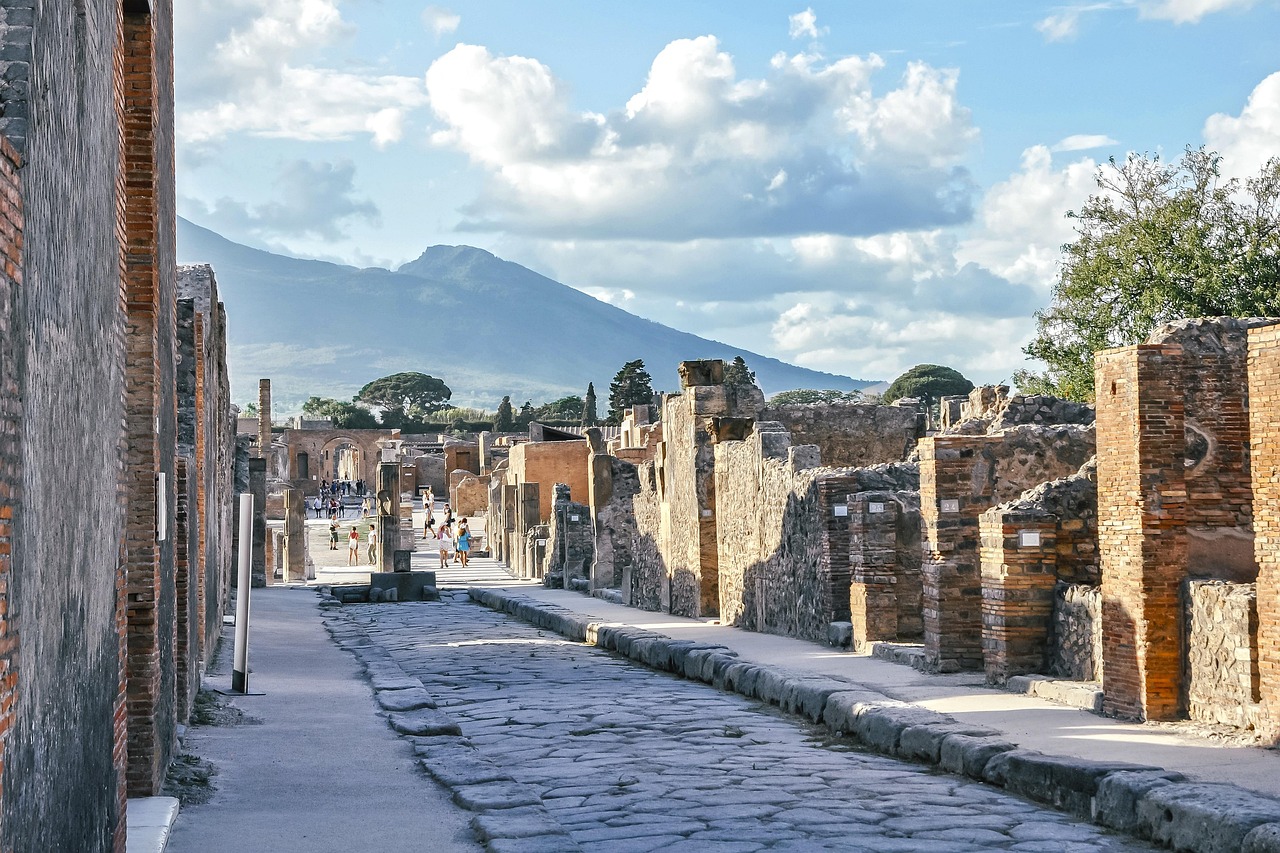
Vast Roman ruins frozen in time by the eruption of Vesuvius in 79 AD. Essential if you’re into history. Go early, bring water and sun protection, and consider a guided tour or audio guide.
Herculaneum (Ercolano)

Smaller and better-preserved than Pompeii, with more intact buildings and wooden structures. Great if you want a less overwhelming, more detailed look at ancient daily life.
Mount Vesuvius
You can hike up to the crater rim of Vesuvius from a parking area halfway up, reached by shuttle or organized tour. The view over the bay is spectacular on clear days, but weather can change quickly—bring layers.
Capri
Glamorous and naturally stunning. From Naples, take a fast ferry, then choose between strolling Capri town, visiting the Blue Grotto (weather-dependent), or heading up to Anacapri for quieter views.
Ischia & Procida
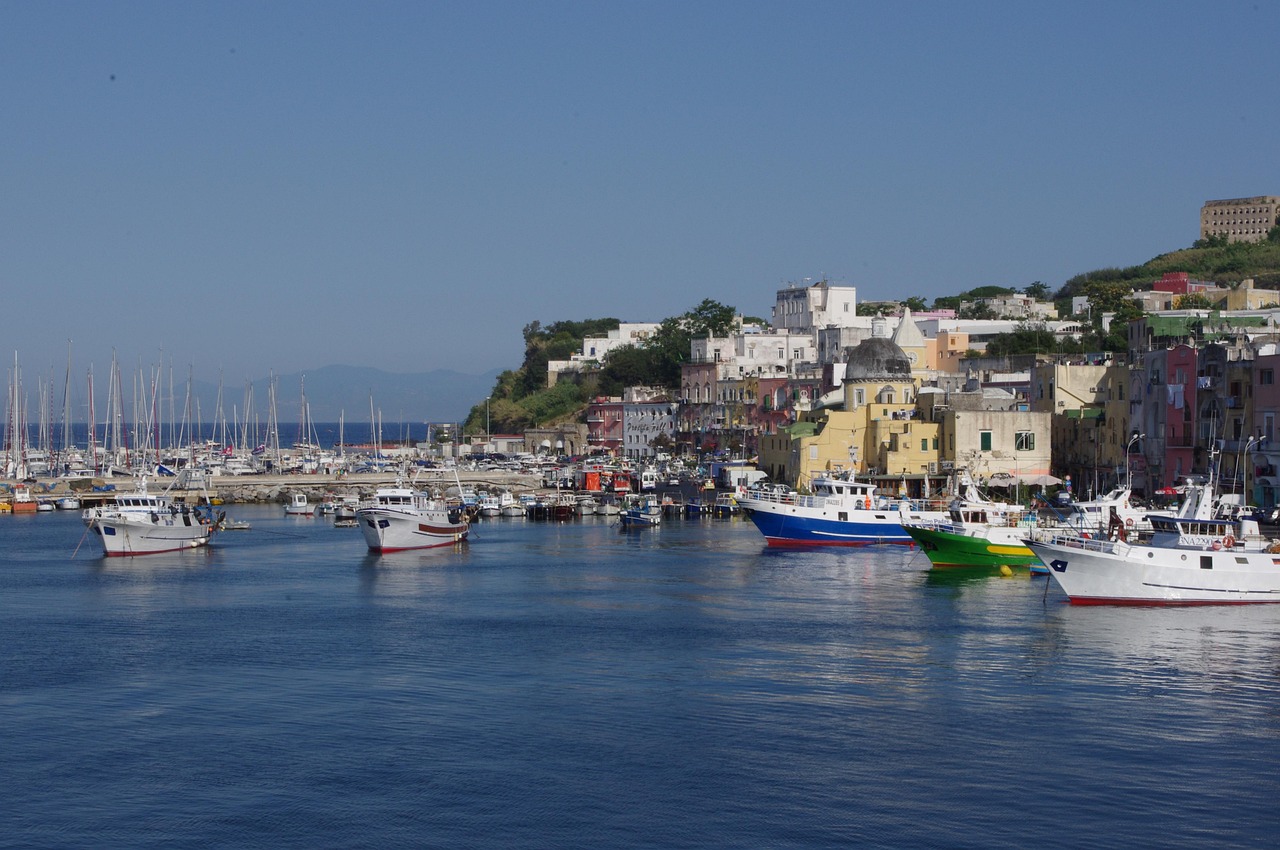
Ischia is known for thermal spas and lush landscapes; Procida is smaller, colorful, and less touristy. Both make excellent day or overnight trips.
Amalfi Coast & Sorrento
You can reach Sorrento by train or ferry from Naples and use it as a jumping-off point for Amalfi Coast towns, though squeezing the whole coast into a single day can feel rushed.
What’s New in 2026–2027: Events, Festivals & Trends
Naples’ cultural calendar is busy, and 2026–2027 looks lively.
- San Gennaro Festivals (May & September 2026–2027): Major religious and cultural events centered around the Duomo and the miracle of San Gennaro’s blood.
- Summer Music Festivals: Expect open-air concerts in Piazza del Plebiscito and along the waterfront, featuring Italian and international artists.
- Contemporary Art & Street Art Initiatives: Rione Sanità and the Spanish Quarter continue to host new murals and community art projects—worth a fresh visit even if you’ve been before.
- Increased ferry connections: Seasonal boosts in routes to Capri, Ischia, Procida, and the Amalfi Coast, especially from spring through early autumn, making day trips easier to plan.
Practical Travel Advice for Naples (2026)
How to Get Around Naples
- On foot: The historic center is very walkable, but streets are uneven; wear sturdy shoes.
- Metro & Funiculars: Useful for moving between the center, Vomero, and the train station. Stations like Toledo are attractions in themselves with art installations.
- Buses & trams: Cover many areas but can be crowded and subject to traffic.
- Taxis & rideshares: Official taxis are fine; agree on meter use or fixed fares for airport/port rides.
Public Transport & Tickets
- Look for integrated tickets or day passes if you plan to use multiple modes in one day.
- Validate your ticket on buses/trams/trains where required to avoid fines.
Car Rental & Driving
Driving in Naples is not for the faint-hearted: traffic is dense, parking scarce, and local driving style… expressive. I usually only recommend renting a car if you’re heading out of the city for a road trip and can pick up the car at the edge of town or at the airport.
- ZTL zones: Restricted traffic zones in the center; fines are automatic if you enter without authorization.
- Foreign driver’s license: Many non-EU visitors need an International Driving Permit (IDP) alongside their national license—check current rules before traveling.
Saving Money in Naples
- Eat like a local: pizza, street food, and small trattorie are inexpensive and delicious.
- Use public transport instead of taxis when possible.
- Choose free viewpoints like Castel dell’Ovo and public squares.
- Consider city cards or combined museum tickets if you plan to visit several paid attractions.
SIM Cards & Connectivity
- Major Italian providers (TIM, Vodafone, WindTre, Iliad) offer tourist SIMs with data and local calls; buy at official shops in the city or at the airport.
- Bring your passport; it’s required for SIM registration.
- Wi-Fi is common in hotels and many cafes, but mobile data is handy for maps and translation.
Safety & Common Scams
- Naples has a reputation for petty theft more than violent crime. Use a money belt or crossbody bag, especially in crowded areas and on public transport.
- Be wary of overly helpful strangers around ticket machines or ATMs.
- Only use official taxis and check change in cash transactions.
Visa Requirements
Italy is part of the Schengen Area. Visa requirements depend on your nationality:
- EU/EEA/Swiss citizens can enter with a valid ID card or passport.
- Many non-EU travelers can enter visa-free for short stays (up to 90 days in 180) but should check current Schengen rules and any new electronic travel authorization requirements for 2026.
- Always verify up-to-date information with your local Italian consulate or official government website before traveling.
Best Seasons for Different Activities
- Spring (April–June): Ideal for sightseeing, day trips to Pompeii and Capri, and walking the city. Mild temperatures, longer days.
- Summer (July–August): Hot, humid, and busy. Good for island trips and nightlife, but plan siestas and stay hydrated.
- Autumn (September–October): My favorite time—warm sea, fewer crowds, good for both city and coastal trips.
- Winter (November–March): Quieter, cooler, sometimes rainy. Great for museums, food, and Christmas markets; fewer ferries and shorter hours on some attractions.
Summary: Key Takeaways & Best Time to Visit Naples
Naples is not a city you simply “check off”—it’s a place you feel. From the first espresso in a noisy bar to the last sunset over the bay, it leaves a mark.
- For 3 days in Naples, focus on the historic center, waterfront, and one major day trip (Pompeii or Capri).
- A 4 day itinerary for Naples lets you add hilltop views in Vomero and the catacombs of Rione Sanità.
- With 5 days in Naples, you can slow down, visit Capodimonte, and weave in more local markets, street art, and spontaneous moments.
- Eat locally and simply—pizza, sfogliatella, seafood, and espresso will fuel your days without draining your wallet.
- Respect local customs in churches and restaurants, stay alert for petty theft, and embrace the city’s noise and energy as part of its charm.
For most travelers, the best time to visit Naples is late April to early June or September to October, when the weather is pleasant, the sea is (often) warm enough to enjoy, and the crowds are manageable. But honestly, with the right expectations and a flexible attitude, there’s no wrong season—just different flavors of the same unforgettable city.
Plan your days, but leave space for the unexpected: a side street you didn’t mean to walk down, a bar where the owner insists you try his favorite wine, a viewpoint that keeps you longer than you planned. That’s where Naples really happens.