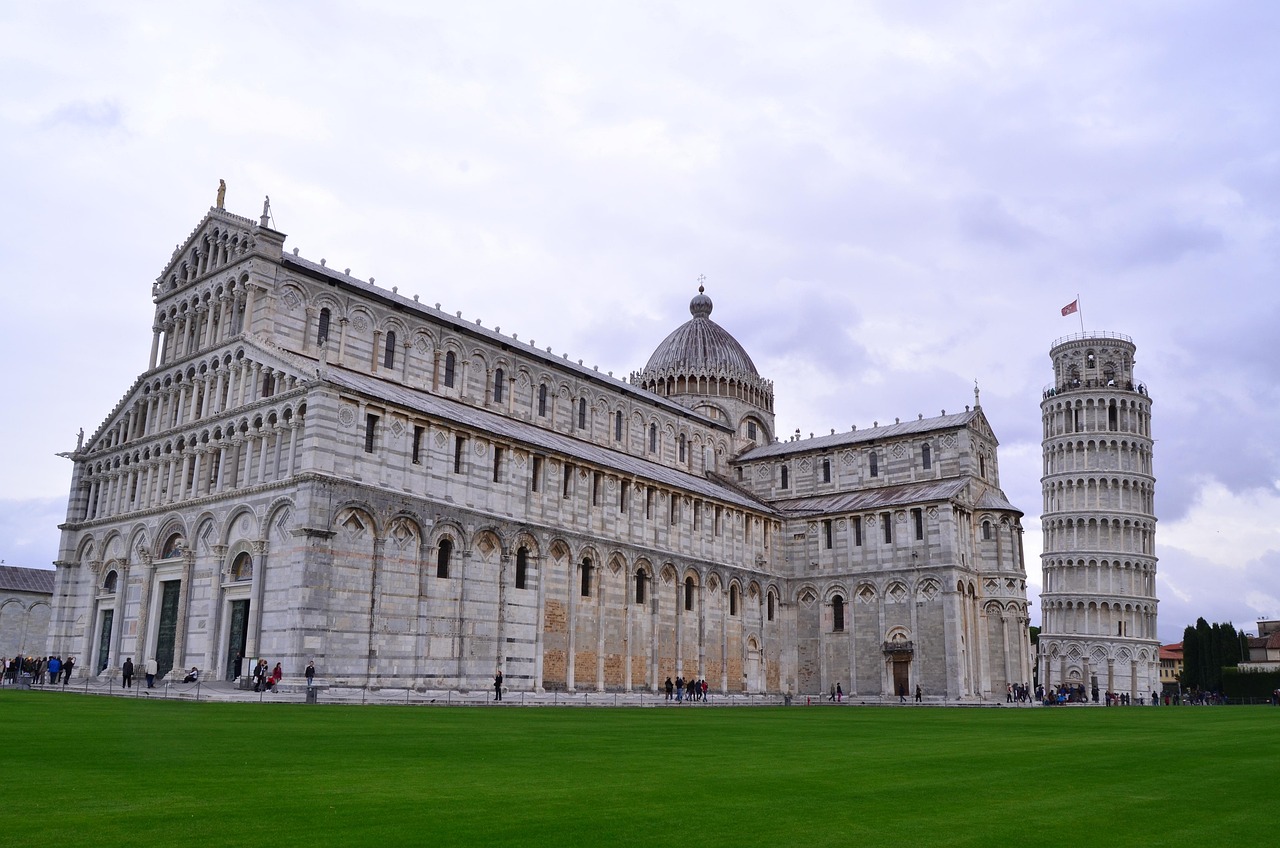
Why Visit Pisa in 2026
Pisa is one of those places you think you already know. Everyone has seen the photos of the Leaning Tower and the crowds pretending to hold it up. But the first time I stayed more than a rushed afternoon, I realized how much of Pisa most travelers miss.
This is a compact riverside city with a medieval core, a major university, and a lived-in Tuscan soul. Yes, you’ll see the famous tower. But you’ll also walk quiet alleys where laundry hangs above cobblestones, sip espresso in student-filled piazzas, bike along the Arno at sunset, and eat seafood so fresh you’ll swear the sea is just around the corner (it almost is).
In 2026, Pisa is especially worth considering because it’s still more affordable and less overwhelming than Florence, yet close enough for easy day trips. You can base yourself here for 3 days in Pisa or stretch to 4–5 days in Pisa and use it as a hub for coastal escapes and hill-town adventures.
What makes Pisa special to me is the contrast: the over-the-top grandeur of Piazza dei Miracoli just a few minutes’ walk from quiet residential streets where nonna is hanging out of the window yelling “pronto a tavola!” at her grandkids. That mix of iconic and everyday Tuscany is what keeps pulling me back.
Table of Contents
- Why Visit Pisa in 2026
- Quick Overview of Pisa
- Top 20 Must-See Attractions in Pisa (With Personal Notes)
- 3–5 Day Itineraries for Pisa (With Daily Stories)
- Neighborhoods & Areas to Explore
- Local Food in Pisa & Where to Eat
- Nightlife, Entertainment & Cultural Experiences
- What’s New in 2026–2027: Events & Festivals
- Best Day Trips from Pisa
- Cultural Etiquette & Local Customs in Pisa
- Practical Travel Tips for Pisa (Money, SIM, Transport, Safety)
- When to Visit Pisa & Seasonal Tips
- Summary & Final Recommendations
Quick Overview of Pisa
Pisa is a city of around 90,000 people in Tuscany, about an hour west of Florence. The Arno River slices through the center, splitting the city into two main halves: Tramontana (north of the river) and Mezzogiorno (south).
It’s famous worldwide for the Leaning Tower but is also a major university town, which keeps it lively, young, and surprisingly affordable compared to some other Tuscan gems. The main train station, Pisa Centrale, links you with Florence, Lucca, Cinque Terre, and beyond. Pisa International Airport (PSA) sits just a few minutes away by train or bus, making this one of the easiest Tuscan cities to fly into.
If you’re planning 3 days in Pisa, you’ll cover the icons and a few hidden corners. With 4–5 days in Pisa, you can slow down, get to know the neighborhoods, explore local food, and enjoy some excellent day trips.
Top 20 Must-See Attractions in Pisa (With Personal Notes & Tips)
These are the places I keep returning to—some obvious, some not. I’ve organized them roughly from most iconic to more hidden gems.
1. Leaning Tower of Pisa (Torre Pendente)
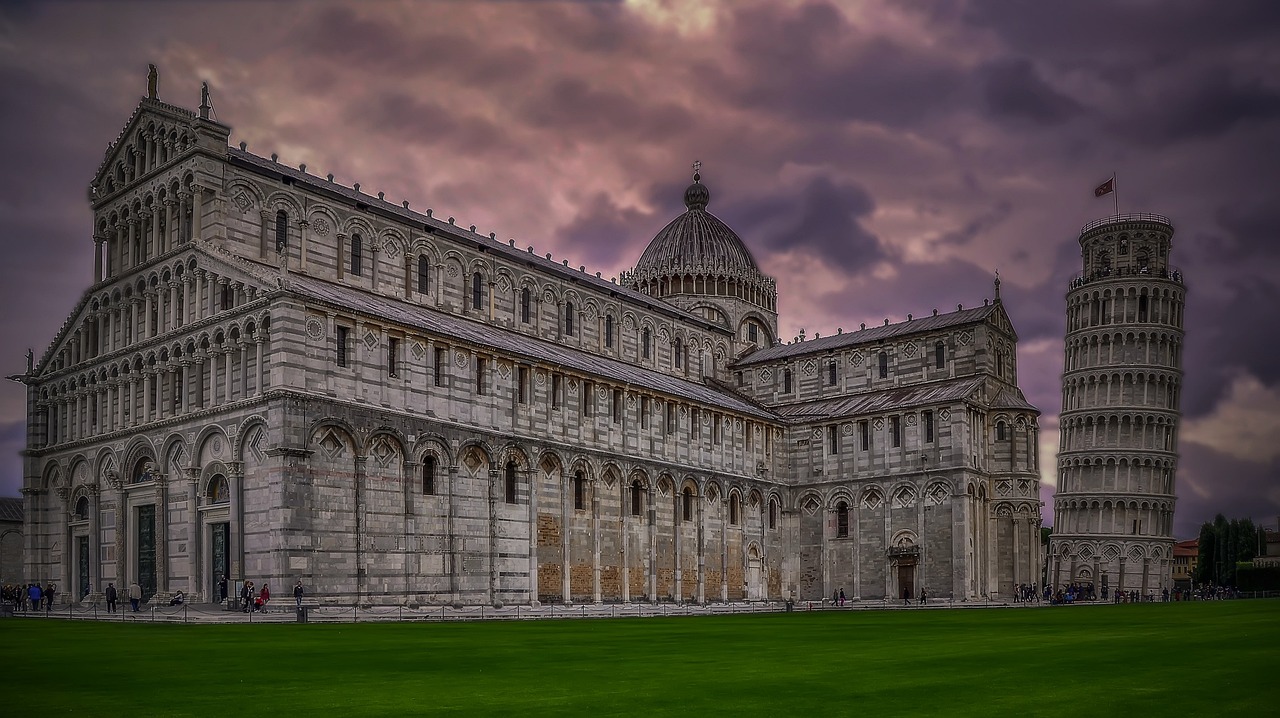
The first time I walked into Piazza dei Miracoli and saw the Leaning Tower in person, it looked almost unreal—as if someone had tilted it in Photoshop and dropped it onto a postcard-perfect lawn. No matter how many photos you’ve seen, standing at its base is something else.
Construction began in 1173, and the tower started to lean already by the time the second floor was built due to the soft, unstable ground. Over centuries, engineers tried to correct and stabilize it. Today, after massive restoration efforts, the tilt is about 4 degrees—enough to look dramatic but stable enough that you can safely climb it.
My experience: I’ve climbed the tower three times, and each time the spiral staircase feels slightly surreal because your body senses the tilt. On one visit at 8:30 a.m. in late October, my group was small and quiet, and the city was just waking up below. The bells above us were silent, but the view over the cathedral roofs, the city, and distant hills was unforgettable.
Tips for visiting:
- Book tickets online weeks ahead in high season (April–October). Time slots sell out, especially mid-morning and sunset.
- Arrive at least 30 minutes before your time slot to pass security and store any big bags in the mandatory cloakroom.
- Wear comfortable shoes; the steps are worn, slightly slippery, and the climb is about 250+ steps.
- For photos with fewer people, come early morning or later in the evening. For romantic vibes, I like dusk when the tower lights come on.
Family-friendly? Children under 8 are not allowed to climb. For families, I often suggest one adult climbs while the other stays with kids on the lawn for the classic “holding the tower” pictures.
2. Pisa Cathedral (Duomo di Santa Maria Assunta)
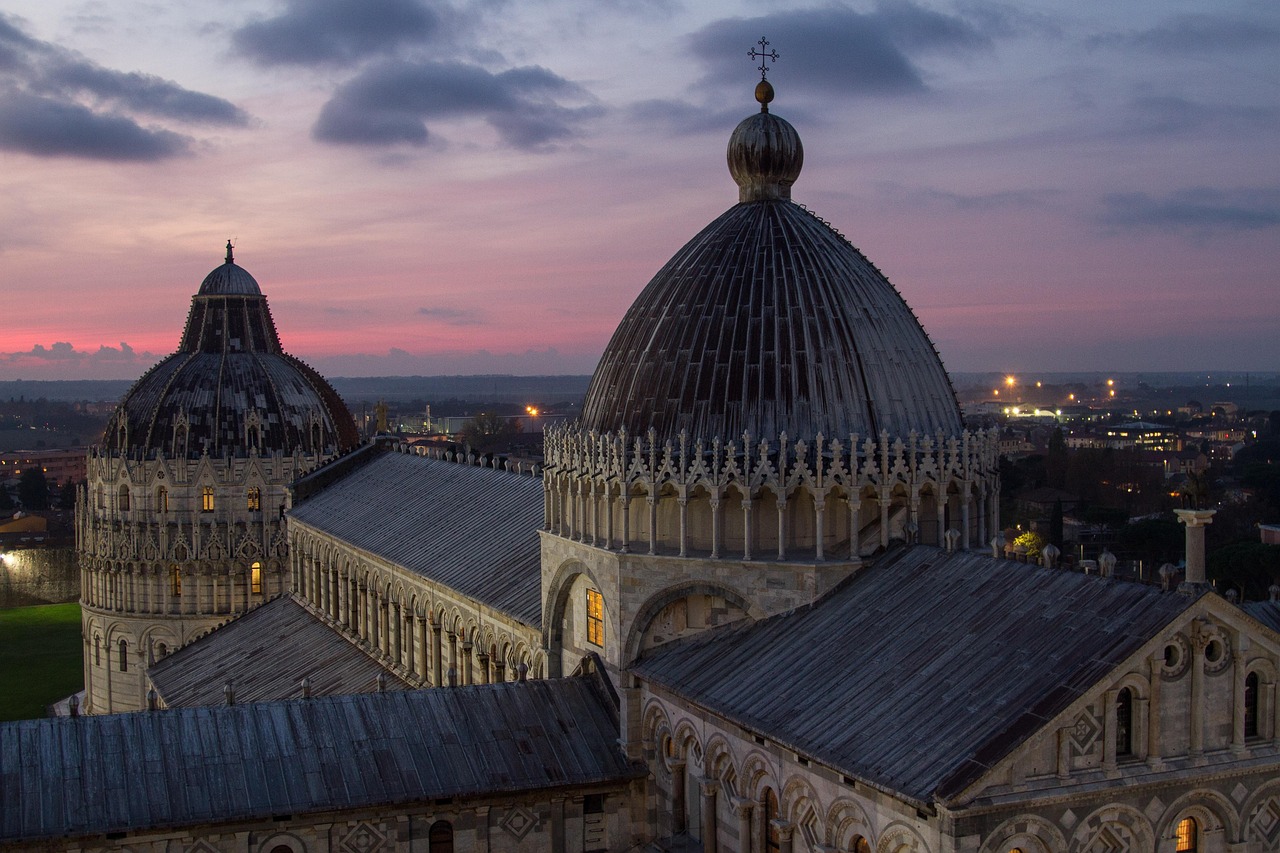
The Duomo is the heart of Pisa’s “Field of Miracles.” Built starting in 1063, it’s a masterpiece of Pisan Romanesque architecture, richly decorated yet somehow serene inside. Most visitors rush to the Tower, but the cathedral is what I linger in.
Inside, you’ll find shadowy marble columns, golden ceilings, and art that spans centuries. On one rainy afternoon, I spent nearly an hour just sitting in a pew, watching the light shift across the mosaics in the apse and listening to the quiet shuffle of visitors.
History highlight: The cathedral was financed in part by Pisa’s naval victories when it was a powerful maritime republic. Its design borrows from Byzantine and Islamic influences, a reminder of how connected Mediterranean cities were.
Tips:
- Entry is often free with any ticket purchased for other Piazza dei Miracoli monuments, but you still need a timed slot; grab this when you buy your main ticket.
- Dress modestly: shoulders and knees covered (bring a scarf or light shawl in summer).
- Photography is allowed without flash, but be respectful during any services.
3. Baptistery of St. John (Battistero di San Giovanni)
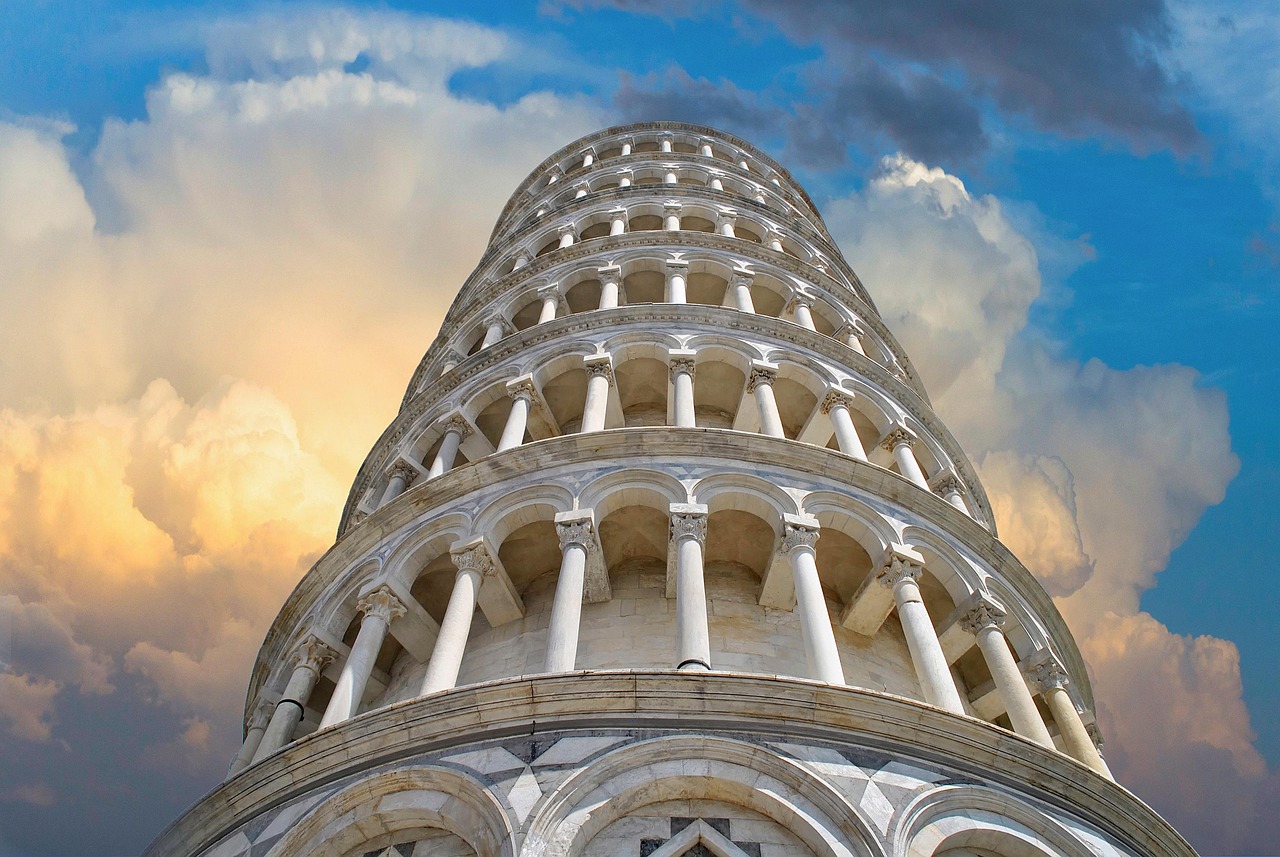
This perfectly round, white-marble building is the largest baptistery in Italy and, in my opinion, one of the most magical interiors in Pisa. Built between the 12th and 14th centuries, it’s dedicated to St. John the Baptist and combines Romanesque and Gothic styles.
My favorite moment: Climb to the upper gallery and wait for the staff’s demonstration of the baptistery’s extraordinary acoustics. On one visit, a guard sang a simple scale; the sound bounced around the dome in overlapping echoes that made even the most jaded tourists go silent.
Tips:
- Combine your ticket with the cathedral and Camposanto for better value.
- Go early or late to avoid the biggest crowds and enjoy the echo demonstration without too much noise.
4. Camposanto Monumentale (Monumental Cemetery)
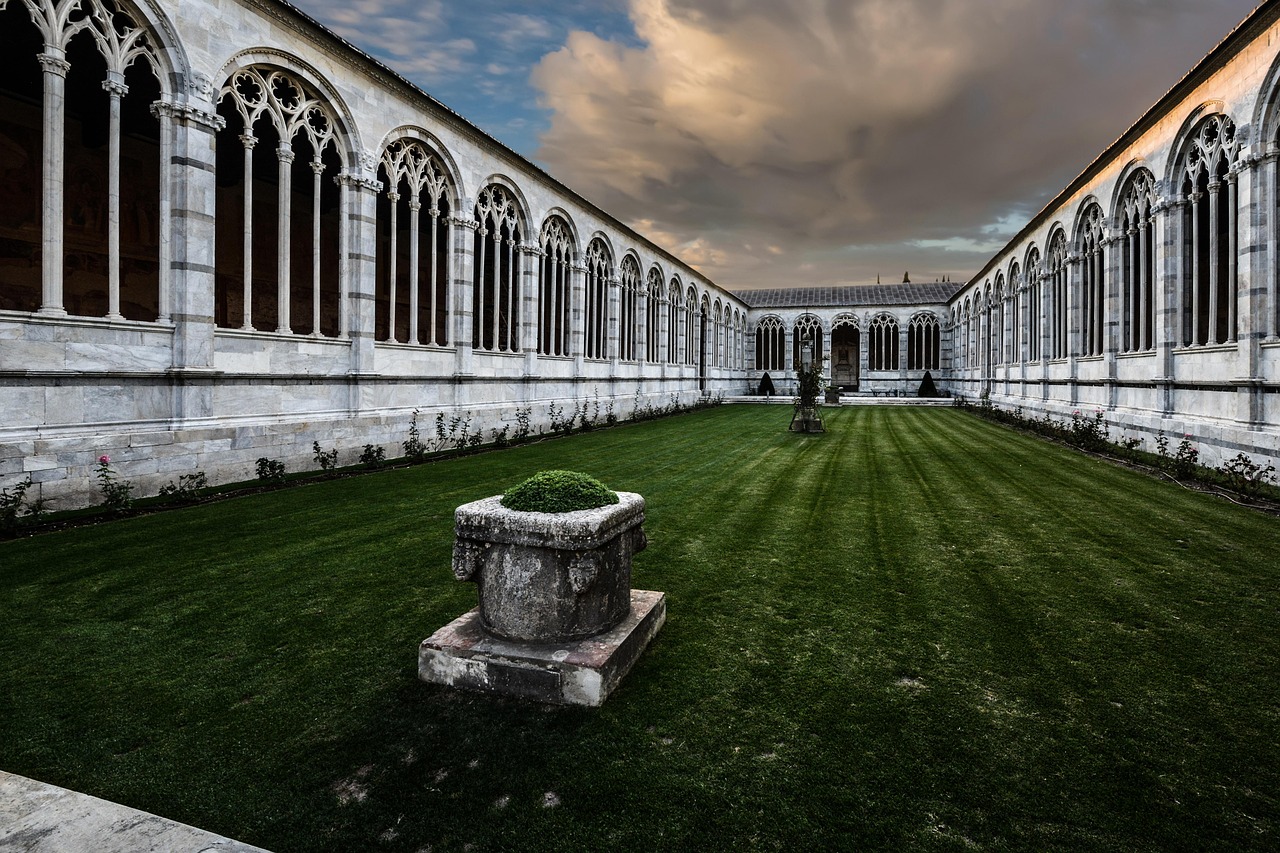
Many visitors skip the Camposanto, but it’s one of my quiet refuges in Pisa. This cloistered cemetery runs along the northern edge of Piazza dei Miracoli and, according to tradition, is filled with earth brought back from Golgotha during the Crusades.
The long, serene corridors hold old sarcophagi and fragments of frescoes. Some were badly damaged during World War II, but restorations have brought back ghostly scenes that still feel powerful. On a hot afternoon in July, I wandered here for nearly an hour, enjoying the cool shade and the contrast with the busy lawns outside.
Tips: If you enjoy art and contemplative spaces, don’t miss this. It’s also a good stop for those seeking a quieter, more introspective cultural experience in Pisa.
5. Piazza dei Miracoli (Square of Miracles)
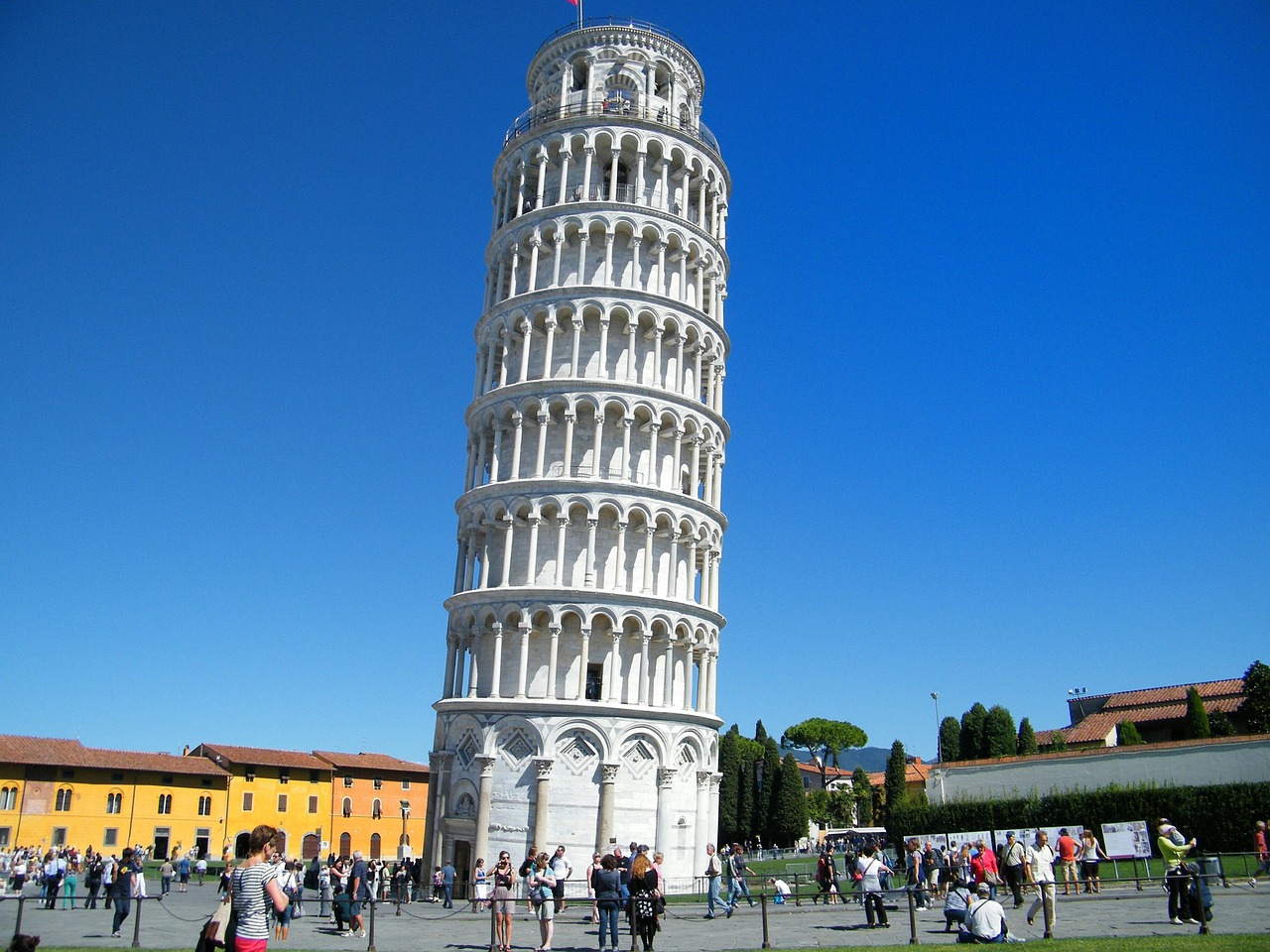
This UNESCO-listed square is the stage on which Pisa’s most famous monuments stand: the Leaning Tower, the Duomo, the Baptistery, and the Camposanto. When the sun is out, the white marble against the green grass and blue sky is almost blinding.
My ritual: Each trip, I visit once in the daytime and once at night. At night, especially in shoulder season, you can sometimes have the square almost to yourself. No crowds, just the illuminated tower and the hush of the city around you.
Tips:
- Morning: best light for photos and fewer big tour groups.
- Evening: romantic atmosphere, great for couples and long-exposure photography.
- Be vigilant with valuables; this is prime territory for pickpockets.
6. Piazza dei Cavalieri
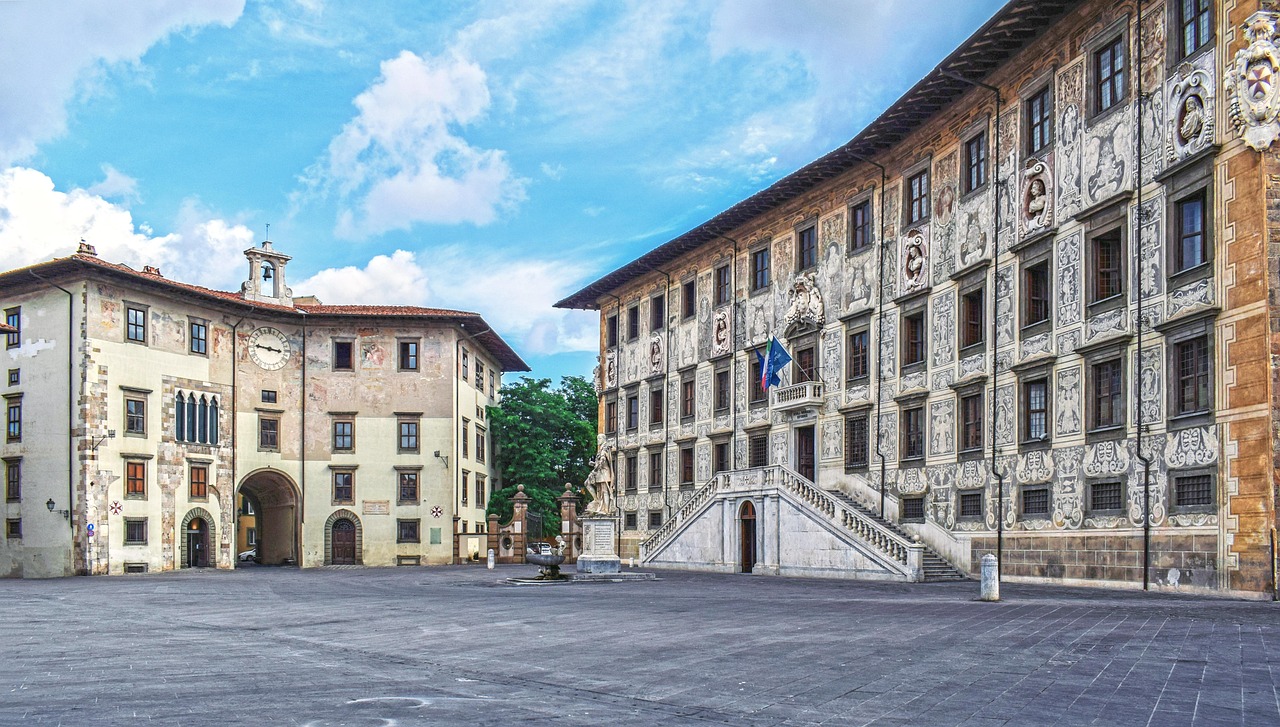
A short walk from the Leaning Tower, Piazza dei Cavalieri feels like a different universe: stately, intellectual, and more local. This was once the political heart of the Pisan Republic and later the headquarters of the Order of the Knights of St. Stephen.
Today, it’s home to the prestigious Scuola Normale Superiore, one of Italy’s most elite universities. The ornate Palazzo della Carovana, designed by Giorgio Vasari, dominates the square with its detailed façade.
My experience: I like to come here in the late afternoon. Students sit on the steps, chatting in clusters of Italian and other languages. On my last trip, I grabbed a gelato nearby and watched a group of students rehearse a play, their voices echoing off the palaces.
7. Borgo Stretto & Medieval Streets
Borgo Stretto is a narrow, arcaded street that runs through the medieval heart of Pisa. It’s one of my favorite walks in the city: stone arches, small boutiques, pastry shops, and tiny bars where locals stand at the counter with their morning cappuccino.
What to do:
- Stop at a pasticceria for a cornetto alla crema and espresso.
- Browse local clothing and artisan shops (prices tend to be more reasonable than Florence).
- Turn down side alleys to discover tucked-away churches and courtyards.
Tip: For a less touristy side of Pisa’s daily life, wander Borgo Stretto in the early morning or around aperitivo time (6–8 p.m.).
8. Lungarni (Arno Riverfront)
The Lungarni are the streets that run along the Arno River. They’re some of the most photogenic parts of Pisa, especially at golden hour when the sun hits the pastel façades and the water glows.
I love walking the stretch between Ponte di Mezzo and Ponte Solferino, watching students, couples, and families stroll or sit along the walls. This is where Pisa feels like a real, lived-in city rather than just a backdrop for tower photos.
Romantic touch: For couples, this is the place for an evening walk. On my last visit, I watched a street musician perform near Ponte di Mezzo as the last light faded—simple, but one of those quietly perfect travel moments.
9. Santa Maria della Spina
This tiny Gothic church sits right on the riverbank and looks like something out of a fairy tale. Built in the 13th century, it once housed a thorn from Christ’s crown (hence the name “della Spina”).
The exterior is a riot of spires, statues, and carved details. Inside, it’s much simpler, but the setting—almost at water level—is dramatic. I like to stop here as part of a longer riverside walk, especially in the late afternoon when the light is soft.
Tip: The church isn’t always open, but even just seeing the outside is worth a detour. Check current opening times at the tourist office or online when you’re in town.
10. Museo delle Sinopie
This underrated museum, near the Camposanto, showcases the original preparatory drawings (sinopie) for the Camposanto’s frescoes. When the frescoes were detached for restoration, the underlying sketches were revealed, offering a rare look into medieval artistic process.
Why I like it: It’s quiet, cool (a blessing on hot days), and intellectually fascinating. On one visit, I spent a rainy hour here almost alone, tracing the lines and corrections in the sketches and imagining the artists at work centuries ago.
11. Museo dell’Opera del Duomo
This museum houses original sculptures, artworks, and treasures from the cathedral complex that have been brought indoors for protection. If you’re into art and architecture, it provides context for everything you see outside.
Highlight: Seeing close-up details of pieces that once stood high up on façades. It’s like zooming in on history. It’s also one of the best places to escape the midday heat and crowds of the main square.
12. Orto Botanico di Pisa (Botanical Garden)
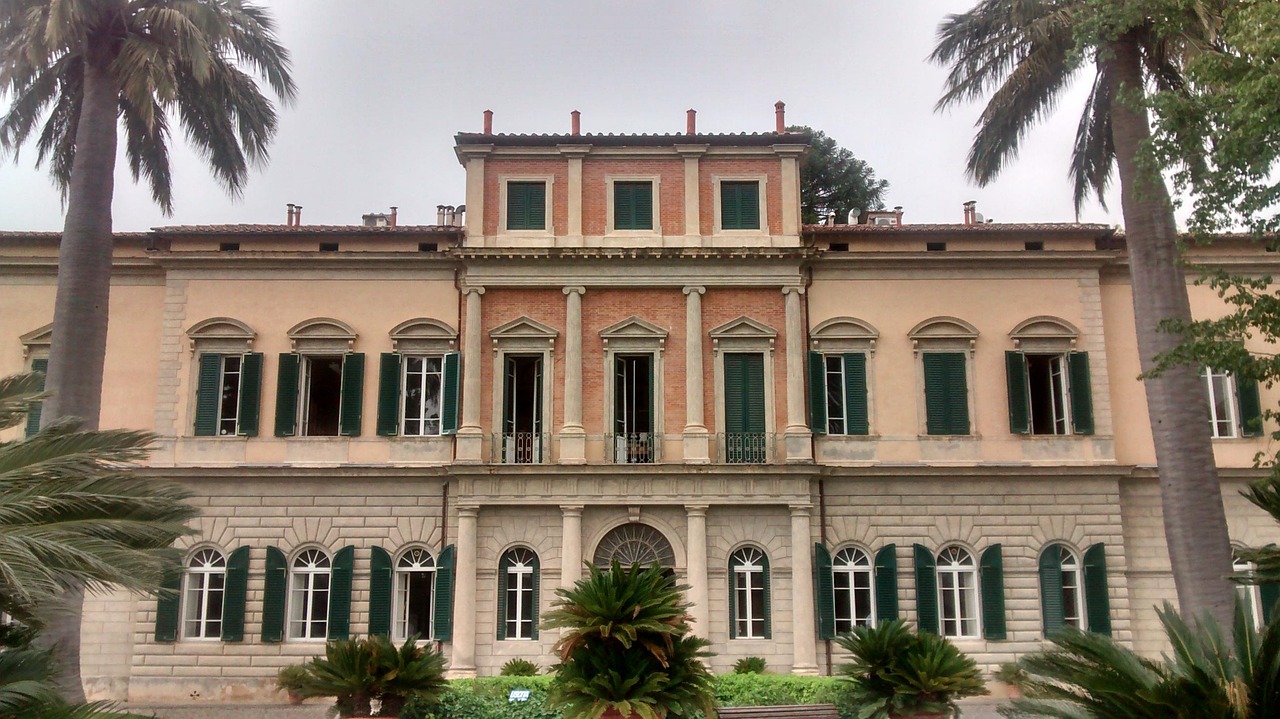
Founded in 1544, Pisa’s botanical garden is one of the oldest in the world and a quiet oasis just a short walk from the Leaning Tower. It belongs to the University of Pisa and is used for research and education, but visitors are welcome.
My experience: On a warm May afternoon, I escaped a busy Piazza dei Miracoli and wandered shady paths lined with labeled plants, old trees, and small water features. There were more birds than people. If you need a break from sightseeing, this is where I send you.
Family-friendly: Yes. Kids can roam relatively freely and spot fish, turtles, and unusual plants.
13. “Tuttomondo” Mural by Keith Haring
Near Pisa Centrale station, the American artist Keith Haring painted this huge, joyful mural in 1989. It’s a colorful explosion of his signature figures, symbolizing peace and harmony.
Why it matters: It’s one of Haring’s last major works and a reminder that Pisa isn’t just about medieval history—it’s also connected to contemporary art and global culture.
My tip: I like to visit it on arrival day or departure day since it’s close to the station. Grab a coffee from a nearby bar and take a few minutes to really look at all the characters and how they interlock.
14. Church of San Paolo a Ripa d’Arno
This church sits south of the Arno, a short and pleasant walk from the center. Often called the “Duomo Vecchio” (old cathedral), it dates back at least to the 11th century and shares stylistic features with the main cathedral.
My experience: One Sunday morning, I attended part of a Mass here. I don’t speak much liturgical Italian, but the music, incense, and the way light filtered through small windows made the experience memorable. Even outside service times, the church feels peacefully removed from the tourist track.
15. National Museum of San Matteo (Museo Nazionale di San Matteo)
Housed in a former Benedictine convent, this museum is a treasure chest of medieval and Renaissance art, especially from Pisa and the surrounding region. It’s one of the best places to deepen your understanding of the city’s artistic heritage.
Highlights:
- Works by Simone Martini and Masaccio.
- Beautiful wooden crucifixes and medieval sculptures.
- Quiet cloisters perfect for a reflective pause.
Tip: Great for a cooler or rainy day. It’s rarely crowded, and staff are often happy to answer questions if you ask politely in Italian or English.
16. San Francesco District & Church
The San Francesco neighborhood feels like the “local” Pisa, with narrow lanes, small squares, and everyday shops. The church of San Francesco, with its simple façade, hides a spacious interior and interesting artworks.
My experience: I often base myself near San Francesco because it’s walkable to everything but quiet at night. I’ve had some of my best “no-frills, all-flavor” meals at neighborhood trattorias here, where menus aren’t translated and prices are friendlier.
17. San Michele in Borgo
On Borgo Stretto, this church’s Romanesque façade, sprinkled with arches and columns, often goes unnoticed by people focused on shopping. Inside, it’s calm and cool, with layers of history in the architecture.
Tip: If you like discovering churches that feel more like local parishes than museums, slip in here for a quiet moment. It’s also a good stop on a self-guided “church crawl” of central Pisa.
18. Palazzo Blu
Palazzo Blu is an arts and cultural center in a striking blue palace along the river. It hosts rotating exhibitions—often big-name international shows—as well as a permanent collection.
In 2026–2027, expect a mix of modern and classical exhibitions; check their calendar online before your trip if art is a priority.
Personal tip: I love pairing a Palazzo Blu visit with a sunset walk along the Arno and an aperitivo nearby. It’s a nice “culture plus dolce vita” combination.
19. Marina di Pisa
About 12 km from the city center, Marina di Pisa is the city’s seaside escape. It’s not a long sandy beach like some other parts of the Tuscan coast; instead, you get a mix of small pebbly beaches and rocky sections protected by breakwaters, plus a pretty marina.
My experience: On a hot June day, I took the bus from Pisa and spent the afternoon alternating between swims and gelato. Locals were out in force—families, teenagers, retirees—with very few foreign tourists. The sunset over the Tyrrhenian Sea, with the Apuan Alps in the distance, was worth the bus ride alone.
Family-friendly: Yes. Calm water behind the breakwaters and plenty of snack bars. Bring water shoes if you’re sensitive to pebbles.
20. Parco Naturale Migliarino San Rossore Massaciuccoli
This vast regional park stretches along the coast just west of Pisa and offers forests, wetlands, dunes, and wildlife. It’s a different side of Tuscany—more wild and rugged than the postcard hill towns.
Activities:
- Easy walking and cycling paths through pine forests.
- Guided nature tours and horseback riding (book ahead in high season).
- Birdwatching, especially in spring and autumn.
Adventurous angle: If you’re craving more than city sightseeing, a half-day here offers fresh air and a sense of escape. I’ve biked the park trails on a rented bike from Pisa—flat, breezy, and blissfully uncrowded on weekdays.
3–5 Day Itineraries for Pisa (With Personal Stories)
Here’s how I’d plan 3 days in Pisa, and how to extend to a 4 day itinerary for Pisa or a 5 day itinerary for Pisa if you have more time. I’ll describe these as if we’re traveling together.
Day 1: Icons & First Taste of Pisa
I like to start day one with the obvious: the Leaning Tower and the whole Piazza dei Miracoli complex. But we’ll do it in a way that gives you breathing room.
Morning: After a quick breakfast (I’m partial to standing at the bar with a cappuccino and cornetto near your hotel or apartment), we head toward Piazza dei Miracoli around 8:15–8:30 a.m. The air is cooler, and the big tour buses haven’t fully arrived yet.
We show our pre-booked tower tickets and leave bags at the cloakroom. The climb up the tower is a bit disorienting—the tilt makes you feel like your inner ear is playing tricks. When we emerge onto the top, the view stretches over red roofs and the green lawns below. We take a slow loop around the top, swap photos for other travelers, and then head down before the crowds thicken.
Next, we wander into the cathedral and the baptistery, lingering for the acoustics demonstration. We finish the morning in the Camposanto, taking a quiet break from the bustle outside.
Lunch: By now we’re hungry. I usually avoid the places immediately around the square—they’re fine but often overpriced. Instead, we walk 10–15 minutes toward the center and find a trattoria or osteria with a short menu written in Italian. Maybe we order pappa al pomodoro (thick tomato-bread soup) or spaghetti alle vongole (clam pasta) if it’s on the menu, plus a carafe of house wine.
Afternoon: We stroll down Borgo Stretto, ducking into small shops and churches like San Michele in Borgo. If we’re in need of a coffee or a sweet pick-me-up, we stop at a pasticceria for a slice of torta co’ bischeri, a local chocolate-and-rice tart.
Later, we wander to the Lungarni, pausing at Santa Maria della Spina. If the weather is warm, we might sit on the river wall and just watch life go by—the most underrated “activity” in any Italian city.
Evening: As the sun starts to set, we cross Ponte di Mezzo and loop back toward Piazza dei Miracoli. The crowds have thinned, and the monuments glow in the golden light. We take a few more photos, then head to dinner at a trattoria north of the river, somewhere with paper tablecloths and friendly but brisk service.
After dinner, we walk through the square again under the lights. This, to me, is the perfect end to a first day in Pisa.
Day 2: Local Life, Art & the River
Morning: Today we start slower. After breakfast, we head to the Orto Botanico. The garden is usually peaceful in the morning, and we wander among citrus trees, medicinal plants, and old glasshouses.
From there, we walk toward Piazza dei Cavalieri, where the ornate façade of the Scuola Normale Superiore faces the statue of Cosimo I de’ Medici. We sit in the shade for a while, watching students pass by with backpacks and coffee cups, and remember that Pisa is very much a university city.
Lunch: We choose a simple spot popular with students—big portions, fair prices. Maybe we get a plate of gnocchi al pesto or lasagne al forno, plus a glass of local red.
Afternoon: We cross the Arno to visit the National Museum of San Matteo. We spend a couple of hours moving through cool rooms of sculptures, paintings, and religious art. There’s time to read the labels, to compare styles, and to imagine the city when these works were newly made.
Later, we head back to the riverfront and visit Palazzo Blu, checking out whatever temporary exhibition is on. If we’re lucky, it’s something bold and contemporary that contrasts beautifully with the medieval setting outside.
Aperitivo: Around 6 p.m., we settle into a bar along the Lungarni for aperitivo. Order a Spritz or a glass of local wine and accept the little snacks they bring—olives, chips, maybe tiny sandwiches. This is one of my favorite cultural experiences in Pisa: no big show, just the daily ritual of unwinding.
Evening: Dinner tonight might be in the San Francesco district—a trattoria known to locals more than tourists. We linger over baccalà alla pisana (salt cod) or cacciucco (fish stew) and then walk home through the quiet streets, passing groups of students still chatting outside bars.
Day 3: Street Art, Hidden Churches & Optional Coast
Morning: We start near Pisa Centrale at the Tuttomondo mural. We admire the details and take a few photos, then wander through the surrounding neighborhood—a more everyday side of Pisa with bakeries, small markets, and people going about their routines.
If we want to stay in the city, we walk down to San Paolo a Ripa d’Arno, crossing the river and strolling along quieter residential streets. We visit the church, maybe catch part of a service or simply enjoy the calm architecture.
Alternative: Half-day by the Sea
If the weather is good and we’re in the mood for something different, we hop on a bus from near the train station to Marina di Pisa. The ride is about 25–30 minutes. We spend a few hours lounging by the water, dipping into the sea, and snacking at a beach bar. For families, this is a great way to break up city sightseeing; for couples, it can be a laid-back, romantic escape.
Lunch: Either seaside (grilled fish, fries, and a cold beer) or back in town (a panino from a good sandwich shop eaten on a bench near the river).
Afternoon: Back in Pisa, we might head toward San Francesco again, exploring small galleries or just enjoying the rhythm of residential streets. If you’re into nature, this could also be the afternoon you join a guided excursion into the San Rossore Park for a short hike or bike ride.
Evening: For our last night (if you’re on a 3 day itinerary for Pisa), we go out a bit later. We might choose a restaurant with outdoor seating, order a bottle of Tuscan wine, and linger over a slow dinner. Afterward, we join the evening passeggiata (stroll) along the river, saying a quiet goodbye to the Arno reflections.
Day 4: Beyond the Icons – Deep Dive Pisa (For 4 Days in Pisa)
If you have 4 days in Pisa, day four is about deepening your relationship with the city instead of rushing off elsewhere.
Morning: Start in a café that feels like “yours” by now—the barista may even recognize you. Then visit any of the central attractions you may have skipped: the Museo delle Sinopie, more time in the Museo dell’Opera del Duomo, or revisiting a favorite church when it’s quiet.
Alternatively, you can join a walking tour focused on lesser-known history or architecture. I did one that centered on medieval Pisa and its role as a maritime power; walking through modern streets with that story in my head changed how I saw the city.
Afternoon: Devote a few hours to the National Museum of San Matteo if you haven’t yet, or simply wander with purpose: pick a direction and follow interesting alleyways, stopping whenever something catches your eye. This kind of unstructured wandering is often when I find my favorite cafés and small shops.
Evening: Explore nightlife in Pisa a bit more. For a low-key night, check out a wine bar with good by-the-glass options and maybe live music. For a more lively atmosphere, head to streets around the university, where bars stay open later and students spill into the piazzas.
Day 5: Day Trip Option – Lucca or Florence (For 5 Days in Pisa)
With 5 days in Pisa, you have room for at least one full-day excursion while still sleeping in the same bed at night.
Option 1: Lucca (my top pick)
- Getting there: Frequent regional trains from Pisa Centrale; about 25–30 minutes.
- What to do: Walk or bike the Renaissance walls that encircle the city, climb a tower topped with trees, wander quiet streets and piazzas.
- Why I love it: Lucca feels like a calm, elegant cousin to Pisa. It’s perfect for couples and families—safe, relaxed, and very walkable.
Option 2: Florence
- Getting there: Trains from Pisa Centrale to Firenze S.M.N.; about 50–60 minutes on regional trains.
- What to do: Pick a focus: maybe the Duomo and its dome, the Uffizi, or just neighborhoods like Oltrarno.
- Why it works: You get a taste of Florence’s big-city Renaissance glory while keeping Pisa as your quieter, cheaper base.
By the end of this 5 day itinerary for Pisa, you’ve not only seen the tower—you’ve lived with the city for a while, and that’s when it starts to feel like somewhere you might come back to, not just pass through.
Pisa Neighborhoods & Areas to Explore
Pisa is compact enough to walk almost everywhere, but its different districts each have their own flavor:
- Historic Center (around Borgo Stretto & Corso Italia): Main shopping streets, cafés, churches, and most-touristed squares. Great for first-time visitors and those who like to be in the middle of things.
- North of the Arno (Tramontana): Includes Piazza dei Miracoli, Borgo Stretto, Piazza dei Cavalieri. More historic and picturesque.
- South of the Arno (Mezzogiorno): Slightly more local and residential, with Santa Maria della Spina, San Paolo a Ripa d’Arno, and streets with everyday shops and bars.
- San Francesco: A relaxed residential neighborhood with some excellent, budget-friendly eateries and a strong student presence. Ideal if you want to feel like a temporary local.
- Station Area (Pisa Centrale): More functional than charming, but practical for early trains and buses. Good for budget stays; visit Tuttomondo while you’re here.
- Marina di Pisa: Technically a separate seaside community but closely tied to Pisa. Perfect for half-day or full-day escapes to the sea.
Local Food in Pisa & Where to Eat
Pisan cuisine is rooted in Tuscan traditions but with its own coastal twist. Here are some dishes and experiences I always look for:
- Cecina: A thin, savory pancake made from chickpea flour, olive oil, and salt. Often eaten in a sandwich or on its own with black pepper. Cheap, filling, and vegan.
- Baccalà alla Pisana: Salt cod cooked with tomatoes, potatoes, and herbs.
- Cacciucco: A rich, spicy fish stew from nearby Livorno that appears on many Pisan menus.
- Ribollita & Pappa al Pomodoro: Hearty bread-based soups typical of Tuscany.
- Torta co’ bischeri: A Pisan dessert tart filled with rice, chocolate, pine nuts, and candied fruit.
Where to eat (general tips, not exhaustive):
- Look for places filled with Italians speaking Italian, especially at lunch.
- Check the coperto (cover charge) on the menu—usually a few euros per person.
- House wine (vino della casa) is often good and much cheaper than bottled.
- For budget eats, follow students—pizza al taglio, kebab shops, and simple tavole calde (cafeteria-style places) cluster around the university.
Markets: Visit local markets or smaller grocers to pick up picnic supplies—cheese, cured meats, fresh bread, fruit, and a cheap bottle of wine. Eating by the river can be as memorable as any restaurant meal and saves money.
Nightlife, Entertainment & Cultural Experiences in Pisa
Pisa’s nightlife is shaped by its student population. It’s more about casual bars, live music, and hanging out in piazzas than big clubs.
- Aperitivo bars: Along the Lungarni and in the historic center, you’ll find many spots offering drinks with complimentary snacks from around 6–8:30 p.m.
- Wine bars: Ideal for a quiet evening sampling Tuscan reds and whites by the glass.
- Student bars: Around the university zones, bars stay lively late, especially on Thursdays and weekends.
- Cultural events: Check listings for concerts, theater, and exhibitions at venues like Palazzo Blu or local theaters. Summer often brings outdoor performances.
For a more romantic night, I like to keep it simple: dinner, a slow walk by the Arno, and maybe a gelato eaten while sitting on a low wall watching the lights in the water.
What’s New in 2026–2027: Events & Festivals in Pisa
Dates can shift slightly year to year, so always verify closer to your travel dates, but here are some key events expected in 2026–2027:
- Luminara di San Ranieri (June 16, annually): The city turns off electric lights along the Arno and illuminates buildings with tens of thousands of candles in paper lanterns. Fireworks cap the night. Crowded but magical—book accommodation well ahead.
- Regata di San Ranieri (June 17): Traditional boat races on the Arno, part of the celebrations for Pisa’s patron saint.
- Gioco del Ponte (late June): A historic “battle” on the Ponte di Mezzo where teams from different parts of the city push a heavy cart. Spectacular costumes and a lot of local pride.
- University year events (throughout 2026–2027): Public lectures, concerts, and small festivals tied to the University of Pisa and Scuola Normale often pop up, especially during the academic year (roughly October–June).
- Seasonal exhibitions at Palazzo Blu: 2026–2027 will likely see at least one major art exhibition drawing visitors from across Italy—check their program online.
Best Day Trips from Pisa
Once you’ve covered the main things to do in Pisa, consider these easy day trips:
- Lucca: Charming walled town; 25–30 minutes by train. Walk or bike the walls, explore towers and churches. Great for families and couples.
- Florence: Renaissance capital; 50–60 minutes by train. Ideal if you haven’t been before. Reserve key museums in advance.
- Cinque Terre: Colorful coastal villages; connect via train (around 1.5–2 hours total). Best in shoulder seasons to avoid peak crowds.
- Livorno: Port city with canals (“Little Venice”) and excellent seafood; about 20 minutes by train.
- San Rossore & Tuscan Coast: San Rossore park for nature, then onward to coastal spots like Viareggio.
Tips: Use Pisa Centrale as your hub. Regional trains are affordable and frequent; buy tickets at machines or via app and always validate paper tickets before boarding.
Cultural Etiquette & Local Customs in Pisa
- Greetings: A simple “Buongiorno” (before late afternoon) or “Buonasera” (late afternoon/evening) goes a long way. Use “permesso” when squeezing through crowds or entering small shops.
- Coffee culture: Italians often drink coffee standing at the bar. Cappuccino is usually a morning drink; after meals, order an espresso (caffè).
- Restaurant etiquette: Don’t be surprised if service feels slower than at home. Meals are meant to be enjoyed, not rushed. Ask for the bill (il conto, per favore) when you’re ready; it may not appear automatically.
- Dress code: Casual is fine, but avoid beachwear in the city. For churches, cover shoulders and knees.
- Quiet hours: Residential areas expect quiet late at night. Keep voices down when walking home after midnight.
- Tipping: Not mandatory like in some countries. Round up or leave 5–10% in restaurants if service was good; leave small coins for café staff.
Practical Travel Tips for Pisa
Getting Around
- On foot: The best way to explore most attractions in Pisa. Distances are short.
- Bicycle: Many locals bike; you can rent from shops near the center or station.
- Public transport: Local buses connect the center with outskirts and Marina di Pisa. Buy tickets at tabacchi or machines and validate on board.
- Car rental: Not needed inside Pisa and can be inconvenient due to ZTL (restricted traffic zones). Rent a car only if you plan extensive countryside travel; check where you can legally park.
Arriving & Leaving
- Airport (PSA): Very close to the city. A short train or bus ride connects you to Pisa Centrale; taxis are also available.
- Trains: Pisa Centrale is the main hub; Pisa S. Rossore is closer to the Leaning Tower.
Money & Costs
- Currency: Euro (€).
- Cards vs. cash: Cards widely accepted, but small cafés and older establishments may prefer cash.
- Saving money: Eat main meals at lunch (often cheaper menus), use supermarkets for water and snacks, and take advantage of free sights like churches and river walks.
SIM Cards & Connectivity
- Look for Italian providers like TIM, Vodafone, WINDTRE, Iliad. They offer tourist or prepaid SIMs with data.
- Bring your passport when buying and make sure your phone is unlocked.
- Wi‑Fi is common in hotels and many cafés, but not universal.
Visas & Driving
- Visa requirements: Pisa follows Italian/EU rules. Many travelers from Europe, North America, and some other regions can enter the Schengen Area visa-free for short stays; others need a Schengen visa. Check the latest rules from official consular sources before travel.
- Foreign driver’s license: If you plan to drive, bring your license. Many non-EU visitors also need an International Driving Permit (IDP); check requirements based on your nationality.
- ZTL zones: City centers often have restricted traffic zones monitored by cameras. Fines for unauthorized entry are steep. Always ask your accommodation about parking and ZTL rules.
Safety
- Pisa is generally safe. Most issues are petty theft around crowded tourist sites and on public transport.
- Use common sense: keep an eye on your bag, don’t flash valuables, and avoid very dark, deserted areas late at night.
When to Visit Pisa & Seasonal Tips
- Spring (March–May): One of the best seasons. Mild temperatures, flowers in the botanical garden, and fewer crowds than summer. Great for a 3 day itinerary for Pisa with comfortable walking weather.
- Summer (June–August): Hot and busier, especially around the Leaning Tower. Luminara and other festivals add excitement. Combine city days with beach escapes to Marina di Pisa or the Tuscan coast.
- Autumn (September–November): Another excellent season. Warm early autumn, grape harvest vibes in the region, fewer tourists. Perfect for 4 days in Pisa or 5 days in Pisa with day trips.
- Winter (December–February): Quieter and cooler, with more rain, but the main attractions are open and prices drop. A good time for travelers who prefer fewer crowds and don’t mind bundling up.
Best overall: Late April–May and September–early October hit the sweet spot of good weather, manageable crowds, and vibrant city life.
Summary & Final Recommendations
Pisa is far more than a half-day Leaning Tower stop. With 3 days in Pisa, you’ll experience the iconic sights, riverside walks, and a taste of local life. Extend to a 4 day itinerary for Pisa or a 5 day itinerary for Pisa and you can slow down, dig into museums and neighborhoods, and add rewarding day trips to places like Lucca, Florence, or the coast.
Build your visit around a mix of must-see attractions in Pisa (Tower, Duomo, Baptistery, Camposanto), hidden gems in Pisa (San Paolo a Ripa d’Arno, Orto Botanico, San Rossore Park), and everyday rituals: morning coffee at the bar, evening passeggiata along the Arno, and long, conversation-filled dinners.
Respect local customs in Pisa, learn a few Italian phrases, and give yourself time to wander without a tight schedule. That’s when Pisa reveals itself not just as a postcard, but as a city you’ll want to return to.