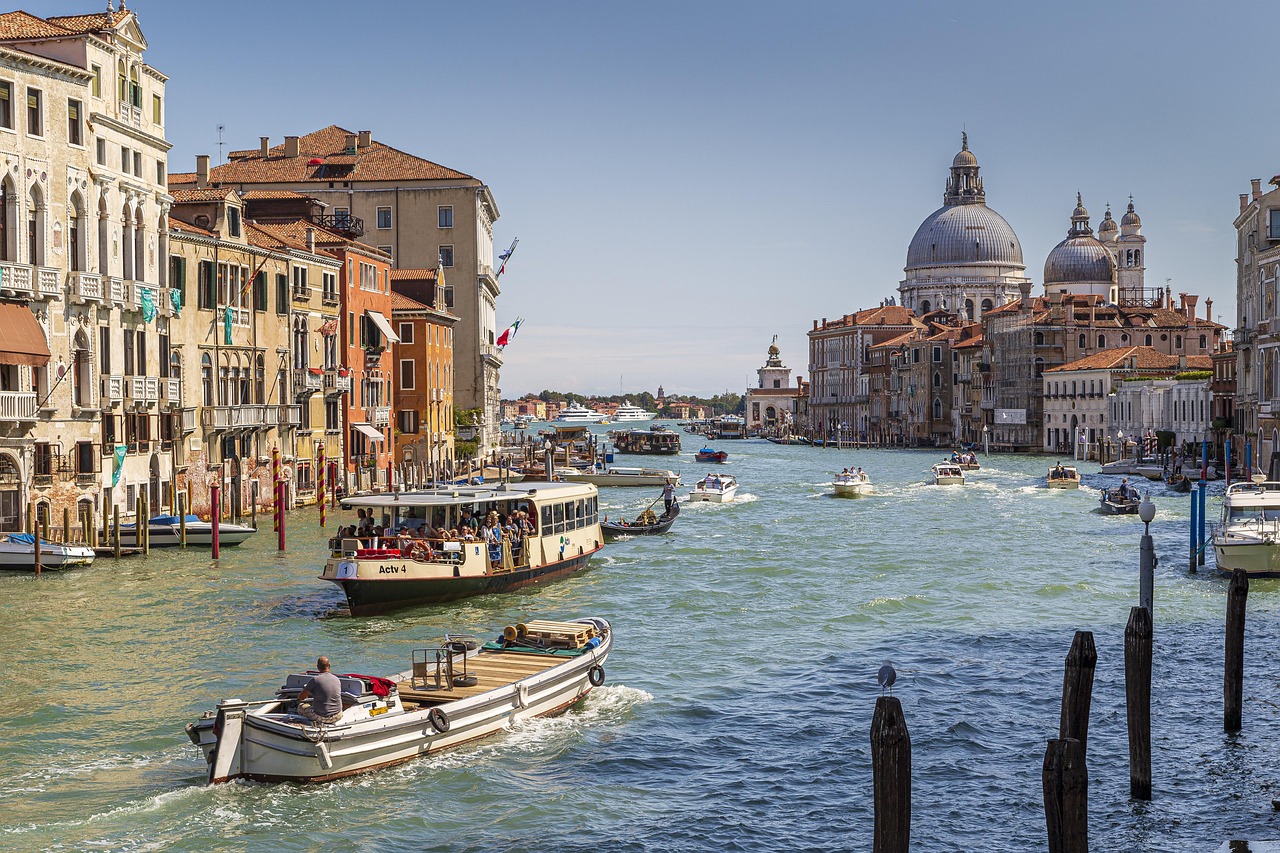
Why Visit Venice in 2026
Venice is one of those cities that simply does not behave like the rest of the world. Streets are canals, front doors open onto water, and every corner looks like a film set that forgot to pack up. I’ve been coming here regularly for more than a decade, and I still find new alleys, new courtyards, and new little bars where the owner remembers my face even if he can’t quite remember my name.
In 2026, Venice is at an interesting moment: balancing mass tourism with a renewed focus on local life, sustainability, and culture. Visitor caps and a day-tripper fee are changing how people experience the city, and that’s actually good news if you plan your trip thoughtfully—you’re rewarded with quieter evenings, better crowd management, and a chance to see a more authentic side of Venetian life.
Whether you’re planning 3 days in Venice, a full 4 day itinerary for Venice, or a slower 5 days in Venice, this travel guide for Venice will walk you through must-see attractions, hidden gems, local food, cultural experiences, and practical travel advice for 2026–2027—sprinkled with my own stories from countless stays in the lagoon.
Table of Contents
- Why Visit Venice in 2026
- Venice at a Glance
- Neighborhoods & Districts of Venice
- 20 Must-See Attractions in Venice (With Personal Stories)
- Suggested Itineraries: 3, 4 & 5 Days in Venice
- Local Food & Drink in Venice
- Nightlife, Entertainment & Cultural Experiences
- Day Trips from Venice
- Cultural Etiquette & Local Customs
- Practical Travel Tips for Venice (Money, SIM, Transport, Visas)
- When to Visit Venice & 2026–2027 Events
- Summary & Final Recommendations
Venice at a Glance
Venice is a compact maze of 118 islands linked by more than 400 bridges, floating in a shallow lagoon on Italy’s northeastern coast. No cars, no bikes—just boats and your own two feet. You’ll spend your days crossing stone bridges, gliding along canals, and getting endearingly lost in alleyways that abruptly end in water.
For first-time visitors, the city breaks down into six historic districts (sestieri) plus a few satellite islands like Murano and Burano. Each has a distinct personality: San Marco is iconic and grand; Dorsoduro is arty and slightly bohemian; Cannaregio feels local and lived-in; Castello is where the tourist crowds thin out; San Polo and Santa Croce are a blend of markets, churches, and everyday life.
Venice is also one of Europe’s most walkable cities—distances are short, but you’ll walk more than you expect. Give yourself time to wander between must-see attractions and leave space in your itinerary to simply follow the sound of church bells or the smell of baking focaccia.
Neighborhoods & Districts to Explore
San Marco – The Iconic Heart
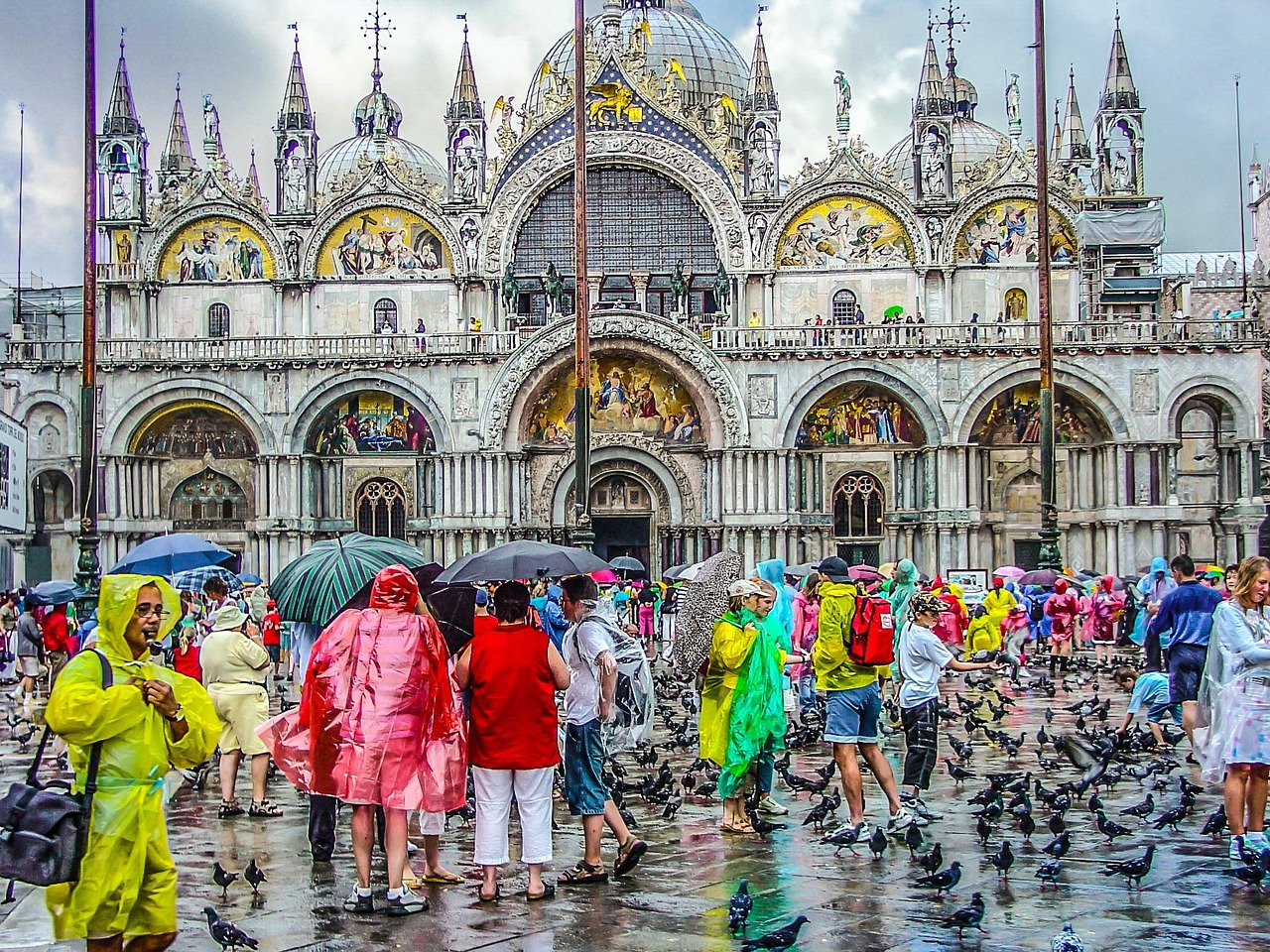
San Marco is where most visitors fall in love with Venice—or at least where they take their first thousand photos. Piazza San Marco, the Basilica, the Doge’s Palace, the waterfront promenade along Riva degli Schiavoni: they’re all here, along with some of the city’s most expensive cafés and luxury boutiques.
I like to think of San Marco as Venice in “opera mode”—over-the-top, theatrical, sometimes crowded to the point of absurdity, but unforgettable. Early mornings and late evenings are when the magic really hits: the square is almost empty, the pigeons are sleepy, and the facades glow in soft light.
Dorsoduro – Artistic & Laid-Back
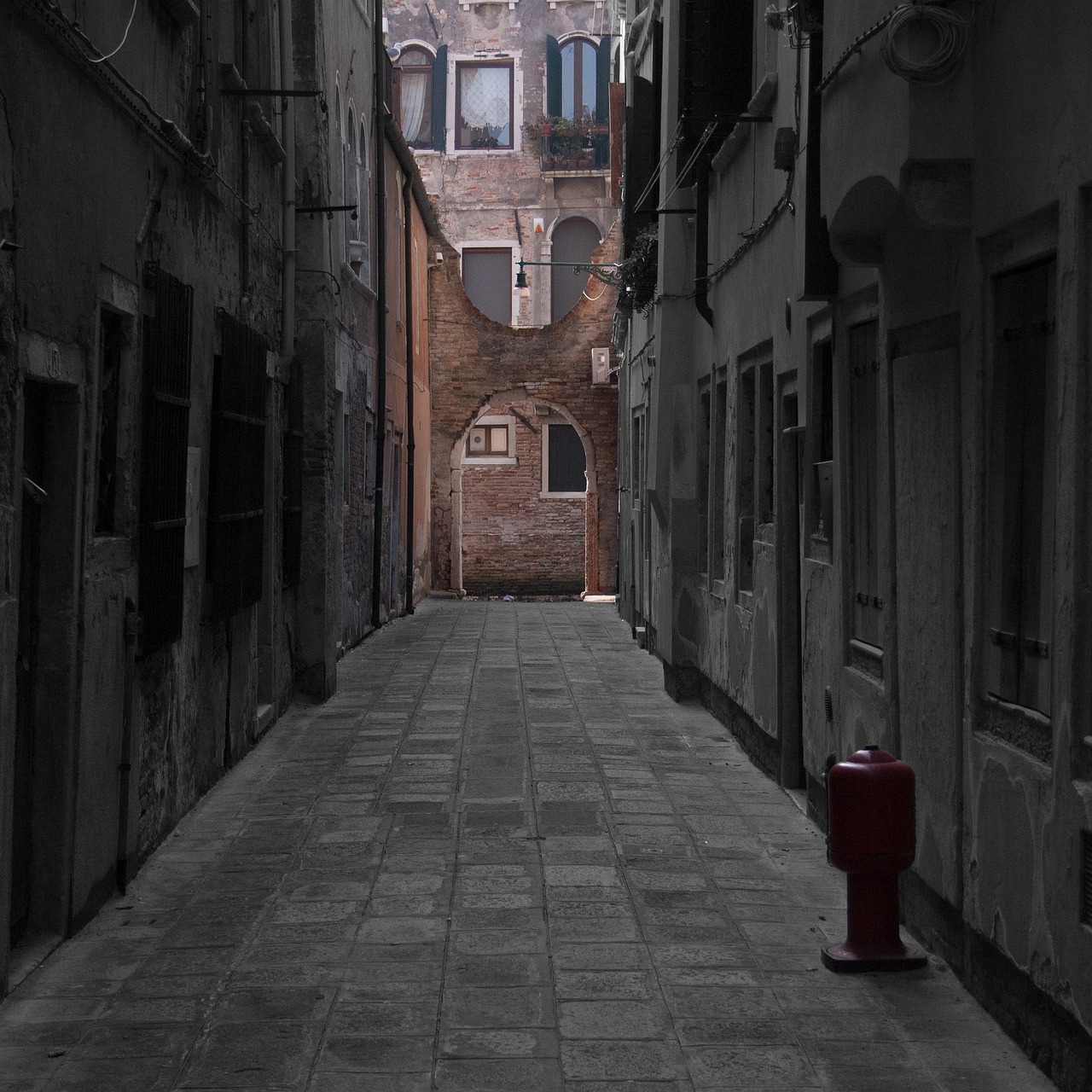
Dorsoduro is my favorite sestiere to stay in when I want a quieter base. It’s home to the Gallerie dell’Accademia, the Peggy Guggenheim Collection, and the Ca’ Rezzonico museum, as well as the lively Campo Santa Margherita, a student hangout with affordable spritzes and late-night chatter.
Here, you’ll find narrow canals, local bars, and fewer souvenir shops. Late in the evening, I love walking along the Zattere promenade, watching lights flicker on Giudecca island across the water.
Cannaregio – Local Life & Hidden Gems
Cannaregio is where you start to feel how Venetians actually live. It includes the historic Jewish Ghetto, several beautiful churches, and a growing number of contemporary wine bars and cicchetti spots. I often rent an apartment here when I’m staying a week or more.
Evenings in Cannaregio are golden: kids play football in small campi, neighbors stop to chat, and locals crowd around canal-side bars balancing plates of cicchetti and glasses of wine.
Castello – Quiet Streets & Gardens
Stretching east from San Marco, Castello gradually shifts from touristy to residential. Near the Arsenale and Giardini, you’ll find the greenest corners of Venice and the main venues of the Biennale art and architecture exhibitions.
Castello is where I go when I need a break from crowds: I walk the long Via Garibaldi, pick up fresh fruit from market stalls, and sit by the canal watching boats chug past.
San Polo – Markets & Classic Venice
San Polo is one of the oldest parts of Venice and home to the Rialto Bridge and the famous Rialto Market. In the morning, this area smells like the sea from the fish stalls; by evening, the bacari (wine bars) hum with locals and visitors alike.
I love crossing the Rialto Bridge at sunrise—just me, a few delivery workers, and the slow awakening of the city.
Santa Croce – The Gateway to Venice
Santa Croce is often overlooked, but it’s your entry point if you arrive by bus or car (Piazzale Roma) or at the nearby train station. Beyond the transport hubs, you’ll find quiet backstreets, artisan workshops, and a few budget-friendly accommodations.
The Lagoon Islands – Murano, Burano, Torcello & More
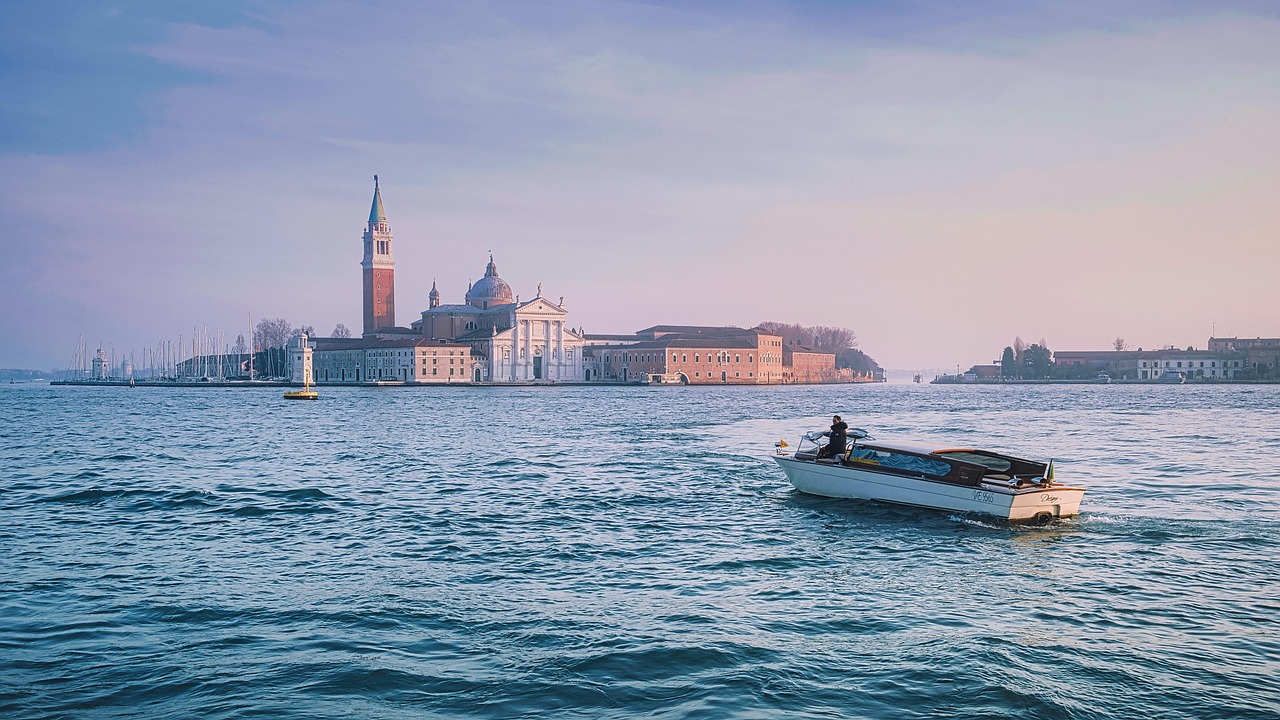
Beyond the main islands, Venice’s lagoon is sprinkled with places that feel like different worlds: Murano with its glassblowers, Burano with its rainbow houses and lace, Torcello with its ancient basilica, and quieter spots like Mazzorbo or Sant’Erasmo where you can breathe, bike, and feel the wind.
20 Must-See Attractions in Venice (With Personal Stories & Tips)
This section walks through the best places to visit in Venice, from iconic landmarks to hidden gems. I’ll mix history, practical info, and my own experiences—so you know not just what to see, but how to experience each place fully.
1. Piazza San Marco (St. Mark’s Square)
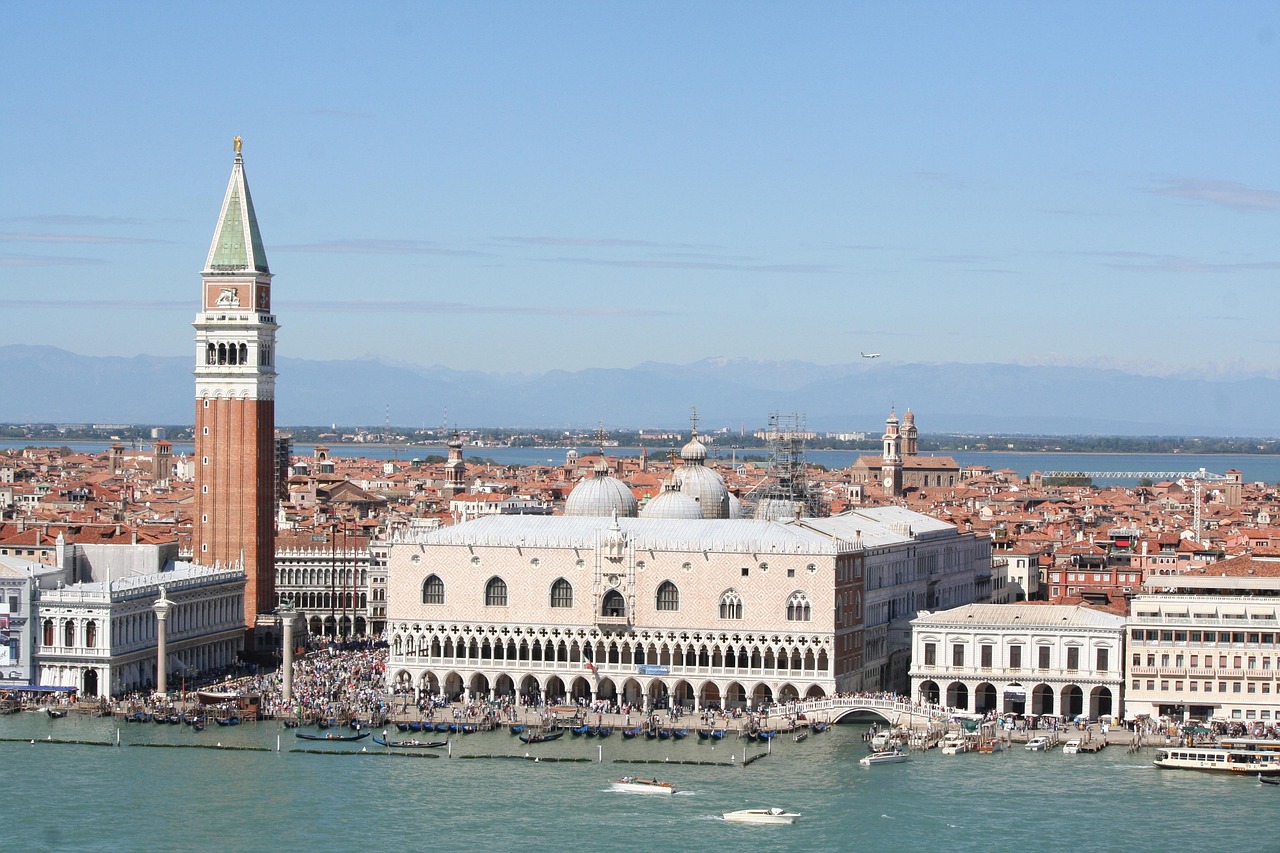
Piazza San Marco is the living room of Venice, a broad marble stage framed by arcades, the Basilica, and the Campanile. Napoleon (who wasn’t exactly shy) allegedly called it “the drawing room of Europe.” He wasn’t wrong.
The first time I walked into the square was on a foggy January morning. The bell tower disappeared into the mist, and I could hear footsteps echoing on the stones. A lone waiter at Caffè Florian was setting out chairs, and a flock of pigeons wheeled overhead. No crowds, just the feeling of stepping into a painting.
What to do: Visit early (before 8 a.m.) or late (after 9 p.m.) to enjoy the square without day-trip crowds. In the evening, the historic cafés (Florian, Quadri) host live orchestras. It’s expensive—expect to pay a cover in the form of high drink prices—but once in your life, sipping an espresso while violins play under the stars feels wonderfully over-the-top.
Family-friendly: Kids love chasing pigeons and running around the wide open space. Just watch for pickpockets in peak hours and avoid feeding the birds (it’s prohibited).
Romantic: Late-night strolls when the square is nearly empty are some of the most romantic moments I’ve had in Venice. The Basilica’s facade glows softly, and the sound of water laps gently at the nearby Riva.
Practical tips: The square can flood during acqua alta (high water), especially in autumn and winter. Raised walkways are set up; bring waterproof shoes just in case. Prices at cafés directly on the square are high—grab your coffee a block or two away if you’re watching your budget.
2. Basilica di San Marco (St. Mark’s Basilica)
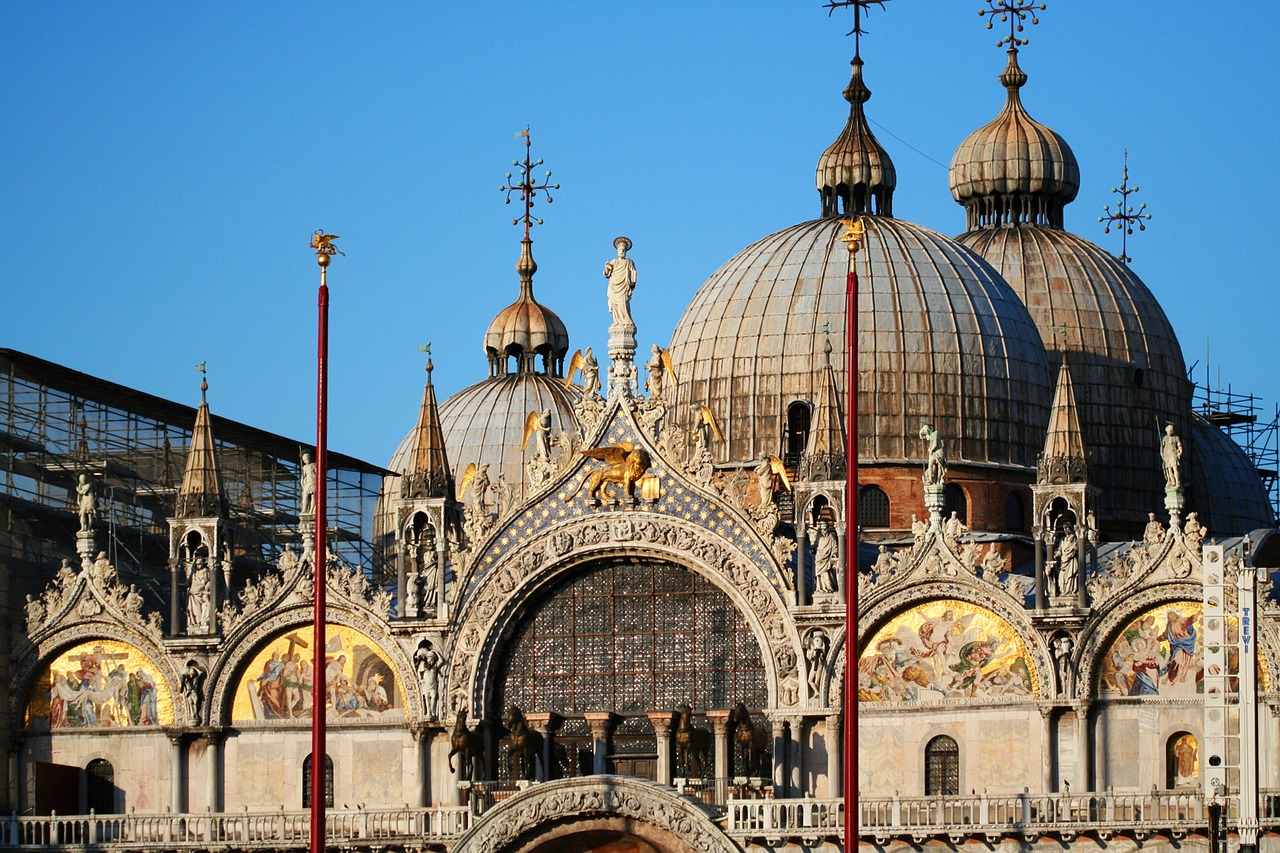
The Basilica di San Marco is Venice’s golden crown: Byzantine domes, shimmering mosaics, and an interior that glows like a jewelry box when the lights are on. It was originally the private chapel of the Doge, built to house the relics of St. Mark, which Venetian merchants famously “acquired” from Alexandria.
I still remember the first time I stepped inside during a special evening opening. The mosaics were illuminated, and the gold tesserae reflected light in a way that felt almost alive. I stood there, neck craned, for what felt like an hour, trying to take in every story on the ceiling.
Highlights: The golden Pala d’Oro altarpiece, the treasury, and the view from the terrace overlooking Piazza San Marco. The terrace view is one of the city’s best for photos.
Tips for visiting: Book a timed entry ticket online in advance, especially from April to October. Dress modestly (shoulders and knees covered). Backpacks may need to be checked at a nearby cloakroom. To experience the full golden effect, aim for times when the interior lights are on (often late morning and during certain services).
3. Doge’s Palace (Palazzo Ducale)
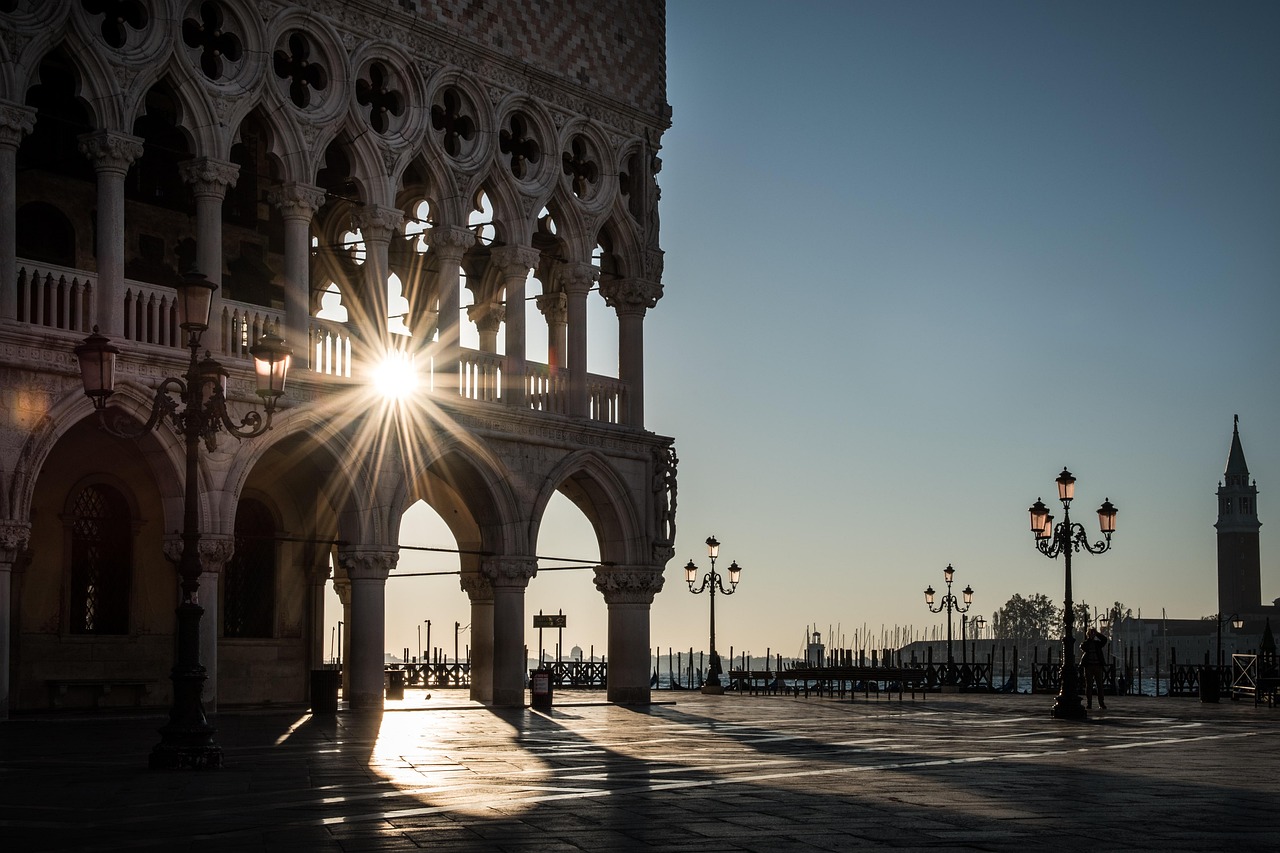
The Doge’s Palace is where Venice’s power was staged and managed for centuries. From the pink-and-white Gothic facade to the ornate council chambers and stark prison cells, it’s a journey through the city’s political soul.
On my second trip to Venice, I splurged on the “Secret Itineraries” tour. Wandering through hidden offices, narrow staircases, and Casanova’s alleged prison cell gave me a sense of Venice as a real working republic, not just a pretty postcard.
Don’t miss: The Bridge of Sighs, which connects the palace to the old prison. Legend says prisoners sighed as they caught their last glimpse of Venice through its tiny windows. The Great Council Chamber’s immense Tintoretto paintings are also jaw-dropping.
Tip: Combine your ticket with the Correr Museum and other civic museums for better value if you’re into history and art. Go early in the day to avoid the longest lines.
4. Rialto Bridge & Market
The Rialto Bridge is one of Venice’s most iconic sights: a white stone arch spanning the Grand Canal, lined with small shops and thronged with people. Beneath it, vaporetti, gondolas, and delivery boats constantly crisscross.
My favorite Rialto moment was a cold February sunrise. I had the bridge almost to myself, except for a fisherman in a small boat and a few early commuters. The palazzi lining the Grand Canal slowly shifted from gray to pink as the sun rose.
Rialto Market: Just a few steps away, the Rialto Market (open mornings, closed Sundays and Mondays for the fish section) is where Venetians buy fish, fruit, and vegetables. It’s noisy, vibrant, and a reminder that Venice is still a working city.
Local food tip: Go early (around 8–9 a.m.), then grab a coffee standing at one of the nearby bars. If you’re staying in an apartment, pick up fresh produce and cook your own Venetian-style dinner.
5. The Grand Canal
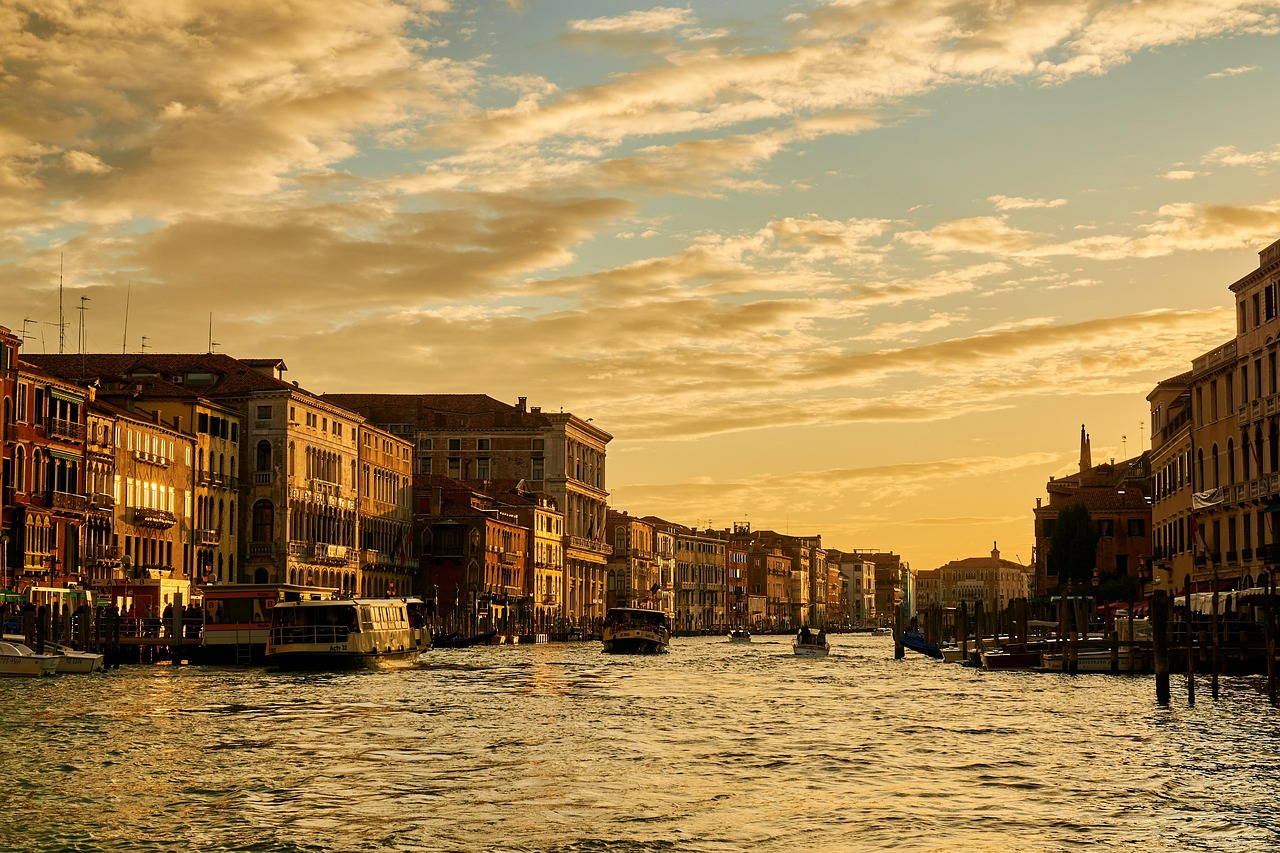
The Grand Canal is Venice’s main artery, a reverse-S curve lined with palaces, churches, and busy docks. Riding along it is one of the quintessential things to do in Venice.
I always recommend first-time visitors take Vaporetto Line 1 from Piazzale Roma or the train station to San Marco just before sunset. I still do this myself when I arrive—it resets my brain to “Venice mode.”
Must-do: Sit or stand at the front or back of the vaporetto for the best views. Keep your ticket handy for inspections. Audio guides or guidebooks help you identify notable palazzi as you pass.
Budget tip: A vaporetto ride is the best “cheap gondola alternative.” It’s not as intimate, but you get the same views for a fraction of the price.
6. Gondola Ride
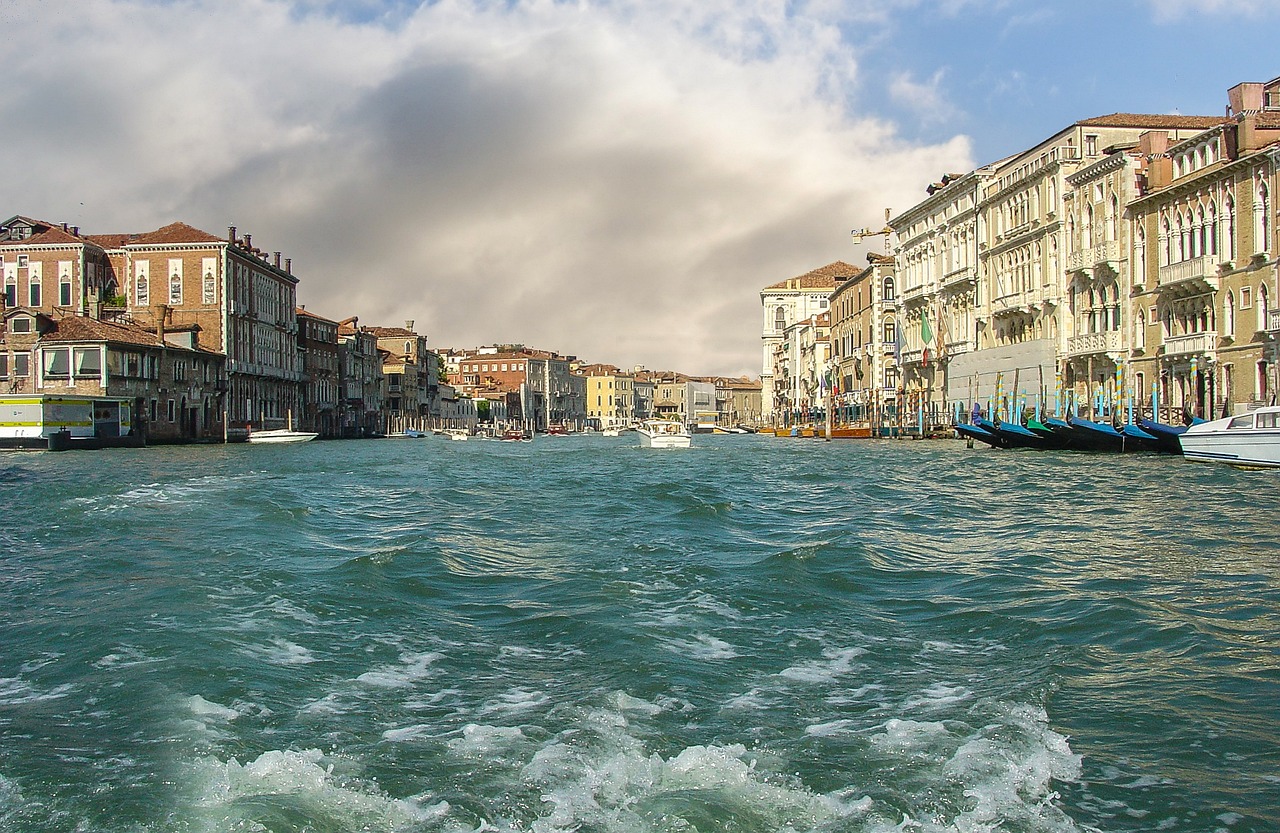
A gondola ride is the most cliché activity in Venice—and still, I think, worth it if you treat it as an experience rather than transportation. I resisted for my first few trips, but on a warm May evening, a friend convinced me. We glided through narrow back canals in Dorsoduro while our gondolier told us stories about learning the craft from his father.
How it works (2026 pricing subject to change): There’s a standard official rate (usually around 80–90€ for 30 minutes in daytime, more at night). Prices are per boat (up to 5 people), not per person. Agree on duration and price before getting in. Singing costs extra—and honestly, most gondoliers don’t sing unless you pay specifically for that.
Best areas: Avoid the Grand Canal stands for a less noisy ride. I prefer gondolas starting near San Polo, Santa Croce, or Dorsoduro, where you get quieter, narrower canals and fewer traffic jams.
Romantic tip: Go at golden hour (one hour before sunset). It’s soft light, fewer crowds, and the city feels magical.
7. Gallerie dell’Accademia
The Gallerie dell’Accademia is Venice’s main collection of pre-19th-century art. If you like Bellini, Carpaccio, Tintoretto, Veronese, and Titian, you could happily spend hours here.
On a rainy November day, I ducked into the Accademia to escape a downpour and ended up losing track of time among quiet rooms and luminous altarpieces. It’s less crowded than the Doge’s Palace or St. Mark’s Basilica but just as rewarding, especially for art lovers.
Tip: Buy tickets online on busy days; combine your visit with a walk over the Accademia Bridge for lovely views of the Grand Canal, especially at sunset.
8. Peggy Guggenheim Collection
For modern art in a stunning setting, the Peggy Guggenheim Collection is unbeatable. Housed in Peggy Guggenheim’s former home on the Grand Canal, it’s filled with works by Picasso, Pollock, Kandinsky, and others.
One sweltering July afternoon, I remember standing in the sculpture garden, grateful for the shade, and listening to a guide tell stories about Peggy’s wild bohemian life. The museum feels intimate and human, not overwhelming.
Good for: Couples, art lovers, and anyone needing a cultural break from church mosaics. The small size makes it easy to digest in 1–2 hours.
9. Scuola Grande di San Rocco
The Scuola Grande di San Rocco is a feast of Tintoretto paintings—walls and ceilings are covered with dramatic biblical scenes. Think Venetian Baroque drama at its finest.
I visited one winter afternoon, and the staff handed me a mirror so I wouldn’t get a neck cramp looking up at the ceiling. Walking slowly with the mirror, seeing the reflections of swirling figures and dramatic lighting, felt like stepping into a moving fresco.
Tip: If you enjoy art but find big museums tiring, this is a concentrated, powerful experience. It’s also less crowded than the headline attractions.
10. Rialto Market
The Rialto Market is one of my favorite morning activities in Venice. Fishermen shout prices, tourists dodge crates of squid, and locals inspect artichokes with serious expressions. The energy is contagious.
On my last trip, I stayed in an apartment nearby and made a habit of stopping by the market almost every morning. My proudest moment: ordering fish in halting Italian and getting an approving nod from the fishmonger.
Good for: Foodies, photographers, and families (kids are fascinated by the variety of sea creatures). Go early for the full experience.
11. Murano – The Glass Island
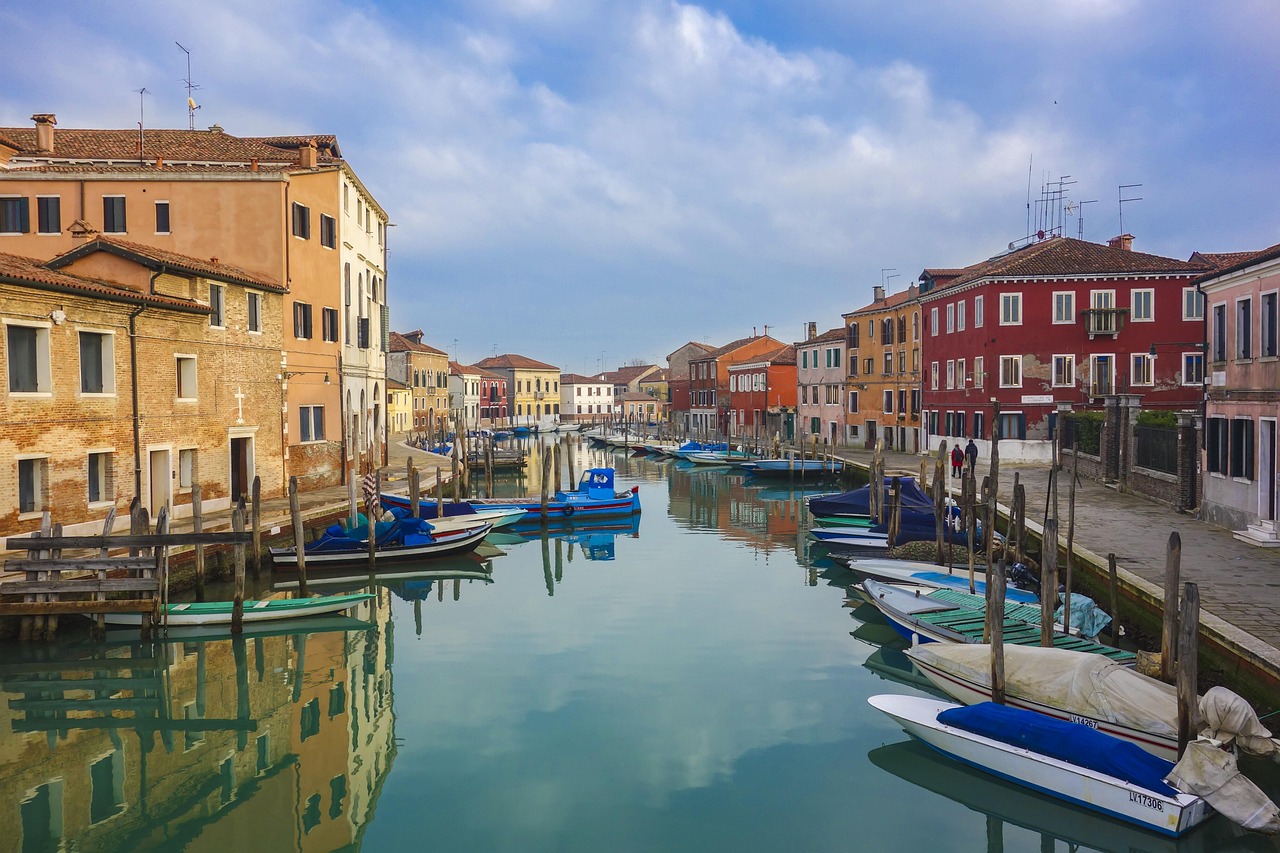
Murano is synonymous with glass. For centuries, Venice moved its glassmaking workshops here to reduce fire risk in the city center. Today, you can visit factories, watch glassblowers at work, and browse innumerable glass shops.
I’ve sat through both touristy demos and more serious workshops. The difference is huge. Look for smaller studios where you can actually talk to the artisans; they’ll explain techniques and are more honest about what’s truly made on Murano versus imported trinkets.
Tip: Avoid anyone trying to drag you off a vaporetto to a “free” demonstration with pushy sales. Choose your own factory or studio to visit. The Museo del Vetro (Glass Museum) offers helpful context.
12. Burano – Colorful Houses & Lace
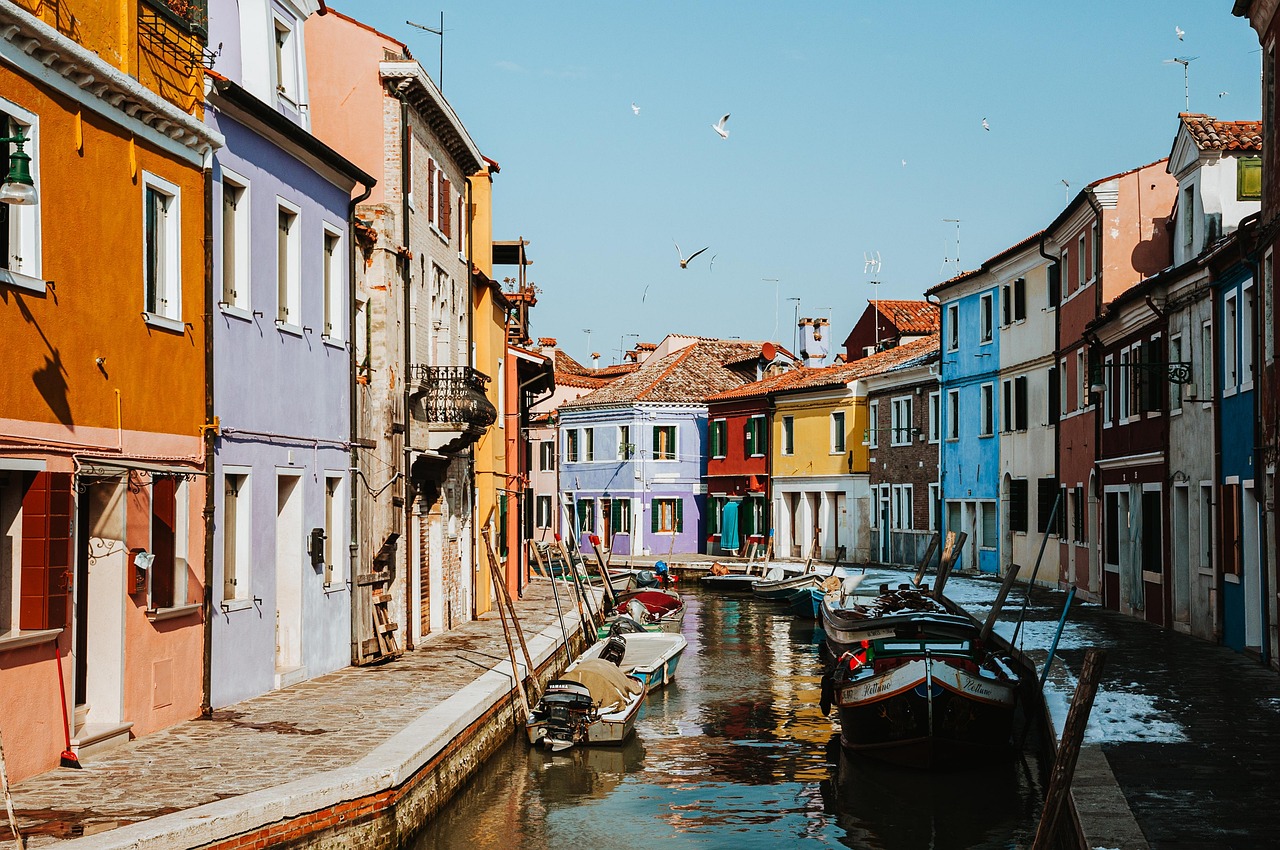
Burano is the cheerful, photogenic island of candy-colored houses and lace-making tradition. It’s become popular thanks to Instagram, but it’s still one of the most charming spots in the lagoon—if you step away from the main thoroughfares.
On a bright April day, I wandered backstreets where laundry hung between red, green, and yellow houses. A woman invited me into her small lace shop and showed me her mother’s embroidery, explaining patterns passed down through generations.
Tip: Go in the late afternoon when many day-trippers are leaving. Walk beyond the main square and follow the canals into quieter residential areas. Combine with nearby Mazzorbo for a peaceful vineyard walk.
13. Torcello – Venice’s Quiet Origin
Torcello was once a major settlement, predating Venice itself. Today, it’s a sleepy island with a handful of houses, fields, and an ancient basilica with remarkable mosaics.
One hot June afternoon, I climbed the campanile here and found myself alone at the top, staring out over green marshlands and glittering water. It felt like a different world from crowded San Marco.
Good for: History buffs, couples seeking quiet, and anyone wanting to see a wilder, more natural side of the lagoon. Wear comfortable shoes; paths can be dusty or muddy depending on the season.
14. Lido di Venezia – Beaches & Film Festival
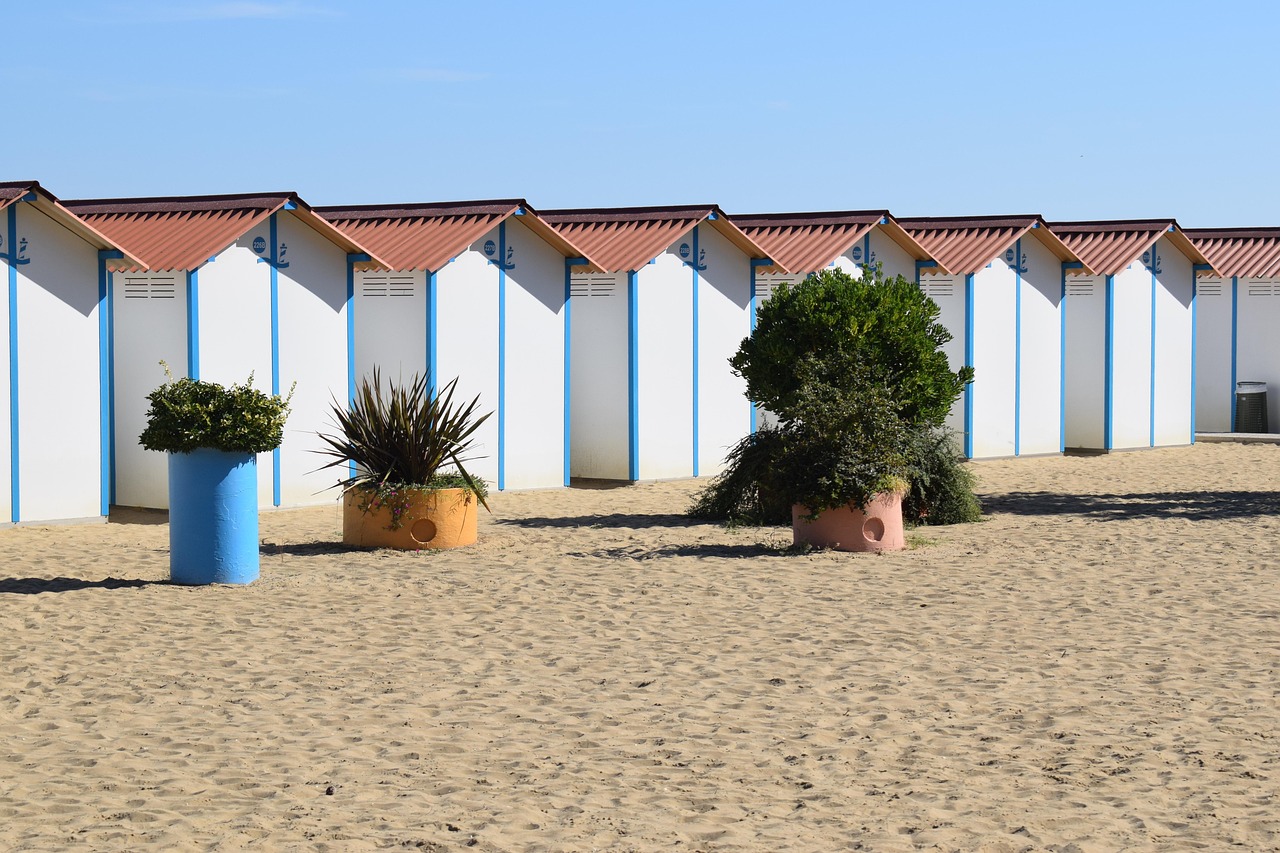
The Lido is Venice’s beach island, a long sandbar with Art Nouveau villas, tree-lined avenues, and a real seaside vibe. In early September, it hosts the Venice Film Festival, adding a touch of red-carpet glamour.
On one summer trip, I escaped a sweltering afternoon by heading to the Lido. Renting a bike, I rode along quiet streets, stopped for gelato, and eventually sprawled on the sand watching kids build sandcastles with the lagoon in the distance.
Family-friendly: Very. Shallow water, strollable promenades, and playgrounds make it ideal for children. It’s also a nice break if you’re staying 4–5 days in Venice and want a change of pace.
15. Arsenale & Biennale Venues
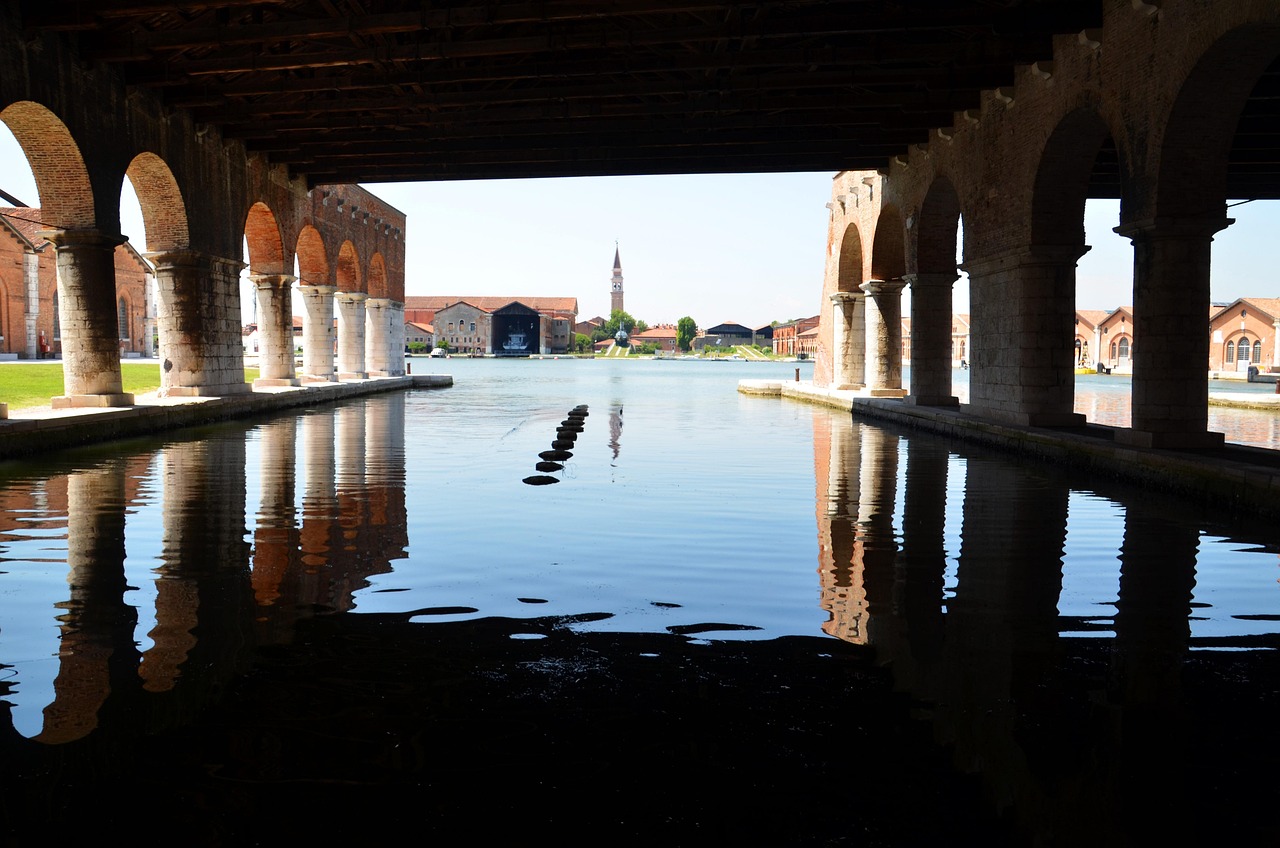
The Arsenale was the beating heart of Venice’s naval power: a vast shipyard where ships were built in assembly-line fashion centuries before the Industrial Revolution. Today, its warehouses and docks often host exhibitions during the Biennale.
I attended the Biennale here one autumn and loved the contrast between cutting-edge contemporary art and centuries-old brick walls and docks.
Tip: Even outside Biennale years, walking around the Arsenale area offers a different view of Venice—more industrial, less polished, but deeply atmospheric.
16. Basilica di Santa Maria Gloriosa dei Frari (The Frari)
The Frari is one of Venice’s great churches, filled with masterpieces: Titian’s “Assumption of the Virgin” above the main altar, a remarkable wooden choir, and several important tombs, including Titian’s own.
I often recommend the Frari to visitors who think they’re “churched out.” Once you stand in front of the Titian altarpiece and see the swirling energy of the figures, it’s hard not to be moved.
Good for: Art and architecture lovers, and anyone staying near San Polo or Santa Croce.
17. Scuola Grande di San Giovanni Evangelista
This lesser-known scuola (confraternity building) in San Polo features elegant Renaissance architecture and a quiet courtyard that feels worlds away from the crowds.
I stumbled on it while dodging a rainstorm and ended up lingering in the courtyard, listening to raindrops echo softly against the stone. It’s one of those hidden gems in Venice that rarely appear on top-10 lists.
18. Fondaco dei Tedeschi Rooftop
Next to the Rialto Bridge, this former merchants’ warehouse turned high-end department store hides a secret: a rooftop terrace with one of the best free views in Venice.
I brought my parents here on their first visit. They were speechless, pointing out landmarks as the Grand Canal curved below. We took our time, taking photos and simply soaking it in.
Tip: You usually need to book a free timeslot online (especially in high season). It’s one of the best budget-friendly experiences in the city.
19. Zattere Promenade
The Zattere is a long, sunny promenade along the Giudecca Canal in Dorsoduro. Locals come here to stroll, eat gelato, and watch the sunset.
One April evening, I sat on the edge of the quay with a cone of gianduiotto gelato, watching ferries and cruise ships gliding past. It felt like a neighborhood living room, with students laughing, couples holding hands, and kids on scooters.
Good for: Relaxed walks, families, and anyone who wants a local-feeling evening away from San Marco.
20. Jewish Ghetto of Venice
The Venetian Ghetto, established in 1516, was Europe’s first “ghetto” in the modern sense. Today it’s a peaceful area in Cannaregio with synagogues, memorials, and kosher bakeries.
I visited with a local guide who explained the complex history of Jewish life in Venice. Afterwards, I sat on a bench in the main campo, watching kids play under tall houses built upward when building outward was forbidden.
Tip: Consider a guided visit of the synagogues and the small museum; it gives context you won’t get just by strolling through.
Suggested Itineraries: 3, 4 & 5 Days in Venice
Below are flexible plans that blend must-see attractions, local food, and hidden corners. You can compress them into a 3 day itinerary for Venice or expand to a 4 day itinerary for Venice or a slower-paced 5 day itinerary for Venice. I’ll describe them as if spending 5 days, but I’ll note how to trim for shorter stays.
Day 1 – First Glimpse: San Marco, Grand Canal & Classic Venice
Whenever I bring friends to Venice for the first time, I start with the classics: San Marco, the Grand Canal, and a slow wander through the heart of the city. Think of Day 1 as setting the scene.
Morning: Arrival & First Vaporetto Ride
After arriving at Santa Lucia train station or Piazzale Roma, I like to skip the rush and start with a leisurely vaporetto ride down the Grand Canal. Grab a 75-minute ticket (or a 24/48/72-hour pass if staying longer) and hop on Line 1 toward San Marco.
Stand at the back of the boat, feel the wind, and watch as churches and palazzi glide by. This is your moving introduction to Venice’s architecture and history.
Late Morning: Piazza San Marco & Basilica
Drop your bags at your hotel or apartment, then walk toward Piazza San Marco. Even if you’ve seen it in countless photos, the sheer scale is surprising. I usually walk a full slow circle around the square, noting the clock tower, the Campanile, and the Basilica’s shimmering facade.
If you’ve booked a timed entry for St. Mark’s Basilica, this is a good moment to go in. Take your time with the mosaics and go up to the terrace for your first sweeping view of Venice rooftops.
Lunch: Simple & Nearby
Avoid the ultra-touristy spots directly on the square. I usually slip a few streets back into Castello or San Marco’s side streets and look for a small osteria where locals are eating. A plate of spaghetti alle vongole (clams) or a simple grilled fish with vegetables is perfect for your first Venetian meal.
Afternoon: Doge’s Palace & Riva degli Schiavoni
In the afternoon, visit the Doge’s Palace. Allow at least 2 hours to wander through grand halls and cross the Bridge of Sighs. The interplay between ornate rooms and stark prison cells gives a powerful sense of Venice’s dual identity: glamorous and ruthless.
Afterwards, stroll along the waterfront promenade, Riva degli Schiavoni. Look back at San Giorgio Maggiore island and the forest of gondolas tied to wooden poles.
Evening: First Cicchetti & Nighttime San Marco
Head toward Castello or Cannaregio for dinner and your first proper cicchetti experience. I like to hop between 2–3 bacari (wine bars), ordering a small plate or two in each: crostini with baccalà mantecato (creamed cod), fried meatballs, marinated anchovies.
End your night back in San Marco. After 10 p.m., the crowds thin, and the square feels intimate. If your budget allows, sit at one of the historic cafés for a drink while the orchestra plays. If not, simply stand under the porticoes and listen from a respectful distance.
For 3 days in Venice: Day 1 is non-negotiable—keep it as your core orientation day.
Day 2 – Art, Hidden Alleys & Gondolas
Day 2 balances major art collections with quiet neighborhoods and that all-important gondola ride.
Morning: Accademia & Dorsoduro
Start at the Gallerie dell’Accademia. Spend 1–2 hours with Venetian masters, then cross the Accademia Bridge for postcard-perfect views. Grab a coffee on a side street in Dorsoduro—Campo Santa Margherita is great for a morning pastry among students.
Late Morning: Peggy Guggenheim Collection
Walk along the canals to the Peggy Guggenheim Collection. The building itself, with its canal-side sculpture garden, is half the charm. I like to sit on the terrace overlooking the Grand Canal afterward, letting the art sink in.
Lunch: Zattere Promenade
Head to the Zattere for lunch. There are several trattorie and pizzerias with outdoor seating facing Giudecca. On warm days, a light seafood salad and a glass of white wine feels perfect.
Afternoon: Gondola Ride & San Polo
In the mid-afternoon, when the light starts to soften, make your way toward San Polo and look for a gondola stand away from the main tourist crush. Negotiate your ride, then relax for 30 minutes as you slip under bridges and past tiny balconies dripping with flowers.
Afterward, wander San Polo’s lanes, peek into the Frari Church if you’re up for more art, and enjoy the atmosphere around small campi.
Evening: Rialto & Fondaco dei Tedeschi Rooftop
As evening approaches, head to the Rialto area. If you’ve reserved a slot at the Fondaco dei Tedeschi rooftop, time it for sunset. The view of the Grand Canal curve lit with golden light is unforgettable.
For dinner, choose a trattoria a few blocks away from the bridge to avoid the most touristy options. Try bigoli in salsa (thick spaghetti with anchovy and onion sauce) for a local specialty.
For a 3 day itinerary for Venice: Day 2 is another anchor day: keep the Dorsoduro art combo and the gondola ride. If needed, trim time at one museum.
Day 3 – Lagoon Islands: Murano, Burano & Torcello
Day 3 is your chance to explore beyond the main city and see the lagoon’s other faces.
Morning: Murano
Take a vaporetto from Fondamente Nove to Murano. Start with a visit to a glass factory—but choose thoughtfully. I recommend walking 5–10 minutes away from the main landing stop to avoid the most pushy spots. Some studios offer short, respectful demos without pressure.
Visit the Glass Museum if you’re interested in the history and techniques, then wander Murano’s canals, ducking into small churches like Santi Maria e Donato with its beautiful mosaic floor.
Lunch & Early Afternoon: Burano
Continue to Burano in time for lunch. The island can get crowded, but if you cross a few bridges away from the main square, you’ll find quieter streets and family-run trattorie. Try risotto di gò (a local fish risotto) or simply a mixed seafood grill.
After lunch, roam the colorful alleys, taking photos respectfully (remember, these are people’s homes). Visit a lace shop where older women sometimes demonstrate traditional techniques.
Late Afternoon: Torcello (Optional)
If you have the energy and time, hop over to Torcello. The walk from the vaporetto stop to the basilica is serene, lined with fields and occasional trattorie. Climb the campanile for wide lagoon views and visit the austere, beautiful church interior.
Evening: Back to Venice & Cannaregio Dinner
Return via Fondamente Nove and walk into Cannaregio for dinner along the canal. This area has grown into one of my favorite evening haunts, with a mix of traditional bacari and modern wine bars. Try sarde in saor (sweet-and-sour sardines) and wash them down with a glass of local Prosecco.
For 3 days in Venice: You can still do a compressed version of this day: Murano + Burano only, skipping Torcello, and heading back a bit earlier.
Day 4 – Markets, Ghetto & Lido Relaxation
If you have 4 days in Venice, Day 4 lets you slow down and see how the city breathes beyond its monuments.
Morning: Rialto Market Revisit
Start at the Rialto Market again, this time with less of a “wow, fish!” gaze and more attention to seasonal produce and rhythms. Notice how quickly sales are made, how stallholders banter with regulars. Grab a quick espresso and pastry at a standing bar nearby.
Late Morning: Jewish Ghetto
Walk up through Cannaregio to the Jewish Ghetto. Join a guided visit to the synagogues and small museum—the history is complex and important. Afterward, sit in the main square with a coffee or snack from a bakery, observing how quiet and everyday the area feels now.
Lunch: Cannaregio Canalside
Pick one of the restaurants along the Fondamenta della Misericordia or Fondamenta dei Ormesini. These canals are lined with places that balance local and visitor crowds. I’ve had many simple, satisfying lunches here: grilled fish, seasonal vegetables, and a carafe of house wine.
Afternoon: Lido Escape
In the afternoon, take a vaporetto to the Lido. Rent a bike near the landing pier and cycle along quiet residential streets, then out toward the beaches. In summer, you can swim; in cooler months, just walk the shore and listen to the waves.
Evening: Sunset Return & Quiet Dinner
Return to Venice as the sun sets, perhaps catching golden light over the basin near San Marco. For dinner, choose a quieter neighborhood—Dorsoduro or Santa Croce—and linger over a full meal rather than cicchetti hopping.
Day 5 – Churches, Hidden Scuole & Free Wandering
With 5 days in Venice, you can afford a slower final day dedicated to lesser-known gems and whatever you’ve missed.
Morning: Frari Church & Scuola Grande di San Rocco
Start at the Frari and then the Scuola Grande di San Rocco. Take your time with Titian’s masterpieces and Tintoretto’s dramatic cycles. These two sights together give you a deep sense of Venice’s artistic heritage beyond the obvious hits.
Late Morning: Scuola Grande di San Giovanni Evangelista
Walk over to this quieter scuola. Enjoy the courtyard, the calm, and the feeling of having discovered something not everyone sees.
Lunch: Santa Croce or San Polo
Pick a simple trattoria where construction workers or office staff are eating. Look for daily specials written on a board. I’ve had some of my best budget lunches this way—fresh, honest cooking without frills.
Afternoon: Free Time & Shopping
Use your last afternoon to revisit your favorite spot, shop for locally made crafts (true Murano glass, handmade paper, artisanal masks), or simply sit by a canal watching boats go by.
Evening: Farewell Walk & Gelato
Spend your final evening on a slow, aimless walk at dusk: over the Accademia Bridge, along the Zattere, or through Cannaregio’s quiet backstreets. Finish with one last gelato or spritz. Say your quiet goodbye—or see-you-soon—to the city.
Local Food & Drink in Venice
Venetian cuisine is shaped by the lagoon and centuries of trade with the East. It’s more about fish, seafood, and vegetables than heavy sauces. Here are key dishes and experiences you shouldn’t miss.
Must-Try Venetian Dishes
- Cicchetti: Venice’s answer to tapas—small bites like crostini with toppings, fried meatballs, marinated seafood, and more. Best enjoyed standing at the bar with a glass of wine.
- Sarde in saor: Sweet-and-sour sardines marinated with onions, vinegar, raisins, and pine nuts. Surprisingly addictive.
- Baccalà mantecato: Creamed salted cod whipped with olive oil—usually spread on grilled bread.
- Bigoli in salsa: Thick spaghetti with an anchovy and onion sauce—simple and deeply flavorful.
- Risotto di gò: A local fish risotto from the lagoon; earthy and comforting.
- Fegato alla veneziana: Venetian-style liver with onions, often served with polenta.
- Polenta: Cornmeal that accompanies many dishes, especially in cooler months.
Drinks to Order
- Spritz: The Venetian classic. Ask for Spritz Aperol (orange, lighter), Spritz Select (more bitter, very Venetian), or Spritz Campari.
- Ombra: Literally “shadow”—Venetian slang for a small glass of house wine, traditionally drunk in the shade of the Rialto.
- Local wines: Try wines from the Veneto region: Soave, Prosecco, Valpolicella, Amarone.
Where I Love to Eat (and Save Money)
Over multiple trips, I’ve learned that the best way to eat well without overspending is to:
- Look for places a few streets away from major landmarks.
- Check for handwritten menus and specials.
- Eat your main meal at lunch when many restaurants offer set menus.
- Use cicchetti bars for casual dinners instead of full sit-down meals every night.
Neighborhoods like Cannaregio, Dorsoduro, and parts of Castello are great hunting grounds for more local-feeling spots.
Nightlife, Entertainment & Cultural Experiences
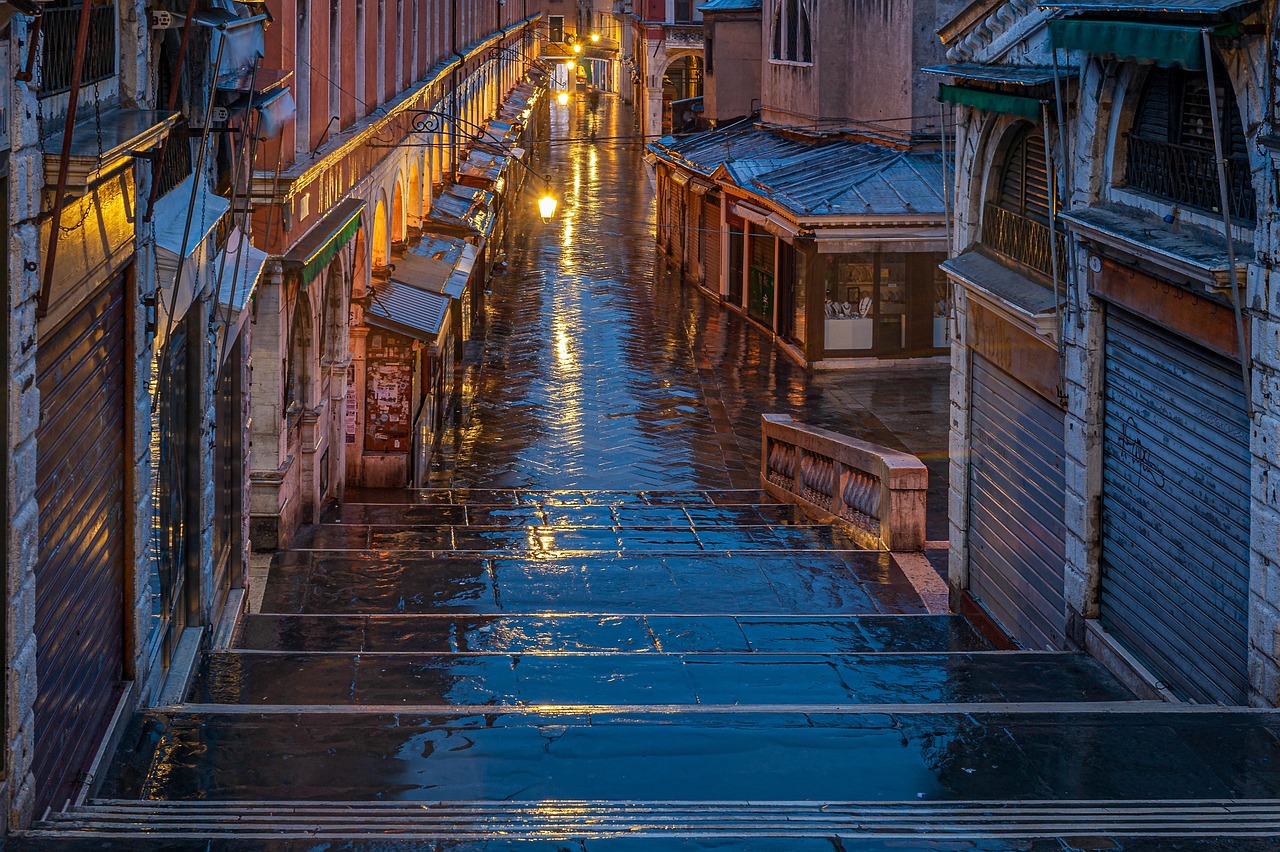
Venice isn’t a wild party city, but it has a rich cultural life and a cozy, intimate nightlife scene focused on wine bars, music, and long conversations.
Evening & Nightlife
- Bacari hopping: The classic Venetian evening. Move from bar to bar, sampling cicchetti and small glasses of wine.
- Campo Santa Margherita (Dorsoduro): Student-filled square with casual bars and late-night energy.
- Cannaregio canals: Lively but not rowdy, with a mix of locals and visitors.
Cultural Experiences
- Teatro La Fenice: Venice’s historic opera house. Even if you don’t see a performance, consider a daytime visit for the interior alone.
- Classical concerts: Many churches host evening concerts featuring Vivaldi and other composers. Check posters around San Marco and San Polo.
- Biennale (Art & Architecture): Alternating yearly, these major exhibitions use venues like the Giardini and Arsenale. 2026–2027 will see continued programming—check official schedules closer to your trip.
Romantic ideas: Nighttime gondola rides, quiet walks along the Zattere or the Riva, late-night gelato on a bridge watching reflections shimmer in the water.
Family-friendly evenings: Early dinners, gelato walks, and occasional concerts or puppet shows aimed at kids (watch local listings).
Day Trips from Venice
While there’s more than enough to fill 3–5 days in Venice itself, you can also use the city as a base for a few rewarding day trips.
- Verona: About 1–1.5 hours by train. Roman arena, Juliet’s (touristy) balcony, and charming streets. Great for couples.
- Padua (Padova): 30–50 minutes by train. Scrovegni Chapel with Giotto’s frescoes, lively student atmosphere, and historic markets.
- Treviso: Small canals, quiet charm, and fewer tourists. About 30–40 minutes by train.
- Prosecco Hills: Organized tours can take you from Venice to vineyards in the hills north of Treviso—a treat for wine lovers.
For all of these, trains from Venezia Santa Lucia or Mestre are frequent and reasonably priced. Buy tickets in advance online or at machines in the station and remember to validate regional tickets before boarding if required.
Cultural Etiquette & Local Customs in Venice
Understanding a few local customs goes a long way toward respectful travel in Venice.
Respecting the City
- No swimming in canals: It’s prohibited and unsafe.
- Don’t picnic on bridges or church steps: Eat at cafés, restaurants, or designated areas (parks, benches in some campi).
- Noise: Many Venetians live in small buildings with thin walls. Keep noise down late at night, especially in residential alleys.
In Bars & Restaurants
- Bar etiquette: Standing at the bar is cheaper than sitting at a table, especially in touristy areas. Pay at the counter; in some places, you pay first and then order.
- Tipping: Service is often included; rounding up or leaving a small extra (5–10%) for good service is appreciated but not mandatory.
- Ordering: In traditional restaurants, meals are structured (antipasto, primo, secondo, contorno, dolce), but you’re not required to order everything.
Dress & Behavior
- Churches: Cover shoulders and knees; be quiet and respectful. Photography may be restricted.
- Swimwear: Beachwear is for the Lido, not for walking around the historic center.
- Greetings: A simple “Buongiorno” (before afternoon) or “Buonasera” (late afternoon/evening) goes a long way. “Per favore” (please) and “Grazie” (thank you) are appreciated.
Practical Travel Tips for Venice
Getting Around
Venice is a walking city, with boats as public transport:
- On foot: Expect to walk a lot and climb many bridges. Comfortable, non-slip shoes are essential.
- Vaporetto (water bus): Run by ACTV. Single tickets are pricey; if you’ll ride more than a few times a day, get 24/48/72-hour or weekly passes.
- Water taxis: Fast and convenient but expensive—best split between groups or used for special occasions (e.g., airport transfers with lots of luggage).
- No cars, no bikes: Motor vehicles stop at Piazzale Roma. Cycling is not allowed in the historic center.
Saving Money
- Stay slightly away from San Marco (Cannaregio, Castello, or Dorsoduro) for better value.
- Use apartment rentals if staying 4–5 days to cook some meals with Rialto Market ingredients.
- Eat your main meal at lunch and use cicchetti bars for lighter, cheaper dinners.
- Buy transport passes rather than individual vaporetto tickets if moving around a lot.
- Many churches have low entrance fees and hold world-class art—great value compared to some big museums.
SIM Cards & Connectivity
In 2026, eSIMs make it easy to stay connected. You can:
- Buy an Italian SIM/eSIM from providers like TIM, Vodafone, or WindTre at the airport or in town.
- Use an international eSIM (Airalo, Holafly, etc.) before arrival for data-only plans.
- Rely on Wi-Fi in hotels and many cafés, but coverage can be patchy in old buildings.
Visas & Entry Requirements
Italy is part of the Schengen Area. In 2026:
- EU/EEA/Swiss citizens: Free movement, no visa required.
- Many non-EU countries (e.g., USA, Canada, UK, Australia): Typically allowed short stays (up to 90 days in 180) without a visa, but an ETIAS travel authorization is expected to be required—check the latest regulations before you travel.
- Others: May need a Schengen visa; check with your local Italian consulate.
Always check official sources before traveling, as rules can change.
Driving & Car Rental
You do not need—or want—a car in Venice itself.
- Cars stay at Mestre or Piazzale Roma in paid garages.
- If you’re doing a wider Italy road trip, pick up or drop off your car outside Venice.
- Foreign driver’s licenses are generally accepted; some non-EU visitors may need an International Driving Permit. Check your country’s requirements.
Safety & Health
- Venice is generally very safe. Watch for pickpockets in crowded areas like Rialto and San Marco.
- In summer, heat and humidity can be intense—stay hydrated, wear sunscreen, and take breaks.
- Flooding (acqua alta) is less disruptive than it used to be thanks to MOSE barriers, but temporary high water can still occur in autumn/winter. Waterproof footwear and flexibility help.
When to Visit Venice & 2026–2027 Events
Best Seasons for Different Travelers
- Spring (April–early June): Mild weather, longer days, and blooming window boxes. Excellent for sightseeing and a classic time for 3–5 day trips.
- Summer (late June–August): Hot, humid, and crowded. Longer opening hours and lots of activity but more expensive accommodation and intense midday heat.
- Autumn (September–October): My favorite: warm but not scorching, softer light, and slightly fewer crowds than peak summer.
- Winter (November–March): Quiet, atmospheric, sometimes foggy or chilly. Venice feels more like itself, but some tourist services run reduced hours. Great for photographers and romantics.
Major Events in 2026–2027
- Carnevale di Venezia (Carnival): Usually in February. Masks, balls, parades, and crowded squares. Magical but busy and pricey.
- Venice Biennale: Alternating art and architecture exhibitions with associated events in 2026–2027 at the Giardini and Arsenale.
- Festa del Redentore: Mid-July. A huge fireworks display over the lagoon, temporary bridge to Giudecca, and local picnic-style celebrations on boats and along the Zattere.
- Regata Storica: Early September. Historical boat parade and rowing races along the Grand Canal.
- Venice Film Festival (Lido): Late August–early September. Red carpets, screenings, and celebrity sightings on the Lido.
For 2026–2027, also watch for updates on continued visitor caps, day-tripper fees, and sustainability initiatives that may affect how you book and schedule your days.
Summary & Final Recommendations
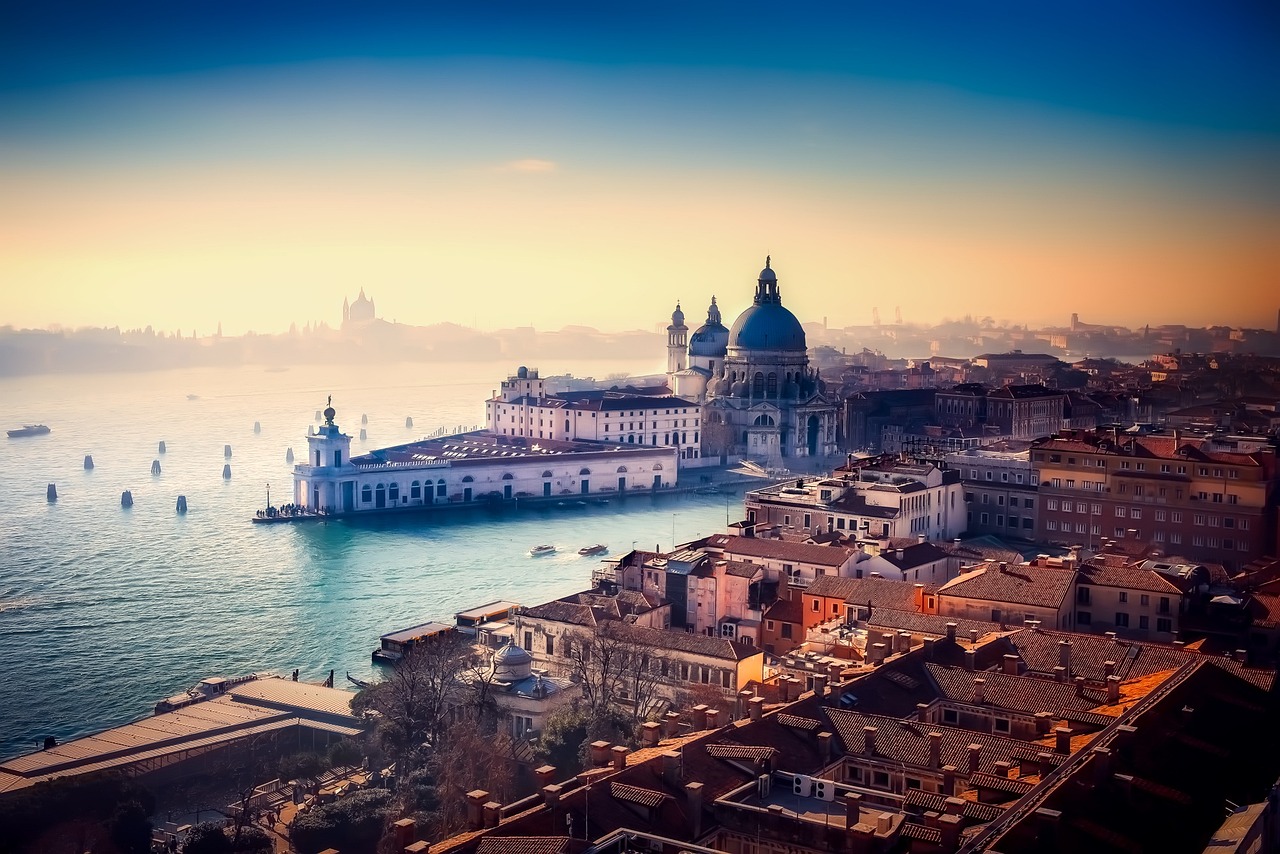
Venice is unlike anywhere else: a fragile, floating city that rewards those who slow down and look closely. Whether you have 3 days in Venice, a full 4 day itinerary for Venice, or a leisurely 5 days in Venice, focus on a mix of must-see attractions and unstructured wandering.
Use this travel guide for Venice as a framework: start with San Marco and the Grand Canal, weave in art and neighborhood walks, take at least one lagoon island day trip, and leave space for serendipity. Eat cicchetti in busy bars, wake up early for quiet streets, and respect the city as a living home, not just a backdrop.
Best time to visit: For most travelers, April–June and September–October strike the ideal balance of weather and crowds. Winter offers haunting beauty and lower prices; summer brings energy but also heat and crowds.
If you treat Venice gently, it will give you moments that linger for years: the sound of footsteps echoing in a foggy alley, the shimmer of mosaics in a dim basilica, the feeling of gliding silently down a narrow canal at dusk. And once you leave, you’ll probably find yourself planning your return—just like I always do.