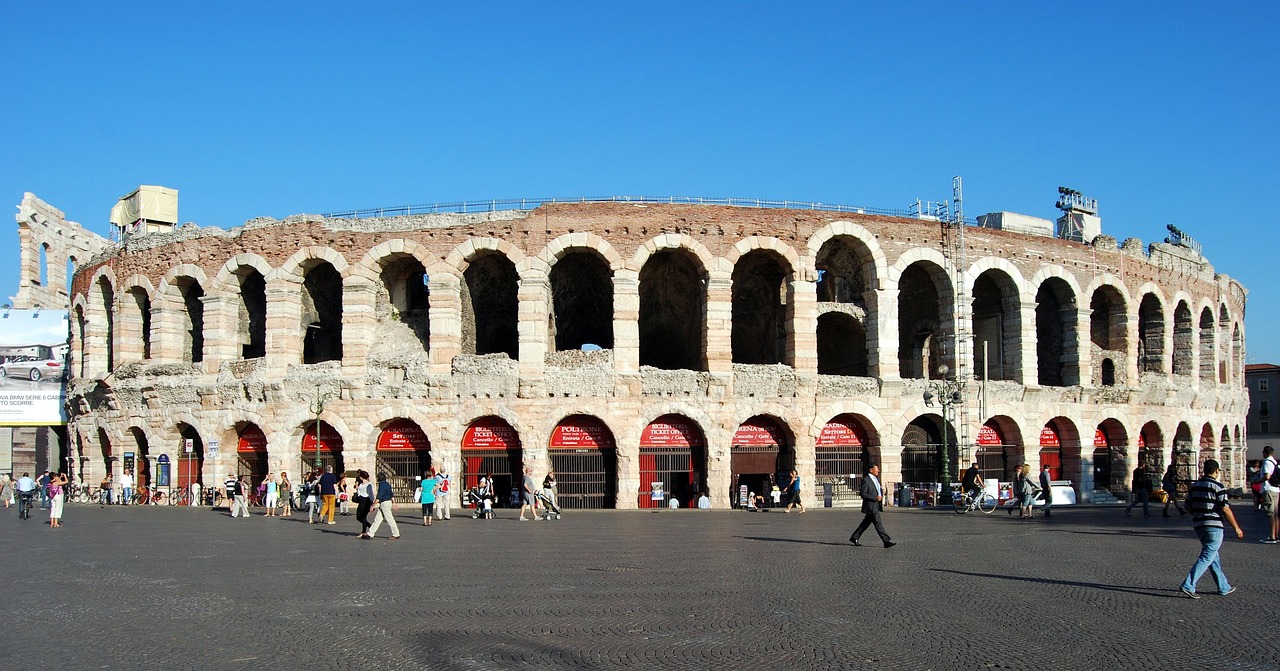
Why Visit Verona in 2026
Verona is one of those cities that quietly steals your heart. It doesn’t shout like Rome or pose like Venice. Instead, it unfolds slowly: a Roman arena that still shakes with opera, medieval streets that smell of espresso and warm brioche, and a river that curls around terracotta roofs like an affectionate arm.
I’ve been coming back to Verona for over a decade, usually for “just a night or two” and then somehow stretching it into four or five. In 2026, the city feels especially alive: upgraded train connections across northern Italy, refreshed museum exhibits, and an ever-growing food scene that balances tradition (hello, pastissada de caval) with modern wine bars and creative cicchetti.
If you’re wondering whether to spend 3 days in Verona, plan a 4 day itinerary for Verona, or really settle in for 5 days in Verona, this travel guide is designed like a personal playbook. I’ll walk you through my favorite walks, the must-see attractions in Verona, the cultural experiences you shouldn’t miss, and the hidden corners I’ve found after many slow afternoons wandering along the Adige.
Whether you’re planning a romantic escape, a family trip, or a solo adventure, Verona makes it surprisingly easy to feel like a local in just a few days.
Table of Contents
- Why Visit Verona
- Verona at a Glance
- 3–5 Day Itineraries for Verona
- Top 20 Attractions & Detailed Stories
- Neighborhoods & Areas to Explore
- Best Local Food in Verona & Where to Eat
- Nightlife, Entertainment & Cultural Experiences
- Major Events in 2026–2027
- Best Day Trips from Verona
- Local Customs & Cultural Etiquette
- Practical Travel Tips for Verona
- Summary & Best Time to Visit
Verona at a Glance
Verona sits in the Veneto region of northern Italy, about an hour west of Venice by high-speed train. The city’s core is compact and walkable, wrapped in a lazy bend of the Adige River and dotted with centuries of architecture: Roman, Romanesque, Gothic, Renaissance, and just enough modern touches to keep life comfortable.
It’s famously the setting of Shakespeare’s Romeo and Juliet, but locals will tell you that Verona’s romance isn’t confined to a single balcony. It’s in the sunset from Castel San Pietro, the quiet courtyards off Via Mazzini, a glass of Valpolicella shared over a plate of bigoli in a tiny osteria.
Verona is also a superb base for exploring the region: Lake Garda, the Valpolicella wine hills, and even the Dolomites are within easy reach. That’s why a 3 day itinerary for Verona is good, a 4 day itinerary for Verona is better, and 5 days in Verona is ideal if you want to mix city life with countryside escapes.
Suggested Itineraries: 3, 4 & 5 Days in Verona
These itineraries are based on how I actually structure my own time in the city. Think of them as flexible frameworks. You can mix and match days depending on your interests, but if it’s your first time, I recommend following the order: start with the classics, then gradually weave in the hidden gems and day trips.
3 Days in Verona: First-Time Essentials
If you only have 3 days in Verona, focus on the city’s most iconic sites, with a few local touches. This plan is perfect for couples and culture lovers, and still works well with older kids or teens.
- Day 1: Historic center highlights – Arena di Verona, Piazza Bra, Via Mazzini, Juliet’s House, Piazza delle Erbe, Torre dei Lamberti, Ponte Pietra at sunset.
- Day 2: Roman Verona & river walks – Castelvecchio & bridge, Basilica di San Zeno, Adige river promenade, evening aperitivo.
- Day 3: Art, viewpoints & hidden courtyards – Duomo complex, Sant’Anastasia, Giardino Giusti, Castel San Pietro, artisan shops and wine bars.
4 Day Itinerary for Verona: Slow Travel & Neighborhoods
With 4 days in Verona, you can keep the 3-day structure and add:
- Day 4: Explore San Zeno and Borgo Trento in depth, sample local food markets, and enjoy a leisurely evening of wine tasting or a performance at the Arena (in season).
5 Day Itinerary for Verona: City & Countryside Blend
With 5 days in Verona, my favorite pattern is: three days fully in the city, one day for neighborhoods and food, and one day trip.
- Day 5: Day trip to Lake Garda or Valpolicella wine country, returning to Verona for a final evening stroll and farewell dinner.
Below, I’ll walk you through a more narrative version of a 5-day stay, with stories, timings, and specific tips. Use it as your personal travel guide for Verona.
Top 20 Attractions in Verona – Stories, History & Tips
These are the places I keep coming back to. Some are obvious headliners; others are the kind of spots you might miss without a nudge from someone who’s spent many meandering afternoons here. I’ll weave these into the day-by-day itineraries, but here you’ll find a dedicated story and practical advice for each.
1. Arena di Verona
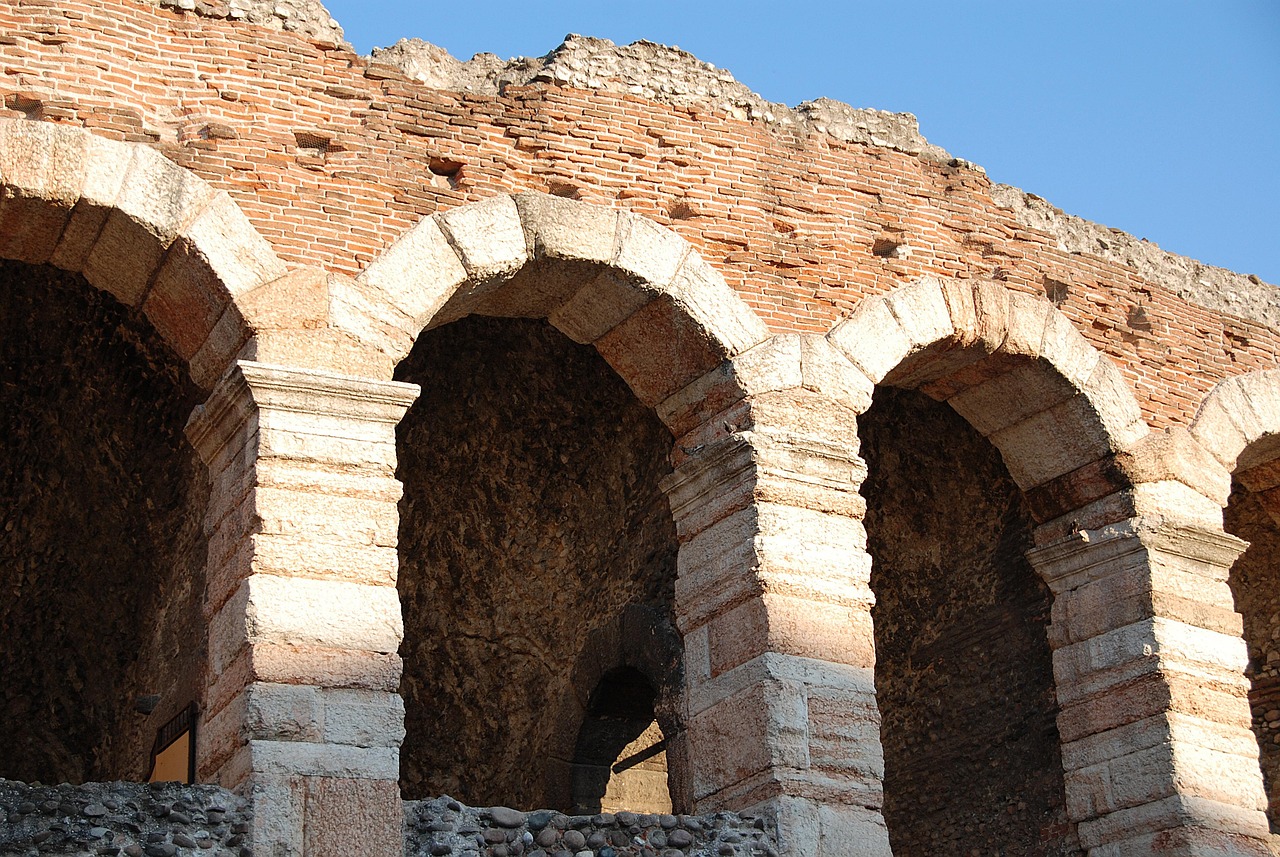
The Arena di Verona is the city’s beating heart. Built in the 1st century AD, it predates the Colosseum in Rome and, unlike many ancient monuments, it’s still in active use. Sitting on the stone steps at dusk, waiting for an opera to begin, you feel the weight of 2,000 years of human voices echoing off the same stones.
The very first time I went inside the Arena, it was a humid June morning. I arrived right when it opened, hoping to avoid the crowds. It worked: for about 20 minutes, I had entire sections of the amphitheater almost to myself. I walked up to the highest tier, sat down, and just listened to the city waking up—a blend of scooter engines, church bells, and the occasional shout from Piazza Bra below.
History & significance: The Arena once hosted gladiator fights and public games. Today, it’s globally renowned for the Festival lirico areniano, the summer opera festival. So many Veronese memories are tied to this place: first dates, family nights out, landmark performances.
Practical tips:
- Best time to visit: Early morning for quiet exploration, or evening if you’re attending a show.
- Tickets: In 2026, standard entry tickets can be bought online or at the gate. For opera, book months in advance, especially for weekend performances.
- What to bring for opera nights: A light scarf or jacket (even summer nights can get breezy), a small cushion if you’re in the stone seating, and patience—performances are long, and that’s part of the charm.
- Family-friendly? Yes, for visits; for opera, older kids and teens who enjoy music will appreciate it. Very young children might struggle with the length.
2. Piazza Bra
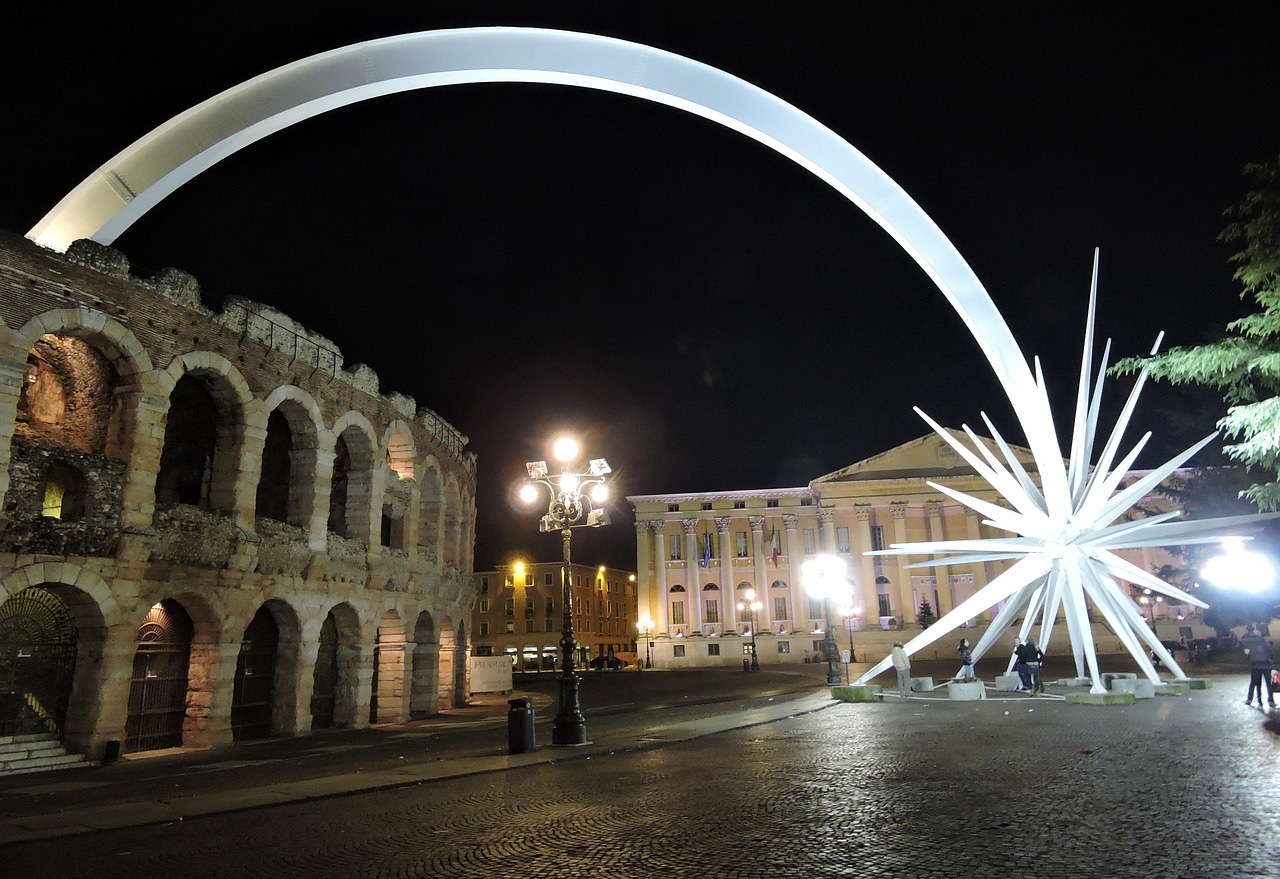
Piazza Bra is Verona’s grand living room. It’s where I almost always start my first walk after arriving—suitcase dropped at the hotel, espresso in hand, eyes adjusting to all the light and space after a train ride.
On one side, you have the Arena; on the other, a sweep of colorful facades and cafe terraces. In the middle, a small park with benches perfect for people-watching. It’s touristy, yes, but in a way that still feels anchored by local life: older Veronese couples strolling arm in arm, kids chasing pigeons, teenagers gathering after school.
What to do:
- Sit for a leisurely coffee or spritz and watch life unfold.
- Walk along the Liston (the wide pedestrian pavement) and let yourself slowly drift towards Via Mazzini.
- Come back at night when the Arena is lit and the square feels theatrical.
Money-saving tip: Prices at terrace cafes facing the Arena are inflated. I often have just one drink here for the view, then duck into a side street (like Via Roma) for more reasonably priced food.
3. Via Mazzini
Via Mazzini is Verona’s main shopping artery, a polished stone ribbon connecting Piazza Bra to Piazza delle Erbe. It’s where high-street chains sit beside Italian boutiques, and where the city’s polished side is on full display.
I rarely come here to shop (though I’ve been known to pick up a pair of Italian leather shoes I absolutely did not need). Instead, I use it as a spine: a way to orient myself, diving off into side alleys, then returning to the bustle.
Tips:
- Timing: It gets crowded from late morning onwards. If you dislike crowds, walk it around 9–10 am.
- Hidden gems: Look for narrow side streets leading to little courtyards; some host small artisan shops or tucked-away wine bars.
- Family-friendly: Yes, but keep an eye on kids in the crowds and watch out for slippery polished stones when wet.
4. Juliet’s House (Casa di Giulietta)
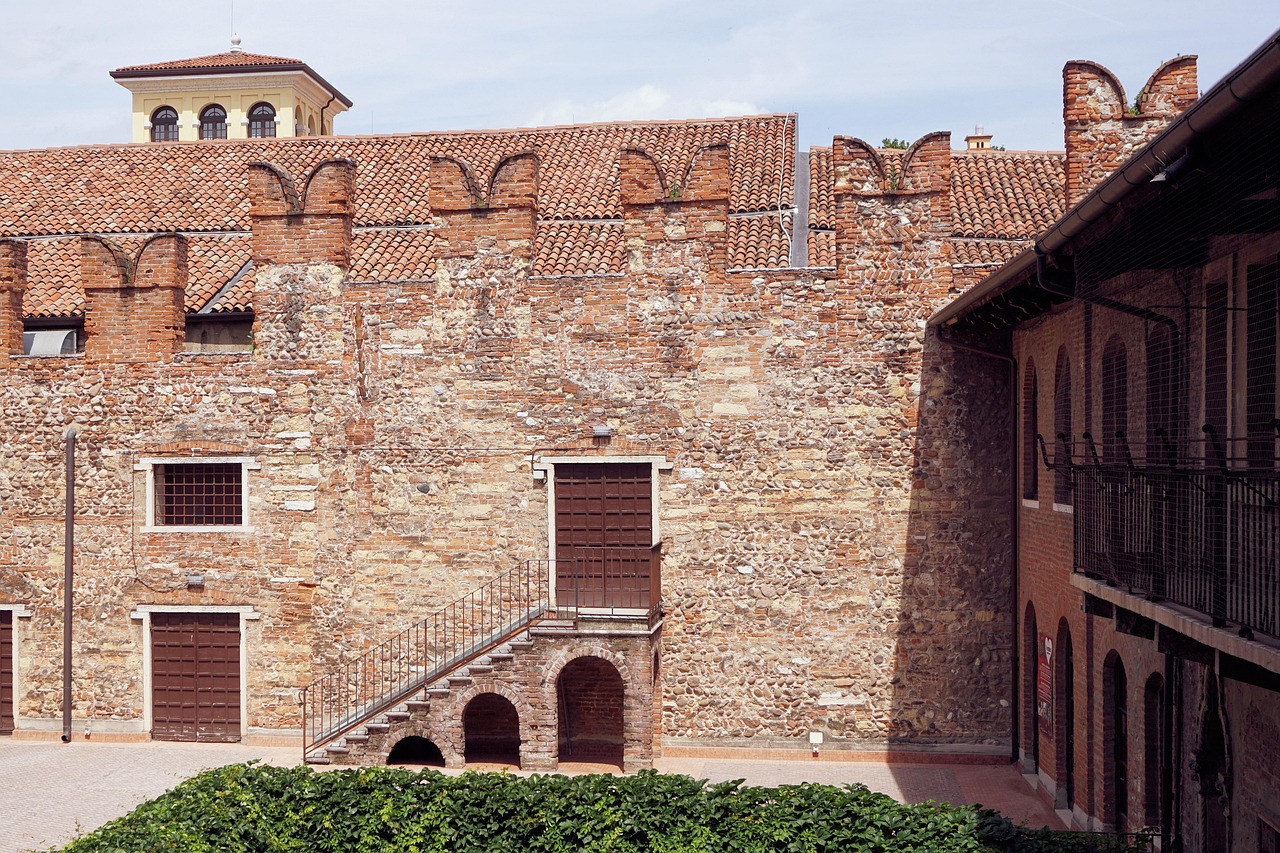
Juliet’s House is one of Verona’s most photographed spots—and one of its most divisive. Is it a bit touristy? Absolutely. Is it still worth seeing once? I think so, especially if you go in with a playful spirit.
The courtyard, with its famous balcony and bronze statue of Juliet, can be packed. I’ve stood there on summer afternoons, watching newly engaged couples pose while street musicians played gentle love songs. It can be cheesy, but in a very human, universal way.
History vs. legend: The house once belonged to the Cappello family, which some connect to Shakespeare’s Capulets, but the link is more symbolic than factual. Still, the site has become a shrine to love and heartbreak, with letters and graffiti bearing witness to countless personal stories.
My tip: Go early in the morning or late in the evening. The one time I slipped into the courtyard just before closing, there were only a handful of people. Without the crowds, the space felt surprisingly tender.
Inside the house: The interior (ticketed) has period furniture and some Juliet-themed exhibits. I consider it optional unless you’re a die-hard romantic or Shakespeare fan.
5. Piazza delle Erbe
Piazza delle Erbe is my favorite square in Verona. It’s irregular and charming, ringed by frescoed buildings that look like they’ve been sun-faded over centuries. In the middle, a lively market sells everything from fruit to souvenirs. The soundscape here is pure Italy: snatches of conversation, clinking cups, the hiss of coffee machines wafting out of bars.
The first time I climbed up to a cafe terrace overlooking the square, I ordered a simple espresso and sat for almost an hour just watching: locals weaving through the market with purpose, tourists photographing every angle, and the constant fluttering of awnings in the breeze.
What to do:
- Grab a coffee standing at a bar counter and blend with the locals.
- Visit in the morning to see the market at its liveliest.
- Come back at golden hour—the light on the facades is magical.
Nearby: From here, you’re steps away from the Torre dei Lamberti and Piazza dei Signori.
6. Torre dei Lamberti
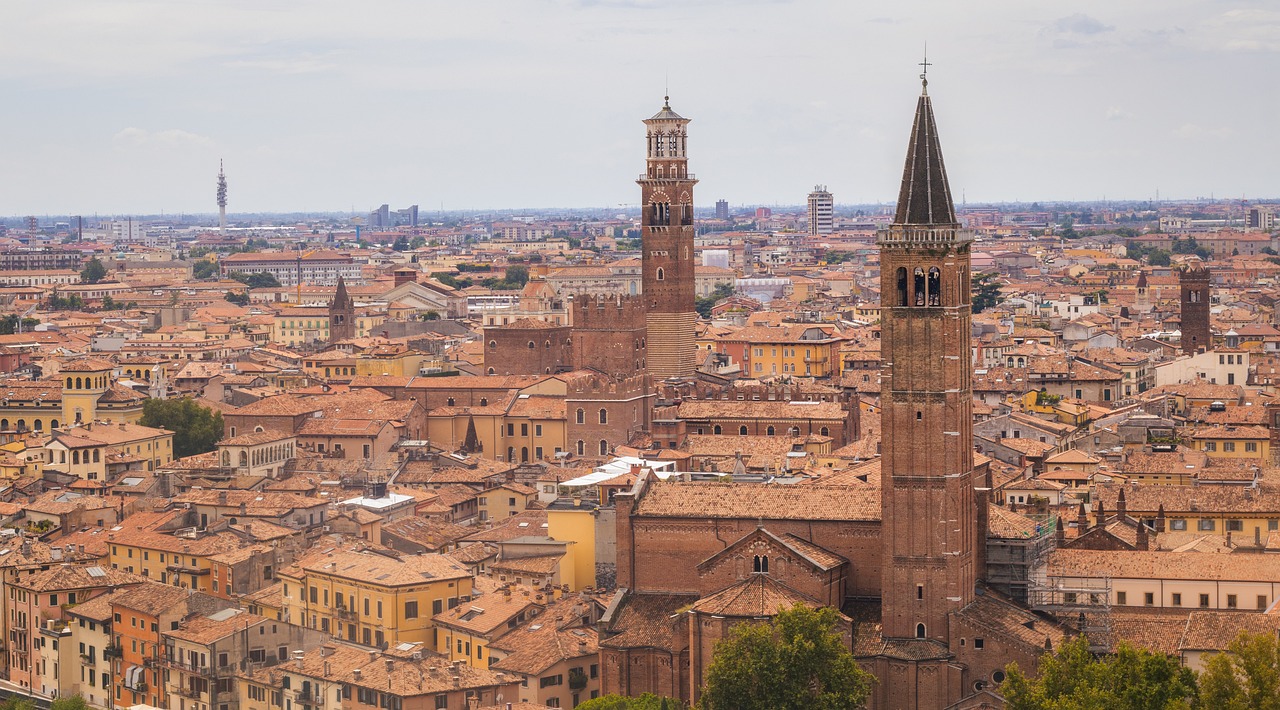
If you only climb one tower in Verona, make it Torre dei Lamberti. It rises 84 meters above the historic center and offers the best 360° view of the city’s rooftops and the Adige looping around them.
I’ve been up three times: once on a crisp winter afternoon when the mountains were clearly visible, once on a hazy summer morning, and once just before sunset. The last one was my favorite—the terracotta roofs glowed, the Arena looked like a stone crown, and church bells rang from every direction.
Practicalities:
- There’s an elevator most of the way up, but there are still some stairs to climb; wear comfortable shoes.
- It can be windy at the top—bring a light layer.
- Combine with a stroll in Piazza delle Erbe and Piazza dei Signori.
Photography tip: For skyline shots of Verona, this is one of the best vantage points that doesn’t involve a big uphill walk.
7. Piazza dei Signori
Step through the archway from Piazza delle Erbe, and you suddenly find yourself in Piazza dei Signori: more formal, more stately, and somehow much quieter. Statues watch over the square, including a particularly thoughtful Dante, who spent some of his exile years in Verona.
I like coming here when I need a break from the market chaos next door. Once, on a drizzly November day, I found a bench under the loggia and sat with a takeaway coffee, listening to the rain tapping the stone. Tour groups came and went, but the square never felt crowded.
Why it matters: This was the center of political power in medieval Verona, surrounded by the palaces of the ruling families. It’s a reminder that the city is more than just romance and river walks—it was once a serious power player.
8. Ponte Pietra
Ponte Pietra is Verona’s oldest bridge, originally built by the Romans and reconstructed after World War II using as much original stone as possible. It’s my go-to spot for sunsets and for those “how is this my life?” moments when traveling.
On my last trip, I crossed it just as the sky turned pink. Streetlights flickered on, and the river reflected the colors like a painting. Musicians sometimes play here in the evenings, filling the air with guitar or violin. Stay a while, lean on the stone railing, and watch the current carry leaves and reflections downstream.
Tip: Cross to the far side and wander the steps up toward Castel San Pietro or into the residential streets; this is where Verona gets wonderfully quiet.
9. Castel San Pietro & Panoramic Viewpoint
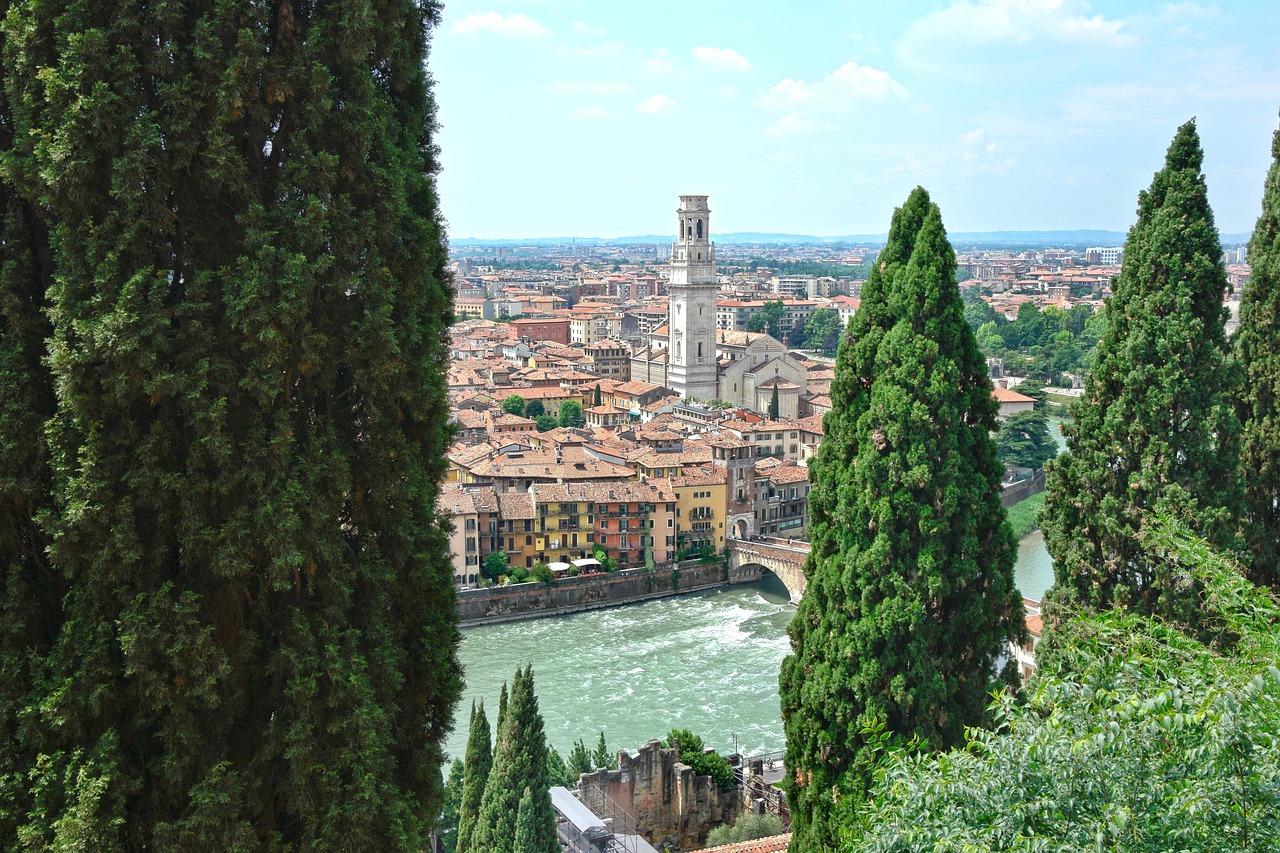
Whenever someone asks me for the single best view of Verona, I send them to Castel San Pietro. From here, the city unfurls at your feet: the Arena, the towers, the river bending in an almost perfect curve.
I’ve climbed up both in the midday heat (not recommended) and in the soft light of late afternoon (highly recommended). The climb via staircases is short but steep; take your time. Since the funicular was introduced, you can also ride up if you’re tired or traveling with kids or mobility issues.
What I like to do: Bring a takeaway gelato from a nearby gelateria, find a spot on the wall, and just sit. It’s a wonderful place to reflect on your trip, especially on your last evening.
10. Castelvecchio & Ponte Scaligero
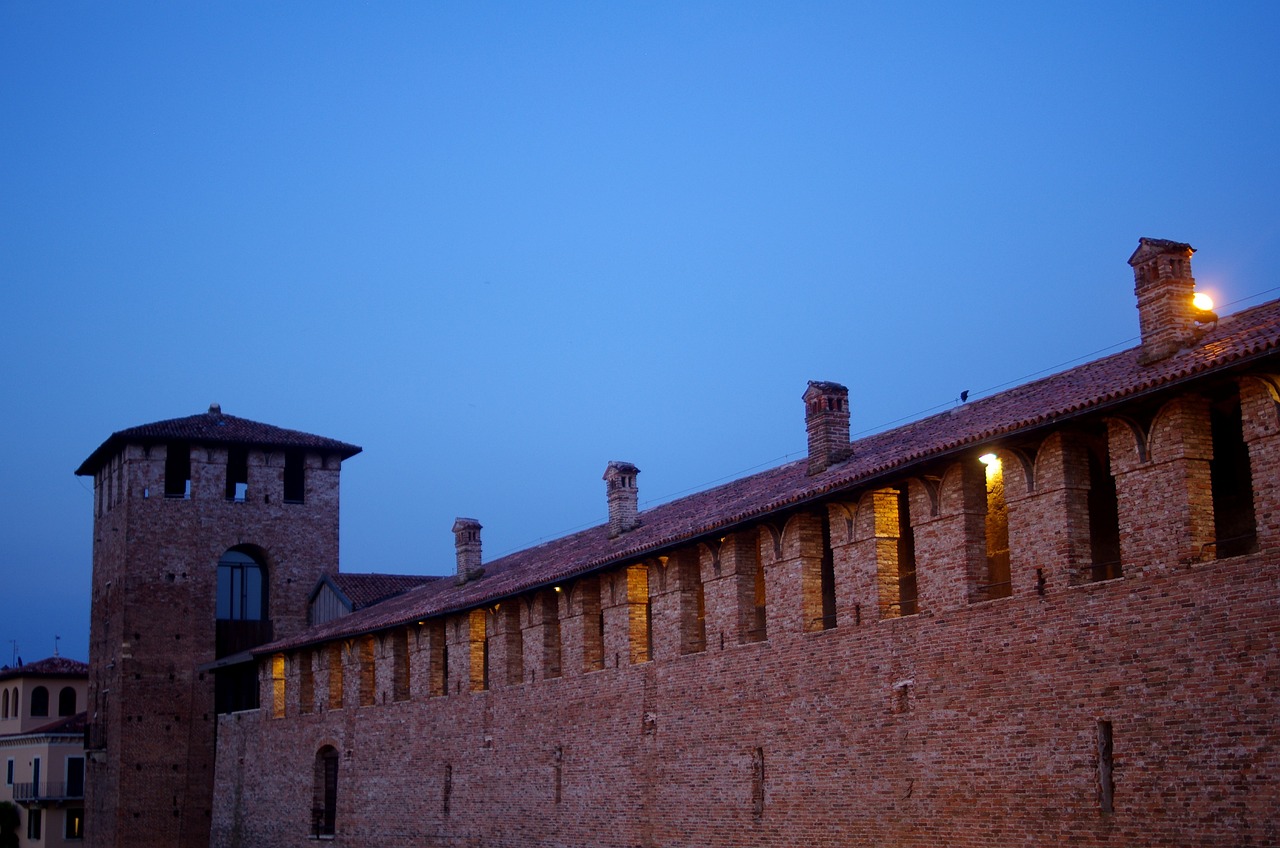
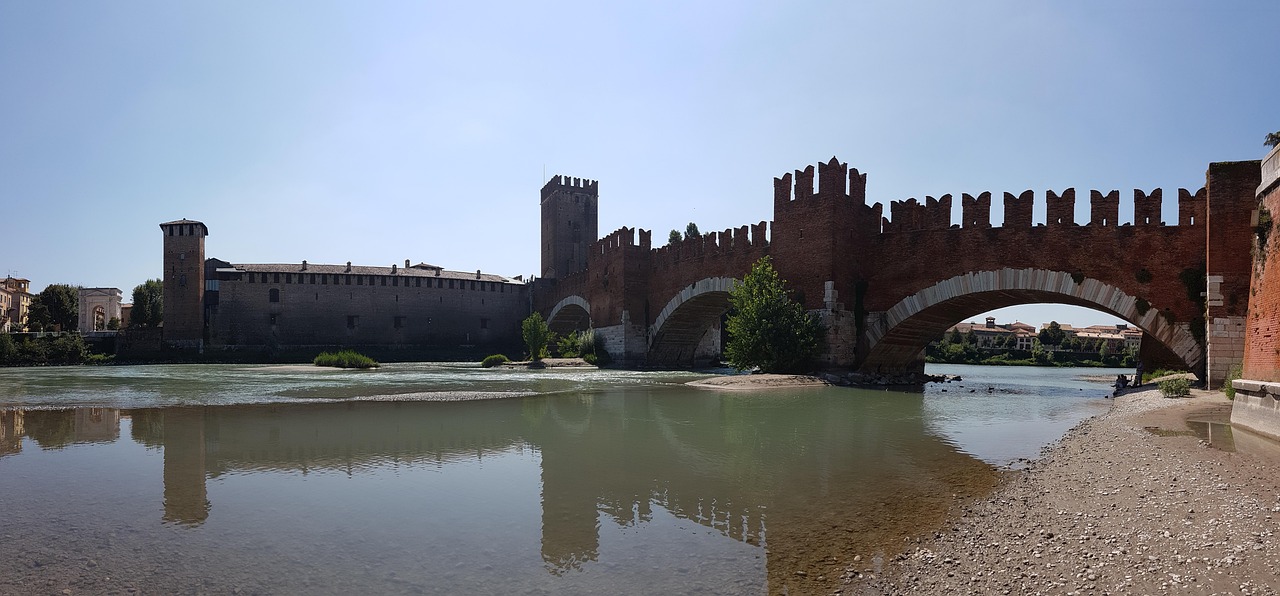
Castelvecchio is part medieval fortress, part art museum, and part riverside promenade. The red-brick ramparts and the crenellated Ponte Scaligero (Scaligero Bridge) are some of Verona’s most distinctive silhouettes.
The first time I walked across the bridge, it was early morning and the mist was still rising from the river. A jogger passed me, then a woman walking her dog. Despite being such a photogenic landmark, it felt like a neighborhood crossing.
Inside the castle: The museum houses sculptures, paintings, and historical artifacts. I especially love the views framed by the narrow windows and the feeling of stepping back into a time when Verona’s ruling families were fortifying their power.
Tip: Walk the bridge both ways—one direction for views toward the old town, the other for a more expansive look at the Adige.
11. Basilica di San Zeno Maggiore
San Zeno is a little removed from the main tourist corridor, which is exactly why I love it. This Romanesque basilica is one of the most beautiful churches in northern Italy, with warm stone, intricate bronze doors, and a peaceful cloister.
One late afternoon, I found myself almost alone inside. The filtered light created bands of gold across the floor, and the silence felt thick but comforting. I sat for a while in a side pew, just letting my eyes wander over the architectural details.
Why visit:
- To see a masterpiece of Romanesque architecture.
- To experience a quieter, more residential side of Verona.
- To linger in the cloister, one of my top “secret quiet corners” in the city.
12. Verona Cathedral (Duomo) & Complex
Verona’s Duomo is often overshadowed by San Zeno, but it deserves a dedicated visit. The complex includes the main cathedral, a baptistery, a cloister, and archaeological remains.
I like to come here in the late morning, when the sun brightens the pale facade. On my last visit, I joined a short guided tour that explained how the current structure sits on layers of earlier religious buildings—Verona is quite literally built over its own history.
Tip: Get the combined ticket that includes several churches; it’s cost-effective and encourages you to explore beyond the obvious.
13. Basilica di Sant’Anastasia
Sant’Anastasia is gothic drama at its finest: high vaulted ceilings, elaborate frescoes, and the famous “hunchback” holy water stoups. It’s a church that rewards slow looking.
I remember one rainy afternoon when I ducked inside to escape a downpour. What was supposed to be a quick shelter turned into an hour wandering from chapel to chapel, following the intricate floor patterns and craning my neck to take in the painted ceiling.
Family tip: Kids are often fascinated by the “hunchbacks” supporting the holy water basins near the entrance—it’s a fun detail to point out.
14. Giardino Giusti
Giardino Giusti is a Renaissance garden perched just outside the old town, on the opposite side of the river. It’s my go-to when I need greenery and a bit of breathing space.
The garden climbs up a hillside, with cypress trees, hedges, and small statues. From the upper terraces, you get lovely views back over Verona’s rooftops—different from the Castel San Pietro angle, but equally photogenic.
On a warm spring day in 2024, I came here with a book and ended up reading for two hours on a shaded bench, accompanied only by birds and the distant hum of the city. It felt like being in a private garden.
Tip: Bring water and wear comfortable shoes; there are some steps and slopes. It’s a great spot for couples and for anyone who enjoys a quieter kind of sightseeing.
15. Arche Scaligere
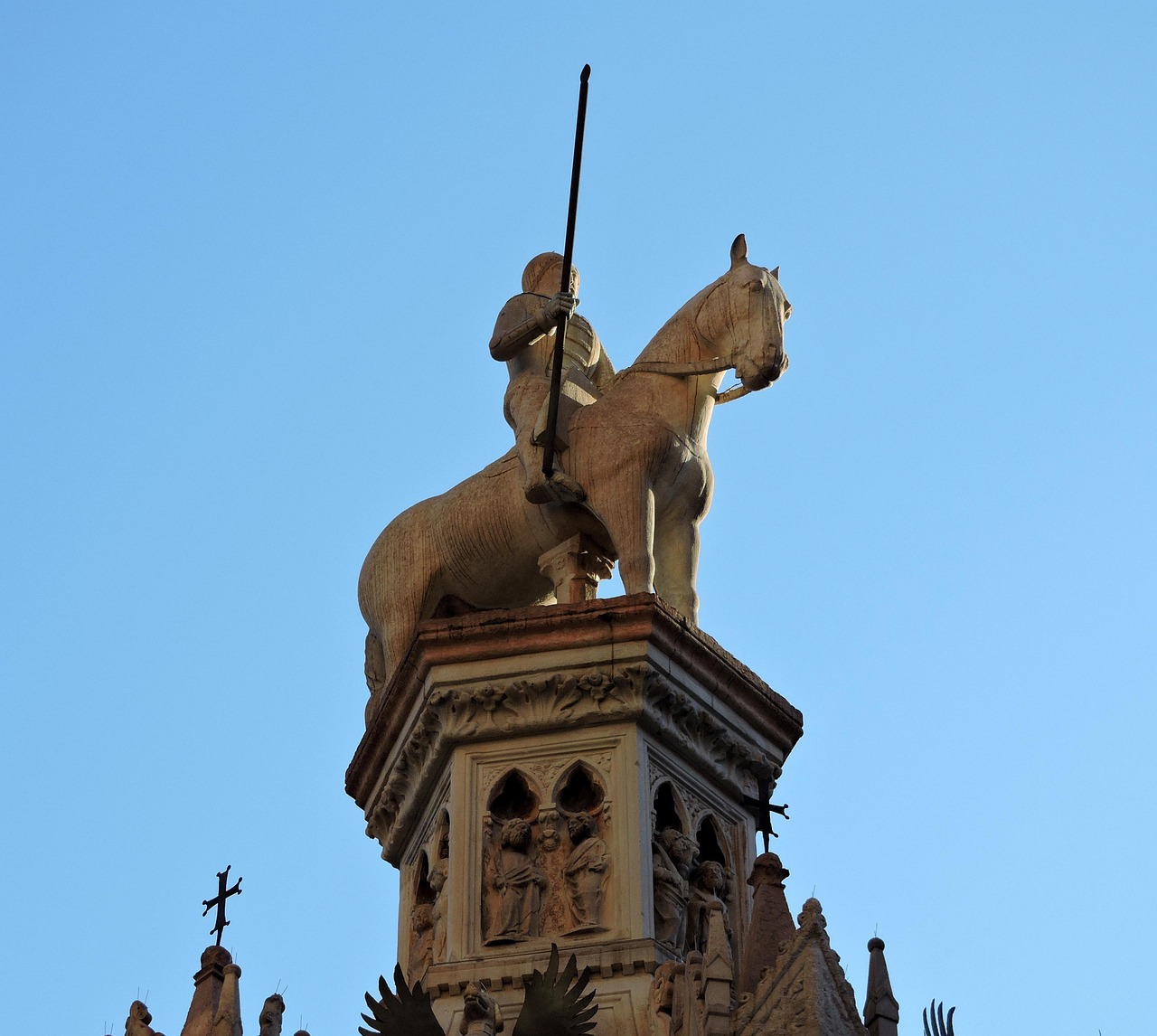
The Arche Scaligere are ornate Gothic tombs just off Piazza dei Signori, commemorating members of the Scaliger family who ruled Verona in the 13th and 14th centuries. They’re elaborate, spiky, and slightly eerie in the best way.
I like to swing by in the early evening when the light catches the stone carvings. Most visitors glance quickly and move on; I recommend circling around the railings and taking in the details—the angels, the canopies, the equestrian statue of Cangrande I.
16. Roman Theatre & Archaeological Museum
Across the river from the historic center, the Roman Theatre is less famous than the Arena but arguably more atmospheric, especially in the evening when it hosts performances under the stars.
The attached Archaeological Museum is compact but fascinating, with mosaics and artifacts that show the depth of Verona’s Roman past. The terraces outside offer wonderful views of the river and the city.
Personal note: I once attended a summer concert here, sitting on the ancient steps with a light scarf around my shoulders. The combination of music, history, and warm night air is something I still think about whenever I hear that particular piece played.
17. Porta Borsari
Porta Borsari is a beautifully preserved Roman gate that once marked the city’s main entrance. Today, traffic flows around it, and shops line the street leading through it, but if you stand close and look up, you can almost imagine legionnaires passing beneath its arches.
I often use Porta Borsari as a mental landmark when wandering—the streets around here are full of small boutiques, cafes, and side alleys worth exploring.
18. Ponte della Vittoria & Riverfront Views
While Ponte Pietra and Ponte Scaligero get most of the attention, I’m fond of Ponte della Vittoria for its sweeping views of the river and the old town skyline. It’s also a practical crossing if you’re staying in Borgo Trento.
On a clear late afternoon, this is one of my favorite spots for photographing Verona’s skyline, with the towers punctuating the horizon.
19. Chiesa di San Fermo Maggiore
San Fermo is one of those “if you know, you know” churches. It has a fascinating double structure: a lower church in Romanesque style and an upper church with a dramatic wooden ceiling that feels almost like an upturned ship.
It’s rarely crowded. I’ve had visits where it was just me and a handful of other people, giving plenty of space to appreciate the frescoes and the play of light on the wooden beams.
20. Arsenale Austriaco & Adige Promenade
The old Austrian arsenal, on the far side of the river from Castelvecchio, is a reminder that Verona was once under Austrian rule. The building and surrounding grounds have been increasingly repurposed for cultural events, exhibitions, and casual strolling.
On mild evenings, I like to wander this side of the river, away from the densest tourist flows. It’s a more local-feeling area, and the views back toward the old town are excellent.
Neighborhoods & Areas to Explore in Verona
Verona’s charm lies not just in its monuments, but in its distinct neighborhoods. Here’s how I think about the city when planning my days.
Città Antica (Historic Center)
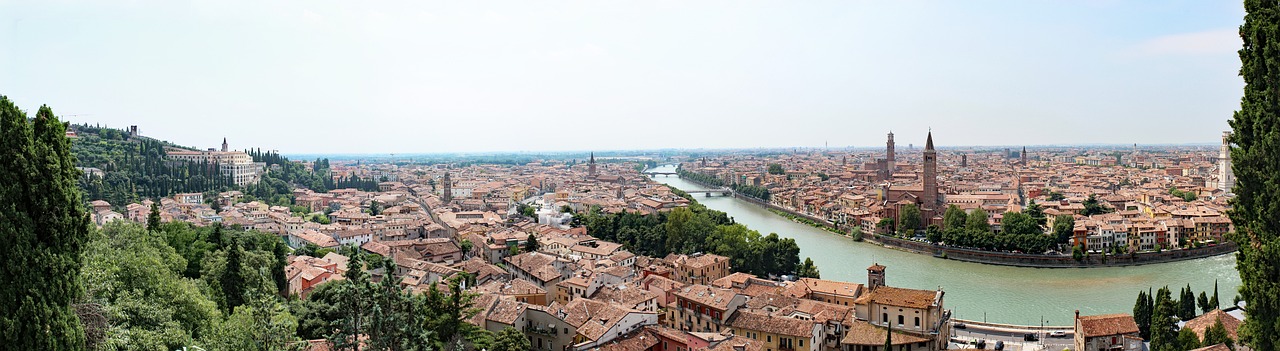
This is where you’ll spend most of your time: the island-like old town wrapped by the Adige. It’s dense with things to do in Verona—Arena, Piazza Bra, Via Mazzini, Piazza delle Erbe, Piazza dei Signori, the Duomo, and more.
Vibe: Lively, romantic, very walkable, with a mix of tourists and locals, especially around the markets and smaller bars.
San Zeno
Centered around the Basilica di San Zeno, this area feels like a small town within the city. Fewer tourists, more families, local bakeries, and Sunday markets.
Why visit: To see a more authentic slice of daily life, enjoy quieter streets, and linger in small cafes without feeling rushed.
Borgo Trento
Across the river from the historic center, Borgo Trento is largely residential but increasingly interesting for food and wine. It’s where I like to stay when I want quieter nights and morning runs along the river.
Good for: Longer stays, families, and anyone who wants to feel more “local” while still being a short walk from the main sights.
Veronetta
Veronetta, on the eastern side of the river near Ponte Pietra and Castel San Pietro, has a slightly bohemian, studenty feel. Expect street art, casual bars, and a younger crowd.
Why I like it: It’s where you’ll find some of the city’s more experimental eateries and a less polished, more lived-in side of Verona.
Borgo Roma & Beyond
Borgo Roma, south of the center, is more modern and residential. It’s not a must for short stays, but if you’re attending a fair at VeronaFiere or looking for budget accommodation, you might find yourself here.
A 5-Day Story-Led Itinerary: How I Actually Spend Time in Verona
Rather than giving you only bullet points, I’ll walk you through a narrative version of a 5-day stay. You can compress this into 3 or 4 days in Verona by trimming some slower moments or skipping the day trip, but this is my ideal rhythm when I want to really feel the city.
Day 1: First Embrace – Arena, Piazza Bra & the Heart of the City
I usually arrive in Verona by train around mid-morning. Verona Porta Nuova station is about a 20–25 minute walk from Piazza Bra, or a quick bus or taxi ride. If I’m not carrying much, I love walking: the streets gradually get older, the traffic thins, and then suddenly, there’s the Arena.
Dropping my bag at a small hotel near the historic center, I head straight to Piazza Bra. Even after multiple visits, that first sight of the Arena never gets old. I stand for a minute at the edge of the square, just taking in the sweep of the amphitheater and the curve of the cafes.
Morning: Arena di Verona & Piazza Bra
I recommend booking your Arena ticket in advance for 2026, especially in peak season, but if you arrive early (9–10 am), you can usually buy on the spot with minimal lines.
Inside, I climb up to the highest level first, circling slowly so I can see the city from different angles. Then I work my way down, noticing the worn steps where countless feet have passed. I always sit for a few minutes halfway down, imagining the roar of crowds in Roman times and the hush before an opera performance today.
After about an hour inside, I emerge blinking into the bright piazza and reward myself with a coffee. Yes, it’s pricier here, but for my first hour in Verona, I consider it a ritual. I choose a table with a view of the Arena, order an espresso or cappuccino (never after 11 am if I’m trying to blend in), and watch the square come alive.
Late Morning: Stroll Via Mazzini & Detour to Side Streets
From Piazza Bra, I slip into Via Mazzini. The polished paving stones are like a mirror when it rains, and even on sunny days, they lend the street a certain sheen. I rarely rush; instead, I window-shop, noting which Italian brands are having sales and which little boutiques catch my eye.
Off Via Mazzini, there are quieter side streets where you can already start finding hidden gems: a tiny pasticceria with cream-filled pastries, a leather workshop, a wine bar where locals cluster at tall tables.
Lunch: Simple & Local
By lunchtime, I like to duck into a small osteria or trattoria just off the main drag. Somewhere with a chalkboard menu, where the staff speak a mix of Italian and friendly gestures if needed.
Typical lunch:
- Bigoli all’anatra (thick pasta with duck ragù) or gnocchi with local cheese.
- A glass of house Valpolicella or a small beer.
- Espresso to finish, always.
Prices drop as soon as you move a street or two away from Piazza Bra; for budget travelers, this is a key money-saving tactic.
Afternoon: Juliet’s House, Piazza delle Erbe & Torre dei Lamberti
In the early afternoon, I wander toward Juliet’s House. If you’re traveling in high season, this is where things can get crowded. I often skip going inside and simply slip into the courtyard, take in the scene, and then move on. If you want that balcony photo, consider pre-booking or going at off-peak hours (early morning is best).
From there, I follow the narrow streets to Piazza delle Erbe. This is a good moment to grab a cold drink or a scoop of gelato and then find a spot near the fountain to people-watch. I like to loop around the square slowly, checking out the market stalls and the painted facades above.
Later, I head up the Torre dei Lamberti. In the mid-afternoon, the wait for the elevator is usually reasonable. At the top, I take my time soaking in the views—this is one of the best ways to orient yourself in Verona, spotting landmarks you’ll visit over the next days.
Late Afternoon & Evening: River Walk & First Aperitivo
As the heat softens, I drift toward the river. Crossing at Ponte della Vittoria or Ponte Garibaldi, I walk a stretch along the embankment, watching the water and the play of light on the buildings.
By 6–7 pm, it’s aperitivo time. One of my favorite parts of Italian culture is this ritual: a pre-dinner drink accompanied by small snacks. In Verona, a classic choice is an Aperol Spritz, but locals also enjoy Hugo (elderflower-based) or a simple glass of local wine.
I usually choose a bar near Piazza delle Erbe or tucked onto a quieter side street. For the price of a drink (often €5–€10), you might get a plate of chips, olives, or even a small buffet in some places. It’s a budget-friendly way to tide yourself over until dinner.
Dinner: Classic Veronese
On my first night, I like to go traditional: perhaps risotto all’Amarone (made with local Amarone wine) or pastissada de caval if I’m feeling adventurous and respectful of the city’s culinary heritage. I ask the server for a wine pairing—they’ll usually suggest something from Valpolicella or Soave.
After dinner, I take a slow walk back through Piazza Bra. The Arena is lit, people are strolling, and the city feels like a stage. If you’re not too tired and there’s a performance on, this can be a magical night to catch opera, even from the cheaper stone seats.
Day 2: Castles, Churches & River Stories
By the second day, I’ve usually shed my “new arrival” energy and settled into Verona’s slower cadence. Day 2 is about deepening the relationship with the city: exploring its medieval might, its religious art, and its quieter neighborhoods.
Morning: Castelvecchio & Ponte Scaligero
After a simple breakfast (often a cappuccino and a croissant at a bar near my accommodation), I head to Castelvecchio. The walk along Corso Cavour is pleasant, lined with elegant buildings and occasional glimpses of courtyards.
Inside Castelvecchio, I take my time with the museum, but what I love most are the ramparts and the views from the windows. The stone corridors and sudden bursts of light make you feel like you’ve stepped into a film set.
Crossing Ponte Scaligero, I always pause in the middle to look back at the castle and down at the river. The red bricks against the water are particularly photogenic on overcast days, when the colors deepen.
Midday: San Zeno & Neighborhood Wandering
From Castelvecchio, it’s about a 15–20 minute walk to the Basilica di San Zeno. The route takes you through quieter, more residential streets; this is a good moment to see everyday Verona: kids on bikes, elderly men discussing football outside cafes, laundry fluttering from balconies.
At San Zeno, I spend at least an hour. The basilica rewards slow looking: the bronze door panels, the play of light on the nave, the serene cloister. If you’re sensitive to sacred spaces, this one will likely move you.
Afterward, I sometimes grab a simple lunch nearby—pizza by the slice or a plate of pasta at a neighborhood spot. Prices here are usually lower than in the historic core.
Afternoon: River Loop & Coffee Break
Heading back toward the center, I like to vary my route. Sometimes I follow the riverbank, sometimes I zigzag through side streets. If the weather is good, I’ll grab a takeaway gelato and sit on a bench overlooking the Adige.
In mid-afternoon, when energy dips, I stop at a cafe for an espresso or a macchiato. In Verona, coffee is a quick ritual: you stand at the bar, exchange a few words with the barista, knock back your coffee, and go. It’s a tiny immersion into local customs in Verona.
Late Afternoon: Church Hopping – Sant’Anastasia & Duomo
This is a good time to visit one or two of Verona’s major churches. I often start with Sant’Anastasia, then walk along the river to the Duomo. Buying the combined ticket makes both financially sensible and encourages exploration.
Inside, I pay attention to small details: the worn steps where centuries of feet have passed, the candles flickering near side altars, the way tourists and worshippers coexist in these spaces.
Evening: Aperitivo in Veronetta & Dinner with a View
For a change of scene, I cross Ponte Pietra into Veronetta. Here, the vibe shifts: more students, fewer polished boutiques, more graffiti, but also a sense of everyday life that I find grounding.
There are excellent bars on this side of the river for aperitivo. I order a glass of local wine—maybe a young Valpolicella or a Soave—and snack on olives, nuts, or small crostini. The prices are often a bit lower than in the most touristy parts of the center.
For dinner, if I’m in the mood for a view, I choose a restaurant that overlooks the river or has a terrace. Eating while watching the lights play on the water is one of Verona’s underrated romantic experiences.
Day 3: Viewpoints, Gardens & Hidden Corners
Day 3 is when I really slow down. If you only have 3 days in Verona, this is your time to savor the city rather than chase sights. If you have longer, it’s a pivot point before adding day trips or deeper neighborhood explorations.
Morning: Roman Theatre & Archaeological Museum
I like to start across the river at the Roman Theatre. It’s usually quieter than the Arena and has a more contemplative atmosphere. The museum’s mosaics and small artifacts are beautifully displayed, and the terraces give some lovely views back to the city.
If you’re traveling with kids, the open-air spaces here are great for them to move around, and the theatre steps can be a fun place to sit and imagine ancient performances.
Late Morning: Climb (or Ride) to Castel San Pietro
From the theatre area, I make my way up to Castel San Pietro. If I’m feeling energetic, I take the stairs; if not, I opt for the funicular. Either way, I take my time at the top, walking along the viewing terraces and finding a quieter corner to simply sit.
This is one of my favorite places to do a quick mental “check-in” with my trip: Am I rushing? Is there anything I want to repeat or skip? Verona is compact enough that you can easily adjust your plans.
Lunch: Casual Bite in Veronetta
Back down in Veronetta, I often grab a casual lunch: a panino, a simple pasta, or even a slice of pizza. There are small eateries and bars here that cater more to locals than tourists, which usually means better prices and hearty portions.
Afternoon: Giardino Giusti & Quiet Time
In the afternoon, I head to Giardino Giusti. I wander up through the formal parts of the garden, then climb to the higher terraces. From there, Verona looks almost like a painting—soft colors, tiled roofs, and the curve of the river.
After exploring, I often find a bench and read for a while or just sit in silence. If you’re traveling as a couple, this can be a beautiful, romantic interlude away from the bustle. For solo travelers, it’s a perfect place to recharge.
Late Afternoon: Shopping & Artisan Finds
Back in the historic center, late afternoon is my favorite time for browsing small shops: artisan leather, ceramics, local food products, and, of course, wine. I try to support local producers whenever I can—picking up a bottle of Valpolicella to bring home, or some mostarda or biscuits from a traditional alimentari.
Evening: Night Walk & Gelato Ritual
As the sky darkens, Verona shifts mood again. I like to walk a loop: Piazza delle Erbe, Piazza dei Signori, down to the river, across a bridge, back along the opposite bank, and then return via Piazza Bra.
Somewhere along the way, I get gelato. My usual order: one fruit flavor (like lemon or strawberry) and one cream-based (pistachio, hazelnut, or stracciatella). I eat it slowly, sitting on a low wall or pacing a quiet street, letting the day settle.
Day 4: Markets, Food & Living Like a Local
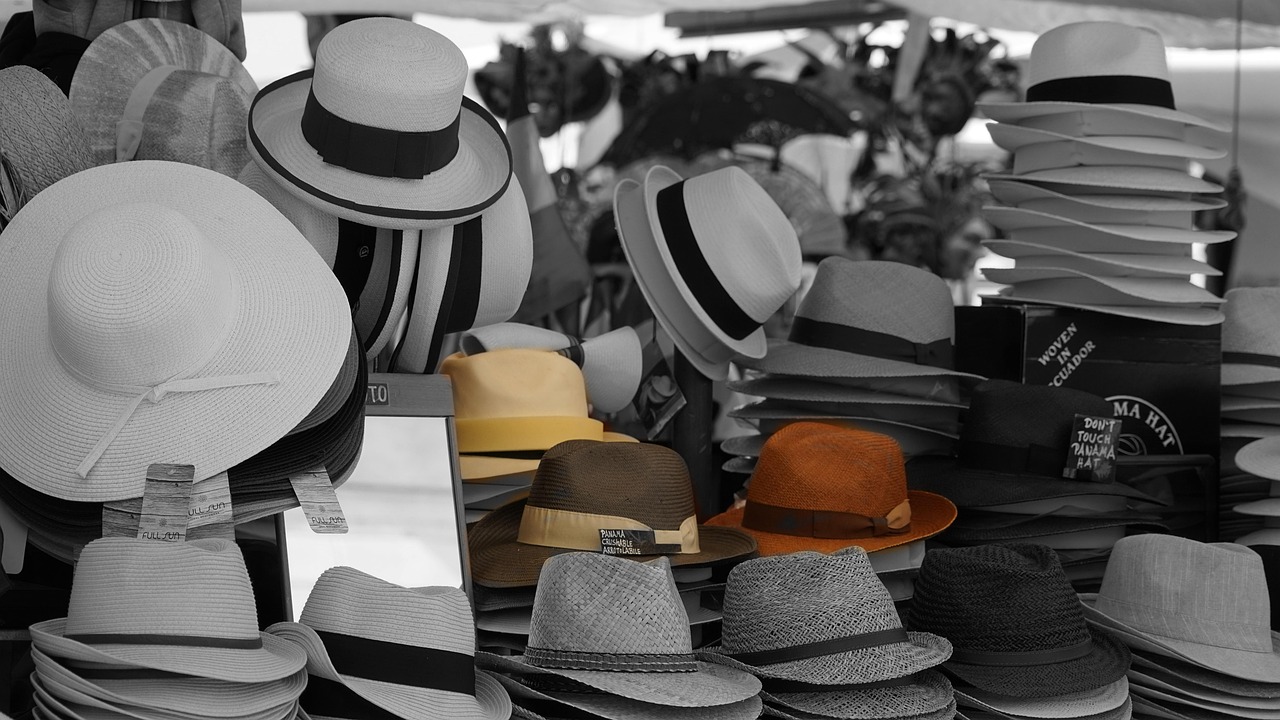
If you have 4 days in Verona, this is where your itinerary shifts from “seeing” to “living.” Day 4 is about food markets, lesser-known churches, and neighborhoods where you’re more likely to bump into locals than tour groups.
Morning: Markets & Local Food
I start the day at one of Verona’s fresh markets. Depending on the day of the week and my mood, I might visit a central market or a neighborhood one. Stalls piled with seasonal produce, cheese vendors offering tastes, the smell of salumi and freshly baked bread—it’s an immersive way to experience local food in Verona.
If I’m staying in an apartment with a kitchen, I’ll buy ingredients for a simple lunch or dinner: tomatoes, mozzarella, bread, fruit, perhaps a small wedge of local cheese and some olives.
Late Morning: San Fermo & Side Streets
From the market, I wander toward San Fermo Maggiore. It’s a good example of how Verona’s layers of history coexist, with its double church structure. I spend a while admiring the wooden ceiling in the upper church and the quieter, older feeling of the lower one.
Afterward, I let myself get a bit lost in the side streets: this is where I often stumble upon tiny boutiques, family-run bars, and glimpses into courtyards where daily life is unfolding.
Lunch: Trattoria or Takeaway Picnic
On Day 4, I sometimes opt for a picnic if the weather is nice: simple sandwiches or salads from a bakery or deli, eaten on a bench near the river or in a small park. It’s a budget-friendly and charming alternative to another sit-down meal.
Alternatively, I look for a trattoria with daily specials—often the best indication of what’s fresh and seasonal.
Afternoon: Borgo Trento & Arsenale Area
Crossing the river into Borgo Trento, I slow my pace even further. I might wander toward the Arsenale Austriaco, check out any exhibitions or events happening there, and then follow the riverfront paths.
This is a great area for families, with more space for kids to run and less intense traffic than the historic core. It’s also where you’ll find some excellent gelaterie and bakeries that cater more to locals than tourists.
Evening: Wine Tasting & Nightlife
By Day 4, I’m usually ready to dive a bit deeper into Verona’s wine culture. I’ll book a tasting at a wine bar that focuses on local labels: Valpolicella, Ripasso, Amarone, Soave, Lugana. Staff are usually happy to explain the differences and suggest pairings with small bites.
Later, if I have energy, I might check out live music at a bar, especially in Veronetta or near the university. Verona’s nightlife isn’t wild, but there’s a solid selection of bars and venues with a relaxed, friendly vibe.
Day 5: Day Trip to Lake Garda or Valpolicella
With 5 days in Verona, I always carve out one full day for a nearby escape. My two favorite options are Lake Garda and the Valpolicella wine hills. Both offer a different kind of beauty and help you appreciate Verona’s strategic location.
Option 1: Lake Garda
From Verona, trains and buses connect easily to towns like Peschiera del Garda and Desenzano. I usually aim for an early train (30–40 minutes) and then spend the day strolling lakeside promenades, taking short boat rides between towns, and swimming if it’s warm enough.
Family-friendly: Lake Garda is fantastic for families, with beaches, playgrounds, and even theme parks nearby (like Gardaland).
Option 2: Valpolicella Wine Country
For wine lovers and couples, a day in Valpolicella is hard to beat. I like to book a small-group tour or a private driver so no one has to worry about drinking and driving.
You’ll visit vineyards, learn about Amarone production, and taste a range of wines paired with local cheeses and charcuterie. The landscape of rolling hills and tidy vineyards is peaceful and photogenic.
Evening: Farewell Verona
Back in Verona for your final evening, I recommend a last walk along the river and dinner at a restaurant that has caught your eye during the week. This is when I often re-visit a favorite spot from earlier days or try that place I kept passing and thinking “maybe later.”
I end my trip the way I started it: with one last stroll through Piazza Bra, a final look at the Arena, and perhaps a small digestivo at a bar—grappa or amaro—to toast a city that always leaves me planning my return.
Best Local Food in Verona & Where to Eat
Verona’s cuisine is hearty, comforting, and deeply tied to its wines and seasons. Here are some must-try dishes and drinks, plus how to enjoy them without blowing your budget.
Signature Dishes
- Risotto all’Amarone: Creamy risotto cooked with Amarone wine, giving it a deep, slightly sweet flavor and a beautiful color.
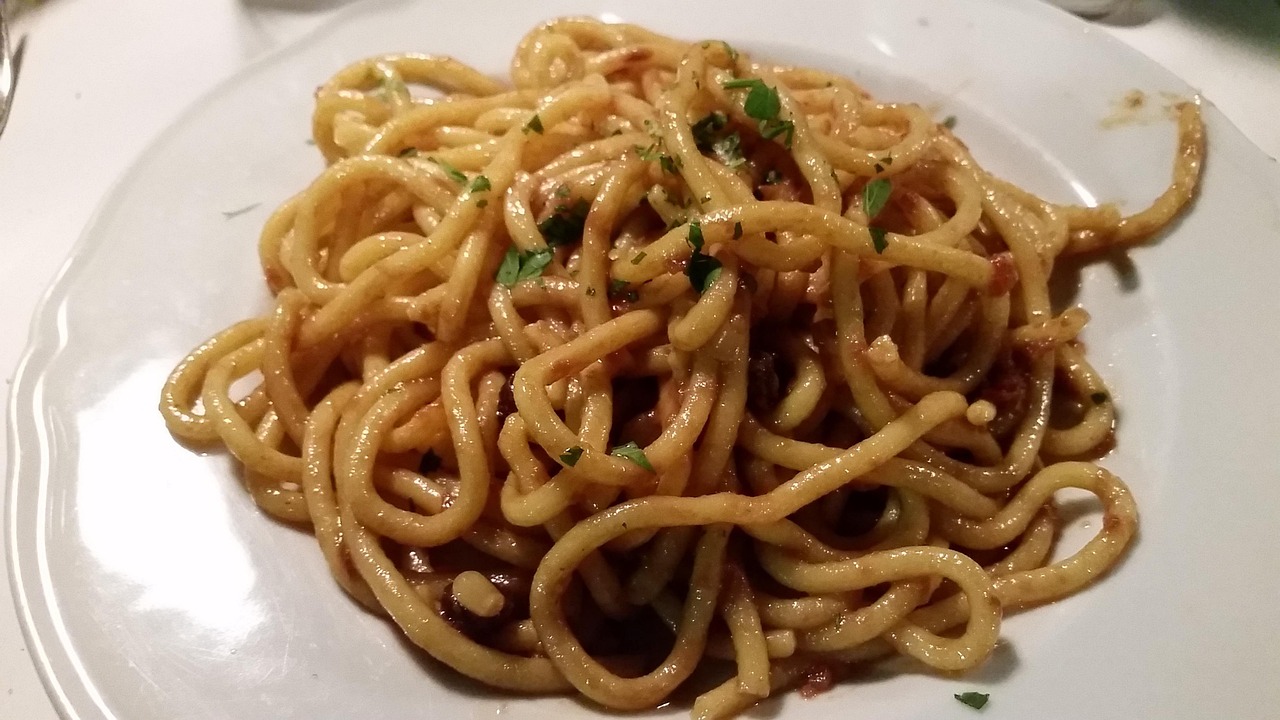
- Bigoli: Thick, spaghetti-like pasta often served with duck ragù or anchovy sauce.
- Pastissada de caval: A long-stewed horse meat dish, traditional and rich; order it only if you’re comfortable with the idea and want an authentic regional specialty.
- Gnocchi: Verona claims a special affection for gnocchi, and you’ll find them in various sauces.
- Polenta: Often served alongside stews or grilled meats.
Local Wines
- Valpolicella: A versatile red, often light and easy-drinking.
- Ripasso: Richer, made using Amarone grape skins.
- Amarone della Valpolicella: Powerful, complex, and best savored slowly.
- Soave & Lugana: Fresh whites from nearby appellations, great with fish and lighter dishes.
Eating Well on a Budget
To save money while still eating well:
- Have your coffee at the bar counter instead of sitting at a table—it’s significantly cheaper.
- Look for primi piatti (first courses) at lunch; they’re often filling enough on their own.
- Seek out osterie and trattorie a few streets away from major squares.
- Use markets and bakeries for picnics or simple meals.
Nightlife, Entertainment & Cultural Experiences in Verona
Verona’s nightlife is more about conversation and culture than loud clubs. Here’s how I like to spend my evenings.
Opera & Performances
Arena di Verona Opera Festival (summer): A bucket-list experience. Booking ahead is essential for 2026–2027, especially for big productions.
Roman Theatre: Hosts concerts and theatre under the stars in summer—check schedules in advance.
Wine Bars & Aperitivo Spots
Throughout Città Antica and Veronetta, you’ll find wine bars offering generous pours of local wines and small plates. Many are relaxed enough to welcome families early in the evening (before the crowd thickens).
Late-Night Walks
My favorite Verona nightlife activity remains the simplest: walking. The city feels safe and romantic at night, with beautifully lit buildings and a gentle buzz rather than chaos.
Major Events in Verona 2026–2027
As of 2026, Verona continues to build on its reputation as a cultural hub. Always double-check exact dates closer to your travel time, but here’s what usually shapes the calendar:
- Arena Opera Festival (June–September 2026 & 2027): World-class productions of classics like Aida, Carmen, La Traviata. Book tickets months in advance.
- Verona in Love (February): Around Valentine’s Day, the city leans into its romantic image, with heart-themed decorations, special events, and concerts.
- Vinitaly (April): One of the world’s biggest wine fairs at VeronaFiere. The city fills with wine professionals; book accommodation early.
- Christmas Markets (late November–December): Verona hosts atmospheric markets in Piazza dei Signori and other squares, with lights, mulled wine, and seasonal foods.
Best Day Trips from Verona
Once you’ve explored the main things to do in Verona, day trips expand your experience of the region.
Lake Garda
Easy train or bus connections make Peschiera del Garda, Sirmione, and Desenzano popular choices. Expect lakeside promenades, boat rides, and relaxed resort-town vibes.
Valpolicella Wine Region
Join a small-group tour or arrange a driver to visit vineyards, taste Amarone and other local wines, and enjoy views of rolling hills.
Soave
A charming fortified town east of Verona, known for its white wines and castle. Ideal for a quieter, off-the-radar excursion.
Local Customs in Verona & Cultural Etiquette
Respecting local customs in Verona will make your trip smoother and more rewarding.
Dining Etiquette
- It’s polite to greet staff when entering and leaving (buongiorno / buonasera, arrivederci).
- Coffee with milk (like cappuccino) is generally a morning drink; after lunch, Italians usually switch to espresso.
- Table service is slower by design; meals are meant to be enjoyed, not rushed.
Dress & Churches
- In churches, cover shoulders and avoid very short shorts; a light scarf in your bag is useful.
- Beachwear belongs at the lake, not in the city center.
General Behavior
- Keep voices moderate, especially in residential areas at night.
- Lines (queues) are more fluid than in some countries, but basic politeness still applies.
- Always validate bus tickets before or immediately after boarding.
Practical Travel Tips for Verona (2026)
Here’s the kind of grounded travel advice for Verona I wish someone had handed me on my first trip.
Getting There & Around
- By train: Verona Porta Nuova is a major hub with frequent connections to Milan, Venice, Bologna, and beyond.
- From airport: Verona Villafranca Airport has a shuttle bus to Porta Nuova station.
- Within the city: The historic center is walkable. City buses cover outlying areas like Borgo Roma and some hill neighborhoods.
Public Transport & Car Rental
- Buy bus tickets at tobacco shops, newsstands, or machines, and validate them when you board.
- If you plan to explore only Verona and do day trips by train or tour, you don’t need a car.
- If you rent a car to explore the countryside, check parking options carefully—historic center areas have ZTL (limited traffic zones) with fines for unauthorized entry.
SIM Cards & Connectivity
In 2026, major Italian providers (TIM, Vodafone, WindTre, Iliad) offer tourist-friendly prepaid SIMs with generous data. You’ll need your passport to buy one. Coverage in Verona and main day trip areas is generally good.
Money & Saving Tips
- Cards are widely accepted, but small cash is useful for markets, small bars, and church donations.
- Avoid ATMs that charge extra fees; use those at major banks.
- Have your main meal at lunch if you want to save—set menus can be good value.
Visa Requirements & Driving Licenses
Italy is part of the Schengen Area. Many nationalities can enter visa-free for short stays; always check current rules from official sources before traveling in 2026–2027, as regulations can change.
Foreign drivers should carry their home license and, if required for their nationality, an International Driving Permit. Car rental companies can advise, but official guidance from your own country’s authorities is best.
Best Seasons for Different Activities
- Spring (April–June): Ideal for city walks, gardens, and first outdoor performances. Mild temperatures and longer days.
- Summer (July–August): Hot, busy, but perfect for opera in the Arena and Lake Garda trips. Plan midday breaks.
- Autumn (September–October): My favorite: harvest season in wine country, pleasant weather, fewer crowds.
- Winter (November–March): Quiet, atmospheric, with Christmas markets and lower accommodation prices. Some outdoor-focused attractions feel less inviting in cold or rain, but museums and churches are cozy refuges.
Summary: Key Takeaways & Best Time to Visit Verona
Verona is a city that rewards both quick visits and extended stays. A well-planned 3 day itinerary for Verona will let you see the Arena, Juliet’s House, the main squares, and a few churches. With 4 days in Verona, you can slow down, explore neighborhoods like San Zeno and Veronetta, and dive deeper into local food and wine. At 5 days in Verona, the city becomes more than a destination—it starts to feel like a temporary home, especially when you add a day trip to Lake Garda or Valpolicella.
The best time to visit Verona depends on your priorities:
- For opera and summer nights: June–September, accepting higher temperatures and more visitors.
- For comfortable sightseeing and wine country: April–June and September–October.
- For markets and cozy city breaks: Late November–December, with Christmas lights and fewer crowds.
In the end, what makes Verona special isn’t just its monuments, but the way everything fits together: Roman stones and Renaissance gardens, bustling markets and quiet cloisters, glasses of wine sipped along the river at sunset. Plan your days, but leave space to wander. The city has a way of rewarding those who move slowly and pay attention.