Why Visit Bergen in 2026?
Bergen is the kind of city that gets under your skin slowly. You arrive expecting “that cute place with colorful wooden houses and rain,” and you leave wondering how quickly you can come back. I’ve lived in and around Bergen for years, and every time I wander the cobbled lanes of Bryggen or hop a last-minute boat into the fjords, I’m reminded how lucky I am to call this corner of Norway home.
In 2026, Bergen feels especially dynamic: new waterfront spaces, refreshed museums, and a growing food scene that goes way beyond fish soup and waffles (though those are still non-negotiable). Whether you’re planning 3 days in Bergen or a full 5 day itinerary for Bergen, this city is a perfect base for fjord adventures, cultural experiences, and slow, scenic urban wandering.
What makes Bergen special isn’t just the “postcard” moments (though you’ll get plenty of those) but how compact and lived-in it feels. Locals actually use the tram, sit on the harbor steps with takeaway fish cakes, and fill the bars on rainy Tuesday nights. It’s a city you can get to know quickly—but it rewards those who linger.
Table of Contents
- Why Visit Bergen in 2026?
- Bergen at a Glance
- Suggested Itineraries (3–5 Days in Bergen)
- 20 Must-See Attractions in Bergen (In-Depth)
- Bergen Neighborhoods & Districts
- Local Food in Bergen: What & Where to Eat
- Nightlife, Entertainment & Cultural Experiences
- Best Day Trips from Bergen
- What’s New & Upcoming Events 2026–2027
- Local Customs in Bergen & Cultural Etiquette
- Practical Travel Advice for Bergen
- Summary & Best Time to Visit Bergen
Bergen at a Glance
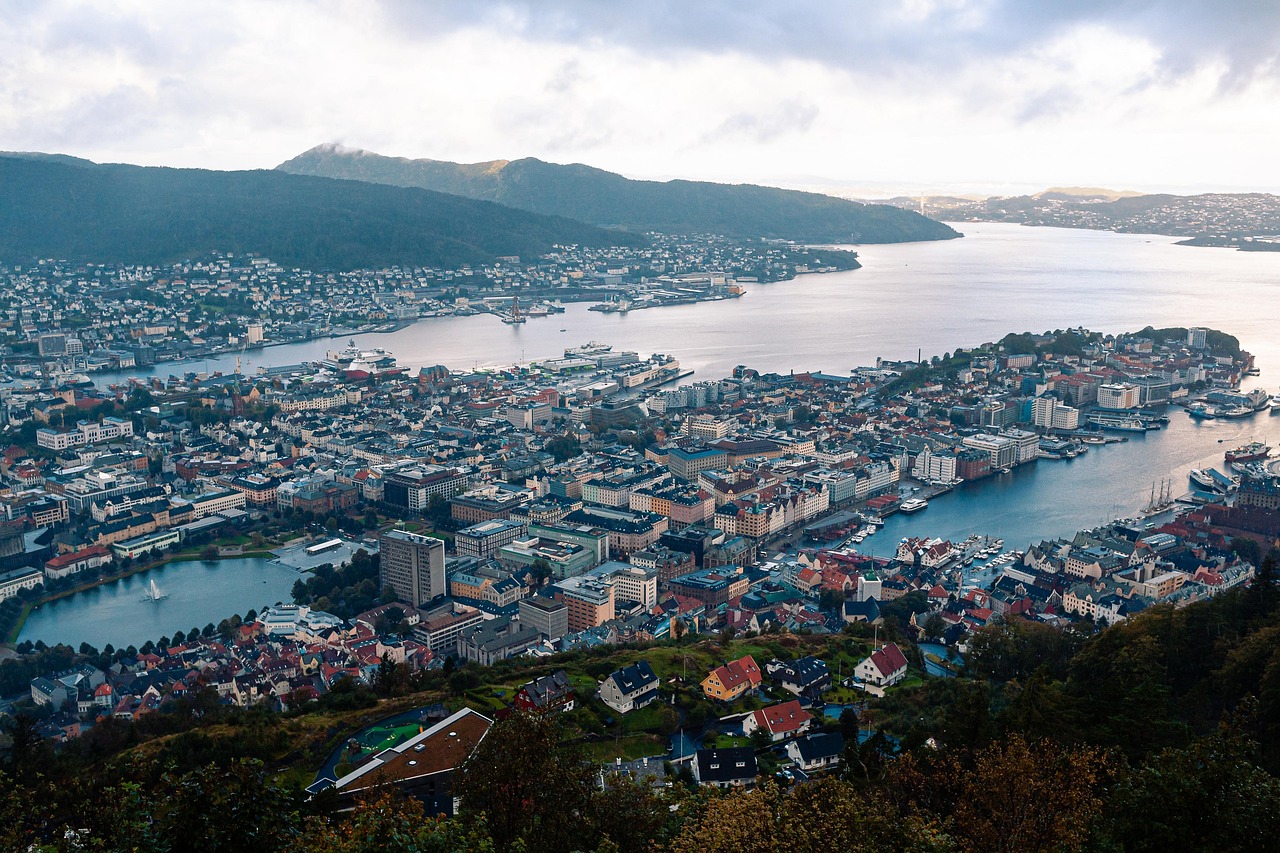
Bergen is Norway’s second-largest city, but it feels more like an overgrown village cradled between seven mountains and the North Sea. It’s the traditional “Gateway to the Fjords,” and on any clear day you’ll see why: water, cliffs, and islands stretch out in every direction.
- Population: ~290,000 (but the center feels intimate and walkable)
- Vibe: Cozy, creative, maritime; a mix of students, families, and salty old sea dogs
- Best for: Fjord cruises, hiking, museums, seafood, and moody coastal light
- Great trip lengths: 3 days in Bergen for a taste; 4–5 days in Bergen to add hikes and day trips
Suggested Itineraries: 3–5 Days in Bergen
The following itineraries are based on how I actually show visiting friends around. Each day mixes must-see attractions in Bergen with local routines and a couple of hidden gems.
3 Day Itinerary for Bergen
If you only have 3 days in Bergen, focus on the essentials: the harbor, Bryggen, Mt. Fløyen, one fjord experience, and a taste of local food.
Day 1: Waterfront, Bryggen & Mt. Fløyen
I love starting first-timers at the very heart of Bergen: Torget and Bryggen. Arrive early if you can; the morning light on the harbor is surprisingly gentle, even when the sky is grey.
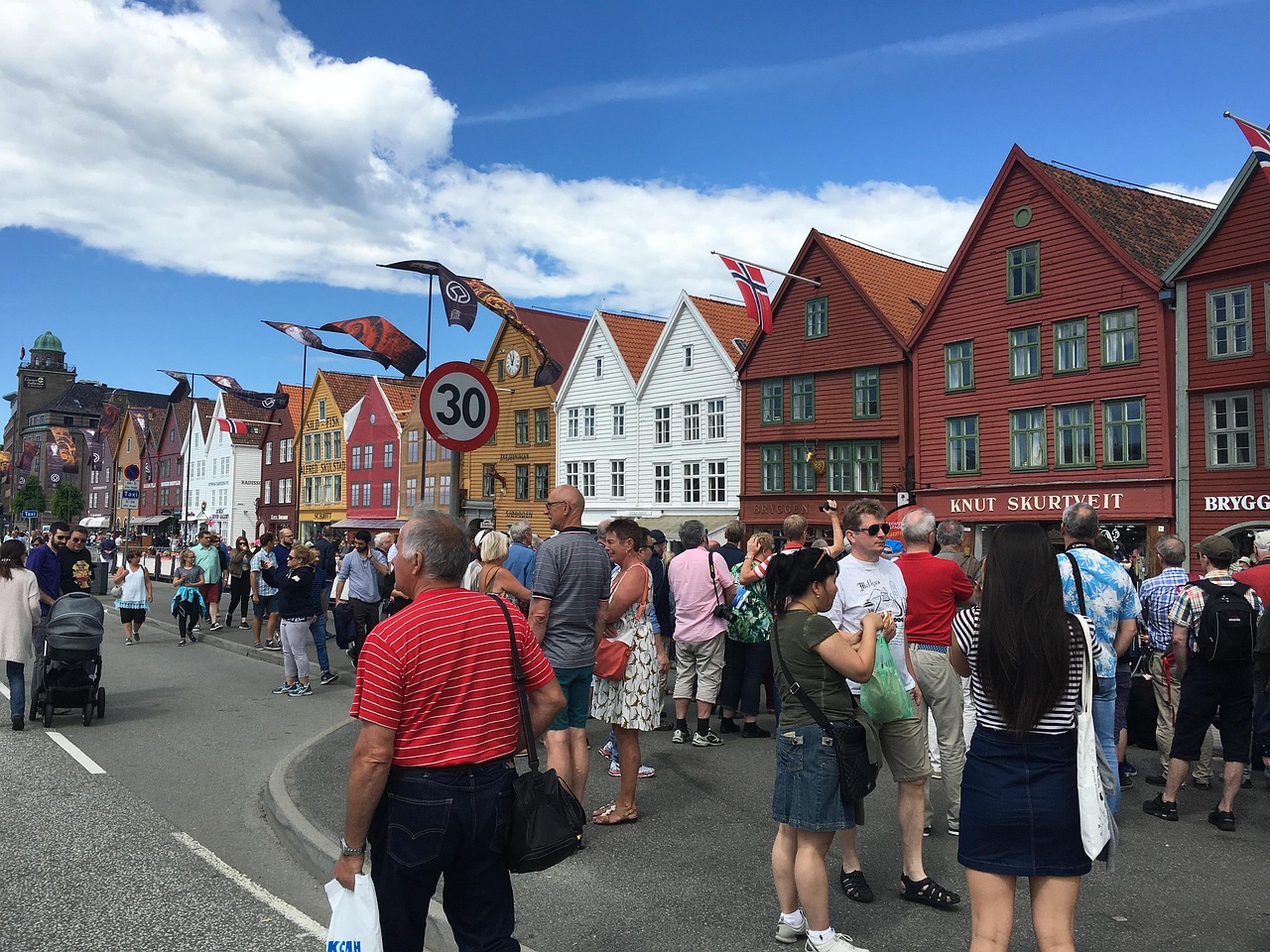
- Morning: Stroll the Fish Market (Fisketorget), grab a coffee and a skillingsbolle (cinnamon bun), then walk along the harbor to Bryggen.
- Midday: Explore Bryggen’s narrow passageways and Hanseatic Museum area; lunch on fish soup or fish cakes.
- Afternoon: Take the Fløibanen funicular to Mt. Fløyen; walk the easy loop trails and enjoy the city view.
- Evening: Dinner around Bryggen or Skostredet, then a relaxed drink at a pub near the harbor.
Day 2: Fjord Experience & Culture
Your second day is perfect for a fjord tour plus some indoor culture (very handy if the weather turns).
- Morning: “Mostraumen” fjord cruise or a longer Norway in a Nutshell–style trip starting from Bergen.
- Afternoon: KODE art museums or the Maritime Museum.
- Evening: Casual dinner and, if you’re not wiped out, a craft beer bar in the city center.
Day 3: Mount Ulriken & Neighborhood Wandering
For your final day, head higher into the mountains and then explore a couple of local neighborhoods.
- Morning: Ulriken cable car, short summit walk and coffee at the top.
- Afternoon: Stroll Nygårdshøyden (university area) and Marken; shopping and café breaks.
- Evening: Farewell dinner with a classic Bergen seafood platter or a modern Nordic meal.
4 Day Itinerary for Bergen
With 4 days in Bergen, you can slow down a bit and add more hikes or a day trip to a nearby fjord village.
- Day 1–3: Follow the 3 day itinerary for Bergen above.
- Day 4: Choose one:
- Easy coastal day trip to Øygarden or Fedje (islands and lighthouses).
- Longer fjord day trip to Hardangerfjord (orchards, waterfalls, cider).
- Urban “slow day” visiting Fantoft Stave Church, Gamle Bergen, and local neighborhoods.
5 Day Itinerary for Bergen
A 5 day itinerary for Bergen is ideal if you like mixing city life with nature and want to really feel the rhythm of local life.
- Days 1–3: Core highlights as above.
- Day 4: Full-day Hardangerfjord or Sognefjord excursion, or Norway in a Nutshell.
- Day 5: Extra mountain hike (Vidden hike between Fløyen and Ulriken if fit), Gamle Bergen, or museum/café day if it’s raining.
Below, I’ll walk you through each major attraction in more detail, with personal stories, tips, and how to slot them into your 3–5 days in Bergen.
20 Must-See Attractions in Bergen (Local-Lens Guides)
1. Bryggen Wharf
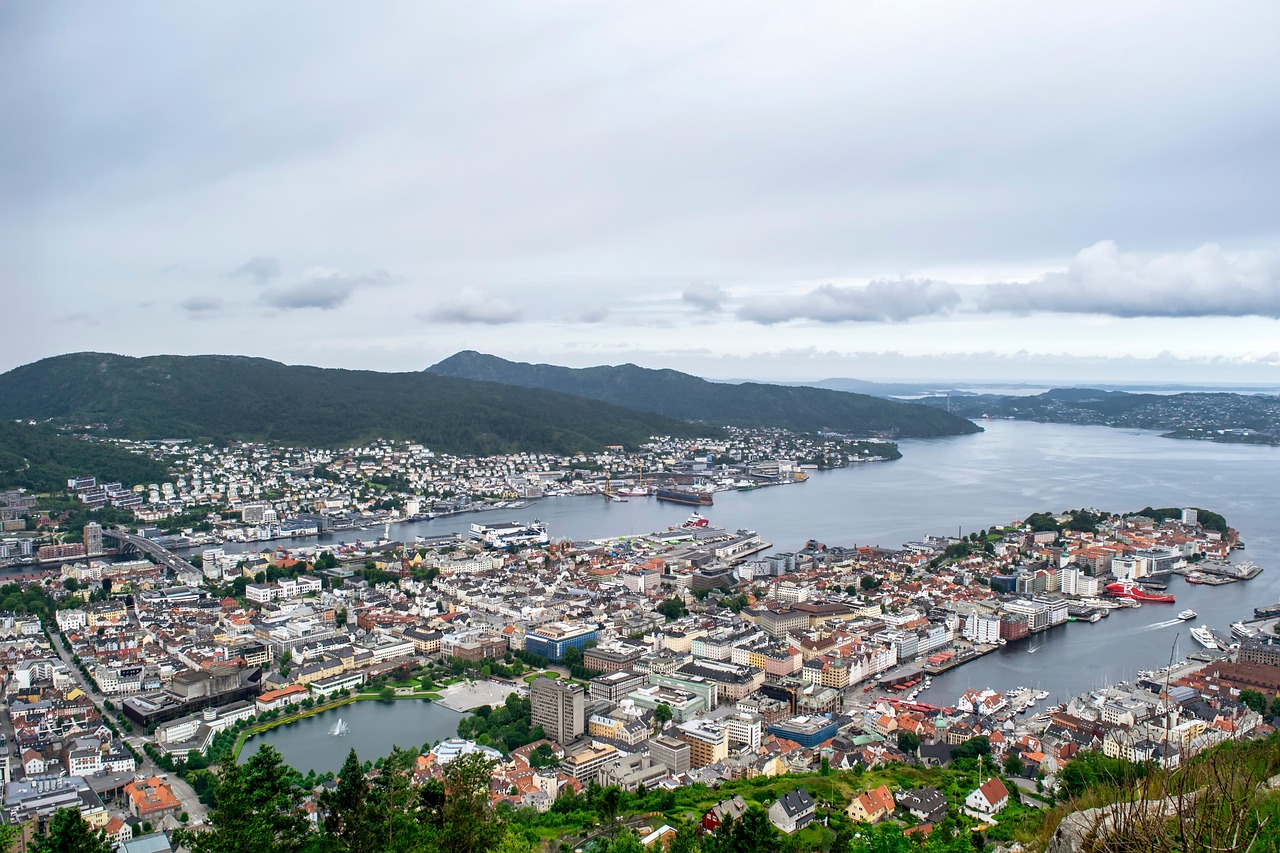
Bryggen is Bergen’s calling card: a row of crooked, brightly painted wooden warehouses facing the harbor. I’ve walked this waterfront hundreds of times—on rainy school mornings, late summer evenings with ice cream in hand, and frigid January nights when the wooden façades glow under the street lamps. It never feels the same twice.
Dating back to the 14th century, Bryggen was the seat of the Hanseatic League’s trading empire in Norway. Much of what you see today is rebuilt after fires (most notably the Great Fire of 1702), but it still follows the medieval street pattern. Step behind the main row and you’re suddenly in narrow, slanting corridors where the planks creak under your feet and the smell of tarred wood lingers.
What to Do at Bryggen
- Wander the alleys: Don’t just snap a photo from the front. Walk into the wooden passageways and follow the stairs and tiny bridges between buildings.
- Visit the small workshops: Local artisans sell ceramics, jewelry, traditional sweaters, and woodwork—prices can be high, but quality is excellent.
- Check out the Hanseatic Museum & Schøtstuene area: Even after its renovation, I still love standing in the dim wooden interiors imagining merchants sleeping in cramped quarters above barrels of dried fish.
My Personal Routine
When friends visit, I like to bring them early in the morning, especially outside high season. We grab takeaway coffee from a nearby café and weave through the silent lanes, reading the tiny signs explaining which guild or trading house once stood where. Late afternoon, Bryggen fills with people off cruise ships, but if you can wait until dinner time (especially in summer), the crowds thin and the light gets soft.
Practical Tips
- Getting there: It’s a 2–5 minute walk from the Fish Market or city center.
- Best time: Early morning or after 18:00 for fewer crowds; magical in the rain under an umbrella.
- Family-friendly: Yes, though keep an eye on little ones on the uneven wooden steps.
- Romantic: Absolutely—sunset strolls and evening drinks along the harbor are hard to beat.
2. Mount Fløyen & Fløibanen Funicular
If Bryggen is Bergen’s face, Mount Fløyen is its balcony. I still remember the first time I took the Fløibanen as a kid—ears popping slightly as we rose above the rooftops, then the sudden reveal of the entire city, fjords and islands stretching out like a map.
The funicular whisks you from the city center to 320 meters above sea level in about six minutes. At the top, there’s a large viewing platform, a café, a restaurant, and an extensive network of walking trails, from stroller-friendly gravel paths to more serious forest routes.
What to Do on Fløyen
- Take the funicular up, walk down: My favorite combo, especially in late spring and summer. The walk down takes about 40–60 minutes via marked trails.
- Short forest walks: Follow the child-friendly troll-themed routes; there are carved wooden creatures along the paths that kids always love.
- Evening views: In summer, a post-dinner run up (or ride up, walk down) is a very local thing to do.
My Personal Tips
I often bring a thermos of coffee and a simple packed lunch, then wander beyond the main viewing terrace. If you follow the signs toward Skomakerdiket, you’ll find a small lake perfect for a quiet break. In winter, locals head here with sleds; I’ve spent more than one snowy Sunday sliding down the hills like a kid again.
Visitor Info
- Getting there: Fløibanen lower station is right by Bryggen, clearly marked.
- Tickets: Buy online or at the station; round-trip or one-way options. Consider a one-way up and walk down.
- Best time: Early (before 10:00) or late evening in summer. Midday can be packed on cruise ship days.
- Family-friendly: Very. Stroller-accessible, playground at the top.
- Adventurous: Use Fløyen as a starting point for longer hikes—see the Vidden hike note below.
3. Mount Ulriken & Ulriken Cable Car
Where Fløyen is cozy and forested, Mount Ulriken feels wild and open. It’s Bergen’s highest of the seven mountains at 643 meters, and on a clear day the view from the top is almost shockingly vast. The first time I went up after a fresh snow, the city looked like a toy town sprinkled with sugar.
The Ulriken cable car takes you from the outskirts of the city to the summit in around seven minutes. At the top you’ll find a restaurant, viewpoint platforms, and access to some of the best hiking near Bergen.
What to Do on Ulriken
- Summit stroll: From the cable car station, follow the marked paths for 20–40 minutes to different viewpoints.
- Try the Vidden hike: This is the classic ridge hike from Ulriken to Fløyen (or reverse). It takes 5–7 hours, so only attempt it in good weather with proper gear and a reasonably good fitness level.
- Enjoy a meal with a view: The restaurant at the top does decent lunches and coffee—pricey, but you’re also paying for that panorama.
My Experience
I like to time Ulriken for days with the best forecast. In autumn, the moorland turns rusty red and gold; it’s my favorite time of year up here. Several times I’ve brought visiting friends for a morning cable ride, an hour’s walk along the plateau, then a lazy coffee while watching clouds drift over the fjords.
Practical Tips
- Getting there: Take the light rail or bus to Haukeland or Ulriken stop, then a short signed walk.
- Tickets: Round-trip or one-way; consider a one-way if you’re hiking down.
- Seasonality: Open year-round but weather-dependent; check conditions in winter and shoulder seasons.
- Adventurous: Vidden hike is a highlight in any 4 or 5 day itinerary for Bergen if you’re into hiking.
4. Bergen Fish Market (Fisketorget)
The Fish Market is many visitors’ first stop. I have mixed feelings about it—yes, it’s touristy and prices can be eye-watering, but it’s also a living piece of Bergen’s maritime identity. I still sometimes swing by on Saturday mornings to see what’s in season and pick up fresh shrimp.
Historically, fishermen would row into the harbor and sell straight from their boats. Today, stalls and the indoor market building sell everything from live crabs and salmon to reindeer sausages and souvenirs.
What to Eat
- Fresh shrimp (reker): Buy by the paper cone, find a bench by the harbor, peel and eat with your fingers.
- Fish cakes (fiskekaker): Cheap, filling, and very Bergen. I often grab one as a quick snack.
- Fish soup: Creamy, full of chunks of fish and shellfish—ideal on chilly days.
Money-Saving Tip
For a budget-friendly experience, skip the sit-down stalls in high season. Instead, buy a cone of shrimp or a couple of fish cakes to-go and enjoy them on the harbor steps. For full meals, local cafés a couple of streets back from the water are usually cheaper and more local than the front-row tourist spots.
Visitor Info
- Getting there: Right at Torget, the main harbor square.
- Seasonality: Outdoor stalls are liveliest in summer; indoor market open year-round.
- Family-friendly: Kids love seeing live crabs and lobsters in tanks.
5. KODE Art Museums
On rainy days (you’ll get at least one), I inevitably end up at KODE. This cluster of art museums along Lille Lungegårdsvann lake is one of Scandinavia’s largest art collections, spread across several buildings.
I’m particularly drawn to the Norwegian art—works by Edvard Munch, J.C. Dahl, and Harriet Backer that capture the moody, shifting light of the west coast. I’ve lost hours just wandering from room to room, listening to the rain drum against the windows.
Highlights
- KODE 3: Norwegian romantic nationalism paintings and some of the best-known works.
- KODE 4: Contemporary art, design, and changing exhibitions.
- Composer homes (off-site): Edvard Grieg’s Troldhaugen, Harald Sæverud’s Siljustøl, and Ole Bull’s Lysøen villa are part of the KODE family and make for wonderful excursions.
My Tip
If you’re doing a longer stay (4–5 days in Bergen), get a combined ticket and spread your visits out. I like to pair a museum or two with a leisurely lunch in town, especially in the shoulder seasons.
6. Edvard Grieg’s Troldhaugen
For music lovers, Troldhaugen is one of the most moving places near Bergen. This was the home of composer Edvard Grieg and his wife Nina, set on a quiet hillside overlooking Nordås Lake. The first time I visited, it was a drizzly afternoon in early autumn—the kind of grey, introspective weather that somehow fit his music perfectly.
You can tour the villa, see Grieg’s composing hut down by the water, and visit his and Nina’s tomb set in the rocks. In summer, there are daily lunchtime concerts in the modern concert hall with floor-to-ceiling windows facing the lake; sitting there listening to his piano works in the landscape that inspired them is genuinely goosebump-inducing.
Practical Info
- Getting there: Tram to Hop or Paradis + short bus/taxi, or join a dedicated Troldhaugen tour.
- Best time: May–September for outdoor walks and regular concerts.
- Family-friendly: Yes, but more interesting for older kids and adults.
7. Fantoft Stave Church
The reconstructed Fantoft Stave Church is one of those places that feels almost unreal, especially if you walk through the forest to reach it. The original medieval church, moved here in the 19th century, was tragically burned in 1992 and later rebuilt. Its dark, dragon-headed roof and intricate wood carvings stand out like something from a Norse fairy tale.
I like to come in the late afternoon when the tour buses are gone. The scent of tarred wood and pine needles mixes in the air, and if you’re lucky, you might have the interior almost to yourself. The simple, shadowy nave and candlelight make it feel very different from the stone churches many visitors are used to.
Tips
- Getting there: Take the light rail (Bybanen) to Fantoft stop; it’s a 10–15 minute walk from there, slightly uphill.
- Season: Best spring to autumn; limited hours in winter.
- Combine with: A stroll through the student district or lunch back in the city center.
8. Gamle Bergen (Old Bergen Open-Air Museum)
Gamle Bergen is like stepping into a time capsule of 18th and 19th-century wooden Bergen. This open-air museum gathers historic houses in a park overlooking the water in Sandviken, a short ride from the center. I’ve gone with both visiting family and on solo wanders; each time I notice some new architectural detail—a hand-carved door, a slightly lopsided window frame.
Costumed guides sometimes “live” in the houses, playing out scenes from historical Bergen life. Kids usually love this, and it’s a nice way to imagine the city before cars and smartphones.
Practical Info
- Getting there: Bus from the center toward Sandviken, or a 30–40 minute coastal walk if you like walking.
- Season: Fully open in summer; more limited outside peak season.
- Family-friendly: Very. Lots of space to run around.
9. Bergen Aquarium (Akvariet)
On wet, windy days—so, many days—locals with kids often head to Akvariet. I grew up visiting the aquarium on school trips, pressing my face to the glass to watch cod, wolffish, and curious seals. It’s not the biggest aquarium in Europe, but it’s charming and focused on North Atlantic marine life.
The location is half the appeal: it sits on Nordnes peninsula, with lovely views back toward the harbor and Bryggen. After a visit, I like to walk the loop around Nordnes Park if the weather eases up.
Tips
- Getting there: 15–20 minute walk from the Fish Market or a short bus ride.
- Family-friendly: Absolutely. Indoor exhibits plus outdoor enclosures.
- Combine with: A café stop in Nordnes or a swim at Nordnes Sjøbad (open-air seawater pool) in summer.
10. Bergen Maritime Museum
Bergen’s history is the sea’s history. The Maritime Museum near the university campus tells this story with ship models, artifacts, and detailed exhibits on trade, fishing, and exploration. I like coming here on quiet weekday afternoons; there’s something soothing about the rows of meticulously built model ships and old navigational instruments.
If you’re into maritime history or traveling with someone who loves boats, this is a must. It’s also a solid backup for rainy days when you’ve had enough of getting damp.
Practical Info
- Getting there: Walk up from the center toward Nygårdshøyden; it’s near the University Museum.
- Combine with: KODE museums or a walk around the student district.
11. University Museum & Cultural History Collections
The University Museum is one of those places where locals go on school trips and then rediscover as adults. The natural history section has dinosaur skeletons, fossils, and taxidermy that kids love, while the cultural history collections delve into Viking finds, medieval art, and folk traditions.
I enjoy the mix of old-school museum charm and updated exhibits. It’s also in a pretty corner of the university area, with leafy streets and classic academic buildings.
Tips
- Getting there: Short uphill walk from the city center.
- Family-friendly: Yes—especially the natural history exhibits.
- Combine with: Maritime Museum, strolls through Nygårdshøyden, and coffee in a student café.
12. Norway in a Nutshell from Bergen
Even though it’s technically a multi-leg trip rather than a single “place,” the classic Norway in a Nutshell route from Bergen deserves a mention among the best things to do. It combines train, bus, and boat through some of western Norway’s most dramatic fjord and mountain scenery.
I’ve done variations of this journey several times, both in summer (all green slopes and waterfalls) and winter (frozen cliffs and blue light). It’s a full day, but if you’re only basing in Bergen and want a taste of the fjords, it’s worth slotting into a 4 or 5 day itinerary for Bergen.
Typical Bergen–Bergen Route
- Morning train from Bergen to Voss.
- Bus to Gudvangen through steep valleys.
- Fjord cruise through Nærøyfjord and Aurlandsfjord to Flåm.
- Flåm Railway (Flåmsbana) up to Myrdal.
- Train back to Bergen.
Tips
- Book ahead: Especially June–August.
- Weather: It runs in all weather; mist and rain can be atmospheric—but bring layers and waterproofs.
- Cost-saving: You can DIY the route by buying the separate tickets instead of booking a package; more planning, less cost.
13. Hardangerfjord Day Trips
If you have time for just one extra fjord region from Bergen, I often recommend Hardangerfjord. It’s the “fruit garden” of Norway, with orchards, waterfalls, and gentle villages. In May, when the apple trees bloom, it’s almost absurdly pretty.
I’ve driven the Hardangerfjord route countless times—past Steinsdalsfossen (the waterfall you can walk behind), over sleek bridges, and along turquoise water. You can join an organized full-day tour from Bergen or rent a car for maximum flexibility.
Highlights
- Norheimsund & Steinsdalsfossen: Classic first stops.
- Ulvik & Eidfjord: Charming fjord villages with local cider producers.
- Vøringsfossen: One of Norway’s most famous waterfalls (longer day, but doable).
My Tip
If you’re here late summer or early autumn, try a Hardanger cider tasting—the region’s cider scene has exploded in recent years. Many producers now offer tastings combined with fjord views that linger in your memory long after the trip.
14. Nordnes & Nordnes Park
Nordnes is one of my favorite areas for a slow afternoon. This peninsula just west of the harbor is a tangle of narrow streets with wooden houses, tiny gardens, and views back toward Bryggen and Sandviken. Whenever city life feels a bit much (which, to be fair, isn’t often in Bergen), I come here for a reset.
Nordnes Park sits at the tip of the peninsula, with big trees, lawns, and rocky outcrops above the water. In summer, locals picnic here and jump into the sea from the public bathing area or the Nordnes Sjøbad pool.
What to Do
- Wander the back streets: Bring your camera—this is where you’ll find some of Bergen’s most photogenic wooden houses.
- Picnic in the park: Grab snacks from a grocery store and join the locals on the grass.
- Swim if you’re brave: The sea is cold but refreshing, especially in July and August.
15. Marken & the Central Shopping Streets
Marken is a pedestrian shopping street just behind the train station, lined with independent shops, cafés, and some classic Bergen architecture. I walk here almost daily—it’s part of my route from the station into the city center—and it still feels more “local” than the waterfront zones.
This is a good place to look for practical items (outdoor gear, sensible shoes, everyday clothes) as well as gifts and Norwegian design. Prices are Norwegian-standard (i.e., not cheap), but if you need a rain jacket in a hurry, this is the place.
Tips
- Combine with: Arrival or departure days—it’s steps from the train and bus stations.
- Food: Several casual cafés here serve decent coffee, sandwiches, and pastries at more local prices than the waterfront.
16. Skostredet: Bergen’s Hip Little Lane
Skostredet is one of those streets I almost always include when I’m showing friends around. It’s a short, slightly scruffy, very charming lane with vintage shops, small bars, street art, and cozy cafés. It feels like the creative younger sibling of Bryggen’s historic respectability.
On sunny days, tables spill into the street and it can feel almost Mediterranean (until a rain cloud rolls in). I like to come here in the late afternoon for coffee or an early drink, then wander down toward the harbor for sunset.
Who Will Love It
- Couples: Great for a low-key romantic drink and people-watching.
- Solo travelers: Easy place to strike up a conversation.
- Budget-minded: Some of the bars and eateries here are more reasonably priced than the tourist waterfront.
17. Sandviken & Stoltzekleiven
Sandviken, just north of Bryggen, is a hillside neighborhood of old wooden houses and narrow lanes. It’s also the gateway to one of Bergen’s favorite workouts: Stoltzekleiven, a brutally steep stone stairway up the mountain.
I’ve done “Stoltzen” more times than I can count, usually lumbering up while ultra-fit locals sprint past me. It’s tough but short—roughly 800 meters and 300+ meters of elevation gain—and the view at the top over Bergen and the fjords is a sweet reward.
Tips
- For the stairs: Wear good shoes, bring water, and be prepared for a serious stair workout.
- For the neighborhood: Even if you skip the hike, wandering Sandviken’s lanes is worth it for architecture and harbor views.
- Combine with: Gamle Bergen or a coastal walk back toward the city center.
18. Ole Bull’s Lysøen Island
For a slightly offbeat cultural experience, I love Lysøen, the island villa of violinist and composer Ole Bull. The house is a fanciful mix of Swiss chalet and Moorish architecture, surrounded by forest trails and rocky outcrops with sea views.
Coming here feels like a mini-holiday from Bergen. The boat ride is short, but once you’re on the island, time slows down. I’ve spent sunny afternoons just wandering the trails, sitting on rocks by the water, and imagining 19th-century music salons in the villa.
Practicalities
- Getting there: Bus or car south of Bergen + seasonal boat to the island.
- Season: Typically open in summer; check current schedules.
- Combine with: A Hardangerfjord-adjacent day or as a stand-alone half-day trip.
19. Vidden Hike: Between Fløyen and Ulriken
For hikers, the Vidden hike between Fløyen and Ulriken is the crown jewel of Bergen’s local mountain adventures. It’s a high plateau route with constant views over the city, fjords, and inland mountains. The first time I did it, we misjudged the weather and got caught in a foggy drizzle—still beautiful, but we were very glad for good waterproof gear.
The route is well-marked but long: 5–7 hours depending on pace and conditions. You can start at Fløyen (funicular up) and end at Ulriken (cable car down), or vice versa. I prefer starting at Ulriken; that way, you finish by descending through Fløyen’s forests back to the city.
Who It’s For
- Adventurous travelers: A must if you’re fit, experienced with longer hikes, and have 4–5 days in Bergen.
- Not for: Small children, unfit hikers, or anyone without proper clothing and footwear.
Safety Tips
- Check the forecast carefully; weather changes fast.
- Bring layers, waterproofs, snacks, and water.
- Tell someone your plan or hike with a companion.
20. Lille Lungegårdsvann & City Lakes Area
Lille Lungegårdsvann is the small, almost perfectly round lake near the train station and KODE museums. For locals, it’s a kind of meeting point and breathing space. I often walk the loop when I need a quick break from my desk; it takes about 10–15 minutes and offers constant views of the surrounding mountains and city architecture.
Throughout the year, there are sculptures, seasonal flower beds, and sometimes temporary art installations around the lake. In December, the Christmas tree floating in the middle is a small but beloved Bergen tradition.
Combine With
- KODE museums.
- Shopping streets like Torgallmenningen and Marken.
- Cafés in the side streets off the main square.
Bergen Neighborhoods & Areas to Explore
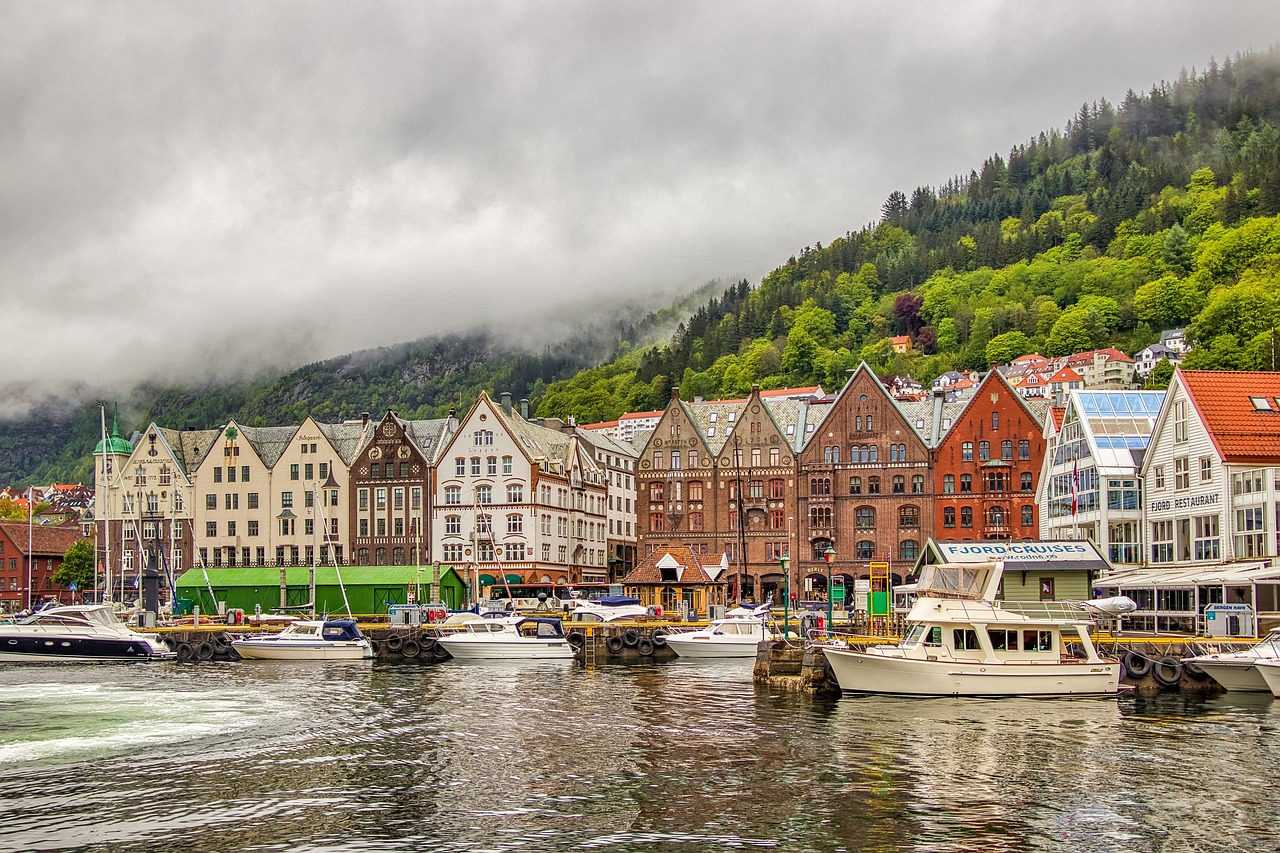
One of the best things about spending 3–5 days in Bergen is that you actually have time to explore beyond the main tourist corridor. Here are the areas I recommend wandering:
- Sentrum (City Center): The compact heart with Torgallmenningen square, Fish Market, Bryggen, KODE, and most shops. Easy to cover on foot.
- Bryggen & Vågen: Historic harbor zone, classic views, restaurants, and souvenir shops.
- Nordnes: Peninsula of wooden houses, the aquarium, and a relaxed, residential feel.
- Sandviken: Traditional wooden suburbs climbing the hillside; gateway to Stoltzekleiven and Gamle Bergen.
- Nygårdshøyden: University district—student bars, bookshops, and academic architecture.
- Fana & Nesttun: Leafier southern suburbs, home to Troldhaugen and a more local, everyday Bergen.
Local Food in Bergen: What to Eat & Where
Bergen’s food scene has really come into its own in the last decade. You can still get hearty, traditional dishes, but there are also modern bistros, creative bakeries, and excellent coffee shops. Eating out is expensive by many travelers’ standards, but with a few strategies you can keep costs under control.
Must-Try Bergen & West Coast Specialties
- Fish soup (fiskesuppe): Creamy, packed with fish and shellfish; almost every traditional restaurant has its own version.
- Fish cakes (fiskekaker): Soft, pan-fried patties made of minced fish; popular as street food and home cooking.
- Fresh shrimp (reker): Peel-your-own shrimp, often eaten on bread with mayo and lemon.
- Klippfisk & tørrfisk: Dried and salted cod; more common in northern Norway but part of west coast tradition.
- Skillingsbolle: Bergen’s take on the cinnamon roll; sweet, simple, and addictive.
- Brunost (brown cheese): Caramelized whey cheese—love it or hate it, you should try it once.
My Go-To Ways to Save Money on Food
- Breakfast: Book accommodation that includes breakfast or stock up on yogurt, fruit, and bread from supermarkets like Rema 1000 or Kiwi.
- Lunch: Bakeries and cafés do good-value lunch deals—soup + bread, or sandwiches.
- Dinner: Consider one main restaurant meal per day and keep the other meals simple (supermarket, deli counters, or street food-style options).
Nightlife, Entertainment & Cultural Experiences in Bergen
Bergen isn’t a wild party city, but it has a lively, cozy nightlife and a strong cultural calendar. On Friday and Saturday nights, the streets between Torgallmenningen, Skostredet, and the harbor hum with people moving between bars, small clubs, and music venues.
Where to Go in the Evenings
- Pubs & Bars: Expect a mix of classic pubs, craft beer bars, and cocktail spots. Many have candlelit interiors perfect for long conversations.
- Live Music: Bergen has a surprisingly influential music scene; check listings for small gigs, especially in rock and indie genres.
- Theatre & Classical: Den Nationale Scene (National Theatre) and Grieghallen host plays, concerts, and festivals.
Cultural Experiences in Bergen
- Grieg concerts at Troldhaugen: Summer lunchtime recitals with lake views.
- Festival season: From May’s Bergen International Festival to jazz and film festivals later in the year.
- Contemporary art: Rotating exhibitions at KODE and smaller galleries in the city center.
Day Trips & Nearby Attractions from Bergen
With 4 or 5 days in Bergen, it’s worth using the city as a base for at least one day trip. Beyond Hardangerfjord and Norway in a Nutshell, consider:
- Øygarden Islands: A chain of low, wind-swept islands west of Bergen. Great for coastal walks, lighthouses, and feeling the raw Atlantic.
- Fedje: A tiny island community further out, with a working harbor and a wonderfully remote feel.
- Rosendal: Fjord village in Hardanger with a small baronial manor and mountain backdrop.
Most of these can be reached by a combination of bus and boat, or by renting a car for the day. For first-time visitors, I usually recommend organized fjord tours; for repeat visitors or confident drivers, a rental car opens up quieter spots.
What’s New: Events & Changes in 2026–2027
Bergen’s calendar is steady but evolving. In 2026–2027, expect the following highlights (always double-check closer to your travel dates):
- Bergen International Festival (Festspillene): Late May–early June 2026 and 2027. Classical music, theatre, dance, and art across the city.
- Bergenfest: Early summer music festival at Bergenhus Fortress, featuring Norwegian and international artists.
- Night Jazz (Nattjazz): Long-running jazz festival usually overlapping with or close to the International Festival.
- Fjord & sustainability-focused events: Expect more conferences and public events around green shipping and sustainable tourism—Bergen is leaning into its role as a “green port.”
- Ongoing waterfront improvements: The city continues to upgrade pedestrian and cycling infrastructure along the harbor and in the city center, making it easier to explore on foot and bike.
Local Customs in Bergen & Cultural Etiquette
Norwegians have a reputation for being reserved, but in Bergen people are generally a bit more talkative and informal—maybe it’s the sea air. Still, there are a few cultural norms worth knowing:
- Personal space: People value it. Don’t stand too close in lines or on public transport.
- Quiet in public: Norwegians are not loud talkers; keep voices moderate, especially indoors.
- Punctuality: Being on time is a sign of respect. Tours, concerts, and trains leave when they’re supposed to.
- Queueing: Lines are usually orderly; no cutting.
- Shoes off: In private homes, always remove your shoes at the door.
- Alcohol: Public drunkenness is frowned upon though you’ll see it on weekend nights. Alcohol is expensive; strong drinks are only sold in state-run Vinmonopolet shops.
- Tipping: Service charge is included, but rounding up or leaving 5–10% for good service in restaurants and bars is appreciated.
- Nature etiquette: Follow “allemannsretten” (right to roam) respectfully: take your litter with you, stick to paths, respect private cabins and property.
Practical Travel Advice for Bergen
Getting To & Around Bergen
- Airport: Bergen Airport, Flesland (BGO), with direct flights to many European hubs.
- Airport to city:
- Bybanen (light rail): Cheapest and scenic; ~45 minutes to the center.
- Airport bus: Slightly faster; more expensive.
- Taxi: Most expensive; useful late at night or with lots of luggage.
- In the city: Walking covers most central attractions. Bybanen and buses reach suburbs and Fantoft/Troldhaugen.
- Public transport tickets: Buy via Skyss app, ticket machines, or selected shops; validate on board where required.
Car Rental & Driving
You don’t need a car for the city itself, but it’s useful for exploring fjords and rural areas.
- Foreign licenses: Most foreign driver’s licenses are accepted; check if you need an international driving permit depending on your home country.
- Roads: Well-maintained but often narrow and winding; drive carefully, especially in winter.
- Tolls: Many roads have automatic tolls; rental companies usually bill you afterward.
Money-Saving Strategies
- Stay slightly outside Bryggen: Accommodation a short walk from the harbor is often cheaper.
- Use supermarkets: Rema 1000, Kiwi, and Coop Extra are your friends for snacks, drinks, and simple meals.
- Free activities: Hiking Fløyen (on foot), city walks, Nordnes Park, wandering neighborhoods, and many events are free.
- City passes: Check if the Bergen Card fits your plans; it offers free/discounted entry to attractions and public transport.
SIM Cards & Connectivity
Norway has excellent mobile coverage, even in many rural areas.
- eSIM: If your phone supports it, buy an eSIM data package before arrival.
- Physical SIM: Prepaid SIMs are available from major providers (Telenor, Telia, Ice) at shops and some supermarkets—bring ID.
- Wi-Fi: Common in hotels, cafés, and many public spaces.
Visa & Entry Requirements
- Norway is part of the Schengen Area. Many nationalities can enter visa-free for up to 90 days; others need a Schengen visa.
- Always check the latest entry rules and any ETIAS requirements for your nationality before traveling.
- Carry a passport valid for at least 3–6 months beyond your intended stay, depending on your nationality’s requirements.
Weather & When to Visit (By Season)
- Winter (Dec–Feb): Short days, frequent rain or snow; atmospheric, quiet, good for museums and cozy cafés. Mountain hikes require winter gear and experience.
- Spring (Mar–May): Unpredictable but increasingly mild; blossoms and longer days, fewer crowds.
- Summer (Jun–Aug): Peak season; long days, outdoor festivals, best time for hiking and fjord trips—but also most expensive and crowded.
- Autumn (Sep–Nov): Colorful foliage, moody light, more rain; great for hikers who don’t mind less-predictable weather.
Hidden Local Tips
- Always carry a light rain jacket: Even on sunny days—Bergen’s weather can change in 15 minutes.
- Layer up: The key to comfort is layers, not heavy coats.
- Sunday quiet: Many shops close or have shorter hours on Sundays; plan accordingly.
- Tap water: Safe and delicious; refill your bottle instead of buying plastic.
- Ask locals: People may seem reserved, but if you ask politely for recommendations, most are happy to help.
Summary: Key Takeaways & Best Time to Visit Bergen
Planning 3 days in Bergen? Focus on Bryggen, Mt. Fløyen, the Fish Market, one fjord experience, and a slice of the local food scene. With 4 days in Bergen, add either Mt. Ulriken or a short day trip (Fantoft, Gamle Bergen, or a nearby fjord village). With 5 days in Bergen, you can really settle in: tackle the Vidden hike, explore more neighborhoods, and slot in a full Hardangerfjord or Norway in a Nutshell day.
Bergen rewards slow exploration. The must-see attractions in Bergen—Bryggen, the mountains, the museums—are all close together, but the city’s real charm is in its side streets, neighborhood cafés, and ever-changing sky. From cultural experiences in Bergen’s concert halls and galleries to hidden gems in Nordnes and Sandviken, you’ll never be short of things to do in Bergen, even when the rain sets in.
Best seasons:
- June–early September: Best overall for hiking, fjords, and long days.
- May & September–October: Great balance of atmosphere, fewer crowds, and rich colors.
- Winter: For those who love moody light, quiet streets, and cozy interiors.
However you structure your 3–5 day itinerary for Bergen, leave room for serendipity: a spontaneous café stop when the rain starts, an unplanned detour up a side street, or an extra hour on a harbor bench, just watching the boats come and go. That’s when Bergen really feels like yours.