Why Visit Oslo? What Makes Norway’s Capital So Special
Oslo is one of those cities that quietly gets under your skin. It doesn’t shout like Paris or New York; it hums. Between the fjord and the forest, with glassy modern architecture rising beside centuries‑old fortifications, Oslo feels both cutting‑edge and deeply grounded in nature and history.
I’ve been visiting Oslo regularly since my early twenties, and I finally moved here a few years ago. I still get a little thrill every time I step out of Oslo S (the central station) and catch that glimpse of the Oslofjord at the end of Karl Johans gate. In the same afternoon you can kayak on the fjord, hike in the forest, see Edvard Munch’s The Scream, and end the day at a cozy bar with a local craft beer or a steaming cinnamon bun.
This 2026 travel guide is written as if I’m planning the trip with you: where I’d take a friend on their first visit, what I’d tell you about saving money (very possible, even here), how to design a 3, 4, or 5 day itinerary for Oslo, and which hidden gems in Oslo are worth slipping into your schedule. We’ll cover must‑see attractions in Oslo, local food in Oslo, cultural experiences in Oslo, and lots of practical travel tips for Oslo—from SIM cards to seasons to etiquette.
Table of Contents
- Why Visit Oslo?
- Oslo at a Glance in 2026
- Suggested Itineraries (3, 4 & 5 Days in Oslo)
- 20+ Must‑See Attractions in Oslo (Deep Dive)
- Neighborhoods & Areas to Explore
- Local Food & Drink in Oslo
- Nightlife, Entertainment & Cultural Experiences
- Day Trips from Oslo
- Local Customs & Cultural Etiquette
- Practical Travel Advice for Oslo (Money, Transport, SIM, Visas)
- When to Visit Oslo & Seasonal Highlights
- Upcoming Events & Festivals 2026–2027
- Summary & Final Recommendations
Oslo at a Glance in 2026
Oslo in 2026 feels like a city confidently growing into its skin. New neighborhoods like Bjørvika and Sørenga are now full‑fledged destinations, the National Museum and MUNCH Museum have settled into their roles as cultural powerhouses, and the city continues to balance sustainability with development.
- Population: ~700,000 in the city, ~1.1 million in the metro area
- Languages: Norwegian (Bokmål & Nynorsk); nearly everyone speaks English
- Currency: Norwegian Krone (NOK); cards and contactless everywhere
- Best for: Nature + city lovers, culture seekers, families, couples, and solo travelers
- Perfect stay: 3–5 days in Oslo for a first visit
Suggested Itineraries: 3, 4 & 5 Days in Oslo
Let’s start with how to structure your time. Most first‑timers wonder whether 3 days in Oslo is enough. It is—if you focus—but 4 or 5 days in Oslo lets you slow down, add nature, and see a few hidden gems in Oslo that day‑trippers miss.
3 Days in Oslo – Classic Highlights Itinerary
When friends fly in for a long weekend, this is usually the 3 day itinerary for Oslo that I suggest. It hits the must‑see attractions in Oslo while leaving space to wander and soak in the atmosphere.
Day 1: City Center, Opera House & Oslofjord Vibes
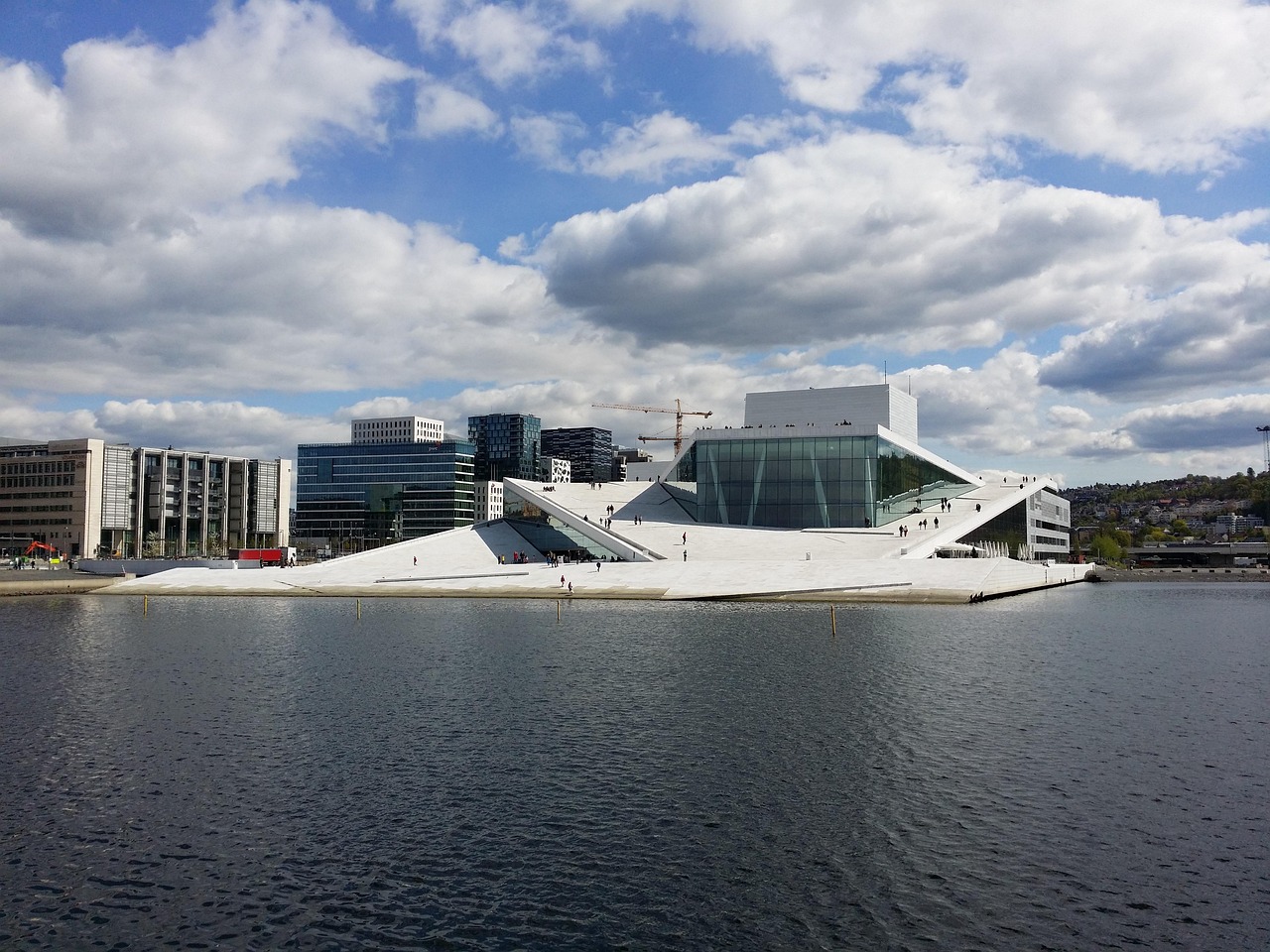
I love starting at the Oslo Opera House because it literally invites you to walk all over it. The white marble roof slopes gently down to the water, and yes, you’re supposed to climb it.
- Morning: Arrive at Oslo S (Central Station), drop bags at your hotel, then walk 5 minutes to the Opera House. Grab a coffee at the café inside, then head up to the roof. On clear days, you’ll see the Oslofjord stretching out, the Barcode skyline to your right, and the green hills behind the city.
- Late morning: Stroll along the waterfront to Bjørvika and the MUNCH Museum. If you’re keen on art, you can go straight in and spend 2–3 hours. If not, just enjoy the architecture, the harbor views, and the art installations outside.
- Lunch: Head to Sørenga for food by the water. I often grab fish soup or a simple salad at one of the casual bistros; in summer, locals sunbathe and swim here.
- Afternoon: Walk back via the Barcode district, then up Karl Johans gate past the Cathedral and toward the Royal Palace. Stop for a cinnamon bun (kanelbolle) at a bakery like W.B. Samson along the way.
- Evening: Early dinner in Aker Brygge or Tjuvholmen. If it’s summer, I love eating outdoors with a view of the boats. In winter, pick somewhere cozy with candlelight—Norwegians are experts at creating atmosphere.
Tip: For a 3 days in Oslo visit, buy a 24–72 hour Oslo Pass. It includes public transport and free/discounted entry to many must‑see attractions in Oslo, and it quickly pays off if you’re museum‑hopping.
Day 2: Bygdøy Peninsula – Museums & Viking Legends
Bygdøy is where Oslo keeps many of its most impressive museums, tucked among leafy residential streets and peaceful beaches. When I’m planning a 3 day itinerary for Oslo, this is always a full dedicated day.
- Morning: Take bus 30 or the seasonal ferry from the city hall pier to Bygdøy. Start with the Fram Museum (polar exploration) and Kon‑Tiki Museum (Thor Heyerdahl’s balsa raft). Both are fascinating even if you’re not usually a “museum person.”
- Midday: Walk to the Norsk Folkemuseum (Norwegian Museum of Cultural History). This open‑air museum has historic wooden houses and a stunning stave church. I still remember the first snowy day I visited; it felt like stepping into a fairy tale.
- Lunch: There’s a café at the Folkemuseum, or you can bring a picnic. Norwegians are big on matpakke (packed lunch), and it’s a good way to save money in Oslo.
- Afternoon: Depending on your interest and time, add the Viking Ship Museum (when fully reopened after renovations) or enjoy a quiet walk to one of Bygdøy’s small beaches like Huk.
- Evening: Head back to the city, then wander through Grünerløkka for dinner. This neighborhood has a more bohemian, local feel—a nice contrast to the sleek waterfront.
Day 3: Vigeland Park, Holmenkollen & Neighborhood Hopping
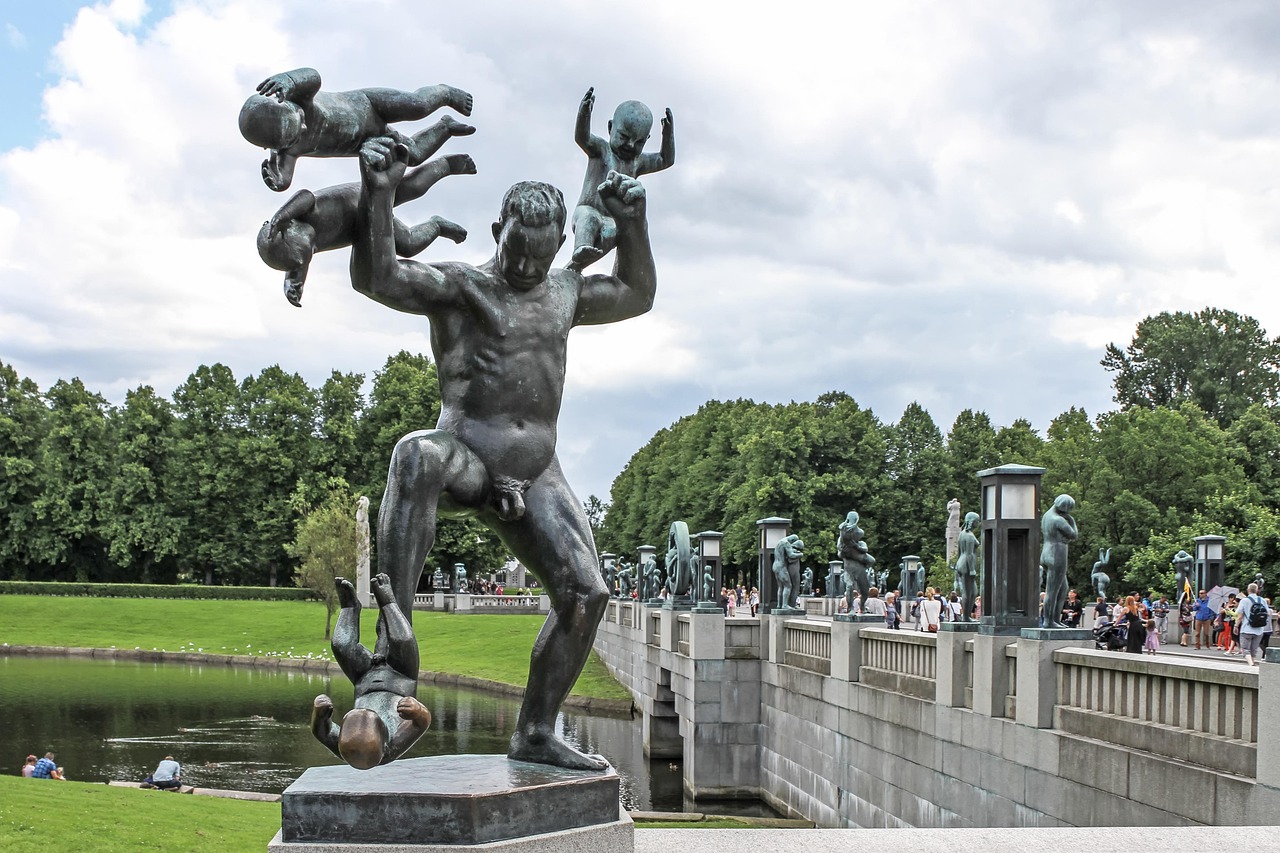
Your last day of a 3 days in Oslo itinerary is perfect for parks, views, and local life.
- Morning: Take the tram to Vigeland Sculpture Park in Frogner. Gustav Vigeland’s sculptures are strange, moving, and unforgettable—people of all ages and moods carved in bronze and stone. I love visiting early when it’s quiet.
- Lunch: Grab lunch in Majorstuen nearby—there are plenty of cafés and bakeries.
- Afternoon: Hop on the metro (Line 1) up to Holmenkollen. The ski jump tower looms over the city, and the views from up there are among the best in Oslo. The Ski Museum explains Norway’s deep love for skiing.
- Late afternoon: On the way back, stop at Midtstuen or Frognerseteren for a short forest walk if the weather is good. Oslo’s “marka” forest is just a metro ride away.
- Evening: Farewell dinner in the city—maybe at a restaurant serving modern Nordic cuisine. Toast your trip with an akevitt (aquavit) if you want to try a traditional spirit.
If you only have 3 days in Oslo, this itinerary will give you a satisfying mix of culture, views, architecture, and nature.
4 Days in Oslo – Add Nature & Neighborhoods
With 4 days in Oslo, you can keep the 3 day itinerary above and add an extra day for deeper neighborhood exploration or a mini‑adventure in the forests and lakes around the city.
Here’s how I usually stretch a 3 day itinerary for Oslo into a 4 day itinerary for Oslo when friends have more time:
- Days 1–3: Follow the 3 day itinerary above.
- Day 4 Option A – Forest & Lakes: Take the metro up to Frognerseteren and hike around Oslo Marka (the city’s surrounding forest). In summer, bring swimwear for a dip in a forest lake. In winter, rent cross‑country skis. End with hot chocolate and waffles at Frognerseteren restaurant, which feels like a mountain lodge.
- Day 4 Option B – Neighborhoods & Street Culture: Dedicate a day to Grünerløkka, Vulkan, and the Akerselva River walk. This is where I take visitors who like coffee, street art, and local life. We’ll go into detail on this area later.
Four days in Oslo is ideal if you want a balanced mix of must‑see attractions and everyday local experiences.
5 Days in Oslo – Deeper Dives & Day Trips
With 5 days in Oslo you can slow down, revisit favorite spots at different times of day, and add at least one day trip. A 5 day itinerary for Oslo also gives you more flexibility in case of rain or sudden snow (very possible outside summer).
- Days 1–3: Follow the 3 day itinerary.
- Day 4: Forest hiking or neighborhood immersion as outlined for 4 days in Oslo.
- Day 5 – Day Trip: Choose between:
- Drammen & Spiralen: A small city with a helical tunnel road leading to a viewpoint. Easy by train.
- Drøbak: A charming coastal town south of Oslo, known for its wooden houses and Christmas shop.
- Fredrikstad’s Old Town (Gamlebyen): One of the best‑preserved fortified towns in Scandinavia.
- Oslofjord Islands: In summer, hop on local ferries and spend a lazy day exploring islands like Hovedøya and Gressholmen.
In the detailed attraction sections below, I’ll weave in more “day in the life” style stories so you can adapt them to your own 3, 4, or 5 day itinerary for Oslo.
20+ Must‑See Attractions in Oslo (Deep Dive with Personal Notes)
Below are more than twenty of the best places to visit in Oslo, each with history, practical tips, and a bit of my own experience. Use this as your master list for things to do in Oslo and mix and match based on your interests.
1. Oslo Opera House (Den Norske Opera & Ballett)
The Oslo Opera House is more than just a performing arts venue—it’s a public plaza, a piece of sculpture, and a viewpoint over the city. Opened in 2008, its sloping white marble roof was designed to evoke an iceberg rising from the fjord.
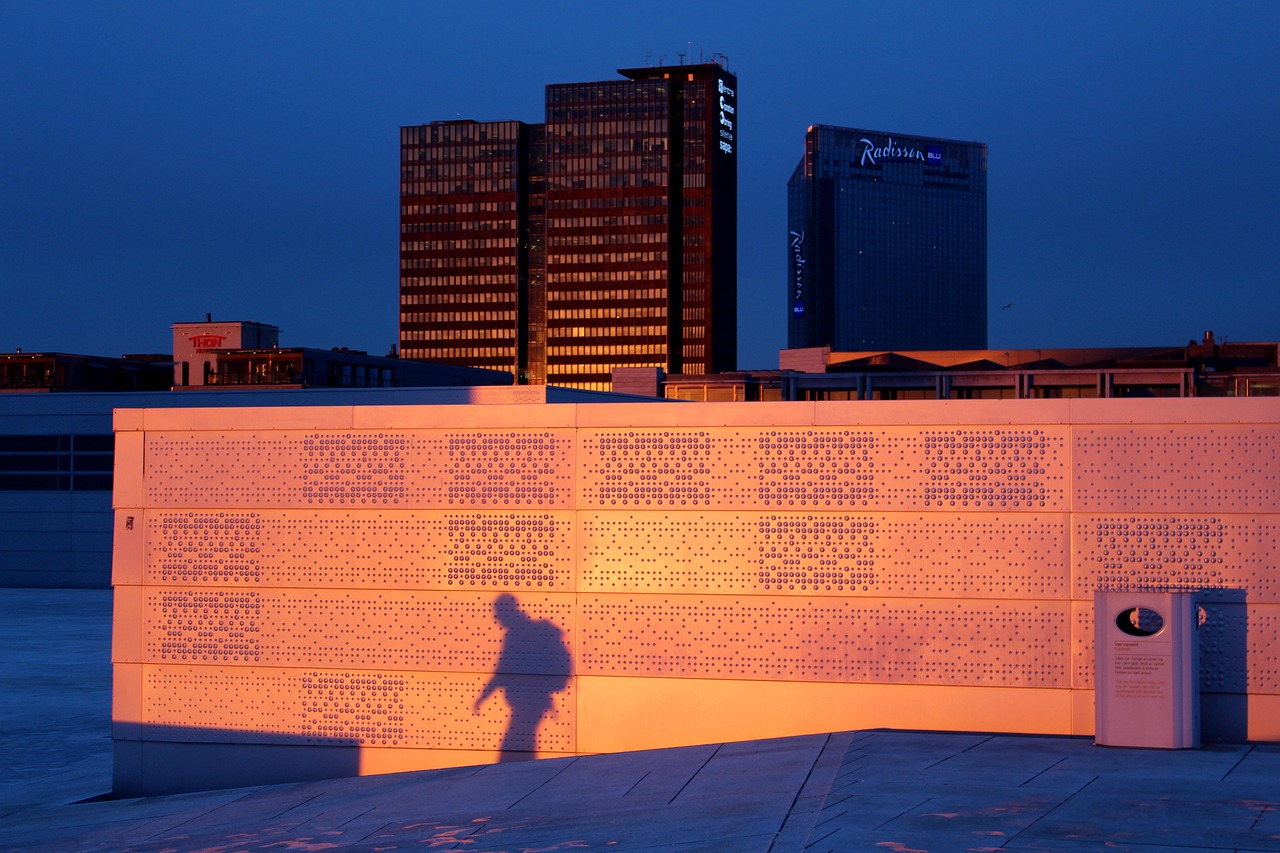
I still remember my first winter here: I walked up the icy marble at blue hour, when the sky turns deep cobalt and the city lights flicker on. People were sliding around in their boots, laughing, taking photos; inside, the warm glow of the lobby made the whole building look like a lantern.
- History & significance: Designed by Snøhetta, the Opera House was a catalyst for the redevelopment of the Bjørvika waterfront. It helped cement Oslo’s reputation for daring contemporary architecture.
- What to do: Walk the roof (it’s free, open 24/7), peek inside the lobby, and if you can, book tickets for an opera or ballet performance.
- Best time to visit: Sunrise for quiet reflection, sunset for colors, or after dark when the building glows.
- Family friendly? Yes—kids love running up and down the sloping roof.
- Romantic? Very. I’ve seen couples bring a thermos of coffee or wine and sit facing the fjord.
- How to get there: 5 minutes’ walk from Oslo S. All signs will point you toward “Operaen.”
- Local tip: In winter, the marble can be extremely slippery. Wear shoes with good grip; I’ve watched more than one tourist do an unplanned slide.
2. Akershus Fortress (Akershus Festning)
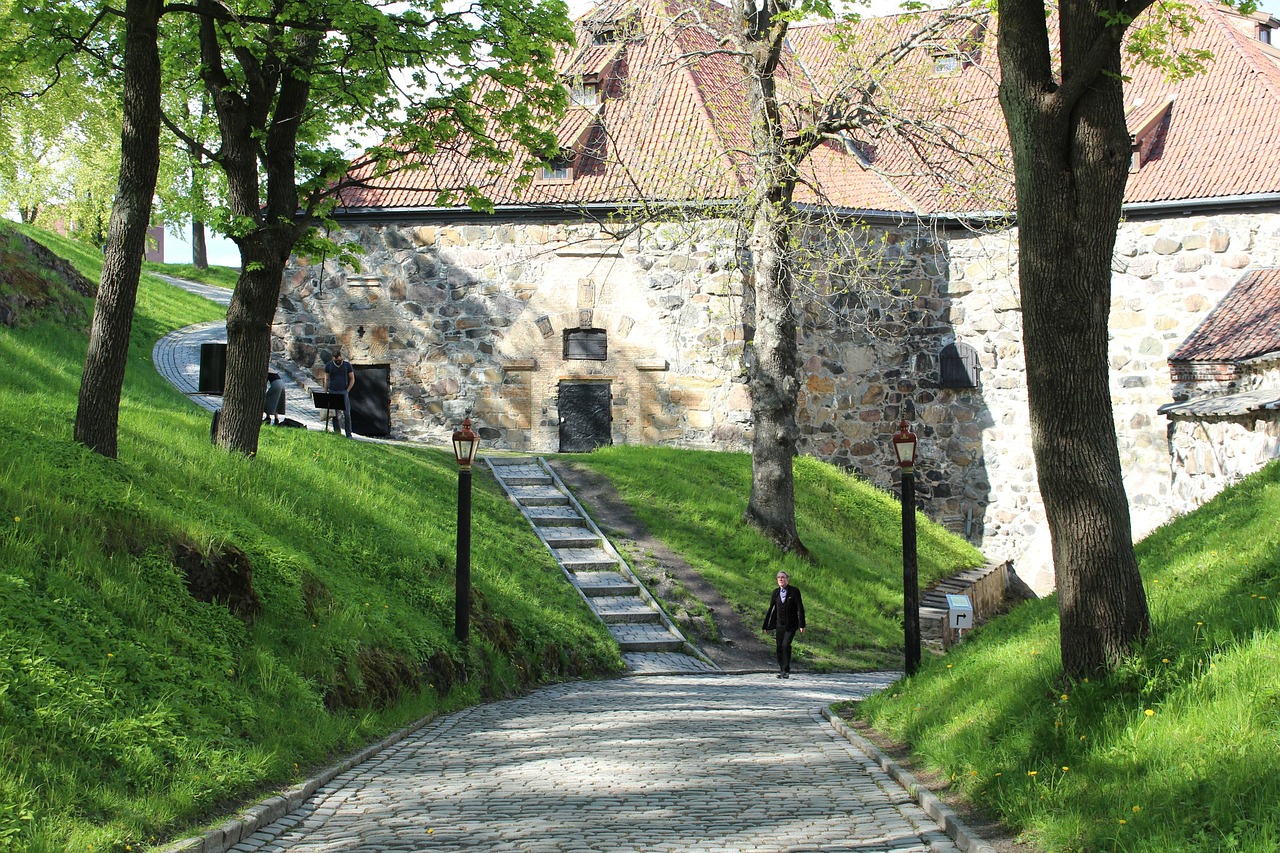
Akershus Fortress is Oslo’s medieval heart—a stone fortress and castle overlooking the harbor, dating back to the late 1200s. It has survived sieges, fires, and political upheaval, and today it’s a peaceful green space with a killer view.
I love coming here with a coffee and walking the ramparts. You get a sense of how small Oslo once was, huddled around the harbor. In autumn, the trees around the walls turn brilliant yellow and orange; in summer, locals lounge on the grass with picnics.
- Highlights: The castle interiors (guided tours), the ramparts and cannons, the small chapels, and the view back toward Aker Brygge and the City Hall.
- History: Built under King Håkon V, Akershus has served as a royal residence, military base, and prison. During WWII, it was used by occupying forces; today it hosts state events and ceremonies.
- Best for: History buffs, photographers, budget travelers (the grounds are free).
- How to get there: Short walk from the City Hall or Aker Brygge. Several bus and tram stops nearby.
- Tip: Time your visit around golden hour for photography. In winter, it’s particularly atmospheric with snow.
3. Vigeland Sculpture Park (Vigelandsparken)
Vigeland Park is one of the most unique sculpture parks in the world: over 200 sculptures by Gustav Vigeland, all exploring human life—from birth to death, love to anger. It’s free, open 24/7, and feels different every time I go.
The first time I visited, I went in late September. The leaves were turning, and the bronze figures looked almost alive in the low, soft light. I spent an hour just circling the Monolith, spotting new details in the intertwined bodies.
- Don’t miss: The Sinnataggen (Angry Boy) statue—tiny but iconic; the Bridge lined with sculptures; the Fountain; and the Monolith column of 121 intertwined figures.
- Family friendly? Very—kids climb and play around the sculptures, and the surrounding Frogner Park is huge.
- How to get there: Tram or bus to Vigelandsparken or Frogner plass. About 15–20 minutes from the center.
- Local tip: Come at sunrise in summer or on a snowy morning in winter. It feels almost private, and the sculptures take on an otherworldly feel.
4. MUNCH Museum (MUNCH)
The new MUNCH Museum in Bjørvika is Oslo’s towering tribute to Edvard Munch, the painter behind The Scream. The building itself—slightly leaning, clad in shimmering panels—has become a modern landmark.
I visited right after it opened, and my first impression was how generous it feels: huge light‑filled spaces, quiet corners, and multiple versions of The Scream rotating in and out of display. The top‑floor bar has one of my favorite rooftop terraces in the city.
- What you’ll see: Munch’s paintings, prints, and drawings, plus contemporary exhibitions responding to his work. Check ahead to see which version of The Scream is on display during your visit.
- Best for: Art lovers, culture seekers, anyone doing a 3 days in Oslo city‑culture focus.
- How to get there: 5–10 minutes’ walk from Oslo S, right on the waterfront.
- Tip: Book tickets online during peak season. Time‑slot entry helps avoid queues.
- Local tip: Go up to the rooftop bar/terrace even if you don’t visit the exhibitions—views of the Opera House and fjord are excellent.
5. National Museum (Nasjonalmuseet)
Opened in 2022, Oslo’s National Museum is Scandinavia’s largest art museum, combining older collections under one vast roof. It’s where you’ll find Norway’s classic art, design, and architecture exhibits.
The first time I walked into the main galleries, I lost track of time. It’s easy to spend half a day here, moving from Viking‑era artifacts to 19th‑century romantic landscapes to contemporary installations.
- Highlights: Another version of The Scream, traditional Norwegian folk art, modern Norwegian design, and changing contemporary exhibitions.
- Best for: Rainy days, culture‑focused itineraries, and anyone curious about Norwegian identity through art.
- Location: By the harbor, a short walk from the City Hall and Aker Brygge.
- Tip: Start early and prioritize what you most want to see; it’s big.
6. Bygdøy Museums: Fram, Kon‑Tiki, Norwegian Folk Museum & Viking Ships
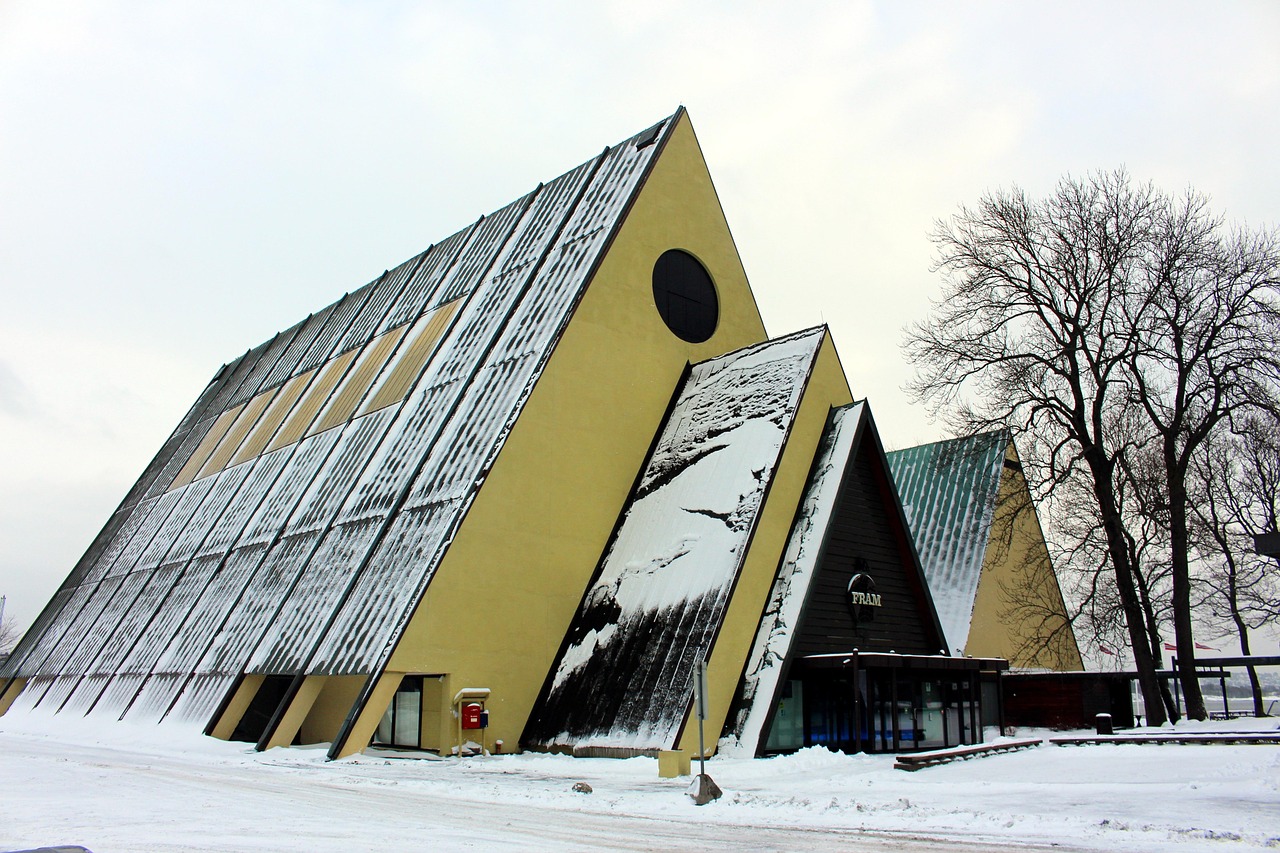
Bygdøy is like Oslo’s museum peninsula. Several top attractions sit within walking distance: the Fram Museum, Kon‑Tiki Museum, Norwegian Folk Museum, and the Viking Ship Museum (reopening with upgraded facilities).
My perfect Bygdøy day: start with polar adventures on the Fram ship, marvel at Thor Heyerdahl’s daring Kon‑Tiki raft, then wander through the open‑air folk museum’s wooden houses and stave church. It’s a compact, powerful crash course in Norwegian history and mentality.
- Fram Museum: Walk aboard the actual ship that went furthest north and south in polar exploration. The sound and light effects make you feel the ice closing in.
- Kon‑Tiki Museum: See the balsa wood raft and learn about Heyerdahl’s controversial but captivating Pacific expeditions.
- Norwegian Folk Museum: Open‑air section with relocated historic houses from around the country; costumed interpreters in summer.
- Viking Ship Museum: Houses spectacular Viking ships and artifacts (check 2026 reopening updates; the project has been ongoing).
- Tip: If you’re on a budget, pick 2–3 museums that interest you most and use the rest of the time to walk the pretty residential streets and coastal paths.
7. Holmenkollen Ski Jump & Ski Museum
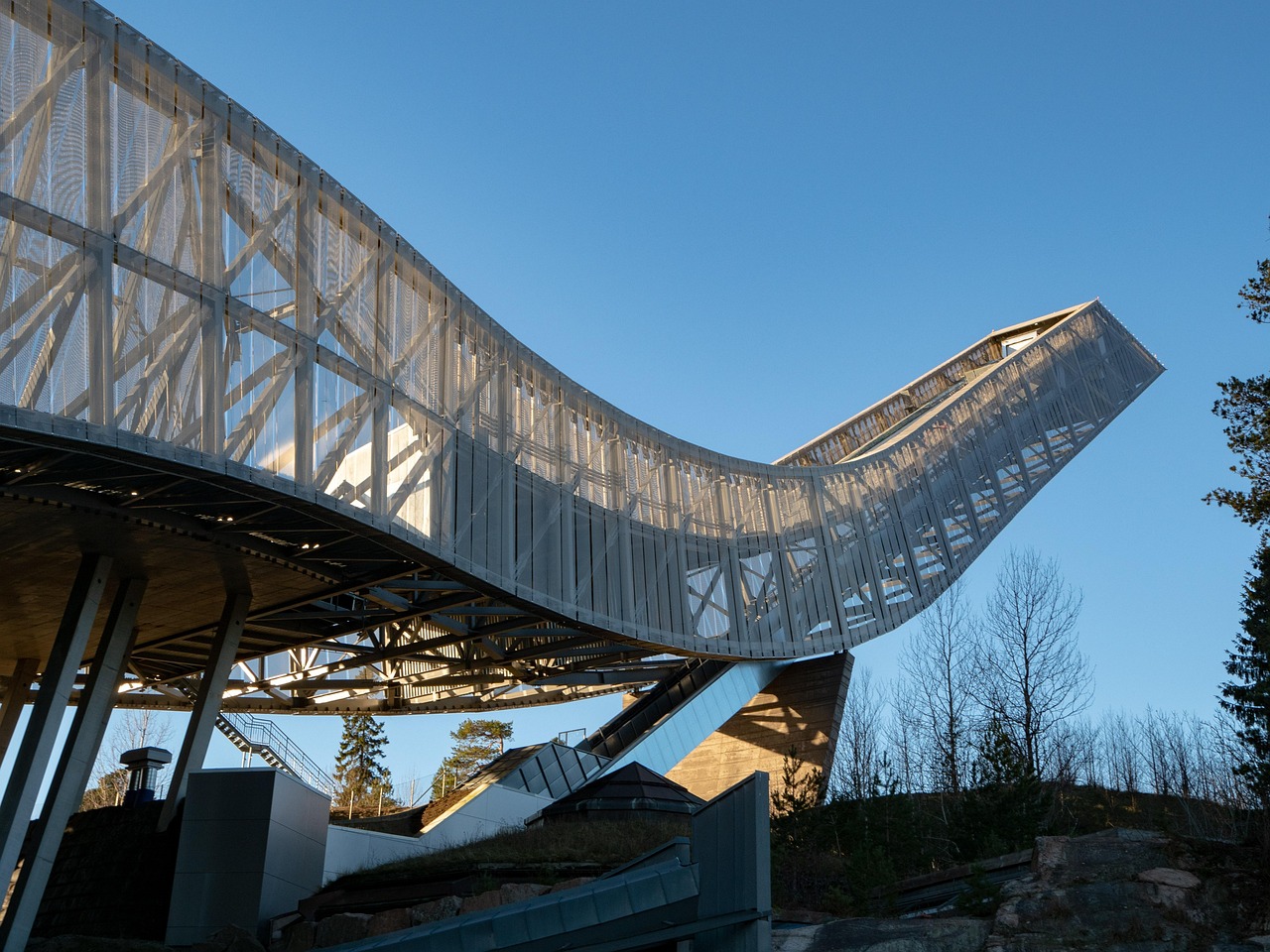
Holmenkollen is both a sporting venue and a symbol of Norway’s love affair with skiing. The soaring ski jump tower crowns the hillside northwest of the city, visible from many neighborhoods.
The first time I went up the tower, it was a clear autumn day. From the top, Oslo looked like a toy city between the forest and the fjord. The idea that athletes launch themselves off this thing at high speed is both terrifying and awe‑inspiring.
- What to do: Visit the Ski Museum (over 4,000 years of skiing history), take the elevator to the top of the jump tower, or try the zipline (seasonal, for daredevils).
- Best for: Families, sports fans, and anyone wanting classic Oslo panoramas.
- How to get there: Metro Line 1 to Holmenkollen, then a short uphill walk.
- Tip: Combine with a walk in the forest above Holmenkollen (toward Frognerseteren) for a half‑day nature escape.
8. Akerselva River Walk
The Akerselva River is my favorite urban escape in Oslo. A path follows the river from the lake Maridalsvannet all the way down through the city to the fjord, passing waterfalls, old industrial buildings, bridges, and parks.
I often start in Nydalen and walk south to Grünerløkka. In autumn, the riverbanks are a riot of color. In winter, the waterfalls freeze in intricate patterns. Locals jog, walk dogs, or simply stroll with coffee in hand.
- Best sections: Nydalen to Grünerløkka for nature; Grünerløkka to Vulkan for street art and cafés.
- Family friendly? Yes—lots of playgrounds and open spaces along the way.
- Tip: Wear good shoes; parts of the path can be muddy or icy depending on season.
- Budget tip: This is one of the best free things to do in Oslo and a great way to feel the city beyond the main sights.
9. Aker Brygge & Tjuvholmen Waterfront
Aker Brygge and Tjuvholmen are sleek, modern waterfront districts built on former shipyard land. Think glassy apartments, restaurants with big terraces, boardwalks, and public art.
I have mixed feelings about Aker Brygge—it’s undeniably touristy and not cheap—but on a sunny evening, with boats bobbing in the harbor and the sunset painting the sky, it’s hard not to be charmed. Tjuvholmen, with its small beach and the Astrup Fearnley Museum, feels a bit more relaxed.
- What to do: Stroll the boardwalk, visit the Astrup Fearnley Museum of contemporary art, grab gelato, or sit on the pier steps and people‑watch.
- Romantic? Yes—sunset walks here are classic date material.
- Family friendly? Kids enjoy the small beach and wide, car‑free promenades.
- Tip: For a less expensive waterfront drink, grab a takeaway coffee or beer from a kiosk and sit on the public seating rather than at a restaurant table.
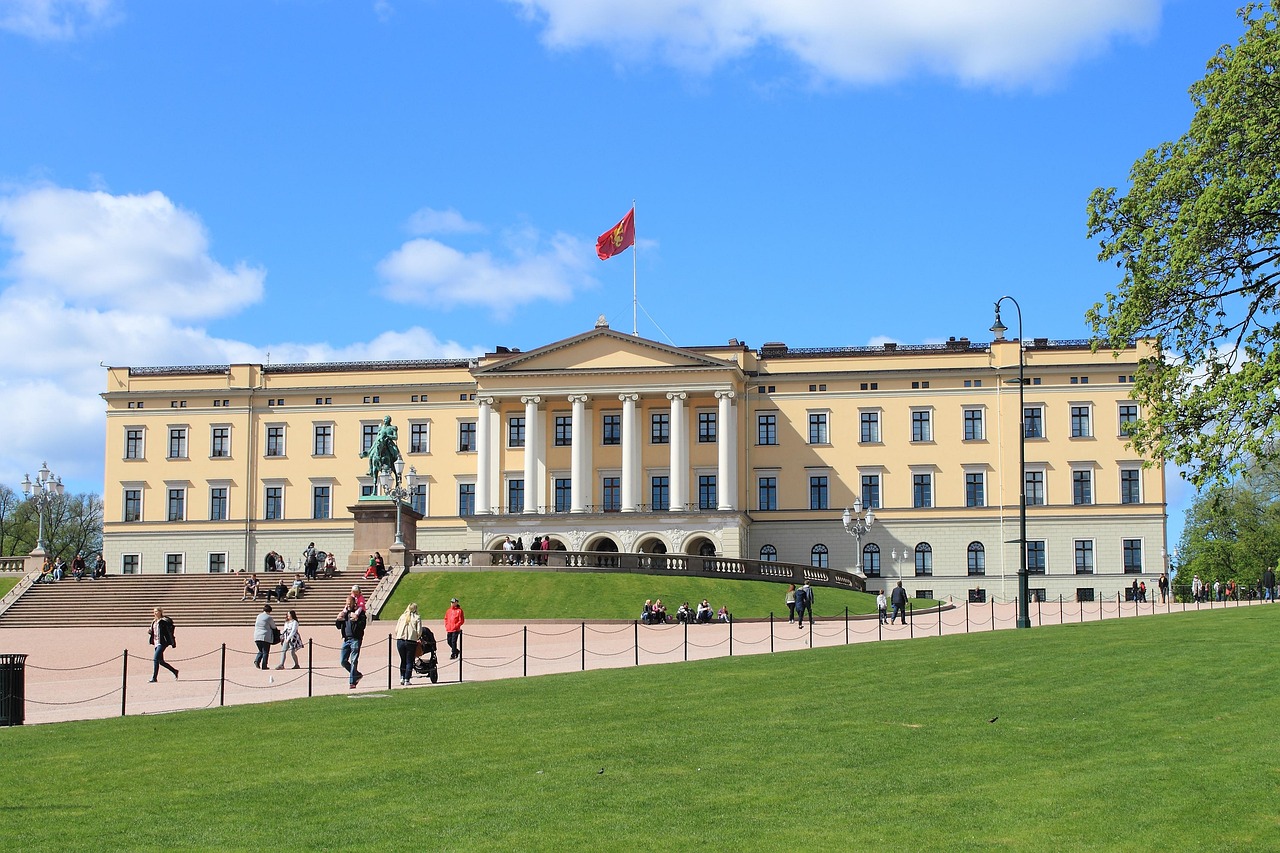
10. Royal Palace & Palace Park (Slottsparken)
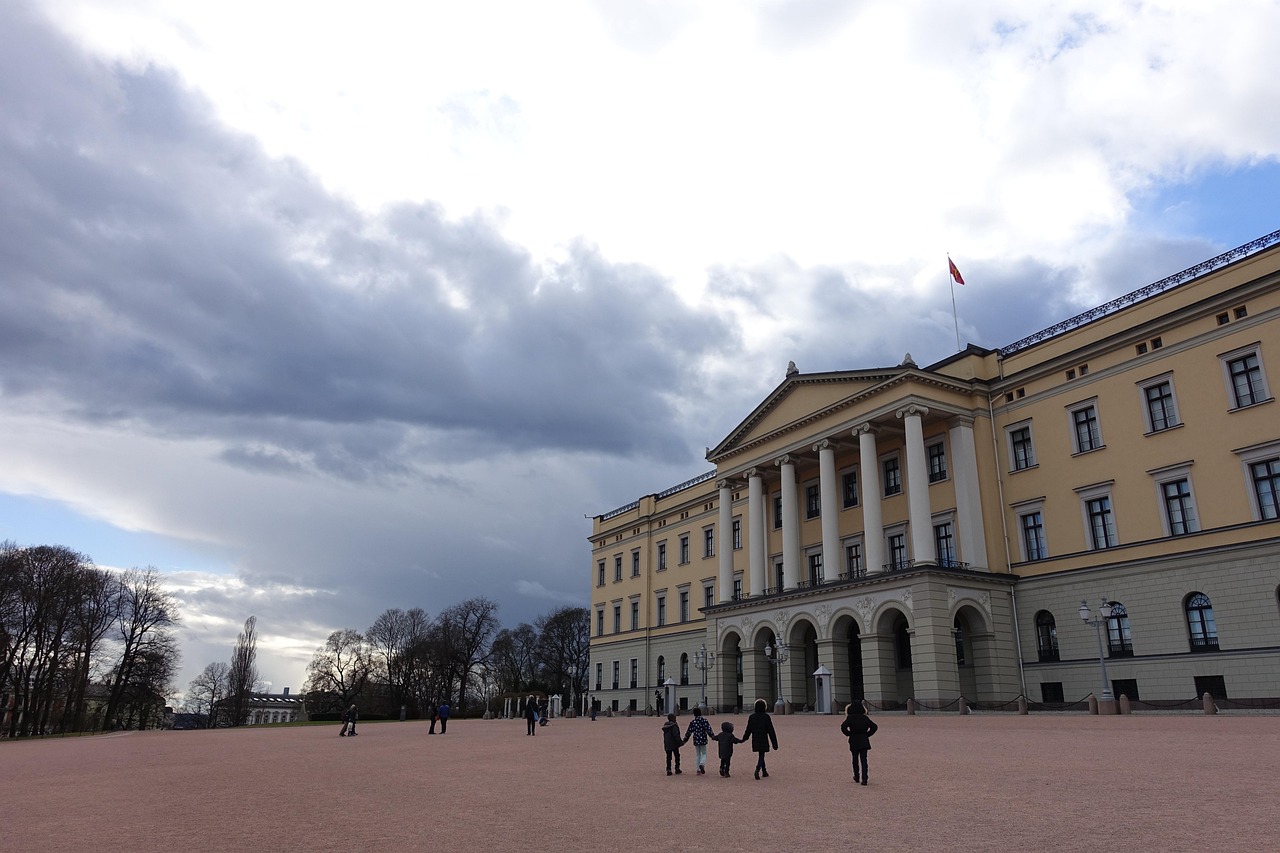
The Royal Palace sits at the top of Karl Johans gate, looking down the spine of the city. Compared to some European palaces, it’s modest—but that’s part of its charm and very Norwegian in spirit.
I like cutting through Slottsparken (the palace park) on my way between neighborhoods. In summer, people sprawl on the grass; in winter, kids toboggan down small hills. The daily changing of the guard is low‑key but fun to watch if you’re passing by.
- Tours: Interior guided tours are offered in summer (book ahead). Otherwise, you can only admire from the outside.
- Good for: Short stop as part of a city center walk, easy photo op.
- Tip: Walk behind the palace into the quieter parts of the park for a peaceful break from the busy main street.
11. Grünerløkka Neighborhood
Grünerløkka is Oslo’s hip, creative district—once working‑class, now filled with cafés, vintage shops, independent boutiques, and street art. It’s where I most often meet friends for coffee or a casual dinner.
On a Saturday, I’ll walk up Markveien and Thorvald Meyers gate, browsing bookstores and design shops, then cut down to the Akerselva River for a stroll. In the evening, bars and restaurants fill up with a mix of students, young professionals, and families.
- Best for: Local life, food, coffee, bar hopping, people‑watching.
- Family friendly? Yes—parks and playgrounds everywhere, especially around Sofienbergparken.
- Hidden gems in Oslo: Small galleries, micro‑roasteries, and independent clothing shops scattered through side streets.
- Tip: Come hungry; this is one of the best places to explore local food in Oslo on a more casual budget.
12. Oslofjord Islands (Hovedøya, Gressholmen & More)
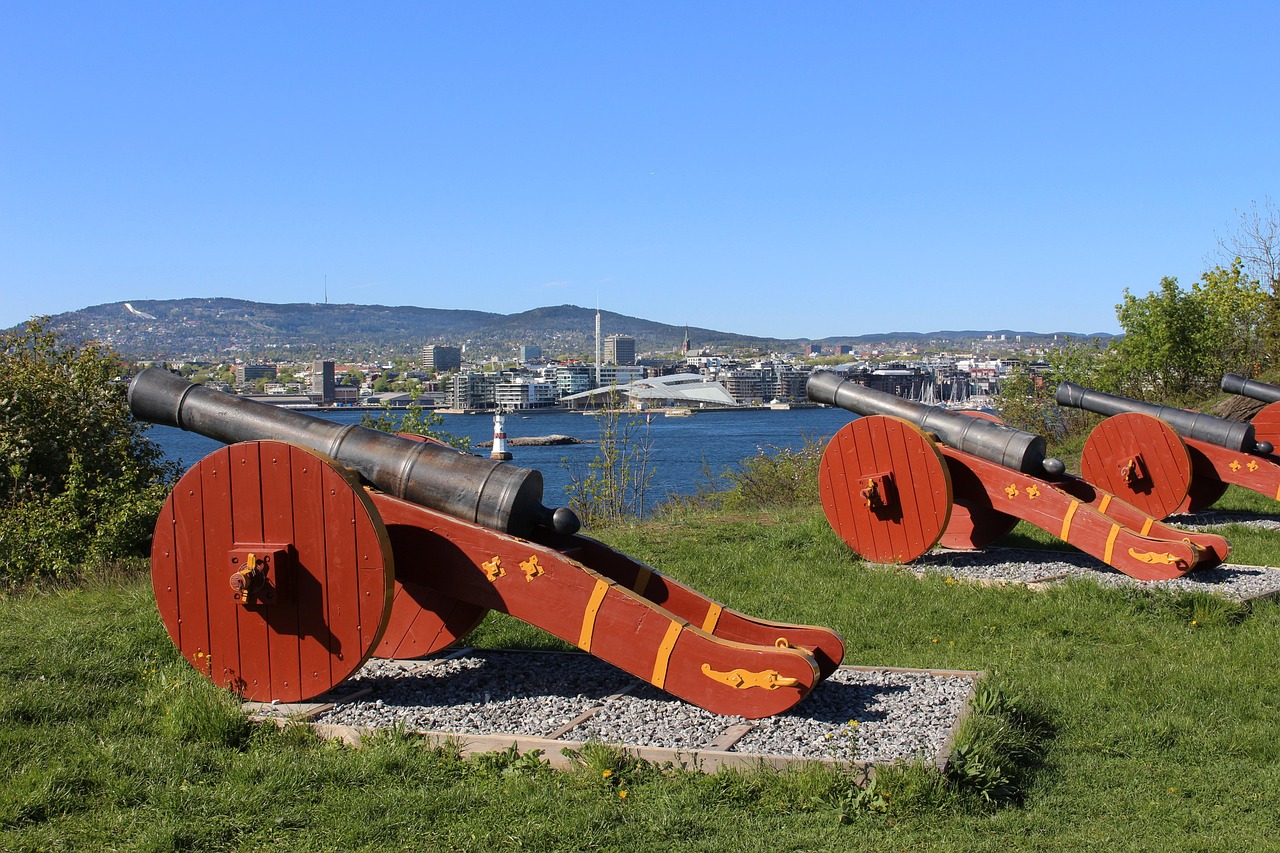
Few visitors realize how easy it is to escape to the islands of the Oslofjord using regular public ferries. In summer, this is one of my favorite things to do in Oslo on a sunny day.
I usually pack a picnic, hop on a ferry from Rådhusbrygge 4 (near the City Hall), and head to Hovedøya. There are monastery ruins, forest paths, and rocky beaches with great swimming spots. On some evenings, the light over the water is pure magic.
- Hovedøya: Closest and most popular; monastery ruins, beaches, and views back to the city skyline.
- Gressholmen: Quieter, more nature‑focused; good for walks and bird‑spotting.
- Best for: Summer picnics, swimming, budget‑friendly day out.
- Tip: Ferries are part of the regular public transport system (Ruter) and included in the Oslo Pass. Check seasonal schedules.
13. Oslo City Hall (Rådhuset)
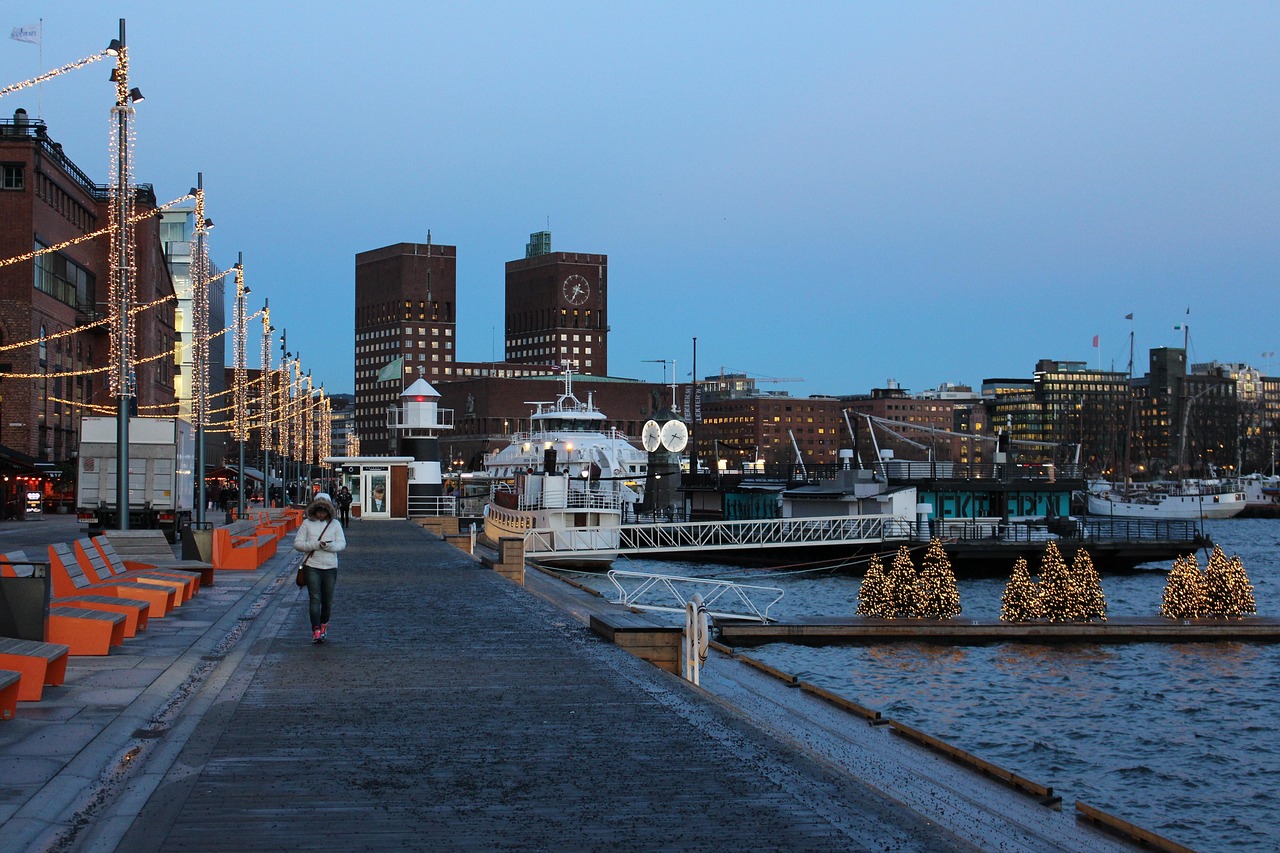
Oslo City Hall is more beautiful inside than its brick exterior suggests. It’s where the Nobel Peace Prize ceremony is held every December, and the interior murals tell the story of Norway’s history, culture, and labor movement.
The first time I walked in, I was surprised by how airy and grand it felt. Best of all, it’s free to enter, making it a great budget‑friendly cultural stop.
- Highlights: The main hall, the murals, and the harbor views from outside.
- Best for: Culture lovers, architecture and design fans, and anyone on a budget.
- Tip: Combine a quick visit here with a waterfront stroll in Aker Brygge/Tjuvholmen.
14. Oslo Cathedral (Oslo Domkirke)
Oslo Cathedral sits near the top of Karl Johans gate, surrounded by city life. It’s not the most imposing cathedral in Europe, but it’s intimate, with a beautifully painted ceiling and regular concerts.
I often duck in here on cold days to warm up and enjoy a few quiet minutes. The square outside hosts markets at Christmas and in summer.
- Best for: A short reflective stop in the busy center.
- Tip: Check if there are organ or choir concerts during your visit; they’re often reasonably priced or free.
15. Oslo Central Station & Jernbanetorget Area
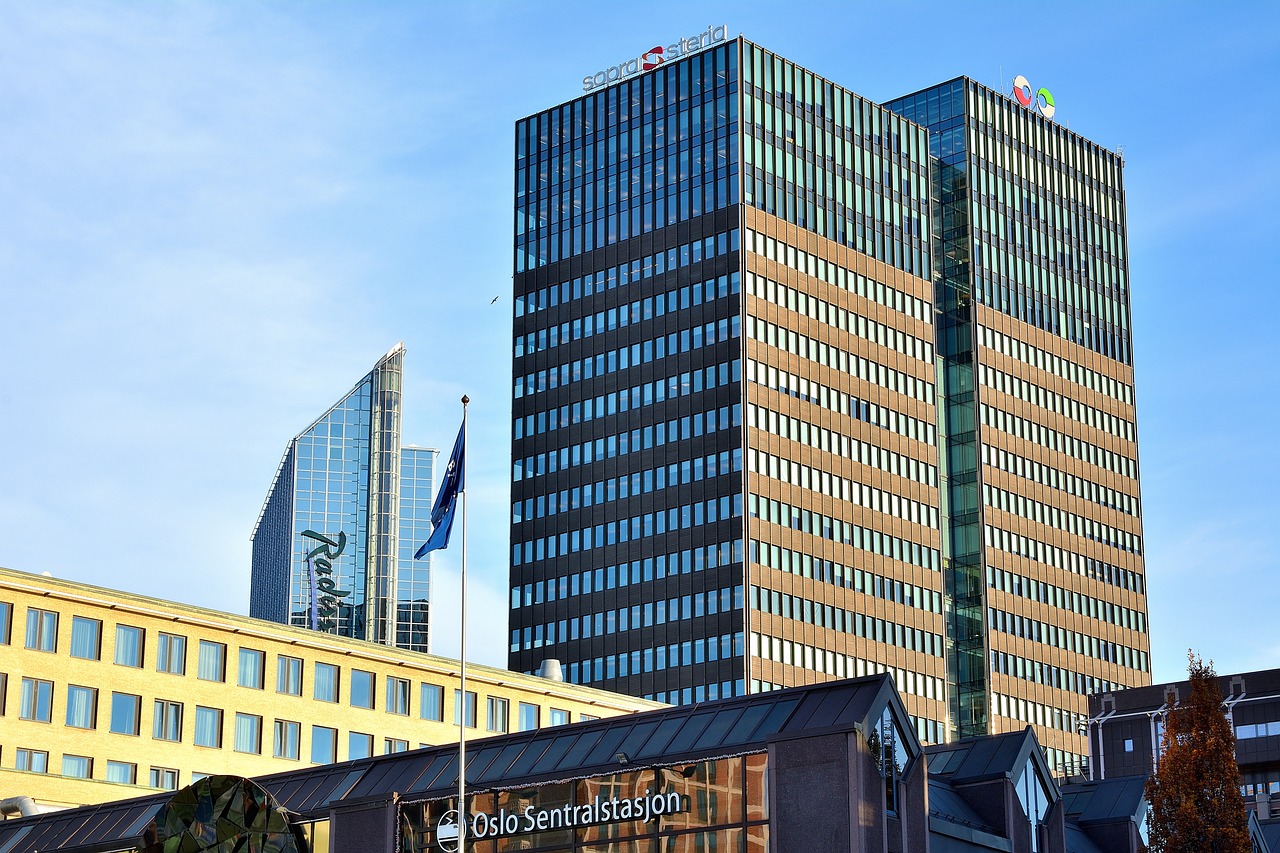
Oslo S and the surrounding Jernbanetorget area are your likely first impressions of the city. It’s a busy transport hub with shopping centers, food courts, and easy connections to everywhere.
I don’t linger here for long, but it’s where I grab quick meals on the go, pick up a local SIM, or catch regional trains. It’s also your gateway to the Opera House and Bjørvika.
- Tip: For a more local first meal, walk 10–15 minutes into Grünerløkka or up toward Youngstorget instead of eating right at the station.
16. Barcode & Bjørvika Architecture
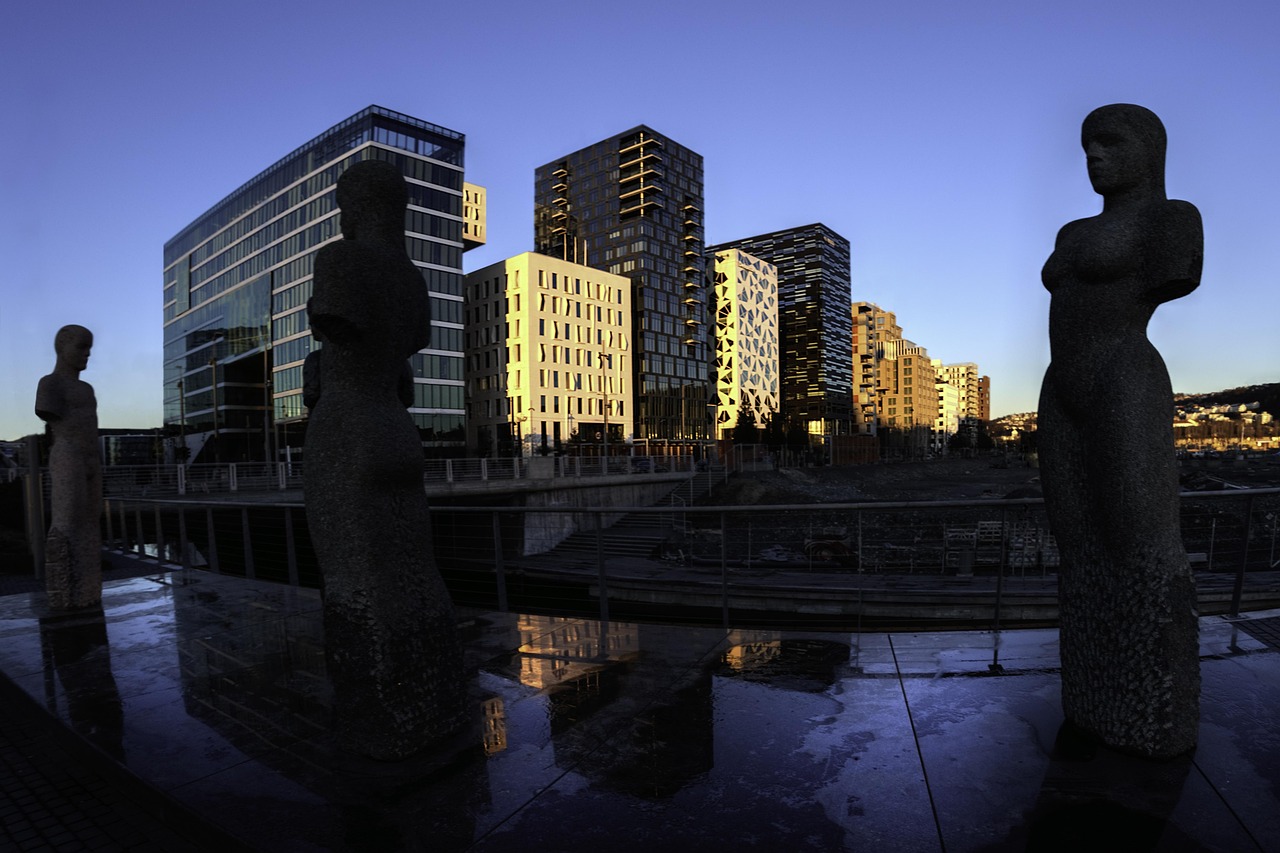
The Barcode district is a row of tall, narrow buildings with gaps between them, like barcodes. Together with Bjørvika, it’s Oslo’s most photographed modern skyline.
I like walking these streets in the late afternoon, when the glass facades catch the light. There are cafés, restaurants, and small parks tucked between the towers, and the area feels very different from the older parts of Oslo.
- Best for: Modern architecture lovers, skyline photography.
- Tip: Cross the pedestrian bridge toward Grønland for a shift in atmosphere and more diverse food options.
17. Sørenga Seawater Pool & Promenade
Sørenga is a modern residential area with one of the city’s best urban swimming spots: a seawater pool and wooden piers where locals flock on hot days.
On a July afternoon, this place feels like a beach club—families, teens, office workers on lunch break, all dipping into the fjord or sunbathing on the decks. In shoulder seasons, it’s much quieter and a nice place for a peaceful fjordside walk.
- Best for: Summer swimming, sunset views, casual dining by the water.
- Tip: The water is cold even in summer—Norwegians don’t mind, but be prepared!
18. Mathallen Food Hall & Vulkan Area
Mathallen is Oslo’s indoor food hall in the Vulkan district, right by the Akerselva. It’s one of the best places to sample different local and international foods in one go.
When friends visit, I often bring them here for lunch: we split a few small dishes, maybe some Norwegian cheeses, seafood, and a pastry, then sit at communal tables. Outside, there’s a small plaza that hosts events and markets.
- Best for: Food lovers, tasting local specialties without a formal restaurant meal.
- Tip: Prices vary by stall. Walk around once before deciding to get a sense of options and costs.
19. Nobel Peace Center
The Nobel Peace Center sits near the harbor and tells the story of the Nobel Peace Prize laureates and their work. It’s both inspiring and sobering.
The first time I went, I spent a long time in the room where all the laureates are displayed. It’s a reminder of the city’s role in global peace efforts.
- Best for: Thoughtful travelers, older kids and teens, rainy days.
- Tip: Exhibitions change regularly; check what’s on before you go.
20. Floating Saunas on the Oslofjord
One of the coolest trends in Oslo in recent years is the rise of floating saunas on the fjord. You book a slot, sit in a wood‑fired sauna with huge windows facing the water, and if you’re brave, jump in the fjord between sessions.
I tried this in February with friends. It was snowing lightly, the water was around 2°C, and we spent an hour going from roasting heat to icy plunges. We walked back through the city afterward rosy‑cheeked and euphoric.
- Best for: Couples, groups of friends, adventurous solo travelers.
- Tip: Book in advance, especially on winter evenings and weekends. Bring a swimsuit, towel, and flip‑flops.
21. Deichman Bjørvika Library
Deichman Bjørvika, Oslo’s main public library, is one of the most impressive libraries I’ve seen. It’s bright, modern, and full of cozy corners with fjord views.
I come here to work, read, or simply enjoy the architecture. Visitors are welcome, and it’s a quiet, free space in the heart of the city.
- Best for: Book lovers, digital nomads, anyone needing a peaceful break.
- Tip: Check the upper floors for some of the best indoor views in Oslo.
Oslo Neighborhoods & Areas to Explore
Each part of Oslo has its own personality. When you’re planning 3–5 days in Oslo, try to spend at least a few hours in each of these areas to get a feel for the city’s diversity.
- Sentrum (City Center): Karl Johans gate, the Royal Palace, National Theater, main shopping streets. Busy, central, convenient.
- Bjørvika & Barcode: Modern waterfront, Opera House, MUNCH, Deichman library. Sleek and architectural.
- Aker Brygge & Tjuvholmen: Dining, nightlife, contemporary art, fjord views. Polished and upscale.
- Grünerløkka: Creative, youthful, lots of cafés and bars, street art, independent shops. Bohemian vibe.
- Frogner & Majorstuen: Elegant residential streets, Vigeland Park, boutique shopping.
- Grønland & Tøyen: More multicultural, with great international food, markets, and a slightly grittier feel. Tøyen also has the Botanical Garden and Munch’s old museum site.
- St. Hanshaugen: Hilly, residential, park‑centric, with cozy cafés and a neighborhood feel.
- Bygdøy: Leafy peninsula with museums and beaches.
Local Food & Drink in Oslo
Norwegian cuisine is often described as simple and ingredient‑driven: fresh seafood, game, root vegetables, berries, and baked goods. In Oslo, classic flavors meet modern Nordic creativity.
What to Eat in Oslo
- Fresh seafood: Salmon, cod, shrimp, and mussels. Try fish soup (fiskesuppe) or open sandwiches with shrimp.
- Smørbrød: Open‑faced sandwiches with various toppings; a lunch staple.
- Waffles & brunost: Heart‑shaped waffles with brown goat cheese and jam—quintessentially Norwegian.
- Kanelbolle: Cinnamon buns; I rarely go a week without one.
- Raspeballer / komle: Potato dumplings, more common on the west coast but sometimes found here.
- Game meats: Reindeer, moose, and lamb feature in traditional and modern dishes.
Where to Eat (Personal Favorites)
- Mathallen Food Hall (Vulkan): Great for sampling different foods and local products in one place.
- Seafood restaurants at Aker Brygge: Not the cheapest, but views are fantastic; good for a splurge meal.
- Bakeries: Chains like W.B. Samson and Godt Brød plus independent spots in Grünerløkka and St. Hanshaugen. Perfect for budget‑friendly breakfasts and lunches.
- Grønland & Tøyen: Excellent, affordable international food—Pakistani, Turkish, Ethiopian, and more.
Drinks
- Coffee: Norway is one of the world’s top coffee‑consuming nations; quality is high. Try local roasteries in Grünerløkka.
- Beer: Craft beer bars abound, but note that alcohol is heavily taxed; prices are higher than many visitors expect.
- Akevitt (Aquavit): Traditional spirit flavored with caraway and other herbs; worth trying in a bar or restaurant.
Money‑Saving Food Tips
- Use supermarkets like Rema 1000, Kiwi, and Coop for snacks, drinks, and picnic supplies.
- Look for lunsjtilbud (lunch deals) at restaurants—often cheaper than dinner.
- Consider booking accommodation with a kitchenette; cooking some meals saves a lot over 3–5 days in Oslo.
Nightlife, Entertainment & Cultural Experiences in Oslo
Oslo’s nightlife and cultural scene may not be as overwhelming as London’s or Berlin’s, but there’s plenty to do in the evenings.
Nightlife & Bars
- Grünerløkka: Casual bars, craft beer, and cocktail spots. Good for bar hopping and people‑watching.
- Youngstorget & Torggata: Central, lively area with music venues, bars, and late‑night spots.
- Aker Brygge/Tjuvholmen: More upscale bars with fjord views, perfect for a romantic drink.
Culture & Performing Arts
- Opera & Ballet: Check the schedule at the Oslo Opera House for opera, ballet, and concerts.
- Concerts: Oslo Spektrum and smaller venues host everything from international acts to local bands.
- Theaters: Many performances are in Norwegian, but some venues offer English‑friendly shows, especially stand‑up and music.
Family‑Friendly Evenings
- Evening strolls along the waterfront in summer.
- Ice skating rinks in winter (often near Spikersuppa, off Karl Johans gate).
- Early dinners—Norwegian families often eat around 17:00–18:00, so restaurants are used to kids in the early evening.
Day Trips from Oslo
If you have 4 or 5 days in Oslo, a day trip adds variety and shows you more of eastern Norway’s landscapes.
- Drøbak: Charming harbor town about an hour south by bus, with wooden houses, galleries, and an old fortress. Great in summer.
- Fredrikstad Old Town (Gamlebyen): Train plus a short bus/boat ride gets you to one of Scandinavia’s best‑preserved fortified towns.
- Drammen & Spiralen: Take the train (~35 minutes), then head up the helical Spiralen tunnel road (bus or taxi) for views and forest walks.
- Oslofjord Island Hopping: In summer, simply riding the ferries between islands—Hovedøya, Lindøya, Gressholmen—feels like a mini‑cruise.
Local Customs & Cultural Etiquette in Oslo
Norwegians can seem reserved at first, but they’re generally kind, considerate, and happy to help if asked. Understanding a few local customs will make your trip smoother.
- Personal space: People value it. On public transport, don’t sit right next to someone if other seats are free.
- Quiet on transport: Buses, trams, and trains are relatively quiet; keep phone calls and voices low.
- Queuing: Norwegians queue politely; no cutting in line.
- Shoes off: If you visit someone’s home, remove your shoes at the entrance unless told otherwise.
- Alcohol: Public drunkenness is frowned upon, though you’ll see it on weekend nights. Drinking in public spaces is technically restricted; rules are sometimes relaxed at events but don’t assume.
- “Du” vs “De”: Norwegian uses informal “du” almost universally; don’t worry about formal address.
- Tipping: Not mandatory but appreciated: 5–10% in restaurants if service was good; round up for taxis.
- Nature respect: Norwegians take care of their outdoors. Don’t litter, stick to paths where requested, and respect wildlife.
Practical Travel Advice for Oslo
Getting Around
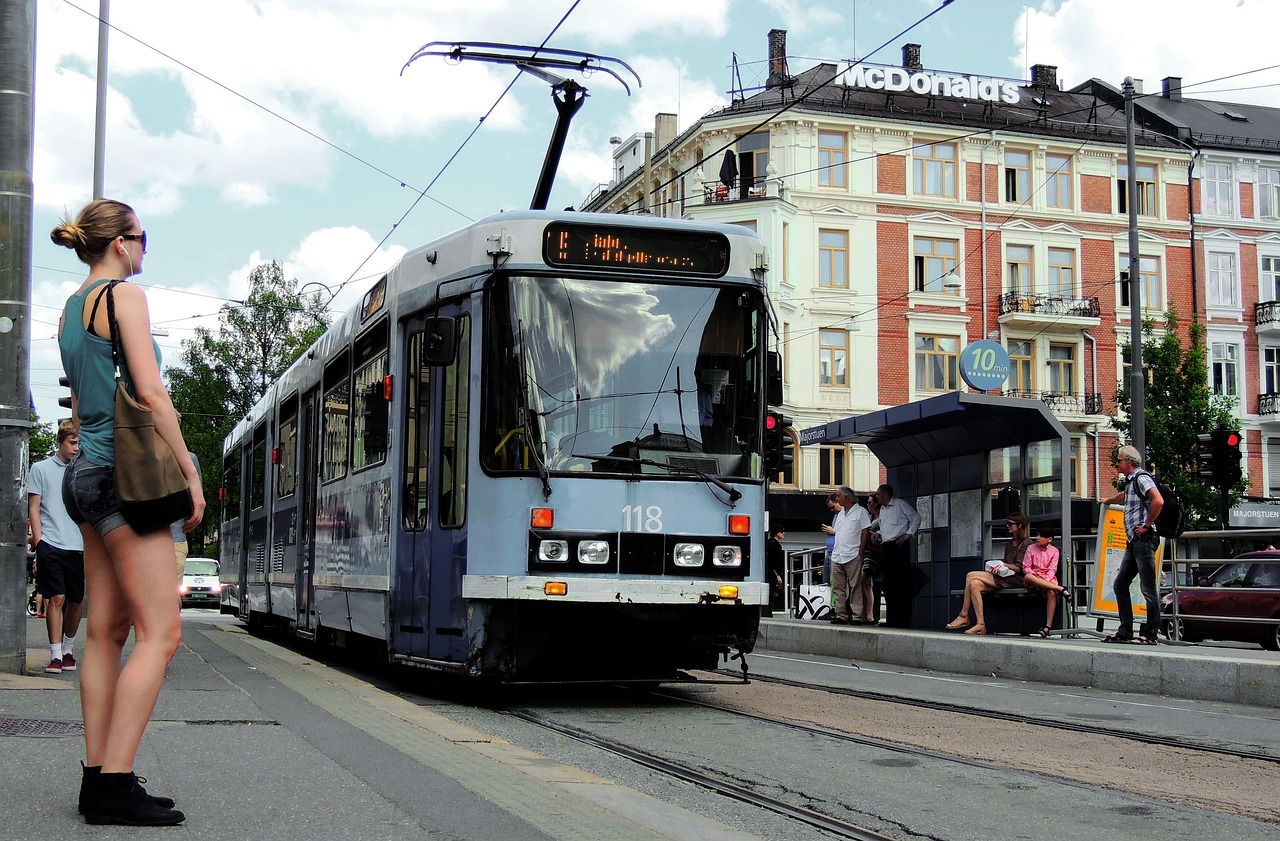
- Public transport: Efficient network of trams, buses, metro (T‑bane), and ferries, all run by Ruter.
- Tickets: Buy via the Ruter app, at ticket machines, or some kiosks. Validate before travel if required.
- Oslo Pass: Great value if you plan to visit multiple attractions. Includes free public transport and many museums.
- Walking & biking: The central area is very walkable; city bikes are available seasonally.
- Car rental: Unnecessary for staying in the city and can be a hassle with parking fees. Consider only for specific day trips beyond the rail network.
- Driving & foreign licenses: Most foreign driver’s licenses are accepted for visitors; check if yours needs an international permit. Norwegians drive on the right; speed limits are strictly enforced.
Money & Costs
- Cards: Almost universally accepted; many places are cashless.
- ATMs: Available but you may not need cash at all.
- Saving money: Use supermarkets, cook some meals, get an Oslo Pass, and walk or use public transport rather than taxis.
SIM Cards & Connectivity
- Local SIMs: Available from Telenor, Telia, and others at convenience stores and electronics shops. EU roaming rules may make this unnecessary for EU visitors.
- eSIMs: Many global eSIM providers cover Norway; handy if your phone supports it.
- Wi‑Fi: Widely available in hotels, cafés, and public buildings like Deichman library.
Visas & Entry
- Schengen Area: Norway is part of Schengen. Many nationalities can enter visa‑free for short stays (typically up to 90 days in 180).
- Check requirements: Always confirm current visa and entry rules from official sources before travel; they can change.
- Passport validity: Usually needs to be valid for at least 3 months beyond planned departure and issued within the last 10 years for many travelers.
Health & Safety
- Safety: Oslo is generally safe. Usual city precautions apply—keep an eye on belongings in busy areas.
- Emergency number: 112 for police, 113 for medical emergencies.
- Water: Tap water is excellent; no need to buy bottled.
Hidden Tips from a Local
- Free viewpoints: Holmenkollen (outside areas), Ekebergparken, and parts of the Akerselva river path offer great city views at no cost.
- Seasonal clothes: Oslo weather changes fast. Always bring layers and a waterproof jacket outside high summer.
- Plan Sundays: Many shops close or have limited hours on Sundays. Plan museums, nature, or eating out that day instead of shopping.
When to Visit Oslo & What Each Season Offers
There’s no single “best” time to visit Oslo; it depends on what you want to do.
- Summer (June–August): Long days, outdoor cafés, fjord swimming, island hopping, festivals. Perfect for 3–5 days in Oslo focused on outdoor life.
- Autumn (September–October): Colorful foliage, crisp air, fewer crowds, great for hikes and photography.
- Winter (November–March): Short days, potential snow, cozy cafés, Christmas markets, skiing in Oslo Marka and at resorts nearby. Ideal for sauna + fjord dips and Holmenkollen visits.
- Spring (April–May): Blossoms, gradually warming weather, fewer tourists. A lovely shoulder season with better prices.
For first‑time visitors planning a 3 day itinerary for Oslo with maximum variety, I often recommend late May to early July or early September: good weather, lots of activities, but not the absolute peak tourist crush.
Major Events & Festivals in Oslo (2026–2027)
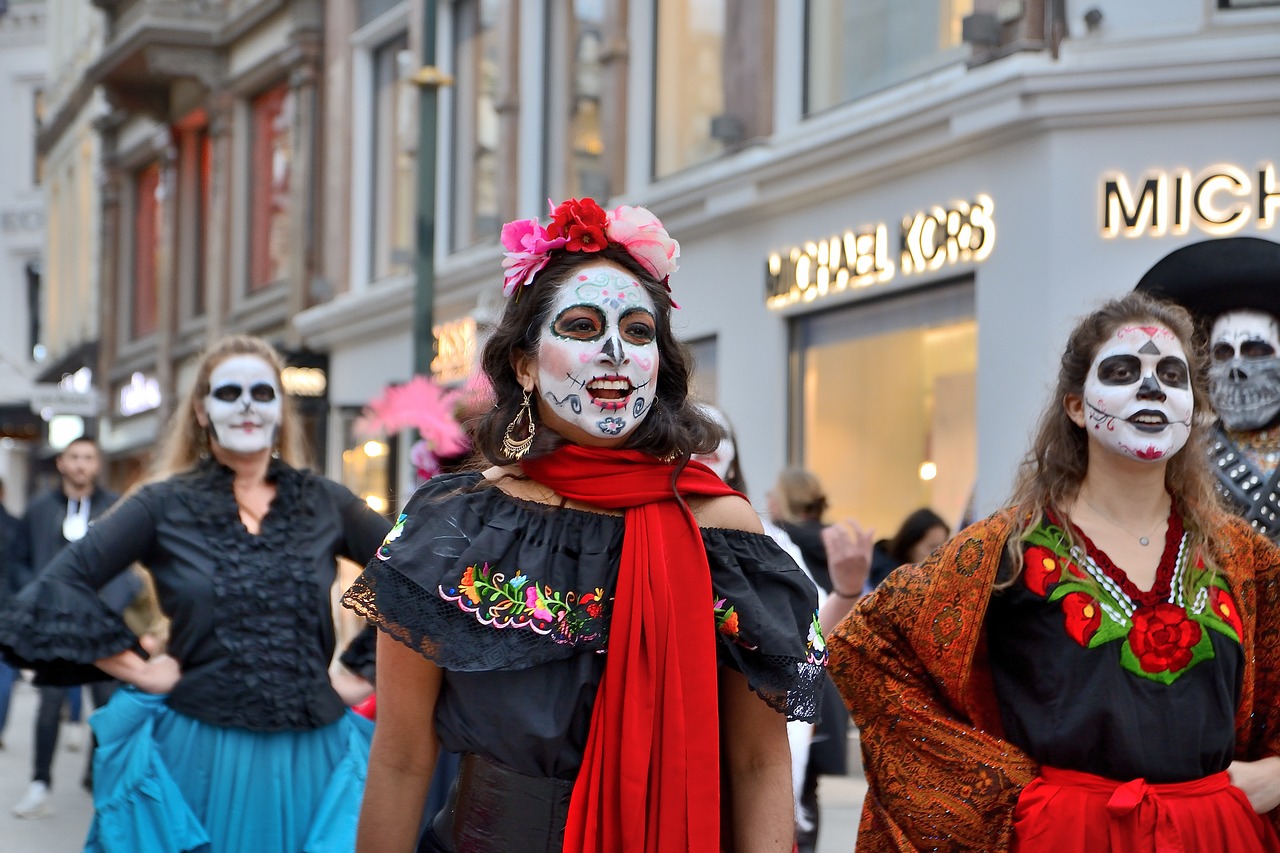
Oslo’s events calendar is busy, especially in summer. Dates and lineups change yearly, so always verify closer to your trip, but these are some recurring highlights expected in 2026–2027:
- Oslo Jazz Festival (August): Long‑running festival with concerts across the city.
- Øya Festival (August): Major music festival in Tøyenparken with international and local acts.
- Oslo Pride (June): Colorful parades, concerts, and events celebrating LGBTQ+ communities.
- Oslo Runway (Fashion Week, February & August): Showcases Norwegian and Nordic fashion designers.
- Christmas Markets (late November–December): Markets around the city center, especially near the National Theater and City Hall, plus ice skating.
- Nobel Peace Prize Ceremony (December 10): While the ceremony is invite‑only, the atmosphere around the Nobel Peace Center and City Hall is special.
In 2026–2027, continued development along the waterfront and in eastern districts means new venues, restaurants, and cultural spaces keep appearing—Oslo is changing quickly, in a good way.
Summary & Final Recommendations
Oslo is a city of balance: water and forest, tradition and innovation, quiet corners and buzzing festivals. Whether you spend 3 days in Oslo racing between the must‑see attractions, or 5 days in Oslo lingering over coffee in Grünerløkka and hiking in the surrounding forests, you’ll get a taste of the Norwegian way of life—grounded, outdoorsy, and quietly confident.
- For 3 days in Oslo: Focus on the Opera House and waterfront, Vigeland Park, Holmenkollen, and at least one big museum day (Bygdøy or MUNCH + National Museum).
- For 4 days in Oslo: Add neighborhood time along the Akerselva and in Grünerløkka, or a half‑day forest escape.
- For 5 days in Oslo: Include a day trip (Drøbak, Fredrikstad, or island hopping) and revisit a favorite spot at a different time of day.
- Best seasons: Late spring to early autumn for outdoor life; December for Christmas coziness; winter for skiing and saunas.
If you come with a bit of curiosity, a flexible rain jacket, and a willingness to pay slightly more for coffee than you might at home, Oslo will reward you with big skies, clean air, and a calm energy that’s hard to forget. And who knows—maybe you’ll find yourself, like I did, planning your next visit before you’ve even left.