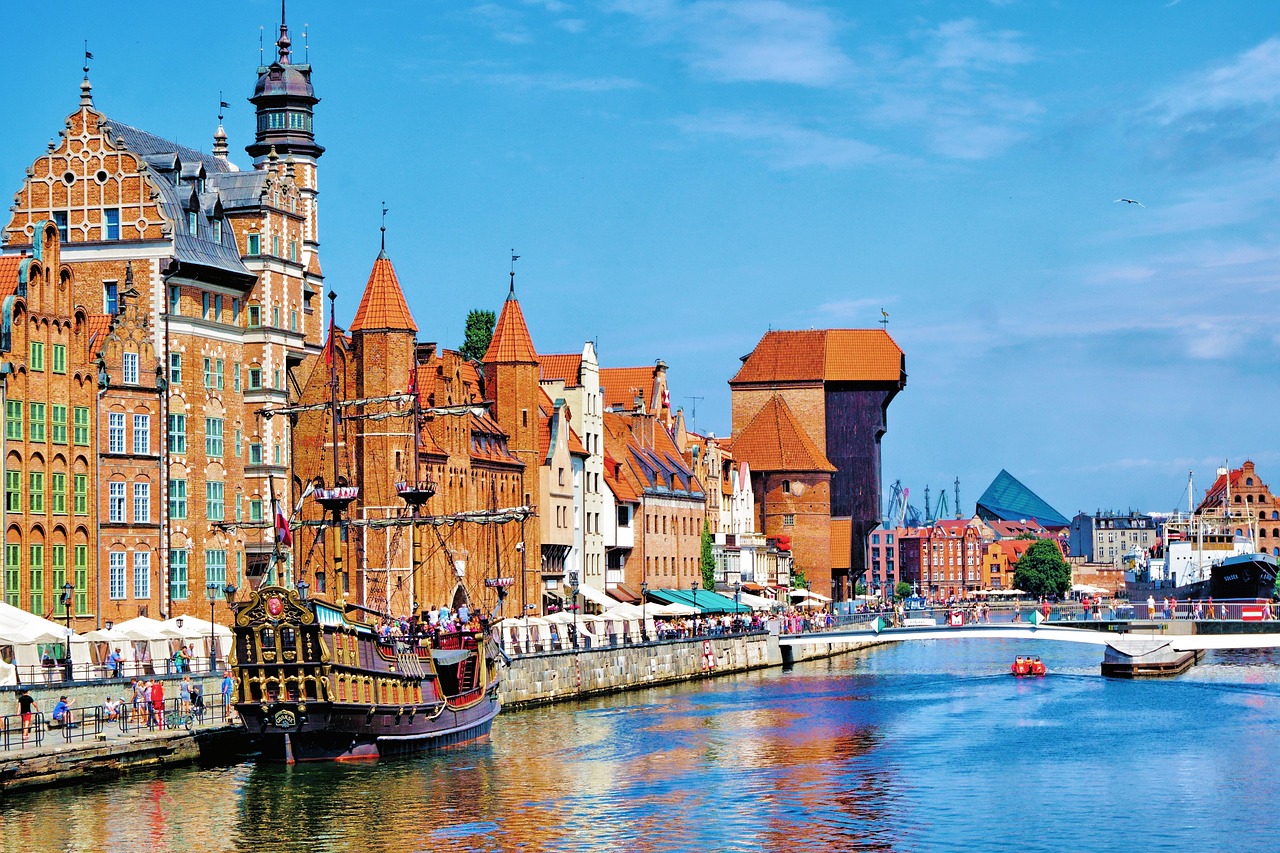
Why Visit Gdańsk in 2026?
I’ve been living between Gdańsk and the nearby seaside towns for over a decade, and I still get goosebumps every time I walk down Długi Targ at sunset. The smell of the Baltic, the sound of café chatter in Polish, English, German and Scandinavian languages, and the golden façades of rebuilt Hanseatic townhouses glowing in the evening light – it never gets old.
Gdańsk is one of those cities that surprises people. Many arrive expecting a gray, industrial port and instead find a colorful, elegant, slightly quirky maritime city with centuries of layered history: Teutonic Knights, Hanseatic merchants, Polish kings, Prussian administrators, Free City politics, and the birthplace of Solidarity and the fall of communism in Eastern Europe.
In 2026, Gdańsk is especially exciting: the city is maturing into a creative, tech and culture hub, while still being very affordable by European standards. You can spend your mornings exploring Gothic churches and amber boutiques, your afternoons cycling to the beach in Brzeźno or Stogi, and your evenings sipping craft beer in the shipyard among rusting cranes and street art.
Whether you’re planning 3 days in Gdańsk or a full 5 day itinerary for Gdańsk, this guide is written like I’d plan a trip for close friends: honest tips, real prices, and the kind of details you only pick up after many visits (and a few mistakes).
Table of Contents
- Why Visit Gdańsk
- Suggested 3–5 Day Itineraries
- Top 20+ Must-See Attractions in Gdańsk
- Best Neighborhoods & Areas to Explore
- Local Food in Gdańsk & Where to Eat
- Nightlife, Entertainment & Cultural Experiences
- Best Day Trips from Gdańsk
- Cultural Etiquette & Local Customs
- Practical Travel Tips for Gdańsk (2026–2027)
- Summary & Best Time to Visit Gdańsk
Suggested 3–5 Day Itineraries for Gdańsk
These itineraries work whether you have 3 days in Gdańsk, 4 days in Gdańsk, or a full 5 days in Gdańsk. I’ll describe a 5-day trip from my own perspective, but you can easily trim it to a 3 day itinerary for Gdańsk by focusing on Days 1–3, or a 4 day itinerary for Gdańsk by adding Day 4.
Day 1 – Classic Old Town & Riverside Magic
Your first day is all about the postcard-perfect Gdańsk you’ve probably seen on Instagram: colorful façades, cobbled streets, amber shops, and that famous crane on the Motława River.
Morning: Długa Street & Długi Targ (Long Market)
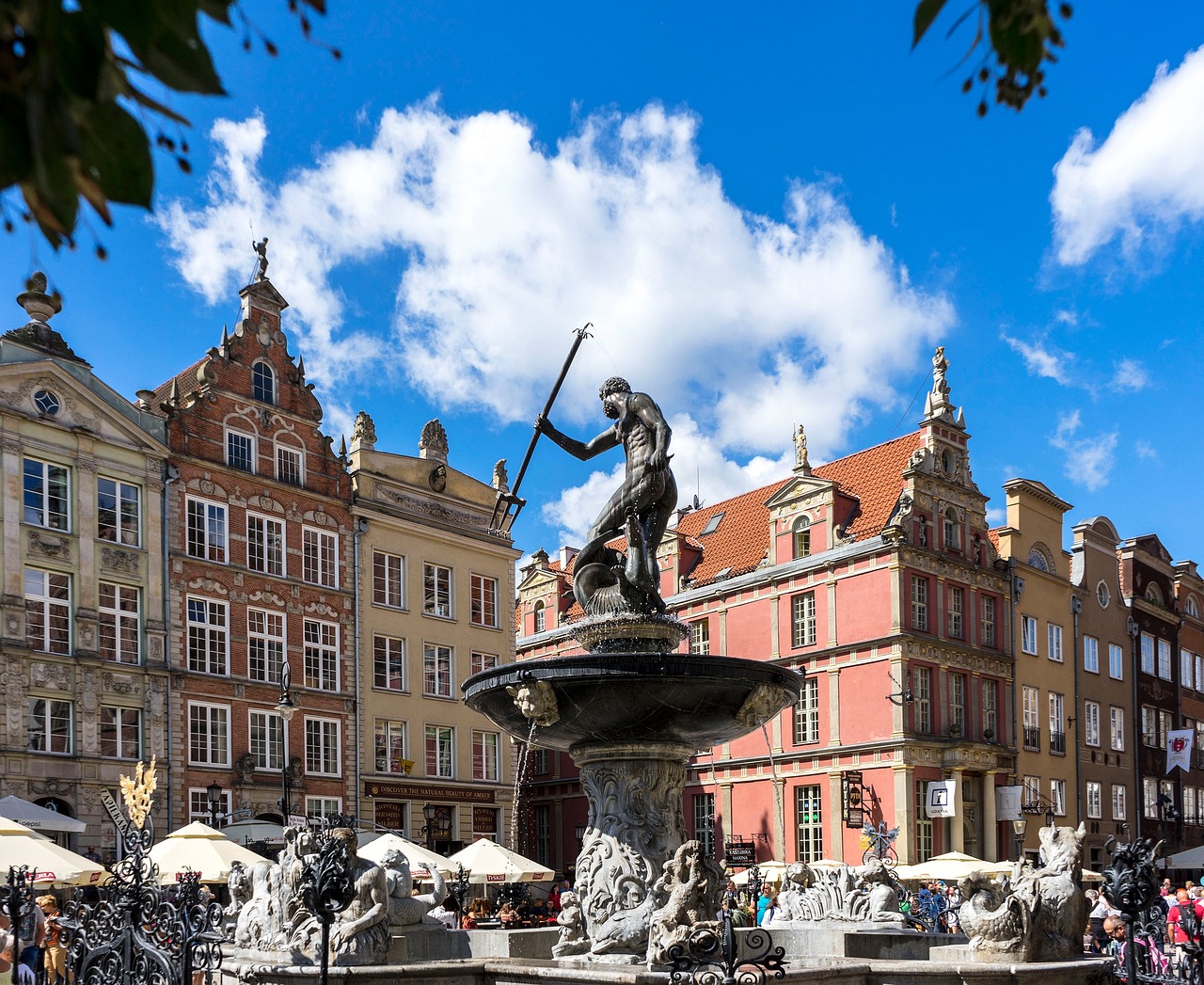
Whenever friends arrive in Gdańsk, I take them to Długa Street first – not because it’s a hidden gem (it’s not), but because it’s the perfect orientation. I like starting around Brama Wyżynna (Upland Gate) and walking slowly toward the river.
Look up as you walk. The ornate façades are mostly post-war reconstructions, but they’re based on detailed paintings and photographs from before WWII. Imagine the 17th-century merchants who lived here, trading grain, timber, and amber across the Baltic.
- Neptune Fountain: The heart of Długi Targ. I often grab a takeaway coffee from one of the cafés on the side streets and sit on the fountain’s edge for a few minutes to soak it in.
- Artus Court (Dwór Artusa): Step inside if you’re into history and interiors; this was the meeting place of wealthy merchants. The woodwork and fireplace are stunning.
- Golden House (Złota Kamienica): One of the most ornate façades; pause for photos.
Tip: In summer, come early (before 9:00) for soft light and fewer crowds. In winter, the street is magical at dusk with Christmas lights and hot mulled wine stands.
Midday: St. Mary’s Basilica & Mariacka Street
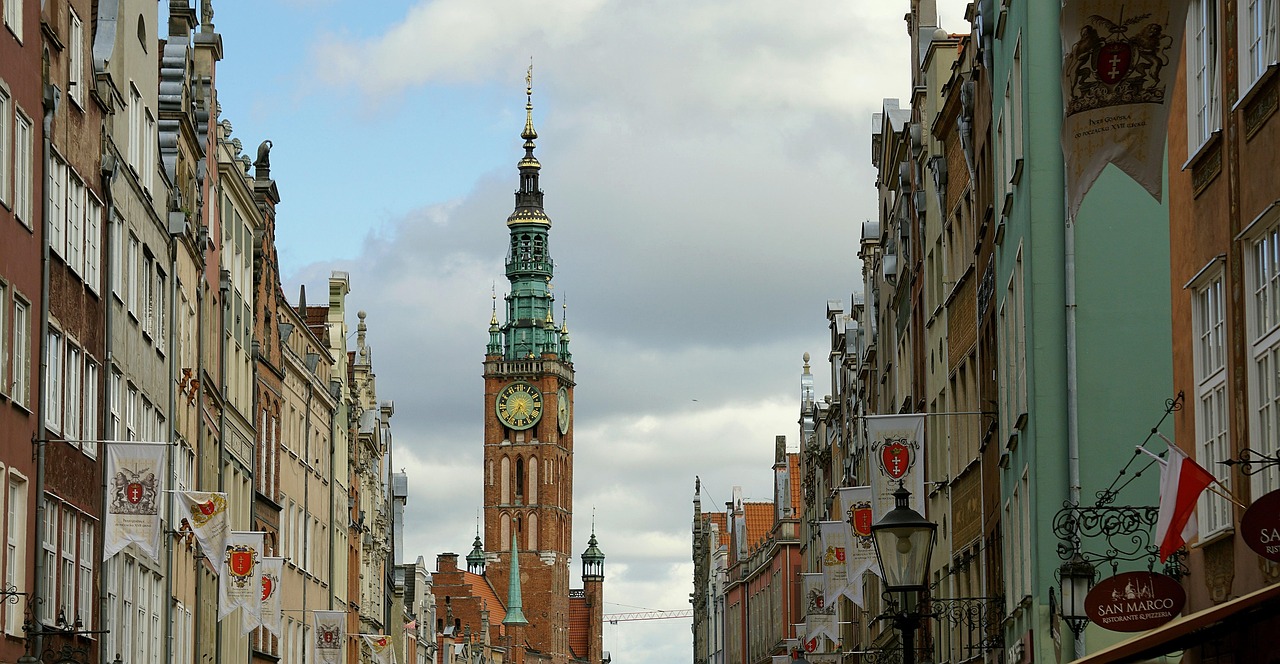
From Neptune Fountain, slip into one of the narrow lanes to reach St. Mary’s Basilica (Bazylika Mariacka), one of the largest brick churches in the world. I still remember my first time climbing the tower on a misty March afternoon – when I emerged at the top, the fog lifted just enough to reveal the red-tiled rooftops and cranes on the horizon.
- Inside the church: It’s vast but surprisingly minimalist. Don’t miss the medieval astronomical clock.
- Climb the tower: The stairs are steep and narrow (not ideal if you’re claustrophobic), but the panoramic view is worth the effort. Bring a light jacket – it’s windy at the top, even in summer.
Afterward, walk down ulica Mariacka, arguably the prettiest street in Gdańsk. The raised terraces, stone gargoyles, and amber shops feel like a movie set.
This is my go-to street for buying amber gifts. Most shops are touristy but quality varies; look for smaller boutiques where the owner is also the jeweler. Ask whether the amber is Baltic and whether it’s treated or natural.
Lunch: Traditional Polish Flavors
For your first Gdańsk lunch, I recommend something hearty and local:
- Pierogarnia Mandu (a bit of a walk or short tram ride): My favorite pierogi in the city – try the “ruskie” (potato and cheese) and one sweet option for dessert.
- Restauracja Gvara near the Old Town: Good Polish classics in a cozy setting.
Money-saving tip: Look for “zestaw dnia” (set lunch menu) between 12:00–16:00. You can get soup + main for much less than à la carte.
Afternoon: Motława Riverfront & The Crane
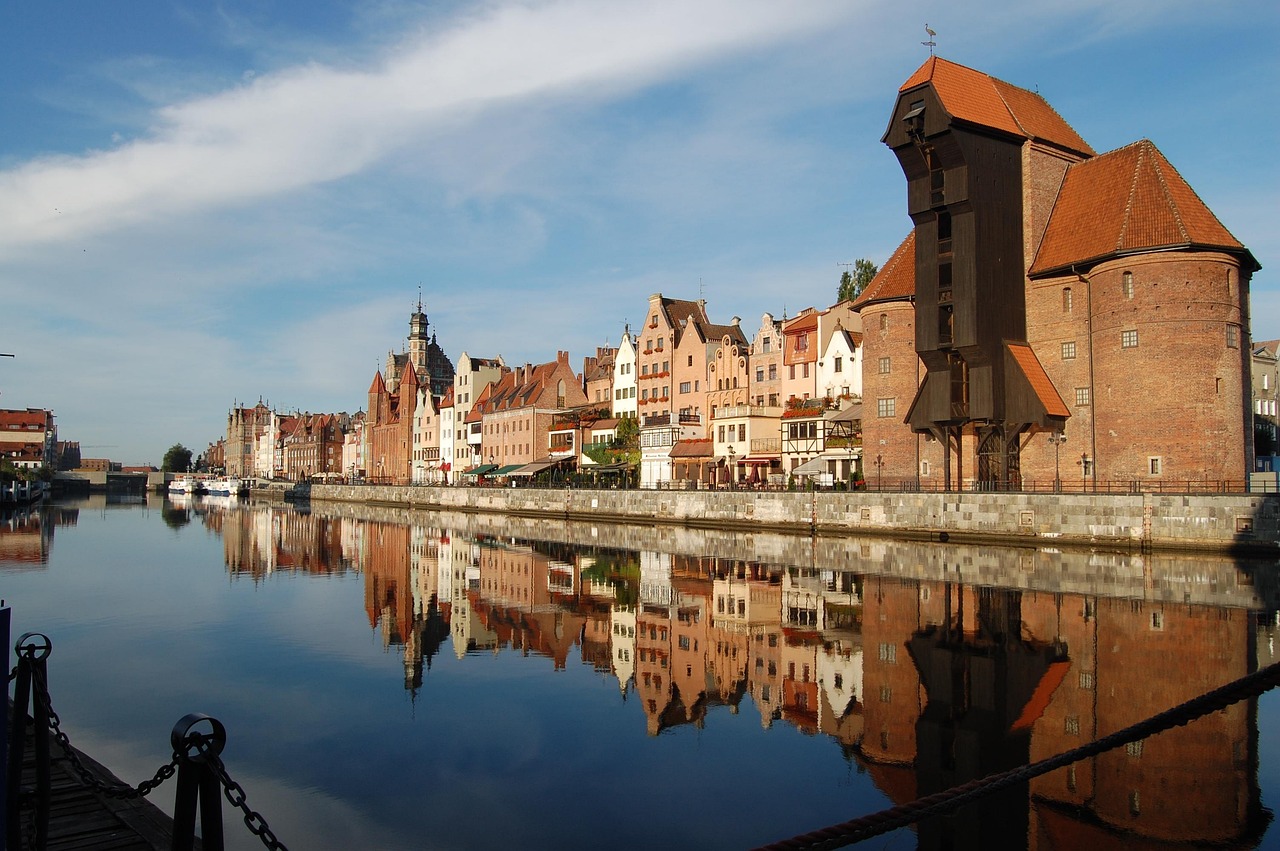
Walk down to the river via Green Gate (Brama Zielona). The first time I saw the Motława waterfront at golden hour, with reflections of colorful houses in the water, I understood why so many people fall in love with this city.
- Zuraw (The Crane): This medieval port crane is Gdańsk’s icon. You can visit inside as part of the National Maritime Museum; the wooden structure and old lifting mechanisms are fascinating if you like maritime history.
- Embankment stroll: Cross one of the pedestrian bridges to the Granary Island (Wyspa Spichrzów) for skyline photos back toward the Old Town.
- Motława boat tour: In warmer months, short cruises run regularly – nice for families and a relaxed way to see the shipyards.
Evening: Dinner & Night Stroll
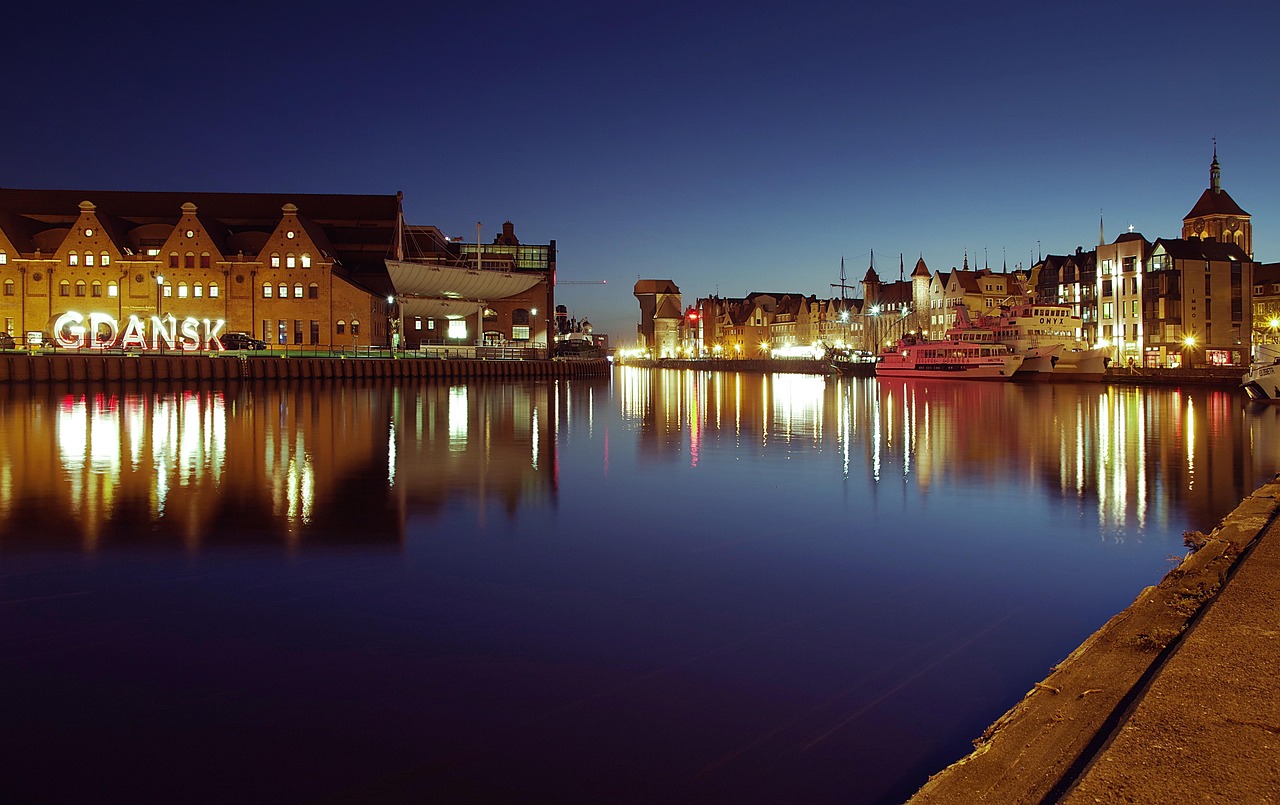
As night falls, the waterfront lights reflect on the river. For dinner:
- Goldwasser: Classic Polish dishes in a historic building overlooking the water. Slightly pricier but good for a first-night treat.
- Pod Łososiem: Traditional fare and famous for its Goldwasser liqueur.
After dinner, walk back along Długi Targ – it’s beautiful at night, and you’ll often find street musicians near Neptune’s Fountain. If you’re jet-lagged, this gentle stroll is the perfect way to reset.
Day 2 – WWII History, Solidarity & Shipyard Vibes
Day 2 is heavier in terms of history but incredibly important if you want to understand Gdańsk and Poland. I still remember walking out of the WWII Museum on a gray November afternoon in 2018, emotionally drained but deeply moved.
Morning: Museum of the Second World War
The Muzeum II Wojny Światowej is one of the most powerful museums I’ve ever visited. The architecture alone – a slanted red wedge rising from the earth – sets the tone.
- Time needed: Minimum 3 hours; I usually spend around 4–5 with breaks.
- What to expect: Immersive exhibits, personal stories, multimedia; it goes far beyond Poland’s story to cover the global conflict.
- Tips: Arrive at opening time, book tickets in advance in high season, and bring tissues – many sections are emotionally intense.
Lunch: Quick & Local
After the museum, I usually grab something simple nearby:
- Bar Mleczny (Milk Bar): Look up nearby milk bars for cheap, homestyle Polish food – perfect for budget travelers and a local experience.
- Food trucks: In summer, there are often food trucks or casual spots within a 10–15 minute walk.
Afternoon: European Solidarity Centre & Gdańsk Shipyards
Next, head to the European Solidarity Centre (Europejskie Centrum Solidarności, ECS). The rust-colored building, designed to resemble a ship hull, stands at the edge of the historic shipyards where the Solidarity movement began, eventually helping to topple communist rule.
- Inside: Interactive exhibits about Lech Wałęsa, worker strikes, and life under communism. It’s surprisingly engaging even for kids thanks to multimedia and interactive displays.
- Rooftop terrace: Don’t miss the rooftop garden for an unusual city and shipyard view.
After ECS, walk through the nearby Shipyard area, especially the revitalized sections filled with street art and creative spaces.
This is one of my favorite parts of Gdańsk. The hulking cranes, murals, and repurposed warehouses give off a Berlin-meets-Baltic vibe. In summer, pop-up bars and events often appear here.
Evening: Alternative Nightlife & Craft Beer
For a laid-back evening:
- Pub Browar Piwna: Microbrewery in the Old Town – good selection and hearty food.
- Laznia area or 100cznia (if open in 2026): Seasonal open-air bars and cultural spaces in the shipyard, very popular with locals.
This day is perfect for couples or groups of friends; families with older kids also tend to enjoy the mix of history and urban exploration.
Day 3 – Beaches, Parks & Baltic Breeze
By day three, you’ll probably be craving some nature and sea air. One of Gdańsk’s biggest advantages is its easy access to wide sandy beaches and leafy parks.
Morning: Brzeźno or Stogi Beach
On summer weekends I bike to Brzeźno Beach early, grab a coffee at a beach bar, and walk along the pier. It’s a classic local routine.
- Brzeźno: Family-friendly, with a long promenade, playgrounds, and a wooden pier.
- Stogi: Slightly wilder feel, backed by dunes and pine forests; great if you want fewer crowds.
- How to get there: Tram lines run from the center; tickets are cheap and easy to buy from machines or via app.
Lunch: Beachside Eats
Beach bars and kiosks offer fried fish (ryba smażona) with fries, ice cream, waffles, and beer. It’s not haute cuisine, but there’s something perfect about eating fresh fish with your feet in the sand.
Afternoon: Westerplatte Peninsula
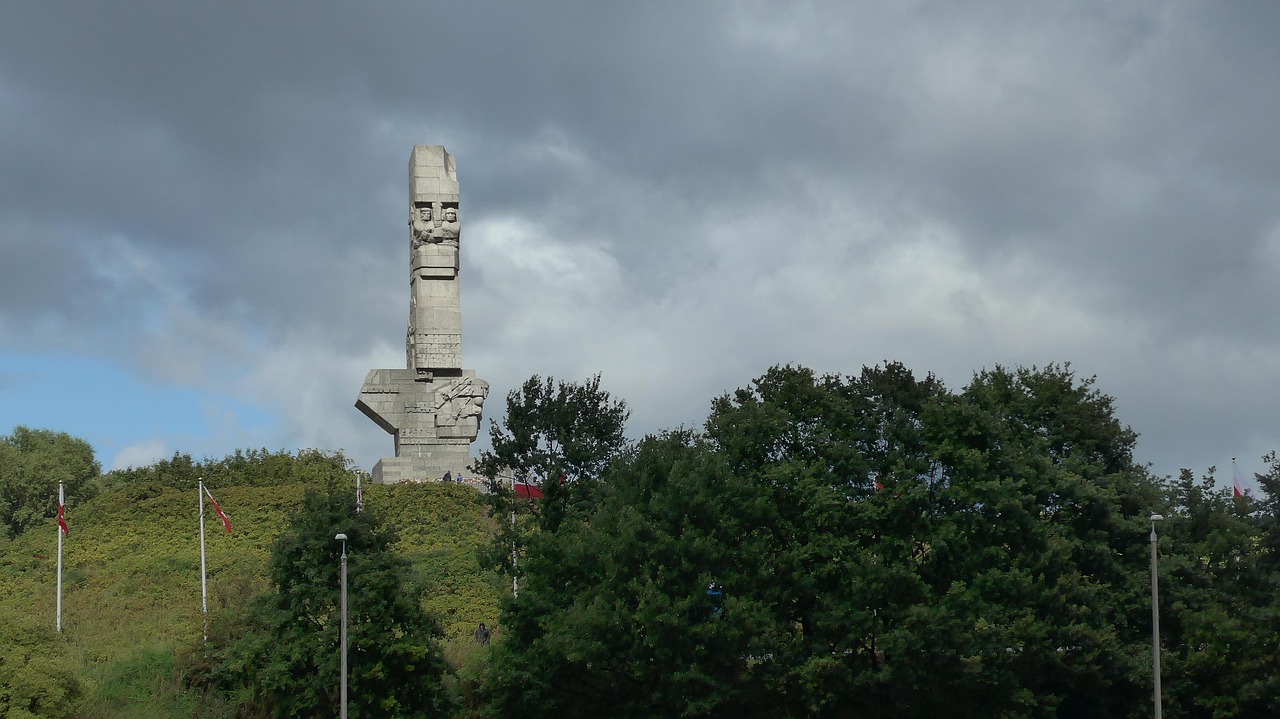
From the harbor area, you can take a boat to Westerplatte, where the first shots of WWII were fired. I’ve visited in all seasons; on a windy October day with gray waves crashing, the place feels particularly poignant.
- Monument & ruins: Walk the paths between old bunkers, memorials, and the large stone monument.
- Boat vs bus: The boat is more scenic (and a fun family outing), bus is cheaper and quicker.
Evening: Back to Town or Beach Sunset
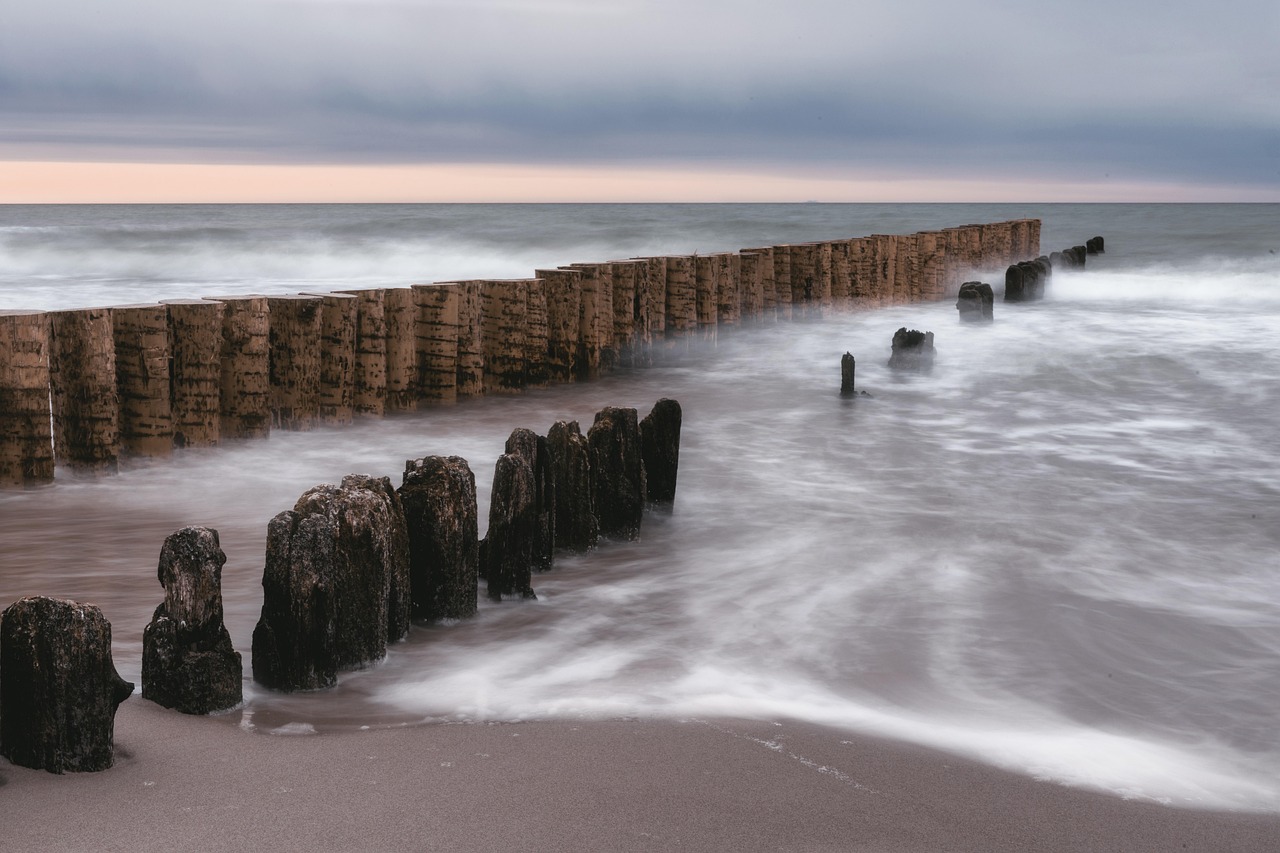
If the weather is good, stay on the beach for sunset. The sun sets over the Baltic in beautiful shades of orange and pink. In cooler months, head back into town for a cozy dinner (try a restaurant with a fireplace in winter).
Day 4 – Oliwa, Wrzeszcz & Everyday Gdańsk
If you’re planning a 4 day itinerary for Gdańsk, this is the day that makes you feel less like a tourist and more like a temporary local. Oliwa and Wrzeszcz are residential, green, and full of character.
Morning: Oliwa Park & Cathedral
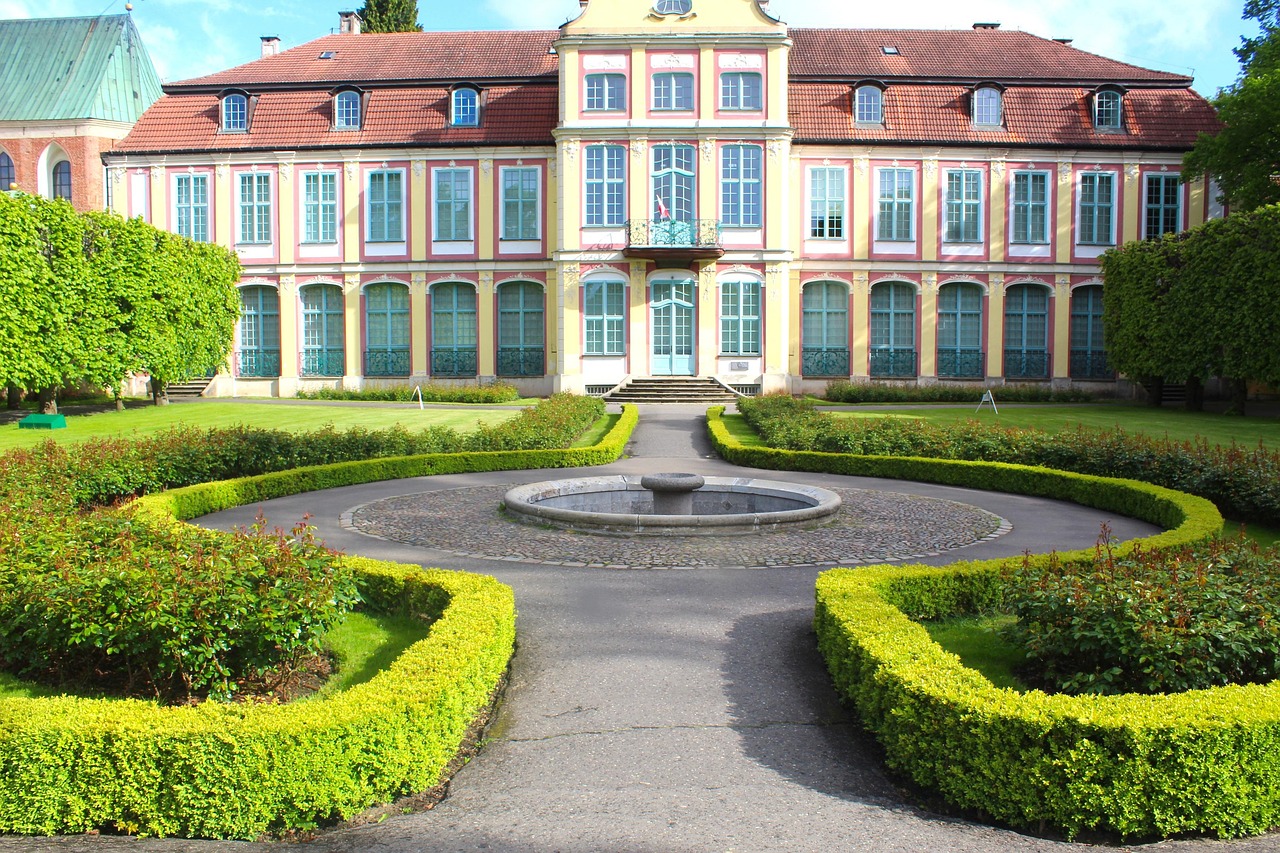
Oliwa Park is my refuge when the Old Town feels too busy. Formal gardens, ponds with ducks, tree-lined paths – it’s easy to spend a lazy morning wandering here.
In the middle of the park stands the Oliwa Cathedral, famous for its baroque organ. If you can, time your visit for one of the short organ concerts (check current schedules; historically they’re around midday). The sound fills the long, narrow nave in a way that gives you goosebumps.
Lunch: Local Cafés & Bakeries
Oliwa has some excellent cafés with great coffee and cakes. I like ducking into a side-street bakery for fresh pastries – try drożdżówka (Polish sweet bun) or sernik (cheesecake).
Afternoon: Wrzeszcz – Hip & Historic
Wrzeszcz (say “Vzhe-shch”) used to be a separate town and is now one of Gdańsk’s liveliest districts, home to students, creatives, and families. This is where I meet friends for coffee or craft beer more than anywhere else.
- Explore side streets with pre-war tenement houses and leafy avenues.
- Pop into local boutiques or second-hand shops – Poland’s thrift scene is great for treasure hunting.
- Stop at one of the many cafés for a mid-afternoon pick-me-up.
Evening: Local Dinner & Bars
End the day in Wrzeszcz or back in the center with a relaxed dinner. In Wrzeszcz you’ll find more locals than tourists, plus a good mix of Polish and international cuisine. If you’re into nightlife, small bars here tend to feel more authentic and less tourist-focused than in the Old Town.
Day 5 – Day Trips & Deeper Dives
With 5 days in Gdańsk, you have time for a day trip. My top choices are Malbork Castle, Sopot & Gdynia, or the Vistula Spit, depending on your interests and the season.
Option A: Malbork Castle
Malbork is one of my all-time favorite excursions. This enormous brick fortress, about an hour by train from Gdańsk, was the headquarters of the Teutonic Knights.
- Getting there: Frequent trains from Gdańsk Główny; from Malbork station it’s a 15–20 minute walk.
- Time needed: At least 4–5 hours to explore properly with audio guide.
- Tips: Bring water and snacks; the grounds are big and you’ll be on your feet a lot.
Option B: Sopot & Gdynia – The Tricity Coast
Gdańsk, Sopot, and Gdynia form the “Tricity”. A fast commuter train (SKM) links all three, making it easy to hop between them in a single day.
- Sopot: Famous wooden pier, beach, and nightlife. Great for strolling and people-watching.
- Gdynia: More modern, with a harborfront, aquarium, and clifftop walks at Orłowo.
Option C: Nature Escapes
In warm months, consider a trip to the Vistula Spit or Kashubian Lake District for hiking, kayaking, or just quiet countryside time. These require a bit more planning (car rental or longer public transport connections) but reward you with peaceful landscapes and fewer tourists.
Top 20+ Must-See Attractions in Gdańsk (With Local Insight)
Below are detailed mini-guides to the best places to visit in Gdańsk. I’ll mix history, practical info, and personal experiences. These are the core “things to do in Gdańsk” that you can plug into any 3–5 day itinerary.
1. Długa Street & Długi Targ (Long Lane & Long Market)
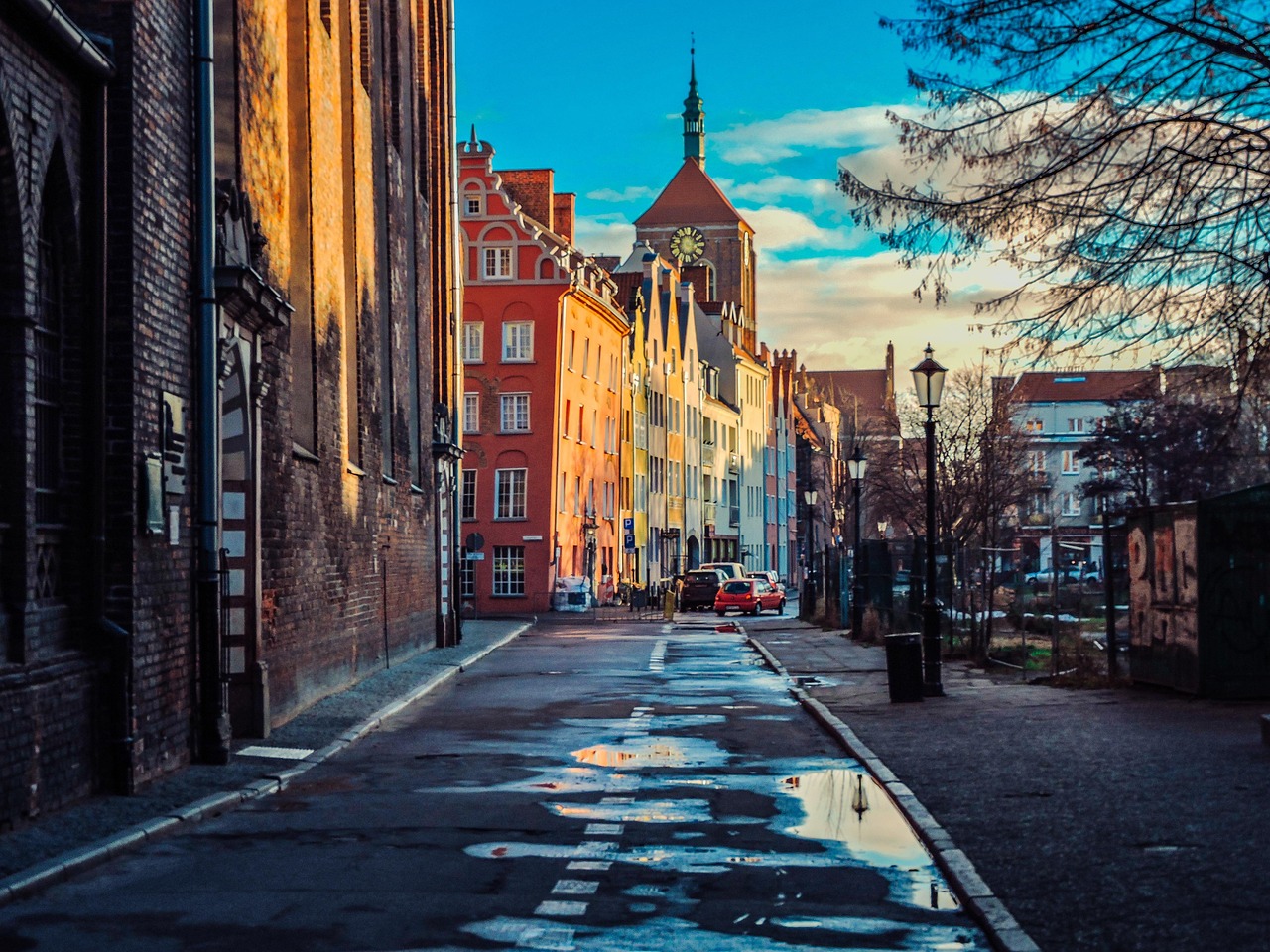
Długa and Długi Targ form the ceremonial spine of Gdańsk. Historically, this was the wealthy merchants’ quarter; today, it’s where everyone takes their first Gdańsk selfie. I’ve walked this stretch hundreds of times and still notice new details every visit – a carved figurehead here, a tiny emblem there.
Highlights: Upland Gate, Golden Gate, Town Hall tower (you can climb it seasonally for views), Neptune Fountain, Artus Court, and the Green Gate at the river end. Pop into side streets to escape the crowds and find smaller cafés.
Best time: Early morning for quiet photos, late evening for romantic strolls. In December, Christmas markets and lights make it especially atmospheric.
2. St. Mary’s Basilica (Bazylika Mariacka)
This massive brick church dominates the skyline. Inside, the white walls and tall columns create a sense of pure space. I love slipping in on a rainy afternoon; the echo of footsteps and the faint sound of organ practice are incredibly calming.
Don’t miss: The astronomical clock, the view from the tower, and the small chapels tucked along the sides. Dress modestly (no beachwear), as it’s an active place of worship.
3. Mariacka Street – Amber & Atmosphere
With its ornate tenement houses, stone terraces, and drainpipes shaped like mythical creatures, Mariacka feels almost too picturesque. It’s also amber central. I bought my first piece of amber jewelry here as a broke student – a tiny pendant that I still wear on special occasions.
Tip: Real Baltic amber is warm to the touch and light in weight. Be wary of prices that seem too good to be true; ask questions and buy from established shops.
4. The Crane (Żuraw)
The Crane is both a symbol of Gdańsk and a reminder of its maritime past. In the Middle Ages, this structure served as a harbor crane and city gate. Today it’s part of the National Maritime Museum. Inside, you can see the huge wooden wheels that dock workers walked in to lift heavy cargo.
Family tip: Kids love imagining workers inside the giant wheels. Combine with a short boat ride for a fun half-day.
5. Motława Riverfront & Granary Island
Strolling along the Motława is one of my favorite free activities in Gdańsk. The mix of historic façades and modern buildings on Granary Island, along with moored boats and floating restaurants, feels lively day and night.
Photography: Cross to Granary Island and walk along the opposite bank for the classic postcard shot of the Old Town skyline with the Crane.
6. Museum of the Second World War
As mentioned in the itinerary, this museum is a must-see. Even if you’re not a “museum person”, its storytelling, personal artifacts, and immersive sets are incredibly compelling. I recommend taking breaks in the café or stepping outside if it feels overwhelming.
7. Westerplatte
Westerplatte is both a peaceful seaside park and a site of immense historical significance. Walking among the pine trees and bunkers, it’s hard to reconcile the tranquility with the brutal fighting that took place here in 1939.
Good for: History lovers, families (open spaces for kids to run), and anyone wanting a mix of nature and contemplation.
8. European Solidarity Centre (ECS)
ECS tells the story of Solidarity and the fight against communist rule in Poland. For me, it made abstract history feel personal – my older Polish friends’ childhood stories suddenly clicked into place.
Don’t miss: The viewing terrace, Hall B with the famous “21 demands” boards, and temporary exhibitions on contemporary social movements.
9. St. Dominic’s Fair (Jarmark św. Dominika)
Every late July to mid-August, Gdańsk explodes into one of Europe’s largest street fairs. St. Dominic’s Fair dates back to the 13th century and fills the streets with stalls selling crafts, antiques, food, and more.
I try to go at least once a year: in the morning for serious browsing, and in the evening for music and food. It can be crowded, but the atmosphere is fantastic.
2026–2027 note: Expect expanded cultural programs and concerts, as the city has been investing in making the fair even more international.
10. Oliwa Park & Cathedral
We covered Oliwa earlier, but it deserves its own spot in the “must-see attractions in Gdańsk” list. The combination of manicured gardens, old trees, water channels, and the soothing organ music in the cathedral makes it a top pick for a calm half-day.
11. Brzeźno & Stogi Beaches
Baltic beaches surprise many visitors: wide, sandy, and backed by pine forests. The water is chilly even in summer, but on a hot July day the sea feels refreshing. Brzeźno is more developed; Stogi feels closer to nature.
12. Main Town Hall (Ratusz Głównego Miasta)
The Town Hall on Długi Targ is another architectural gem. The small museum inside gives a good overview of Gdańsk’s golden age. Climb the tower for a slightly different perspective than St. Mary’s – I like coming up here in late afternoon for warm light over the rooftops.
13. Gdańsk Shakespeare Theatre
This modern black-brick building hides a surprise: an Elizabethan-style theatre inside, inspired by the historical connection between Gdańsk and English theatre troupes. If you’re in town during the Shakespeare Festival (usually late July/early August), try to catch a performance – it’s one of the city’s cultural highlights.
14. Gdańsk Amber Museum
Gdańsk is the world capital of amber, so a visit to the Amber Museum makes sense. The exhibits range from prehistoric inclusions (insects trapped in amber millions of years ago) to contemporary jewelry. On a rainy day, this is one of my go-to recommendations.
15. Wrzeszcz District
Wrzeszcz, beyond being just another district, is where you really see everyday Gdańsk life. I love wandering its backstreets, grabbing coffee in independent cafés, and browsing bookstores. If you’re into literary history, this is where the writer Günter Grass grew up.
16. Żabi Kruk & Motława Backwaters
A quieter corner just a short walk from the center, Żabi Kruk has a small marina and green banks along the canal. On summer evenings, locals sit on the grass or paddle kayaks. It’s one of my favorite hidden gems in Gdańsk for a peaceful break.
17. St. John’s Centre (Centrum św. Jana)
This deconsecrated church turned cultural venue hosts concerts, exhibitions, and events. The mix of Gothic architecture and modern installations is striking. I once attended a jazz concert here – the acoustics were incredible.
18. Hevelianum Hill & Fortifications
Perched on a hill above the main station, Hevelianum combines 19th-century fortifications with interactive science exhibits. The views over Gdańsk are lovely, and it’s particularly good for families with curious kids.
19. Park Orunia
A bit off the typical tourist trail, Park Orunia has a picturesque pond, bridges, and open lawns. I come here when I want a quieter, more local-feeling park than Oliwa. Pack a picnic and enjoy a slow afternoon if the weather cooperates.
20. Alternative Shipyard Spaces (100cznia, Elektryków & More)
The post-industrial shipyard area has morphed into one of Gdańsk’s coolest nightlife and cultural zones. Old warehouses now house bars, clubs, galleries, and concert spaces. In summer, open-air venues like 100cznia (check if it’s operating in 2026) buzz with locals. It’s gritty, creative, and very photogenic.
21. Sopot & Gdynia (Tricity Highlights)
While technically separate cities, Sopot and Gdynia are so integrated with Gdańsk that they feel like extra neighborhoods. Sopot’s pier and nightlife, Gdynia’s clifftop walks and modernist architecture, and the easy SKM train connection make them easy additions to your itinerary.
Interesting Neighborhoods & Districts in Gdańsk
Old Town (Główne Miasto)
Touristy but essential. This is where most first-time visitors stay, and for good reason: you’re steps from Długi Targ, the Crane, and the Motława. At night it can be lively, but side streets remain fairly calm.
Oliwa
Green, elegant, and a bit quieter. Perfect if you want quick access to both the beach (via tram) and the center (via SKM train), but prefer calmer evenings. The park and cathedral anchor the district.
Wrzeszcz
Young, creative, and lived-in. Great for café-hopping, thrift shopping, and feeling the pulse of everyday Gdańsk. Good base if you like easy connections and slightly lower accommodation prices than Old Town.
Przymorze & Zaspa
Residential districts closer to the coast. Zaspa is known for its massive mural art on apartment blocks – a real hidden gem for street-art lovers. Przymorze has a huge park and easy access to the beach.
Stogi & Brzeźno
Closer to the port and beaches, with a more local, slightly gritty feel. Great if your priority is being near the sea rather than the Old Town.
Local Food in Gdańsk & Where to Eat
Polish cuisine in Gdańsk is hearty, comforting, and influenced by the sea. Here are must-try dishes and drinks, plus some personal restaurant recommendations.
Must-Try Dishes
- Pierogi: Dumplings with various fillings. Try ruskie, meat, spinach, and at least one sweet variety (like blueberry).
- Żurek: Sour rye soup, often served in a bread bowl. Perfect on cold days.
- Barszcz czerwony: Clear beetroot soup, sometimes with dumplings.
- Fish dishes: Fried or baked Baltic fish, herring in cream or oil, and fish soup.
- Gołąbki: Cabbage rolls stuffed with meat and rice.
- Placki ziemniaczane: Potato pancakes, often served with sour cream or goulash.
Where I Actually Eat
- Pierogarnia Mandu: My go-to for pierogi; multiple locations.
- Milk bars (Bar Mleczny): Simple, cheap, nostalgic. Great for budget travelers and an authentic taste of Polish home cooking.
- Fish bars near the beach: At Brzeźno or Stogi, follow locals to popular stands.
- Craft beer pubs: Places like Piwna Street bars or Wrzeszcz’s taprooms offer excellent Polish craft beers and bar snacks.
Drinks to Try
- Goldwasser: Herbal liqueur with gold flakes, originally from Gdańsk.
- Polish craft beer: The scene has exploded; ask bartenders for local recommendations.
- Compote (kompot): Non-alcoholic drink made by boiling fruit; common in milk bars.
Saving money tip: Avoid eating directly on Długi Targ if you’re on a budget; one or two streets away you’ll find better prices and often better food.
Nightlife, Entertainment & Cultural Experiences in Gdańsk
Gdańsk’s nightlife isn’t as wild as some European capitals, but there’s a good mix of cozy pubs, clubs, and cultural events.
Pubs & Bars
- Old Town: Długa and surrounding streets for casual bars and tourist-friendly spots.
- Wrzeszcz: Smaller, more local-feeling bars and beer gardens.
- Shipyard area: Alternative, artsy venues in repurposed industrial spaces.
Clubs
Clubs tend to cluster around the Old Town and Sopot (which is famous for its party scene). If you’re after dancing until dawn, Sopot is your best bet, easily reachable by night SKM train.
Cultural Experiences
- Gdańsk Shakespeare Theatre: Especially during the international Shakespeare Festival.
- Baltic Opera & Philharmonic: Check schedules for classical concerts.
- Street festivals: St. Dominic’s Fair, Christmas markets, and various music and film festivals throughout the year.
Family-Friendly Evenings
Strolls along the river, ice cream stops, Ferris wheels (when operating), and early-evening boat rides are ideal for families. Many restaurants provide kids’ menus and high chairs.
Day Trips & Nearby Attractions
Malbork Castle
As described earlier, Malbork is the top historical day trip. It’s educational, visually impressive, and great for all ages.
Sopot & Gdynia
Perfect if you want more beach time, a different vibe, or nightlife. Sopot’s pier walk at sunset is especially romantic.
Kashubian Lakes
The Kashubian region, southwest of Gdańsk, offers rolling hills, lakes, and traditional villages. Rent a car or join a tour to explore; it’s peaceful and scenic, particularly in late spring and early autumn.
Hel Peninsula (Seasonal)
In summer, the Hel Peninsula is a long strip of sand and forest jutting into the Baltic, popular for windsurfing and kitesurfing. It’s a longer day trip, but if you’re into water sports or beach time, it’s worth considering.
Cultural Etiquette & Local Customs in Gdańsk
Poles in Gdańsk are generally friendly but reserved at first. A few basic customs go a long way.
Greetings & Politeness
- Say “Dzień dobry” (good day) when entering small shops or cafés; say “Do widzenia” (goodbye) when leaving.
- Handshakes are common in more formal settings; hugs are for friends and family.
- Using “please” (proszę) and “thank you” (dziękuję) is appreciated.
Religion & Dress
Poland is traditionally Catholic. When entering churches like St. Mary’s or Oliwa Cathedral, dress respectfully (cover shoulders, no beachwear). During services, avoid loud talking and photography.
Tipping
- Restaurants: 10% is standard if service is good; leave cash or say “reszty nie trzeba” (keep the change).
- Taxis: Round up or add a small tip.
Public Behavior
Public drunkenness is frowned upon, especially in family-oriented areas and on public transport. On trams and buses, offer your seat to elderly people, pregnant women, and those with small children.
Language
English is widely spoken in tourist areas, less so in outer districts and among older people. Learning a few words of Polish is appreciated and can break the ice.
Practical Travel Tips for Gdańsk (2026–2027)
Upcoming Events & Travel Scene Changes (2026–2027)
- St. Dominic’s Fair 2026 & 2027: Expect expanded international stands and concerts.
- WWII & Solidarity anniversaries: Special exhibitions at the Museum of the Second World War and ECS are planned for 2026–2027; check their websites closer to your travel dates.
- Waterfront developments: Granary Island continues to evolve, with new hotels, restaurants, and cultural venues opening through 2026.
How to Get Around
- Walking: Old Town is compact and best explored on foot.
- Public transport: Trams, buses, and SKM commuter trains are efficient and affordable. Buy tickets from machines (card-friendly) or via official apps; validate when boarding.
- Bikes & scooters: Bike lanes are good in many areas; rental bikes and e-scooters are common, especially in warmer months.
- Taxis & ride-hailing: Licensed taxis and apps like Bolt/Uber operate; always check approximate fare in the app.
Car Rental & Driving
For the city itself, you don’t need a car; parking in the center can be a hassle and is often paid. For day trips to Kashubia or more remote beaches, renting a car is convenient.
- Licenses: EU/EEA licenses are accepted. Many other countries’ licenses are accepted; if yours is not in Latin script, bring an International Driving Permit (IDP).
- Rules: Drive on the right, headlights on at all times, strict drink-driving laws (effectively zero tolerance).
Money, Costs & Saving Tips
Poland uses the złoty (PLN). Cards are widely accepted, but it’s handy to carry some cash for small purchases and older establishments.
- ATMs: Use bank ATMs, decline “dynamic currency conversion” offers.
- Budget eating: Milk bars, set lunch menus, and supermarkets are your friends.
- Free activities: Parks, beaches, self-guided walks, and many churches are free.
SIM Cards & Connectivity
In 2026, eSIMs and physical SIMs are both easy:
- Buy prepaid SIMs from major operators (Orange, Play, Plus, T-Mobile) at malls or kiosks; bring passport/ID.
- Data packages are affordable; coverage in Gdańsk and Tricity is excellent.
Safety
Gdańsk is generally safe. Standard precautions apply: watch your belongings in crowded areas and at night, avoid very drunk groups, and use licensed transport. The usual scams (overpriced taxis from airports, currency exchange offices with bad rates) are rare but possible – stick to reputable providers.
Visa Requirements
Poland is in the Schengen Area. Visa-free or visa requirements depend on your nationality:
- EU/EEA/Swiss citizens: Can enter with ID card or passport, no visa.
- Many non-EU nationals: Short stays (up to 90 days in 180) may be visa-free; otherwise a Schengen visa is required.
Always check the latest official information from Polish consulates or government sites before your trip; rules can change.
Best Seasons for Different Activities
- Spring (April–June): Mild weather, blooming parks, fewer crowds – great for sightseeing, walking, and day trips.
- Summer (July–August): Beach time, outdoor events, St. Dominic’s Fair – but also peak crowds and higher prices.
- Autumn (September–October): Golden foliage in parks, pleasant temperatures, good time for cultural experiences and quieter city walks.
- Winter (November–March): Cold, sometimes snowy; magical Christmas markets and fewer tourists. Best for museums, cozy cafés, and budget-friendly trips.
Hidden Tips from a Semi-Local
- Early starts pay off: Hit the biggest attractions before 10:00 to avoid tour groups.
- Side streets > main streets: For better food and prices, explore one or two streets away from the main tourist paths.
- Use SKM like a local: The commuter train makes hopping between Gdańsk, Sopot, and Gdynia fast and cheap.
- Rain plan: Always have a backup list of museums, cafés, and galleries; Baltic weather can flip quickly.
- Respect quiet hours: Residential areas value peace after 22:00; keep noise down when returning at night.
Summary & Final Recommendations: When to Visit Gdańsk
Gdańsk is a city that rewards those who linger. In 3 days in Gdańsk, you’ll see the essentials – Old Town, WWII history, maybe a beach or Westerplatte. With 4 days in Gdańsk, you can add Oliwa or Wrzeszcz and begin to feel the city’s rhythms. A full 5 day itinerary for Gdańsk lets you dive deeper with a day trip to Malbork, Sopot/Gdynia, or the countryside.
Best overall time to visit: Late May–June and September–early October. You’ll get comfortable weather, manageable crowds, and good prices. If you love festivals and don’t mind crowds, time your trip for St. Dominic’s Fair (late July–mid-August). For Christmas markets and cozy, atmospheric streets, come in December.
However you plan your travel guide for Gdańsk into reality – whether you’re chasing hidden gems in Gdańsk, feasting on local food in Gdańsk, or tracing the city’s role in world-changing events – give yourself time to wander beyond the postcards. That’s where Gdańsk really gets under your skin.