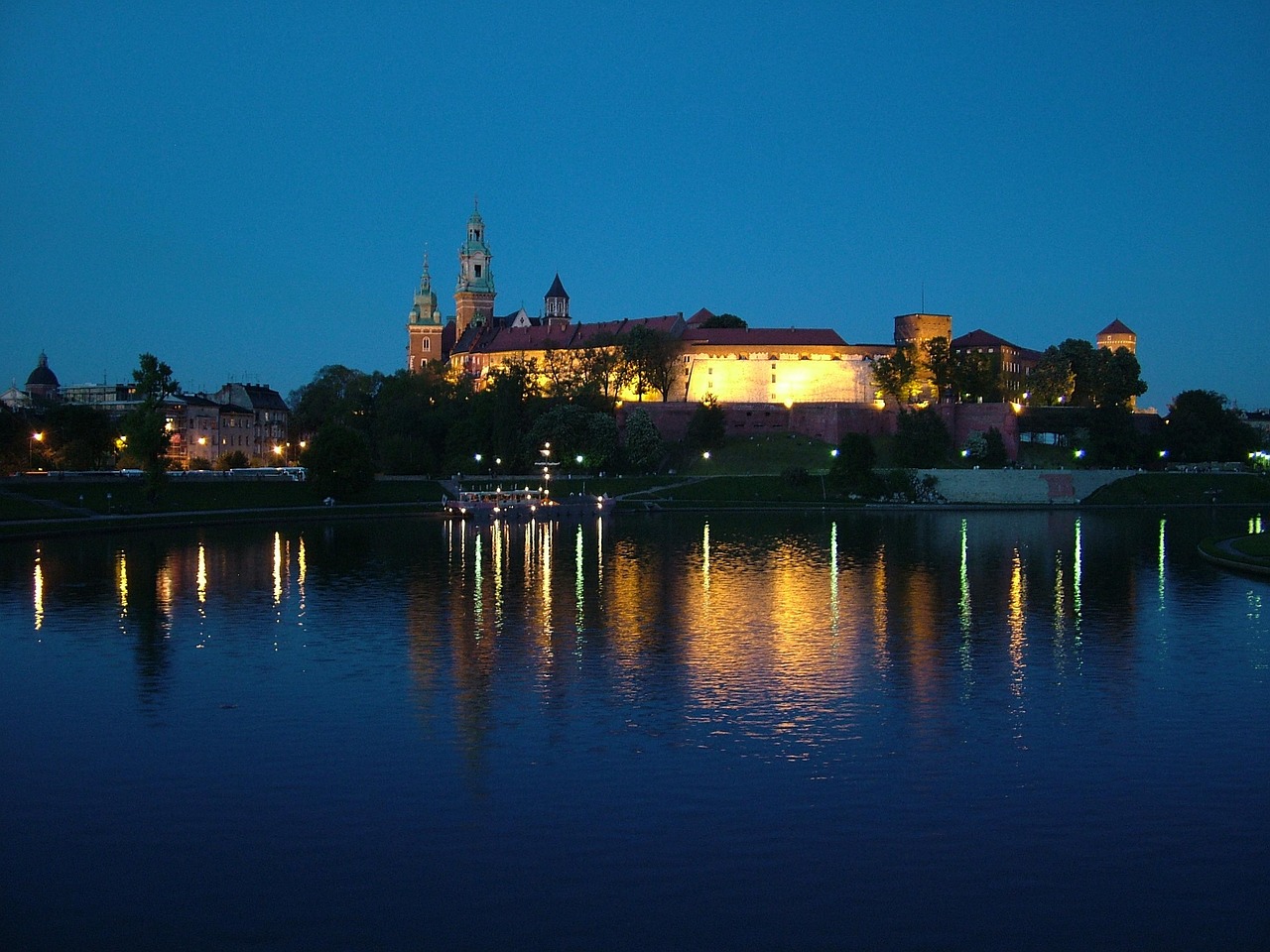
Why Visit Krakow?
I’ve lost count of how many times I’ve wandered Krakow’s cobbled streets, but every visit still starts the same way: with the sound of the bugle call (hejnał) drifting from St. Mary’s Basilica over Rynek Główny, the vast main square. It’s a city that manages to be deeply historical without feeling like a museum, lively without being overwhelming, and affordable without sacrificing charm.
Krakow was Poland’s royal capital for centuries, and it shows in the Gothic churches, Renaissance courtyards, and baroque facades that line almost every street in the Old Town. Yet if you stray a few blocks beyond the postcard views, you’ll find former factories turned into art centers, street food stalls serving zapiekanki until 3 a.m., and hidden courtyards where locals sip coffee under linden trees.
In 2026, Krakow is one of Europe’s best-value city breaks. It’s compact, walkable, and safe, with excellent public transport and an ever-growing food scene—from pierogi joints and milk bars to modern tasting menus. Whether you’re planning 3 days in Krakow, a 4 day itinerary for Krakow, or a deeper 5 day itinerary for Krakow, this travel guide will help you stitch together the must-see attractions with the quieter, more local moments that make the city unforgettable.
Table of Contents
- Why Visit Krakow?
- Suggested 3–5 Day Itineraries
- Top 20+ Must-See Attractions in Krakow
- Neighborhood Guide: Best Areas to Explore
- Local Food in Krakow: What & Where to Eat
- Nightlife, Entertainment & Cultural Experiences
- What’s New & Upcoming Events 2026–2027
- Best Day Trips from Krakow
- Cultural Etiquette & Local Customs
- Practical Travel Advice for Krakow
- Summary & Best Time to Visit
Suggested 3–5 Day Itineraries for Krakow
I’ve structured these itineraries based on how I usually show friends around when they visit. You can easily adapt them into a 3 day itinerary for Krakow, stretch to 4 days in Krakow, or linger for a more relaxed 5 day itinerary for Krakow. I’ll give the outline here, then weave in more personal detail in the attraction sections below.
3 Days in Krakow: Classic Highlights
If you have 3 days in Krakow, focus on the essentials: Old Town, Wawel, Kazimierz, and a half-day to reflect on the region’s WWII history.
- Day 1: Old Town, Rynek Główny, St. Mary’s Basilica, Cloth Hall, Planty Park, evening in the Main Square.
- Day 2: Wawel Castle & Cathedral, Vistula River walk, Kazimierz (Jewish Quarter) for dinner and nightlife.
- Day 3: Oskar Schindler’s Factory & Podgórze or a guided visit to Auschwitz-Birkenau, then a quiet evening in a local bar or café.
4 Days in Krakow: Deeper Dive
With 4 days in Krakow, you can slow down a bit and add a day trip.
- Day 1–3: As above for the 3 day itinerary for Krakow.
- Day 4: Half-day trip to Wieliczka Salt Mine plus an afternoon exploring lesser-known neighborhoods like Zabłocie or Salwator.
5 Days in Krakow: Local Rhythm
With 5 days in Krakow, you can balance must-see attractions with local routines. This is my favorite pace.
- Day 1: Old Town & Main Square, including St. Mary’s and the Town Hall Tower.
- Day 2: Wawel Hill, Dragon’s Den, Vistula boulevards, Debniki and Salwator sunset walk.
- Day 3: Kazimierz & Podgórze, Schindler’s Factory, evening bars and live music.
- Day 4: Auschwitz-Birkenau or alternative WWII heritage day, plus evening spa or wine bar.
- Day 5: Wieliczka Salt Mine, Nowa Huta or Tyniec Abbey, and a farewell dinner with Polish tasting menu.
Top 20+ Must-See Attractions in Krakow (With Personal Notes)
Below are the best places to visit in Krakow, mixed with my own routines, mishaps, and small discoveries. Think of this as your deep-dive travel guide for Krakow rather than a quick listicle. Use it to customize your own 3, 4, or 5 day itinerary.
1. Rynek Główny (Main Market Square)
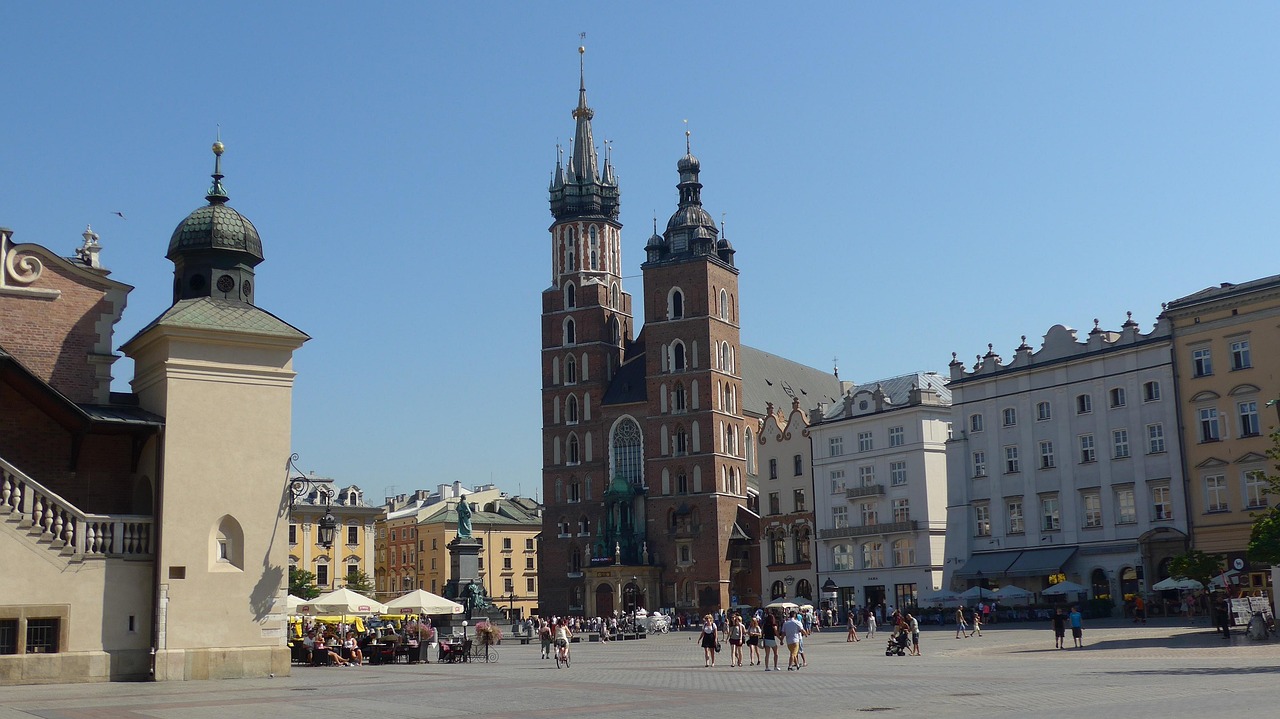
Every trip I make to Krakow, no matter how short, begins and ends at Rynek Główny. It’s one of the largest medieval squares in Europe, but what I love most is how it changes with the time of day.
Morning: The cafés are just opening, delivery trucks are rattling over cobblestones, and the square feels like it belongs to locals. I like to grab a coffee at a side-street café (avoid the priciest spots right on the square for budget reasons) and watch flower sellers set up their stalls.
Midday: Street performers arrive, horses clip-clop past in carriages (romantic, though I personally skip the rides for animal welfare reasons), and the square hums with tour groups. This is when I duck into the side alleys—ul. Bracka, ul. Grodzka, ul. Szewska—to escape the crowd for a moment.
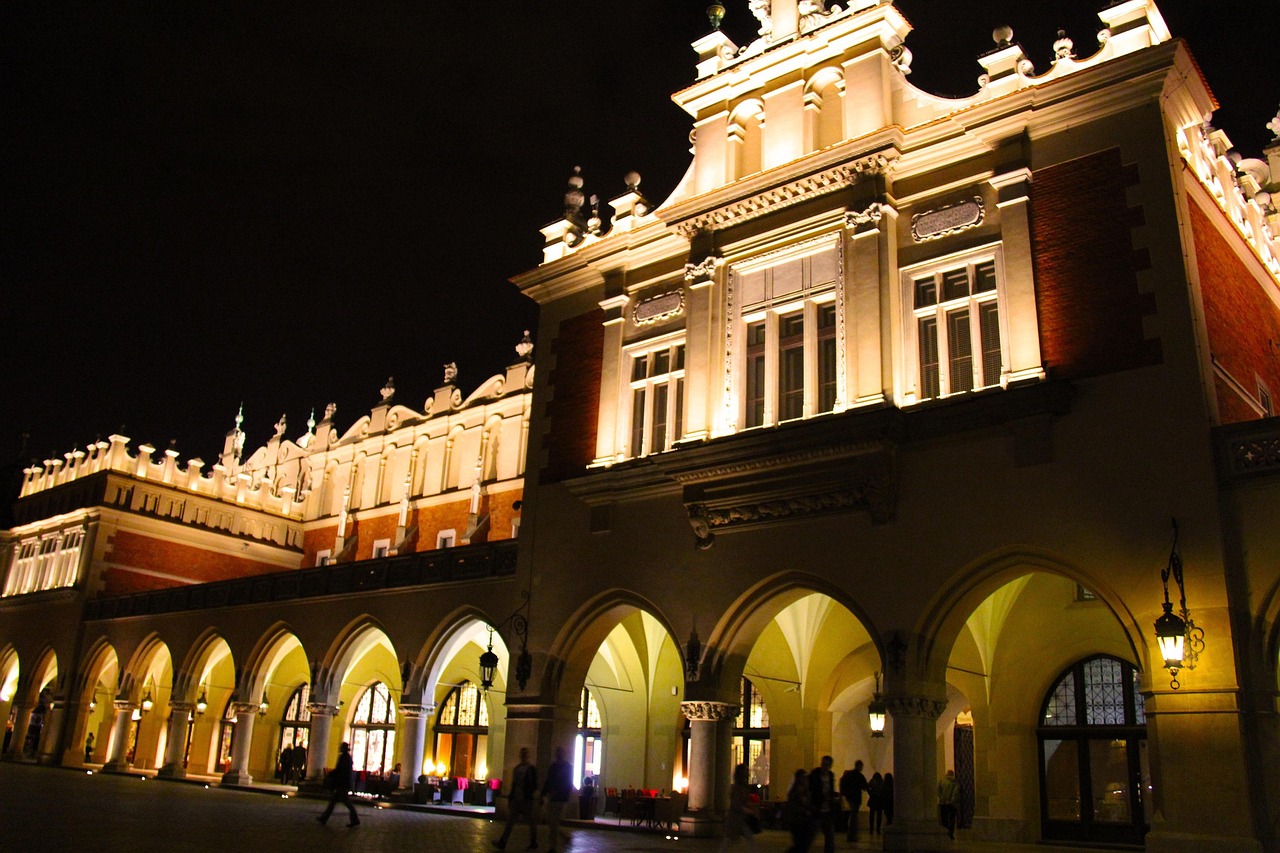
Evening: The square glows. On warm nights, it’s all candlelit terraces and the sound of clinking glasses. In winter, the Christmas market (usually late November–December) transforms it into a maze of wooden stalls selling mulled wine (grzaniec), smoked cheese (oscypek), and handcrafts.
Tips:
- Where to sit: Choose a café on a side street or just off the square for better prices and more authentic food.
- Family-friendly: Great for children to run around, watch street performers, and eat ice cream (Poles take ice cream seriously).
- Photography: Come at blue hour for the best skyline shots with St. Mary’s Basilica lit up.
2. St. Mary’s Basilica (Kościół Mariacki)
Every hour, on the hour, a trumpeter leans out from the taller of St. Mary’s two asymmetrical towers and plays the hejnał—a melody that breaks off mid-note. When I first visited as a teenager, my guide told us the legend: a medieval trumpeter was shot in the throat by a Tatar arrow while sounding the alarm, and the melody has ended abruptly ever since.
Step inside and you’ll find one of the most beautiful church interiors in Europe: a deep blue starry ceiling, richly painted walls, and the monumental wooden altarpiece carved by Veit Stoss. I still remember the hush that fell over my usually-chatty friend group the first time we walked in; the colors and scale do that to you.
Practical tips:
- Tickets: There are separate tickets for the basilica and for the tower. Book the tower in advance in high season; spots are limited and time-slotted.
- Best time: Early morning or late afternoon to avoid large tour groups.
- Dress: It’s an active place of worship; dress modestly and keep voices low.
- Romantic moment: Step outside just before the hour, stand near the Cloth Hall, and listen for the bugle call echoing across the square.
3. Wawel Castle & Cathedral
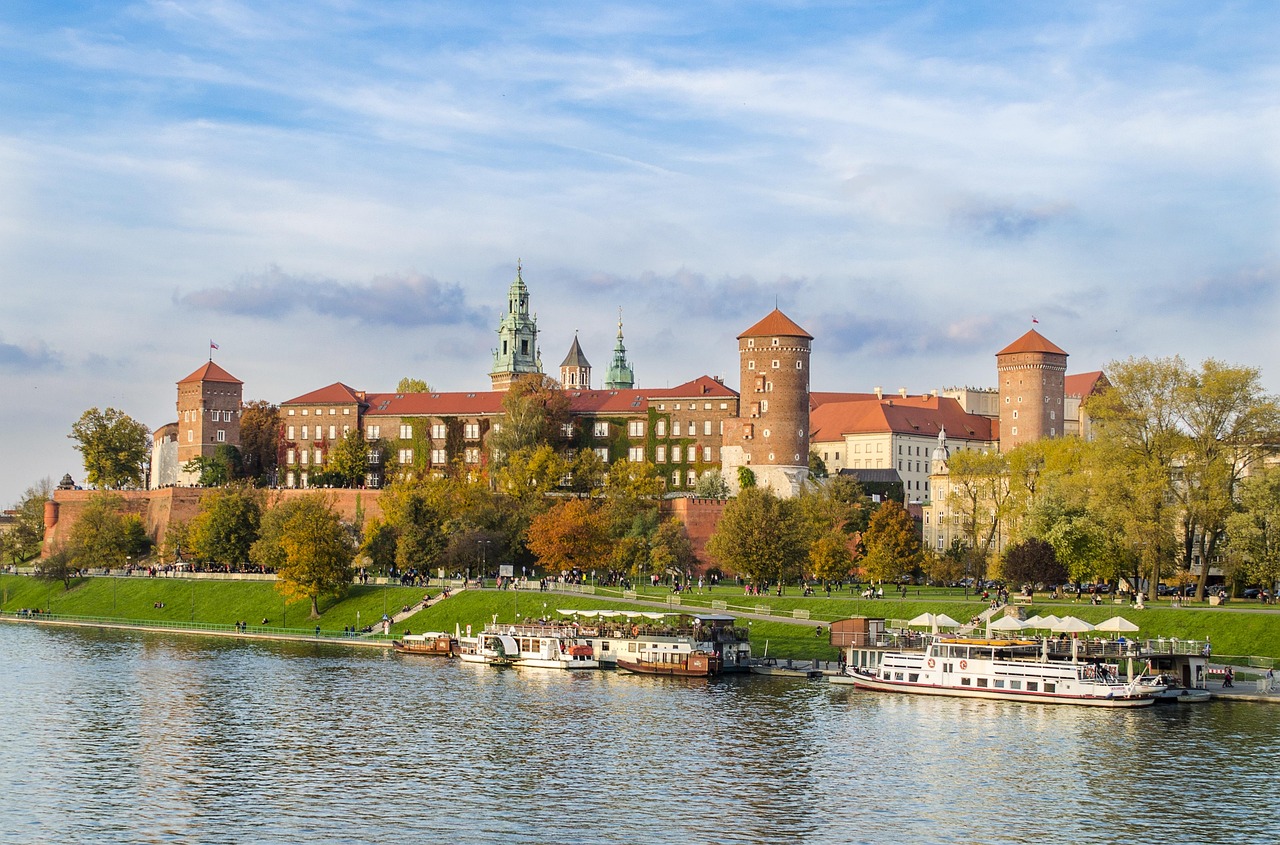
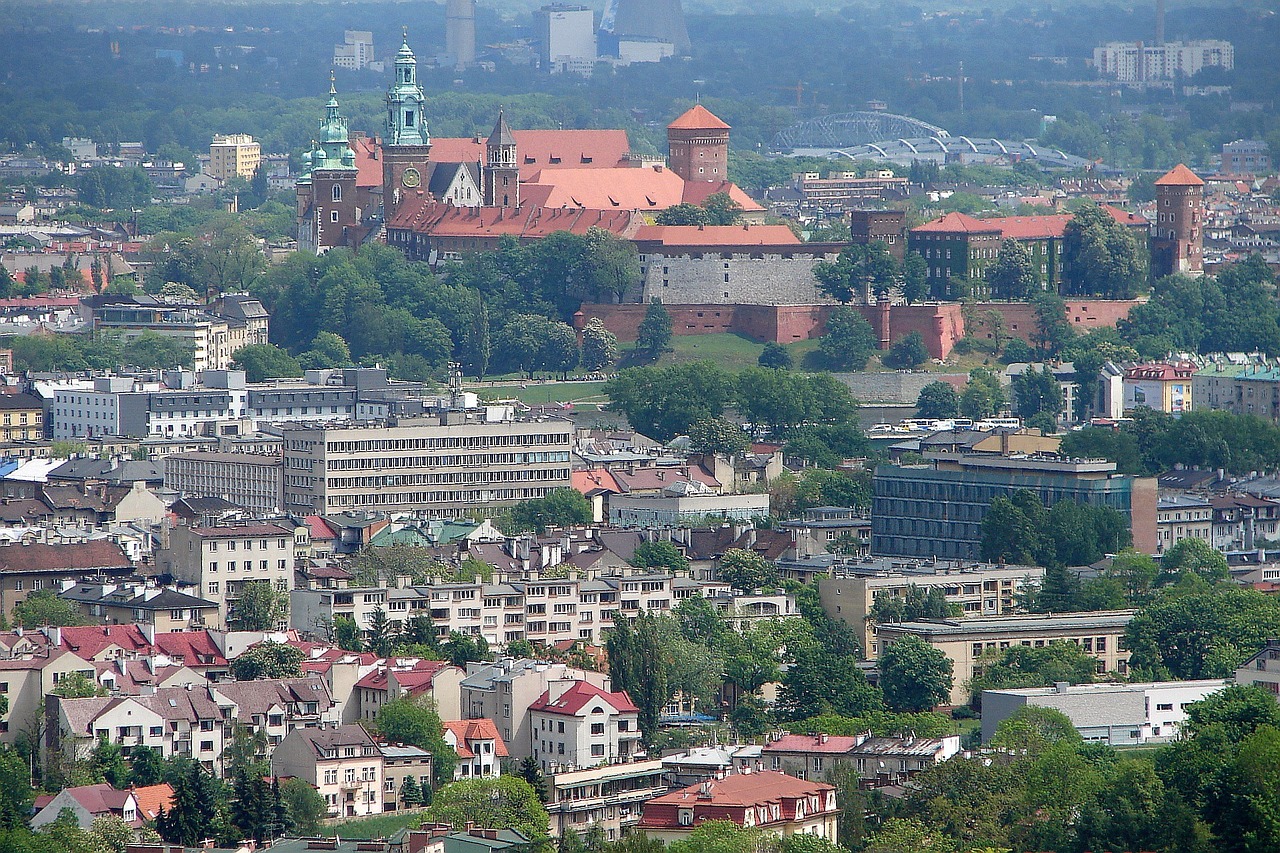
If Krakow has a heart, it’s Wawel Hill. Perched above the Vistula, the complex of castle and cathedral has seen coronations, royal weddings, and more political plotting than any Netflix drama.
I like to approach from ul. Grodzka, letting the street slowly climb toward the hill. You pass souvenir shops and buskers, then suddenly the space opens to the entrance gate. Inside, cobblestones crunch underfoot, and the mishmash of architectural styles—Gothic, Renaissance, Baroque—tells the story of centuries of rebuilding.
Wawel Cathedral: This is where Polish kings were crowned and buried. I still get chills standing by the tomb of King Władysław Jagiełło, thinking of how long this place has anchored Polish identity. Climb the Sigismund Bell Tower for a close look at the massive bell; tradition says if you touch it and make a wish, it might come true. I’ve done this more than once; jury’s still out.
Royal Castle: The arcaded Renaissance courtyard is one of my favorite quiet corners in the city—especially on a weekday morning when it’s still empty. Inside, you can tour royal state rooms, private apartments, and the Wawel Tapestries. Go for at least one interior tour if you’re a history or art lover.
Dragon’s Den: Kids love this. A spiral staircase leads down to a cave that, legend says, once housed the Wawel Dragon. Outside, a dragon statue occasionally breathes fire, to the delight of children and startled adults.
Tips & logistics:
- Tickets: Different areas require separate tickets; consider a combined ticket if you’re doing multiple exhibitions.
- Best time: Morning, especially in summer. Afternoons can be packed with tours.
- Views: Walk the paths along the ramparts and down toward the river for classic skyline shots.
- Nearby snack: Grab an obwarzanek (Krakow’s ring-shaped bread, a cousin of the bagel) from a blue street cart on your way up. It’s the classic local street snack.
4. Cloth Hall (Sukiennice) & Underground Museum
In the middle of Rynek Główny, the long Renaissance building of the Cloth Hall once buzzed with traders hawking cloth, spices, and exotic goods. These days, the ground floor is full of stalls selling amber jewelry, folk art, and souvenirs. It’s touristy, but if you look closely you can still spot some quality local crafts among the kitsch.
What many visitors miss is what lies beneath. The Rynek Underground Museum takes you under the square into excavated medieval market stalls, foundations, and artifacts. It’s one of those places where kids and adults are equally fascinated; interactive displays make the history tangible.
On a rainy afternoon during one autumn trip, I ducked into the museum and ended up spending nearly three hours there, tracing the city’s growth and trade networks through old weights, coins, and merchant routes.
Tips:
- Book ahead: The Underground Museum has timed entry and often sells out in high season.
- Café with a view: The upper level of the Cloth Hall houses the 19th Century Polish Art Gallery and a café with great views over the square.
- Shopping: For better prices on amber or crafts, check side-street boutiques as well, not just the Cloth Hall.
5. Kazimierz (Jewish Quarter)
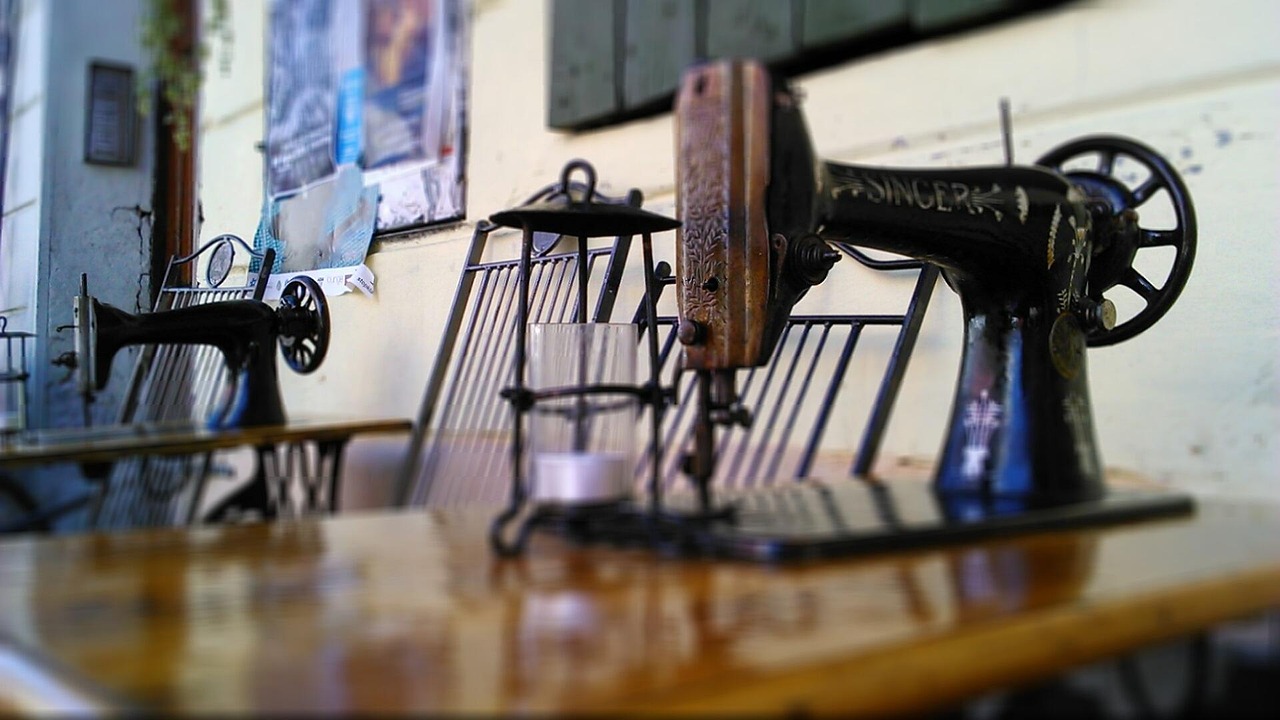
Kazimierz is the district I return to most. Once an independent town, later Krakow’s Jewish Quarter, it’s now a vibrant mix of synagogues, hip cafés, art galleries, and atmospheric courtyards. It’s where history and nightlife overlap most visibly.
I like to start at Plac Nowy, the central square. Mornings are quiet, with just a few locals picking up vegetables or secondhand goods. By evening, the square transforms into a hub of bars and street food stalls selling zapiekanki—Polish-style open-faced baguette “pizzas” loaded with mushrooms, cheese, and toppings. My regular order is half with oscypek and cranberry, half with salami and jalapeños.
Wandering the narrow lanes, you’ll pass synagogues (like the Old Synagogue and Remuh Synagogue), Jewish cemeteries, and small museums documenting the centuries of Jewish life in Krakow before the devastation of WWII. I recommend giving yourself at least half a day to wander, visit one or two synagogues, and sit down for a Jewish-Polish fusion meal (think goose, matzo ball soup, and challah alongside Polish classics).
Evening: Kazimierz comes alive after dark. You’ll find live klezmer music, candlelit wine bars, and bohemian pubs. It’s a great area for a romantic evening stroll or a casual bar hop.
Tips:
- Respectful visiting: Synagogues and cemeteries are active religious and memorial sites; dress modestly and follow posted rules.
- Family-friendly: Daytime is ideal for families—lots of cafés, street art, and open squares for kids to roam.
- Hidden gem: Look for tucked-away courtyards off ul. Szeroka and ul. Józefa; many hide tiny galleries and cafés.
6. Podgórze & Oskar Schindler’s Factory Museum
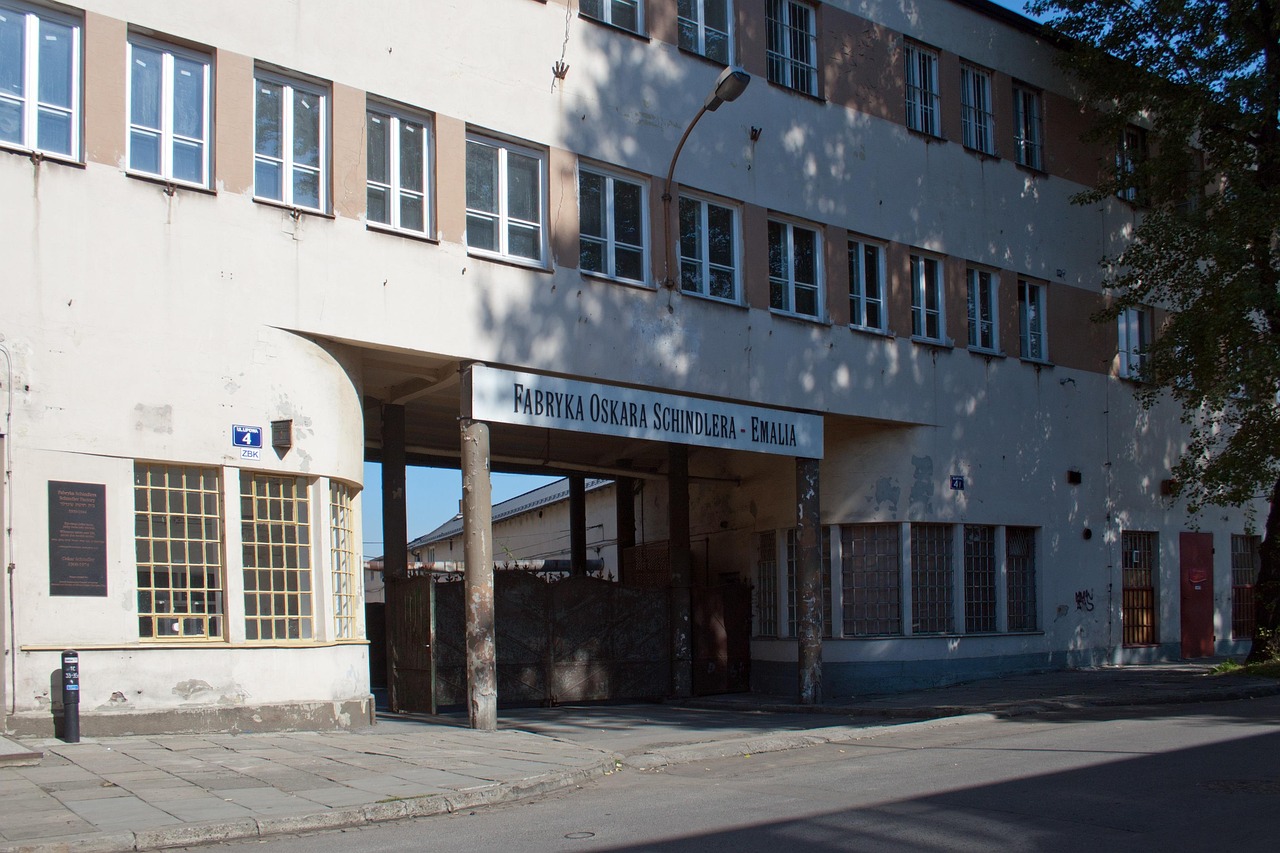
Across the river from Kazimierz lies Podgórze, a quieter district that carries heavy history. During WWII, this is where the Jewish ghetto was located. Today, modern apartment blocks and offices stand alongside memorials and museums.
Oskar Schindler’s Factory Museum is one of Krakow’s most powerful museums. Housed in the former enamelware factory where Schindler employed and saved many Jews, the museum focuses not just on Schindler himself but on the broader story of Krakow under Nazi occupation.
The first time I visited, I underestimated how emotionally intense it would be. The exhibits use soundscapes, recreated streets, and personal testimonies. I’d planned to go out for drinks afterward but instead ended up taking a long, reflective walk along the river.
Nearby sites:
- Ghetto Heroes Square (Plac Bohaterów Getta): Marked by empty metal chairs symbolizing the Jews who once gathered here for deportation.
- Ghetto Wall fragments: Small remaining portions of the original ghetto wall, now memorials.
- Museum of Contemporary Art in Krakow (MOCAK): Right next to Schindler’s Factory; a great contrast of contemporary art after the historical heaviness.
Tips:
- Book in advance: Timed tickets are essential, especially April–October.
- Allow time: Set aside at least 2–3 hours for the museum itself.
- Combine: A good half-day combines Schindler’s Factory, Ghetto Heroes Square, and a Vistula riverside walk.
7. Wieliczka Salt Mine
About 30 minutes from central Krakow, the Wieliczka Salt Mine feels like a subterranean cathedral complex carved out of salt. I’ve been three times now, and I still get a childish thrill descending deep underground into a different world.
The standard tourist route takes you through chambers with salt sculptures, underground lakes, and chapels, including the jaw-dropping Chapel of St. Kinga with its chandeliers and reliefs all carved from salt. Guides love to demonstrate that, yes, the walls really are salty (I’ve watched more than one skeptical visitor sneak a quick taste).
Why go: It’s one of Poland’s first UNESCO World Heritage Sites and unlike anything else you’ll see on a city break. It’s also a hit with kids, thanks to the scale and slightly otherworldly atmosphere.
Practicalities:
- Getting there: Local train from Krakow Główny to Wieliczka Rynek-Kopalnia station, or organized tour with transport.
- Clothing: It’s cool underground (around 17°C / 63°F); bring a light jacket even in summer.
- Stairs: Lots of descending; there is an elevator up at the end, but not down.
- Time: Allow half a day including transport.
8. Auschwitz-Birkenau Memorial & Museum
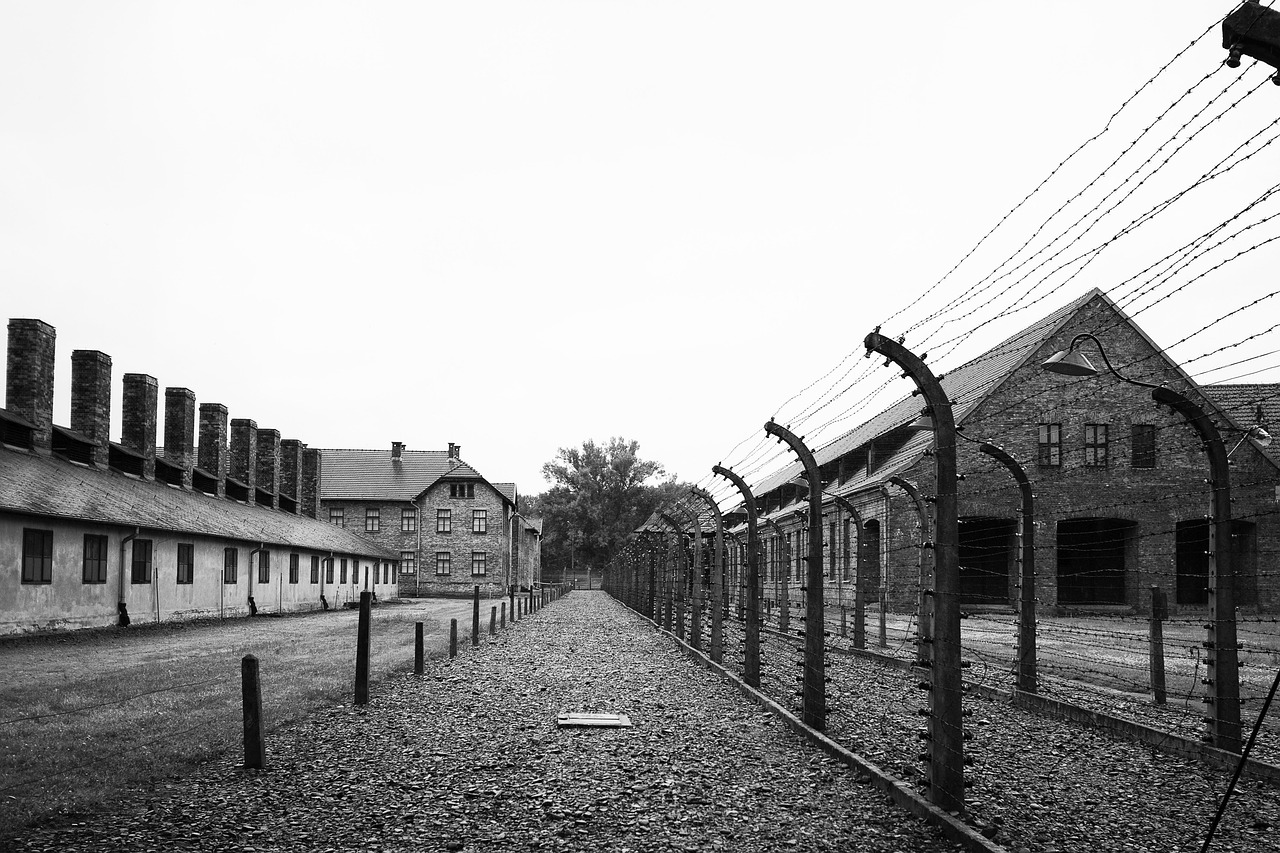
Auschwitz-Birkenau is not a typical “attraction,” but it is one of the most important experiences you can have near Krakow. The former Nazi concentration and extermination camp, now a memorial and museum, lies about 1.5 hours away and is visited by millions each year.
I’ve gone twice, and both visits were emotionally draining but necessary. The guided tours are thorough and respectful, walking you through the barracks, exhibits of victims’ belongings, and the vast, haunting expanse of Birkenau.
Tips for visiting respectfully:
- Book well ahead: Especially April–October. Choose a guided tour unless you have strong reasons not to; context is crucial.
- Time: Allow a full day including transport. Don’t schedule lighthearted activities right afterward.
- Behavior: Dress modestly, speak quietly, and absolutely avoid selfies or posed photos at sensitive sites.
- Children: Consider carefully if it is appropriate for your child’s age and sensitivity; the museum itself suggests a minimum age of around 14.
9. Planty Park
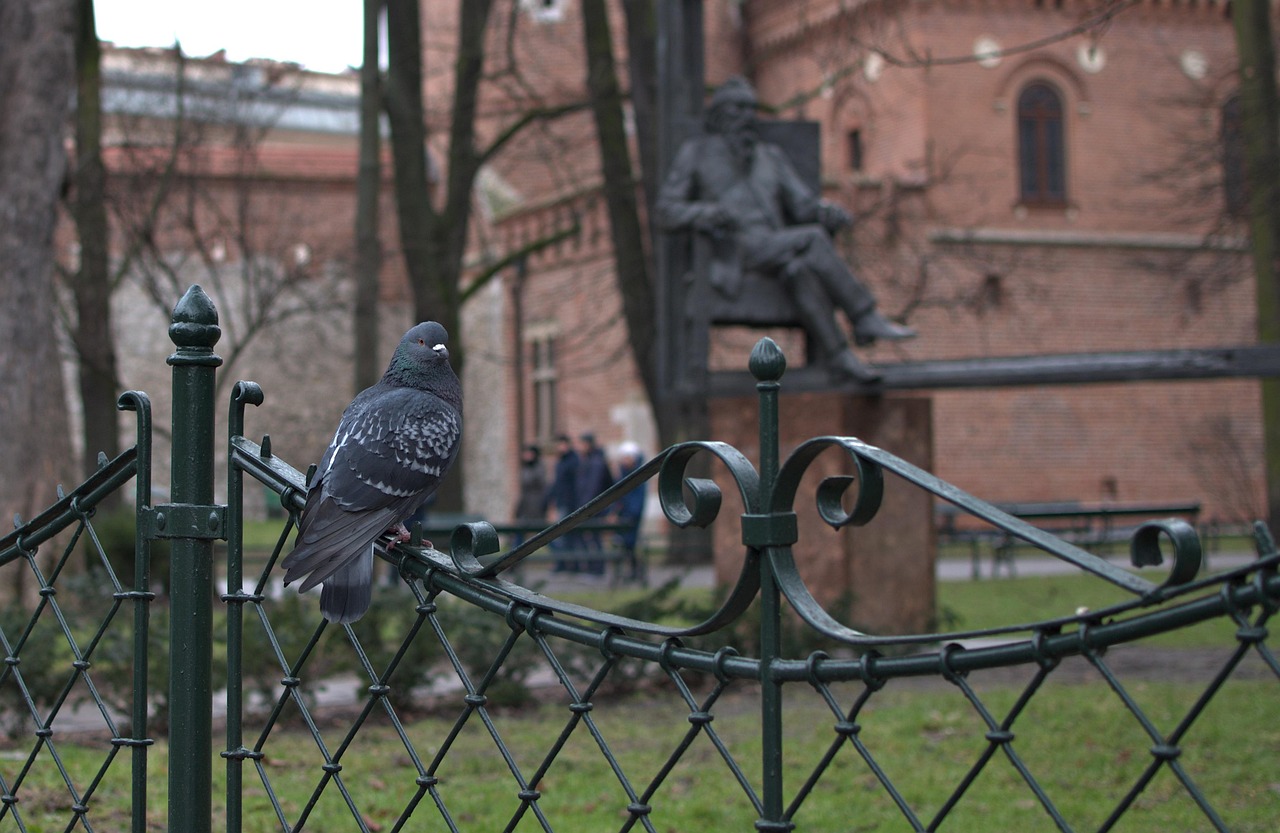
Planty is the green ring that circles the Old Town where the city walls once stood. If you’re doing 3 or 4 days in Krakow, you’ll almost certainly cross it multiple times without realizing how cleverly it structures the city.
When I need a breather from the crowds, I walk a segment of Planty instead of cutting straight through the Old Town. Benches line the shaded paths, old trees filter the light, and you’ll spot locals walking dogs, kids chasing pigeons, and students lounging with books.
Why I love it: It’s like Krakow’s living room—an everyday space that gives you a sense of local rhythm. It’s also very family-friendly, with playgrounds dotted along the route.
10. St. Florian’s Gate & the Barbican
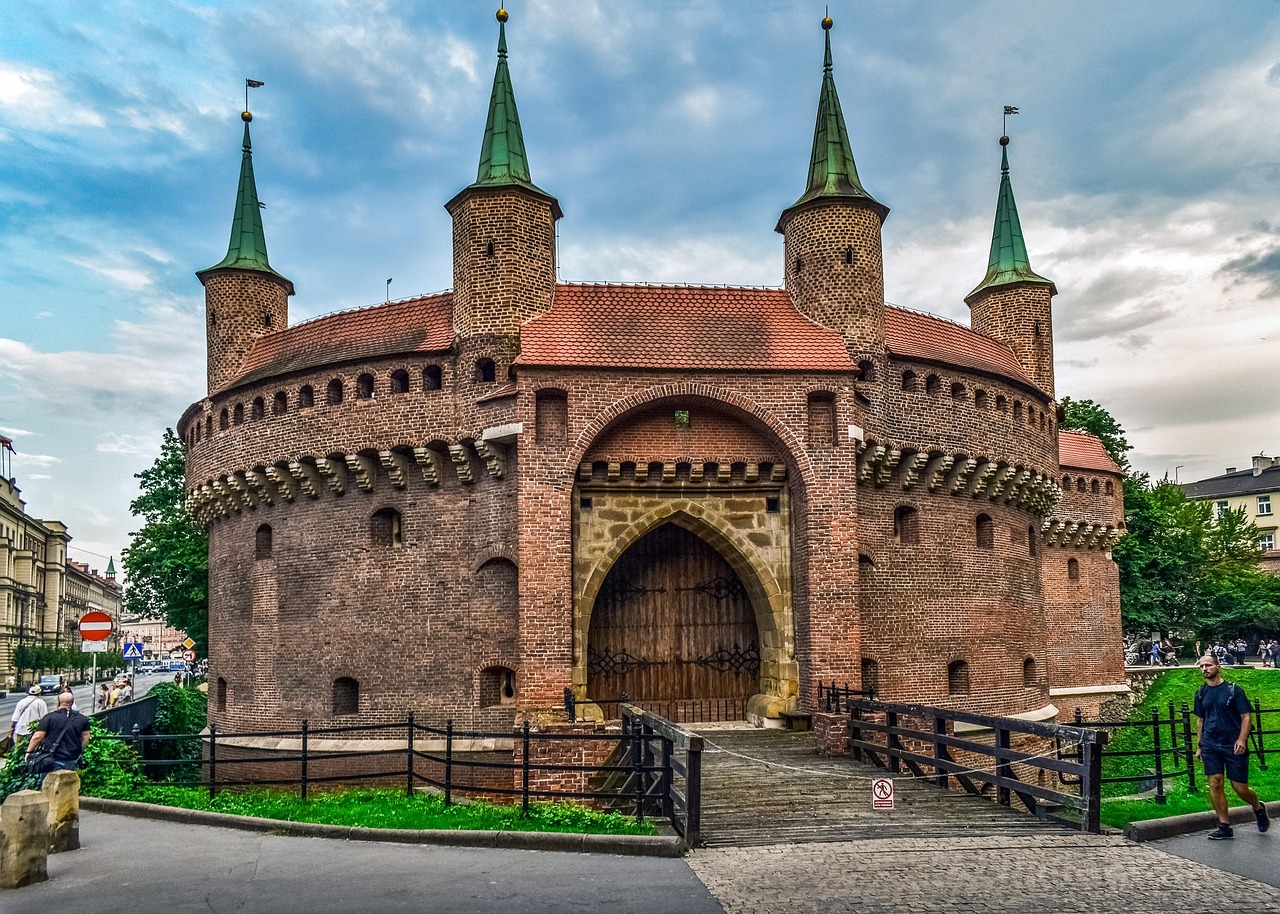
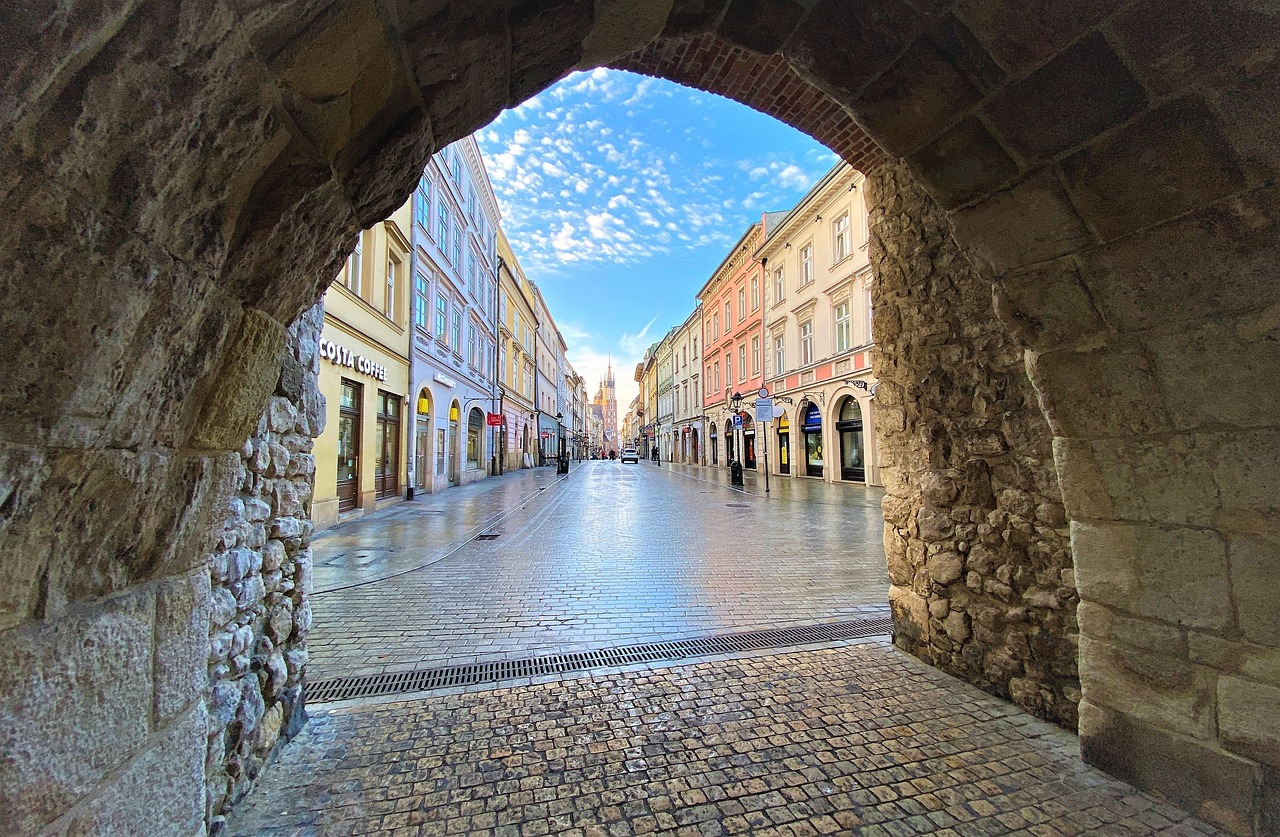
On the northern edge of the Old Town, St. Florian’s Gate and the round Barbican are remnants of Krakow’s medieval fortifications. Walk through the gate and you step onto Floriańska Street, one of the main arteries into the square.
On one spring morning, I joined a walking tour that began here. Our guide had us imagine the pageantry of royal processions that once entered through this gate. It added a layer of drama to what could otherwise feel like “just another pretty street.”
Tip: Climb the ramparts (seasonal opening) if you’re interested in military architecture or have kids who love castles.
11. Town Hall Tower & Old Town Lookouts
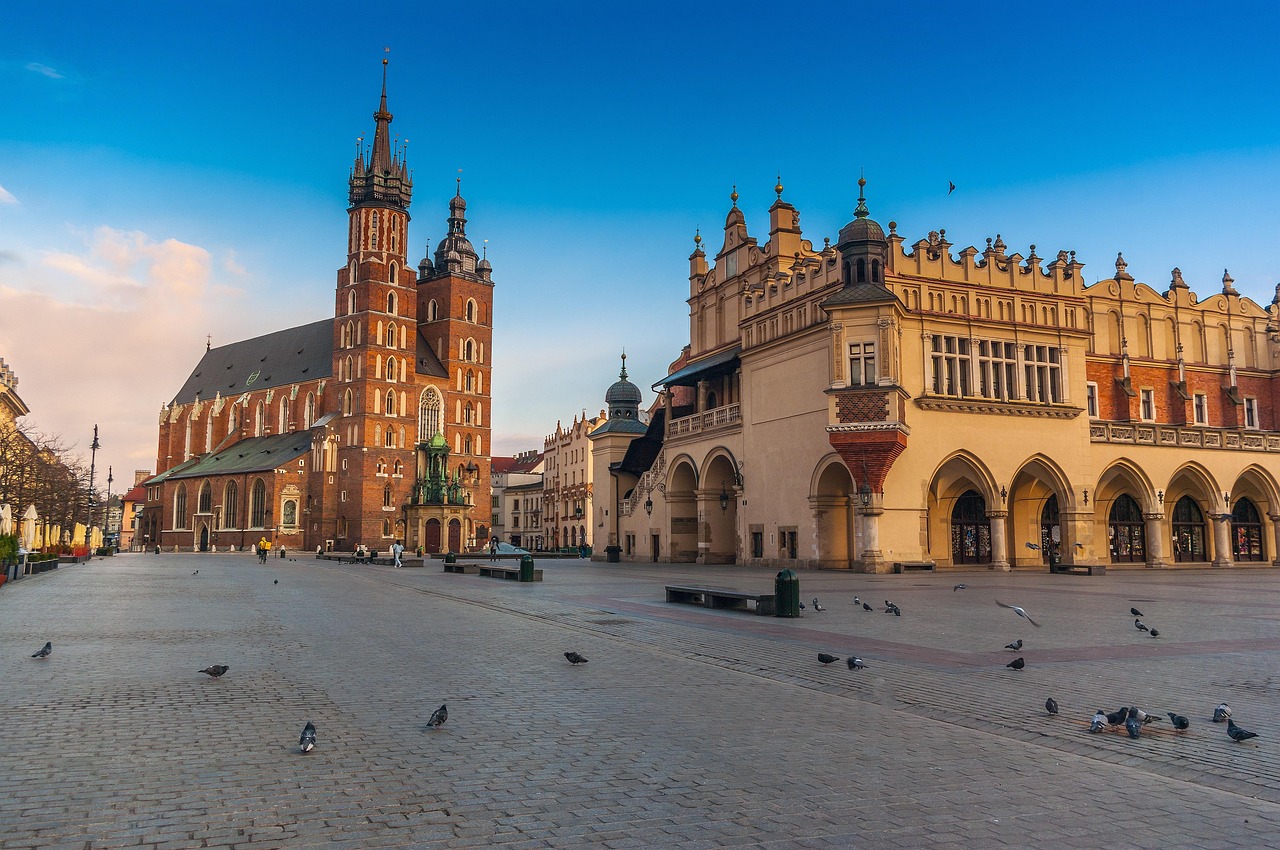
If you’re chasing views for your Krakow skyline photos, the Town Hall Tower in the Main Square is your friend. It leans slightly (yes, really) and offers panoramic views over the square, St. Mary’s, and the rooftops.
I climbed it once on a winter afternoon just as snow started to fall—a magical moment of muffled sound and slowly whitening rooftops. The stairs are a bit narrow and uneven, so take your time.
Other viewpoints:
- St. Mary’s Tower: For a closer look at the bugler’s spot (advance booking needed).
- Wawel Hill ramparts: For wide river and city views.
- Hotel rooftop bars: Several modern hotels around the Old Town and Kazimierz have rooftop terraces with great vistas.
12. Nowa Huta
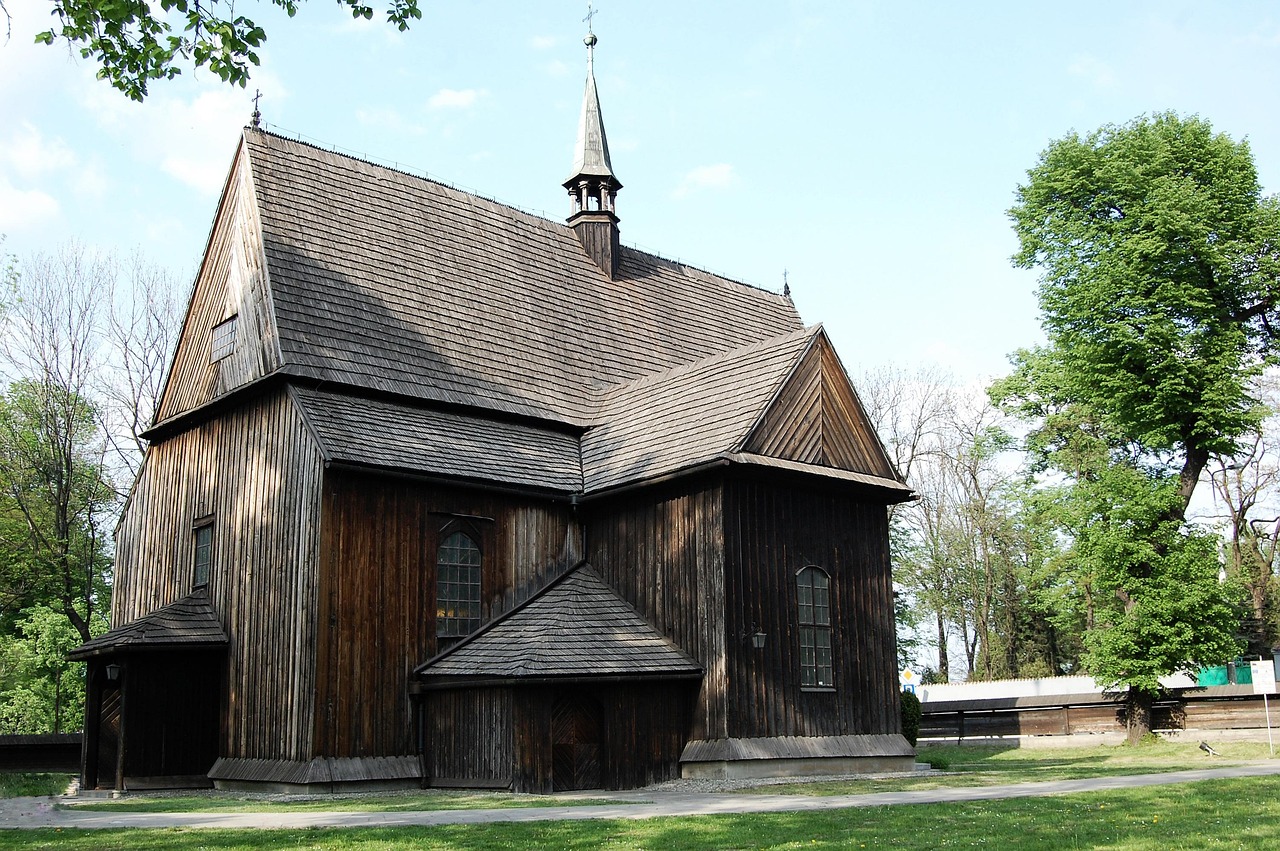
Nowa Huta is one of Krakow’s most intriguing “hidden in plain sight” districts. Built in the 1950s as a model socialist city for steelworkers, it’s full of wide avenues, monumental blocks, and Socialist Realist architecture—a completely different feel from the Old Town’s medieval charm.
The first time I visited, I joined a retro “communist tour” in a Trabant car. Cheesy? A little. Fun and surprisingly informative? Definitely. Our guide, who’d grown up there, shared personal stories of queuing for food and playing in the courtyards.
Highlights:
- Plac Centralny: The central square, framed by monumental buildings.
- Arka Pana (Lord’s Ark Church): A striking modern church that became a symbol of resistance.
- Green spaces: Nowa Huta has lots of parks, lakes, and walking paths—great for a low-key afternoon.
13. Kościuszko Mound (Kopiec Kościuszki)
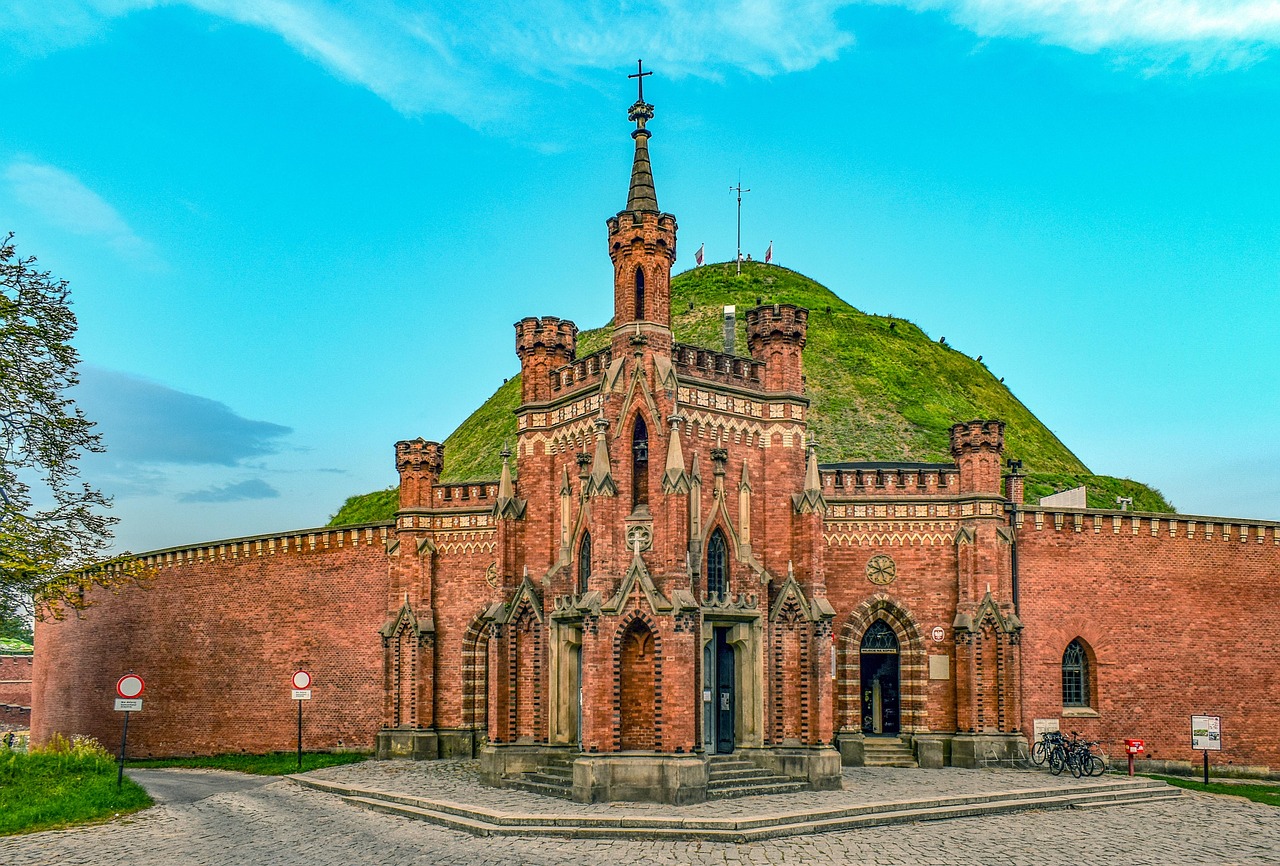
Krakow has several man-made mounds, but Kościuszko Mound is the best known and offers fantastic panoramic views. Dedicated to national hero Tadeusz Kościuszko, it’s a grassy cone-shaped hill you can walk up via a spiraling path.
I like to go in late afternoon on clear days; from the top you see the Old Town spires, the river, and, on the clearest days, even the distant Tatra Mountains. It’s a romantic spot for couples and a fun little “hike” for families.
Tip: Combine with a tram ride and short walk through the leafy Zwierzyniec district for a quieter slice of Krakow.
14. Tyniec Abbey
Perched on a rocky bluff over the Vistula west of Krakow, Tyniec Benedictine Abbey is one of my favorite escapes when the city feels too busy. It’s a working monastery, and the peaceful atmosphere hits you as soon as you pass through the gate.
You can visit the church, small museum, and shop selling monastery products (honey, teas, jams). Once, on a quiet weekday, I sat on the terrace café with a coffee, watching kayakers glide along the river below. It felt like being much farther from the city than I actually was.
Getting there: Bus from central Krakow or, in warmer months, boat tours along the river—those are especially scenic.
15. Krakus Mound & Podgórze Highlights
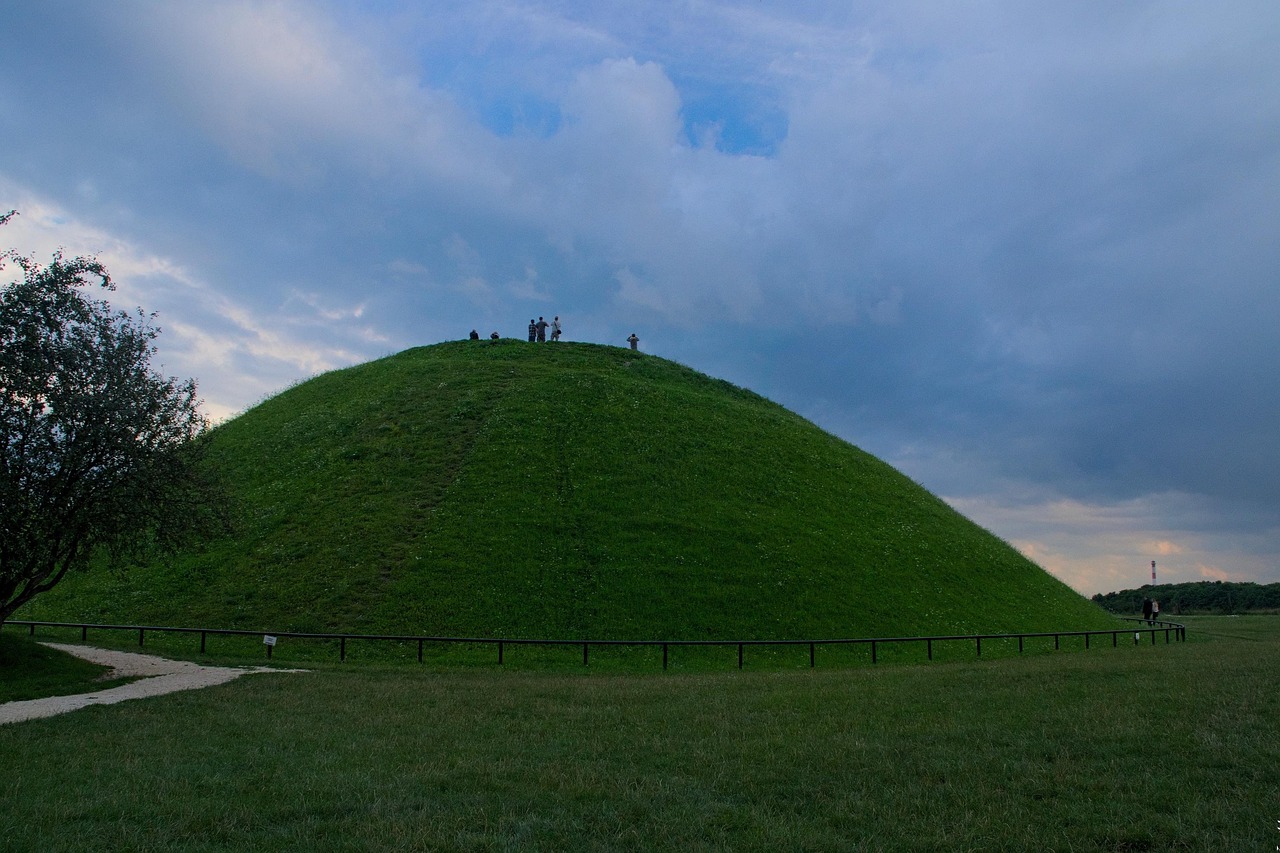
If Kościuszko Mound is the polished viewpoint, Krakus Mound is the slightly wild one. It sits on a hill in Podgórze with sweeping views back over the city. On my last visit, I joined locals flying kites at sunset; kids were rolling down the grassy slopes, and someone was playing guitar nearby.
Combine a walk to Krakus Mound with a visit to the nearby Liban Quarry (used as a film set for “Schindler’s List”) and the old Podgórze district for an off-the-beaten-path half-day.
16. National Museum & MOCAK
For art lovers, Krakow’s museums are a treasure trove. The main branch of the National Museum holds works by Polish masters, including the iconic painting “Lady with an Ermine” by Leonardo da Vinci (check current location in 2026; it has moved between venues over the years).
MOCAK, the Museum of Contemporary Art, sits in the former industrial district of Zabłocie, right by Schindler’s Factory. I like to pair the heavy historical experience of Schindler’s with an hour in MOCAK to see how contemporary artists grapple with memory, politics, and identity.
17. Churches, Cloisters & Quiet Corners
Beyond the big names, Krakow is full of beautiful churches and monasteries that double as calm refuges from the bustle:
- Church of St. Peter and Paul: Baroque façade with statues of apostles; great acoustics for concerts.
- Franciscan Church: Gorgeous Art Nouveau stained glass by Stanisław Wyspiański.
- Dominican Church: Atmospheric and less visited, perfect for a few quiet minutes.
I often duck into one of these between sights just to sit for five minutes; it’s a simple way to reset on busy sightseeing days.
18. Vistula Boulevards & River Cruises
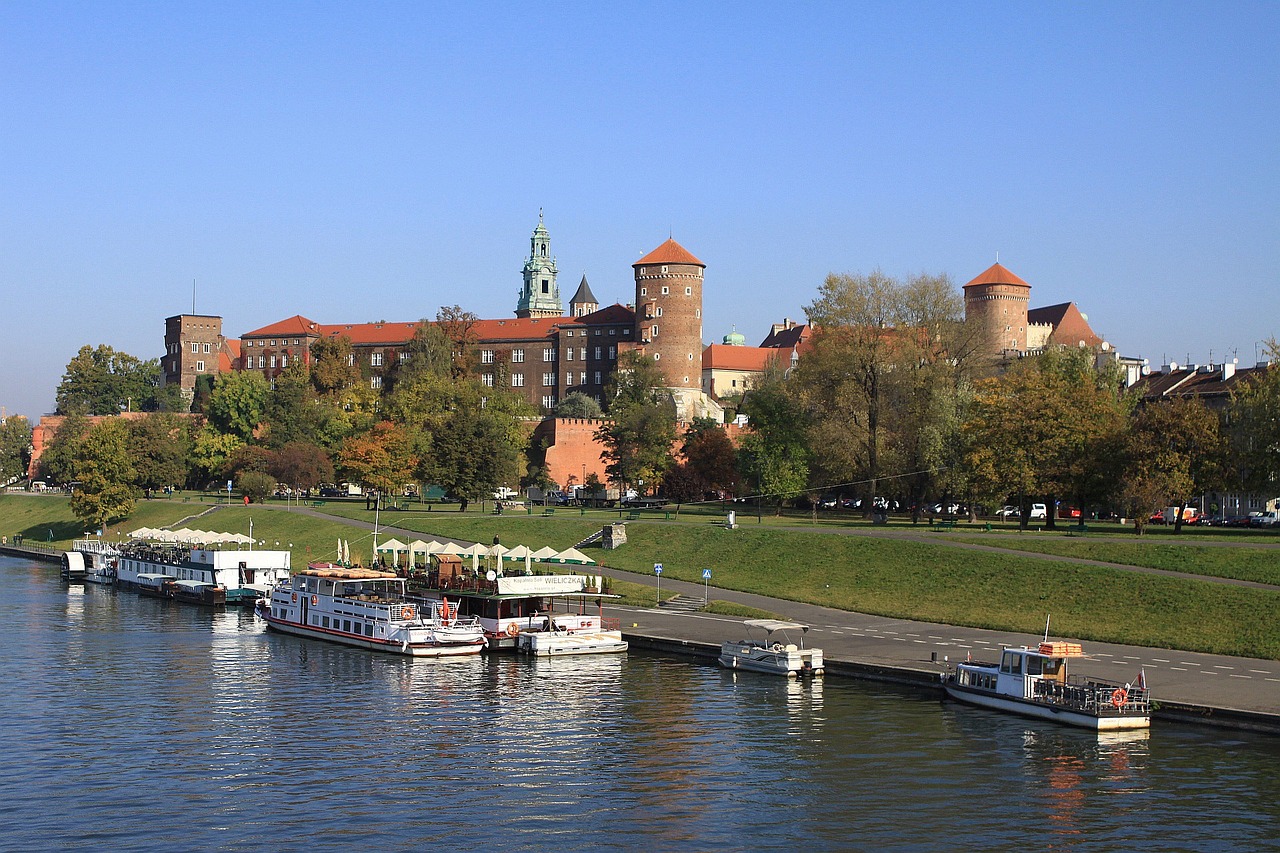
The Vistula River curves gently around Wawel Hill, and its boulevards are Krakow’s unofficial jogging, cycling, and dog-walking track. I like to walk from Wawel toward Kazimierz and Podgórze at dusk, when the lights come on and the reflections shimmer.
In warmer months, boat bars and small cruise boats line the banks. A short evening cruise is touristy but undeniably pretty—great for couples or families.
19. Stary Kleparz & Local Markets
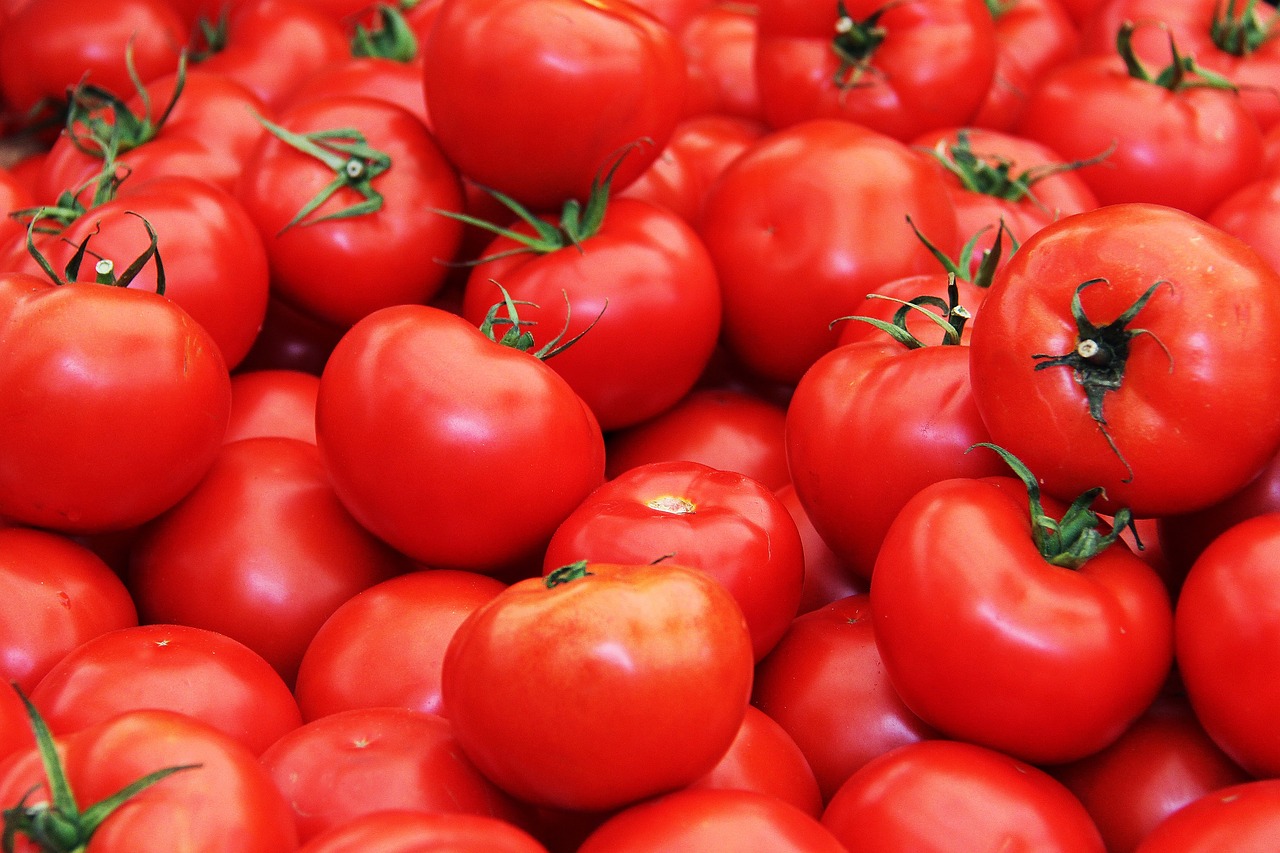
For a taste of daily life, head to Stary Kleparz, a traditional market just north of the Old Town. Stalls pile high with seasonal produce, cheeses, meats, and flowers. It’s where I go to grab fruit, nuts, and local cheese for picnics in Planty or by the river.
Money-saving tip: Markets and supermarkets are much cheaper than eating every meal out, and picking up picnic supplies is a fun way to sample local food in Krakow.
Bonus: More Spots to Consider
If you have 5 days in Krakow or are a fast-paced traveler, add:
- Jagiellonian University Collegium Maius: Historic university building with a lovely courtyard and small museum.
- Museum of Krakow: Multiple branches covering the city’s history.
- Salwator & Bielany: Leafy districts with villas, churches, and walking paths.
Neighborhood Guide: Where to Explore & Stay
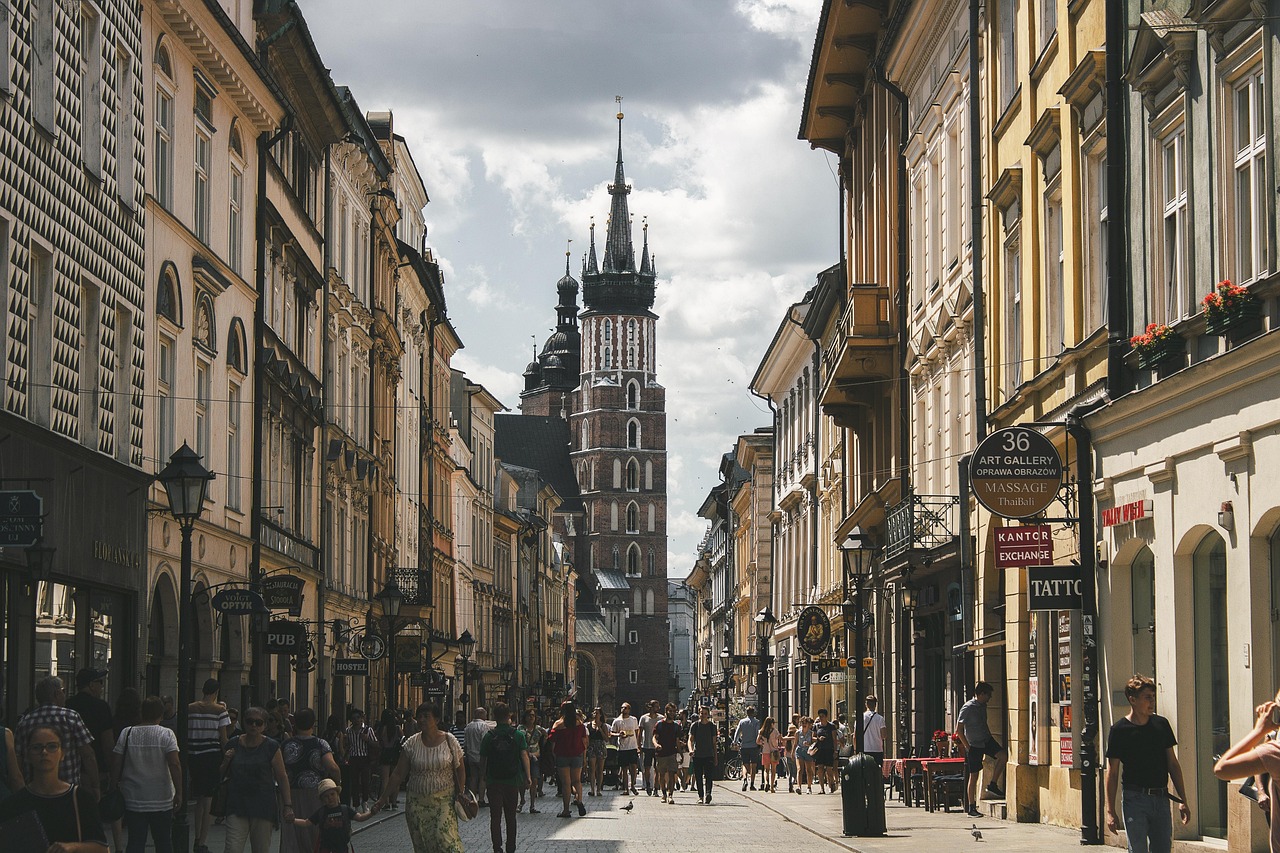
Understanding Krakow’s neighborhoods helps you plan a smarter 3, 4, or 5 day itinerary.
- Stare Miasto (Old Town): Best for first-time visitors who want to be in the center of everything. Walkable, atmospheric, but can be noisy and pricier.
- Kazimierz: Trendy, historic, and full of character. Great for nightlife, cafés, and a slightly bohemian vibe.
- Podgórze: Quieter, with heavy WWII history, river views, and growing café culture.
- Zwierzyniec & Salwator: Leafy residential areas with mounds, monasteries, and river walks—good if you prefer calm and don’t mind a short tram ride to the center.
- Nowa Huta: Offbeat choice for architecture and history buffs; feels very local.
Local Food in Krakow: What & Where to Eat
Krakow is one of the best cities in Europe to eat well on a budget. Portions are generous, and even in 2026, you can still find hearty meals for very reasonable prices.
Must-Try Dishes
- Pierogi: Dumplings with fillings like potato & cheese, meat, cabbage & mushroom, or seasonal fruit.
- Żurek: Sour rye soup, often served in a bread bowl.
- Bigos: Hunter’s stew with cabbage, meat, and sausage.
- Oscypek: Smoked sheep’s cheese, often grilled and served with cranberry sauce.
- Zapiekanka: Street food baguette with mushrooms, cheese, and toppings—best at Plac Nowy in Kazimierz.
- Obwarzanek: Krakow’s iconic ring bread sold from street carts.
Where I Like to Eat
- Milk bars (bar mleczny): Remnants of communist-era canteens, now great for cheap, home-style Polish food. Look for daily specials on chalkboards.
- Old Town side streets: Avoid the most touristy spots directly on the Main Square; go one or two streets away for better value and more locals.
- Kazimierz: Fantastic for Jewish cuisine, vegetarian options, and late-night bites.
Money-saving tip: Eat your main meal at lunch when many restaurants offer discounted lunch menus. Grab lighter bites from bakeries, markets, or street stalls for dinner if you’re on a tight budget.
Nightlife, Entertainment & Cultural Experiences in Krakow
Krakow’s nightlife is famously lively, but it’s not all pub crawls and stag parties (though those exist, especially on weekends).
Where to Go Out
- Old Town: Bars and clubs hidden in basements (cellar bars are a Krakow classic). Great for bar-hopping, but can be noisy and touristy.
- Kazimierz: More bohemian vibe—wine bars, craft beer pubs, and live music venues. My favorite area for a relaxed night out.
- River barges: In warmer months, some boats on the Vistula turn into floating bars and clubs.
Cultural Experiences
- Classical concerts: Many churches (especially St. Peter and Paul) host evening concerts—romantic and atmospheric.
- Theatre & film: Look for English-friendly performances or Polish films with English subtitles at independent cinemas.
- Klezmer music: Several Kazimierz restaurants offer live klezmer performances with dinner—yes, tourist-oriented, but often genuinely moving.
What’s New in 2026: Festivals & Events
While specific dates can shift each year, here are recurring events and trends to watch for in 2026–2027:
- Wianki (Midsummer Festival): June—concerts, floating wreaths on the river, and fireworks.
- Jewish Culture Festival: Late June/early July in Kazimierz—concerts, workshops, lectures; one of the city’s major cultural highlights.
- Film and music festivals: Krakow Film Festival (early summer), various jazz and classical festivals throughout the year.
- Christmas Markets: Late November–December in the Main Square and other locations—mulled wine, crafts, food.
In 2026–2027, expect continued expansion of bike lanes, more electric trams, and increasing contactless payment adoption. Most venues already accept cards and mobile payments, but keep some cash for smaller places and markets.
Best Day Trips from Krakow
Beyond Auschwitz and Wieliczka, consider:
- Zakopane & Tatra Mountains: Mountain town about 2–3 hours away. Great for hiking in summer and skiing in winter. Expect crowds on weekends.
- Ojców National Park: Cliffs, castles, and caves close enough for a half-day trip.
- Wadowice: Birthplace of Pope John Paul II, with a museum and basilica.
Cultural Etiquette & Local Customs in Krakow
- Greetings: A simple “Dzień dobry” (good day) goes a long way. Younger people usually speak at least some English, but trying a few Polish words is appreciated.
- Churches: Dress modestly (covered shoulders, no very short shorts), speak softly, and avoid photos during services.
- Tipping: 10–15% in restaurants is standard if service is good. Say clearly if you want change when paying cash; otherwise it may be assumed as a tip.
- Public behavior: Poles tend to be more reserved in public than some Western tourists; loud behavior on trams or in residential areas at night is frowned upon.
- History: Topics like WWII and communism are sensitive; approach with respect and listen more than you speak if you’re not deeply informed.
Practical Travel Advice for Krakow (2026)
Getting Around
- Walking: Old Town, Kazimierz, and central areas are very walkable.
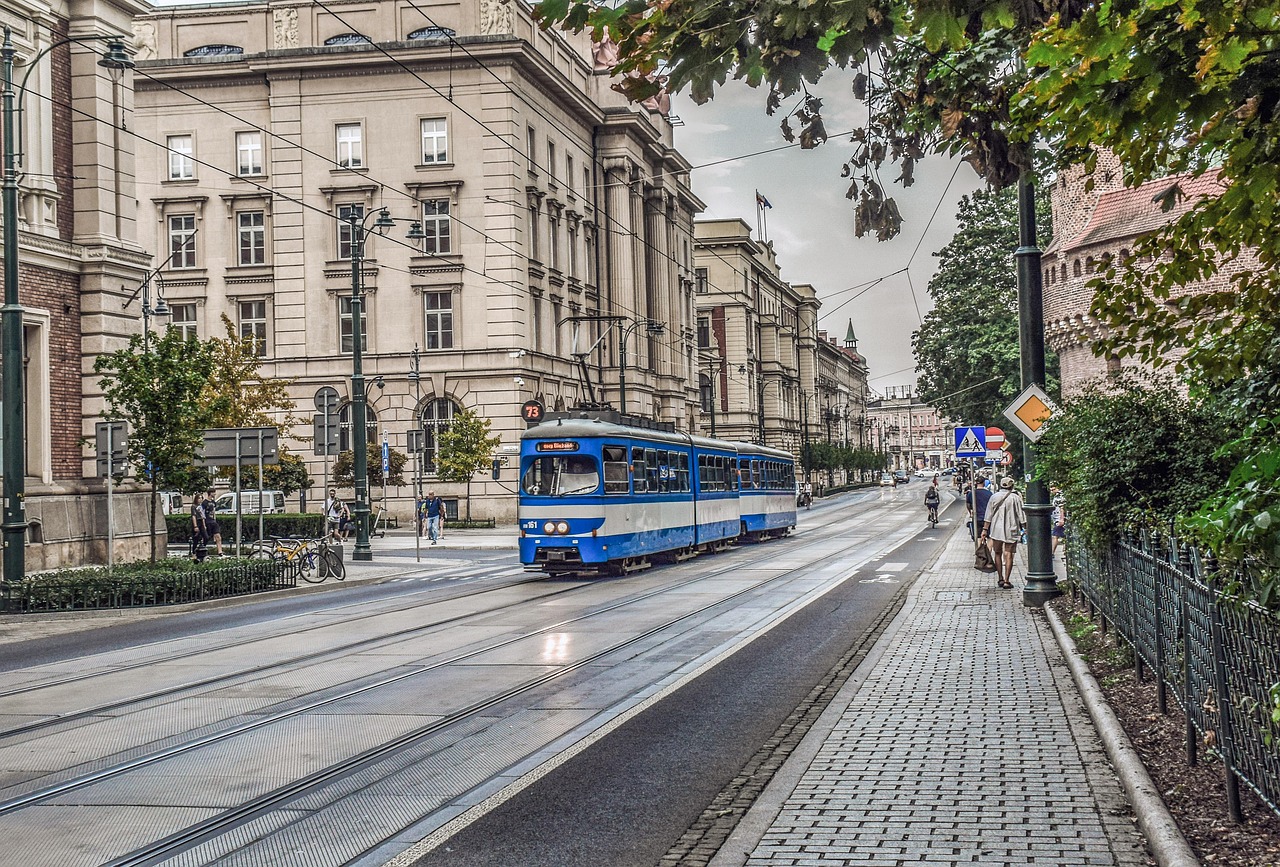
- Public transport: Efficient network of trams and buses. Buy tickets at machines (often with English) or via apps, and validate when you board.
- Ride-hailing: Services like Bolt and Uber operate in Krakow and are often cheaper than taxis.
- Car rental: Not necessary for city sightseeing; only consider if you’re planning multiple rural day trips.
Money & Saving Tips
- Currency: Polish złoty (PLN). Many places accept cards, but carry a bit of cash.
- Budget eating: Milk bars, markets, bakeries, and lunch specials are your best allies.
- City cards: Check if a current Krakow city card (museum + transport) makes sense for your itinerary.
SIM Cards & Connectivity
- Local SIM: Available from major providers (e.g., Orange, Play, Plus, T-Mobile) at malls and kiosks. Bring passport for registration.
- eSIM: Many travelers now use international eSIMs; coverage in Krakow is generally excellent.
- Wi-Fi: Widespread in cafés, hotels, and public spaces.
Visas & Driving
- Visas: Poland is in the Schengen Area. Check your nationality’s requirements before travel; many can visit visa-free for short stays.
- Driver’s license: EU licenses are accepted. Non-EU visitors may need an International Driving Permit alongside their home license—check current rules before renting.
Safety
- General: Krakow is generally safe. Normal big-city precautions apply—watch your belongings, especially in crowded trams and tourist hotspots.
- Nightlife: Stay aware of your drink, and avoid overly rowdy stag-party zones late at night.
Best Seasons & What They’re Good For
- Spring (April–June): Mild weather, blooming parks, fewer crowds than peak summer—ideal for most travelers.
- Summer (July–August): Warm, lively, lots of festivals. Also the busiest and sometimes hottest.
- Autumn (September–October): My personal favorite: golden trees in Planty, comfortable temperatures, fewer tourists.
- Winter (November–March): Cold, sometimes snowy, but magical around Christmas with markets. Great for lower prices (outside holidays) and cozy cafés.
Summary: Key Takeaways for Planning Your Krakow Trip
Whether you plan 3 days in Krakow, a 4 day itinerary for Krakow, or a more relaxed 5 days in Krakow, you can easily blend must-see attractions with local experiences:
- Don’t miss: Rynek Główny, St. Mary’s Basilica, Wawel Castle & Cathedral, Kazimierz, a river walk, and at least one major museum (Schindler’s Factory or the Underground Museum).
- Consider: Auschwitz-Birkenau and Wieliczka Salt Mine as powerful day trips.
- Eat like a local: Try pierogi, zapiekanki, and obwarzanki; mix restaurants with milk bars and markets.
- Explore beyond the center: Podgórze, Nowa Huta, mounds, and monasteries show different faces of the city.
- Best time to visit: Late spring and early autumn strike the best balance of weather, prices, and crowds, though winter has its own quiet magic.
Krakow rewards both first impressions and repeat visits. Each time I leave, I carry memories of the same essentials—bugle calls, castle silhouettes, the smell of woodsmoke in winter—and a few new discoveries tucked away in an unfamiliar courtyard or side street. That’s what makes it such a compelling city to return to, and an excellent choice for your next European trip.