Why Visit Warsaw? What Makes It Special in 2026
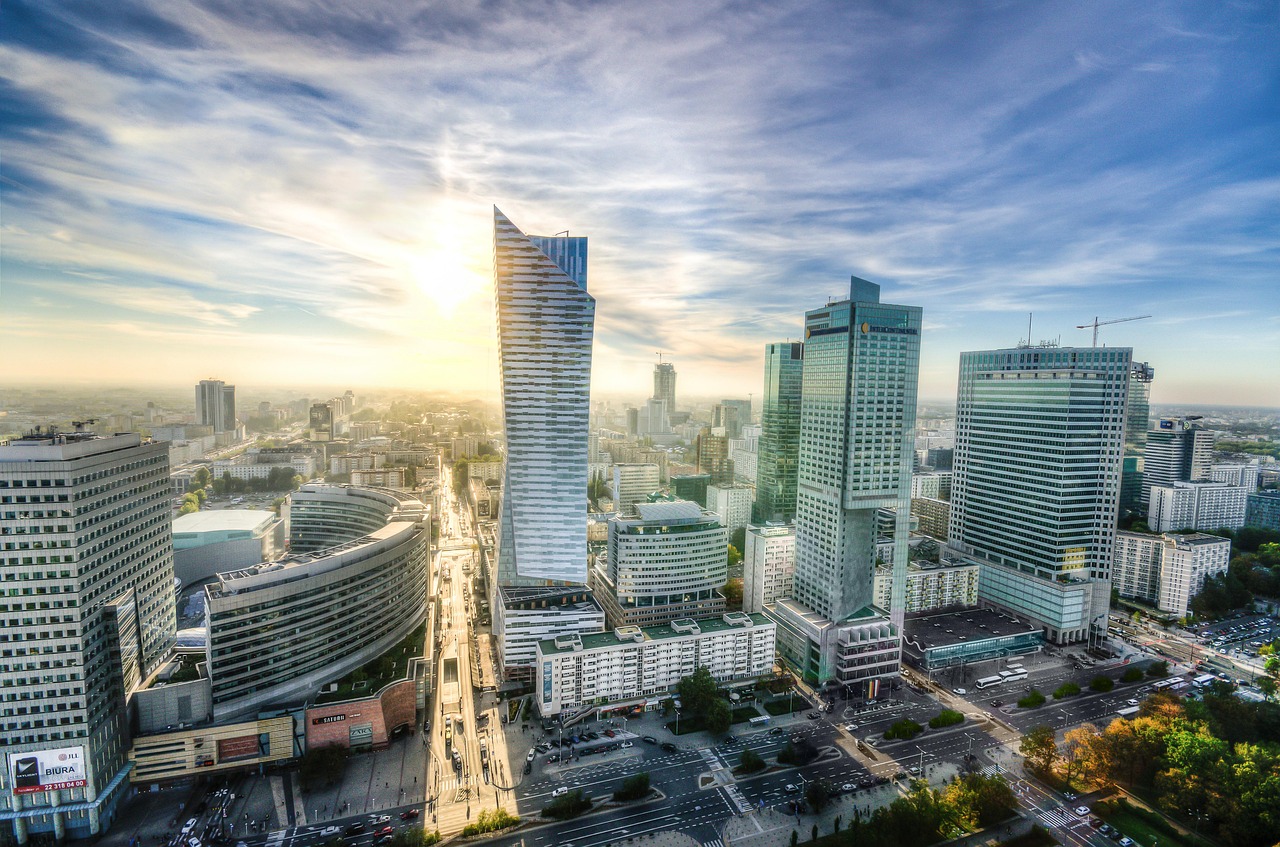
Warsaw is one of those cities that surprises people. Friends who visit me here for the first time almost always say the same thing: “I had no idea Warsaw was like this.” They expect gray communist blocks and a tragic past. They find a city of glass skyscrapers, neon-lit river boulevards, cozy cafés, and neighborhoods that feel distinctly their own.
What I love most about Warsaw is the contrast. You can be standing in a perfectly reconstructed 18th-century Old Town square, turn around, and see ultra-modern towers of glass and steel behind the red roofs. You can sip specialty coffee in a hipster bar inside a former factory in Praga, then cross the river for a Chopin concert in a regal park. The city is both a living memorial and one of the most forward-looking capitals in Europe.
In 2026, Warsaw feels especially energetic. New restaurants open constantly, the Vistula riverfront keeps getting better, and cultural events spill out of theaters and museums onto the streets. It’s a city you can easily enjoy in 3 days, but that rewards you if you stay 4 or 5 days and go beyond the must-see attractions into the local neighborhoods and hidden gems.
If you’re wondering how to plan 3 days in Warsaw or even a 5 day itinerary for Warsaw, this guide is written exactly for that: a deep, practical, story-driven travel guide to help you experience Warsaw the way locals do—plus all the essentials like local food in Warsaw, hidden gems in Warsaw, cultural experiences, and travel tips for Warsaw in 2026–2027.
Table of Contents
- Why Visit Warsaw in 2026
- Suggested Itineraries (3–5 Days in Warsaw)
- 20 Must-See Attractions in Warsaw (Deep Dive)
- Neighborhoods & Districts to Explore
- Eating & Drinking in Warsaw
- Nightlife, Entertainment & Cultural Experiences
- Major Events & Festivals 2026–2027
- Best Day Trips from Warsaw
- Cultural Etiquette & Local Customs
- Practical Travel Tips for Warsaw
- Summary & Best Time to Visit Warsaw
Suggested Itineraries: 3–5 Days in Warsaw
Below are flexible itineraries based on how long you’re in town. I’ll sketch the structure first, then in the attraction section I’ll go deep on each place with history, anecdotes, and detailed advice. Use this whether you’re planning 3 days in Warsaw or stretching it to a 5 day itinerary for Warsaw.
3 Day Itinerary for Warsaw (Classic Highlights)
If you only have 3 days in Warsaw, focus on the city’s core: Old Town, the Royal Route, museums, and the Vistula riverfront.
- Day 1: Old Town & Royal Route
Stare Miasto (Old Town), Royal Castle, Castle Square, Krakowskie Przedmieście, University area, Nowy Świat, sunset at the Vistula Boulevards. - Day 2: History & Memory
POLIN Museum of the History of Polish Jews, Warsaw Uprising Museum, Palace of Culture and Science (viewpoint), evening in Śródmieście. - Day 3: Parks, Chopin & Praga
Łazienki Park and Palace on the Isle, afternoon in Praga (Soho or Koneser), evening food and drinks in Powiśle.
4 Day Itinerary for Warsaw (Add Neighborhood Flavor)
Four days in Warsaw let you go beyond the must-see attractions into neighborhood life.
- Day 1: Old Town, Royal Castle & Royal Route
- Day 2: POLIN, Warsaw Uprising Museum, modern city & skyline
- Day 3: Łazienki Park, Ujazdowski Castle, evening in Powiśle or Saska Kępa
- Day 4: Praga district, Neon Museum, Koneser, evening on the Vistula beaches
5 Day Itinerary for Warsaw (Deeper & Slower)
A 5 day itinerary for Warsaw is ideal if you like to mix sightseeing with slow mornings, cafés, and spontaneous discoveries.
- Day 1: Old Town deep dive, Royal Castle interiors, city walls and viewpoints
- Day 2: Jewish heritage & World War II history (POLIN, Ghetto sites, Uprising Museum)
- Day 3: Łazienki Park, Wilanów Palace & gardens (romantic afternoon), evening wine bar
- Day 4: Praga & right-bank Warsaw, Vistula beaches, street art
- Day 5: Museums or day trip (Żelazowa Wola / Kampinos / Modlin), last-minute shopping, rooftop sunset
In the next sections, I’ll walk you through the main attractions and then weave them into personal, story-like days so you can adapt them to your style—family friendly, romantic, or adventurous.
20 Must-See Attractions in Warsaw (Detailed Local Guide)
Here are 20 of the best places to visit in Warsaw, each described as I actually experience them when I wander the city. These are the foundations for any travel guide for Warsaw and work well for either a 3 day itinerary for Warsaw or a longer 4–5 day plan.
1. Warsaw Old Town (Stare Miasto)
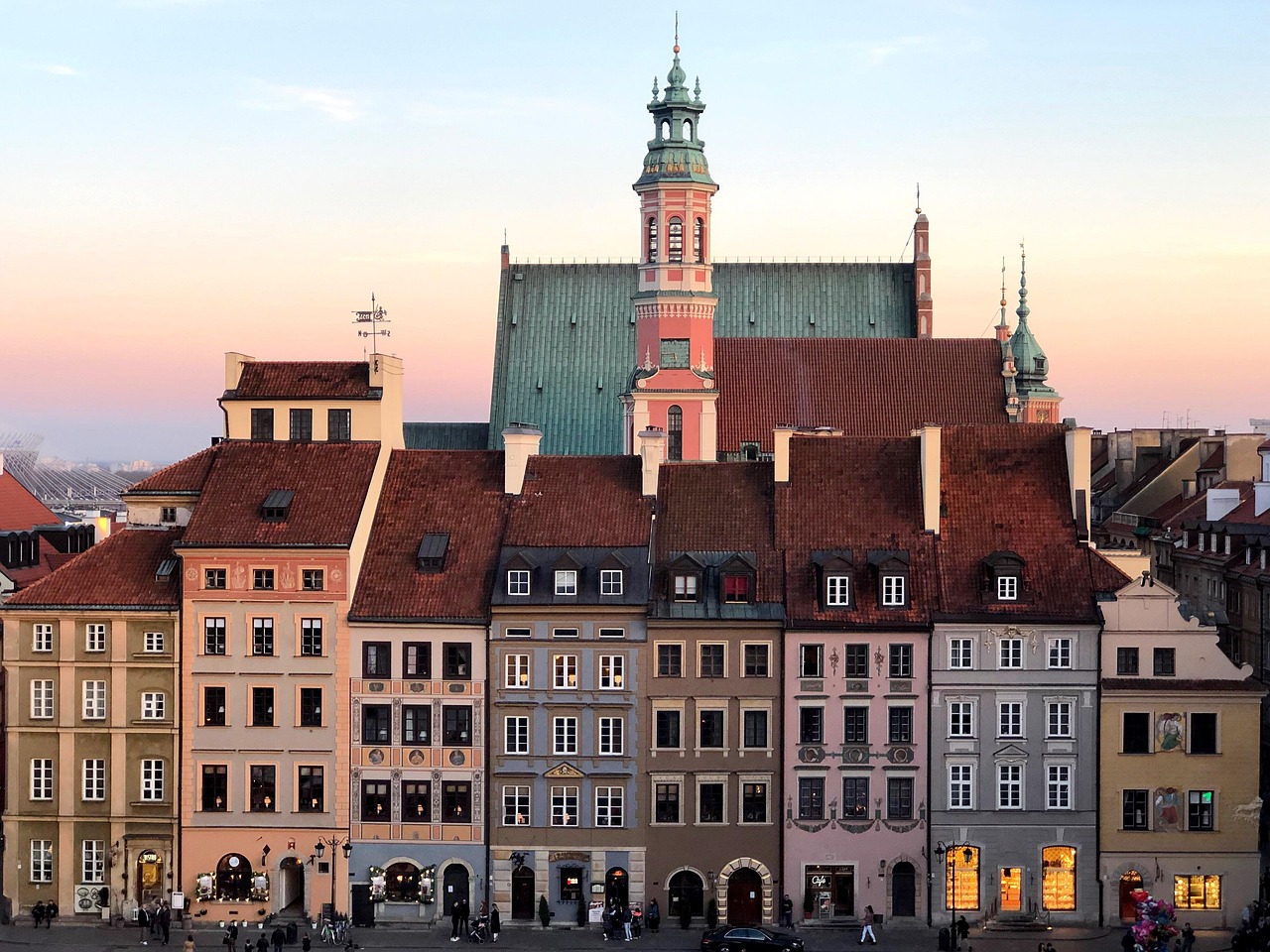
Every time I bring someone new to Warsaw, I start in Old Town—partly because it’s postcard-perfect, partly because the story behind it is wild. Over 80% of Warsaw’s historic center was destroyed in World War II, and what you see now is a meticulous reconstruction completed in the 1950s and 60s. It’s so faithful that UNESCO put the reconstruction on its World Heritage list.
On a clear morning, I like to enter from Krakowskie Przedmieście, walk past the Sigismund’s Column, and step onto Castle Square. Street musicians are usually playing, kids chase pigeons, and vendors sell obwarzanki (bagel-like rings). If you’re here in winter, the square sparkles with Christmas lights and a giant tree.
The heart of Old Town is the Market Square (Rynek Starego Miasta), surrounded by colorful townhouses. I once spent an entire afternoon here with a friend, just moving from café to café, watching the light change on the facades. It’s touristy, yes, but in a charming way. The Warsaw Mermaid (Syrenka) statue in the center is the city’s symbol; you’ll spot her everywhere in town.
What to do:
- Walk the cobbled lanes and peek into narrow side streets—you’ll find hidden courtyards, murals, and small galleries.
- Visit the St. John’s Archcathedral, a red-brick Gothic church that played a role in Poland’s royal history.
- Walk along the city walls and Barbican; kids love running on the ramparts, and the views of New Town are lovely.
- Stop for a coffee or hot chocolate at a café tucked under the arcades; I often go to a small spot on the northeast corner of the square for people-watching.
Food tip: If you want something more local and less tourist-priced, walk 5–10 minutes out of Old Town towards Muranów, where you’ll find more down-to-earth milk bars (bar mleczny) and bistros. I usually save my appetite for there and just have a drink on the square.
Getting there: From the central station (Warszawa Centralna), take tram or bus to Stare Miasto or walk about 25 minutes along the Royal Route. Uber/Bolt is cheap and quick if you’re short on time.
Best time: Early morning (before 9:00) or late evening (after the day-trippers leave). For romance, come after dark when the lamps cast warm light on the stones.
2. Royal Castle in Warsaw (Zamek Królewski)
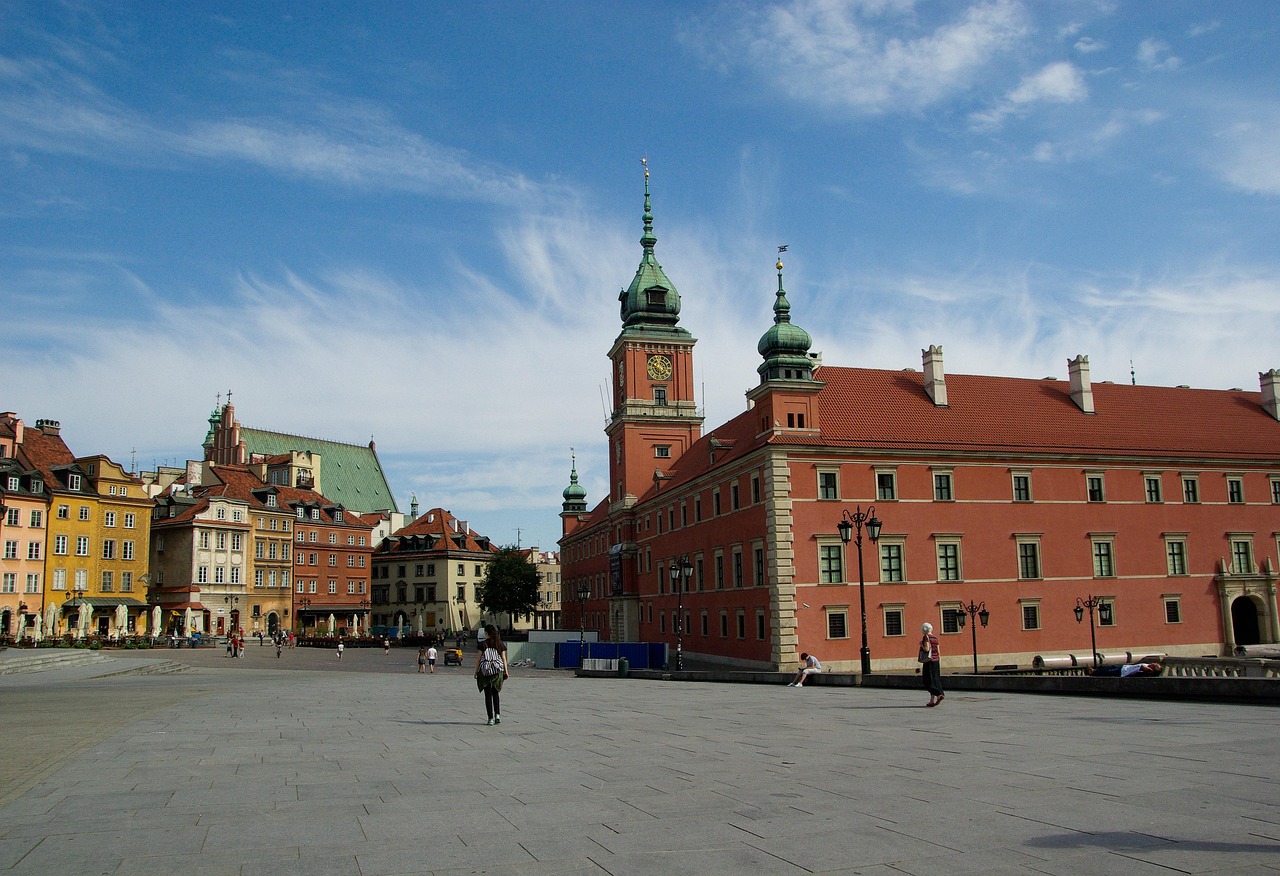
The Royal Castle anchors Castle Square and is more interesting than many people expect. It was home to Polish kings and the site of important events, like the adoption of the 3rd May Constitution in 1791 (one of Europe’s first modern constitutions). Like much of Warsaw, it was blown up in World War II and painstakingly rebuilt.
On one of my first real “tourist days” in my own city, I booked the full interior visit, and it was absolutely worth it. The Throne Room, with its red-and-gold opulence, is a highlight, and I still remember standing in the Great Assembly Hall, imagining the political debates that once echoed there.
What to look for inside:
- The Canaletto Room, featuring paintings that were used as references to reconstruct Warsaw after the war.
- The Senators’ Hall, where the Constitution of 3 May was adopted.
- The royal apartments, with Baroque and Rococo interiors that feel surprisingly intimate.
Practical tips:
- Tickets: Buy online in high season (May–September) to skip queues. Mondays are often free or discounted but busier; check 2026 schedules on the castle’s official website.
- Timing: Allow 1.5–2 hours for a relaxed visit. Combine with Old Town on the same day.
- Views: Don’t miss the gardens behind the castle and the lookout over the Vistula river and the Praga district.
3. Łazienki Królewskie (Łazienki Royal Park & Palace on the Isle)
If I had to choose one favorite place in Warsaw, this might be it. Łazienki is where locals go to breathe. I jog here on crisp autumn mornings when the leaves turn copper and gold, and I stroll here in spring when peacocks strut on the lawns like they own the place (they kind of do).
The centerpiece is the Palace on the Isle, a neoclassical palace reflected in a mirror-like lake. The surrounding park has winding paths, romantic bridges, and plenty of benches where you can watch red squirrels darting around. It’s a dream for couples, families, and solo wanderers alike.
Don’t miss:
- The Chopin Monument at the entrance from Aleje Ujazdowskie. On Sunday afternoons in spring and summer (usually May–September), there are free open-air Chopin concerts. Bring a blanket and sit on the grass among locals—it’s one of the purest cultural experiences in Warsaw.
- The Old Orangery with its classicist theater and statue gallery.
- The Belvedere area, with views and quieter paths.
Food & coffee: Inside the park there are a couple of refreshment spots, but for better coffee I usually step out to nearby cafés on Aleje Ujazdowskie or in the Mokotów direction. If you’re on a budget, grab snacks from a bakery before entering and have a mini-picnic.
Getting there: From the center, buses along Aleje Ujazdowskie (e.g., lines heading to Łazienki or Wilanów) drop you right by the park entrances. It’s a straight, pleasant walk from the city center if you don’t mind 30–40 minutes on foot along the Royal Route.
4. POLIN Museum of the History of Polish Jews
POLIN is not just one of the best museums in Warsaw; it’s one of the best historical museums in Europe. I still remember my first visit: I planned to spend two hours and ended up staying over four, walking out emotionally drained but deeply moved.
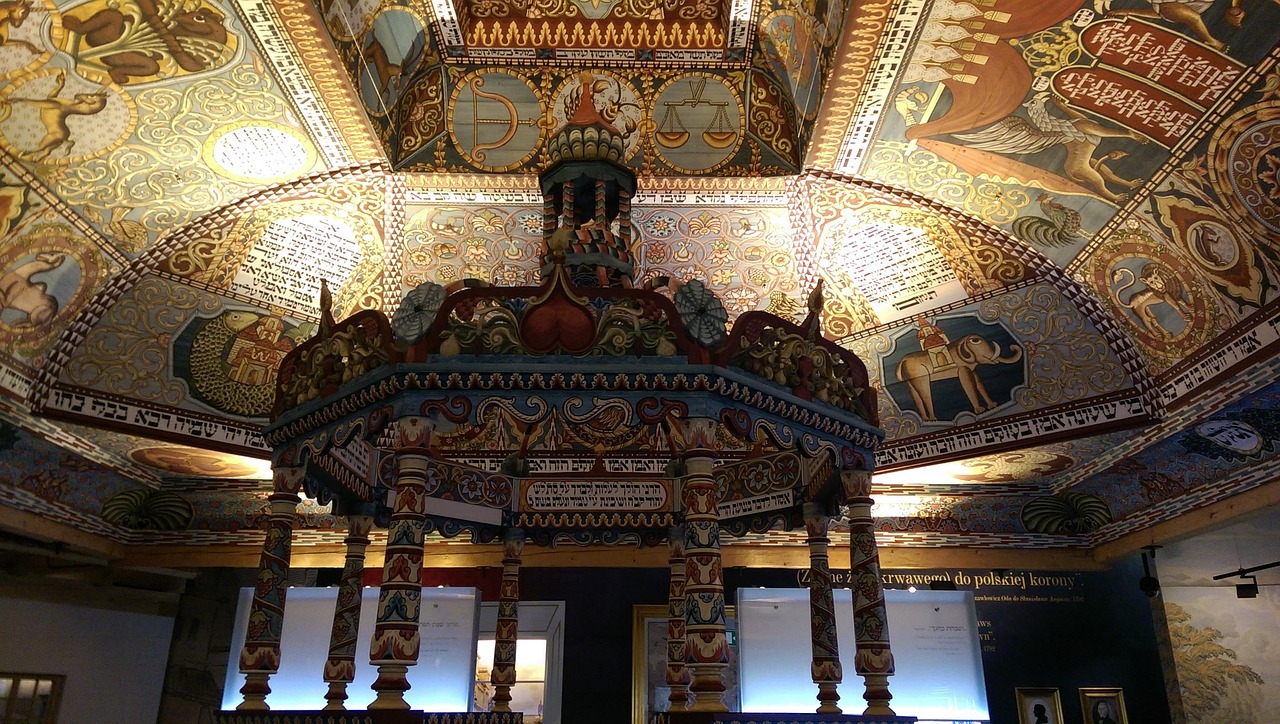
The museum is built on the site of the former Warsaw Ghetto and tells the 1,000-year story of Jews in Poland—not only the Holocaust, but centuries of life, culture, and contribution. The core exhibition is immersive, with reconstructed streets, interactive displays, and powerful artifacts.
Highlights inside:
- The reconstructed Gwoździec synagogue ceiling, painted in brilliant colors.
- Sections on Jewish life in interwar Warsaw, which was one of the largest Jewish cities in the world.
- The moving chapters on the Ghetto and resistance.
Practical tips:
- Time needed: At least 3 hours for the core exhibition; more if you like to read in depth.
- Tickets: Reserve online for weekends and holidays. Audio guides are excellent and worth the small extra cost.
- Family note: Older kids and teens can handle it; for younger children, focus on the earlier, lighter sections first.
After visiting, I often walk to a nearby café in Muranów, a calm residential district that sits atop the ruins of the former ghetto—a powerful contrast between past and present.
5. Warsaw Uprising Museum
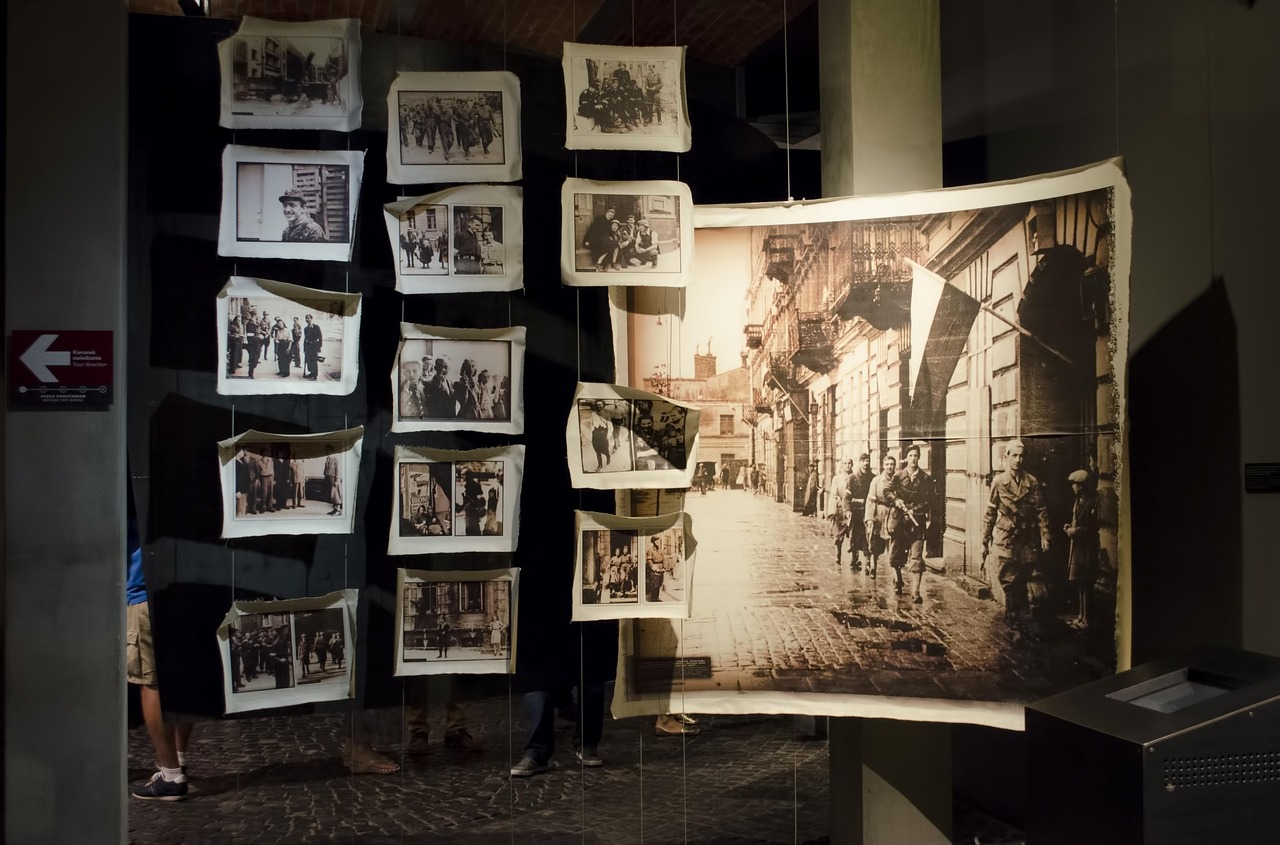
The Warsaw Uprising Museum is loud, immersive, and intense. It tells the story of the 1944 uprising against the Nazi occupation, which lasted 63 days and left most of the city destroyed. I’ve been three times, and each visit I discover a new detail or personal story that hits differently.
Inside, you’ll walk through reconstructed sewer tunnels, hear the sound of planes overhead, and see photos and artifacts from the fighters and civilians. It’s not a light museum, but it’s essential for understanding Warsaw’s resilience and why locals are so proud of their city.
Tips for visiting:
- Go earlier in the day to avoid crowds, especially on weekends and holidays.
- Plan breaks during your visit; there are quiet corners and a small café if you need to decompress.
- Combine with a calmer activity afterward—maybe a walk through nearby parks or a relaxed meal.
Getting there: It’s in Wola, a short tram or bus ride from the center. I usually hop on a tram from near the Palace of Culture and get off near Muzeum Powstania Warszawskiego stop.
6. Palace of Culture and Science (Pałac Kultury i Nauki)
Love it or hate it, you can’t ignore it. The Palace of Culture and Science (PKiN) is the tall, Stalinist “wedding cake” building that dominates central Warsaw. A “gift” from the Soviet Union in the 1950s, it has become an unlikely symbol of the city.
When I first moved here, I wasn’t a fan of the architecture, but over time it’s grown on me. It’s also one of the best viewpoints in town. I like to take visitors up to the 30th-floor terrace right around sunset; you get a 360-degree view of Warsaw’s skyline, with modern skyscrapers climbing around the old palace.
Inside & around:
- The observation deck is the main draw—buy your ticket at the base and take the elevator up.
- There are theaters, cinemas, and cultural institutions inside; occasionally there are festivals and fairs in the halls.
- In summer, the surrounding plaza hosts food trucks and outdoor events; in winter, you sometimes find ice rinks and Christmas markets nearby.
Photo tip: For the classic shot of the Palace surrounded by skyscrapers, head to the roof terrace of a nearby mall or one of the rooftops along Świętokrzyska Street.
7. The Royal Route: Krakowskie Przedmieście & Nowy Świat
The Royal Route is my favorite urban walk in Warsaw. It links the Royal Castle in Old Town with Łazienki Park and Wilanów further south, but the most atmospheric stretch is from Castle Square along Krakowskie Przedmieście and Nowy Świat.
On warm evenings, the wide sidewalks are full of people strolling, eating ice cream, or heading to dinner. Street musicians play near the University gates, and terrace cafés buzz late into the night.
What you’ll pass:
- Presidential Palace
- Church of the Holy Cross (where Chopin’s heart is kept in an urn in a pillar)
- University of Warsaw main campus
- Lots of cafés, bakeries, and restaurants—from traditional Polish to modern fusion
In December, this area becomes a glowing tunnel of Christmas lights; in summer, the street is sometimes closed to traffic on weekends and given over to pedestrians.
8. Wilanów Palace & Gardens
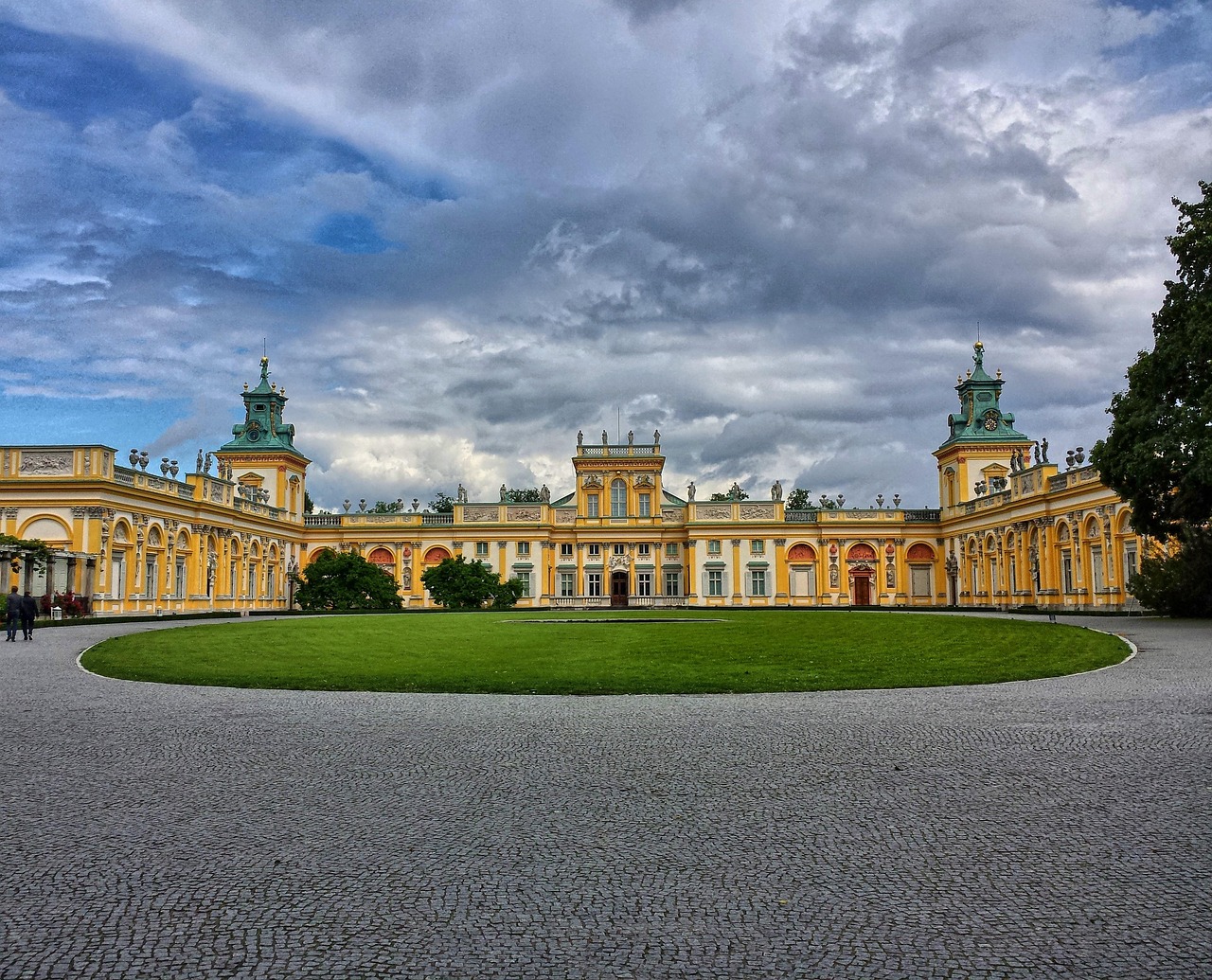
If Łazienki is my go-to for everyday nature, Wilanów is where I go when I want to feel like I’ve left the city for a mini-royal escape. This Baroque palace, sometimes called the “Polish Versailles,” sits in the southern part of Warsaw, surrounded by formal gardens and a lake.
I love coming here on a sunny afternoon, wandering through the gardens first, and then sitting by the water with a coffee from the nearby cafés. Inside, the palace is richly decorated with paintings, stuccos, and historic furnishings.
Why visit:
- It’s a romantic spot for couples—especially around golden hour.
- Families like the wide lawns and seasonal events (light shows in winter, garden events in summer).
- History lovers get a window into Poland’s royal past beyond just the Royal Castle.
Getting there: Bus from the center (around 30–40 minutes, depending on traffic). I usually combine Wilanów with Łazienki in a single, long, “royal day.”
9. Vistula Boulevards (Bulwary Wiślane)
On summer evenings, the Vistula Boulevards become Warsaw’s living room. When I think of the city’s modern, youthful energy, I picture these riverside promenades: groups of friends with beers, cyclists gliding by, kids on scooters, boats drifting along the water.
The left-bank boulevards are fully developed with wide paths, bars, and floating clubs. The right bank, meanwhile, remains relatively wild, with sandy beaches and nature reserves. The contrast is one of my favorite “only in Warsaw” experiences.
Things to do:
- Rent a bike or e-scooter and ride along the boulevards from the Copernicus Science Centre area to the north.
- Grab a drink or casual food from riverside kiosks and sit on the steps as the sun sets behind the city skyline.
- Cross to the right bank for a bonfire on the sand or a quieter, more natural vibe.
It’s safe, lively, and perfect for all styles: families during the day, couples at sunset, groups of friends at night.
10. Praga District (Right-Bank Warsaw)
Praga is where I go when I want to remember that Warsaw is not just polished facades and glass towers. This right-bank district survived the wartime destruction and kept much of its pre-war architecture—courtyards with shrines, faded tenements, and brick factories now turned into creative hubs.
Years ago, I was a bit wary of Praga’s gritty reputation, but it has changed enormously. It’s still edgy compared to the left bank, but it’s one of the most interesting neighborhoods in Warsaw now, full of art, bars, and small galleries.
Key spots:
- Praga Koneser Center – a revitalized vodka distillery with museums, eateries, and design shops.
- Soho Factory – former industrial space hosting the Neon Museum and creative businesses.
- Streets like Ząbkowska and Brzeska, where old meets new.
Come in the afternoon, explore the courtyards and street art, then stay for dinner and drinks at one of the modern bistros or bars.
11. Copernicus Science Centre (Centrum Nauki Kopernik)
For families, the Copernicus Science Centre is an absolute must. For curious adults, it’s a lot of fun too. This interactive science museum sits right on the Vistula and is packed with hands-on exhibits. I once lost track of time here with a friend’s kids, only realizing we’d been inside for four hours when the staff started announcing closing time.
Why it’s great:
- Hundreds of experiments to touch, move, and play with—physics, human body, nature, technology.
- A planetarium with shows about space and Earth.
- Good café and river views just outside for a break.
Tip: Book tickets in advance, especially on weekends and during school holidays. Time slots can sell out in high season.
12. Neon Museum
Tucked into Soho Factory in Praga, the Neon Museum is one of those hidden gems in Warsaw that I bring artsy friends to. It’s a small space filled with rescued neon signs from the communist era—shop names, cinemas, hotels—all glowing like a retro dreamscape.
It’s part design museum, part nostalgia trip. I find it oddly romantic; the dim light and colored glows make it a great stop before dinner or drinks nearby. You don’t need more than an hour, but it leaves a vivid impression.
13. Piłsudski Square & Tomb of the Unknown Soldier
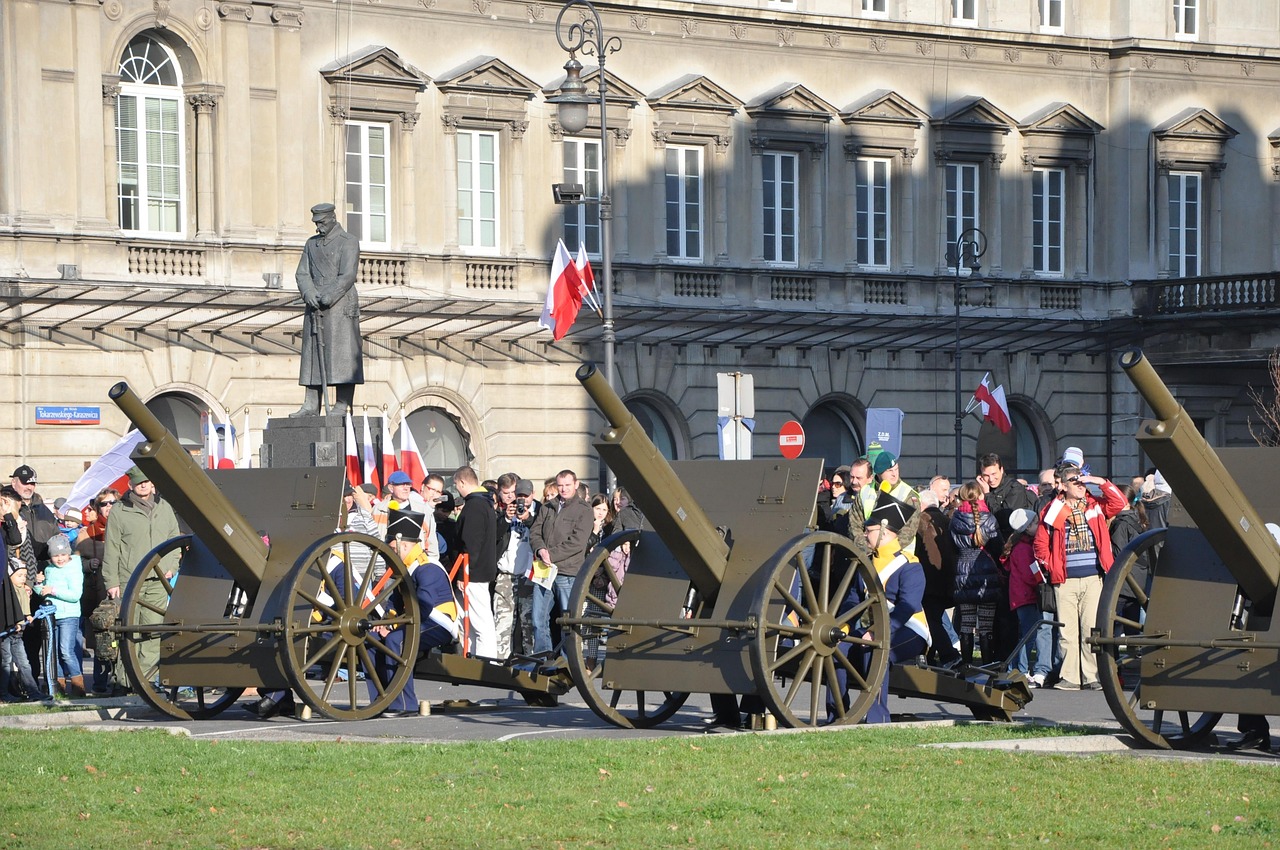
Piłsudski Square is a wide, open space in central Warsaw, bordered by government buildings and a park. In one corner stands the Tomb of the Unknown Soldier, the last remaining fragment of the Saxon Palace that once stood here.
The tomb is guarded by soldiers, with a ceremonial changing of the guard that’s surprisingly moving. I often pass by on my way between the Royal Route and the Saxon Garden, pausing for a moment to watch the eternal flame.
In 2026–2027, there are ongoing discussions and plans about reconstructing the Saxon Palace; if you’re visiting in these years, you may see construction or archaeological work underway.
14. Saxon Garden (Ogród Saski)
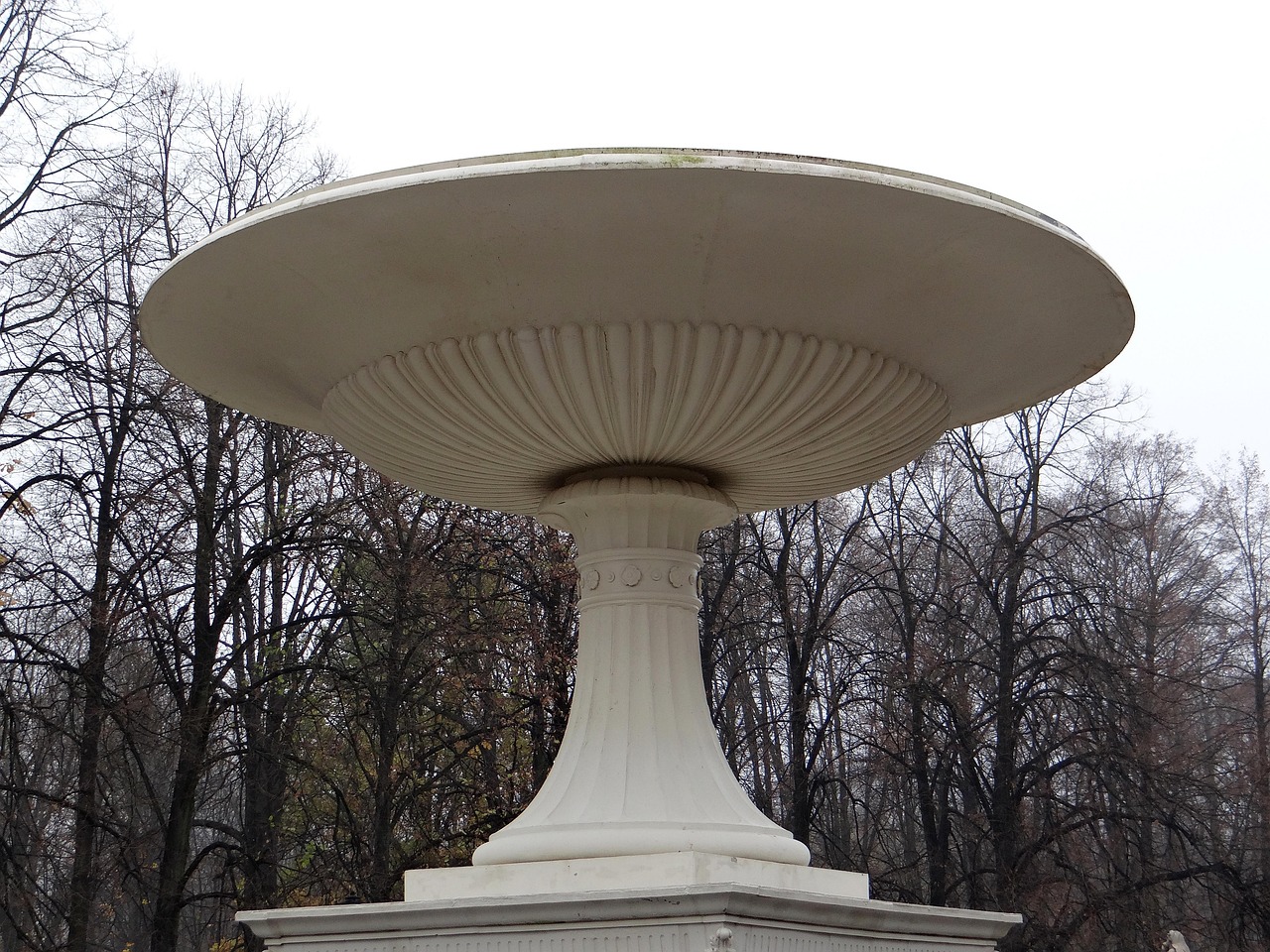
Just behind Piłsudski Square lies the Saxon Garden, one of Warsaw’s oldest public parks. It’s modest compared to Łazienki but perfectly placed when you need a breather in the middle of sightseeing.
I often cut through here when walking from the center to Old Town. The tree-lined paths, fountain, and statues make it a peaceful little detour, especially in spring and early summer.
15. Praga Cathedral & Warsaw Zoo Area
On the Praga side, near the river, you’ll find the striking red-brick Cathedral of St. Mary Magdalene and, just across the way, the Warsaw Zoo. Families often pair these with a visit to the right-bank beaches.
The zoo also has a poignant history; the story of its wartime director and his wife, who hid Jews in the zoo’s grounds, was told in the book and film “The Zookeeper’s Wife.” Today, it’s a fairly standard city zoo but with this deeper historical layer.
16. Vistula River Beaches (Right Bank)
When locals tell you they’re “going to the beach,” they don’t mean a lake outside the city—they mean the sandy stretches of the Vistula right here in Warsaw. These natural beaches are one of the coolest things about the city in summer.
I love walking or biking along the right bank, passing bonfires, guitar music, and groups of friends grilling sausages. The view of the left-bank skyline lit up at night is one of my favorite Warsaw panoramas.
Good for: Budget-friendly evenings (bring your own drinks and snacks), laid-back gatherings, a bit of nature without leaving the city. In daylight, it’s also nice for a walk or picnic with kids.
17. Museum of Modern Art & Art Spaces
Warsaw’s contemporary art scene has grown rapidly. The Museum of Modern Art (Muzeum Sztuki Nowoczesnej) and associated spaces in Powiśle and the city center host rotating exhibitions of Polish and international artists.
I like pairing a visit here with a coffee in a minimalist café nearby and a stroll through Powiśle, which has gone from industrial area to one of the city’s trendiest districts.
18. National Museum in Warsaw (Muzeum Narodowe)
If you’re into art and history, the National Museum is a must. It houses everything from medieval religious art to 19th-century Polish painting and decorative arts. My personal favorite is the large-scale painting “Battle of Grunwald,” which almost everyone in Poland recognizes from schoolbooks.
It’s a great rainy-day option and not as crowded as some of the other big attractions. You can easily spend a couple of hours here, then head out to the nearby river or Powiśle for food.
19. Praga Koneser Center
Koneser is a former vodka distillery turned into a culture and lifestyle center. Brick buildings surround a central square with cafés, restaurants, and shops. The Polish Vodka Museum is here, offering entertaining tours and tastings (I once took visiting friends here; they still talk about it).
It’s a great base to explore Praga, with plenty of safe, well-lit streets and a creative vibe. In summer 2026–2027, expect outdoor events, screenings, and markets popping up here.
20. Saska Kępa & Francuska Street
Saska Kępa feels like a small, leafy town within the city: low-rise modernist villas, tree-lined streets, and a relaxed, slightly bohemian atmosphere. The main artery, Francuska Street, is lined with cafés, restaurants, and ice cream shops.
On warm evenings, terraces are full of locals, and you’ll hear a mix of languages—lots of expats live here. I like to come for a lazy brunch or an evening wine, then walk to the river or the nearby National Stadium area.
Neighborhoods & Districts to Explore in Warsaw
Part of what makes a travel guide for Warsaw complete is understanding its neighborhoods. Once you’ve seen the must-see attractions in Warsaw, spend time wandering these areas to feel the city’s everyday life.
Śródmieście (City Center)
The central district where you’ll likely stay if it’s your first visit. Here you’ll find the Palace of Culture, main shopping streets, many hotels, and quick access to everywhere via metro and trams.
Powiśle
Once industrial, now one of the coolest riverside districts. Think modern apartments, stylish bars, the Copernicus Science Centre, and easy access to the boulevards. I often end my nights here, hopping between wine bars and small restaurants.
Praga-Północ & Praga-Południe
Right-bank districts with a mix of gritty old streets, revitalized factories, and creative spaces. Praga-Północ has Koneser and Soho; Praga-Południe includes Saska Kępa, Gocław’s lakes, and more residential areas.
Mokotów
Green, residential, and very livable. Lots of parks, cozy cafés, and local restaurants. Not many “must-see” spots, but if you’re in Warsaw for 5 days and want to feel like a local, spend an afternoon wandering here.
Wola
Rapidly developing business district west of the center, home to the Warsaw Uprising Museum and many new skyscrapers. It’s a good area if you like modern architecture and food halls.
Local Food in Warsaw: What to Eat & Where
Polish food is hearty, comforting, and surprisingly varied. In Warsaw, you can try both traditional dishes and modern, creative takes. Here’s what I always recommend to visitors.
Must-Try Dishes
- Pierogi – Dumplings with fillings like meat, cheese & potato, cabbage & mushrooms, or seasonal fruits.
- Żurek – Sour rye soup, often served in a bread bowl with sausage and egg.
- Bigos – Hunter’s stew with cabbage, meat, and sausage; perfect on a cold day.
- Placki ziemniaczane – Crispy potato pancakes, often with sour cream or goulash.
- Pączki – Polish doughnuts filled with rose jam or other flavors.
Where I Take Friends to Eat
(Names may change, but the styles remain—by 2026 the food scene is only getting richer.)
- Milk bars (bar mleczny) – For budget-friendly, home-style Polish food. Order at the counter, pick up your tray, and sit anywhere. Great for saving money.
- Modern Polish bistros – Around Powiśle, Śródmieście, and Saska Kępa you’ll find places that do seasonal, local-ingredient twists on classics.
- Food halls – In Wola and central areas, large halls host many vendors—perfect if you’re traveling in a group with different tastes.
Drinks to Try
- Craft beer – Warsaw has an excellent craft beer scene; look for multi-tap bars with local brews.
- Vodka tasting – Join a vodka tasting or visit the Polish Vodka Museum to sample different varieties responsibly.
- Compote & herbal teas – For non-alcoholic options, traditional fruit compote or herbal teas are widely available.
Nightlife, Entertainment & Cultural Experiences in Warsaw
Warsaw’s nightlife is diverse: casual riverside bars, hidden cocktail spots, big clubs, and everything in between.
For a Relaxed Evening
- Wine bars in Powiśle and Saska Kępa for slow conversations.
- Cafés that turn into bars after dark along Nowy Świat and in Śródmieście.
For Dancing & Late Nights
- Clubs near the river and in the center, often open late into the night.
- Floating clubs on the Vistula in summer.
Cultural Experiences
- Chopin Concerts – In Łazienki Park (outdoor) and in historic venues around the city.
- Theaters & Opera – National Opera, Teatr Wielki, and many smaller theaters with Polish-language plays and occasional English-friendly productions.
- Film festivals & art events – Check local listings; Warsaw has a busy cultural calendar.
Major Events & Festivals in Warsaw (2026–2027)
Specific dates change each year, but here are recurring events to watch for in 2026–2027 when planning your trip:
- Chopin Concerts in Łazienki Park (late spring to early autumn, Sundays)
- Wianki (Midsummer Festival) – June celebrations along the Vistula with concerts and fireworks.
- Warsaw Film Festival – Usually in October, attracting filmmakers and cinema lovers.
- Christmas Markets – Late November through December in Old Town and around the city.
- New Year’s Eve – City-organized celebrations with concerts and light shows.
Day Trips from Warsaw
If you have 4 or 5 days in Warsaw, consider a nearby excursion.
Żelazowa Wola (Chopin’s Birthplace)
A peaceful park and manor house about an hour from Warsaw, dedicated to Chopin’s life. In warm months, outdoor piano concerts echo through the gardens. It’s a romantic, serene half-day or full-day trip.
Kampinos National Park
Forests, sand dunes, and wildlife just outside the city. Ideal for hikers and cyclists who want a nature break without going far. Bring snacks and water; facilities inside the park are limited.
Modlin Fortress
A massive 19th-century fortress at the confluence of two rivers. I find it atmospherically eerie and fascinating—perfect for adventurous travelers and history fans.
Cultural Etiquette & Local Customs in Warsaw
Poles are generally polite, reserved at first, but warm once you get to know them. Warsaw is international and used to visitors, yet a little cultural awareness goes a long way.
Basic Etiquette
- Greetings: A firm handshake or a simple “Dzień dobry” (good day) is standard. Younger people might switch quickly to first names.
- Punctuality: Being on time is appreciated, especially for tours and reservations.
- Quiet in public transport: Keep voices moderate, especially on trams and metro.
In Restaurants & Cafés
- Wait to be seated in more formal restaurants; in casual spots, you can often choose a table.
- Tips of around 10% are customary for good service; leave cash or tell the server to add when paying by card.
History & Sensitivity
- Warsaw’s wartime history is still very present. Be respectful at memorials and museums—no loud jokes or irreverent photos.
- Avoid making light of communism or Nazi symbols; these are serious topics here.
Practical Travel Tips for Warsaw (2026)
Getting Around
- Public transport: Efficient network of metro, trams, and buses. Buy tickets from machines or kiosks, validate when boarding. Day passes are great if you’re packing many things to do in Warsaw into a short stay.
- Apps: Use local journey planner apps or Google Maps for routes and timetables.
- Ride-hailing: Uber and Bolt are widely used and inexpensive by Western European standards.
- Walking: Central areas are very walkable; bring comfortable shoes.
Saving Money
- Eat at milk bars and local lunch menus for budget-friendly meals.
- Use public transport instead of taxis for longer trips across town.
- Take advantage of free museum days (check each museum’s schedule for 2026–2027).
SIM Cards & Connectivity
- Prepaid SIMs are available at the airport, malls, and kiosks; bring your passport for registration.
- Data is generally affordable; eSIM options exist for many international visitors.
Car Rental & Driving
- You don’t need a car within Warsaw; traffic and parking can be tricky.
- If you plan day trips beyond easy train reach, car rental is straightforward.
- Most foreign driver’s licenses from EU/EEA are accepted; for others, an International Driving Permit may be recommended—check current regulations for 2026 before travel.
Visa Requirements
Poland is part of the Schengen Area. Many nationalities can enter visa-free for short stays (usually up to 90 days). Always check the latest visa requirements for your passport and purpose of visit before your trip.
Safety
Warsaw is generally safe, even at night in central areas. Use standard city precautions: watch your belongings in crowded trams and tourist spots, and avoid obviously drunk or rowdy groups late at night.
Best Seasons & What They’re Good For
- Spring (April–June): Ideal for city walks, parks in bloom, and moderate crowds.
- Summer (July–August): Best for Vistula boulevards, beaches, outdoor festivals, and nightlife. Can be hot and busy, but the city feels vibrant.
- Autumn (September–October): My personal favorite—golden trees in parks, fewer tourists, still-pleasant temperatures.
- Winter (November–March): Cold and dark but magical around Christmas with markets and lights. Great for museums, hearty food, and lower hotel prices (outside holiday peaks).
Summary: Planning the Perfect 3–5 Days in Warsaw
Warsaw is a city of layers: royal palaces and communist colossi, reconstructed Old Town and futuristic skyscrapers, quiet parks and wild river beaches. Whether you spend 3 days in Warsaw hitting the main things to do in Warsaw, or stretch to 4 or 5 days in Warsaw to explore hidden gems and neighborhoods, you’ll leave with a sense of a city that has rebuilt itself again and again—and is still evolving.
Key takeaways:
- Use a 3 day itinerary for Warsaw to see Old Town, museums, Łazienki, and the riverfront.
- Choose a 4 day itinerary for Warsaw if you want to add Praga, more museums, and slower neighborhood time.
- Opt for a 5 day itinerary for Warsaw if you enjoy day trips, extra parks, and simply lingering in cafés and bars like a local.
- Don’t skip local food in Warsaw—pierogi, żurek, and modern Polish cuisine are a highlight.
- Respect local customs in Warsaw by being mindful at historical sites and polite in everyday interactions.
If you can choose, aim for late spring, early summer, or early autumn. But whenever you come, give Warsaw a chance to surprise you—not just through its must-see attractions, but through the small, everyday moments along its streets, in its trams, and by its river. That’s where the city really gets under your skin.