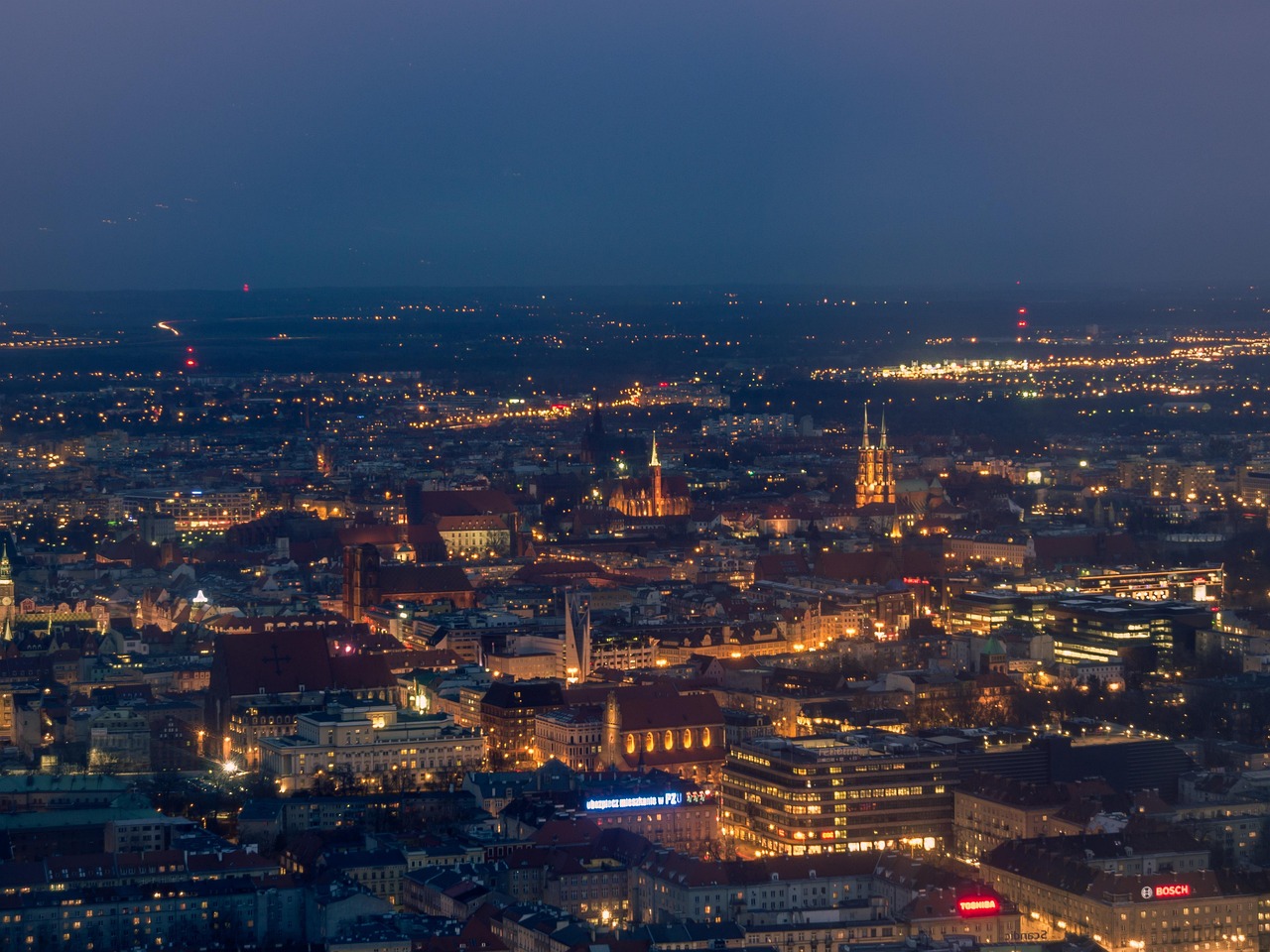
Why Visit Wroclaw? What Makes This Polish City So Special
If you’ve ever wanted a European city that feels like a fairy tale but lives like a real, modern, creative place, Wroclaw is it. Set across more than 100 bridges and 12 islands on the Odra River, it’s a city of red-brick churches, pastel townhouses, hidden courtyards, and little bronze dwarfs hiding on street corners. Yet it’s also young, dynamic, and surprisingly affordable.
I first came to Wroclaw on a cold March afternoon back in 2015 “just for a weekend.” I’ve been back almost every year since, in every season, and each trip has felt like visiting an old friend who always has a new story. In 2026, Wroclaw is buzzing: new eateries in Nadodrze, reimagined cultural spaces, and a packed calendar of festivals.
Whether you have 3 days in Wroclaw or plan a longer 4 or 5 day itinerary, this travel guide for Wroclaw will walk you through must-see attractions, local food, cultural experiences, neighborhoods, and practical travel tips. I’ll also share personal stories and small discoveries that don’t always make it into the standard tourist brochures.
- Perfect for: culture lovers, couples, families, budget travelers, and foodies.
- Best for: weekend city breaks, 3–5 day itineraries, or a base for exploring Lower Silesia.
- Vibe: colorful, walkable, historic yet playful (those dwarfs!), and very liveable.
Table of Contents
- Why Visit Wroclaw?
- Wroclaw at a Glance (2026–2027)
- Neighborhoods & Districts to Explore
- 20 Must-See Attractions in Wroclaw (with Personal Stories)
- Suggested Itineraries: 3, 4 & 5 Days in Wroclaw
- Local Food in Wroclaw: What & Where to Eat
- Nightlife, Entertainment & Cultural Experiences
- Day Trips from Wroclaw
- Cultural Etiquette & Local Customs
- Practical Travel Advice for Wroclaw (2026)
- When to Visit Wroclaw & Final Thoughts
Wroclaw at a Glance in 2026–2027
Wroclaw (pronounced roughly “VROTS-wahv”) is the fourth-largest city in Poland and the capital of the Lower Silesia region. It has a layered history—Bohemian, Austrian, Prussian, German (as Breslau), and finally Polish after World War II. This mix of influences is visible in its architecture, food, and even in local humor.
In 2026, Wroclaw remains one of Poland’s most vibrant cities, with a huge student population and a strong creative scene. The city is walkable and bike-friendly, with reliable trams and buses connecting most areas.
Upcoming Events & Festivals (2026–2027)
- Wroclaw Non-Stop Festival (Summer 2026) – Multi-day arts and music festival with performances all over the city.
- Wratislavia Cantans (September 2026 & 2027) – International classical music festival; an excellent reason for music lovers to plan 3–4 days in Wroclaw.
- Jazz nad Odrą (April 2026 & 2027) – Long-running jazz festival drawing top musicians; evening performances work perfectly with a daytime sightseeing itinerary.
- Brave Festival (likely Summer 2027) – Focused on “cultures at risk,” with performances, films, and workshops.
- Christmas Market (late November–December 2026 & 2027) – One of the most magical in Central Europe, transforming Rynek into a winter fairy tale.
Neighborhoods & Areas to Explore in Wroclaw
Wroclaw is compact, but each area has its own personality. When I plan a 3, 4 or 5 day itinerary for Wroclaw, I often group days by neighborhoods to cut down on travel time and keep the pace relaxed.
Old Town (Stare Miasto)
This is the postcard Wroclaw: the main Market Square (Rynek), historic townhouses, cafes, and most of the classic sights. It’s lively day and night, and where I usually base myself on shorter trips.
Ostrów Tumski (Cathedral Island)
The oldest part of the city, with cobbled streets, gas lamps lit by hand each evening, and Gothic churches. It feels like stepping back several centuries—especially at dusk.
Four Denominations District (Dzielnica Czterech Wyznań)
A small area west of the Old Town where a Catholic church, Orthodox church, Protestant church, and synagogue sit within a few minutes’ walk. It’s also a nightlife and dining hotspot.
Nadodrze
Formerly a bit run-down, now Wroclaw’s hipster/artsy quarter with murals, design studios, and independent cafes. I love wandering here without a map, discovering inner courtyards and street art.
Śródmieście & Szczytnicki Park Area
Home to Centennial Hall, the Pergola, and the zoo. Great for a full day of green spaces and family-friendly attractions.
Krzyki
More residential, with leafy streets and some excellent (and underrated) restaurants and wine bars.
20 Must-See Attractions in Wroclaw (with Local-Style Tips)
Below are 20 of the best places to visit in Wroclaw. Each mini-guide includes history, what it’s like to be there, and practical tips I’ve learned over multiple visits.
1. Wroclaw Market Square (Rynek)
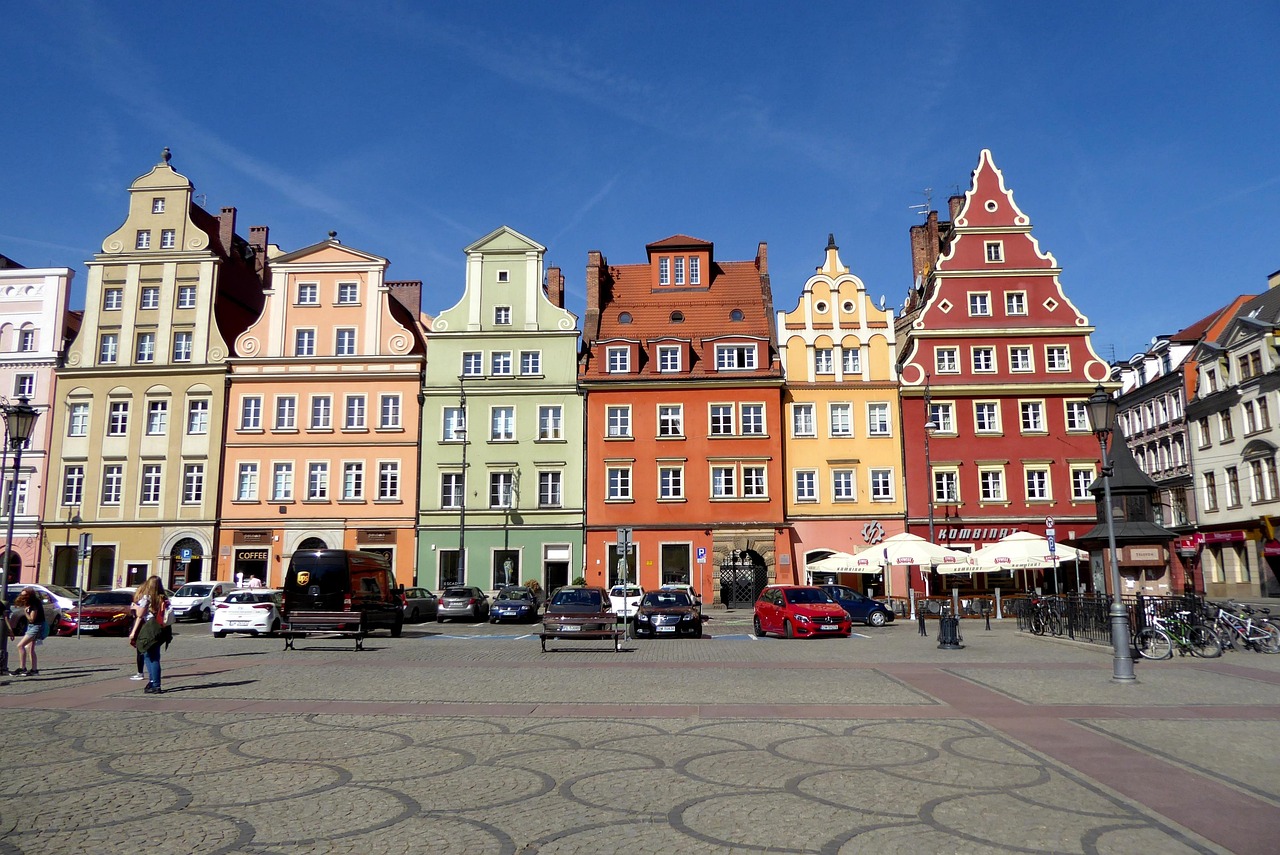
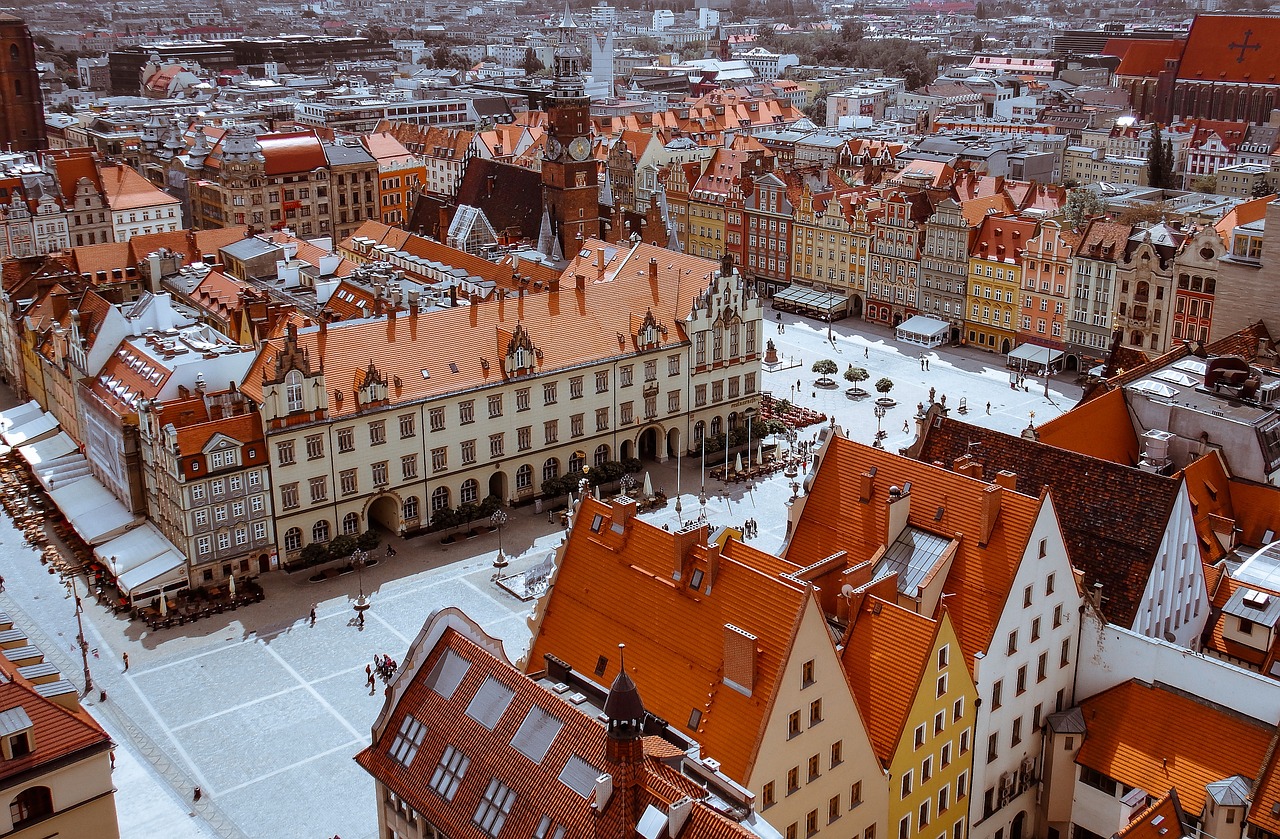
If you only have 3 days in Wroclaw and see nothing else, see the Rynek. It’s one of the largest market squares in Europe, ringed by colorful townhouses and dominated by the Gothic Old Town Hall.
I always recommend arriving early—around 8:00–9:00 am—before the cafes fill and tour groups arrive. On one March morning, I sat on a bench with a takeaway coffee, watching delivery vans unload crates of flowers and fresh bread. The square felt like a stage being set before the audience arrived.
By afternoon, street musicians, flower sellers, and kids chasing soap bubbles transform the space into an open-air theater. In December, the Christmas Market brings wooden stalls, mulled wine, and a huge tree.
- Good for: First-time visitors, people watching, photography, families.
- Don’t miss: The astronomical clock on the Town Hall, and the small alleyway called Jatki with sculptures of farm animals (a nod to the former butcher’s street).
- Tip: Most restaurants right on the square charge a premium. For better value, head one or two streets away.
2. Old Town Hall (Ratusz) & Historical Museum
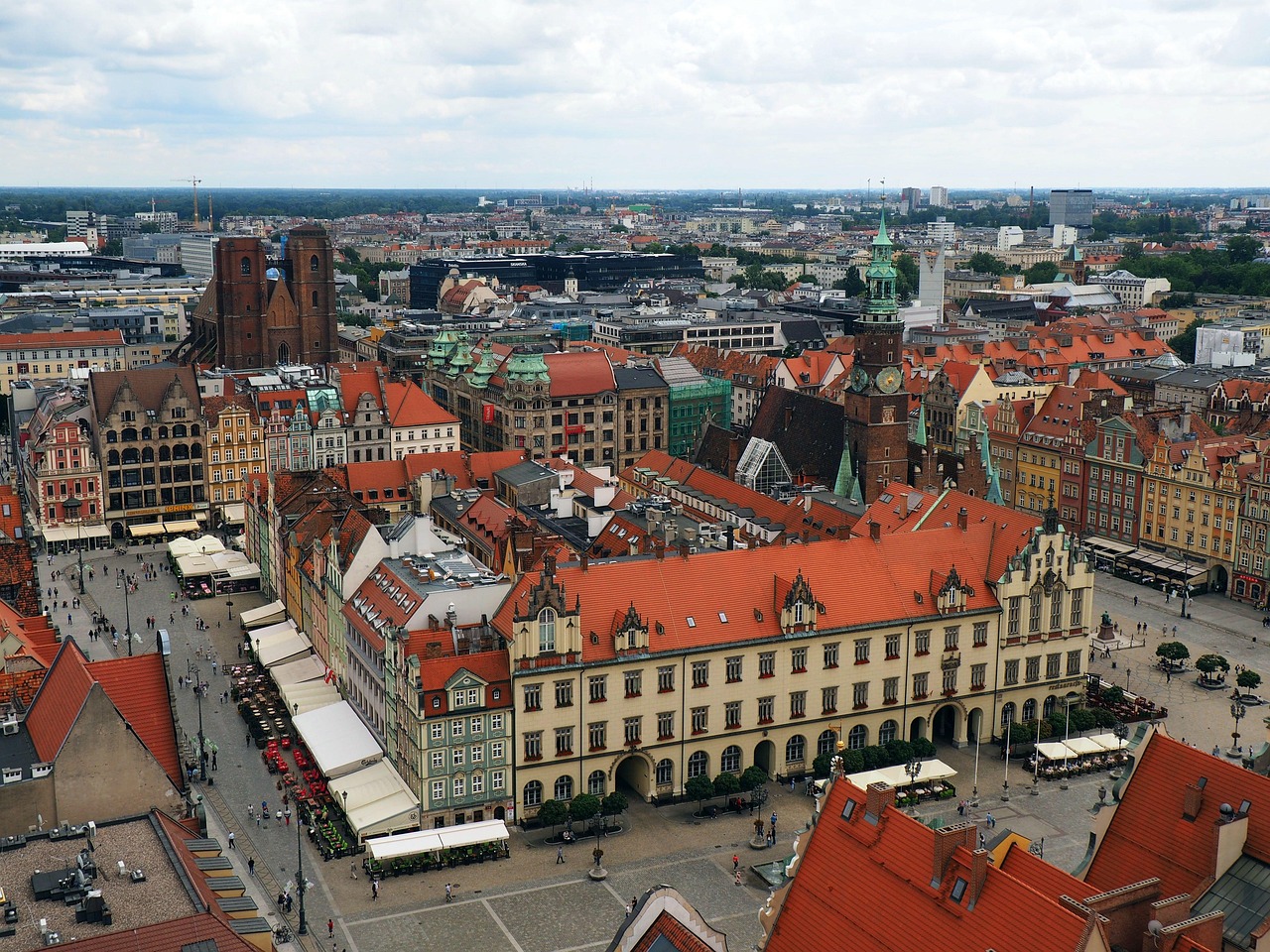
The Old Town Hall looks like a sandcastle carved out of dark stone—Gothic, intricate, and slightly surreal. Inside, you’ll find the City Museum of Wroclaw, where I spent a rainy afternoon learning how many times this city has changed hands and identities.
My favorite room is the ornate Great Hall, where you can imagine medieval council meetings and feasts. There are also models showing how Wroclaw looked at different points in history, which helps you understand why the city feels both old and surprisingly new (so much was rebuilt after WWII).
- Tip: Check the museum’s website in 2026 for current exhibitions; they often host small, high-quality temporary shows.
- Budget note: Entry fees are modest; consider a combined ticket with other city museums if you’re planning a culture-heavy itinerary.
3. Ostrów Tumski (Cathedral Island)
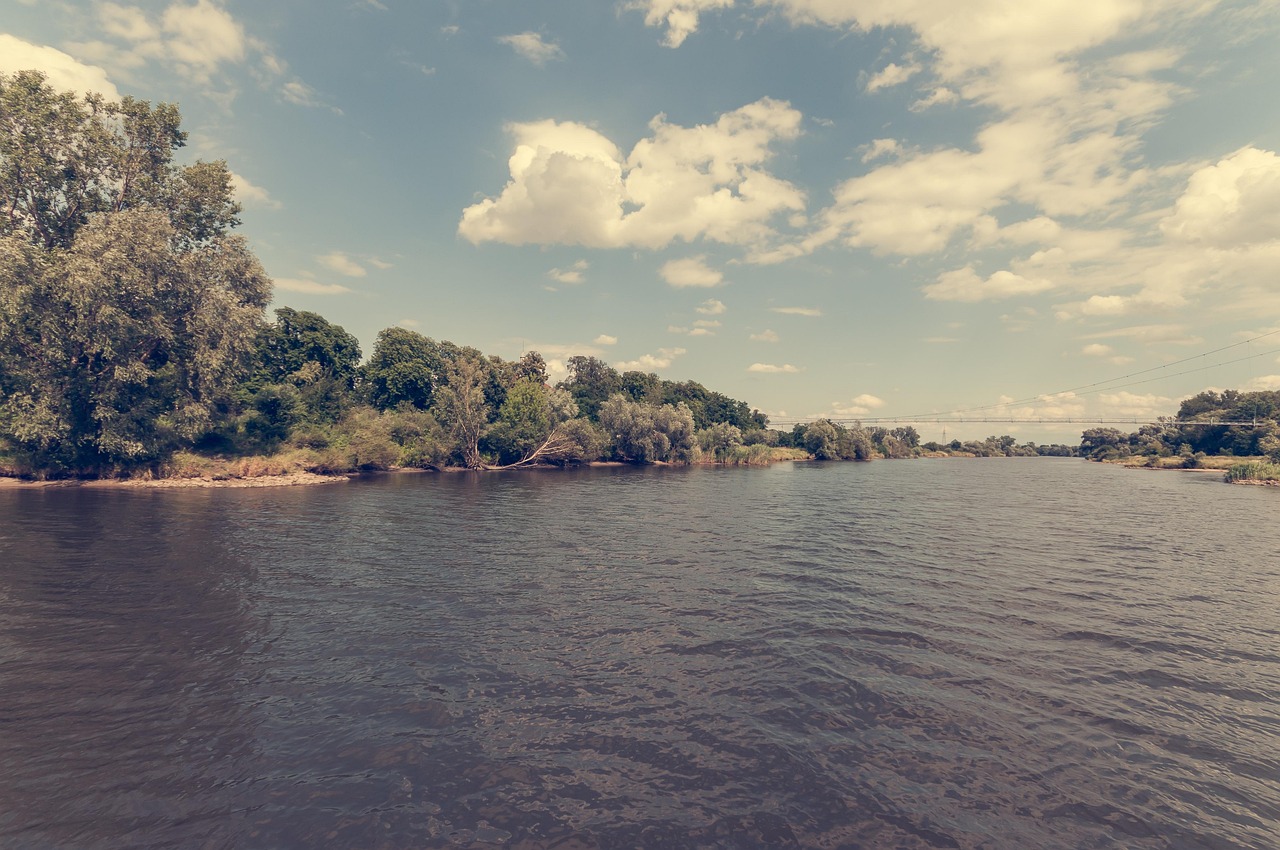
Ostrów Tumski is the spiritual heart of Wroclaw. Cross the green Tumski Bridge and suddenly cars disappear, cobblestones appear, and the pace slows. I love coming here around sunset when the sky turns gold and the silhouette of the cathedral dominates the skyline.
One evening, I lingered by the lamplighter—yes, an actual person in a cloak who lights the gas lamps by hand. It feels staged, but it’s not; this is one of those living traditions that make Wroclaw feel enchanted.
- Highlights: Cathedral of St. John the Baptist (with a tower you can climb for panoramic views), Church of the Holy Cross, the romantic riverside paths.
- Romantic tip: For couples, come just before dusk, walk the island, then cross back towards the Old Town for dinner.
4. Cathedral of St. John the Baptist
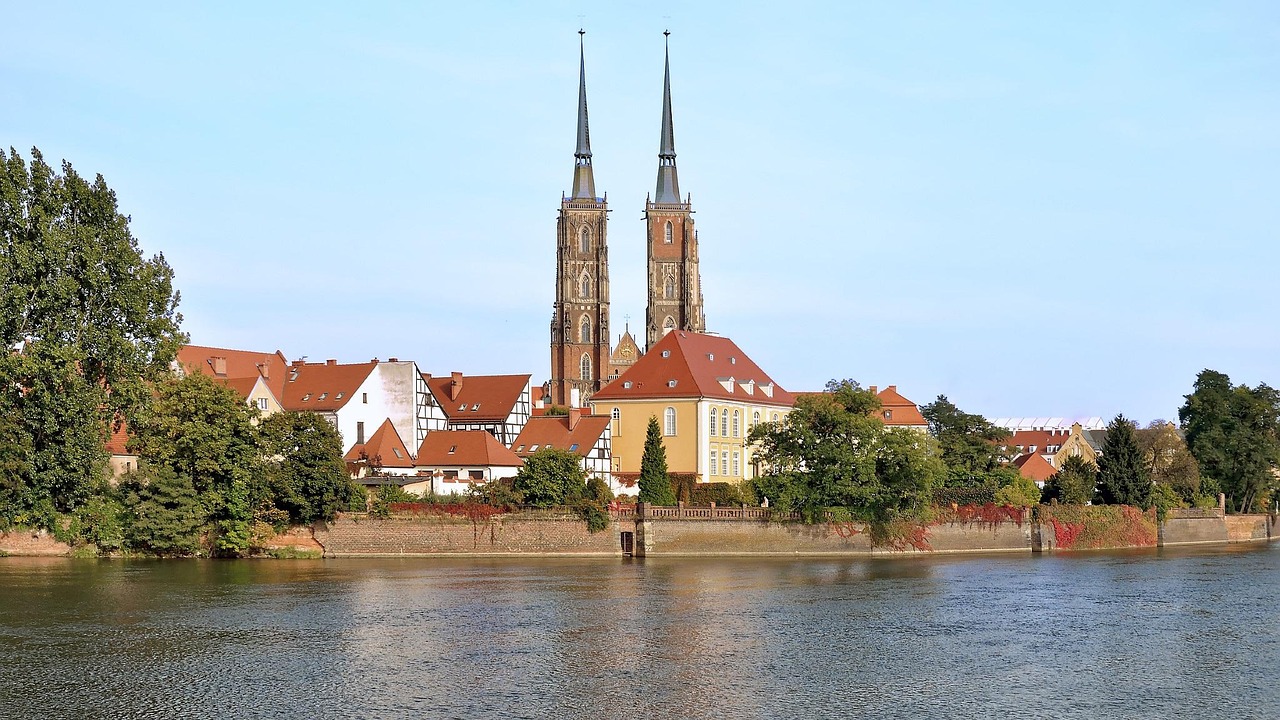
The twin spires of the cathedral pierce the skyline. Inside, the soaring nave, stained glass, and chapels are impressive, but the real payoff is climbing (or rather taking the lift most of the way) up the tower.
The first time I went up, a spring storm was rolling in. Dark clouds, patches of sun, and the red roofs of Wroclaw stretching in all directions—it was dramatic and unforgettable. On a clear day, you can see far along the Odra River, with the modern skyline in the distance.
- Good for: Photographers, panoramic views, anyone doing a “must-see attractions in Wroclaw” checklist.
- Timing: Go in the late afternoon for softer light, but avoid the final hour before closing to skip the last-minute rush.
5. Centennial Hall (Hala Stulecia) & Pergola
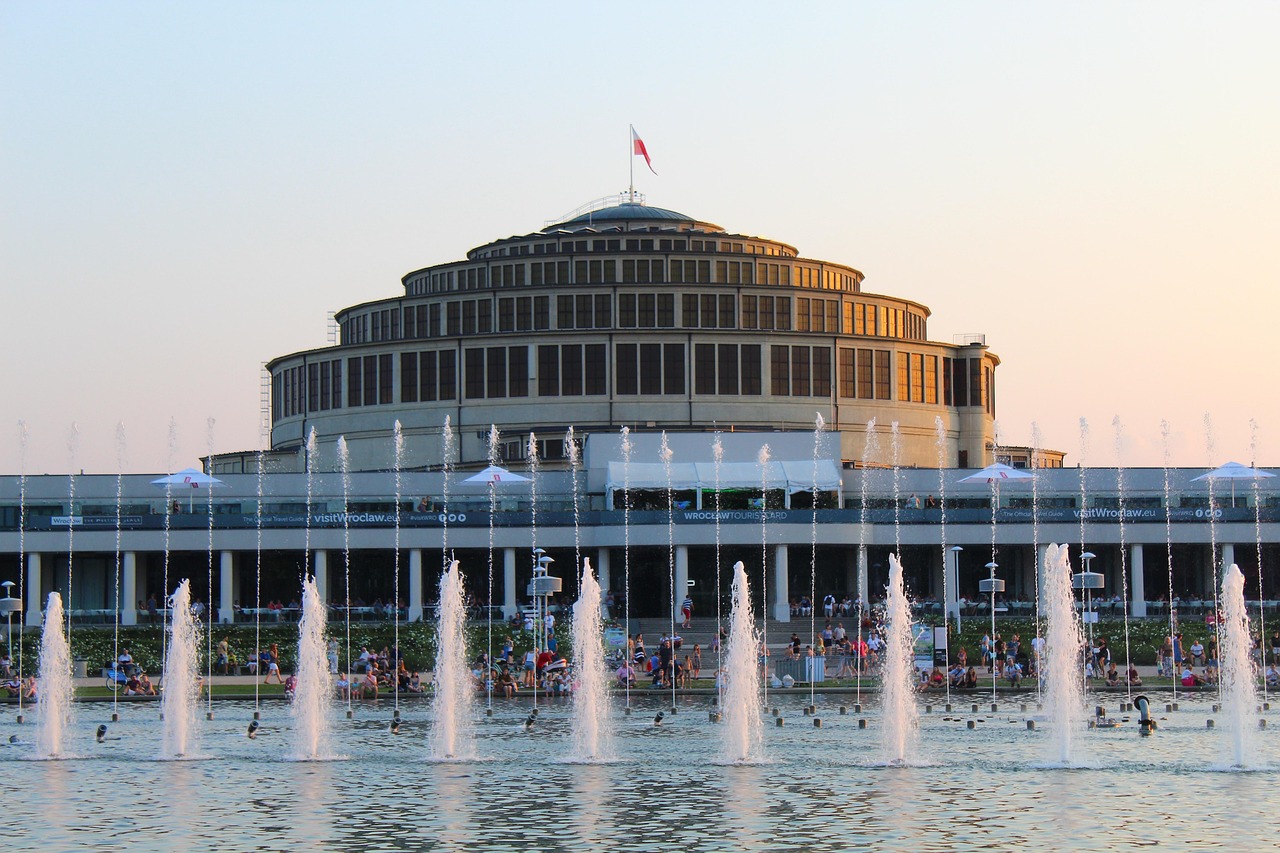
A UNESCO World Heritage site, Centennial Hall is a masterpiece of early 20th-century reinforced concrete architecture. From the outside, it looks like a giant spaceship that landed in a park; inside, it’s an enormous arena that hosts concerts, fairs, and events.
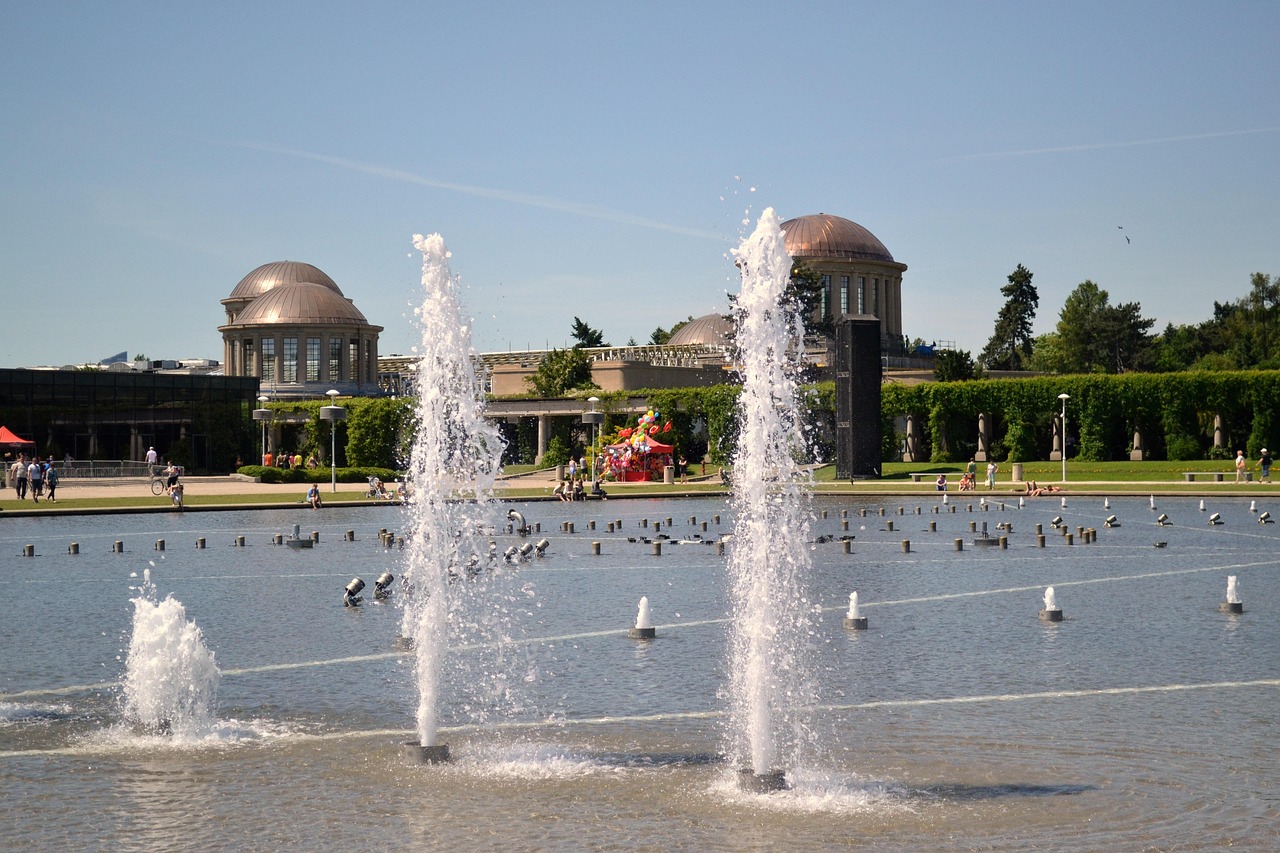
What I enjoy most, though, is the surrounding area: the semi-circular Pergola with its pond, the Japanese Garden nearby, and the sprawling Szczytnicki Park. On my last spring trip, I spent hours here with friends: coffee on a bench, kids feeding ducks, students sunbathing on the grass.
- Family tip: Combine Centennial Hall with the zoo (they’re next to each other) for a full-day family outing.
- Evening: In summer, the multimedia fountain at the Pergola often has light-and-music shows—check schedules for 2026.
6. Wroclaw Zoo & Afrykarium

Wroclaw Zoo is one of the oldest and largest in Poland, but the standout is the Afrykarium: a huge, modern complex dedicated to African ecosystems. Think glass tunnels with sharks and rays overhead, hippos gliding underwater, and warm, humid air that feels like stepping into another continent.
I visited one drizzly October day, expecting it to be “just for kids,” and ended up staying for hours. It’s genuinely fascinating and beautifully designed. For families, it’s easily one of the top things to do in Wroclaw.
- When to go: Weekday mornings are calmest; weekends and school holidays get busy.
- Budget tip: Tickets are cheaper outside peak summer, and you can often find family passes.
7. Panorama of the Battle of Racławice
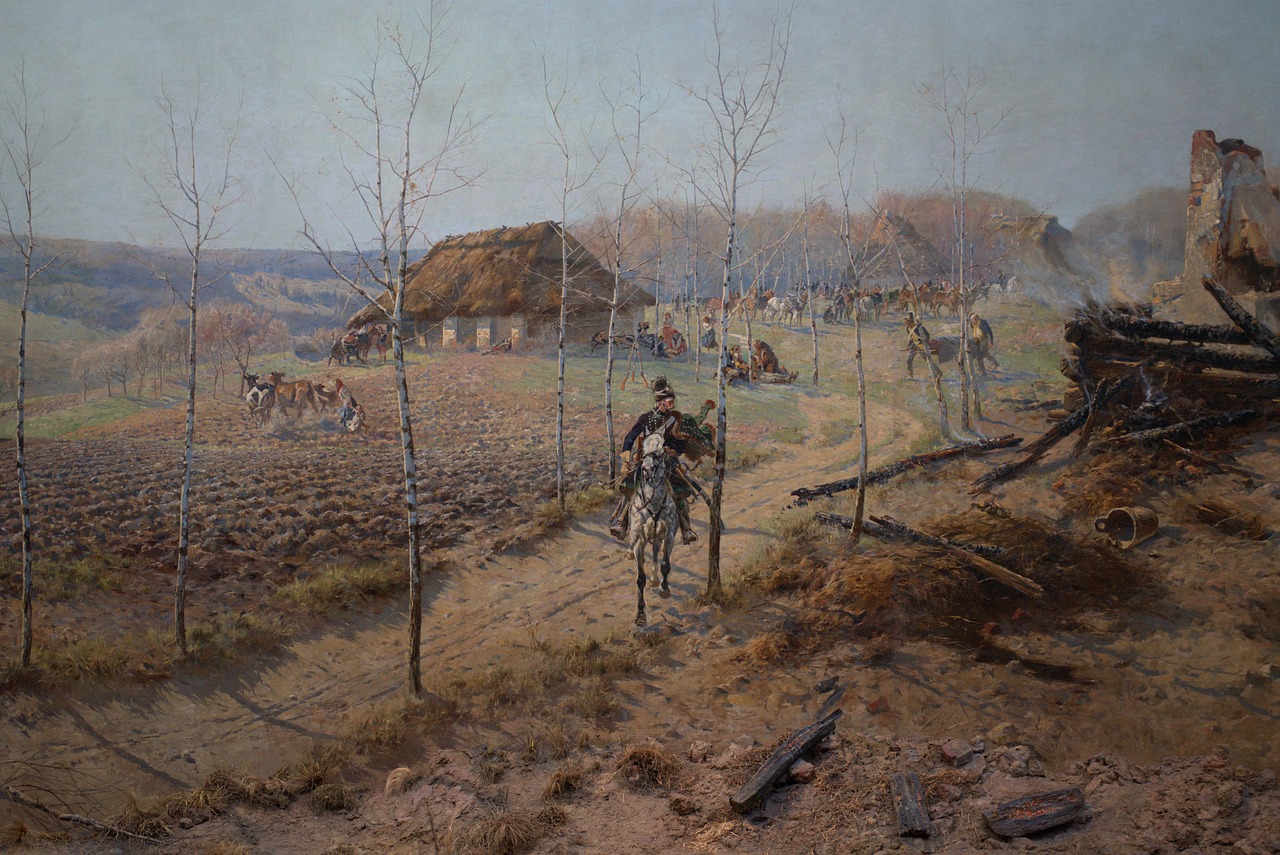
This is one of Wroclaw’s most unique attractions: a 19th-century, 114-meter-long panoramic painting depicting a 1794 battle in Poland’s struggle for independence. The painting wraps around a circular hall, with 3D elements in the foreground that blur the line between painting and reality.
Even if you’re not into military history, the storytelling and visual effect are impressive. Audio guides in multiple languages explain the scene and context; I remember being surprised how quickly the 30 minutes passed.
- Tip: Time-slotted entry; book ahead in high season (especially if your 3 day itinerary for Wroclaw falls on a summer weekend).
8. Four Denominations District (Dzielnica Czterech Wyznań)
This compact area symbolizes Wroclaw’s religious and cultural diversity: a Catholic church, a Lutheran church, an Orthodox church, and a synagogue within a few minutes’ walk. By day, it’s peaceful; by night, it transforms into one of the city’s most vibrant nightlife zones.
On one summer evening, I started with a quiet stroll, visiting the courtyard of the White Stork Synagogue, then ended up bar-hopping with friends along Włodkowica Street. The mix of history and modern life here is exactly what makes Wroclaw feel so layered.
- Good for: Culture, history, nightlife in one area.
- Etiquette: Dress modestly when entering religious sites; check for visiting hours, especially on religious holidays.
9. Wroclaw Dwarfs (Krasnale)
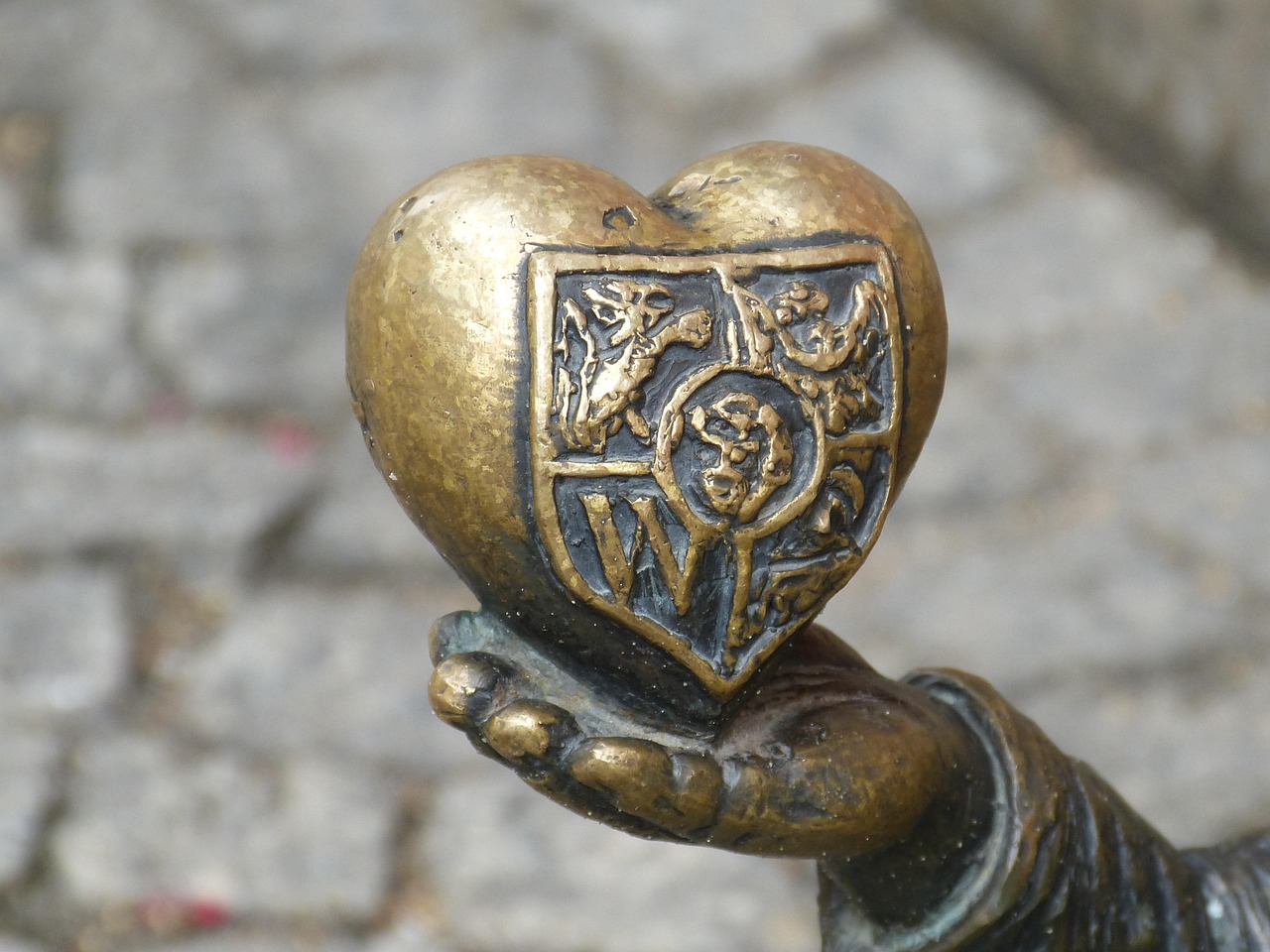
The dwarfs are Wroclaw’s unofficial mascots: hundreds of tiny bronze statues scattered across the city. They began as a nod to the anti-communist Orange Alternative movement and have since multiplied into a city-wide treasure hunt.
I still remember the first dwarf I spotted—right outside my guesthouse door, reading a newspaper. Now I keep an eye out for new ones: a chimney sweep on a roof edge, a photographer near the Rynek, a pair of dwarfs at an ATM.
- Family tip: Turn dwarf-spotting into a game. You can download maps or apps, but it’s more fun to stumble upon them organically.
- Photography: They’re small and often low to the ground; a phone with a wide lens works well.
10. Wroclaw University & Mathematical Tower
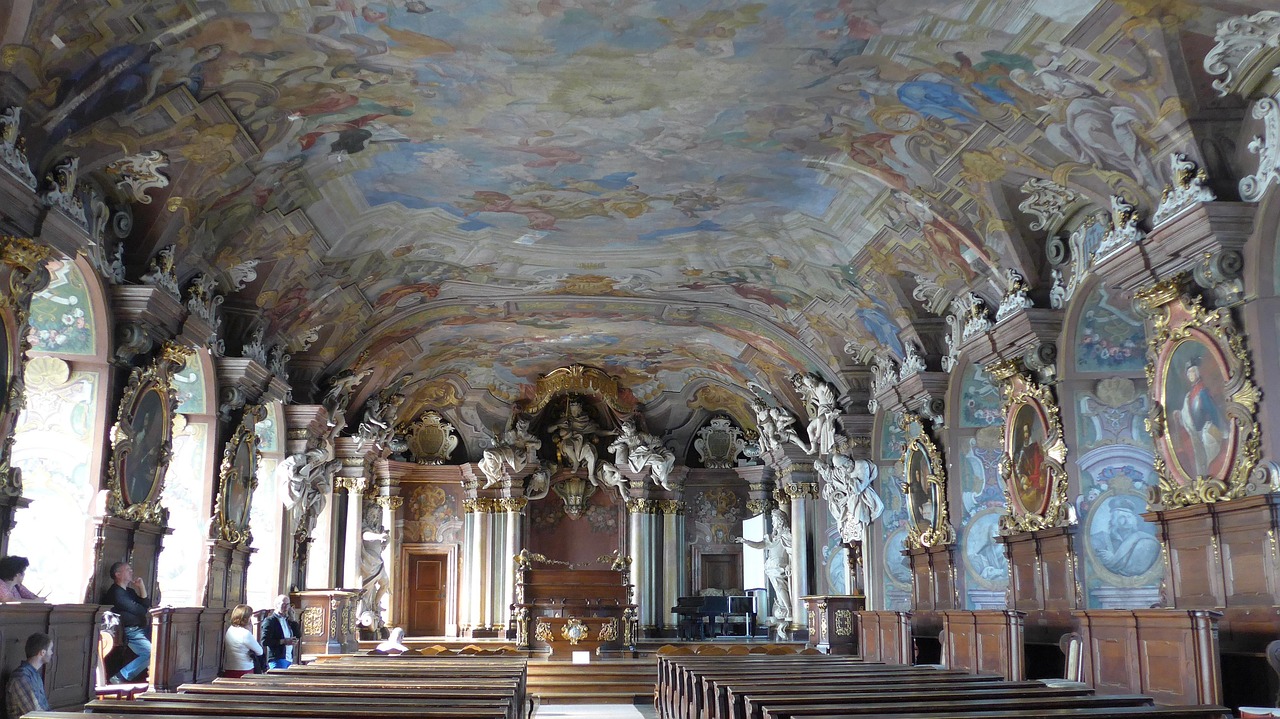
Wroclaw University’s main baroque building sits gracefully along the Odra River. Inside, the Aula Leopoldina is a jaw-dropping ceremonial hall with frescoes and gilded details that always make visitors whisper “wow” when they enter.
Climb up to the Mathematical Tower for another excellent viewpoint over the Old Town. I once went up on a crisp winter day when the rooftops were dusted with snow; the cold air and blue sky made everything feel extra sharp and bright.
- Combo: Pair a visit here with a riverside walk towards Ostrów Tumski.
11. Hydropolis – Water Knowledge Centre
Hydropolis is an interactive museum all about water—its role in nature, cities, and our lives—housed in a converted 19th-century underground water reservoir. It’s visually striking and surprisingly fun, even if you’re not a science geek.
When I visited with friends and their kids, the adults were just as engrossed as the children, especially by the immersive installations and the section on oceans. It’s a great rainy-day option in any 3–5 day itinerary for Wroclaw.
- Good for: Families, science lovers, bad-weather days.
- Tip: Book a time slot on weekends and holidays, as capacity is limited.
12. Nadodrze: Street Art & Creative Quarter
Nadodrze is where Wroclaw’s creative energy really shows. Once a slightly rough neighborhood, it’s now full of murals, small galleries, artisan workshops, and cozy cafes. I like to come here without a strict plan and just wander.
On my last visit, I stumbled on a courtyard with a ceramics studio, a tiny coffee bar, and an old man repairing bikes. None of this would appear on a typical “must-see attractions in Wroclaw” list, but it’s exactly the kind of local life that makes travel memorable.
- Hidden gem tip: Look for inner courtyards—many blocks hide unexpectedly charming spaces.
13. Church of St. Elizabeth & Viewing Platform
Just off the Rynek, St. Elizabeth’s Church has one of the best viewpoints in the city—if you’re willing to climb. The narrow staircase up the tower is not for the claustrophobic, but the view over the market square is unbeatable.
I climbed it once on a windy day, pausing regularly to catch my breath and let others pass on the tight steps. The effort was absolutely worth it when the panorama opened up at the top.
- Adventurous tip: Wear comfortable shoes and avoid peak heat hours in summer; it gets stuffy in the stairwell.
14. Wroclaw Botanical Garden
Just behind Ostrów Tumski, the Botanical Garden is a peaceful retreat with ponds, rock gardens, and greenhouses. In late spring and summer, it’s a riot of color; in autumn, the foliage turns golden.
One April afternoon, I brought a book and planned to stay an hour. I stayed three. The benches by the water, the sound of frogs, and the occasional church bells in the distance make it a perfect place to slow down in the middle of a busy sightseeing schedule.
- Good for: Couples, solo travelers, anyone needing a quiet break.
15. Szczytnicki Park & Japanese Garden
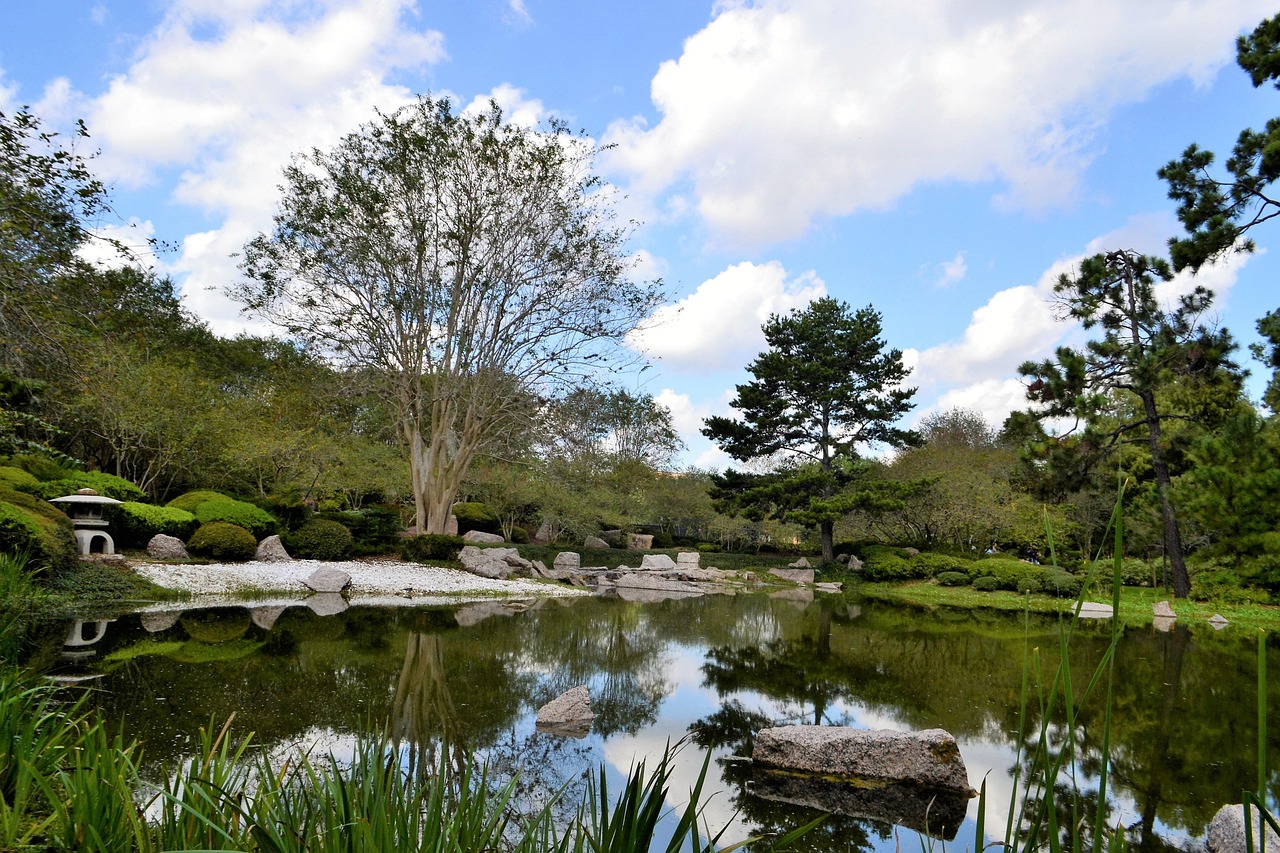
This huge park in Śródmieście is one of the city’s green lungs. Within it, the Japanese Garden is a carefully curated space of bridges, ponds, and meticulously tended plants, originally created for an exhibition in 1913 and later restored.
I especially love it in the late afternoon light when the reflections on the water double the beauty of the maples and stone lanterns. It’s a calm, almost meditative place.
- Seasonal tip: Spring and autumn are best for colors, but summer is gorgeous too.
16. Oder River Embankments & Bridges
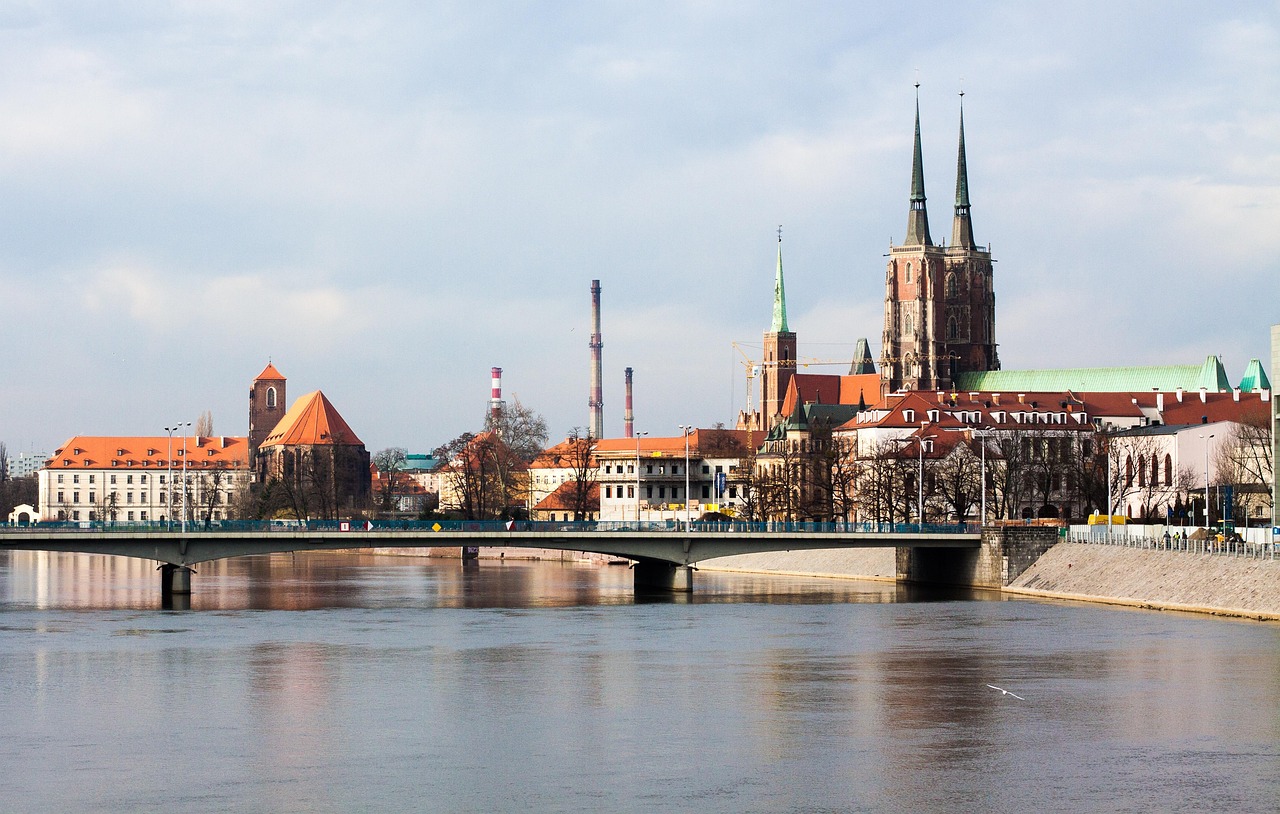
The Odra River weaves through Wroclaw, creating islands and peninsulas linked by more than 100 bridges. Walking the embankments at sunset is one of my favorite free things to do in Wroclaw.
Start near the University and wander towards Ostrów Tumski, crossing different bridges as you go. In summer, people sit on the grass with takeaway beers (in designated areas), kayakers paddle by, and tour boats cruise past.
- Romantic tip: Evening walks here are perfect for couples; bring a light jacket as it can get breezy, even in summer.
17. Local Bookstores & Cafes (Cultural Hidden Gems)
Wroclaw has a strong literary and cafe culture. There are several independent bookstores that double as cafes or cultural spaces. One rainy November day, I spent hours in a bookstore-cafe near the Old Town, sipping strong coffee and browsing Polish novels in translation.
Even if you don’t read Polish, these spots are a window into local life: students debating politics, older couples reading newspapers, friends catching up over cake.
- Budget tip: Cafes are a cheap way to soak up culture—coffee is usually much cheaper than in Western Europe.
18. Sky Tower Observation Deck
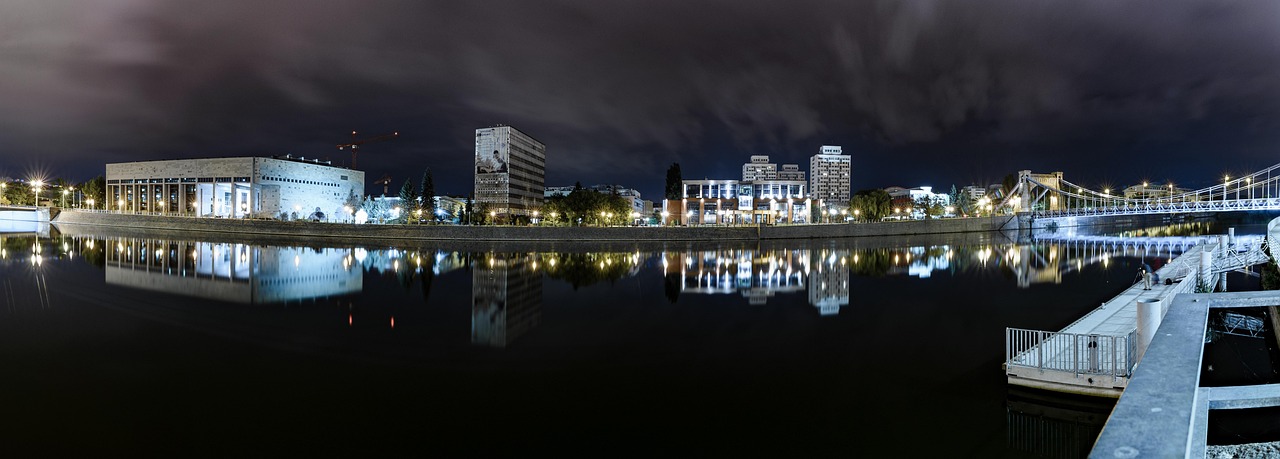
For a modern contrast to the Old Town skyline, head to Sky Tower in the Krzyki district. It’s one of the tallest buildings in Poland, with an observation deck offering wide views over the city and surrounding plains.
I went at sunset once, watching the old and new Wroclaw blend together—the spires of cathedrals, the blocks of communist-era housing, the twists of the river. It feels like seeing the city’s whole story at once.
- Tip: Book a time slot; sunset slots are most popular, especially on weekends.
19. Krzyki’s Residential Charm & Parks
Krzyki is where many locals actually live: leafy streets, playgrounds, and neighborhood restaurants. If you’re staying more than 3 days in Wroclaw, I recommend spending part of a day here to see the city beyond the tourist core.
On one long stay, I rented an apartment in Krzyki. My days began in line at a local bakery for still-warm bread, then morning walks through small parks where grandparents pushed prams and dogs chased each other. It’s calm, everyday Wroclaw.
- Good for: Slow travelers, those considering longer stays, or anyone curious about local life.
20. Street Art Passages & Courtyards
Beyond Nadodrze, street art pops up in unexpected places: underpasses, courtyards, and the walls of old factories. Over several visits, I’ve learned to keep my eyes open whenever I walk through a passage between buildings; some are painted floor to ceiling in vivid murals.
These aren’t marked on most maps; they’re part of Wroclaw’s living, changing art scene. Each year I come back and find new pieces and layers.
- Adventurous tip: Explore with a friend after dark; some underpasses can feel isolated at night. By day, they’re usually fine.
Suggested Itineraries: 3, 4 & 5 Days in Wroclaw
Whether you’re planning 3 days in Wroclaw or stretching to a 4 or 5 day itinerary, here’s how I’d structure your time. I’ll describe it as a 5 day itinerary for Wroclaw, and you can simply trim from the ends for shorter trips.
Day 1: Old Town Essentials & First Taste of Wroclaw
When I land in Wroclaw, I always start with the Old Town. It’s the heart of any good 3 day itinerary for Wroclaw and gives you an immediate feel for the city’s character.
Morning: Rynek, Town Hall & St. Elizabeth’s Church
Start around 9:00 am on the Rynek. Grab a coffee and simple breakfast from a nearby bakery (try a pączek—a Polish doughnut—or a savory zapiekanka if you’re hungry). The square is quieter in the morning; the pastel facades look particularly beautiful in soft light.
After a slow lap of the square, head into the Old Town Hall and the City Museum. Spend an hour or two learning the basic history of Wroclaw; it will color everything else you see. Then walk over to St. Elizabeth’s Church and, if you’re up for it, climb the tower for your first full view over the city.
Lunch: Just Off the Square
Avoid the most obvious tourist traps around the Rynek by going a street or two away. I like small bistros tucked on side streets, where lunch specials (often a soup plus main dish) are excellent value. Order pierogi ruskie (dumplings with potato and cheese) or schabowy (Polish-style pork cutlet) for a comforting first meal.
Afternoon: University & Riverside Walk
Walk towards Wroclaw University. Tour the Aula Leopoldina and, if time and energy allow, climb up to the Mathematical Tower. Then stroll along the Odra embankment, watching boats and students on the grass.
Follow the river east towards Ostrów Tumski, but don’t cross the bridge just yet; you’ll come back here on Day 2. Instead, loop back into the Old Town through backstreets and small squares like Plac Solny, where flower stalls stay open late.
Evening: Four Denominations District
As the sun goes down, head to the Four Denominations District. Visit the courtyard of the White Stork Synagogue, then find a restaurant along Włodkowica Street. The area is full of atmospheric spots: candlelit wine bars, modern Polish cuisine, and a mix of locals and visitors.
If you have energy, finish the night with a drink at a craft beer bar or cocktail lounge. On my last visit, I ended my first day this way, sitting at a small table by the window, watching people rush past in the cold while I nursed a warming drink and scribbled notes for my trip.
Day 1 at a glance: Old Town, Market Square, Town Hall, St. Elizabeth’s Church, University, riverside walk, Four Denominations District.
Day 2: Cathedral Island, Panorama & Dwarfs
Day 2 in Wroclaw is about timeless beauty and playful touches. This is also a good day to adjust if rain appears, as several attractions are indoors.
Morning: Ostrów Tumski & Cathedral
Head back to Ostrów Tumski, this time crossing the Tumski Bridge into the oldest part of Wroclaw. Wander the quiet cobbled streets, step into churches if they’re open, and spend time inside the Cathedral of St. John the Baptist.
If the weather is good, go up the cathedral tower for another different angle on the city. The light is usually softer in the morning, and the air feels fresher than in the afternoon.
Late Morning: Botanical Garden
From the cathedral, it’s a short walk to the Botanical Garden. Spend an hour or two wandering, depending on the season. In spring, the flower beds are alive with color; in summer, the ponds and shady benches offer relief from the heat.
Lunch: Local Milk Bar or Casual Eatery
On the way back towards the center, stop at a bar mleczny (milk bar)—a kind of canteen serving inexpensive, home-style Polish food. It’s one of the best money-saving options in Wroclaw. The menu might be only in Polish, but pointing works fine, and staff are usually patient.
Afternoon: Panorama of Racławice & Park
Next, make your way to the Panorama of the Battle of Racławice. Book a timed ticket in advance if your visit falls on a weekend or summer period. After your session inside, take a walk through the surrounding park and along the water—this part of town feels leafy and relaxed.
Late Afternoon: Dwarf Hunt in the Old Town
Head back into the Old Town and dedicate a couple of hours to wandering with one goal: find as many dwarfs as you can. It sounds silly, but it’s one of the most fun things to do in Wroclaw, especially with kids or friends.
On one trip, I walked with a friend and her two children; every few minutes, one of the kids would squeal and point as they found another dwarf. We ended up zigzagging through backstreets we wouldn’t otherwise have seen.
Evening: Dinner with a View
For dinner, consider a restaurant with a terrace or big windows overlooking the Rynek or a smaller square. Watching the city lights come on while you eat feels like a fitting end to such a visually rich day. If you’re into photography, take a tripod to capture blue hour around the square.
Day 2 at a glance: Cathedral Island, Cathedral tower, Botanical Garden, Panorama Racławice, dwarf hunt, Old Town evening.
Day 3: Centennial Hall, Zoo & Szczytnicki Park
On the third day, shift to the Śródmieście area for a mix of architecture, nature, and family-friendly attractions. This day forms the backbone of many 3 day itineraries for Wroclaw.
Morning: Wroclaw Zoo & Afrykarium
Arrive at the zoo around opening time, especially in summer or on weekends. Go straight to the Afrykarium first—it’s the biggest draw, and lines get longer as the day goes on. Take your time through the underwater tunnels and exhibits; it’s worth not rushing.
After the Afrykarium, you can explore the rest of the zoo at your own pace. There are plenty of food stalls and rest areas, making it easy to spend half a day here with kids without anyone melting down.
Lunch: Casual Eats Around the Zoo
For lunch, either grab something inside the zoo (convenient but basic) or step out and find a nearby cafe or restaurant. If the weather is nice, consider a takeaway picnic in Szczytnicki Park.
Afternoon: Centennial Hall & Pergola
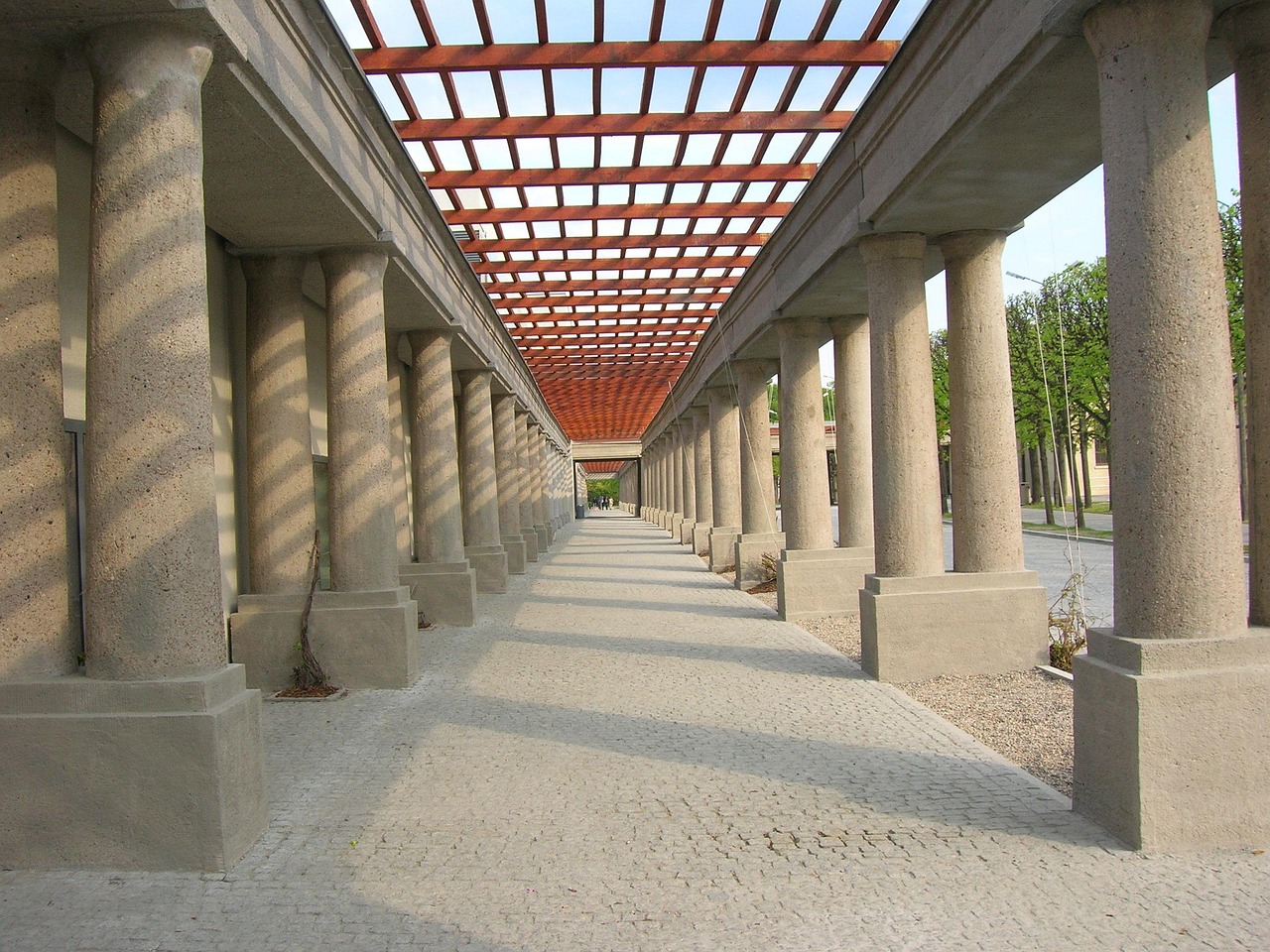
Walk over to Centennial Hall and its surrounding complex. Depending on events, you might be able to enter the hall itself or visit accompanying exhibitions. Then stroll the Pergola, a semi-circular colonnade around a large pond.
On one particularly hot June afternoon, I sat in the shade of the Pergola with ice cream, watching kids run through the spray of the fountain and couples renting paddle boats on the pond. It felt like the entire city had decided to slow down for the afternoon.
Late Afternoon: Japanese Garden & Szczytnicki Park
End the day in the Japanese Garden and Szczytnicki Park. This is where I often feel my energy reset after busier sightseeing days. Walk the paths, find a quiet bench, and let your legs (and mind) rest.
Evening: Back to Town or Neighborhood Dinner
Head back towards the center by tram. If you’re staying in the Old Town, pick a restaurant you haven’t tried yet; if you’re based closer to Krzyki or another residential area, this might be a good evening to explore a local neighborhood eatery.
Day 3 at a glance: Zoo & Afrykarium, Centennial Hall, Pergola, Japanese Garden, Szczytnicki Park.
Day 4: Nadodrze, Street Art & Alternative Wroclaw
If you have 4 days in Wroclaw, this is where your itinerary becomes richer and more local. Day 4 is about discovering the city’s creative side.
Morning: Nadodrze Walk
Take a tram or bus to Nadodrze. Start on one of the main streets, then duck into courtyards whenever you see an open gate. Look for murals, small workshops, and neighborhood cafes. Many of these spots don’t have English signage, but staff are used to visitors and often speak at least basic English.
I like to choose a cafe with good-looking pastries and settle in for a late breakfast. One of my best mornings in Wroclaw was spent sipping strong coffee in Nadodrze, eavesdropping (in my limited Polish) on a group of artists discussing a new mural project.
Lunch: Local Bistros & Vegan Spots
Nadodrze has an increasing number of vegetarian and vegan-friendly eateries, as well as traditional Polish spots. Trying a modern take on Polish food here is a nice contrast to the more classic meals you might have in the Old Town.
Afternoon: Hydropolis or Museum Time
In the afternoon, you have two main options depending on your mood and the weather:
- Science & Design: Head to Hydropolis for an interactive museum experience.
- Art & History: Back in the center, choose from several museums, such as the National Museum (for art) or one of the smaller, more focused institutions.
Either way, leave some time afterwards for a slow riverside stroll or a coffee break. You don’t want every minute packed; part of the joy of a 4 day itinerary for Wroclaw is the freedom to linger.
Evening: Craft Beer, Wine Bars & Live Music
Use the evening to sample Wroclaw’s nightlife beyond the obvious clubs. There are excellent craft beer bars (Poland’s craft beer scene has exploded in recent years) and intimate wine bars featuring Central European labels.
On one trip, I stumbled into a small bar with live jazz. The musicians were students from the local academy, and the atmosphere was friendly and relaxed rather than pretentious. Keep an eye on posters and local listings; Wroclaw regularly hosts small concerts and performances.
Day 4 at a glance: Nadodrze, street art, Hydropolis or museums, evening in bars or live music venues.
Day 5: Sky Tower, Krzyki & Last-Minute Favorites
With 5 days in Wroclaw, you can add a day for modern architecture, relaxed neighborhood wandering, or a half-day trip. Here’s how I like to structure it if I’m staying in the city.
Morning: Sky Tower & Modern Wroclaw
Start with a visit to Sky Tower’s observation deck for a final big-picture view of Wroclaw. If you can, book a mid-morning slot when the sun is higher and visibility is good. Looking out over the city, you can trace your own footsteps of the past days: the Old Town’s compact heart, the green of Szczytnicki Park, the distant line of the river.
Late Morning & Lunch: Krzyki Neighborhood Stroll
Afterwards, explore parts of Krzyki on foot. This is low-key: tree-lined streets, local shops, and parks. Find a neighborhood cafe or restaurant; menus may not always be in English, but pointing and a smile usually get you a great meal.
On a longer stay, I often end up chatting with staff or regulars here—people are curious where you’re from and happy to share their own recommendations for things to do in Wroclaw.
Afternoon: Free Time for Favorites or Shopping
Reserve your last afternoon for whatever you loved most and want to repeat:
- One more coffee on the Rynek.
- A final dwarf hunt with the kids.
- Shopping for local ceramics, amber jewelry, or regional food products (like smoked cheese, honey, or herbal teas).
- A final quiet walk on Ostrów Tumski.
Evening: Farewell Dinner
End your 5 day itinerary for Wroclaw with a special dinner—maybe a modern Polish restaurant, or somewhere with live music. I like to toast with a glass of local craft beer or a shot of Polish vodka (try żubrówka with apple juice) and mentally replay the highlights of the trip.
Day 5 at a glance: Sky Tower, Krzyki, free time for favorites, farewell dinner.
Adapting These Plans for 3 or 4 Days
- 3 days in Wroclaw: Focus on Days 1–3 (Old Town, Ostrów Tumski, Zoo/Centennial Hall). Trim some slower moments but keep at least a little unscheduled time.
- 4 days in Wroclaw: Do Days 1–4. Day 4 gives you that alternative and creative side that makes your trip feel more than just a checklist of must-see attractions.
Local Food in Wroclaw: What & Where to Eat
Polish cuisine is hearty, comforting, and surprisingly diverse. Wroclaw, with its Silesian and German influences, offers both traditional fare and modern interpretations.
Must-Try Dishes
- Pierogi – Dumplings filled with potato and cheese (ruskie), meat, cabbage and mushrooms, or seasonal fillings. I order them at least once every trip.
- Żurek – Sour rye soup often served in a bread bowl, with sausage and egg. Perfect on cold days.
- Barszcz czerwony – Clear beetroot soup, sometimes with uszka (little dumplings).
- Schabowy – Breaded pork cutlet, Poland’s answer to schnitzel.
- Gołąbki – Cabbage rolls stuffed with rice and meat, served with tomato sauce.
- Oscypek – Smoked sheep’s cheese (from the mountains, but widely available), often grilled and served with cranberry jam.
Where to Eat Like a Local
For budget-friendly, authentic food, look for:
- Milk Bars (Bar mleczny) – Canteen-style, cheap, often delicious. Great for soups, pierogi, and simple mains.
- Small family-run restaurants – A bit away from the Rynek, often with daily lunch specials (zestaw dnia).
- Markets & food halls – Wroclaw has been slowly developing more street-food and market-style options; by 2026, check for updated spaces near central areas.
Drinks to Try
- Polish vodka – Try flavored ones like cherry or hazelnut, or classic clear varieties.
- Craft beer – Wroclaw’s craft scene is strong; ask for local breweries on tap.
- Kompot – Non-alcoholic drink made from boiled fruits, served chilled.
Money-saving tip: Eat your main hot meal at lunch. Many places offer affordable lunch sets, leaving dinner for something lighter like soup and bread, or shared plates.
Nightlife, Entertainment & Cultural Experiences
Wroclaw’s nightlife stretches from chilled wine bars to student-packed clubs. With a large student population, evenings can be lively even on weekdays.
Types of Nightlife
- Old Town bars & pubs – Great for people watching and classic pub nights.
- Four Denominations District – Stylish bars and restaurants with a cosmopolitan feel.
- Live music venues – Jazz, rock, and classical; check schedules at local cultural centers and clubs.
Cultural Experiences
- National Forum of Music – Modern concert hall with top-notch acoustics. If you’re in town during Wratislavia Cantans or another festival, book a concert.
- Theaters & Galleries – Polish theater can be powerful even if you don’t understand every word; visual art galleries are another great window into local culture.
I’ve spent evenings in Wroclaw ranging from classy symphony concerts to spontaneous pub quizzes. The city feels safe and walkable at night, especially in central areas; just use standard big-city awareness.
Day Trips from Wroclaw
If you have 4 or 5 days in Wroclaw, consider at least one day trip in Lower Silesia. The region is full of castles, spa towns, and mountains.
Książ Castle
One of Poland’s largest castles, perched dramatically above a gorge. You can reach it by train to Wałbrzych and then local transport or taxi. The mix of history, legends, and scenic views makes it worthwhile.
Świdnica
A charming town known for the UNESCO-listed Church of Peace, a huge timber-framed Protestant church. Easily reachable by train; combine the church with a wander around the town square.
Mount Ślęża
For a bit of hiking, Mount Ślęża offers accessible trails and panoramic views. You’ll need a car or organized tour for the easiest access.
Cultural Etiquette & Local Customs in Wroclaw
Poles are generally polite, straightforward, and reserved with strangers but warm once you get to know them. Wroclaw, being a student city, is open-minded and used to international visitors.
Basic Etiquette
- Greetings: A simple “Dzień dobry” (good day) goes a long way. Many younger people speak English, but starting in Polish is appreciated.
- Quiet in churches: Wroclaw’s churches are active places of worship. Dress modestly and keep voices low; avoid visiting during services unless you’re participating.
- Public transport: Offer your seat to elderly passengers, pregnant women, and people with disabilities.
- Tipping: 10% is standard in restaurants if service is good. It’s polite to say “dziękuję” (thank you) when leaving.
Local Customs
- Flowers: If invited to a local’s home, bringing flowers or sweets is appreciated. Give an odd number of flowers (even numbers are for funerals).
- Toasts: When drinking in company, wait for everyone and make eye contact when clinking glasses. Say “Na zdrowie!” (to your health).
Practical Travel Advice for Wroclaw (2026)
Arriving & Getting Around
By air: Wroclaw Copernicus Airport connects to many European cities. A bus or taxi gets you to the center in about 25–35 minutes.
By train: Wroclaw Główny is a handsome station, walking distance or a short tram ride from the Old Town.
Public Transport
- Trams and buses are frequent and reliable.
- Buy tickets at machines (often with English options) or via apps; remember to validate on board.
- Day passes are good value if you’ll be criss-crossing the city.
SIM Cards & Connectivity
- EU visitors can usually roam on their home plans.
- Others can buy prepaid SIMs from major providers (Orange, Play, Plus, T-Mobile) at kiosks or malls; bring your passport for registration.
- Data packages are inexpensive by Western European standards.
Money & Budget Tips
- Poland uses the złoty (PLN), not the euro.
- Cards are widely accepted, but carry some cash for small purchases or older bars.
- Eat main meals at lunch, use milk bars, and stay slightly outside the Rynek to save money.
Car Rental & Driving
- You don’t need a car in Wroclaw itself; parking in the center can be tricky.
- For day trips, renting a car can be useful—roads are generally good.
- EU driving licenses are accepted; many non-EU visitors can drive with their license plus an International Driving Permit (check current rules before 2026 travel).
Visa Requirements (Overview)
- Poland is in the Schengen Area. Many nationalities can enter visa-free for short stays (up to 90 days in 180).
- Always check official Polish or EU government sites before your trip, as rules can change by 2026–2027.
Safety
- Wroclaw is generally safe. Use normal city precautions: watch your bag in crowded areas, avoid very drunk groups late at night.
- Tap water is safe to drink; refill bottles to save money and plastic.
When to Visit Wroclaw & Final Thoughts
Best Seasons for Different Activities
- Spring (April–June): My personal favorite. Mild weather, blooming parks, fewer crowds than high summer. Ideal for 3 or 4 day itineraries with lots of walking.
- Summer (July–August): Warm, sometimes hot, lively, with plenty of outdoor events and long evenings by the river. Great for families and festival-goers.
- Autumn (September–October): Beautiful foliage in parks, comfortable temperatures, cultural season in full swing (concerts, theater). Perfect for culture-focused travel.
- Winter (November–March): Cold and sometimes gray, but the Christmas Market makes late November and December magical. Short days, but low prices and fewer crowds outside the festive period.
Key Takeaways
- Wroclaw is ideal for 3–5 day trips, combining big-sight “wow” moments with local, everyday charm.
- Base yourself in or near the Old Town for short stays; branch out to Nadodrze or Krzyki for longer visits or a more local feel.
- Don’t rush: leave time to wander, sit in cafes, and watch the city move around you. That’s where Wroclaw’s magic really shows.
Every time I leave Wroclaw, I tell myself I’ve “done it all.” And every time I come back, I find a new courtyard, a new dwarf, a new cafe, or a new view from a bridge. That’s why I keep recommending it—not just as a list of must-see attractions in Wroclaw, but as a city that invites you to slow down and really be there.