Why Visit Faro in 2026
I’ve been coming back to Faro for over a decade now, and every time I arrive at the little airport and step into that warm Algarve air, I get the same feeling: this place moves slower, smells of the sea, and still feels like “real Portugal” even as tourism grows.
Faro is often treated as a gateway to the Algarve’s bigger-name beach towns, but if you rush through, you’re missing one of Portugal’s most authentic coastal cities. Faro is a compact blend of whitewashed old town, Roman and Moorish history, lagoon-front boardwalks, a lively university scene, and a wild, protected island coastline just a short boat ride away.
In 2026, Faro is especially worth your time: new cultural initiatives, upgraded transport links, and a growing food scene are making it easier—and more rewarding—to stay put here for 3, 4, or 5 days rather than racing off to bigger resorts.
- For culture lovers: cobbled streets, ancient walls, churches layered with history, and intimate museums.
- For families: calm beaches on the Ria Formosa islands, kid-friendly boat trips, and relaxed squares where children still play until late.
- For couples: romantic sunsets from the marina, candlelit dinners in the old town, and quiet walks along the lagoon.
- For adventurers: kayaking in the Ria Formosa, island-hopping, birdwatching, and cycling along coastal paths.
- For foodies: ultra-fresh seafood, petiscos (Portuguese-style tapas), and simple but perfect grilled fish in local tasquinhas.
This travel guide for Faro is written as I would plan a trip for close friends: with multi-day itineraries, personal stories from multiple visits, and the sort of practical travel advice for Faro—like where to eat, how to save money, and local customs—that you usually only get from someone who’s been hanging around for a while.
Table of Contents
- Why Visit Faro
- Faro in 2026: What’s New & Upcoming Events 2026–2027
- Neighborhoods & Areas to Explore in Faro
- 20+ Must-See Attractions in Faro (Deep-Dive Guides)
- Sample Itineraries: 3, 4 & 5 Days in Faro
- Local Food in Faro: What & Where to Eat
- Nightlife, Entertainment & Cultural Experiences
- Best Day Trips & Nearby Excursions from Faro
- Local Customs & Cultural Etiquette in Faro
- Practical Travel Tips for Faro
- Summary & Best Time to Visit Faro
Faro in 2026: What’s New & Upcoming Events 2026–2027
Faro feels both timeless and quietly evolving. Since I first visited, the marina area has been beautified, new bike lanes appeared, and more old town buildings have been restored rather than replaced. But it still hasn’t gone “full resort” the way some Algarve towns have.
In 2026, a few things are shaping the city’s travel scene:
- Improved rail links: Regional trains to Lagos and Portimão are more frequent and slightly faster, making Faro a good base for exploring the western Algarve.
- Ria Formosa conservation projects: Guided eco-tours now have stricter licensing, which is good for the lagoon and for travelers who want responsible operators.
- Growing food scene: More wine bars and modern petisco spots are popping up in and around the Old Town and São Pedro.
Major Events 2026–2027 in Faro
Check exact dates closer to your visit, but typically:
- Festa da Ria Formosa (August): A seafood festival by the marina with live music and stalls serving everything from grilled sardines to stuffed squid.
- Faro International Motorcycle Rally (July): One of Europe’s biggest biker rallies. The city gets loud and busy—great if you’re into it, avoid if you’re not.
- Festival F (early September): A big music and arts festival inside the old town walls with Portuguese bands, DJs, and installations.
- Faro Christmas & New Year Events (December–January): Light displays near the marina and old town, with markets and small concerts.
Neighborhoods & Areas to Explore in Faro
Cidade Velha (Old Town)
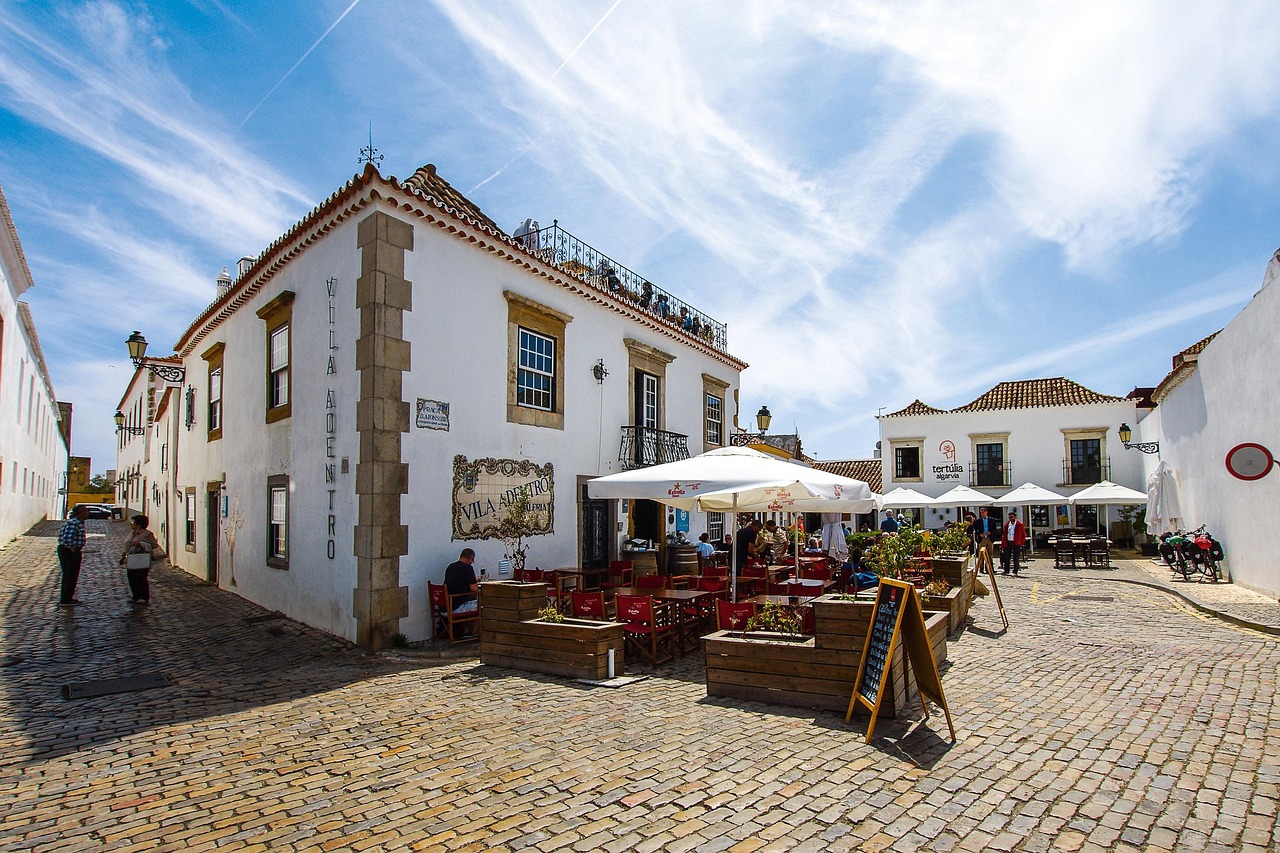
This walled quarter is where I always start a visit. Cobbled lanes, whitewashed houses, orange trees, and the cathedral at the center. Cafés spill onto small squares, and in the quieter side streets you can still hear the clink of cutlery from family lunches behind open windows.
Baixa (Downtown & Marina)
The Baixa is the flat grid between the old town and the train station: pedestrian shopping streets, the main square (Jardim Manuel Bivar), and the marina boardwalk. It’s where you’ll catch boats to the Ria Formosa islands and find many hotels, cafés, and bars.
São Pedro & São Luís
Just inland from Baixa, these more residential areas are where Faro feels most local: pastel apartment blocks, neighborhood bakeries, small parks, and some of the best low-key restaurants, especially for grilled fish at lunch.
Montenegro & Airport Area
Close to the airport, Montenegro is a simple suburb that’s handy if you have an early flight. It’s also on the way to Praia de Faro, making it a useful area if you want to split time between town and beach.
Praia de Faro (Faro Beach)
Technically a separate strip on the barrier island, Praia de Faro is where locals go to swim before work and families spend full days in summer. A single road and bridge connect it to the mainland, plus seasonal boats from the marina.
20+ Must-See Attractions in Faro (With Personal Notes & Tips)
Below are deep-dive mini-guides to the best places to visit in Faro. I’ll weave many of these into the 3 day itinerary for Faro, 4 day itinerary for Faro, and 5 day itinerary for Faro in the next section, but here you get more backstory and specific tips.
1. Sé de Faro (Faro Cathedral)
Every time I come back to Faro, I climb the cathedral tower first. It’s my ritual: a slow wander through the Old Town, a few euros at the entrance, and then the creak of wooden stairs up to one of the best views in the city.
The Sé de Faro sits on the site of a Roman temple, later a mosque during Moorish rule, and then turned into a Christian church after the Reconquista. The current structure is a mix of Gothic, Renaissance, and Baroque—like many Portuguese churches, it tells its story through layers rather than one dominant style.
Highlights:
- The tower: From the top you get a 360° panorama: terracotta roofs, the Ria Formosa lagoon, the marina, and the curve of Praia de Faro in the distance. Go in the morning or late afternoon for softer light.
- The interior: Gilded altarpieces, painted tiles, and quiet side chapels. I like stepping inside on a hot day; it’s cool, dark, and smells faintly of candle wax.
- The cloister & small museum: A peaceful courtyard with a few archaeological pieces and religious art, often nearly empty even in high season.
Family-friendly? Yes—kids usually love the tower climb and spotting boats in the lagoon.
Romantic? Very. I’ve watched couples just lean against the tower wall and take in the sunset together.
Practical tips: Dress modestly (shoulders covered is appreciated). Entry fees are modest and sometimes include the small museum. Mornings are calmest; cruise days can be busier.
2. Arco da Vila & Old City Walls
Arco da Vila is the postcard-perfect gate into Faro’s Old Town from the marina side. It was rebuilt in the 19th century in a neoclassical style, but peeking through the arch you can still see the rougher stones of the original medieval walls.
Underneath the arch, look for the remnants of an older Moorish gate. The walls themselves are fun to wander around—you’ll find quiet corners, small viewpoints over the marina, and a sense of stepping back in time a bit.
I love arriving at Arco da Vila just before golden hour, when the stone glows and the storks circling above the walls start settling in their nests.
3. Jardim Manuel Bivar & The Marina
This tree-shaded square and the adjacent marina boardwalk are Faro’s living room. People meet here, kids run around, and in the evenings you’ll often find live music drifting from nearby cafés.
What I like to do: Grab a bica (espresso) and a pastel de nata from a nearby café, find a bench under the trees, and just people-watch. Later in the day, I’ll stroll along the marina, checking boat schedules and watching cormorants dive for fish.
Boat trips to the Ria Formosa islands often leave from here, so it’s both scenic and practical.
4. Museu Municipal de Faro (Faro Municipal Museum)
Housed in a former convent (Convento de Nossa Senhora da Assunção), this is one of Faro’s quiet gems. It’s small, but the blend of Roman artifacts, religious art, and the serene cloister makes it feel special.
The Roman mosaic of the sea god Oceanus is the star—beautifully preserved and surprisingly vivid. I remember the first time I saw it; I ended up sitting on a bench in front of it longer than expected, just appreciating how long it had survived here.
Tip: Combine the museum with a stroll through the Old Town. It’s a great way to add context to all the ancient stones you’ve been walking past.
5. Igreja do Carmo & Capela dos Ossos (Bone Chapel)
This is one of Faro’s most striking churches, with a golden Baroque interior and a small, slightly eerie bone chapel out back built from the bones of deceased monks.
The first time I visited, a light rain had started; stepping inside, the air went still and I just listened to the faint echoes of my footsteps on the stone floor. After exploring the main church, I paid the small extra fee to visit the bone chapel: skulls and femurs arranged into patterns along the walls and ceiling, with a simple altar at the far end.
It’s not for everyone, but if you’re interested in how different cultures treat death and remembrance, it’s powerful.
Family-friendly? Older kids who like spooky things might find it fascinating; it can be disturbing for younger children.
6. Praia de Faro (Faro Beach)
Praia de Faro is the city’s easy escape: a long sandbar island with a line of simple houses, cafés, and beach bars on one side and dunes opening to the Atlantic on the other.
I love coming out early, before 9 a.m., grabbing a galão (milky coffee) at a beach café, and watching locals take quick swims before heading back over the bridge to work. In summer, it gets busy in the afternoons, but walk ten minutes along the sand and you’ll usually find more space.
How to get there: Local bus from the city center or a short drive over the narrow bridge. In peak season, parking fills up quickly; I prefer the bus or a rideshare.
Family-friendly? Very—gentle waves most days, plenty of food options, and lifeguards in high season.
7. Ria Formosa Natural Park
The Ria Formosa is what makes Faro truly special. This protected lagoon system of sandbanks, marshes, and islands stretches along the Algarve, and Faro sits right on its edge.
I’ve explored it by slow eco-boat, by kayak, and once by a slightly raucous sunset cruise with live music. Each time, it felt like stepping into a different world just minutes from the city: flocks of flamingos in winter, clams being harvested at low tide, and mirror-like water at sunset.
What to do:
- Boat tours: Ranging from 1.5-hour loops to half-day island-hopping. For birdwatching, ask about quieter, smaller-boat tours.
- Kayaking: My favorite; paddling through the channels gives you a real sense of the lagoon’s scale and silence.
- Guided walks: Some operators offer walks on the sandbanks at low tide, explaining the ecosystem and traditional shellfish harvesting.
Tip: In summer, bring sun protection and water; the reflection off the water is intense. In winter, bring a light jacket—the wind can be chilly even on sunny days.
8. Ilha Deserta (Barreta Island)
Ilha Deserta is exactly what its name suggests: the “deserted island.” There’s one restaurant and a small pier; the rest is sand and sea. When I need to truly disconnect, this is where I go.
A ferry or water taxi from Faro’s marina takes you across the Ria Formosa to a wooden walkway that leads to the ocean side. On windy days the waves can be wild; on calm days the water is glassy and clear.
Romantic? Extremely. Walk away from the pier and you can easily have long stretches of beach almost to yourselves, especially outside of August.
Tip: Bring water, snacks, and a hat. Even if you plan to eat at the island restaurant, it’s good to have backups—this is not a place where you can just pop into a shop.
9. Ilha do Farol & Its Lighthouse Village
Ilha do Farol feels like a tiny, photogenic village dropped onto a sandbar: narrow sandy lanes, white houses with colorful doors, and a tall lighthouse watching over it all.
I like to wander the back streets here, peeking at gardens and painted tiles, then walk out to the far end of the island where the crowds thin and the beach feels wilder.
Family-friendly? Yes—kids love the boat ride, the lighthouse, and the endless sand.
Tip: Boats are sometimes weather-dependent; check the return schedule so you don’t end up stranded (it has happened to more than one daydreaming traveler).
10. Rua de Santo António & Baixa Shopping Streets
Faro’s main pedestrian street runs from near the train station toward the marina, lined with shops, cafés, and pastelaria windows full of sweets. It’s not about high-end shopping; it’s about the daily rhythm: older locals doing errands, students heading to class, visitors slow-walking under the shade awnings.
I often stop for an espresso at the counter of a random café here—no frills, just a quick shot of caffeine and a moment to listen to the city chatter around me.
11. Mercado Municipal de Faro (Municipal Market)
If you want to understand the local food in Faro, start at the market. Inside this modern building you’ll find glistening fish counters, piles of oranges, olives in big tubs, and little stalls selling cheese, cured meats, and pastries.
I like going early, before 10 a.m., when restaurant chefs are still making their rounds. Buy some fruit, maybe a small round of queijo de cabra (goat cheese), and a fresh bread roll—instant picnic.
Money-saving tip: Markets are a great way to eat well on a budget. You can assemble lunches that beat most tourist menus for a fraction of the price.
12. Teatro Lethes
Teatro Lethes is a small, beautifully restored 19th-century theater that feels almost like a miniature Italian opera house. I once caught a local music performance here, and the intimacy of the place made it unforgettable.
Even if you don’t attend a show, sometimes you can peek inside or join a guided visit. The red velvet seats, painted balconies, and ornate ceiling are worth a quick detour for architecture lovers.
13. Palacete Belmarço
This early 20th-century palace stands out in Faro’s historic core with its ornate façade and balconies. It used to be a bourgeois residence and now houses administrative offices, but the exterior alone is a treat for architecture buffs.
I often pass by it when wandering between the Baixa and the Old Town; it’s a nice reminder that Faro’s history didn’t stop at the city walls.
14. Largo da Sé (Cathedral Square)
This quiet square in front of the cathedral is one of my favorite spots to sit for a while. Orange trees, a few outdoor tables, and the occasional sound of bells from the Sé.
On summer evenings, the light lingers on the whitewashed walls and you sometimes get pop-up concerts or events spilling into the square. It’s also a lovely place for a late-afternoon coffee or glass of wine.
15. Maritime & Naval Corners of Faro
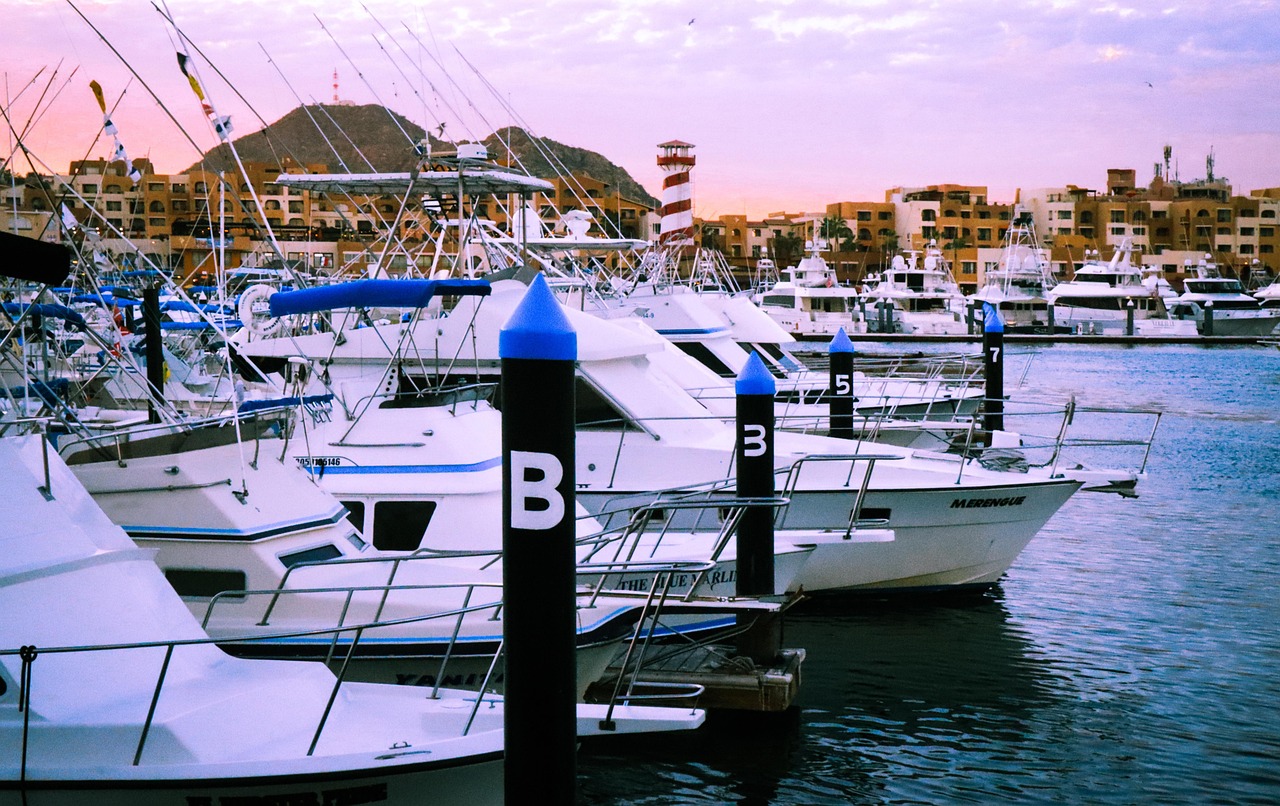
Faro doesn’t have a big standalone maritime museum, but if you’re interested in sea life and history, pay attention around the marina and waterfront: small displays, old boats, and panels tell the story of fishing, shellfish harvesting, and the Ria Formosa’s role in local life.
When I walk along the harbor at low tide, watching clammers working in the mudflats just beyond the promenade, it’s easy to see that the sea still shapes the city’s rhythm.
16. University of Algarve – Gambelas Campus & Green Spaces
The presence of the University of Algarve gives Faro a youthful streak. The Gambelas campus, a short bus ride from the center, has tree-lined paths and a more modern feel.
I’ve spent a few afternoons here when I needed a quieter place to work or walk. It’s not a must-see, but if you’ll be in town longer (especially 4 days in Faro or 5 days in Faro), it’s a nice offbeat stroll and a glimpse into everyday life.
17. Ria Formosa Boardwalks & Trails Near Faro
Beyond boat trips, there are simple walking and cycling paths along the lagoon near Faro and toward nearby towns like Olhão. I once rented a bike in Faro and followed the quiet roads and paths along the edges of the marshes, stopping to watch birds and take photos of old salt pans reflecting the sky.
This is an easy, low-cost way to experience the lagoon without booking a tour—especially nice in spring and autumn.
18. Igreja de São Pedro
Less visited than the cathedral or Carmo, São Pedro is a working parish church with a richly decorated interior and a more local feel. I once walked in during a weekday mass; the mix of gold-leaf altars and the everyday routine of worship made it feel deeply grounded.
19. Faro Street Art & Contemporary Murals
Faro quietly has some fantastic street art, especially on the edges of the Baixa and around more industrial or residential areas. Large, colorful murals transform blank walls into open-air galleries.
I like to keep my eyes open as I wander—turning down a side street “just because” often reveals a new piece. Ask at your accommodation if they know of any current street art routes or maps.
20. Sunset Viewpoints Over Faro & Ria Formosa
Several rooftop bars and terraces have appeared in Faro over the last few years, and they’re ideal for watching the sun melt into the lagoon. One of my favorite Faro rituals is to find a terrace in Baixa, order a glass of vinho verde, and watch the sky change colors over the marina.
Alternatively, the top of the cathedral tower at the end of the day is unforgettable—just check closing times to be sure you don’t miss it.
3, 4 & 5 Day Itineraries for Faro (With Personal Stories)
These itineraries are flexible blueprints based on how I actually tend to structure my stays. You can compress them if you only have 3 days in Faro or stretch them into a 5 day itinerary for Faro by adding slower mornings, more beach time, and side trips.
3 Days in Faro: Classic Highlights & Lagoon Magic
If you only have 3 days in Faro, focus on the Old Town, Ria Formosa, and at least one island beach.
Day 1: Old Town, Marina & First Taste of Faro
I usually arrive around midday. After dropping my bag at a Baixa guesthouse, I head straight to Jardim Manuel Bivar and the marina for orientation. A quick espresso and pastel de nata at a nearby café, and I’m officially “in Faro mode.”
- Morning / Early Afternoon: Walk through Arco da Vila into the Old Town. Explore the cobbled lanes, then visit the Sé de Faro. Climb the tower to see the city layout and the Ria Formosa—getting that big-picture view early helps you understand where everything sits.
- Lunch: Find a small tasca in or near the Old Town. I often order grilled dourada (sea bream) or sardines with boiled potatoes and salad. It’s simple, filling, and very Faro.
- Afternoon: Visit the Municipal Museum and wander a bit more through the Old Town and its walls. Stop for a coffee in Largo da Sé.
- Evening: Stroll back to the marina for sunset. Have dinner in Baixa—petiscos and a glass of local wine are a gentle way to end your first day.
Day 2: Ria Formosa Boat Trip & Island Time
On my second day, I dedicate most of the time to the lagoon and islands. I usually book a small-group eco-focused boat tour that includes a couple of island stops.
- Morning: After breakfast, walk to the marina and join a boat tour into the Ria Formosa. Glide past sandbanks, watch birds, and stop at islands like Ilha Deserta or Ilha do Farol.
- Lunch: Either bring a picnic or eat at an island restaurant. Fresh grilled fish with a sea view is hard to beat.
- Afternoon: Swim, walk along the beach, or simply nap in the sun. Head back to Faro by late afternoon.
- Evening: Clean up and find a rooftop bar or terrace in Baixa for a sunset drink. Later, try a restaurant that serves cataplana de marisco (seafood stew served in a copper pan).
Day 3: Churches, Market & Beach
On my last day of a short stay, I like to blend some culture with relaxed beach time.
- Morning: Visit Mercado Municipal de Faro. Pick up fruit and snacks. Walk to Igreja do Carmo to see the church and bone chapel.
- Lunch: Eat near the market or grab picnic supplies.
- Afternoon: Take the bus or drive to Praia de Faro. Swim, read, and maybe walk along the shoreline away from the central area.
- Evening: Back in Faro proper, enjoy a final dinner in the Old Town or Baixa. If you have energy, check out some live music at a local bar.
4 Days in Faro: Deeper Dives & Local Corners
With 4 days in Faro, you can slow down a bit and explore more neighborhoods, plus have time for either extra island-hopping or a short side trip.
Day 4: Neighborhood Wandering & Street Art
On my fourth day, I like to do what I call “no-agenda wandering.”
- Morning: Start with a local café breakfast in São Pedro or São Luís. Order a tosta mista (ham and cheese toastie) and galão.
- Late Morning: Wander the residential streets, looking for small squares, tiny bakeries, and everyday life. Keep an eye out for street art and tiled façades.
- Lunch: Choose a neighborhood restaurant that seems full of locals. Daily specials (pratos do dia) are usually excellent value and very filling.
- Afternoon: Either:
- Head back into Baixa for some shopping and a visit to Teatro Lethes (if there’s a tour), or
- Rent a bike and follow the roads and paths along the lagoon edges toward nearby areas, stopping for photos and coffee.
- Evening: Quiet dinner in Baixa, perhaps trying more modern takes on Algarvian cuisine at a contemporary bistro.
5 Days in Faro: Adding Day Trips & True Downtime
A 5 day itinerary for Faro is my sweet spot: enough time to see the city, soak in island life, and take at least one day trip without feeling rushed.
Day 5: Day Trip to Olhão or Tavira
When I have a fifth day, I almost always hop on a regional train.
- Option 1 – Olhão (closest): A 10-minute train ride brings you to this working fishing town with twin market halls on the waterfront. Wander the cubist white old quarter, visit the market, and maybe catch another boat into the lagoon.
- Option 2 – Tavira: Slightly farther but arguably one of the prettiest towns in the Algarve, with a Roman bridge, castle ruins, and church towers. It’s a lovely romantic day out and great for photos.
Return to Faro by late afternoon for a final stroll by the marina and a farewell dinner.
Local Food in Faro: What & Where to Eat
Faro’s food is simple, fresh, and rooted in the sea. The best meals I’ve had here weren’t fancy—they were grilled fish eaten at a paper-covered table with a carafe of house wine.
Must-Try Dishes
- Cataplana de marisco: A rich seafood stew cooked in a clam-shaped copper pot. Ideal for two; order with bread to soak up the broth.
- Amêijoas à Bulhão Pato: Clams in garlic, white wine, and cilantro. I could eat this every day.
- Grilled sardines or dourada: Served with boiled potatoes and salad. The classic Algarve lunch.
- Arroz de marisco: Seafood rice, somewhere between a stew and a risotto.
- Petiscos: Portuguese-style small plates: chouriço, cheese, codfish cakes, octopus salad.
- Doces regionais: Almond and fig sweets, plus pastéis de nata, of course.
Where to Eat (Personal Picks)
Names change, but here’s the type of places I seek out:
- Near the market: Small restaurants serving daily specials (often grilled fish or stews). They’re usually full of locals at lunch.
- Old Town & Baixa: Petisco bars and wine bars with cozy interiors and a mix of locals and visitors.
- Praia de Faro: Beachfront spots for grilled fish and sunset drinks.
Money-Saving Eating Tips
- Prato do dia: Look for chalkboards listing daily specials; they’re often under €10 for a full plate.
- Café culture: Breakfast at a pastelaria is cheaper and often tastier than hotel buffets.
- Market picnics: Combine bread, cheese, fruit, and cured meats from the Mercado Municipal for budget-friendly lunches.
Nightlife, Entertainment & Cultural Experiences in Faro
Faro’s nightlife is lively but not overwhelming. With a university in town, you’ll find student bars, live music, and late-night cafés, especially in Baixa.
Evening & Nightlife Ideas
- Rooftop bars: For sunset views over the marina and Ria Formosa.
- Wine bars: Try regional wines by the glass and petiscos in cozy spots in the Old Town and Baixa.
- Live music: Smaller venues sometimes host fado nights or acoustic sets. Ask locally what’s on while you’re in town.
- Lounge bars: Near the marina, you’ll find spots for cocktails and DJs, especially in summer.
Cultural Experiences
- Theater & concerts: Check Teatro Lethes and municipal cultural listings for performances.
- Festivals: If you’re visiting during Festival F or the seafood festival, you’ll find music, art, and food spilling into the streets.
- Religious celebrations: Easter processions and local saints’ days give you a glimpse into Faro’s spiritual side.
Best Day Trips from Faro
Faro makes a great base for exploring the central and eastern Algarve by train, bus, or car.
Olhão
Just 10 minutes by train, Olhão is a working fishing town with two beautiful brick market halls by the water and ferries to nearby islands. It feels more raw and local than some resort towns.
Tavira
About 40–50 minutes by train, Tavira is one of the Algarve’s prettiest towns, with whitewashed houses, a Roman bridge, and a mellow riverfront. It’s a lovely romantic or family-friendly day trip.
Loulé
Inland from Faro, Loulé has a charming old town, a covered market, and a small castle. It’s a good change of scenery from the coast.
Local Customs & Cultural Etiquette in Faro
Portugal is relaxed and welcoming, and Faro is no exception. Still, a few cultural nuances help you blend in and show respect.
Greetings & Politeness
- Start interactions with bom dia (good morning), boa tarde (good afternoon), or boa noite (good evening).
- Por favor (please) and obrigado/obrigada (thank you) go a long way. Men say obrigado, women say obrigada.
In Restaurants
- Wait to be seated rather than grabbing a table in more formal restaurants.
- Small starters brought to the table (bread, olives, cheese) are called couvert and are not always free; you can politely decline if you don’t want them.
- Tipping is appreciated but not obligatory—round up or leave 5–10% in sit-down places if service is good.
Dress & Churches
- Beachwear is for the beach; in town, casual but neat clothing is the norm.
- In churches, cover shoulders and avoid very short shorts. Speak quietly and avoid flash photography.
Time & Pace
- Lunch is often 12:30–14:30; dinner starts around 19:30–21:00. Some kitchens close between lunch and dinner.
- Things move at a slower pace; patience and a smile help more than impatience.
Practical Travel Tips for Faro (2026)
Getting To & Around Faro
From Faro Airport:
- Bus: Local buses connect the airport to the city center and Praia de Faro.
- Taxi / Rideshare: Readily available; around 10–20 minutes to central Faro depending on traffic.
Within Faro:
- On foot: The Old Town and Baixa are very walkable.
- Bus: Useful for Praia de Faro and some suburbs.
- Bicycle: Good for exploring along the lagoon; watch for traffic in busier streets.
Car Rental & Driving
Faro is a major car rental hub for the Algarve. If you plan to explore widely, a car is handy; if you’re mostly staying in Faro and doing a few nearby trips, trains and buses are usually enough.
- Foreign licenses: Most non-EU licenses are accepted if in Roman alphabet; an International Driving Permit is recommended if yours isn’t.
- Parking: Limited in the historic core; look for marked lots and be mindful of resident-only areas.
SIM Cards & Connectivity
- Major providers: MEO, Vodafone, NOS. You’ll find shops in town and sometimes at the airport.
- Prepaid SIMs with data are easy to buy; bring your passport.
- Many cafés and restaurants offer free Wi-Fi, but speeds vary.
Money & Costs
- Currency: Euro.
- Cards widely accepted, but keep some cash for small cafés, markets, and boat kiosks.
- Faro is generally cheaper than bigger resort towns—especially if you eat where locals eat.
Visa Requirements (General Overview)
Portugal is in the Schengen Area. Many travelers from the EU/EEA and a range of other countries can enter visa-free for short stays (typically up to 90 days in a 180-day period). Requirements vary by nationality and may evolve by 2026–2027, so always check official sources or your nearest Portuguese consulate before travel.
Safety
- Faro feels generally safe, including at night in main areas.
- Normal city precautions apply: watch for pickpockets in crowded spots, especially around transport hubs and festivals.
- On beaches and islands, don’t leave valuables unattended.
Best Seasons for Faro
- Spring (March–May): My favorite time. Mild temperatures, wildflowers, and fewer crowds. Great for walking, cycling, and boat trips.
- Summer (June–August): Hot, with busy beaches and festivals. Best for classic beach holidays and long evenings outside.
- Autumn (September–October): Warm seas, softer light, and a calmer vibe than peak summer. Excellent for swimming and island-hopping.
- Winter (November–February): Quiet and mild; some days are t-shirt warm, others windy and cool. Good for budget travelers, walkers, and birdwatchers.
Hidden Tips from Repeat Visits
- Get up early at least once: The Old Town and marina at sunrise feel like a completely different city—quiet, reflective, and almost empty.
- Always carry a light layer: Even in summer, evenings by the lagoon can be breezy.
- Check boat times twice: Island ferries and tours can change schedules due to tides or weather; confirm departure and return times on the same day.
- Ask locals: Faro residents are generally happy to share restaurant tips or favorite viewpoints if you ask politely.
Summary: Key Takeaways & When to Visit Faro
Faro is far more than a gateway airport. It’s a relaxed, lived-in coastal city with a historic core, a rich lagoon right on its doorstep, and a food scene rooted in the sea. Whether you’re planning 3 days in Faro, 4 days in Faro, or stretching to a 5 day itinerary for Faro, you can fill your time with must-see attractions, hidden gems, and slow, local moments.
Key takeaways:
- Don’t skip the Old Town: Climb the cathedral tower, wander the walls, and linger in Largo da Sé.
- Prioritize the Ria Formosa: Take at least one boat trip and visit at least one island (Ilha Deserta or Ilha do Farol).
- Eat simply, eat locally: Grilled fish, cataplana, clams, and market picnics will give you the true taste of Faro.
- Use Faro as a base: Easy day trips to Olhão, Tavira, and Loulé expand your experience without changing hotels.
Best time to visit: For a balance of warmth, lower prices, and fewer people, aim for April–June or September–October. Summer is best if your priority is beach time and festivals; winter works if you prefer quiet streets, long walks, and budget-friendly stays.
Whichever season you choose, give Faro the time it deserves. Stay a few nights, follow the tides of the lagoon, and let the city reveal itself slowly—you’ll see why so many of us keep coming back.