Why Visit Porto in 2026
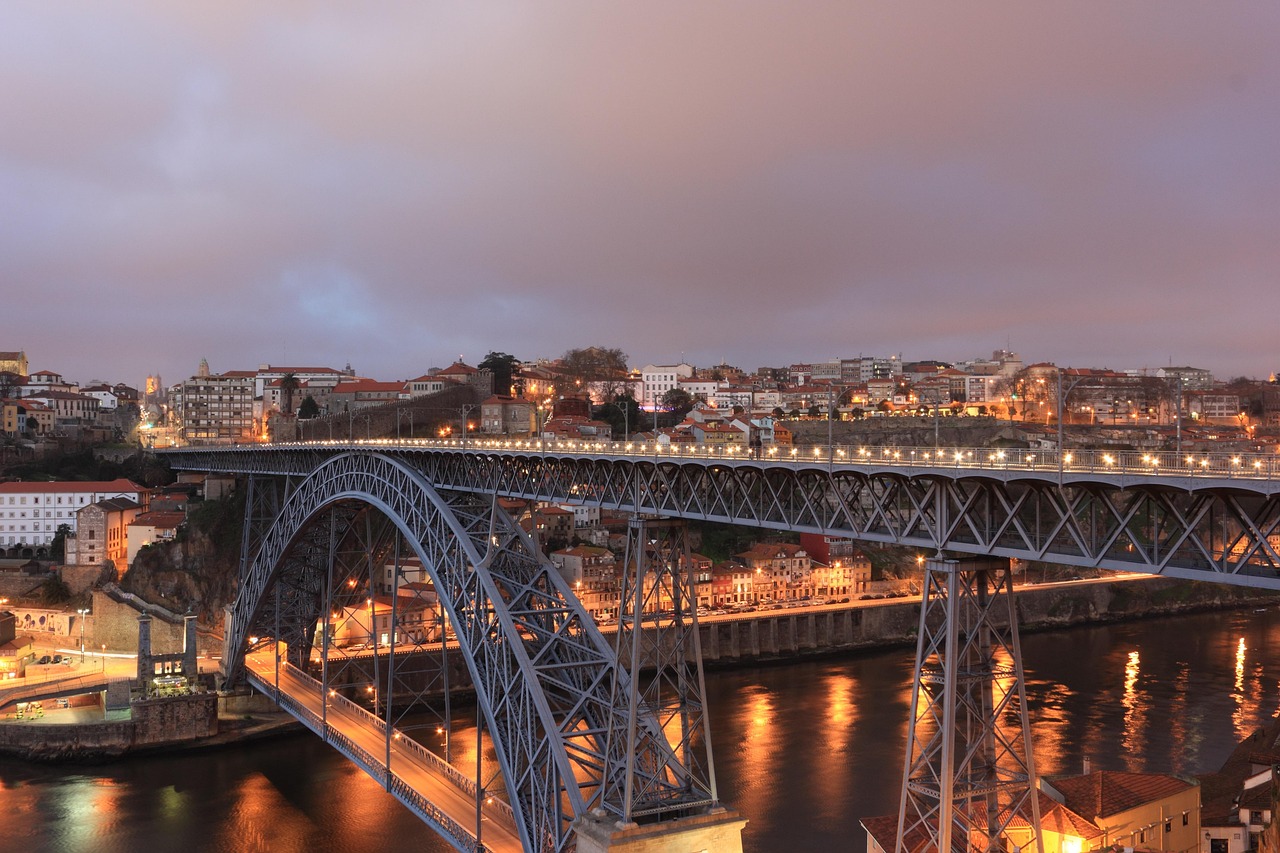
Porto is one of those cities that sneaks up on you. The first time I arrived, I thought I’d stay for three days and then move on to Lisbon. I ended up extending my stay twice and have returned almost every year since. Porto has a way of getting under your skin: the golden light reflected on the Douro River, the smell of grilled sardines drifting from tiny alleys, the old trams rattling past blue-tiled churches, and, of course, that first glass of port wine sipped while watching the sun drop behind Luís I Bridge.
In 2026, Porto is buzzing. It’s popular, yes, but still feels lived-in and local. You’ll find world-class restaurants next to family-run tascas, cutting-edge art in old warehouses, and a nightlife scene that manages to be lively without feeling overwhelming. It’s also a fantastic base for exploring the Douro Valley, the Atlantic coast, and historic towns nearby.
Whether you have 3 days in Porto, are planning a detailed 4 day itinerary for Porto, or want to slow down with 5 days in Porto, this comprehensive travel guide will walk you through must-see attractions, local food, hidden gems, and real-world tips from my repeat visits.
Table of Contents
- Why Visit Porto
- Porto at a Glance (2026–2027)
- Suggested Itineraries (3–5 Days in Porto)
- Top 20 Must-See Attractions in Porto
- Neighborhoods & Areas to Explore
- Local Food in Porto & Where to Eat
- Nightlife, Entertainment & Cultural Experiences
- Day Trips from Porto
- Local Customs & Cultural Etiquette
- Practical Travel Tips for Porto (Money, Transport, SIM, Visa)
- When to Visit Porto & Final Takeaways
Porto at a Glance (2026–2027)
Porto is Portugal’s second-largest city, perched on the Douro River in the north. It’s older, a bit moodier, and, in many ways, more intimate than Lisbon. The city center is compact enough to explore on foot, but hilly enough that you’ll quickly understand why locals take long coffee breaks.
In 2026–2027, expect:
- Major Events:
- São João Festival (June 23–24, 2026 & 2027): The city’s wildest night, with street parties, grilled sardines, fireworks, and the quirky tradition of hitting people on the head with plastic hammers.
- Festa de São Pedro da Afurada (late June 2026 & 2027): A more local fishing-village celebration across the river in Afurada.
- Porto Wine Fest 2026 & 2027 (usually late summer): Celebrating Douro wines and port tasting along the river in Vila Nova de Gaia.
- Fantasma – Porto Light & Art Festival (2026 trial edition, expected 2027 repeat): Nighttime light installations around historic buildings in the city center.
- Infrastructure & Travel Scene: Expanded metro lines to the airport, more pedestrianized streets in the historic center, and a growing focus on sustainable tourism. Accommodation ranges from budget hostels in Aliados to boutique hotels in Miragaia and Foz do Douro.
Suggested Itineraries: 3–5 Days in Porto
I’ll outline how to spend 3 days in Porto, and then show you how to stretch that into 4 days in Porto or even a full 5 day itinerary for Porto. I’ll weave in personal stories and practical advice from my own trips.
3 Day Itinerary for Porto: The Essentials
If you only have 3 days in Porto, focus on the riverfront, the historic center, and Gaia’s port wine cellars, with a sprinkle of viewpoints and tiled churches.
Day 1: Ribeira, Luís I Bridge & Gaia Caves
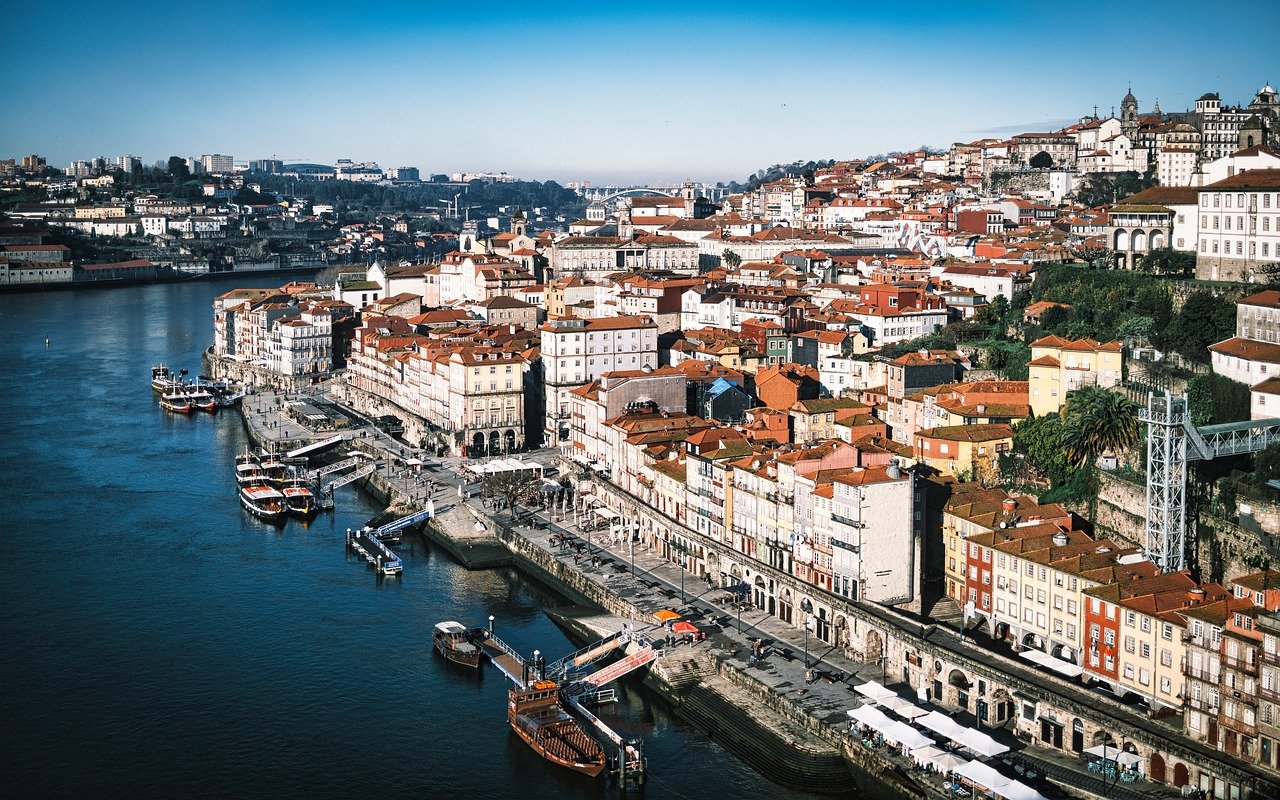
On my very first trip, I dropped my bags near São Bento station and walked straight down to the river. If you do the same, you’ll understand why I keep coming back.
- Morning: São Bento Station & Historic Center
Start at São Bento Railway Station. Even if you’re not catching a train, the azulejo-covered hall is a must. The blue-and-white tiles depict battles, royal scenes, and everyday rural life. I like to visit early, around 8:30–9:00 am, before tour groups arrive.
From there, wander toward Avenida dos Aliados and the Town Hall, then zigzag down the narrow streets toward the river. I usually cut through Rua das Flores, a pedestrian street lined with cafés, galleries, and small boutiques.
- Midday: Ribeira & Lunch by the Douro
By late morning, you’ll reach Ribeira, Porto’s signature waterfront district. Colorful, slightly crooked houses stacked along the river, laundry hanging from balconies, and boats bobbing in front of the arches.
Grab lunch at a riverside restaurant, but avoid the most obvious tourist traps. I’ve had consistently good and fairly priced meals at a small tasca one street back from the water—look for places where the menu is in Portuguese first and the waiter doesn’t shove a laminated menu into your hand.
Try francesinha (Porto’s legendary meat-and-cheese sandwich topped with beer sauce) or grilled fish. If it’s hot, order a glass of vinho verde, a light, slightly fizzy wine that pairs beautifully with the sea breeze.
- Afternoon: Walk Across Luís I Bridge & Explore Gaia
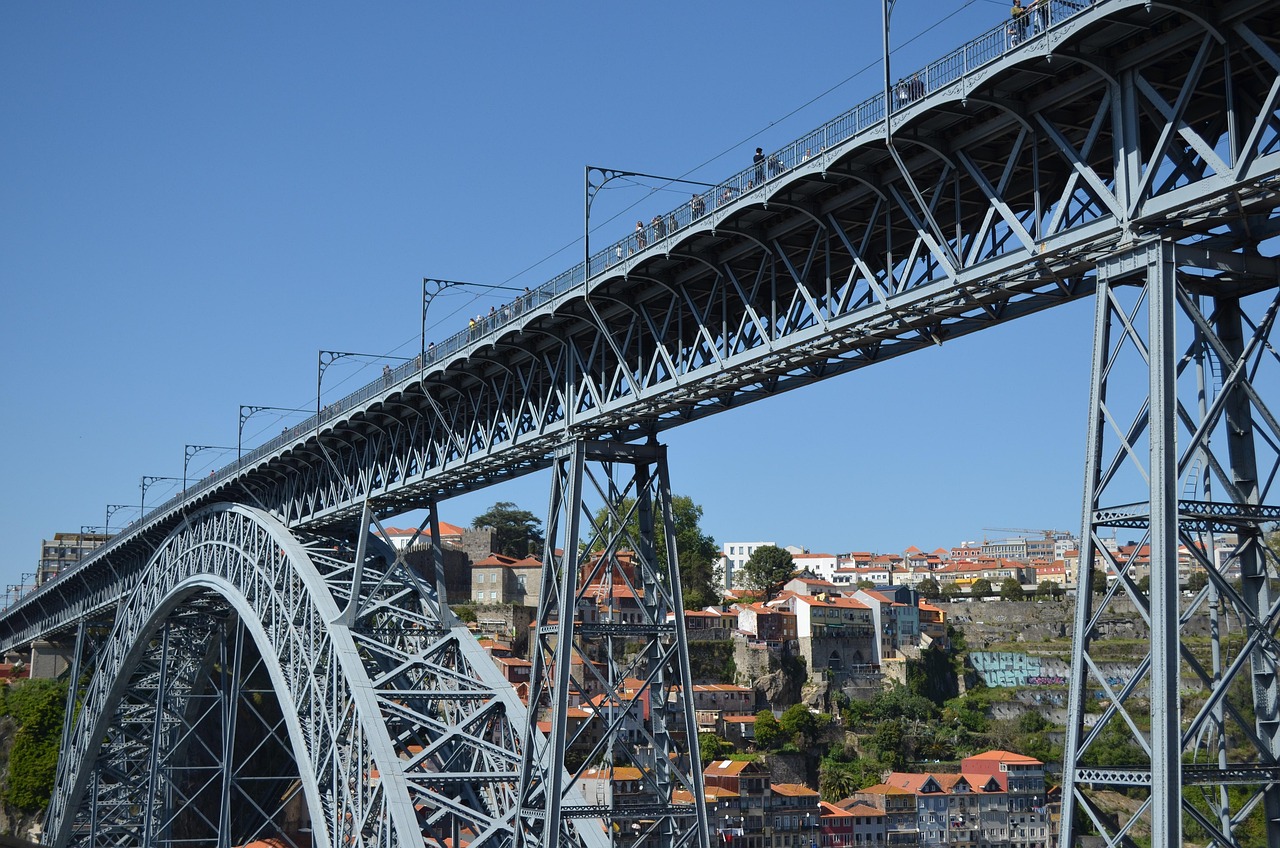
Dom Luís I Bridge in Porto After lunch, walk across the lower deck of the Dom Luís I Bridge into Vila Nova de Gaia. This iron bridge, designed by a student of Eiffel, is one of Porto’s icons. The lower deck brings you right to Gaia’s riverfront, lined with the famous port wine lodges.
I remember my first crossing in late afternoon golden light—buskers playing fado, kids jumping into the river (don’t try it!), and boats gliding under the arches. It’s one of those simple Porto moments that feels cinematic.
- Late Afternoon: Port Wine Cellar Tour
Pick one or two port houses for a tour and tasting. Over several visits, I’ve tried Sandeman, Graham’s, Taylor’s, and a couple of smaller outfits. My favorites are:
- Taylor’s: Slightly uphill (wear comfy shoes), with beautiful gardens and a terrace overlooking Porto. The audio-guided tour is well done, and I like their tawny ports.
- Graham’s: A bit further from the river, but excellent for understanding how port is made. Their lodge has great views and a very atmospheric tasting room.
Tip: Book your cellar tour in advance, especially in summer and on weekends. Most tours last about an hour and include 2–3 tastings. If you’re not a big drinker, sharing a tasting flight is usually okay—just ask.
- Evening: Sunset at Jardim do Morro
From Gaia, take the cable car or walk up to Jardim do Morro, a park right at the top of the bridge. This is my absolute favorite sunset in Porto spot. By 7–8 pm (later in summer), locals gather with beers, couples cuddle on the grass, and the city slowly lights up in warm orange tones.
Bring a small picnic or grab a drink from the kiosk. Stay until the lights along the bridge come on—you’ll thank yourself later.
Day 2: Churches, Viewpoints & Livraria Lello
This day is all about architecture, tiles, and some of Porto’s most photographed places. It’s a lot of walking and stairs, but it’s also where you’ll understand the city’s soul.
- Morning: Clérigos Tower & Church
Start at the Clérigos Church and Tower (Torre dos Clérigos). The church itself is baroque and beautiful, but the real star is the tower. You’ll climb around 200+ narrow steps to the top, but the 360° view of Porto’s rooftops, river, and distant Atlantic is worth every gasp.
I like to go as soon as it opens to avoid lines and the midday heat. On a clear day, you can orient your entire itinerary from up there—spot São Bento, the Cathedral, and the river curves you’ll walk later.
- Late Morning: Livraria Lello
A few steps away is Livraria Lello, often called one of the most beautiful bookstores in the world. The carved wooden staircase, stained glass ceiling, and dark shelves dripping with books feel like stepping into a movie set (or a wizarding world, as many people say).
It’s no longer a quiet bookshop—expect crowds and a ticketed entry—but it’s still magical. Buy a timed-entry ticket online in advance; your ticket value can usually be deducted if you purchase a book. I once went near closing time on a winter evening and found it quieter and much more atmospheric.
- Lunch Around Cedofeita or Carmelitas
For lunch, avoid the streets directly around Lello (overpriced and crowded). Walk 5–10 minutes into the Cedofeita area, where you’ll find smaller cafés, vegan options, and local lunch spots. I’ve had lovely daily specials (pratos do dia) here for under €10, including a glass of house wine.
- Afternoon: Igreja do Carmo & Azul Tile Facades
Post-lunch, check out the twin churches Igreja do Carmo and Igreja dos Carmelitas. The tiled side façade of Igreja do Carmo is one of the city’s most Instagrammed spots, but the story behind it is more interesting: between the two churches is one of the world’s narrowest buildings, built to separate the nuns and monks.
- Late Afternoon: São Bento & Cathedral (Sé do Porto)
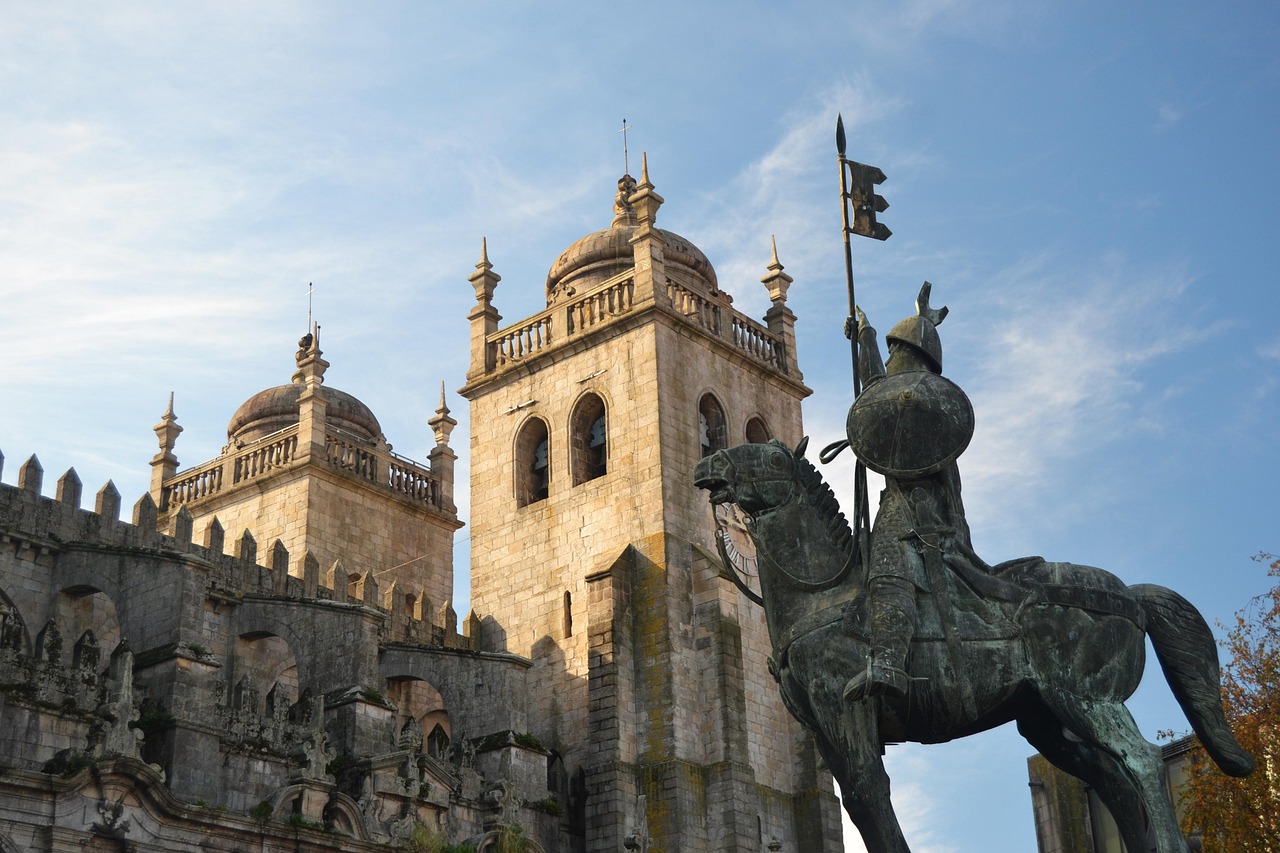
Porto Cathedral and square Wander back down toward Porto Cathedral (Sé do Porto), set on a hill overlooking the city. The cloisters are covered in azulejos, and the square in front offers another stunning viewpoint. I once arrived here in light drizzle and watched the city slowly appear and disappear in mist—a surprisingly fitting atmosphere for Porto.
- Evening: Dinner in Ribeira or Baixa & Night Walk
For dinner, choose between the lively Baixa (downtown) area or heading back to Ribeira. Baixa has more variety and better prices; Ribeira wins on ambience. Afterward, take a slow night walk—Porto’s historic center feels safe, and the illuminated bridge and waterfront are worth seeing after dark.
Day 3: Foz do Douro, Matosinhos & Contemporary Porto
On your third day, mix river and ocean, modern architecture, and local life.
- Morning: Tram 1 to Foz do Douro
Take the historic Tram 1 from near Ribeira along the river out to Foz do Douro, where the Douro meets the Atlantic. The ride itself is a joy—wooden interiors, squeaky brakes, and constantly changing views of the riverfront.
Once there, walk along the promenade to the Felgueiras Lighthouse. On windy days, waves crash dramatically against the breakwater. I once spent almost an hour just watching the Atlantic slam into the rocks and locals strolling with dogs.
- Lunch: Seaside or in Matosinhos
You can lunch in Foz’s chic cafés or hop on a bus or metro slightly north to Matosinhos, the city’s seafood heaven. Matosinhos’ Rua Heróis de França is lined with grill restaurants where fish is cooked on charcoal right on the street. Order grilled sardines, dourada (sea bream), or octopus with potatoes.
I once went on a quiet weekday and ended up in a long conversation with the owner about the perfect point to grill sardines—Porto hospitality at its best.
- Afternoon: Serralves Museum & Park
Head to the Serralves Museum of Contemporary Art, about 15–20 minutes inland by bus or Uber. The museum, designed by Álvaro Siza Vieira, is sleek and minimalist, hosting rotating exhibitions. But even if contemporary art isn’t your thing, the surrounding Serralves Park is glorious: manicured gardens, wooded paths, a pink Art Deco villa, and playful outdoor installations.
There’s also a treetop walk that’s fun for families. I like to end my day here, walking slowly as the late afternoon light filters through the trees.
- Evening: Back to Baixa or Cedofeita for Drinks
Return to the city center for a relaxed dinner and perhaps a drink around Rua Galeria de Paris or in the more low-key Cedofeita neighborhood. If you still have energy, catch a live music performance—more on nightlife in a later section.
4 Day Itinerary for Porto: Adding the Douro Valley
With 4 days in Porto, follow the 3-day itinerary above and add a day trip to the Douro Valley, the terraced wine region upriver.
Day 4: Douro Valley Day Trip
The Douro Valley is one of my favorite day trips in Europe. It’s where the grapes for port wine are grown, in steep terraced vineyards that look like something from a painting.
- Getting There:
You can go by train from São Bento to Peso da Régua or Pinhão, by river cruise, or on a guided tour that includes tastings and lunch. I’ve tried all three; if it’s your first time, a small-group tour is the easiest and most efficient way to see multiple vineyards without worrying about driving after tastings.
- What to Expect:
Typically, you’ll visit 1–2 quintas (wine estates), tour the vineyards, and taste both port and table wines. Vineyard lunches are often simple but memorable—roast meats, local cheeses, and fresh bread, all with sweeping views of the valley.
On one trip, I watched a September harvest in progress: workers hand-picking grapes and singing as they moved along the rows. In late September/early October 2026–2027, you may catch this grape harvest atmosphere.
- Family & Non-Drinkers:
Even if you don’t drink, the Douro is worth it for the landscapes alone. Many tours now include olive oil tastings, river viewpoints, and short boat rides that are very family friendly.
5 Day Itinerary for Porto: Slow Down & Explore Deeper
With a full 5 days in Porto, you can follow the 4-day plan and add one more day to dive into lesser-known neighborhoods, markets, and hidden gems.
20 Must-See Attractions in Porto (With Local Insights)
Below are 20 of the best places to visit in Porto, each with its own character. I’ve visited some of these multiple times, at different hours and seasons, and I’ll share what I’ve learned the hard way—so you don’t have to.
1. Ribeira District
Why go: Ribeira is Porto’s postcard: colorful facades, arcades, boats, and the Luís I Bridge framing it all. It’s busy and touristy, but also genuinely beautiful.
History & significance: Once a bustling commercial port district, Ribeira was where goods arrived from the Douro and beyond. Merchants, sailors, and traders turned this into a lively, sometimes rough area. Today it’s UNESCO-listed and polished, but still retains that riverfront energy.
My experience: My favorite Ribeira memory is from a chilly January evening, when drizzle had driven away most tourists. I sat under the arches, sipping a hot chocolate, watching a lone accordionist play melancholic tunes. The reflections of lights on the wet cobblestones made the whole place feel like a film set.
Tips:
- Arrive early morning or late evening to enjoy it with fewer crowds.
- Eats are better one or two streets back from the water; check menus for daily specials.
- Family friendly: kids love watching the boats and street performers.
- Romantic: sunset drinks under the arches or on a Douro river boat.
2. Dom Luís I Bridge
Why go: Porto’s most iconic structure, connecting Porto and Gaia with two levels: cars and pedestrians below, metro and pedestrians above.
My experience: I like to cross the upper deck at different times of day. Early morning, when the city is still yawning awake, is my favorite. You’ll share the bridge mostly with locals heading to work and a few joggers, with fog sometimes rolling along the river below.
Tips:
- Hold onto phones and hats—wind can be strong up top.
- Watch out for the metro trains; pedestrians share space with tracks.
- Best photos: mid-bridge, looking back at the Cathedral and Ribeira.
- After dark, the bridge is illuminated and feels safe but stay aware of your belongings.
3. São Bento Railway Station
Why go: One of the world’s most beautiful stations, covered in 20,000 azulejos depicting Portuguese history.
History: Built in the early 20th century on the site of a former Benedictine convent, São Bento’s tile panels were completed by artist Jorge Colaço over 11 years.
My experience: I like to visit twice: once mid-morning to people-watch commuters and once later at night, when trains are sparse and you can stand in the middle of the hall in near silence, studying the details of each panel.
Tips:
- Free entry; no need for a train ticket to see the tiles.
- For photographers: go early to avoid bus tours.
- Use it as a base for day trips by train to Guimarães, Braga, and the Douro line.
4. Porto Cathedral (Sé do Porto)
Why go: The Sé is one of Porto’s oldest buildings and offers amazing views plus stunning tile-covered cloisters.
History: The cathedral dates back to the 12th century, with Romanesque foundations and later Gothic and Baroque additions. It has seen royal weddings and historic events.
My experience: On one visit, light rain turned the cloisters into a quietly echoing sanctuary, the blue tiles gleaming. It’s a good place to slow down, especially if the city outside feels hectic.
Tips:
- Small entry fee for the cloisters; the main church is usually free.
- Wear respectful clothing (shoulders covered) if possible.
- Combine with a walk down to Ribeira via the steep, atmospheric steps.
5. Clérigos Tower & Church
Why go: The best central viewpoint in Porto and a masterpiece of Baroque architecture.
My experience: I’ve climbed it in blazing August heat and in cool March breeze; the latter is far more pleasant. The staircase is narrow, and you’ll sometimes pause to let people pass in the opposite direction—use those moments to peek out of the tiny windows at the city unfolding below you.
Tips:
- Book a timed ticket if visiting in high season.
- Not great for severe claustrophobia or mobility issues.
- Go on a clear day for long-range views.
6. Livraria Lello
Why go: A legendary bookstore with a fairytale staircase and intricate woodwork.
My experience: I’ve visited both at peak midday in summer (crowded and rushed) and during a rainy weekday evening in November (far more relaxed). The latter is my recommendation if your schedule allows.
Tips:
- Buy tickets online and pick a less popular time slot (early or late).
- Photos are allowed but be respectful and quick; many visitors are true book lovers.
- Choose a book as a souvenir—much better than another fridge magnet.
7. Vila Nova de Gaia Port Wine Cellars
Why go: To understand how port is made, aged, and enjoyed—and to taste it, of course.
My experience: Over several visits, I’ve gone from knowing nothing about port to having actual preferences: I’ve grown to love aged tawnies with their nutty, caramel flavors. I also learned that “vintage port” is not just a fancy label, but a specific style only declared in exceptional years.
Tips:
- Pick 1–2 cellars and do them well; more than that and your palate (and head) will be overwhelmed.
- Some lodges offer chocolate pairings or sunset terraces—great for couples.
- Book in advance during weekends and peak season.
8. Foz do Douro
Why go: To see where the Douro River meets the Atlantic, walk along the sea, and breathe salty air.
My experience: Foz is my reset button. Whenever the city center feels too intense, I escape here. I’ve watched stormy waves in winter from a café window and had lazy summer picnics on the grass overlooking the ocean.
Tips:
- Take Tram 1 for a scenic route; bus or Uber back to save time.
- Pack a light jacket—ocean breezes can be chilly, even in summer evenings.
- Family friendly: good playgrounds and bike paths along the shore.
9. Matosinhos Beach & Seafood
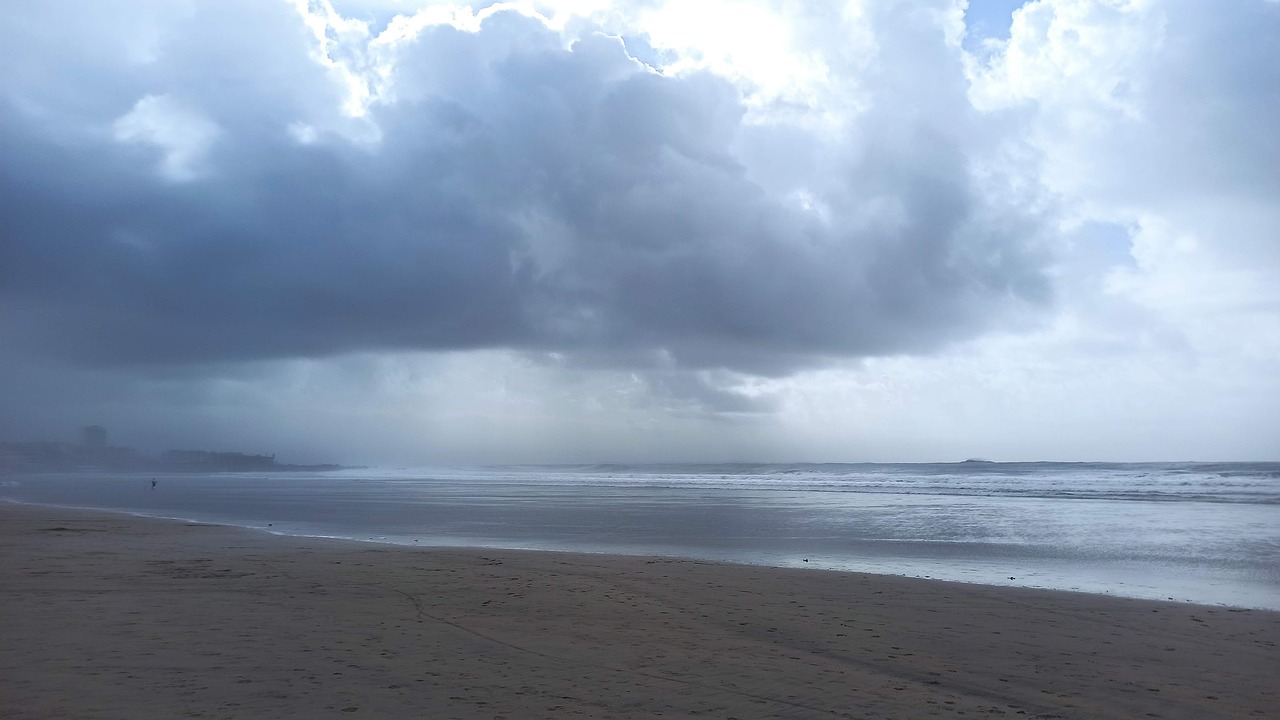
Why go: Wide sandy beach plus some of the best, freshest seafood near Porto.
My experience: One summer afternoon, I joined friends from Porto for a long lunch in Matosinhos. We ordered grilled sardines, clams in garlic and white wine, and shared a simple tomato salad. The bill was surprisingly reasonable, and we rolled ourselves out to the beach afterward, happily full.
Tips:
- Walk down Rua Heróis de França to pick a restaurant; follow your nose and look for busy places with locals.
- Great for surfers—there are surf schools offering lessons, perfect for adventurous travelers.
- Metro line connects Porto to Matosinhos; it’s easy and cheap.
10. Serralves Museum & Park
Why go: To experience contemporary art in a serene park with a pink Art Deco villa as its centerpiece.
My experience: I’ve spent entire afternoons here, alternating between the museum’s white-walled galleries and the lush gardens. Once, I stumbled on an outdoor performance piece involving dancers moving through the trees—it felt like being let in on a secret.
Tips:
- Allow at least 3–4 hours to enjoy both the museum and the park.
- Good for families; kids like the open spaces and occasional interactive exhibits.
- Check what temporary exhibitions are on in 2026–2027; they can change the vibe significantly.
11. Mercado do Bolhão
Why go: To see where locals actually shop for food, and to snack your way through Porto’s produce.
My experience: I like to buy a small selection of cheeses, olives, and fruit here and turn it into an impromptu picnic. Vendors often offer samples and are patient with broken Portuguese.
Tips:
- Morning is best; many stalls wind down by late afternoon.
- Ask about seasonal specialties: chestnuts in autumn, certain fruits in summer.
- Good place to buy edible souvenirs (vacuum-packed cheese, canned fish).
12. Café Majestic
Why go: A Belle Époque café that feels like stepping back in time.
My experience: I usually allow myself one splurge coffee here each trip. I sit under the chandeliers, order a pastel de nata or rabanada (Portuguese-style French toast), and imagine the artists and writers who once lingered over notebooks at these tables.
Tips:
- Expect higher prices than a typical café; you’re paying for the atmosphere.
- Go mid-morning between breakfast and lunch to avoid queues.
- Dress is casual but you may feel like dressing up just a little for the photos.
13. Palácio da Bolsa
Why go: A 19th-century neoclassical palace that served as Porto’s Stock Exchange, with an opulent “Arab Room.”
My experience: The guided tour (required) is informative without being overwhelming, and the Arab Room is a genuine “wow” moment—gold, patterns, and elaborate details everywhere.
Tips:
- Book a tour in your preferred language; spots can fill up in high season.
- Combine with a stroll through the nearby Jardim do Infante Dom Henrique.
- Great for architecture lovers and history buffs.
14. Church of São Francisco
Why go: To see one of the most lavish Baroque church interiors in Portugal, covered in gold leaf.
My experience: From the outside, São Francisco looks relatively austere. Inside, it’s a burst of gold and carved wood. It’s almost overwhelming, but also incredibly impressive.
Tips:
- Photography rules may be strict—check signs.
- Ticket includes access to the catacombs and small museum.
- Combine with Palácio da Bolsa; they are close.
15. Igreja do Carmo & Igreja dos Carmelitas
Why go: For one of Porto’s best azulejo-covered exteriors and the quirky narrow building between two churches.
My experience: I’ve photographed this façade in bright sun, at dusk, and even in rain; each light brings out different details in the blue tiles. Don’t just snap and go—walk around and notice the little building squeezed in between, once used to separate monks from nuns.
Tips:
- Good stop on the way to or from Clérigos and Lello.
- Come early morning to avoid crowds around the tiles.
- Check inside; the church itself is beautiful and often overlooked.
16. Miragaia Neighborhood
Why go: To experience a quieter, more residential side of the riverside, full of colorful facades and hidden alleys.
My experience: Miragaia is where I go when I want to feel like I live in Porto, even briefly. I’ve spent mornings here wandering aimlessly, greeting neighbors sweeping their doorsteps, and listening to conversations drifting from open windows.
Tips:
- Wear comfortable shoes; there are stairs and uneven cobblestones.
- Explore without a strict plan—this is about atmosphere, not checklists.
- Respect privacy; avoid pointing cameras directly into people’s homes.
17. Jardim das Virtudes
Why go: A terraced garden overlooking the Douro, beloved by locals for sunset gatherings.
My experience: I discovered Virtudes on my second trip and now I go almost every visit. I usually bring a small bottle of vinho verde, sit on the grass, and watch the sky slowly change colors behind the river and Gaia.
Tips:
- There’s often a youthful, bohemian crowd in the evenings.
- Bring your own snacks and drinks (and take your trash with you).
- Romantic spot, but also relaxed enough for solo travelers.
18. Gaia Cable Car (Teleférico de Gaia)
Why go: For great views over Porto and the river while gliding between the riverfront and Jardim do Morro.
My experience: It’s a short ride, but I still enjoy it, especially with first-time visitors. Kids generally love it. One evening, I rode it just as the city lights came on—highly recommended if you’re into photography.
Tips:
- Consider buying a round-trip ticket if you don’t want to climb hills.
- Combine with a walk on the bridge’s upper level.
- Check for combo tickets with port cellar visits.
19. World of Discoveries Museum
Why go: A family-friendly, interactive museum about Portugal’s Age of Discoveries, with boat rides and immersive sets.
My experience: I visited with friends who have children, and the kids were completely engaged. It’s not a dusty museum—you “sail” through different regions and learn about navigation and exploration.
Tips:
- Great option on a rainy day.
- Buy tickets in advance on weekends.
- Adults will appreciate the context; kids will love the interactivity.
20. Funicular dos Guindais
Why go: A short but scenic funicular connecting the riverside with the upper city near the Cathedral.
My experience: It’s a fun way to avoid a steep climb and see the city from a different angle. I sometimes ride it up at sunset, then walk to the Cathedral square for views.
Tips:
- Included in some transport passes; otherwise, pay per trip.
- Families and tired legs will appreciate the shortcut.
- Try riding both uphill and downhill for different perspectives.
Porto Neighborhoods & Where to Stay
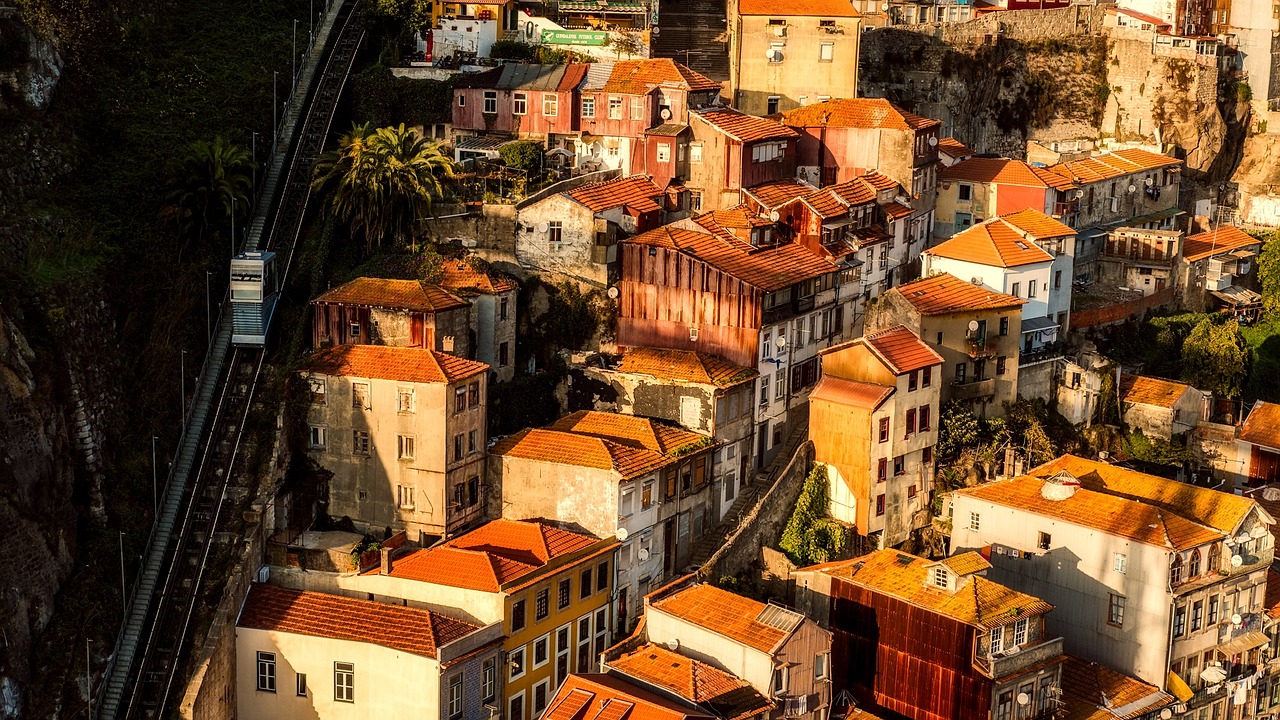
Porto is compact, but each neighborhood has its own character. Where you base yourself will shape your trip.
Ribeira
Best for: First-time visitors, romantic stays, and those who want river views.
Pros: Iconic views, atmospheric streets, easy access to boat tours and Gaia. Cons: Tourist crowds, higher prices, some noise at night.
Baixa & Aliados
Best for: A balanced base close to everything.
Pros: Central, lots of restaurants and bars, good transport links. Cons: Busy, can be noisy on weekends.
Cedofeita
Best for: Young travelers, longer stays, and a local vibe.
Pros: Cool cafés, galleries, more affordable accommodation, walkable to center. Cons: Slight uphill walks, nightlife can be lively on some streets.
Bonfim
Best for: Off-the-beaten-path feel with creative energy.
Pros: Less touristy, emerging food scene, lower prices. Cons: Slightly farther from main sights (20–25 min walk).
Foz do Douro
Best for: Relaxed, seaside stays and repeat visitors.
Pros: Ocean views, beach walks, calmer at night. Cons: Far from historic center (20–30 min by tram/bus).
Vila Nova de Gaia
Best for: Wine lovers and jaw-dropping views of Porto.
Pros: Great port lodges, panoramic views back to Porto, quieter residential areas. Cons: You’ll cross the bridge often; center is a bit of a walk.
Local Food in Porto: What to Eat & Where
Porto’s food is hearty, flavorful, and surprisingly affordable if you know where to go. These are the classics I always end up ordering.
Must-Try Dishes
- Francesinha: A decadent sandwich with layers of meat, covered in cheese and a beer-based sauce, served with fries. Not light, but iconic. Good for sharing.
- Bacalhau: Salt cod prepared in countless ways; try bacalhau à Gomes de Sá (with potatoes and onions).
- Tripas à Moda do Porto: A tripe stew that gave locals their nickname “tripeiros.” For adventurous eaters.
- Grilled Sardines & Seafood: Especially in Matosinhos and during summer festivals.
- Caldo Verde: Kale and potato soup, simple and comforting.
- Pastéis de Nata: Custard tarts; have at least one every day.
What to Drink
- Port Wine: Ruby, tawny, white, and rosé styles—taste in Gaia.
- Vinho Verde: Light, slightly fizzy, perfect with fish.
- Cerveja: Local beers, plus a growing craft beer scene.
Saving Money on Food
To eat well without wrecking your budget:
- Look for “prato do dia” (dish of the day) at lunch—often €8–€12 with drink and coffee.
- Eat at small tascas slightly away from main tourist streets.
- Shop for picnic supplies at Mercado do Bolhão or local supermarkets.
Nightlife & Cultural Experiences in Porto
Porto’s nightlife is lively but not overwhelming, more about cozy bars, wine, and music than mega-clubs.
Nightlife Areas
- Rua Galeria de Paris & Rua Cândido dos Reis: Dense cluster of bars, lively on weekends, younger crowd.
- Ribeira: Quieter wine bars and riverfront spots, great for couples.
- Cedofeita & Bonfim: Smaller, trendier bars and craft beer spots with more locals.
Cultural Experiences
- Fado Performances: While Lisbon is more famous for fado, Porto has intimate venues where you can hear this melancholic music paired with dinner or drinks.
- Casa da Música: Contemporary concert hall with classical, jazz, and world music performances.
- Festivals: São João in June is a must-experience street party if you’re in Porto in 2026–2027.
Day Trips from Porto
If you’re spending 4–5 days in Porto, consider adding one or two of these day trips.
Douro Valley
Covered earlier in the 4-day itinerary section; ideal for wine, landscapes, and river cruises.
Guimarães
Birthplace of Portugal, with a medieval castle, palace, and a beautifully preserved old town. Easy by train from São Bento. I spent a full day wandering tiny squares and cobbled streets, and it felt like stepping into a history book.
Braga
Known for its churches and the sanctuary of Bom Jesus do Monte, with its dramatic baroque staircase. Combine with Guimarães if you’re efficient, but each town deserves its own relaxed pace.
Afurada
A small fishing village just across the river from Porto/ Gaia, reachable by a short boat ride or bus. Great for super-fresh grilled fish and watching fishermen mend nets along the waterfront.
Local Customs & Cultural Etiquette in Porto
Understanding local customs in Porto will make your trip smoother and more respectful.
- Greetings: A simple “Bom dia” (good morning), “Boa tarde” (good afternoon), or “Boa noite” (good evening) goes a long way. Handshakes for first meetings; friends greet with cheek kisses.
- Language: Portuguese is the main language. English is widely spoken in tourist areas, but locals appreciate attempts at Portuguese.
- Tipping: Not mandatory but appreciated. Round up or leave 5–10% in restaurants if service was good.
- Dress: Casual but neat. Cover shoulders in churches if possible.
- Time: Lunch usually 12:30–3 pm, dinner 8–10 pm. Don’t expect dinner at 6 pm except in very touristy spots.
- Respecting Neighbors: Many old buildings have thin walls; keep noise down late at night in residential streets.
Practical Travel Tips for Porto (2026–2027)
Getting Around
- On Foot: The historic center is very walkable but hilly. Wear comfortable shoes.
- Metro: Efficient and connects to the airport, Campanhã station, and some outer neighborhoods.
- Buses & Trams: Cover routes not served by metro; Tram 1 is touristy but scenic.
- Uber/Bolt/Taxis: Affordable and handy at night or when tired.
- Car Rental: Not needed in the city; consider only for exploring the countryside. Foreign driver’s licenses are generally accepted, but carry your passport and check if an International Driving Permit is recommended for your country.
Money & Costs
- Currency: Euro (€). Cards widely accepted, but carry some cash for small cafés and markets.
- ATMs are widespread; avoid dynamic currency conversion—always choose to be charged in euros.
- Porto is still cheaper than many Western European cities, especially if you eat where locals do.
SIM Cards & Connectivity
- Portuguese providers (e.g., MEO, NOS, Vodafone) sell prepaid SIMs and eSIMs at the airport and in city shops.
- Expect good 4G/5G coverage in the city and around popular day trip areas.
- If you’re from the EU, your plan may already include roaming in Portugal.
Visa Requirements
Portugal is part of the Schengen Area. Many nationalities can enter visa-free for short stays (usually up to 90 days) but check current 2026–2027 rules for your nationality before traveling, as policies can change. Ensure your passport is valid for at least 3–6 months beyond your stay, depending on requirements.
When to Visit Porto & Final Takeaways
Best Seasons for Porto
- Spring (March–May): My favorite time—mild weather, fewer crowds, blooming gardens. Great for city walks and Douro trips.
- Summer (June–August): Lively, with festivals like São João. Warmer and busier, but Atlantic breezes keep it more comfortable than inland Portugal.
- Autumn (September–November): Harvest season in the Douro; still pleasant temperatures. Occasional rain adds moody charm.
- Winter (December–February): Cooler and rainier, but fewer tourists and lower prices. Porto’s tiled facades look beautiful in the mist.
Key Takeaways for Your Porto Trip
- 3 days in Porto are enough to see the essentials: Ribeira, Gaia cellars, Clérigos, Lello, and a taste of the seaside.
- 4 days in Porto let you add the Douro Valley, which I consider almost mandatory if you love landscapes and wine.
- 5 days in Porto give you time to slow down, explore neighborhoods like Miragaia and Bonfim, and feel the city’s everyday rhythm.
- Eat where locals eat, walk as much as you can (but embrace hills and trams), and don’t rush—Porto rewards those who linger.
Every time I leave Porto, I find myself planning the next visit on the plane home. Whether you come for a long weekend or a full week, I hope this travel guide helps you build a 3, 4, or 5 day itinerary for Porto that feels personal, satisfying, and just the right mix of must-see attractions and hidden gems in Porto. Boa viagem!