Why Visit Lisbon in 2026
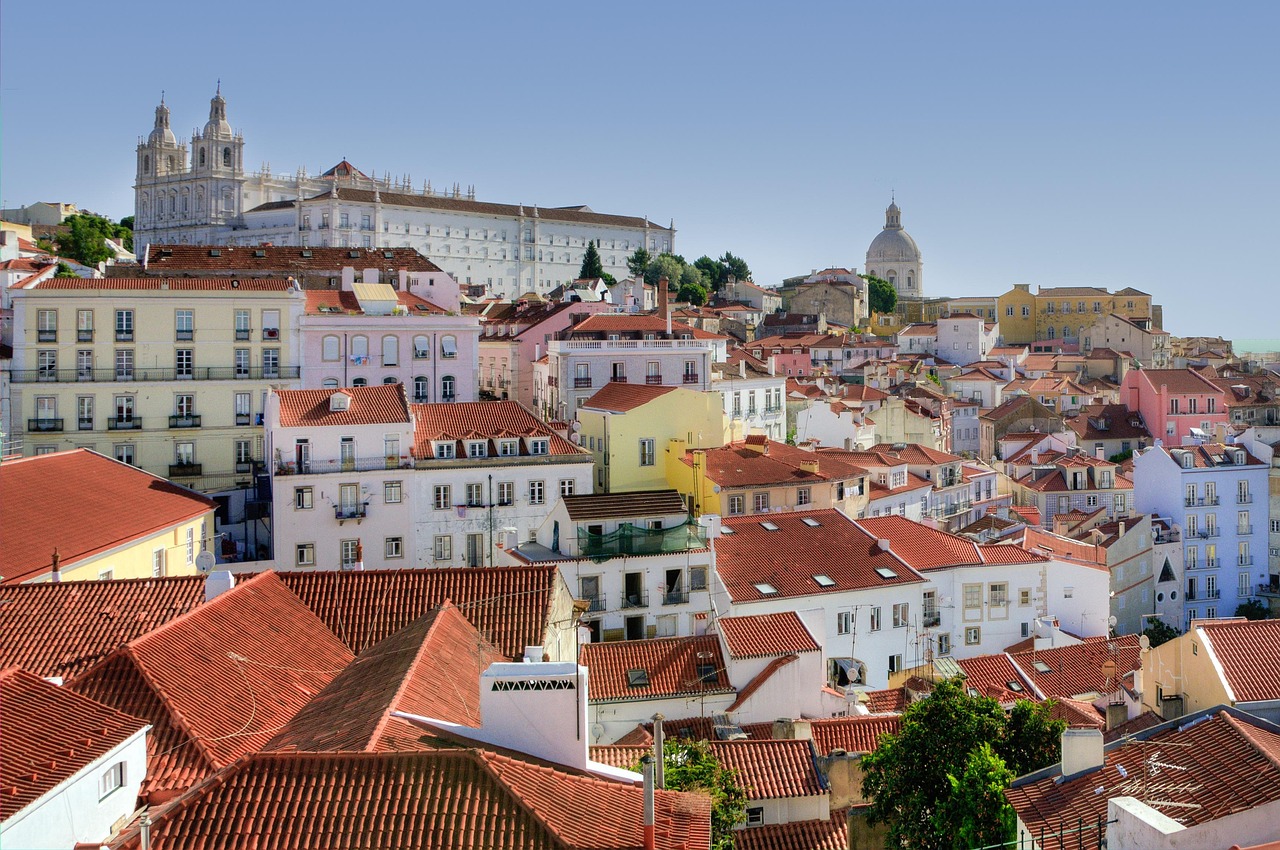
I’ve been coming to Lisbon regularly for over a decade, and I’ve watched it change from a sleepy, slightly scruffy Atlantic capital into one of Europe’s most exciting, creative, and soulful cities. Yet it has somehow stayed itself: tiled facades, old yellow trams, salty Atlantic air, and that golden late-afternoon light that makes the whole city glow.
Lisbon is special because it balances contrasts so naturally:
- Old & new: Medieval alleys and futuristic architecture share the same skyline.
- Relaxed & vibrant: Long, lazy lunches but also buzzing nightlife, creative bars, and live music until dawn.
- Affordable & aspirational: Still one of Western Europe’s better-value capitals, but with world-class restaurants, museums, and hotels.
In 2026, Lisbon is also riding a cultural wave: a packed festival calendar, new museum openings along the riverfront, and ongoing upgrades to public transport that make getting around easier than ever. Whether you have 3 days in Lisbon or you’re planning a deeper 5 day itinerary for Lisbon, this travel guide is written from the perspective of someone who has walked (and wheezed up) these hills many times.
Table of Contents
- Why Visit Lisbon
- Suggested Itineraries (3–5 Days in Lisbon)
- Top 20 Must-See Attractions in Lisbon
- Neighborhoods & Areas to Explore
- Local Food in Lisbon: What & Where to Eat
- Nightlife, Entertainment & Cultural Experiences
- Best Day Trips from Lisbon
- Cultural Etiquette & Local Customs
- Practical Travel Advice for Lisbon (2026–2027)
- Summary & Best Time to Visit Lisbon
Suggested Itineraries: 3–5 Days in Lisbon
Below I’ll walk you through detailed, story-driven itineraries based on my own trips and those I plan for visiting friends. You can compress them into a 3 day itinerary for Lisbon by trimming a little, or stretch them to a relaxed 5 day itinerary for Lisbon by following them day by day.
Itinerary Overview
- Day 1: Baixa, Chiado & Alfama – classic old Lisbon, viewpoints, and fado.
- Day 2: Belém & riverside – monuments, museums, and pastries.
- Day 3: Bairro Alto, Príncipe Real & Time Out Market – trendy Lisbon and food heaven.
- Day 4: Parque das Nações & hidden gems – modern Lisbon, street art, and locals’ spots.
- Day 5: Sintra (or Cascais) day trip – palaces, coastline, and nature.
If you have only 3 days in Lisbon, focus on Days 1–3. For 4 days in Lisbon, add Day 4. For a full 5 days in Lisbon, include the day trip on Day 5.
Day 1: Old Lisbon – Baixa, Chiado & Alfama
On my first morning back in Lisbon each year, I always do the same thing: I start downtown in Baixa, then slowly climb my way into Chiado and Alfama, stopping at viewpoints and cafés along the way. It’s the best way to feel Lisbon’s rhythm.
Morning: Baixa & Praça do Comércio
Start at Praça do Comércio, Lisbon’s grand riverside square.
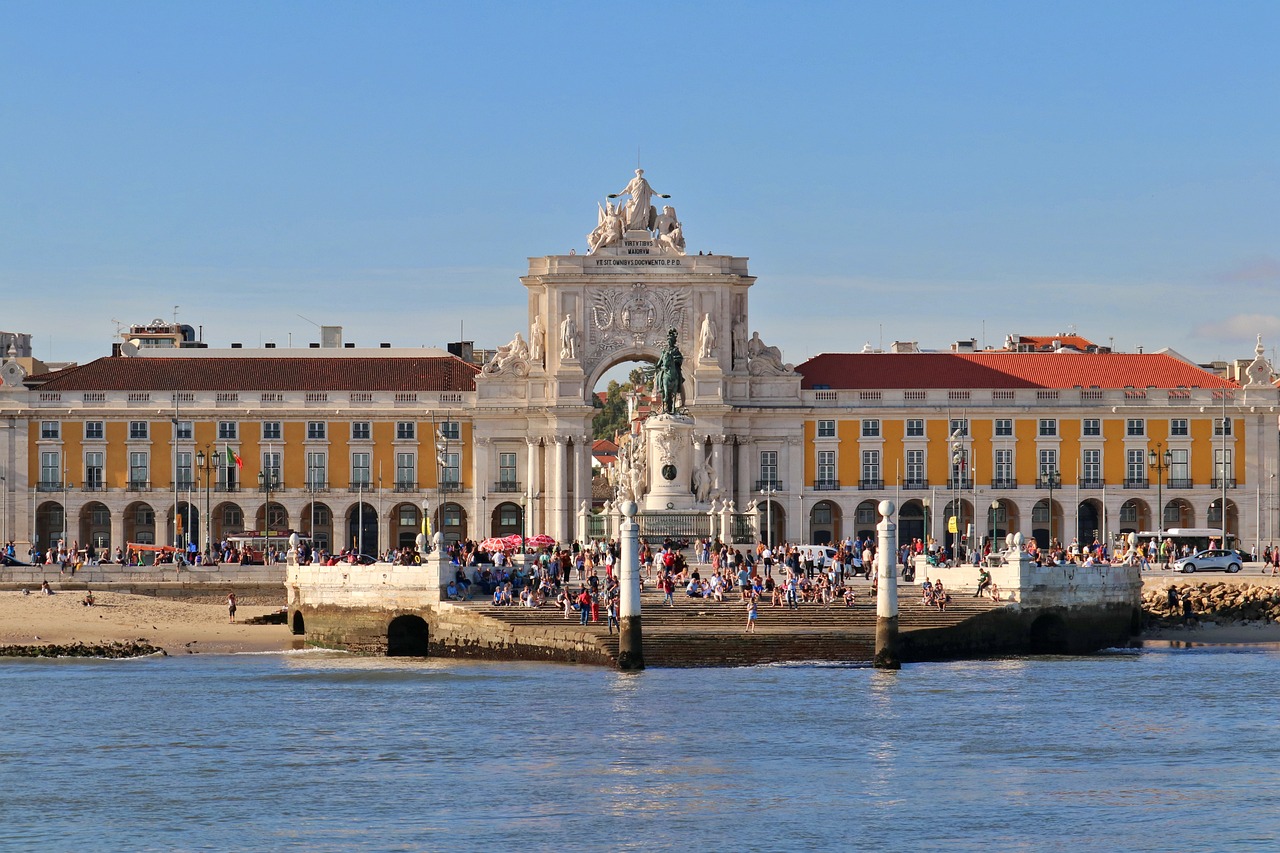
When I arrive early, around 8:30–9:00, the light reflects off the Tagus River, and the arcades are still quiet. Grab a coffee at one of the terraces (yes, they’re a bit touristy, but the setting is worth it for your first morning).
- What to do: Walk through the Arco da Rua Augusta and stroll up Rua Augusta, the main pedestrian street lined with shops and street performers.
- Family tip: Kids love watching the street artists and human statues here.
- Budget tip: Skip sit-down breakfast and grab a pastel de nata and espresso from a bakery on a side street for half the price.
Late Morning: Elevador de Santa Justa & Chiado
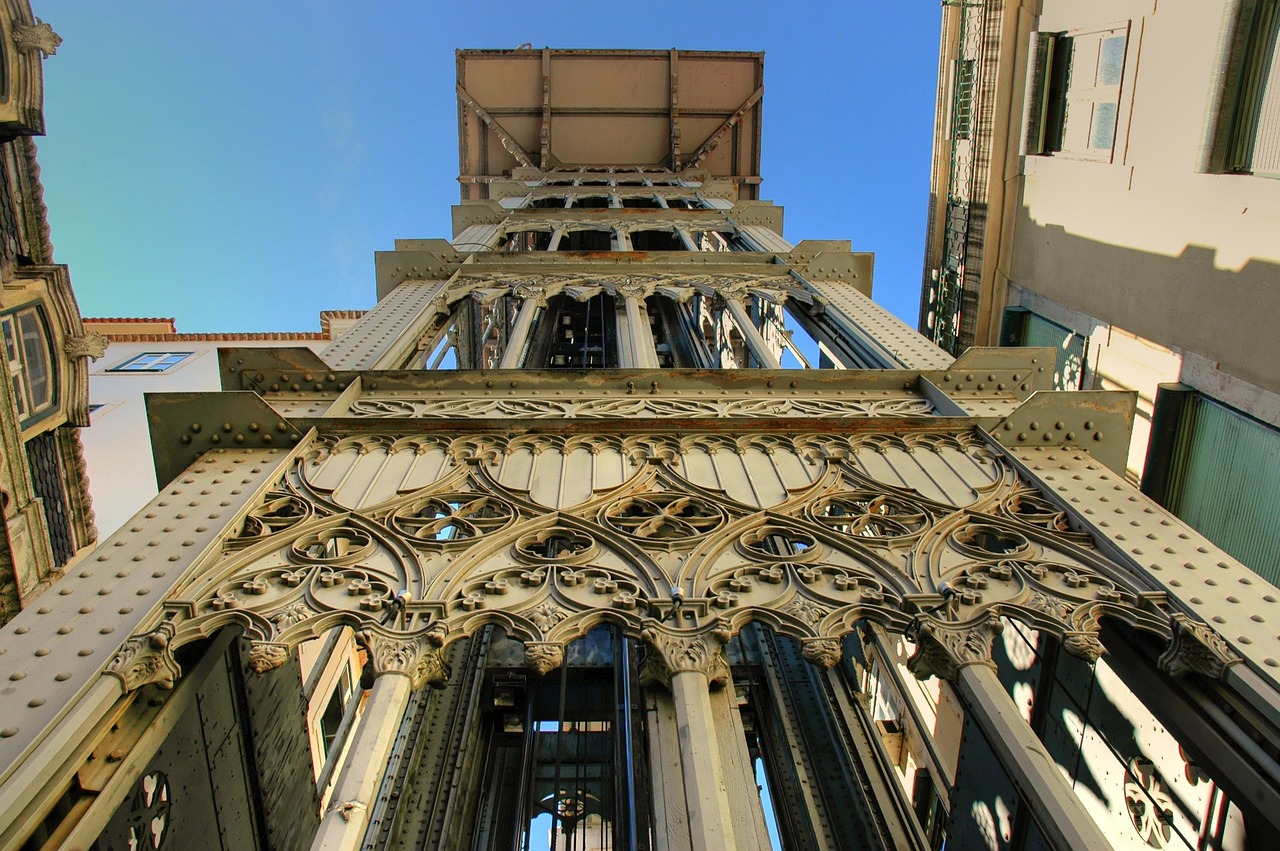
The Elevador de Santa Justa looks like a mini Eiffel Tower (it was designed by a student of Eiffel), connecting Baixa to the Carmo Convent and Chiado. The line can be long; my local hack is to walk up via Largo do Carmo and access the viewing platform from the top, then decide if the lift ride down is worth the queue.
- Best time: Before 10:00 or around sunset to avoid crowds.
- Photo moment: The view over Baixa from the top is one of my favorites in Lisbon.
From there, wander into Chiado, Lisbon’s elegant shopping and café district. I often stop at A Brasileira, one of the city’s historic cafés, for a bica (espresso) and some people-watching. Yes, it’s on every travel guide for Lisbon, but there’s a reason.
Lunch: Chiado or Cais do Sodré
For a first-day lunch, I like to head down toward Cais do Sodré and graze at the Time Out Market, which we’ll cover in more depth later. It’s a great way to sample different Portuguese dishes in one place.
Afternoon: Alfama, Castelo de São Jorge & Miradouros
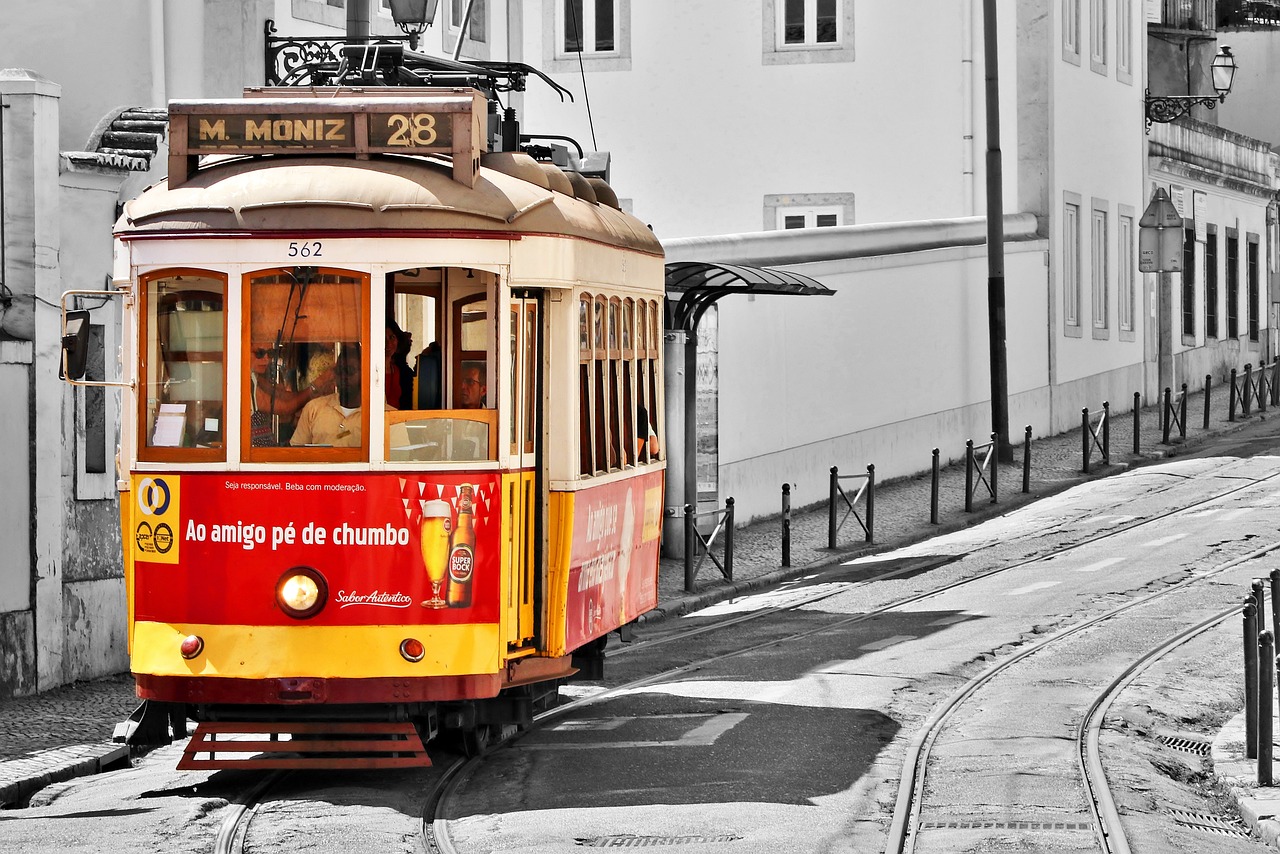
After lunch, take tram 28E (if you’re patient) or walk up into Alfama, Lisbon’s oldest district. I usually enter via Sé de Lisboa (Lisbon Cathedral), then climb slowly toward the castle.
Castelo de São Jorge
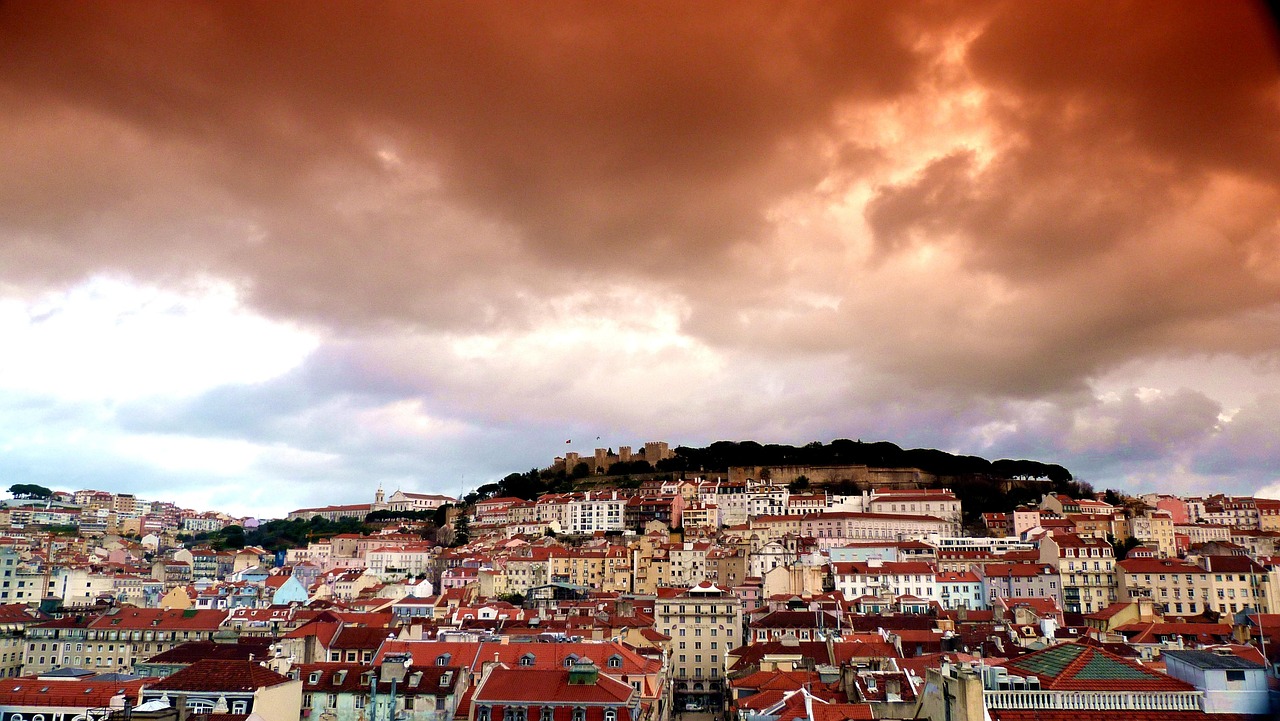
Castelo de São Jorge dominates Lisbon’s skyline, and visiting it on your first day gives you a mental map of the city. I like going mid-afternoon; the light is softer and the crowds thin a little.
- What I love: Walking along the castle walls, spotting the red roofs below, and watching peacocks strut through the gardens.
- Tip: Buy tickets online in 2026 to skip the line; the system has finally become smoother.
Miradouro da Senhora do Monte & Miradouro de Santa Luzia
From the castle, I like to work my way to two classic viewpoints, or miradouros:
- Miradouro de Santa Luzia: Closer, with a romantic pergola overlooking Alfama’s rooftops and the river.
- Miradouro da Senhora do Monte: Higher and a bit of a climb, but the widest panoramic view in the city.
Sunset at Senhora do Monte is one of my favorite free “things to do in Lisbon.” Couples bring a bottle of wine, families share snacks while kids play, and street musicians sometimes show up.
Evening: Fado in Alfama
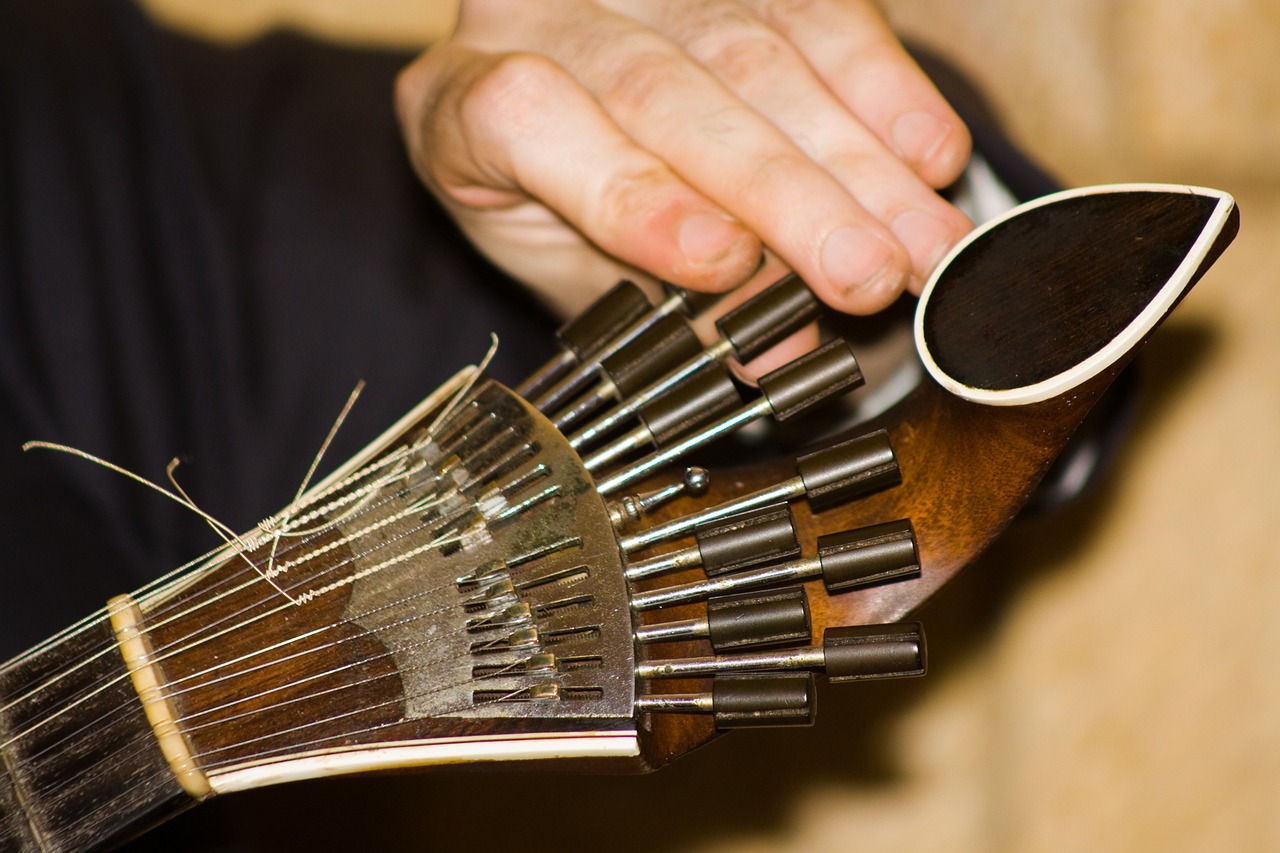
End your first day with a fado performance in Alfama. Fado is Portugal’s soulful, melancholic music, usually sung in small, intimate venues with guitar accompaniment.
- Romantic tip: Book a table at a smaller fado house rather than the big touristy ones—ask your accommodation for current recommendations, as places change.
- Etiquette: Stay quiet during the performance; talking loudly is frowned upon.
Day 2: Belém, Monuments & the Riverfront
Day 2 of any 3 or 4 day itinerary for Lisbon should be dedicated to Belém. It’s where Lisbon’s Age of Discoveries history comes alive, and where you’ll eat the most famous pastry in Portugal.
Morning: Jerónimos Monastery
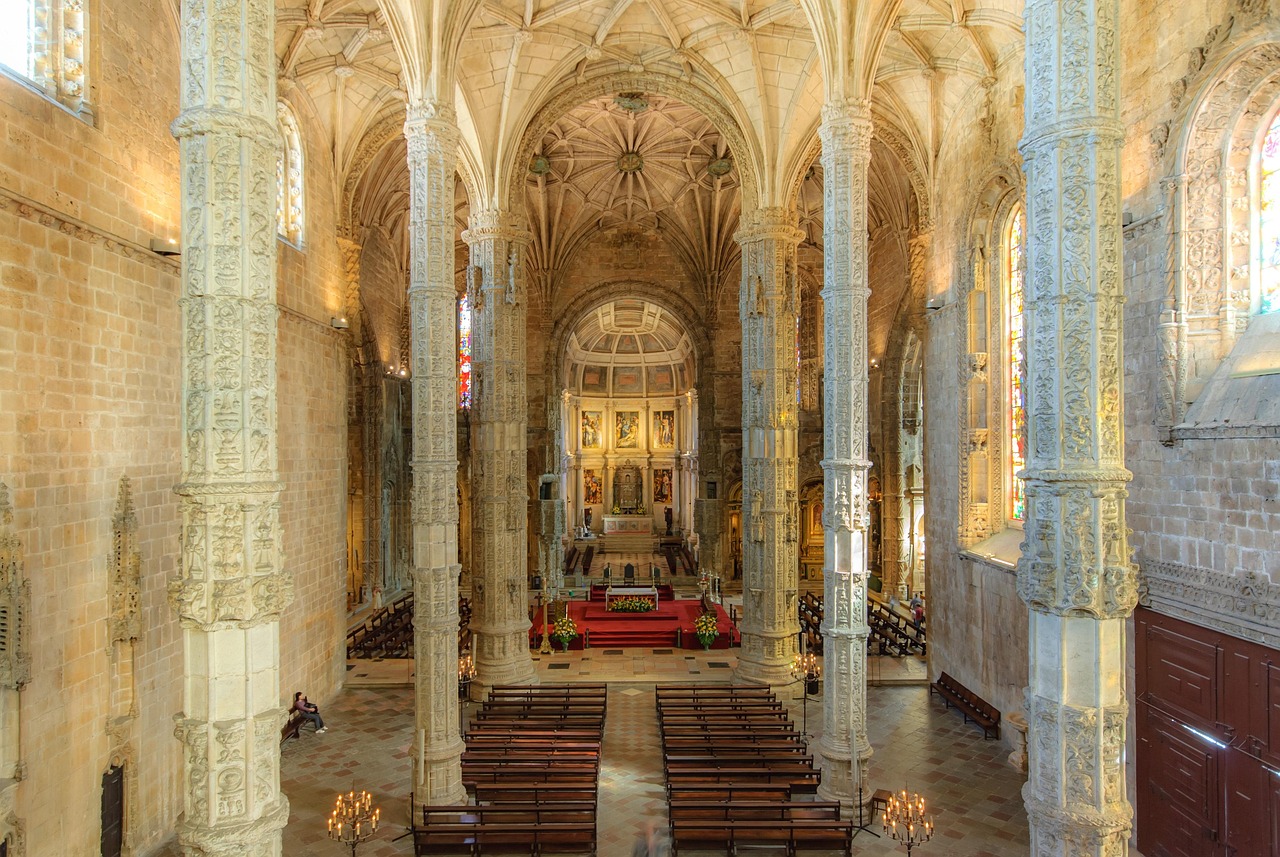
Take tram 15E or a suburban train from Cais do Sodré to Belém. I always go straight to the Jerónimos Monastery (Mosteiro dos Jerónimos) when it opens to beat the tour buses.
- Why it’s special: A masterpiece of Manueline architecture, built in the 16th century, with intricate stone carvings that you can stare at for ages.
- My ritual: Stand for a moment in the cloister and just listen to the silence; it feels miles away from the busy city outside.
Late Morning: Pastéis de Belém

Across the street is Pastéis de Belém, the original home of the custard tart. The line looks intimidating, but it moves fast. In my opinion, the secret is:
- Order at least two per person – one is never enough.
- Sprinkle cinnamon and powdered sugar on top like the locals.
- If the takeaway line is crazy, ask if there’s a table inside; they often seat you more quickly.
Afternoon: Belém Tower & Padrão dos Descobrimentos
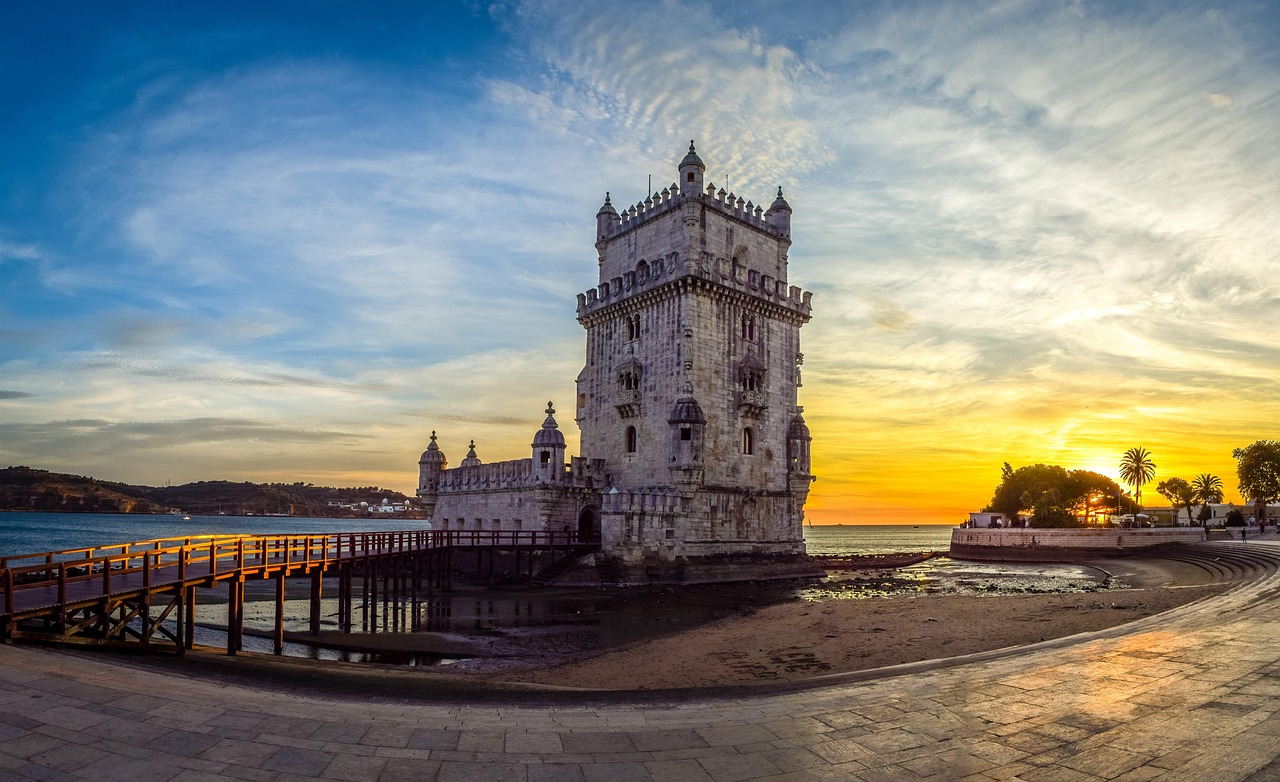
Walk along the river toward the Belém Tower (Torre de Belém). It’s one of the most iconic images of Lisbon. The interior is interesting, but if the line is over 30–40 minutes, I usually skip going in and enjoy it from the outside and from the grassy riverside park instead.
Nearby is the Padrão dos Descobrimentos, the Monument to the Discoveries, with statues of Portuguese explorers. I like going up to the top for the mosaic compass rose view below.
MAAT – Museum of Art, Architecture and Technology
On your way back toward the city center, stop at MAAT. The building itself, a sleek, white, wave-like structure, is a piece of architecture worth seeing. I’ve spent whole afternoons sitting on its rooftop, watching the sun glint off the Tagus and the 25 de Abril Bridge.
Evening: Sunset Cruise or Riverside Drinks
One of my favorite romantic activities in Lisbon is a sunset cruise on the Tagus. Seeing the city from the water, with the bridge and Cristo Rei statue in the background, is unforgettable.
- Alternative: If boats aren’t your thing, grab a drink at one of the kiosks by the river in Cais do Sodré and watch the sky change colors.
Day 3: Bairro Alto, Príncipe Real & Time Out Market
Day 3 is all about trendy Lisbon: concept stores, leafy squares, and the city’s best food hall.
Morning: Príncipe Real
Príncipe Real is where I’d live if I moved to Lisbon tomorrow. It’s stylish but still relaxed, with antique shops, indie boutiques, and a lovely public garden.
- Start at the Jardim do Príncipe Real, have a coffee at one of the kiosks, and browse the small organic market if you’re there on a Saturday.
- Explore the side streets for design shops and local brands – a nice way to support the local economy instead of buying the same souvenirs you’ll see everywhere.
Midday: Miradouro de São Pedro de Alcântara
Walk down toward Miradouro de São Pedro de Alcântara, another gorgeous viewpoint with a landscaped terrace. I come here often at the end of the morning to rest my legs and plan the rest of the day.
Lunch: Time Out Market (Mercado da Ribeira)
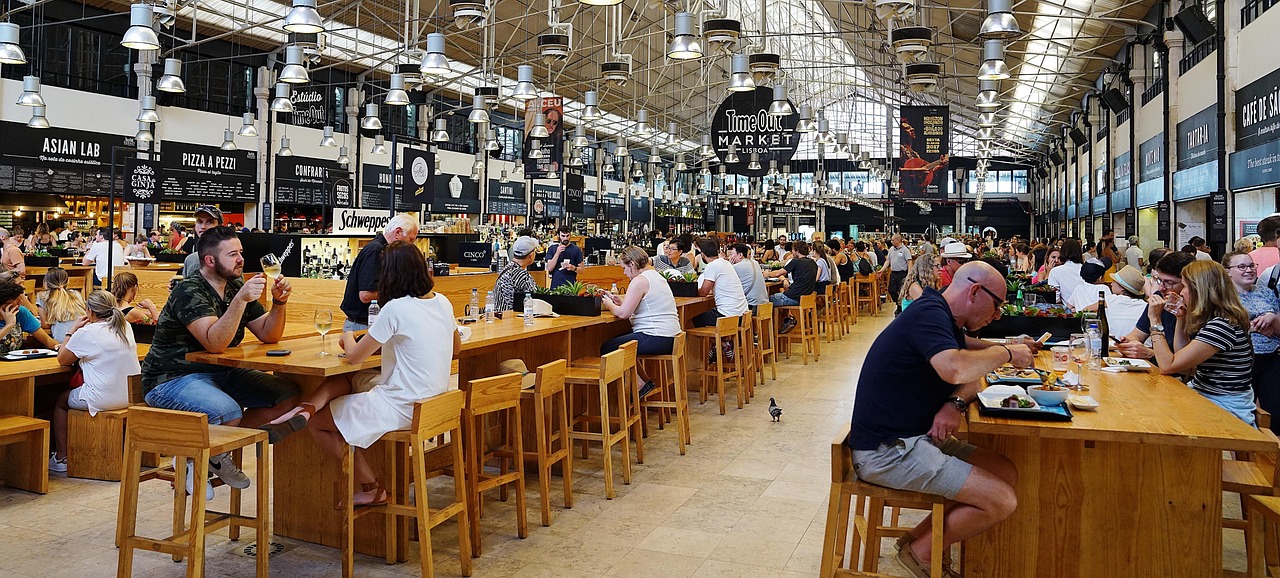
By now, you’ve earned a big lunch. Head down to Time Out Market, Lisbon’s modern food hall. It’s busy, noisy, and yes, touristy—but it’s also genuinely good.
- What to try: Petiscos (Portuguese tapas), octopus salad, bifana (pork sandwich), and of course more pasteis de nata.
- Family tip: Everyone can choose different food stalls and still sit together.
- Money-saving tip: Dishes here are often pricier than in neighborhood tascas; consider sharing plates and having your main dinner elsewhere.
Afternoon: Chiado Shopping or Museum Time
Use the afternoon to either:
- Shop in Chiado for local brands, bookstores, and ceramics; or
- Visit a museum like the National Museum of Contemporary Art or the Carmo Archaeological Museum.
Evening: Bairro Alto Nightlife
Bairro Alto wakes up at night. The streets fill with people carrying plastic cups of beer, music spills from bars, and the whole area becomes one big open-air party.
- For quieter drinks: Stay in Príncipe Real or head down to Cais do Sodré.
- For clubs: Later at night, many locals head to the clubs by the river, like Lust in Rio (check current names; they do change).
Day 4: Modern Lisbon, Street Art & Locals’ Favorites

If you have 4 days in Lisbon or more, dedicate one to seeing the city’s more modern side and some lesser-known neighborhoods that most quick city breaks miss.
Morning: Parque das Nações
Take the metro to Oriente and step into Parque das Nações, the former Expo 98 site. It feels like a different city: wide promenades, modern architecture, public art, and the river right there.
Oceanário de Lisboa
Oceanário de Lisboa is one of Europe’s best aquariums and a top family-friendly attraction.
- With kids: Plan at least 2–3 hours; the central tank is mesmerizing.
- Adult tip: Go early to avoid school groups; it’s surprisingly peaceful then.
Afternoon: Cable Car & Modern Architecture
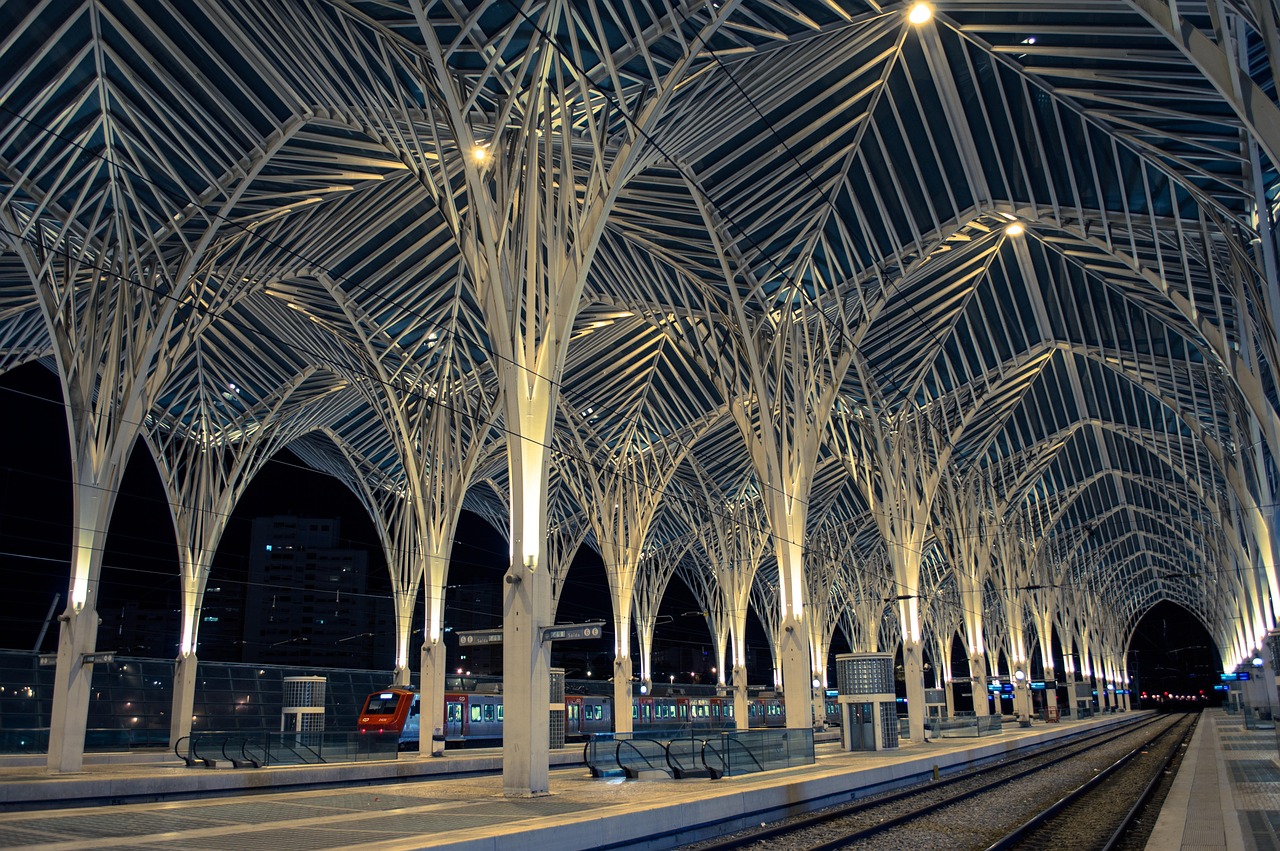
Ride the Telecabine Lisboa cable car along the river for views of the Vasco da Gama Bridge. Then wander through the district, checking out the futuristic Gare do Oriente station and the shopping and dining options nearby.
Late Afternoon: Street Art in Marvila & Beato

For something more offbeat, head to Marvila and Beato, former industrial areas now filled with breweries, creative spaces, and street art. I discovered this area on a rainy afternoon when I ducked into a craft brewery and ended up chatting with locals about how quickly the neighborhood is changing.
Evening: Dinner in a Local Tasca
Finish in a traditional tasca (small, family-run restaurant) in a residential neighborhood like Arroios or Campo de Ourique. This is where you’ll find some of the best local food in Lisbon at non-tourist prices.
Day 5: Sintra or Cascais Day Trip
If you have 5 days in Lisbon, your final day should be a day trip. I usually recommend Sintra for first-timers, but on hot summer days, Cascais and the coastline are very tempting.
Option 1: Sintra – Palaces & Forests
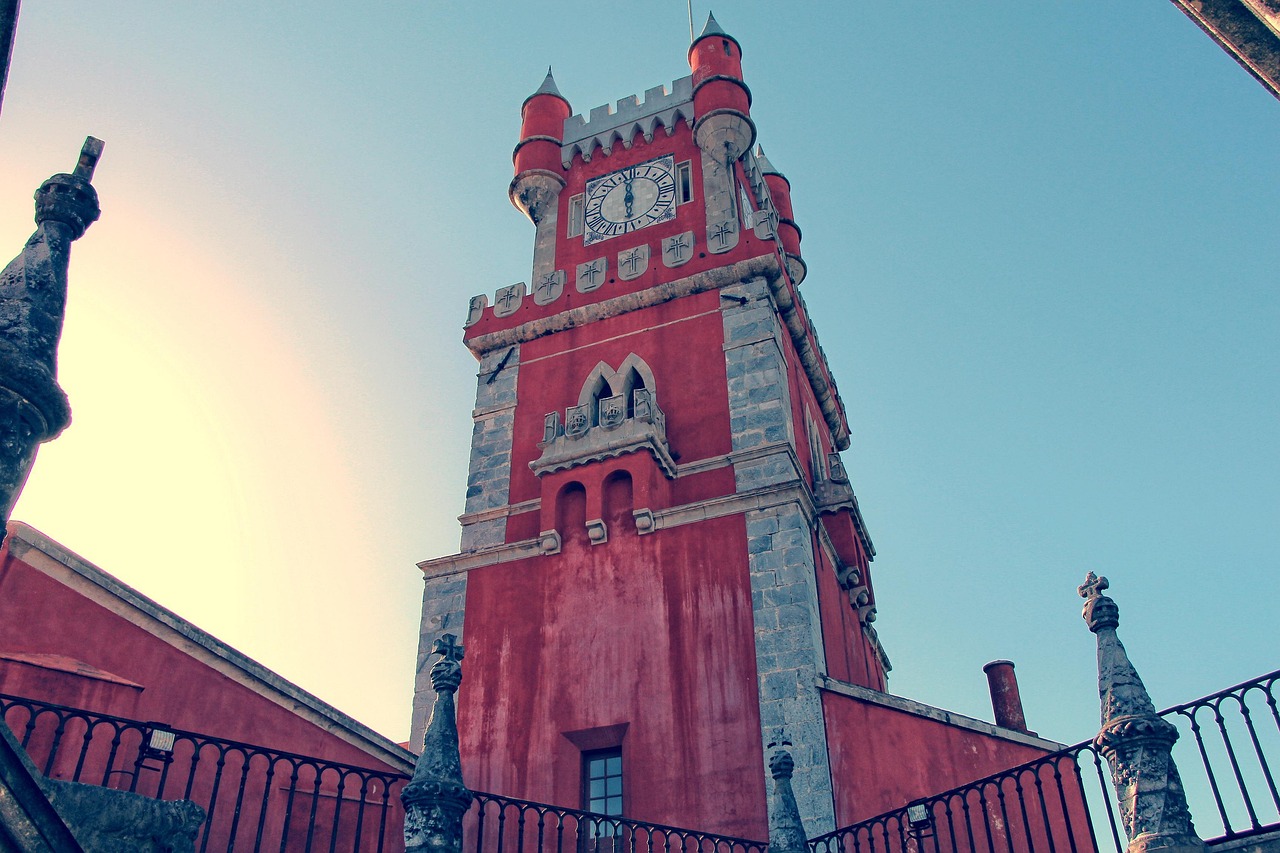
Take the train from Rossio Station to Sintra (about 40 minutes). Once there, you can visit:
- Palácio da Pena: The colorful hilltop palace you’ve seen on every postcard.
- Quinta da Regaleira: A magical estate with an inverted tower and lush gardens.
- Sintra town: Narrow streets, pastry shops, and views over the valley.
Sintra deserves a full section, which you’ll find later under day trips.
Option 2: Cascais & Guincho
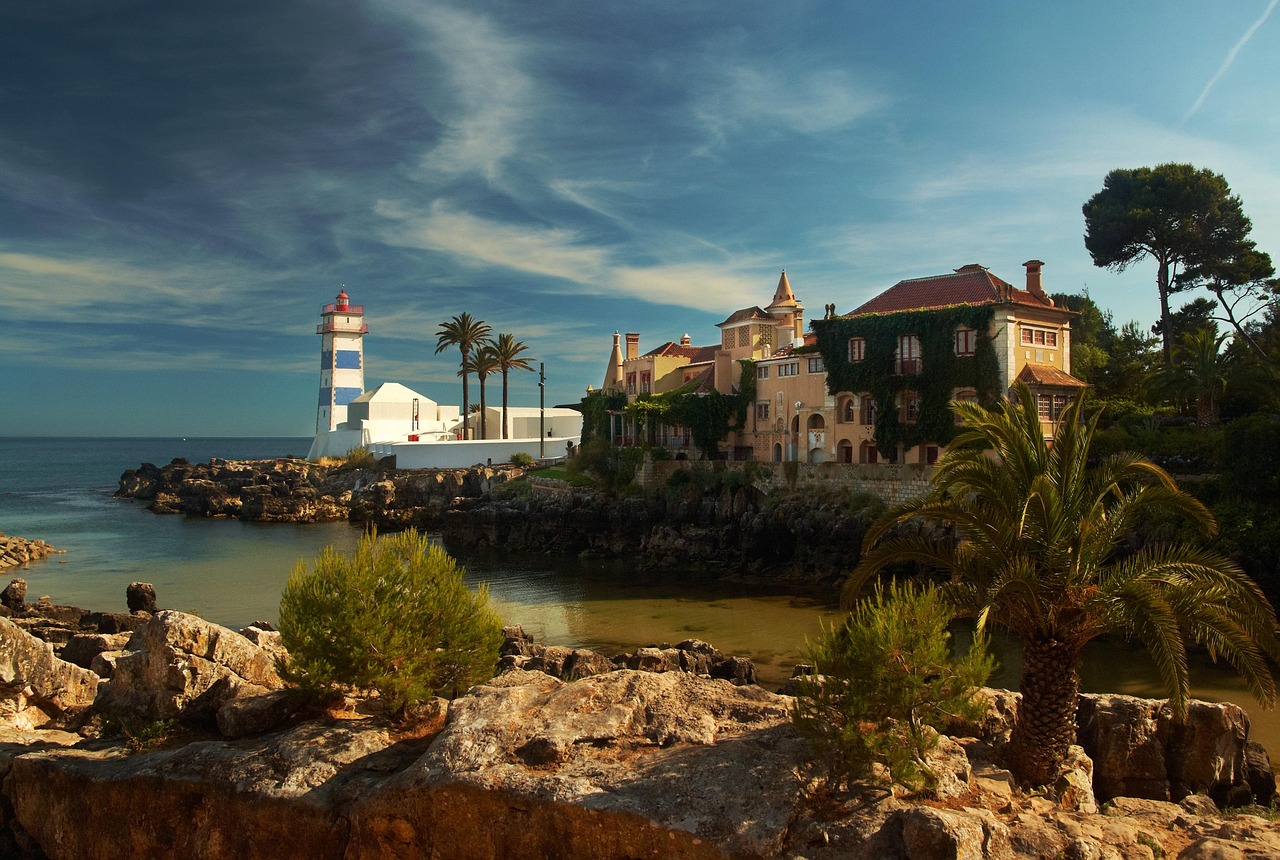
Or take the coastal train from Cais do Sodré to Cascais. Swim, walk along the promenade, rent bikes to Guincho beach, and enjoy fresh seafood with your feet almost in the sand.
Top 20 Must-See Attractions in Lisbon (Deep Dive)
Here are at least 20 of the best places to visit in Lisbon, with history, significance, and personal tips. Many are woven into the itineraries above, but this section lets you dig into each one in more detail for a flexible travel guide for Lisbon.
1. Praça do Comércio
History & significance: Once the site of the royal palace before the 1755 earthquake, Praça do Comércio is Lisbon’s ceremonial front door. The yellow arcades and open space facing the Tagus symbolize the city’s maritime past.
Why I love it: I like coming here at different times of day: early morning for peace, midday for energy, and sunset when locals gather on the steps by the river, listening to buskers.
Tips for visitors: Climb the Arco da Rua Augusta for a bird’s-eye view; it’s cheaper and less crowded than some viewpoints. Watch out for overpriced tourist restaurants right on the square; better options are tucked into the side streets.
2. Alfama
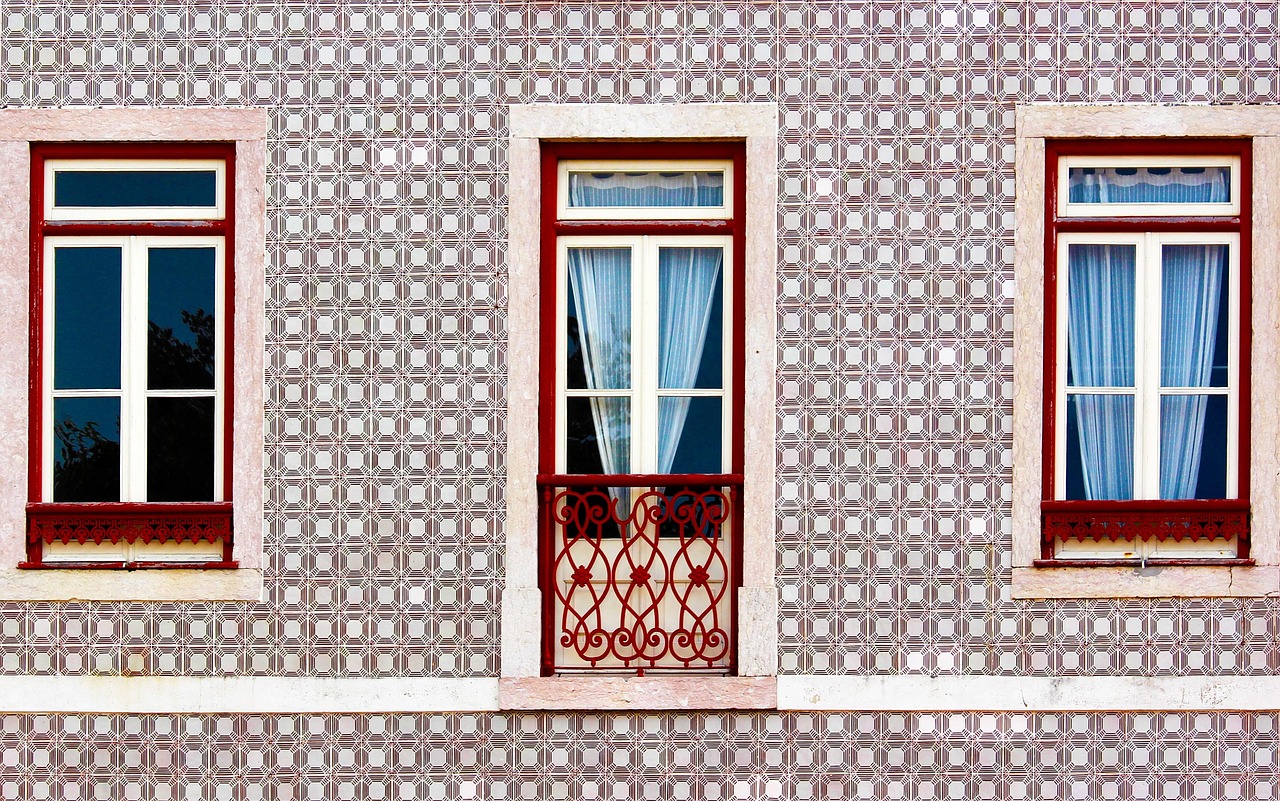
History & significance: Alfama is one of the only neighborhoods that survived the 1755 earthquake relatively intact, which is why its maze of streets feels so different from the grid of Baixa.
Personal experience: I’ve gotten lost here more times than I can count, and that’s the point. I once ducked into a tiny bar during a rain shower and ended up at an impromptu fado session where the owner’s daughter sang. Moments like that don’t show up on maps.
Tips: Wear comfortable shoes; the cobblestones can be slick. Don’t rush; half the joy is wandering. Respect locals’ privacy—these are people’s homes, not a theme park.
3. Jerónimos Monastery
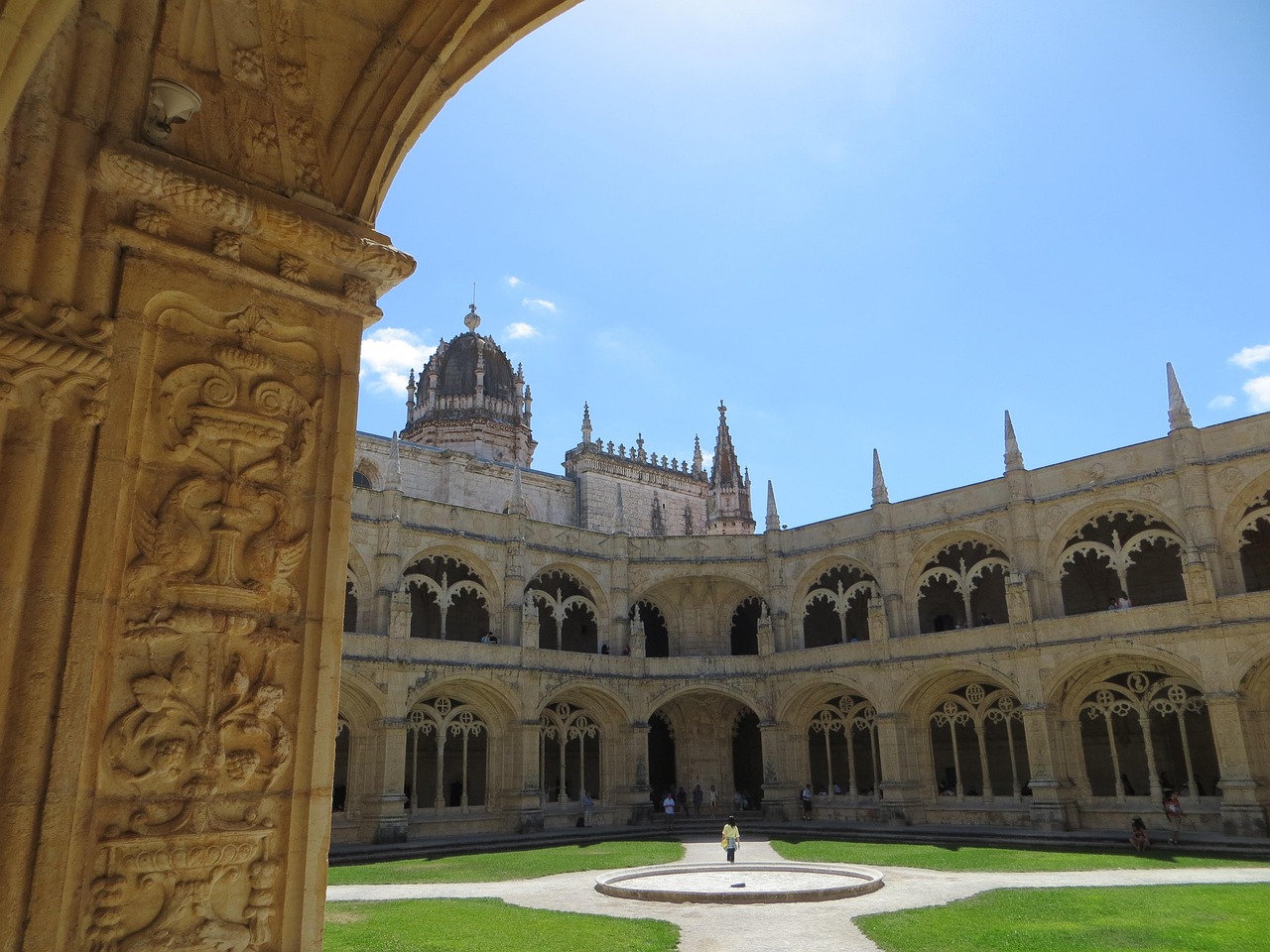
History: Built in the 16th century to celebrate Vasco da Gama’s voyage to India, this monastery is a UNESCO World Heritage Site and a jewel of Manueline architecture.
What to look for: The carved stone ropes, sea creatures, and plants on the columns; the tomb of Vasco da Gama; and the peaceful two-story cloister that feels almost like a stone lacework.
Best time: Right at opening or late afternoon. In 2026, timed tickets are more widely used—reserve ahead in high season.
4. Belém Tower
History: Completed in 1519, this fortress guarded the entrance to Lisbon’s harbor and symbolized Portugal’s Age of Discoveries.
My take: The exterior is the star. I’ve been inside twice; the views are nice, but the stairs are narrow and the line can be long. I now prefer to sit on the grass nearby with a snack and just enjoy the view.
5. Castelo de São Jorge
History: The castle’s origins go back to Moorish times, later becoming a royal residence. It has watched Lisbon grow for centuries.
Experience: I love the slightly wild feel of the castle grounds—pine trees, peacocks, uneven paths. The ramparts offer one of the best panoramic city views.
Family note: Kids love the walls and the small museum; just keep an eye near the edges.
6. Time Out Market
What it is: A curated food hall where many of Lisbon’s top chefs and restaurants have stalls, inside the historic Mercado da Ribeira.
How I use it: I rarely come for dinner (too crowded and pricey), but I love it for a big, lazy lunch or on rainy days. It’s also a safe bet for picky eaters.
7. Bairro Alto
Character: By day, Bairro Alto is sleepy, with laundry hanging from balconies and tiny grocery shops. By night, it transforms into one of the city’s liveliest nightlife hubs.
My advice: Visit both day and night to see the contrast. At night, keep an eye on your belongings, as you would in any crowded nightlife area.
8. Príncipe Real
Why go: Stylish, residential, and slightly upscale, Príncipe Real is perfect if you like design shops, concept stores, and leafy gardens.
Hidden gem: The Embaixada, a 19th-century palace turned into a concept store, is worth a visit even if you don’t buy anything.
9. Lisbon Cathedral (Sé de Lisboa)
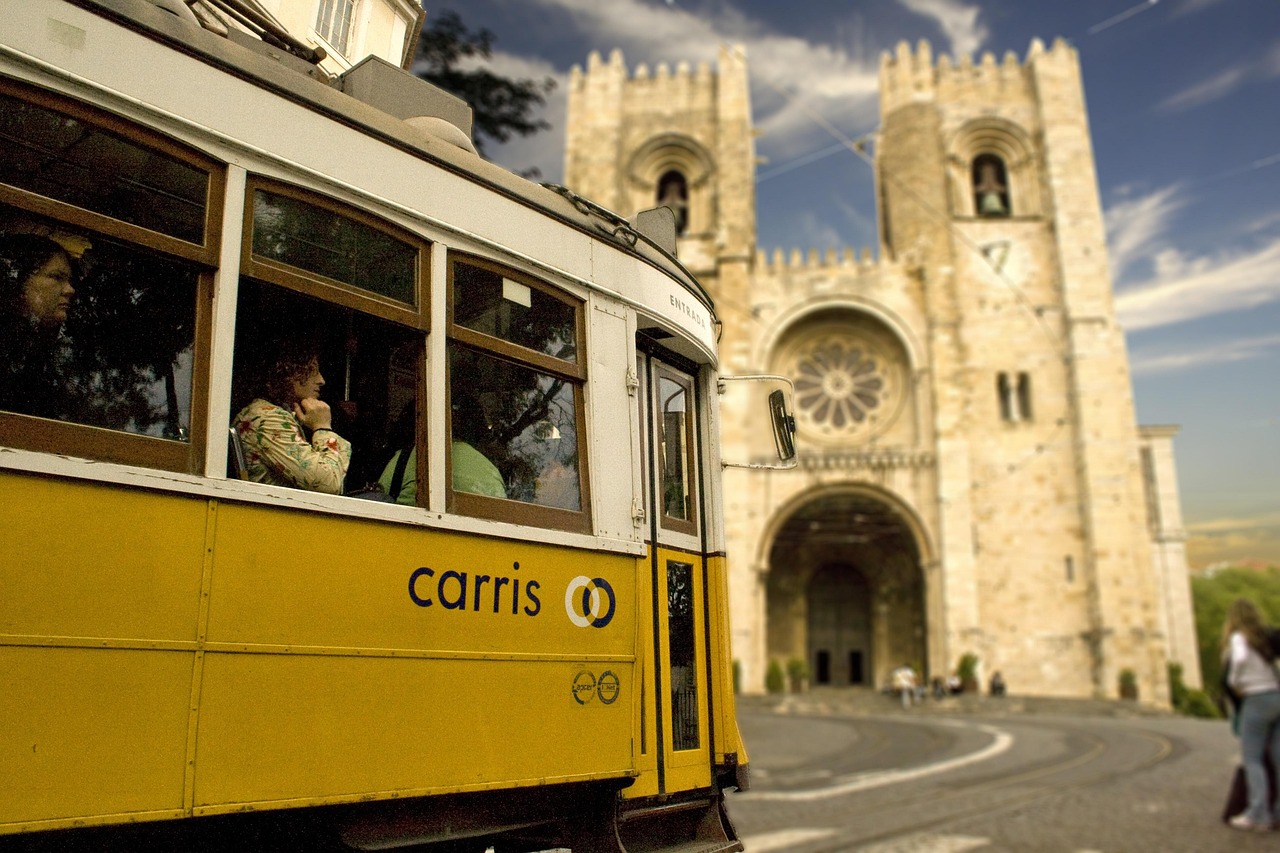
History: Dating back to the 12th century, the Sé is Lisbon’s oldest church, built on the site of a former mosque.
Why I stop here: It’s a cool, quiet break on the climb up to Alfama. I like lighting a candle here on my first day, a small ritual of sorts.
10. Elevador de Santa Justa
Built: Early 1900s, to link Baixa with Largo do Carmo.
Insider tip: Access the top via Largo do Carmo and use your public transport card; in some periods, it’s covered by the same ticket as the buses and trams (check current rules in 2026).
11. Carmo Convent (Convento do Carmo)
History: The roofless nave of the Carmo Convent is a haunting reminder of the 1755 earthquake.
Why I go: It’s one of the most atmospheric places in Lisbon. Standing under the open sky where a church roof once was is humbling.
12. Oceanário de Lisboa
Why it’s special: The central tank simulates an open ocean ecosystem, with sharks, rays, and schools of fish gliding past you on all sides.
Family note: It’s one of the best things to do in Lisbon with kids, especially if the weather is bad.
13. Parque das Nações
Character: Wide, flat, and modern, this area feels like Lisbon’s “future,” with contemporary architecture and a long riverfront promenade.
Activities: Bike rental, cable car, riverside cafés, and occasional events and concerts in 2026–2027 at Altice Arena.
14. LX Factory
What it is: A former industrial complex turned creative hub, full of restaurants, bars, bookshops, and design stores.
My habit: I always end up at the bookstore Ler Devagar, with its towering shelves and café. Sunday markets here are great for browsing.
15. National Tile Museum (Museu Nacional do Azulejo)
Why go: If you’ve fallen in love with Lisbon’s tiles (you will), this museum shows you the history and artistry behind them, housed in a former convent.
Highlight: The panoramic tile panel of Lisbon before the earthquake.
16. Calouste Gulbenkian Museum
What it is: A world-class collection of art from antiquity to the early 20th century, set in peaceful gardens.
Personal note: When Lisbon’s hills and noise get overwhelming, I escape here. The gardens are a perfect reading spot.
17. Traditional Groceries & Tascas (Example: A Small Mercearia)
Why include this: They’re not on most must-see lists, but tiny traditional grocery shops and tascas are where you feel local Lisbon life.
Experience: I once spent half an hour with an elderly shop owner explaining different canned fish brands. I left with a bag full of sardines and a lesson in culinary patriotism.
18. 25 de Abril Bridge Views

What it is: Lisbon’s Golden Gate lookalike, connecting the city to Almada.
Best views: From the riverfront, from the MAAT rooftop, or from a Tagus boat cruise.
19. Cristo Rei

Why go: The view back toward Lisbon from the base of the Cristo Rei statue is spectacular and much less crowded than many city viewpoints.
How to get there: Ferry from Cais do Sodré to Cacilhas, then bus or taxi up to Cristo Rei.
20. Lisbon’s Miradouros (Viewpoints)
Key viewpoints: Miradouro da Senhora do Monte, Miradouro de Santa Luzia, Miradouro de São Pedro de Alcântara, and Miradouro da Graça.
Why they matter: For me, these are the heart of Lisbon—places where everyone mixes: teens, grandparents, tourists, and dog walkers all stopping to admire the same view.
Lisbon Neighborhoods & Districts to Explore
Baixa & Chiado
Baixa: The downtown grid rebuilt after the earthquake—broad avenues, neoclassical buildings, and many hotels. Great for first-time stays if you want to be central.
Chiado: A bit hillier and more elegant, with theaters, historic cafés, and shops. I like staying here when I want to walk everywhere but have quieter evenings.
Alfama
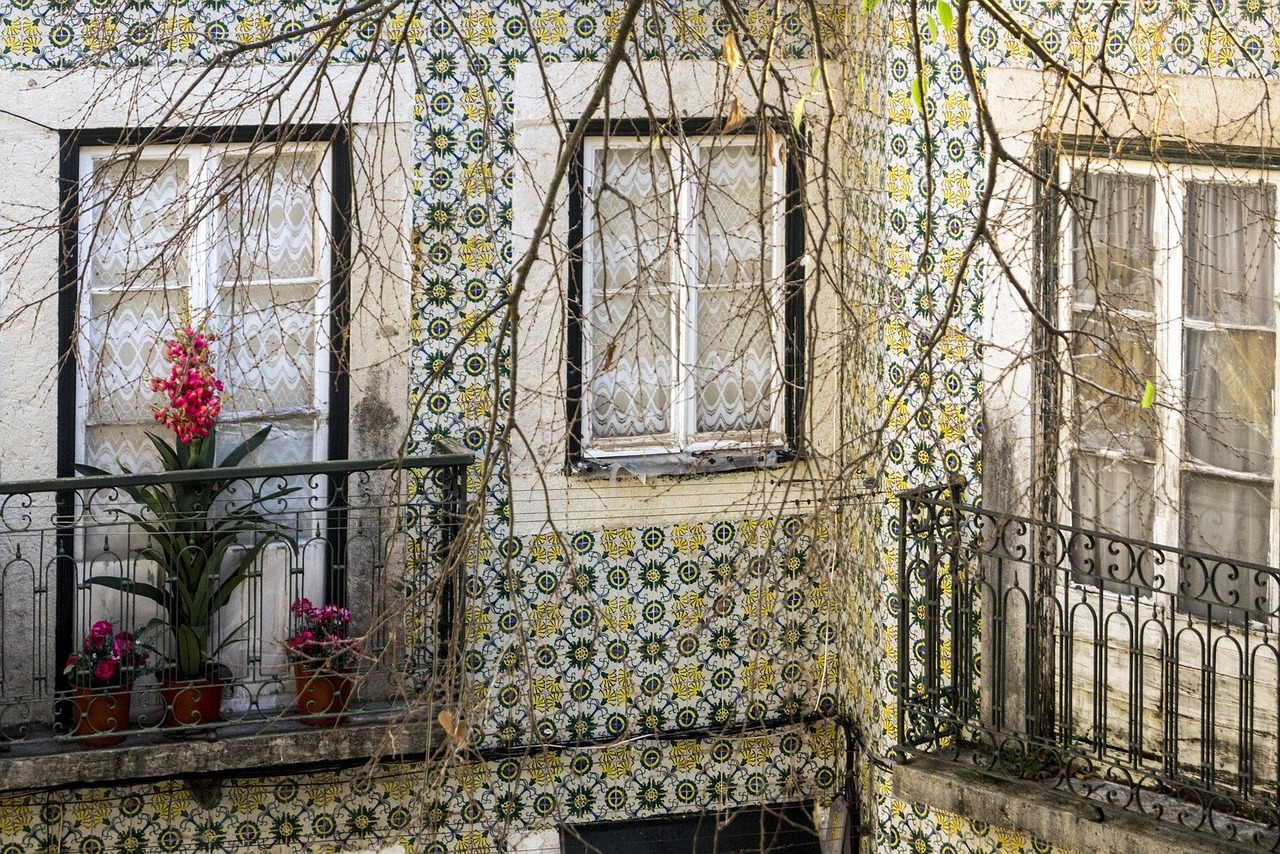
Atmospheric, historic, and hilly. Great for music lovers and romantics, but be prepared for stairs and fewer big supermarkets. Nights can be noisy on streets with fado houses.
Bairro Alto & Príncipe Real
Bairro Alto: Nightlife central; stay here if you want to be in the middle of the action (or avoid it if you’re a light sleeper).
Príncipe Real: Trendy, LGBTQ+-friendly, with great restaurants and small hotels. One of my top choices for a 4 or 5 day itinerary for Lisbon, especially for couples.
Cais do Sodré
Once a rough port area, now full of bars, restaurants, and the Time Out Market. Extremely convenient transport connections (metro, trains, ferries). Good base if you plan day trips and nightlife.
Intendente & Arroios
Multicultural, up-and-coming areas with a mix of traditional and new. More everyday Lisbon, with cheaper eats and fewer tourists, but still relatively central by metro.
Campo de Ourique
Quiet, residential, with a local market and some excellent neighborhood restaurants. Great if you want to “live like a local” on a longer stay.
Parque das Nações
Modern, flat, family-friendly, and close to the airport. Perfect if you’re in Lisbon for business or with kids, or if you prefer contemporary vibes and easy walking.
Local Food in Lisbon: What to Eat & Where
Portuguese food is hearty, unfussy, and deeply comforting. In Lisbon, seafood is king, but there’s plenty beyond that. Here are must-try dishes and how I seek them out.
Must-Try Dishes
- Pastel de nata: Custard tart. Try several bakeries and decide your favorite.
- Bacalhau à Brás: Shredded salt cod with potatoes, eggs, and olives.
- Grilled sardines: Especially during the June Santos Populares festivals.
- Bifana: Simple pork sandwich with mustard.
- Polvo à lagareiro: Grilled octopus with olive oil and potatoes.
- Caldo verde: Kale and potato soup, perfect on cooler evenings.
Where I Love to Eat (Examples)
I won’t list every “best restaurant” (they change fast), but here are types of places to look for:
- Neighborhood tascas in Arroios or Campo de Ourique: Handwritten menus, daily specials, and fair prices.
- Seafood houses in Cais do Sodré and along the coast: Look where locals are queuing.
- Markets: Time Out Market for variety; local markets for fresh fruit and snacks on a budget.
Drinks to Try
- Ginjinha: Cherry liqueur served in tiny cups; try near Rossio.
- Vinho verde: Light, slightly fizzy “green wine,” perfect with seafood.
- Portuguese wines: Explore Douro reds, Alentejo whites, and more by the glass.
Money-Saving Food Tips
- Menu do dia: Look for lunch specials (starter, main, drink, and coffee) for great value.
- Cover charge: Bread, olives, and cheese brought to the table often cost extra; politely decline what you don’t want.
- Pastel de nata habit: Bakery prices are lower than café terraces in touristy squares.
Nightlife, Entertainment & Cultural Experiences in Lisbon
Lisbon’s nightlife is as varied as its neighborhoods: intimate fado houses, rooftop bars, sweaty clubs, and laid-back kiosks in parks.
Fado
Where: Alfama, Bairro Alto, and Mouraria. Ask locals for current, less-touristy recommendations; I update my list every trip because places open and close frequently.
Bars & Rooftops
- Bairro Alto: Bar-hopping territory; loud and busy.
- Príncipe Real & Cais do Sodré: More cocktail bars and wine bars.
- Rooftops: Several hotels and bars have roof terraces—perfect for sunset drinks.
Clubs
Most big clubs are along the river between Cais do Sodré and Alcântara. In 2026–2027, expect more electronic music nights and festivals; always check current listings.
Cultural Experiences
- Museums by night: Some museums have late openings or special events.
- Festivals: Film, music, and art festivals are frequent; 2026–2027 sees continued growth of Lisbon’s cultural calendar, especially in summer.
Best Day Trips from Lisbon
Sintra
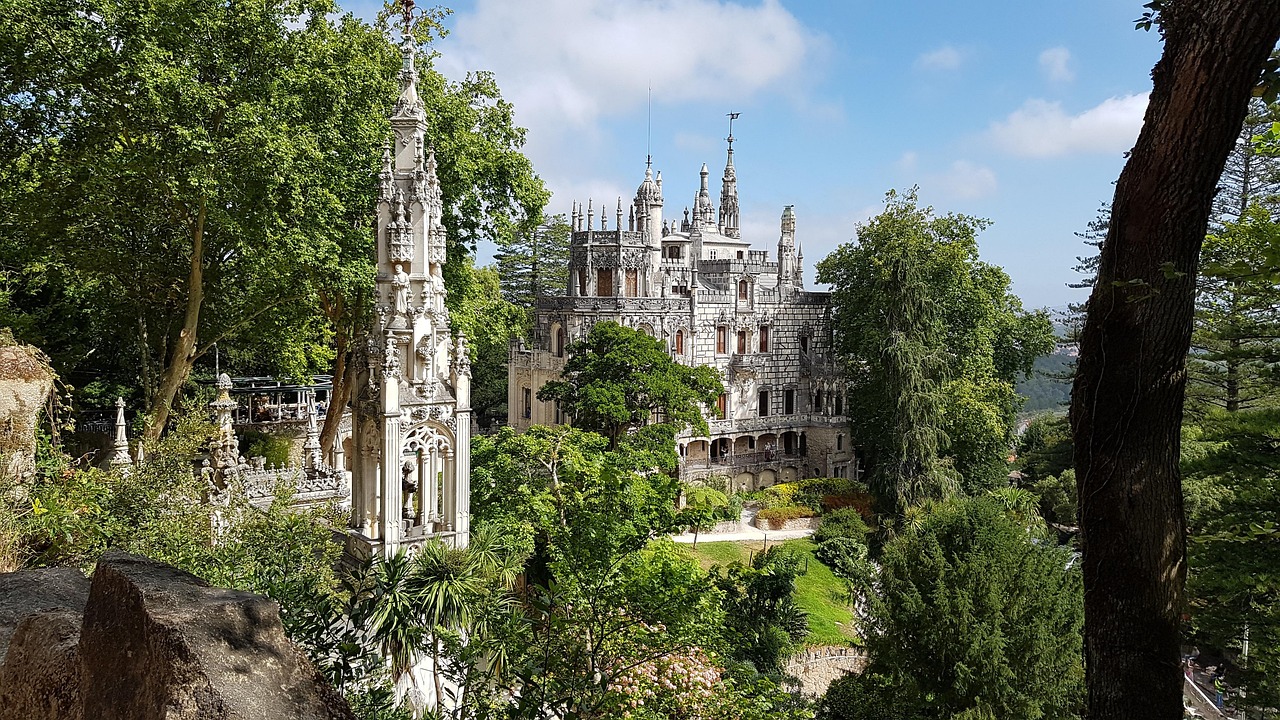
Why go: Fairy-tale palaces, misty forests, and cool air—perfect contrast to Lisbon’s bustle.
What to see: Pena Palace, Quinta da Regaleira, and if time, the Moorish Castle.
Tips: Take an early train, buy palace tickets online, and use local buses or tuk-tuks to avoid the steep uphill walk.
Cascais & Estoril
Why go: Beaches, a pretty town center, and a relaxed vibe.
Activities: Swim, walk to Boca do Inferno, rent bikes, and enjoy seafood by the water.
Setúbal & Arrábida
Why go: Stunning turquoise waters, cliffs, and quieter beaches.
Tip: Best with a rental car or organized tour; public transport is possible but slower.
Cultural Etiquette & Local Customs in Lisbon
- Greetings: A simple “Olá” or “Bom dia” (good morning) goes a long way. English is widely spoken, but locals appreciate a few Portuguese words.
- Dining: Dinner often starts around 8–9pm. Tipping is appreciated but not mandatory; rounding up or leaving 5–10% for good service is common.
- Queues: Portuguese generally respect lines—wait your turn for trams, counters, etc.
- Noise: In residential neighborhoods, keep noise down late at night; many older buildings have thin walls.
- Dress: Casual but neat; swimwear is for the beach, not for city streets or restaurants.
Practical Travel Advice for Lisbon (2026–2027)
Getting Around
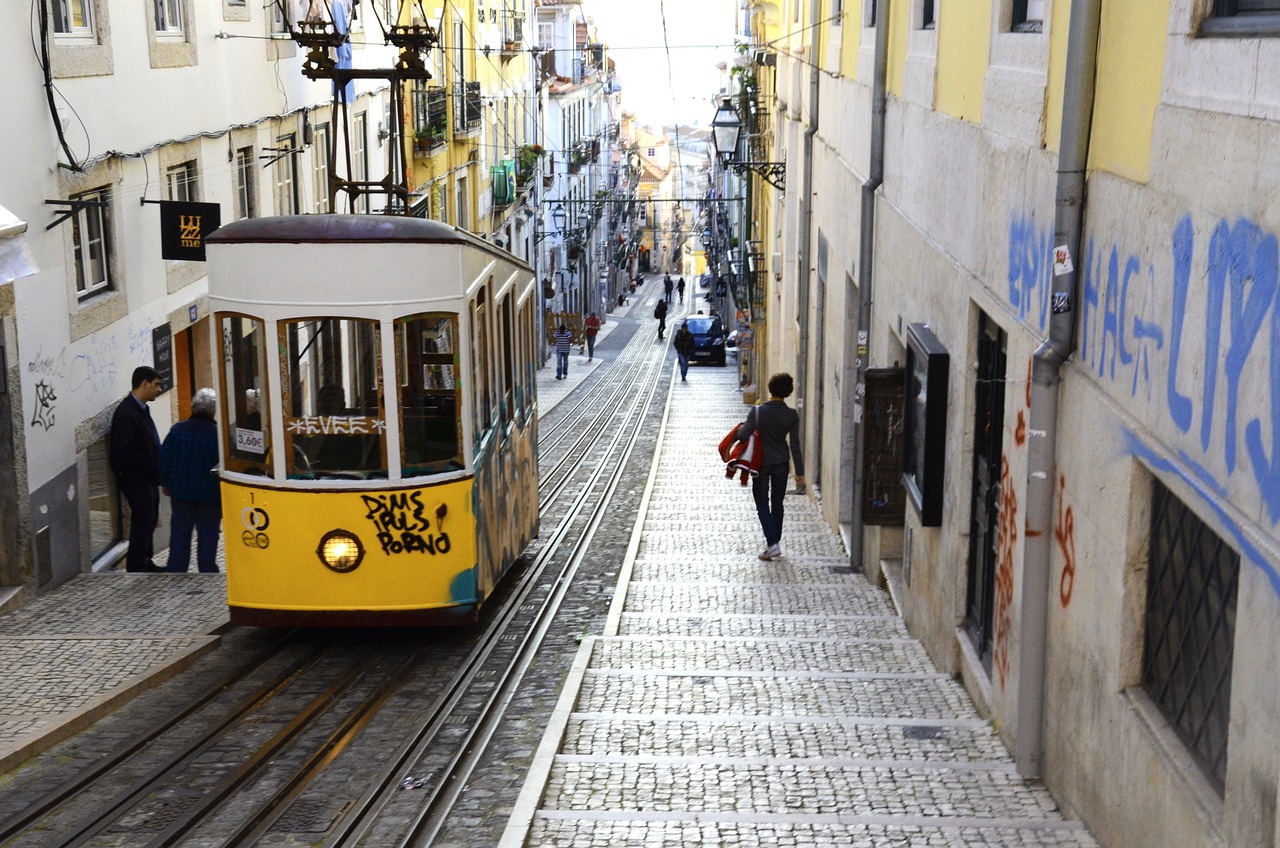
- Public transport: Metro, trams, buses, and suburban trains are integrated. Get a Viva Viagem card and load it with zapping credit or passes.
- Tram 28E: Iconic but crowded; try early morning or late evening, or ride other tram lines for a similar experience with fewer people.
- Walking: Expect hills and cobblestones; wear sturdy shoes.
- Rideshares & taxis: Widely available and affordable for short hops, especially at night.
SIM Cards & Connectivity
- Where to buy: Airport kiosks, phone shops, or large supermarkets.
- What to look for: Prepaid data plans; in 2026, eSIM options are increasingly common.
Money-Saving Tips
- Transport passes: Evaluate daily/weekly passes if you’ll use transport heavily.
- Free days: Many museums have free or reduced entry days—check current schedules.
- Water: Tap water is safe; carry a refillable bottle.
Accommodation Tips
- For 3 days in Lisbon: Stay centrally (Baixa, Chiado, Cais do Sodré) to minimize transit time.
- For 4–5 days in Lisbon: Consider Príncipe Real, Alfama, or Campo de Ourique for a more local feel.
Car Rental & Driving
- In the city: A car is more hassle than help—parking is scarce, and trams/metro are efficient.
- Day trips: A car can be useful for Arrábida, remote beaches, and countryside.
- Licenses: EU licenses are fine; many non-EU visitors can drive with their national license for short stays, but an International Driving Permit is recommended—check Portugal’s current rules before 2026–2027 trips.
Visa Requirements
Portugal is in the Schengen Area. Many nationalities can enter visa-free for short stays, while others need a Schengen visa. Rules are evolving with digital entry systems; always confirm with official government or embassy sites before you travel.
Safety
- Lisbon is generally safe, but watch for pickpockets in crowded trams, elevators, and tourist hot spots.
- Use common sense at night in party areas; keep valuables secure.
Seasons & Weather
- Spring (March–May): Ideal; mild weather, flowers, and fewer crowds.
- Summer (June–August): Hot, busy, and lively—great for beaches, but book early.
- Autumn (September–November): Warm seas, softer light, and comfortable sightseeing.
- Winter (December–February): Cooler and sometimes rainy, but still much milder than northern Europe; good for budget travelers.
Events & Festivals 2026–2027
- Santos Populares (June): Street parties, grilled sardines, and music in neighborhoods like Alfama and Mouraria.
- Summer music festivals: Several big festivals held in and around Lisbon; lineups and venues vary each year.
- Christmas markets: Growing each year, with light displays and seasonal treats.
Summary: Key Takeaways & Best Time to Visit Lisbon

Lisbon in 2026 is a city that rewards both quick visits and slow exploration. For a 3 day itinerary for Lisbon, focus on Baixa, Chiado, Alfama, Belém, and a taste of Bairro Alto and Time Out Market. With 4 days in Lisbon, add modern Parque das Nações and some hidden gems. With 5 days in Lisbon, you can comfortably include a day trip to Sintra or Cascais.
The best time to visit Lisbon for comfortable sightseeing, lower prices, and a good balance of things to do is spring (April–May) and autumn (September–October). Summer is buzzing and perfect if you want beaches and nightlife, while winter offers quieter streets and good deals.
However you structure your days—3, 4, or 5 days in Lisbon—leave space in your schedule to sit at a miradouro, sip a coffee or a glass of vinho verde, and simply watch the city’s light shift over the red roofs. That, more than any checklist of must-see attractions in Lisbon, is what will make you want to come back.