Why Visit Mecca in 2026?
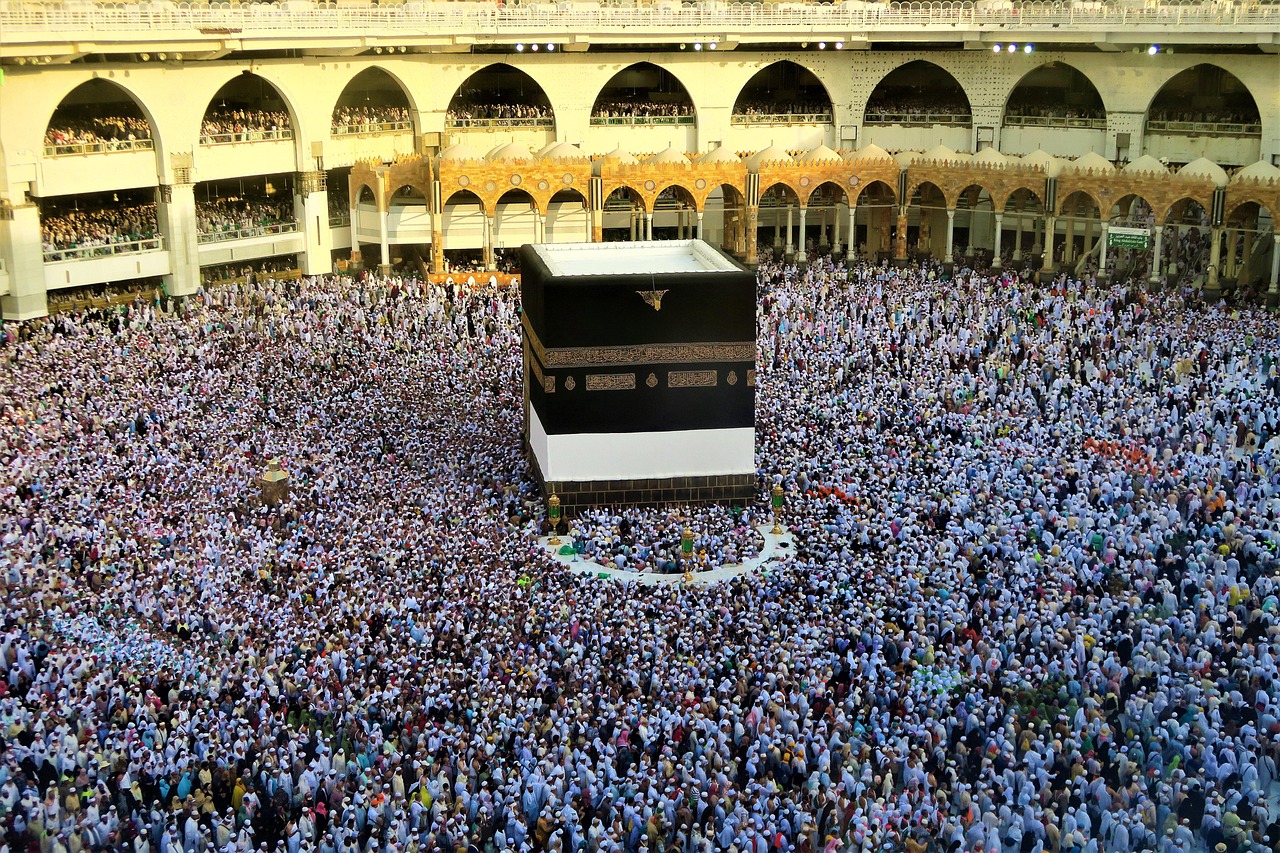
Mecca is unlike any other city on earth. It’s the spiritual heart of Islam, home to the Masjid al-Haram and the Kaaba, the direction toward which over a billion Muslims pray five times a day. Yet beyond its sacred aura, Mecca is also a living, breathing Saudi city: crowded, emotional, surprisingly organized, and full of small human moments—children running in hotel lobbies, families sharing late-night shawarma, shopkeepers calling out prices in a dozen accents.
I’ve been visiting Mecca regularly for over a decade, usually as part of Umrah outside the Hajj season. Each time feels different. In 2013, the skyline was still transforming; in 2020, the empty courtyards were haunting; and by 2025, the city had fully embraced smart systems, crowd-management tech, and upgraded transport. For 2026, Mecca is more accessible and better organized than ever, with expanded accommodations, improved pedestrian routes, and enhanced services tailored to pilgrims and faith-based travelers.
If you’re planning 3 days in Mecca, 4 days in Mecca, or even 5 days in Mecca, this guide is designed as a comprehensive companion. It blends practical logistics with personal anecdotes—what it feels like to walk toward the Kaaba at dawn, how to find quiet corners, where to eat like a local, and how to respect local customs in Mecca while still making the most of your time.
Important note: Mecca is strictly open only to Muslims. Access is controlled at multiple checkpoints. This guide assumes you are a Muslim traveler coming for Umrah, Hajj, or a spiritual visit, and looking for a detailed travel guide for Mecca with both sacred and everyday experiences.
Table of Contents
- Why Visit Mecca in 2026?
- Quick Overview & How to Use This Guide
- Suggested 3, 4 & 5 Day Itineraries
- Top 20 Must-See Attractions in Mecca (with Detailed Stories)
- Neighborhoods & Districts to Explore
- Local Food in Mecca: What & Where to Eat
- Cultural Etiquette & Local Customs
- Nightlife & Cultural Experiences
- Day Trips & Nearby Destinations
- Practical Travel Advice for Mecca (2026–2027)
- Major Events & What’s New in 2026–2027
- Summary & Best Time to Visit Mecca
Quick Overview & How to Use This Travel Guide
This guide is intentionally extensive. If you’re short on time, here’s how to navigate it:
- If you’re planning a 3 day itinerary for Mecca, focus on the 3-day plan plus the sections on Masjid al-Haram, local food, and practical tips.
- For a 4 day itinerary for Mecca, add more historical and neighborhood exploration (Jabal al-Nour, Al-Masfalah, Aziziyah).
- A 5 day itinerary for Mecca lets you include day trips to Taif or Jeddah and more relaxed, family-friendly activities.
Throughout, I’ve written as I experienced things: where I walked, where I got lost, which cafés gave me unexpected quiet, and how to manage crowds around the must-see attractions in Mecca.
Suggested 3, 4 & 5 Day Itineraries in Mecca
3 Days in Mecca: Intense, Spiritual, Focused
If you only have three days, you’ll want to prioritize the core things to do in Mecca: Masjid al-Haram, Umrah rituals, and a couple of meaningful historical sites. I’ll outline it as I usually do when I accompany relatives for a short Umrah trip.
Day 1: Arrival, First Umrah, and Night Around the Haram
On my most recent 3-day visit in late 2025, I landed in Jeddah just after Fajr. By mid-morning we were driving toward Mecca along the modern expressway, the landscape turning from coastal humidity to dry, rocky hills. That feeling when you pass the “Haram Boundary” sign—your heart speeds up no matter how many times you’ve been here.
Check in quickly (I usually stay in the Ajyad or Ibrahim Khalil area, 5–10 minutes’ walk from the Haram to balance budget and convenience), freshen up, and prepare for Umrah.
- Midday: Perform Umrah (Tawaf, Sa’i, and Tahallul). Take it slow. During busy periods, I like to aim for Tawaf on the first floor; it’s longer but often calmer and more wheelchair-friendly.
- Afternoon: Rest at your hotel. Hydrate, nap, and keep meals light (avoid anything too heavy before lots of walking).
- Evening: Return for Maghrib and Isha in the Masjid al-Haram, then wander the nearby streets for your first taste of local food in Mecca—shawarma, mutabbaq, or simple grilled chicken with rice.
By the time you fall into bed, you’ll have already lived the main purpose of your trip. The next two days deepen, rather than rush, the experience.
Day 2: Masjid al-Haram, Zamzam, and Jabal al-Nour
I like to start my second day early. The pre-dawn hush outside the Haram, the sound of footsteps on polished stone, and then the first glimpse of the Kaaba under soft lights—no photo does it justice.
- Pre-Fajr: Arrive early to find a spot inside or on the upper levels; after Fajr, drink Zamzam water calmly and make personal dua.
- Late Morning: Visit Jabal al-Nour and the Cave of Hira (if you’re physically able). Go with a small group, bring water and proper shoes, and avoid midday heat.
- Evening: Back in the central area, explore the malls and markets around the Haram—this is a good time to buy prayer mats, Qur’ans, and modest clothing.
Day 3: Historical Mecca & Last Tawaf
The final day is always bittersweet. I usually plan one last, unhurried Tawaf after Fajr, just to imprint the sight in my memory.
- Morning: Visit historical sites such as Jabal Thawr or the area of Mina and Arafat if transport and time allow.
- Afternoon: Explore a neighborhood like Aziziyah or Al-Masfalah for a glimpse of everyday Meccan life: supermarkets, budget eateries, barbershops, and stationery stores.
- Before departure: Perform a farewell Tawaf al-Wada’ if you are following the opinion that recommends it for Umrah and Hajj, and allow ample time to reach Jeddah airport.
4 Days in Mecca: Deeper Exploration & Local Life
With 4 days in Mecca, you can keep your Umrah unrushed and add more historical and cultural experiences. I like to use the extra day to see neighborhoods, visit museums, and have proper sit-down meals with local families or friends.
In addition to the 3-day plan above, for a 4 day itinerary for Mecca you can:
- Spend a slow morning in the Ajyad and Ibrahim Khalil streets, sampling bakeries and small cafés.
- Add time at Jabal al-Rahmah in Arafat and the tent city of Mina to visualize the Hajj journey.
- Visit the Exhibition of the Two Holy Mosques Architecture museum, which I revisit almost every trip.
- Include an evening in Aziziyah for budget shopping and a more “local” street feel.
5 Days in Mecca: Balanced, Family-Friendly & Reflective
A 5 day itinerary for Mecca is my ideal: enough time for worship, reflection, family-friendly activities, and even a short day trip to Taif or Jeddah.
For 5 days in Mecca, I usually structure it like this:
- Days 1–3: Follow the 3-day itinerary with plenty of rest.
- Day 4: Neighborhood exploration (Aziziyah, Al-Masfalah), museum visits, and a long afternoon nap before a late-night Tawaf.
- Day 5: Day trip to Taif (cooler climate, cable cars, rose products) or Jeddah (Corniche, historic Al-Balad), then return to Mecca for a final evening near the Haram.
Below, you’ll find detailed, story-style write-ups of at least 20 of the best places to visit in Mecca, which you can mix and match into your own perfect itinerary.
Top 20 Must-See Attractions in Mecca (With Personal Stories & Tips)
These are the core must-see attractions in Mecca. I’ve grouped them loosely, starting from the most iconic sites around the Haram and moving outward to historical spots, neighborhoods, and nearby viewpoints.
1. Masjid al-Haram & The Kaaba
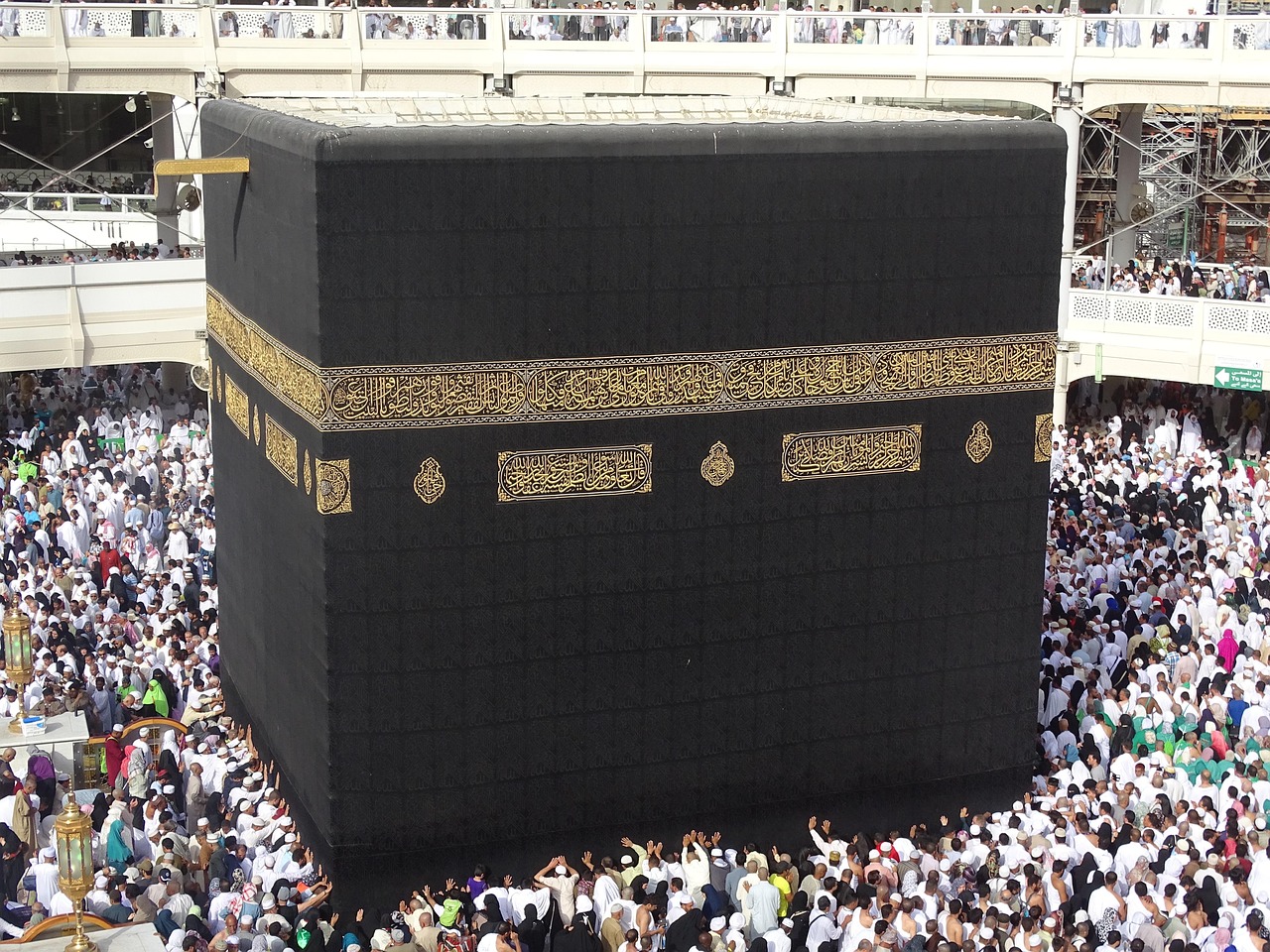
No matter how many times I visit, stepping into Masjid al-Haram still makes my throat tighten. The first glimpse of the Kaaba is always overwhelming—familiar from childhood posters and Qur’an covers, yet so different in person. It’s the emotional core of any trip and the primary reason you’re here.
History & Significance: Muslims believe the Kaaba was originally built by Prophet Ibrahim (Abraham) and his son Ismail, and later reconstructed multiple times. Today, the Masjid al-Haram is a vast complex expanded continually by the Saudi state to host millions of pilgrims every year. The marble floors, cooling systems, and sophisticated crowd management are all designed around the simple act of walking around that cube in humble circles.
My Experience: On my last trip, I arrived for Fajr and found a spot on the second level balcony overlooking the Kaaba. As the adhan echoed, the crowd fell into a synchronized motion that felt almost oceanic. After prayer, I did a slow Tawaf, not pushing toward the Black Stone but simply keeping a steady pace, quietly making dua. The sun slowly rose, turning the white ihram cloths almost golden.
How to Get There: Almost every major hotel in central Mecca offers direct pedestrian access to the Haram. If you are further out (Aziziyah, Misfalah), frequent shuttle buses and taxis drop you near the gates. Allow extra time for security checks and crowd flows, especially at peak prayer times.
Tips for Visitors:
- Best times: One hour before Fajr and late after Isha are generally calmer. Fridays and Ramadan nights are the busiest.
- Footwear: Bring a small shoe bag you can fold into your pocket; don’t waste time searching for lost shoes among thousands of pairs.
- Hydration: Drink Zamzam frequently. There are coolers and taps throughout; I carry a small collapsible cup.
- Family-friendly: Upper floors and designated family sections are better for those with children or wheelchairs—less pushing and more railings to hold.
2. Safa and Marwa (Sa’i Corridor)
The long corridor between Safa and Marwa is where you’ll perform Sa’i as part of Umrah or Hajj. It’s fully enclosed and air-conditioned now, but the spiritual memory is of a mother—Hajar—running desperately between these hills searching for water for her child.
My Experience: The first time I did Sa’i, I underestimated the distance and started too fast. By the fourth circuit, my feet were protesting. On more recent trips, I’ve learned to pace myself, take short breaks at the ends, and use the upper level when the ground floor is crowded.
Tips:
- Wear the most comfortable walking footwear permitted within your interpretation of ihram rules.
- There are special lanes for wheelchairs and mobility scooters—check with your agent or hotel if you need rentals.
- Stay mentally connected to the story: visualize Hajar’s determination; it transforms the physical effort into something deeply meaningful.
3. Zamzam Water Stations
Scattered throughout the Haram are the famous Zamzam water stations—simple taps and dispensers, yet one of the most beloved cultural experiences in Mecca. The water is sweet, cool, and carries centuries of stories.
My Ritual: After almost every Tawaf, I seek out a Zamzam station, fill a cup, and drink standing while facing the Kaaba, making dua. I also refill a small bottle to sip later in the day.
Tip: Don’t hoard water inside the mosque; drink what you need and leave the rest for others. For exporting Zamzam bottles home, use official Zamzam distribution centers near the airports rather than buying from informal sellers.
4. Abraj Al Bait & Mecca Clock Tower
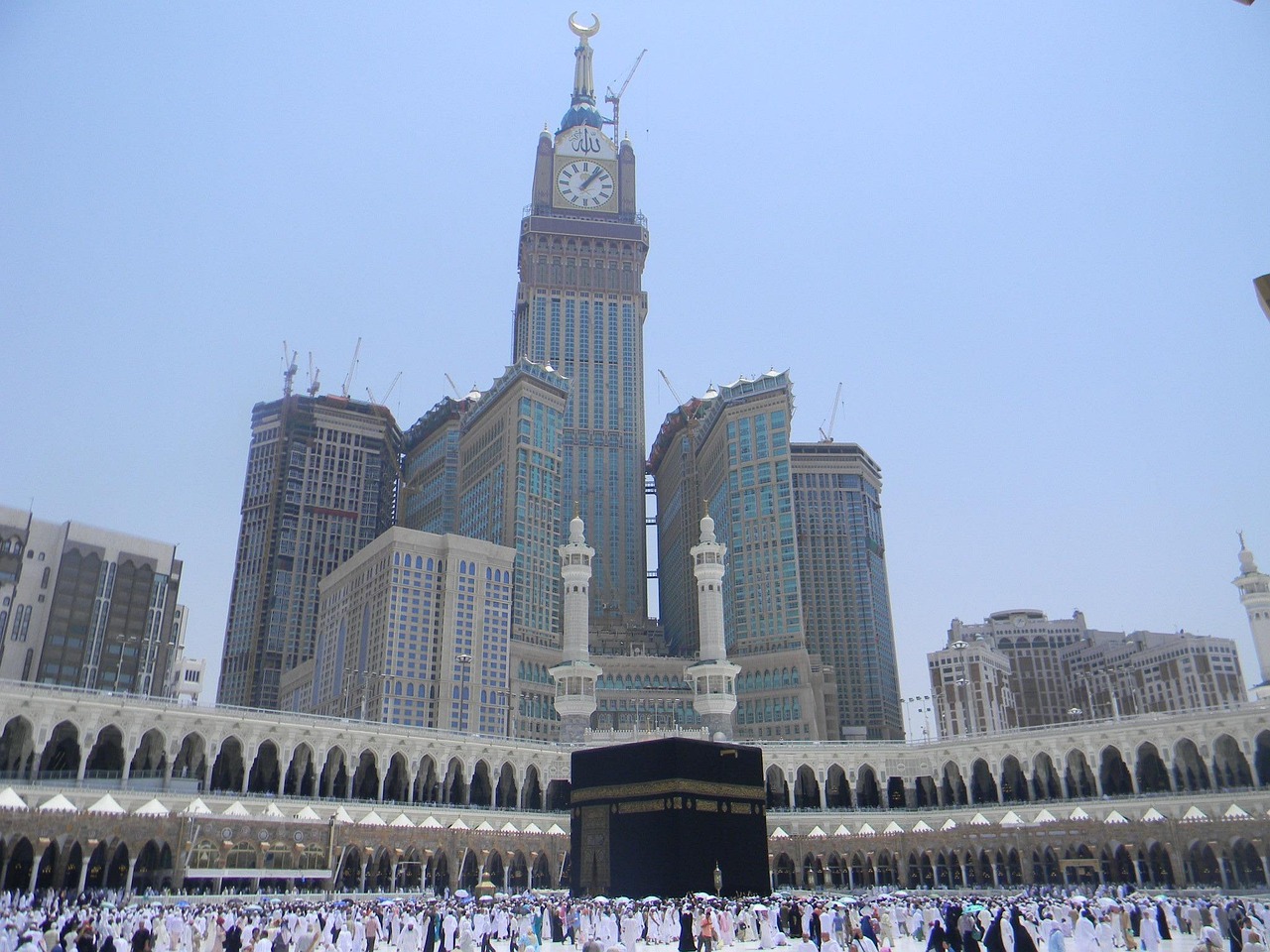
The Mecca Clock Tower looms over the Haram like a giant guardian. Some love it, some dislike its scale, but no one can deny it has become one of the most recognizable architectural features of Mecca’s skyline.
What It Is: A complex of luxury hotels, shopping malls, food courts, and residential units, topped by a massive clock visible for many kilometers. Inside, you’ll find international and local brands, fast food, and quieter prayer areas.
My Experience: On hot afternoons when the marble courtyards are blazing, I often retreat into the Abraj Al Bait mall, find a simple café, and watch the waves of pilgrims from above. Once, I sat next to an elderly Indonesian man who was charging his phone; we didn’t share a language, but we exchanged smiles and dates, and somehow communicated that both of us were on our second Umrah.
Tips:
- Viewpoints: Visit an upper-floor food court or café overlooking the Haram for a striking view of the mosque against the mountains.
- Shopping: Prices for basic items like ihram cloth, slippers, and simple abayas can be higher here; compare with side streets outside the complex.
- Family-friendly: The mall is stroller-friendly, air-conditioned, and has clean restrooms—a good break for kids.
5. Jabal al-Nour & Cave of Hira
Jabal al-Nour (“Mountain of Light”) is where the Cave of Hira is located, the site associated with the first revelation to Prophet Muhammad (peace be upon him). Today, it’s a steep, rocky climb popular among pilgrims seeking to connect more tangibly with that moment in history.
My Experience: I first climbed Jabal al-Nour in my early twenties, starting just after Fajr to avoid the heat. The path is rough, with uneven steps and occasional handrails. We stopped several times to catch our breath. At one resting point, a small group from Nigeria shared bottled water and biscuits with us; later, we did the same for a tired family from Pakistan. At the top, the view over Mecca’s rugged hills and dense neighborhoods is unforgettable.
How to Get There: A taxi or rideshare from the central Haram area takes about 15–25 minutes, depending on traffic. Ask for “Jabal al-Nour” and agree on the fare beforehand if using a street taxi.
Tips:
- Not recommended for those with mobility issues or severe heart/respiratory conditions.
- Wear proper closed shoes, bring at least 1–2 liters of water, a hat, and sunscreen.
- Climb early morning or late afternoon; avoid midday in summer.
- Be respectful: the cave is small; don’t push or shout, and keep visits brief to allow others their moment.
6. Jabal Thawr (Cave of Thawr)
Jabal Thawr is associated with the Prophet’s migration (Hijrah) from Mecca to Medina, where he and Abu Bakr sought refuge in a cave. The mountain is further from central Mecca and less commercialized than Jabal al-Nour, which makes the experience quieter and more contemplative.
My Experience: I’ve only climbed partway up Jabal Thawr; the full ascent is longer and more demanding. What I remember most is the sense of isolation. Unlike the busy buzz of Hira, here the sound of the highway fades quickly and you’re left with wind, birds, and your own heartbeat.
Tip: If you’re traveling with older relatives or young children, consider simply visiting the base and reflecting on the story rather than attempting the full climb.
7. Mina (Tent City of Mina)
Mina is where millions of pilgrims stay during the days of Hajj, in air-conditioned white tents stretching as far as the eye can see. Outside Hajj season, it’s quieter but still fascinating to visit as part of understanding the geography of Hajj.
My Experience: My first time in Mina was during Hajj—not something you casually “visit” but rather endure and cherish. Later, on an off-season Umrah, we drove through Mina in a nearly empty state. It was eerie seeing the same streets without crowds, the tents neatly packed away, the bridges silent.
Family Tip: Kids often enjoy seeing the scale of Mina; it helps them visualize what Hajj actually looks like beyond the diagrams in books.
8. Muzdalifah
Muzdalifah is the valley where Hajj pilgrims spend the night under the open sky, gathering pebbles for the stoning ritual at Jamarat. Off-season, it’s a simple landscape of roads and open ground, but the symbolism is powerful.
My Experience: I once stopped briefly at Muzdalifah on a cool evening in Sha’ban. As the sun set, I sat quietly on the ground, trying to imagine it filled with hundreds of thousands of exhausted, hopeful people, all lying shoulder to shoulder, united in vulnerability.
9. Arafat & Jabal al-Rahmah
The plain of Arafat is the heart of Hajj—“Hajj is Arafat,” as the famous saying goes. Jabal al-Rahmah (Mount of Mercy) is a small hill at the center of this plain, where many pilgrims gather for dua on the Day of Arafah.
My Experience: Outside Hajj, the area is quiet, with a few vendors and occasional visitors. I once climbed Jabal al-Rahmah just before Maghrib, the sky turning soft pink over the empty plain. It was far from the frenetic scenes of Hajj videos, but somehow just as moving.
Tip: Combine Mina, Muzdalifah, and Arafat in a single half-day taxi tour to see the full Hajj route.
10. Exhibition of the Two Holy Mosques Architecture
This museum is a gem and one of my favorite hidden gems in Mecca for people who love history and architecture. It showcases historic doors of the Kaaba, old Maqam Ibrahim structures, rare photographs, and detailed models of the Haram expansions.
My Experience: I’ve visited three times, and each time I discover some new inscription or artifact I missed before. On my last visit, a Saudi guide explained how the Ottoman-era zamzam distribution worked, pointing to old copper containers and carved wooden stands.
Tips:
- Check opening hours in advance—they can vary by season and day.
- Modest dress is required (as in the rest of Mecca), and groups can sometimes arrange guided tours in Arabic or English.
- It’s a fantastic stop for teenagers and adults who want context beyond simply “doing the rituals.”
11. Ajyad District
Ajyad is the steep, bustling district just south of the Haram, filled with mid-range hotels, pharmacies, exchange shops, and small eateries. It’s where I often base myself when I want to be close but not directly in a five-star tower.
My Experience: Early mornings in Ajyad are my favorite: shop shutters half-closed, cleaners spraying sidewalks, the smell of fresh samosas and bread drifting out. I’ve made it a mini-tradition to grab a cup of cardamom tea from the same corner stall before walking up toward the Haram.
Tip: If you’re budget-conscious, Ajyad offers a good compromise: you can still walk to the mosque in 10–15 minutes while paying significantly less than the front-row hotels.
12. Al-Masfalah Neighborhood
Al-Masfalah, southwest of the Haram, feels more “old Mecca” than the polished towers. Narrower streets, older buildings, and a mix of South Asian, African, and Arab communities create a vibrant, slightly chaotic atmosphere.
My Experience: I once stayed in a modest hotel here during a busy Ramadan. Nights were alive: kids playing football in alleys, aunties bargaining over vegetables, the smell of fried fish and spicy curries wafting around. It’s not fancy, but it’s real.
Tip: Great area for inexpensive restaurants serving Indian, Pakistani, and African dishes; perfect if you want hearty food after a long day of walking.
13. Aziziyah District
Aziziyah, a few kilometers from the Haram, is popular with budget-conscious pilgrims, especially during Hajj, and is one of the best places to see “everyday Mecca” away from the immediate Haram zone.
My Experience: I usually visit Aziziyah at least once per trip to stock up on affordable snacks, dates, and basic clothing. There’s a large concentration of supermarkets, fast food joints, and family-run restaurants. One evening, we ended up in a tiny Yemeni place where the owner refused to let us leave without trying his favorite dish—maraq (broth) and freshly baked bread.
Tip: If you’re staying in Aziziyah, make use of hotel shuttles to the Haram. Walking from here in the heat is not realistic for most visitors.
14. Traditional Markets & Souqs Around the Haram
The streets radiating from the Haram are lined with shops selling everything from tasbih (prayer beads) and surma (kohl) to electronics and luggage. While some are touristy, they’re still an essential part of the Mecca experience.
My Experience: I’ve lost count of how many times I’ve been pulled into buying a new miswak (tooth-stick) or an extra pack of dates because the seller insisted on “good price, good price!” Once, a shopkeeper refused to take money for a small Qur’an I was buying as a gift; he said, “Let this be my sadaqah.” Moments like that are why I love wandering these streets.
Tip: Bargaining is acceptable but keep it polite and reasonable. For serious gold jewelry, consider more specialized shops and always ask for certification.
15. Food Courts & Eateries Around the Haram
From multi-story food courts inside malls to small street-side kitchens, the area around the Haram offers an impressive range of cuisines: Saudi, Yemeni, Turkish, Indian, Pakistani, Indonesian, and more.
My Experience: After long nights in the mosque, I often end up at a humble place with plastic chairs serving chicken mandi (spiced rice) on metal trays. Sitting among pilgrims from half a dozen countries, all sleep-deprived and happy, is its own quiet joy.
Tip: Lines can be long directly after major prayers; if you can, eat slightly off-schedule (before Maghrib or a bit after Isha) to avoid the rush.
16. King Abdullah Expansion Areas
The newer northern expansions of the Haram are airy, bright, and architecturally beautiful, with towering marble columns and wide prayer halls.
My Experience: When the main courtyard feels too intense, I retreat into these newer areas. The acoustics are excellent, and you can usually find a bit more breathing room, especially on upper levels.
Tip: Follow signage or ask staff for directions; the scale can be disorienting. If you lose your group, agree on a specific gate or landmark as a meeting point beforehand.
17. Masjid Ayesha (Masjid at-Tan’eem – Miqat for Mecca Residents)
Masjid Ayesha, in the Taneem area, is a miqat point for those in Mecca who wish to perform another Umrah. It’s especially relevant if you’re staying several days and plan multiple Umrahs.
My Experience: We once went to Masjid Ayesha late at night. The mosque was still busy with locals and visitors changing into ihram, the atmosphere buzzing but peaceful. After praying two rak’ahs of ihram and making niyyah, we returned to the Haram for another Umrah, the roads almost empty at that hour.
Tip: Taxis are plentiful; agree on price before boarding or use a rideshare app. Avoid peak heat when changing into ihram if possible.
18. Hudaybiyyah (Historical Miqat & Treaty Site)
Hudaybiyyah, now on the outskirts of modern Mecca, is associated with the Treaty of Hudaybiyyah. There’s a mosque and a miqat area here. Though less commonly visited than Taneem, it carries deep historical resonance.
My Experience: I went once with a small group who specifically wanted to see the area of the treaty. The landscape is mostly modern now, but standing there and recalling the story of patience and strategic peace still left an impression.
19. Mecca Skyline Viewpoints
Because Mecca is ringed by rocky hills, there are several vantage points where you can see the city spread out below: clusters of high-rises near the Haram surrounded by humbler residential areas and rugged peaks.
My Experience: A local friend once drove us up a hill toward the Kudai area just before sunset. From there, the Haram complex was a gleaming cluster in the distance, the Clock Tower rising above everything. The contrast between the illuminated core and the darker neighborhoods around it was striking.
Tip: Go with a local driver who knows the roads; some routes are steep and winding.
20. Local Parks & Family Spaces in Mecca
While Mecca isn’t a “park city” in the way some places are, several small parks and green spaces are scattered through residential areas. They’re simple—playgrounds, benches, trees—but they matter if you’re traveling with kids who need to run.
My Experience: On a longer stay, we took my young nieces to a neighborhood park in Aziziyah. Watching them chase each other while their parents finally sat still for a few minutes was a reminder that even on a spiritual journey, kids still need swings and slides.
Neighborhoods & Districts to Explore in Mecca
Mecca isn’t just the Haram and hotels. If your schedule allows, exploring the city’s districts adds depth to your trip.
- Central Haram Zone: High-rise hotels, malls, and prayer spaces. Convenient but expensive.
- Ajyad & Ibrahim Khalil: Sloping streets, mid-range hotels, small eateries, currency exchange shops.
- Al-Masfalah & Kudai: Older neighborhoods, more local flavor, diverse immigrant communities.
- Aziziyah: Commercial and residential mix; supermarkets, budget restaurants, and many Hajj group accommodations.
- Al Awali & New Residential Areas: Modern villas and apartment complexes, further from the Haram, often where local Meccan families live.
Walking beyond the immediate Haram area (or taking a short taxi ride) helps you see Mecca as a real city, not just a pilgrimage site.
Local Food in Mecca: What & Where to Eat
Because Mecca draws Muslims from around the world, its food scene is wonderfully diverse. You’ll find everything from classic Saudi dishes to Indian biryani, Indonesian fried noodles, Turkish kebabs, and African stews.
Must-Try Dishes
- Mandi & Kabsa: Spiced rice with chicken or lamb, often served on big shared platters. I like to eat this at simple family-run spots in Ajyad or Aziziyah.
- Mutabbaq: Stuffed savory pancakes—egg, onions, sometimes minced meat—fried on a hot griddle. Perfect after Taraweeh.
- Foul & Tamees: Fava bean stew and hot flatbread, a classic Saudi breakfast. Look for small bakeries with queues in the morning.
- Shawarma & Broasted Chicken: Ubiquitous, affordable, and filling.
- Kunafa & Baklava: Sweet treats to share back at the hotel after a long day.
- Dates & Arabic Coffee: Sample different varieties of dates; Ajwa from Medina is prized but others like Sukkari or Safawi are also excellent.
Where I Like to Eat
- Budget Eats Around Ajyad: Tiny Yemeni and Pakistani places serving rice platters, curries, and fresh bread. Don’t be put off by plastic chairs—the food is usually great.
- Food Courts in Abraj Al Bait: Good when you’re too tired to explore; you’ll find recognizable chains plus a few local options.
- Aziziyah Restaurants: A mix of Indian, Turkish, and Saudi grills. Great for families and groups.
Saving Money on Food
To keep costs down during your 3 day itinerary for Mecca or longer stays:
- Book a hotel with breakfast included; many buffets are generous enough that you can skip lunch or have a light snack instead.
- Use supermarkets (in Aziziyah or slightly away from Haram) to buy water, fruit, yogurt, and snacks.
- Share large rice dishes; portions are often big enough for two or three.
Cultural Etiquette & Local Customs in Mecca
Respecting local customs in Mecca is essential—not only because it’s a sacred city but also because it makes your stay smoother.
Dress & Behavior
- Dress modestly: Long, loose clothing; women generally wear abayas and headscarves; men should avoid shorts in public areas outside of ihram rituals.
- Public affection: Keep it very discreet. Even married couples avoid open displays of affection in public.
- Photography: Avoid photographing people without permission, especially women. Inside the Haram, focus on architecture rather than close-ups of worshippers.
Religious Sensitivities
- Use respectful language when speaking about religious figures and places.
- Don’t litter, especially near the Haram and historical sites.
- Follow mosque etiquette: phones on silent, no loud conversations, give space to those praying.
Social Norms
- Men and women’s queues are often separate; follow signage.
- In shops, a polite “Salaam alaikum” goes a long way. Many staff are migrants but appreciate basic Arabic greetings.
Nightlife, Entertainment & Cultural Experiences in Mecca
Mecca doesn’t have nightlife in the conventional sense—no bars or clubs, as alcohol is strictly prohibited. Instead, the city’s “nightlife” revolves around night prayers, late shopping, and relaxed family walks.
- Late-night Haram Visits: The most meaningful “night activity” is simply spending quiet hours in the mosque after midnight, especially in Ramadan or the last ten nights.
- Evening Walks & Shopping: Streets around the Haram stay alive well past midnight; families stroll, buy snacks, let children enjoy the cooler air.
- Cafés & Tea Houses: Small cafés serve tea, coffee, fresh juices, and desserts. Good places to rest your feet and talk with fellow travelers.
Day Trips & Nearby Attractions from Mecca
If you have 4–5 days, consider a short excursion beyond Mecca.
Taif: Cool Air & Rose Gardens
Taif sits at a higher elevation and offers cooler weather, mountain views, and famous rose products. Families love the cable cars and parks.
- Getting There: About 1.5–2 hours by car from Mecca. Many tour operators offer half-day or full-day trips.
- Activities: Ride the cable car, visit a rose farm in season (spring), stroll local markets, and enjoy grilled meat in the cooler evening air.
Jeddah: Red Sea & Historic Al-Balad
Jeddah is Mecca’s gateway city, offering sea breezes and a more cosmopolitan feel. If your flight is via Jeddah and you have an extra day, it’s worth a visit.
- Getting There: Around 1–1.5 hours by car or modern express bus.
- Highlights: Historic Al-Balad district, Jeddah Corniche, modern malls, and fresh seafood.
Practical Travel Advice for Mecca (2026–2027)
Visas & Entry Requirements
- Umrah & Tourist Visas: Saudi Arabia has been expanding its e-visa and Umrah visa programs. By 2026, many nationalities can apply online; check the latest official Saudi visa portal or your local embassy for up-to-date rules.
- Hajj: Requires a special Hajj visa via authorized agents, with quotas per country.
Getting Around Mecca
- On Foot: The best way to move within the central Haram area. Expect a lot of walking; comfortable sandals are a must.
- Buses & Shuttles: Many hotels in Aziziyah and outlying areas run shuttles. During Hajj, dedicated bus networks operate between sites.
- Taxis & Ride-hailing: Widely available; agree on fare or use app-based services for transparency.
- Car Rental: Renting a car is possible but not recommended for most visitors due to traffic, parking challenges, and unfamiliar driving patterns.
Foreign Driver’s License
In general, visitors can drive using an international driving permit plus their home license for a limited period, but always verify current rules before your trip. In practice, most pilgrims rely on drivers and public transport rather than self-driving in Mecca.
Sim Cards & Connectivity
- Major telecom providers offer tourist SIMs at airports and in city centers. Bring your passport to register.
- Data coverage in Mecca is excellent, including in many parts of the Haram complex.
- Use maps and messaging apps to coordinate with your group; the mosque’s scale makes it easy to get separated.
Money-Saving Strategies
- Travel outside peak Hajj and last-ten-days-of-Ramadan periods if you want cheaper hotels and less crowding.
- Stay a little further from the Haram (Ajyad mid-slope, Ibrahim Khalil, or parts of Misfalah) to cut accommodation costs while still walking distance.
- Eat at local, family-run restaurants instead of only in big malls or hotel buffets.
Health & Safety
- Carry a small pouch with basic medicines: painkillers, blister plasters, rehydration salts, and any personal prescriptions.
- Use masks in extremely crowded conditions if you’re sensitive to respiratory issues.
- Stay hydrated; heat can be intense even outside peak summer.
Best Seasons & Weather
Mecca is hot for much of the year, with summer temperatures easily above 40°C (104°F). For more comfortable 3 days in Mecca or longer trips:
- November–February: Mildest weather, ideal for elderly pilgrims and families.
- March–April & October: Warm but manageable; good compromise between climate and crowds.
- May–September: Very hot; choose this only if your Hajj or Umrah dates require it and plan carefully for heat management.
What’s New in Mecca for 2026–2027
As of 2026, Mecca continues to upgrade infrastructure: smarter crowd-management systems, expanded pedestrian tunnels, and improved signage in multiple languages. Authorities are also focusing on:
- Further enhancing accessibility features for disabled and elderly pilgrims in the Haram.
- Introducing more digital services for Umrah booking, transport, and guidance via official apps.
- Coordinated campaigns to manage waste and keep sacred areas cleaner during peak seasons.
Each Hajj season (2026 and 2027) will see gradual refinements based on the previous year’s lessons, so expect smoother logistics if you’re returning after a few years’ break.
Summary & Final Recommendations
Mecca is not a conventional tourist destination; it’s a place of intention, humility, and awe. Yet within that framework, you can still craft a thoughtful 3 day itinerary for Mecca, a richer 4 day itinerary for Mecca, or an immersive 5 day itinerary for Mecca that balances worship, learning, rest, and a taste of everyday Saudi life.
Key Takeaways:
- Prioritize Masjid al-Haram and your Umrah/Hajj rituals; everything else should orbit around that purpose.
- Use your extra days to visit historical sites like Jabal al-Nour, Mina, and Arafat, and to explore neighborhoods such as Ajyad, Al-Masfalah, and Aziziyah.
- Sample local food in Mecca beyond the big malls—Yemeni rice dishes, Pakistani curries, Saudi breakfasts, and sweets.
- Respect local customs in Mecca, dress modestly, and keep your behavior mindful of the city’s sacred status.
- Visit between November and March if you can, for more pleasant weather and a more comfortable experience, especially for families and older travelers.
Whether it’s your first time or your fifth, Mecca has a way of leaving you different than when you arrived. Plan well, pace yourself, and leave space in your schedule—not just for all the things to do in Mecca, but for quiet moments of reflection that will stay with you long after you’ve gone home.