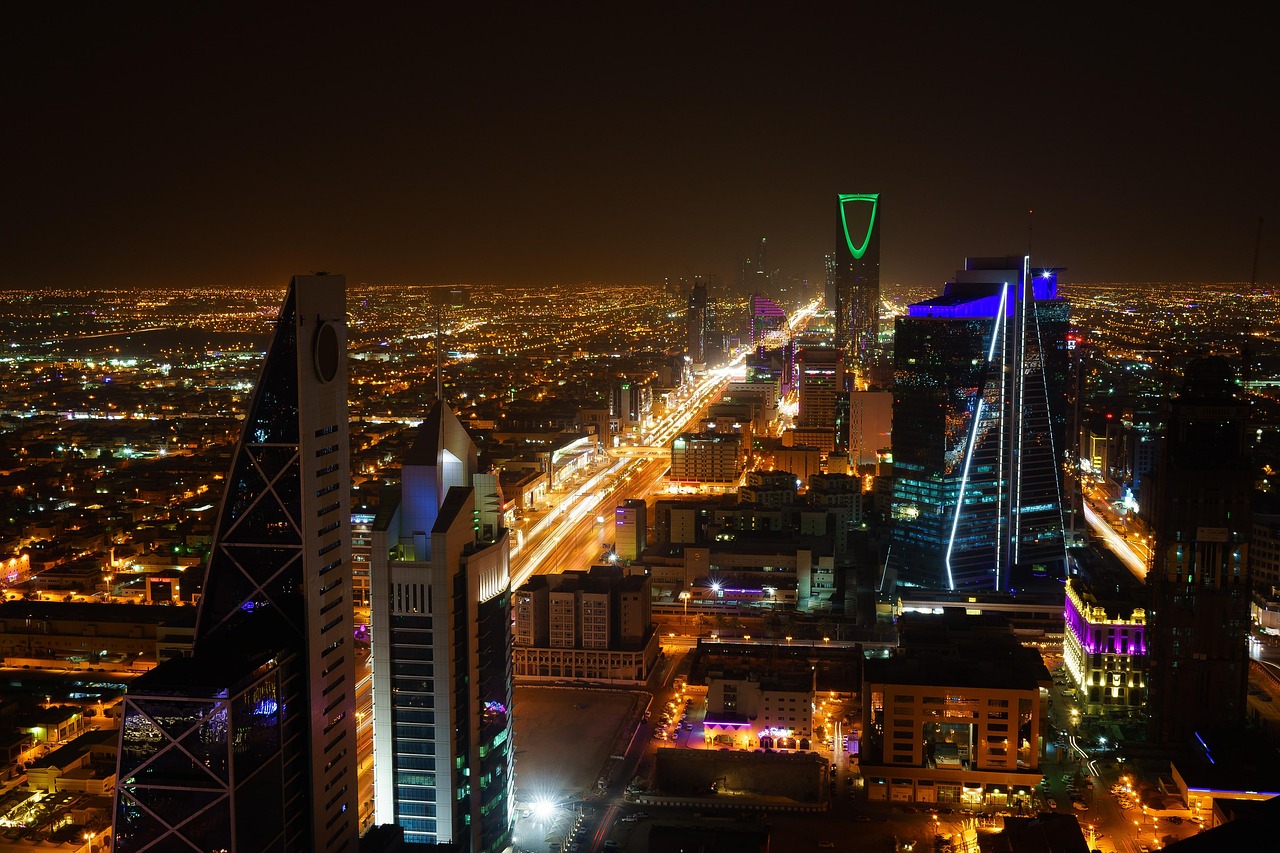
Why Visit Riyadh in 2026
Riyadh in 2026 feels like a city mid-transformation. I’ve lived in and around Riyadh for years, and every time I return from a trip abroad, a new tower has risen, another heritage house has been restored, and a fresh café is packed with young Saudis and expats swapping stories over cardamom-scented coffee.
This is not a “museum city” frozen in time. Riyadh is a living laboratory where ultra-modern glass towers sit a short drive from mudbrick fortresses and centuries-old markets. You can spend the morning on a sky bridge 300 meters above the desert, the afternoon wandering an old mudbrick neighborhood, and the evening at a world-class concert or traditional poetry night.
If you’re wondering whether to spend 3 days in Riyadh, 4 days in Riyadh, or even 5 days in Riyadh, the answer is simple: however many days you think you need, add at least one more. The city rewards those who linger, who stretch beyond the obvious must-see attractions into the smaller mosques, neighborhood bakeries, and hidden desert viewpoints.
In this 2026 travel guide for Riyadh, I’ll walk you through the best places to visit, detailed 3–5 day itineraries, local food you absolutely must try, hidden gems in Riyadh that most guides skip, and practical travel tips and cultural etiquette so you feel confident exploring this surprising capital.
Table of Contents
- Why Visit Riyadh in 2026
- Riyadh at a Glance
- Top 20 Must-See Attractions in Riyadh (With Personal Notes)
- Perfect 3, 4, and 5 Day Itineraries for Riyadh
- Best Neighborhoods and Districts to Explore
- Local Food in Riyadh: What to Eat and Where
- Nightlife, Entertainment & Cultural Experiences
- Best Day Trips from Riyadh
- Cultural Etiquette & Local Customs
- Practical Travel Advice for Riyadh (Money, Transport, SIM, Visas)
- What’s New: Riyadh Events & Changes in 2026–2027
- Summary & Best Time to Visit Riyadh
Riyadh at a Glance
Riyadh is the political and financial heart of Saudi Arabia, a vast city stretched across the Najd plateau. It’s a city of contrasts: tribal traditions and global fashion, date markets and designer malls, desert silence and late-night shisha cafés.
- Population: Around 7.5 million (and still growing)
- Language: Arabic (English widely understood in hotels, malls, many restaurants)
- Religion: Islam (mosque calls to prayer structure the rhythm of the day)
- Currency: Saudi Riyal (SAR)
- Best trip length: 3–5 days in Riyadh for a solid introduction; a week if you want to add day trips and slow wandering
- Best season: November–March (cooler, perfect for walking and desert trips)
Top 20 Must-See Attractions in Riyadh (With Personal Stories & Tips)
Here are the must-see attractions in Riyadh that I return to again and again. For each, I’ll share history, why it matters, and what it actually feels like to be there, along with practical travel tips.
1. Kingdom Centre & Sky Bridge
The first time I took a visitor up the Sky Bridge at Kingdom Centre, we timed it badly and arrived just as the sun vanished. The city lights flicked on one district at a time, and instead of a golden desert sunset, we got a glittering galaxy of highways and towers. My friend turned to me and said, “I had no idea Riyadh was this big.” That’s exactly why this belongs at the top of any travel guide for Riyadh.
Kingdom Centre is the iconic “bottle opener” skyscraper that dominates the Riyadh skyline. Completed in 2002, it’s 302 meters tall and its elegant inverted parabolic arch has become the city’s most recognizable silhouette.
Why Visit
- Panoramic views: The Sky Bridge, a 65-meter steel walkway spanning the tower’s top, offers 360° views of Riyadh’s endless grid.
- Shopping & dining: The mall below is one of the city’s most upscale, with international brands and good cafés.
- Romantic & family-friendly: Couples come for sunset; families for the sheer thrill of being “on top of Riyadh”.
My Tips
- Best time: About 45–60 minutes before sunset so you see the city in daylight, at golden hour, and at night.
- How to get there: Most ride-hailing apps (Uber, Careem, Bolt) know it; just type “Kingdom Centre”. Parking in the mall basement is plentiful but busy on weekends.
- Dress code: No need for an abaya for foreign women by 2026, but modest clothing (covered shoulders and knees) is expected.
- Budget tip: Eat in the food court rather than the high-end restaurants if you’re saving money.
2. Al Faisaliah Tower & The Globe
Al Faisaliah Tower is Kingdom Centre’s slightly older cousin, completed in 2000. It’s instantly recognizable thanks to the glass sphere (“The Globe”) perched near its peak. I still remember my first iftar (Ramadan sunset meal) up there, watching the city go quiet for prayer, then burst into life as families poured into restaurants below.
Why Visit
- Classic architecture: One of Riyadh’s earliest modern skyscrapers, designed by Foster + Partners.
- Dining with a view: The Globe restaurant is a treat for a special night out.
- Great for photos: From below, it’s one of the best spots to practice skyline photography.
My Tips
- Reserve ahead if you want to dine in The Globe.
- Combine it with a walk around nearby Olaya for a feel of the modern business district.
- For a 3 day itinerary for Riyadh, I’d choose either this or Kingdom Centre for a skyline view, not both.
3. Masmak Fortress
Masmak Fortress is where modern Saudi history quite literally burst through the door. In 1902, Ibn Saud recaptured Riyadh here, an event that set the stage for the unification of the Kingdom. Today, the fort stands quietly in the old city, its thick mudbrick walls a reminder that Riyadh was once a small desert outpost, not a metropolis.
I’ve visited Masmak many times, and I still love the moment when you step into the cool, shaded courtyard and hear your footsteps echo on the stone. It feels like you’ve escaped the 21st century for an hour.
Why Visit
- History: Exhibits and dioramas explain the story of Riyadh’s capture.
- Architecture: Classic Najdi mudbrick design, with wooden doors and crenellated towers.
- Atmosphere: The surrounding area (Qasr Al Hokm) has been beautifully restored.
My Tips
- Combine with: A stroll through Deira Souq (the nearby old market) for antiques and spices.
- Go early evening when the heat eases and the square outside fills with families.
- Free entry, but check current opening times; they sometimes shift around prayer times.
4. National Museum of Saudi Arabia
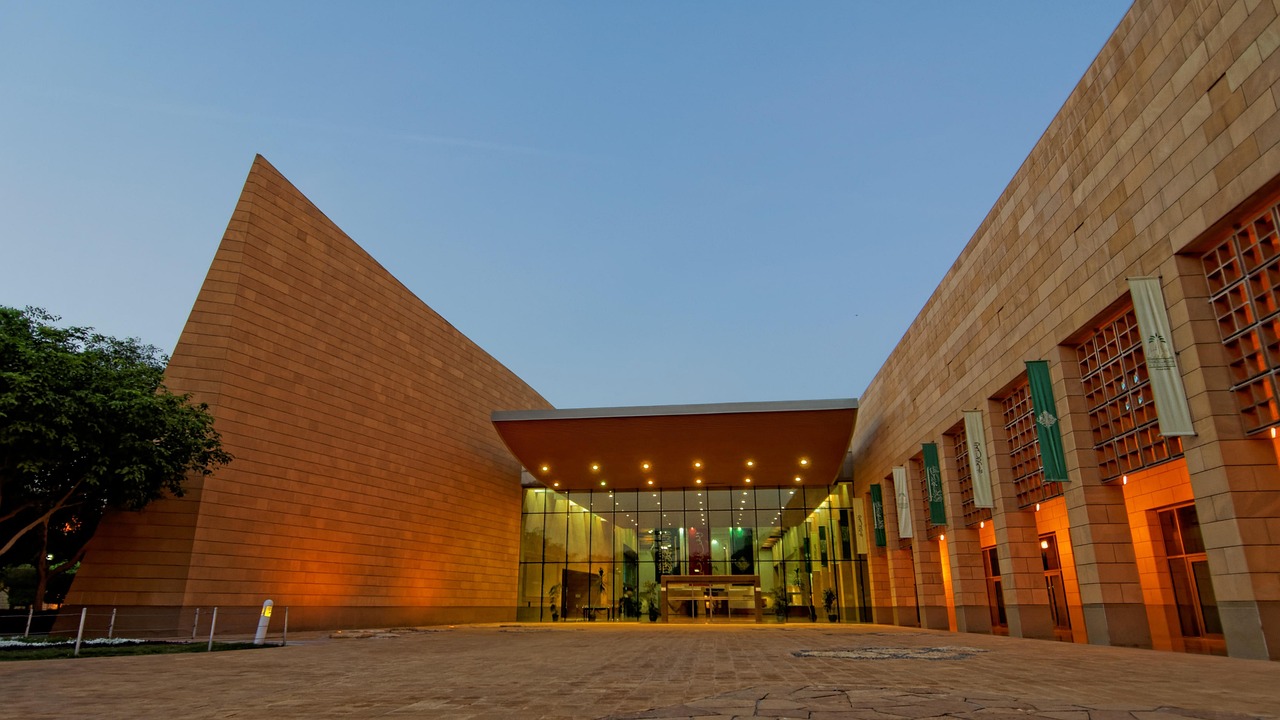
The National Museum is where I send every first-time visitor on their first or second day. It’s the best way to understand the layers of history beneath the shiny new Riyadh you see outside your hotel window.
Spread across multiple galleries, the museum takes you from prehistoric Arabia, through ancient trade routes and early Islamic history, to the formation of modern Saudi Arabia. The design is thoughtful; the galleries are spacious and surprisingly calm, even on weekends.
Why Visit
- Context: Makes every other place you visit in Riyadh and beyond make more sense.
- Family-friendly: Interactive displays for kids, with replicas they can touch.
- Cool & calm: A welcome break from the heat, especially if you’re doing 4 days in Riyadh at a fast pace.
My Tips
- Plan at least 2–3 hours; more if you like reading all the panels.
- Spend some time in the landscaped King Abdulaziz Historical Center around the museum—locals picnic here on cooler evenings.
- There’s a small café inside; it’s not fancy, but it’s convenient for a coffee break.
5. Historic Diriyah (At-Turaif)
Diriyah is my favorite part of the greater Riyadh area and the place I bring friends when I want them to fall in love with Najdi architecture. This was once the capital of the First Saudi State and the seat of Al Saud power. Today, the At-Turaif district is a UNESCO World Heritage Site with beautifully restored mudbrick palaces, narrow alleys, and viewpoints over the palm-lined Wadi Hanifah.
On my last evening visit, the mud walls glowed amber under subtle lighting, oud music drifted from a nearby courtyard, and I watched families wander slowly, ice creams in hand, as guides told stories of tribal alliances and battles.
Why Visit
- World Heritage: A textbook example of Najdi architecture and urban planning.
- New Diriyah Gate: The surrounding area has been developed with restaurants, cafés, and cultural venues.
- Romantic: Evening visits feel genuinely magical, especially in cooler months.
My Tips
- Book tickets online if possible—timed entries can apply during busy periods and events.
- Wear comfortable shoes; you’ll be walking over stone and packed earth paths.
- For a 4 day itinerary for Riyadh, I’d plan an afternoon-into-evening here, including dinner along Wadi Hanifah.
6. Riyadh Boulevard City
Boulevard City is where modern Riyadh lets its hair down. Think huge entertainment district: fountains, LED screens, restaurants, cafés, gaming zones, seasonal events, and during Riyadh Season, crowds that feel more like a festival in Europe than the old stereotype of Saudi Arabia.
I’ve been here on quiet weekday evenings and during peak festival weekends. Both have their charm: one is relaxed and people-watching friendly; the other is a full-on sensory overload of music, lights, and street food.
Why Visit
- Nightlife hub: One of the best places to feel the new energy of the city.
- Family-friendly: Rides, games, and shows for kids (check current offerings).
- Events: Concerts, performances, and seasonal themed zones.
My Tips
- Arrive before sunset; the transition from day to night lighting is beautiful.
- Expect security checks at entrances; carry your ID.
- Budget for food; it’s not the cheapest place in town, but you can snack your way through rather than sit for a full meal.
7. Wadi Namar & Wadi Hanifah
On paper, a wadi is just a valley. In Riyadh life, wadis are where people go to breathe. Wadi Namar and Wadi Hanifah are long green ribbons of palm trees, water channels, and walking paths snaking below the city’s edge.
On cool winter Fridays, I’ll often pack a simple picnic—samosas, hummus, dates, and tea—and head to Wadi Namar’s lakeside promenade. Kids ride scooters, groups of friends play cards on picnic blankets, and the call to prayer bounces softly off the canyon-like walls.
Why Visit
- Nature break: A chance to see how locals enjoy the outdoors.
- Budget-friendly: Free entry; you only pay for snacks and drinks.
- Great at sunset: The light over the water and cliffs is beautiful.
My Tips
- Bring a picnic mat or lightweight camping chairs; seating is limited in busy spots.
- Modest clothing is especially important in these family-oriented areas.
- For 5 days in Riyadh, this makes a perfect “slow afternoon” in your itinerary.
8. Edge of the World (Jebel Fihrayn)
The first time I stood at the Edge of the World, I sat down immediately—not from fear, but from sheer scale. The escarpment drops dramatically into an endless plain, and the horizon seems to dissolve. It’s one of the most dramatic desert landscapes within easy reach of Riyadh.
Why Visit
- Adventure: Off-road drive, rocky paths, and cliff-edge views.
- Photography: Sunrise and sunset are spectacular for photos.
- Memorable day trip: A must for outdoor lovers spending 4–5 days in Riyadh.
My Tips
- Go with a reputable tour operator unless you are experienced with off-road driving.
- Bring plenty of water, snacks, a hat, and a light jacket in winter (it gets cold after sunset).
- Wear sturdy shoes; the rocks can be loose near the edge—stay safe and don’t push for risky photos.
9. Riyadh Front & Riyadh Front Oasis
Riyadh Front is another of the city’s new lifestyle districts: open-air promenades, restaurants, coffee shops, and concept stores. During major events—like Riyadh Season or big conferences—it becomes a magnet for both locals and visitors.
On a recent evening, I met friends there to try a new burger place; we ended up lingering for hours over dessert and people-watching. It’s one of those areas that feels instantly familiar if you’ve spent time in Dubai or Doha, but with a distinctly Riyadhi crowd.
Why Visit
- Modern Riyadh vibe: Great for seeing how young Saudis spend their evenings.
- Dining variety: From local concepts to international chains.
- Easy access: Close to the airport road, good for your first or last night.
My Tips
- Go on a weekday evening to avoid extreme weekend crowds.
- Expect prices slightly above average Riyadh standards.
- Check event calendars; pop-up art installations and car shows appear regularly.
10. Deira Souq (Al Zel Market)
Deira Souq, also known as Al Zel Market, is where you go when you want to smell spices before you see them. Sacks of cardamom, saffron, and dried limes line the alleys, while shops overflow with incense burners, old doors, silver daggers, and carpets.
I’ve lost hours here bargaining for old brass coffee pots and textiles. Around every corner, there’s something unexpected: a tiny tailor shop, a calligraphy stall, or a vendor selling traditional leather sandals.
Why Visit
- Souvenir heaven: From affordable trinkets to serious antiques.
- Local life: This is still a working market for many residents.
- Photography: Rich colors, textures, and faces (ask before photographing people).
My Tips
- Haggle politely; it’s expected for many items.
- Combine with Masmak Fortress, just a short walk away.
- Go in late afternoon or early evening when stalls are fully open and temperatures are lower.
11. Riyadh Zoo & Surrounding Parks
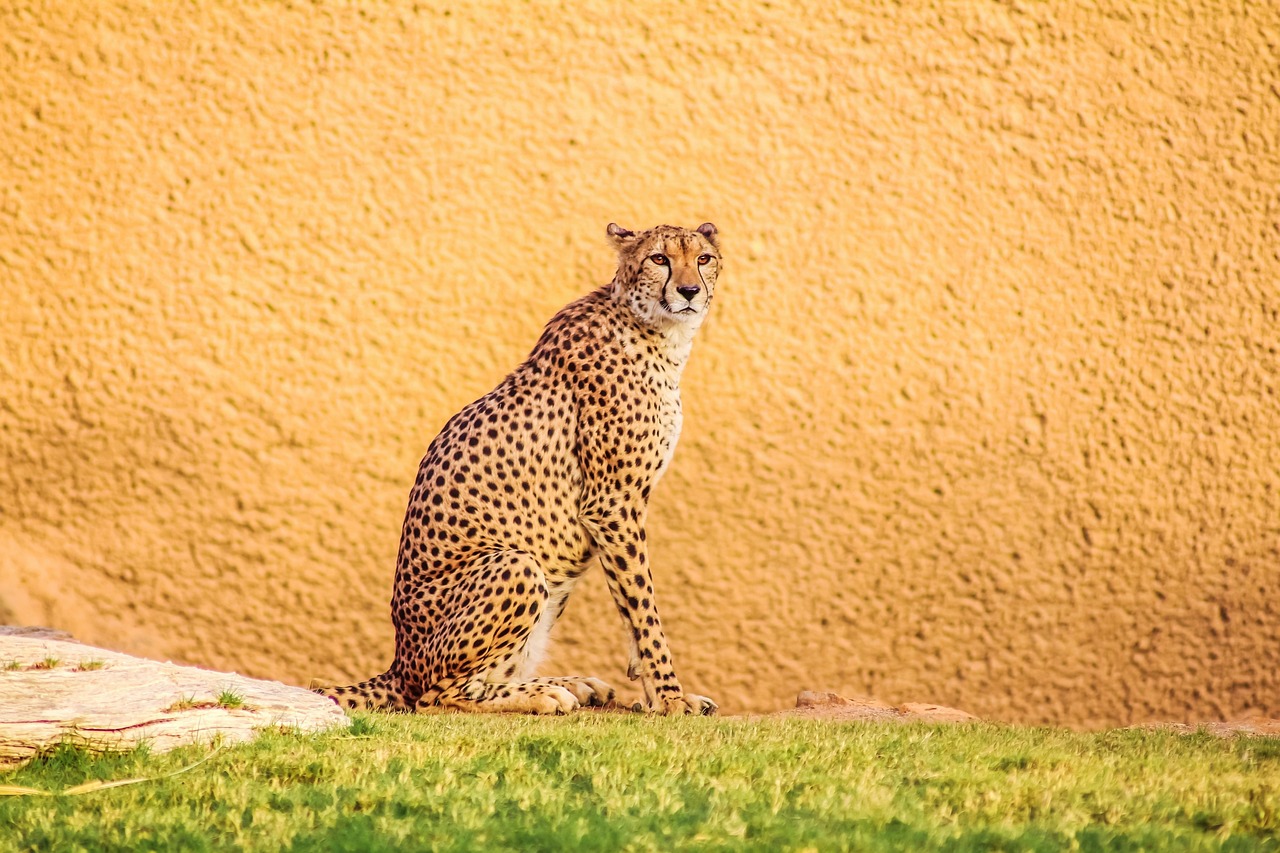
While not the most glamorous attraction, Riyadh Zoo and the green spaces around it remain a favorite for families, including many of my friends with young children. It’s one of the few large, shaded outdoor areas in central Riyadh where kids can run around relatively freely.
Why Visit
- Family-friendly: Animals, playgrounds, and wide paths for strollers.
- Budget option: Entry is inexpensive.
- Green escape: Rare shade and grass in the heart of the city.
My Tips
- Go early in the morning or late afternoon to avoid midday heat.
- Weekdays are quieter; weekends can be very busy.
- Combine with a casual local lunch nearby for a very “everyday Riyadh” experience.
12. Al Murabba Palace
Al Murabba Palace was once King Abdulaziz’s residential and administrative palace, built in the 1930s. It’s a beautiful example of how traditional Najdi architecture adapted to new needs as the Kingdom modernized.
I love walking through its airy courtyards, imagining the conversations that once took place here about roads, schools, and the future of the country. The surrounding historical complex adds depth to any visit to the National Museum.
Why Visit
- Heritage: Insight into royal life and early state-building.
- Architecture: Wooden mashrabiyas, mudbrick, and traditional layouts.
- Quiet: Often less crowded than the National Museum itself.
My Tips
- Visit after the National Museum; the two complement each other perfectly.
- Check if any temporary exhibitions are on; they sometimes host cultural events.
13. King Abdullah Park
King Abdullah Park is one of the city’s largest urban parks, with broad lawns, fountains, and walking paths. On cooler evenings, it becomes a sea of picnic blankets, kids playing football, and couples strolling the perimeter paths.
I’ve come here solo with a book, and with groups of friends armed with takeaway shawarma. Both are good options.
Why Visit
- Local vibe: See Riyadhis relaxing and socializing.
- Evening fountain shows: Periodic light-and-water displays (confirm current schedule).
- Budget-friendly: Minimal to modest entry fee depending on current management.
My Tips
- Bring your own snacks or pick up food from nearby restaurants.
- Respect family areas; avoid loud music and excessive displays of affection.
14. Riyadh Art & Public Art Installations
One of the most exciting changes I’ve seen in Riyadh over the last few years is the explosion of public art. Sculpture parks, murals, and temporary installations have turned roundabouts and walkways into open-air galleries.
On one of my favorite evenings, I joined a locally organized “art walk” through a cluster of installations near King Abdullah Financial District. We ended up in a café debating which pieces felt most “Riyadhi” and which were just Instagram bait.
Why Visit
- Modern culture: Shows a side of Saudi creativity many visitors miss.
- Free: Public art is open to everyone.
- Walkable: A good excuse to get out of the car for a while.
My Tips
- Search for “Riyadh Art” and current maps; installations change over time.
- Combine with visits to nearby cafés—Riyadh’s coffee scene is part of its modern cultural fabric.
15. King Abdullah Financial District (KAFD)
KAFD looks like it was dropped from the future: angular towers, skywalks, and reflective surfaces everywhere. It’s Riyadh’s answer to international financial hubs, and walking between its buildings at dusk, you really feel the city’s ambition.
I like to come here for architectural photography and coffee. There’s something mesmerizing about seeing the sunset reflected in dozens of glass planes.
Why Visit
- Architecture: A living exhibition of contemporary design.
- Skyline views: Great vantage points for photos of the city.
- Cafés & dining: Increasingly lively after working hours.
My Tips
- Evenings are best; by day in summer, the heat reflecting off glass can be intense.
- Combine with a visit to nearby public art installations and modern malls.
16. Thumamah Desert & Camping
Thumamah, northeast of the city, is where many Riyadh residents head for a dose of classic desert life: dunes, campfires, ATVs, and starry skies. I’ve spent many winter weekends here, huddled around a fire with friends, drinking tea and roasting marshmallows while distant engines buzz over the dunes.
Why Visit
- Adventure: Quad-biking, dune-bashing, and sandboarding.
- Camping: From rustic DIY setups to organized camps with tents and meals.
- Stargazing: On clear winter nights, the desert sky is unforgettable.
My Tips
- Go in winter (roughly November–February); summer nights can still be hot.
- If new to camping, book an organized camp through a local operator.
- Bring warm layers; temperatures can drop sharply at night.
17. Salam Park
Salam Park is another urban oasis in the older part of Riyadh, with a central lake, palm trees, and plenty of room to walk, run, or simply sit. When I want a gentle walk and some greenery without driving too far, this is usually where I end up.
Why Visit
- Relaxing: Less showy than newer parks, more everyday Riyadh.
- Lake views: Paddle boats and lakeside paths.
- Family-friendly: Ideal for an early evening stroll with kids.
My Tips
- Pair with a visit to Deira or Masmak to balance history and relaxation.
- Bring small change for snacks and simple rides if you have children with you.
18. Riyadh’s Boutique Galleries & Creative Spaces
Beyond the big museums, Riyadh’s independent galleries and creative spaces are where you can really tap into the city’s artistic pulse. Places hosting photography exhibitions, pop-up design markets, and talks draw a mixed crowd of Saudis and expats.
I still remember a small photography exhibit I stumbled into one evening that documented old Riyadh alleyways now long gone. I recognized some of the doors from my own early days in the city and felt oddly nostalgic.
Why Visit
- Contemporary culture: See how local artists interpret rapid change.
- Social: Openings often include talks and Q&A sessions.
- Unique souvenirs: Prints, ceramics, and design objects with a Riyadh twist.
My Tips
- Check social media (Instagram is big) for current exhibitions—search for “Riyadh art gallery”.
- Events often run in the evenings; perfect after a day of sightseeing.
19. Souq Al Thumairi & Antique Alleys
Souq Al Thumairi is a cluster of small alleys near Deira packed with antique shops, old coins, vintage cameras, traditional swords, and random treasures. It’s where I go when I want to get lost and maybe come home with something I didn’t know I needed, like an old Bedouin bracelet or a rusty lantern.
Why Visit
- Treasure hunting: Genuine antiques mixed with reproductions—fun to explore either way.
- Old Riyadh charm: Narrow lanes and weathered shopfronts.
- Photography: Great textures and details.
My Tips
- Ask about provenance if you’re serious about antiques; prices vary wildly.
- Haggle respectfully and have a maximum price in mind before you start.
- Bring cash; some small shops don’t accept cards.
20. Digital City & Modern Café Culture
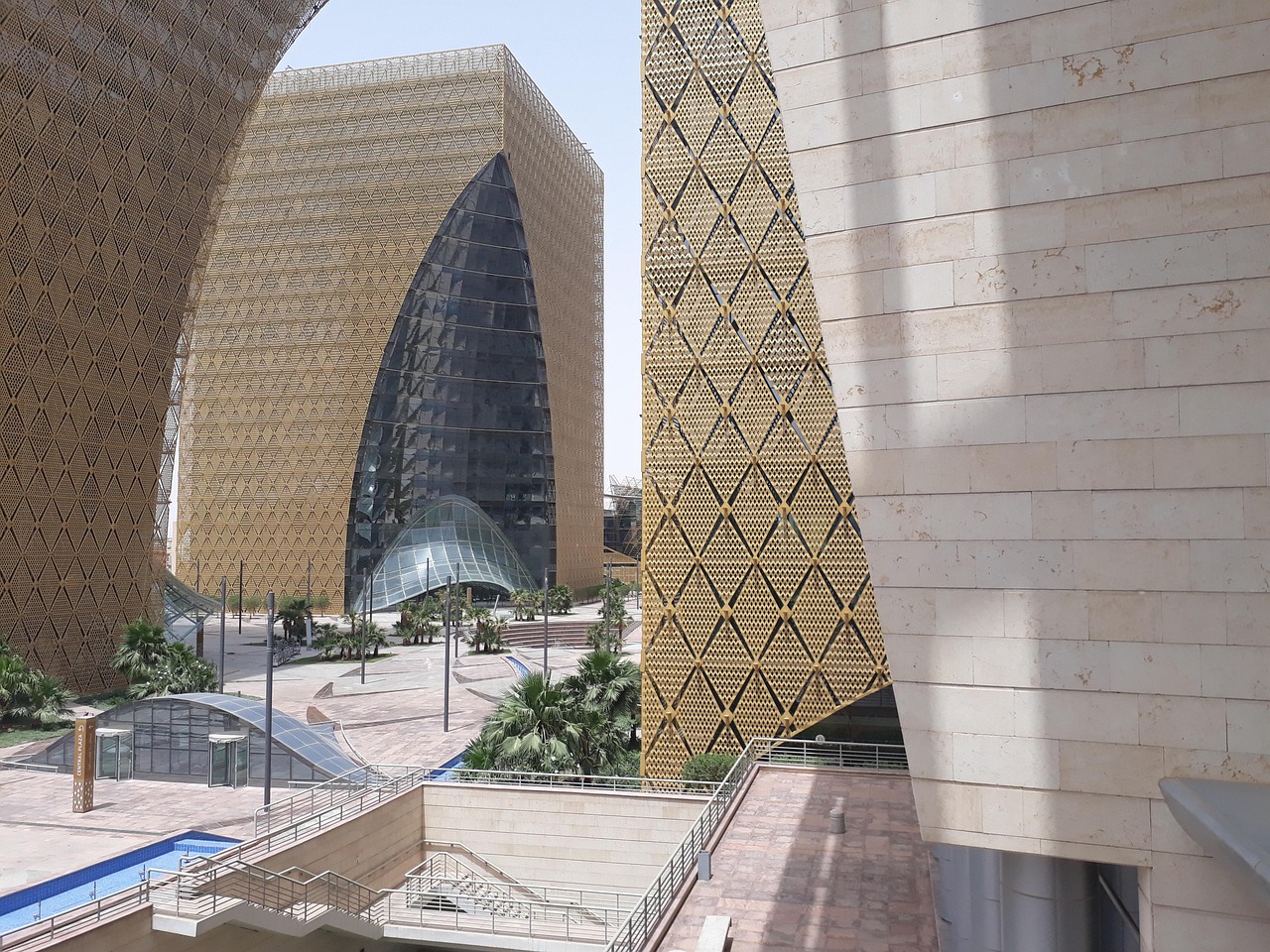
Digital City is a tech-focused district that has become known almost as much for its cafés and casual dining as for its offices. On any given evening, you’ll find clusters of young professionals and students hunched over laptops, sipping specialty coffee and planning their next start-up or weekend trip.
I often use this area as my “mobile office.” It’s a good place to catch up on work between sights, recharge, and soak in a very current Riyadh atmosphere.
Why Visit
- Café hopping: Excellent coffee, pastries, and light meals.
- Modern vibe: Feels like any global tech hub, but conversations are in Arabic and English.
- Convenient: Safe, comfortable, and easy for solo travelers.
My Tips
- Bring a light sweater; indoor air-conditioning can be fierce.
- Use this area as a flexible stop in your 3–5 day itinerary when you need downtime.
Perfect 3, 4 & 5 Day Itineraries for Riyadh
Below are flexible itineraries built around my own favorite ways to show the city to visiting friends. You can mix and match depending on whether you have 3 days in Riyadh, 4 days in Riyadh, or a full 5 days in Riyadh.
3 Day Itinerary for Riyadh: First-Time Highlights
If you only have 3 days in Riyadh, focus on the essentials: history, skyline views, and a taste of desert life.
Day 1: Old Riyadh & Historical Core
Start your Riyadh journey where it all began: in the old city around Masmak Fortress. I like to begin the morning around 9–10 am, once the sun is up but before the heat peaks.
- Morning: Masmak Fortress, Qasr Al Hokm Square, and a walk through nearby traditional streets. Stop for Saudi coffee and dates at a local café.
- Lunch: Try a traditional restaurant nearby (look for places serving kabsa or jareesh).
- Afternoon: National Museum of Saudi Arabia and Al Murabba Palace. Take your time in the galleries; this is the backbone of your cultural understanding.
- Evening: Head to Salam Park for a relaxed walk, then dinner at a nearby casual spot.
This day is easily one of the richest in terms of cultural experiences in Riyadh. By sunset, you’ll have a clear picture of how the city grew from a fortified town to the capital of a modern state.
Day 2: Modern Skyline & Shopping
On day two, turn your attention to the contemporary city—skyscrapers, malls, and cafés.
- Morning: Stroll along Olaya and King Fahd Road areas to see Kingdom Centre and Al Faisaliah from below. Duck into a café for breakfast.
- Late Morning: Explore Kingdom Centre Mall; if you like, book the Sky Bridge around sunset later in the day.
- Afternoon: Visit KAFD for modern architecture and public art.
- Sunset: Head up to the Sky Bridge at Kingdom Centre for panoramic views.
- Evening: Dinner at a restaurant with a view or in one of the trendy spots in Olaya or Digital City.
This day shows you the Riyadh that many business travelers see—but looked at with a more curious, local eye.
Day 3: Desert Day Trip – Edge of the World or Thumamah
Your third day should be for the desert. If it’s cooler season, I strongly recommend the Edge of the World; in hotter months, a shorter Thumamah excursion works better.
- Early Morning: Depart Riyadh with a tour operator in a 4x4, heading for Edge of the World.
- Midday: Arrive, hike, take photos, and enjoy simple snacks or a packed lunch.
- Afternoon: Drive back to the city, arriving late afternoon or early evening.
- Evening: Freshen up and end your 3 day itinerary for Riyadh with a relaxed dinner, perhaps at Riyadh Boulevard City if you still have energy.
By now you’ve experienced old Riyadh, new Riyadh, and the timeless desert that surrounds it—more than enough to surprise anyone who still thinks there’s “nothing to do” in the Saudi capital.
4 Day Itinerary for Riyadh: Adding Diriyah & Wadis
With 4 days in Riyadh, you can slow down a bit and add Diriyah plus some time in the wadis.
Day 4: Diriyah & Wadi Hanifah
Reserve your last full day for one of the most atmospheric areas around the city.
- Morning: Sleep in or enjoy a lazy breakfast at a local café in a modern neighborhood.
- Late Morning: Head to Diriyah; explore the At-Turaif UNESCO site with a guide if possible.
- Afternoon: Stroll along Wadi Hanifah, enjoy a coffee overlooking the palm groves.
- Evening: Dinner in one of Diriyah’s restaurants with terrace seating, watching the mudbrick walls light up after sunset.
This extra day turns a good 3 day itinerary for Riyadh into a truly well-rounded 4 day itinerary for Riyadh, balancing history, architecture, and nature.
5 Day Itinerary for Riyadh: Slow, Deep & Local
If you have 5 days in Riyadh, you can fully relax into the city’s rhythm.
Day 5: Markets, Parks & Café Culture
Use your fifth day to follow your interests.
- Morning: Return to any favorite spot or explore Deira Souq and Souq Al Thumairi more deeply for last-minute shopping.
- Lunch: Try a budget-friendly local restaurant—ask for the daily dish and you’ll usually get something hearty and authentic.
- Afternoon: Visit a boutique art gallery or spend time walking in King Abdullah Park or Wadi Namar.
- Evening: Café-hopping in Digital City or another favorite neighborhood, reflecting on everything you’ve seen.
A 5 day itinerary for Riyadh allows you to see more than checklists; you’ll leave with a feel for the city’s personality.
Interesting Neighborhoods & Districts in Riyadh
Riyadh is sprawling, but certain districts have distinct characters worth exploring.
- Olaya & King Fahd Road: Business towers, malls, and hotels. Great for first-time visitors who want central access and modern comforts.
- Al Malaz: Older residential area with parks (Riyadh Zoo, King Abdullah Park) and everyday shops. Good for experiencing non-touristy Riyadh.
- Diriyah: Heritage buildings, Wadi Hanifah, and new upscale dining. Perfect for an afternoon-to-evening outing.
- Deira (Old City): Souqs, Masmak Fortress, and government buildings. Best for history and traditional shopping.
- Digital City & KAFD: Tech and finance hubs with modern dining and café culture.
- North Riyadh Suburbs: Newer residential areas, malls, and lifestyle complexes like Riyadh Front.
Local Food in Riyadh: What to Eat & Where
Food is one of the easiest—and most enjoyable—ways to understand Riyadh. Saudi cuisine is hearty and communal, with big platters meant to be shared.
Must-Try Saudi Dishes
- Kabsa / Mandi: Fragrant rice with slow-cooked meat (often lamb or chicken). Usually served on a huge platter.
- Jareesh: Cracked wheat cooked with meat or chicken and spices; comforting and filling.
- Mutabbaq: Savory stuffed pancakes, often sold at small street-side stalls.
- Samool & Tamees: Local breads, perfect with ful (fava bean stew) for breakfast.
- Saudi Coffee (Gahwa): Light, spiced coffee served with dates; more about hospitality than caffeine.
Where I Like to Eat in Riyadh
- Traditional Restaurants: Look for places specializing in kabsa and mandi. Many are simple, with floor seating and very generous portions.
- Modern Saudi Fusion: Newer spots in Diriyah, Riyadh Boulevard City, and Digital City reimagine local dishes in stylish settings.
- Budget Eats: Small shawarma stands, falafel shops, and Pakistani/Indian restaurants serve huge plates for very little.
Money-Saving Food Tips
- Portions are large—two people can often share one main dish.
- Lunchtime “business menus” at malls can be cheaper than dinner.
- Explore non-touristy neighborhoods; some of my best meals have been at tiny joints recommended by taxi drivers.
Nightlife, Entertainment & Cultural Experiences in Riyadh
Riyadh’s nightlife isn’t about bars and clubs (alcohol remains illegal), but the city comes alive after dark in other ways.
Evening & Nightlife Options
- Cafés & Dessert Spots: Locals linger for hours over coffee, tea, and elaborate desserts.
- Shisha Cafés: Popular with men and increasingly mixed groups, though always check the venue’s policy.
- Riyadh Season Events: Concerts, performances, and themed zones in places like Boulevard City and Winter Wonderland (seasonal).
- Cinema: Multiplexes in malls show the latest international and regional films.
Cultural Experiences
- Traditional Music & Dance: Larger festivals and events often feature ardah (sword dance) and folk performances.
- Poetry & Talks: Literary cafés and cultural centers host talks and readings—some in English, many in Arabic.
- Museums & Heritage Nights: Watch for special evening openings or themed nights at historical sites.
Best Day Trips & Nearby Attractions from Riyadh
If you have more than 3 days in Riyadh, add at least one day trip to see the landscapes beyond the ring roads.
- Edge of the World: Cliff-top views over the desert plateau. Go with a tour, especially if you’re new to off-roading.
- Thumamah Desert: Sand dunes, camping, and quad-biking closer to the city.
- Additional Wadi Trips: Smaller wadis with farms and palm groves can sometimes be visited with local guides.
Cultural Etiquette & Local Customs in Riyadh
Understanding local customs makes your trip smoother and more rewarding.
Dress Code
- As of 2026, foreign women are not legally required to wear an abaya, but modest dress (covering shoulders, chest, and knees) is expected.
- Men should avoid sleeveless shirts and very short shorts in public.
Social Norms
- Public Affection: Keep it discreet—handholding is generally fine for married couples, anything more is frowned upon.
- Gender Interaction: Mixed spaces are common now, but be respectful and moderate in body language and volume.
- Hospitality: If offered coffee or dates, it’s polite to accept at least once.
Religious Practices
- Prayer times structure the day; some small shops may close briefly.
- Non-Muslims cannot enter mosques for worship, but may be allowed into certain mosque courtyards or visitor centers—always ask.
- During Ramadan, avoid eating and drinking in public during daylight hours out of respect (many hotels and some international chains still serve discreetly inside).
Practical Travel Advice for Riyadh in 2026
Visas & Entry
Saudi Arabia’s e-visa system has made visiting far easier than it once was. Many nationalities can apply online for a tourist e-visa valid for multiple entries, covering both Riyadh and other destinations.
- Check the official Saudi e-visa portal for the latest list of eligible countries.
- Printed proof of accommodation and return flights is sometimes requested on arrival.
Foreign Driver’s License & Car Rental
- Many visitors can drive using their foreign license for short stays (often up to 3 months), but check the current rules for your nationality.
- International Driving Permit (IDP) is strongly recommended.
- Car rental rates are reasonable; driving is fast-paced but improving. If you’re not comfortable, rely on ride-hailing apps.
Getting Around Riyadh
- Ride-Hailing: Uber, Careem, and local apps are the easiest way to move between attractions.
- Metro: The Riyadh Metro is gradually rolling out; by 2026 some lines should be operational, but coverage still may not reach every tourist site. Use it where convenient and supplement with cars.
- Taxis: Available but less common than apps; always agree on the fare or ensure the meter is used.
SIM Cards & Connectivity
- Major providers include STC, Mobily, and Zain.
- Airport kiosks and malls sell tourist SIMs; bring your passport for registration.
- Data speeds are excellent in most parts of the city.
Money & Costs
- Currency: Saudi Riyal (SAR). Cards are accepted almost everywhere, and Apple Pay/Google Pay are common.
- Budget travelers can eat well at local spots and stay in mid-range hotels without breaking the bank.
- Luxury options abound in central and northern Riyadh.
Best Seasons & Weather
- November–March: Best time to visit. Cool to mild daytime temperatures, chilly evenings.
- April–May & October: Shoulder seasons—warmer but still manageable, especially if you plan around midday heat.
- June–September: Very hot; plan mostly indoor and evening activities, or consider shorter city stays combined with coastal destinations in the Kingdom.
Hidden Money-Saving Tips
- Book accommodation slightly outside the flashiest districts; ride-hailing is cheap enough to offset the distance.
- Eat your main meal at lunch when some restaurants offer better prices.
- Use public parks and wadis as free attractions; they’re wonderful spots to watch local life.
Riyadh in 2026–2027: Events & What’s New
Riyadh’s event calendar has grown dramatically in recent years, and by 2026 the city is firmly established as a regional events hub.
Major Recurring Events
- Riyadh Season (usually autumn–winter): City-wide entertainment festival with concerts, themed zones, sports, and cultural events. Expect new zones and bigger acts in 2026–2027.
- Saudi National Day (23 September): Fireworks, special shows, and patriotic displays across the city.
- Religious & Cultural Festivals: Ramadan and Eid bring special night markets, family activities, and a distinct rhythm to city life.
Before your trip, check official tourism websites and social media for updated schedules—these events can dramatically change which areas are busiest and what extra things there are to do in Riyadh.
Summary: Key Takeaways & Best Time to Visit Riyadh
Riyadh in 2026 is a city in motion: building, experimenting, and opening up. Whether you’re planning 3 days in Riyadh, 4 days in Riyadh, or a full 5 day itinerary for Riyadh, you’ll find more than enough must-see attractions, hidden gems, and cultural experiences to fill your time.
- Don’t miss: Masmak Fortress and Deira, the National Museum, Kingdom Centre, Diriyah, and at least one desert excursion.
- Eat well: Try kabsa, jareesh, Saudi coffee with dates, and both traditional and modern Saudi restaurants.
- Slow down: Spend time in parks, wadis, and cafés; that’s where the city’s everyday soul lives.
- Best seasons: November to March for comfortable weather and outdoor activities; shoulder seasons for fewer crowds; summers only if you’re prepared for heat and plan around indoor attractions.
Come with curiosity, an open mind, and a willingness to adjust to the local rhythm of prayer times, late dinners, and long evenings. Riyadh will reward you with stories, flavors, and images that stay with you long after you’ve left its glowing skyline behind.