Why Visit Medina in 2026
Medina (Al Madinah Al Munawwarah) is unlike any other city on earth. As the second holiest city in Islam and the resting place of Prophet Muhammad (peace be upon him), it is first and foremost a spiritual destination. But if you slow down, wander its streets after Fajr, talk to shopkeepers between prayers, and sip tea in its quieter neighborhoods, you’ll discover a layered, welcoming city with a surprisingly gentle pace.
I’ve been coming to Medina since childhood, and in the last few years I’ve made a ritual of spending at least a week here every year. 2026 feels like a particularly special time: infrastructure around the Prophet’s Mosque keeps improving, new pedestrian zones and parks are opening, and there’s a growing focus on heritage, museums, and cultural experiences that make the city much easier – and more rewarding – to explore even if you’re not here on pilgrimage alone.
Whether you’re planning 3 days in Medina, a deeper 4 day itinerary for Medina, or a full 5 days in Medina to really settle into the rhythm of the city, this guide is written as if I’m walking beside you: what time to go where, how to avoid crowds, where to find decent coffee at 2 a.m., how to be respectful of local customs in Medina, and where those elusive hidden gems in Medina are hiding behind the main streets.
Medina is:
- Spiritual: home to Al-Masjid an-Nabawi (the Prophet’s Mosque), Quba Mosque, Qiblatain Mosque, and the historic sites of the early Muslim community.
- Surprisingly calm: even with millions of pilgrims, much of the city feels safe, walkable, and unhurried.
- Perfect for families: many things to do in Medina are family friendly, with parks, easy transport, and short distances between must-see attractions.
- Romantic in a quiet way: sunset walks around the mosque courtyards, mountain viewpoints, and late-night tea in the cooler months.
- Affordable if you know how: with a bit of local knowledge, you can find good-value hotels, cheap eats, and smart ways to get around.
This travel guide for Medina is up to date for 2026, with notes on upcoming projects and events through 2027, and is packed with travel tips for Medina, must-see attractions in Medina, and lesser-known spots that most tour groups skip.
Quick Overview & Orientation
Medina sits in western Saudi Arabia, about 450 km north of Mecca. The city’s heart is the Haram area, dominated by the Prophet’s Mosque, encircled by hotels, shopping centers, and pedestrian plazas. From there, historic sites like Quba, Qiblatain, and Uhud are a short drive away, usually 10–20 minutes by taxi or ride-hail.
The city layout is simple for visitors: you’ll mostly move in four directions from the Haram:
- South toward Quba Mosque and older residential areas.
- North toward Mount Uhud, modern malls, and family parks.
- West toward Masjid al-Qiblatain, the Seven Mosques, and some newer districts.
- East toward Knowledge Economic City and newer developments.
Public buses exist but are still limited. For most travelers, especially on tight schedules like a 3 day itinerary for Medina, ride-hail apps (Careem, Uber) and walking around the Haram zone will cover almost everything.
Top 20 Must-See Attractions in Medina (Deep Dive)
Below are 20 of the best places to visit in Medina, each with personal notes, little hacks, and context. You certainly don’t need to do all of them in 3 days, but for a more relaxed 4 days in Medina or 5 day itinerary for Medina, you can see almost everything without feeling rushed.
1. Al-Masjid an-Nabawi (The Prophet’s Mosque)
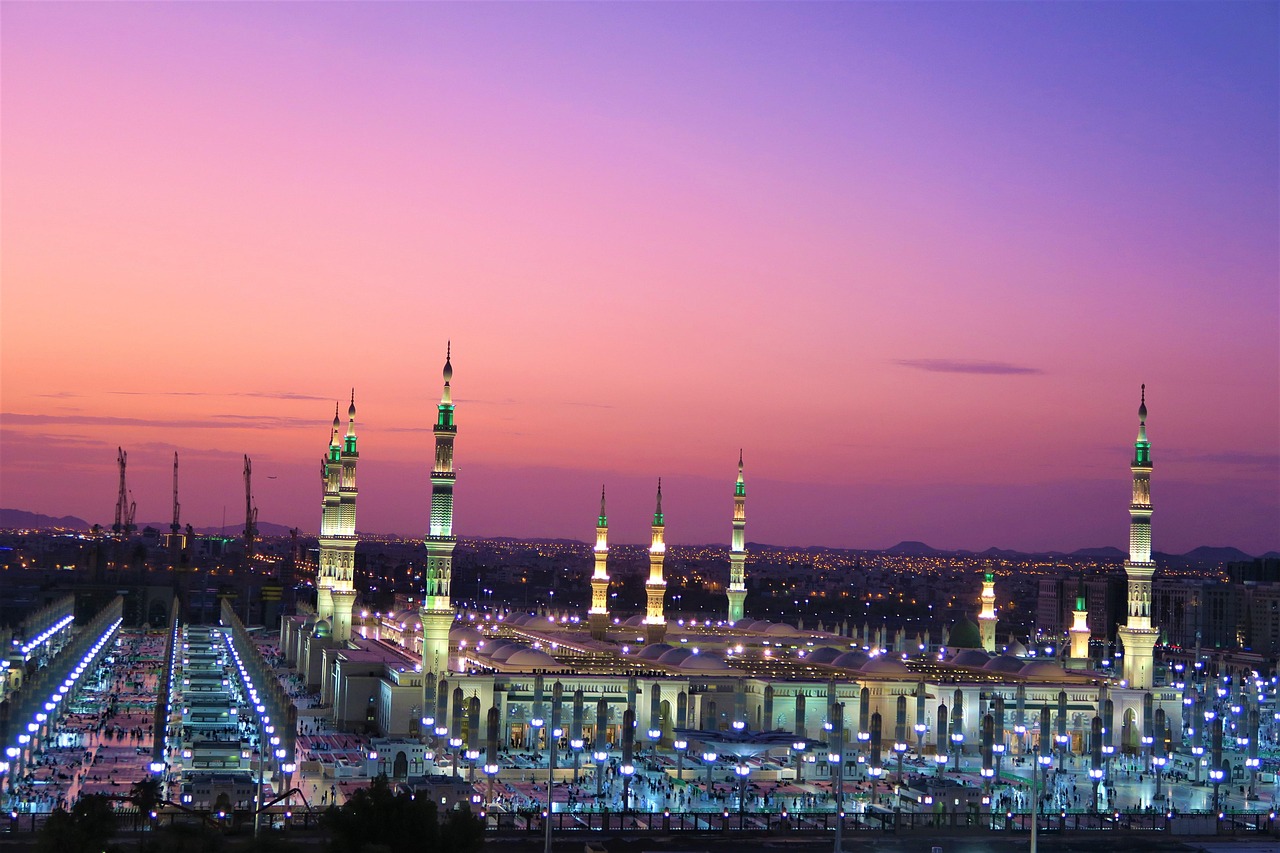
Every trip to Medina starts and ends here. The Prophet’s Mosque is not just Medina’s centerpiece – it’s the city’s heartbeat. The first time I walked into the main courtyard after Isha in 2012, I remember being overwhelmed by the soft white glow of the marble, the quiet murmur of pilgrims from every continent, and the feeling that time had slowed down.
Over the years, I’ve learned that your experience here changes depending on when you go:
- Before Fajr: My favorite time. Arrive 45–60 minutes before the call to prayer. The air is cooler, the plaza is quieter, and you can find a spot close to the main doors.
- Mid-morning: Good for exploring the outer courtyards, taking in the architecture, and just sitting with a coffee from one of the nearby hotels, watching the umbrellas open and close.
- After Isha: Families stroll, kids play on the marble, and groups sit in circles reading Qur’an and chatting softly until late.
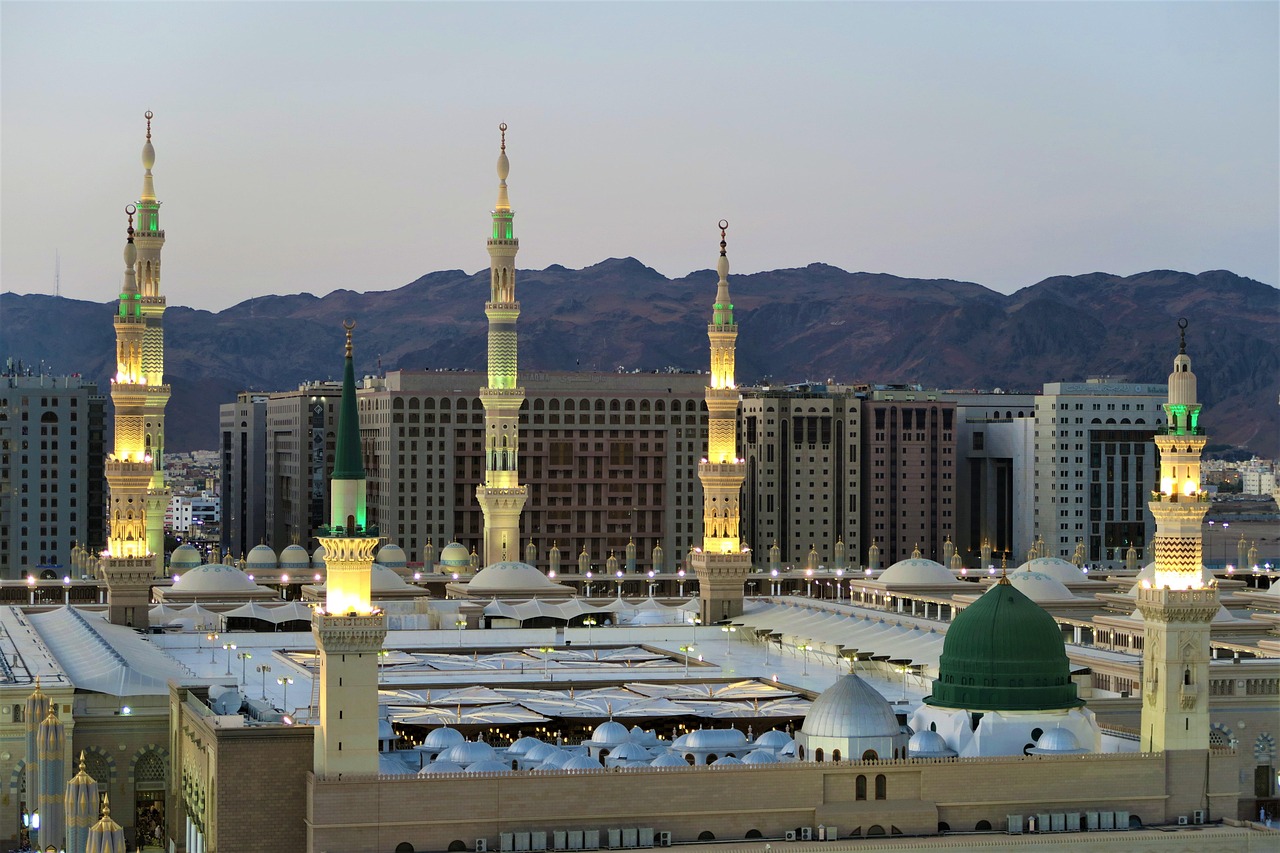
The mosque has expanded massively, but some things remain the same: the green dome marking the resting place of the Prophet (peace be upon him), the Ottoman-era calligraphy, and the astonishing sense of order even when tens of thousands gather at once.
What to do:
- Perform your prayers here as often as you can – it’s the anchor of any 3 days in Medina or more.
- Walk the perimeter after Maghrib, slowly circling the mosque, noticing the changes in architecture between older and newer sections.
- Sit on the outer marble with a small flask of tea in the evenings; it’s one of the simplest but most beautiful experiences in Medina.
Practical tips:
- Dress code is conservative: loose, modest clothing. Women generally wear abaya and headscarf; men long trousers and covered shoulders.
- Shoes go in plastic bags you can carry, or you can leave them on shelves by the entrance (take a mental photo of where you left them).
- Use official apps and signage for prayer hall entrances; women’s sections are clearly marked and well-organized.
2. The Rawdah and the Green Dome
The Rawdah – the area between the Prophet’s pulpit and his house – is described in Islamic tradition as a garden from the gardens of Paradise. It’s also one of the busiest, most emotionally intense areas in the mosque. My first visit, I went in without a plan and spent more time being shuffled around than in quiet worship. The second and third visits were very different because I understood the system.
In 2026, entry to the Rawdah is still organized via the Nusuk app (or its current equivalent) with timed slots for men and women, which has made things much smoother.
What it’s like: You enter in small batches, guided by security staff. The carpet changes color to a light green in the Rawdah area. People are emotional – some cry, some stand quietly, some try to pray as many rak’ahs as possible. My advice: pray two short rak’ahs, make your du’a calmly, then step aside so others can have their moment.
Tips for visiting the Rawdah:
- Book early: As soon as your Medina dates are fixed, check for Rawdah slots. Early morning or late-night slots tend to be a bit calmer.
- Travel light: Avoid bringing large bags; you’ll move more easily.
- Adjust expectations: It may be crowded and you might be moved along quickly; the key is intention, not how many minutes you stay.
After your visit, I like to step outside, stand where the green dome is fully visible, and just look up quietly for a minute. In a city full of movement, this is one of the stillest inner moments you’ll have.
3. Jannat al-Baqi Cemetery
Across the eastern wall of the Prophet’s Mosque lies Jannat al-Baqi, the ancient cemetery where many of the Prophet’s family and companions are buried. It’s stark, simple, and deeply moving.
When I first walked along its perimeter after Fajr, a light fog sat over the graves and the call to prayer was still fading away. There’s a humbling clarity here: no lavish tombstones, just mounds of earth and simple markers.
Visiting notes:
- Non-residents typically view from outside the boundary; entry policies can vary over time.
- Come just after Fajr or before Maghrib; the light is softer and the area quieter.
- It’s a place for quiet reflection, not photography or loud conversations.
For many, walking along the fence of Baqi becomes a daily ritual during their stay, especially if you’re in Medina for 4 or 5 days and can build a gentle routine.
4. Quba Mosque
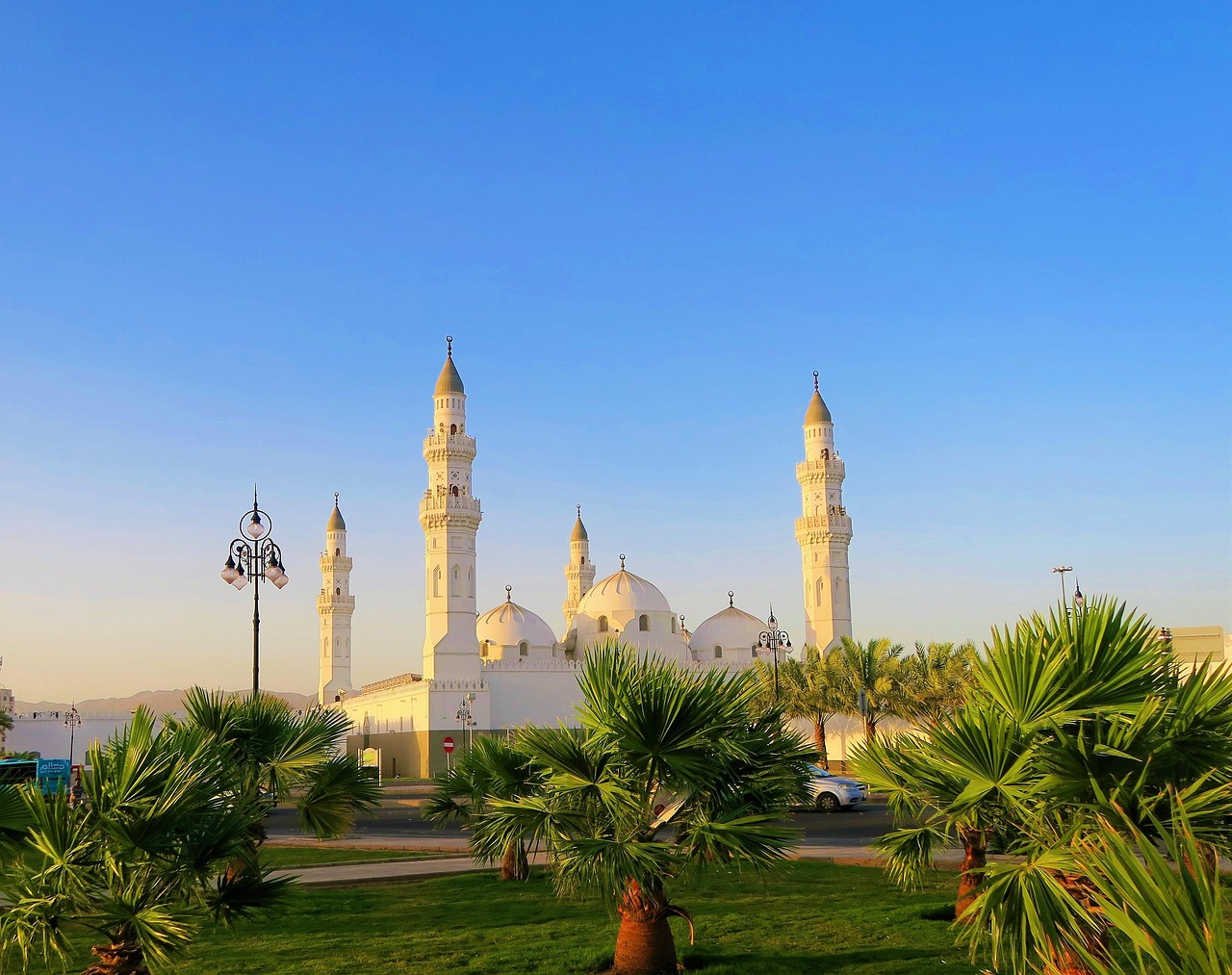
Quba was the first mosque built in Islam, and praying here carries a special reward in Islamic tradition. The mosque has been beautifully expanded, but the feeling of being slightly outside the central bustle of the Haram remains.
I like to come here mid-morning, after Fajr and a short rest, usually on my second day in the city. The drive from the Haram is 10–15 minutes. Many pilgrims combine Quba with a visit to Qiblatain and the Seven Mosques in one loop, but if you have 4 or 5 days in Medina, it’s worth giving Quba some slower time.
What to do:
- Pray two rak’ahs inside and sit for a while; the interior is calm and airy.
- Walk the outer courtyard; you’ll see families from across the world taking group photos and kids feeding birds.
- Explore the small shops and juice stands nearby – fresh pomegranate juice here on a winter morning in 2025 was one of my simple joys.
Tip: If budget is tight, skip the pricey taxis parked right at the mosque gate. Call a ride-hail app from the road just outside; you’ll save a noticeable amount across a few trips.
5. Masjid al-Qiblatain
Masjid al-Qiblatain – the Mosque of the Two Qiblas – marks the historic moment when the direction of prayer changed from Jerusalem to Mecca. Architecturally, it’s one of the more modern-looking mosques, with clean lines and a white façade, but the story it holds is ancient.
I usually visit in the late afternoon, when the sun is softer and the surrounding streets are quieter. Inside, sit for a few minutes and imagine how disorienting and awe-inspiring it must have been for the early Muslims to physically turn in prayer mid-rak’ah.
Practical tips:
- Combine with the Seven Mosques and Mount Sela for an easy half-day loop.
- There’s usually parking available if you’re renting a car, but watch for prayer-time congestion.
- Women’s sections are well signposted; staff are generally helpful if you look a bit lost.
6. Mount Uhud & Uhud Battlefield
Uhud is where Medina’s landscape and its history collide in the most powerful way. The red-brown mountain rises just north of the city, with the battlefield and martyrs’ cemetery at its base. I still remember my first visit around sunrise: cool air, almost no crowds, and a golden light hitting the mountain slopes.
What to experience:
- Walk along the open area facing the mountain, where guides often explain the positions of the archers and the flow of the battle.
- Climb a little up the rocky slope (within permitted areas) for a view over the martyrs’ cemetery and the city beyond.
- Visit the small market area afterward for dates, souvenirs, and fresh mint tea.
Best time: Early morning (just after sunrise) or late afternoon. Avoid midday in summer; the sun on the exposed ground is intense.
Family tip: Kids often enjoy clambering on the rocks and hearing the battle stories in simple language. Pair it with a stop at a nearby park for them to run around afterward.
7. The Seven Mosques (Sab’a Masajid)
Despite the name, the Seven Mosques are now mainly a complex of smaller historic mosques near the site of the Battle of the Trench (Khandaq). Over time, some have been rebuilt or merged, but the area still feels like stepping into a quieter, older corner of Medina.
When I last visited in 2024, the neighborhood felt almost like a village compared to the central districts – smaller shops, kids on bicycles, and fewer tourists. I like to wander between the mosques on foot rather than just hopping in and out for quick prayers.
Tips:
- Wear comfortable shoes; you’ll be walking up and down gentle slopes.
- Bring a reusable water bottle – shade is limited and it can get hot.
- Take your time; read the small informational signs if available, or listen to a podcast about the battle as you walk.
8. Hejaz Railway Station Museum
This is one of my personal favorite hidden gems in Medina, especially if you like history outside purely religious sites. The old Hejaz Railway Station was once part of a line connecting Damascus and Medina in the early 20th century. The preserved station, engines, and carriages now serve as a museum.
The first time I came here, on a hot afternoon, the site was nearly empty. I wandered between the old locomotives, reading the plaques and imagining what it must have been like to arrive in Medina by steam train a century ago.
What to see:
- Restored rail buildings with vintage equipment and photographs.
- Old locomotives and carriages, often a hit with kids and train fans.
- Occasional cultural events or exhibitions (check locally; schedules shift year to year).
Practicalities:
- Entry fees are usually modest or sometimes free as part of cultural initiatives.
- Combine this with a visit to nearby markets or a café; it’s not far from the city center.
9. Dar Al Madinah Museum
If you only visit one museum in Medina, make it Dar Al Madinah Museum. It’s an excellent, modern museum focusing on the city’s history, the Prophet’s life in Medina, and how the city evolved through the centuries. I’ve been three times now, and each time I discover new details in the scale models and historic photographs.
Highlights:
- Intricate models of old Medina, including the Prophet’s Mosque at different stages of expansion.
- Guided tours (often in Arabic and sometimes English) that bring the exhibits to life.
- Sections on Medina’s architecture, old neighborhoods, and social life.
Why it matters: Spending 1–2 hours here early in your trip makes every other site you visit feel richer, because you’ll understand the stories and geography better.
10. King Fahd Garden & Qurban Park
For a city so focused on spiritual journeys, Medina also has some surprisingly pleasant green spaces. King Fahd Garden and the broader Qurban Park area offer wide lawns, walking paths, and playgrounds – perfect for families or anyone needing a break from hotel rooms and marble courtyards.
I like to come here around sunset with take-away shawarma or grilled chicken, sit on the grass, and watch families gather for picnics. In cooler months, local joggers make loops around the park’s paths.
Family-friendly notes:
- Bring a picnic mat; grass can be slightly damp in winter evenings.
- There are basic food stalls and sometimes small rides for children.
- Check local schedules for weekend events or seasonal light displays.
11. Mount Sela & Old Battlefields
Mount Sela (Sala’) sits closer to the city center than Uhud and is associated with several early Islamic events, including parts of the Battle of the Trench. It’s smaller and less visited than Uhud, which is exactly why I like it.
On one late afternoon in 2023, a friend and I climbed partway up, then just sat watching the city lights begin to flicker on around the Haram. The call to Maghrib echoed against the rock, and for a few minutes everything felt suspended.
Notes:
- The climb is short but rocky; wear proper shoes.
- Be respectful of any restricted or signposted areas.
- Bring water and avoid climbing alone at night.
12. Medina Date Market (Souq Al-Tamr)
If you’re looking for local food in Medina beyond restaurants, the Medina Date Market is essential. Medina is famous for its dates, and the market is a fragrant, bustling hall of stalls piled high with every variety you can imagine: Ajwa, Sukkari, Safawi, Anbara, and more.
I’ve spent entire mornings here, moving from stall to stall, tasting little samples and haggling (gently). Sellers are used to visitors and often generous with tasters.
How to navigate:
- Walk through once before committing; compare prices and quality.
- Ask for vacuum packing if you’re flying out soon; they know airline rules well.
- Ajwa is the celebrity date, but don’t miss Sukkari if you like very soft, sweet dates.
Budget tip: Buying from the main date market is usually cheaper (and better quality) than the small souvenir shops around the Haram.
13. Aliat District & Modern Medina
The Aliat district, northwest of the Haram, is where you feel “modern Medina” most strongly: wider roads, coffee shops, mid-range restaurants, and some of the city’s better-value hotels. When I’m not staying directly by the Haram, I like basing myself here for a quieter local feel and then commuting to the mosque.
Why visit:
- To experience a more local side of life: kids going to school, office workers grabbing lunch, families shopping in non-touristy supermarkets.
- To find cheaper eats and groceries than the central zone.
- For an evening coffee or dessert away from the pilgrimage crowds.
14. Taiba Commercial Center & Central Souqs
Directly around the Haram, especially to the north and west, are the Taiba commercial complexes – modern shopping centers intertwined with traditional-style souqs. This is where you’ll find everything from gold jewelry and abayas to international fast food chains and small perfume shops.
Most evenings, after Isha, I drift through these corridors just to watch the spectacle: families carrying sleeping toddlers, pilgrims comparing prayer rugs, friends debating which baklava box to bring home.
Tips:
- Haggle gently in smaller, independent shops (especially for non-branded items).
- Check multiple shops for items like prayer beads, Quran stands, and modest clothing; quality and prices vary widely.
- For quick meals between prayers, these complexes are very convenient – but usually more expensive than spots a few streets away.
15. Knowledge Economic City & Museums
Knowledge Economic City (KEC) is an emerging development east of the traditional center, designed as a modern hub for education, business, and culture. By 2026, more of its planned museums, conference facilities, and public spaces are opening.
It’s a glimpse into Medina’s future: sleek buildings, open plazas, and a growing calendar of seminars and cultural exhibitions. If you’re on a longer 5 day itinerary for Medina or visiting for work, you may well end up here for an event or conference.
16. King Salman International Convention & Museum Area
As part of Saudi Arabia’s Vision 2030 push, Medina is gradually expanding its convention and cultural offerings. The King Salman International Convention and its surrounding area include exhibition halls, potential museum spaces, and landscaped plazas.
By late 2026 and 2027, more international conferences and Islamic heritage exhibitions are scheduled here. If you’re in Medina during one of these events, it can be an interesting way to blend a spiritual trip with professional or educational experiences.
17. Al Waha & Northern Parks
The Al Waha area and the northern parts of Medina include several newer parks and residential districts. They don’t appear on many “must-see” lists, but they’re where many locals actually live and relax.
On one evening walk in 2024, I ended up in a neighborhood park here with simple swings, families grilling corn, and boys playing football on a dusty field. It was one of those unspectacular but grounding moments that make you feel like you’ve briefly become part of the city instead of just passing through.
18. Medina Night Views & Hilltop Lookouts
Medina doesn’t have a classic “skyline” of skyscrapers, but several elevated spots – including parts of Mount Sela and roads on the city’s edge – offer lovely night views with the Haram’s minarets glowing in the distance.
On cooler winter nights, a local friend sometimes drives up to one of these vantage points with a thermos of tea. We park, roll down the windows, and just sit watching the city lights silently flicker. It’s simple and quietly romantic, ideal for couples or close friends who want a break from the crowds.
19. Surrounding Villages & Oasis Farms
Outside the city proper are small villages and date farms that show Medina’s agricultural side. These are less formal attractions and more “if you know, you know” experiences – usually requiring a local contact or arranged tour.
I’ve been lucky to visit a family-run date farm about 40 minutes outside Medina, where we sat under palm trees, drank fresh date juice, and watched workers meticulously hand-pollinate date flowers. It gave me a new appreciation for that box of dates you buy in the souq.
20. Modern Shopping Malls & Family Entertainment
While most visitors prioritize historical and religious sites, Medina also has modern malls with cinemas, food courts, and kids’ play areas. They’re useful on hot afternoons or if you’re traveling with children who need a break from sightseeing.
What to expect:
- International and local clothing brands.
- Family-oriented restaurants and dessert spots.
- Indoor play zones and sometimes VR or arcade games.
Don’t come here looking for unique souvenirs; come because you want air conditioning, a coffee, and a place where kids can run in circles without getting lost in a crowd of pilgrims.
Neighborhoods & Areas to Explore in Medina
Medina is more than the Haram area. If you have 4 or 5 days, venture into a few different districts to see how the city really lives.
Central Haram Zone
High-rise hotels, shopping complexes, and constant movement. Ideal if your priority is maximum time in the Prophet’s Mosque. Prices are higher, but convenience is unmatched.
Aliat & Northern Districts
More local vibe, mid-range hotels, and easy access to both the Haram and Uhud. Good for longer stays and those wanting a balance of spirituality and normal city life.
Quba & Southern Areas
Older residential neighborhoods, smaller local shops, and the Quba Mosque area. Great for a morning wander and breakfast in simple eateries.
Eastern Developments & Knowledge Economic City
Newer developments, cultural events, and business hotels. Less character for casual strolling, but important for conference visitors and long-stay travelers.
Itineraries: 3, 4 & 5 Days in Medina
Below are flexible outlines for 3 days in Medina, 4 days in Medina, and 5 days in Medina. Think of them as building blocks: you can compress, extend, or swap days depending on your energy, family needs, and prayer schedule.
3 Day Itinerary for Medina
If you only have 3 days in Medina, focus on the core: the Prophet’s Mosque, Quba, Uhud, and a taste of local food and markets.
Day 1: Settling In & First Encounters with the Prophet’s Mosque
Arrive, check into your hotel near the Haram if possible, and head straight to the mosque for your first prayer. Spend the rest of the day orienting yourself: learning the gates, women’s entrances, and nearby facilities. In the evening, walk through Taiba Commercial Center and have a simple dinner – think grilled chicken with rice or a shawarma plate.
Day 2: Quba, Qiblatain & the Seven Mosques
Start with Fajr at the Haram, then after a short rest, take a taxi to Quba Mosque. Pray there, enjoy a juice outside, then continue on to Masjid al-Qiblatain and the Seven Mosques area. Return to the Haram for Dhuhr and Asr, and in the evening visit the date market.
Day 3: Uhud & Last Moments in the Haram
Visit Mount Uhud early, before the heat and crowds. Walk the battlefield area, stop by a park on the way back if traveling with kids, and spend your final afternoon and evening in and around the Prophet’s Mosque, perhaps fitting in a museum visit if time allows.
4 Day Itinerary for Medina
With 4 days in Medina, you can add museums, parks, and quieter neighborhoods to your must-see attractions.
Day 1: Arrival & Haram Immersion
Similar to the 3-day plan, but slower: prioritize multiple prayers at the mosque, explore the courtyards, and get an evening coffee in a hotel lobby overlooking the Haram.
Day 2: Quba Loop & Southern Medina
Quba Mosque, nearby neighborhoods, and perhaps a short stop at a local bakery or simple breakfast spot. Return via the central souqs and rest in the afternoon before a long evening in the Haram.
Day 3: Uhud, Seven Mosques & Dar Al Madinah Museum
Combine Uhud early morning with a museum visit at Dar Al Madinah in the late morning or afternoon. Fit the Seven Mosques area either between them or another afternoon.
Day 4: Date Market, Parks & Hidden Corners
Spend a lazy morning at the date market, then an afternoon in a park like King Fahd Garden or Qurban Park. End with a final night walk around the Haram, soaking in the atmosphere.
5 Day Itinerary for Medina
With 5 days in Medina, you can follow all the above and add modern districts, day trips to farms, and more cultural experiences. This is my favorite length of stay: enough time to stop rushing.
Day 1: Arrival & Orientation
Check in, pray at the Haram, get your bearings. In the evening, walk the full perimeter of the mosque once, noticing each side’s character.
Day 2: Quba & Historic Mosques
Quba, Qiblatain, Seven Mosques. Relaxed pacing, with plenty of time for reflection and photos.
Day 3: Uhud & Dar Al Madinah Museum
Sunrise at Uhud, then a long museum visit. Evening in the Haram, perhaps aiming for a Rawdah slot depending on your booking.
Day 4: Local Life – Date Market, Parks & Aliat District
Morning date market, afternoon in a park, and dinner in a more local neighborhood like Aliat, with coffee at a modern café.
Day 5: Free Day & Optional Day Trip
Use this day for any missed sites, extra Rawdah visits, or a half-day trip to a nearby date farm or village if you can arrange it. Finish with a last long look at the green dome after Isha.
Best Local Food in Medina & Where to Eat
Food in Medina is hearty, comforting, and often shared from big platters. You’ll find both traditional Saudi dishes and influences from across the Muslim world.
Must-Try Dishes
- Mandi / Kabsa: Spiced rice with lamb or chicken, baked or cooked in underground ovens.
- Madghout: Pressure-cooked rice and meat, slightly different flavor profile from kabsa.
- Mutabbaq: Savory stuffed pancake, often with minced meat and vegetables – great street snack.
- Foul & Tamees: Fava bean stew with fluffy, hot bread – classic breakfast.
- Fresh Juices & Date Sweets: Especially around Quba and the date market.
Where I Like to Eat
Names and exact locations can shift, but look out for:
- Simple kabsa restaurants a few blocks from the Haram, where locals queue at lunchtime and platters come piled high.
- Small bakery-cafés near residential areas, with fresh tamees bread in the morning.
- Juice stalls around Quba and the date market – go for pomegranate in winter or mixed citrus in summer.
Money-saving tip: Share large dishes. One mandi platter often feeds two or three average eaters, especially at lunch.
Nightlife, Evening Vibes & Cultural Experiences in Medina
Medina’s “nightlife” is not about clubs or bars. Evenings revolve around the mosque, family promenades, and quiet socializing.
Evening Activities
- Post-Isha walks around the Haram plazas, with tea or coffee from kiosks.
- Mall visits for families – food courts, cinemas, and kids’ play zones.
- Parks at night in cooler months, with picnics and simple street food.
- Cultural talks at museums or conference centers during special events (often advertised locally).
For couples, a slow walk from your hotel to a slightly more distant café, then back under the glow of the minarets, can be quietly romantic without breaking cultural norms.
Day Trips & Nearby Attractions from Medina
If you have 5 days in Medina or are returning for a second visit, consider a few half- or full-day trips:
- Desert & Mountain Drives: Arranged through local tour operators, often including dune views, sunset stops, and simple camp-style meals.
- Date Farms: Visits to working farms with tastings, usually within 30–60 minutes of the city.
- Nearby Villages: To see traditional architecture and rural life; best done with a local guide or driver.
Always carry water, sun protection, and confirm return times with your driver. Distances look short on the map but can feel long in the heat.
Medina in 2026–2027: Events & What’s New
As of 2026, Medina continues to see upgrades in transport, hospitality, and cultural offerings.
Key Trends & Events
- Expanded Museum Programs: Dar Al Madinah and new heritage centers hosting rotating exhibitions on Islamic history and Medina’s urban evolution.
- Conference Growth: More international Islamic studies, history, and technology conferences at convention venues, especially in 2026–2027.
- Infrastructure Improvements: Better pedestrian zones around the Haram, improved signage in multiple languages, and ongoing hotel expansions.
Event dates change yearly; check official tourism and Nusuk platforms for exact 2026–2027 schedules when planning.
Practical Travel Tips for Medina
Getting Around
- On foot: Around the Haram, walking is often fastest.
- Ride-hail apps: Careem and Uber are the easiest way to reach Uhud, Quba, and further neighborhoods.
- Public transport: Limited but improving; bus routes can be useful if you’re staying longer and on a tight budget.
- Car rental: Possible with an international driving license (check latest regulations); traffic is manageable but parking near the Haram is challenging.
Money-Saving Strategies
- Stay a few blocks off the Haram if you don’t need direct views; prices drop quickly with distance.
- Eat at local restaurants used by residents, not just hotel buffets.
- Buy water, snacks, and basics from supermarkets in residential areas rather than tourist kiosks.
SIM Cards & Connectivity
- Major providers include STC, Mobily, and Zain; all have kiosks at airports and in the city.
- Bring your passport for SIM registration.
- Data is generally fast and reliable; consider a package covering your full stay, especially if using ride-hail apps frequently.
Visa Requirements
Saudi Arabia offers various visa types, including e-visas and tourist visas for many nationalities, as well as pilgrimage visas. Requirements and eligible countries change, so check the official Saudi e-visa portal or embassy site before booking.
Driving & Licenses
Foreign driving licenses are often accepted with an International Driving Permit (IDP), but always confirm with your rental agency and check current regulations. Driving is generally orderly but fast on main roads.
Cultural Etiquette & Local Customs in Medina
- Dress modestly: Loose clothing covering shoulders and knees; abaya and headscarf for women in most public areas.
- Respect prayer times: Many shops close briefly; expect slower service and plan meals accordingly.
- Gender norms: Separate family and single men’s areas in many restaurants; follow signs and staff directions.
- Photography: Avoid taking photos of people without permission, especially women and around prayer areas.
- Public behavior: Keep displays of affection private; speak softly in and around mosques.
Best Seasons to Visit & Weather
- October to March: Best overall – cooler temperatures, pleasant evenings, ideal for outdoor visits to Uhud and parks.
- April & September: Transitional months; can be warm but manageable.
- May to August: Very hot; plan mostly indoor activities and mosque visits, and avoid midday outings.
Summary & Final Recommendations
Medina is a city that reveals itself slowly. On your first arrival, everything may feel centered on the Prophet’s Mosque – and that’s exactly as it should be. But if you give yourself even a little extra time, a 4 or 5 day itinerary for Medina begins to fill with parks, museums, quiet hills, date markets, and neighborhood walks that turn a pilgrimage into a rounded journey.
Key takeaways:
- Anchor each day around prayers at the Prophet’s Mosque, then build short excursions outward.
- For 3 days in Medina, focus on the Haram, Quba, Uhud, and the date market.
- For 4 days in Medina, add museums, parks, and more time in local neighborhoods.
- For 5 days in Medina, include day trips, modern districts, and multiple visits to favorite spots.
- Visit between October and March if you can, for comfortable weather and long, pleasant evenings.
Above all, don’t rush. Sit on the marble after Fajr, sip tea near Quba, watch children chase each other in a park at sunset, and let Medina’s quiet, steady rhythm work its way into you. That’s when the city moves from a place you visited to a place you’ll always want to come back to.