Why Visit Busan? My Honest Answer as a (Basically) Local
I still remember the first time I rolled into Busan’s Busan Station on the KTX, the train doors opening to that unmistakable mix of salty sea air, roasting chestnuts, and distant seagulls arguing over someone’s leftover tteokbokki. I’d come “for a weekend” from Seoul. I stayed for a month. Since then, I’ve been back more times than I can count, and every visit feels like a slightly different city.
Busan is South Korea’s second city, but it doesn’t feel like “second” anything. It’s a mash‑up of golden beaches, neon ports, mountain temples, grungy alleys, fishing villages, high-end coffee bars, and quiet, misty hillsides that all somehow work together. You can spend the morning hiking to a cliffside temple, the afternoon slurping sashimi by the sea, and the evening cocktail-hopping among skyscrapers facing the ocean.
Compared to Seoul, Busan is more relaxed, more salty (in every sense), and more direct. People talk louder, laugh bigger, and the city’s rhythm is tied to the tide. It’s a place where you can:
- Plan a 3 day itinerary for Busan and hit the biggest highlights without rushing.
- Slow down with 4 days in Busan to add hidden gems, hikes, and neighborhoods.
- Really sink into local life with a 5 day itinerary for Busan that mixes famous sights with everyday markets, mom-and-pop eateries, and quiet backstreets.
This travel guide for Busan is written the way I actually experience the city: beach sand still stuck between my toes, a bag of hot fishcakes in hand, sunscreen half-rubbed in, and a vague plan that always gets happily derailed by something delicious.
Table of Contents
- Why Visit Busan?
- Busan at a Glance (2026 Snapshot)
- 3–5 Day Itineraries for Busan (With Personal Stories)
- 20 Must-See Attractions in Busan (Deep Dives)
- Neighborhoods & Districts to Explore
- Best Local Food in Busan & Where to Eat
- Nightlife, Entertainment & Cultural Experiences
- Best Day Trips from Busan
- Cultural Etiquette & Local Customs in Busan
- Practical Travel Advice for Busan (Money-Saving, SIM, Transport, Visas)
- When to Visit Busan & Seasonal Tips
- Major Events & Festivals in Busan 2026–2027
- Final Summary & Key Takeaways
Busan at a Glance (2026 Snapshot)
Busan (often written “Pusan” in older guides) is South Korea’s main port city and a major gateway to Japan and the wider Pacific. With around 3.4 million people, it’s big enough to be endlessly interesting but compact enough that you can get a strong feel for it in 3–5 days.
In 2026, Busan is in the middle of a quiet glow-up: new seaside promenades, upgraded metro stations, and more bilingual signage make it friendlier than ever for international visitors, while the core character—markets shouting, ajummas bargaining, fishermen repairing nets by the port—hasn’t gone anywhere.
3–5 Day Itineraries for Busan (With Personal Stories)
Below are flexible, experience-based itineraries. I’ll walk you through how I usually structure my own trips, with a balance of must-see attractions in Busan, hidden gems in Busan, and restful breaks so you don’t burn out.
4 Day Itinerary for Busan (My Personal “Just Right” Plan)
If you can spare it, 4 days in Busan is the sweet spot. You’ll have time for iconic beaches and temples plus quieter alleys and local markets.
Day 1: Haeundae, Beachfront Icons & Night Views
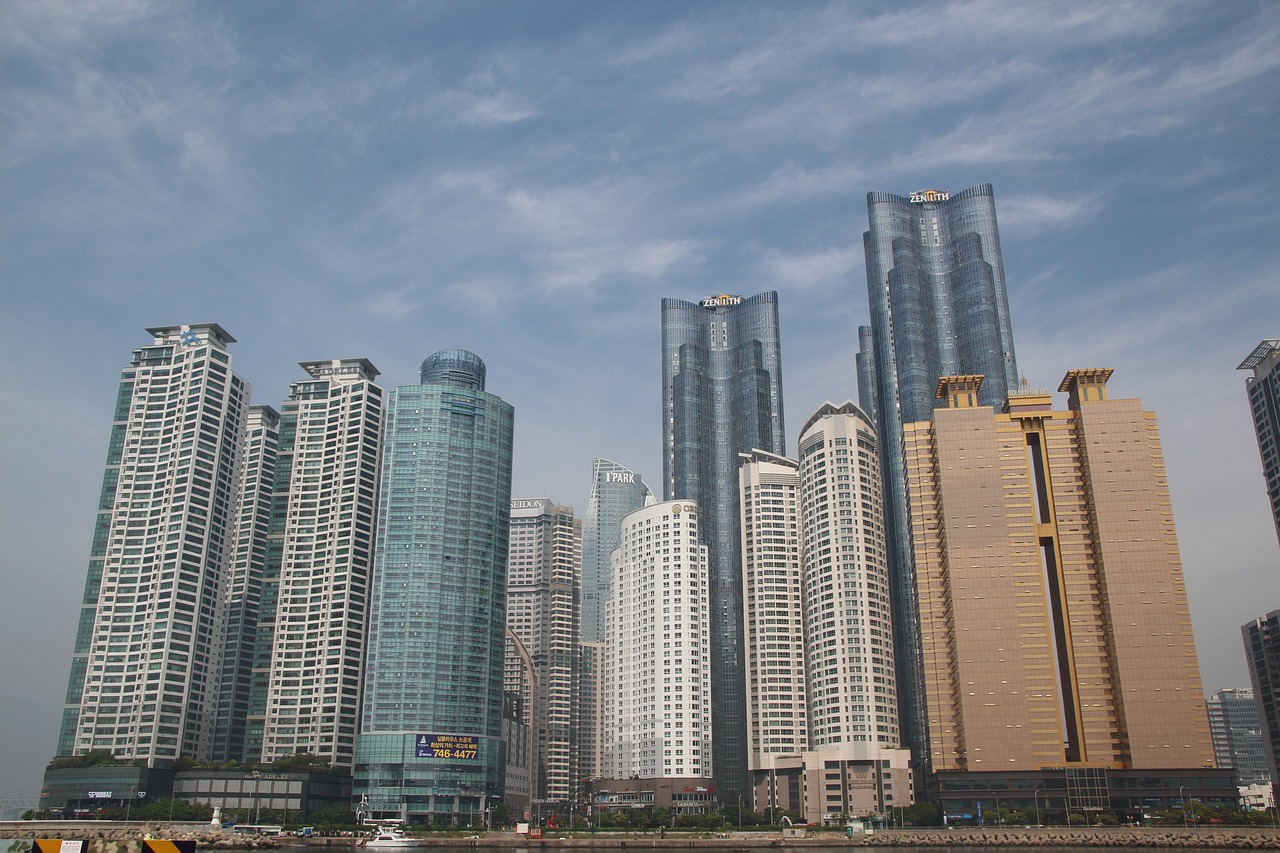
I like to start at Haeundae Beach, not because it’s a hidden gem (it’s absolutely not), but because it instantly tells you what Busan is about: sky, sea, skyscrapers, and snacks.
On my last trip in late spring, I checked into a small guesthouse behind the main Haeundae strip around 10 a.m., dropped my bag, and walked barefoot straight onto the sand. Even if you’re jetlagged, the combination of cool sea breeze and the sound of waves plus the odd speaker playing K-pop is an instant reset.
Spend your first few hours:
- Strolling the Haeundae beachfront promenade, watching parasols and paddleboarders.
- Grabbing a hot eomuk (fishcake) skewer from a street stall near the main entrance to the beach.
- People-watching at a cafe with a second-floor ocean view. I like the smaller independent ones tucked behind the main road more than the big chains.
By midday, head to the nearby Haeundae Traditional Market for lunch—more on this in the food section, but it’s one of the easiest places to try a variety of local food in Busan in one go.
In the late afternoon, I usually walk or take a short taxi ride to Dongbaekseom Island, now a peninsula at the western end of Haeundae Beach. The coastal path here wraps around rocky cliffs with pine trees leaning toward the sea. You get postcard views of the Gwangan Bridge in the distance and the curvy Busan APEC House building. It’s scenic without being strenuous—perfect for families or anyone still adjusting to the time zone.
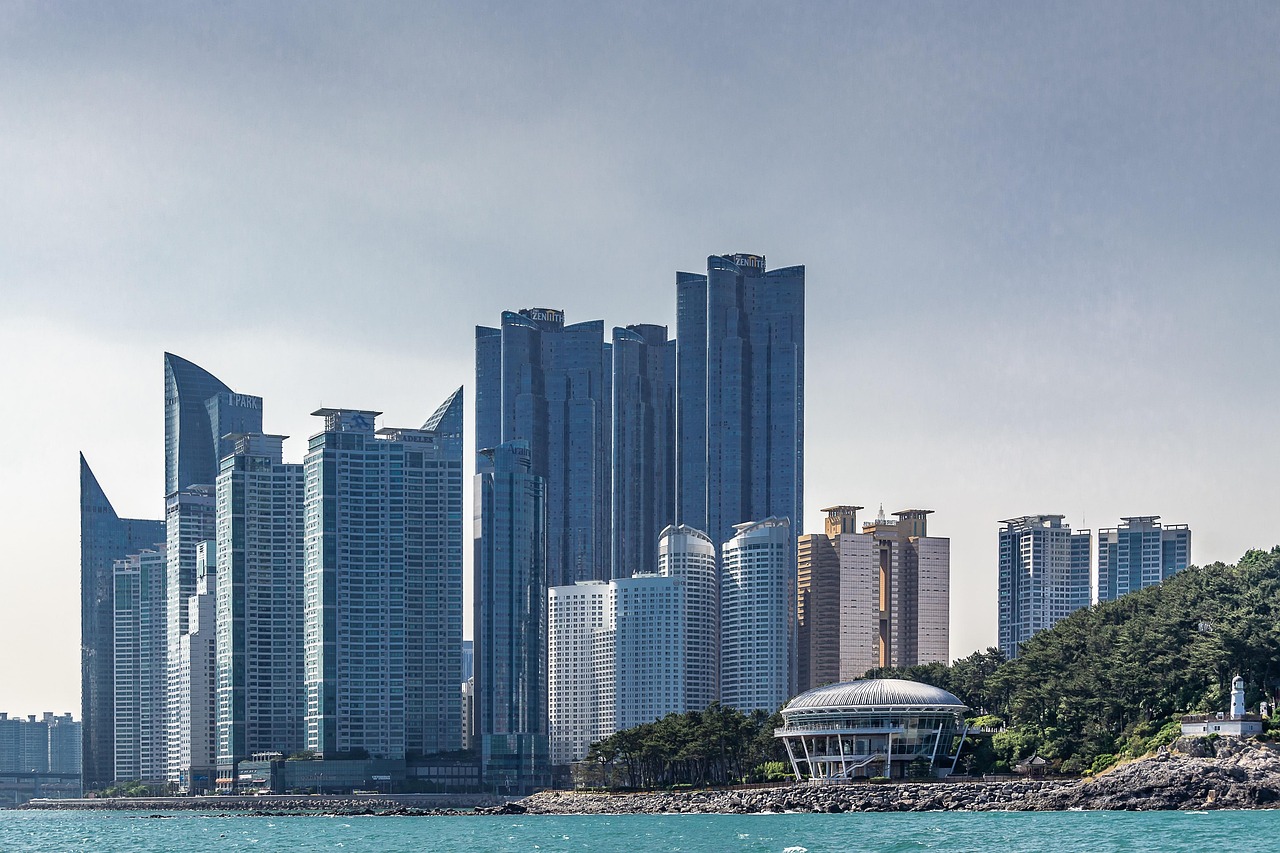
As the sun sets, I love hopping on a Haeundae night cruise or heading up to a rooftop bar in one of the beachfront towers. The moment when the city lights reflect on the dark water while you can still hear the waves below is when Busan starts to feel like a movie set.
Tips for Day 1:
- Family-friendly? Very. Haeundae has shallow sections, lifeguards in season, and kid-friendly cafes.
- Romantic? Walk Dongbaekseom at golden hour and book a window seat for a seafood dinner.
- Budget-saving: Skip the pricier cafes on the main drag; the alleys one or two blocks inland are cheaper and more local.
- Getting around: Use Haeundae Station (Line 2) as your base. Most spots are walkable from there.
Day 2: Temples, Cliffs & Fisherman Vibes
On Day 2 I usually wake up early for Haedong Yonggungsa Temple, Busan’s famous seaside temple. The first time I went, it was a misty spring morning in April, cherry blossoms dripping over stone steps. The path snakes down from the parking lot and suddenly opens to a view of the temple perched dramatically on the rocks, waves crashing below.
Yes, it’s popular. Yes, there will be tour buses. But if you arrive around 8–9 a.m. on a weekday, you can still find pockets of quiet—especially if you wander up the less-crowded side paths with small shrines and sea views.
After Yonggungsa, I recommend heading to Gijang, a slightly less touristy coastal area north of Haeundae known for its seafood markets and oceanfront cafes. On a recent visit, I spent an hour in a glass-walled cafe built almost on top of the rocks, sipping an iced Americano while waves thumped the shore below. It’s one of my go-to “I need to clear my head” spots in Busan.
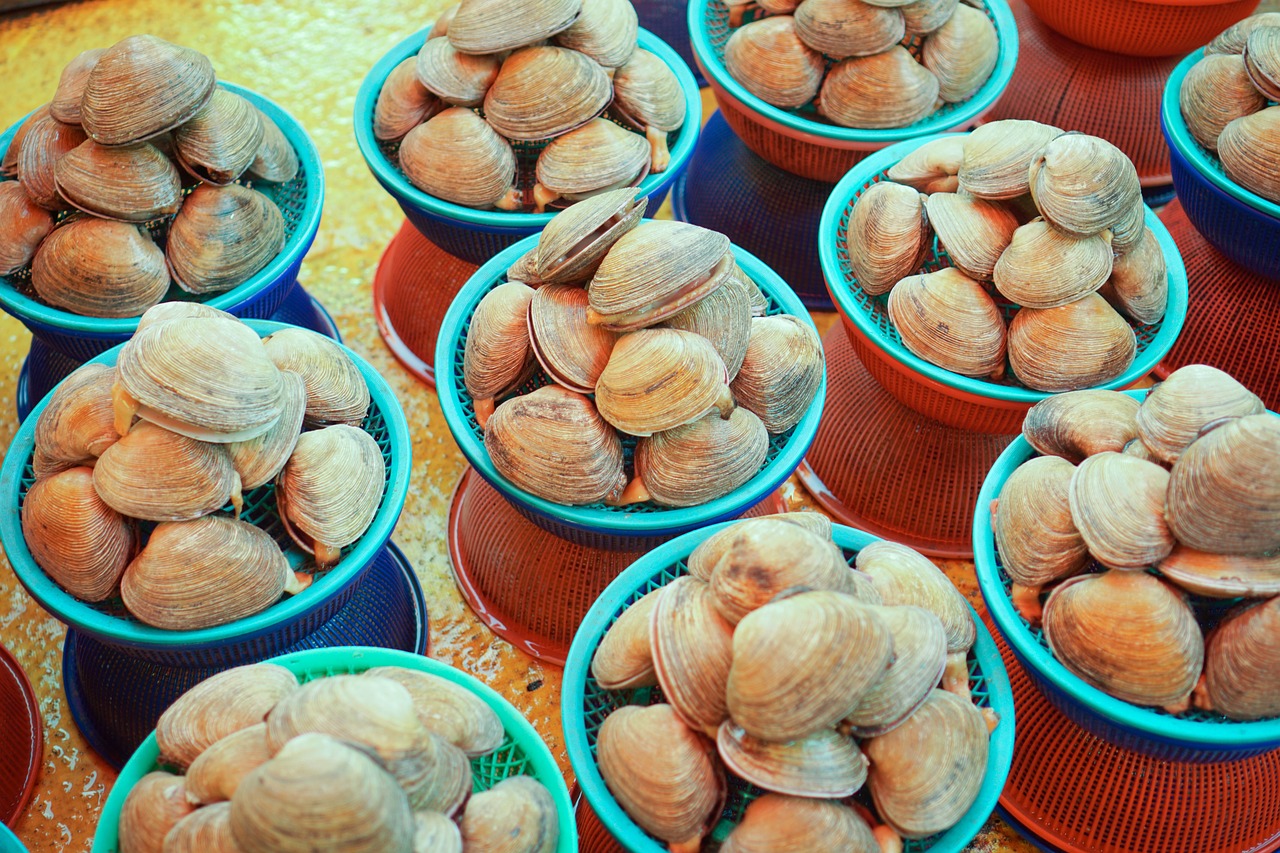
In the afternoon, make your way toward Jagalchi Fish Market and Nampo-dong (we’ll cover them deeply in the attractions section). This is the grittier, older side of Busan: stalls piled with live octopus, ajummas calling out deals, and the smell of the sea mingled with frying oil. I like to wander the market first, then head up to the restaurant floors above where you can bring your chosen fish and have it prepared.
Finish the day by drifting through BIFF Square and up to Yongdusan Park for Busan Tower views over the port. At night, the cranes and container ships are lit up in industrial neon—it’s not conventionally “pretty,” but it’s very Busan.
Day 3: Colorful Hills, Markets & Night Bridges
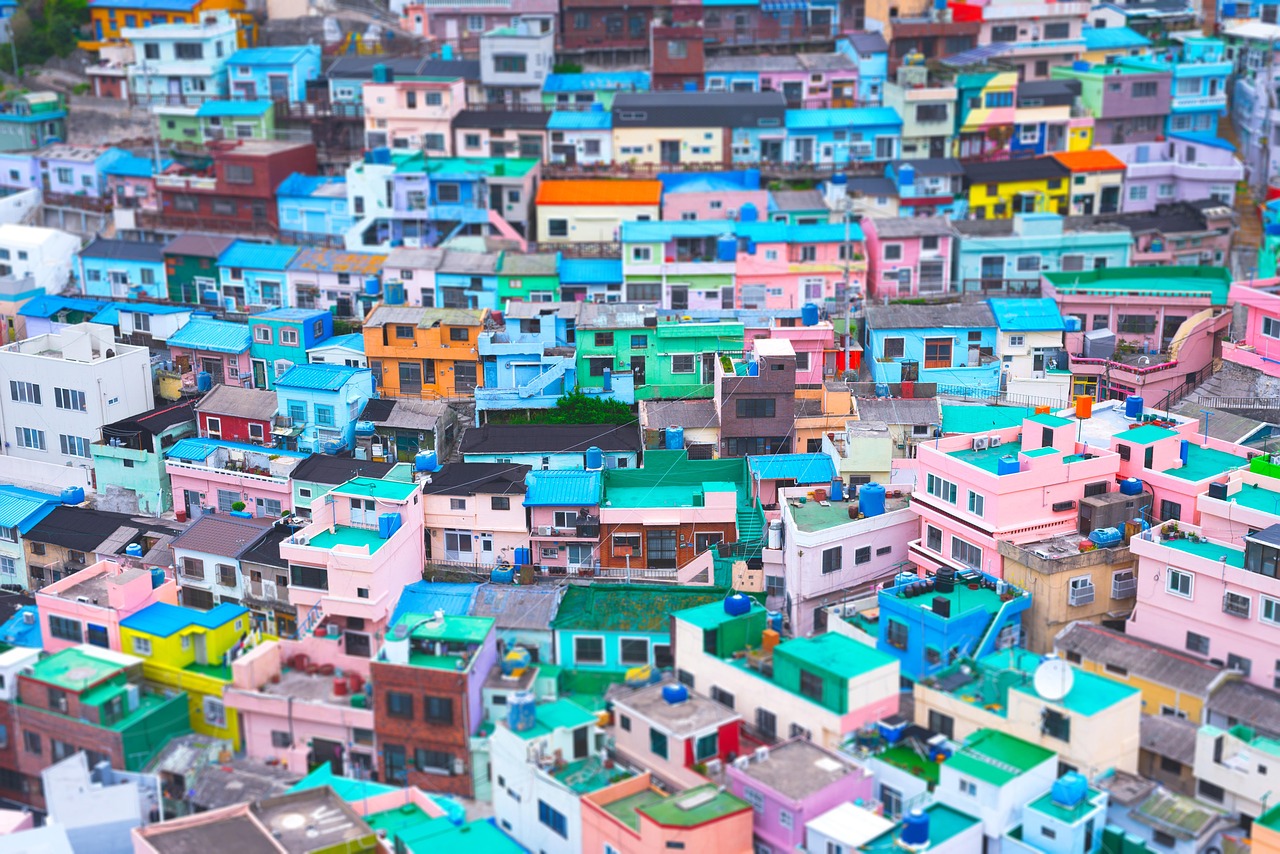
Day 3 usually starts at Gamcheon Culture Village, often called the “Machu Picchu of Busan” for its stacked hillside houses. The first time I visited, I got lost in the alleys and ended up sharing tangerines with an elderly local who laughed at my clumsy Korean and insisted I take a shortcut she drew on my map. That’s the kind of place Gamcheon is if you step one alley away from the main tourist art route.
Spend the morning exploring street art, tiny galleries, and cafes with rooftop terraces looking over the maze of pastel houses. It’s particularly great for photographers, couples, and anyone who likes wandering more than checking off sights.
In the afternoon, head back toward the city center to Gukje Market and Bosudong Book Alley. This is my personal favorite area for feeling Busan’s everyday pulse. You can thread your way through stalls selling everything from vintage cameras to army surplus gear, then duck into old bookshops stacked with yellowing paperbacks.
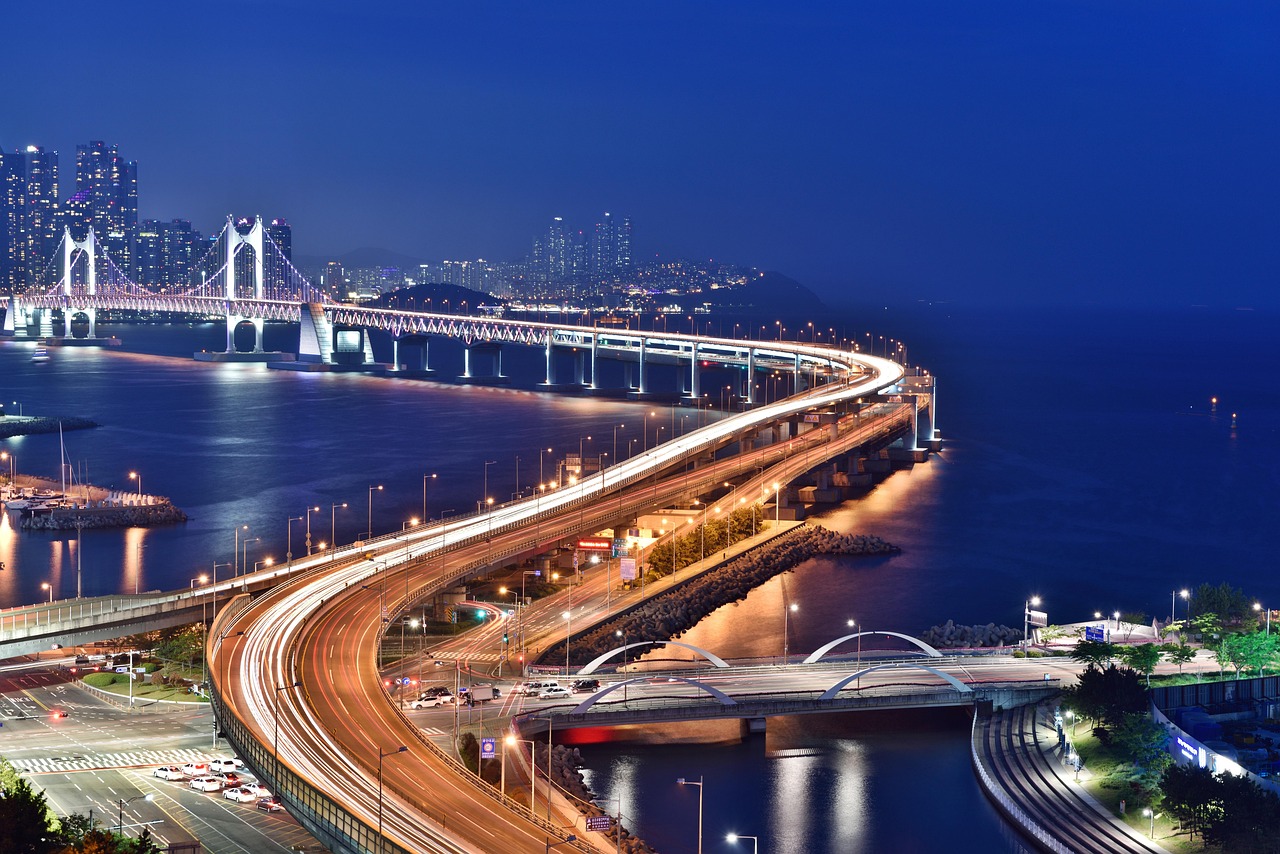
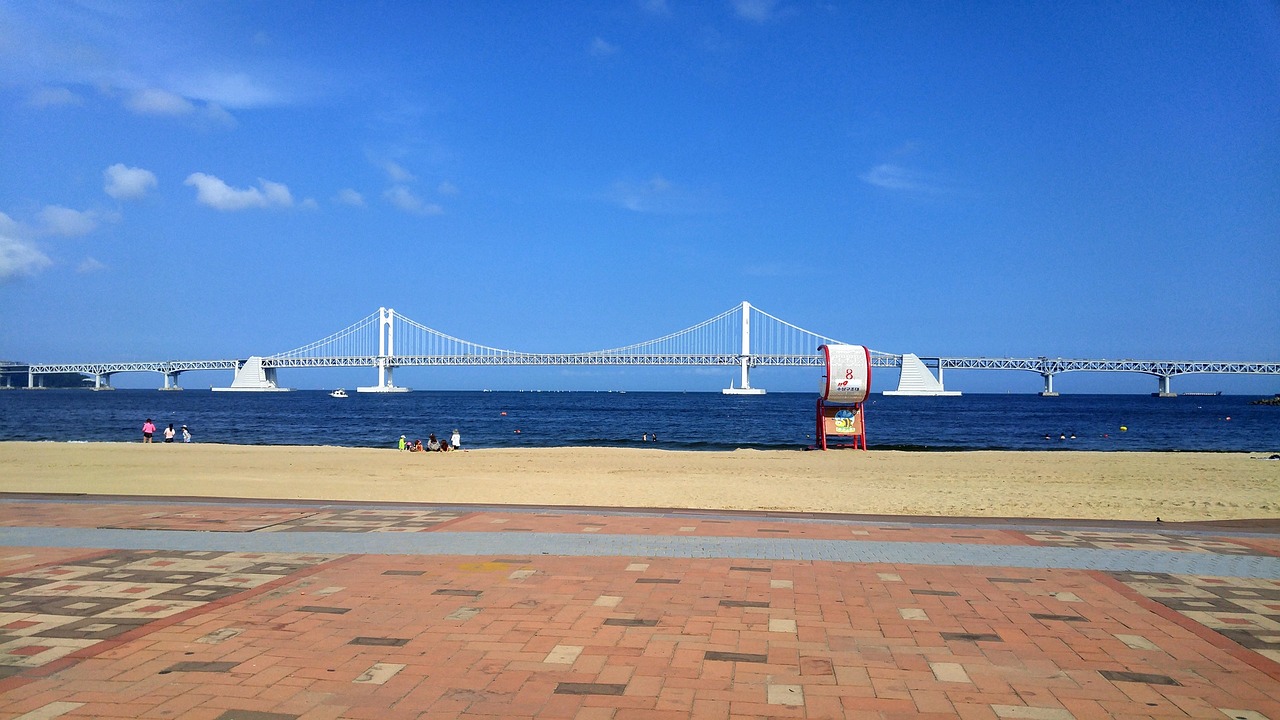
After a rest at your accommodation, make your way in the evening to Gwangalli Beach. While Haeundae is “the famous one,” Gwangalli is where I personally go most often. The sand feels softer, the vibe is more local, and at night the Gwangan Bridge lights up and changes colors while people sit on the beach with convenience store beers. It’s one of the best free shows in the city and feels effortlessly romantic without trying too hard.
Day 4: Mountains, Onsen-Style Baths & Neighborhood Wandering
For your last full day, I like to combine a bit of nature, some restorative soaking, and one or two neighborhoods you’ve missed.
Start with a hike or walk at Geumjeongsan (around Beomeosa Temple) or Igidae Coastal Walk depending on your energy level. Geumjeongsan’s fortress walls and forest trails make you forget you’re in a huge city; Igidae’s coastal path gives you jagged cliffs and skyline views with less climbing.
Afterward, reward your legs with a soak at one of Busan’s many jjimjilbang (Korean bathhouses). In Haeundae, SPA Land Centum City is the iconic choice: huge, modern, and attached to Shinsegae Centum City, one of the largest department stores in the world. I’ve lost entire afternoons there, rotating between hot pools, cold plunges, salt rooms, and nap zones.
End your trip with a slow wander through a neighborhood you haven’t properly explored yet—maybe Seomyeon for nightlife and street food, or back to Gwangalli or Haeundae for a final seaside sunset. I like grabbing one last serving of hot tteokbokki from a street cart, walking without my phone out, and mentally bookmarking all the things I’ll “definitely do next time.”
3 Day Itinerary for Busan (Short but Sweet)
If you only have 3 days in Busan, prioritize the essentials:
- Day 1: Haeundae Beach, Dongbaekseom, Haeundae Market, evening drinks on the beach.
- Day 2: Haedong Yonggungsa Temple, Gijang or Centum City, Nampo-dong, Jagalchi Market, BIFF Square.
- Day 3: Gamcheon Culture Village, Gukje Market, Gwangalli Beach night views.
For a 3 day itinerary for Busan, pack lightly, start your days early, and use taxis strategically at night when metro frequencies drop. You’ll miss some of the deeper hikes and hidden corners, but you’ll still get a strong sense of the city.
5 Day Itinerary for Busan (Slow, Local, and Detailed)
If you’re lucky enough to have 5 days in Busan, your 5 day itinerary for Busan can include everything above plus:
- A full hiking day on Geumjeongsan or Jangsan.
- Extra time exploring lesser-known neighborhoods like Munhyeon, Daeyeon, or Suyeong.
- A dedicated cafe-hopping day along the coast in Gijang or Cheongsapo.
- More relaxed market browsing and multiple visits to your favorite spots (I often end up back at Gwangalli three times in five days).
For longer stays, consider a T-money or Cashbee transport card, pick one “home base” neighborhood, and live a bit like a local—same coffee shop each morning, same convenience store clerk who starts to recognize you.
20 Must-See Attractions in Busan (With Deep Dives & Personal Notes)
1. Haeundae Beach
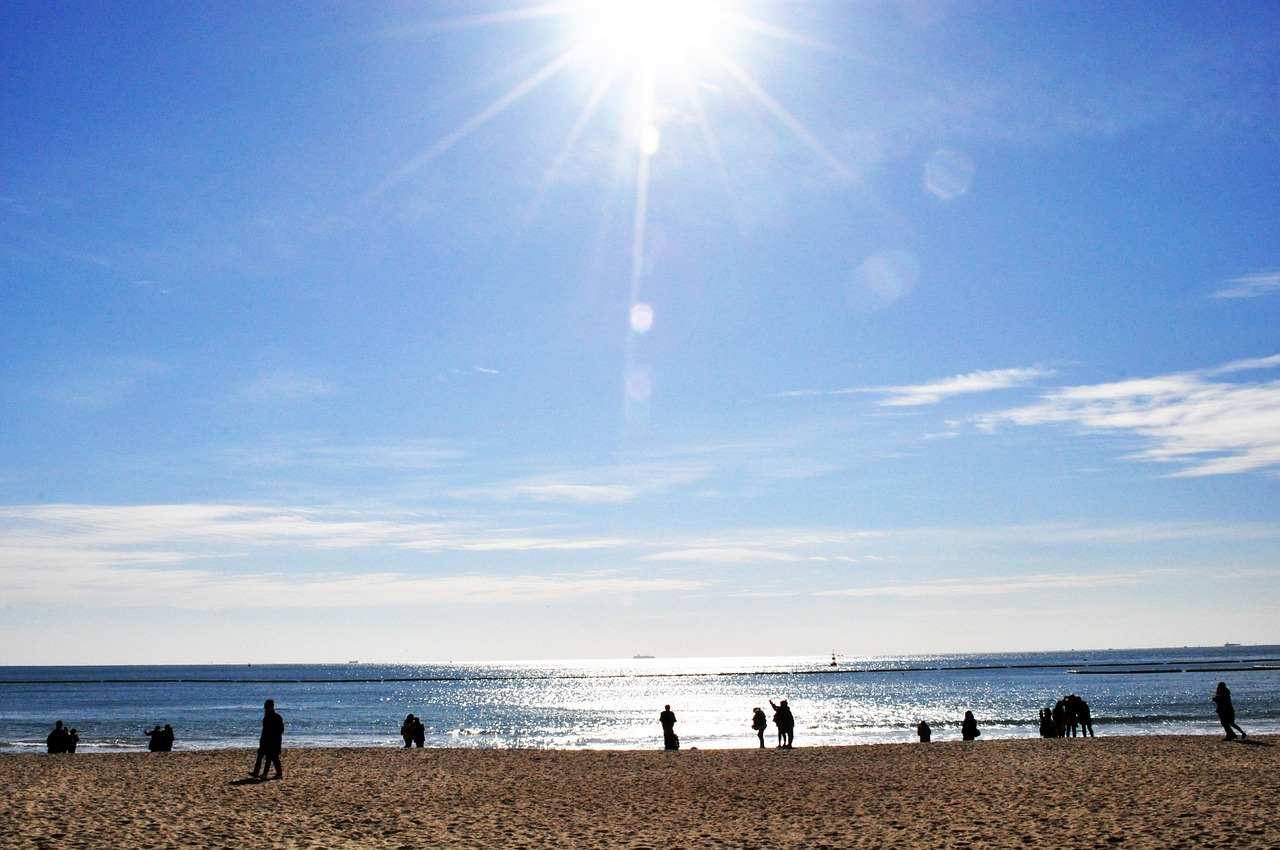
Why go: The most famous beach in Korea, a hub for summer festivals, fireworks, and people-watching.
History & vibe: Haeundae has been a beach resort since the early 20th century, but its big boom came in the last few decades as luxury hotels and apartment towers sprouted along the shore. In summer, it’s packed with umbrellas, inflatable tubes, and loudspeakers. In spring and autumn, it softens into a long, breezy, open space that feels almost contemplative in the mornings.
My experience: I’ve visited Haeundae in every season. My favorite memory is a chilly January morning when the sand was almost empty except for a few determined joggers and an old man feeding seagulls. I walked the length of the beach with a hot coffee and watched the sunrise burn through a gray sky while fishing boats came back into harbor.
What to do:
- Swim and sunbathe in summer (July–August), but arrive early to secure space.
- Walk the boardwalk and check out public art installations.
- Visit the Haeundae Traditional Market behind the main beachfront road for snacks and cheap meals.
- Try water sports like paddleboarding or kayaking (various operators on the beach).
Food tip: A few alleys back from the beach are tiny spots selling gukbap (rice soup) and haemul pajeon (seafood pancakes). These are cheaper and more authentic than the big, glossy restaurants on the main street.
How to get there: Metro Line 2 to Haeundae Station, Exit 5 or 7, then walk 5–10 minutes straight down.
2. Gwangalli Beach & Gwangan Bridge
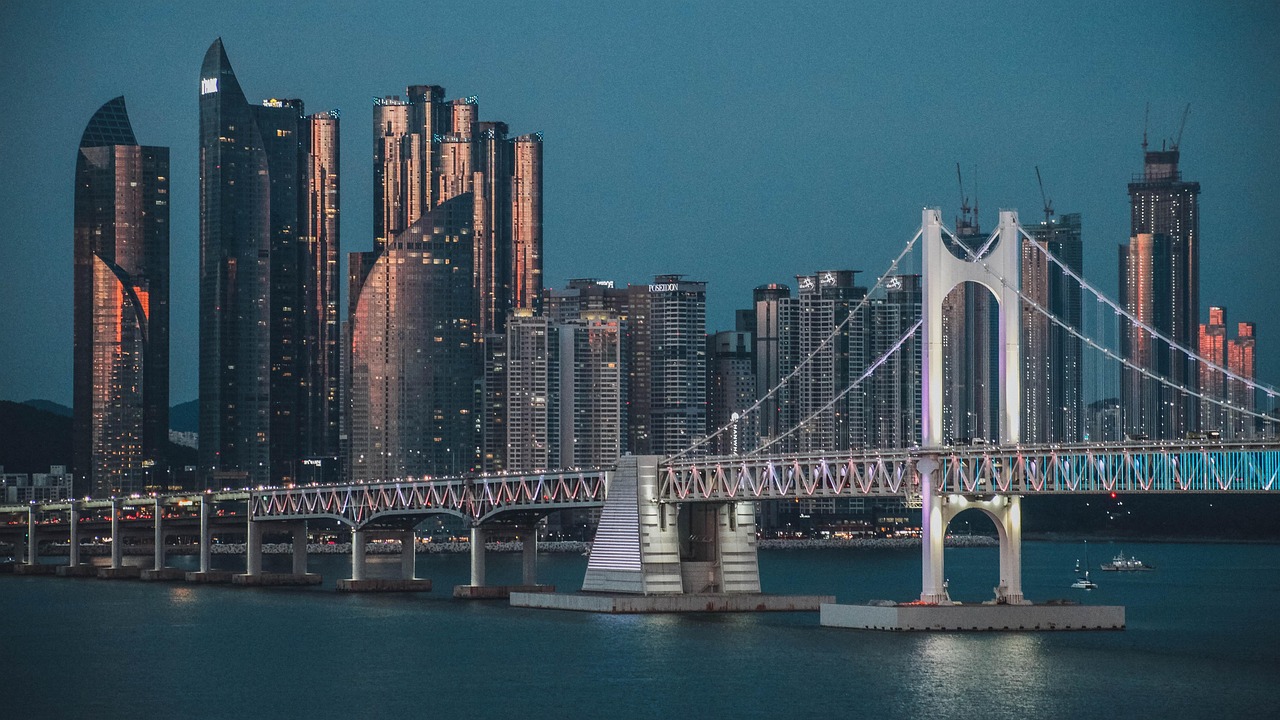
Why go: The most atmospheric night view in Busan, with the illuminated Gwangan Bridge stretching over the water like a luminous spine.
My experience: Gwangalli is where I go when I need to remember why I love Busan. One summer night, a friend and I sat on the sand with convenience store beers and kimbap, watching the bridge lights change color while a busker quietly played guitar behind us. It was simple, imperfect (some kids were loudly flying drones), and perfect.
What to do:
- Walk the crescent-shaped beach at dusk, then settle in for the light show.
- Check out the rows of cafes and bars across from the sand—many have floor-to-ceiling windows facing the bridge.
- Try stand-up paddleboarding or kayaking under the bridge in summer.
Family vs. couples: Families love the soft sand and shallow water; couples love the night views and bars. There’s space for both.
How to get there: Metro Line 2 to Gwangan Station, Exit 5, then walk about 10 minutes straight down to the water.
3. Haedong Yonggungsa Temple
Why go: One of the few temples in Korea built directly on the seaside cliffs; iconic and photogenic.
History: Originally built in 1376 during the Goryeo Dynasty and later restored, Haedong Yonggungsa is dedicated to the Goddess of Mercy. Locals come to pray for everything from exam success to safe travels.
My experience: I once visited during Buddha’s Birthday in May, when the temple was draped in thousands of colorful lanterns. The contrast between bright lanterns, gray sea, and white waves was surreal. I still remember the sound of chanting echoing off the rocks below.
Tips:
- Arrive early (before 9 a.m.) to avoid the bus crowds.
- Wear good shoes for steep stone steps; they can be slippery when wet.
- Respect the prayer halls—no loud talking or intrusive photos inside.
How to get there: From Haeundae Station (Line 2), take bus 181 toward Yonggungsa. Get off at the temple stop and walk 10 minutes down the road.
4. Jagalchi Fish Market
Why go: The beating, fishy heart of Busan and a must-see attraction if you’re into seafood or markets.
History & vibe: Jagalchi dates back to the Korean War era, when mostly female fish vendors (the famous jagalchi ajumma) dominated the trade. Today, the market has both modern indoor halls and old-school outdoor rows of tanks and stalls.
My experience: The first time I walked through Jagalchi, a vendor grabbed my sleeve (gently) and insisted I try a raw clam slice dipped in gochujang. I was hesitant; she laughed, popped a piece into her own mouth, then handed me another. It was briny, sweet, and shockingly good. That interaction set the tone: loud, direct, generous.
What to do:
- Browse the ground floor where live fish and shellfish splash in tanks.
- Head upstairs to the small restaurants where they’ll prepare your chosen seafood.
- Try hoe (raw fish), grilled clams, and seafood stews.
Budget tip: Prices can vary and there’s a bit of tourist markup; compare between stalls and don’t be afraid to politely ask for the price in advance.
How to get there: Metro Line 1 to Jagalchi Station, Exit 10, then a short walk toward the harbor.
5. Gukje Market
Why go: A sprawling, semi-chaotic market selling almost everything; one of the best places to feel everyday Busan life.
History: Gukje (meaning “international”) Market grew after the Korean War as refugees opened stalls to survive. That scrappy, layered history is still visible in the mishmash of goods and narrow passageways.
My experience: I love wandering here without any shopping list, letting my nose and curiosity steer me: frying mandu on one corner, old vinyl records on another, cheap clothes, phone chargers, and then suddenly a stall selling handmade soap. On one trip I found a tiny stand selling old Korean movie posters and spent half an hour chatting with the owner about Busan in the 1980s.
What to do:
- Snack your way through the food alleys: hotteok (syrup-filled pancakes), tteokbokki, mandu.
- Pick up souvenirs like socks, keychains, or local snacks at non-touristy prices.
- Combine with nearby BIFF Square and Bosudong Book Alley.
6. Gamcheon Culture Village
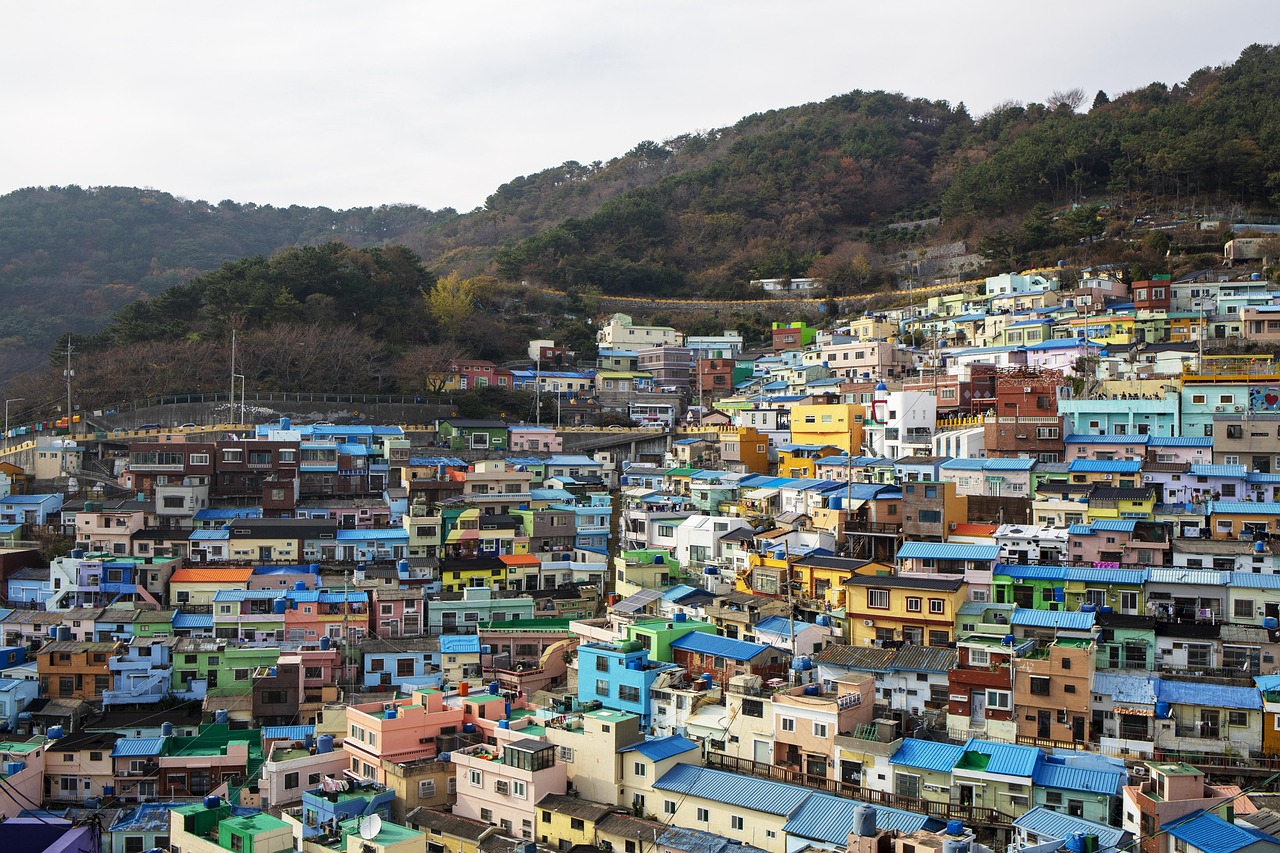
Why go: One of Busan’s most photogenic neighborhoods: pastel houses, murals, art installations, and maze-like alleys.
History: Gamcheon was originally a poor hillside settlement for refugees, later revitalized as an art project in 2009. Local residents still live here, running small cafes and shops alongside the art spaces.
My experience: I’ve been three times and each visit feels different because I always take a new set of stairs or side streets. Once I ducked into a mini gallery run by a retired teacher who now paints the village from memory; we ended up talking about how the area changed since his childhood.
Tips:
- Buy the small map at the entrance; it includes stamp spots and recommended paths.
- Be respectful—this is still a residential area. Keep noise down and don’t point cameras directly into people’s homes.
- Wear comfortable shoes; many paths are steep.
How to get there: From Toseong Station (Line 1), take local bus Sakha 1 or 1-1 uphill to the village entrance.
7. Beomeosa Temple
Why go: A serene mountain temple complex with deep historical roots, less crowded than seaside Yonggungsa.
History: Founded in 678 during the Silla Kingdom, Beomeosa is one of Korea’s most important temples. The name means “Temple of the Nirvana Fish,” referencing a mythic golden fish that lived in the mountain’s spring.
My experience: On an autumn morning, I joined a temple stay program here, waking up before dawn to the sound of wooden moktak and low chanting. After the ceremony, I sipped barley tea in the courtyard while fog slowly burned off the mountain slopes. It felt like a world away from neon Busan—even though it’s still within city limits.
What to do:
- Explore the main halls and pagodas quietly; read the English information boards for context.
- Take a short hike on the nearby forest trails or up toward the Geumjeongsanseong Fortress walls.
- Consider a temple stay if you want a cultural immersion (book ahead).
How to get there: Metro Line 1 to Beomeosa Station, Exit 5 or 7, then bus 90 up to the temple entrance.
8. BIFF Square
Why go: The heart of Busan’s film culture, filled with street food stalls, theaters, and celebrity handprints.
My experience: During the Busan International Film Festival one October, BIFF Square buzzed with indie filmmakers, volunteers in matching jackets, and lines forming around the block for screenings. Even outside festival season, it’s a lively hangout spot.
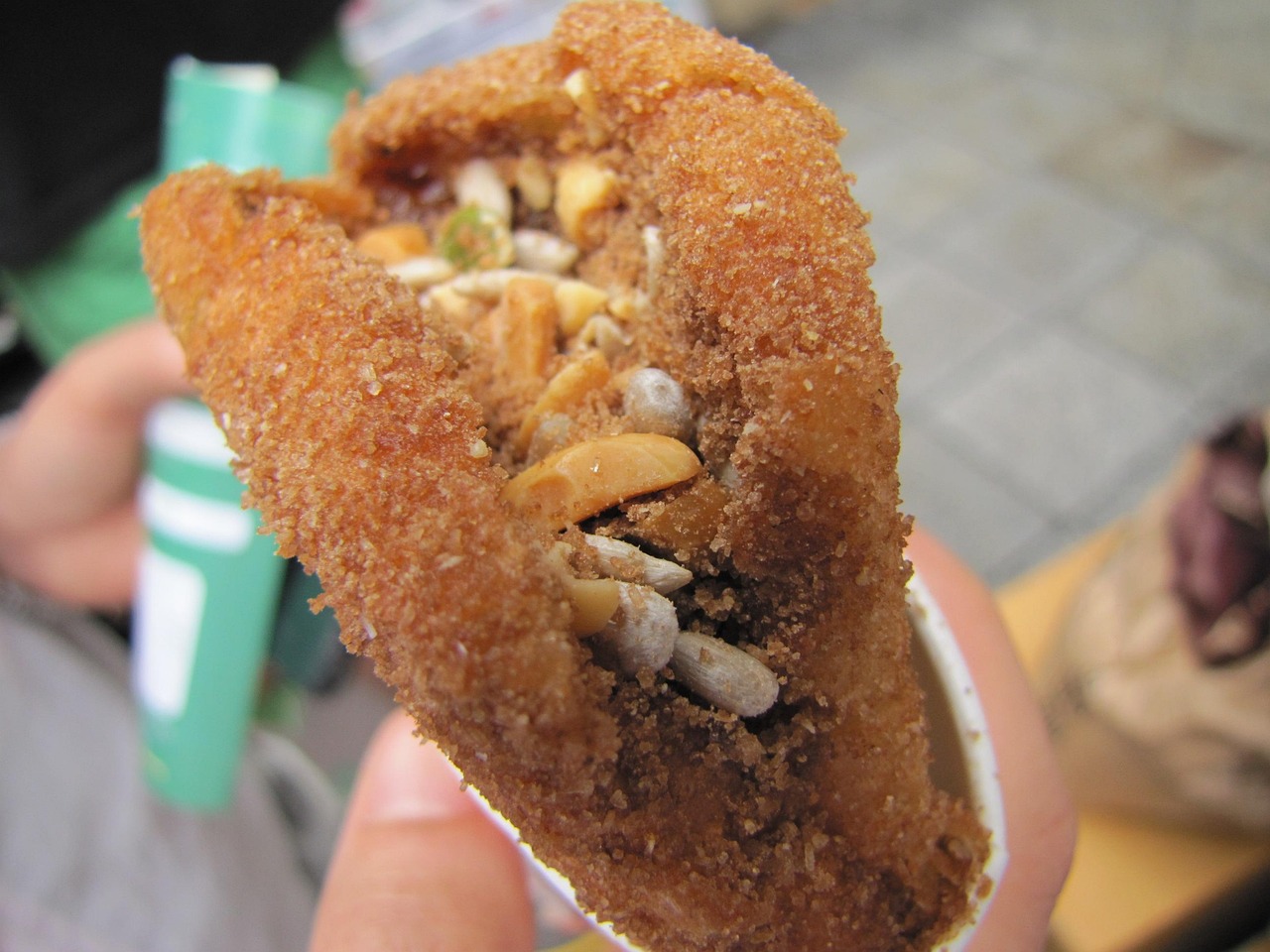
Must-try: The famous seed hotteok—crispy pancakes filled with brown sugar, seeds, and nuts. I once waited 20 minutes in line on a cold evening; it was absolutely worth it.
9. Yongdusan Park & Busan Tower
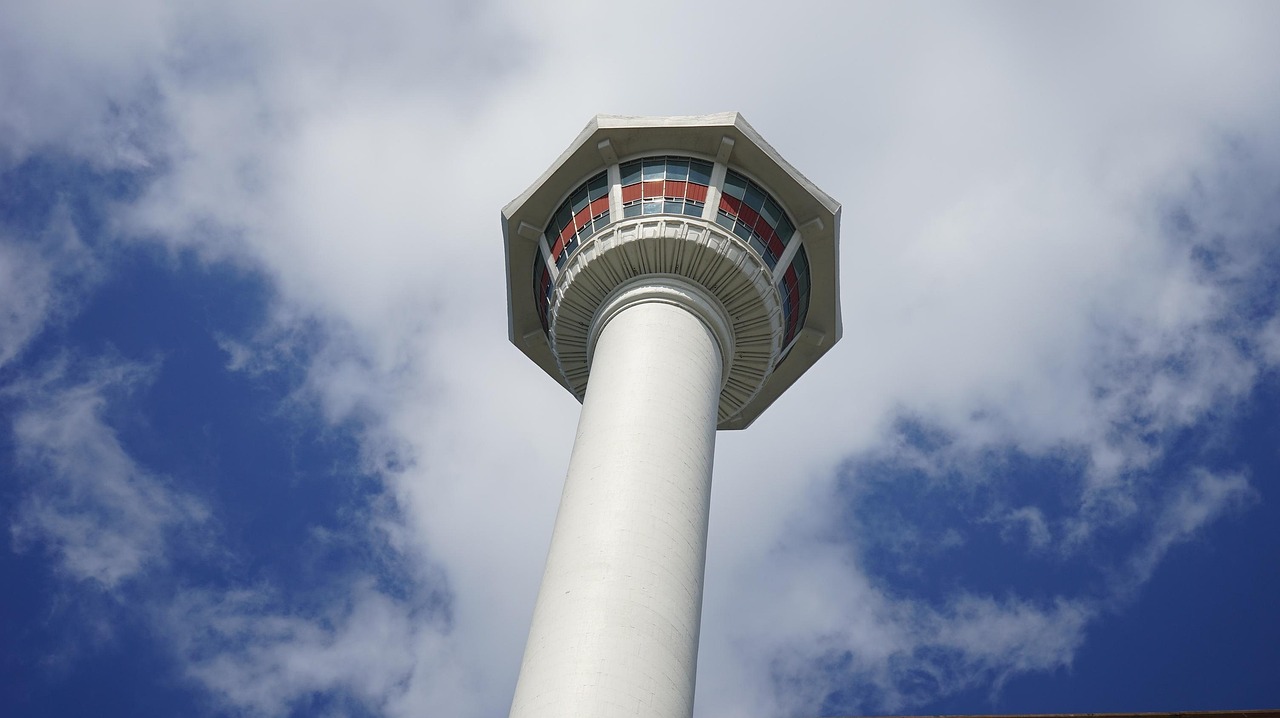
Why go: For panoramic views over the port, city, and surrounding hills; a good way to orient yourself.
My experience: I like going up around sunset, when the city lights start to twinkle and the ships in the harbor turn on their navigation lights. It’s not the tallest or flashiest tower in Asia, but the view feels personal—like you’re looking at Busan’s working soul.
10. Dongbaekseom Island & APEC House
Why go: For a peaceful coastal walk with views of Haeundae’s skyline, Gwangan Bridge, and pine-fringed cliffs.
My experience: I often come here right after arriving in Busan, when I need to shake off train stiffness. The wooden boardwalk, the sound of waves, and the smell of pine instantly switch my brain into “Busan mode.”
11. Songdo Beach & Songdo Skywalk
Why go: A glass-floored walkway that curves over the sea with views back to the beach; fun and slightly thrilling.
My experience: I brought a friend who’s mildly afraid of heights; she laughed and clung to the rail while kids raced past. The views are worth the mild adrenaline spike, especially at sunset.
12. Igidae Coastal Walk
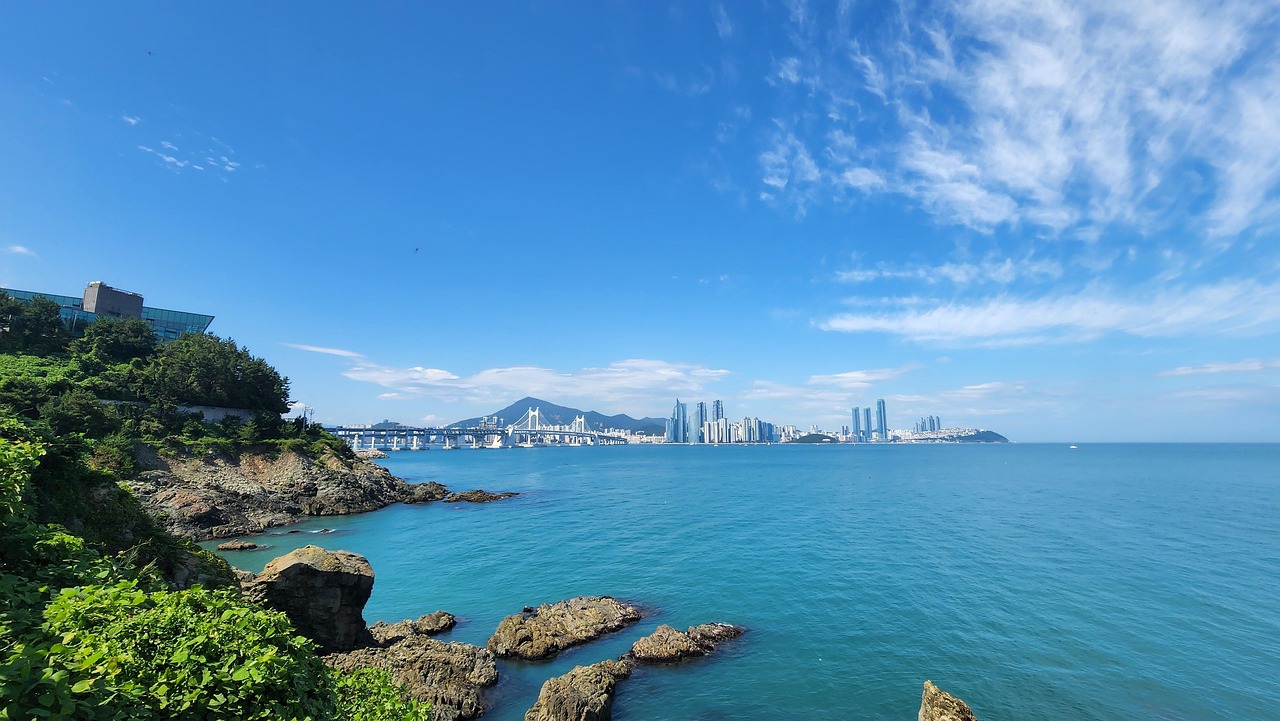
Why go: For rugged cliffs, forested paths, and sweeping views of the Marine City skyline and Gwangan Bridge.
My experience: One spring afternoon, I hiked from Igidae’s entrance toward Oryukdo, stopping at overlooks where fishermen cast lines from improbable rocky perches. It’s my favorite free “wow” hike in the city—challenging enough to feel like an adventure but accessible to most reasonably fit people.
13. Oryukdo Skywalk
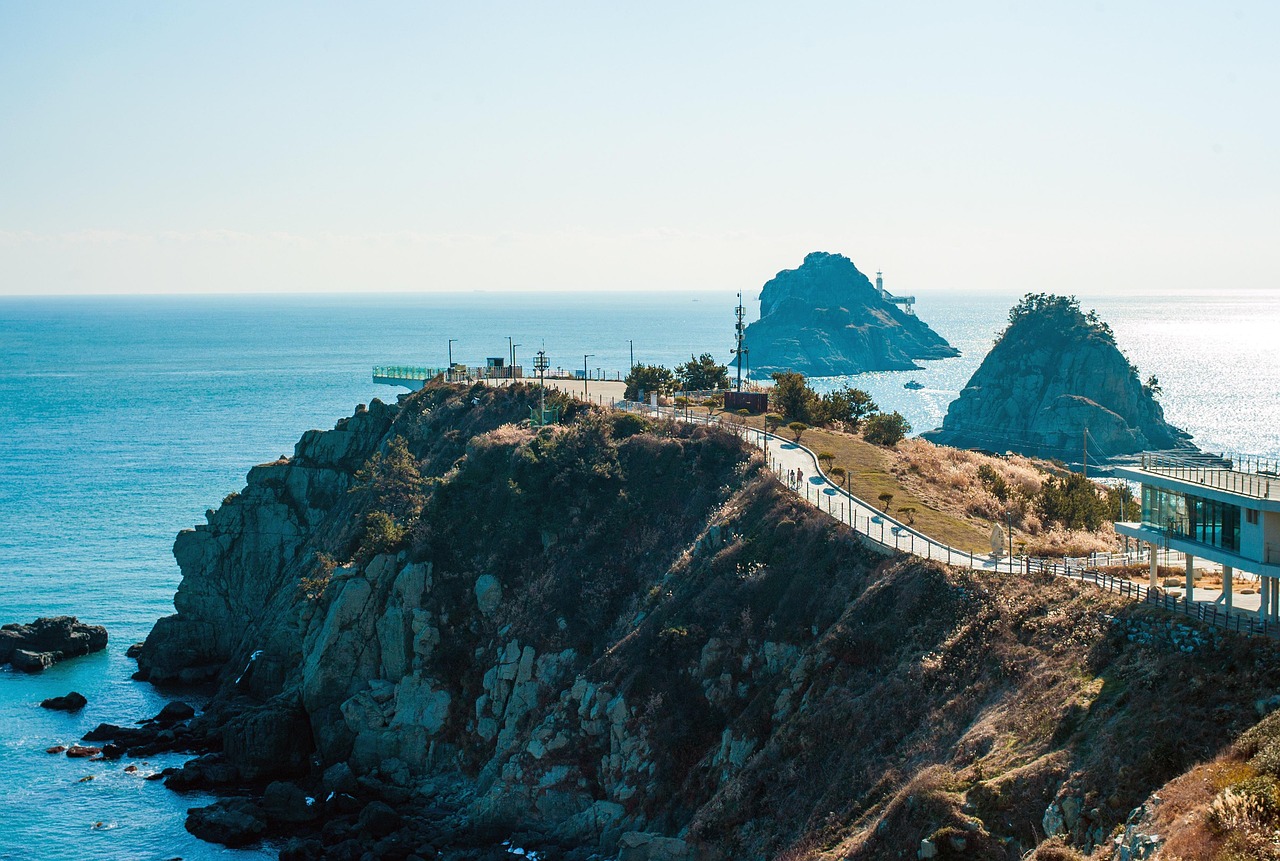
Why go: Another glass-bottom skywalk, this time with views of the rugged Oryukdo islets and open sea.
14. Centum City & SPA Land
Why go: For world-class shopping, cinemas, ice rinks, and one of Korea’s most famous spa complexes.
15. Seomyeon District
Why go: The central hub of Busan’s nightlife and shopping; neon, arcades, bars, and endless restaurants.
16. Taejongdae Resort Park
Why go: For dramatic cliffs, a lighthouse, and sea views; a classic Busan family outing spot.
17. Songjeong Beach
Why go: Busan’s laid-back surf beach, less crowded and more relaxed than Haeundae.
18. Cheongsapo Village & Lighthouse
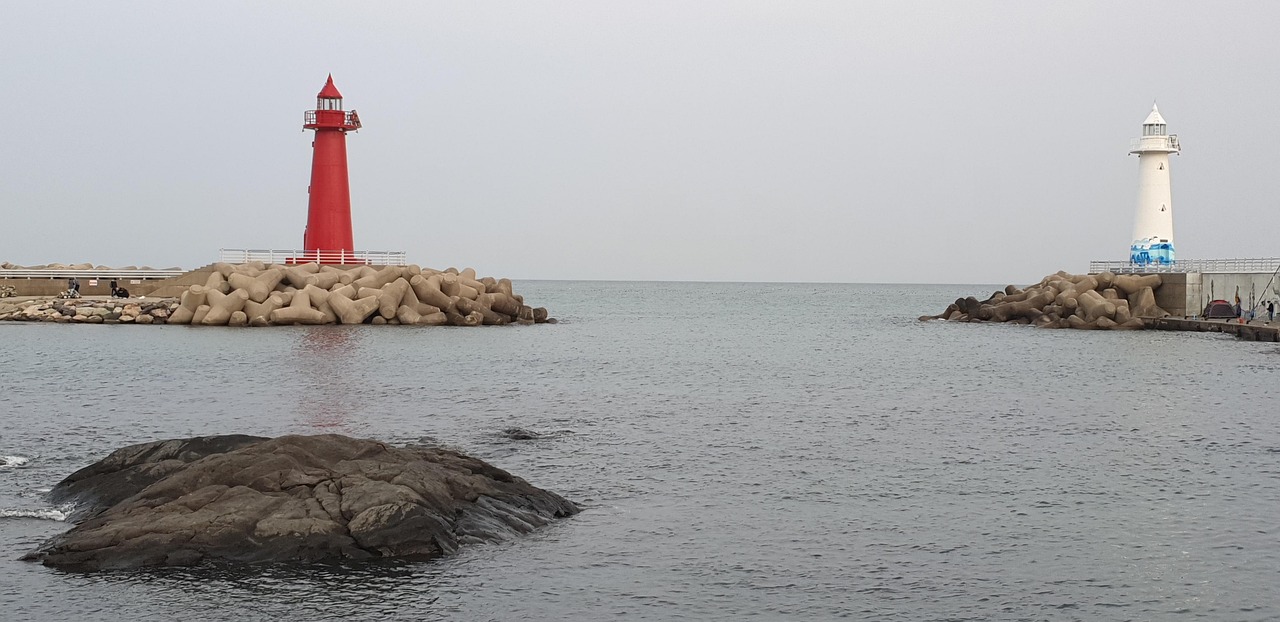
Why go: A small fishing village between Haeundae and Songjeong, now known for photogenic lighthouses and seaside cafes.
19. Busan Cinema Center
Why go: Architectural landmark and main venue for the Busan International Film Festival, with a massive cantilevered roof that lights up at night.
20. Busan Museum of Art & Surroundings
Why go: Contemporary and modern art in a calm setting, near Centum City and the Cinema Center.
Busan Neighborhoods & Districts to Explore
Haeundae: Beachfront, High-Rise, and Holiday Vibes
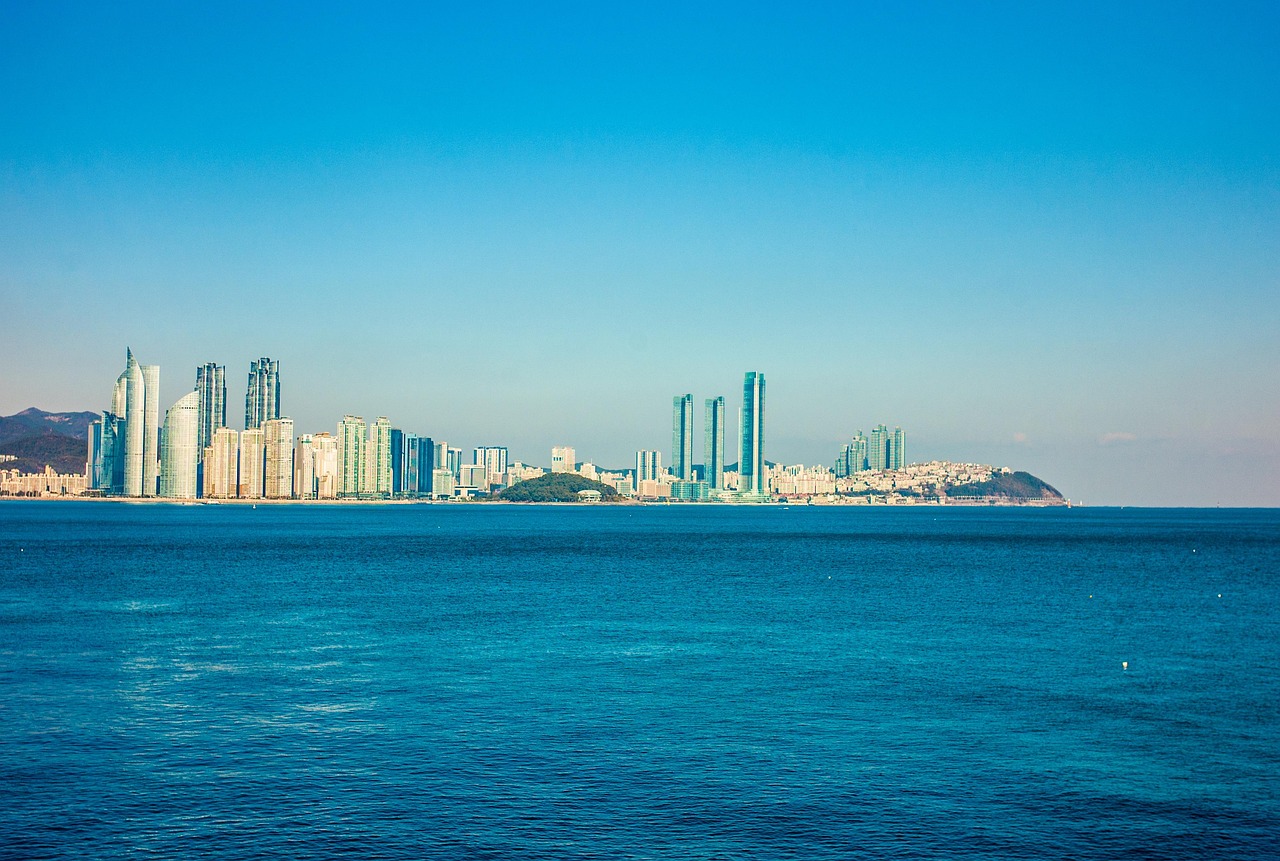
Haeundae is where many first-time visitors stay. It’s beach-centric, tourist-friendly, and full of hotels, guesthouses, and international restaurants. Families, couples, and solo travelers all base themselves here.
Gwangalli & Suyeong: Bridge Views and Cafe Culture
Gwangalli blends residential life with nightlife and has my favorite “everyday by the sea” feeling.
Seomyeon: Central, Busy, and Convenient
Seomyeon is where Busan’s two main metro lines intersect, making it a great base if you want easy access everywhere. It’s also nightlife central for locals—think bars, karaoke, and late-night eateries.
Nampo-dong & Jung-gu: Old Port, Markets & Hills
This is the older downtown area near the port: Jagalchi, Gukje Market, BIFF Square, and steep residential hills climbing up behind.
Centum City & Marine City: Modern Busan
Glass towers, luxury apartments, huge malls, and striking architecture. If you like modern cityscapes, add this to your list.
Best Local Food in Busan & Where to Eat
Busan’s food scene is one of the biggest reasons I keep coming back. Being a port city, seafood is king, but you’ll find every type of Korean food here—often with a slightly more relaxed, generous vibe than in Seoul.
Signature Busan Dishes
- Mil-myeon (wheat noodles in cold broth) – Busan’s answer to naengmyeon.
- Dwaeji Gukbap (pork soup with rice) – rich, comforting, and cheap.
- Hoe (raw fish) – especially from Jagalchi and Gijang.
- Seed Hotteok – particularly in BIFF Square.
- Fishcake (Eomuk) – Busan’s fishcakes are famous nationwide.
Favorite Eating Areas
Haeundae Traditional Market: Great for first-time visitors—clean, organized, lots of English signs. Try sashimi, eomuk, and noodle dishes.
Nampo-dong & Gukje Market: Street food heaven. On a recent visit, I spent less than 15,000 KRW hopping between stalls: tteokbokki, twigim (fried snacks), and a steaming bowl of kalguksu.
Seomyeon Food Alleys: Late-night snacks, Korean BBQ, and pojangmacha-style (tent bar) vibes.
Money-Saving Food Tips
- Look for “백반” (baekban) signs—set meals with rice, soup, and side dishes, often under 10,000 KRW.
- Convenience stores (CU, GS25, 7-Eleven) have surprisingly good triangle kimbap, ramen, and snacks.
- Lunch specials at Korean restaurants are cheaper than dinner.
Nightlife, Entertainment & Cultural Experiences in Busan
Nightlife Districts
- Seomyeon: Bars, clubs, karaoke, and arcades. The liveliest for young locals.
- Gwangalli: Beachfront bars and cafes with bridge views; mellow and romantic.
- Haeundae: Mix of expat-friendly bars, lounges, and late-night eateries.
Cultural Experiences
- Temple stay at Beomeosa: Spend a night doing meditation, tea ceremonies, and dawn chanting.
- Jjimjilbang (bathhouse): Try SPA Land or smaller local spas for a quintessential Korean experience.
- Busan International Film Festival (BIFF): Every October, with screenings across Centum City and Nampo.
Day Trips from Busan
Geoje Island
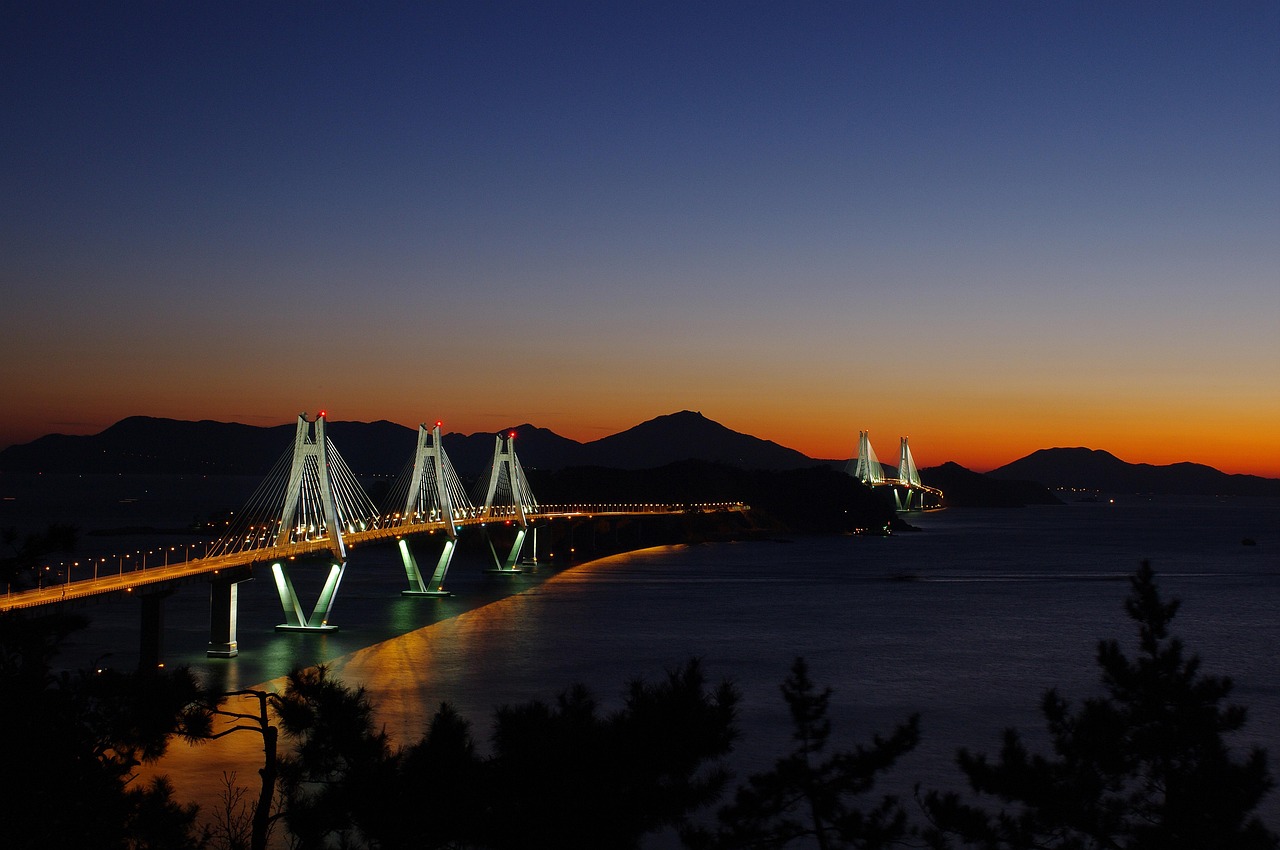
About 1.5–2 hours from Busan by bus and taxi, Geoje offers dramatic sea cliffs, beaches, and scenic spots like Oedo Botania. Ideal for a full-day escape into nature.
Tongyeong
A charming coastal town known as the “Naples of Korea,” reachable in roughly 2 hours. Ride the cable car, wander the harbor, and eat fresh seafood.
Gyeongju
Ancient capital of the Silla Kingdom, filled with tombs, temples, and historical sites. Around 1 hour by KTX/ITX or 1.5–2 hours by bus from Busan.
Cultural Etiquette & Local Customs in Busan
Busanites are generally warm, direct, and used to visitors, but a few cultural basics go a long way.
- Greetings: A small bow or nod is normal. Handshakes are common with younger people.
- Respect in temples: Dress modestly (cover shoulders and knees), speak softly, and don’t photograph people praying without permission.
- Restaurant etiquette: Share side dishes, don’t stick chopsticks upright in rice, and wait for older people to start eating first in group settings.
- Trash & noise: Trash bins can be scarce; carry a small bag. Keep noise down on public transport, especially the metro.
- Shoes off: Take off shoes in traditional accommodations and some restaurants; follow the locals’ lead.
Practical Travel Advice for Busan
Getting Around
- Metro: Clean, safe, and efficient. Lines 1 and 2 cover most tourist areas.
- Buses: Useful for temples and coastal areas; use Naver Map or KakaoMap for routes.
- Taxis: Reasonably priced; hail on the street or use apps like Kakao T.
- Car rental: Not necessary in the city; more useful for day trips. Foreign licenses are generally accepted with an International Driving Permit (IDP).
Saving Money
- Use a T-money or Cashbee card for discounted metro/bus fares.
- Eat at local diners for gukbap and set meals instead of touristy spots.
- Choose guesthouses or mid-range hotels one or two blocks off the main beach areas.
SIM Cards & Connectivity
- Pick up a tourist SIM or eSIM at Gimhae International Airport or major stations.
- Most cafes and hotels have free Wi-Fi; the city also has scattered public Wi-Fi zones.
Visa Requirements (2026)
Visa rules vary by nationality. Many travelers from North America, Europe, and parts of Asia can visit visa-free for 30–90 days. Always check the latest information with your local Korean embassy or consulate or the official Hi Korea website before traveling.
When to Visit Busan & Seasonal Travel Tips
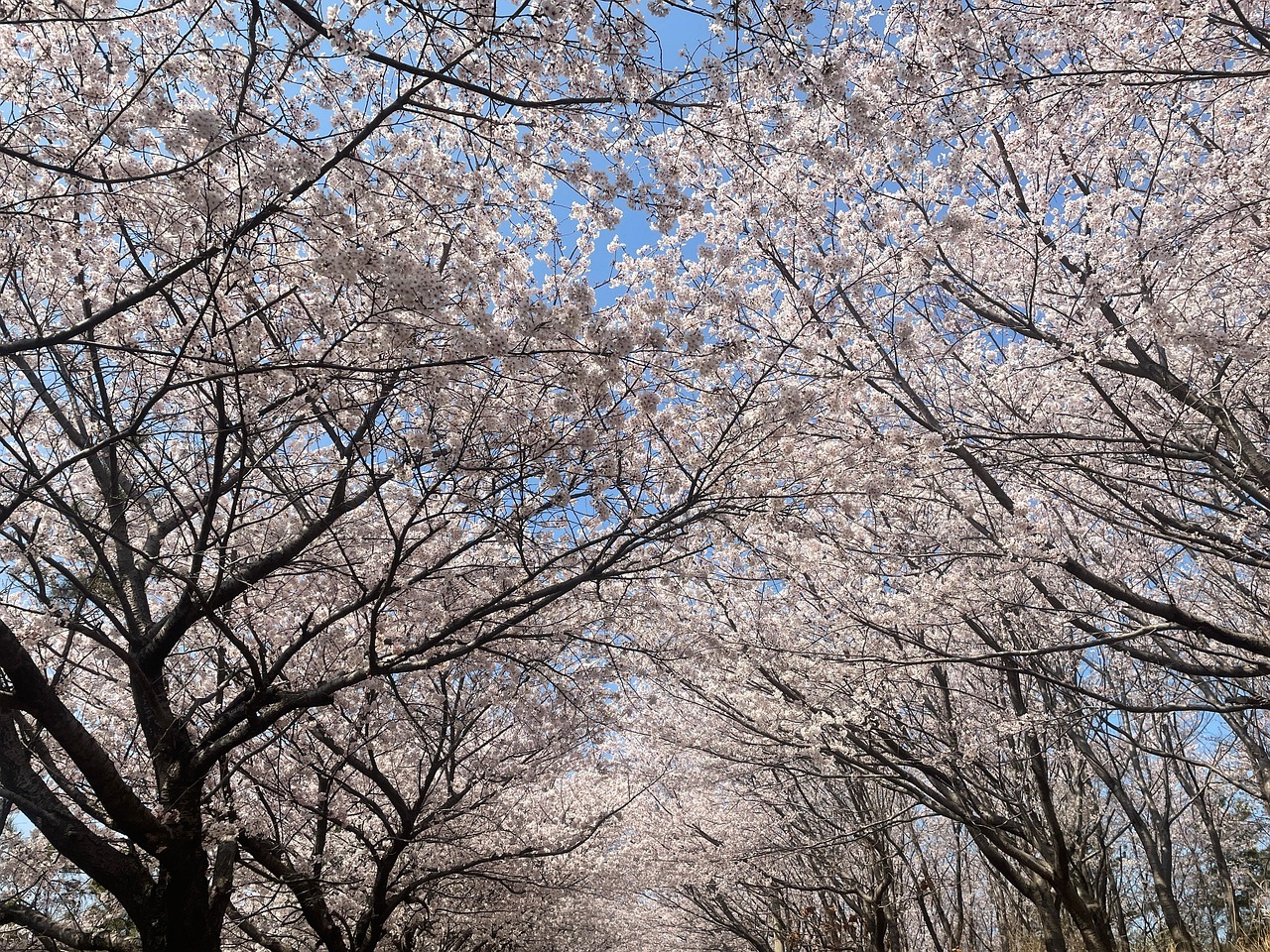
- Spring (March–May): Mild weather, cherry blossoms, good for hiking and outdoor cafes.
- Summer (June–August): Hot, humid, and crowded beaches; best for swimming and festivals.
- Autumn (September–November): The sweet spot—clear skies, pleasant temperatures, autumn foliage in temple areas.
- Winter (December–February): Cold but not brutal; quiet beaches, great seafood, and lower hotel prices.
For a classic 3 day itinerary for Busan or 4 day itinerary for Busan, I recommend late April–May or October.
Major Events & Festivals in Busan (2026–2027)
- Busan International Film Festival (BIFF): Early to mid-October 2026 – Asia’s biggest film festival, centered in Centum City and Nampo.
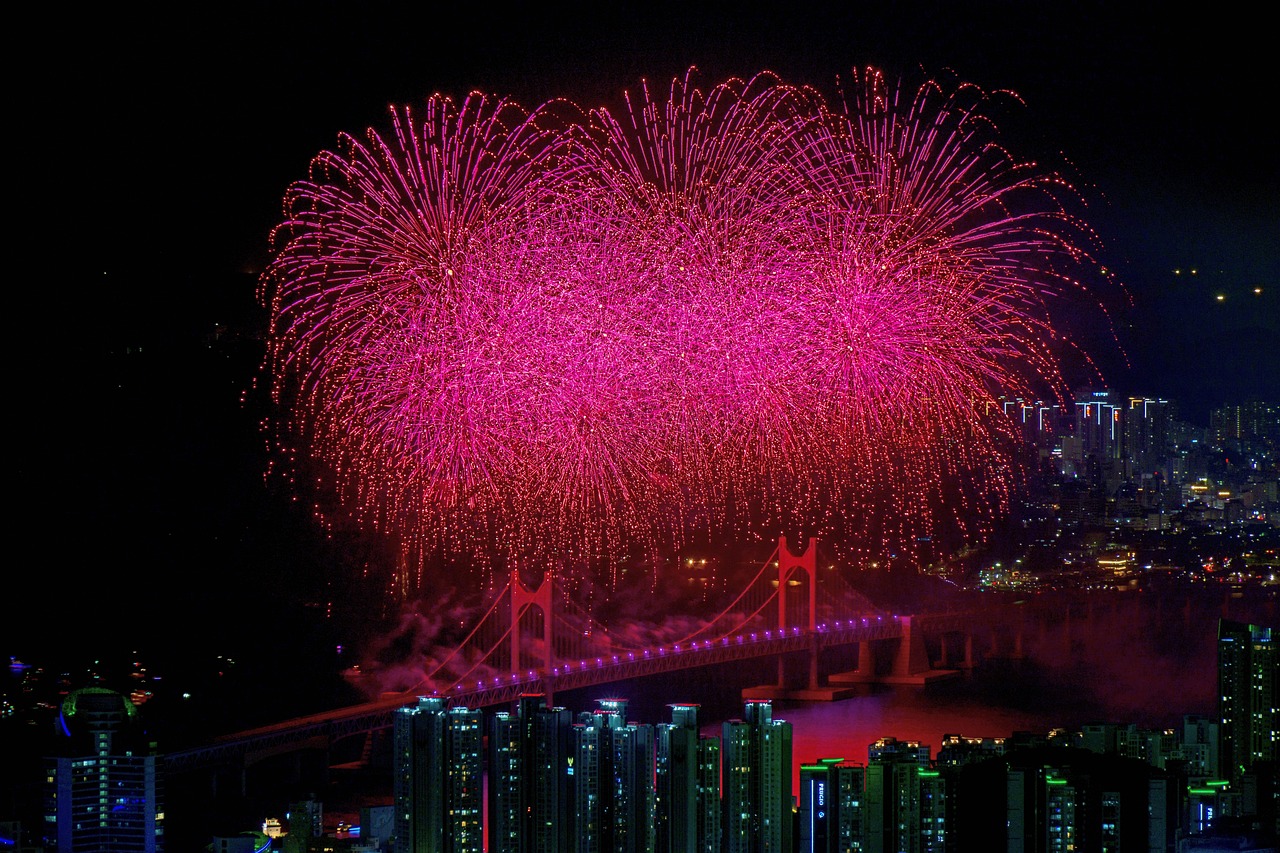
- Busan Fireworks Festival: Usually October – Massive fireworks around Gwangalli and Gwangan Bridge. Arrive early to claim a spot on the beach.
- Haeundae Sand Festival: Late May–June – Sand sculptures and beach events along Haeundae.
- Sea Art Festival: Expected in 2026 or 2027 (biennial) – Outdoor art installations along Busan’s coasts.
Exact dates shift each year; confirm closer to your travel dates via Busan’s official tourism site.
Final Summary & Key Takeaways
Busan is a city where skyscrapers meet fishing boats, where you can spend the morning in a mountain temple and the evening with your toes in the sand watching a glowing bridge. Whether you plan 3 days in Busan, 4 days in Busan, or a full 5 day itinerary for Busan, you’ll find more to do than you can fit.
Best seasons: For most travelers, late spring (April–May) and autumn (September–November) give the best balance of comfortable weather, clear skies, and manageable crowds. Summer is great if you love busy beaches and nightlife; winter is peaceful and kind to your budget.
If you leave Busan with salt in your hair, a lingering craving for dwaeji gukbap, and a mental slideshow of neon bridges, temple rooftops, and market alleys, you’ve done it right. And like me, you’ll probably start figuring out when you can come back before you’ve even left.