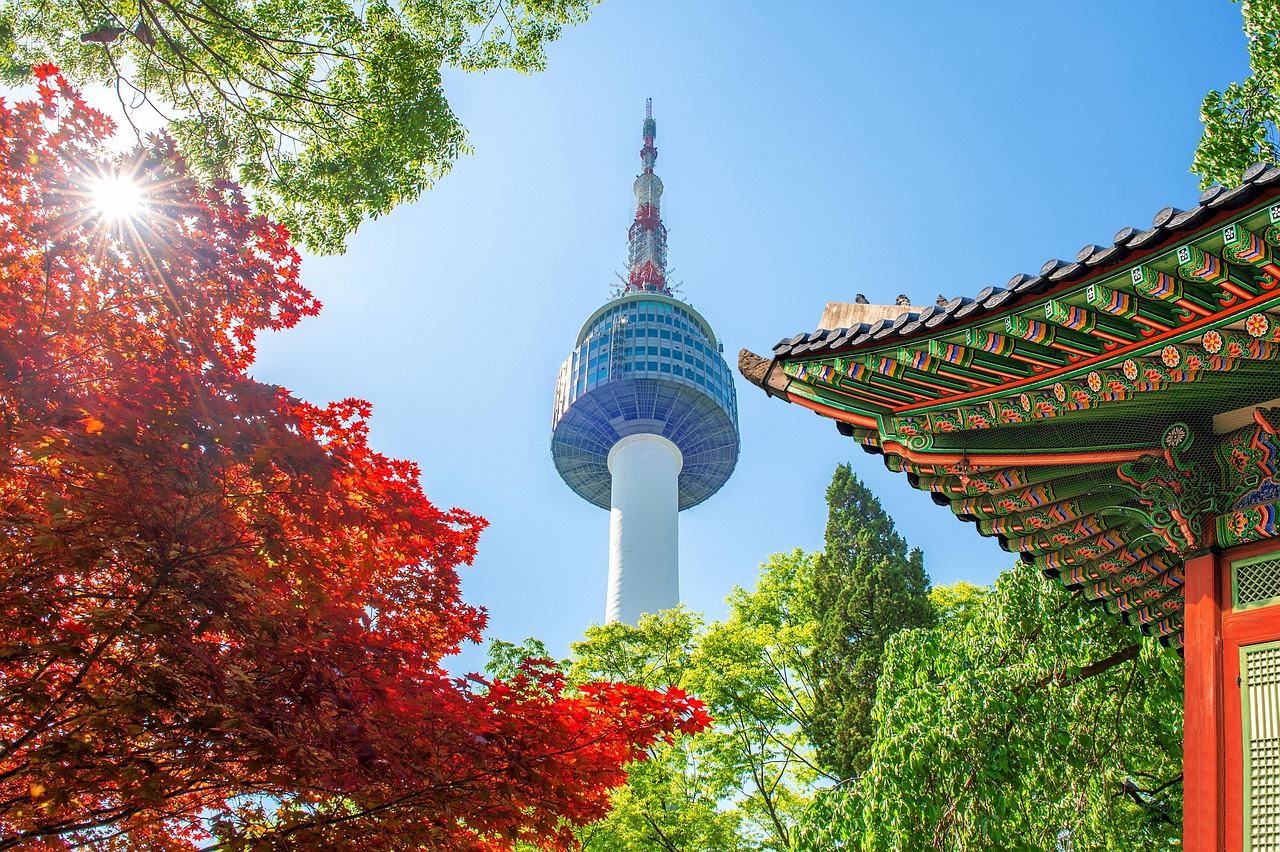
Why Visit Seoul in 2026?
Seoul is one of those rare cities where you can sip hand-drip coffee in a minimalist café, step outside into a 600-year-old palace courtyard, and then end the evening singing in a neon-lit karaoke room — all within a single subway ride. I’ve lived in and revisited Seoul on and off for years, and even now, the city still surprises me every time I land at Incheon and feel that first wave of hot tteokbokki steam at a street stall.
In 2026, Seoul is buzzing more than ever. There’s a renewed energy around design, food, and culture: new Michelin-listed restaurants alongside humble pojangmacha (street tents), revitalized industrial neighborhoods, and a wave of K-pop and K-drama fandom experiences layered on top of long-standing traditions like temple stays and tea ceremonies.
Whether you’re planning 3 days in Seoul, a 4 day itinerary for Seoul, or stretching to a 5 day itinerary for Seoul, this guide is written like I’d plan a trip for a close friend: detailed, honest, and packed with personal habits and shortcuts I’ve learned the hard way (like why you should never underestimate Seoul’s hills or how to avoid rush hour subway crushes).
Seoul is especially great for:
- First-time visitors who want must-see attractions like Gyeongbokgung, Namsan Seoul Tower, and Myeongdong — without feeling like they only saw the tourist side.
- Food lovers hunting for the best local food in Seoul, from charcoal-grilled galbi to late-night convenience store snacks.
- Families needing stroller-friendly parks, aquariums, and kid-approved food while still enjoying cultural experiences in Seoul.
- Couples looking for romantic Han River sunsets, rooftop bars, and cozy traditional teahouses.
- Adventurous travelers curious about hidden gems in Seoul, like abandoned railway parks, indie art streets, and secret viewpoints locals love.
This 2026 travel guide for Seoul includes detailed 3–5 day itineraries, deep dives into at least 20 major attractions (with stories and practical tips), day trips, nightlife, food, and essential travel advice for Seoul — from SIM cards to etiquette.
Table of Contents
- Why Visit Seoul in 2026?
- Seoul at a Glance
- Top 20+ Must-See Attractions in Seoul (In-Depth)
- Suggested 3–5 Day Itineraries
- Best Neighborhoods & Districts to Explore
- Local Food & Drink in Seoul
- Nightlife, Entertainment & Cultural Experiences
- Best Day Trips from Seoul
- Seoul Events & Festivals 2026–2027
- Cultural Etiquette & Local Customs
- Practical Travel Tips for Seoul
- Summary & Best Time to Visit Seoul
Seoul at a Glance
Seoul is home to nearly 10 million people in the city proper and over 25 million in the greater metropolitan area. It’s a city of stark contrasts: royal palaces framed by glass towers, quiet hanok alleys tucked behind multi-lane roads, monks chanting while K-pop blasts from nearby shops.
The Han River slices the city into north (Gangbuk) and south (Gangnam), and each side has its own personality. North is where you’ll find palaces, traditional neighborhoods, indie art scenes; south is sleek, business-focused, flashier, and very K-drama-esque.
Public transport is excellent, cashless payments are ubiquitous, and crime rates are low. It’s one of the easiest big Asian cities to navigate, even for first-timers — as long as you respect a few local customs and are ready to walk (a lot).
Top 20+ Must-See Attractions in Seoul (With Local Insights)
Below are detailed stories and tips for more than 20 of the best places to visit in Seoul — these are the anchors I use to build any 3 day itinerary for Seoul or 4–5 day itinerary for Seoul, depending on your pace.
1. Gyeongbokgung Palace (경복궁)
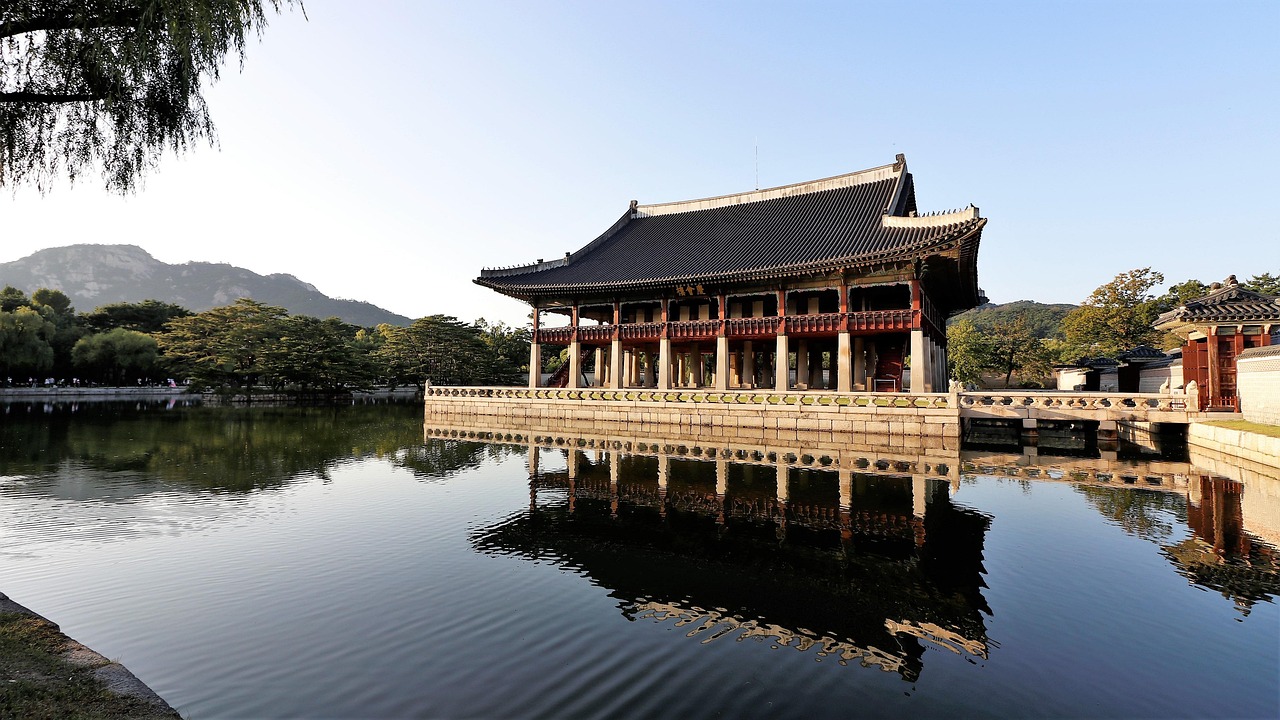
If there’s one must-see attraction in Seoul, it’s Gyeongbokgung Palace. I still remember the first winter morning I stepped through Gwanghwamun Gate — the city noise dropped away and suddenly it was snow-dusted tiled roofs, red pillars, and the faint sound of a drum from the changing of the guard ceremony.
Built in 1395 as the main royal palace of the Joseon Dynasty, Gyeongbokgung has been destroyed and rebuilt multiple times, most recently after the Japanese occupation. The complex is huge; you could easily spend half a day wandering through its halls, pavilions, and hidden courtyards.
What to Do
- Watch the Guard Changing Ceremony at Gwanghwamun (usually late morning and early afternoon; check times as they occasionally adjust them).
- Explore Gyeonghoeru Pavilion, the iconic lakeside structure that looks like it’s floating. I love coming here right after opening time before tour groups arrive.
- Wear Hanbok (traditional clothing) to enter for free. I’ve done this twice with friends — it’s touristy but fun and makes for unforgettable photos with the palace as a backdrop.
- Visit the National Palace Museum of Korea and the National Folk Museum, both on-site and great for context (and air-con/heat breaks).
Local Tips
- Best time: Be at the gate right when it opens. In spring and autumn, light is lovely and crowds are smaller.
- Photography: Walk to the back of the complex; most visitors don’t go that far, and you can often get near-empty shots of the architecture with mountains behind.
- Food nearby: For a traditional lunch, I like a small alley spot near Samcheongdong for samgyetang (ginseng chicken soup). It’s perfect after a long palace walk.
- Access: Subway to Gyeongbokgung Station (Line 3) Exit 5; or Gwanghwamun Station Exit 2.
2. Bukchon Hanok Village (북촌한옥마을)
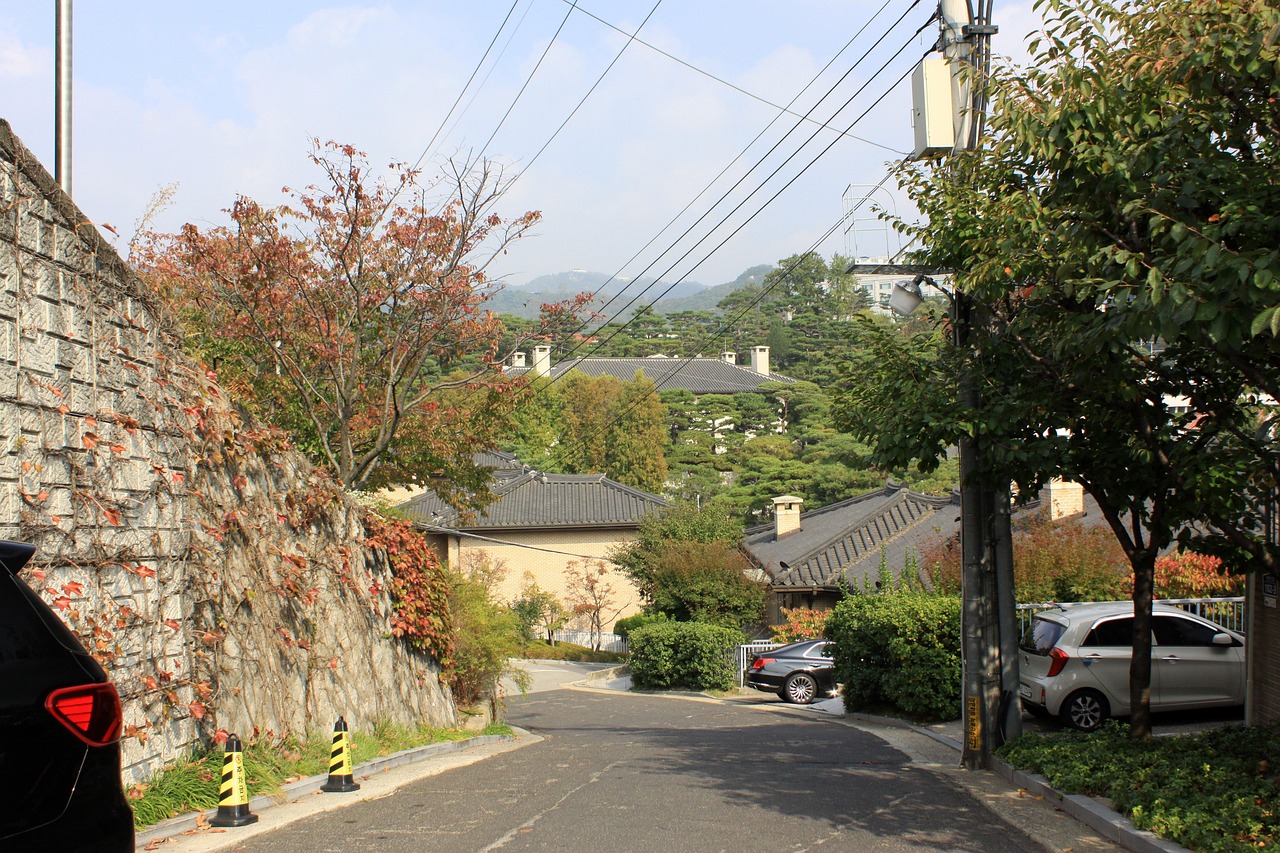
From Gyeongbokgung, I usually wander north into Bukchon Hanok Village. It’s a living neighborhood of traditional wooden houses (hanok), wedged between palaces and modern city streets. I’ve watched it change over the years — more cafés and guesthouses, yes, but if you venture away from the selfie spots, it still feels residential and serene.
What to Do
- Walk the main uphill alley to catch that postcard view of tiled roofs sloping down toward the city skyline.
- Peek into craft studios and small galleries; I once stumbled into a workshop where an artist was carving traditional wooden stamps and ended up having one made with my Korean name.
- Visit a tea house in a hanok. One of my favorite ways to rest my feet is to sit on the floor with a pot of omija (five-flavor berry tea) and watch sunlight filter through paper doors.
Local Tips
- Respect residents: This is a real neighborhood. Keep voices low, especially early in the morning and evening.
- Best time: Early morning or just before sunset. Midday can feel like a theme park.
- Hidden corner: The side streets closer to Changdeokgung are quieter, with small cultural centers and views over the city.
3. Changdeokgung & Huwon Secret Garden (창덕궁)
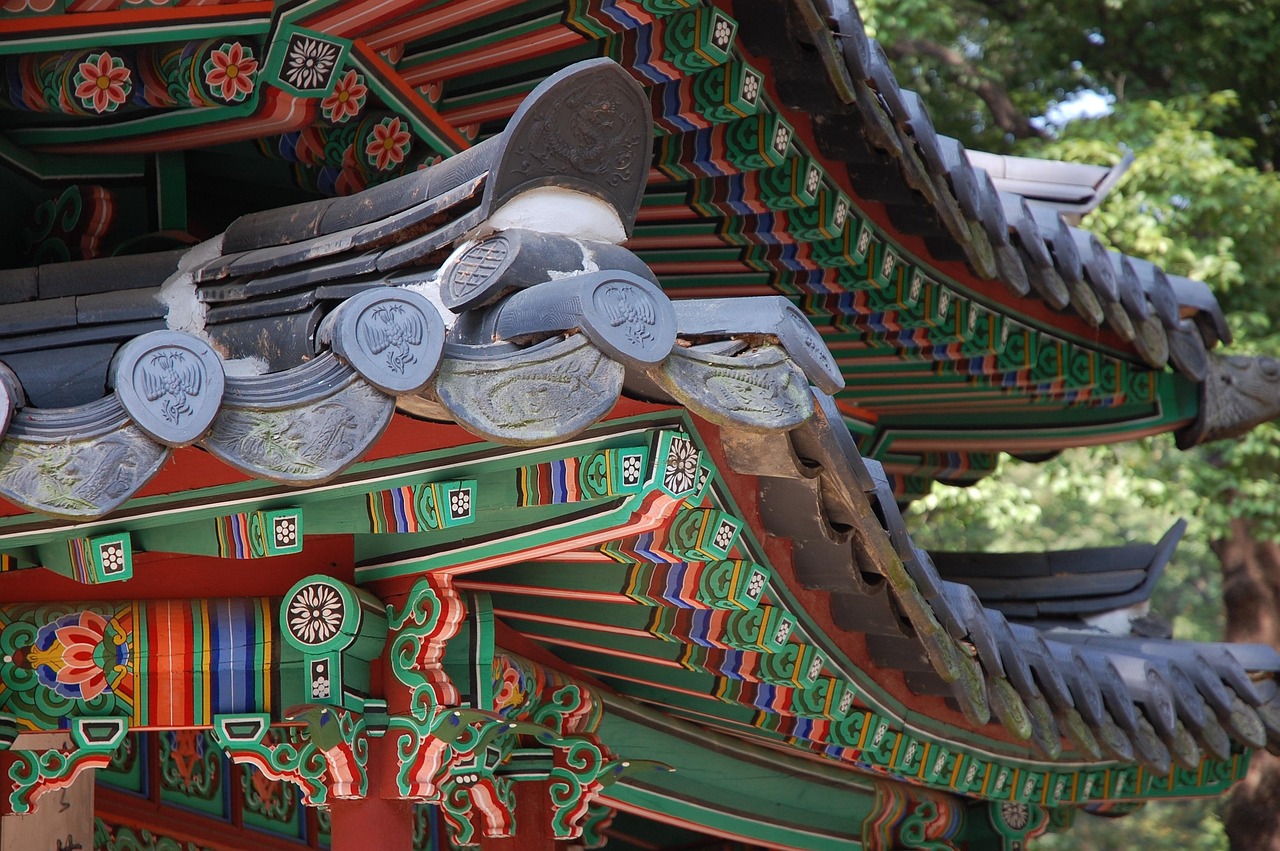
If Gyeongbokgung is grand and ceremonial, Changdeokgung is intimate and quietly beautiful. The first time I visited the Huwon Secret Garden, it was autumn; the pond was a mirror of fiery red maples, and the guide spoke softly about royal princes sneaking off to write poetry here.
Changdeokgung was a favored residence of many Joseon kings because of its harmonious integration with the surrounding nature — something you feel especially in the garden.
What to Do
- Tour the Huwon Secret Garden. You need a separate (timed) ticket and usually join a guided tour (English options available). It’s absolutely worth it.
- Explore the palace buildings at your own pace after the garden tour; many visitors leave right away, so it’s often less crowded later.
Local Tips
- Book ahead in peak seasons (spring cherry blossoms, autumn foliage) as garden tours sell out quickly.
- Combine with Bukchon in one half-day, walking between them via quiet back streets.
- Bring water and comfortable shoes — there’s more walking and gentle hills than you might expect.
4. Namsan Seoul Tower (남산서울타워)
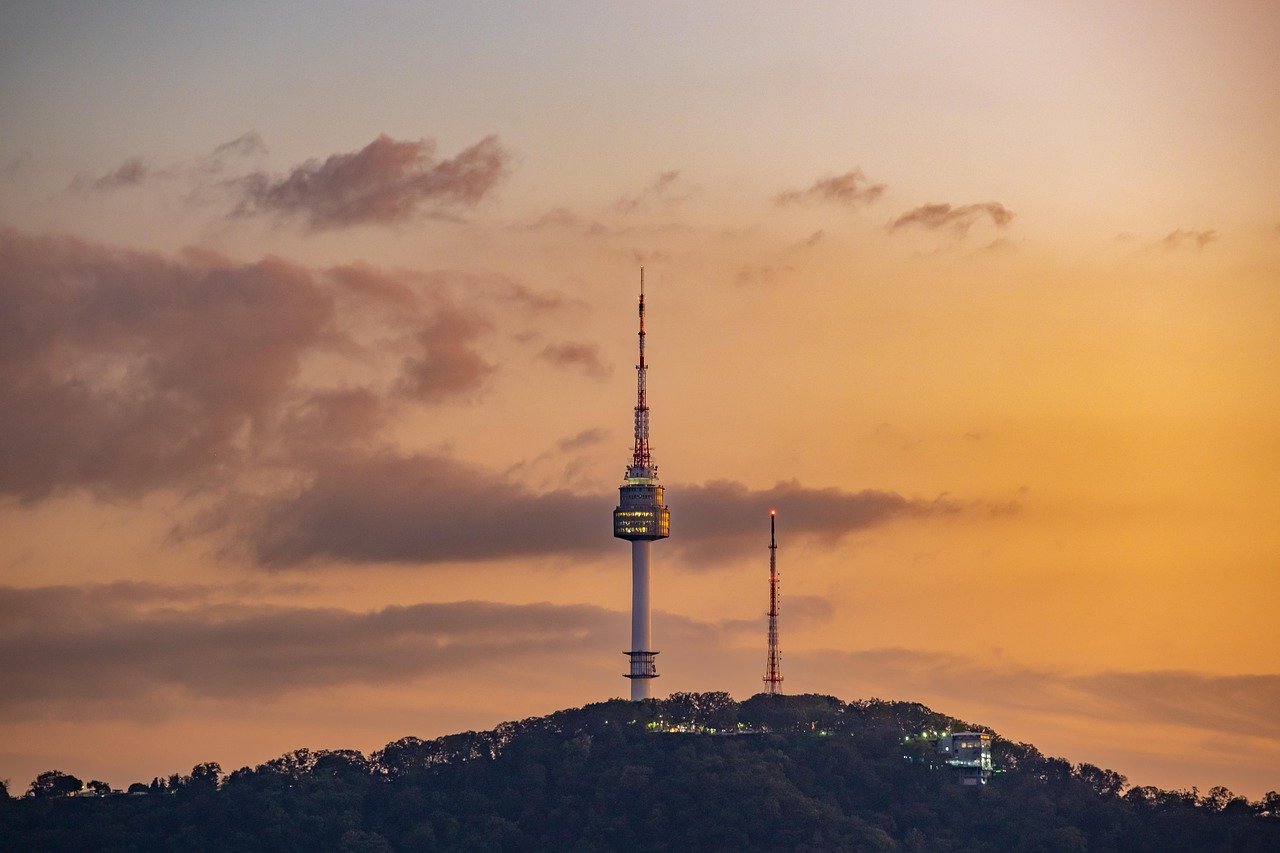
Namsan Seoul Tower is where I send almost every first-time visitor when they ask for “the best view of Seoul.” The tower crowns Namsan Mountain in the center of the city, and from the top you can see the Han River snaking between clusters of skyscrapers and apartment blocks.
What to Do
- Hike up one of the Namsan trails if you’re feeling energetic. I like the route from Myeongdong; it’s steep but shaded.
- Or take the cable car up for a fun, family-friendly ride with views over downtown.
- Visit the observation deck at the top of the tower. Time it for sunset into night to see the city lights flicker on.
- Check out the love locks around the base of the tower. It’s kitschy but sweet, and couples love it.
Local Tips
- Best time: Weekdays if possible; weekends can be crowded, especially around sunset.
- Food: I usually eat before or after in Myeongdong — lots of options from street food to sit-down barbecue.
- Romantic idea: Grab convenience store snacks and drinks from the base and have a casual “picnic” at one of the viewpoints.
5. Myeongdong Shopping & Street Food (명동)
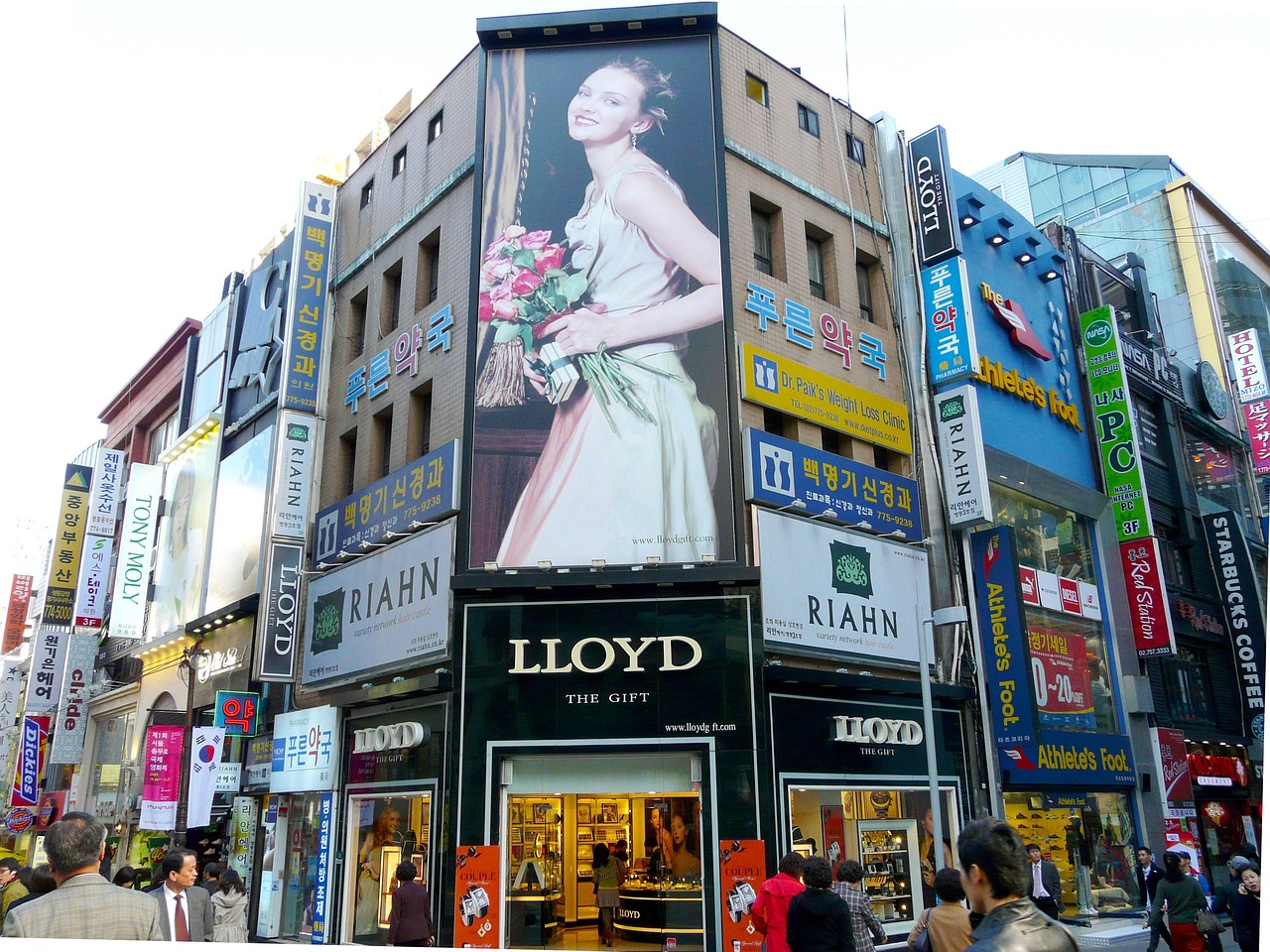
Myeongdong is loud, bright, and chaotic — and that’s exactly why I love dipping in for a few hours. It’s one of the busiest shopping areas in Seoul, packed with cosmetic shops, fashion boutiques, and some of the city’s most famous street food stalls.
What to Do
- Sample street food: cheese-filled tteokbokki, tornado potatoes, grilled lobster with butter, egg bread (gyeranppang), and fresh fruit skewers.
- Stock up on K-beauty products. Staff are used to visitors and often speak multiple languages.
- Visit Myeongdong Cathedral, a surprisingly peaceful Gothic-style church just off the shopping streets.
Local Tips
- Go in the late afternoon or evening when the street food stalls are fully set up and the neon is glowing.
- Budget trick: Many shops offer tax refunds or tourist discounts — bring your passport or digital copy.
- It’s family-friendly but can be intense for small kids during peak hours; aim for earlier evening if you’re with children.
6. Insadong (인사동) Traditional Street
Whenever I want a softer, more traditional side of Seoul without leaving the city center, I head to Insadong. It’s known for tea houses, antique shops, calligraphy, and galleries. Yes, it’s touristy, but there’s still a lot of soul here if you look beyond the souvenir shops.
What to Do
- Try a traditional tea house tucked into an alley. I often order yuja-cha (yuzu tea) in winter or cold omija in summer.
- Browse art galleries and craft shops for ceramics, fans, and hanji (paper) products.
- Climb through the quirky spiral structure of SSamziegil, a small shopping complex filled with indie artisans.
Local Tips
- Combine Insadong with nearby Jogyesa Temple for a beautiful contrast between commercial and spiritual Seoul.
- Some back-alley restaurants serve set menus of temple food — beautifully plated vegetarian dishes inspired by Buddhist cuisine.
7. Hongdae (홍대) Youth Culture & Street Performances
Whenever I need to feel Seoul’s youthful pulse, I go to Hongdae. Centered around Hongik University, it’s a hub for street performances, indie music, quirky cafés, and late-night energy. I’ve spent many evenings here just people-watching — K-pop dance covers on one corner, buskers singing ballads on another.
What to Do
- Watch the street dancers and performers around the main plaza; crowds circle up and cheer like it’s a mini concert.
- Explore themed cafés — from board-game spaces to cozy book cafés.
- Check out independent clothing boutiques and art markets on weekends.
- Experience nightlife: bars, clubs, and noraebang (karaoke rooms) are everywhere.
Local Tips
- Evenings are best, especially Friday and Saturday. It gets busy, but that’s half the fun.
- It’s great for budget travelers: lots of cheap eats, guesthouses, and moderate-priced hotels.
- Family note: Early evening is fine for kids, but it gets rowdier late at night.
8. Gangnam (강남) & COEX
Thanks to “Gangnam Style,” this district needs little introduction. But beyond the meme, Gangnam is Seoul’s business and luxury shopping powerhouse. Glass towers, plastic surgery clinics, designer stores — and, beneath it all, some fantastic food.
What to Do
- Walk the main boulevard and side streets to feel that sleek, high-energy vibe.
- Visit COEX Mall, one of Asia’s largest underground malls, with:
- Starfield Library — an Instagram-famous open library with floor-to-ceiling bookshelves.
- COEX Aquarium — very family-friendly, especially on rainy days.
- Direct access to Bongeunsa Temple across the street.
- At night, explore Gangnam’s bars and lounges if you like chic nightlife.
Local Tips
- Gangnam’s traffic can be intense. Use the subway and plan extra time to cross big intersections.
- Food-wise, look for small alleys behind the main roads — that’s where I’ve had some of my best galbi and jjigae (stews).
9. Dongdaemun Design Plaza & Night Market (동대문)
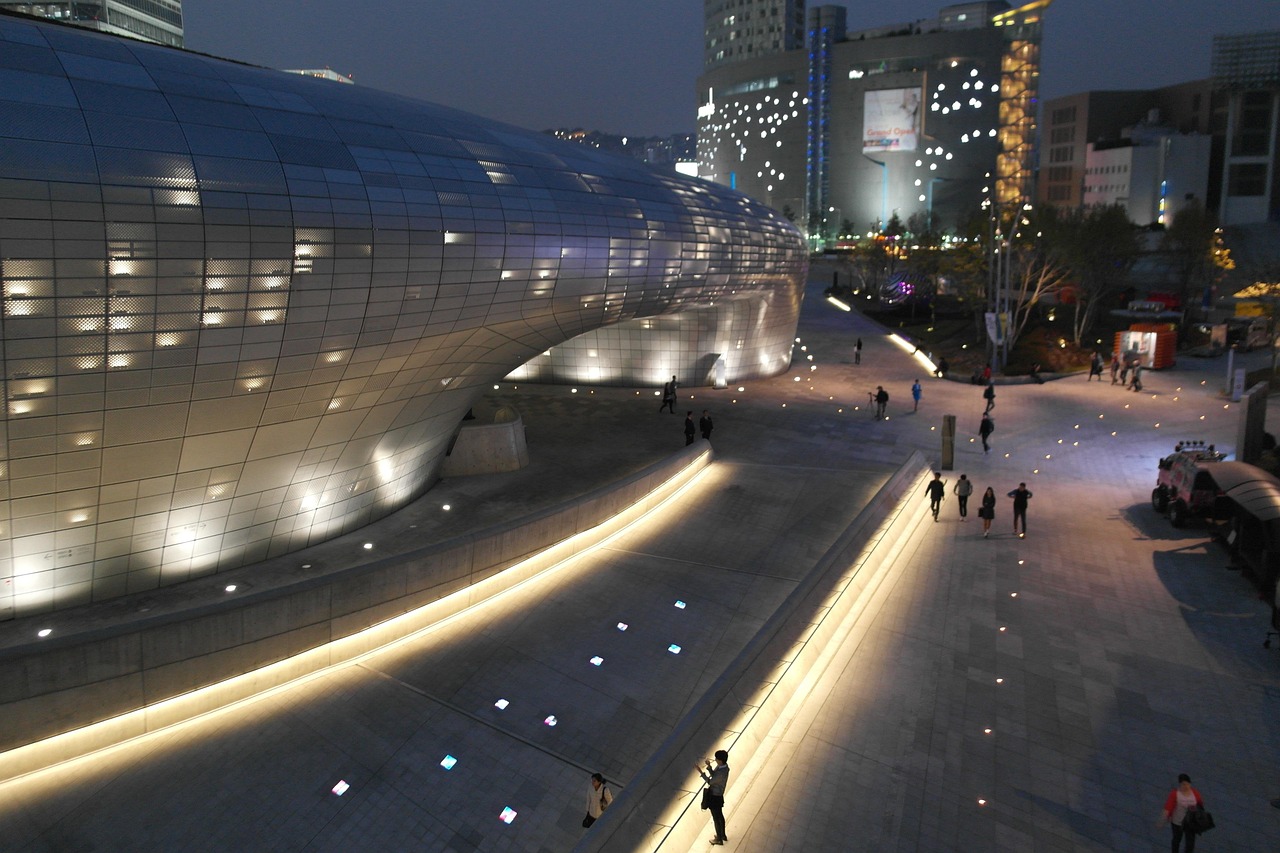
Dongdaemun Design Plaza (DDP) is one of Seoul’s most eye-catching buildings — a swooping, silver spaceship designed by Zaha Hadid. I still remember walking along its LED rose garden at night the first year it opened, feeling like I’d stepped onto a sci-fi movie set.
What to Do
- Stroll around the DDP exterior for architecture and night photography; the curves and lights are beautiful.
- Check out design exhibitions and pop-up events inside; they change regularly and highlight Korean and international creatives.
- Explore the surrounding Dongdaemun night markets and malls, some of which stay open into the early morning — heaven for fashion bargain hunters.
Local Tips
- Go in the evening to see the plaza lit up; combine with a late dinner in nearby Jongno or a stroll along the Cheonggyecheon Stream.
- Many wholesale malls cater to bulk buyers; look for retail-oriented floors or buildings if you’re only buying a few pieces.
10. Itaewon & Haebangchon (이태원 & 해방촌)
Itaewon is Seoul’s international district: embassies, foreign restaurants, expat bars, and a diverse crowd. A few blocks away, Haebangchon (HBC) spills down the hill with cozy cafés and indie eateries. Over the years, I’ve come here whenever I crave something non-Korean — tacos, Middle Eastern food, or craft beer.
What to Do
- Explore the main Itaewon road for global restaurants and nightlife.
- Climb into HBC and Gyeongnidan-gil for narrow streets, viewpoints, and atmospheric cafés.
- Visit the nearby Leeum Samsung Museum of Art (see below) for world-class art.
Local Tips
- Areas of Itaewon are LGBTQ+ friendly and more open than many other districts.
- Evenings and weekends are lively; weeknights are quieter but still fun.
11. Han River Parks (한강공원)
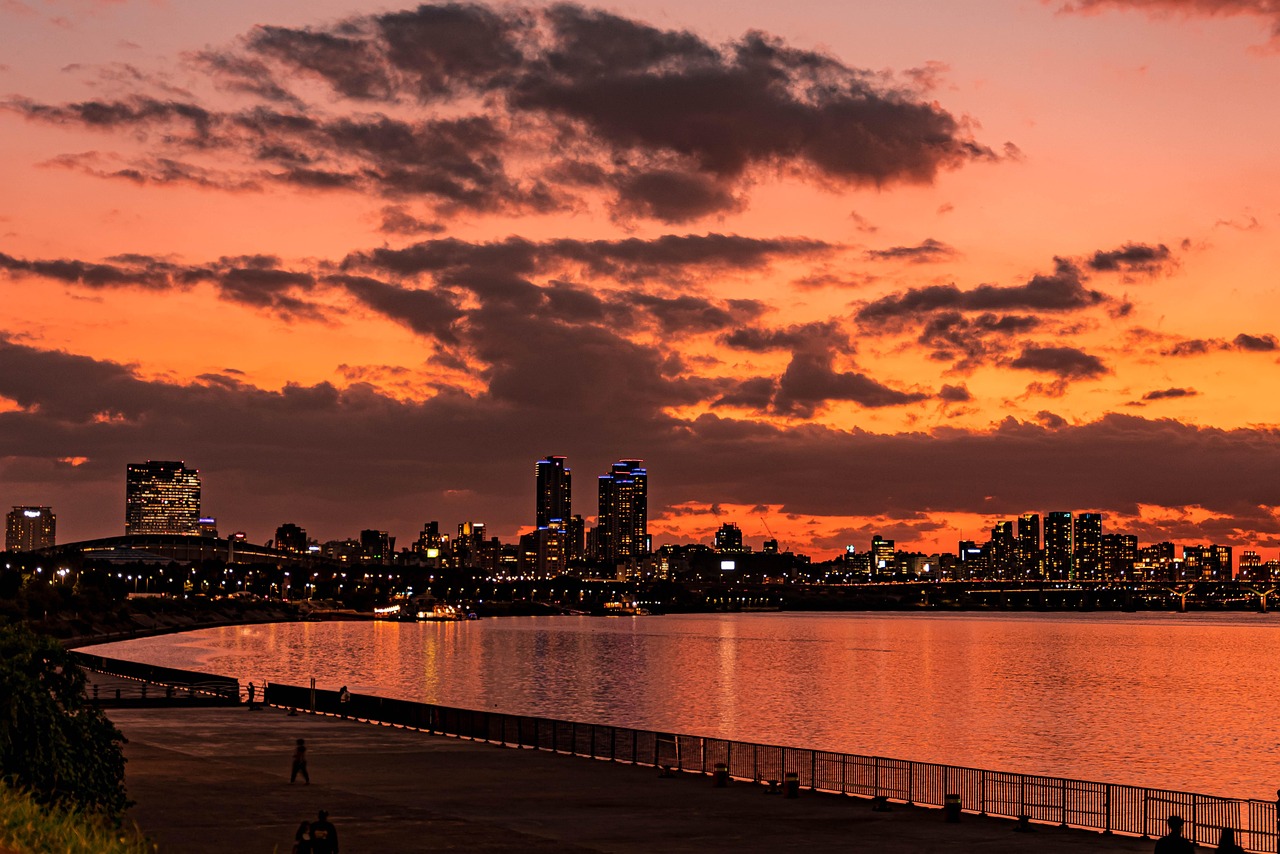
When I think of everyday life in Seoul, I think of evenings by the Han River. Office workers picnicking with fried chicken and beer, cyclists cruising along the paths, families flying kites — it’s the city’s collective living room.
What to Do
- Pick a riverside park like Yeouido Hangang Park, Banpo Hangang Park, or Ttukseom.
- Order delivery fried chicken directly to your picnic spot — the convenience is mind-blowing the first time.
- Rent bikes and ride along the river; paths are flat and well-marked.
- In the evening, see the Banpo Rainbow Fountain Bridge show (seasonal, usually spring to autumn).
Local Tips
- Bring a picnic mat; convenience stores near the parks often sell cheap ones if you forget.
- Sunsets here are incredibly romantic and family-friendly at the same time.
12. Lotte World Tower & Lotte World Adventure (롯데월드타워)
Lotte World Tower slices into the sky on the southeastern side of Seoul, and it’s one of my favorite places for a more modern, polished day out — especially with families, thanks to the adjacent Lotte World Adventure theme park and large mall.
What to Do
- Ride up to the Seoul Sky Observatory for glass-floor views and panoramic cityscapes.
- Visit Lotte World Adventure (part indoor, part outdoor) with kids or thrill-seekers.
- Shop and eat in the Lotte World Mall, which includes cinemas, an aquarium, and countless restaurants.
Local Tips
- Pre-book tickets for the observatory and theme park to skip queues, especially on weekends and holidays.
- Combine with a walk around nearby Seokchon Lake if the weather is nice.
13. Bukhansan National Park (북한산국립공원)
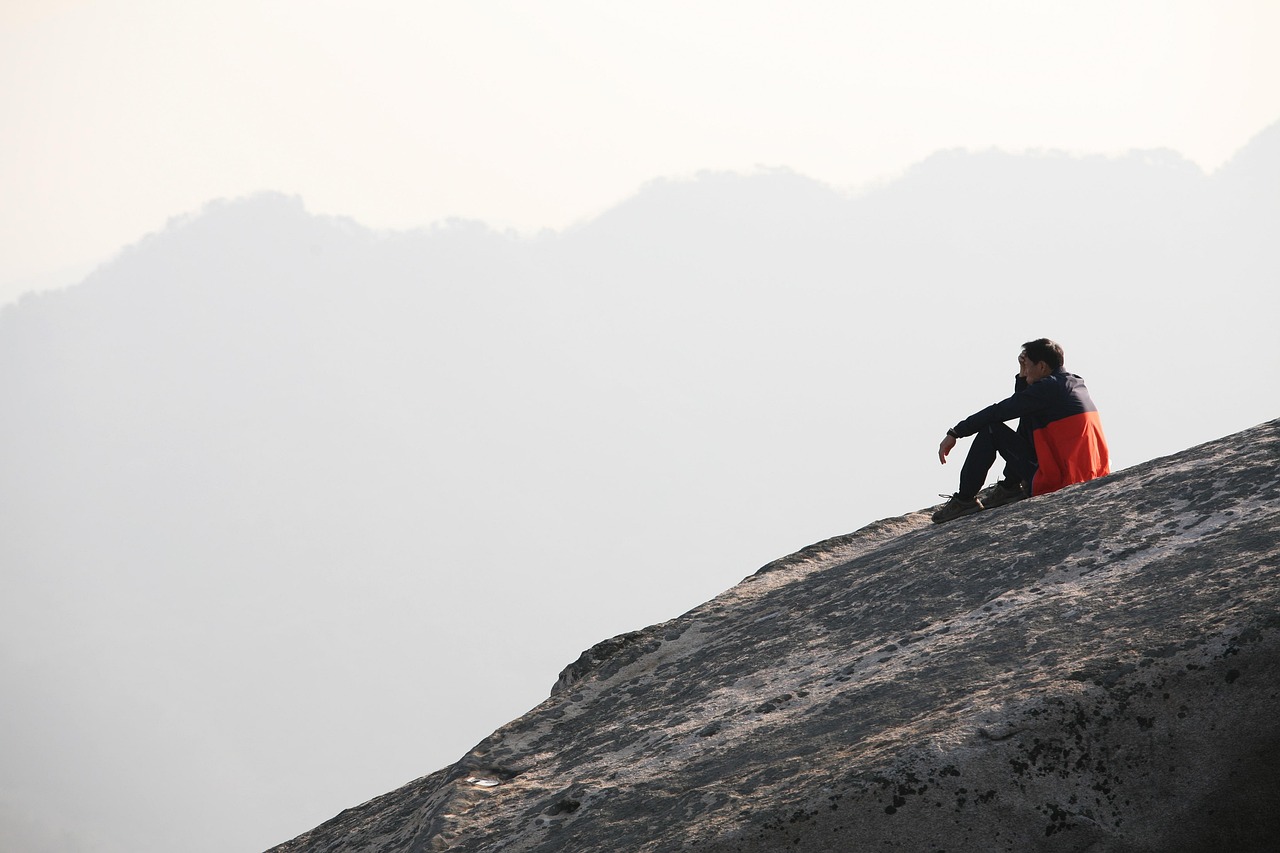
One of the best things about Seoul is how quickly you can go from skyscrapers to granite peaks. Bukhansan National Park is my go-to escape when I need a break from the city noise. Within an hour, you can be hiking forested trails with sweeping views over Seoul.
What to Do
- Choose a trail like Baegundae Peak for a challenging but rewarding hike.
- Visit remote temples tucked into the slopes, where monks ring bells at dawn and dusk.
Local Tips
- Start early in the morning and avoid weekends if possible; hiking is a national pastime and trails get crowded.
- Wear proper shoes; some sections involve scrambling over rocks.
- Bring snacks and water; small shops cluster near trailheads but options are limited higher up.
14. War Memorial of Korea (전쟁기념관)
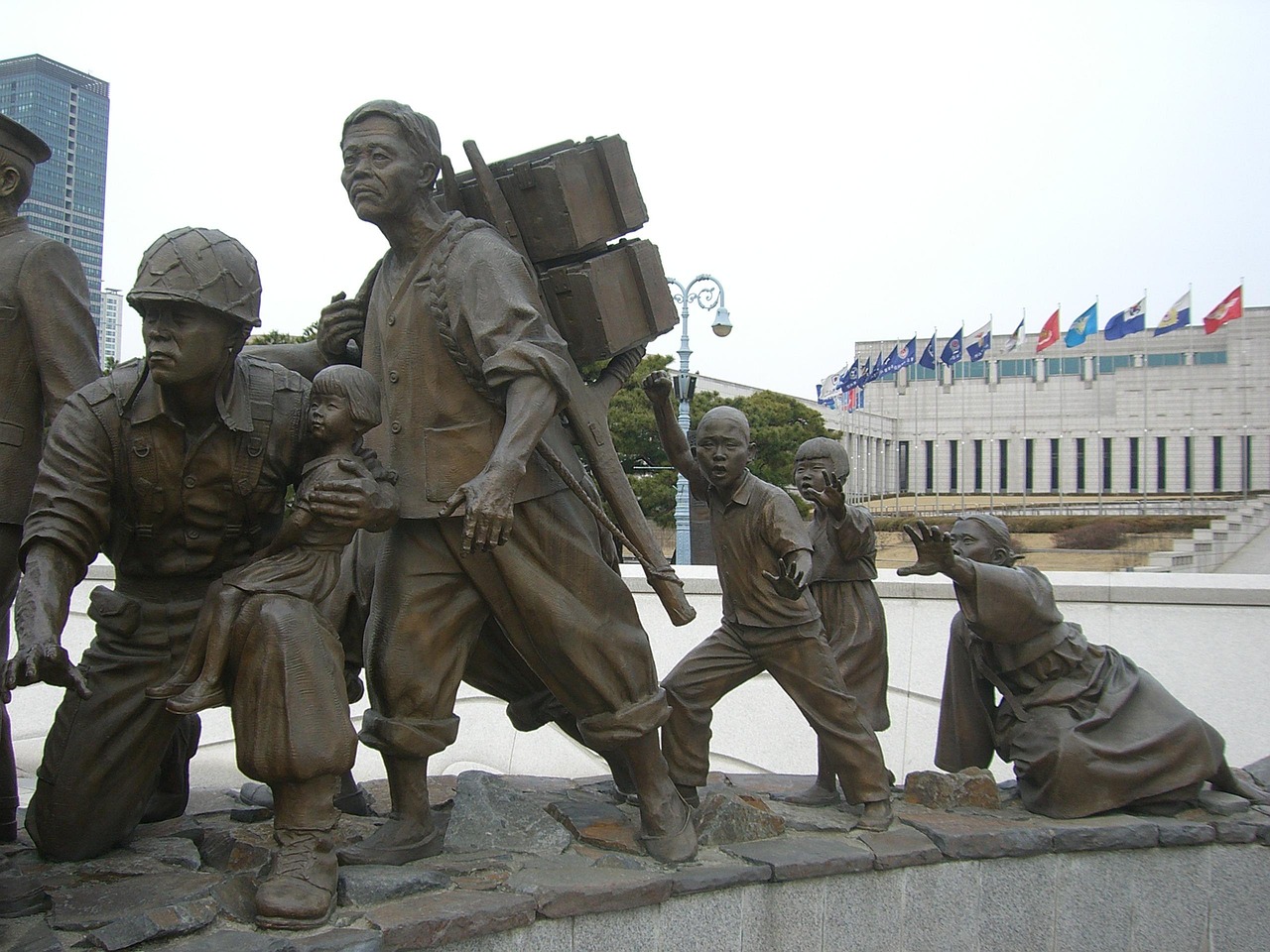
The War Memorial of Korea is one of the most powerful museums in the city, and I always recommend it to travelers who want to understand modern Korean history. The indoor exhibits and outdoor displays of tanks and aircraft are extensive, but the human stories are what stay with you.
Local Tips
- Allow at least 2–3 hours for a meaningful visit.
- Combine with nearby Itaewon or Yongsan for food afterward.
- Good for families with older kids interested in history; younger children may enjoy the outdoor displays more.
15. National Museum of Korea (국립중앙박물관)
The National Museum of Korea is huge, calm, and one of my favorite rainy-day refuges. Its permanent collection traces Korean art and history from prehistoric times to the modern era, and the building itself is spacious and soothing.
Local Tips
- Admission to the main galleries is typically free; special exhibitions may charge a small fee.
- There’s a lovely park and pond outside, perfect for a post-museum stroll.
16. Leeum Samsung Museum of Art (리움미술관)
Leeum is sleek, thoughtfully curated, and for years has been my favorite art museum in Seoul. It combines traditional Korean art with contemporary pieces in beautifully designed spaces by world-renowned architects.
Local Tips
- Check opening days and reserve tickets online if required; the museum occasionally closes for renovations or special installations.
- Pair with a meal or coffee in Itaewon or HBC afterwards.
17. Jongmyo Shrine (종묘)
Jongmyo Shrine is one of the most tranquil places in central Seoul. Dedicated to ancestral rites for Joseon kings and queens, it feels deeply spiritual. Walking under its old trees, I always marvel at how quiet it is despite being so close to busy city streets.
Local Tips
- Guided tours (including English) are often required to enter certain areas; check current rules as they evolve over time.
- Combine with nearby Insadong and Ikseondong.
18. Ikseondong Hanok Street (익선동)
Ikseondong is what happens when old hanok alleys meet new-wave cafés, cocktail bars, and dessert shops. It’s become wildly popular in recent years, but I still love ducking into its maze-like lanes in the late afternoon, when the crowds thin and lanterns begin to glow.
What to Do
- Hop between dessert cafés — shaved ice, croffles, and seasonal specialties.
- Have a drink at a speakeasy-style bar hidden behind an unmarked door in a hanok.
- Browse small boutiques for local fashion and crafts.
Local Tips
- Ikseondong’s alleys are narrow; be patient and avoid blocking doorways.
- It’s especially romantic at night with all the warm lighting and hanok silhouettes.
19. Seoul Forest (서울숲)
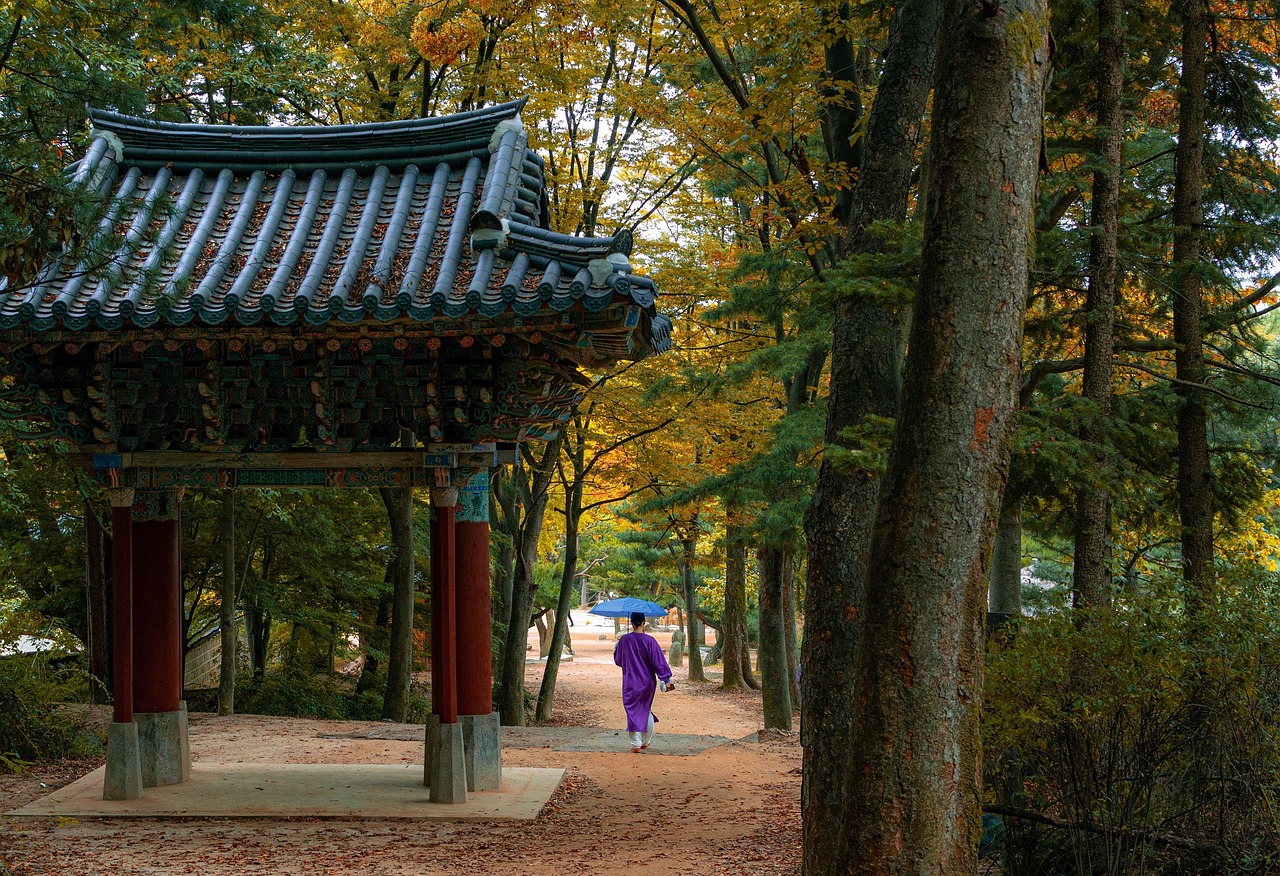
Seoul Forest is where I go when I want greenery without heading into the mountains. It’s a large urban park with walking paths, deer enclosures, art installations, and kids’ playgrounds — a gentler alternative to Bukhansan for families or anyone short on time.
Local Tips
- Combine with nearby Seongsu-dong (see neighborhoods section), one of Seoul’s trendiest café and design districts.
- Spring and autumn are especially lovely for flowers and foliage.
20. Cheonggyecheon Stream (청계천)
Running quietly below street level through downtown, Cheonggyecheon is one of my favorite evening walks. What used to be a covered highway is now a revitalized stream with pathways, small waterfalls, and seasonal light festivals.
Local Tips
- Start near Gwanghwamun or City Hall and walk east; there are frequent stairways back up to street level if you want to pop into nearby restaurants.
- In summer, locals dip their feet in the shallow water to cool off; kids love it.
21. Gwangjang Market (광장시장)
Every time I walk into Gwangjang Market, I get hit with the smell of frying jeon (savory pancakes) and boiling broth. This is one of the best places to sample iconic local food in Seoul in a no-frills, authentic setting.
What to Eat
- Bindaetteok (mung bean pancakes) fried crisp in shallow pans of oil.
- Mayak gimbap — “addictive” mini seaweed rice rolls with mustard dipping sauce.
- Kalguksu (knife-cut noodle soup) from stalls made famous in food shows.
Local Tips
- Go hungry and share dishes so you can try more.
- Many vendors don’t speak much English, but pointing and smiling works wonders.
22. Namdaemun Market (남대문시장)
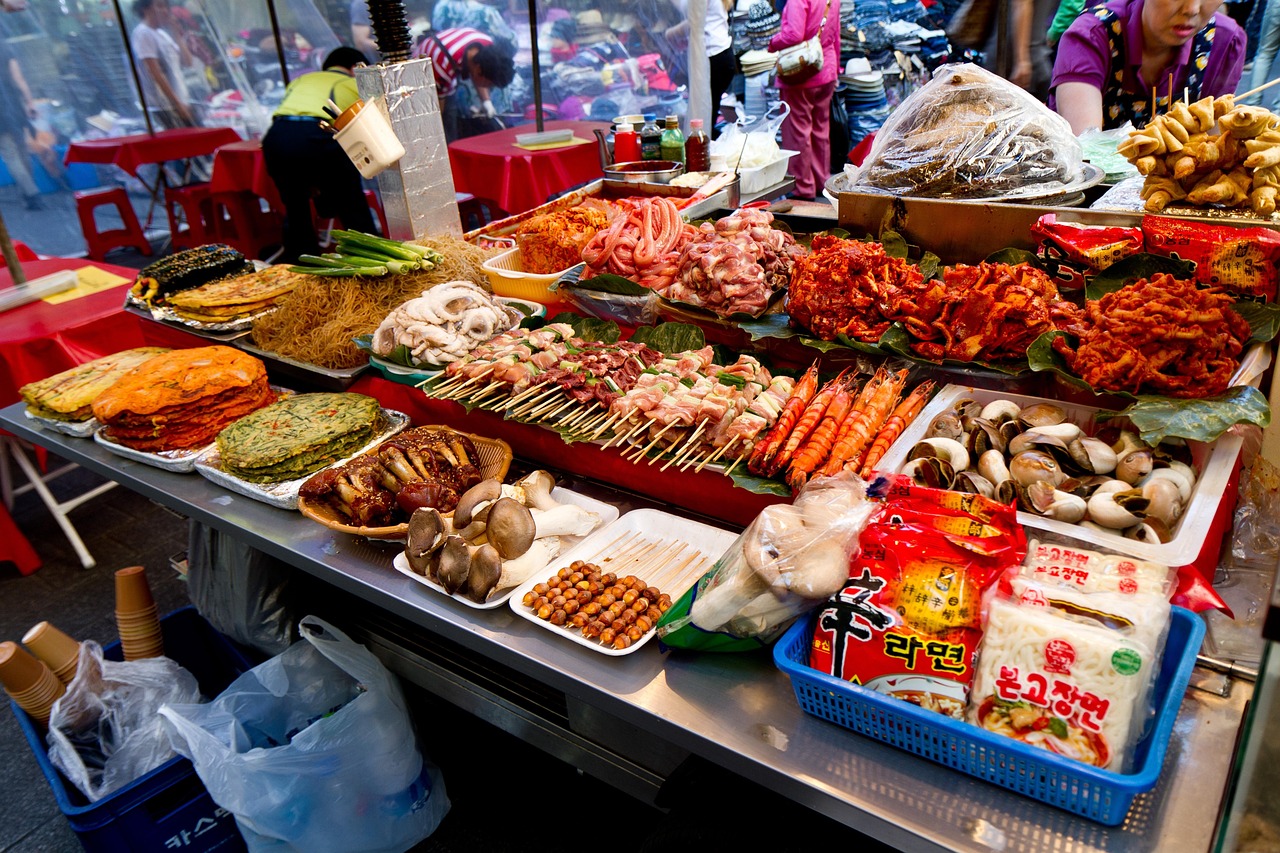
Namdaemun Market is one of Seoul’s oldest markets — and still one of the busiest. I come here when I want everything in one place: street snacks, kitchenware, clothing, souvenirs, and little glimpses of old-school merchant culture.
Local Tips
- It’s easy to get lost in the alleyways; embrace it and wander.
- Bargaining is possible but more restrained than in some other Asian markets; be polite and friendly.
- Combine with Myeongdong, just a short walk away.
Suggested Itineraries: 3–5 Days in Seoul
Below are flexible, story-style itineraries you can adapt for 3 days in Seoul, a 4 day itinerary for Seoul, or a full 5 days in Seoul. I’ll speak in the first person as I actually move through the city with friends or visiting family.
3 Day Itinerary for Seoul: Essential Highlights
If you only have 3 days in Seoul, focus on the core experiences: palaces, classic neighborhoods, food markets, and a city view. Here’s how I’d structure it.
Day 1: Palaces, Hanok, and Traditional Seoul
I like to start strong, with history and big views. After an early breakfast near my hotel (usually a simple kimbap roll and coffee), I head to Gyeongbokgung right for opening.
I spend the morning exploring the palace, watching the guard ceremony, and slowly wandering toward the back courtyards. Around late morning, I exit toward Bukchon Hanok Village, walking uphill through the main hanok alley, then ducking into a smaller backstreet to avoid the thickest crowds.
For lunch, I find a small hanjeongsik (Korean set meal) restaurant between Bukchon and Samcheong-dong: rice, soup, and a table full of banchan (side dishes). The owner sometimes refills my favorites without being asked — one of those little kindnesses that makes travel feel personal.
In the afternoon, I head to Changdeokgung and join a Huwon Secret Garden tour. Afterward, I wander to Insadong for tea and souvenir browsing, ending my day with a quiet visit to Jogyesa Temple if time allows.
Dinner is usually a simple bowl of bibimbap or doenjang jjigae nearby, and then I stroll a stretch of Cheonggyecheon Stream to unwind before heading back.
Day 2: Markets, Myeongdong & Namsan Views
On Day 2, I focus on food and city lights. I start at Gwangjang Market late morning for a brunch of bindaetteok and mayak gimbap. From there, it’s a short subway hop to Namdaemun Market for some shopping and more snacking.
By mid-afternoon, I walk or ride the subway to Myeongdong. I browse shops, grab a coffee, and watch as the street food stalls set up. As the sun dips, I head toward Namsan. If I’m feeling energetic, I hike up; if not, I take the cable car to Namsan Seoul Tower.
After soaking in the panoramic view and maybe adding a love lock if I’m with my partner, I descend back to Myeongdong for a street food dinner: tteokbokki, hotteok (sweet pancakes), and maybe a skewer or two of grilled meat.
Day 3: Modern Seoul – Hongdae or Gangnam
For my final day in a 3 day itinerary for Seoul, I pick a “modern” district depending on mood:
- Option A: Hongdae for a casual, artsy vibe.
- Option B: Gangnam & COEX for sleek, high-rise Seoul.
In Hongdae, I spend the afternoon hopping between cafés, watching street performances, and doing last-minute clothes shopping. I end with a casual Korean BBQ and maybe a noraebang session with friends.
In Gangnam, I visit Starfield Library at COEX, pop into the aquarium if I’m with kids, and pay respects to the city’s contrasts at Bongeunsa Temple. Dinner might be upscale barbecue or a Korean fusion restaurant, followed by a cocktail bar overlooking the city lights.
4 Day Itinerary for Seoul: Adding Nature & Neighborhoods
With 4 days in Seoul, I keep the first three days similar, then add time for nature and a hip neighborhood.
Day 4: Bukhansan Hike or Seoul Forest & Seongsu-dong
If I’m in the mood for a workout, I dedicate Day 4 to Bukhansan National Park. I wake early, pack water and snacks, and take the subway plus bus to a trailhead like Baegundae. The climb is challenging, but the view of the city from the summit — towers, river, and endless apartment blocks — always reminds me how massive Seoul really is.
After descending, I treat myself to a late lunch at a nearby restaurant serving pajeon (green onion pancake) and makgeolli (rice wine) — the classic Korean post-hike combo.
If I want a more relaxed day, I opt instead for Seoul Forest and nearby Seongsu-dong. I spend the morning wandering the park, then cross into Seongsu’s industrial-chic streets: repurposed warehouses, design shops, and some of my favorite cafés in the city. It’s a great way to experience hidden gems in Seoul that don’t feel overrun.
5 Day Itinerary for Seoul: Deep Dive & Day Trip
With 5 days in Seoul, you can slow down, revisit favorite spots, or add a day trip. Here’s how I often structure a 5 day itinerary for Seoul.
Day 5 Option A: DMZ Day Trip
Book a DMZ tour with a reputable company (in 2026, many still require advance reservation and passport details). It’s a long day but incredibly informative, offering a sobering look at the divided Korean Peninsula. You’ll return to Seoul in the late afternoon or evening, usually tired but with a much deeper appreciation of the country’s modern history.
Day 5 Option B: Suwon Hwaseong Fortress or Incheon Chinatown
If the DMZ feels too heavy, I often recommend:
- Suwon Hwaseong Fortress — a UNESCO site with well-preserved walls and gates, an hour-ish from Seoul.
- Incheon Chinatown & Wolmido — colorful streets, fusion food, and seaside vibes.
In either case, return to Seoul for a final dinner in a favorite neighborhood — maybe Ikseondong for hanok chic, or Hongdae for late-night energy.
Interesting Neighborhoods & Districts in Seoul
Part of what makes Seoul special is how distinct each neighborhood feels. Here’s how I think about them when planning where to stay and wander.
- Jongno & Gwanghwamun: Historical heart with palaces, temples, and government buildings. Great for first-timers and culture lovers.
- Myeongdong: Shopping and street food, convenient location, lots of mid-range hotels.
- Hongdae: Youthful, artsy, packed with nightlife and budget accommodation. Ideal for backpackers and younger travelers.
- Gangnam: Modern, upscale, business and nightlife hub. Good for luxury stays and K-drama vibes.
- Itaewon & HBC: International, diverse food scene, lively nights. Great if you want variety in cuisine and bars.
- Ikseondong & Insadong: Hanok charm with cafés, boutiques, and easy access to major sights.
- Seongsu-dong: “Brooklyn of Seoul” — hip cafés, design shops, and repurposed factories.
- Yeouido: Financial district turned Han River park hotspot, especially nice in cherry blossom season.
Best Local Food & Drinks to Try in Seoul
Food is half the reason I keep coming back to Seoul. Here are some essentials and where I personally like to eat them.
- Korean BBQ (samgyeopsal, galbi): Grill meat at your table, wrap in lettuce with garlic, ssamjang, and kimchi. I love small BBQ joints in Mapo or backstreets of Gangnam.
- Tteokbokki: Spicy rice cakes. Try them at Gwangjang Market, Myeongdong, or from late-night street carts.
- Kimchi jjigae & doenjang jjigae: Homey stews. Look for mom-and-pop restaurants near universities; the set meals are cheap and filling.
- Naengmyeon: Cold buckwheat noodles, perfect in summer. I often seek these out around City Hall or Mapo.
- Fried chicken & beer (chimaek): Great anywhere, but I love eating it by the Han River or in Hongdae.
- Desserts & cafés: Seoul’s café culture is huge. Try bingsu (shaved ice), seasonal pastries, and hand-drip coffee in neighborhoods like Seongsu, Ikseondong, and Hongdae.
Money-saving tip: Look for lunch specials (often 11:30–14:00) and bunshik (snack) shops near subway exits for hearty meals under a modest budget.
Nightlife, Entertainment & Cultural Experiences in Seoul
Seoul’s nightlife is famously intense, but it’s not just clubs and soju. There’s a wide range of cultural experiences in Seoul after dark.
- Noraebang (karaoke rooms): Rent a private room with friends, order snacks, and sing your heart out. Hongdae, Gangnam, and Myeongdong have plenty.
- Clubs & bars: Hongdae for casual, Gangnam for upscale, Itaewon for international and LGBTQ+ friendly spots.
- Traditional performances: Look for samulnori (percussion), pansori (narrative singing), or fusion performances at theaters near Gwanghwamun and Daehangno.
- K-pop experiences: Visit entertainment company buildings, K-pop cafés, or attend concerts and music shows (book ahead; demand is high).
- Night views & walks: Namsan, Lotte World Tower, Han River parks, and Cheonggyecheon all shine at night.
Best Day Trips from Seoul
When you’ve explored the main things to do in Seoul, consider these easy day trips:
- DMZ & JSA: Guided tours only; book well in advance, bring your passport, and dress modestly.
- Suwon Hwaseong Fortress: About an hour by train; walk the walls, visit the palace, and stroll the old town.
- Nami Island & Petite France/Garden of Morning Calm: A classic combo; gorgeous in autumn and winter, very family-friendly.
- Incheon Chinatown & Wolmido: Colorful streets, fusion food, and seaside amusement rides.
Seoul in 2026–2027: Events, Festivals & What’s New
Seoul’s event calendar is packed year-round. For 2026–2027, expect continued growth in:
- Cherry blossom festivals around Yeouido and Seokchon Lake (typically late March–early April).
- Seoul Lantern Festival along Cheonggyecheon (usually in November) with elaborate illuminated displays.
- Seoul Kimchi Making & Sharing Festival (autumn), where you can learn to make kimchi and join community events.
- Seoul Fashion Week at DDP (twice yearly), bringing designers and street style fans together.
- Ongoing expansion of K-culture experiences — new K-pop museums, drama filming location tours, and immersive exhibitions in 2026–2027.
Cultural Etiquette & Local Customs in Seoul
Koreans are generally patient with visitors, but observing local customs goes a long way.
- Quiet on public transport: Keep voices down, especially on the subway.
- Respect elders: Offer seats to older people; use both hands when giving or receiving items like money or business cards.
- Shoes off indoors: In homes and many traditional guesthouses, remove shoes at the entrance.
- Dining etiquette: Wait for the eldest to start eating; don’t stick chopsticks upright in rice; pour drinks for others, not yourself.
- Temples & shrines: Dress modestly, speak softly, and follow posted rules about photos.
- Trash & recycling: Public bins are rare; carry your trash until you find proper disposal.
Practical Travel Advice for Seoul (2026)
Getting Around
Seoul’s public transport is efficient, safe, and covers almost everywhere you’ll want to go.
- T-money card: Buy a reloadable transit card at convenience stores or subway stations; tap in/out on buses and trains.
- Subway: Fast, frequent, bilingual signage. Avoid rush hours (around 8–9:30 a.m. and 6–8 p.m.) if you dislike crowds.
- Buses: Color-coded and extensive; apps like Naver Map and KakaoMap are indispensable for routes.
- Taxis: Affordable compared to many Western cities; use Kakao T app for easier bookings.
- Car rental: Generally unnecessary in the city; parking and traffic can be challenging.
SIM Cards & Connectivity
- Airport options: At Incheon, you can buy physical SIMs or rent Wi-Fi eggs from telecom counters (KT, SK Telecom, LG U+).
- eSIMs: For 2026, eSIM packages are widely available online; activate before arrival for smoother entry.
- Coverage is excellent, and speeds are fast even in subway tunnels.
Money & Budget Tips
- Currency: South Korean Won (KRW). Cards are widely accepted, including transit and small cafés.
- ATMs: Look for “Global” or “International” ATMs at banks and convenience stores.
- Saving money: Eat at local lunch spots, use the subway, stay slightly outside prime tourist zones, and take advantage of free attractions (palace exteriors, markets, parks, many museums).
Visas & Entry (Check Latest Rules)
Visa requirements vary by nationality and can change, so always confirm before travel.
- Many countries enjoy visa-free entry for short stays (often up to 30–90 days).
- Some visitors must complete K-ETA (Korea Electronic Travel Authorization) online before arrival.
- Ensure your passport is valid for at least 6 months beyond your stay.
Driving & Licenses
- If you do rent a car (more useful for countryside trips than Seoul), you’ll generally need an International Driving Permit (IDP) plus your home license.
- Right-hand traffic, good roads, but city driving can be stressful due to dense traffic and complex lanes.
Best Seasons & Weather
Seoul has four distinct seasons, each with different strengths for activities and attractions.
- Spring (April–May): Mild, cherry blossoms, azaleas — ideal for palaces, walking tours, and Han River picnics. Popular and busier.
- Summer (June–August): Hot and humid, with a rainy monsoon period. Great for indoor attractions (museums, malls) and late-night river hangouts.
- Autumn (September–November): Crisp air, clear skies, stunning foliage at palaces and Bukhansan. My personal favorite season.
- Winter (December–February): Cold, sometimes snowy, but magical if you like winter scenery. Ideal for warm stews, hot drinks, and fewer crowds at outdoor sites.
Final Summary: How to Make the Most of Your Trip to Seoul
Seoul is a city that rewards both planners and wanderers. If you’re here for just 3 days in Seoul, anchor your trip around palaces, Myeongdong, a Han River evening, and a modern neighborhood like Hongdae or Gangnam. For a 4 day itinerary for Seoul, add Bukhansan or Seoul Forest and Seongsu-dong. With a full 5 days in Seoul, you’ll have time for a day trip to the DMZ or nearby cities and a slower, deeper exploration of hidden gems in Seoul like Ikseondong and HBC.
Prioritize what speaks to you — food, history, shopping, mountain views, or K-pop — and let Seoul fill in the rest with serendipity: a street performer whose song stops you in your tracks, a steaming bowl of soup in a tiny restaurant you can’t find on any map, a late-night walk along a lit-up stream.
For most travelers, the best time to visit Seoul is:
- April–May for blossoms and mild weather.
- Late September–early November for foliage and crisp, clear days.
But with the right clothes and a flexible mindset, any season can be the perfect season to discover this city. In 2026 and 2027, Seoul’s mix of tradition and cutting-edge culture is only getting richer — and there’s always something new waiting just around the next neon corner.