Why Visit Alicante in 2026?
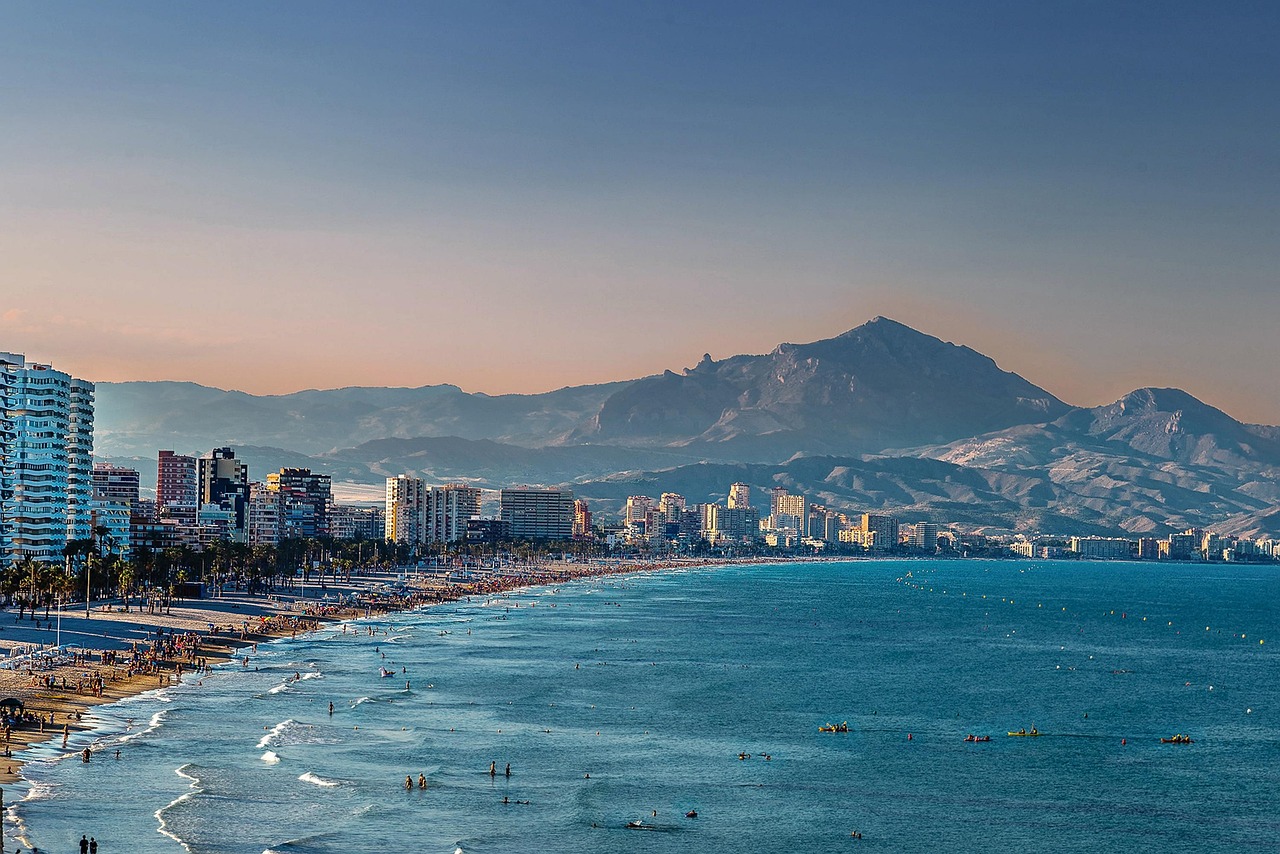
Alicante is one of those cities that quietly sneaks into your heart. It doesn’t shout like Barcelona or pose like Ibiza. Instead, it offers you golden beaches, an easygoing old town, honest food, and warm evenings that seem to stretch on forever.
I’ve been coming to Alicante regularly for over a decade, and every time I land at the airport and see that sweep of coastline from the plane window, I get the same little rush: “Oh, I’m back.” It’s compact enough to feel walkable, big enough to stay interesting, and still local enough that you hear Spanish and Valencian more than English as soon as you step away from the beachfront.
In 2026, Alicante is buzzing: improved tram connections up the Costa Blanca, a growing food scene in the Mercado Central area, and a packed calendar of festivals from Hogueras de San Juan to the Moors and Christians parades in nearby towns. Whether you have 3 days in Alicante or 5 days in Alicante, you can mix beaches, castles, hikes, tapas crawls, and day trips without ever feeling rushed.
This travel guide for Alicante is written as if I’m walking you around myself: what I love, what’s overrated, where to watch the sunset, where to find local food in Alicante without blowing your budget, and the little cultural quirks that will make your trip smoother and more rewarding.
Table of Contents
- Why Visit Alicante
- Suggested Itineraries (3–5 Days in Alicante)
- 20 Must-See Attractions in Alicante (Deep Dive)
- Neighborhoods & Areas to Explore
- Best Local Food & Drink in Alicante
- Nightlife, Entertainment & Cultural Experiences
- Best Day Trips from Alicante
- Major Events & Festivals 2026–2027
- Local Customs & Cultural Etiquette
- Practical Travel Tips for Alicante
- Summary & Best Time to Visit Alicante
Suggested Itineraries: 3–5 Days in Alicante
Most visitors I meet here end up staying longer than planned. Still, if you only have 3 days in Alicante, you can absolutely see the highlights. With 4 days in Alicante, you can slow down and add a coastal hike or a winery. With 5 days in Alicante, you can live more like a local: lazy mornings, long lunches, and spontaneous tram rides up the coast.
Below are compact overviews of 3- and 4-day plans, then a more immersive 5-day itinerary for Alicante with personal notes from my own stays.
3 Day Itinerary for Alicante: Classic Highlights
If you’re planning just 3 days in Alicante, focus on the city’s core: castle, old town, beaches, and food.
- Day 1: Santa Bárbara Castle, Explanada de España, Postiguet Beach, tapas crawl in Barrio de Santa Cruz.
- Day 2: Mercado Central breakfast, MARQ Archaeological Museum, San Nicolás Co-Cathedral, sunset at Mount Benacantil viewpoint.
- Day 3: Boat trip to Tabarca Island for swimming & paella, evening drinks at Volvo Ocean Race area.
4 Day Itinerary for Alicante: Add Nature & Neighborhoods
With 4 days in Alicante, you can add a hike and explore more local neighborhoods.
- Day 1: Same as Day 1 above (castle + old town + beach).
- Day 2: MARQ, Lucentum Roman ruins, sunset at Albufereta Beach.
- Day 3: Tabarca Island day trip.
- Day 4: Morning hike at Serra Grossa, lunch in the Mercado Central area, explore modern Alicante around Plaza de los Luceros and Avenida Maisonnave for shopping and café hopping.
5 Day Itinerary for Alicante: Living Like a Local
Now let me walk you through a more immersive 5 day itinerary for Alicante, based on how I tend to structure my own trips. You can shorten this to 3 or 4 days, but I’ll describe it as if you have the full 5.
Day 1 – First Taste of Alicante: Castle, Old Town & Sea
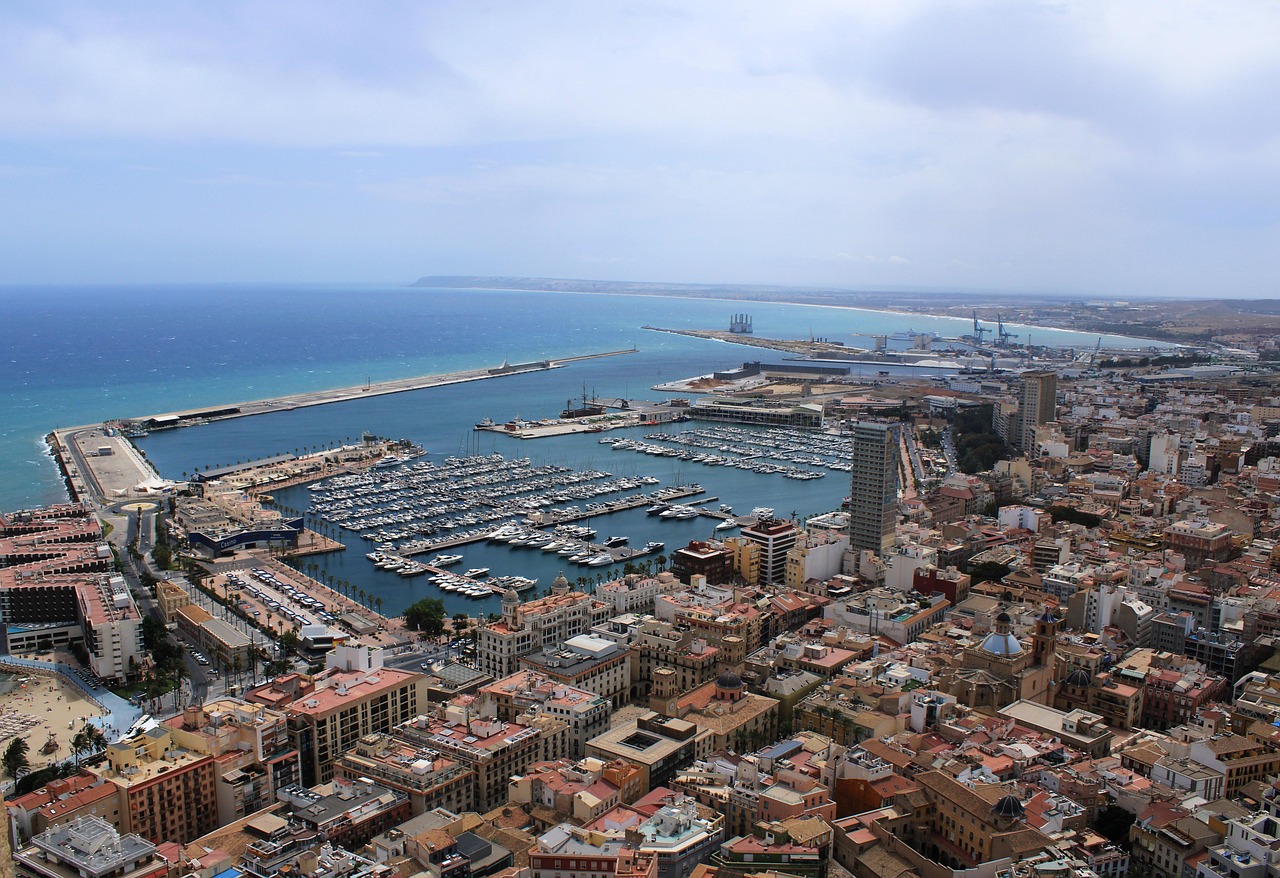
I usually arrive in Alicante mid-morning on a budget flight from another European city. Within 20–30 minutes of landing, I’m already by the sea—this airport-city connection is one of Alicante’s superpowers.
Morning: Climb (or Elevator) to Castillo de Santa Bárbara
Drop your bags at your accommodation (ideally somewhere between the old town and Postiguet Beach) and then head straight for Castillo de Santa Bárbara, the medieval fortress perched on Mount Benacantil. It’s the best orientation you can get.
You can either walk up from the old town (a bit steep but scenic) or take the elevator from near Postiguet Beach. When I’m jet-lagged, I shamelessly take the elevator up and walk down through the pine-scented paths.
- What you’ll see: Panoramic views across the entire bay, cannons pointing seaward, old dungeons, and rotating exhibitions inside the castle halls.
- Time needed: 2–3 hours if you wander slowly, take photos, and visit the small museum.
- My tip: Bring a light scarf or jacket even in summer; the breeze at the top can be surprisingly cool.
Lunch: Seafood with a View
After exploring the castle, walk down towards the sea. I like to stop along the marina or just behind the Playa del Postiguet area. Try a simple menu del día (fixed-price lunch) with grilled fish, salad, and a glass of local white wine (Alicante’s whites are underrated).
Afternoon: Explanada de España & Playa del Postiguet
Stroll along the Explanada de España, Alicante’s iconic palm-lined promenade with its wavy red, cream, and black mosaic tiles. Street artists often perform here in the late afternoon; kids run around chasing bubbles, and older locals sit on benches people-watching.
Cross over to Playa del Postiguet for a first dip in the Mediterranean. The beach is right at the city’s edge, which means you can go from café to sea in under five minutes. On my first day, I always take a “reset swim” here, no matter the season. Even in winter, it’s nice just to walk along the shore with your shoes off.
Evening: Barrio de Santa Cruz & Tapas Crawl
As the light softens, head into the Barrio de Santa Cruz, the old quarter that climbs the hill below the castle. This is a maze of narrow lanes, whitewashed houses draped in bougainvillea, and small squares where neighbors chat from their doorsteps.
I like to start with a vermut (vermouth) in a tiny bar and then hop between tapas spots, ordering a couple of dishes in each: grilled octopus, Russian salad, croquetas, or local salted fish. Don’t plan too rigidly—just follow what looks lively.
End the night at a small mirador (viewpoint) overlooking the city lights. The hum of the port, the glow of the castle above, and the smell of the sea are the perfect welcome to Alicante.
Day 2 – Markets, Museums & Sunset Views
Morning: Breakfast at Mercado Central
I always dedicate my second day to understanding the city through its food and history. Start at Mercado Central, Alicante’s vibrant central market. Go early (9–10 a.m.) to catch it at its best.
- Grab a coffee and tostada con tomate (toast with tomato and olive oil) at one of the little bars inside.
- Wander through the seafood section—Alicante’s prawns and red tuna are legendary.
- Pick up fruit for the day (the local melons and peaches in summer are ridiculously good).
Late Morning: MARQ Archaeological Museum
From the market, it’s about a 15–20 minute walk to MARQ (Museo Arqueológico Provincial de Alicante). MARQ is one of my favorite museums in Spain: modern, interactive, and genuinely interesting even if you’re not a history buff.
You’ll trace the region’s story from prehistory to the Middle Ages, with beautifully presented artifacts and immersive rooms that feel more like film sets than dusty galleries. When I first visited, I expected to pop in for an hour and ended up staying almost three.
Afternoon: Lucentum Roman Ruins or Chill Time
History lovers should continue out to Lucentum, the remains of the Roman city that predated modern Alicante, located in the Albufereta area. Take the tram (TRAM line 3 or 4) or a short taxi ride.
Lucentum is open-air, with foundations of houses, streets, and bath complexes. It’s rarely crowded, and the feeling of standing in what was once a busy Roman port city, with modern apartment blocks in the distance, is strangely moving.
If you’re not in the mood for more history, use this afternoon for a slower beach session or a siesta. Alicante rewards those who embrace its rhythm: big lunch, quieter afternoon, later evening.
Evening: Serra Grossa or Mount Benacantil Sunset
For sunset, I love hiking a short way up Serra Grossa, the coastal hill just north of the city. It’s less famous than the castle but offers stunning views back over the bay and the city skyline. Locals come here to walk dogs, jog, or sit on the rocks with a beer.
Alternatively, return to the castle area for a different perspective at dusk. The city’s lights and the port’s reflections are beautiful from above.
Day 3 – Tabarca Island Escape
This is your island day. No matter how short your trip, if you can squeeze in Tabarca, do it. It turns a good Alicante trip into a memorable one.
Morning: Boat to Tabarca
Boats to Isla de Tabarca leave from the port of Alicante. In high season, I book my ticket the day before; outside of summer, you can usually just show up 30–45 minutes early.
- Journey time: About 1 hour each way.
- What to bring: Swimsuit, towel, reef-safe sunscreen, hat, water, and snorkel if you have one.
Midday: Swim, Snorkel, and Wander
Tabarca is tiny—Spain’s smallest permanently inhabited island—with clear turquoise water and a fortified village. I usually do a slow loop: swim at one cove, wander through the village with its pastel houses, then pick a restaurant for a long lunch.
The island is part of a marine reserve, so the water visibility can be excellent. I’ve spotted octopus, shoals of small fish, and once, a huge school of silvery anchovies shimmering under the surface.
Lunch: Caldero Tabarquino
Try the local rice dish, caldero tabarquino, a kind of fish-and-rice stew served in two rounds. It’s rich, garlicky, and deeply satisfying after a morning of swimming.
Afternoon & Evening: Back to Alicante for a Quiet Night
You’ll return mid-to-late afternoon. I recommend a relaxed evening: perhaps a stroll through the marina and a simple dinner near the port. This is usually the night I do laundry, sort photos, and plan the next day’s adventures.
Day 4 – Local Neighborhoods, Shopping & Beach Time
Morning: Around Plaza de los Luceros & Avenida Maisonnave
By day 4, I like to step into everyday Alicante life. Start at Plaza de los Luceros, a grand roundabout with a sculpted fountain and one of the city’s main tram stops. From here, walk down Avenida Maisonnave, the main shopping street, lined with local and international brands.
Stop at a café for a mid-morning café con leche and ensaimada or napolitana de chocolate. Watch office workers and students going about their day—you’re no longer just in tourist Alicante.
Afternoon: San Juan or Albufereta Beach
Hop on the tram (lines 3 or 4) and head to Playa de San Juan or Playa de la Albufereta. San Juan is wide, long, and perfect if you like space and beach bars; Albufereta is more intimate, framed by hills and apartments, and feels like an older resort area.
On one July visit, I spent an entire afternoon at San Juan with friends, renting paddleboards and then collapsing into beach chairs with tinto de verano (red wine with lemon soda). We didn’t move for hours, except to run into the sea when it got too hot.
Evening: Dinner by the Sea
Stay by the beach for dinner at one of the chiringuitos (beach bars) or head back into town for a rice dish—arroz a banda (rice cooked in fish stock) is a classic Alicante specialty worth seeking out.
Day 5 – Culture, Views & One Last Indulgence
Morning: Historic Alicante
If you haven’t explored them yet, this is the day to visit the Concatedral de San Nicolás, peek into small museums like the MACA (Museum of Contemporary Art), and wander aimlessly through the old streets, popping into courtyards whenever you find an open door.
Afternoon: Last Views & Souvenirs
I like to revisit my favorite viewpoint—often Serra Grossa or a quiet corner of the castle—to say my quiet goodbye to the city. Then I pick up edible souvenirs: local wine, turrón (nougat), salted fish, or olive oil from shops around the market.
Evening: Farewell Dinner & Passeggiata
For your final evening, book somewhere slightly special: perhaps a creative tapas restaurant in the center or a terrace overlooking the marina. Afterwards, join the nightly passeggiata along the Explanada de España, then sit on the beach one last time, listening to the waves and promising yourself you’ll come back.
20 Must-See Attractions in Alicante (Deep Dive)
Below are twenty of the best places to visit in Alicante, each with background, what to do, and personal pointers. Many are woven into the itineraries above, but here we focus on each one individually.
1. Castillo de Santa Bárbara
Why go: It’s the crown of Alicante—literally watching over the city from Mount Benacantil. If you see only one attraction, make it this.
History: The castle’s origins go back to the 9th century under Muslim rule, though most of what you see now dates from later medieval and early modern periods. It has been a fortress, a prison, and now a cultural venue with exhibitions and events.
My experience: I’ve visited in blazing August heat, moody winter skies, and soft April light. My favorite time is late afternoon in shoulder season—fewer crowds, warm but not punishing sun, and a golden glow over the harbor. Once, during a spring storm, I watched rain sweep across the bay while the sun broke through behind me; the contrast made Alicante look like a painting.
- Family-friendly? Yes, kids love the cannons and tunnels; just watch little ones near edges.
- Romantic? Very—sunset up here is made for couples.
- Adventurous? Hike up via the footpaths from the old town for a small workout.
- Tip: There’s often a small café/bar inside the castle—perfect for a coffee or cold beer with a view.
2. Playa del Postiguet
Why go: Alicante’s in-town beach—easy, accessible, and a great base for a quick swim between sightseeing sessions.
In summer, Postiguet is lively and can be crowded, but I still love slipping down here for a 20-minute swim at sunrise before the day heats up. In winter, it turns into a calm promenade where locals walk dogs and do morning exercises.
- Family-friendly? Yes, shallow entry and lifeguards in high season.
- Tip: For quieter vibes, walk towards the far ends of the beach, away from the main stairs.
3. Explanada de España
Why go: This palm-lined, wave-patterned promenade is Alicante’s living room.
When I meet friends in Alicante, we almost always say, “Let’s meet on the Explanada.” The sound of heels clicking on mosaic, the rustle of palm leaves, and the occasional busker playing guitar give it an almost cinematic feel.
It’s especially atmospheric at dusk in summer, when locals of all ages take their evening stroll and the air smells faintly of sea salt and roasted nuts from street vendors.
4. Barrio de Santa Cruz
Why go: The most charming part of old Alicante, with steep lanes, flower pots, and views at every corner.
I always recommend visitors go up here twice: once in the daytime to admire the details and again at night to feel the atmosphere. On one visit, I stumbled upon a small procession during Holy Week—residents watching from balconies, candles flickering—the kind of unscripted moment that makes slow travel so rewarding.
5. Mercado Central de Alicante
Why go: This is the beating heart of local food in Alicante.
Beyond the glossy produce and mounds of seafood, Mercado Central is where you feel the city’s daily rhythm. I like to watch older residents doing their careful shopping, then students grabbing a quick snack at the market bar. It’s also an excellent place to learn ingredient names in Spanish and practice a bit of small talk.
6. MARQ – Museo Arqueológico Provincial de Alicante
Why go: Award-winning, engaging archaeology museum that tells the story of the Costa Blanca.
The museum uses sound, light, and reconstructed scenes to make the past feel tangible. Kids (and adults) tend to get pulled in by the recreated excavation sites and interactive screens. I’ve visited several times and still discover new angles on the region’s layered history, from Iberians to Romans to medieval settlers.
7. Lucentum Roman Site
Why go: An open-air Roman city on a hill, offering quiet reflection and subtle sea views.
Lucentum isn’t flashy, but there’s something special about walking its old streets in near silence. The first time I came here, I brought a small picnic and sat overlooking the ruins, trying to imagine the port as it would have looked 2,000 years ago.
8. Isla de Tabarca
Why go: A small island with turquoise water, stone walls, and a sleepy charm.
On weekdays outside peak July-August, Tabarca can feel like a dream—old fishermen sitting in the shade, gentle waves lapping, cats napping in doorways. On high-season weekends it’s busier and more festive. Either way, it’s one of the best things to do in Alicante if you like swimming and coastal scenery.
9. Playa de San Juan
Why go: A long, wide, clean beach ideal for full beach days.
With soft sand, beach volleyball, water sports, and a promenade of restaurants and cafés, San Juan is where I go when I want a classic beach day without leaving the city’s orbit.
10. Playa de la Albufereta
Why go: Smaller and more sheltered than San Juan, with a slightly retro holiday feel.
Albufereta is backed by older apartment blocks and green hills, and has a mellow vibe I associate with 1970s seaside postcards. It’s one of my favorite sunset swim spots.
11. Serra Grossa
Why go: Easy-access urban hiking with panoramic views.
From the trails on Serra Grossa, you can see the city laid out like a map: castle, marina, beaches, distant mountains. I’ve hiked here at sunrise with almost no one else around—just the sound of my footsteps on gravel and the first light hitting the water.
12. MACA – Museum of Contemporary Art
Why go: Free-entry contemporary art museum in a beautifully restored baroque building.
MACA’s collection includes works by Miró, Picasso, and local artists. It’s compact but thoughtfully curated, and I often pop in for 30–45 minutes when I need a break from the sun.
13. Concatedral de San Nicolás
Why go: Alicante’s main church, with a serene cloister and understated elegance.
The cathedral’s blue dome is one of the city’s most recognizable architectural features. Inside, the light is soft and the atmosphere calm—a good place to pause on a busy day of sightseeing.
14. Port & Marina Area (Volvo Ocean Race Zone)
Why go: Modern waterfront area with restaurants, bars, and yacht views.
At night, the reflections of lights on the water and the silhouettes of masts create a subtly glamorous atmosphere. I like to come here for a post-dinner walk or a late drink.
15. Plaza de los Luceros
Why go: A grand square that functions as a transport hub and local meeting point.
Besides being pretty in its own right, Luceros is useful: trams radiate out from here, connecting you with beaches and nearby towns. During some festivals, the square becomes ground zero for fireworks and celebrations.
16. Ayuntamiento (City Hall)
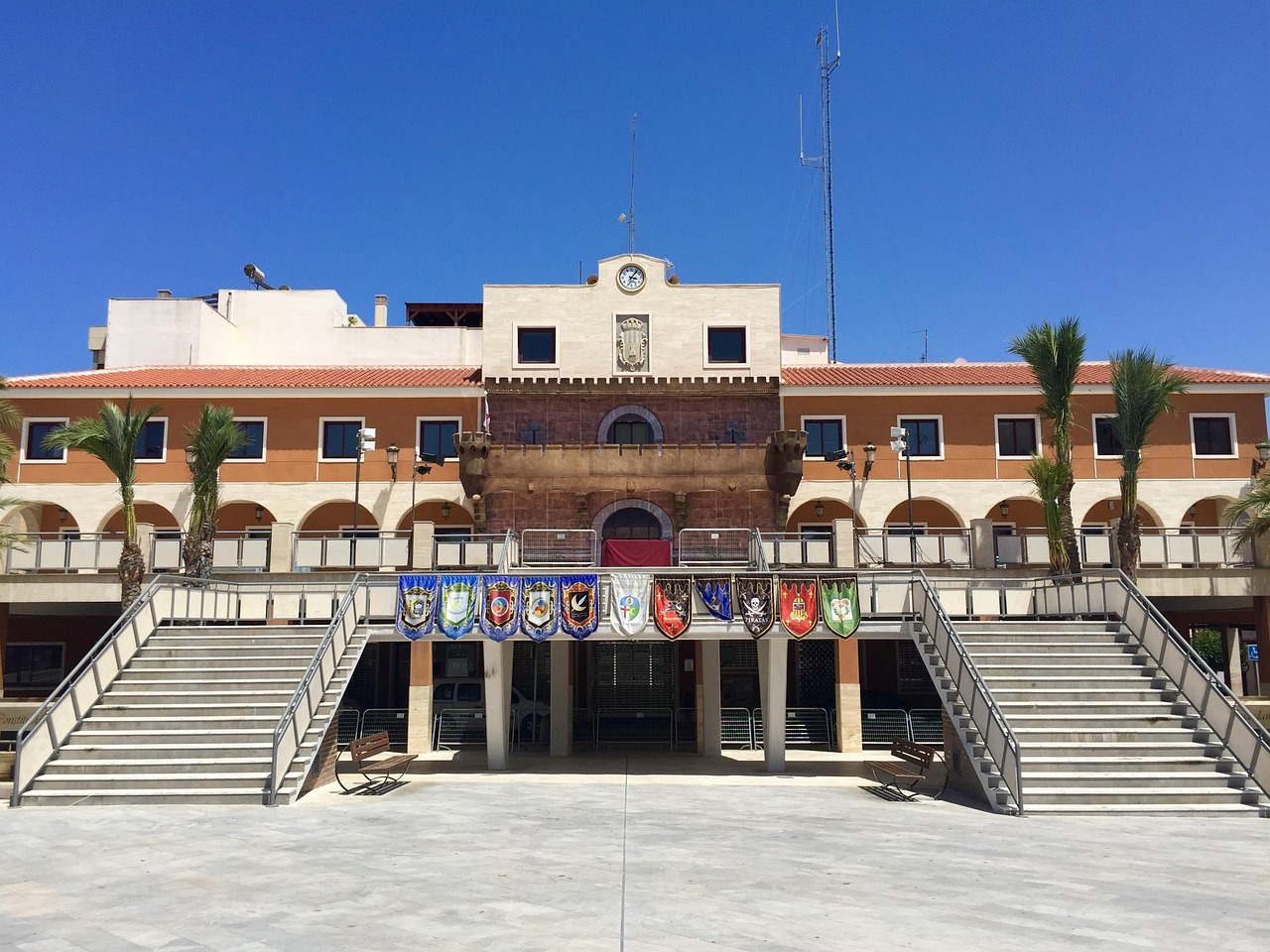
Why go: A baroque civic building with an elegant façade and grand staircase.
Step inside (when open) to see the ornamental staircase and the official “Cota Cero” mark used as a reference point for measuring altitude across Spain. It’s a quick but worthwhile stop as you wander the old town.
17. Museo de Belenes (Nativity Museum)
Why go: Quirky, free museum displaying nativity scenes from around the world.
Even if you’re not particularly religious, the craftsmanship here is fascinating. It’s a fun, short visit, especially around Christmas.
18. Museo de Fogueres
Why go: Learn about Alicante’s biggest festival, the Hogueras de San Juan.
The museum preserves some of the giant papier-mâché figures that are paraded and then burned during the festival. Seeing them up close, you realize how intricate and labor-intensive they are.
19. Castillo de San Fernando
Why go: Less-visited hilltop fort with parkland and local feel.
San Fernando is more ruin than polished attraction, but that’s part of its appeal. Locals come here to exercise, walk dogs, and enjoy the views from a different angle than Santa Bárbara. I like sitting on the walls at sunset with a takeaway snack.
20. Parque de Canalejas & Waterfront Parks
Why go: Shady park with giant ficus trees and sculptures, perfect for a break from the sun.
Canalejas runs parallel to part of the waterfront. Its huge old trees create a cool microclimate, and the carved stone sculptures are a fun surprise for kids. It’s an easy place to rest between sightseeing stops.
Neighborhoods & Areas to Explore in Alicante
Casco Antiguo (Old Town)
This is the historic heart: narrow streets, small squares, historic churches, and some of the city’s best nightlife. Stay here if you want character and don’t mind some noise on weekends.
Barrio de Santa Cruz
A sub-area of the old town, climbing the hill towards the castle. Quieter, more residential, but increasingly popular with boutique guesthouses. Lots of stairs; pack light if you stay up here.
Centro & Ensanche
The grid of streets around Avenida Maisonnave and Plaza de los Luceros is modern Alicante: shops, offices, cafés, and more “everyday” restaurants. I often stay here when I’m on a longer work trip; it feels local but is still walkable to the sea.
Playa del Postiguet & Marina Area
Great if you want to be between beach and city, with easy access to everything. Accommodation here can be a bit pricier in peak season but the location is hard to beat.
San Juan Beach Area
More resort-like, with higher-rise apartments and hotels. Perfect if your priority is long beach days and a quieter evening scene, but still with tram access to the city center.
Albufereta & Vistahermosa
Older residential zones with a mix of locals and long-stay visitors. Good if you want a more “lived-in” neighborhood feel and don’t mind a tram ride into town.
Best Local Food & Drink in Alicante
Alicante’s food is honest, seasonal, and deeply tied to the sea and rice fields. Here are some must-try dishes and drinks, plus where I personally like to enjoy them.
Must-Try Local Dishes
- Arroz a banda: Rice cooked in rich fish stock, usually served with alioli (garlic mayo).
- Arroz del senyoret: Rice with peeled seafood—no fiddling with shells.
- Caldero: Rice and fish stew, especially on Tabarca.
- Salazones: Salted and cured fish, often served as tapas.
- Gambas rojas de Dénia / de la zona: Local red prawns—pricey but incredible.
- Turrón de Alicante: Hard almond nougat, ideal as a take-home gift.
Drinks to Try
- Vinos de Alicante: Local DO wines, both red and white; try Monastrell-based reds.
- Fondillón: Historic sweet wine from Alicante—treat yourself to a glass.
- Horchata: Sweet, milky drink made from tiger nuts, great on hot days.
- Tinto de verano: Light red wine mixed with lemon soda, a summer staple.
Where to Eat (Personal Picks)
I avoid naming dozens of places because openings and closings change fast, but as of 2026, here’s how I structure my eating days:
- Breakfast: Market bar in Mercado Central or a local café near your accommodation for tostadas, pastries, and coffee.
- Lunch: Menu del día at a traditional restaurant slightly away from the seafront (better value); look for busy spots with Spanish on the blackboard.
- Afternoon snack: Ice cream on the Explanada or horchata near the old town.
- Dinner: Tapas crawl in the old town or a rice restaurant by the sea; book ahead for weekend dinners.
Saving Money on Food
- Eat your main meal at lunchtime with a menu del día (often 10–15€ for 2–3 courses and a drink).
- Shop at markets and supermarkets for picnic supplies if your accommodation has a fridge.
- Avoid the most touristy seafront menus; often you’ll eat better and cheaper one or two streets inland.
Nightlife, Entertainment & Cultural Experiences in Alicante
Alicante’s nightlife is lively but not as overwhelming as bigger Spanish cities. You can choose between quiet wine bars, student-y pubs, late-night clubs, and traditional cultural experiences.
Nightlife Zones
- Barrio (Old Town): Densest cluster of bars, from cozy taverns to buzzing terraces. Great for bar-hopping.
- Marina Area: More polished bars and clubs with sea views.
- San Juan Beach: Summer beach bars and open-air venues, popular with locals.
Cultural Experiences
- Flamenco shows: Look for small venues offering tablao flamenco nights; touristy but often moving when performers are good.
- Festivals: If you’re here during Hogueras de San Juan (June) or Semana Santa (Holy Week), the processions and parades are unforgettable.
- Local concerts & theatre: Check the program at the Teatro Principal and cultural centers.
Family-Friendly Evenings
Even with kids, evenings in Alicante are enjoyable: stroll the Explanada, ride small fairground attractions when set up near the port, get ice cream, and let kids play at playgrounds by the beach while you sit with a drink.
Best Day Trips from Alicante
With excellent tram and bus connections, Alicante makes a great base for exploring the Costa Blanca. Here are some of my favorite day trips.
Villajoyosa
Why go: Colorful seafront houses, chocolate factories, and quieter beaches.
How to get there: TRAM line 1 from Alicante to Villajoyosa (about 1 hour).
Benidorm
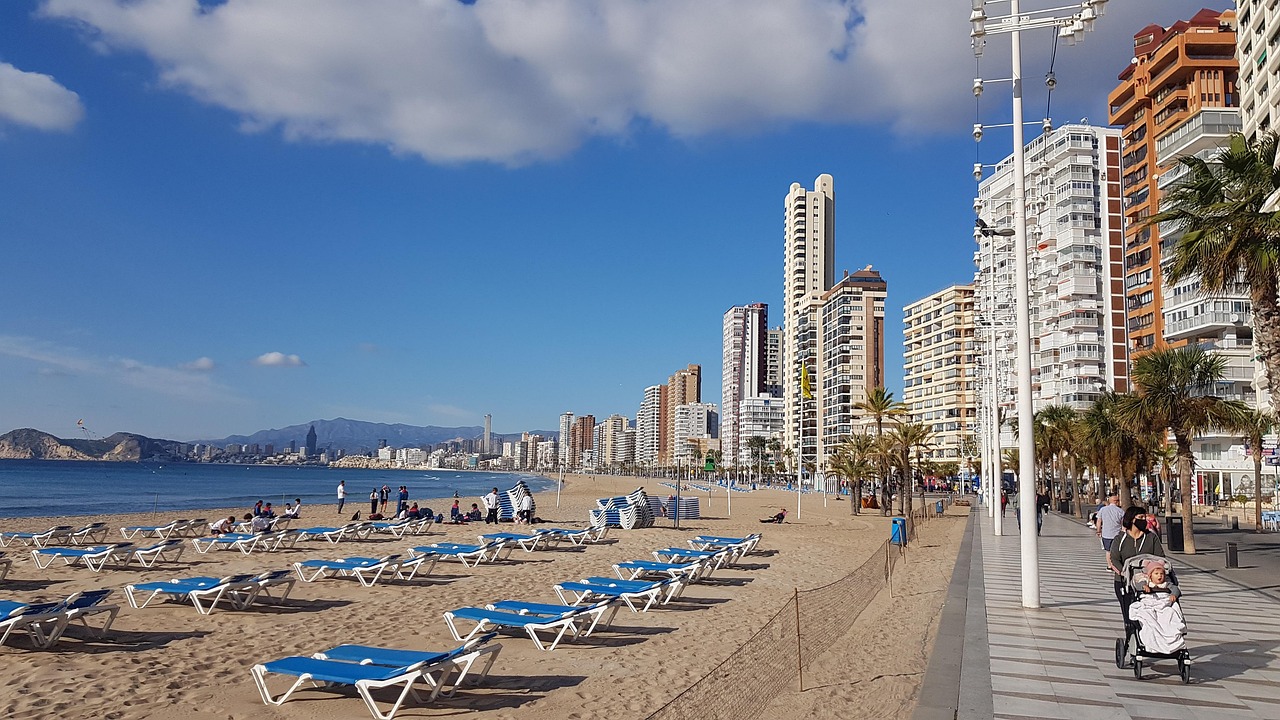
Why go: Love it or hate it, Benidorm’s skyscraper skyline and wide beaches are iconic. It also offers hiking access to the Sierra Helada Natural Park.
How to get there: TRAM line 1 (about 1h15).
Elche (Elx)
Why go: UNESCO-listed palm grove, historic center, and shoe outlets.
How to get there: Train or bus from Alicante (30–40 minutes).
Guadalest & Algar Waterfalls
Why go: Mountain village with a turquoise reservoir and refreshing waterfalls nearby.
How to get there: Best by car or organized excursion; public transport is possible but slower and less direct.
Major Events & Festivals in Alicante (2026–2027)
Alicante’s calendar is full of local festivals. Here are key ones if you’re planning a trip in 2026–2027 (always double-check exact dates closer to travel; some shift slightly each year).
- Hogueras de San Juan (Bonfires of Saint John) – Around 20–24 June 2026 & 2027
- Huge papier-mâché monuments, parades, fireworks, music, and the burning of the sculptures on the final night.
- The city is packed and electric—book accommodation well in advance.
- Semana Santa (Holy Week) – Late March/early April 2026 & 2027
- Religious processions through the old town; solemn yet visually stunning.
- Moors and Christians Festivals – Various dates in nearby towns (e.g., Alcoy, Villajoyosa, Elda) in 2026–2027
- Dramatic parades with elaborate costumes commemorating battles between Moors and Christians.
- Summer Concert Series & Cultural Events – June–September 2026 & 2027
- Outdoor concerts, film screenings, and cultural nights organized by the city and local venues.
- Christmas & New Year – December 2026 & January 2027
- Lights, markets, and the Three Kings parade (Cabalgata de Reyes) in early January.
Local Customs & Cultural Etiquette in Alicante
Understanding a few local customs will make your time in Alicante smoother and more enjoyable.
Meal Times & Schedules
- Breakfast: 8:00–10:30 (often light).
- Lunch: 13:30–16:00; kitchens may close outside these hours.
- Dinner: 20:30–23:30; locals eat late, especially in summer.
Shops often close for a midday break (roughly 14:00–17:00) outside large malls.
Tipping
Tipping is not obligatory but appreciated. Round up the bill or leave 5–10% in restaurants if service was good. For coffee or drinks, leaving small change is enough.
Language
Spanish (Castellano) is widely spoken; Valencian (a variety of Catalan) also appears on signs. English is common in tourist areas but less so in local neighborhoods—basic Spanish phrases go a long way.
Dress & Beach Etiquette
- Beachwear is fine at the beach and promenade but not in churches or nicer restaurants.
- Topless sunbathing is accepted on many beaches; full nudity is reserved for specific nudist beaches (not central Alicante).
Social Norms
- People greet with “Hola” or “Buenos días / Buenas tardes” and often say goodbye when leaving small shops or elevators.
- Queues are generally respected, but be attentive in busy bars where ordering is more about catching the bartender’s eye politely.
Practical Travel Tips for Alicante
Getting To & Around Alicante
From the Airport: Alicante–Elche Miguel Hernández Airport is about 20–30 minutes by bus or taxi from the city.
- Bus C6: Runs between airport and city center regularly; good value.
- Taxis & rideshares: Readily available; more convenient if you have heavy luggage or arrive late.
Within the City:
- Walking: The center, old town, and marina are very walkable.
- TRAM: Clean, efficient light rail along the coast to San Juan, Benidorm, etc.
- Buses: Cover areas not served by tram.
- Bike & e-scooter rentals: Available, but be mindful of traffic and pedestrians.
Car Rental & Foreign Licenses
You don’t need a car to enjoy Alicante city, but it’s useful for day trips to rural or mountainous areas. Most major rental companies operate at the airport and in town.
- Driver’s license: EU/EEA licenses are accepted. Many non-EU visitors can use their home license plus an International Driving Permit (IDP)—check Spain’s latest regulations before travel.
- Parking: Street parking in the center can be tight; look for underground car parks when staying in town.
SIM Cards & Connectivity
Spain has good mobile coverage and affordable data.
- At Alicante airport and in the city, you’ll find kiosks and phone shops (e.g., Movistar, Orange, Vodafone, MásMóvil) offering prepaid SIMs.
- Bring your passport for registration.
- eSIM options are increasingly common; check if your phone supports them.
Money & Costs
- Currency: Euro (€).
- Cards: Widely accepted; contactless is common.
- ATMs: Easy to find, but avoid those with high fees; use bank-branded ones when possible.
Visa Requirements (2026 Context)
Spain is part of the Schengen Area.
- EU/EEA/Swiss citizens can enter with an ID card or passport, no visa required.
- Many non-EU visitors (e.g., from UK, USA, Canada, Australia) can enter visa-free for short stays (typically up to 90 days in any 180-day period), but ETIAS authorization may be required depending on 2026 implementation—check the latest official guidance.
- Always verify current entry rules and any ETIAS or visa requirements with official sources before travel.
Safety
Alicante is generally safe. Usual precautions apply:
- Watch your belongings in crowded areas and on the beach.
- Don’t leave valuables visible in parked cars.
- At night, stick to lit, central streets; the old town and marina are usually lively and safe.
Best Seasons & What They’re Good For
- Spring (March–May): Ideal for sightseeing, hiking, and a quieter 3–4 day itinerary for Alicante. Mild temperatures, wildflowers, and fewer crowds.
- Summer (June–August): Best for beaches, nightlife, and festivals like Hogueras. Hot, busy, vibrant—book early.
- Autumn (September–November): Warm sea, fewer people, great for a relaxed 5 day itinerary for Alicante focusing on food and coastal walks.
- Winter (December–February): Mild compared to much of Europe. Good for budget travel, walking, and cultural experiences; occasional rain and cooler evenings.
Hidden Tips from Repeated Visits
- Go early: Visit the castle and main attractions early in the day to avoid both crowds and midday sun.
- Use the tram like a local: It’s clean, punctual, and a cheap way to reach beaches and nearby towns.
- Stay slightly back from the seafront: Accommodations one or two streets inland are often quieter and better value.
- Pack light but include layers: Even in summer, some evenings can be breezy, especially at viewpoints.
- Respect quiet hours: Residential areas expect relative quiet after midnight; keep rooftop terrace conversations low.
Summary: Key Takeaways & Best Time to Visit Alicante
Alicante is a city where you can pack a lot into 3 days—castle, beaches, old town, Tabarca—or stretch out a 4 day itinerary for Alicante to include coastal hikes and museums. With a 5 day itinerary for Alicante, you really start to live at the city’s rhythm: morning markets, long lunches, lazy swims, and evenings that gently blur from tapas to night strolls.
For most travelers, the best time to visit Alicante is spring (April–May) and autumn (September–October): warm but not scorching, sea-swimmable, and lively without peak-season crowds. Summer is unbeatable if you love heat, beaches, and festivals, while winter offers a mild, budget-friendly escape from colder climates.
Whether you come for the must-see attractions in Alicante—Santa Bárbara Castle, Explanada de España, the old town—or for the hidden gems in Alicante—the quiet corners of Serra Grossa, neighborhood bars around Mercado Central—this coastal city rewards curiosity and a slower pace. Give yourself time to wander, pause, and listen to the waves. You may find, like I did, that one quick trip turns into a regular pilgrimage back to this easygoing corner of the Mediterranean.