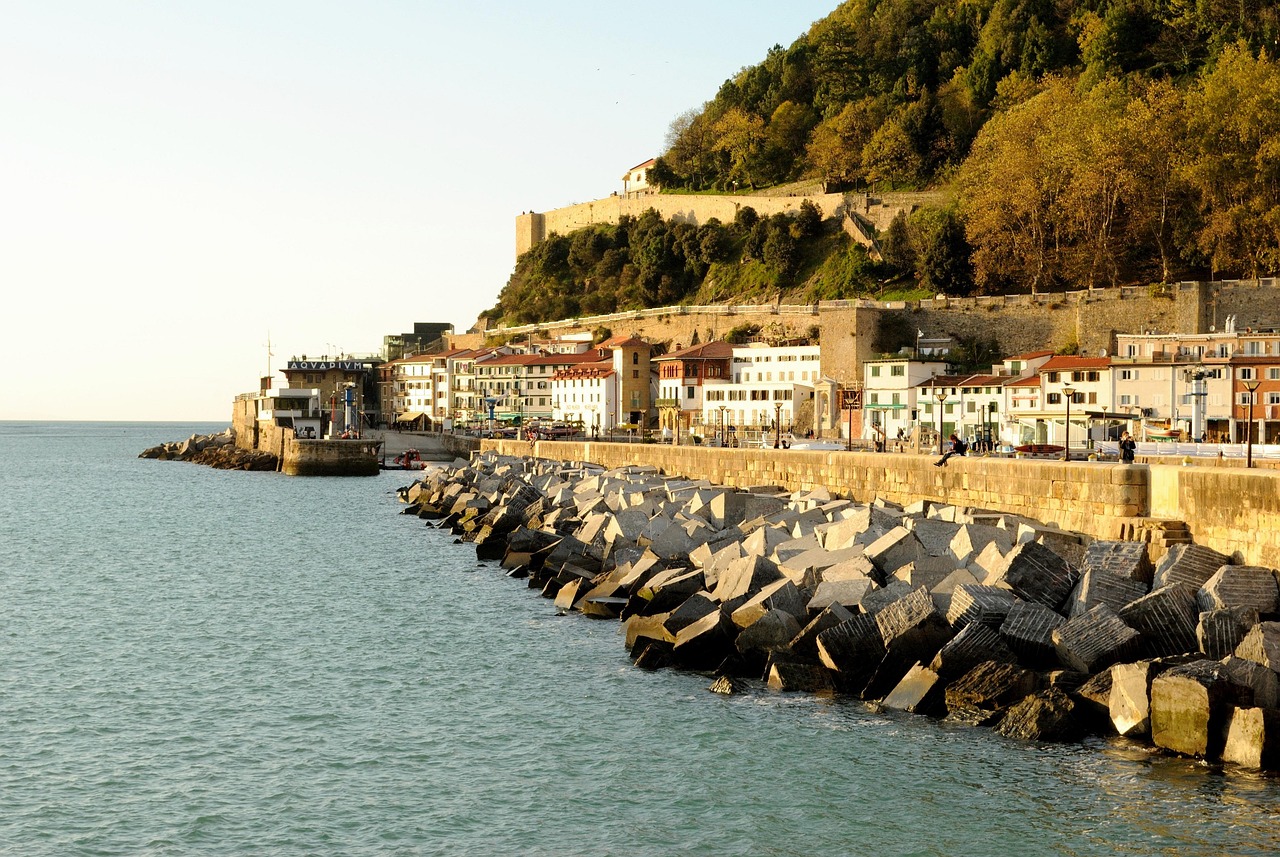
Why Visit San Sebastian (Donostia) in 2026
San Sebastian is one of those rare cities that feels like a seaside resort, a food capital, and a lived-in Basque town all at once. You come for the curved bay of La Concha, perfectly framed by green hills and elegant Belle Époque façades. You stay because the city feeds you embarrassingly well, invites you to linger over txakoli in tiny pintxo bars, and encourages you to slow down and walk everywhere.
I’ve been coming back to San Sebastian regularly for over a decade, staying in both touristy and completely residential neighborhoods, visiting with friends, as a solo traveler, and once with my little niece in tow. Every trip feels familiar yet slightly different: a new pintxo bar, a renovated market stall, a café that’s become a local obsession, a festival that takes over an entire week.
In 2026, San Sebastian remains one of Europe’s most satisfying city breaks and a perfect base for 3–5 days (or more) in the Basque Country. This guide is written for travelers who want much more than a simple list of sights: detailed itineraries, real-world tips, and the small details that only come from wandering the city on foot, in the rain, in the sun, and well past midnight.
Table of Contents
- Why Visit San Sebastian
- City Overview & First Impressions
- Neighborhoods & Areas to Explore
- 20+ Must-See Attractions & Local Favorites
- 3–5 Day Itineraries (with Personal Stories)
- Local Food in San Sebastian & Where to Eat
- Cultural Etiquette & Local Customs
- Nightlife, Entertainment & Cultural Experiences
- Day Trips from San Sebastian
- Practical Travel Tips & Money-Saving Advice
- What’s New & Major Events 2026–2027
- Summary & Best Time to Visit
San Sebastian at a Glance
Locals call it Donostia, and you’ll see both names everywhere. It’s a compact city on Spain’s northern Atlantic coast, in the heart of the Basque Country, close to the French border. Think deep green hills, dramatic cliffs, and a city that turns golden in the late afternoon light.
San Sebastian is famous for:
- Its crescent-shaped La Concha Bay, one of the most photogenic urban beaches in Europe.
- An almost absurd concentration of Michelin-starred restaurants and stellar casual pintxo bars.
- Basque culture and language (Euskara), visible in everything from street signs to festivals.
- A relaxed, walkable layout that makes car-free travel easy and enjoyable.
It’s also a city where you can swim before breakfast, eat like royalty at lunch, hike up a hill for sunset, listen to jazz on the promenade, and end the night with a glass of cider in a neighborhood bar — all without ever taking the metro (there isn’t one; you walk or take buses).
Neighborhoods & Areas to Explore
Parte Vieja (Old Town)
The historic heart of San Sebastian, wedged between Monte Urgull and the mouth of the Urumea River.
It’s a hive of pintxo bars, churches, and narrow lanes that smell of grilled seafood and garlic at almost any hour. I like to stay just outside the Old Town — in Centro or Gros — and wander in for the evening buzz.
Centro & Romantic Area
Elegant streets, boutiques, Belle Époque architecture, and many of the city’s classic cafés. This is where the city feels most “Parisian by the sea.” You’re a short walk from both La Concha and Zurriola beaches.
Gros
Across the river from the Old Town, Gros has a younger, surfy, creative energy. Zurriola Beach draws surfers and beach volleyball players. At night, bars around Calle Zabaleta and Calle Peña y Goñi buzz with locals. When I’m in a “live like a local” mood, I book an apartment here.
Antiguo
West of La Concha and Ondarreta beaches, Antiguo feels more residential. It’s home to Monte Igueldo’s funicular, Miramar Palace gardens, and lots of student-friendly spots near the university. A good choice if you want quieter evenings.
Egia & Beyond
Egia, Amara, and other outer neighborhoods are less polished but absolutely local, with fewer tourists and better prices. Egia, near the Tabakalera cultural center, is interesting if you like artsy spaces, concerts, and a more alternative vibe.
20+ Must-See Attractions & Local Favorites in San Sebastian
Below are detailed, story-style mini-guides to the city’s most important attractions and experiences. I’ve visited each of these multiple times over the years, usually at different times of day and in different seasons. Consider this your deep-dive into the best places to visit in San Sebastian and the things to do in San Sebastian that truly define the city.
1. La Concha Beach (Playa de la Concha)
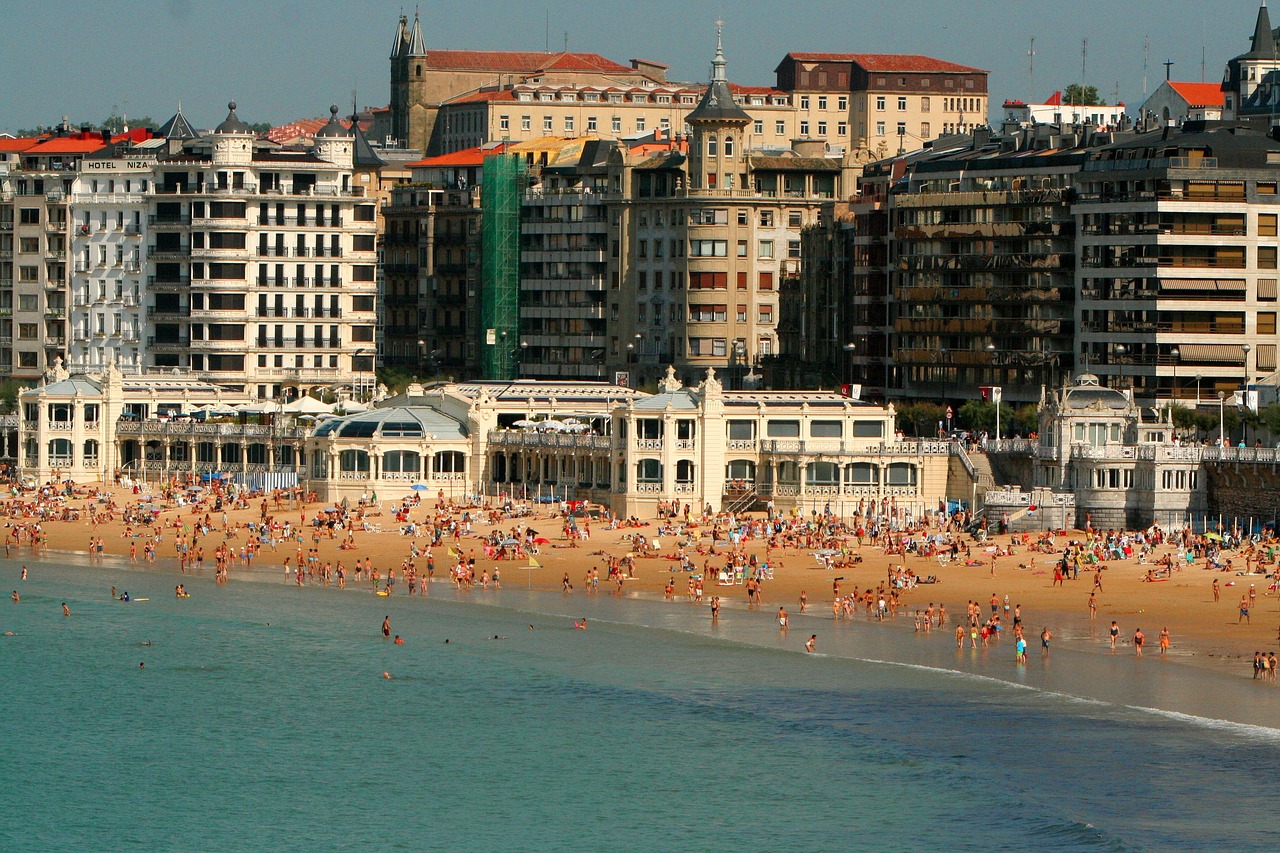
La Concha is the city’s emblem — a perfect shell-shaped bay that looks impossibly composed, like someone designed it on purpose. I still remember the first time I arrived in San Sebastian by bus in late afternoon, dropped my bag in my pension near the cathedral, and walked straight down to the promenade. The curve of sand, the little island of Santa Clara in the middle, the ornate white railing, the terraced houses facing the sea — it felt like stepping into a sepia postcard that someone had colored in.
By day, La Concha is surprisingly gentle for an Atlantic beach, sheltered from strong waves by the bay. Families paddle in the shallow water; paddle boarders glide across the bay; older locals wade in wearing old-fashioned swim caps. In winter, I’ve walked the length of the beach in a coat, with only a few joggers and dog walkers for company, watching the gray-blue water and the city lights starting to glow.
What to do: Walk the entire promenade from the City Hall to the tunnel towards Ondarreta, stopping for photos on the little lookout platforms. Swim during summer months (June–September), or just roll up your pants and wade in. If you’re here for 3 days in San Sebastian, this should be one of your first stops.
When to go: Early morning for a quiet walk and locals-only vibe; late afternoon in summer for that golden light and lively beach scene. On clear evenings, I love strolling here just before dinner, when the sky turns pink above Monte Igueldo.
Tips: Lockers and showers are available in the beach clubs along the promenade (paid). In peak August, the sand can get crowded by midday — if you like more space, come before 11:00 or after 18:00. Avoid leaving valuables on your towel if you’re swimming solo.
Getting there: From anywhere in Centro, Old Town, or Antiguo, you can reach La Concha on foot in 5–15 minutes. Several bus lines run along the Avenida de la Libertad and parallel streets if you’re further out.
2. Monte Igueldo & Vintage Funicular
Monte Igueldo is where San Sebastian looks its most cinematic. The hill rises at the western end of La Concha Bay, crowned by an old amusement park and a viewpoint that’s almost unfairly photogenic. The way up is half the charm: a small, creaky funicular that’s been chugging up the hillside since 1912.
I try to ride the funicular at least once every visit. The wooden carriages, the view of the bay opening up as you ascend, the quiet clanking of the cables — it’s all delightfully nostalgic. At the top, the amusement park feels frozen in time: vintage rides, simple roller coasters, and kiosks selling cotton candy. It’s not about adrenaline; it’s about the view and the atmosphere.
The view: From the main terrace, you see the full arc of La Concha, Ondarreta Beach, Santa Clara Island, and the city framed by green hills. On a clear day, it’s one of the must-see attractions in San Sebastian for photographers.
Family-friendly: Kids love the tiny amusement park and the relaxed vibe. You can easily spend an hour or two here, especially in summer evenings when the lights come on.
Romantic: Come around sunset, order a drink from the bar, and watch the city lights sparkle below. It’s a classic date-night move in Donostia.
Practical tips: The funicular departs from the lower station in the Antiguo neighborhood, near Ondarreta Beach. In high season, there can be a line, but it moves quickly. Operating hours vary by season, so check before you go if you’re visiting off-season.
3. Monte Urgull & Castillo de la Mota
Monte Urgull is the green hill that looms over the Old Town, topped by a monumental statue of Christ. From below, it looks like an easy bump; in reality, it’s a small maze of leafy paths, viewpoints, and old fortifications.
I like to climb Urgull on slow mornings, when the city is just waking up and the bartenders are hosing down the streets of the Parte Vieja after a long night. Several paths lead up from the Old Town and the Paseo Nuevo; some are steeper than others, but none are particularly hard if you’re reasonably mobile.
History: The hill has long been used as a defensive position, and you can still see remnants of walls, cannons, and the 12th-century Castillo de la Mota. Inside the castle, a small museum tells the story of the city, including the devastating fire of 1813.
Views: From various terraces, you’ll see La Concha, the Old Town’s tile roofs, the river, and the wilder waves of the Paseo Nuevo. I’ve lost count of how many times I’ve sat on a stone bench up here, just listening to the wind and the distant sound of waves.
Tips: Wear comfortable shoes; some paths are uneven. In summer, go early or late to avoid the heat, and carry water. In light rain, it’s atmospheric, but if it’s stormy, the paths can get slippery.
4. Parte Vieja (Old Town) & Pintxo Bars
The Old Town is where you’ll probably spend most of your evenings, especially if you’re following a 3 day itinerary for San Sebastian or a 4 day itinerary for San Sebastian focused on food. Narrow streets, centuries-old churches, and bar after bar spilling light and laughter onto the cobbles.
I still remember my first official pintxo crawl here: a local friend insisted we only order one or two pintxos and a small drink per bar, then move on. “That’s the rule,” she said, laughing. “If you stay in one place, you’re doing it wrong.” We spent hours zigzagging between Calle Fermin Calbeton, Calle 31 de Agosto, and the surrounding lanes.
How it works: Most bars have a tempting spread of pintxos (small bites) on the counter, plus hot specialties made to order. You order at the bar; sometimes you pay as you go, sometimes you keep a small plate and pay when you leave. Don’t be shy about squeezing in; it’s normal to stand shoulder to shoulder.
Must-try bars (as of 2026): For anchovies, grilled prawns, slow-cooked meats, and classic tortilla, you’ll be spoiled for choice. Ask locals or your host for current favorites — the scene evolves, but the quality rarely drops.
Etiquette: Don’t hoard counter pintxos or handle food you’re not taking. Order with a friendly “Kaixo” (hello in Basque) or “Buenas,” and try to keep track of what you’ve had. Tipping is appreciated but modest — rounding up or adding a euro or two per round is fine.
5. Zurriola Beach (Playa de la Zurriola)
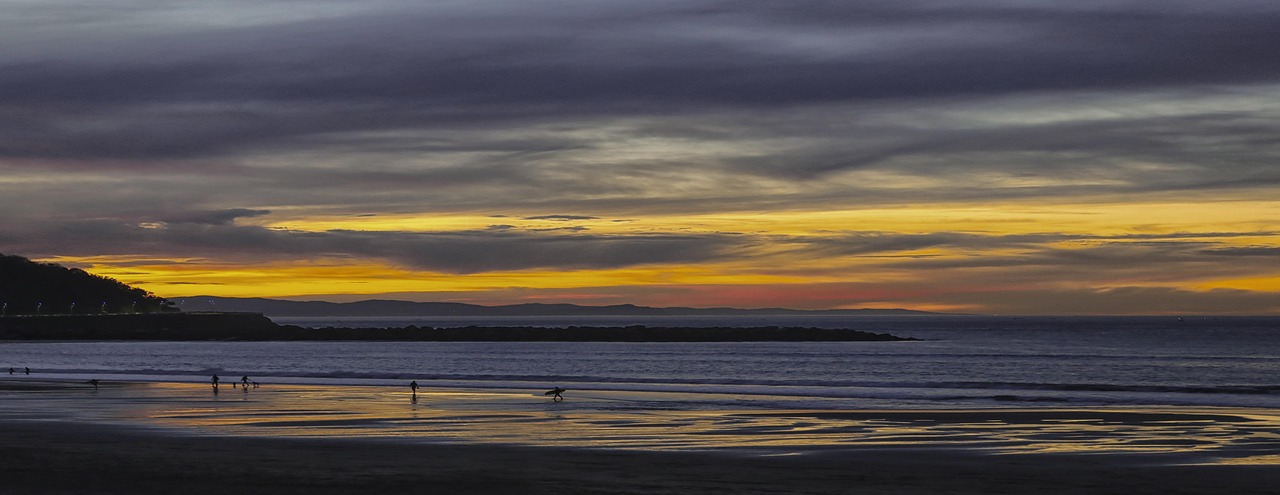
Zurriola, in the Gros neighborhood, is the city’s surf beach and one of my favorite places to people-watch. While La Concha is calm and sheltered, Zurriola opens directly to the Bay of Biscay, catching more swell and energy.
On sunny days, I love grabbing a coffee from a nearby café and sitting on the concrete steps facing the sand, watching surfers of all levels attempt to catch waves. In the evenings, groups of friends gather with beers, and volleyball games stretch until the light fades.
Surfing: Several surf schools line the streets behind the beach. If you’re trying surfing for the first time, this is a very friendly place to learn. I took a beginner lesson here one October; the water was chilly but manageable in a wetsuit, and the instructors were patient and encouraging.
Who it’s for: Younger travelers, surfers, and anyone who likes a livelier, more informal scene. Families with small kids may prefer the calmer waters of La Concha and Ondarreta, but older children often love Zurriola’s waves.
6. Miramar Palace & Gardens
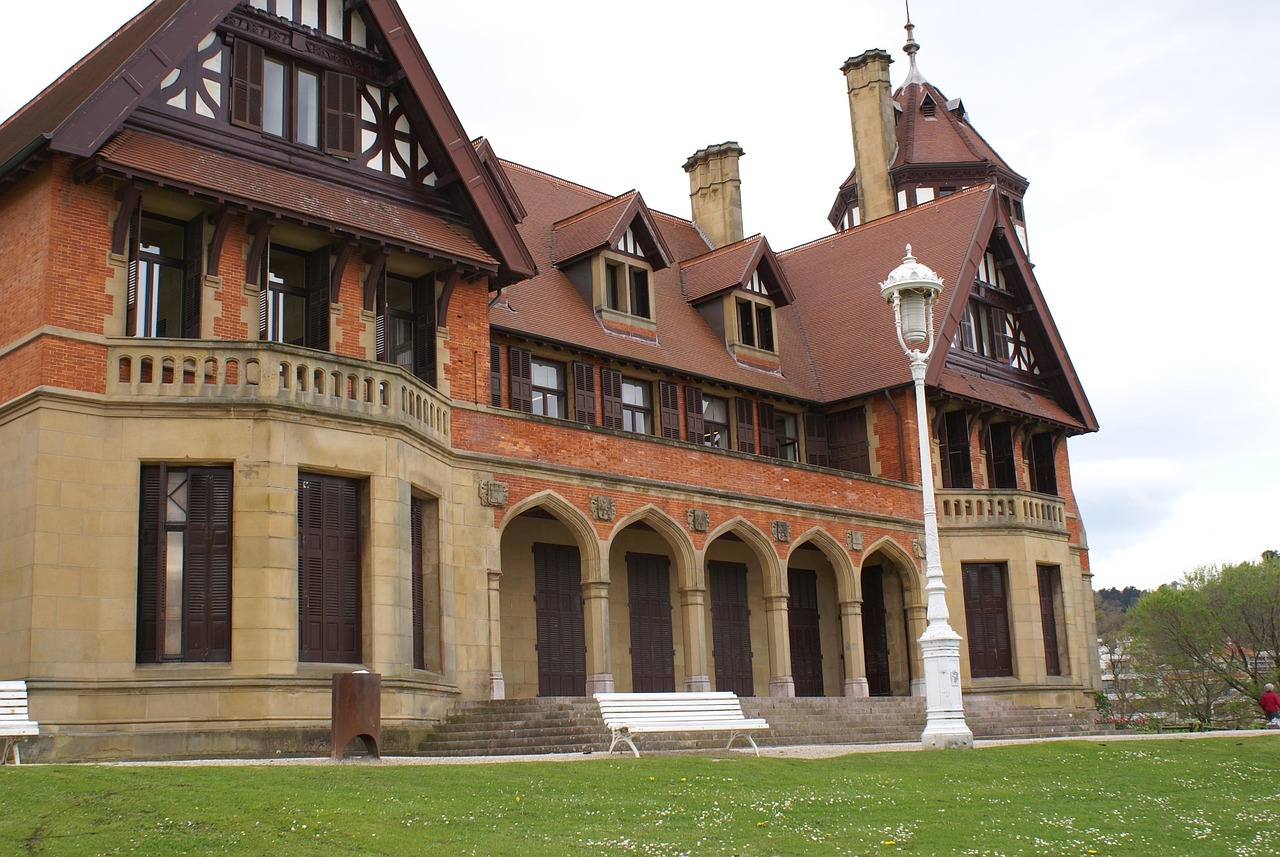
Between La Concha and Ondarreta beaches, on a small headland, sits Miramar Palace — a former summer residence of the Spanish royal family. The palace itself is more modest than the word “palace” suggests, but the real magic is in the sweeping lawns and views over the bay.
I often bring a simple picnic here: bread, cheese, tomatoes, maybe a slice of tortilla from a nearby bar. Locals spread out on the grass with books and snacks, couples sit on benches, and joggers cut through on their way along the coast.
Why visit: For a calm, green break from the city streets and one of the best photo spots for the entire bay. It’s also a lovely place to watch the sunset if you don’t feel like climbing a hill.
Tip: Combine a visit with a walk from the City Hall along La Concha promenade, then continue on to Ondarreta and Antiguo, or up to Monte Igueldo.
7. Peine del Viento (Wind Comb Sculptures)
At the very western end of Ondarreta Beach, where the promenade ends and the rocks begin, you’ll find Eduardo Chillida’s famous “Peine del Viento” — three enormous rusted steel sculptures bolted into the rocks, facing the open sea.
Every time I walk out here, I’m struck by how perfectly the artwork matches the landscape. The sculptures seem both ancient and industrial, battered by waves and wind. On stormy days, the sea crashes against the rocks, spraying up through holes in the platform in dramatic bursts.
Experience: Come on a day with some swell for the full effect, but keep a safe distance from the edge — the sea can be unpredictable. In calm weather, it’s more contemplative; you hear the distant roar of waves and feel the wind tugging at your hair.
Romantic & reflective: This is a place for long silences and big thoughts. I’ve had some of my best “life decision” walks ending at Peine del Viento, staring out at the endless Atlantic.
8. San Vicente Church & Basilica of Santa Maria del Coro
Two main churches anchor the Old Town: the Gothic Church of San Vicente and the ornate Baroque Basilica of Santa Maria del Coro. They face each other along an invisible axis through the city, and walking between them is a small ritual I often repeat.
San Vicente, with its somber stone and stained glass, feels quiet and introspective — a place where you lower your voice without thinking. The basilica, on the other hand, is all curves and decoration on the outside, with a richly detailed façade that lights up beautifully at night.
Why visit: Even if you’re not religious, they offer a glimpse into the city’s history and a chance to step briefly away from the noise of the pintxo bars. I like to duck into San Vicente for a few minutes whenever I’m in the area; the cool air and filtered light are a small reset button.
9. San Telmo Museoa (Basque Museum)
San Telmo Museoa is one of my favorite museums in Spain, not because it’s huge (it’s not), but because it’s beautifully curated and deeply rooted in Basque identity. Housed in a former 16th-century Dominican convent at the foot of Monte Urgull, with a striking modern extension, it’s as much about the building as the exhibits.
What you’ll see: Exhibitions on Basque history, society, and culture; contemporary art; and thoughtful temporary shows that often engage with current issues. The cloister and church spaces are particularly serene.
Why it matters: Spending a couple of hours here will enrich everything else you experience in the city. You’ll understand more about why Euskara is so important, why local traditions matter, and how this small region has maintained such a strong identity.
Tip: It’s a good rainy-day option, or a quiet stop in the middle of a busy 3 day itinerary for San Sebastian.
10. San Sebastian Aquarium & Maritime Museum
Located at the harbor, near the foot of Monte Urgull, the Aquarium is one of the city’s classic family-friendly attractions. I first went with my niece, who was five at the time, and we both ended up equally fascinated.
Highlights: An underwater tunnel where sharks and rays glide above you, colorful Atlantic and tropical fish, and exhibits on the region’s maritime history. There’s something particularly satisfying about learning about Basque fishing traditions while looking out at the actual fishing boats in the harbor outside.
Who it’s for: Families with kids, marine-life enthusiasts, and anyone looking for an indoor activity on a gray day. If you’re planning 4 days in San Sebastian with children, allocate a couple of hours here.
11. Paseo Nuevo (New Promenade)
Paseo Nuevo wraps around the seaward side of Monte Urgull, linking the harbor area with the mouth of the Urumea River. On calm days, it’s a gorgeous coastal walk with views of waves breaking on the rocks, Santa Clara Island, and the open sea.
On stormy days, it can be downright dramatic. I once walked here in late October, just as a front was rolling in. The sea was wild, and the waves were crashing so high they occasionally sent spray over the promenade. Locals were out with cameras; everyone kept a respectful distance from the edge. It felt like nature’s own show.
Safety note: When the sea is very rough, sections of the promenade may be closed, and even when open, you should stay away from the outer edge. The city takes wave danger seriously — follow signs and barriers.
12. Urumea Riverfront & Bridges
The Urumea River divides Centro from Gros and flows into the sea near Zurriola Beach. Walking its banks is one of my favorite low-key activities in the city, especially in the softer light of morning or evening.
The bridges — like the ornate Puente de la Zurriola with its lamp posts, and the more understated Puente de Santa Catalina — give you lovely perspectives on the city’s architecture. Rowers glide by, joggers run along the river paths, and you get a sense of daily life away from the major tourist crush.
Tip: Combine a riverfront walk with stops at cafés in Gros or Centro, or as a scenic route between your accommodation and the Old Town.
13. Tabakalera Contemporary Culture Center
Tabakalera is a massive former tobacco factory turned cultural hub in the Egia neighborhood, right by the main train station. The first time I walked in, I was surprised by its scale: a huge central atrium, gallery spaces, a cinema, co-working areas, and a rooftop terrace with one of the best free views over the city.
What to do: Check out whatever exhibitions are on; they tend to be contemporary, experimental, and sometimes provocative. Grab a coffee in the atrium café and soak up the creative atmosphere. Then, head up to the rooftop for a panoramic view of San Sebastian from a different angle.
Who it’s for: Art lovers, digital nomads, and anyone who likes seeing the “living” cultural side of a city, not just its historic monuments.
14. La Bretxa & Mercado de San Martín (Markets)
For a taste of daily food culture, head to the markets. La Bretxa, near the Old Town, and Mercado de San Martín, in Centro, are where locals shop for fresh fish, vegetables, meat, cheeses, and more.
I like to wander through early in the day, watching older locals haggle gently with fishmongers, and admiring the sheer variety of seafood: gleaming anchovies, hake, monkfish, and more unfamiliar species. The cheese stalls are a wonder of Basque and Spanish dairy.
Why visit: To see where your pintxos begin their life. If you’re staying in an apartment, it’s also the best place to shop for ingredients. Even if you’re not cooking, pick up fruit, olives, or some cured ham for snacks.
15. Catedral del Buen Pastor (Good Shepherd Cathedral)
The Good Shepherd Cathedral, with its tall neo-Gothic spire, is one of the key landmarks in Centro. It’s not ancient — completed in the late 19th century — but it gives the city a sense of vertical drama and serves as a useful orientation point when you’re wandering.
Inside, the space is airy and relatively simple compared to some older European cathedrals, but the stained glass and high ceilings still inspire a hush. I often cut through the square here on my way between the river and La Concha; it’s a pleasant place to sit on a bench and watch people come and go.
16. Gros Neighborhood Streets & Pintxos
Gros feels different from the Old Town: less historic, more everyday, and with a slightly edgier, creative vibe. It’s my favorite place for a more relaxed evening, especially if I’ve already done the classic Old Town pintxo crawl on this trip.
Streets like Calle Zabaleta and Calle Peña y Goñi are lined with bars and restaurants, many of them with excellent, slightly more modern pintxo offerings. You’ll see more locals in surf gear, more young professionals, and fewer large tour groups.
Personal note: I once stayed for two weeks in a tiny studio in Gros, and it quickly felt like home. Morning coffee at the same café, chats with the woman at the bakery, recognizing the same faces walking to work — it’s a good neighborhood if you’re looking for a “live here, don’t just visit” feeling.
17. Antiguo Neighborhood & Ondarreta Beach
Antiguo, west of the city center, has its own small-town atmosphere. The streets behind Ondarreta Beach are filled with local shops, cafés, and bars that feel more like they’re for residents than visitors.
Ondarreta Beach itself is quieter than La Concha, especially outside peak season. Families spread out on the sand, and it’s a bit easier to find space. From here, you can easily walk to Miramar Palace or Peine del Viento, or take the funicular up Monte Igueldo.
Why visit: To get a sense of everyday life, especially if you’re curious about where students and long-term residents prefer to hang out. Prices tend to be slightly lower here than right in the center.
18. Santa Clara Island
Santa Clara Island sits right in the middle of La Concha Bay, like a green comma in the water. In summer, small boats shuttle people back and forth; in shoulder seasons, it can feel like your own miniature escape.
There’s a tiny beach that appears at low tide, a small bar, and a lighthouse up a path. I took the boat out once in late September, on a day with high, cottony clouds and calm water. We spent a couple of hours wandering the paths, watching kayakers circle the island, and looking back at the city from this different vantage point.
Who it’s for: Romantics, families, and anyone who likes the idea of a micro-adventure without leaving the bay. If you have 4 days in San Sebastian, it’s a delightful half-day option in good weather.
19. Monte Ulía Coastal Hike
On the eastern side of the city, beyond Zurriola Beach, Monte Ulía offers one of the best close-to-town hikes. Trails wind through forest and meadows, with viewpoints over the cliffs and the sea below.
I’ve hiked here alone and with friends, and each time, it feels astonishing that such scenery is so close to the city. On one spring morning, the path was lined with wildflowers and the air smelled of damp earth and pine. We barely saw anyone else for an hour.
Route: One popular option is to walk from San Sebastian towards Pasaia, a picturesque harbor town. It takes around 3–4 hours at a relaxed pace. From Pasaia, you can take a bus back to San Sebastian.
Tips: Wear proper shoes, bring water, and check the weather. Even in summer, the weather can shift quickly on the coast.
20. Michelin-Starred & Fine Dining Scene
San Sebastian’s reputation as a gastronomic powerhouse isn’t just hype. The city and its surroundings have an unusually high concentration of Michelin stars, plus many restaurants that operate at that level without the formal recognition.
I’ve splurged on tasting menus here a few times over the years — each experience different, each memorable. These are long, multi-course affairs, often stretching 3–4 hours, with playful presentations and deep respect for regional ingredients. If you’re a serious foodie planning 3 days in San Sebastian, consider dedicating one long lunch or dinner to a fine-dining experience.
Booking: Reserve well in advance, especially for weekends and high season. Many restaurants open reservations a few months ahead. Lunch can be slightly more affordable than dinner.
Dress code: Generally smart-casual; no need for full formalwear, but avoid beachwear and very casual outfits.
21. Basque Cider Houses (Sagardotegi)
Though technically more of a regional experience than a city-center attraction, Basque cider houses are an essential part of the area’s culture. Many are located in the countryside around Astigarraga, a short drive or bus ride from San Sebastian.
Inside a sagardotegi, long communal wooden tables stretch under high ceilings. The menu is usually fixed: cod omelet, fried cod, thick steak, cheese with quince paste and nuts. The star is the cider, poured directly from huge barrels with a bit of theater: someone opens the tap, and guests line up to catch the jet of cider in their glasses at just the right angle.
Personal memory: My first cider house night ended with my cheeks aching from laughter and my notebook full of messy Basque words I tried to jot down between pours. It’s loud, warm, and deeply communal.
Season: Traditional cider season runs roughly from January to April, but some houses open year-round with bottled cider. If you’re planning a 5 day itinerary for San Sebastian in winter or early spring, definitely add this.
Suggested 3–5 Day Itineraries in San Sebastian (with Personal Stories)
Whether you have 3 days in San Sebastian, 4 days in San Sebastian, or 5 days in San Sebastian, you can craft a trip that feels rich rather than rushed. Below are flexible, story-based itineraries built from my own visits over the years. Mix and match based on your interests and energy.
3 Day Itinerary for San Sebastian
If you only have 3 days in San Sebastian, focus on the essentials: La Concha, the Old Town, Monte Igueldo, and a mix of food, views, and light hiking.
Day 1: First Impressions – Bay, Old Town & Pintxos
On my favorite first day in the city, I arrived mid-morning, checked into a small pension near Buen Pastor, and immediately walked to La Concha. I always like to start here; it sets the tone.
- Morning: Stroll La Concha promenade from the City Hall to the far end, stopping to sit on the iconic white railing. If it’s warm, take a quick swim. Grab a coffee and pastry at a café near the beach.
- Midday: Head into Centro and the Old Town. Visit the Good Shepherd Cathedral, then wander towards the river and across to Gros for lunch at a casual pintxo bar. Order a few bites and a small glass of txakoli.
- Afternoon: Walk back via the Urumea riverfront and explore the Parte Vieja. Step into San Vicente Church and the Basilica of Santa Maria del Coro. If the weather is good, climb partway up Monte Urgull for your first city views.
- Evening: Do a classic pintxo crawl in the Old Town. Start around Calle 31 de Agosto, visiting 3–5 bars. Remember: one or two pintxos per bar, then move on. It’s both social and delicious.
Day 2: Views, Sea & City Walks
This is the day I usually dedicate to the western side of the bay and the city’s most iconic viewpoints.
- Morning: Walk along La Concha and Ondarreta to the Monte Igueldo funicular. Ride up, enjoy the amusement park atmosphere, and take plenty of photos from the terrace.
- Midday: Descend and walk to Peine del Viento. Sit for a while, watching the sea and the sculptures. Grab lunch in Antiguo — perhaps a simple menu del día (fixed-price lunch) at a local restaurant.
- Afternoon: Make your way back via Miramar Palace gardens, lingering on the lawns. If energy allows, visit the Aquarium and stroll the harbor. Or, if it’s hot, return to La Concha for a swim.
- Evening: Try a different area for dinner — maybe Gros this time. Enjoy a slower, less crowded pintxo evening around Zurriola, or sit down for a full meal at a neighborhood restaurant.
Day 3: Culture & Coast
On my last day of a short trip, I like to blend culture with coastal walking and a bit of shopping.
- Morning: Visit San Telmo Museoa. Take your time with the exhibits, then enjoy a coffee in the museum café or a nearby bar in the Old Town.
- Midday: Walk the Paseo Nuevo around Monte Urgull (check sea conditions). Enjoy the contrasting views of open ocean and city.
- Afternoon: Free time for shopping in Centro (Basque design shops, gourmet stores) or a last swim. If you’re energetic, climb Monte Urgull to the top for final panoramic views.
- Evening: For a special final dinner, either book a slightly more upscale restaurant in town or do one last, carefully curated pintxo tour. Finish with a slow walk along La Concha under the streetlamps.
4 Day Itinerary for San Sebastian
With 4 days in San Sebastian, you can slow down a bit and add either a hike or a half-day escape to Santa Clara Island or Monte Ulía.
Day 1–3:
Follow the 3 day itinerary for San Sebastian above, adjusting based on weather and your energy.
Day 4: Island or Hills
On my favorite 4th day, the choice is between water and heights.
- Option A – Santa Clara Island: Take a boat from La Concha to Santa Clara. Wander the island, swim if the weather allows, have a snack at the small bar, and enjoy the reverse view of the city. Back on the mainland, spend the late afternoon wandering Centro and the markets.
- Option B – Monte Ulía Hike: Start from Gros and head up Monte Ulía. Follow the coastal trail for stunning views, perhaps continuing to Pasaia. Have a late lunch there, then return by bus. This gives your 4 day itinerary for San Sebastian a more adventurous twist.
In the evening, choose whichever neighborhood stole your heart — Old Town, Gros, or Antiguo — and have a lingering final meal there.
5 Day Itinerary for San Sebastian
With 5 days in San Sebastian, you can truly settle into the rhythm of the city and add a classic Basque experience like a cider house night or a full-day coastal hike.
Day 1–4:
Follow the 4 day itinerary for San Sebastian, mixing in free time for spontaneous discoveries.
Day 5: Cider House & Countryside or Full-Day Coastal Hike
- Option A – Cider House Experience: Spend a leisurely morning in the city, then head by bus or organized transfer to a cider house in Astigarraga or nearby. Enjoy the classic cider house menu and the ritual of cider pouring. Return to the city pleasantly full and a little drowsy.
- Option B – Extended Coastal Walk: Tackle a longer segment of the coastal route between San Sebastian and another town (like Zarautz or Getaria, as a day trip; see day trips section below). This makes your 5 day itinerary for San Sebastian a blend of seaside city life and rugged coastline.
End your final evening with a quiet drink on a terrace, looking out at the bay, promising yourself you’ll come back.
Local Food in San Sebastian & Where to Eat
Food is at the core of any good travel guide for San Sebastian. The city’s reputation is well-earned, but what I love most is that you can eat brilliantly at almost any budget. From casual bars to fine dining, the focus is on ingredients, seasonality, and balance of flavors.
What to Eat: Basque Specialties
- Pintxos: Small bites on bread or skewers, or plated to order. Think grilled prawns, seared foie, slow-cooked beef cheek, anchovies with peppers, cod in pil-pil sauce.
- Tortilla de patatas: Spanish omelet with potatoes (and sometimes onion). In San Sebastian, many bars have their own version; I like to try a slice in different places and compare.
- Bacalao (cod): Often cooked in pil-pil (garlic and olive oil emulsion) or with tomato and peppers.
- Txuleta (chuletón): Large bone-in steak, usually for sharing, grilled to perfection.
- Idiazabal cheese: Smoked or unsmoked Basque sheep’s cheese, often served with quince paste.
- Txakoli: Slightly sparkling, acidic white wine, poured from a height into small glasses.
- Basque cider (sagardo): Tart, still cider, especially in cider houses.
- Burnt Basque cheesecake: Creamy, crustless cheesecake with a caramelized top. It started here and went global.
Where to Eat (Styles & Areas)
Old Town (Parte Vieja): The classic pintxo crawl zone. Expect crowds, especially on weekends, but the quality is high. Great for visitors doing a 3 day itinerary for San Sebastian and wanting a concentrated food experience.
Gros: Excellent for slightly more local-feeling pintxos, creative twists, and sit-down dinners that are still affordable. If you’re staying 4 or 5 days in San Sebastian, dedicate at least one evening to Gros.
Centro & Antiguo: Good for traditional restaurants, bakeries, and everyday cafés. Look for lunch menus (menú del día) to save money — I’ve had some of my best-value meals this way, with 3 courses and wine for a very reasonable price.
Saving Money on Food
- Look for menú del día at lunchtime (roughly Monday–Friday). It’s often the most economical way to enjoy a full sit-down meal.
- In pintxo bars, you don’t need to order everything at once. Start with 1–2 pintxos and a drink; see how hungry you are before ordering more.
- Local bakeries and supermarkets are excellent for breakfast items and snacks if you’re on a stricter budget.
- If you have access to a kitchen, shop at the markets for produce and seafood; cooking a simple meal at home one night can balance out a splurge the next.
Cultural Etiquette & Local Customs in San Sebastian
San Sebastian is relaxed and welcoming, but a few local customs are worth knowing to better connect with people and avoid small faux pas.
Language
The Basque Country has two official languages: Basque (Euskara) and Spanish (Castellano). Most people are bilingual. You’ll see both on signs; menus may be in Basque, Spanish, and sometimes English.
- “Hello” in Basque: Kaixo
- “Thank you” in Basque: Eskerrik asko
- “Please” in Spanish: Por favor
- “Thank you” in Spanish: Gracias
Trying a few Basque words is often appreciated, but Spanish is generally fine. English is widely understood in tourist areas, less so in purely local bars.
Bar & Restaurant Etiquette
- In busy pintxo bars, it’s normal to stand. If you find a stool, you’re lucky.
- Don’t be afraid to politely catch the bartender’s eye and order; you might need to project your voice slightly.
- Sharing is common — order a few dishes for the table rather than one main per person.
- Paying at the end is common; staff often keep track of what you’ve had. In very busy bars, paying as you go is safer if you’re worried about confusion.
Daily Rhythm
San Sebastian follows a fairly typical Spanish schedule:
- Breakfast: light, often just coffee and something small.
- Lunch: main meal, usually between 13:30–15:30.
- Dinner: later than many visitors are used to; many kitchens open around 20:00, and bars get busy from 21:00 onwards.
Respecting Local Spaces
Be mindful around residential buildings late at night, especially in the Old Town where accommodation and nightlife are intertwined. Voices carry in narrow streets; keep noise down when returning to your hotel or apartment.
Nightlife, Entertainment & Cultural Experiences in San Sebastian
Nightlife in San Sebastian is more about bars, conversations, and long dinners than giant clubs, though you’ll find a few of those too. The city’s cultural calendar is also rich, with film, music, and local festivals.
Evening & Nightlife Areas
- Old Town: Pintxo bars and small, crowded spots where people spill into the streets. Great for a lively evening, especially on weekends.
- Gros: More relaxed but still buzzing, particularly around Zurriola. Live music pops up occasionally in bars.
- Centro: Cocktail bars, wine bars, and more classic cafés that stay open late.
Cultural Experiences
- Tabakalera: Art exhibitions, film screenings, and events.
- Teatro Victoria Eugenia & Kursaal: Theaters and concert halls that host performances, from classical music to contemporary dance.
- Local festivals: From neighborhood celebrations to major events like the San Sebastian International Film Festival (usually in September).
Day Trips from San Sebastian
One of the best things about basing yourself in San Sebastian for 4 or 5 days is how many great places are within easy reach by train, bus, or car.
Getaria & Zarautz
Two charming coastal towns west of San Sebastian, famous for txakoli wine, seafood, and long beaches.
- Getting there: By Euskotren train or bus in under an hour.
- What to do: Walk the beach in Zarautz, then continue along the coastal path or take a short bus/train to Getaria. Explore the old fishing port, eat grilled fish, and taste local txakoli at a winery or bar.
Hondarribia
A colorful, fortified town near the French border with a beautifully preserved Old Town and a vibrant harbor area.
- Getting there: Around 30–40 minutes by bus from San Sebastian.
- What to do: Wander the cobbled streets, admire the brightly painted houses, and enjoy a long lunch of seafood or pintxos in the marina district.
Biarritz & Bayonne (France)
Cross into French Basque Country for a day. Biarritz is elegant and seaside-glamorous; Bayonne is more historic and intimate.
- Getting there: Buses and trains connect San Sebastian with Hendaye, Biarritz, and Bayonne. Expect around 1–1.5 hours each way.
- What to do: In Biarritz, walk the coastline and enjoy French Basque pastries. In Bayonne, explore the cathedral, old streets, and chocolate shops.
Practical Travel Tips for San Sebastian (2026)
Getting Around
San Sebastian is compact and very walkable. For most visitors, walking plus the occasional bus ride will be more than enough.
- On foot: Old Town, Centro, Gros, and much of Antiguo are easily reached on foot.
- Buses: Dbus operates an efficient network. Buy single tickets on board or use rechargeable cards for savings (ask at kiosks or bus stations).
- Bikes: There are bike lanes along the beaches and river; rental bikes and e-bikes are available.
- Car rental: Not necessary for the city itself; more useful if you plan multiple rural day trips. Parking in the center can be expensive.
Arriving & Leaving
- By train: Main station (Estación del Norte) connects to other Spanish cities.
- By bus: The bus station (underneath the new bus terminal building near the river) has connections to Bilbao, Madrid, Barcelona, and French towns.
- Airports: Small San Sebastian Airport (EAS), or larger Bilbao (BIO) and Biarritz (BIQ) airports.
SIM Cards & Connectivity
In 2026, eSIM options are widely available; you can buy regional or Spain-only eSIMs online before arrival. Physical SIM cards from Spanish providers (Movistar, Orange, Vodafone, etc.) are sold in phone shops and some supermarkets. EU citizens can usually roam under their home plans.
Money & Costs
Spain uses the euro (€). Cards are widely accepted, but it’s handy to have some cash for small bars or markets.
- Average costs: Pintxos €2–4 each, coffee €1.80–3, glass of house wine or small beer around €2.50–4, menú del día €15–25, midrange dinner €25–40 per person (without high-end wine).
- Saving money: Focus on lunch deals, mix self-catering with dining out, and walk instead of taking taxis.
Accommodation & Where to Stay
- Centro: Best for first-time visitors wanting easy access to everything; prices higher.
- Old Town: Atmospheric but noisy at night; ideal if you prioritize nightlife and don’t mind the bustle.
- Gros: Great for a local feel, surfing, and food, still within walking distance of the Old Town.
- Antiguo: Quieter, close to Ondarreta, Monte Igueldo, and Miramar; slightly more residential.
Visa Requirements & Driving Licenses
Spain is part of the Schengen Area. Many travelers (including from the EU, UK, US, Canada, Australia, etc.) can enter visa-free for short stays, but rules can change, and the EU’s travel authorization system is evolving — always check official government sources before travel.
Foreign driving licenses from many countries are accepted for short stays; some nationalities may need an International Driving Permit (IDP) in addition to their home license. If you plan to rent a car, confirm requirements with the rental agency in advance.
Seasons & When to Go
- Spring (March–May): Mild, green, fewer crowds. Good for hiking and city exploring; sea still chilly.
- Summer (June–August): Beach season, festivals, and long evenings. Also the most crowded and expensive; book well ahead.
- Autumn (September–November): Often ideal: warm sea in early autumn, harvest foods, film festival in September. Weather becomes more unpredictable later in the season.
- Winter (December–February): Quiet, cooler, with more rain. Less beach time, but great for eating, museums, and local life without crowds. Cider house season begins in January.
Hidden Tips from Repeat Visits
- Start your days slightly earlier than the local rush to enjoy quieter promenades and cafés.
- Don’t overplan every meal — leave space to follow your nose into a bar that looks appealing.
- Always carry a light layer; even in summer, evenings by the sea can turn cool.
- Check local holidays and festivals; they can be a highlight, but also affect opening hours and prices.
What’s New & Major Events in 2026–2027
San Sebastian’s cultural scene continues to evolve, with a mix of long-running festivals and new initiatives.
- San Sebastian International Film Festival (2026): Usually held in September at venues like the Kursaal and Teatro Victoria Eugenia. Expect red carpets, international premieres, and a lively atmosphere across the city.
- Jazzaldia – San Sebastian Jazz Festival (2026 & 2027): Typically in July, with concerts on the beach, in plazas, and in concert halls. Even if you don’t attend ticketed shows, you’ll feel the jazz vibe throughout the city.
- Semana Grande (Aste Nagusia): A big summer festival with fireworks, concerts, and street events, usually in August.
- Ongoing upgrades: The city continues to improve bike lanes, pedestrian areas, and cultural programming at spaces like Tabakalera and San Telmo. Check local listings closer to your travel dates for new exhibitions or pop-up events.
Summary & Final Recommendations
San Sebastian is one of those places that manages to be both world-famous and deeply local. It’s a city where you can build a perfect 3 day itinerary for San Sebastian around food and views, stretch to 4 days in San Sebastian to add hikes and islands, or savor a full 5 days in San Sebastian by venturing to cider houses and nearby coastal towns.
Key takeaways:
- Base yourself in Centro, Gros, or Antiguo depending on your priorities; walk as much as possible.
- Balance classic sights (La Concha, Monte Igueldo, Old Town) with quieter experiences (Monte Urgull, markets, riverfront walks).
- Embrace pintxo culture, but also try at least one sit-down Basque meal and, if you can, a cider house night or a special-occasion tasting menu.
- Learn a few words of Basque and Spanish; respect local rhythms and residential neighborhoods at night.
- For the best mix of weather and manageable crowds, aim for late spring or early autumn.
Whether you’re coming for romance, family time, or solo exploration, San Sebastian has a way of lingering in your memory — in the curve of its bay, the warmth of its bars, and the taste of that last pintxo you didn’t quite have room for but ordered anyway. And like me, you’ll probably find yourself planning your return before you’ve even left.