Why Visit Córdoba, Spain?
Every time my train pulls into Córdoba and the first glimpse of the old city walls appears, I feel the same mix of calm and excitement. Córdoba is not a city that tries to impress you with skyscrapers or noise; it disarms you quietly, with jasmine-scented patios, orange trees lining medieval streets, and the echo of centuries inside the great Mezquita.
Córdoba was once one of the most important cities in the world – the capital of the Umayyad Caliphate of al-Andalus, a place where Muslims, Jews, and Christians lived, traded, and learned side by side. Today, that legacy is written in every brick of its old town: whitewashed walls, horseshoes arches, hidden synagogues, tiny tapas bars, and flowering courtyards.
If you’re deciding between Spanish cities and wondering whether to squeeze Córdoba into 3 days, 4 days, or even a 5 day itinerary, my answer is simple: do it. Unlike some larger cities, Córdoba is walkable, intimate, and surprisingly affordable. In 2026 it’s also buzzing with festivals, new food spots, and a renewed focus on its cultural heritage.
In this long-form travel guide for Córdoba I’ll walk you through:
- Detailed 3, 4, and 5 day itineraries (with personal stories and timing tips)
- 20+ must-see attractions and lesser-known corners, each in depth
- Where to find the best local food in Córdoba (and how to avoid tourist traps)
- Neighborhood breakdowns so you know where to stay and wander
- Cultural experiences and local customs you really should know
- Day trip ideas, money-saving tricks, SIM cards, getting around, and more
I’ve visited Córdoba repeatedly over the last decade, including long weekends and unhurried 5-day stays. This guide pulls those experiences together so you can plan your own trip – whether you’re here for 3 days in Córdoba or stretching it to a full 5 day itinerary for Córdoba.
Table of Contents
- Why Visit Córdoba
- Suggested 3–5 Day Itineraries
- 20+ Must-See Attractions & Hidden Gems
- Neighborhoods & Areas to Explore
- Local Food & Drink in Córdoba
- Nightlife, Entertainment & Cultural Experiences
- What’s New in 2026–2027: Events & Festivals
- Best Day Trips from Córdoba
- Cultural Etiquette & Local Customs
- Practical Travel Advice for Córdoba
- Summary & Best Time to Visit Córdoba
3–5 Day Itineraries for Córdoba
The beauty of Córdoba is that you can structure your days as intensely or as lazily as you like. For many, 3 days in Córdoba feels like a perfect introduction; 4 days or 5 days lets you sink into the rhythm of the city, linger in patios, and take at least one countryside or historical day trip.
Below I’ll describe my own favorite 5 day itinerary for Córdoba in story form. If you only have 3 or 4 days, you can simply follow Days 1–3 (or 1–4) and skip the rest.
Day 1: First Glimpse – The Mezquita & Riverside Magic
On my most recent trip, I arrived in Córdoba just before 9:00 a.m. from Seville on the high-speed train. The air still carried a coolness that you only get in the early morning, even in late spring. I dropped my bag at a tiny guesthouse near the Jewish Quarter, grabbed a quick café con leche, and walked straight toward the Mezquita. It’s always my first stop.
Morning: Inside the Mezquita-Catedral
If there is one absolute must-see attraction in Córdoba, it’s the Mezquita-Catedral. Even if you’re only doing a 3 day itinerary for Córdoba, make this your anchor. The earlier you go, the better – doors usually open around 10:00, but hours vary by season, and there’s an early free entry slot for quiet prayer on some days (check the official schedule in 2026 before you go).
As you step into the Patio de los Naranjos, the courtyard is framed by orange trees and a view of the bell tower rising above. I like to pause here, sit at the edge of the fountain, and imagine the courtyard filled with worshippers centuries ago, washing before prayer.
Inside, the famous forest of red-and-white striped arches stretches in every direction. No photograph prepares you for the scale. There’s a hush in the air as people instinctively lower their voices. I always recommend:
- Walking slowly down the side aisles first to feel the rhythm of the arches.
- Then circling back toward the richly carved choir stalls and the cathedral nave that was inserted into the mosque after the Reconquista.
- Stopping at side chapels to admire details and light filtering through stained glass.
Give yourself at least 1.5–2 hours here. On my second visit I booked a guided tour focusing on Islamic art and architecture, which added a whole extra layer of understanding – highly recommended if you love history.
Practical tips:
- Tickets: In 2026, online booking is still the safest option in high season (April–June, September–October). Same-day tickets are possible off-season.
- Dress: It’s an active place of worship; shoulders covered, no super-short shorts.
- Photos: Allowed without flash, but try to live in the moment for a few minutes before pulling out the camera.
Late Morning: Bell Tower Views
After exploring the interior, I usually climb the bell tower (Torre Campanario). The timed entries keep the groups small, so it never feels overcrowded. From the top, the view of Córdoba’s skyline – all white walls and terracotta roofs with the Guadalquivir River snaking through – is beautiful and surprisingly low-rise.
If you’re crafting a 3 day itinerary for Córdoba, this quick climb gives you an immediate sense of the city’s layout and helps you orient the rest of your trip.
Lunch: Tapas Near the Mezquita
By now, you’ll be hungry. Around the Mezquita there are plenty of touristy spots, but tucked between them are some great, fairly priced taverns. On one of my visits I ducked into a small bar on a side street and ordered:
- Salmorejo cordobés – thicker and creamier than gazpacho, topped with jamón and hard-boiled egg.
- Flamenquín – rolled pork and ham, breaded and fried, a Córdoba classic.
- A glass of Montilla-Moriles – a local fortified wine similar to sherry.
Eating a menu del día (fixed-price lunch) is one of the best ways to save money on food during your stay, especially over 4 days in Córdoba or longer.
Afternoon: Roman Bridge & Calahorra Tower
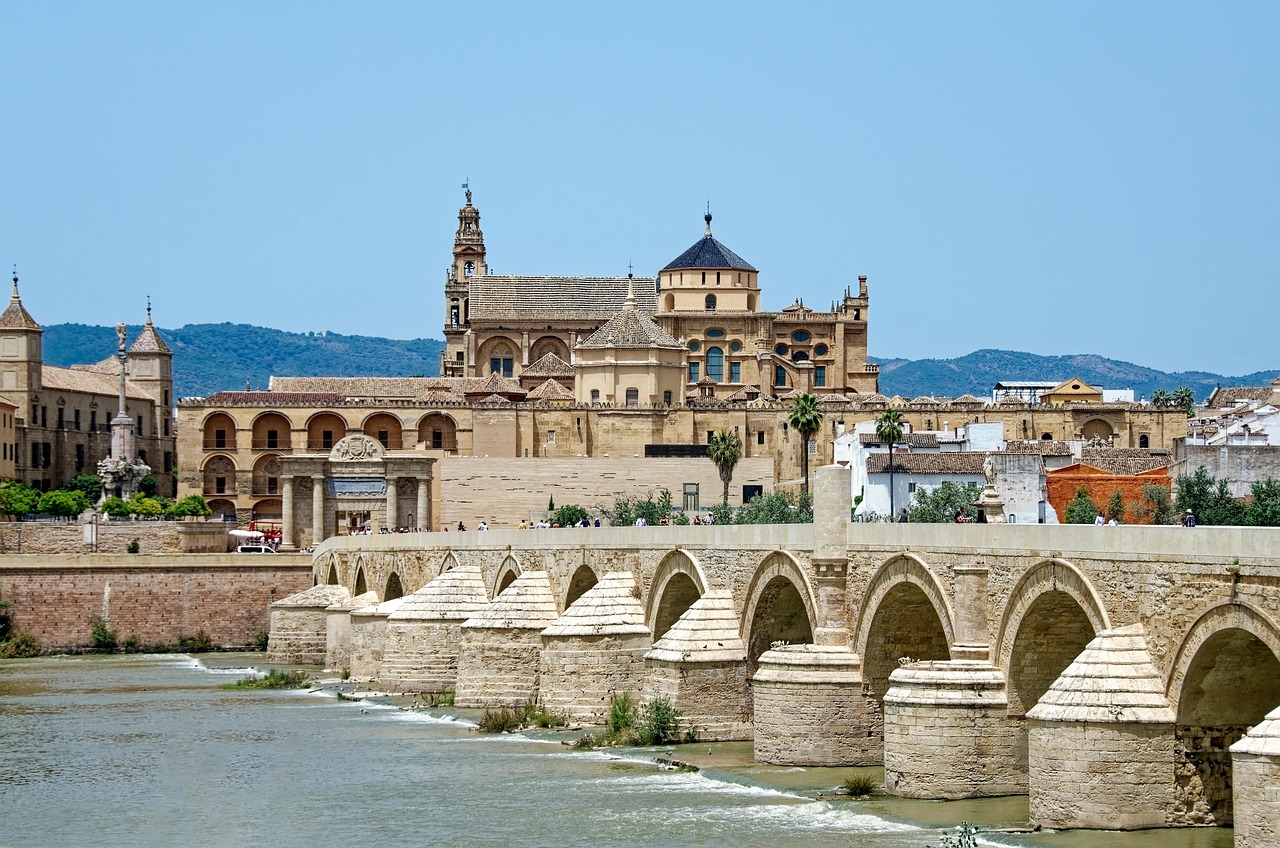
Walk from the Mezquita down toward the river, and you’ll hit one of Córdoba’s most photogenic spots: the Roman Bridge (Puente Romano). The stone arches, the slow-moving Guadalquivir, and the skyline of the Mezquita behind you make for postcard-perfect views.
I like to walk all the way across to the Calahorra Tower, turning back often to watch how the city changes angle. In the late afternoon, the light gets softer and the bridge glows golden. Families stroll, street musicians play, and the city feels wonderfully alive.
Inside the Calahorra Tower, a small museum explores the city’s history of coexistence between Muslims, Jews, and Christians. The exhibits are simple but meaningful, and the rooftop views are another bonus.
Evening: Sunset & First Night in Córdoba
If you’re visiting in warmer months, I recommend circling back along the riverfront promenade (Ribera). On one of my stays, I sat on a low wall here with a takeaway ice cream, just watching the sky shift from pink to deep blue over the Mezquita. It’s quietly romantic – perfect if you’re planning a couple’s trip.
Dinner-wise, your first night is a good time to try a traditional taberna in the historic center. Order small tapas so you can sample:
- Rabo de toro (oxtail stew) – rich and comforting.
- Berenjenas con miel – fried eggplant drizzled with honey or molasses.
- Local cheeses from the surrounding Sierra.
After dinner, wander the narrow lanes of the Judería under the lantern light. The tourist groups have mostly vanished, and you’ll share the streets with locals heading home or meeting friends for a late drink.
Day 2: Patios, the Jewish Quarter & Living History
On my second morning, I woke up to the muffled sound of church bells and the smell of coffee drifting up from the bar below my window. Day 2 is all about Córdoba’s intimate side: patios, tiny streets, and the layered history of the Jewish Quarter.
Morning: Patios of San Basilio
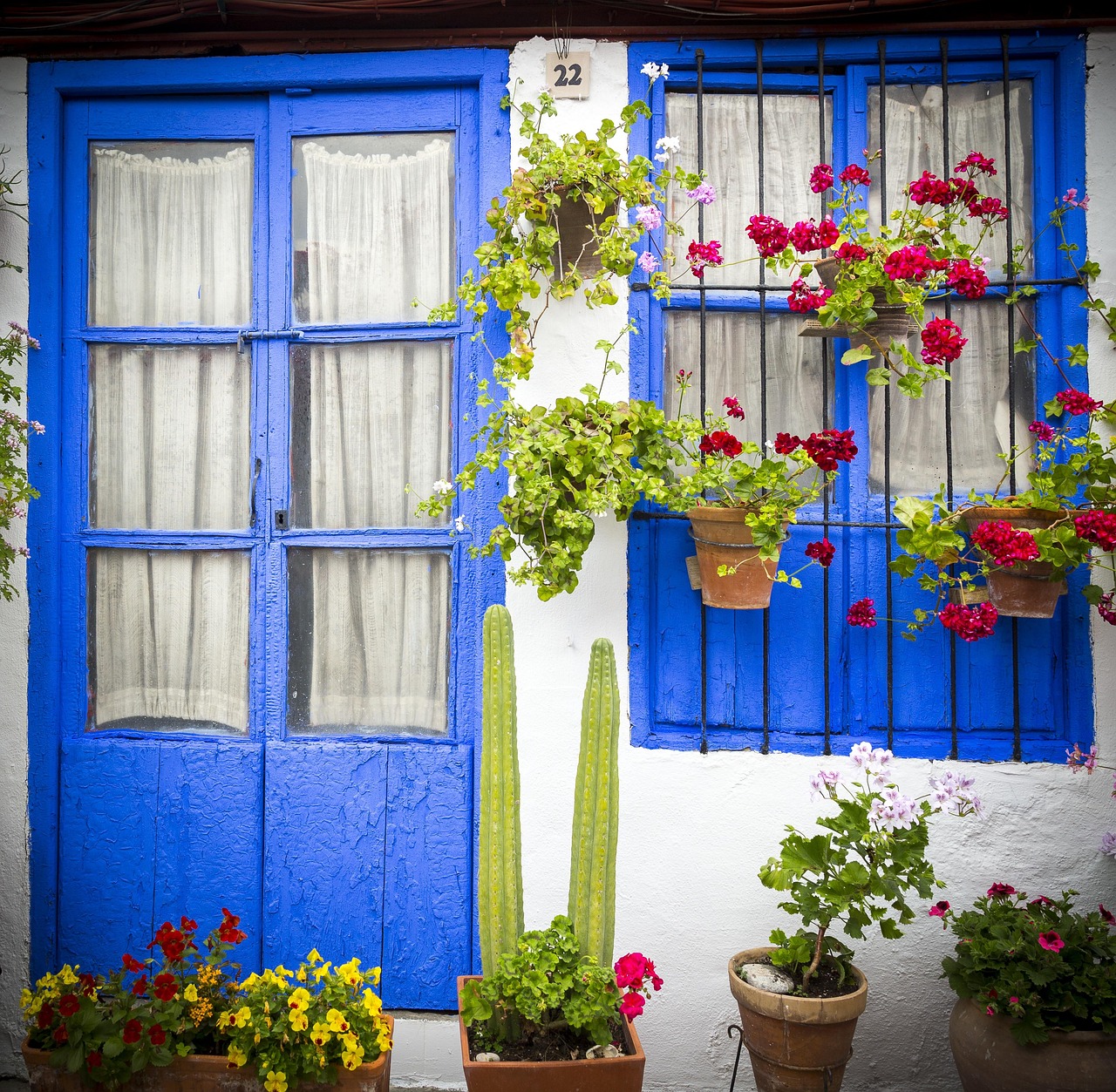
Córdoba’s patios are legendary. Every May, the Festival de los Patios opens private courtyards to the public, but you can visit some patios year-round in the San Basilio neighborhood, just a short walk from the Mezquita.
On my first patio tour, I joined a small group with a local guide who actually grew up in one of these flower-filled houses. She explained how neighbors still compete each year for the most beautiful patio, carefully tending geraniums, jasmine, and bougainvillea in a dazzling array of colors.
Practical tips:
- Timing: Go in the morning before it gets too hot, especially in summer.
- Etiquette: Speak softly; you are stepping into someone’s home, not a museum.
- Photos: Always ask before photographing people, especially older residents who may be resting or working.
Late Morning: Calleja de las Flores & Judería
From San Basilio, meander back toward the Judería (Jewish Quarter). Make a quick stop at Calleja de las Flores, one of Córdoba’s most photographed lanes: a narrow alley framed by potted flowers, with a perfect view of the Mezquita’s tower at the end.
It’s crowded in mid-day, but if you’re patient, you can still catch quiet moments. I like to slip in early or late; once, I was there just after sunrise and had it almost to myself, the only sound the clack of a distant shutter opening.
Synagogue & Casa de Sefarad
Córdoba’s medieval synagogue is small but deeply atmospheric – one of only three preserved from that era in Spain. Carved Hebrew inscriptions and delicate plasterwork survive on the walls. I lingered here longer than I expected, thinking about how many lives passed through such a tiny space.
Just around the corner, Casa de Sefarad is a small museum dedicated to Sephardic Jewish culture. It’s one of my favorite “hidden gems in Córdoba” and a must for anyone interested in history and identity. Exhibits highlight music, poetry, and daily life, and the staff are passionate about sharing stories.
Lunch: Judería Tapas or Courtyard Meal
By now, you’ll be hungry again. The Judería is full of eateries; some are overpriced, but there are still honest, good-value places if you wander a bit off the main paths. Look for places with more Spanish than English on the menu and locals at the bar.
Try:
- Salmorejo again (you’ll miss it when you leave).
- Tortilla (Spanish omelet) served warm and slightly gooey inside.
- A simple ensalada de naranja – orange salad with cod or olives, refreshing on hot days.
Afternoon: Casa Andalusí & Archaeological Museum
In the afternoon, dive into Córdoba’s layered past. Casa Andalusí is a reconstructed Andalusi house with a tranquil courtyard, traditional decor, and a small exhibit on an early paper factory. It’s more atmospheric than scholarly, but I love it for its quiet corners and cool shade.
If you’re a museum person (I am), head next to the Archaeological Museum of Córdoba. Built partly over a Roman theater, it’s a treasure trove of artifacts from Iberian, Roman, and Islamic periods. I remember standing over the glass floor, peering down at ancient stones where performers once stood.
Evening: Flamenco in Córdoba
Córdoba’s flamenco scene is less famous than Seville’s but can be more intimate and authentic. On one visit, I booked a small tablao (flamenco venue) inside a historic courtyard. The guitarist’s fingers blurred, the singer’s voice was raw and powerful, and the dancer’s heels hammered out rhythms that felt like a heartbeat. I left buzzing with adrenaline.
Look for shows with limited seating and live music; avoid places promising “free flamenco” bundled with very expensive drinks. Paying a fair price supports the artists and usually means a much better experience.
Day 3: Medina Azahara & Riverside Chill
Your third day is perfect for exploring beyond the city walls. When I think of Córdoba’s golden age, I think of Medina Azahara, the ruined palace-city built by Caliph Abd al-Rahman III in the 10th century.
Morning: Medina Azahara (Madinat al-Zahra)
The archaeological site lies about 8 km from Córdoba. You can reach it by:
- Official tourist bus: Usually running several times per day from near the main bus station or Avenida de la Victoria.
- Taxi or rideshare: More flexible and not too expensive if shared.
- Guided tour: Easiest if you want explanations and logistics handled.
Start at the modern visitor center and museum, which does an excellent job of explaining the site before you see it. Then take the shuttle up to the ruins themselves.
Walking through Medina Azahara is like wandering through a stone dream. You’ll pass through monumental gates, courtyards, and the remains of reception halls that once dazzled ambassadors with their luxury. I remember standing near the so-called “Salón Rico” (Rich Hall), trying to imagine it decked out in carved marble, ivory, and gold.
Wear a hat, sunscreen, and comfortable shoes; there’s little shade, and it can be brutally hot in summer. Bring water, even in spring and autumn.
Afternoon: Return to Córdoba & Siesta Time
By early afternoon you’ll be back in Córdoba. This is a good time to embrace the Spanish rhythm and rest. Shops often close for a few hours in the mid-afternoon, and the streets grow quieter. I like to retreat to my room or a cool café with Wi-Fi, write some notes, and recharge.
Late Afternoon: River Walk & Roman Temple
Later, wander toward the modern center to see the Roman Temple ruins tucked between newer buildings. It’s not a huge site, but it’s a nice reminder of Córdoba’s ancient Roman roots.
Then slip back down to the river. I like the stretch near the Balcón del Guadalquivir, where you can sit, watch joggers and dog walkers, and feel everyday Córdoba rather than just the touristic heart.
Evening: Casual Tapas & Night Photography
For dinner, try a more modern gastro-tapas bar, where chefs reimagine traditional dishes. On my last visit, I had a deconstructed salmorejo in a glass with crunchy jamón shards and a tiny quail egg – playful yet rooted in local flavors.
If you enjoy photography, this is a perfect night to revisit the Roman Bridge and Mezquita. The buildings are beautifully lit, and the reflections in the river are magical.
Day 4: Markets, Local Neighborhoods & Contemporary Córdoba
If you have 4 days in Córdoba, day four lets you go deeper into local life. This is where your trip stops being just sightseeing and starts feeling like a brief life in another city.
Morning: Mercado de la Corredera & Plaza de la Corredera
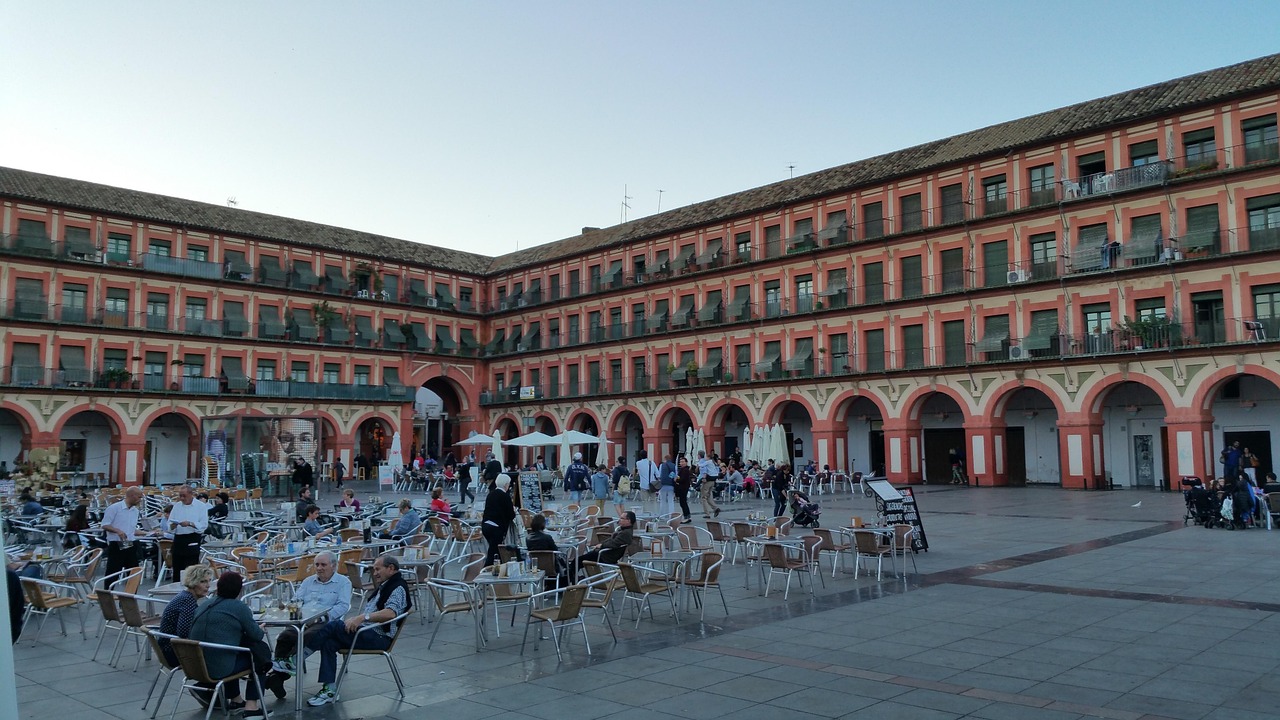
Start at the Plaza de la Corredera, Córdoba’s grand arcaded square, reminiscent of Madrid’s Plaza Mayor but more laid-back. In the mornings, locals shop at the market and sit at café tables with churros and coffee.
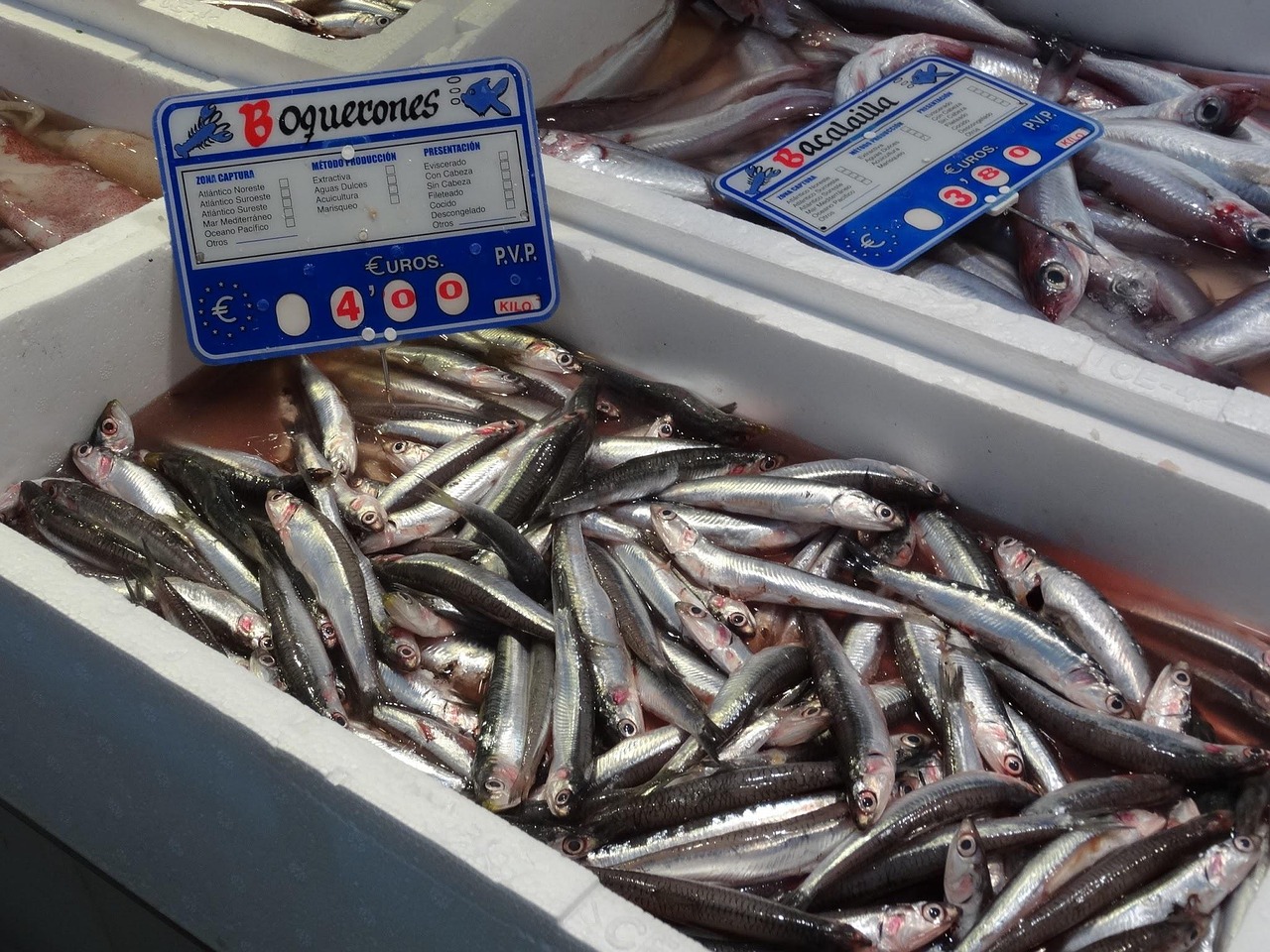
Step inside the Mercado de la Corredera (or another local market if this one is closed for renovation – check up-to-date info in 2026). You’ll find stands overflowing with olives, cured meats, cheeses, seasonal fruits, and fresh fish. It’s a great spot to pick up picnic supplies if you’re on a budget.
Late Morning: Palacio de Viana
If you’re obsessed with patios, Palacio de Viana is non-negotiable. This noble house turned museum has twelve different patios, each with its own personality – from leafy, shaded corners to bright flower walls. I spent nearly three hours here on my last visit, slowly wandering, sitting on benches, and watching dappled sunlight dance across stone floors.
Inside the palace, rooms showcase period furniture, tapestries, and artwork. It’s a lovely blend of architecture, design, and garden art.
Lunch: Local Bar in Santa Marina or San Lorenzo
Nearby, the neighborhoods of Santa Marina and San Lorenzo feel residential and real, with fewer souvenir shops and more kids playing in squares. I like to duck into a small bar, order a beer or tinto de verano (red wine with soda), and pick a few tapas from the chalkboard menu.
Afternoon: Street Art & Contemporary Culture
Córdoba isn’t just about the past; there’s a growing street art and creative scene, especially in newer neighborhoods. Join a street art walk or simply explore areas like the surroundings of the Victoria Market and certain underpasses where murals bloom on concrete.
For a dose of contemporary culture, check what’s on at local cultural centers and galleries. In 2026, Córdoba continues hosting photography exhibitions, design fairs, and small indie music events, especially outside the hottest summer months.
Evening: Rooftop Drinks & Nightlife
By your fourth night, you may crave a different perspective. Some hotels and bars near the center have rooftop terraces open to non-guests. Sipping a drink as you watch the sun set behind the Mezquita’s tower is a fantastic way to say goodnight to the city.
Nightlife in Córdoba is more low-key than in Madrid, but there are plenty of lively bars along Calle de la Feria, in the Centro district, and near the river. Thursdays to Saturdays are the busiest; people go out late, often starting around 10–11 p.m.
Day 5: Slow Córdoba, Parks & Optional Day Trips
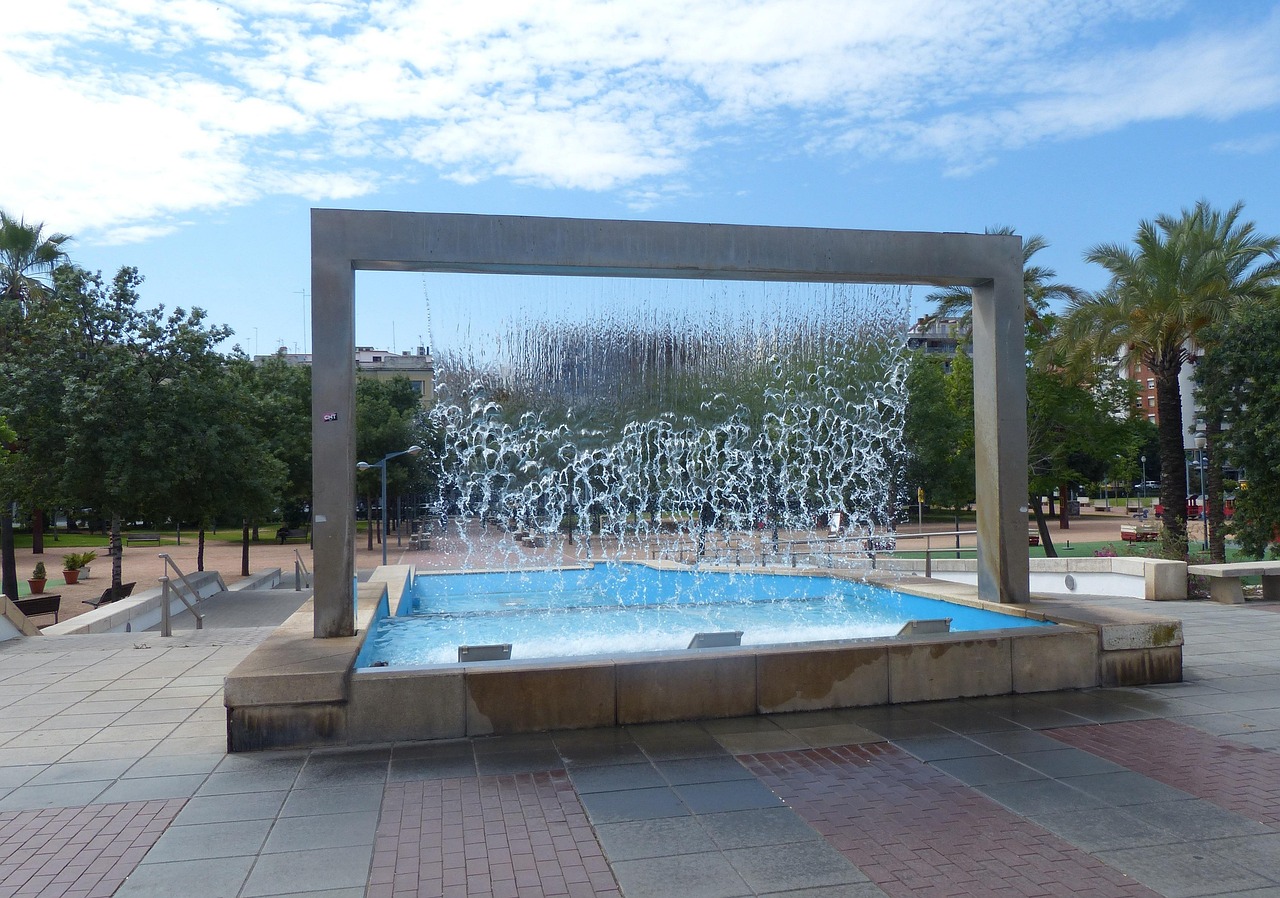
If you’re lucky enough to have 5 days in Córdoba, your final day can be as slow or as adventurous as you like. I often use this day to revisit my favorite spots, explore a new park, or take one more short excursion.
Option 1: Slow Day in the City
For a relaxed final day:
- Start with a lazy breakfast of tostada con tomate (toast with tomato) and olive oil in a neighborhood café.
- Stroll through the Jardines de la Victoria and Jardines del Duque de Rivas, leafy parks that locals use as their urban living rooms.
- Pop into any smaller churches you haven’t yet seen – many hide beautiful altarpieces and quiet chapels.
- Return to your favorite patio or square with a book or journal and simply sit.
Option 2: Sierra Morena Countryside
If you’re more outdoorsy, consider a half-day trip to the Sierra Morena hills north of Córdoba. There are marked hiking routes, small white villages, and viewpoints over olive groves that seem to stretch forever. In spring, the countryside is green and dotted with wildflowers; in autumn, the light is soft and golden.
Option 3: Another Historic Day Trip
Some travelers use this day to hop on the train to Seville or Málaga for a quick taste if they haven’t already visited, or to explore smaller towns in the province. I’ll share more under the Day Trips section below.
Final Evening: Farewell Walk & Favorite Dish
Whatever you do during the day, try to spend your final evening revisiting the place in Córdoba that moved you most – the Mezquita at night, a quiet patio, the Roman Bridge, or maybe just a corner bar where the bartender already knows your order.
On my last night of a recent trip, I sat in a tiny taberna with a plate of salmorejo and a glass of Montilla, listening to low conversation around me and thinking: I’ll be back.
20+ Must-See Attractions & Hidden Gems in Córdoba
Below are the key places that shape any travel guide for Córdoba – from the must-see attractions to lesser-known spots that give the city its soul. I’ll group them but treat each as its own mini-story so you can decide what to add to your own 3, 4, or 5 day itinerary.
1. Mezquita-Catedral de Córdoba
The Mezquita is the beating heart of Córdoba, architecturally and emotionally. Construction of the mosque began in 785 under Abd al-Rahman I, expanding over the centuries into one of the largest mosques in the Islamic world. After the Christian conquest in 1236, the building was converted into a cathedral, with a Renaissance nave later inserted into the center.
On my third visit, I deliberately entered without a camera, just a small notebook. I sat near one of the columns and scribbled notes on the interplay of shadows and stripes, the way footsteps echoed softly, and the shifting scent of incense. Each time I come, I notice something new – a carved detail, a quiet side chapel, a different play of light.
Good for: Everyone. Families (kids are usually awed), couples, solo travelers, history lovers.
Tip: If your budget allows, join at least one guided visit – either a general history tour or a more specialized one on Islamic art. It will color your entire experience of Córdoba.
2. Roman Bridge (Puente Romano)
Originally built in the 1st century BC and repeatedly rebuilt and restored, the Roman Bridge connects the historic center with the Calahorra Tower. For me, it’s the city’s best open-air stage: mornings are for joggers and commuters; afternoons for strolling tourists; nights for musicians and couples leaning on the parapet, watching the water.
One of my favorite Córdoba memories is crossing the bridge just as a street musician began playing guitar. The Mezquita glowed behind him, birds wheeled overhead, and for a few minutes everyone slowed down to listen.
3. Calahorra Tower (Torre de la Calahorra)
This fortified gate-tower once guarded the city and now houses a museum focused on Córdoba’s cultures of the past. I remember climbing the narrow stone stairs and emerging onto the rooftop terrace, where the city unfurled in a 360-degree panorama: old rooftops, the curve of the river, the straight line of the Roman Bridge.
It’s a great spot for families; the exhibits are bite-sized enough not to overwhelm kids, and the views are a fun reward for climbing the stairs.
4. Judería (Jewish Quarter)
The Judería is a maze of narrow lanes, whitewashed houses, and flowerpots hanging from iron balconies. It’s undeniably touristy in parts, with souvenir shops and ice cream stands, but get off the main arteries and you’ll still find quiet corners where the past feels close.
On one late-night walk, I got mildly lost here (the good kind of lost) and ended up in a silent little square lit by a single lamp. A cat watched me from a doorway; somewhere a TV murmured behind shutters. It felt like stepping into a painting.
5. Córdoba Synagogue
This tiny 14th-century synagogue is one of the few remaining in Spain from before the expulsion of the Jews in 1492. Its stucco walls, with delicate geometric and vegetal motifs and Hebrew inscriptions, whisper of a vanished community.
It’s a quick visit – 15–20 minutes – but historically powerful. I always encourage people to read a bit about Sephardic history beforehand; it makes the space resonate much more.
6. Casa de Sefarad
Just steps from the synagogue, this small museum explores Sephardic Jewish culture through music, literature, and everyday life. On my first visit, I was moved by the exhibits on women’s stories and by the haunting Sephardic songs playing softly in one of the rooms.
Staff members are often happy to answer questions and share deeper context. This is one of Córdoba’s most meaningful cultural experiences if you care about identity and memory.
7. Medina Azahara (Madinat al-Zahra)
The ruined palace-city of Medina Azahara is one of the best places to grasp Córdoba’s former grandeur. Built in the 10th century under Abd al-Rahman III, it was both a political symbol and a functioning city. It was largely destroyed in the 11th century and then forgotten for centuries under fields and olive groves.
Walking its terraces, you’ll see reconstructed arches, carved capitals, and the footprints of vast reception halls. I always recommend combining the site with the on-site museum for full context.
8. Palacio de Viana
Palacio de Viana is a dream for patio lovers. Each courtyard has its own mood: one shaded by orange trees, another dominated by a central fountain, another thick with vines and potted plants. On my last visit, I watched an elderly couple slowly circling one of the patios, pointing out favorite flowers to each other. It felt like a living love letter to Córdoba’s patio culture.
Inside, the palace rooms offer a glimpse into aristocratic life: ornate ceilings, historical tapestries, and a library that made me want to curl up with a book.
9. Alcázar de los Reyes Cristianos
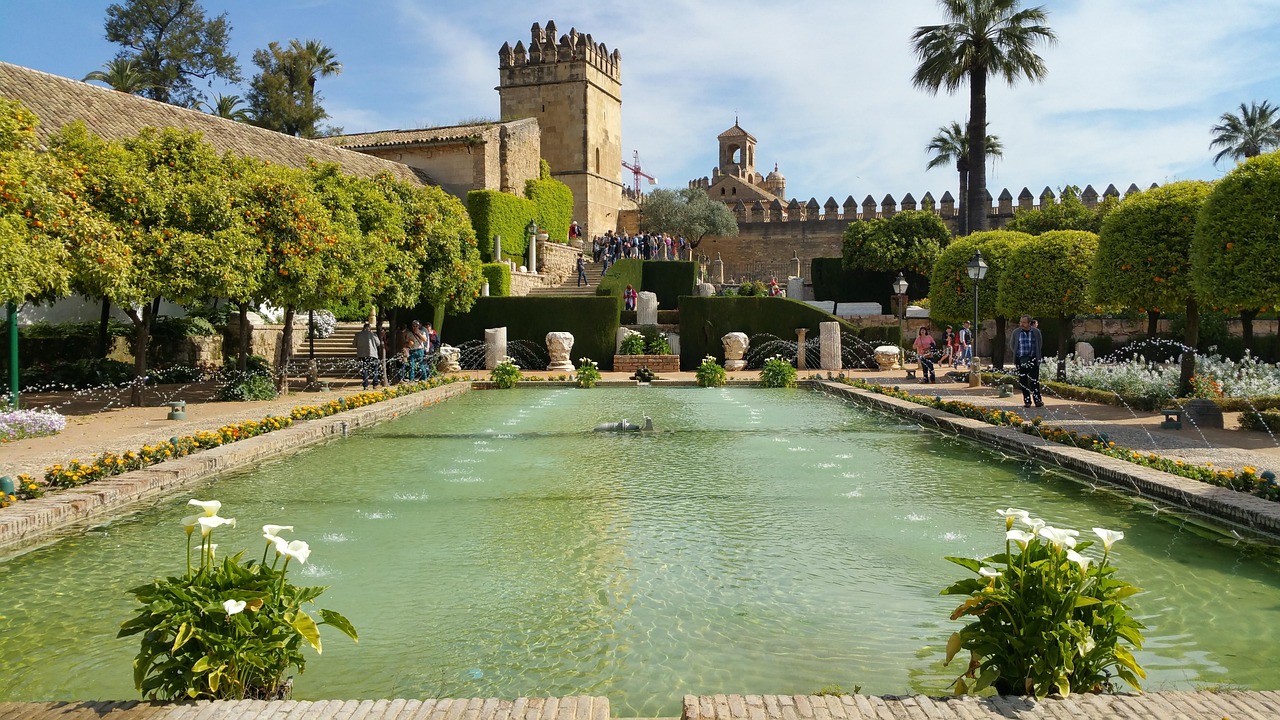
This fortress-palace was a residence of the Catholic Monarchs and also served as headquarters for the Inquisition. Today, visitors come for its towers and its gardens: rectangular pools reflecting cypress trees and fountains, flowerbeds in geometric patterns, and long walks lined with hedges.
I like to climb the towers first for views over the city, then wander the gardens slowly. Families love this spot; kids can run a bit, and there are plenty of benches for tired legs.
10. Plaza de la Corredera
This large, rectangular, arcaded square feels like a stage set. In the mornings, locals shop or read the newspaper at café tables; in the evenings, it fills with chatter as people meet for drinks. It’s a great place to feel Córdoba’s everyday rhythm.
On a chilly winter afternoon, I once spent two hours here with a friend over hot chocolate and churros, watching life go by. The square changed character every half-hour with the light.
11. Plaza del Potro
Smaller and more intimate than Corredera, Plaza del Potro is home to the Museum of Fine Arts and the Julio Romero de Torres Museum. A graceful fountain with a foal (potro) stands at the center.
Literature lovers will appreciate that Cervantes mentioned this square in “Don Quixote.” I love coming here in the late afternoon, when the light softens and the buildings glow.
12. Patios of San Basilio
San Basilio’s patios are some of the most charming in the city. They’re lived-in, not staged; you’ll see laundry lines, children’s toys, and signs of everyday life among the flowers.
On one visit, a patio owner proudly showed me the well at the center of her courtyard, explaining how crucial water used to be as both life source and cooling element. Her hands moved lovingly over the old stones as she spoke.
13. Palacio de la Merced
This former convent is now the seat of the provincial government. Its baroque façade and central cloister are worth a quick visit, especially if you’re already exploring the modern center. Occasionally, it hosts cultural events and exhibitions – check local listings in 2026.
14. Roman Temple of Córdoba
The remains of a Roman temple stand somewhat unexpectedly between modern buildings, a small cluster of columns whispering of imperial days. It’s not a full-blown archaeological park, but as you pass by, it offers a nice visual reminder of how long people have lived and built here.
15. Archaeological Museum of Córdoba
This museum gathers artifacts from the city’s Iberian, Roman, Visigothic, and Islamic past. Highlights include mosaics, sculptures, and the remains of a Roman theater visible beneath the building.
I like to pair a visit here with the Mezquita, to see both grand architecture and the smaller objects of daily life that filled the city.
16. Palacio de Orive & Jardines de Orive
Palacio de Orive is a Renaissance building next to a peaceful garden that many visitors miss. Locals use the Jardines de Orive as a quiet place to read or chat. I stumbled on this spot by accident once when cutting through side streets and ended up staying longer than planned, just enjoying the calm.
17. Mercado Victoria
Mercado Victoria is a modern gourmet food market housed in a cast-iron pavilion in the Jardines de la Victoria. Inside, stalls sell everything from traditional tapas to sushi, burgers, and craft beer.
It’s a fun, casual place to eat, especially if you’re traveling with a group that can’t decide on one cuisine. I once spent a rainy evening here hopping between counters with friends, sharing little plates from three different kitchens.
18. Fine Arts Museum & Julio Romero de Torres Museum
Art lovers shouldn’t miss the Museo de Bellas Artes (Fine Arts Museum) and the adjacent Julio Romero de Torres Museum on Plaza del Potro. The former showcases Spanish painting and sculpture, while the latter focuses on Córdoba-born painter Julio Romero de Torres, known for his sensual, symbolic depictions of Andalusian women.
On a quiet weekday afternoon, I found myself alone in one of the rooms, surrounded by portraits whose eyes seemed to follow me. It was unexpectedly intense.
19. Churches of San Lorenzo & Santa Marina
These Romanesque-Gothic churches, a bit away from the tourist core, are part of what makes Córdoba feel lived-in and layered. Their façades and towers quietly dominate their respective squares, and the interiors house beautiful altarpieces and chapels.
Visiting them gives you an excuse to wander through authentic neighborhoods, where you’ll see more laundry on balconies than souvenir stands.
20. Parks & Riverfront (Jardines de la Victoria, Balcón del Guadalquivir)
Córdoba’s green spaces are underrated. The Jardines de la Victoria and nearby parks provide shade and benches, ideal for a picnic if you’ve shopped at a market. Along the river, the Balcón del Guadalquivir offers wide paths, viewpoints, and space to breathe.
When you’ve spent hours in narrow lanes and courtyards, a little open sky goes a long way.
Neighborhoods & Areas to Explore in Córdoba
Centro Histórico & Judería
This is where most first-time visitors stay, and with good reason. You’re within walking distance of the Mezquita, Roman Bridge, and main squares. Accommodation ranges from tiny guesthouses in old mansions to higher-end boutique hotels with patios.
Best for: Short stays (3 days in Córdoba), first-timers, romantic trips.
San Basilio
Just west of the Mezquita, San Basilio is patio central. Streets are quieter at night than the main historic core, and you’ll see more local life. Some family-run guesthouses here feel almost like staying with relatives (in the best way).
Santa Marina & San Lorenzo
North of the center, these neighborhoods offer a laid-back, residential vibe with solid local bars, bakeries, and small shops. You’ll walk a bit more to get to the Mezquita (15–20 minutes), but you’ll save money and gain authenticity.
Centro Comercial / Modern Center
Around the main shopping streets and boulevards, you’ll find mid-range hotels, chain stores, and everyday services. It’s less charming but convenient, and still within walking distance of the old town.
Ribera & Riverside Areas
Close to the Guadalquivir, some renovated buildings and newer hotels overlook the water. It’s a nice area if you like morning runs or evening walks by the river.
Local Food & Drink in Córdoba
Eating well in Córdoba isn’t hard; resisting a siesta afterwards is. The local cuisine is hearty, flavorful, and deeply tied to the land around it.
Must-Try Dishes
- Salmorejo cordobés: Thick, creamy cold tomato soup with bread, garlic, olive oil, jamón, and egg. I crave it months after I leave.
- Flamenquín: Pork loin rolled with ham, breaded and fried. Often served sliced into rounds.
- Rabo de toro: Slow-cooked oxtail stew, rich and gelatinous in the best way.
- Berenjenas con miel: Fried eggplant drizzled with honey or sugarcane syrup.
- Gazpacho: Lighter than salmorejo, perfect in peak summer.
- Mazamorra: An older, almond-based cold soup, sometimes served as a dessert-like dish.
Drinks
- Montilla-Moriles wines: Fortified wines from nearby vineyards, ranging from dry to sweet.
- Tinto de verano: Red wine with soda, lighter and more refreshing than sangría.
- Local craft beers: Growing in popularity; look for bars with rotating taps.
Where to Eat (Types of Places)
Rather than fixating on specific restaurant names that can change by 2026, focus on types:
- Traditional tabernas: Around the Mezquita, Judería, and San Basilio. Stand at the bar for cheaper prices and a more local feel.
- Modern gastro-bars: In the Centro and near Mercado Victoria, combining local ingredients with creative twists.
- Markets: Pick up picnic supplies at Mercado de la Corredera or Mercado Victoria to save money.
Money-Saving Food Tips
- Look for menú del día at lunchtime – often the best value.
- Tap water in Córdoba is safe; ask for agua del grifo if you want to avoid bottled.
- Stand at the bar instead of taking a table if you’re on a tight budget – prices can be lower.
Nightlife, Entertainment & Cultural Experiences
Córdoba’s nightlife is more about conversation than clubbing, though you can find late spots if you look.
Evening & Nightlife Zones
- Historic center: Tapas bars, wine bars, and small flamenco venues.
- Calle de la Feria & surroundings: Young, lively, especially Thursday–Saturday nights.
- Riverside: Seasonal terraces and bars with views.
Cultural Experiences
- Flamenco performances: Choose intimate venues with live music and limited seating.
- Patio visits: Especially during the May festival, but some are open year-round.
- Local festivals: From Holy Week processions to neighborhood ferias – see below.
What’s New in 2026–2027: Events & Festivals in Córdoba
Córdoba’s calendar is dense with events, many of which shape how you’ll experience the city.
Major Annual Events (Expected 2026–2027)
- Semana Santa (Holy Week): March/April – solemn processions with floats, music, and incense. Crowds and higher prices, but unforgettable.
- Fiesta de los Patios: Early–mid May – private patios open to visitors; the city smells of flowers and orange blossom.
- Feria de Córdoba: Late May – funfair, casetas (marquees) with music and dancing, traditional dress, and late nights.
- Guitar Festival of Córdoba: Usually July – concerts featuring classical, flamenco, and contemporary guitarists.
In 2026 and 2027, look for continued investment in cultural programming tied to Córdoba’s UNESCO heritage, including special exhibitions at Medina Azahara and the Mezquita, as well as digital guides and night-time light shows (subject to local programming decisions each year).
Best Day Trips from Córdoba
Medina Azahara
Covered in depth above, but worth repeating: if you have more than 2 days in Córdoba, add Medina Azahara to your itinerary.
Sierra Morena Villages
Head north into the hills for hiking, birdwatching, and whitewashed villages. A rental car makes this easier, though some guided tours and buses exist.
Montilla-Moriles Wine Region
Visit wineries, learn about local fortified wines, and enjoy long lunches overlooking vineyards. Great for couples and foodies.
Other Cities by Train
Córdoba’s AVE connections make it feasible to sample other Andalusian cities in a day if you’re based here:
- Seville: About 45 minutes by high-speed train.
- Málaga: Around 50 minutes to 1 hour.
- Granada: Longer and less direct, but possible for determined travelers.
Cultural Etiquette & Local Customs in Córdoba
Córdoba is welcoming and relaxed, but a few local customs will help you blend in and show respect.
Daily Rhythm
- Late meals: Lunch from 2–4 p.m., dinner after 9 p.m. Don’t be surprised if places are quiet earlier.
- Siesta hours: Many small shops close mid-afternoon, especially in summer.
Greetings & Manners
- A simple hola or buenas when entering a shop or café is appreciated.
- People are generally friendly but not overly effusive with strangers; follow their lead.
- Queueing is mostly respected, though lines can be a bit looser than in northern Europe.
Religious Sites
- Dress modestly in churches and the Mezquita; shoulders and midriffs covered, no very short shorts.
- Keep voices low, especially during services.
- Flash photography may be banned; follow posted rules.
Tipping
- Tipping isn’t mandatory but appreciated. Round up small bills or leave 5–10% in restaurants with table service if you’re happy.
- For taxi drivers, rounding up is enough unless they’ve helped with luggage or waited for you.
Practical Travel Advice for Córdoba (2026)
Getting To & Around Córdoba
Córdoba is well-connected by train and road.
Arriving by Train
The high-speed AVE connects Córdoba to Madrid, Seville, and Málaga. The station is about a 20–25 minute walk or short taxi/bus ride from the historic center.
Public Transport
- Buses: City buses connect neighborhoods, but most visitors walk everywhere in the center.
- Taxis & ride-hailing: Widely available, safe, and metered.
Walking & Biking
Córdoba is extremely walkable. The historic center is compact, and much of it is pedestrian. Biking is possible, with some dedicated lanes; check for updated bike-share schemes in 2026.
Car Rental & Driving
You don’t need a car in Córdoba itself, and driving in the old town is stressful due to narrow one-way streets and restricted access. Rent a car only if you plan countryside or multi-city excursions.
Foreign driver’s licenses: Most non-EU visitors can drive with their home license plus an International Driving Permit (IDP); check current Spanish regulations before your trip.
SIM Cards & Connectivity (2026)
- eSIMs: By 2026, most travelers use eSIMs purchased online before arrival – easy and often cheaper.
- Physical SIMs: Available at mobile shops in the modern center; bring passport or ID.
- Wi-Fi is common in hotels, many cafés, and some public spaces.
Money & Costs
- Currency is the euro (€).
- Cards widely accepted, but small cash is handy in markets and very small bars.
- Compared to Madrid or Barcelona, Córdoba is relatively budget-friendly, especially if you eat where locals do.
Visas & Entry
Spain is part of the Schengen Area. Visa requirements depend on your nationality:
- EU/EEA and many other passport holders can enter visa-free for short stays; others need a Schengen visa.
- From 2025–2026, the EU’s ETIAS travel authorization system is expected to be in effect for some visa-exempt nationals; check the latest regulations well before travel.
Always verify current entry rules with official government sources before your trip, as policies can change.
Safety
Córdoba is generally very safe. Usual precautions apply:
- Watch your bag in crowded areas (Roman Bridge, festivals).
- Use common sense at night; stick to lit, populated streets.
Weather & Best Seasons
- Spring (March–May): Ideal. Patios in bloom, pleasant temperatures, many festivals.
- Summer (June–August): Very hot, often over 40°C (104°F) in July–August. Plan sightseeing early/late, rest midday.
- Autumn (September–November): Another great time; warm days, cooler nights.
- Winter (December–February): Mild to cool, quieter, with some rainy days; fewer crowds and lower prices.
For a 3 day itinerary for Córdoba focused on patios and festivals, aim for early–mid May. For a quieter 4 or 5 day itinerary for Córdoba with comfortable walking weather, consider late March–April or October.
Hidden Tips to Make the Most of Your Trip
- Start early: Visit the Mezquita, Roman Bridge, and patios first thing to beat crowds and heat.
- Embrace the late schedule: Plan big lunches, light late dinners, and accept that some hours in the afternoon are for rest.
- Stay central for short visits: If you only have 3 days in Córdoba, book a place in or near the historic center to maximize time.
- Talk to locals: Ask your host or bartender where they eat; you’ll find better food and better prices.
- Pack light: Cobblestone streets and narrow staircases make big suitcases a hassle.
Summary & Final Recommendations
Córdoba is a city that rewards both the quick visit and the slow stay. If you’re planning 3 days in Córdoba, focus on the Mezquita, Roman Bridge, Judería, Medina Azahara, and a taste of patio culture. With 4 days in Córdoba, add neighborhoods, markets, and museums. With 5 days in Córdoba, you can slow down, add countryside, and start to feel like a temporary local.
Among all the things to do in Córdoba – from must-see attractions like the Mezquita to hidden gems like Casa de Sefarad or a random patio in San Basilio – the real magic lies in the spaces between: the quiet streets at night, the bar where you become a regular in three days, the moment you realize you’ve adjusted to the city’s rhythm.
Best seasons to visit Córdoba:
- Best overall: April–early June, late September–October.
- For patios & festivals: May (expect crowds and higher prices).
- For budget & calm: Winter months, excluding Christmas and Easter.
Whether you’re crafting a 3 day itinerary for Córdoba, stretching it to 4 days, or indulging in a full 5 day itinerary, come with comfortable shoes, an open schedule, and a willingness to wander. Let the city’s courtyards, arches, and orange trees do the rest.